

Image of 1935 Chrysler Airflow, Note: These illustrations use artistic license and may differ from actual historical models.
Performance Metrics
Fundamental Metrics
Emotional Appeal
MMP Rating
| Engine Specifications | |
|---|---|
| Engine: | Straight-8 |
| Displacement: | 323.5 cu in (5.3 L) |
| Horsepower: | 115-122 hp |
| Torque: | Not available |
| Compression Ratio: | 6.5:1 |
| Ignition System: | Battery and coil |
| Cooling System: | Water |
| Performance Specifications | |
| 0-60 Time: | Not available |
| 1/4 Mile Time: | Not available |
| Top Speed: | 90 mph |
| Transmission and Drive | |
| Drive Type: | Rear-wheel drive |
| Transmission Type: | 3-speed manual |
| Fuel and Efficiency | |
| Fuel System Type: | Carburetor |
| MPG: | Not available |
| Dimensions and Brakes | |
| Brakes: | Hydraulic drum brakes |
| Wheelbase: | 128 in (3,251 mm) |
| Weight: | 3,700 lbs |
Note: Specifications for classic cars are given to the best of our ability, considering the limited and variant data available.
1935 Chrysler Airflow: The Streamliner Ahead of Its Time
The 1935 Chrysler Airflow looks less like a car from the middle of the 1930s and more like a machine that arrived from the future. Built by the Chrysler Corporation in Detroit, it was a bold attempt to make aerodynamic science, rather than familiar carriage-era styling, the starting point for a modern automobile. Its smooth body, enclosed wheels and forward-set passenger compartment made it one of the most radical American cars of its day.
The Airflow first appeared for the 1934 model year, following years of engineering and wind-tunnel work led by Chrysler’s “Three Musketeers”: engineers Fred Zeder, Owen Skelton and Carl Breer. The 1935 model brought revisions to the original design, but it kept the central idea intact: a car should slip through the air more efficiently and carry its occupants in a more thoughtfully arranged structure. One memorable piece of Airflow lore is Chrysler’s dramatic publicity demonstration in which an Airflow was reportedly pushed over a steep drop and shown afterward still running. The stunt made a vivid point about the car’s sturdy construction, even if it was no substitute for an everyday road test.
Streamlined Styling and Cabin Details
The 1935 Airflow’s rounded nose and curved body sides stand in sharp contrast to the upright grilles and separate-looking fenders common on many cars of the period. A broad, sculpted grille gives the front end its face, while the headlights sit neatly within the flowing front-fender forms. The hood, roof and rear body blend into one continuous profile. Even the rear fenders are shaped to soften the outline, giving the Airflow a clean, almost aircraft-inspired appearance.
Inside, the design was practical as well as striking. The passenger compartment was positioned farther forward than in many conventional cars, placing occupants between the axles rather than crowding them behind the rear wheels. The result was a roomy cabin with generous seating and a sense of space that suited the Airflow’s substantial body. Upholstery and trim varied by model and specification, with cloth and other period interior materials chosen for comfort and an appropriately upscale finish. A large steering wheel, clear instruments and broad windows made the cabin feel purposeful, though its controls and driving position remain distinctly prewar.
Factory paint choices varied by series and equipment, with period shades such as dark blue, green, maroon, gray and black among the kinds of colors associated with cars of the era. Exact availability depended on the model and market. Solid, rich colors tend to suit the Airflow’s sculptural body particularly well, while carefully chosen two-tone schemes can emphasize its long, flowing shape.
Airflow body styles differed across the Chrysler series and equipment levels. Buyers could find coupe and four-door sedan forms, with additional variations depending on the specific series. The four-door sedan is arguably the most recognizable expression of the design: its long roof and uninterrupted body sides make the car’s aerodynamic concept easy to appreciate. A buyer considering one today should check the exact body designation and chassis details, since Airflow names and specifications varied across Chrysler and DeSoto models.
Engineering That Challenged Convention
What set the Airflow apart was not simply its rounded styling. Chrysler’s engineers used wind-tunnel testing to shape a production car around airflow, an approach that was still unusual in the American market. The body was designed to reduce resistance, and the passenger compartment was moved forward to improve weight distribution and make better use of the car’s length. Its robust, extensively integrated body structure was another notable departure from the more traditional construction methods used by many rivals.
The Airflow also challenged the public’s idea of what a car was supposed to look like. Many buyers were accustomed to upright radiators, running boards and clearly separated fenders. The Chrysler’s smooth form looked unfamiliar, and its early sales did not match the ambition of its engineering. Chrysler revised the styling for 1935, but the Airflow never became a mass-market hit. That commercial struggle did not erase its influence: later generations of designers increasingly embraced streamlined bodies, wind-tunnel development and more integrated construction. The Airflow was an important early experiment in making those ideas visible on an ordinary showroom floor.
Engine, Speed and Road Manners
Engine specifications depended on the Airflow series. Chrysler offered six-cylinder and straight-eight power, with output and displacement varying by model. Period specifications commonly place the six-cylinder at about 241 cubic inches and roughly 93 horsepower, while the larger straight-eight versions offered more displacement and power. Exact figures should be checked against the car’s engine and series, especially on vehicles that have been modified or restored with replacement components.
Performance figures are best treated as estimates, since gearing, engine condition, body style and test methods all make a difference. A well-running example might reach a top speed in the neighborhood of 80 to 90 mph, while 0-to-60-mph acceleration could take roughly 20 to 25 seconds. That is respectable context for a large, comfortable prewar car, but it is not quick by modern standards. The Airflow was built for steady travel and smooth progress, not stoplight contests.
On the road, the Airflow’s long wheelbase and substantial mass help it settle over ordinary bumps. Its forward cabin placement gives passengers a different sense of motion than a conventional rear-set sedan, and the body feels composed at moderate speeds. On winding roads, expect deliberate steering and significant body roll compared with a modern car. Crosswinds can still affect a tall, broad-bodied vehicle, and vintage tires, brakes and suspension require a cautious pace.
The driving experience is a satisfying blend of mechanical presence and quiet progress by 1930s standards. The straight-six has a steady, workmanlike note; the straight-eight feels smoother and more refined. The driver works a large steering wheel and a traditional manual transmission, while the engine’s low-speed torque encourages relaxed shifting. The Airflow rewards anticipation: leave room for braking, plan gear changes early and enjoy the view rather than trying to drive it like a modern sports sedan.
Living With a 1935 Airflow
Today, most 1935 Airflows are used as show cars, touring cars and special-interest weekend drivers. A well-sorted example can take part in local rallies and vintage events, but the car’s age and the cost of maintaining its distinctive body make daily use uncommon. It is best suited to an owner who enjoys preservation, careful touring and conversations at fuel stops.
Routine mechanical work is within reach for an experienced classic-car hobbyist, particularly when the car retains its original equipment and a good supply of reference material is available. The bigger challenges are often locating Airflow-specific trim, body panels, glass and interior pieces, then finding a specialist who understands the car’s construction. Collision repairs and restoration of the unusual body can be more involved than work on a more conventional 1930s sedan. Before buying, inspect the structure carefully for rust or previous repairs, and verify that the engine, transmission, brakes and electrical system are complete and functional.
Reliability depends less on the Airflow’s reputation than on its individual condition. A properly maintained car can tour reliably at sensible speeds, but old wiring, cooling systems, fuel lines and brakes deserve close attention. Good parts research and a realistic maintenance budget matter more than simply choosing the most polished paintwork.
Airflow Trivia and Common Criticisms
The Airflow is often remembered as a landmark design that arrived before buyers were ready for it. Chrysler’s use of wind-tunnel testing helped turn aerodynamics into a subject that ordinary motorists could see, rather than an idea reserved for aircraft or racing. The car also became a useful case study in the risks of radical styling: engineering can be groundbreaking, but customer confidence and familiar appearances matter just as much in the showroom.
Common criticisms include the Airflow’s unconventional looks, its disappointing sales compared with Chrysler’s hopes, and the difficulty of restoring its specialized bodywork. Some people also assume that every Airflow was a poor seller or mechanically troublesome. The more accurate view is that the design divided opinion, while the ownership experience of surviving cars today depends heavily on condition, parts access and restoration quality. Production figures vary between references and between Chrysler and DeSoto models, but a reasonable estimate is that only several thousand Chrysler Airflows were built for 1935, making them uncommon without being impossibly rare.
Collector Values and Availability
Collector values depend strongly on body style, originality, restoration quality and mechanical condition. As a broad current-market estimate, a project or driver-quality 1935 Chrysler Airflow might sell for roughly $20,000 to $45,000. A carefully restored example could bring about $50,000 to $90,000 or more, with especially desirable or exceptional cars potentially exceeding that range. These are guide figures rather than guaranteed sale prices; provenance, market timing and the cost of needed work can change the final number substantially.
Airflows appear less often than mainstream prewar sedans, and buyers may need patience to find the right car. Values have generally benefited from the model’s design significance and growing appreciation for unusual prewar engineering, but they do not rise uniformly. Restoration costs can be high, so a finished car may not always command enough to repay every dollar spent. The strongest purchases are usually well-documented, structurally sound examples with correct components and a clear history.
Why the 1935 Airflow Still Matters
The 1935 Chrysler Airflow combined aerodynamic research, forward-thinking packaging and a daring body shape in a car that asked the public to rethink what an automobile could be. Its sales story was complicated, and restoring one takes commitment, but its influence is far greater than its production numbers suggest. More than a stylish survivor, the Airflow is a rolling reminder that the future of motoring has often been imagined first by the cars brave enough to look different.
1935 Chrysler Airflow Catalog of Parts
 1935 Chrysler Airflow Fender Skirt Lower Latch Bumper. Steel core. Pair-BC 49Fender Skirt Lower Latch Bumper. Steel core. Pair
 1935 Chrysler Airflow Fender Skirt Upper Latch Bumper. Steel core. Pair-BC 50Fender Skirt Upper Latch Bumper. Steel core. Pair
 1935 Chrysler Airflow Clutch and Brake Pedal Pads. 2-5/8" wide X 3-3/4" long-CB 26Clutch and Brake Pedal Pads. 2-5/8" wide X 3-3/4" long. Pair
 1935 Chrysler Airflow Clutch and Brake Pedal Pads, Black-CB 28-AClutch and Brake Pedal Pads, Black. 2-3/8" wide X 3-7/8" long. Pair
 1935 Chrysler Airflow Clutch and Brake Pedal Pads, Brown-CB 28-BClutch and Brake Pedal Pads, Brown. 2-3/8" wide X 3-7/8" long. Pair
 1935 Chrysler Airflow Door Jamb Bumper. Perfect reproduction-DB 36Door Jamb Bumper. Perfect reproduction. 1-1/16" high X 1-1/4" wide X 7/16" thick. Each
 1935 Chrysler Airflow Door Jamb Bumper. Fully detailed reproduction-DB 38Door Jamb Bumper. Fully detailed reproduction. 15/16" high X 1-9/16" wide X 7/16" thick. Each
 1935 Chrysler Airflow Gravel Shields. Molded flat without metal backing plates-FS 31Gravel Shields. Molded flat without metal backing plates. Apply with contact cement. 18" long X 9-3/4" wide at bottom. Pair
 1935 Chrysler Airflow Hood Corners. Fits flat corners-HC 19Hood Corners. Fits flat corners. 80° angle, 1/4" to 3/8" corner radius. 1-3/8" wide. Pair
 1935 Chrysler Airflow Roof Related Seal. Top insert filler & seal for closed cars-LP 110-RRoof Related Seal. Top insert filler & seal for closed cars. Fits in groove between cloth top-center panel & surrounding steel. Sold by the foot
 1935 Chrysler Airflow Swing-Out & Crank-Out Windshield Seal. Sold by the foot-LP 97Swing-Out & Crank-Out Windshield Seal. Sold by the foot
 1935 Chrysler Airflow Swing-Out Windshield Seal. 3/4" High. Sold by the foot-LP 97-ASwing-Out Windshield Seal. 3/4" High. Sold by the foot
 1935 Chrysler Airflow Headlight Pads. 2-1/4" wide X 4-1/4" long. Pair-MP 554Headlight Pads. 2-1/4" wide X 4-1/4" long. Pair
 1935 Chrysler Airflow Door Handle Pads. 1-1/2" wide X 2-1/4" long-MP 556Door Handle Pads. 1-1/2" wide X 2-1/4" long. Pair (Buick: no locking type)
 1935 Chrysler Airflow Door Handle Pads. 1-5/8" wide X 3-1/2" long. Pair-MP 556-BDoor Handle Pads. 1-5/8" wide X 3-1/2" long. Pair
 1935 Chrysler Airflow Headlight Pads. 1-3/4" wide X 4-3/8" long. Pair-MP 556-CHeadlight Pads. 1-3/4" wide X 4-3/8" long. Pair
 1935 Chrysler Airflow Trunk Rack Pad. 1-3/4" X 5-1/2". Each-MP 557Trunk Rack Pad. 1-3/4" X 5-1/2". Each
 1935 Chrysler Airflow Trunk Hinge Pads. 1-7/8" wide X 8" long. 4-Piece Set-MP 568Trunk Hinge Pads. 1-7/8" wide X 8" long. 4-Piece Set
 1935 Chrysler Airflow Molded Heel Pad. For drivers side. Correct rib pattern-RM 23Molded Heel Pad. For drivers side. Correct rib pattern. Black. 11-1/2" X 15". Each
 1935 Chrysler Airflow Molded Heel Pad. For drivers side. Correct rib pattern-RM 23-QMolded Heel Pad. For drivers side. Correct rib pattern. Brown. 11-1/2" X 15". Each
 1935 Chrysler Airflow Cowl Vent Seal. Made of molded sponge-RP 100-LCowl Vent Seal. Made of molded sponge. 3-3/4" wide at side X 15-1/3" long X 3/8" thick. Each
 1935 Chrysler Airflow Cowl Vent Seals. Molded in soft rubber. Two needed per car-RP 101-BCowl Vent Seals. Molded in soft rubber. Two needed per car. 4" wide X 15-1/4" long. Replaces OEM #4688744-5. Pair
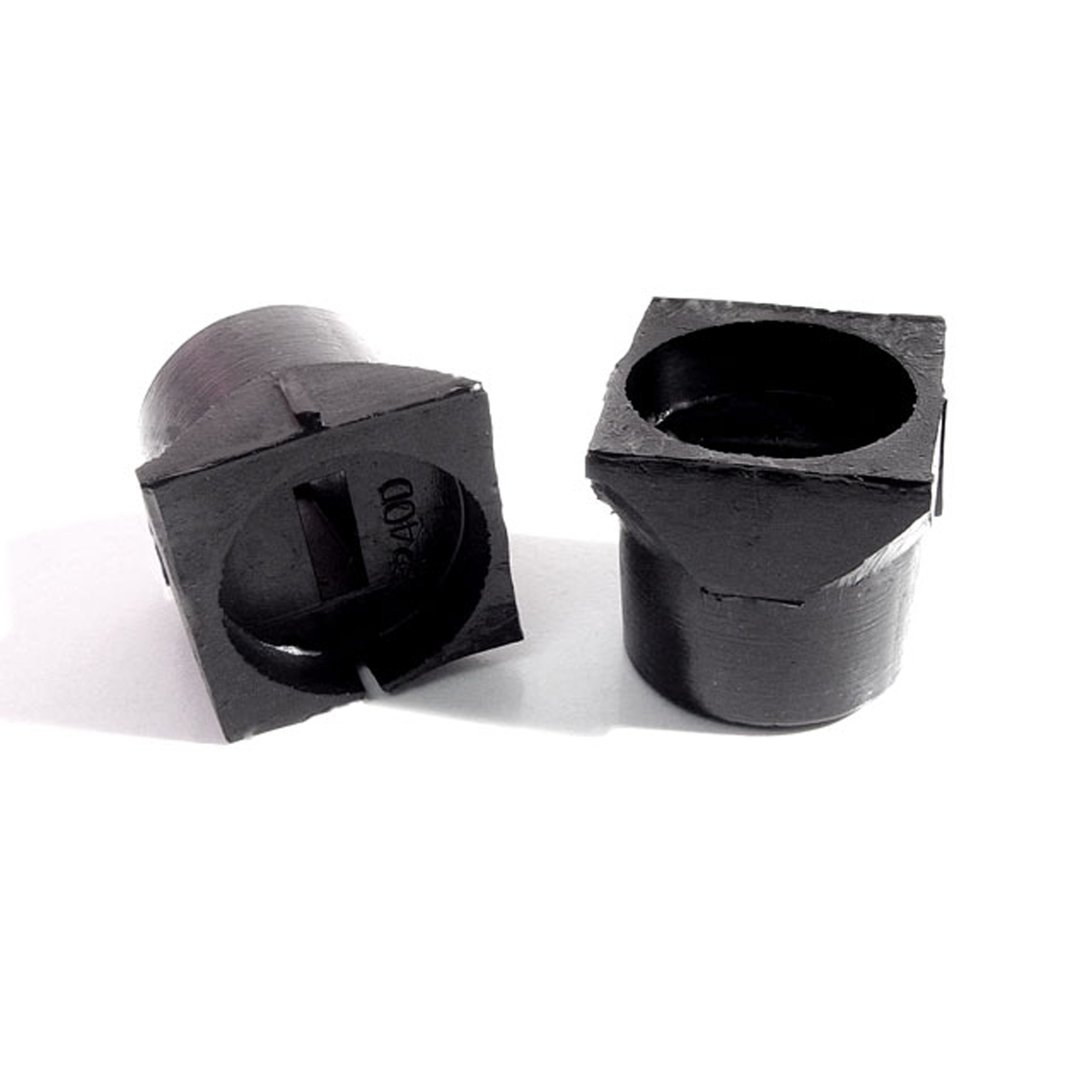 1935 Chrysler Airflow Door Check Rubber Cushion. Each-RP 40-DDoor Check Rubber Cushion. Each
 1935 Chrysler Airflow Door Bumper. 1" diameter X 1/4" thick Each-SB 60Door Bumper. 1" diameter X 1/4" thick Each
 1935 Chrysler Airflow Side Window Anti-Rattle Pad. Six used per car-SB 73Side Window Anti-Rattle Pad. Six used per car. Fits a 3/16" X 3/4" slot in metal. Each
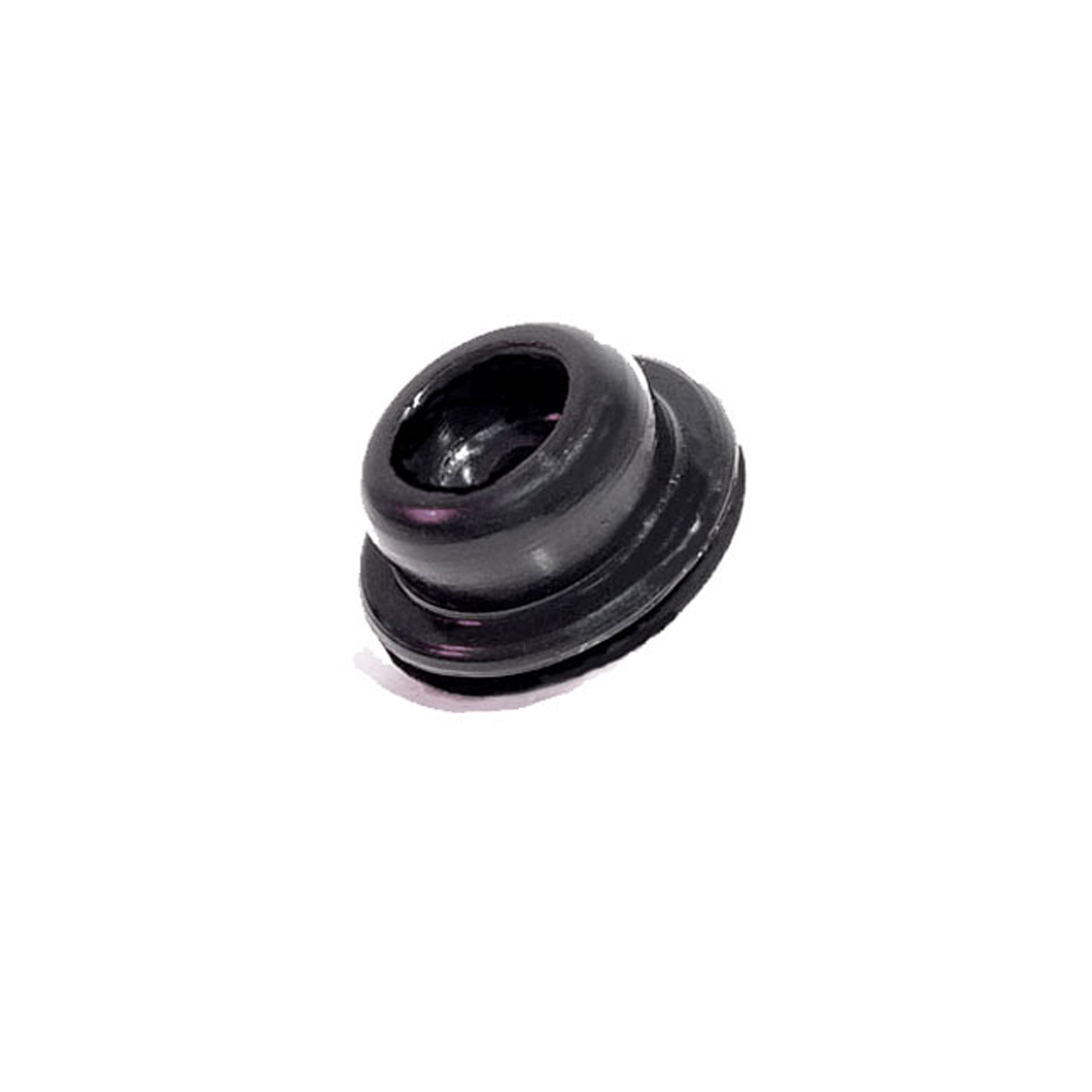 1935 Chrysler Airflow Accelerator Rod Grommet-SM 43-BAccelerator Rod Grommet. For accelerator rod through floorboard. Each 1935 Chrysler Airflow Rear Vent Window Seals. For 4-door sedan. Pair R&L-WR 2304-RRear Vent Window Seals. For 4-door sedan. Pair R&L 1935 Chrysler Airflow Front Vent Window Seals. Molded to exact configuration-WR 2705Front Vent Window Seals. Molded to exact configuration. Pair R&L
Why Choose Metro?
For over 100 years, Metro Moulded Parts has been the pinnacle of quality in classic car restoration parts. Our commitment to precision and authenticity in every component ensures a perfect fit and an OEM-level appearance.
- Expert Craftsmanship & Quality: Each part is a testament to our dedication to reliability and perfection, crafted from original designs and thoroughly tested.
- Advanced Technology: We use cutting-edge techniques to create flawless, long-lasting parts that surpass others in performance.
- SuperSoft Sponge – The Ultimate Door Seal: Not only are our door seals 30% softer than competitors', but they're also guaranteed to never leak. They effectively reduce wind and road noise, enhancing your classic car's comfort and driving experience.
- Proudly American: Our parts are a product of American craftsmanship, made in the USA with a spirit of excellence and heritage.
- Unrivaled Warranty: We back our products with a 30-year industry-leading warranty, a testament to our confidence in their quality.
Join us in preserving the legacy of classic cars with parts that are crafted for perfection, not just made.