

Image of 1935 Chrysler Airstream Deluxe Series Cz, Note: These illustrations use artistic license and may differ from actual historical models.
Performance Metrics
Fundamental Metrics
Emotional Appeal
MMP Rating
| Engine Specifications | |
|---|---|
| Engine Options: | Straight-6 |
| Displacement Range: | 241.5 cu in (4.0 L) |
| Horsepower Range: | Estimated 95-100 hp |
| Torque: | Not available |
| Compression Ratio: | Not available |
| Ignition System: | Battery and coil |
| Cooling System: | Liquid-cooled |
| Performance Specifications | |
| 0-60 Time: | Not available |
| 1/4 Mile Time: | Not available |
| Top Speed: | Estimated 75-80 mph |
| Transmission and Drive | |
| Drive Type: | Rear-wheel drive |
| Transmission Type: | 3-speed manual |
| Fuel and Efficiency | |
| Fuel System Type: | Carburetor |
| MPG: | Not available |
| Dimensions and Brakes | |
| Brakes: | 4-wheel drum brakes |
| Wheelbase: | 121 in (3,073 mm) |
| Weight: | Estimated 3,200-3,400 lbs |
Note: Specifications for classic cars are given to the best of our ability, considering the limited and variant data available.
1935 Chrysler Airstream Deluxe: A Streamlined Classic with Traditional Roots
The 1935 Chrysler Airstream Deluxe brought streamlined styling within reach of buyers who still wanted a familiar, conventional automobile. Built by the Chrysler Corporation in Detroit, it paired a rounded, modern-looking body with the dependable layout of a front-engine, rear-wheel-drive car. Its most intriguing claim to history is that it shared Chrysler showrooms with the far more radical Airflow, giving buyers a choice between two very different ideas of what a modern car should be.
The Airstream arrived during a period of rapid change. Chrysler had introduced the aerodynamic Airflow for 1934, an ambitious car with advanced engineering and unconventional proportions. Some customers admired it, but others were wary of its appearance and construction. The 1935 Airstream offered a reassuring alternative: it looked smoother than many traditional cars but kept a familiar chassis and mechanical arrangement. The Deluxe trim added a more polished presentation to this practical approach.
1935 Airstream Styling and Interior
The Airstream’s shape was streamlined without being startling. Its long hood flowed into a rounded radiator shell, while the sloping windshield and gently curved body gave it a more modern profile than the upright sedans of only a few years earlier. Sweeping fenders covered the wheels, and the headlamps were integrated into the overall design rather than appearing as separate accessories perched high above the body. Details varied by body style, but the overall effect was smooth, substantial, and recognizably mid-1930s Chrysler.
Inside, the Airstream Deluxe favored comfort and function over elaborate decoration. Period upholstery, broad bench seats, polished metal trim, and a neatly arranged dashboard gave the cabin a suitably upscale feel. Materials and trim could vary with body style and equipment, but the Deluxe was intended to feel more finished than a basic transportation model. The seating was generous by contemporary standards, and its broad cabin made the car well suited to family travel.
Factory paint choices depended on the specific body and trim combination. Buyers could choose from period colors that included dark blues, greens, maroons, and black, with contrasting details or two-tone treatments available on some configurations. Restored cars are often seen in rich, dark colors that emphasize the Airstream’s curved fenders and brightwork, though a correct restoration should be checked against documentation for the individual car.
The Airstream range included several closed and open body styles, with sedan and coupe configurations among the most familiar. Exact availability varied by series and catalog offering. The four-door sedan is a particularly recognizable choice today, thanks to its practical layout and strong connection to the era’s family motoring. Coupes, with their shorter cabin and sportier proportions, have a different appeal for collectors who prefer a more personal-looking prewar car.
Chrysler Airstream Technology and Design Influence
The Airstream’s importance lies partly in the contrast it presented to the Airflow. The Airflow pursued a more radical aerodynamic and structural concept, while the Airstream adapted streamlined styling to a more conventional chassis. That made the Airstream an effective bridge between traditional prewar design and the smoother forms that would become increasingly common later in the decade.
Under the hood, the Airstream Deluxe used a side-valve, or L-head, inline six-cylinder engine. Commonly cited specifications for the 1935 Airstream Six give its displacement as approximately 241.5 cubic inches and output at about 93 horsepower, though exact figures can vary by source and configuration. Power went to the rear wheels through a conventional three-speed manual transmission. Hydraulic brakes were an important everyday feature for the period, offering more even braking than older mechanical systems.
Chrysler did not simply invent streamlined car design with the Airstream, nor was it as technically unconventional as the Airflow. Its achievement was more measured: it brought a smoother, more aerodynamic appearance to a familiar and comparatively approachable package. That compromise helped make modern styling easier for cautious buyers to accept.
Performance, Ride, and Driving Feel
By modern standards, the Airstream Deluxe is a relaxed car rather than a quick one. Period specifications commonly place output near 93 horsepower, with top speed generally estimated in the neighborhood of 80 to 85 mph when the car is in good condition. A factory-verified 0-to-60 mph figure is not consistently documented; a reasonable estimate is roughly 20 to 30 seconds, depending on body style, gearing, passenger load, and mechanical condition. These are period-car estimates, not performance claims comparable to modern test results.
Behind the wheel, the six-cylinder engine delivers a steady, low-revving pull accompanied by the subdued mechanical hum typical of a prewar flathead. The three-speed manual asks the driver to work deliberately, especially when moving away from a stop or climbing a hill. Steering, braking, and gear changes all require more physical involvement than they do in a modern car, but that hands-on character is part of the appeal.
The Airstream’s broad body and period suspension give it a settled, comfortable feel on ordinary roads. It can absorb rough pavement reasonably well, although worn springs, tired shocks, and old tires can make a surviving example feel unsettled. On winding roads, its size, vintage steering, and modest tire grip call for smooth inputs and conservative speeds. It is best enjoyed as a touring car, not hustled like a modern sports sedan.
Living with a 1935 Chrysler Airstream
Today, most Airstream Deluxes are used as show cars, weekend drivers, and participants in vintage-car tours. A well-sorted example can handle local drives and gentle touring, but regular use depends on careful maintenance and realistic expectations. It is not a modern daily driver: traffic speeds, visibility, braking distances, and the lack of contemporary safety equipment all matter.
The basic mechanical layout is straightforward by classic-car standards. A mechanically experienced owner can understand much of the engine, transmission, and chassis, and many routine jobs do not require specialized electronic tools. The challenge is usually finding correct parts, trim, glass, and body panels, then locating a shop familiar with prewar Chrysler systems. Age-related issues such as cooling problems, electrical faults, fuel-system wear, and brake deterioration should be addressed before regular driving.
Reliability depends more on the quality of restoration and maintenance than on the car’s reputation alone. A carefully rebuilt engine and properly serviced brakes can make an Airstream a pleasant vintage tourer. A neglected example may need extensive work, and its simple-looking technology should not be mistaken for an absence of age-related complications.
1935 Chrysler Airstream Facts and Criticisms
One memorable historical detail is that the Airstream and Airflow appeared in Chrysler’s lineup side by side. They were not simply trim variations of the same car. The Airstream represented a familiar engineering formula dressed in smoother styling, while the Airflow made a more fundamental attempt to rethink the automobile’s shape and construction.
The Airstream is sometimes confused with the Chrysler Airflow because both names evoke movement and both belong to the same period of streamlined design. They are distinct models. The Airstream was the more conventional choice, and that conventionality was both its strength and a common criticism. Buyers seeking technical innovation or dramatic styling might find it less compelling than the Airflow, while traditional customers could see the Airflow as too unusual.
There is no widely recognized speed or endurance record associated specifically with the 1935 Airstream Deluxe, and claims about celebrity ownership should be treated cautiously unless supported by documentation. Its notable place in automotive history is its role in Chrysler’s response to changing tastes, not a single headline-grabbing competition result. The Airstream name also belongs to its own automotive story; it should not be confused with Chrysler’s more famous Airflow model.
1935 Chrysler Airstream Deluxe Value and Rarity
Exact production figures for the Airstream Deluxe Series CZ are difficult to establish from commonly available summaries, and published totals may combine multiple Airstream body styles or related series. As a broad estimate rather than a confirmed factory count, the Airstream family likely amounted to tens of thousands of cars, while the number of surviving Deluxe examples is much smaller. A particular body style, original equipment, and documented history can make a significant difference to availability and value.
As a general U.S. market estimate, a project car might sell for roughly $5,000 to $15,000, depending on completeness and rust. A sound driver or older restoration could fall around $15,000 to $30,000, while a high-quality, well-documented restoration may reach approximately $30,000 to $50,000 or more. These are broad guide ranges, not a formal appraisal. Condition, originality, body style, location, and the quality of the restoration all influence the final price.
The market for prewar American cars is specialized, and Airstream values tend to be steadier than those of highly publicized classics. Exceptional examples can attract strong interest, but restoration costs can exceed the eventual sale price. Over time, the model is more likely to see gradual, condition-led appreciation than a sudden surge in value. Buyers should prioritize sound structure, complete trim, and mechanical health over ambitious restoration plans.
Why the 1935 Chrysler Airstream Still Matters
The 1935 Chrysler Airstream Deluxe is a thoughtful compromise from an important moment in automotive design. Its rounded body and streamlined details made it look forward, while its conventional chassis and familiar controls kept it approachable. The result is a comfortable, characterful prewar Chrysler that tells a larger story about how automakers balanced innovation with what customers were ready to buy.
It may not be as radical as the Airflow or as quick as a modern car, but the Airstream has a distinction of its own: it made the future look a little less intimidating. For collectors and enthusiasts, that blend of period charm, practical engineering, and historical context is exactly what makes the 1935 Chrysler Airstream Deluxe worth remembering.
1935 Chrysler Airstream Deluxe Series Cz Catalog of Parts
 1935 Chrysler Airstream Deluxe Series CZ Clutch and Brake Pedal Pads. 2-5/8" wide X 3-3/4" long-CB 26Clutch and Brake Pedal Pads. 2-5/8" wide X 3-3/4" long. Pair
 1935 Chrysler Airstream Deluxe Series CZ Clutch and Brake Pedal Pads, Black-CB 28-AClutch and Brake Pedal Pads, Black. 2-3/8" wide X 3-7/8" long. Pair
 1935 Chrysler Airstream Deluxe Series CZ Clutch and Brake Pedal Pads, Brown-CB 28-BClutch and Brake Pedal Pads, Brown. 2-3/8" wide X 3-7/8" long. Pair
 1935 Chrysler Airstream Deluxe Series CZ Door Jamb Bumper. Perfect reproduction-DB 36Door Jamb Bumper. Perfect reproduction. 1-1/16" high X 1-1/4" wide X 7/16" thick. Each
 1935 Chrysler Airstream Deluxe Series CZ Door Jamb Bumper. Fully detailed reproduction-DB 38Door Jamb Bumper. Fully detailed reproduction. 15/16" high X 1-9/16" wide X 7/16" thick. Each
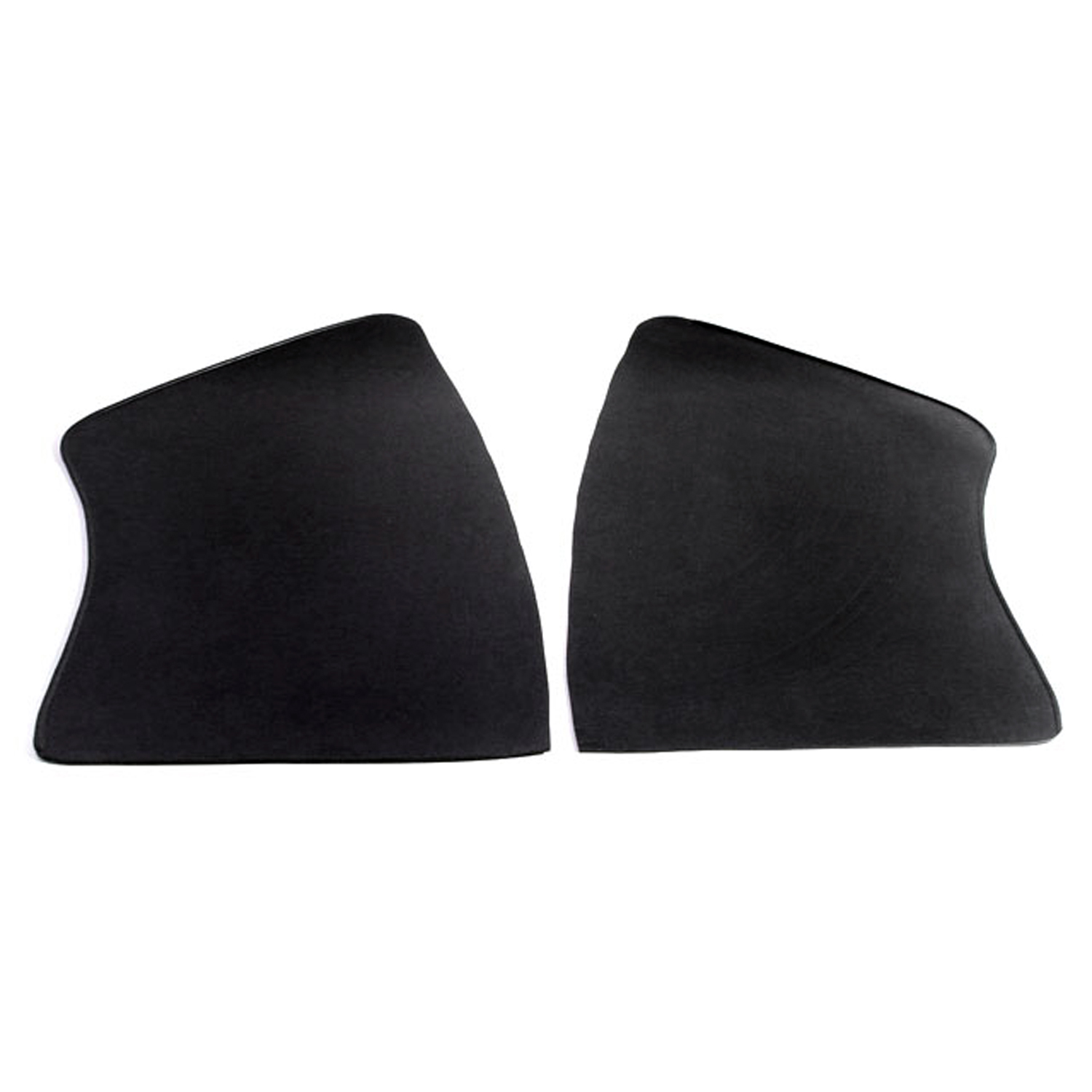 1935 Chrysler Airstream Deluxe Series CZ Gravel Shields. Molded flat without metal backing plates-FS 31Gravel Shields. Molded flat without metal backing plates. Apply with contact cement. 18" long X 9-3/4" wide at bottom. Pair
 1935 Chrysler Airstream Deluxe Series CZ Hood Corners. Fits flat corners-HC 19Hood Corners. Fits flat corners. 80° angle, 1/4" to 3/8" corner radius. 1-3/8" wide. Pair
 1935 Chrysler Airstream Deluxe Series CZ Roof Related Seal. Top insert filler & seal for closed cars-LP 110-RRoof Related Seal. Top insert filler & seal for closed cars. Fits in groove between cloth top-center panel & surrounding steel. Sold by the foot
 1935 Chrysler Airstream Deluxe Series CZ Swing-Out & Crank-Out Windshield Seal. Sold by the foot-LP 97Swing-Out & Crank-Out Windshield Seal. Sold by the foot
 1935 Chrysler Airstream Deluxe Series CZ Swing-Out Windshield Seal. 3/4" High. Sold by the foot-LP 97-ASwing-Out Windshield Seal. 3/4" High. Sold by the foot
 1935 Chrysler Airstream Deluxe Series CZ Headlight Pads. 2-1/4" wide X 4-1/4" long. Pair-MP 554Headlight Pads. 2-1/4" wide X 4-1/4" long. Pair
 1935 Chrysler Airstream Deluxe Series CZ Door Handle Pads. 1-1/2" wide X 2-1/4" long-MP 556Door Handle Pads. 1-1/2" wide X 2-1/4" long. Pair (Buick: no locking type)
 1935 Chrysler Airstream Deluxe Series CZ Door Handle Pads. 1-5/8" wide X 3-1/2" long. Pair-MP 556-BDoor Handle Pads. 1-5/8" wide X 3-1/2" long. Pair
 1935 Chrysler Airstream Deluxe Series CZ Headlight Pads. 1-3/4" wide X 4-3/8" long. Pair-MP 556-CHeadlight Pads. 1-3/4" wide X 4-3/8" long. Pair
 1935 Chrysler Airstream Deluxe Series CZ Trunk Rack Pad. 1-3/4" X 5-1/2". Each-MP 557Trunk Rack Pad. 1-3/4" X 5-1/2". Each
 1935 Chrysler Airstream Deluxe Series CZ Trunk Hinge Pads. 1-7/8" wide X 8" long. 4-Piece Set-MP 568Trunk Hinge Pads. 1-7/8" wide X 8" long. 4-Piece Set
 1935 Chrysler Airstream Deluxe Series CZ Cowl Vent Seal. Made of molded sponge-RP 100-LCowl Vent Seal. Made of molded sponge. 3-3/4" wide at side X 15-1/3" long X 3/8" thick. Each
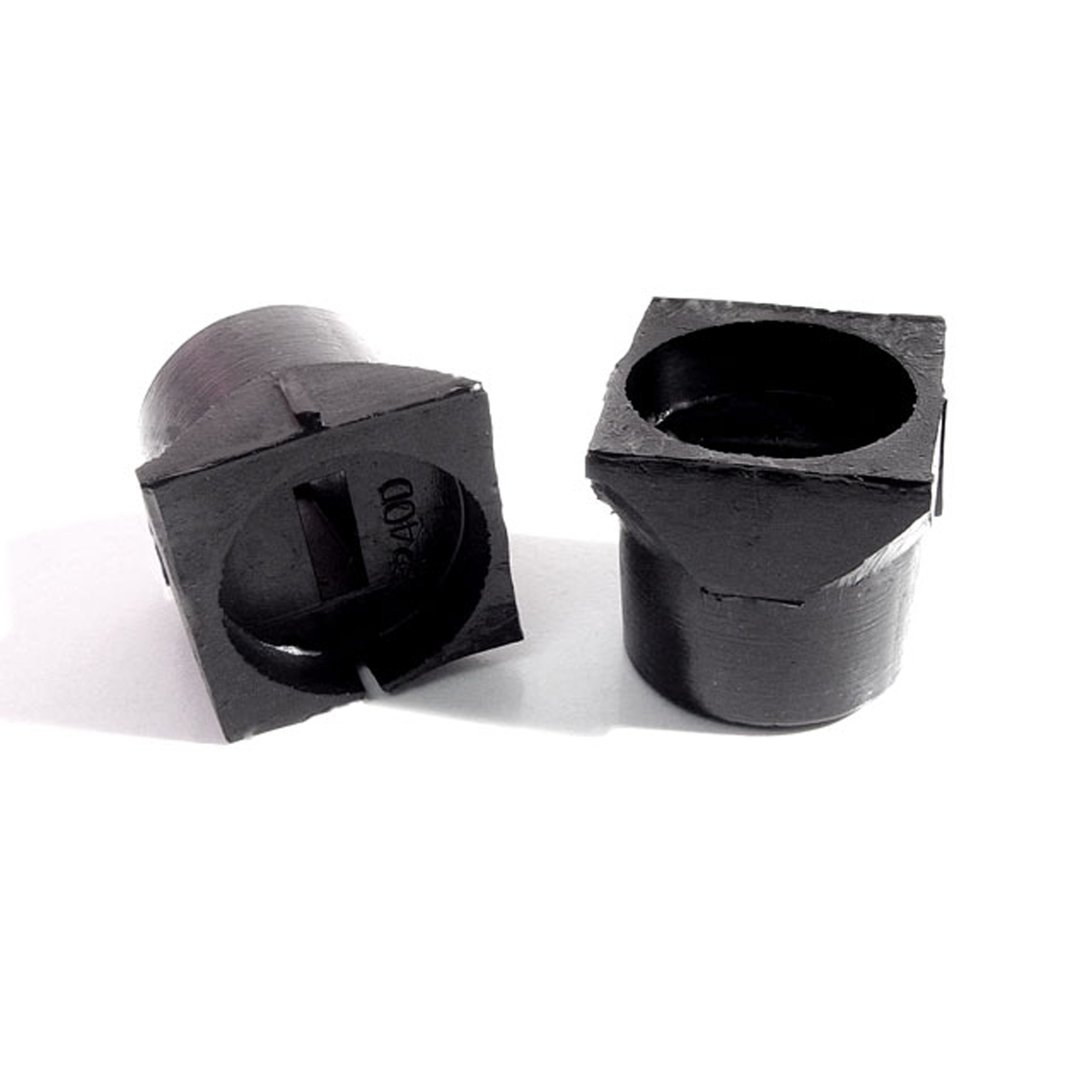 1935 Chrysler Airstream Deluxe Series CZ Door Check Rubber Cushion. Each-RP 40-DDoor Check Rubber Cushion. Each
 1935 Chrysler Airstream Deluxe Series CZ Door Bumper. 1" diameter X 1/4" thick Each-SB 60Door Bumper. 1" diameter X 1/4" thick Each
 1935 Chrysler Airstream Deluxe Series CZ Side Window Anti-Rattle Pad. Six used per car-SB 73Side Window Anti-Rattle Pad. Six used per car. Fits a 3/16" X 3/4" slot in metal. Each
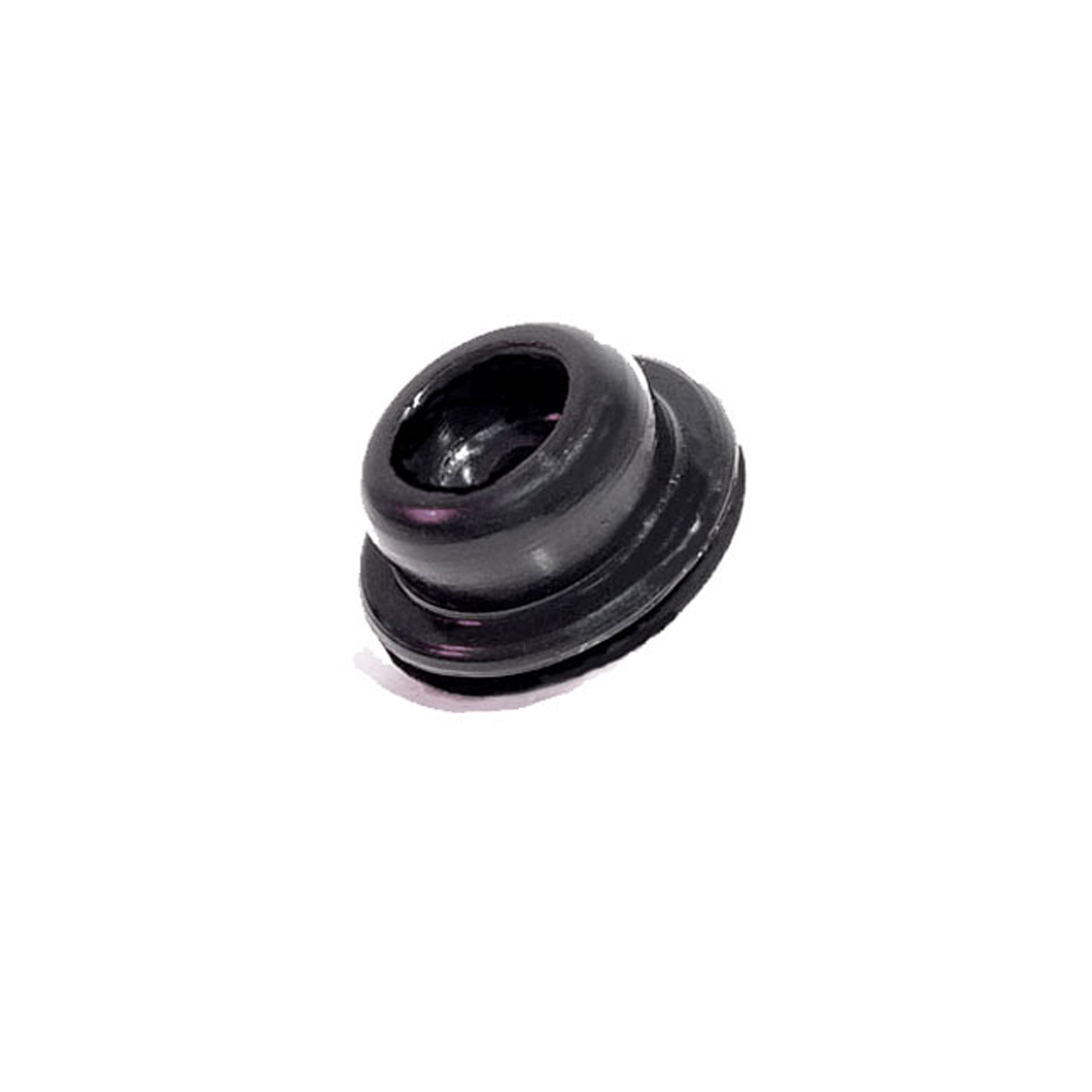 1935 Chrysler Airstream Deluxe Series CZ Accelerator Rod Grommet-SM 43-BAccelerator Rod Grommet. For accelerator rod through floorboard. Each 1935 Chrysler Airstream Deluxe Series CZ Rear Vent Window Seals. For 4-door sedan. Pair R&L-WR 2304-RRear Vent Window Seals. For 4-door sedan. Pair R&L
Why Choose Metro?
For over 100 years, Metro Moulded Parts has been the pinnacle of quality in classic car restoration parts. Our commitment to precision and authenticity in every component ensures a perfect fit and an OEM-level appearance.
- Expert Craftsmanship & Quality: Each part is a testament to our dedication to reliability and perfection, crafted from original designs and thoroughly tested.
- Advanced Technology: We use cutting-edge techniques to create flawless, long-lasting parts that surpass others in performance.
- SuperSoft Sponge – The Ultimate Door Seal: Not only are our door seals 30% softer than competitors', but they're also guaranteed to never leak. They effectively reduce wind and road noise, enhancing your classic car's comfort and driving experience.
- Proudly American: Our parts are a product of American craftsmanship, made in the USA with a spirit of excellence and heritage.
- Unrivaled Warranty: We back our products with a 30-year industry-leading warranty, a testament to our confidence in their quality.
Join us in preserving the legacy of classic cars with parts that are crafted for perfection, not just made.