

Image of 1935 Chrysler Airstream Series C-6, Note: These illustrations use artistic license and may differ from actual historical models.
Performance Metrics
Fundamental Metrics
Emotional Appeal
MMP Rating
| Engine Specifications | |
|---|---|
| Engine: | Straight-6 |
| Displacement: | 241.5 cu in (4.0 L) |
| Horsepower: | Estimated 95-100 hp |
| Torque: | Not available |
| Compression Ratio: | Not available |
| Ignition System: | Battery and coil |
| Cooling System: | Liquid-cooled |
| Performance Specifications | |
| 0-60 Time: | Not available |
| 1/4 Mile Time: | Not available |
| Top Speed: | 75-80 mph |
| Transmission and Drive | |
| Drive Type: | Rear-wheel drive |
| Transmission Type: | 3-speed manual |
| Fuel and Efficiency | |
| Fuel System Type: | Carburetor |
| MPG: | Not available |
| Dimensions and Brakes | |
| Brakes: | 4-wheel hydraulic brakes |
| Wheelbase: | 121 in (3,073 mm) |
| Weight: | Estimated 3,200-3,500 lbs |
Note: Specifications for classic cars are given to the best of our ability, considering the limited and variant data available.
1935 Chrysler Airstream C-6: The Streamlined Six That Played It Smart
The 1935 Chrysler Airstream C-6 brought a fresh, rounded look to American motoring without asking buyers to abandon the familiar car they trusted. Built by the Chrysler Corporation, the six-cylinder Airstream was part of a new model line that paired modern styling with conventional engineering. Its timing was no accident: Chrysler needed a way to attract buyers after the company’s radical Airflow design proved too unconventional for many shoppers.
The Airstream’s significance lies in that balancing act. It looked more modern than a boxy early-1930s sedan, yet remained recognizable and practical. The C-6 designation identified the six-cylinder series, distinguishing it from the more powerful Airstream Eight. One small but useful piece of trivia: Chrysler’s Airstream name had no connection to the Airstream travel-trailer company, which was a separate business.
Rounded Lines, Familiar Proportions
The Airstream C-6 softened the upright styling of earlier cars with a rounded roofline, gently curved body sides, and flowing fenders. Its broad front end carried a prominent vertical grille, flanked by headlamps mounted on the fenders. Long hood panels with rows of ventilation louvers gave the car a purposeful profile, while the sloping windshield and rounded rear body helped it look more streamlined than many contemporary sedans.
It was not a true aerodynamic “streamliner” in the experimental sense of Chrysler’s Airflow. The Airstream retained a conventional chassis and familiar separate-fender proportions. That was a key part of its appeal: the design looked current without seeming difficult to own or repair.
Inside, buyers found a spacious cabin with a broad dashboard and straightforward controls. Upholstery and trim varied with body style and equipment, but cloth was common in closed models, with more elaborate materials and finishes available on better-appointed versions. The workmanship and materials were appropriate to a substantial mid-priced Chrysler, rather than the austere finish of a basic utility car.
Factory paint choices varied by body and production period. Buyers could find subdued shades such as dark blues, greens, grays, and maroons, along with black and other period colors. Darker tones were especially well suited to the Airstream’s curved bodywork, while brighter colors made its flowing fenders and rounded roofline stand out.
C-6 Body Styles and Equipment
The C-6 range was offered in several closed and open body configurations, with exact availability varying by market and catalog listing. Common choices included two-door coupes and four-door sedans. Coupe buyers could choose practical luggage space or, on some versions, a rear rumble seat. Open-top models added a more sporting character, though they were less common than the sedans.
The four-door sedan was the practical, widely appealing choice, offering room for family passengers and the weather protection expected of a year-round car. The coupe, especially a rumble-seat version, is often the more eye-catching choice today because it gives the Airstream a sportier silhouette.
Six-Cylinder Engineering for 1935
Power came from a 241.5-cubic-inch L-head inline-six, rated at about 93 horsepower. It was paired with a three-speed manual transmission and rear-wheel drive. The engine’s side-valve layout was not exotic, but it was a well-established design that favored smooth, tractable power and straightforward servicing.
For its time, the C-6 also benefited from features that made ordinary driving safer and more convenient, including hydraulic brakes and safety glass. Chrysler’s engineering emphasized a solid, substantial feel rather than experimental mechanical complexity. Equipment and details could differ by model and market, so surviving cars do not always share identical specifications.
Why the Airstream Mattered
In the mid-1930s, Chrysler was managing the mixed reception of the Airflow, a bold design with a cabin-forward shape and extensive aerodynamic thinking. Some buyers admired it, but many preferred the proportions and appearance of more conventional cars. The Airstream gave Chrysler a second answer: modern styling that felt familiar enough to sell in volume.
That strategy helped the company broaden its appeal. The Airstream did not replace the Airflow’s engineering ambitions, and it was not as radical a design statement. Instead, it showed how automakers could borrow the visual language of streamlining, such as rounded contours and smoother transitions, while keeping a traditional layout. Its importance is less about one breakthrough component than about making modern styling more acceptable to mainstream buyers.
Road Manners and Performance
Period performance figures are not always directly comparable, and a car’s condition, gearing, tires, and body style all affect results. As a practical estimate, a healthy C-6 could reach roughly 75 to 80 mph. Acceleration from 0 to 60 mph was leisurely by modern standards, likely in the neighborhood of 22 to 28 seconds. Those are estimates, not guaranteed factory test figures.
The six-cylinder engine was designed for steady progress, not rapid acceleration. It delivered its power in a relaxed manner, making the car well suited to cruising on the roads of its day. A driver would hear a soft mechanical thrum from the engine, along with the tire and wind noise typical of a prewar automobile. The manual gearbox called for deliberate shifts, and the driver had to plan overtakes rather than simply press the accelerator.
On ordinary roads, the Airstream’s substantial chassis and long-wheelbase sedan proportions helped it feel composed. Its suspension could soften rough surfaces, though sharp bumps still made themselves known through the body and steering. On winding roads, it was a large, old-fashioned car by modern standards: measured steering inputs and moderate speeds suited it better than aggressive cornering. Crosswinds and road crowns could also demand attention, particularly with narrow period-style tires.
Living With a Prewar Chrysler
Today, most C-6s are used for car shows, club events, local tours, and occasional fair-weather drives rather than daily commuting. A well-sorted example can be enjoyable on relaxed back roads, but modern traffic, highway speeds, and limited crash protection make routine use less appealing.
The six-cylinder engine is mechanically approachable for an experienced home mechanic. Basic work such as ignition service, carburetor adjustment, and routine lubrication follows familiar prewar-car principles. However, age matters more than the original design: worn parts, neglected cooling systems, old wiring, and decades of improvised repairs can turn a simple job into a larger restoration task. Replacement parts and specialist help are available through the classic-Chrysler community, but some trim, body, and interior pieces may take time to locate.
Before buying, inspect the frame and body for corrosion or poor repairs, check the cooling system and brakes, and confirm that the transmission and engine operate properly. Originality can be valuable, but safe, reliable touring depends on sound mechanical condition.
Trivia, Reputation, and Common Criticisms
The C-6’s most notable historical role was as part of Chrysler’s more accessible alternative to the Airflow. It did not become famous for a single speed record or endurance feat, and there is no widely established celebrity ownership story that defines the model. Its interest is rooted in the broader design moment: Chrysler was testing how far it could modernize a family car without losing buyers who valued familiarity.
Common criticisms are much the same ones applied to many prewar cars. The C-6 is slow by present-day standards, lacks modern safety equipment, and requires regular attention to its mechanical systems. Its styling is also less radical than the Airflow’s, which can make it seem understated to collectors seeking the most dramatic Chrysler of the period. For other enthusiasts, that restraint is exactly the point.
Collector Values and Rarity
Chrysler built the Airstream in meaningful numbers, but surviving C-6 examples are now uncommon, especially in well-preserved or correctly restored condition. A reasonable broad estimate is that production across the C-6 body styles reached roughly 60,000 to 70,000 cars, though figures can vary by source and by how model-year totals are grouped. That is an estimate, not a confirmed count of surviving cars.
As a general U.S. market guide, a project or driver-quality sedan might sell for about $8,000 to $18,000. A solid, presentable example may bring approximately $18,000 to $35,000, while a high-quality restoration or especially desirable body style could reach $35,000 to $50,000 or more. Condition, originality, restoration quality, and local demand can move a particular car well outside those ranges.
Values for prewar classics tend to be selective rather than uniformly rising. Exceptional, documented cars remain attractive, but ordinary examples can be harder to sell than popular postwar models. The Airstream C-6 has a loyal niche audience, and its best long-term value is often its usability and historical character rather than short-term investment potential.
A Practical Classic With a Purpose
The 1935 Chrysler Airstream C-6 combined a smooth 93-horsepower six, useful body styles, and rounded modern styling in a package that remained recognizably conventional. It helped Chrysler respond to changing tastes while carrying forward the company’s interest in more streamlined design. For collectors, it offers a revealing snapshot of the moment when aerodynamic ideas began moving from the experimental edge toward the family driveway.
It may not be the fastest or most radical Chrysler of its era, but the Airstream’s strength was knowing how to look ahead without leaving its buyers behind.
1935 Chrysler Airstream Series C-6 Catalog of Parts
 1935 Chrysler Airstream Series C-6 Clutch and Brake Pedal Pads. 2-5/8" wide X 3-3/4" long-CB 26Clutch and Brake Pedal Pads. 2-5/8" wide X 3-3/4" long. Pair
 1935 Chrysler Airstream Series C-6 Clutch and Brake Pedal Pads, Black-CB 28-AClutch and Brake Pedal Pads, Black. 2-3/8" wide X 3-7/8" long. Pair
 1935 Chrysler Airstream Series C-6 Clutch and Brake Pedal Pads, Brown-CB 28-BClutch and Brake Pedal Pads, Brown. 2-3/8" wide X 3-7/8" long. Pair
 1935 Chrysler Airstream Series C-6 Door Jamb Bumper. Perfect reproduction-DB 36Door Jamb Bumper. Perfect reproduction. 1-1/16" high X 1-1/4" wide X 7/16" thick. Each
 1935 Chrysler Airstream Series C-6 Door Jamb Bumper. Fully detailed reproduction-DB 38Door Jamb Bumper. Fully detailed reproduction. 15/16" high X 1-9/16" wide X 7/16" thick. Each
 1935 Chrysler Airstream Series C-6 Gravel Shields. Molded flat without metal backing plates-FS 31Gravel Shields. Molded flat without metal backing plates. Apply with contact cement. 18" long X 9-3/4" wide at bottom. Pair
 1935 Chrysler Airstream Series C-6 Hood Corners. Fits flat corners-HC 19Hood Corners. Fits flat corners. 80° angle, 1/4" to 3/8" corner radius. 1-3/8" wide. Pair
 1935 Chrysler Airstream Series C-6 Roof Related Seal. Top insert filler & seal for closed cars-LP 110-RRoof Related Seal. Top insert filler & seal for closed cars. Fits in groove between cloth top-center panel & surrounding steel. Sold by the foot
 1935 Chrysler Airstream Series C-6 Swing-Out & Crank-Out Windshield Seal. Sold by the foot-LP 97Swing-Out & Crank-Out Windshield Seal. Sold by the foot
 1935 Chrysler Airstream Series C-6 Swing-Out Windshield Seal. 3/4" High. Sold by the foot-LP 97-ASwing-Out Windshield Seal. 3/4" High. Sold by the foot
 1935 Chrysler Airstream Series C-6 Headlight Pads. 2-1/4" wide X 4-1/4" long. Pair-MP 554Headlight Pads. 2-1/4" wide X 4-1/4" long. Pair
 1935 Chrysler Airstream Series C-6 Door Handle Pads. 1-1/2" wide X 2-1/4" long-MP 556Door Handle Pads. 1-1/2" wide X 2-1/4" long. Pair (Buick: no locking type)
 1935 Chrysler Airstream Series C-6 Door Handle Pads. 1-5/8" wide X 3-1/2" long. Pair-MP 556-BDoor Handle Pads. 1-5/8" wide X 3-1/2" long. Pair
 1935 Chrysler Airstream Series C-6 Headlight Pads. 1-3/4" wide X 4-3/8" long. Pair-MP 556-CHeadlight Pads. 1-3/4" wide X 4-3/8" long. Pair
 1935 Chrysler Airstream Series C-6 Trunk Rack Pad. 1-3/4" X 5-1/2". Each-MP 557Trunk Rack Pad. 1-3/4" X 5-1/2". Each
 1935 Chrysler Airstream Series C-6 Trunk Hinge Pads. 1-7/8" wide X 8" long. 4-Piece Set-MP 568Trunk Hinge Pads. 1-7/8" wide X 8" long. 4-Piece Set
 1935 Chrysler Airstream Series C-6 Cowl Vent Seal. Made of molded sponge-RP 100-LCowl Vent Seal. Made of molded sponge. 3-3/4" wide at side X 15-1/3" long X 3/8" thick. Each
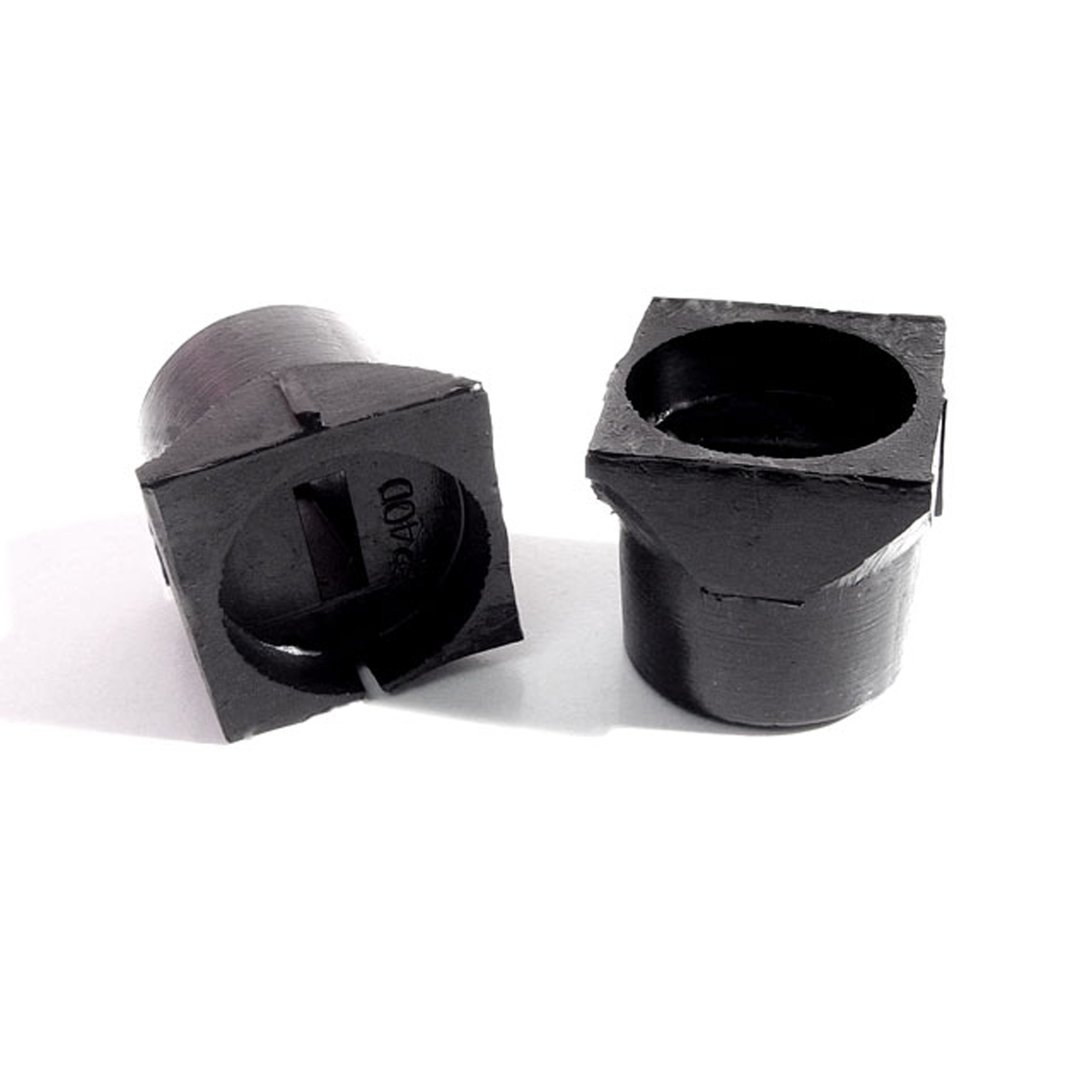 1935 Chrysler Airstream Series C-6 Door Check Rubber Cushion. Each-RP 40-DDoor Check Rubber Cushion. Each
 1935 Chrysler Airstream Series C-6 Door Bumper. 1" diameter X 1/4" thick Each-SB 60Door Bumper. 1" diameter X 1/4" thick Each
 1935 Chrysler Airstream Series C-6 Side Window Anti-Rattle Pad. Six used per car-SB 73Side Window Anti-Rattle Pad. Six used per car. Fits a 3/16" X 3/4" slot in metal. Each
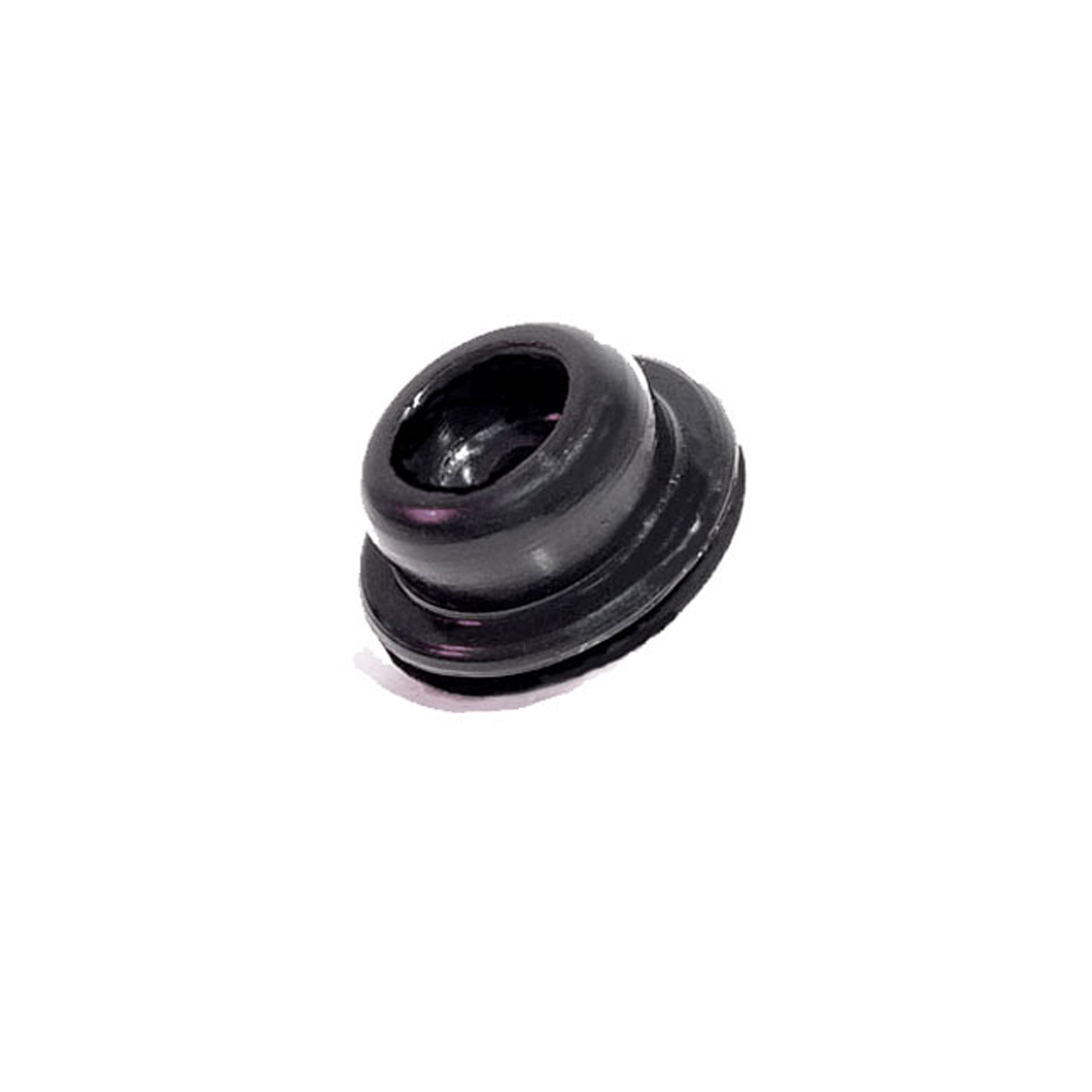 1935 Chrysler Airstream Series C-6 Accelerator Rod Grommet-SM 43-BAccelerator Rod Grommet. For accelerator rod through floorboard. Each 1935 Chrysler Airstream Series C-6 Rear Vent Window Seals. For 4-door sedan. Pair R&L-WR 2304-RRear Vent Window Seals. For 4-door sedan. Pair R&L
Why Choose Metro?
For over 100 years, Metro Moulded Parts has been the pinnacle of quality in classic car restoration parts. Our commitment to precision and authenticity in every component ensures a perfect fit and an OEM-level appearance.
- Expert Craftsmanship & Quality: Each part is a testament to our dedication to reliability and perfection, crafted from original designs and thoroughly tested.
- Advanced Technology: We use cutting-edge techniques to create flawless, long-lasting parts that surpass others in performance.
- SuperSoft Sponge – The Ultimate Door Seal: Not only are our door seals 30% softer than competitors', but they're also guaranteed to never leak. They effectively reduce wind and road noise, enhancing your classic car's comfort and driving experience.
- Proudly American: Our parts are a product of American craftsmanship, made in the USA with a spirit of excellence and heritage.
- Unrivaled Warranty: We back our products with a 30-year industry-leading warranty, a testament to our confidence in their quality.
Join us in preserving the legacy of classic cars with parts that are crafted for perfection, not just made.