

Image of 1935 Chrysler Airstream Series Cz, Note: These illustrations use artistic license and may differ from actual historical models.
Performance Metrics
Fundamental Metrics
Emotional Appeal
MMP Rating
| Engine Specifications | |
|---|---|
| Engine: | Straight-6 |
| Displacement: | 241.5 cu in (4.0 L) |
| Horsepower: | Estimated 95-100 hp |
| Torque: | Not available |
| Compression Ratio: | Not available |
| Ignition System: | Battery and coil |
| Cooling System: | Water |
| Performance Specifications | |
| 0-60 Time: | Not available |
| 1/4 Mile Time: | Not available |
| Top Speed: | 75-80 mph |
| Transmission and Drive | |
| Drive Type: | Rear-wheel drive |
| Transmission Type: | 3-speed manual |
| Fuel and Efficiency | |
| Fuel System Type: | Carburetor |
| MPG: | Not available |
| Dimensions and Brakes | |
| Brakes: | 4-wheel drum brakes |
| Wheelbase: | 121 in (3,073 mm) |
| Weight: | 3,200 lbs |
Note: Specifications for classic cars are given to the best of our ability, considering the limited and variant data available.
1935 Chrysler Airstream Series CZ: The Sensible Streamliner
The 1935 Chrysler Airstream Series CZ brought a little aerodynamic flair to a car built for everyday motorists. It was Chrysler’s more conventional companion to the daring Airflow, pairing rounded, modern styling with a familiar front-engine, rear-wheel-drive layout. The CZ was the Airstream Six, powered by a smooth side-valve six-cylinder engine and offered in practical body styles that made it a popular choice for families and business owners.
Chrysler Corporation introduced the Airstream for the 1935 model year under the leadership of Walter P. Chrysler. The company had already made headlines with the Airflow, whose advanced unibody construction and radical shape challenged established ideas about car design. The Airstream offered a less dramatic alternative: modern-looking, but recognizable and reassuring to buyers who were not ready for the Airflow’s unusual appearance.
That contrast is the CZ’s most intriguing historical detail. It was not simply a less expensive Chrysler. It was part of a deliberate two-track strategy: let the Airflow lead with innovation, while the Airstream kept Chrysler competitive with a more familiar car that still looked contemporary.
Streamlined Styling, Familiar Appeal
The Airstream’s exterior softened the upright, boxy look common in earlier cars. Its rounded hood flowed toward a tall, carefully shaped grille, while sweeping fenders covered the wheels and gave the body a more unified profile. Headlamps were integrated into the front-end design rather than appearing as separate accessories perched above the fenders. The result was a car that looked streamlined without appearing as radical as the Airflow.
Chrome trim was used as a highlight rather than an overwhelming decoration. Brightwork around the grille, lamps, windows, and bumpers gave the car a polished period look, while the long hood and curved fenders supplied much of its visual character. In profile, the CZ remained unmistakably a traditional 1930s automobile, but its softer lines helped it feel newer than many of its rivals.
Inside, the Airstream offered the comfort and finish expected of a Chrysler. Depending on body style and specification, the cabin used patterned cloth upholstery, coordinated trim, and a broad dashboard with clearly arranged instruments. Higher-grade materials and upholstery choices could vary by model and market. As with many cars of the era, the cabin was more formal and upright than a modern interior, with a large steering wheel, substantial seats, and plenty of visible metal and woodgrain-style detailing.
Factory paint selections changed over time and could vary by region, so a single definitive color list is difficult to establish. Period-appropriate shades included dark blues, greens, maroons, grays, and black, often paired with contrasting trim or wheel colors. Dark, conservative colors were especially fitting for the Airstream’s smart, businesslike character, while brighter two-tone treatments made the rounded fenders stand out.
CZ Body Styles and Equipment
The Series CZ was offered in several closed and open body configurations. Chrysler’s Airstream range included sedan and coupe variations, with availability depending on the specific model and market. Four-door sedans were the practical family choice, while two-door coupes appealed to buyers seeking a more personal-looking car. Convertible and club-style body options appeared within the broader Airstream lineup, though not every configuration was offered in every series or region.
The four-door sedan is arguably the most representative Airstream: spacious, useful, and well suited to the car’s role as a comfortable all-rounder. Coupe versions are especially appealing to collectors today because their longer doors and more compact cabin give the car a sportier profile.
Equipment included a three-speed manual transmission, rear-wheel drive, and hydraulic brakes. Chrysler’s engineering emphasis on dependable mechanical systems made the Airstream easier to understand than the Airflow’s more unconventional construction. Features and trim varied, but the CZ was designed to provide modern comfort without demanding that owners learn a completely new kind of automobile.
Why the Airstream Mattered
The Airstream’s historical significance lies partly in what it says about the car-buying public. The Airflow demonstrated Chrysler’s willingness to rethink the automobile, but its looks and engineering proved too unfamiliar for many shoppers. The Airstream answered that hesitation with a car that looked current while retaining a conventional chassis and layout.
Its styling still moved away from the upright forms of the early 1930s. Rounded bodywork, integrated fenders, and a more unified front end helped make streamlined design feel approachable. The Airstream was not as influential as the Airflow in engineering terms, but it played an important commercial role by bringing Chrysler’s modern design language to buyers who preferred familiar construction.
In that sense, the CZ represents a recurring theme in automotive history: a bold concept often needs a practical companion. Chrysler could keep experimenting with the Airflow while offering the Airstream to customers who wanted a handsome, dependable car without the perceived risks of a radical design.
Engine, Speed, and Road Manners
The Series CZ used a L-head, or side-valve, inline six-cylinder engine of approximately 241.5 cubic inches. Published specifications commonly place output at about 93 horsepower, though figures can differ by source and rating method. Power went through a three-speed manual gearbox to the rear wheels. These numbers made the Airstream a capable road car for its day, rather than a performance model.
There is no single dependable factory figure for modern-style 0-to-60 mph acceleration, and surviving examples vary widely with engine condition, gearing, tires, and tune. A reasonable period-car estimate is roughly 20 to 25 seconds to reach 60 mph. Top speed is generally estimated in the neighborhood of 75 to 80 mph when the car is healthy, but sustained high-speed driving is not what the CZ was built for.
On ordinary roads, the six-cylinder engine would have felt smooth and unhurried, delivering its power in a steady pull rather than a sharp burst. The engine’s low, mechanical hum, the shuffling sound of the manual transmission, and the occasional body creak are part of the experience today. Drivers need to plan gear changes and braking well ahead of modern traffic, especially on hills or in busy conditions.
Its suspension and tall tires were suited to the roads of the 1930s, absorbing rough patches with a softer, more substantial feel than many modern cars. On winding roads, the Airstream’s size, steering effort, and period tires encourage a measured pace. Crosswinds and uneven pavement can make any large, high-bodied car of this era feel less settled than a modern sedan. Hydraulic brakes were a useful contemporary feature, but stopping distances and pedal response still demand more anticipation than drivers are accustomed to today.
Owning and Maintaining a 1935 Airstream
When new, the CZ served as family transport, a comfortable touring car, and a practical vehicle for professionals and small businesses. Today, most examples are enjoyed as show cars, parade vehicles, and weekend tourers. A well-sorted Airstream can still be driven, but regular use requires careful attention to safety, cooling, lubrication, tires, and brakes.
The mechanical layout is comparatively straightforward for a prewar car. A capable owner or vintage-car mechanic can service the engine, ignition, carburetor, clutch, and drum brakes using familiar tools and procedures. The bigger challenges are often finding correct parts, locating a specialist for scarce components, and dealing with decades of repairs that may not have been done to factory standards.
Before buying, inspect the frame and body for rust, particularly around the floor, lower body panels, fenders, and structural mounting points. Check for a tired engine, worn steering components, weak brakes, and poor-quality electrical work. Upholstery and trim restoration can be expensive, and locating body-specific pieces may take time. Mechanical parts are generally more approachable than rare trim, glass, or complete body panels.
Notable Details and Common Criticisms
The Airstream’s best-known connection is its relationship to the Airflow. The two cars were sold side by side, giving shoppers a choice between a radical aerodynamic design and a more conventional Chrysler with contemporary styling. The Airstream name itself was a marketing statement: it suggested progress and smooth motion without asking buyers to accept the Airflow’s full visual and structural departure.
The CZ is not widely associated with a major speed record or a famous endurance feat. Its distinction is more about its place in Chrysler’s product strategy and the broader story of 1930s streamlining. Exact production figures for the Series CZ alone are not consistently reported in readily available sources. A cautious estimate would put production in the tens of thousands, perhaps around 25,000 to 40,000 cars, but that should be treated as an informed approximation rather than a verified factory total.
Common criticisms are typical of cars from its period: modest acceleration by modern standards, heavy controls, limited safety equipment, and the need for frequent maintenance compared with a contemporary car. The Airstream can also be overshadowed by the more famous Airflow. For collectors, however, that relative lack of celebrity can be part of its appeal. It offers distinctive prewar Chrysler styling without requiring the same level of specialist knowledge as some more unusual designs.
Collector Value and Availability
Values depend heavily on body style, originality, restoration quality, and mechanical condition. As a broad present-day estimate, a project or incomplete example might sell for roughly $8,000 to $18,000. A sound driver-quality car could fall around $20,000 to $40,000, while a high-quality restoration or especially desirable body style may reach approximately $45,000 to $70,000 or more. These are guide ranges, not guaranteed sale prices; exceptional cars and unusually complete examples can sit outside them.
Surviving CZs are uncommon, but they are not impossible to find through marque clubs, specialist dealers, auctions, and private sales. The market is much thinner than for better-known classic cars, so buyers may need patience. Prices tend to reward condition and documentation more than speculative hype. Over the long term, well-restored examples are likely to hold interest among prewar Chrysler enthusiasts, though restoration costs can exceed the car’s eventual market value.
A Practical Classic with a Story to Tell
The 1935 Chrysler Airstream Series CZ combined a smooth six-cylinder engine, comfortable prewar proportions, and a restrained dose of streamlining. It was less radical than the Airflow, but that was precisely the point: Chrysler offered innovation in a form that traditional buyers could understand and trust.
Today, the CZ is a rewarding classic for enthusiasts who appreciate the transition between boxy early cars and the more integrated designs that followed. It may not be the most famous Chrysler of its decade, but it captures a fascinating moment when the company tried to move automotive design forward without leaving its customers behind.
1935 Chrysler Airstream Series Cz Catalog of Parts
 1935 Chrysler Airstream Series CZ Clutch and Brake Pedal Pads. 2-5/8" wide X 3-3/4" long-CB 26Clutch and Brake Pedal Pads. 2-5/8" wide X 3-3/4" long. Pair
 1935 Chrysler Airstream Series CZ Clutch and Brake Pedal Pads, Black-CB 28-AClutch and Brake Pedal Pads, Black. 2-3/8" wide X 3-7/8" long. Pair
 1935 Chrysler Airstream Series CZ Clutch and Brake Pedal Pads, Brown-CB 28-BClutch and Brake Pedal Pads, Brown. 2-3/8" wide X 3-7/8" long. Pair
 1935 Chrysler Airstream Series CZ Door Jamb Bumper. Perfect reproduction-DB 36Door Jamb Bumper. Perfect reproduction. 1-1/16" high X 1-1/4" wide X 7/16" thick. Each
 1935 Chrysler Airstream Series CZ Door Jamb Bumper. Fully detailed reproduction-DB 38Door Jamb Bumper. Fully detailed reproduction. 15/16" high X 1-9/16" wide X 7/16" thick. Each
 1935 Chrysler Airstream Series CZ Gravel Shields. Molded flat without metal backing plates-FS 31Gravel Shields. Molded flat without metal backing plates. Apply with contact cement. 18" long X 9-3/4" wide at bottom. Pair
 1935 Chrysler Airstream Series CZ Hood Corners. Fits flat corners-HC 19Hood Corners. Fits flat corners. 80° angle, 1/4" to 3/8" corner radius. 1-3/8" wide. Pair
 1935 Chrysler Airstream Series CZ Roof Related Seal. Top insert filler & seal for closed cars-LP 110-RRoof Related Seal. Top insert filler & seal for closed cars. Fits in groove between cloth top-center panel & surrounding steel. Sold by the foot
 1935 Chrysler Airstream Series CZ Swing-Out & Crank-Out Windshield Seal. Sold by the foot-LP 97Swing-Out & Crank-Out Windshield Seal. Sold by the foot
 1935 Chrysler Airstream Series CZ Swing-Out Windshield Seal. 3/4" High. Sold by the foot-LP 97-ASwing-Out Windshield Seal. 3/4" High. Sold by the foot
 1935 Chrysler Airstream Series CZ Headlight Pads. 2-1/4" wide X 4-1/4" long. Pair-MP 554Headlight Pads. 2-1/4" wide X 4-1/4" long. Pair
 1935 Chrysler Airstream Series CZ Door Handle Pads. 1-1/2" wide X 2-1/4" long-MP 556Door Handle Pads. 1-1/2" wide X 2-1/4" long. Pair (Buick: no locking type)
 1935 Chrysler Airstream Series CZ Door Handle Pads. 1-5/8" wide X 3-1/2" long. Pair-MP 556-BDoor Handle Pads. 1-5/8" wide X 3-1/2" long. Pair
 1935 Chrysler Airstream Series CZ Headlight Pads. 1-3/4" wide X 4-3/8" long. Pair-MP 556-CHeadlight Pads. 1-3/4" wide X 4-3/8" long. Pair
 1935 Chrysler Airstream Series CZ Trunk Rack Pad. 1-3/4" X 5-1/2". Each-MP 557Trunk Rack Pad. 1-3/4" X 5-1/2". Each
 1935 Chrysler Airstream Series CZ Trunk Hinge Pads. 1-7/8" wide X 8" long. 4-Piece Set-MP 568Trunk Hinge Pads. 1-7/8" wide X 8" long. 4-Piece Set
 1935 Chrysler Airstream Series CZ Cowl Vent Seal. Made of molded sponge-RP 100-LCowl Vent Seal. Made of molded sponge. 3-3/4" wide at side X 15-1/3" long X 3/8" thick. Each
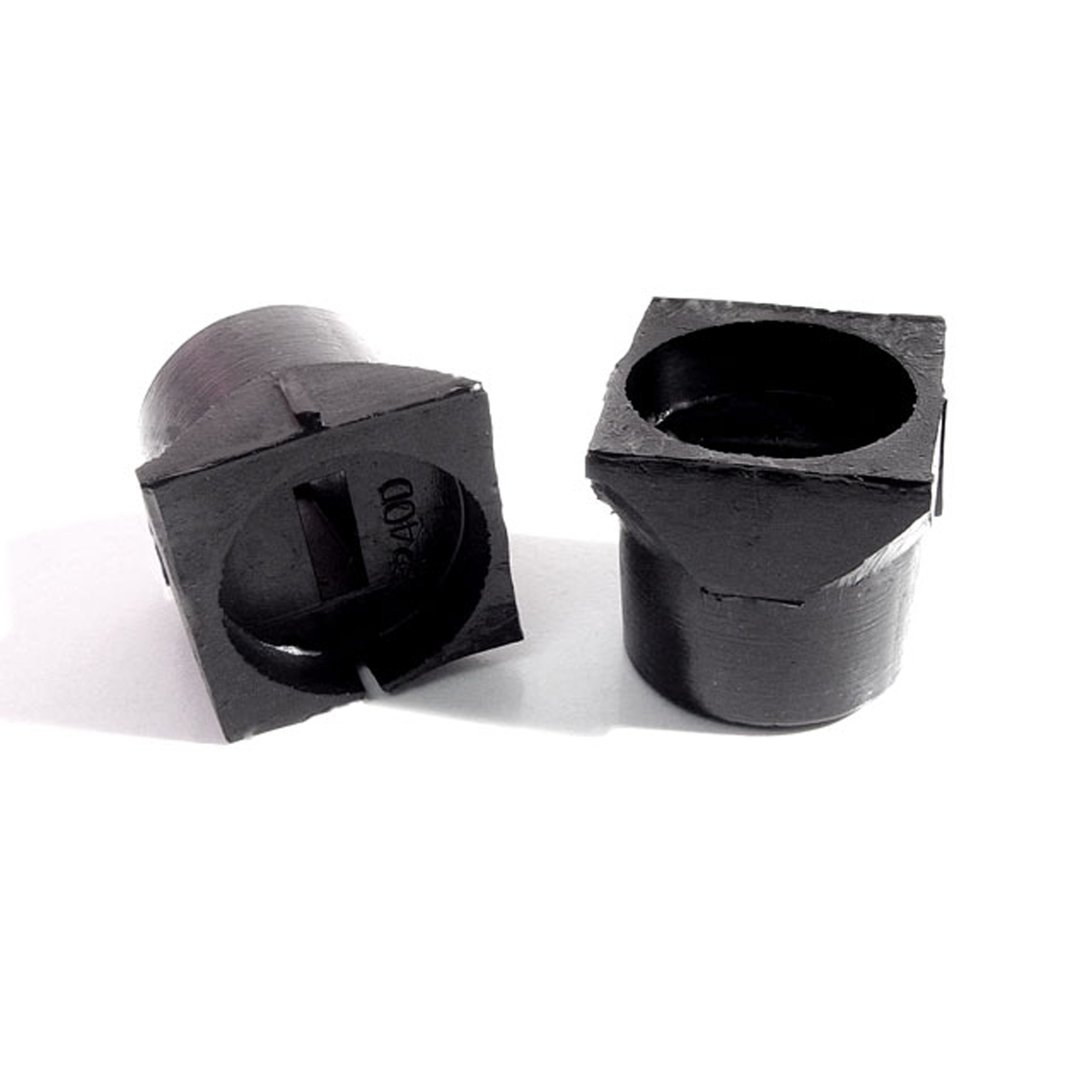 1935 Chrysler Airstream Series CZ Door Check Rubber Cushion. Each-RP 40-DDoor Check Rubber Cushion. Each
 1935 Chrysler Airstream Series CZ Door Bumper. 1" diameter X 1/4" thick Each-SB 60Door Bumper. 1" diameter X 1/4" thick Each
 1935 Chrysler Airstream Series CZ Side Window Anti-Rattle Pad. Six used per car-SB 73Side Window Anti-Rattle Pad. Six used per car. Fits a 3/16" X 3/4" slot in metal. Each
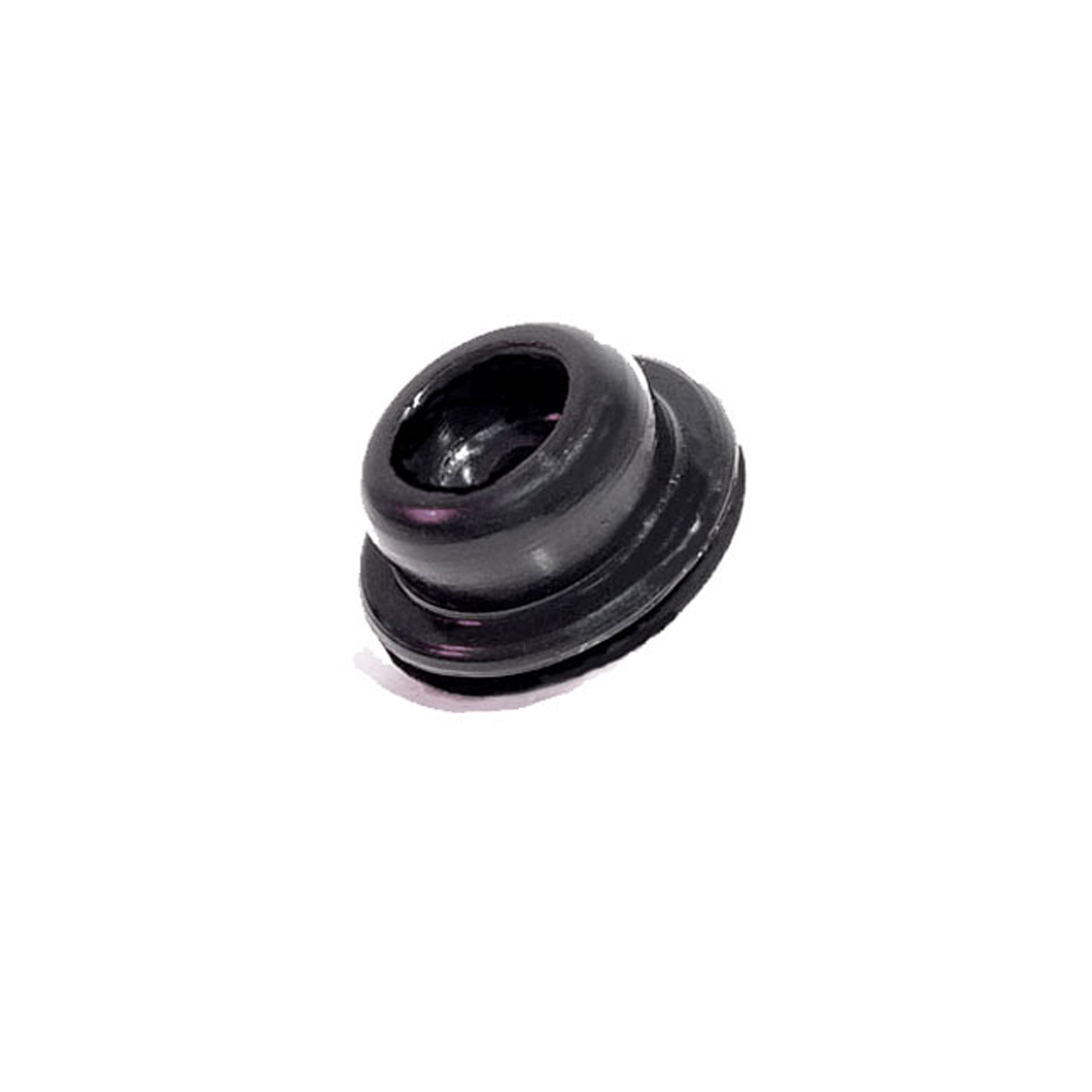 1935 Chrysler Airstream Series CZ Accelerator Rod Grommet-SM 43-BAccelerator Rod Grommet. For accelerator rod through floorboard. Each 1935 Chrysler Airstream Series CZ Rear Vent Window Seals. For 4-door sedan. Pair R&L-WR 2304-RRear Vent Window Seals. For 4-door sedan. Pair R&L
Why Choose Metro?
For over 100 years, Metro Moulded Parts has been the pinnacle of quality in classic car restoration parts. Our commitment to precision and authenticity in every component ensures a perfect fit and an OEM-level appearance.
- Expert Craftsmanship & Quality: Each part is a testament to our dedication to reliability and perfection, crafted from original designs and thoroughly tested.
- Advanced Technology: We use cutting-edge techniques to create flawless, long-lasting parts that surpass others in performance.
- SuperSoft Sponge – The Ultimate Door Seal: Not only are our door seals 30% softer than competitors', but they're also guaranteed to never leak. They effectively reduce wind and road noise, enhancing your classic car's comfort and driving experience.
- Proudly American: Our parts are a product of American craftsmanship, made in the USA with a spirit of excellence and heritage.
- Unrivaled Warranty: We back our products with a 30-year industry-leading warranty, a testament to our confidence in their quality.
Join us in preserving the legacy of classic cars with parts that are crafted for perfection, not just made.