

Image of 1935 Chrysler Imperial Airflow Series C-2, Note: These illustrations use artistic license and may differ from actual historical models.
Performance Metrics
Fundamental Metrics
Emotional Appeal
MMP Rating
| Engine Specifications | |
|---|---|
| Engine: | Straight-8 |
| Displacement: | 323.5 cu in (5.3 L) |
| Horsepower: | 130 hp |
| Torque: | Not available |
| Compression Ratio: | Not available |
| Ignition System: | Battery and coil |
| Cooling System: | Liquid-cooled |
| Performance Specifications | |
| 0-60 Time: | Not available |
| 1/4 Mile Time: | Not available |
| Top Speed: | 95 mph |
| Transmission and Drive | |
| Drive Type: | Rear-wheel drive |
| Transmission Type: | 3-speed manual |
| Fuel and Efficiency | |
| Fuel System Type: | Carburetor |
| MPG: | Not available |
| Dimensions and Brakes | |
| Brakes: | 4-wheel drum brakes |
| Wheelbase: | 128 in (3,251 mm) |
| Weight: | 4,600 lbs |
Note: Specifications for classic cars are given to the best of our ability, considering the limited and variant data available.
1935 Chrysler Imperial Airflow C-2: A Car Ahead of Its Time
The 1935 Chrysler Imperial Airflow C-2 looks as though it arrived from a more aerodynamic future, and in many ways, it did. Built by the Chrysler Corporation during the Great Depression, it was part of an ambitious effort to rethink how a car should be shaped, assembled, and driven. Its rounded nose, flowing bodywork, and cabin set between the axles made it strikingly different from the upright cars filling American roads.
The Airflow was the work of Chrysler engineers, including Carl Breer, Fred Zeder, and Owen Skelton, who studied airflow and vehicle balance as they developed the design. The C-2 paired the Airflow concept with a smooth-running inline-eight engine. Its importance goes beyond unusual styling: it was an early, visible demonstration of aerodynamic thinking and integrated body construction in a mass-produced American car.
One story often associated with the Airflow’s development is a dramatic publicity test in which an experimental car was sent over a steep drop and reportedly remained driveable afterward. The stunt was intended to show the strength of its body construction. It was not a C-2 production-car speed record, but it neatly captured Chrysler’s message: the Airflow was engineered differently.
Streamlined Styling and Cabin Craft
From the front, the C-2 presents a rounded, waterfall-style grille that flows into bulbous front fenders. The headlamps are integrated into the fenders rather than standing apart as separate ornaments. A gently sloping hood and curved windshield lead the eye toward a roofline that continues in one unbroken sweep to the rear. The enclosed rear wheels and smooth sides further reduce the visual clutter common on cars of the period.
Its shape was not simply a styling exercise. Chrysler’s engineers moved the passenger compartment forward so occupants sat between the axles, rather than largely behind the rear axle as in many conventional designs. The result was a roomy cabin and a more balanced distribution of weight. The Airflow’s all-steel body structure also differed from the wood-framed construction still found in some contemporary vehicles.
Inside, the C-2 was designed as a comfortable, substantial car rather than a stripped-down experiment. Depending on body style and trim, buyers could find broadcloth or mohair upholstery, with leather available on some configurations. The dashboard and door trim were finished to match the car’s price and intended luxury positioning. Seating was generous by the standards of the day, and the forward-set cabin gave passengers a more central, less tail-heavy sensation on the road.
Factory paint choices varied by year, body, and trim. Period Airflows appeared in subdued colors such as black, dark blue, maroon, green, gray, and tan, sometimes with contrasting details. Dark shades emphasized the car’s dramatic, sculptural form, while lighter colors made the curved fenders and roofline easier to appreciate. Exact paint names and combinations should be checked against the car’s body tag and period paint information, especially when assessing a restoration.
Airflow body offerings included sedans and coupe-style models, with passenger capacity and trim varying by configuration. The four-door sedan is the shape most people picture when they think of a family Airflow: its long, flowing roofline makes the design especially recognizable. Coupe versions are less commonly encountered and give the streamlined profile an even sportier look.
Why the Airflow Mattered
Before the Airflow, many American cars followed a familiar formula: a tall radiator, separate-looking fenders, and a cabin perched behind a long hood. Chrysler challenged that template by treating the body as a complete aerodynamic form. The company used wind-tunnel research and road testing to pursue lower drag, better weight balance, and a stronger passenger compartment.
The Airflow’s construction was a major part of its significance. Its steel body was built around a structural framework, an approach that anticipated the broader move toward unitized and semi-monocoque construction. Chrysler also emphasized passenger placement between the axles, which helped the car feel more stable and spacious than its exterior proportions might suggest.
Yet being right early did not guarantee commercial success. The Airflow’s styling was too radical for some buyers, and early production problems hurt confidence in the design. Chrysler revised the appearance for 1935, making the front end more conventional, but the car still faced resistance. The C-2 stands as both an important engineering milestone and a reminder that customers do not always embrace a bold idea on the first try.
Inline-Eight Performance and Road Manners
The C-2’s power came from a 323.5-cubic-inch L-head inline-eight, rated at about 130 horsepower. A three-speed manual transmission sent power to the rear wheels. Period equipment and specifications can vary with body style and market, but the combination delivered the smooth, low-revving character expected of a large Chrysler eight-cylinder car.
Expect a top speed in the neighborhood of 85 to 90 mph when the car is in good mechanical condition. A 0-to-60-mph run was likely a roughly 18-to-22-second affair, depending on gearing, body weight, tune, and test conditions. Those figures are estimates rather than a promise for every surviving car. The C-2 was built for comfortable touring, not modern traffic-light sprints.
On a reasonably smooth road, the Airflow’s long wheelbase and substantial mass help it settle into a relaxed cruise. The inline-eight produces a mellow, even exhaust note, with a muted mechanical hum rather than the sharp bark of a smaller engine. Steering is direct by 1930s standards, but it requires more effort at low speeds than a modern car. The driver works a manual gearbox, manages unassisted controls, and stays alert to the car’s size.
Its ride is best understood in period terms. The suspension can absorb ordinary road imperfections, but large bumps and broken pavement still make themselves known through the chassis. On winding roads, the relatively balanced layout is an advantage, though the C-2 is no sports car. Its strengths are stability, a spacious cabin, and an unusually composed feel for a car of its era. Crosswinds and road crown can still demand attention, as they do in many tall, large cars from the 1930s.
Living With a 1935 Airflow
Today, a C-2 is most often used for touring, classic-car events, museum display, or occasional weekend drives. It can be driven on public roads, but it is better suited to relaxed routes than daily commuting. Its historical interest and uncommon bodywork make it a natural show car, while its comfortable seating and smooth eight-cylinder engine reward owners who take it out for longer drives.
Maintenance is manageable for an experienced vintage-car owner, but it is not as simple as servicing a common postwar classic. The engine uses familiar prewar principles, yet parts availability, specialist knowledge, and the condition of the body and electrical system all matter. Routine tasks such as ignition service, cooling-system care, lubrication, and brake inspection are essential. A prospective owner should pay particular attention to the structural body, rust repair, wood or trim details where applicable, and the availability of correct Airflow-specific parts.
Reliability depends heavily on restoration quality. A well-sorted C-2 can tour reliably at sensible speeds, but a neglected example may need extensive work before it is trustworthy. For most owners, a marque club, specialist shop, and a supply of factory literature are valuable tools. The car’s unusual construction means that a general repair shop may not have the experience or reference material to handle every job correctly.
Airflow Trivia and Common Criticisms
The Airflow’s most famous distinction is its willingness to put aerodynamics ahead of convention. Chrysler’s publicity demonstrations, including the cliff-drop story associated with experimental development cars, helped advertise the strength of its steel structure. The production Airflow did not become a sales champion, however. Its unusual appearance divided buyers, and the early model’s quality concerns became a lasting part of its reputation.
That reputation deserves some context. The 1935 version benefited from revisions, but public perception is difficult to change once a new design has been labeled strange or unreliable. The Airflow’s chief criticism was not that it lacked engineering ambition. It was that its appearance was too far ahead of familiar tastes, while early manufacturing issues gave skeptics a reason to hesitate.
There is no widely recognized land-speed or endurance record attached specifically to the C-2. Its legacy is instead tied to design and engineering. The Airflow helped make aerodynamic form and body structure part of the public conversation about automobiles, even as more conventional cars continued to dominate showroom floors.
Collector Value and Rarity
Exact production totals for individual C-2 body and trim combinations can be difficult to pin down, and published figures may group cars differently. As a practical estimate, the 1935 Chrysler Airflow C-2 was built in the low thousands rather than in large mass-market numbers. Survivors are rarer still, especially cars retaining correct body details, trim, and mechanical components.
In today’s collector market, condition and authenticity make a substantial difference. A project car may fall roughly in the $10,000 to $25,000 range, while a sound driver or older restoration could bring about $25,000 to $55,000. A high-quality, well-documented restoration may reach approximately $55,000 to $90,000 or more. Exceptional cars with especially desirable body styles, strong provenance, or concours-level presentation can exceed that range, though the market for such a specialized prewar car is relatively narrow.
Airflow values have generally been supported by the model’s historical importance, but they do not rise as predictably as those of more familiar American classics. The number of interested buyers is smaller, and restoration costs can outstrip the eventual sale price. The best examples tend to hold their appeal, while poorly documented or incomplete cars can be harder to sell. For collectors, condition, originality, and the quality of any restoration are more important than assuming the car will appreciate quickly.
A Streamliner With Staying Power
The 1935 Chrysler Imperial Airflow C-2 brought together a smooth inline-eight, forward-thinking body construction, and styling that refused to blend into the crowd. It was not a commercial triumph, and its early reputation was complicated, but its influence is easy to recognize in the later industry-wide interest in aerodynamic shapes and stronger, more integrated bodies.
Nearly a century later, the C-2 remains memorable because it dared to look and behave differently. It is more than an unusual prewar sedan or coupe. It is a rolling record of the moment Chrysler tried to make the future visible on American roads.
1935 Chrysler Imperial Airflow Series C-2 Catalog of Parts
 1935 Chrysler Imperial Airflow Series C-2 Clutch and Brake Pedal Pads. 2-5/8" wide X 3-3/4" long-CB 26Clutch and Brake Pedal Pads. 2-5/8" wide X 3-3/4" long. Pair
 1935 Chrysler Imperial Airflow Series C-2 Clutch and Brake Pedal Pads. 3" wide X 3-7/8" long. Pair-CB 27Clutch and Brake Pedal Pads. 3" wide X 3-7/8" long. Pair
 1935 Chrysler Imperial Airflow Series C-2 Clutch and Brake Pedal Pads, Black-CB 28-AClutch and Brake Pedal Pads, Black. 2-3/8" wide X 3-7/8" long. Pair
 1935 Chrysler Imperial Airflow Series C-2 Clutch and Brake Pedal Pads, Brown-CB 28-BClutch and Brake Pedal Pads, Brown. 2-3/8" wide X 3-7/8" long. Pair
 1935 Chrysler Imperial Airflow Series C-2 Door Jamb Bumper. Perfect reproduction-DB 36Door Jamb Bumper. Perfect reproduction. 1-1/16" high X 1-1/4" wide X 7/16" thick. Each
 1935 Chrysler Imperial Airflow Series C-2 Door Jamb Bumper. Fully detailed reproduction-DB 38Door Jamb Bumper. Fully detailed reproduction. 15/16" high X 1-9/16" wide X 7/16" thick. Each
 1935 Chrysler Imperial Airflow Series C-2 Gravel Shields. Molded flat without metal backing plates-FS 31Gravel Shields. Molded flat without metal backing plates. Apply with contact cement. 18" long X 9-3/4" wide at bottom. Pair
 1935 Chrysler Imperial Airflow Series C-2 Hood Corners. Fits flat corners-HC 19Hood Corners. Fits flat corners. 80° angle, 1/4" to 3/8" corner radius. 1-3/8" wide. Pair
 1935 Chrysler Imperial Airflow Series C-2 Roof Related Seal. Top insert filler & seal for closed cars-LP 110-RRoof Related Seal. Top insert filler & seal for closed cars. Fits in groove between cloth top-center panel & surrounding steel. Sold by the foot
 1935 Chrysler Imperial Airflow Series C-2 Swing-Out & Crank-Out Windshield Seal. Sold by the foot-LP 97Swing-Out & Crank-Out Windshield Seal. Sold by the foot
 1935 Chrysler Imperial Airflow Series C-2 Swing-Out Windshield Seal. 3/4" High. Sold by the foot-LP 97-ASwing-Out Windshield Seal. 3/4" High. Sold by the foot
 1935 Chrysler Imperial Airflow Series C-2 Headlight Pads. 2-1/4" wide X 4-1/4" long. Pair-MP 554Headlight Pads. 2-1/4" wide X 4-1/4" long. Pair
 1935 Chrysler Imperial Airflow Series C-2 Door Handle Pads. 1-1/2" wide X 2-1/4" long-MP 556Door Handle Pads. 1-1/2" wide X 2-1/4" long. Pair (Buick: no locking type)
 1935 Chrysler Imperial Airflow Series C-2 Door Handle Pads. 1-5/8" wide X 3-1/2" long. Pair-MP 556-BDoor Handle Pads. 1-5/8" wide X 3-1/2" long. Pair
 1935 Chrysler Imperial Airflow Series C-2 Headlight Pads. 1-3/4" wide X 4-3/8" long. Pair-MP 556-CHeadlight Pads. 1-3/4" wide X 4-3/8" long. Pair
 1935 Chrysler Imperial Airflow Series C-2 Trunk Rack Pad. 1-3/4" X 5-1/2". Each-MP 557Trunk Rack Pad. 1-3/4" X 5-1/2". Each
 1935 Chrysler Imperial Airflow Series C-2 Trunk Hinge Pads. 1-7/8" wide X 8" long. 4-Piece Set-MP 568Trunk Hinge Pads. 1-7/8" wide X 8" long. 4-Piece Set
 1935 Chrysler Imperial Airflow Series C-2 Headlight Pads. 2-1/4" wide X 5-1/4" long. Pair-MP 603Headlight Pads. 2-1/4" wide X 5-1/4" long. Pair
 1935 Chrysler Imperial Airflow Series C-2 Cowl Vent Seal. Made of molded sponge-RP 100-LCowl Vent Seal. Made of molded sponge. 3-3/4" wide at side X 15-1/3" long X 3/8" thick. Each
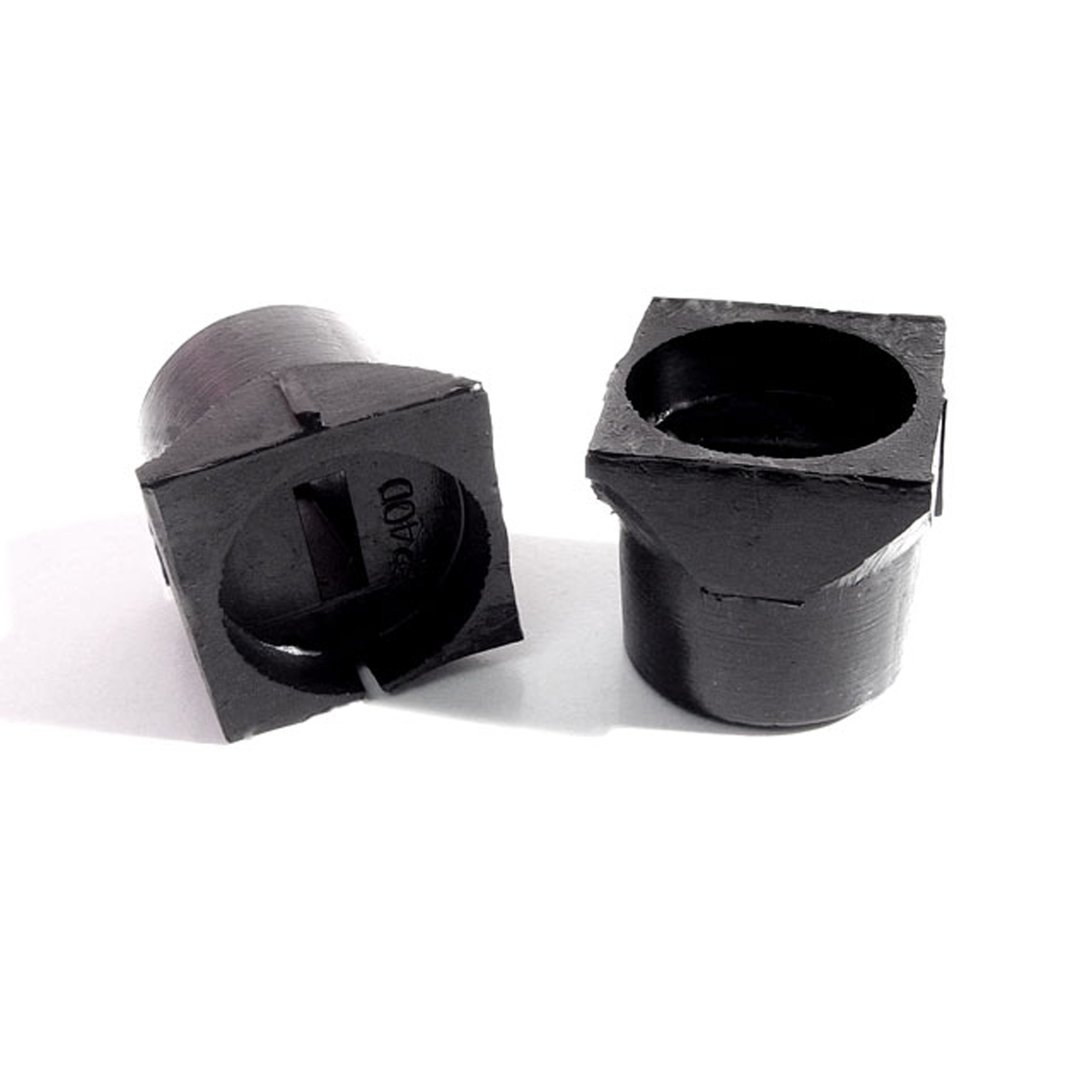 1935 Chrysler Imperial Airflow Series C-2 Door Check Rubber Cushion. Each-RP 40-DDoor Check Rubber Cushion. Each
 1935 Chrysler Imperial Airflow Series C-2 Door Bumper. 1" diameter X 1/4" thick Each-SB 60Door Bumper. 1" diameter X 1/4" thick Each
 1935 Chrysler Imperial Airflow Series C-2 Side Window Anti-Rattle Pad. Six used per car-SB 73Side Window Anti-Rattle Pad. Six used per car. Fits a 3/16" X 3/4" slot in metal. Each
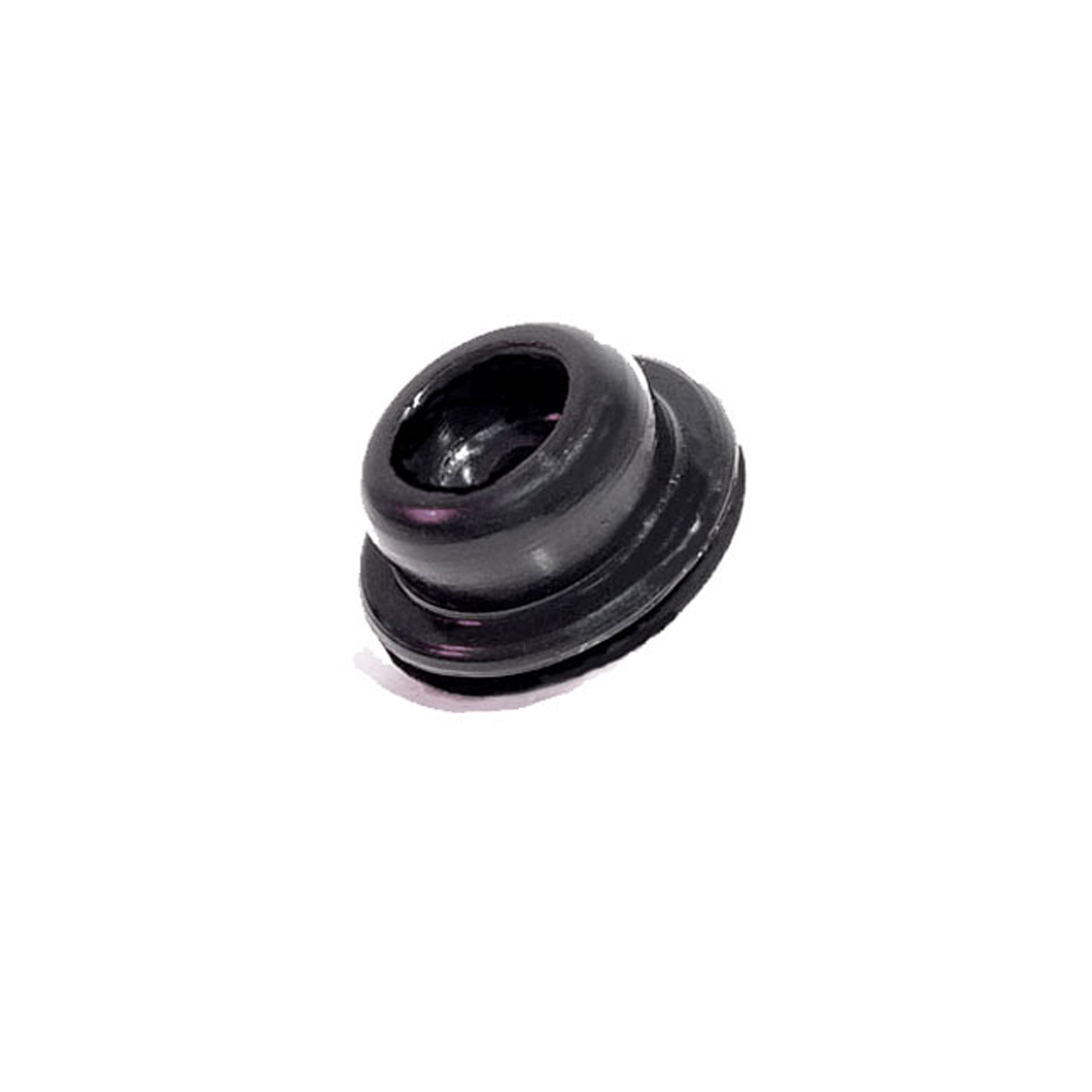 1935 Chrysler Imperial Airflow Series C-2 Accelerator Rod Grommet-SM 43-BAccelerator Rod Grommet. For accelerator rod through floorboard. Each 1935 Chrysler Imperial Airflow Series C-2 Rear Vent Window Seals. For 4-door sedan. Pair R&L-WR 2304-RRear Vent Window Seals. For 4-door sedan. Pair R&L
Why Choose Metro?
For over 100 years, Metro Moulded Parts has been the pinnacle of quality in classic car restoration parts. Our commitment to precision and authenticity in every component ensures a perfect fit and an OEM-level appearance.
- Expert Craftsmanship & Quality: Each part is a testament to our dedication to reliability and perfection, crafted from original designs and thoroughly tested.
- Advanced Technology: We use cutting-edge techniques to create flawless, long-lasting parts that surpass others in performance.
- SuperSoft Sponge – The Ultimate Door Seal: Not only are our door seals 30% softer than competitors', but they're also guaranteed to never leak. They effectively reduce wind and road noise, enhancing your classic car's comfort and driving experience.
- Proudly American: Our parts are a product of American craftsmanship, made in the USA with a spirit of excellence and heritage.
- Unrivaled Warranty: We back our products with a 30-year industry-leading warranty, a testament to our confidence in their quality.
Join us in preserving the legacy of classic cars with parts that are crafted for perfection, not just made.