

Image of 1935 Chrysler Imperial Custom Airflow Series C-W, Note: These illustrations use artistic license and may differ from actual historical models.
Performance Metrics
Fundamental Metrics
Emotional Appeal
MMP Rating
| Engine Specifications | |
|---|---|
| Engine: | Straight-8 |
| Displacement: | 323.5 cu in (5.3 L) |
| Horsepower: | 130 hp |
| Torque: | Not available |
| Compression Ratio: | Not available |
| Ignition System: | Battery and coil |
| Cooling System: | Liquid-cooled |
| Performance Specifications | |
| 0-60 Time: | Not available |
| 1/4 Mile Time: | Not available |
| Top Speed: | 95 mph |
| Transmission and Drive | |
| Drive Type: | Rear-wheel drive |
| Transmission Type: | 3-speed manual |
| Fuel and Efficiency | |
| Fuel System Type: | Carburetor |
| MPG: | Not available |
| Dimensions and Brakes | |
| Brakes: | 4-wheel drum brakes |
| Wheelbase: | 128 in (3,251 mm) |
| Weight: | 4,485 lbs |
Note: Specifications for classic cars are given to the best of our ability, considering the limited and variant data available.
1935 Chrysler Imperial Custom Airflow CW: A Streamlined American Flagship
The 1935 Chrysler Imperial Custom Airflow CW looked less like a traditional luxury car than a glimpse of the automotive future. Built by Chrysler Corporation in Detroit, it combined a long, imposing chassis with aerodynamic styling and advanced body engineering at a time when most American cars still wore upright grilles, separate fenders, and boxy passenger cabins.
The CW sat at the top of Chrysler’s Airflow range, above the more numerous Airflow models. It was a costly, low-production luxury automobile aimed at buyers who wanted exceptional space and engineering as well as prestige. Its importance goes beyond rarity: the Airflow challenged the idea that a car had to be shaped around the conventions of the past.
One intriguing detail is the role of aviation pioneer Orville Wright in the Airflow’s development. Chrysler engineers consulted him on aerodynamic testing, reflecting just how seriously the company treated airflow and wind resistance while designing this striking machine.
Streamlined Styling and Custom Coachwork
The Imperial Custom Airflow’s shape was unmistakable. Its rounded nose flowed into a tall, gently arched roof, while the fenders blended into the body instead of standing apart as decorative appendages. The sloping rear and integrated trunk gave the car a cohesive, almost aircraft-like profile. A revised front treatment for 1935 gave the Airflow a more conventional grille than the original 1934 design, though the overall form remained dramatically different from its rivals.
The CW’s long wheelbase and generous proportions made it imposing without relying on acres of bright trim. Its body sat low and broad, and the smooth sides helped emphasize the car’s length. Depending on body style and equipment, exterior details could include distinctive wheel covers, running boards, brightwork, and formal roof treatments.
As a top-line Imperial, the CW was associated with custom and semi-custom bodywork rather than a single ordinary mass-market configuration. Four-door sedan and formal limousine-style bodies are among the forms associated with the range; availability and details varied. The four-door sedan is the most familiar and practical expression of the CW, while formal chauffeur-oriented versions best capture its role as a luxury flagship. Buyers should check the chassis number and original records when assessing a particular car, since surviving examples and descriptions can vary by body style.
Color choices depended on body and ordering details. Period luxury cars could be specified in restrained shades such as black, dark blue, green, gray, or maroon, with contrasting or two-tone treatments available in some configurations. Black and deep, formal colors suit the CW’s limousine-like character, but surviving cars in less common colors can be especially eye-catching. Original paint information, when documented, is more useful than assuming every car followed one standard palette.
A Luxury Cabin Built for Distance
Inside, the Imperial prioritized space and comfort. Its long wheelbase created generous room for passengers, especially in the rear, where a formal sedan or limousine could serve owners who preferred to be driven. Upholstery and trim depended on the body and specification, with quality cloth, broadcloth, mohair, or leather used across period luxury interiors. Wood accents and careful finishing helped distinguish the cabin from a standard family car.
The dashboard was arranged around the driver, with clear period instruments and substantial controls. The cabin was not modern in the contemporary sense: occupants sat upright, visibility was framed by relatively thick pillars, and convenience equipment was modest by today’s standards. But compared with many cars of its era, the CW offered an impressive combination of interior room, quietness, and a sense of occasion.
Airflow Engineering Ahead of Its Time
The Airflow was developed by Chrysler engineers Carl Breer, Fred Zeder, and Owen Skelton. Their work challenged conventional styling through wind-tunnel research and experiments with weight distribution and body structure. The car’s integrated body-and-frame approach was more advanced than the separate body-on-frame construction common on many contemporary automobiles. Chrysler promoted the structure’s strength and rigidity, though it is best understood as an early integrated construction system rather than equated directly with every modern unibody design.
Chrysler also moved the engine forward in the chassis compared with the traditional layout of the day. This helped create a more balanced distribution of weight and allowed passengers to sit farther forward, within the wheelbase rather than crowded toward the rear axle. The result was a spacious cabin and a ride intended to feel more composed over rough roads.
Other notable equipment included hydraulic brakes, which were becoming an important advantage over older mechanical systems, and a three-speed manual transmission. The Airflow was not simply a styling experiment: Chrysler attempted to make its aerodynamic shape part of a broader package of structural and mechanical improvements.
Why the Airflow Mattered
In the mid-1930s, streamlined design was gaining attention in aviation, rail travel, and industrial design. Most cars, however, still followed familiar upright proportions. The Airflow made aerodynamics visible to the public, using a smooth, rounded body instead of treating streamlining as a hidden engineering detail.
Its commercial reception was complicated. Many buyers found the styling too radical, and Chrysler’s marketing had to overcome concerns about the unfamiliar shape. The Airflow also faced criticism over its early construction and production experience, although Chrysler made changes as the model evolved. For 1935, the company softened the front-end appearance, but the basic design remained bold.
The Airflow did not instantly persuade the entire industry to copy its shape. Its influence was more gradual: it helped make aerodynamic thinking, integrated body construction, and improved weight distribution part of the conversation about future cars. Later generations of designers would adopt streamlined forms more widely, even when their cars looked less daring than the Chrysler.
Engine, Speed, and Road Manners
The Imperial Custom Airflow CW used a large L-head inline-eight engine of approximately 385.6 cubic inches, or 6.3 liters. Period specifications commonly list output at about 150 horsepower, delivered through a three-speed manual gearbox. That was substantial power for a luxury car of the era, though the CW’s considerable size and weight meant it was built for smooth progress rather than sports-car agility.
Published performance figures vary, and dependable factory acceleration data is difficult to pin down. As a reasonable period-car estimate, a well-running CW may reach roughly 90 to 95 mph at the top end, with a 0-to-60 mph time in the neighborhood of 16 to 20 seconds. These figures depend on condition, gearing, body style, altitude, and how the car is measured. They should be treated as estimates, not guaranteed specifications for every surviving example.
On the road, the long wheelbase helps the car settle over broad undulations and broken pavement. Its size and period suspension are less suited to sharp corners or narrow, winding roads. The steering requires more effort and planning than a modern driver may expect, and the brakes demand a respectful following distance. On open roads, the CW’s natural pace is steady and dignified rather than hurried.
The inline-eight produces a deep, smooth mechanical note, with the engine working quietly at a relaxed cruising speed when properly tuned. The driving position is upright, the controls are substantial, and the driver must anticipate gear changes and braking. The experience is less about rapid response than about piloting a grand prewar automobile with presence and mechanical character.
Ownership, Maintenance, and Reliability
Today, a 1935 Imperial Custom Airflow is primarily a show car, touring car, or centerpiece in a serious collection. Its size, value, and limited availability make everyday use impractical for most owners, although well-maintained examples can participate in vintage motoring events and carefully planned tours.
Routine service follows the needs of a 1930s car: regular lubrication, careful attention to ignition and carburetion, cooling-system maintenance, and frequent inspection of the brakes, tires, and suspension. Parts support is available through specialist suppliers and the broader Chrysler collector community, but unique trim, body pieces, and coachwork components can be difficult and expensive to source. A mechanically capable owner can handle basic servicing, but restoration of the body, upholstery, or specialized components is usually a job for experienced professionals.
Reliability depends heavily on restoration quality and maintenance history. A car that has been driven and serviced consistently is generally a better prospect than a static display vehicle with unknown mechanical condition. Before purchase, inspect the frame and body structure, engine condition, cooling system, transmission, brakes, electrical system, and completeness of the interior and exterior trim.
Rare Details and Common Criticisms
The CW’s most important distinction is its position at the top of the Airflow family. It was not a high-volume car, and production was tiny compared with ordinary Chrysler models. Exact figures for individual body styles can be difficult to confirm, so claims about a specific configuration should be checked against factory records and marque registries. A reasonable working estimate is that only a small number of 1935 CWs were built, likely in the low hundreds or fewer, rather than thousands.
The Airflow’s bold appearance is both its greatest attraction and a frequent criticism. Some period buyers considered the rounded rear and integrated fenders too strange, while others felt the car’s size and formal styling made it imposing. Its early production history also contributed to a reputation for being an ambitious design that took time to refine. There is no widely recognized speed or endurance record that defines the CW; its lasting distinction is its role in Chrysler’s aerodynamic and structural experiments.
Surviving cars are far more likely to appear at concours events, specialist auctions, and major vintage-car gatherings than in ordinary traffic. Their rarity and unmistakable shape have made them memorable features of the American classic-car scene, even though they never became mainstream bestsellers.
Collector Values and Market Outlook
Values vary widely according to body style, originality, restoration quality, documentation, and provenance. As a broad current-market estimate, a major project might fall around $30,000 to $80,000, while a usable but imperfect example could bring roughly $80,000 to $150,000. A high-quality restored car may sell in the $150,000 to $300,000 range, with exceptional examples or especially desirable coachwork potentially exceeding that range.
These are guide figures, not appraisals. The market for a rare Airflow CW is specialized, so sale prices can depend on finding the right collector. Over the long term, the car’s historical importance and scarcity support its appeal, but values do not rise in a straight line. Restoration costs are high, and buyers tend to reward documented originality and excellent workmanship more than ambitious but poorly executed repairs.
Availability is limited. A particular body style may not come to market for years, and some examples remain in long-term collections. Anyone considering a purchase should consult a marque specialist, verify the car’s identity and history, and commission a thorough inspection before making an offer.
A Chrysler That Dared to Look Forward
The 1935 Chrysler Imperial Custom Airflow CW brought together a powerful inline-eight, expansive luxury-car proportions, custom-level finish, and an unusually advanced approach to aerodynamics and body construction. Its radical styling divided opinion in its own time, but that same daring design is a major reason collectors remember it today.
The CW is more than a rare prewar automobile. It is a rolling record of Chrysler’s willingness to question how a car should be shaped and engineered. More than nine decades later, its streamlined silhouette still looks like a statement of intent: the future, Chrysler believed, should not be afraid to look different.
1935 Chrysler Imperial Custom Airflow Series C-W Catalog of Parts
 1935 Chrysler Imperial Custom Airflow Series C-W Clutch and Brake Pedal Pads. 2-5/8" wide X 3-3/4" long-CB 26Clutch and Brake Pedal Pads. 2-5/8" wide X 3-3/4" long. Pair
 1935 Chrysler Imperial Custom Airflow Series C-W Clutch and Brake Pedal Pads. 3" wide X 3-7/8" long. Pair-CB 27Clutch and Brake Pedal Pads. 3" wide X 3-7/8" long. Pair
 1935 Chrysler Imperial Custom Airflow Series C-W Clutch and Brake Pedal Pads, Black-CB 28-AClutch and Brake Pedal Pads, Black. 2-3/8" wide X 3-7/8" long. Pair
 1935 Chrysler Imperial Custom Airflow Series C-W Clutch and Brake Pedal Pads, Brown-CB 28-BClutch and Brake Pedal Pads, Brown. 2-3/8" wide X 3-7/8" long. Pair
 1935 Chrysler Imperial Custom Airflow Series C-W Door Jamb Bumper. Perfect reproduction-DB 36Door Jamb Bumper. Perfect reproduction. 1-1/16" high X 1-1/4" wide X 7/16" thick. Each
 1935 Chrysler Imperial Custom Airflow Series C-W Door Jamb Bumper. Fully detailed reproduction-DB 38Door Jamb Bumper. Fully detailed reproduction. 15/16" high X 1-9/16" wide X 7/16" thick. Each
 1935 Chrysler Imperial Custom Airflow Series C-W Gravel Shields. Molded flat without metal backing plates-FS 31Gravel Shields. Molded flat without metal backing plates. Apply with contact cement. 18" long X 9-3/4" wide at bottom. Pair
 1935 Chrysler Imperial Custom Airflow Series C-W Hood Corners. Fits flat corners-HC 19Hood Corners. Fits flat corners. 80° angle, 1/4" to 3/8" corner radius. 1-3/8" wide. Pair
 1935 Chrysler Imperial Custom Airflow Series C-W Roof Related Seal. Top insert filler & seal for closed cars-LP 110-RRoof Related Seal. Top insert filler & seal for closed cars. Fits in groove between cloth top-center panel & surrounding steel. Sold by the foot
 1935 Chrysler Imperial Custom Airflow Series C-W Swing-Out & Crank-Out Windshield Seal. Sold by the foot-LP 97Swing-Out & Crank-Out Windshield Seal. Sold by the foot
 1935 Chrysler Imperial Custom Airflow Series C-W Swing-Out Windshield Seal. 3/4" High. Sold by the foot-LP 97-ASwing-Out Windshield Seal. 3/4" High. Sold by the foot
 1935 Chrysler Imperial Custom Airflow Series C-W Headlight Pads. 2-1/4" wide X 4-1/4" long. Pair-MP 554Headlight Pads. 2-1/4" wide X 4-1/4" long. Pair
 1935 Chrysler Imperial Custom Airflow Series C-W Door Handle Pads. 1-1/2" wide X 2-1/4" long-MP 556Door Handle Pads. 1-1/2" wide X 2-1/4" long. Pair (Buick: no locking type)
 1935 Chrysler Imperial Custom Airflow Series C-W Door Handle Pads. 1-5/8" wide X 3-1/2" long. Pair-MP 556-BDoor Handle Pads. 1-5/8" wide X 3-1/2" long. Pair
 1935 Chrysler Imperial Custom Airflow Series C-W Headlight Pads. 1-3/4" wide X 4-3/8" long. Pair-MP 556-CHeadlight Pads. 1-3/4" wide X 4-3/8" long. Pair
 1935 Chrysler Imperial Custom Airflow Series C-W Trunk Rack Pad. 1-3/4" X 5-1/2". Each-MP 557Trunk Rack Pad. 1-3/4" X 5-1/2". Each
 1935 Chrysler Imperial Custom Airflow Series C-W Trunk Hinge Pads. 1-7/8" wide X 8" long. 4-Piece Set-MP 568Trunk Hinge Pads. 1-7/8" wide X 8" long. 4-Piece Set
 1935 Chrysler Imperial Custom Airflow Series C-W Headlight Pads. 2-1/4" wide X 5-1/4" long. Pair-MP 603Headlight Pads. 2-1/4" wide X 5-1/4" long. Pair
 1935 Chrysler Imperial Custom Airflow Series C-W Cowl Vent Seal. Made of molded sponge-RP 100-LCowl Vent Seal. Made of molded sponge. 3-3/4" wide at side X 15-1/3" long X 3/8" thick. Each
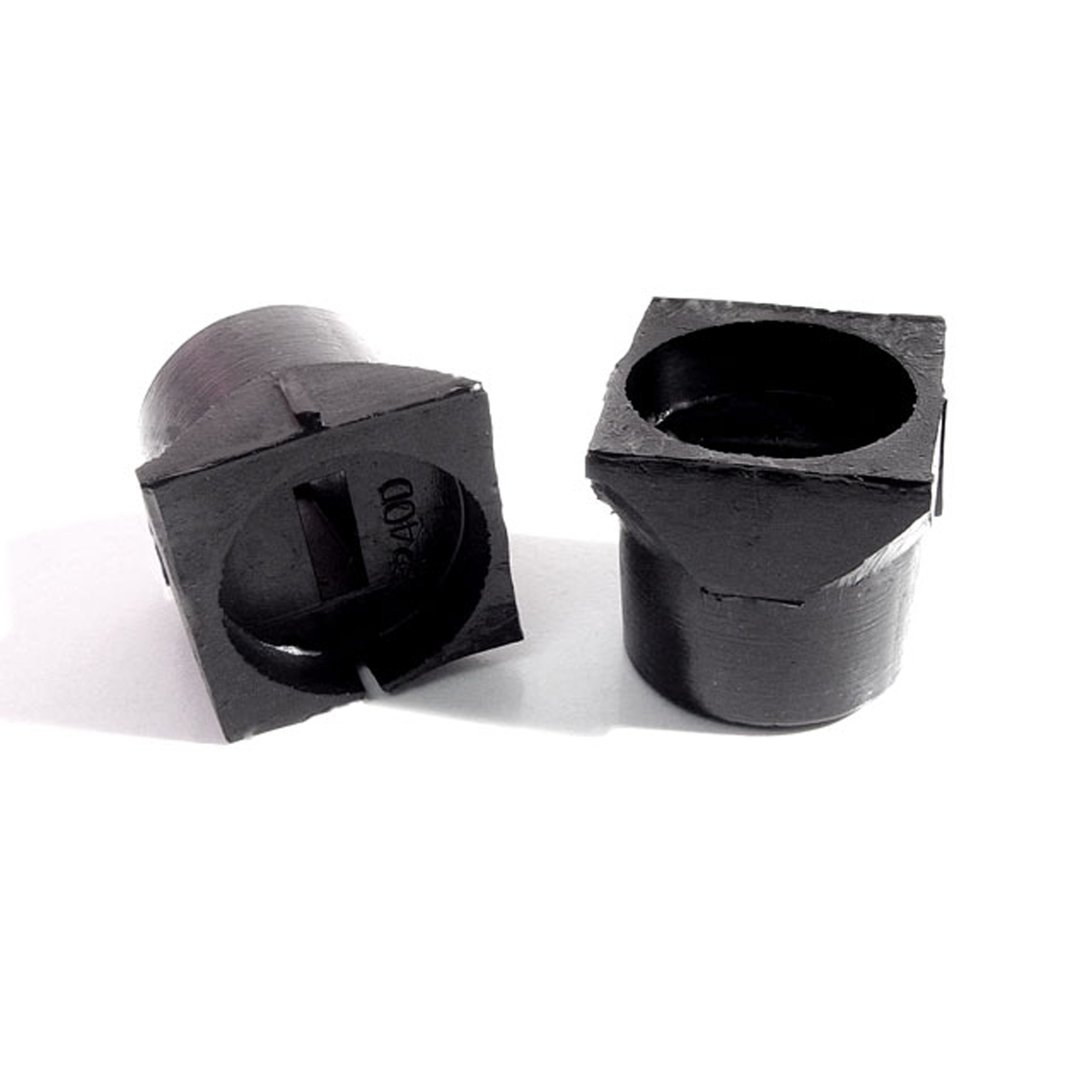 1935 Chrysler Imperial Custom Airflow Series C-W Door Check Rubber Cushion. Each-RP 40-DDoor Check Rubber Cushion. Each
 1935 Chrysler Imperial Custom Airflow Series C-W Door Bumper. 1" diameter X 1/4" thick Each-SB 60Door Bumper. 1" diameter X 1/4" thick Each
 1935 Chrysler Imperial Custom Airflow Series C-W Side Window Anti-Rattle Pad. Six used per car-SB 73Side Window Anti-Rattle Pad. Six used per car. Fits a 3/16" X 3/4" slot in metal. Each
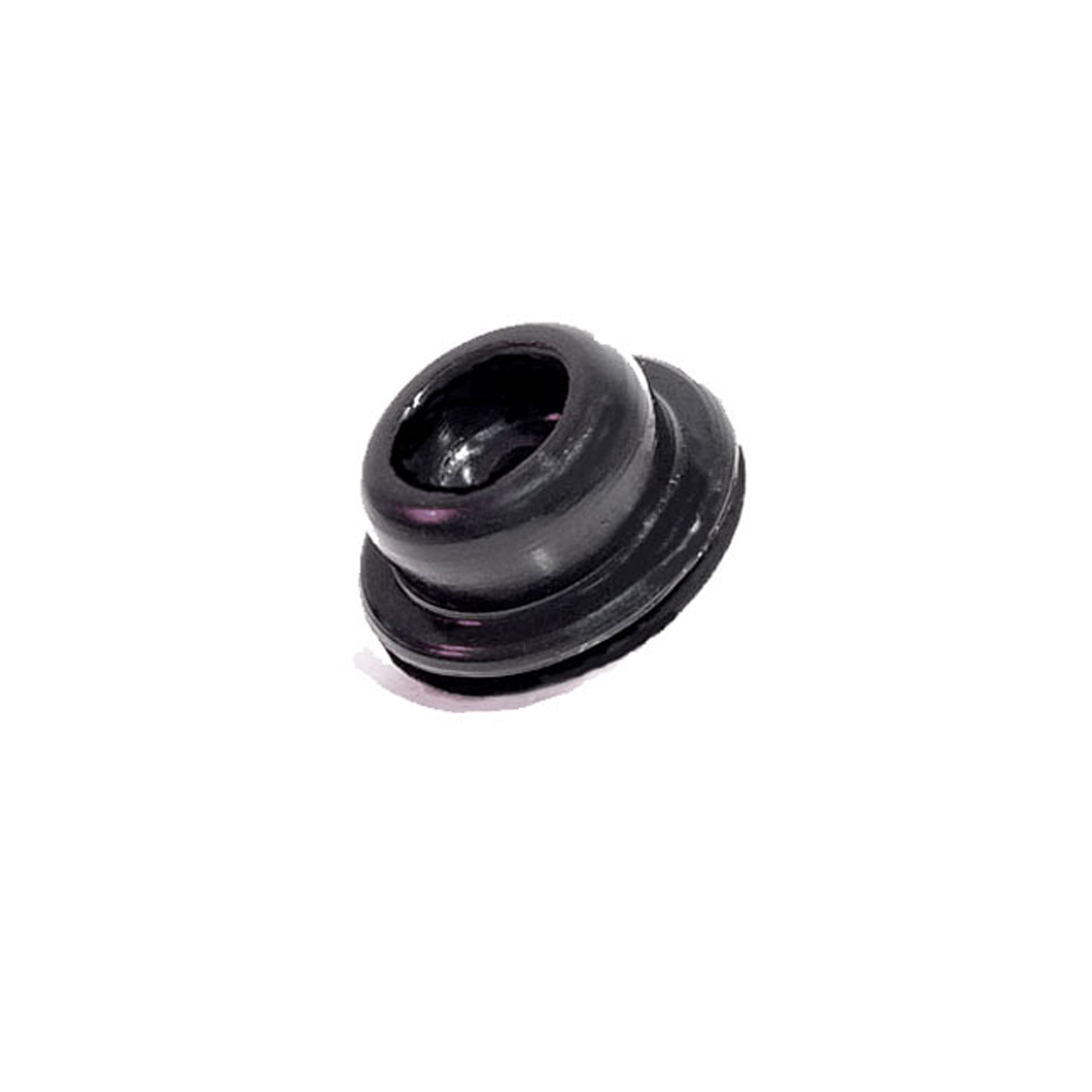 1935 Chrysler Imperial Custom Airflow Series C-W Accelerator Rod Grommet-SM 43-BAccelerator Rod Grommet. For accelerator rod through floorboard. Each 1935 Chrysler Imperial Custom Airflow Series C-W Rear Vent Window Seals. For 4-door sedan. Pair R&L-WR 2304-RRear Vent Window Seals. For 4-door sedan. Pair R&L
Why Choose Metro?
For over 100 years, Metro Moulded Parts has been the pinnacle of quality in classic car restoration parts. Our commitment to precision and authenticity in every component ensures a perfect fit and an OEM-level appearance.
- Expert Craftsmanship & Quality: Each part is a testament to our dedication to reliability and perfection, crafted from original designs and thoroughly tested.
- Advanced Technology: We use cutting-edge techniques to create flawless, long-lasting parts that surpass others in performance.
- SuperSoft Sponge – The Ultimate Door Seal: Not only are our door seals 30% softer than competitors', but they're also guaranteed to never leak. They effectively reduce wind and road noise, enhancing your classic car's comfort and driving experience.
- Proudly American: Our parts are a product of American craftsmanship, made in the USA with a spirit of excellence and heritage.
- Unrivaled Warranty: We back our products with a 30-year industry-leading warranty, a testament to our confidence in their quality.
Join us in preserving the legacy of classic cars with parts that are crafted for perfection, not just made.