

Image of 1936 Chrysler Airstream Deluxe Series C-8, Note: These illustrations use artistic license and may differ from actual historical models.
Performance Metrics
Fundamental Metrics
Emotional Appeal
MMP Rating
| Engine Specifications | |
|---|---|
| Engine: | Inline 6 |
| Displacement: | 241.5 cu in (4.0 L) |
| Horsepower: | Estimated 93-100 hp |
| Torque: | Not available |
| Compression Ratio: | Not available |
| Ignition System: | Battery and coil |
| Cooling System: | Liquid-cooled |
| Performance Specifications | |
| 0-60 Time: | Not available |
| 1/4 Mile Time: | Not available |
| Top Speed: | 75-80 mph |
| Transmission and Drive | |
| Drive Type: | Rear-wheel drive |
| Transmission Type: | 3-speed manual |
| Fuel and Efficiency | |
| Fuel System Type: | Carburetor |
| MPG: | Not available |
| Dimensions and Brakes | |
| Brakes: | 4-wheel hydraulic drum brakes |
| Wheelbase: | 121 in (3,073 mm) |
| Weight: | Estimated 3,200-3,500 lbs |
Note: Specifications for classic cars are given to the best of our ability, considering the limited and variant data available.
1936 Chrysler Airstream Deluxe C-8: A Streamlined Classic
The 1936 Chrysler Airstream Deluxe C-8 brought a taste of streamlined design to drivers who wanted modern looks without the radical shape of Chrysler’s famous Airflow. Built by the Chrysler Corporation in Detroit, the Airstream paired a conventional, easy-to-understand chassis with rounded bodywork and a smooth-running inline-eight. Its story is especially interesting because it was not simply a follow-up to the Airflow: it was Chrysler’s more familiar, broadly appealing answer to buyers who admired progress but preferred a traditional car.
The C-8 designation identifies the eight-cylinder Airstream series, while Deluxe denotes a better-appointed trim level. The model sat in a period of rapid change, when automakers were experimenting with aerodynamics, improved ride comfort, and more powerful engines. One telling detail is that Chrysler sold the Airstream alongside the more radical Airflow. The two cars offered contrasting interpretations of modern design under the same corporate roof.
Airstream Styling and Deluxe Details
The Airstream’s shape looks purposeful without being as dramatically aerodynamic as the Airflow. Its long hood flows into a rounded passenger compartment, while the gently sloped rear gives the car a smoother profile than many boxier early-1930s sedans. A prominent upright grille, sweeping front fenders, and headlamps set into or closely integrated with the fenders give the nose a broad, confident appearance. At the back, a smoothly formed trunk and rounded fenders complete the streamlined effect.
Inside, the Deluxe C-8 offered a roomy cabin with broad bench seats, substantial door panels, and a dashboard arranged around clear, period-style instruments. Upholstery and trim depended on body style and factory specification, but buyers could expect a more finished interior than in a basic model. Cloth was common, with richer patterns and materials available on better-equipped cars. Today, the condition of the upholstery, headliner, wood-grain or painted trim, and dashboard finish has a major effect on a car’s appeal and restoration cost.
Factory paint choices varied by year, body, and production specification. Period colors included dark, understated shades as well as brighter two-tone combinations. Black, deep blue, maroon, and gray are natural fits for the car’s formal character, while contrasting fender or body colors can make an example especially eye-catching. Original paint and trim information is best confirmed from factory records or period documentation for the specific car.
Airstream C-8 body offerings included closed cars such as sedans and coupes, with availability varying across the range. The four-door sedan is among the most recognizable and practical forms, while a convertible coupe is generally the more attention-grabbing choice. A car’s exact body style and Deluxe equipment should be checked against its serial number and surviving factory records, rather than inferred from appearance alone.
What Made the C-8 Significant
The Airstream’s importance lies in its balance of familiar engineering and updated styling. Chrysler had invested heavily in the Airflow, whose unusual shape and construction challenged customers’ expectations. The Airstream offered a less controversial route into the same era of aerodynamic thinking: rounded contours and a more carefully shaped body, but on a layout buyers already understood.
That approach helped make streamlined design more approachable. The Airstream did not overturn the industry in the way Chrysler hoped the Airflow might, but it showed that modern styling could be applied gradually. Its conventional appearance, combined with Chrysler engineering, made it a useful bridge between upright prewar cars and the more integrated designs that followed.
The C-8 also stood out for offering an eight-cylinder engine in a mainstream Airstream model. Its smooth power delivery and roomy body gave buyers a more substantial alternative to many six-cylinder family cars. Chrysler’s use of rubber engine mounts, marketed as “Floating Power,” was another comfort-focused feature carried forward from earlier Chrysler engineering. The mounts helped reduce engine vibration reaching the cabin.
Inline-Eight Performance and Road Manners
The C-8 used a side-valve, or L-head, inline-eight of approximately 323.5 cubic inches. Published specifications commonly put output at about 110 horsepower, though exact ratings can vary by source and specification. A three-speed manual transmission sent power to the rear wheels. Hydraulic brakes and a conventional front-engine, rear-drive layout made the car mechanically familiar to contemporary drivers.
Period testing and modern estimates suggest a healthy C-8 could reach roughly 80 to 85 mph. A 0-to-60-mph time in the neighborhood of 20 to 25 seconds is a reasonable estimate, not a standardized factory figure. These numbers depend heavily on body style, gearing, engine condition, tire choice, and how the test is conducted. The C-8 was built for smooth, steady road travel, not quick acceleration by modern standards.
On a broad, level road, the inline-eight is known for a quiet, even pull rather than a sharp burst of speed. Its exhaust note is low and measured, and the car’s long wheelbase helps it feel settled at a touring pace. The suspension is designed for comfort, so it can soften rough pavement, though worn springs, tired shocks, old tires, and loose steering components can make a surviving example feel vague or floaty.
On winding roads, the C-8 rewards a relaxed driving style. Its size and age are apparent in corners, and the driver needs to plan braking and steering well ahead of time. Crosswinds can also move a tall, broad-bodied car around more than a modern vehicle. A properly maintained example should feel composed for its era, but it is best enjoyed at a moderate pace, with extra following distance and respect for its vintage brakes and tires.
Living With a 1936 Chrysler
Today, the Airstream Deluxe C-8 is most often used as a show car, a touring car for organized classic-car events, or a centerpiece in a private collection. It can be driven on suitable roads, but regular modern commuting is usually impractical. Traffic speeds, limited safety equipment, and the availability of parts all argue for careful use rather than daily duty.
The basic mechanical layout is understandable to a capable home mechanic. The inline-eight, carburetor, ignition system, manual transmission, and rear axle follow familiar prewar principles. Routine service is straightforward in concept, but age changes the equation: fasteners may be stubborn, parts can require specialist sourcing, and a neglected engine or brake system can turn a simple repair into a major project.
Before buying, pay close attention to structural rust, especially in the floors, lower body panels, rocker areas, and around the trunk. Check the cooling system, oil pressure, compression, charging system, clutch, steering, and hydraulic brakes. Brake components and tires deserve particular scrutiny on any road-going example. Restoration work can be expensive because trim, upholstery, glass, and body parts may be harder to find than common service items.
Interesting C-8 Facts and Common Criticisms
The Airstream name itself was a statement of intent: Chrysler wanted a car that suggested smooth, modern movement while remaining familiar in form. The C-8’s inline-eight gave it a more refined character than a typical family car of the period, but the model was never a dedicated racing machine or a record-breaking speed car. Its appeal was comfort, presence, and usable power.
There is no widely recognized C-8 speed or endurance record, and famous-owner stories should be treated cautiously unless supported by documentation. Its more consequential historical role was as part of Chrysler’s wider effort to make streamlined styling acceptable to a broad market. The Airstream also illustrates how automakers sometimes offered competing design philosophies at once rather than betting everything on one radical idea.
Common criticisms are typical of prewar cars: modest acceleration by current standards, heavy steering at low speed, limited braking performance compared with modern vehicles, and a cabin without contemporary safety features. Some owners also find the car’s traditional styling less dramatic than the Airflow’s. For others, that restraint is exactly the point: the Airstream looks distinctive without demanding that every passerby understand an experimental design.
Collector Value and Availability
Surviving 1936 Chrysler Airstream Deluxe C-8s are uncommon, and the market is small enough that condition and body style matter greatly. Exact production totals for the Deluxe C-8 by trim and body are not easy to establish from widely available figures. As a working estimate, total C-8 production across body styles may have been in the low tens of thousands, while the number of surviving, well-documented Deluxe examples is much smaller. That is an estimate, not a confirmed factory total.
As of 2026, a rough U.S. market range might be about $8,000 to $20,000 for a project or driver-quality car, $20,000 to $40,000 for a sound, presentable example, and approximately $40,000 to $70,000 or more for a high-quality restoration. A particularly desirable open body style, excellent originality, or exceptional restoration could push the price higher. These are broad estimates, not an appraisal; local demand, provenance, mechanical condition, and restoration quality can change the result substantially.
Values have generally been steady to selective rather than booming. Strong restorations and unusual body styles attract the most interest, while cars needing extensive work can be difficult to sell at restoration-cost prices. Buyers should compare recent sales of the same body style and condition, and remember that originality and documentation often matter more than shiny paint alone.
Why the Airstream C-8 Still Matters
The 1936 Chrysler Airstream Deluxe C-8 combines a smooth inline-eight, comfortable prewar proportions, and styling that sits between tradition and modernity. It was not the boldest car in Chrysler’s lineup, nor was it built to chase speed records. Its achievement was more subtle: it made streamlined design approachable while retaining the familiar character buyers expected from a Chrysler.
For collectors, the C-8 offers a compelling alternative to better-known prewar classics. It is handsome, mechanically understandable, and historically tied to one of the most fascinating design debates of the 1930s. Take a long look at its rounded fenders and purposeful grille, and the car’s appeal becomes clear: the Airstream did not need to be radical to help move the automobile into a new era.
1936 Chrysler Airstream Deluxe Series C-8 Catalog of Parts
 1936 Chrysler Airstream Deluxe Series C-8 Front and Rear Bumper Arm Grommets-BG 57Front and Rear Bumper Arm Grommets. 5" wide X 3-5/8" long, with 1-3/16" long inner slot. Pair
 1936 Chrysler Airstream Deluxe Series C-8 Clutch and Brake Pedal Pads. 2-5/8" wide X 3-3/4" long-CB 26Clutch and Brake Pedal Pads. 2-5/8" wide X 3-3/4" long. Pair
 1936 Chrysler Airstream Deluxe Series C-8 Clutch and Brake Pedal Pads, Black-CB 28-AClutch and Brake Pedal Pads, Black. 2-3/8" wide X 3-7/8" long. Pair
 1936 Chrysler Airstream Deluxe Series C-8 Clutch and Brake Pedal Pads, Brown-CB 28-BClutch and Brake Pedal Pads, Brown. 2-3/8" wide X 3-7/8" long. Pair
 1936 Chrysler Airstream Deluxe Series C-8 Door Jamb Bumper. Perfect reproduction-DB 36Door Jamb Bumper. Perfect reproduction. 1-1/16" high X 1-1/4" wide X 7/16" thick. Each
 1936 Chrysler Airstream Deluxe Series C-8 Door Jamb Bumper. Fully detailed reproduction-DB 38Door Jamb Bumper. Fully detailed reproduction. 15/16" high X 1-9/16" wide X 7/16" thick. Each
 1936 Chrysler Airstream Deluxe Series C-8 Gravel Shields. Molded flat without metal backing plates-FS 31Gravel Shields. Molded flat without metal backing plates. Apply with contact cement. 18" long X 9-3/4" wide at bottom. Pair
 1936 Chrysler Airstream Deluxe Series C-8 Hood Corners. Fits flat corners-HC 19Hood Corners. Fits flat corners. 80° angle, 1/4" to 3/8" corner radius. 1-3/8" wide. Pair
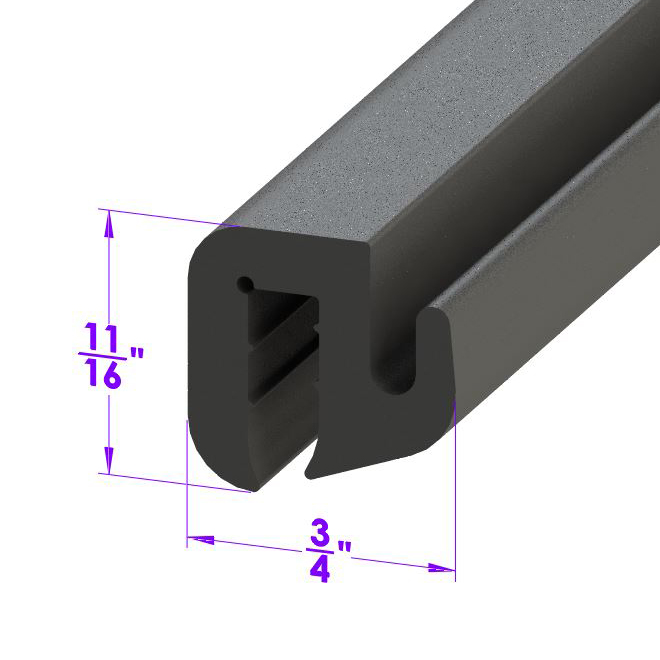 1936 Chrysler Airstream Deluxe Series C-8 Windshield and Rear Window Seal. Sold by the foot-LP 30-AWindshield and Rear Window Seal. Sold by the foot
 1936 Chrysler Airstream Deluxe Series C-8 Swing-Out & Crank-Out Windshield Seal. Sold by the foot-LP 97Swing-Out & Crank-Out Windshield Seal. Sold by the foot
 1936 Chrysler Airstream Deluxe Series C-8 Swing-Out Windshield Seal. 3/4" High. Sold by the foot-LP 97-ASwing-Out Windshield Seal. 3/4" High. Sold by the foot
 1936 Chrysler Airstream Deluxe Series C-8 License Light Pad. 5-7/8" wide X 5-5/8" long. Each-MP 558-BLicense Light Pad. 5-7/8" wide X 5-5/8" long. Each
 1936 Chrysler Airstream Deluxe Series C-8 Trunk Handle Pad. 1-3/4" X 3-1/4". Each-MP 558-CTrunk Handle Pad. 1-3/4" X 3-1/4". Each
 1936 Chrysler Airstream Deluxe Series C-8 Tail-light Pads. 2-1/4" wide X 5-1/4" long. Pair R&L-MP 562Tail-light Pads. 2-1/4" wide X 5-1/4" long. Pair R&L
 1936 Chrysler Airstream Deluxe Series C-8 Trunk Light Pad. 4-1/4" wide X 5-3/4" long. Each-MP 563Trunk Light Pad. 4-1/4" wide X 5-3/4" long. Each
 1936 Chrysler Airstream Deluxe Series C-8 License Holder Pad. 4-7/8" wide X 4-3/4" long. Each-MP 564License Holder Pad. 4-7/8" wide X 4-3/4" long. Each
 1936 Chrysler Airstream Deluxe Series C-8 Trunk Hinge Pads. 1-3/8" wide X 8-5/8" long. 4-Piece Set-MP 566Trunk Hinge Pads. 1-3/8" wide X 8-5/8" long. 4-Piece Set
 1936 Chrysler Airstream Deluxe Series C-8 Horn Port Pad. 4-1/2" wide X 12-1/4" long. Each-MP 620Horn Port Pad. 4-1/2" wide X 12-1/4" long. Each
 1936 Chrysler Airstream Deluxe Series C-8 Headlight Pads. 9" wide X 15-1/2" long. Pair-MP 630Headlight Pads. 9" wide X 15-1/2" long. Pair
 1936 Chrysler Airstream Deluxe Series C-8 Cowl Vent Seal. Made of molded sponge-RP 100-LCowl Vent Seal. Made of molded sponge. 3-3/4" wide at side X 15-1/3" long X 3/8" thick. Each
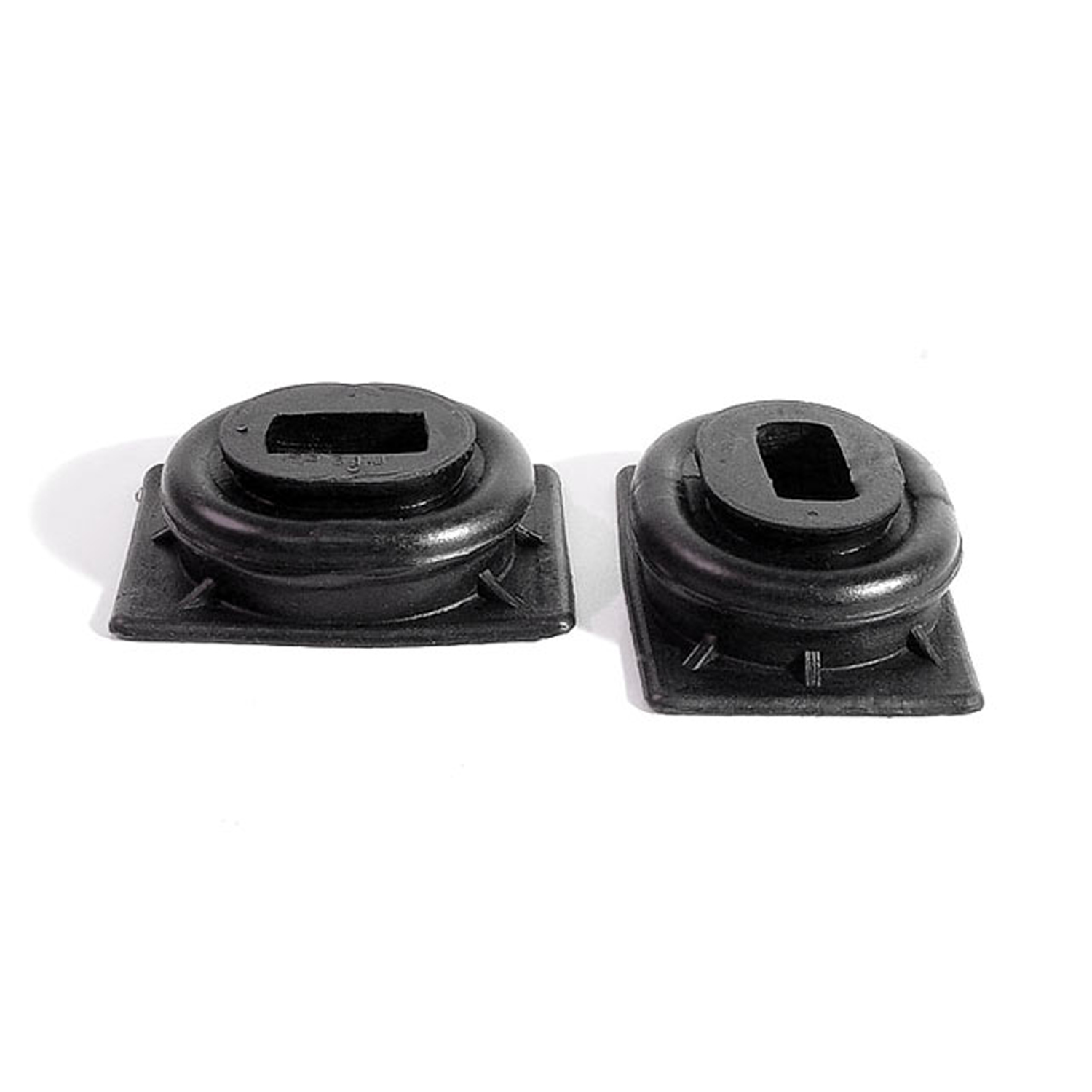 1936 Chrysler Airstream Deluxe Series C-8 Clutch and Brake Seals. Replaces OEM #889473. Pair-RP 31-JClutch and Brake Seals. Replaces OEM #889473. Pair
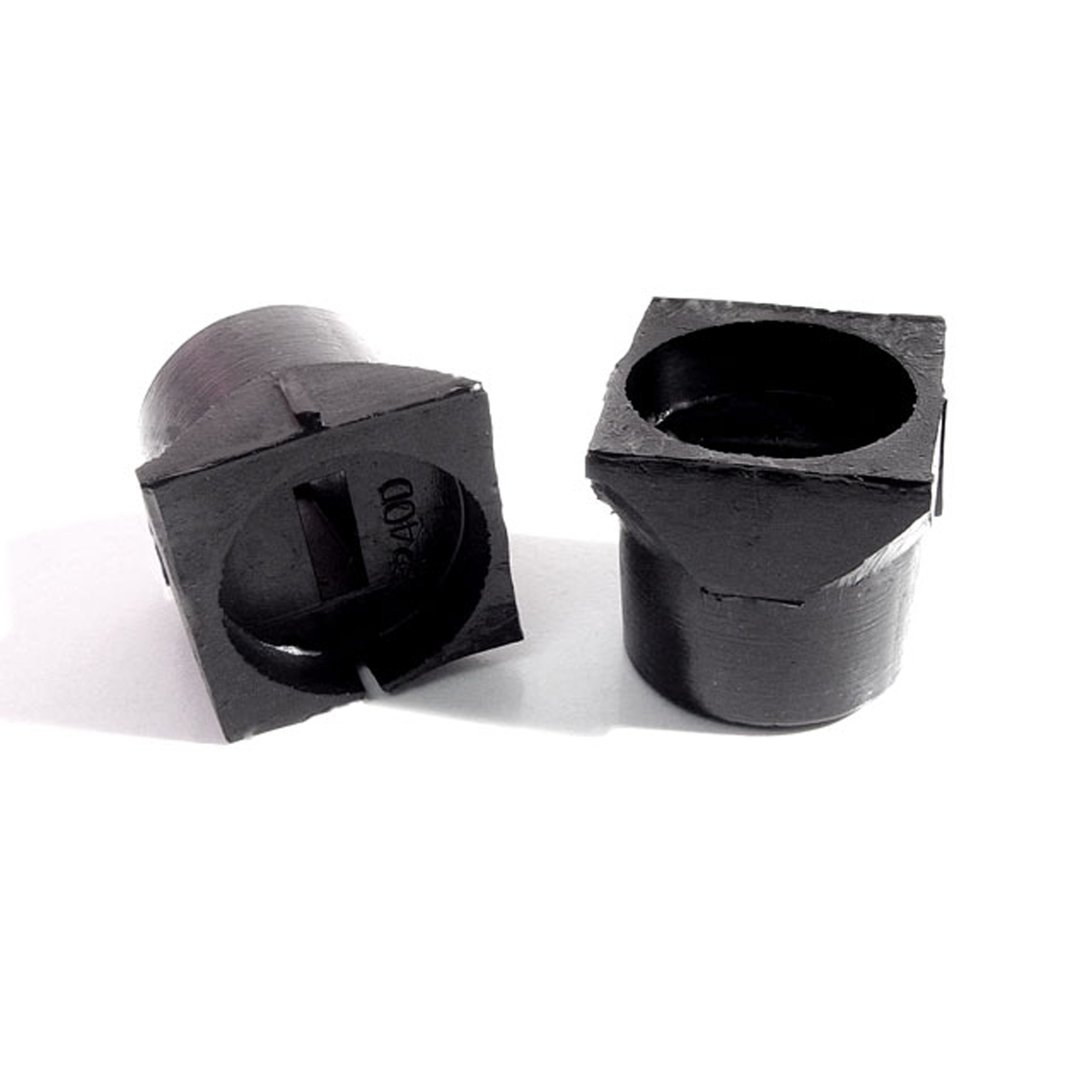 1936 Chrysler Airstream Deluxe Series C-8 Door Check Rubber Cushion. Each-RP 40-DDoor Check Rubber Cushion. Each
 1936 Chrysler Airstream Deluxe Series C-8 Side Window Anti-Rattle Pad. Six used per car-SB 73Side Window Anti-Rattle Pad. Six used per car. Fits a 3/16" X 3/4" slot in metal. Each
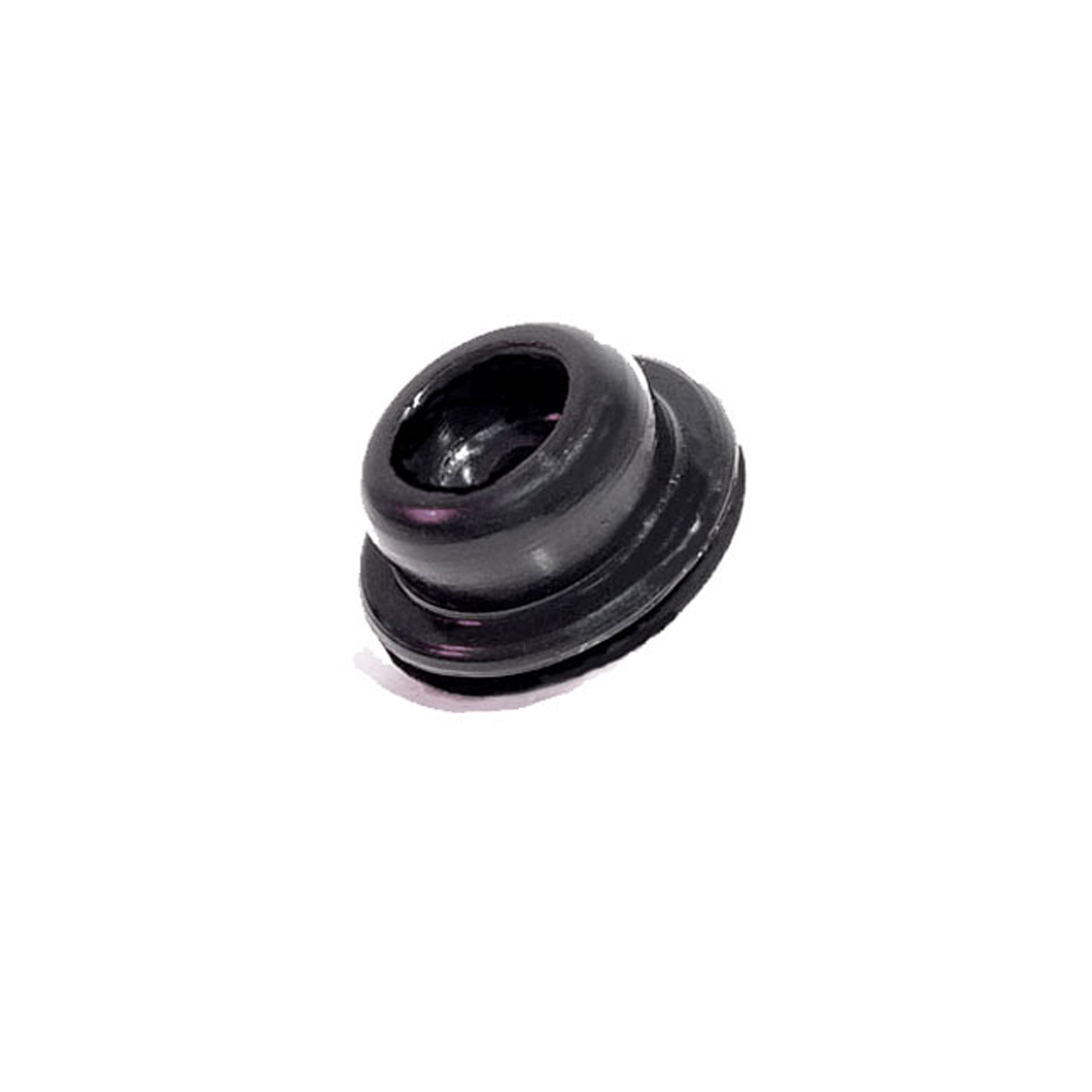 1936 Chrysler Airstream Deluxe Series C-8 Accelerator Rod Grommet-SM 43-BAccelerator Rod Grommet. For accelerator rod through floorboard. Each
 1936 Chrysler Airstream Deluxe Series C-8 Rear Vent Window Seals. For 4-door sedan. Pair R&L-WR 2304-RRear Vent Window Seals. For 4-door sedan. Pair R&L
Why Choose Metro?
For over 100 years, Metro Moulded Parts has been the pinnacle of quality in classic car restoration parts. Our commitment to precision and authenticity in every component ensures a perfect fit and an OEM-level appearance.
- Expert Craftsmanship & Quality: Each part is a testament to our dedication to reliability and perfection, crafted from original designs and thoroughly tested.
- Advanced Technology: We use cutting-edge techniques to create flawless, long-lasting parts that surpass others in performance.
- SuperSoft Sponge – The Ultimate Door Seal: Not only are our door seals 30% softer than competitors', but they're also guaranteed to never leak. They effectively reduce wind and road noise, enhancing your classic car's comfort and driving experience.
- Proudly American: Our parts are a product of American craftsmanship, made in the USA with a spirit of excellence and heritage.
- Unrivaled Warranty: We back our products with a 30-year industry-leading warranty, a testament to our confidence in their quality.
Join us in preserving the legacy of classic cars with parts that are crafted for perfection, not just made.