

Image of 1936 Chrysler Airstream Series C-7, Note: These illustrations use artistic license and may differ from actual historical models.
Performance Metrics
Fundamental Metrics
Emotional Appeal
MMP Rating
| Engine Specifications | |
|---|---|
| Engine: | Straight-6 |
| Displacement: | 241.5 cu in (4.0 L) |
| Horsepower: | Estimated 93 hp |
| Torque: | Not available |
| Compression Ratio: | Not available |
| Ignition System: | Battery and coil |
| Cooling System: | Liquid-cooled |
| Performance Specifications | |
| 0-60 Time: | Not available |
| 1/4 Mile Time: | Not available |
| Top Speed: | Estimated 75 mph |
| Transmission and Drive | |
| Drive Type: | Rear-wheel drive |
| Transmission Type: | 3-speed manual |
| Fuel and Efficiency | |
| Fuel System Type: | Carburetor |
| MPG: | Not available |
| Dimensions and Brakes | |
| Brakes: | 4-wheel hydraulic drum brakes |
| Wheelbase: | 121 in (3,073 mm) |
| Weight: | 3,305 lb (1,500 kg) |
Note: Specifications for classic cars are given to the best of our ability, considering the limited and variant data available.
1936 Chrysler Airstream C-7: The Streamlined Classic for Everyday America
The 1936 Chrysler Airstream C-7 brought a touch of modern streamlining to a car designed for buyers who still preferred familiar, conventional engineering. Built by the Chrysler Corporation in Detroit, the C-7 was part of the Airstream line, a practical companion to Chrysler’s more radical Airflow models. It paired a rounded, forward-looking body with a traditional front-engine, rear-wheel-drive layout, giving shoppers a choice between bold experimentation and proven design.
The Airstream story began in 1935, when Chrysler introduced the line to appeal to customers who were wary of the Airflow’s unconventional appearance. The 1936 C-7 carried that strategy forward. Its name suggested speed and modernity, but the car’s mechanical layout was deliberately familiar. That balance is a fascinating part of its character: the Airstream looked progressive without asking owners to learn a new way of driving or maintaining a car.
Airstreams were built during a period of intense change in the auto industry. Streamlining was becoming a popular design idea, while manufacturers were also improving comfort, braking, and all-steel body construction. Chrysler’s C-7 occupied the middle ground between the conservative cars of the early 1930s and the more radical shapes that would soon become commonplace. One notable twist is that the Airstream name itself was tied to Chrysler’s effort to make streamlined styling approachable rather than avant-garde.
Streamlined Styling and Cabin Details
The C-7’s exterior has the soft, flowing shape associated with mid-1930s design. Its rounded roof and sloping windshield lead the eye toward a broad, upright grille, while the long hood gives the car a substantial, confident stance. Headlamps sit neatly within the front fenders, and the fenders sweep over the wheels rather than appearing as separate, boxy pieces. The result is a car that looks smoother and more integrated than many earlier vehicles, yet remains unmistakably a prewar Chrysler.
Inside, the Airstream offered a roomy cabin with a broad bench seat, a simple instrument panel, and straightforward controls. Upholstery depended on body style, trim level, and factory specification. Buyers could find cloth and other period-appropriate materials, with higher-grade trim on better-equipped models. The cabin emphasized comfort and usability over decoration: large windows helped visibility, and the generous seating made the C-7 well suited to family travel.
Chrysler offered the Airstream in several factory colors and trim combinations, with choices that could include dark blues, greens, grays, maroons, and black. Exact colors varied by production period and body style. Dark, conservative finishes were popular, while brighter colors and contrasting details gave some examples a more distinctive look. Optional accessories, which varied by dealer and specification, could include items such as a heater, radio, or whitewall tires.
The C-7 range included multiple passenger-car body styles, with sedan and coupe configurations among the main choices. The four-door sedan was a natural favorite for family use, thanks to its easier rear-seat access and enclosed comfort. Coupes offered a sportier profile and a more personal-car feel. Convertible and other less common configurations are more unusual today, so buyers should verify a car’s original body style and authenticity rather than relying on appearance alone.
What Made the C-7 Different
The Airstream’s importance lies in the way it translated aerodynamic ideas into a familiar package. Chrysler had made headlines with the Airflow, whose construction and shape departed sharply from convention. The Airstream took a less radical route. It used rounded contours and carefully integrated details but retained a traditional chassis layout that buyers and mechanics already understood.
That approach helped make modern styling easier to accept. The C-7 was not as revolutionary as the Airflow, but it demonstrated that a car could look streamlined without abandoning established engineering. Its blend of updated appearance and conventional underpinnings became an enduring formula in the industry. As the decade progressed, rounded fenders, integrated lamps, and smoother body lines spread across the market.
For Chrysler, the Airstream also served an important commercial purpose. It gave customers an alternative within the same brand, allowing the company to offer both an unconventional design statement and a more accessible, mainstream car. The C-7’s significance is therefore not just in its styling. It reflects how automakers responded when new ideas met the practical expectations of everyday buyers.
Six-Cylinder Power and Road Manners
Power came from a side-valve, or L-head, inline-six displacing about 241.5 cubic inches. Period specifications commonly list output at approximately 93 horsepower. A three-speed manual transmission sent power to the rear wheels, and four-wheel hydraulic brakes provided stopping power. Chrysler’s Floating Power engine-mounting system, developed earlier in the decade, helped reduce engine vibration reaching the cabin.
Performance figures should be treated as period estimates rather than precise modern test results. Depending on body style, condition, gearing, and measurement method, a C-7 could reach roughly 75 to 80 mph. Acceleration from 0 to 60 mph was leisurely, likely taking around 20 to 25 seconds. That was adequate for the roads and traffic of its day, but the Airstream was built for comfortable touring, not quick starts or modern highway merging.
On a smooth road, the C-7 feels substantial and composed. Its long wheelbase and period suspension soften many bumps, though rough pavement can still produce the body movement and tire response typical of a prewar car. On winding roads, the driver needs to plan ahead. Steering is less precise than in a modern vehicle, and the car’s weight and relatively narrow tires reward smooth inputs rather than abrupt cornering.
The driving experience is part of the appeal. The six-cylinder engine makes a measured, mechanical hum, joined by the sounds of the transmission and road beneath the car. The driver sits upright behind a large steering wheel and works a conventional gearshift, with no power steering or modern driver aids. In a well-maintained example, the C-7 feels calm and capable at a relaxed pace, but it asks for attention and anticipation in a way a contemporary car does not.
Living With a 1936 Chrysler
Today, the Airstream is most often used for vintage-car touring, local club events, museum displays, and shows. It can be driven regularly by an owner who is prepared to work around its age, but it is not an effortless daily driver. Modern traffic moves faster, parts availability varies, and the car lacks contemporary safety features such as airbags, anti-lock brakes, and modern crash protection.
Routine mechanical work is approachable for an experienced home mechanic. The engine bay is relatively straightforward, and the car’s conventional layout is less specialized than that of the Airflow. Still, restoration demands period-correct knowledge. Brake hydraulics, ignition components, cooling systems, wiring, and aged rubber parts all deserve careful inspection. Replacement parts may be available through specialist suppliers or enthusiast networks, but trim, glass, and body-specific pieces can take time to locate.
Reliability depends heavily on maintenance and restoration quality. A carefully sorted C-7 can tour reliably at moderate speeds, while a neglected example may need substantial work before it is safe to drive. The most important ownership rule is simple: inspect the car’s mechanical condition and structural integrity before being drawn in by shiny paint or attractive upholstery.
Facts, Myths, and Common Criticisms
The Airstream is sometimes overshadowed by the Chrysler Airflow, which has a stronger reputation as a design landmark. That comparison can make the C-7 seem less important than it is. The Airstream’s achievement was different: it made a smoother, more modern look available in a conventional and approachable package.
There is no widely recognized speed, endurance, or sales record attached specifically to the 1936 C-7, and no single celebrity-owned example defines the model’s history. Its appeal is rooted more in its place within Chrysler’s 1930s strategy than in a headline-grabbing event. As with many prewar cars, individual examples may have interesting local histories, but provenance should be supported by documentation.
Common criticisms include modest acceleration, heavy controls by modern standards, and the challenge of finding some model-specific parts. The styling can also look conservative beside the Airflow. Those are fair observations, but they reflect what the C-7 was meant to be: a comfortable, traditional car with a fresh exterior, rather than a sports car or a radical engineering experiment.
Collector Value and Rarity
Exact production totals for each 1936 Airstream C-7 body style are not consistently reported in readily available references. The line was a mainstream Chrysler offering, not a low-volume special edition. A reasonable working estimate is that production reached tens of thousands, perhaps roughly 50,000 to 70,000 C-7 cars across the range. That figure is an estimate, not a confirmed factory total, and individual body styles will have been produced in different numbers.
Availability is limited today because surviving prewar cars are naturally far less common than postwar classics. Four-door sedans and other practical body styles are generally easier to encounter than unusual or open cars. A buyer should look closely for rust, prior repairs, missing trim, and non-original components, as restoration costs can quickly exceed the price of a solid, well-preserved car.
As a broad present-day guide, a project or incomplete example might fall around $5,000 to $12,000. A sound, usable car could be in the $12,000 to $25,000 range, while a high-quality restoration may bring roughly $25,000 to $45,000 or more. Unusual body styles and exceptional provenance can command higher prices, though condition and documentation matter more than rarity claims alone. These are general estimates, not a formal appraisal, and actual sales vary by market and specification.
Values for the C-7 tend to move gradually rather than surge. Interest in prewar cars supports demand for well-restored examples, but the model’s lesser name recognition compared with the Airflow can limit its price ceiling. The strongest market is likely to remain with complete, correctly restored cars that are ready to tour. Over time, top-quality examples may appreciate modestly, while cars needing major restoration can be difficult to justify financially.
Why the Airstream C-7 Still Matters
The 1936 Chrysler Airstream C-7 combines smooth 1930s styling, practical six-cylinder engineering, and a revealing chapter in Chrysler history. It offered buyers a modern-looking car without the unfamiliar layout of the Airflow, and it helped show how aerodynamic design could enter the mainstream. Its leisurely performance and old-fashioned controls are part of the experience, not surprises to be fixed.
For collectors, the C-7 is an appealing way to explore prewar Chrysler design without choosing the marque’s most famous experiment. It is a comfortable touring car, a conversation starter, and a reminder that automotive progress often succeeds not through radical change alone, but by making new ideas feel right at home.
1936 Chrysler Airstream Series C-7 Catalog of Parts
 1936 Chrysler Airstream Series C-7 Front and Rear Bumper Arm Grommets-BG 57Front and Rear Bumper Arm Grommets. 5" wide X 3-5/8" long, with 1-3/16" long inner slot. Pair
 1936 Chrysler Airstream Series C-7 Clutch and Brake Pedal Pads. 2-5/8" wide X 3-3/4" long-CB 26Clutch and Brake Pedal Pads. 2-5/8" wide X 3-3/4" long. Pair
 1936 Chrysler Airstream Series C-7 Clutch and Brake Pedal Pads, Black-CB 28-AClutch and Brake Pedal Pads, Black. 2-3/8" wide X 3-7/8" long. Pair
 1936 Chrysler Airstream Series C-7 Clutch and Brake Pedal Pads, Brown-CB 28-BClutch and Brake Pedal Pads, Brown. 2-3/8" wide X 3-7/8" long. Pair
 1936 Chrysler Airstream Series C-7 Door Jamb Bumper. Perfect reproduction-DB 36Door Jamb Bumper. Perfect reproduction. 1-1/16" high X 1-1/4" wide X 7/16" thick. Each
 1936 Chrysler Airstream Series C-7 Door Jamb Bumper. Fully detailed reproduction-DB 38Door Jamb Bumper. Fully detailed reproduction. 15/16" high X 1-9/16" wide X 7/16" thick. Each
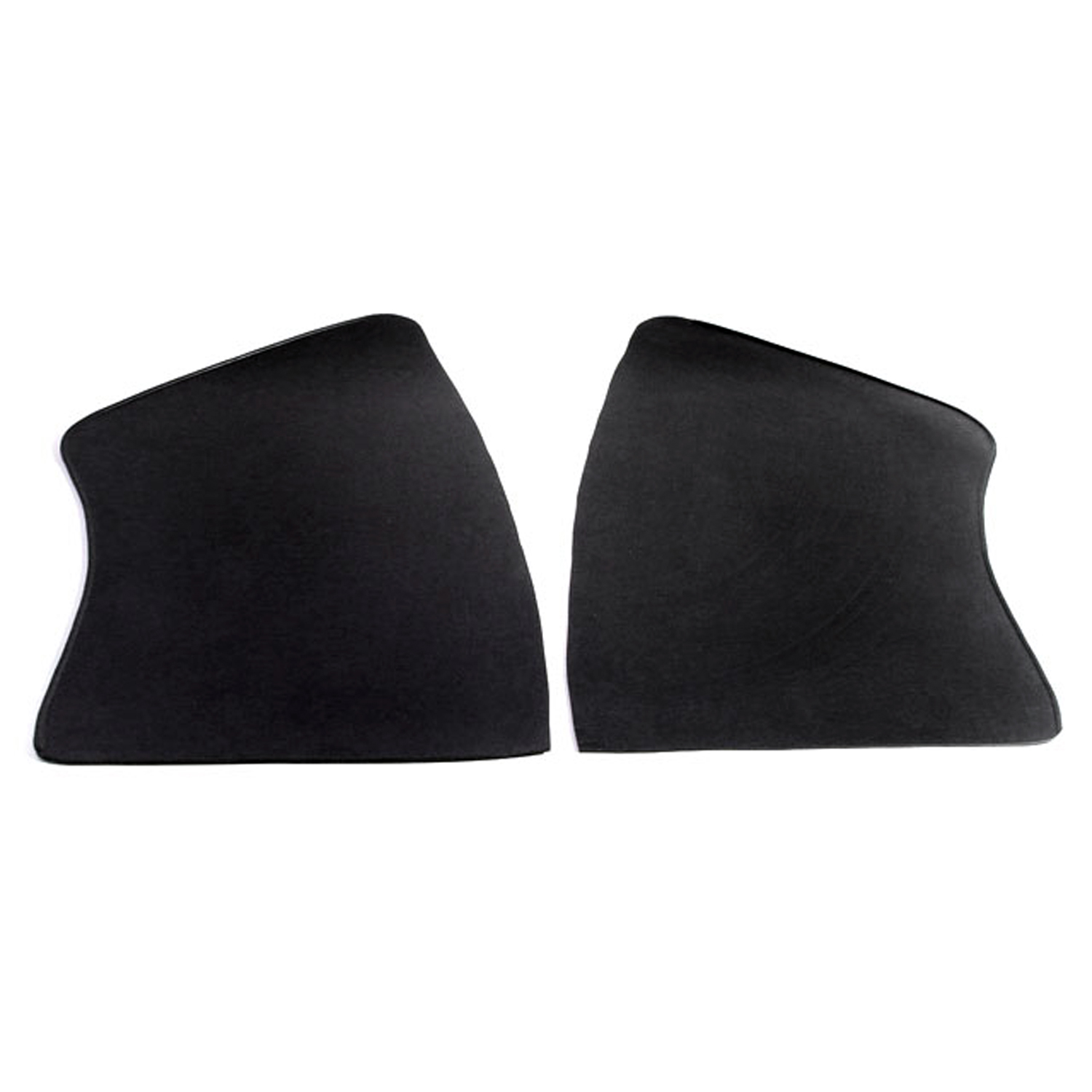 1936 Chrysler Airstream Series C-7 Gravel Shields. Molded flat without metal backing plates-FS 31Gravel Shields. Molded flat without metal backing plates. Apply with contact cement. 18" long X 9-3/4" wide at bottom. Pair
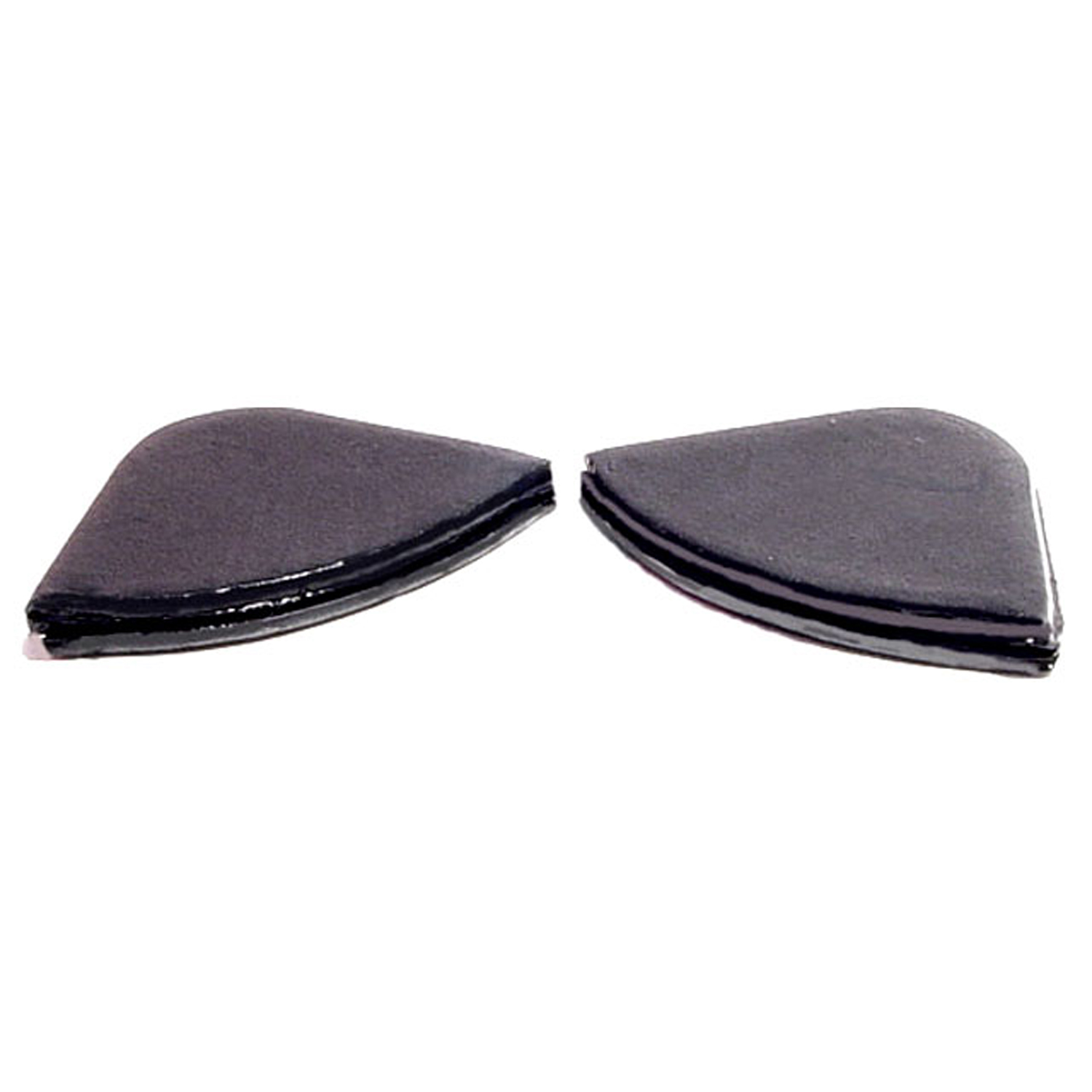 1936 Chrysler Airstream Series C-7 Hood Corners. Fits flat corners-HC 19Hood Corners. Fits flat corners. 80° angle, 1/4" to 3/8" corner radius. 1-3/8" wide. Pair
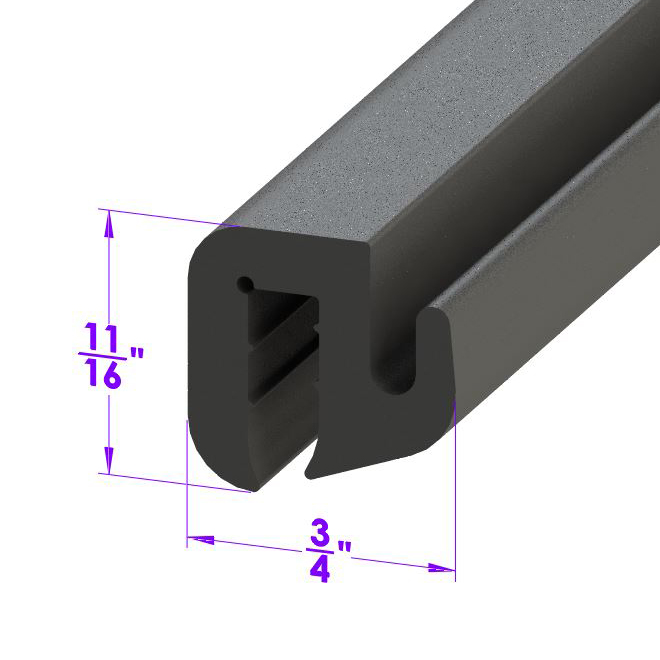 1936 Chrysler Airstream Series C-7 Windshield and Rear Window Seal. Sold by the foot-LP 30-AWindshield and Rear Window Seal. Sold by the foot
 1936 Chrysler Airstream Series C-7 Swing-Out & Crank-Out Windshield Seal. Sold by the foot-LP 97Swing-Out & Crank-Out Windshield Seal. Sold by the foot
 1936 Chrysler Airstream Series C-7 Swing-Out Windshield Seal. 3/4" High. Sold by the foot-LP 97-ASwing-Out Windshield Seal. 3/4" High. Sold by the foot
 1936 Chrysler Airstream Series C-7 License Light Pad. 5-7/8" wide X 5-5/8" long. Each-MP 558-BLicense Light Pad. 5-7/8" wide X 5-5/8" long. Each
 1936 Chrysler Airstream Series C-7 Trunk Handle Pad. 1-3/4" X 3-1/4". Each-MP 558-CTrunk Handle Pad. 1-3/4" X 3-1/4". Each
 1936 Chrysler Airstream Series C-7 Tail-light Pads. 2-1/4" wide X 5-1/4" long. Pair R&L-MP 562Tail-light Pads. 2-1/4" wide X 5-1/4" long. Pair R&L
 1936 Chrysler Airstream Series C-7 Trunk Light Pad. 4-1/4" wide X 5-3/4" long. Each-MP 563Trunk Light Pad. 4-1/4" wide X 5-3/4" long. Each
 1936 Chrysler Airstream Series C-7 License Holder Pad. 4-7/8" wide X 4-3/4" long. Each-MP 564License Holder Pad. 4-7/8" wide X 4-3/4" long. Each
 1936 Chrysler Airstream Series C-7 Trunk Hinge Pads. 1-3/8" wide X 8-5/8" long. 4-Piece Set-MP 566Trunk Hinge Pads. 1-3/8" wide X 8-5/8" long. 4-Piece Set
 1936 Chrysler Airstream Series C-7 Horn Port Pad. 4-1/2" wide X 12-1/4" long. Each-MP 620Horn Port Pad. 4-1/2" wide X 12-1/4" long. Each
 1936 Chrysler Airstream Series C-7 Headlight Pads. 9" wide X 15-1/2" long. Pair-MP 630Headlight Pads. 9" wide X 15-1/2" long. Pair
 1936 Chrysler Airstream Series C-7 Cowl Vent Seal. Made of molded sponge-RP 100-LCowl Vent Seal. Made of molded sponge. 3-3/4" wide at side X 15-1/3" long X 3/8" thick. Each
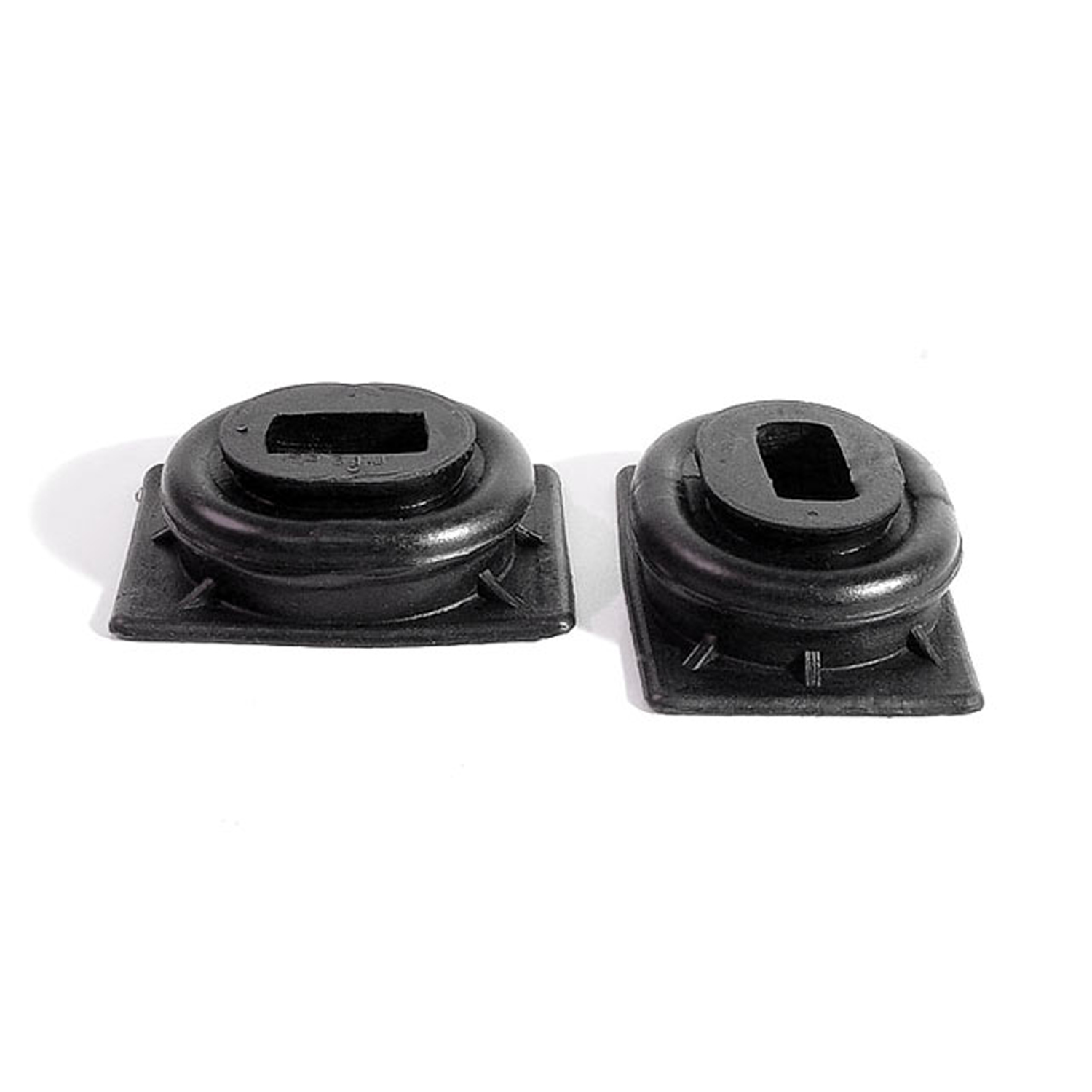 1936 Chrysler Airstream Series C-7 Clutch and Brake Seals. Replaces OEM #889473. Pair-RP 31-JClutch and Brake Seals. Replaces OEM #889473. Pair
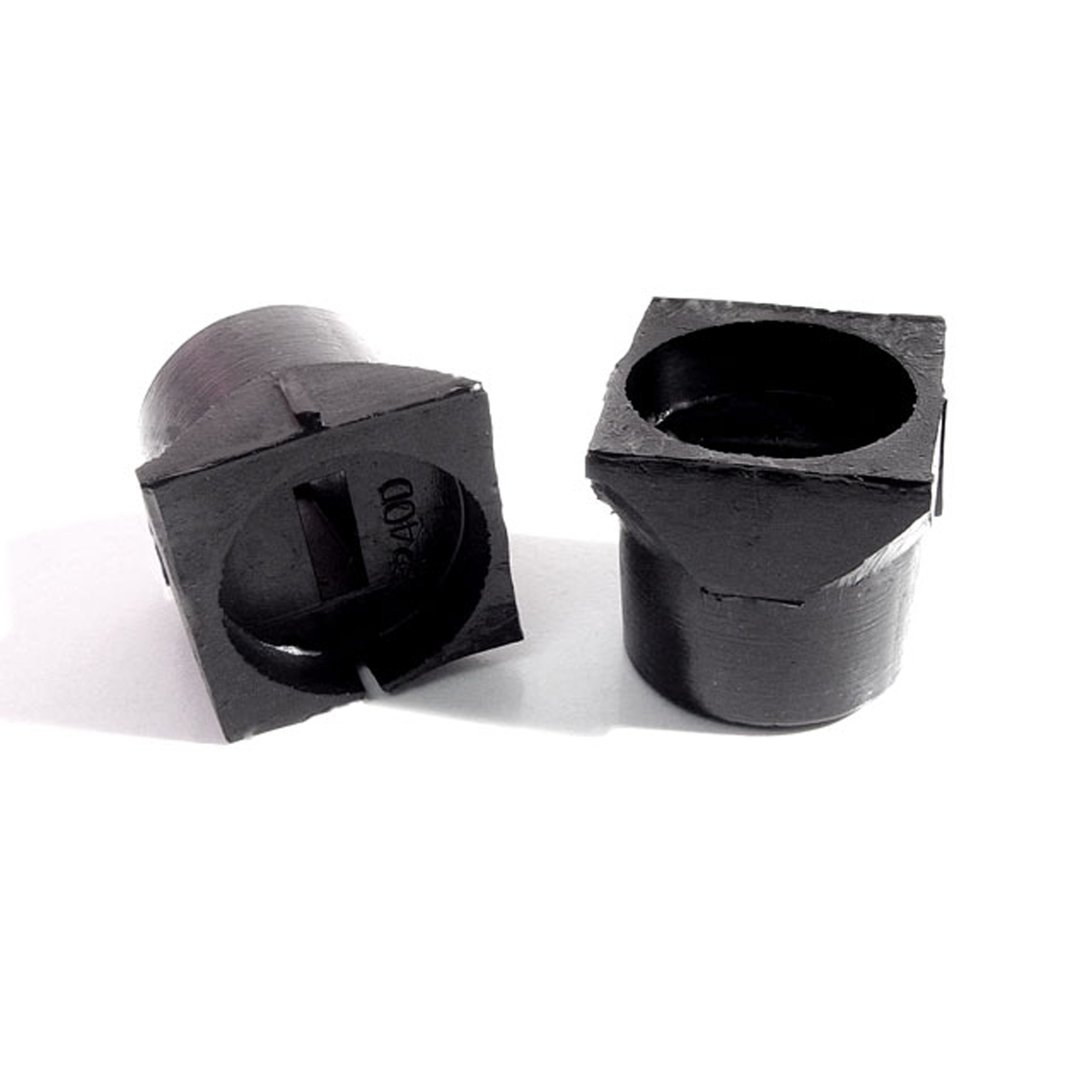 1936 Chrysler Airstream Series C-7 Door Check Rubber Cushion. Each-RP 40-DDoor Check Rubber Cushion. Each
 1936 Chrysler Airstream Series C-7 Side Window Anti-Rattle Pad. Six used per car-SB 73Side Window Anti-Rattle Pad. Six used per car. Fits a 3/16" X 3/4" slot in metal. Each
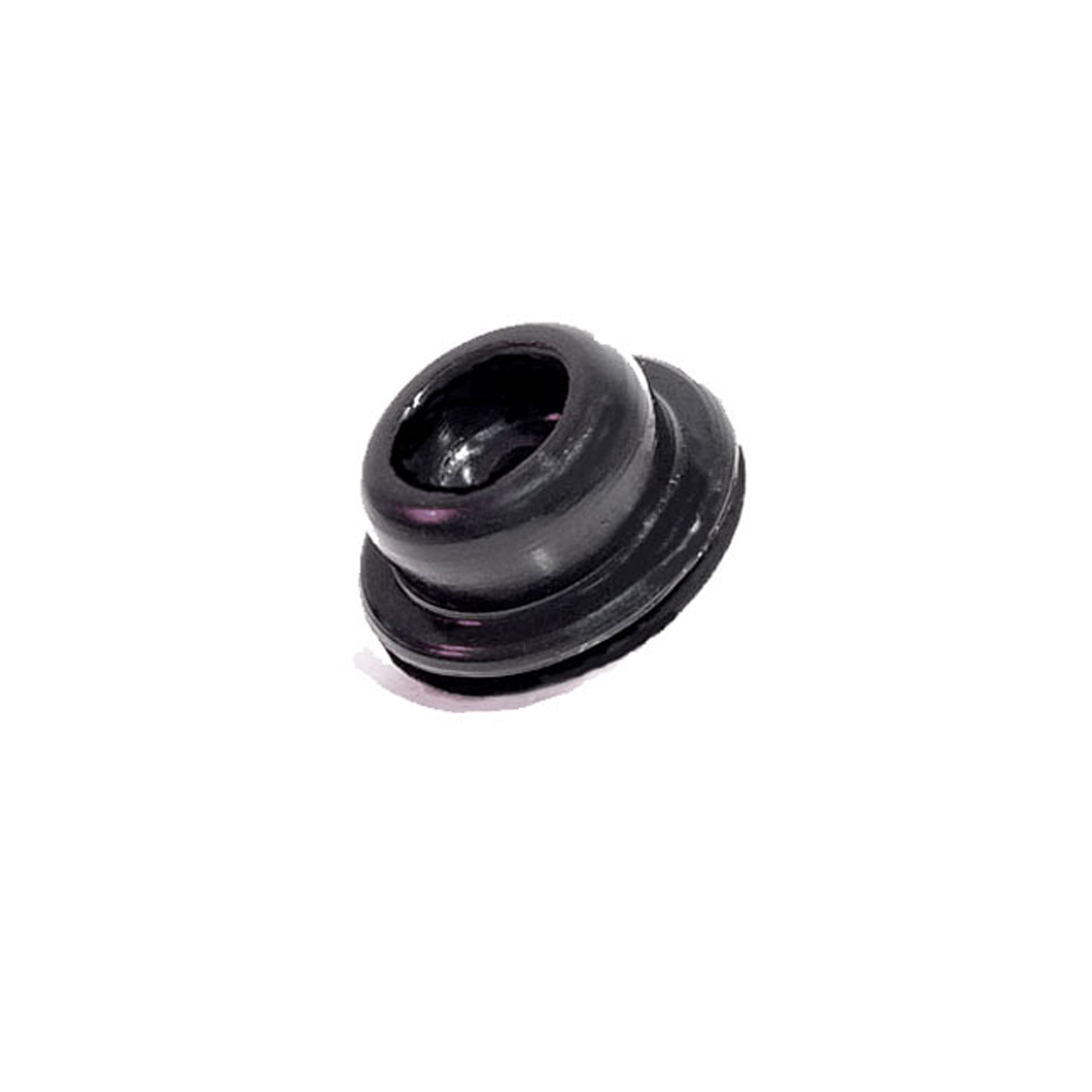 1936 Chrysler Airstream Series C-7 Accelerator Rod Grommet-SM 43-BAccelerator Rod Grommet. For accelerator rod through floorboard. Each
 1936 Chrysler Airstream Series C-7 Rear Vent Window Seals. For 4-door sedan. Pair R&L-WR 2304-RRear Vent Window Seals. For 4-door sedan. Pair R&L
Why Choose Metro?
For over 100 years, Metro Moulded Parts has been the pinnacle of quality in classic car restoration parts. Our commitment to precision and authenticity in every component ensures a perfect fit and an OEM-level appearance.
- Expert Craftsmanship & Quality: Each part is a testament to our dedication to reliability and perfection, crafted from original designs and thoroughly tested.
- Advanced Technology: We use cutting-edge techniques to create flawless, long-lasting parts that surpass others in performance.
- SuperSoft Sponge – The Ultimate Door Seal: Not only are our door seals 30% softer than competitors', but they're also guaranteed to never leak. They effectively reduce wind and road noise, enhancing your classic car's comfort and driving experience.
- Proudly American: Our parts are a product of American craftsmanship, made in the USA with a spirit of excellence and heritage.
- Unrivaled Warranty: We back our products with a 30-year industry-leading warranty, a testament to our confidence in their quality.
Join us in preserving the legacy of classic cars with parts that are crafted for perfection, not just made.