

Image of 1936 Chrysler Imperial Airflow, Note: These illustrations use artistic license and may differ from actual historical models.
Performance Metrics
Fundamental Metrics
Emotional Appeal
MMP Rating
| Engine Specifications | |
|---|---|
| Engine: | Inline 8 |
| Displacement: | 323.5 cu in (5.3 L) |
| Horsepower: | 130 hp |
| Torque: | Not available |
| Compression Ratio: | 6.7:1 |
| Ignition System: | Battery and coil |
| Cooling System: | Liquid-cooled |
| Performance Specifications | |
| 0-60 Time: | Not available |
| 1/4 Mile Time: | Not available |
| Top Speed: | 95 mph |
| Transmission and Drive | |
| Drive Type: | Rear-wheel drive |
| Transmission Type: | 3-speed manual |
| Fuel and Efficiency | |
| Fuel System Type: | Carburetor |
| MPG: | Not available |
| Dimensions and Brakes | |
| Brakes: | Hydraulic drum brakes |
| Wheelbase: | 128 in (3,251 mm) |
| Weight: | 4,100 lbs |
Note: Specifications for classic cars are given to the best of our ability, considering the limited and variant data available.
The 1936 Chrysler Imperial Airflow looked less like a car trying to push through the wind and more like one designed to slip through it. Its smooth, forward-set body concealed serious engineering ambition, while its spacious cabin and powerful straight-eight made it one of the most distinctive American luxury cars of the decade.
1936 Chrysler Imperial Airflow Overview
Built by the Chrysler Corporation, the Imperial Airflow was the prestige model in a family of cars that challenged conventional ideas about how an automobile should be shaped and constructed. Chrysler’s Airflow program began in the early 1930s, led by engineers Carl Breer, Fred Zeder, and Owen Skelton. Their research included wind-tunnel testing, an unusual approach for a mainstream American carmaker at the time.
By 1936, the Airflow had already experienced both fierce criticism and growing respect. Its original appearance had been so unconventional that some buyers were reluctant to embrace it. Chrysler responded with styling updates, including a more traditional-looking grille, while retaining the car’s aerodynamic body and advanced structure. The Imperial version paired that forward-thinking design with extra room, richer trim, and a large-displacement eight-cylinder engine.
One memorable Airflow publicity stunt captured the car’s reputation for strength: a 1934 model was rolled down an embankment in a dramatic demonstration, then righted and driven away. It was not a test of a 1936 Imperial specifically, but it helped make the Airflow name synonymous with structural toughness.
Streamlined Styling and a Spacious Cabin
The Imperial Airflow’s rounded nose, sloping hood, curved fenders, and tapered rear gave it a fluid profile that stood apart from the upright, squared-off cars surrounding it. Its headlamps were integrated into the front fenders rather than perched separately beside the grille. At the back, the body flowed into a rounded tail, replacing the boxy, exposed-trunk look common on many cars of the period.
The shape was more than decoration. Chrysler’s engineers aimed to reduce air resistance and make better use of interior space. The passenger compartment was positioned farther forward than in many conventional cars, helping place occupants between the axles. That arrangement gave the Imperial an unusually roomy feel, especially in the rear seat, and contributed to its balanced, substantial stance.
Inside, the Imperial offered a broad bench seat, a large, clearly arranged instrument panel, and an appropriately formal atmosphere for a luxury car. Depending on body style and trim, upholstery could include wool broadcloth, mohair, or leather. Woodgraining and carefully finished metal details added to the sense of occasion. Exact materials and finishes varied with the model and original order, so surviving cars can differ considerably.
Factory paint choices varied by body and production order. Period colors included dark blues, greens, maroons, grays, and black, with some cars finished in two-tone combinations. Black and deep, restrained colors suit the Imperial’s formal character particularly well, although lighter or contrasting paint can make the Airflow’s curves easier to appreciate.
Imperial Body Styles and Equipment
The 1936 Imperial Airflow was offered in formal, full-size body styles, including sedan and limousine configurations. Depending on the exact version and seating arrangement, an Imperial could accommodate more passengers than a standard five-seat sedan. The limousine was especially suited to chauffeur service, while the sedan offered a more practical way to enjoy the car’s long-wheelbase comfort.
Model names and body-style availability could vary by market and catalog listing, so buyers researching a particular car should verify its identification numbers and original documentation. The four-door sedan is among the most recognizable forms today, while the limousine is an especially striking choice for collectors who want the Imperial’s grandest expression.
Equipment was advanced for its era. The Airflow used an all-steel body structure, hydraulic brakes, and a three-speed manual transmission. Chrysler’s “Floating Power” engine-mounting system, introduced earlier in the decade, helped isolate engine vibration from the chassis. Together, these features made the car feel more modern and refined than its imposing appearance might suggest.
Why the Airflow Mattered
The Imperial Airflow was significant because Chrysler treated aerodynamics and passenger packaging as engineering priorities rather than styling afterthoughts. Its body was developed with wind-tunnel research, and its structure was designed around a more integrated body-and-frame concept than was typical among American cars of the time. It was not the first aerodynamic automobile, nor was it the first car with an advanced body structure, but it was among the boldest attempts to bring those ideas to a major American production line.
The Airflow also showed how difficult it could be for the industry to introduce a radical design. Many buyers trusted familiar styling, and early quality concerns and public skepticism hurt sales. Chrysler softened the look for 1936, especially at the front, but the car remained unmistakably different. The project’s commercial struggles did not erase its influence: later designers and engineers continued to explore streamlined bodies, improved cabin placement, and more integrated construction.
Compared with many contemporaries, the Imperial offered a more aerodynamic profile, a roomier passenger compartment, and a notably strong structure. It was a daring answer to a question the rest of the industry was only beginning to ask: what if a car were shaped around airflow and occupants, not simply around the traditional hood, cabin, and trunk?
Straight-Eight Performance and Road Manners
The 1936 Imperial Airflow was powered by a 323.5-cubic-inch side-valve straight-eight, commonly rated at about 130 horsepower. Power went to the rear wheels through a three-speed manual gearbox. Period gearing, vehicle weight, body style, and mechanical condition all influenced performance, but a sound example could reach roughly 85 to 90 mph. A 0-to-60-mph run would likely take around 18 to 22 seconds. Those figures are estimates, not modern instrumented test results, and should be treated as period-car approximations.
The straight-eight delivers power in a smooth, steady wave rather than with a sharp burst. At idle, the engine has the measured, slightly mechanical rhythm expected of a large prewar motor. Under acceleration, its note deepens into a restrained growl. The three-speed manual asks the driver to work deliberately, especially when moving away from a stop or selecting the right gear on a hill.
On a well-maintained road, the Imperial’s long chassis and generous suspension travel create a composed, comfortable ride. It can absorb ordinary pavement imperfections with the relaxed motion of a substantial luxury car. On rougher roads, the body’s size and weight become more apparent, and the driver needs to anticipate bumps rather than attack them at speed.
On winding roads, the Airflow is best driven smoothly. Its steering and brakes require more physical input than a modern car, and it is not intended to dart through corners. The benefit is a calm, planted feel when driven at a measured pace. Crosswinds and narrow roads demand attention, too, given the car’s broad body and long wheelbase.
Owning and Maintaining an Imperial Airflow
Today, the 1936 Imperial Airflow is primarily a show car, touring car, or prized collection vehicle rather than a daily driver. A well-sorted example can take part in vintage motoring events and relaxed regional tours, but its age brings practical limits: slower traffic performance, period braking distances, and the need for regular mechanical checks.
The basic mechanical layout is understandable to an experienced classic-car mechanic, and routine work on the straight-eight does not require modern diagnostic equipment. However, the Airflow is not an ideal first restoration project. Body panels, trim, glass, and model-specific components can be difficult to locate, and repairs to the car’s unusual structure may call for specialist knowledge. Before purchase, inspect the frame and body carefully, confirm that the engine and transmission are complete, and check that the brakes, cooling system, and electrical system have been properly serviced.
Parts availability is mixed. Common service items may be sourced through vintage-Chrysler suppliers or specialist networks, while rare trim and Airflow-specific body components may require patient searching, repair, or fabrication. A complete, correctly restored car can therefore be far more economical in the long run than a cheap project with missing pieces.
Airflow Facts and Common Criticisms
The Airflow’s most unusual feature is also the reason it remains memorable: Chrysler was willing to make a production car that looked dramatically different from the accepted norm. Its wind-tunnel-informed design was a major talking point, and the car’s robust body structure became part of its public image after the famous rollover demonstration.
There is no broadly recognized speed, endurance, or sales record associated specifically with the 1936 Imperial Airflow. Its historical distinction lies instead in its engineering ambition and its place in the development of American automotive design. Nor is there a well-established celebrity-owner story that defines the model; its appeal today comes from rarity and design significance rather than a single famous previous owner.
Common criticisms are familiar to anyone who has studied the Airflow. Its styling was too radical for many buyers, its sales never matched Chrysler’s hopes, and the car’s size can make it demanding in tight spaces. The bold design also makes repairs to damaged bodywork more complicated than on a conventional sedan. Yet those same qualities are why it stands out at a concours lawn or vintage-car gathering.
Collector Value and Availability
Exact production figures for individual Imperial Airflow body styles can be difficult to pin down, and published totals may group cars differently. A reasonable estimate is that roughly 1,000 to 1,500 1936 Imperial Airflows were built, with the limousine and other high-specification versions likely representing a smaller share. That estimate should be treated as a working figure rather than a definitive factory count.
Surviving examples are uncommon, and cars with correct engines, complete trim, and documented history are harder to find than incomplete projects. In the current U.S. collector market, a project or rough driver might fall around $20,000 to $45,000. A usable, well-maintained sedan could bring approximately $50,000 to $100,000, while a high-quality restoration may reach $100,000 to $200,000 or more. Exceptional limousines and particularly well-documented cars can exceed those ranges, while condition, originality, and provenance have a major effect on price.
Values have generally benefited from renewed interest in significant prewar designs, but the market is relatively thin. The Imperial Airflow is not as easy to sell as a more familiar classic, and restoration costs can be substantial. Over the long term, the best examples have a persuasive case for appreciation because of their rarity and historical importance, though buyers should view ownership as a passion investment rather than a guaranteed financial return.
A Luxury Car Ahead of Its Time
The 1936 Chrysler Imperial Airflow brought together a smooth straight-eight, a roomy and carefully finished cabin, and one of the most adventurous body designs of its era. Its commercial reception was mixed, but its engineering ideas helped move automotive design toward better airflow, more thoughtful passenger packaging, and more integrated construction.
Nearly a century later, the Imperial Airflow still looks like a car from a different future. It is not merely an elegant prewar luxury automobile; it is a rolling reminder that the most influential designs are sometimes the ones that arrive before the public is ready for them.
1936 Chrysler Imperial Airflow Catalog of Parts
 1936 Chrysler Imperial Airflow Front and Rear Bumper Arm Grommets-BG 57Front and Rear Bumper Arm Grommets. 5" wide X 3-5/8" long, with 1-3/16" long inner slot. Pair
 1936 Chrysler Imperial Airflow Clutch and Brake Pedal Pads. 2-5/8" wide X 3-3/4" long-CB 26Clutch and Brake Pedal Pads. 2-5/8" wide X 3-3/4" long. Pair
 1936 Chrysler Imperial Airflow Clutch and Brake Pedal Pads. 3" wide X 3-7/8" long. Pair-CB 27Clutch and Brake Pedal Pads. 3" wide X 3-7/8" long. Pair
 1936 Chrysler Imperial Airflow Clutch and Brake Pedal Pads, Black-CB 28-AClutch and Brake Pedal Pads, Black. 2-3/8" wide X 3-7/8" long. Pair
 1936 Chrysler Imperial Airflow Clutch and Brake Pedal Pads, Brown-CB 28-BClutch and Brake Pedal Pads, Brown. 2-3/8" wide X 3-7/8" long. Pair
 1936 Chrysler Imperial Airflow Door Jamb Bumper. Perfect reproduction-DB 36Door Jamb Bumper. Perfect reproduction. 1-1/16" high X 1-1/4" wide X 7/16" thick. Each
 1936 Chrysler Imperial Airflow Door Jamb Bumper. Fully detailed reproduction-DB 38Door Jamb Bumper. Fully detailed reproduction. 15/16" high X 1-9/16" wide X 7/16" thick. Each
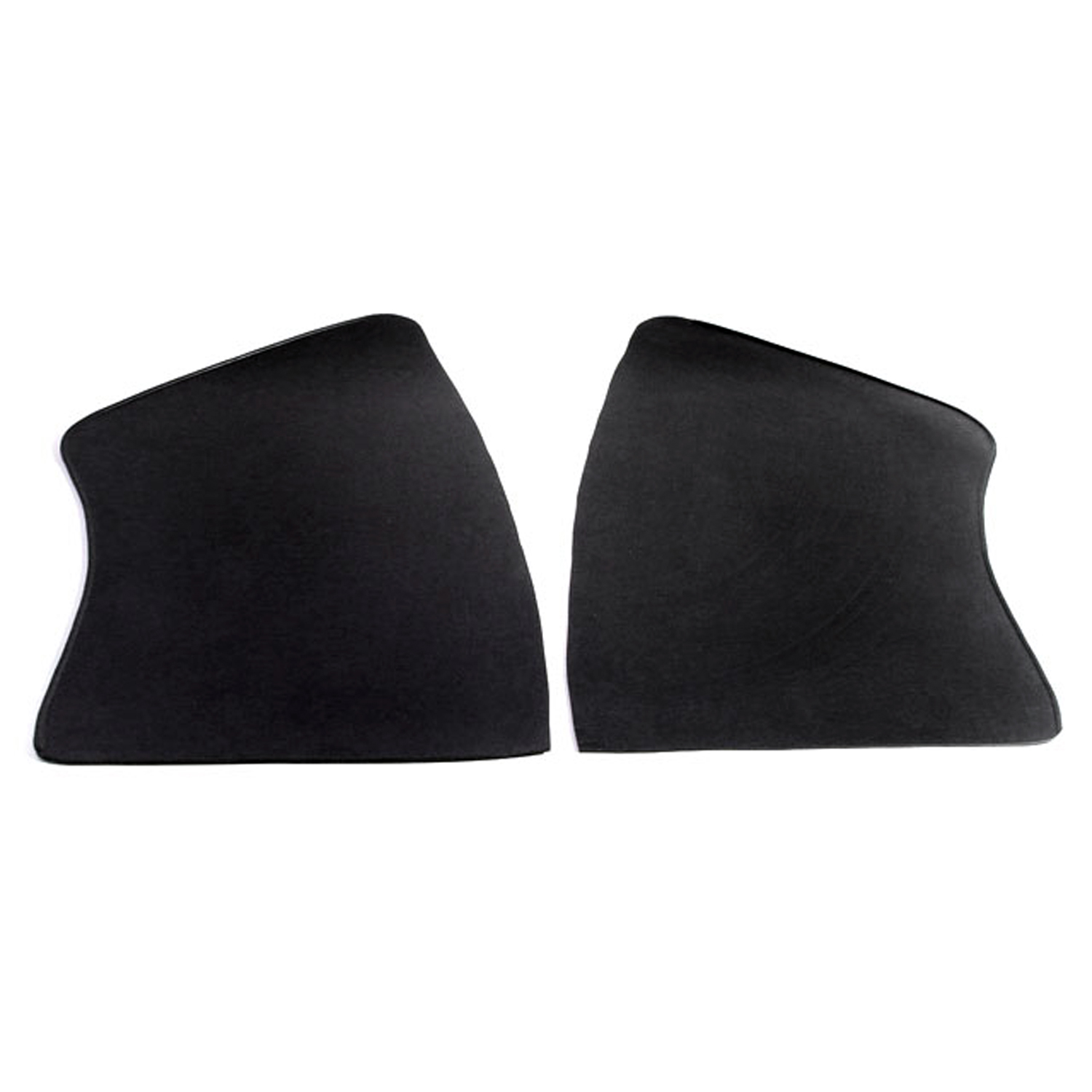 1936 Chrysler Imperial Airflow Gravel Shields. Molded flat without metal backing plates-FS 31Gravel Shields. Molded flat without metal backing plates. Apply with contact cement. 18" long X 9-3/4" wide at bottom. Pair
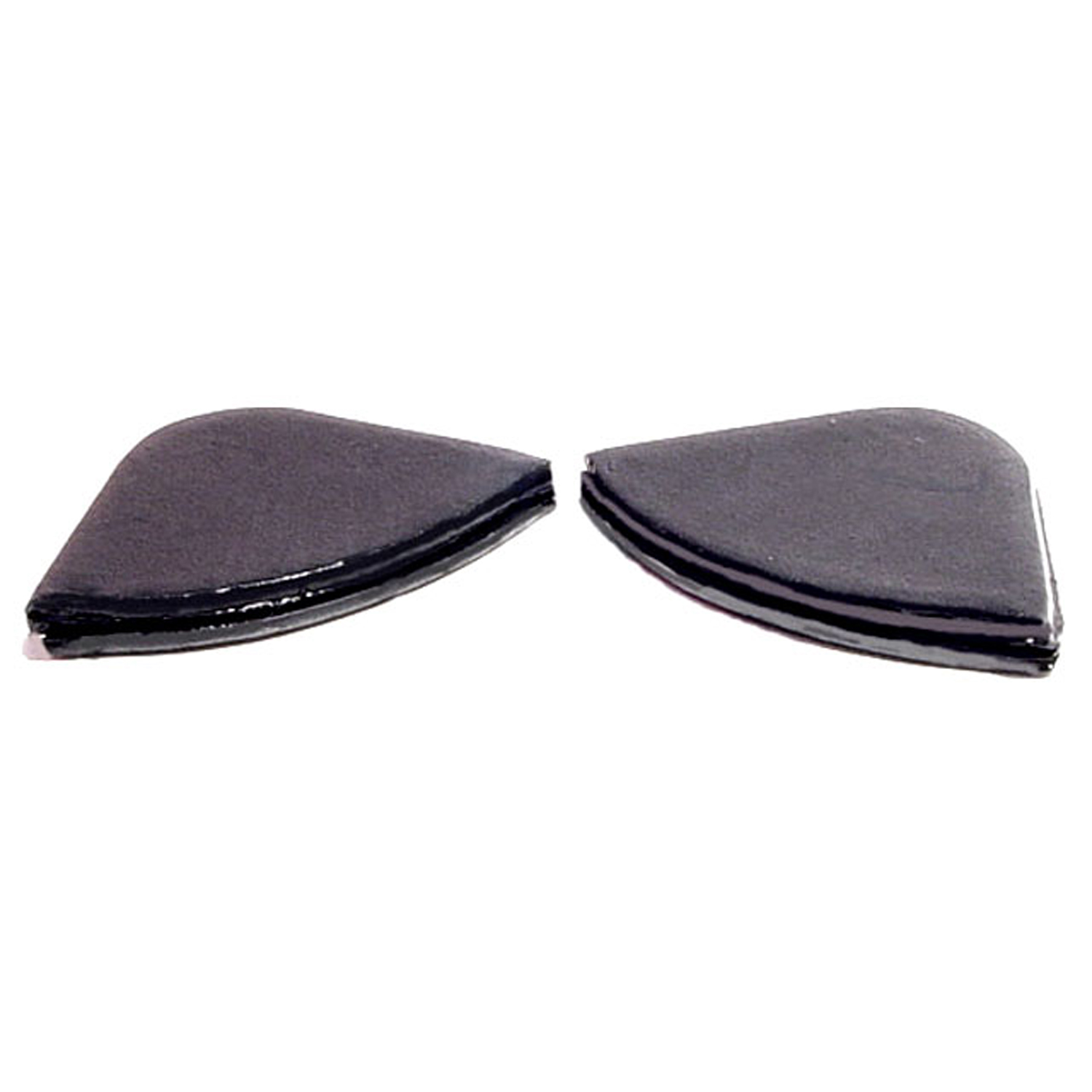 1936 Chrysler Imperial Airflow Hood Corners. Fits flat corners-HC 19Hood Corners. Fits flat corners. 80° angle, 1/4" to 3/8" corner radius. 1-3/8" wide. Pair
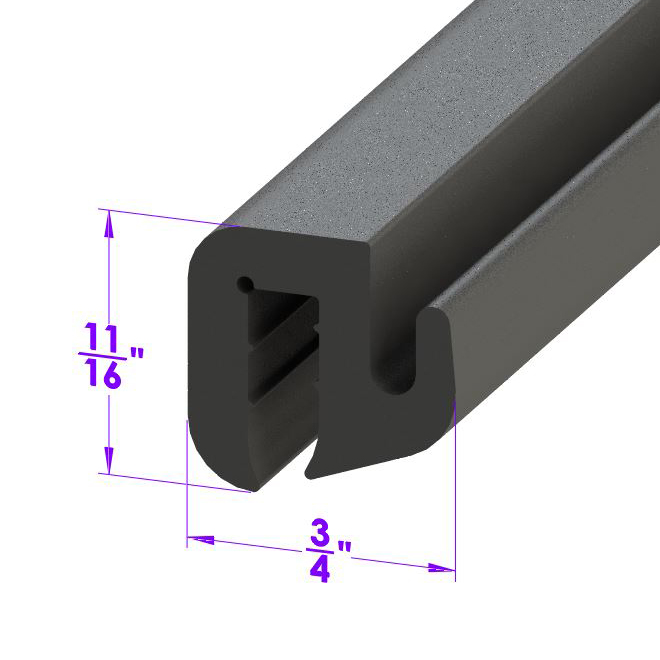 1936 Chrysler Imperial Airflow Windshield and Rear Window Seal. Sold by the foot-LP 30-AWindshield and Rear Window Seal. Sold by the foot
 1936 Chrysler Imperial Airflow Swing-Out & Crank-Out Windshield Seal. Sold by the foot-LP 97Swing-Out & Crank-Out Windshield Seal. Sold by the foot
 1936 Chrysler Imperial Airflow Swing-Out Windshield Seal. 3/4" High. Sold by the foot-LP 97-ASwing-Out Windshield Seal. 3/4" High. Sold by the foot
 1936 Chrysler Imperial Airflow License Light Pad. 5-7/8" wide X 5-5/8" long. Each-MP 558-BLicense Light Pad. 5-7/8" wide X 5-5/8" long. Each
 1936 Chrysler Imperial Airflow Trunk Handle Pad. 1-3/4" X 3-1/4". Each-MP 558-CTrunk Handle Pad. 1-3/4" X 3-1/4". Each
 1936 Chrysler Imperial Airflow Tail-light Pads. 2-1/4" wide X 5-1/4" long. Pair R&L-MP 562Tail-light Pads. 2-1/4" wide X 5-1/4" long. Pair R&L
 1936 Chrysler Imperial Airflow Trunk Light Pad. 4-1/4" wide X 5-3/4" long. Each-MP 563Trunk Light Pad. 4-1/4" wide X 5-3/4" long. Each
 1936 Chrysler Imperial Airflow License Holder Pad. 4-7/8" wide X 4-3/4" long. Each-MP 564License Holder Pad. 4-7/8" wide X 4-3/4" long. Each
 1936 Chrysler Imperial Airflow Trunk Hinge Pads. 1-3/8" wide X 8-5/8" long. 4-Piece Set-MP 566Trunk Hinge Pads. 1-3/8" wide X 8-5/8" long. 4-Piece Set
 1936 Chrysler Imperial Airflow Headlight Pads. 9" wide X 15-1/2" long. Pair-MP 630Headlight Pads. 9" wide X 15-1/2" long. Pair
 1936 Chrysler Imperial Airflow Cowl Vent Seal. Made of molded sponge-RP 100-LCowl Vent Seal. Made of molded sponge. 3-3/4" wide at side X 15-1/3" long X 3/8" thick. Each
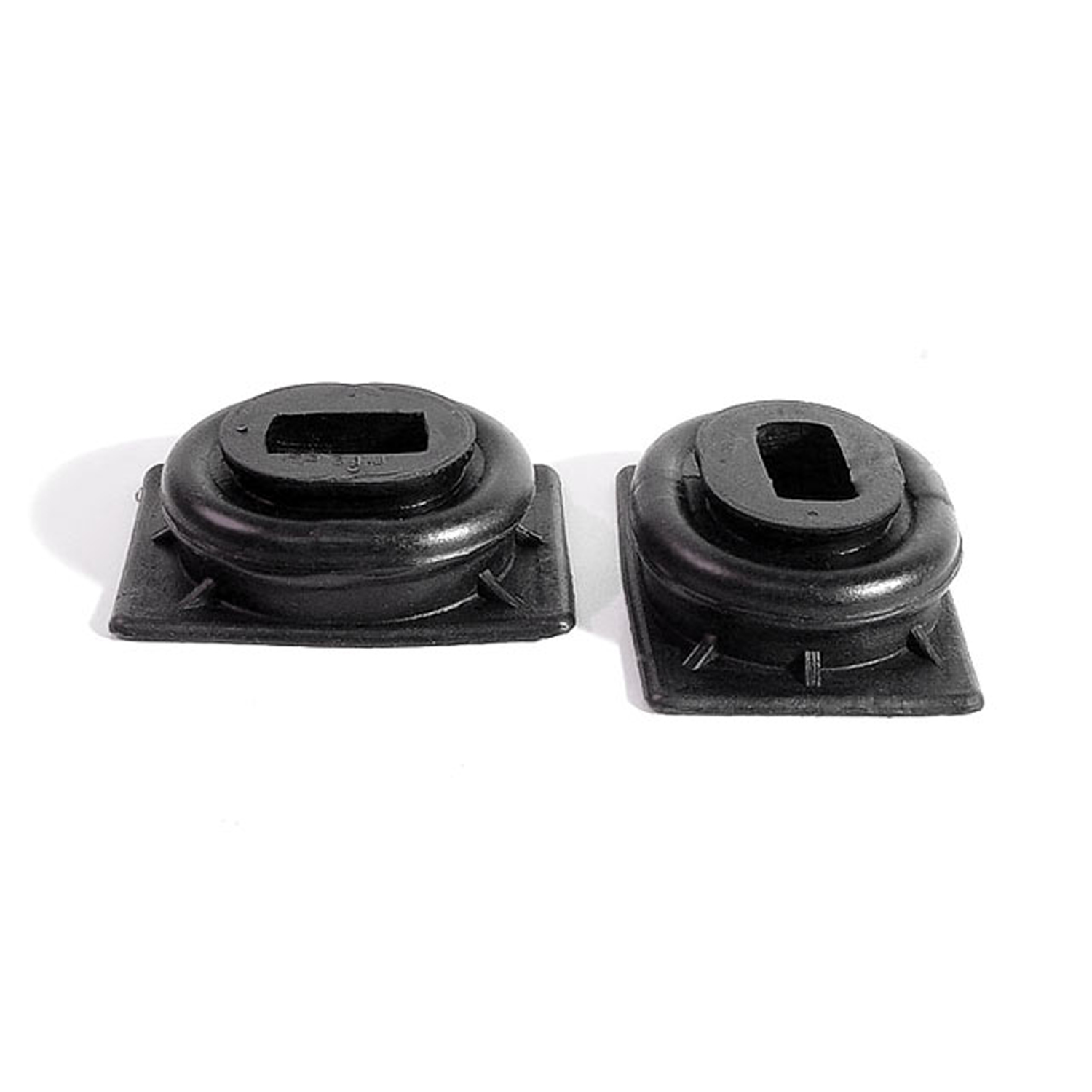 1936 Chrysler Imperial Airflow Clutch and Brake Seals. Replaces OEM #889473. Pair-RP 31-JClutch and Brake Seals. Replaces OEM #889473. Pair
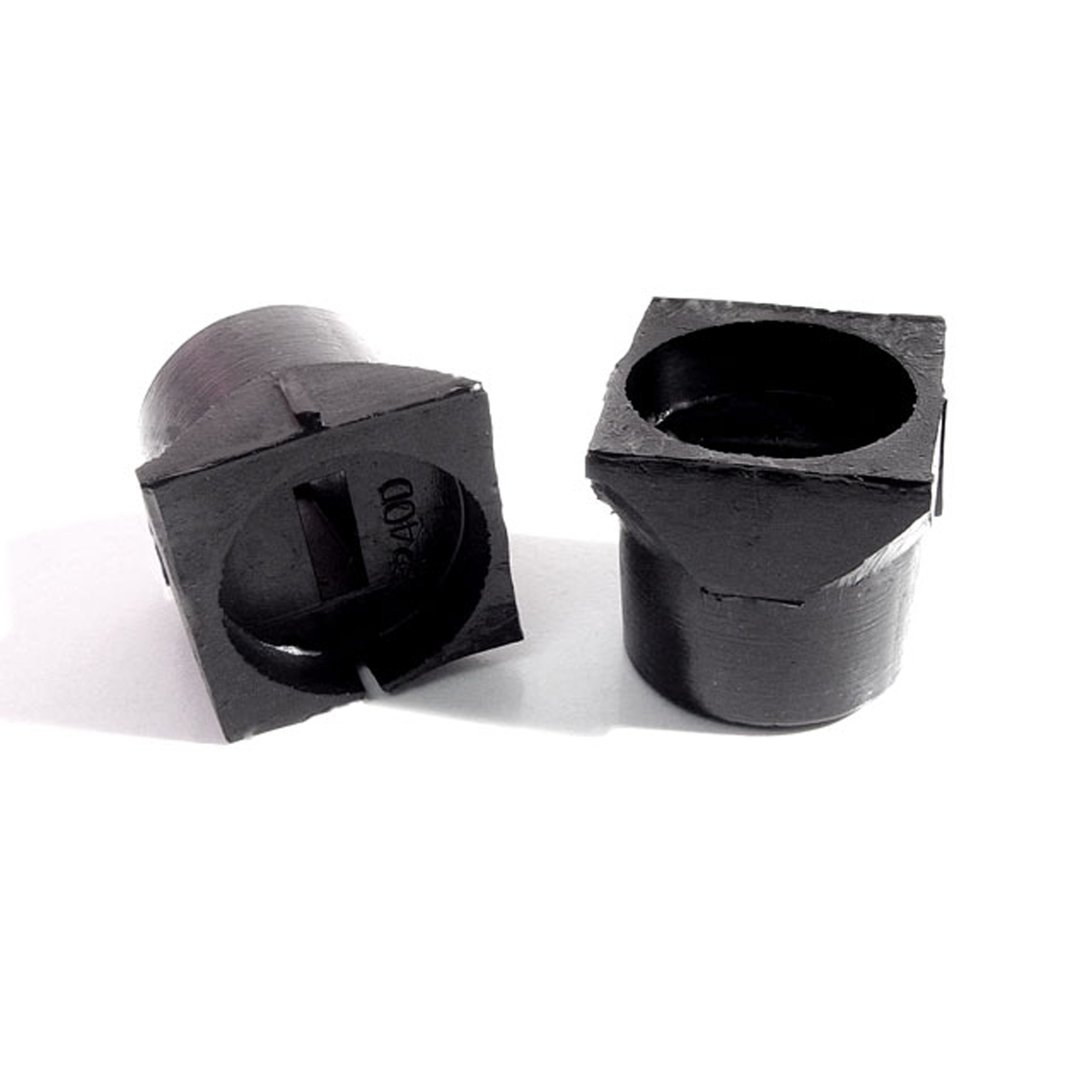 1936 Chrysler Imperial Airflow Door Check Rubber Cushion. Each-RP 40-DDoor Check Rubber Cushion. Each
 1936 Chrysler Imperial Airflow Side Window Anti-Rattle Pad. Six used per car-SB 73Side Window Anti-Rattle Pad. Six used per car. Fits a 3/16" X 3/4" slot in metal. Each
 1936 Chrysler Imperial Airflow Side Window Cushion. Fits slot size 3/16" X 1-3/16"-SB 73-CSide Window Cushion. Fits slot size 3/16" X 1-3/16". Up to 24 used per car. Made of all black rubber. Each
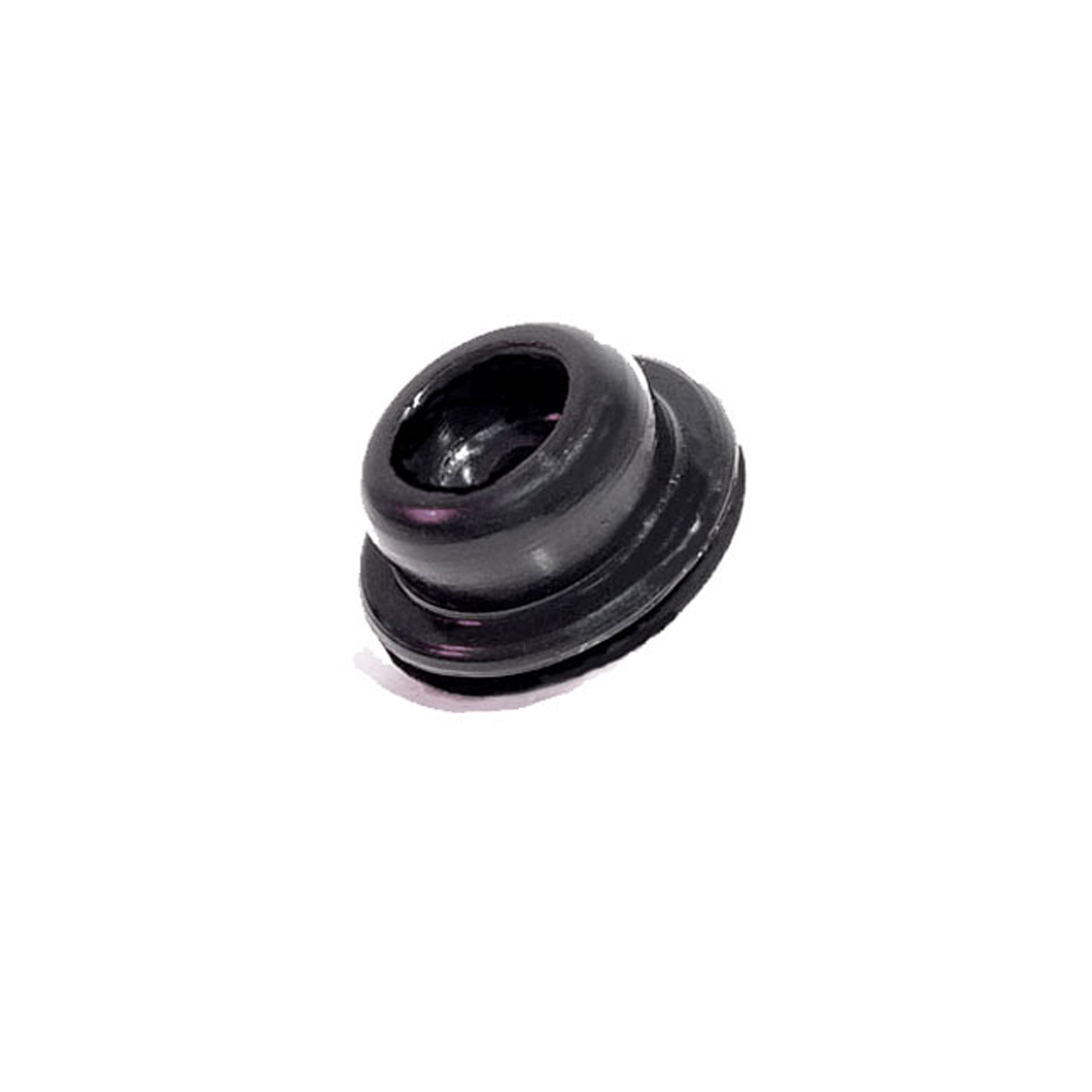 1936 Chrysler Imperial Airflow Accelerator Rod Grommet-SM 43-BAccelerator Rod Grommet. For accelerator rod through floorboard. Each
 1936 Chrysler Imperial Airflow Rear Vent Window Seals. For 4-door sedan. Pair R&L-WR 2304-RRear Vent Window Seals. For 4-door sedan. Pair R&L
Why Choose Metro?
For over 100 years, Metro Moulded Parts has been the pinnacle of quality in classic car restoration parts. Our commitment to precision and authenticity in every component ensures a perfect fit and an OEM-level appearance.
- Expert Craftsmanship & Quality: Each part is a testament to our dedication to reliability and perfection, crafted from original designs and thoroughly tested.
- Advanced Technology: We use cutting-edge techniques to create flawless, long-lasting parts that surpass others in performance.
- SuperSoft Sponge – The Ultimate Door Seal: Not only are our door seals 30% softer than competitors', but they're also guaranteed to never leak. They effectively reduce wind and road noise, enhancing your classic car's comfort and driving experience.
- Proudly American: Our parts are a product of American craftsmanship, made in the USA with a spirit of excellence and heritage.
- Unrivaled Warranty: We back our products with a 30-year industry-leading warranty, a testament to our confidence in their quality.
Join us in preserving the legacy of classic cars with parts that are crafted for perfection, not just made.