

Image of 1937 Chrysler Airflow, Note: These illustrations use artistic license and may differ from actual historical models.
Performance Metrics
Fundamental Metrics
Emotional Appeal
MMP Rating
| Engine Specifications | |
|---|---|
| Engine: | Straight-8 |
| Displacement: | 323.5 cu in (5.3 L) |
| Horsepower: | 130 hp |
| Torque: | Not available |
| Compression Ratio: | 6.7:1 |
| Ignition System: | Battery and coil |
| Cooling System: | Liquid-cooled |
| Performance Specifications | |
| 0-60 Time: | Not available |
| 1/4 Mile Time: | Not available |
| Top Speed: | 90 mph |
| Transmission and Drive | |
| Drive Type: | Rear-wheel drive |
| Transmission Type: | 3-speed manual |
| Fuel and Efficiency | |
| Fuel System Type: | Carburetor |
| MPG: | Not available |
| Dimensions and Brakes | |
| Brakes: | Hydraulic drum brakes |
| Wheelbase: | 128 in (3,251 mm) |
| Weight: | 3,900 lbs |
Note: Specifications for classic cars are given to the best of our ability, considering the limited and variant data available.
1937 Chrysler Airflow: A Streamlined American Original
The 1937 Chrysler Airflow looks like it arrived from a different decade. Its rounded nose, integrated fenders, and smooth, carefully shaped body reject the upright, separate-fender look that still defined many cars of the 1930s. Built by the Chrysler Corporation, the Airflow was one of America’s boldest attempts to make aerodynamic thinking part of an everyday production car.
The Airflow story began earlier in the decade, when Chrysler engineers led by Carl Breer explored how airflow affected a car’s performance. Their research helped shape the original 1934 model, whose design was strikingly modern but proved too radical for many buyers. By 1937, Chrysler had softened the styling and improved the car, but the Airflow was in its final year. Its commercial career was brief; its influence on automotive design was not.
One intriguing detail: Chrysler’s engineers did not simply make the car look streamlined. They also rethought where its occupants and mechanical components should sit, aiming to use the car’s interior space more effectively and improve its balance on the road.
Streamlined Styling and Cabin Design
The 1937 Airflow’s shape is its signature. The rounded front end flows into a sloping hood, while the headlights sit within the front fenders rather than appearing as separate lamps perched outside them. The fenders blend into the body, and the curved roofline sweeps toward a tapered rear. Even after Chrysler revised the design to make it more familiar, the Airflow remained unmistakably different from the square, upright cars around it.
Inside, the cabin is broad and spacious, with seating positioned between the axles rather than pushed toward the ends of the body. Period upholstery could include durable cloth or broadcloth, with leather available on some models and trim levels. The dashboard and controls are more conventional than the exterior, giving the driver a familiar working environment. As with any prewar car, exact materials and appointments depend on the body style, trim, and original specification.
Paint choices varied by series and market, and today’s surviving cars may also wear colors chosen during later restorations. Deep, understated shades were typical of the era, while two-tone combinations could emphasize the Airflow’s flowing fenders and long body. There is no single color that defines the model, but dark blues, greens, maroons, and black are popular choices among restored examples.
The 1937 range included two-door coupe and four-door sedan body styles, with configurations and trim differing by series. The four-door sedan is among the most recognizable Airflows, thanks to its generous passenger compartment and clear view of the car’s distinctive profile. Buyers choosing an Airflow generally selected a body style first, then a level of equipment and finish, rather than a long list of modern-style option packages.
Engineering Ahead of Its Time
The Airflow’s big idea was to treat the car as a complete shape rather than a collection of separate parts. Chrysler used wind-tunnel research to refine the body and paid close attention to how air moved over and around it. The company also placed the engine farther forward than was common in many contemporary cars, helping move passengers into the space between the axles. That layout contributed to the Airflow’s roominess and its distinctive weight distribution.
Its construction was also unusual for the period. The body and frame were engineered as a strong, integrated structure, using principles that anticipated later unit-body construction. The Airflow was not a modern unibody in precisely the same sense as a contemporary car, but it represented a significant move away from treating the body as a simple shell mounted on a separate chassis.
These ideas made the Airflow important even though buyers did not embrace it in large numbers. Its smooth shape demonstrated that aerodynamics could inform a practical family car, while its passenger layout showed the potential benefits of reconsidering the traditional engine, cabin, and axle arrangement. Later manufacturers adopted streamlined forms and more efficient packaging, though not as a direct copy of the Airflow alone.
Eight-Cylinder Performance and Road Manners
A typical 1937 Chrysler Airflow Eight was powered by a 323.5-cubic-inch inline-eight, rated at about 130 horsepower, paired with a three-speed manual transmission. Specifications varied by series and equipment, so buyers researching a particular car should confirm its engine and chassis details from factory records or period literature.
Performance figures are best treated as estimates because period testing methods and vehicle condition varied. A healthy Airflow could reach roughly 85 to 90 mph, while a 0-to-60-mph run likely took around 18 to 22 seconds. Its strengths were not sports-car acceleration or sharp cornering, but smooth, steady progress and relaxed cruising for a substantial prewar sedan.
On the road, the straight-eight delivers a measured, even sound rather than a sharp, high-revving note. The car’s long wheelbase and substantial mass help it absorb ordinary bumps, although worn springs, tired dampers, old tires, and loose suspension joints can make a surviving example feel unsettled. On winding roads, the Airflow rewards a deliberate pace. Its steering and brakes reflect 1930s expectations, so it needs more room and planning than a modern car, especially in traffic or on steep grades.
The driver sits in a roomy cabin with a broad view ahead, but the car’s size and period controls take some getting used to. A good example feels composed and unusually spacious for its era. A neglected one can be demanding, which is why a thorough mechanical inspection matters more than a shiny paint job.
Living With a 1937 Airflow
Today, the Airflow is primarily a show car, touring car, and collector vehicle. Some owners drive their cars on local events and carefully planned vintage tours, but regular commuting is uncommon. Its size, age, fuel consumption, and prewar braking and lighting systems make it better suited to relaxed outings than daily use.
Maintenance is manageable for an experienced classic-car owner, but it is not as straightforward as servicing a common postwar model. Routine work on the straight-eight follows familiar mechanical principles, while specialized trim, body panels, and Airflow-specific components can take time to locate. Parts support is smaller than it is for more numerous American classics, and repairs to the body’s complex curves may require a specialist.
Reliability depends heavily on restoration quality. Cooling-system condition, ignition, carburetion, fuel delivery, brakes, and electrical wiring deserve careful attention. Before buying, check for rust or previous repairs in the structure, confirm that the engine and transmission are sound, and verify that hard-to-find trim pieces are present. A well-maintained Airflow can be enjoyed on the road, but it should be serviced and driven with the care appropriate to an 89-year-old automobile.
Airflow Facts and Common Criticisms
The Airflow was developed with the help of wind-tunnel research, an unusual approach for a mass-market American car at the time. Its rounded body was not just a styling exercise: Chrysler intended the shape and packaging to work together. The company also promoted the car’s strength and durability, helping the Airflow earn a reputation as a technically ambitious machine.
The most common criticism is that the styling was too far ahead of public taste. The original Airflow’s appearance made some buyers uneasy, and Chrysler’s later revisions could not fully shake that reputation. Its early sales difficulties were also worsened by the economic pressures of the Great Depression and concerns about the new construction methods. The Airflow was not a commercial failure because it lacked ideas; it struggled because its ideas arrived in a form many customers were not ready to trust.
There is no widely recognized 1937 Airflow speed or endurance record that defines the model. Its notable achievement is instead its place in the history of production-car design. The Airflow stands as an important early example of an automaker using aerodynamic research and structural engineering to rethink a family automobile.
Collector Values and Rarity
Chrysler produced roughly 4,600 Airflows for the 1937 model year, making the final-year cars scarce compared with mainstream classics. That figure is an approximate production estimate, and surviving examples are fewer still. Cars appear on the market infrequently, with availability depending on body style, condition, and whether important parts or documentation are included.
As a broad current-market estimate, a project car might fall around $10,000 to $25,000. A usable driver or older restoration could land in the $25,000 to $45,000 range, while a well-restored example may bring approximately $50,000 to $85,000. Exceptional, highly documented cars can exceed that range, while incomplete or heavily deteriorated cars may sell for less. These are general estimates, not a formal appraisal; originality, provenance, restoration quality, and market timing all matter.
Airflow values tend to be driven by rarity and historical importance rather than broad mainstream demand. The model has a dedicated following, but its unusual styling and specialized parts keep the buyer pool smaller than that for more familiar classics. In recent years, well-presented examples have generally held interest and may appreciate gradually, but condition and documentation have a greater effect on price than the model’s final production year alone.
Why the 1937 Chrysler Airflow Still Matters
The 1937 Chrysler Airflow combines a distinctive streamlined body, innovative engineering, a roomy cabin, and smooth straight-eight power. It was not a sales sensation, and its styling challenged the tastes of its time. Yet its efforts to bring aerodynamics, passenger comfort, and stronger integrated construction into a production car made it one of the most significant American automobiles of the 1930s.
Nearly nine decades later, the Airflow still looks like a statement of intent. It reminds us that progress in car design does not always arrive as an immediate success; sometimes it arrives as a bold idea that the rest of the industry takes years to catch up with.
1937 Chrysler Airflow Catalog of Parts
 1937 Chrysler Airflow Fender Skirt Lower Latch Bumper. Steel core. Pair-BC 49Fender Skirt Lower Latch Bumper. Steel core. Pair
 1937 Chrysler Airflow Fender Skirt Upper Latch Bumper. Steel core. Pair-BC 50Fender Skirt Upper Latch Bumper. Steel core. Pair
 1937 Chrysler Airflow Front and Rear Bumper Arm Grommets-BG 57Front and Rear Bumper Arm Grommets. 5" wide X 3-5/8" long, with 1-3/16" long inner slot. Pair
 1937 Chrysler Airflow Front Bumper Arm Grommets. Hollow construction-BG 94Front Bumper Arm Grommets. Hollow construction. 2-3/4" wide X 4-1/4" long, with 1-7/8" long inner slot. Pair
 1937 Chrysler Airflow Rear Bumper Arm Grommets. Hollow construction-BG 95Rear Bumper Arm Grommets. Hollow construction. Perfect reproduction. 4-1/4" wide X 4-1/2" long, with 1/2" wide inner slot. Pair
 1937 Chrysler Airflow Clutch and Brake Pedal Pads. 2-5/8" wide X 3-3/4" long-CB 26Clutch and Brake Pedal Pads. 2-5/8" wide X 3-3/4" long. Pair
 1937 Chrysler Airflow Clutch and Brake Pedal Pads, Black-CB 28-AClutch and Brake Pedal Pads, Black. 2-3/8" wide X 3-7/8" long. Pair
 1937 Chrysler Airflow Clutch and Brake Pedal Pads, Brown-CB 28-BClutch and Brake Pedal Pads, Brown. 2-3/8" wide X 3-7/8" long. Pair
 1937 Chrysler Airflow Door Jamb Bumper. Perfect reproduction-DB 36Door Jamb Bumper. Perfect reproduction. 1-1/16" high X 1-1/4" wide X 7/16" thick. Each
 1937 Chrysler Airflow Door Jamb Bumper. Fully detailed reproduction-DB 38Door Jamb Bumper. Fully detailed reproduction. 15/16" high X 1-9/16" wide X 7/16" thick. Each
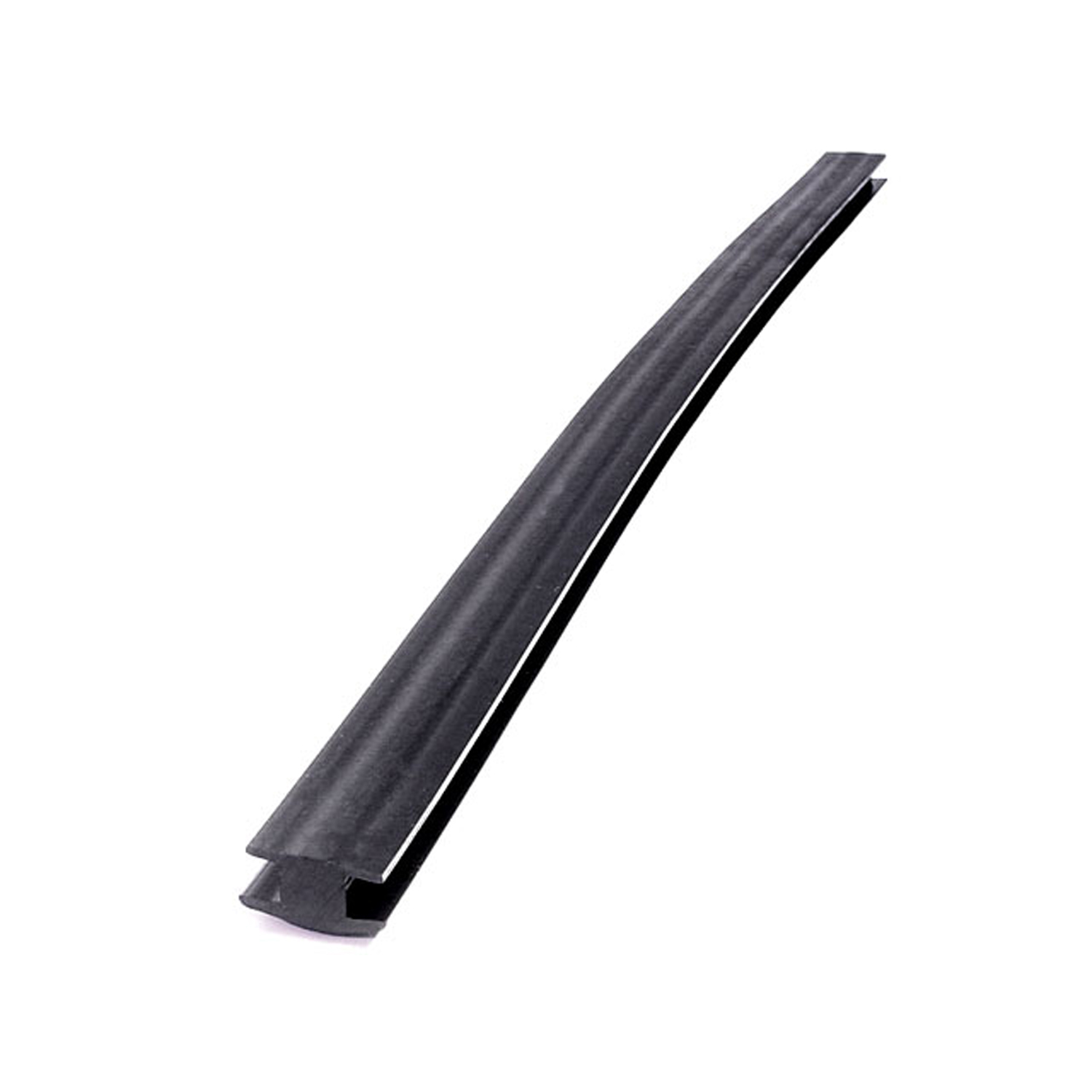 1937 Chrysler Airflow Windshield Center Bar Gasket. 20" long. Each-DP 12Windshield Center Bar Gasket. 20" long. Each
 1937 Chrysler Airflow Gravel Shields. Molded flat without metal backing plates-FS 31Gravel Shields. Molded flat without metal backing plates. Apply with contact cement. 18" long X 9-3/4" wide at bottom. Pair
 1937 Chrysler Airflow Gas Filler Grommet. 2-1/4" I.D., 3-3/4" O.D-GF 18Gas Filler Grommet. 2-1/4" I.D., 3-3/4" O.D., 1/2" top thickness. Each
 1937 Chrysler Airflow Hood Corners. Fits flat corners-HC 19Hood Corners. Fits flat corners. 80° angle, 1/4" to 3/8" corner radius. 1-3/8" wide. Pair
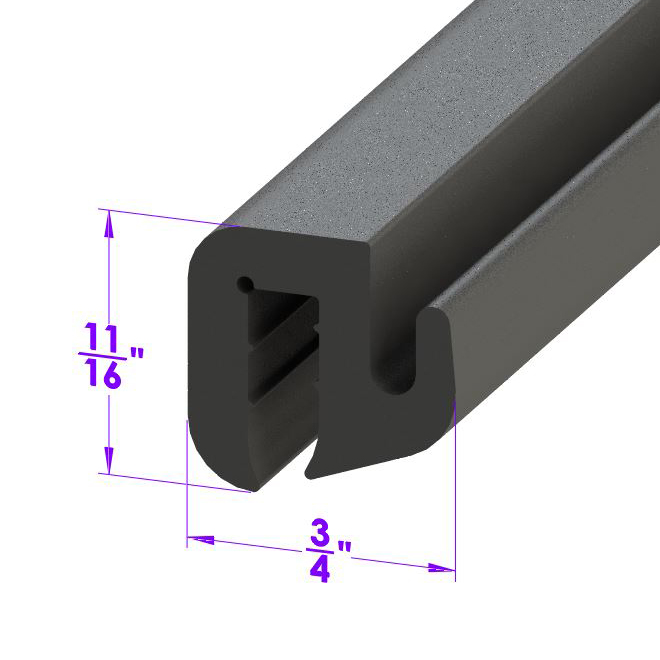 1937 Chrysler Airflow Windshield and Rear Window Seal. Sold by the foot-LP 30-AWindshield and Rear Window Seal. Sold by the foot
 1937 Chrysler Airflow Swing-Out & Crank-Out Windshield Seal. Sold by the foot-LP 97Swing-Out & Crank-Out Windshield Seal. Sold by the foot
 1937 Chrysler Airflow Swing-Out Windshield Seal. 3/4" High. Sold by the foot-LP 97-ASwing-Out Windshield Seal. 3/4" High. Sold by the foot
 1937 Chrysler Airflow Tail-light Pads. 4-1/4" wide X 7-3/8" long. Pair-MP 558Tail-light Pads. 4-1/4" wide X 7-3/8" long. Pair
 1937 Chrysler Airflow License Light Pad. 5-3/4" wide X 6" long. Each-MP 558-ALicense Light Pad. 5-3/4" wide X 6" long. Each
 1937 Chrysler Airflow Tail-light Pads. 2-1/4" wide X 5-1/4" long. Pair R&L-MP 562Tail-light Pads. 2-1/4" wide X 5-1/4" long. Pair R&L
 1937 Chrysler Airflow Trunk Light Pad. 4-1/4" wide X 5-3/4" long. Each-MP 563Trunk Light Pad. 4-1/4" wide X 5-3/4" long. Each
 1937 Chrysler Airflow License Holder Pad. 4-7/8" wide X 4-3/4" long. Each-MP 564License Holder Pad. 4-7/8" wide X 4-3/4" long. Each
 1937 Chrysler Airflow Trunk Hinge Pads. 1-3/8" wide X 8-5/8" long. 4-Piece Set-MP 566Trunk Hinge Pads. 1-3/8" wide X 8-5/8" long. 4-Piece Set
 1937 Chrysler Airflow Headlight Pads. 9" wide X 15-1/2" long. Pair-MP 630Headlight Pads. 9" wide X 15-1/2" long. Pair
 1937 Chrysler Airflow Molded Heel Pad. For drivers side. Correct rib pattern-RM 23Molded Heel Pad. For drivers side. Correct rib pattern. Black. 11-1/2" X 15". Each
 1937 Chrysler Airflow Molded Heel Pad. For drivers side. Correct rib pattern-RM 23-QMolded Heel Pad. For drivers side. Correct rib pattern. Brown. 11-1/2" X 15". Each
 1937 Chrysler Airflow Cowl Vent Seal. Made of molded sponge-RP 100-LCowl Vent Seal. Made of molded sponge. 3-3/4" wide at side X 15-1/3" long X 3/8" thick. Each
 1937 Chrysler Airflow Cowl Vent Seals. Molded in soft rubber. Two needed per car-RP 101-BCowl Vent Seals. Molded in soft rubber. Two needed per car. 4" wide X 15-1/4" long. Replaces OEM #4688744-5. Pair
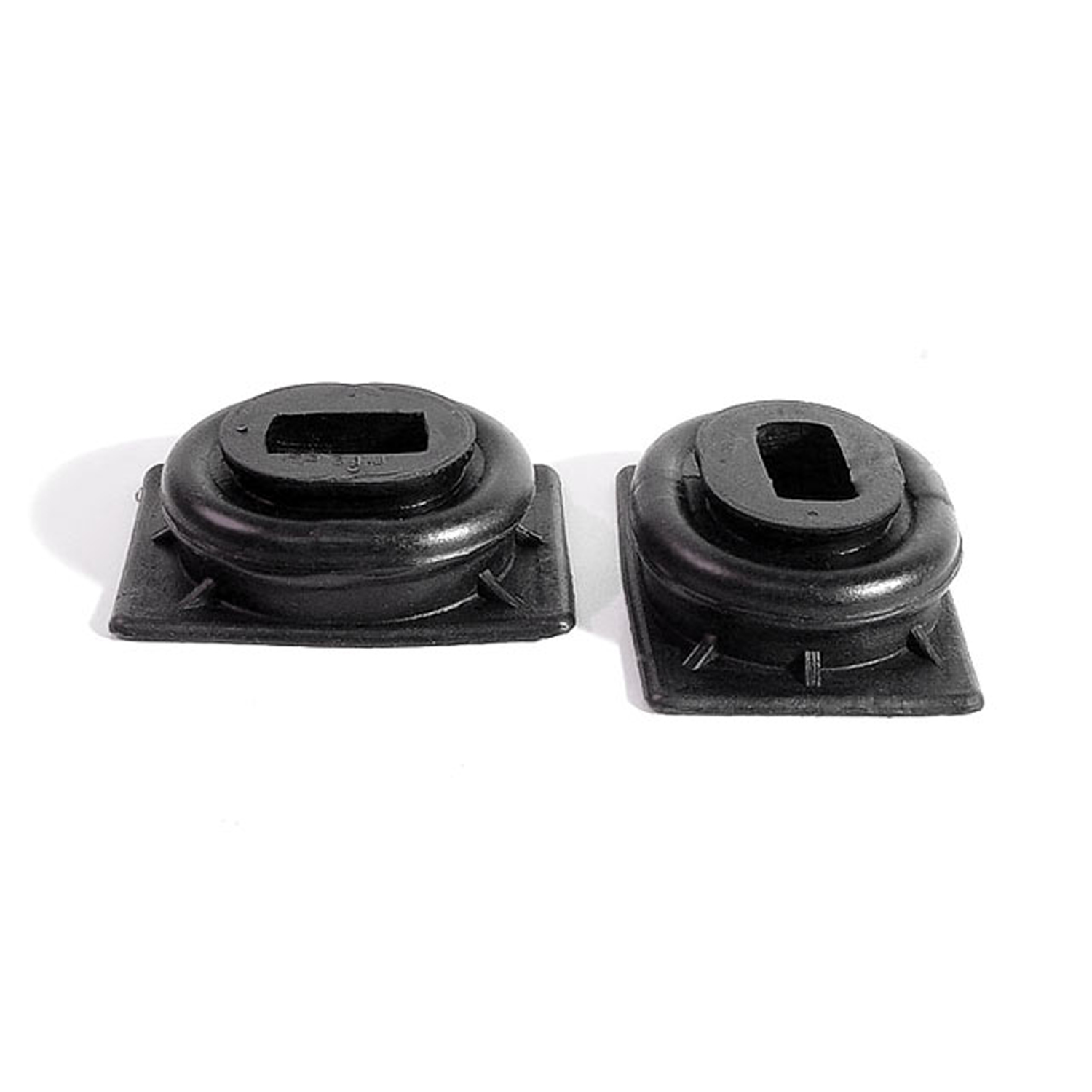 1937 Chrysler Airflow Clutch and Brake Seals. Replaces OEM #889473. Pair-RP 31-JClutch and Brake Seals. Replaces OEM #889473. Pair
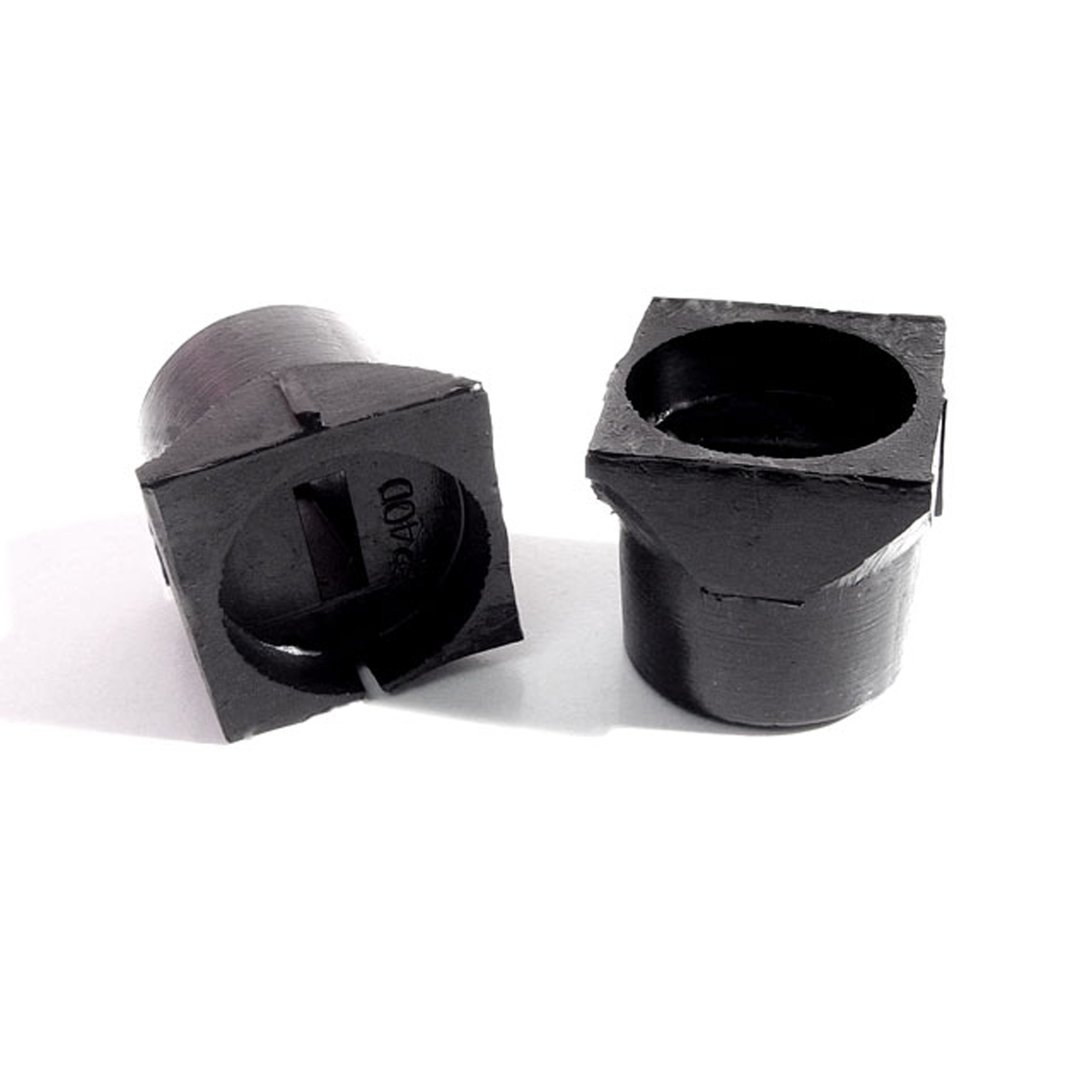 1937 Chrysler Airflow Door Check Rubber Cushion. Each-RP 40-DDoor Check Rubber Cushion. Each
 1937 Chrysler Airflow Side Window Anti-Rattle Pad. Six used per car-SB 73Side Window Anti-Rattle Pad. Six used per car. Fits a 3/16" X 3/4" slot in metal. Each
 1937 Chrysler Airflow Side Window Cushion. Fits slot size 3/16" X 1-3/16"-SB 73-CSide Window Cushion. Fits slot size 3/16" X 1-3/16". Up to 24 used per car. Made of all black rubber. Each
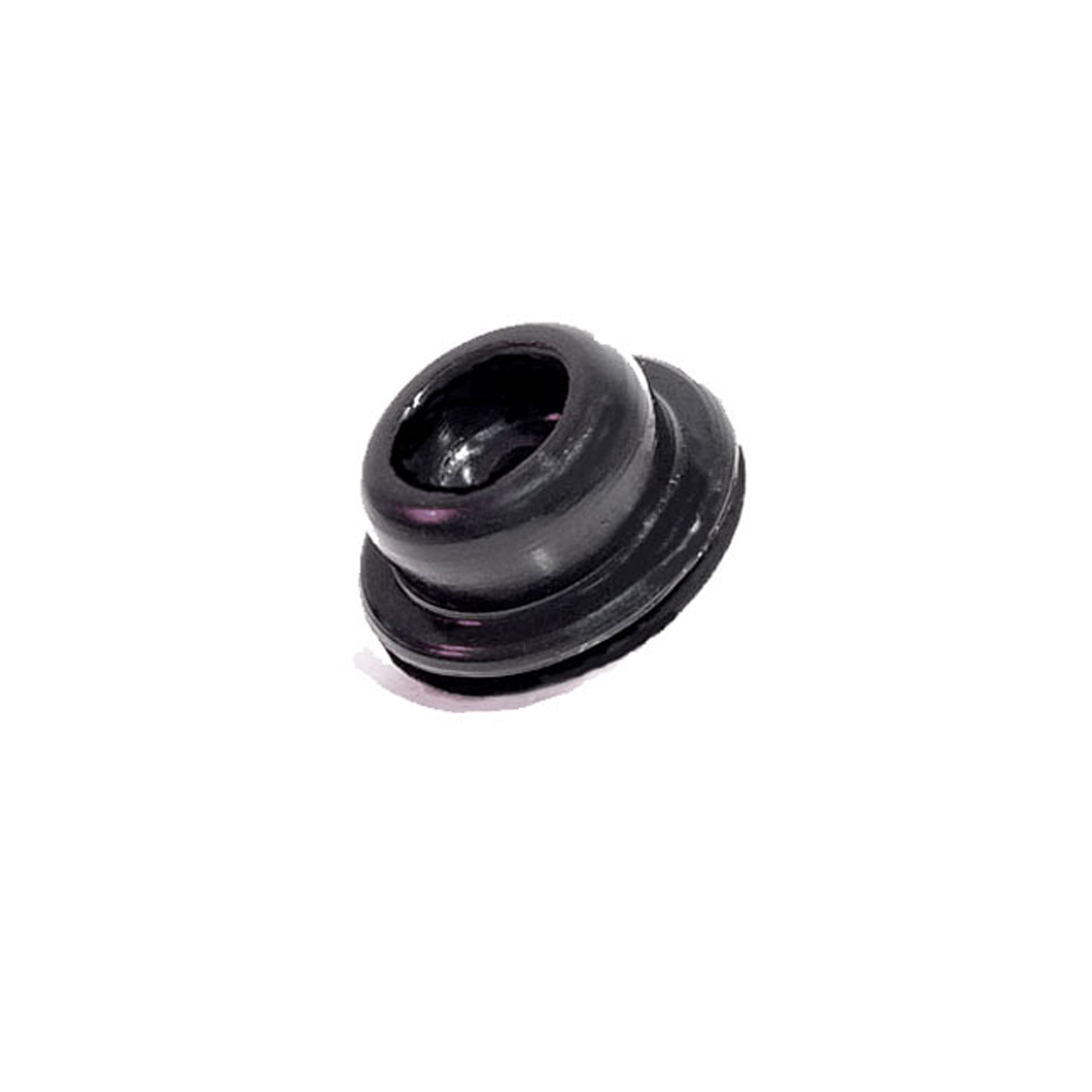 1937 Chrysler Airflow Accelerator Rod Grommet-SM 43-BAccelerator Rod Grommet. For accelerator rod through floorboard. Each
 1937 Chrysler Airflow Rear Vent Window Seals, for Sedans-WR 2300-RRear Vent Window Seals, for Sedans. Slight modification required for some models. Overall length is 44". Some models use longer seal, for these use extension piece WREX 2300-R. Pair R&L
 1937 Chrysler Airflow Front Vent Window Seals. Molded to exact configuration-WR 2705Front Vent Window Seals. Molded to exact configuration. Pair R&L
 1937 Chrysler Airflow Rear Vent Window Seals Extension Piece, for Sedans-WREX 2300-RRear Vent Window Seals Extension Piece, for Sedans. Butting of parts is required. 24" long. Replaces OEM #744128-9, 790216-7 & 847090-1. Pair
Why Choose Metro?
For over 100 years, Metro Moulded Parts has been the pinnacle of quality in classic car restoration parts. Our commitment to precision and authenticity in every component ensures a perfect fit and an OEM-level appearance.
- Expert Craftsmanship & Quality: Each part is a testament to our dedication to reliability and perfection, crafted from original designs and thoroughly tested.
- Advanced Technology: We use cutting-edge techniques to create flawless, long-lasting parts that surpass others in performance.
- SuperSoft Sponge – The Ultimate Door Seal: Not only are our door seals 30% softer than competitors', but they're also guaranteed to never leak. They effectively reduce wind and road noise, enhancing your classic car's comfort and driving experience.
- Proudly American: Our parts are a product of American craftsmanship, made in the USA with a spirit of excellence and heritage.
- Unrivaled Warranty: We back our products with a 30-year industry-leading warranty, a testament to our confidence in their quality.
Join us in preserving the legacy of classic cars with parts that are crafted for perfection, not just made.