

Image of 1937 Chrysler Imperial, Note: These illustrations use artistic license and may differ from actual historical models.
Performance Metrics
Fundamental Metrics
Emotional Appeal
MMP Rating
| Engine Specifications | |
|---|---|
| Engine Options: | Straight-8 |
| Displacement Range: | 324 cu in (5.3 L) |
| Horsepower Range: | 135 hp |
| Torque: | Not available |
| Compression Ratio: | Not available |
| Ignition System: | Battery and coil |
| Cooling System: | Liquid-cooled |
| Performance Specifications | |
| 0-60 Time: | Not available |
| 1/4 Mile Time: | Not available |
| Top Speed: | 90 mph |
| Transmission and Drive | |
| Drive Type: | Rear-wheel drive |
| Transmission Type: | 3-speed manual |
| Fuel and Efficiency | |
| Fuel System Type: | Carburetor |
| MPG: | Not available |
| Dimensions and Brakes | |
| Brakes: | 4-wheel hydraulic drum brakes |
| Wheelbase: | 144 in (3657.6 mm) |
| Weight: | 4,485 lbs |
Note: Specifications for classic cars are given to the best of our ability, considering the limited and variant data available.
1937 Chrysler Imperial: Chrysler’s Prewar Flagship
The 1937 Chrysler Imperial brought big-car presence and careful engineering to the American luxury market, at a time when streamlining, comfort, and modern manufacturing were reshaping the automobile. Built by the Chrysler Corporation, the Imperial sat near the top of the company’s range, with the larger Custom Imperial serving customers who wanted extra space and more formal coachwork.
The name covered more than one kind of car. Some 1937 Imperials wore conventional, upright styling, while Chrysler’s Airflow models offered a dramatically streamlined alternative. That distinction matters: the Airflow was one of the era’s boldest design experiments, but it was a separate branch of Chrysler’s lineup, not the shape of every Imperial.
A compelling detail is that Chrysler continued to offer the Airflow late into its production run despite its challenging reception. Its aerodynamic ideas were ahead of many buyers’ tastes, yet they helped make the 1930s Imperial story about more than size and status. It was also a story of a manufacturer testing how a car could be designed.
Art Deco Style and Imperial Comfort
The conventional 1937 Imperial had the substantial proportions expected of a luxury car: a long hood, a tall upright grille, sweeping front fenders, and a spacious passenger compartment. Its carefully balanced lines looked formal without being fussy. Brightwork around the grille, lamps, and window surrounds added polish, while the long wheelbase gave the car an unmistakable sense of occasion.
Inside, the emphasis was on room and comfort. Depending on model and trim, owners could find broad upholstered seats, quality cloth or leather, wood-grain accents, and generous legroom. Custom Imperial versions could be ordered with more formal appointments and passenger-focused details. Materials and equipment varied by body style, so a basic Imperial sedan and an individually appointed Custom Imperial should not be assumed to have identical interiors.
Factory paint choices changed with trim and ordering details, but buyers could choose from a range of solid and two-tone finishes. Dark blues, greens, maroons, and black suited the Imperial’s formal character, while lighter combinations showed off its long body and flowing fenders. Original paint and trim documentation is especially valuable to restorers because color availability could vary by series and body.
Body styles ranged from closed sedans and coupes to open models, with the Custom Imperial line offering longer, more formal passenger cars, including limousine-style choices. The four-door sedan was the practical, recognizable Imperial. Long-wheelbase formal sedans and limousines are among the most imposing and collectible versions today.
Engineering Beyond the Long Hood
Chrysler’s 1937 Imperials combined traditional luxury-car construction with features that reflected the company’s interest in engineering. Hydraulic brakes were an important everyday advantage, and the cars used a conventional front-engine, rear-wheel-drive layout that was familiar to mechanics and owners. Chrysler also promoted comfort-focused engineering, including attention to engine isolation and ride quality.
The Airflow deserves a separate mention in any discussion of innovation. Its body was developed around a more aerodynamic shape, with a rounded nose and a passenger compartment integrated into the overall form rather than added as a box atop a chassis. It challenged the upright styling customers expected, and its commercial fortunes were mixed. Still, the Airflow helped popularize the idea that a car’s shape could be considered as a whole, not just as a collection of separate styling elements.
That contrast is what makes the 1937 Imperial interesting. Chrysler offered a familiar luxury-car silhouette for buyers who wanted established elegance, while the Airflow explored a more radical direction. Few manufacturers of the period made that design tension so visible in their own showroom.
Performance and Road Manners
Engine specifications depended on the Imperial series. Larger Custom Imperial models were available with a Chrysler L-head straight-eight of about 323.5 cubic inches, producing roughly 130 horsepower. Other Imperial versions used smaller engines, so figures should always be matched to the particular car rather than applied to the entire range.
Period performance figures vary with body style, gearing, condition, and test method. As a general guide, a healthy straight-eight Imperial might reach approximately 80 to 90 mph, while a 0-to-60-mph run could take around 20 to 25 seconds. These are estimates, not guarantees for every 1937 car. A heavy limousine with tall gearing will feel different from a lighter coupe, and modern traffic makes the Imperial’s leisurely acceleration easy to notice.
On the road, the Imperial is best understood as a distance car, not a sports sedan. Its long wheelbase helps smooth broken pavement, and the soft suspension gives the ride a settled, stately feel. On winding roads, the car’s size and period steering geometry call for measured inputs. The driver works with the car rather than flicking it into corners.
The straight-eight delivers a subdued, even mechanical note, with more muted rumble than sharp exhaust bark. The high seating position, broad hood, and large steering wheel make the driving experience feel ceremonial by modern standards. Braking distances, steering effort, and body movement are also very much products of the 1930s, so a well-maintained example should be driven with room and anticipation.
What Ownership Is Like Today
Today, a 1937 Imperial is most often a show car, touring car, or carefully used weekend classic. Its size and age make it a less practical daily driver than a postwar American sedan, though a properly sorted example can be enjoyed on local outings and vintage tours.
Routine mechanical work is within the reach of a skilled classic-car owner, especially because the basic engine and rear-wheel-drive layout are straightforward compared with modern vehicles. The bigger challenges are finding correct trim, body-specific parts, and specialist help for restoration work. Long-wheelbase and coachbuilt cars can require patience, and their large bodies make paint and panel repairs expensive.
Before buying, check for rust in the floors, lower body sections, and structural areas; inspect the cooling system and engine carefully; and verify that the brakes, steering, and electrical system have been properly restored. A car that has sat for years may need far more than a quick tune-up. Originality, documentation, and the quality of past work can matter as much as the odometer reading.
Rare Bodies, Airflow Lore, and Owner Gripes
One of the most intriguing parts of the 1937 Imperial range is the variety of bodies and trim levels. A long-wheelbase Custom Imperial with formal coachwork is a very different proposition from a standard sedan, and some high-end cars received distinctive bodywork from specialist builders. Such examples are rare enough that buyers should research the chassis, body, and coachbuilder details individually.
The Airflow is the model’s most famous design talking point, but it also illustrates a common criticism of 1930s Chrysler styling: its forward-looking form could be polarizing. Conventional Imperials avoid that controversy, though their considerable size, heavy feel, and relatively modest performance by modern standards can be drawbacks for owners expecting a nimble classic.
There is no single widely accepted production figure for every car that might be described as a 1937 Imperial, particularly when standard and Custom models, body styles, and Airflow variants are counted differently. A reasonable broad estimate is several thousand Imperial-branded cars for the model year, with individual long-wheelbase and coachbuilt versions produced in much smaller numbers. Exact figures should be checked against marque records for a specific series.
1937 Imperial Collector Values
Values vary sharply with body style, originality, condition, and restoration quality. As a broad present-day estimate, a project or driver-quality standard Imperial might fall around $25,000 to $60,000. A strong, well-restored sedan could bring roughly $60,000 to $110,000, while rare Custom Imperial or coachbuilt examples may exceed $150,000 and can go higher when provenance and condition are exceptional. These are guide ranges, not appraisals; actual auction and private-sale results can differ substantially.
Well-preserved examples and unusual body styles are generally the most resilient. The market for large prewar cars is specialized, so values do not rise evenly across every model. Exceptional cars can attract serious competition, while cars needing major restoration may be limited by the cost of parts and skilled labor. Over the long term, the best examples have the strongest prospects, but buyers should treat condition and authenticity as more important than predictions of appreciation.
A Distinctive Chapter in Chrysler History
The 1937 Chrysler Imperial combined traditional luxury, smooth straight-eight power, and imposing prewar proportions with a manufacturer’s willingness to experiment. Its conventional models delivered the formal comfort buyers expected, while the Airflow showed how far Chrysler was prepared to push automotive design.
That mix of elegance and ambition gives the Imperial lasting appeal. It is not merely a large old sedan, but a snapshot of an industry deciding what the modern automobile should become, one beautifully long hood at a time.
1937 Chrysler Imperial Catalog of Parts
 1937 Chrysler Imperial Front and Rear Bumper Arm Grommets-BG 57Front and Rear Bumper Arm Grommets. 5" wide X 3-5/8" long, with 1-3/16" long inner slot. Pair
 1937 Chrysler Imperial Front Bumper Arm Grommets. Hollow construction-BG 94Front Bumper Arm Grommets. Hollow construction. 2-3/4" wide X 4-1/4" long, with 1-7/8" long inner slot. Pair
 1937 Chrysler Imperial Rear Bumper Arm Grommets. Hollow construction-BG 95Rear Bumper Arm Grommets. Hollow construction. Perfect reproduction. 4-1/4" wide X 4-1/2" long, with 1/2" wide inner slot. Pair
 1937 Chrysler Imperial Clutch and Brake Pedal Pads. 2-5/8" wide X 3-3/4" long-CB 26Clutch and Brake Pedal Pads. 2-5/8" wide X 3-3/4" long. Pair
 1937 Chrysler Imperial Clutch and Brake Pedal Pads. 3" wide X 3-7/8" long. Pair-CB 27Clutch and Brake Pedal Pads. 3" wide X 3-7/8" long. Pair
 1937 Chrysler Imperial Clutch and Brake Pedal Pads, Black-CB 28-AClutch and Brake Pedal Pads, Black. 2-3/8" wide X 3-7/8" long. Pair
 1937 Chrysler Imperial Clutch and Brake Pedal Pads, Brown-CB 28-BClutch and Brake Pedal Pads, Brown. 2-3/8" wide X 3-7/8" long. Pair
 1937 Chrysler Imperial Door Jamb Bumper. Perfect reproduction-DB 36Door Jamb Bumper. Perfect reproduction. 1-1/16" high X 1-1/4" wide X 7/16" thick. Each
 1937 Chrysler Imperial Door Jamb Bumper. Fully detailed reproduction-DB 38Door Jamb Bumper. Fully detailed reproduction. 15/16" high X 1-9/16" wide X 7/16" thick. Each
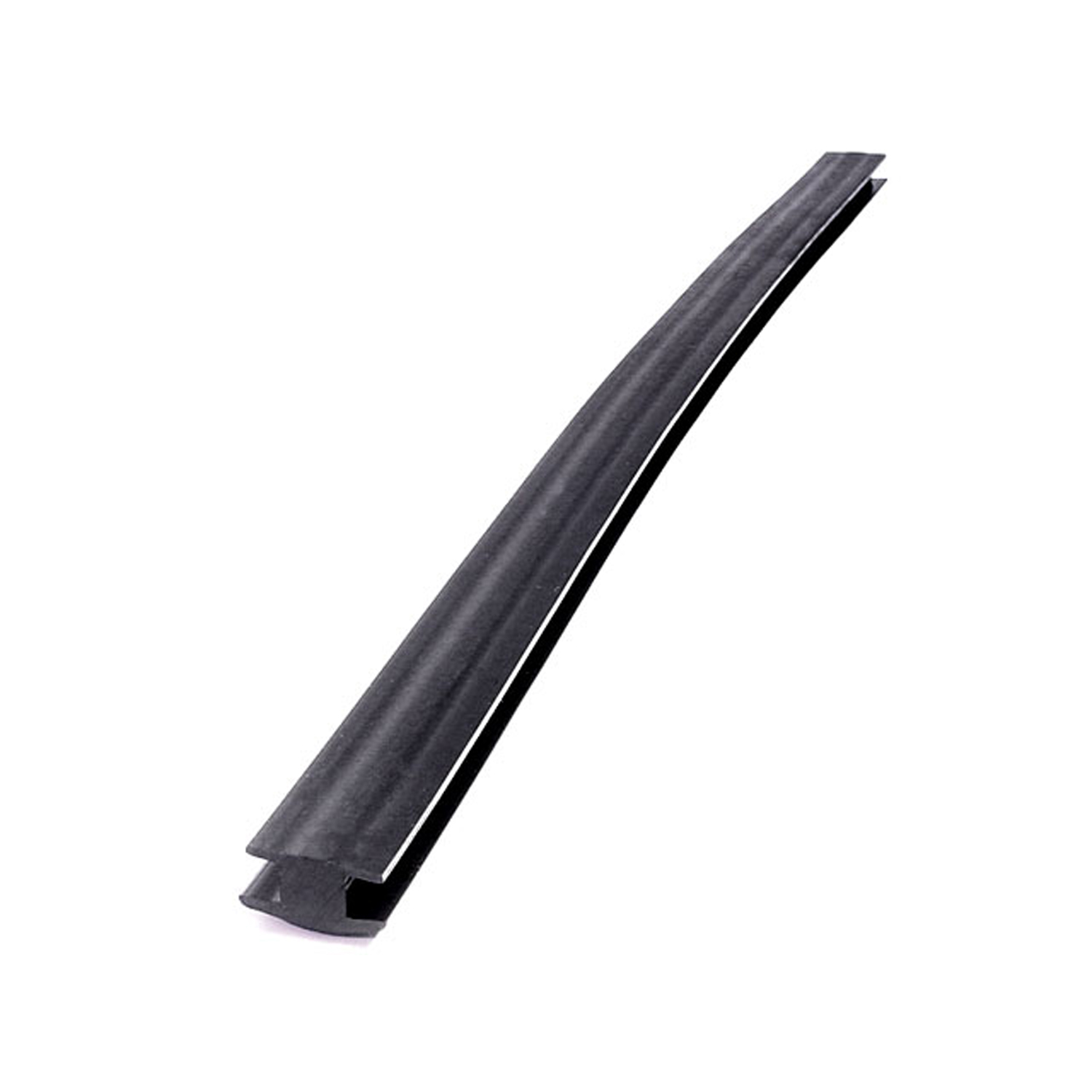 1937 Chrysler Imperial Windshield Center Bar Gasket. 20" long. Each-DP 12Windshield Center Bar Gasket. 20" long. Each
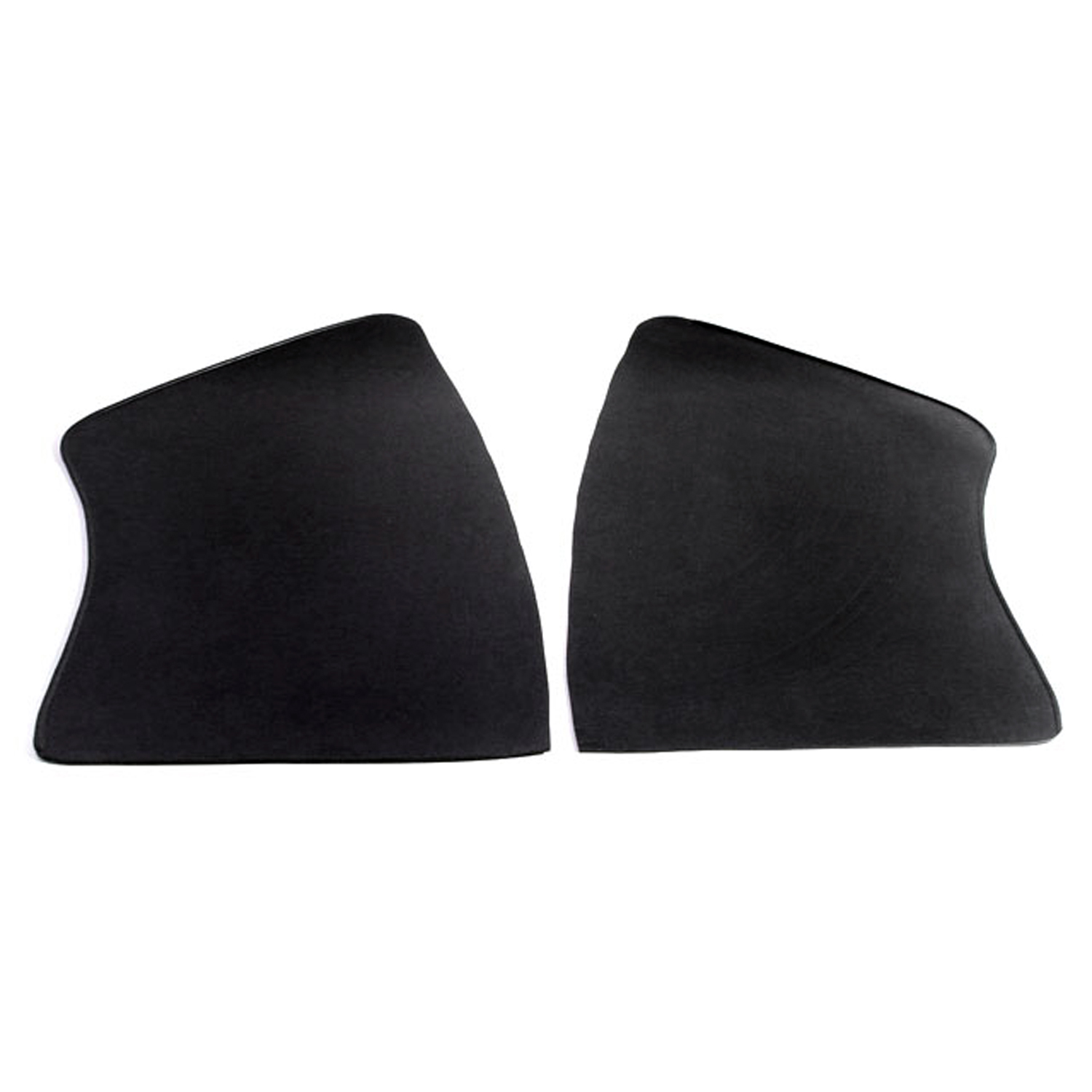 1937 Chrysler Imperial Gravel Shields. Molded flat without metal backing plates-FS 31Gravel Shields. Molded flat without metal backing plates. Apply with contact cement. 18" long X 9-3/4" wide at bottom. Pair
 1937 Chrysler Imperial Gas Filler Grommet. 2-1/4" I.D., 3-3/4" O.D-GF 18Gas Filler Grommet. 2-1/4" I.D., 3-3/4" O.D., 1/2" top thickness. Each
 1937 Chrysler Imperial Hood Corners. Fits flat corners-HC 19Hood Corners. Fits flat corners. 80° angle, 1/4" to 3/8" corner radius. 1-3/8" wide. Pair
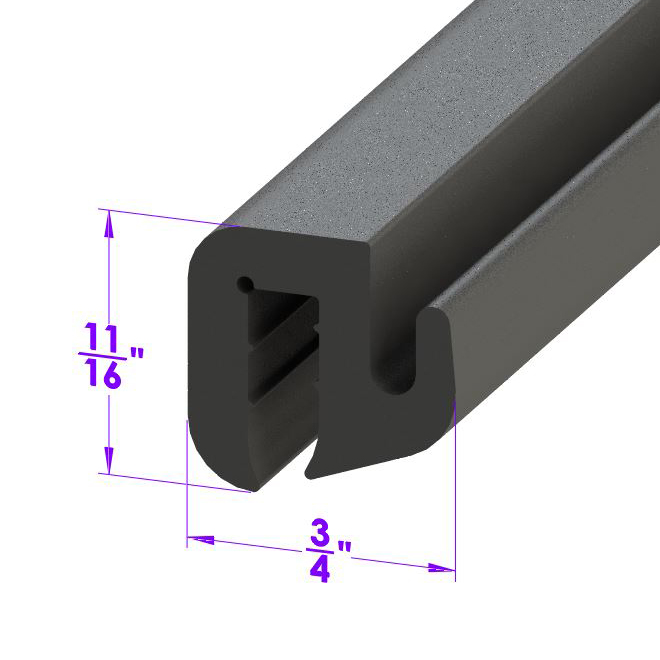 1937 Chrysler Imperial Windshield and Rear Window Seal. Sold by the foot-LP 30-AWindshield and Rear Window Seal. Sold by the foot
 1937 Chrysler Imperial Swing-Out & Crank-Out Windshield Seal. Sold by the foot-LP 97Swing-Out & Crank-Out Windshield Seal. Sold by the foot
 1937 Chrysler Imperial Swing-Out Windshield Seal. 3/4" High. Sold by the foot-LP 97-ASwing-Out Windshield Seal. 3/4" High. Sold by the foot
 1937 Chrysler Imperial Tail-light Pads. 2-1/4" wide X 5-1/4" long. Pair R&L-MP 562Tail-light Pads. 2-1/4" wide X 5-1/4" long. Pair R&L
 1937 Chrysler Imperial Trunk Light Pad. 4-1/4" wide X 5-3/4" long. Each-MP 563Trunk Light Pad. 4-1/4" wide X 5-3/4" long. Each
 1937 Chrysler Imperial License Holder Pad. 4-7/8" wide X 4-3/4" long. Each-MP 564License Holder Pad. 4-7/8" wide X 4-3/4" long. Each
 1937 Chrysler Imperial Trunk Hinge Pads. 1-3/8" wide X 8-5/8" long. 4-Piece Set-MP 566Trunk Hinge Pads. 1-3/8" wide X 8-5/8" long. 4-Piece Set
 1937 Chrysler Imperial Headlight Pads. 9" wide X 15-1/2" long. Pair-MP 630Headlight Pads. 9" wide X 15-1/2" long. Pair
 1937 Chrysler Imperial Cowl Vent Seal. Made of molded sponge-RP 100-LCowl Vent Seal. Made of molded sponge. 3-3/4" wide at side X 15-1/3" long X 3/8" thick. Each
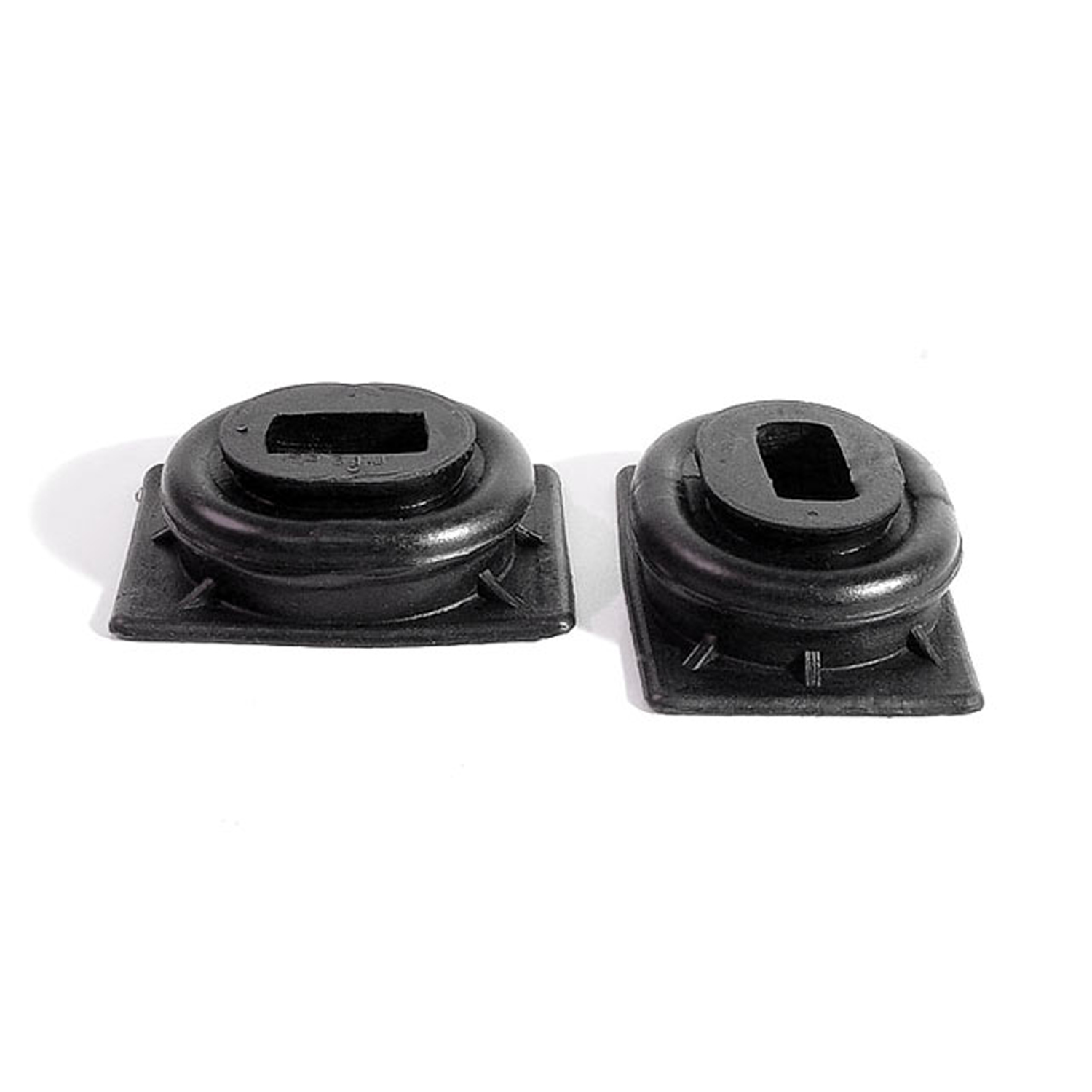 1937 Chrysler Imperial Clutch and Brake Seals. Replaces OEM #889473. Pair-RP 31-JClutch and Brake Seals. Replaces OEM #889473. Pair
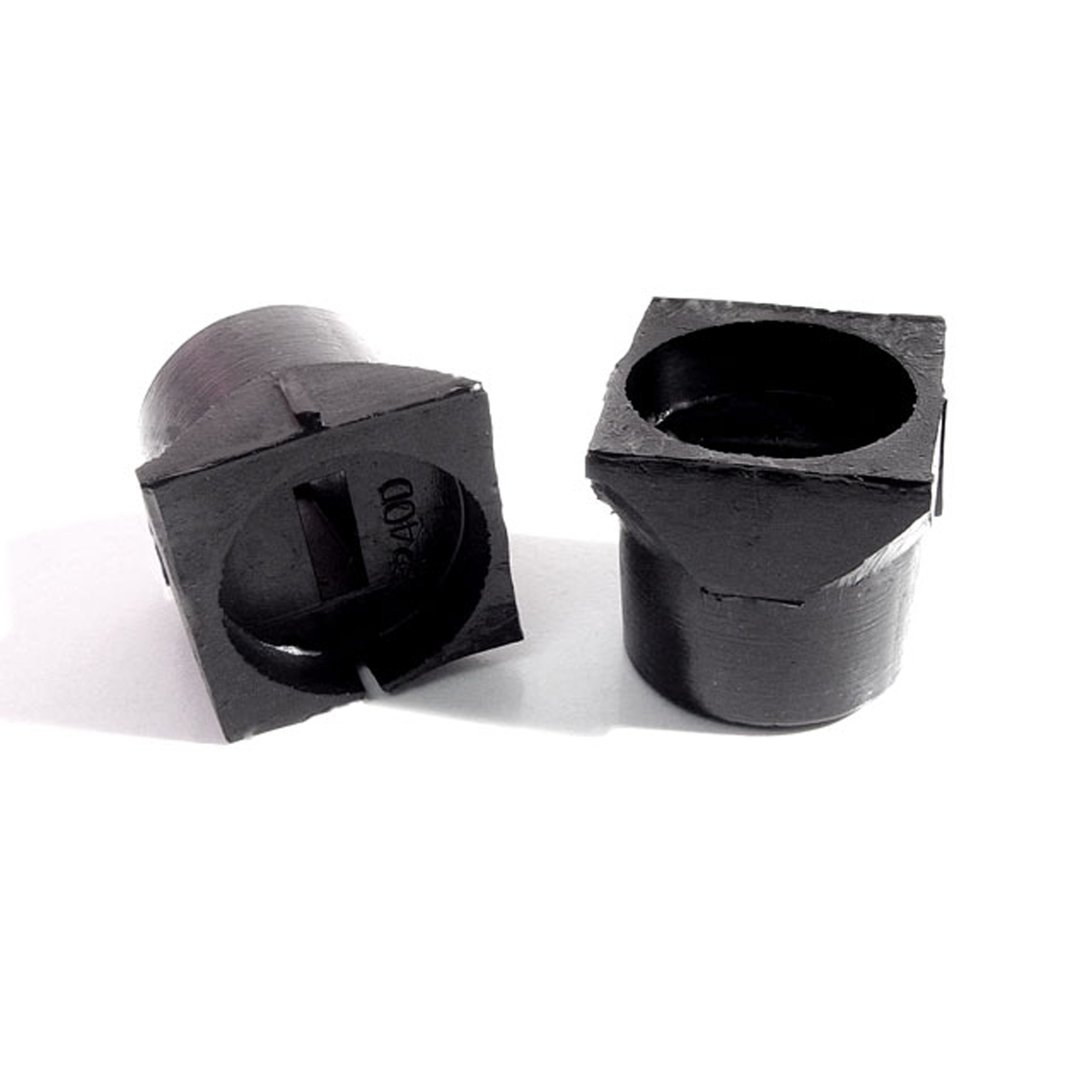 1937 Chrysler Imperial Door Check Rubber Cushion. Each-RP 40-DDoor Check Rubber Cushion. Each
 1937 Chrysler Imperial Side Window Anti-Rattle Pad. Six used per car-SB 73Side Window Anti-Rattle Pad. Six used per car. Fits a 3/16" X 3/4" slot in metal. Each
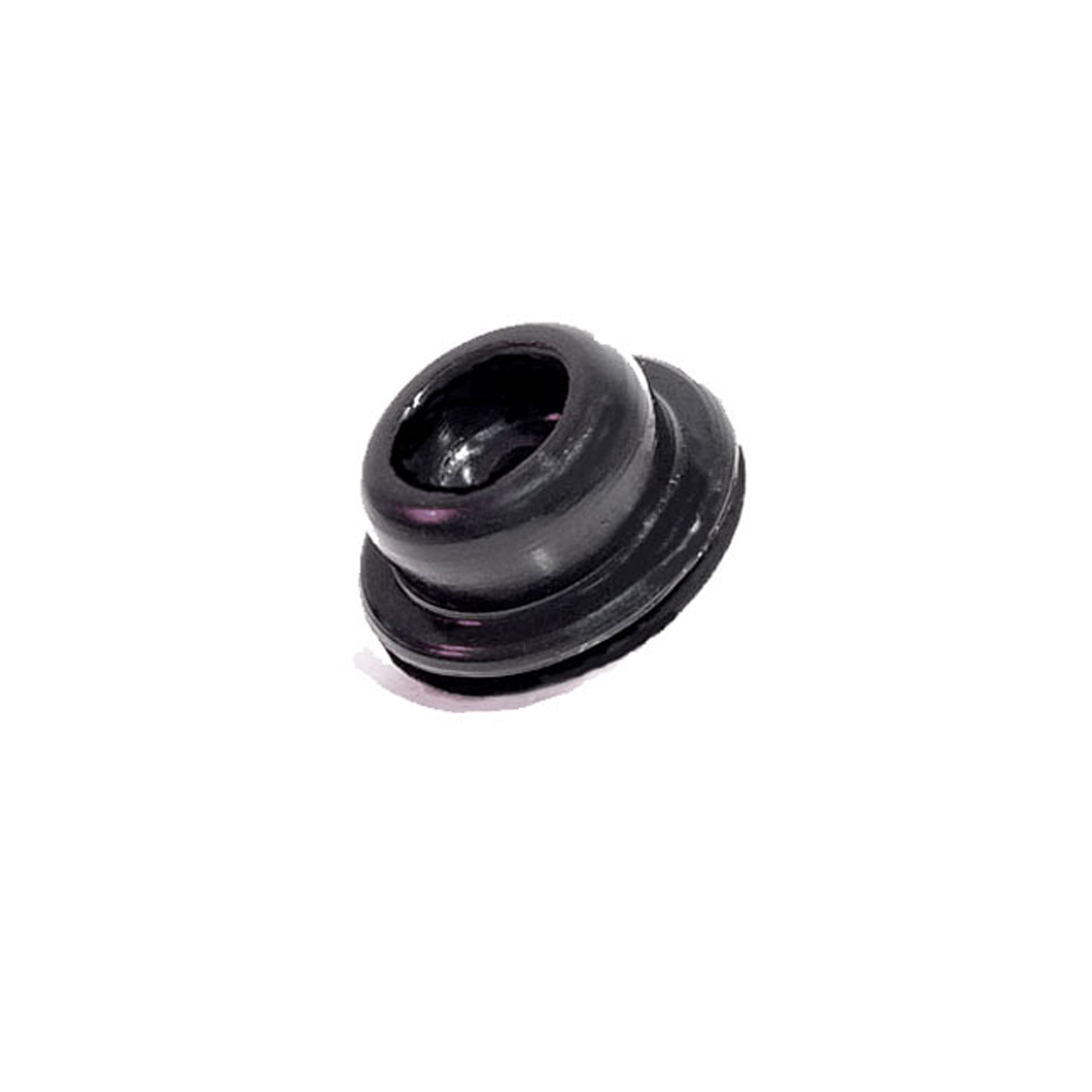 1937 Chrysler Imperial Accelerator Rod Grommet-SM 43-BAccelerator Rod Grommet. For accelerator rod through floorboard. Each
 1937 Chrysler Imperial Rear Vent Window Seals, for Sedans-WR 2300-RRear Vent Window Seals, for Sedans. Slight modification required for some models. Overall length is 44". Some models use longer seal, for these use extension piece WREX 2300-R. Pair R&L
 1937 Chrysler Imperial Rear Vent Window Seals Extension Piece, for Sedans-WREX 2300-RRear Vent Window Seals Extension Piece, for Sedans. Butting of parts is required. 24" long. Replaces OEM #744128-9, 790216-7 & 847090-1. Pair
Why Choose Metro?
For over 100 years, Metro Moulded Parts has been the pinnacle of quality in classic car restoration parts. Our commitment to precision and authenticity in every component ensures a perfect fit and an OEM-level appearance.
- Expert Craftsmanship & Quality: Each part is a testament to our dedication to reliability and perfection, crafted from original designs and thoroughly tested.
- Advanced Technology: We use cutting-edge techniques to create flawless, long-lasting parts that surpass others in performance.
- SuperSoft Sponge – The Ultimate Door Seal: Not only are our door seals 30% softer than competitors', but they're also guaranteed to never leak. They effectively reduce wind and road noise, enhancing your classic car's comfort and driving experience.
- Proudly American: Our parts are a product of American craftsmanship, made in the USA with a spirit of excellence and heritage.
- Unrivaled Warranty: We back our products with a 30-year industry-leading warranty, a testament to our confidence in their quality.
Join us in preserving the legacy of classic cars with parts that are crafted for perfection, not just made.