

Image of 1937 Chrysler Imperial Custom, Note: These illustrations use artistic license and may differ from actual historical models.
Performance Metrics
Fundamental Metrics
Emotional Appeal
MMP Rating
| Engine Specifications | |
|---|---|
| Engine: | Straight-8 |
| Displacement: | 324 cu in (5.3 L) |
| Horsepower: | Estimated 135 hp |
| Torque: | Not available |
| Compression Ratio: | Not available |
| Ignition System: | Battery and coil |
| Cooling System: | Liquid-cooled |
| Performance Specifications | |
| 0-60 Time: | Not available |
| 1/4 Mile Time: | Not available |
| Top Speed: | Estimated 90 mph |
| Transmission and Drive | |
| Drive Type: | Rear-wheel drive |
| Transmission Type: | 3-speed manual |
| Fuel and Efficiency | |
| Fuel System Type: | Carburetor |
| MPG: | Not available |
| Dimensions and Brakes | |
| Brakes: | 4-wheel hydraulic drum brakes |
| Wheelbase: | 144 in (3657.6 mm) |
| Weight: | 4,900 lbs |
Note: Specifications for classic cars are given to the best of our ability, considering the limited and variant data available.
1937 Chrysler Imperial Custom: Chrysler’s Formal Flagship
The 1937 Chrysler Imperial Custom was built to make a quiet entrance and command attention once it arrived. With a long 140-inch wheelbase, a smooth straight-eight engine and the proportions of a formal luxury car, it sat at the top of Chrysler’s range in an era when prestige motoring was dominated by Cadillac, Packard and Lincoln.
Chrysler Corporation built the Imperial Custom in Detroit as part of its Imperial line. At the time, Imperial was Chrysler’s top model name, not yet a separate automobile marque. The Custom designation identified the more prestigious, long-wheelbase offering, with roomier passenger accommodations and a broader choice of formal body styles than Chrysler’s regular passenger cars.
The year is notable because Chrysler’s daring Airflow design was nearing the end of its production life. The Imperial Custom took a more conventional path: it kept the familiar separate-fender look while adding streamlined details and a stately, modern presence. That contrast makes the 1937 model an interesting snapshot of the industry balancing bold aerodynamic ideas with the luxury buyer’s preference for traditional elegance.
Long Lines and Formal Craftsmanship
The Imperial Custom’s proportions do much of its visual work. Its long hood, upright windshield and extended passenger compartment create a dignified profile, while sweeping front fenders flow back toward the body rather than appearing as separate add-ons. At the front, a tall, carefully detailed grille, broad hood and integrated headlamps give the car a purposeful face. It looks substantial without relying on ornament alone to make its point.
Body trim and details varied by configuration, but the overall effect was restrained luxury rather than flashy excess. A limousine or seven-passenger sedan presented a particularly formal appearance, while open and coupe-style versions showed off the car’s long proportions in a more personal way. The result is a design that feels unmistakably prewar but not overly ornate.
Inside, the Custom was designed for comfort over long journeys. Depending on body style and specification, passengers could find broadcloth or mohair upholstery, carefully finished wood trim and generous seating. Leather was also used in some configurations, including areas subject to heavier wear. Limousine versions added a more chauffeur-oriented layout, with a partition separating the driver from rear passengers. Materials and equipment could vary between individual cars, so surviving examples are best judged by their original build records and documented restoration history.
Period paint choices included conservative dark shades alongside lighter colors, with two-tone treatments possible on some cars. Black, deep blue, maroon, green and gray are among the colors associated with cars of the period, but exact factory combinations depended on the body and order. A correct restoration should be based on trustworthy documentation rather than assuming every Imperial Custom left the factory in a single standard palette.
Body Styles and Options
The Imperial Custom range included formal closed bodies such as sedans and limousines, along with more specialized open or coupe-style offerings. Exact availability depended on the catalog and body configuration. The seven-passenger sedan and limousine best expressed the car’s role as a prestige automobile, while convertible versions are especially striking today because they combine the Custom’s imposing size with open-air motoring.
For many buyers, the limousine was the most iconic choice. Its long cabin, rear-seat emphasis and chauffeur-friendly layout made it suited to business leaders, hotels and other customers who wanted a luxury car for passenger service. Convertible and rarer body styles can be more visually dramatic, but they are not necessarily easier to find or restore.
Engineering in Context
Chrysler’s Imperial Custom was not a radical technical experiment like the Airflow. Its significance lies instead in how it brought Chrysler engineering into the established luxury-car class. The long-wheelbase chassis, refined eight-cylinder power and substantial bodywork gave it the comfort and presence expected of a top-tier American car, while Chrysler’s production-engineering experience helped make that package usable beyond a tiny circle of custom-built automobiles.
The car used four-wheel hydraulic brakes, a major improvement over the mechanical braking systems found on many earlier cars, and a three-speed manual transmission. Its straight-eight engine was a 323.5-cubic-inch unit rated at about 130 horsepower. Chrysler had also spent years developing ways to reduce engine vibration and improve passenger comfort, including its well-known Floating Power mounting concept, introduced earlier in the decade. These features were part of a broader engineering approach that favored smoothness, durability and practical road manners.
Against contemporaries from Cadillac and Packard, the Imperial Custom offered a credible alternative with a distinctive Chrysler identity. It did not transform automotive design, but it helped establish the Imperial name as a serious luxury offering. Its long hood, carefully integrated body lines and emphasis on passenger comfort also reflect the gradual move away from the boxier shapes of the early 1930s.
Straight-Eight Performance and Road Manners
With approximately 130 horsepower moving a large, heavy car, the Imperial Custom was built for relaxed progress rather than quick acceleration. Period performance figures vary by body style, gearing and test conditions. A reasonable estimate for a well-tuned example is a 0-to-60-mph time in the high teens to low twenties, with a top speed around 85 to 95 mph. Heavier limousine bodies would generally be slower than lighter versions.
On the road, the straight-eight’s appeal is its smooth, even delivery. The engine does not have the sharp, high-revving character of a modern powerplant. Instead, it produces a steady mechanical hum that suits the car’s measured pace. The three-speed manual requires deliberate shifts, and the driver must plan overtakes rather than expect effortless modern acceleration.
The long wheelbase helps the car settle over broad undulations and highway imperfections. Short, sharp bumps can still be felt, particularly if the suspension is worn or the tires are incorrect, but the overall ride is designed to isolate passengers from rough surfaces. On winding roads, the Imperial’s size and weight are always apparent. It rewards smooth steering and early braking, not fast cornering. Crosswinds can also demand attention because of the car’s broad body and high sides.
Driving one today is a hands-on experience. The steering, brakes and transmission require more physical effort and anticipation than a modern car, and visibility varies by body style. In return, the driver gets a clear sense of the machinery at work: the deep engine note, the measured shift action and the gentle movement of a substantial prewar chassis.
Ownership, Maintenance and Reliability
Today, the Imperial Custom is most often used as a show car, touring car or special-occasion vehicle rather than a daily driver. A well-maintained example can cover club-tour distances, but its age, size and specialized parts make regular commuting impractical for most owners. Before a tour, owners should check the cooling system, brakes, tires, fuel system and electrical connections, even if the car has recently been restored.
The basic straight-eight and manual transmission are mechanically understandable to an experienced vintage-car mechanic. Routine service is not mysterious, but access and parts availability can be more challenging than on a common prewar sedan. Body-specific trim, interior pieces, glass and limousine components may require patient searching or specialist fabrication. The most reliable cars are generally those maintained by owners familiar with vintage lubrication schedules, cooling-system care and correct ignition setup.
Common criticisms include slow acceleration by modern standards, heavy controls, limited parts availability and the considerable cost of restoring a large luxury body. A neglected car can become expensive quickly, particularly if it has structural rust, incomplete trim or a tired engine. A thorough inspection and careful review of restoration records are essential before purchase.
Rare Details and Collector Appeal
The Imperial Custom is a low-production model compared with Chrysler’s mainstream cars, and surviving examples are much less common than ordinary 1930s sedans. Exact production totals are difficult to pin down across body variations, so a sensible working estimate is roughly 1,000 to 1,500 Custom cars for the model year, rather than a precise figure. Individual body styles can be considerably scarcer than that estimate suggests.
There is no widely recognized speed or endurance record that defines the 1937 Imperial Custom. Its distinction is more about scale, engineering and status. The most interesting examples today are often those with unusual body styles, documented ownership or a traceable history as a formal passenger car. Celebrity stories should be treated cautiously unless supported by reliable records; the car’s genuine appeal does not depend on a famous former owner.
As a broad market guide, a project car might fall around $25,000 to $50,000, while a sound, presentable driver could bring roughly $55,000 to $100,000. A high-quality restoration may reach $100,000 to $175,000 or more, with particularly rare or exceptional open and formal bodies potentially exceeding that range. These are estimates, not appraisals. Condition, originality, documentation, body style and the quality of restoration can shift values substantially.
Over the long term, top-quality examples have generally benefited from the growing appreciation of significant prewar cars, although the market is selective. Large luxury automobiles are expensive to store and maintain, which can limit the number of buyers. Exceptional, well-documented cars tend to hold interest better than heavily modified or poorly restored examples. The best purchase is usually the most complete and authentic car a buyer can afford, not simply the cheapest one available.
Why the 1937 Imperial Custom Still Matters
The 1937 Chrysler Imperial Custom combined a smooth 323.5-cubic-inch straight-eight, a long and elegant chassis, carefully finished passenger accommodations and the confidence of Chrysler’s engineering. It was not an experimental design, but it represented the company at the height of its prewar luxury ambitions and offered a compelling alternative to the era’s better-known prestige marques.
Today, its rarity, formal proportions and distinctive driving character make it a rewarding classic for collectors who value substance as much as spectacle. The Imperial Custom does not need to shout. Its long lines, steady straight-eight and unmistakable presence tell the story of a time when luxury meant arriving in comfort, with engineering you could hear and feel.
1937 Chrysler Imperial Custom Catalog of Parts
 1937 Chrysler Imperial Custom Front and Rear Bumper Arm Grommets-BG 57Front and Rear Bumper Arm Grommets. 5" wide X 3-5/8" long, with 1-3/16" long inner slot. Pair
 1937 Chrysler Imperial Custom Front Bumper Arm Grommets. Hollow construction-BG 94Front Bumper Arm Grommets. Hollow construction. 2-3/4" wide X 4-1/4" long, with 1-7/8" long inner slot. Pair
 1937 Chrysler Imperial Custom Rear Bumper Arm Grommets. Hollow construction-BG 95Rear Bumper Arm Grommets. Hollow construction. Perfect reproduction. 4-1/4" wide X 4-1/2" long, with 1/2" wide inner slot. Pair
 1937 Chrysler Imperial Custom Clutch and Brake Pedal Pads. 2-5/8" wide X 3-3/4" long-CB 26Clutch and Brake Pedal Pads. 2-5/8" wide X 3-3/4" long. Pair
 1937 Chrysler Imperial Custom Clutch and Brake Pedal Pads, Black-CB 28-AClutch and Brake Pedal Pads, Black. 2-3/8" wide X 3-7/8" long. Pair
 1937 Chrysler Imperial Custom Clutch and Brake Pedal Pads, Brown-CB 28-BClutch and Brake Pedal Pads, Brown. 2-3/8" wide X 3-7/8" long. Pair
 1937 Chrysler Imperial Custom Door Jamb Bumper. Perfect reproduction-DB 36Door Jamb Bumper. Perfect reproduction. 1-1/16" high X 1-1/4" wide X 7/16" thick. Each
 1937 Chrysler Imperial Custom Door Jamb Bumper. Fully detailed reproduction-DB 38Door Jamb Bumper. Fully detailed reproduction. 15/16" high X 1-9/16" wide X 7/16" thick. Each
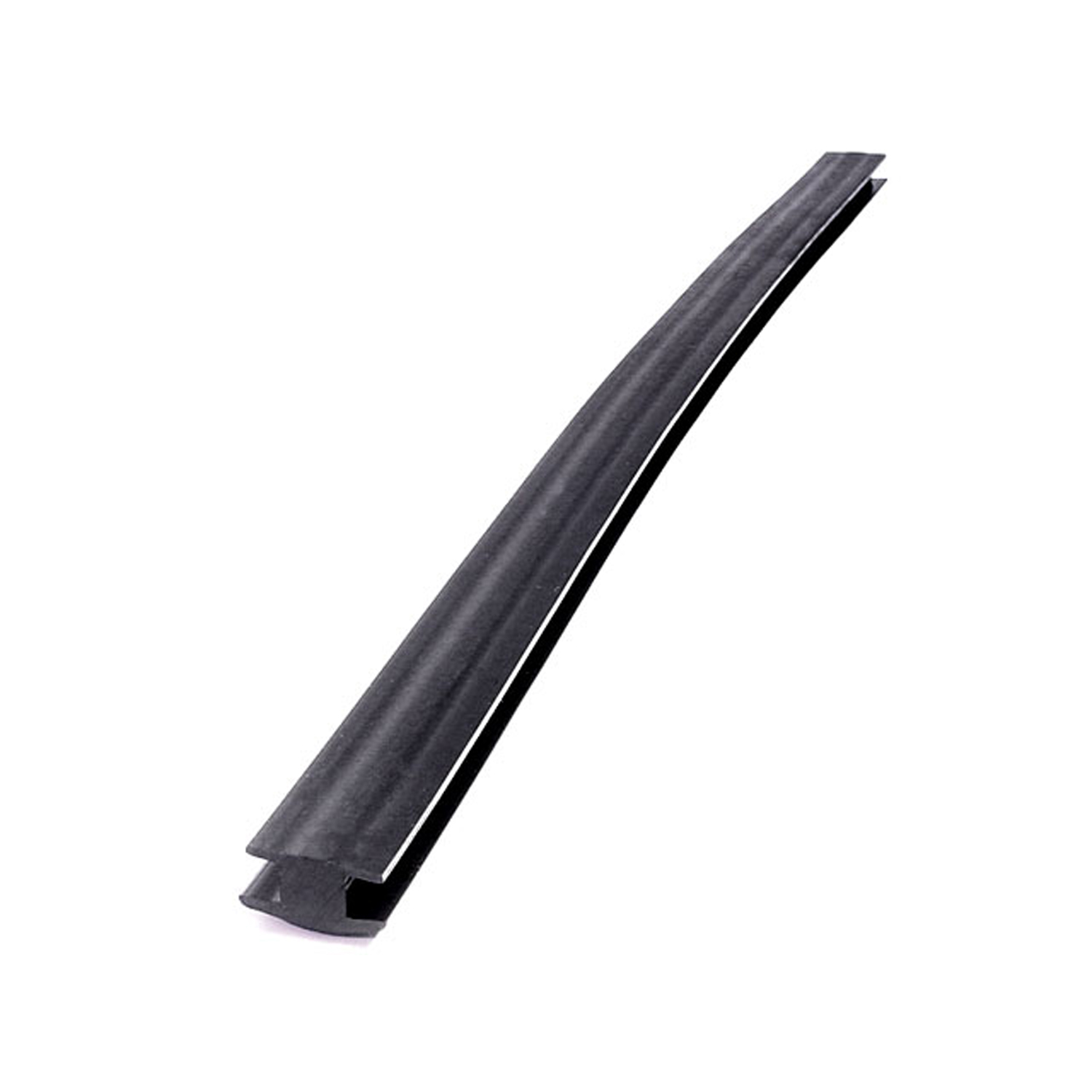 1937 Chrysler Imperial Custom Windshield Center Bar Gasket. 20" long. Each-DP 12Windshield Center Bar Gasket. 20" long. Each
 1937 Chrysler Imperial Custom Gravel Shields. Molded flat without metal backing plates-FS 31Gravel Shields. Molded flat without metal backing plates. Apply with contact cement. 18" long X 9-3/4" wide at bottom. Pair
 1937 Chrysler Imperial Custom Gas Filler Grommet. 2-1/4" I.D., 3-3/4" O.D-GF 18Gas Filler Grommet. 2-1/4" I.D., 3-3/4" O.D., 1/2" top thickness. Each
 1937 Chrysler Imperial Custom Hood Corners. Fits flat corners-HC 19Hood Corners. Fits flat corners. 80° angle, 1/4" to 3/8" corner radius. 1-3/8" wide. Pair
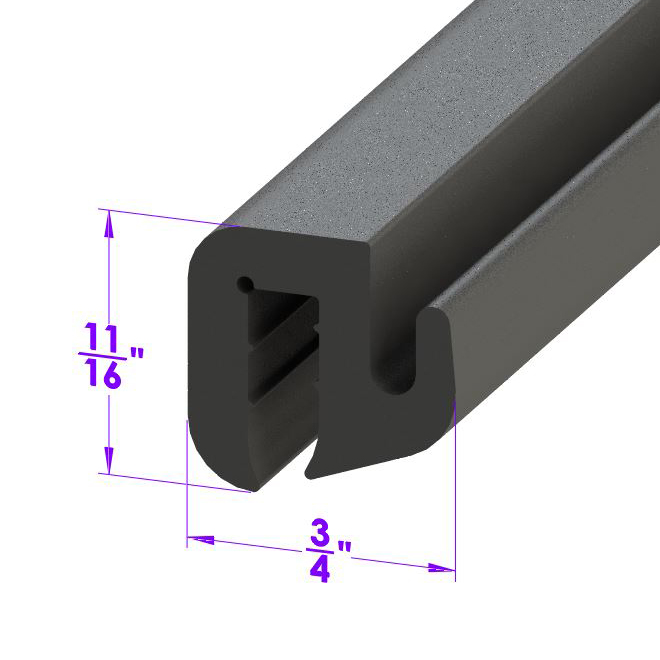 1937 Chrysler Imperial Custom Windshield and Rear Window Seal. Sold by the foot-LP 30-AWindshield and Rear Window Seal. Sold by the foot
 1937 Chrysler Imperial Custom Swing-Out & Crank-Out Windshield Seal. Sold by the foot-LP 97Swing-Out & Crank-Out Windshield Seal. Sold by the foot
 1937 Chrysler Imperial Custom Swing-Out Windshield Seal. 3/4" High. Sold by the foot-LP 97-ASwing-Out Windshield Seal. 3/4" High. Sold by the foot
 1937 Chrysler Imperial Custom Tail-light Pads. 2-1/4" wide X 5-1/4" long. Pair R&L-MP 562Tail-light Pads. 2-1/4" wide X 5-1/4" long. Pair R&L
 1937 Chrysler Imperial Custom Trunk Light Pad. 4-1/4" wide X 5-3/4" long. Each-MP 563Trunk Light Pad. 4-1/4" wide X 5-3/4" long. Each
 1937 Chrysler Imperial Custom License Holder Pad. 4-7/8" wide X 4-3/4" long. Each-MP 564License Holder Pad. 4-7/8" wide X 4-3/4" long. Each
 1937 Chrysler Imperial Custom Trunk Hinge Pads. 1-3/8" wide X 8-5/8" long. 4-Piece Set-MP 566Trunk Hinge Pads. 1-3/8" wide X 8-5/8" long. 4-Piece Set
 1937 Chrysler Imperial Custom Headlight Pads. 9" wide X 15-1/2" long. Pair-MP 630Headlight Pads. 9" wide X 15-1/2" long. Pair
 1937 Chrysler Imperial Custom Cowl Vent Seal. Made of molded sponge-RP 100-LCowl Vent Seal. Made of molded sponge. 3-3/4" wide at side X 15-1/3" long X 3/8" thick. Each
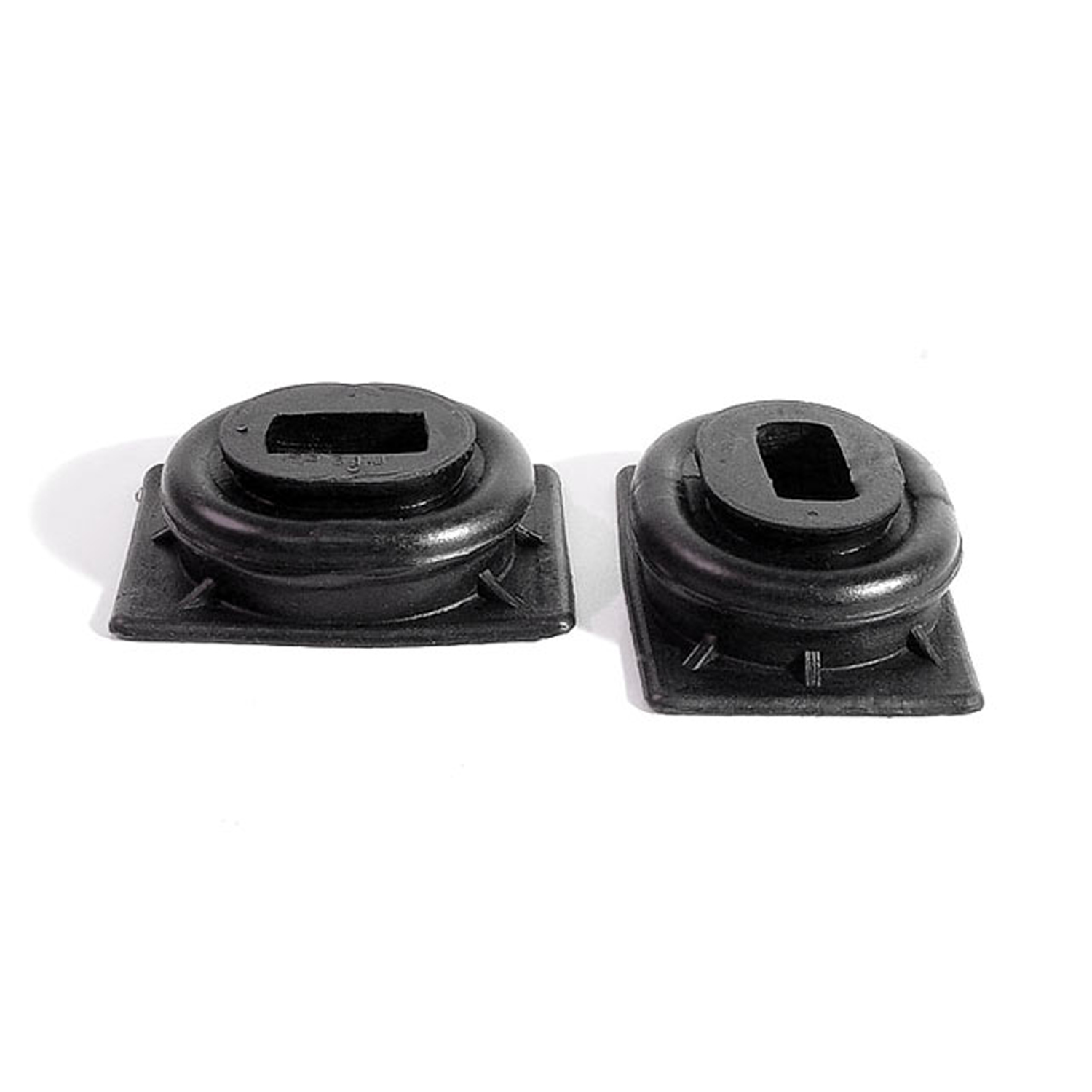 1937 Chrysler Imperial Custom Clutch and Brake Seals. Replaces OEM #889473. Pair-RP 31-JClutch and Brake Seals. Replaces OEM #889473. Pair
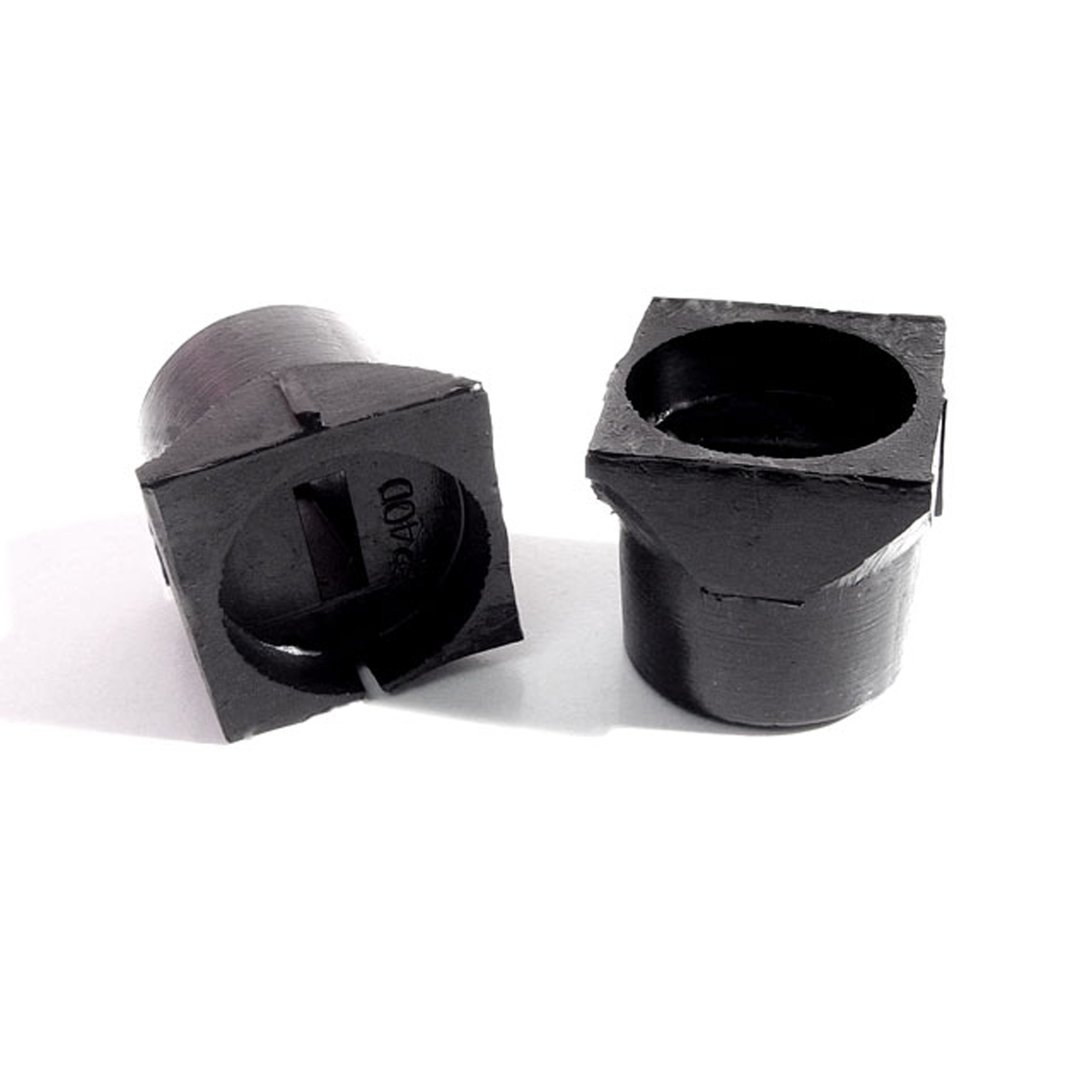 1937 Chrysler Imperial Custom Door Check Rubber Cushion. Each-RP 40-DDoor Check Rubber Cushion. Each
 1937 Chrysler Imperial Custom Side Window Anti-Rattle Pad. Six used per car-SB 73Side Window Anti-Rattle Pad. Six used per car. Fits a 3/16" X 3/4" slot in metal. Each
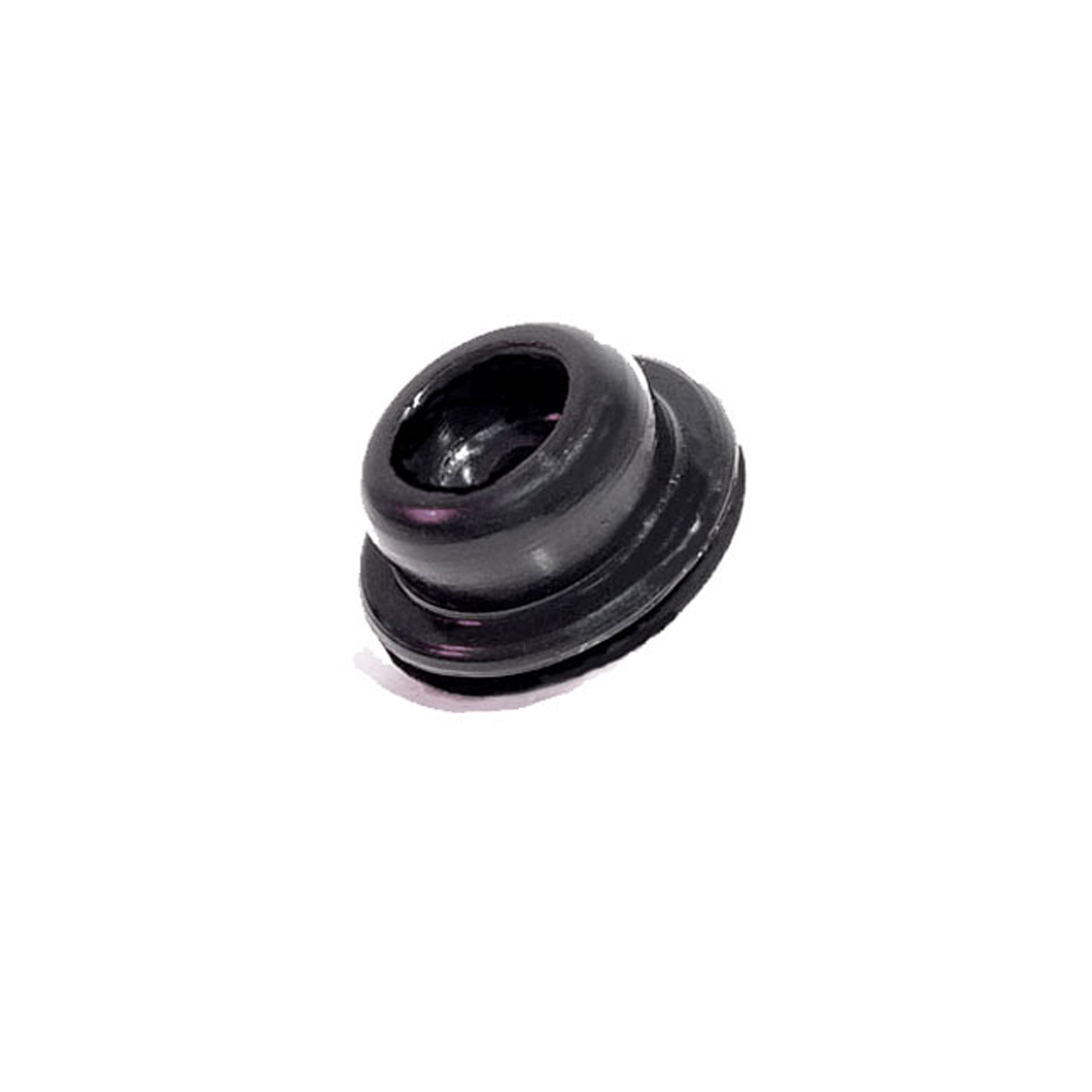 1937 Chrysler Imperial Custom Accelerator Rod Grommet-SM 43-BAccelerator Rod Grommet. For accelerator rod through floorboard. Each
 1937 Chrysler Imperial Custom Rear Vent Window Seals, for Sedans-WR 2300-RRear Vent Window Seals, for Sedans. Slight modification required for some models. Overall length is 44". Some models use longer seal, for these use extension piece WREX 2300-R. Pair R&L
 1937 Chrysler Imperial Custom Rear Vent Window Seals Extension Piece, for Sedans-WREX 2300-RRear Vent Window Seals Extension Piece, for Sedans. Butting of parts is required. 24" long. Replaces OEM #744128-9, 790216-7 & 847090-1. Pair
Why Choose Metro?
For over 100 years, Metro Moulded Parts has been the pinnacle of quality in classic car restoration parts. Our commitment to precision and authenticity in every component ensures a perfect fit and an OEM-level appearance.
- Expert Craftsmanship & Quality: Each part is a testament to our dedication to reliability and perfection, crafted from original designs and thoroughly tested.
- Advanced Technology: We use cutting-edge techniques to create flawless, long-lasting parts that surpass others in performance.
- SuperSoft Sponge – The Ultimate Door Seal: Not only are our door seals 30% softer than competitors', but they're also guaranteed to never leak. They effectively reduce wind and road noise, enhancing your classic car's comfort and driving experience.
- Proudly American: Our parts are a product of American craftsmanship, made in the USA with a spirit of excellence and heritage.
- Unrivaled Warranty: We back our products with a 30-year industry-leading warranty, a testament to our confidence in their quality.
Join us in preserving the legacy of classic cars with parts that are crafted for perfection, not just made.