

Image of 1937 Chrysler Royal, Note: These illustrations use artistic license and may differ from actual historical models.
Performance Metrics
Fundamental Metrics
Emotional Appeal
MMP Rating
| Engine Specifications | |
|---|---|
| Engine: | Straight-6 |
| Displacement: | 3.7L |
| Horsepower: | Estimated 95-100 HP |
| Torque: | 180 lb-ft |
| Compression Ratio: | Estimated 6.5:1 |
| Ignition System: | Distributor and coil |
| Cooling System: | Liquid-cooled |
| Performance Specifications | |
| 0-60 Time: | Information not available |
| 1/4 Mile Time: | Information not available |
| Top Speed: | Estimated 75-80 mph |
| Transmission and Drive | |
| Drive Type: | Rear-wheel drive |
| Transmission Type: | 3-speed manual |
| Fuel and Efficiency | |
| Fuel System Type: | Carburetor |
| MPG: | Information not available |
| Dimensions and Brakes | |
| Brakes: | Drum brakes |
| Wheelbase: | 119 inches |
| Weight: | Estimated 3,200 lbs |
Note: Specifications for classic cars are given to the best of our ability, considering the limited and variant data available.
1937 Chrysler Royal: The Streamlined American Classic
The 1937 Chrysler Royal brought a touch of modern streamlining to the everyday American car, pairing graceful, rounded bodywork with a sturdy six-cylinder drivetrain. Built by the Chrysler Corporation in Detroit, the Royal was a more accessible member of the Chrysler line, offering much of the marque’s smart styling and engineering without the price of its larger, more luxurious models.
The Royal belonged to Chrysler’s “Airstream” generation, a name used for the company’s more conventional, streamlined cars. Chrysler had introduced its radical Airflow models earlier in the decade, but the public’s response was mixed. The Airstream line carried some of that forward-looking spirit in a familiar package, and the 1937 Royal is an appealing example of how automakers blended new design ideas with traditional tastes.
One intriguing detail is that the Royal’s smooth shape was more than decoration. Its rounded fenders and carefully integrated bodywork reflected the era’s growing interest in reducing visual and aerodynamic resistance, even though the car remained a substantial, upright family automobile by modern standards.
1937 Chrysler Royal Styling and Interior
The Royal has the confident presence typical of a late-1930s American car. A tall, upright grille anchors the front end, while a long hood, flowing fenders, and rounded rear bodywork soften its silhouette. The headlights sit neatly alongside the front fenders, and the sweeping lines give the car a more unified appearance than the boxier designs of only a few years earlier. Chrome trim adds just enough sparkle without overwhelming the body.
Inside, the Royal was designed for comfort and practicality. Depending on body style and trim, buyers could expect broad cloth-upholstered seating, a painted or finished metal dashboard, clear instrumentation, and a generous amount of room for passengers. Materials were durable rather than lavish, but Chrysler gave the cabin a polished look appropriate to a middle-priced car. Today, original upholstery, gauges, trim, and interior hardware can be just as important to a restoration’s appeal as shiny paint.
Period paint choices varied by body style and production specification. Buyers could find subdued colors such as black, gray, blue, green, and maroon, with lighter or contrasting combinations available on some cars. Dark blue, deep maroon, and black are especially evocative choices for a formal-looking Royal, while two-tone finishes can emphasize the car’s flowing fenders and body lines.
Chrysler offered the Royal in several body styles, including coupe and sedan configurations, with availability varying across the model range. Convertibles and open cars are particularly eye-catching today, while the four-door sedan is a practical and recognizable expression of the Royal’s role as a family car. Coupe versions, with their longer doors and more compact passenger compartment, have a sportier profile.
Engineering and Historical Significance
The Royal’s importance lies in the way it represented Chrysler’s response to changing tastes. The Airflow had been an ambitious attempt to rethink the automobile from the ground up, but many buyers preferred the familiar proportions of conventional cars. The Airstream approach offered a compromise: smoother, more modern styling wrapped around a traditional layout.
That balance helped make the Royal relevant to a broad audience. It was not a radical engineering showcase, but it carried Chrysler’s reputation for thoughtful mechanical design into a more approachable package. Features such as hydraulic brakes and an all-steel body were part of the era’s continuing movement toward safer, more practical automobiles. The Royal also benefited from Chrysler’s experience with refined drivetrains and vibration-control engineering, making it a substantial step beyond the most basic transportation of the time.
The lasting influence is less about a single breakthrough and more about the car’s place in a major design transition. By the late 1930s, rounded, integrated forms were becoming the new normal. The Royal shows how streamlined styling could be made acceptable to mainstream buyers without sacrificing the upright seating, familiar controls, and conventional mechanical arrangement they expected.
Chrysler Royal Performance and Road Manners
Power came from a 241.5-cubic-inch L-head inline-six, rated at about 93 horsepower. A three-speed manual transmission sent power to the rear wheels. Exact specifications can vary with configuration and period source, but the Royal was built for steady road travel rather than high-performance driving.
There is no single dependable factory 0-to-60 mph figure commonly cited for every 1937 Royal configuration. Based on the car’s output, gearing, and weight, an estimate in the neighborhood of 20 to 25 seconds is reasonable. A healthy example could reach roughly 75 to 85 mph under favorable conditions, though sustained high-speed running is not what most owners ask of a nearly 90-year-old car.
On the road, the Royal feels solid and deliberate. The six-cylinder engine produces a relaxed, even note, and the three-speed gearbox asks the driver to plan shifts rather than rush them. Its weight and vintage suspension give it a comfortable, gently floating ride over ordinary bumps, but sharp road edges can still make themselves known. On winding roads, the car rewards smooth steering and measured cornering. Crosswinds, narrow tires, and period braking distances all call for a little more anticipation than a modern driver may be used to.
The driving experience is part of the attraction. The engine’s low, steady sound, the movement of the long hood, and the hands-on feel of the controls make ordinary trips feel like an occasion. Steering and braking effort can be greater than in a modern car, especially at low speed, so careful maintenance and sensible driving are essential.
Owning and Maintaining a 1937 Royal
Most surviving Royals are best suited to touring, club events, weekend drives, and car shows. They can be used regularly, but they are not ideal modern commuters. Traffic moves faster than it did in 1937, and the car lacks contemporary crash protection, lighting, and braking performance. Owners should leave generous stopping distance and avoid treating old mechanical limits as a challenge.
The Royal’s straightforward six-cylinder layout is an advantage for a mechanically capable owner. Routine service includes attention to ignition components, cooling-system condition, lubrication, brakes, and the three-speed transmission. Mechanical work is generally more approachable than on a modern vehicle, but age creates its own complications: seized fasteners, worn wiring, tired rubber parts, and previous repairs can turn a simple job into a restoration task.
Parts availability is mixed. Common service items may be found through vintage-car suppliers and Chrysler clubs, while body trim, correct interior pieces, glass, and model-specific hardware can take more searching. Before buying, inspect the frame and body structure for rust, check the engine for signs of overheating or poor oil pressure, and verify that the brakes and steering are sound. A complete car with its original details is often a better starting point than a cheaper project missing hard-to-find pieces.
1937 Chrysler Royal Facts and Collectibility
The Royal is sometimes overshadowed by more dramatic prewar cars, especially Chrysler’s Airflow models. That relative modesty is part of its appeal: it offers classic 1930s proportions and Chrysler engineering without requiring the buyer to own a rare, highly specialized flagship. No widely documented Royal speed or endurance record defines the model, and claims about celebrity ownership should be treated cautiously unless supported by reliable records.
Production figures can be difficult to pin down by individual body style, so a precise total should be treated with care. A reasonable broad estimate is that Chrysler built several tens of thousands of 1937 Royals, perhaps around 50,000 to 70,000 across the range. That is a working estimate rather than a verified body-by-body production tally. Survivors are much less common, especially in original condition, but the Royal is not generally considered as scarce as a low-production luxury or coachbuilt car.
Values depend heavily on body style, originality, condition, and the quality of restoration. As a broad current-market estimate, a project car might sell for about $5,000 to $12,000. A sound driver or presentable older restoration could fall around $15,000 to $30,000, while a high-quality restored example may bring roughly $30,000 to $50,000 or more. Particularly desirable open-body versions, when authentic and well restored, can command a premium. These are general ranges, not appraisals, and local markets can differ substantially.
Like many prewar classics, the Royal’s value is driven more by condition and buyer interest than by a steady climb in prices. Exceptional examples remain attractive, but ordinary sedans can be harder to sell at restoration-level prices. Buyers should budget for maintenance and preservation rather than assume that every dollar spent will return as resale value.
Why the 1937 Chrysler Royal Still Matters
The 1937 Chrysler Royal captures a useful moment in automotive history: the industry was moving toward streamlined design, but buyers still wanted familiar controls, comfortable cabins, and dependable mechanical layouts. Its six-cylinder power, rounded Airstream styling, and practical body choices made it a capable family car in its day and a distinctive classic now.
For collectors, the Royal offers a rewarding mix of period character and approachable engineering. It may not be the fastest or rarest Chrysler of its era, but it tells an important story about how modern design found its way into everyday motoring. Put simply, the 1937 Royal is a handsome reminder that a car does not need to be radical to mark a turning point.
1937 Chrysler Royal Catalog of Parts
 1937 Chrysler Royal Front and Rear Bumper Arm Grommets-BG 57Front and Rear Bumper Arm Grommets. 5" wide X 3-5/8" long, with 1-3/16" long inner slot. Pair
 1937 Chrysler Royal Front Bumper Arm Grommets. Hollow construction-BG 94Front Bumper Arm Grommets. Hollow construction. 2-3/4" wide X 4-1/4" long, with 1-7/8" long inner slot. Pair
 1937 Chrysler Royal Rear Bumper Arm Grommets. Hollow construction-BG 95Rear Bumper Arm Grommets. Hollow construction. Perfect reproduction. 4-1/4" wide X 4-1/2" long, with 1/2" wide inner slot. Pair
 1937 Chrysler Royal Clutch and Brake Pedal Pads. 2-5/8" wide X 3-3/4" long-CB 26Clutch and Brake Pedal Pads. 2-5/8" wide X 3-3/4" long. Pair
 1937 Chrysler Royal Clutch and Brake Pedal Pads, Black-CB 28-AClutch and Brake Pedal Pads, Black. 2-3/8" wide X 3-7/8" long. Pair
 1937 Chrysler Royal Clutch and Brake Pedal Pads, Brown-CB 28-BClutch and Brake Pedal Pads, Brown. 2-3/8" wide X 3-7/8" long. Pair
 1937 Chrysler Royal Door Jamb Bumper. Perfect reproduction-DB 36Door Jamb Bumper. Perfect reproduction. 1-1/16" high X 1-1/4" wide X 7/16" thick. Each
 1937 Chrysler Royal Door Jamb Bumper. Fully detailed reproduction-DB 38Door Jamb Bumper. Fully detailed reproduction. 15/16" high X 1-9/16" wide X 7/16" thick. Each
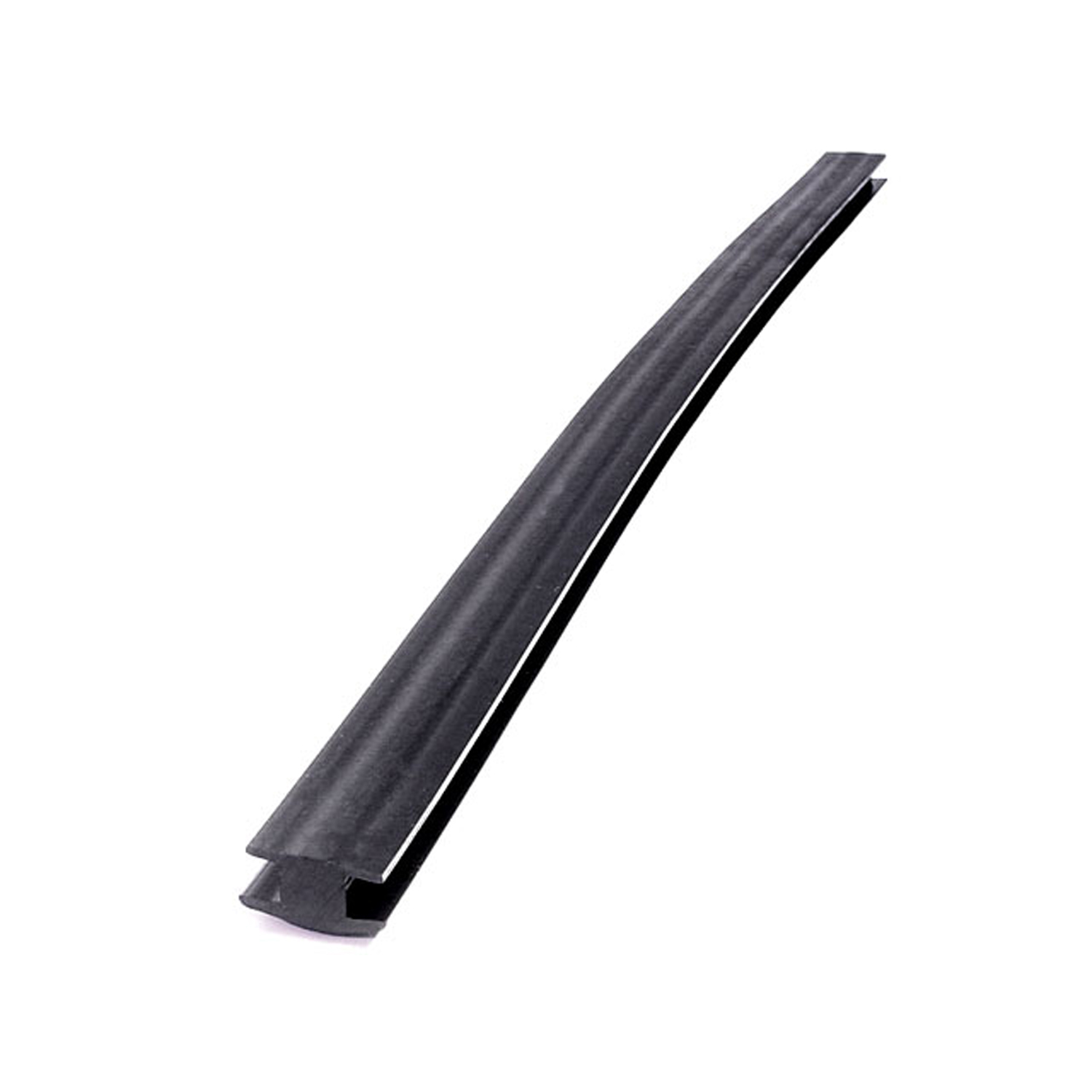 1937 Chrysler Royal Windshield Center Bar Gasket. 20" long. Each-DP 12Windshield Center Bar Gasket. 20" long. Each
 1937 Chrysler Royal Gravel Shields. Molded flat without metal backing plates-FS 31Gravel Shields. Molded flat without metal backing plates. Apply with contact cement. 18" long X 9-3/4" wide at bottom. Pair
 1937 Chrysler Royal Gas Filler Grommet. 2-1/4" I.D., 3-3/4" O.D-GF 18Gas Filler Grommet. 2-1/4" I.D., 3-3/4" O.D., 1/2" top thickness. Each
 1937 Chrysler Royal Hood Corners. Fits flat corners-HC 19Hood Corners. Fits flat corners. 80° angle, 1/4" to 3/8" corner radius. 1-3/8" wide. Pair
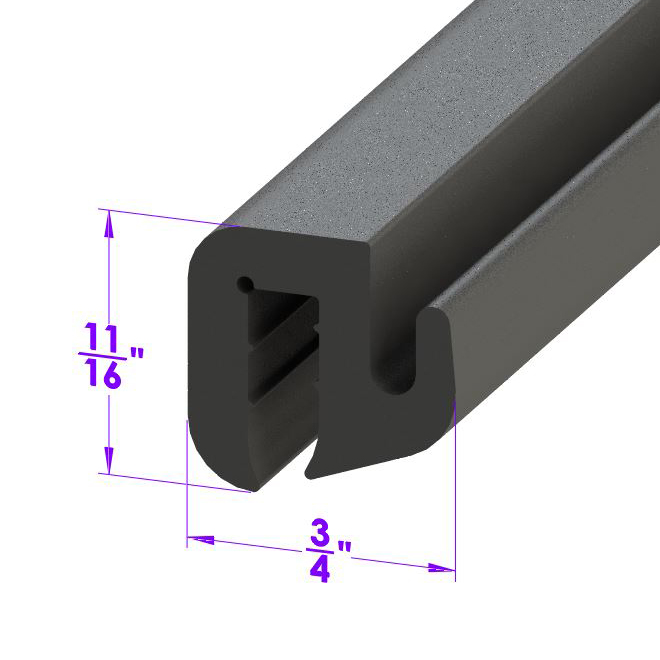 1937 Chrysler Royal Windshield and Rear Window Seal. Sold by the foot-LP 30-AWindshield and Rear Window Seal. Sold by the foot
 1937 Chrysler Royal Swing-Out & Crank-Out Windshield Seal. Sold by the foot-LP 97Swing-Out & Crank-Out Windshield Seal. Sold by the foot
 1937 Chrysler Royal Swing-Out Windshield Seal. 3/4" High. Sold by the foot-LP 97-ASwing-Out Windshield Seal. 3/4" High. Sold by the foot
 1937 Chrysler Royal Tail-light Pads. 2-1/4" wide X 5-1/4" long. Pair R&L-MP 562Tail-light Pads. 2-1/4" wide X 5-1/4" long. Pair R&L
 1937 Chrysler Royal Trunk Light Pad. 4-1/4" wide X 5-3/4" long. Each-MP 563Trunk Light Pad. 4-1/4" wide X 5-3/4" long. Each
 1937 Chrysler Royal License Holder Pad. 4-7/8" wide X 4-3/4" long. Each-MP 564License Holder Pad. 4-7/8" wide X 4-3/4" long. Each
 1937 Chrysler Royal Trunk Hinge Pads. 1-3/8" wide X 8-5/8" long. 4-Piece Set-MP 566Trunk Hinge Pads. 1-3/8" wide X 8-5/8" long. 4-Piece Set
 1937 Chrysler Royal Headlight Pads. 9" wide X 15-1/2" long. Pair-MP 630Headlight Pads. 9" wide X 15-1/2" long. Pair
 1937 Chrysler Royal Cowl Vent Seal. Made of molded sponge-RP 100-LCowl Vent Seal. Made of molded sponge. 3-3/4" wide at side X 15-1/3" long X 3/8" thick. Each
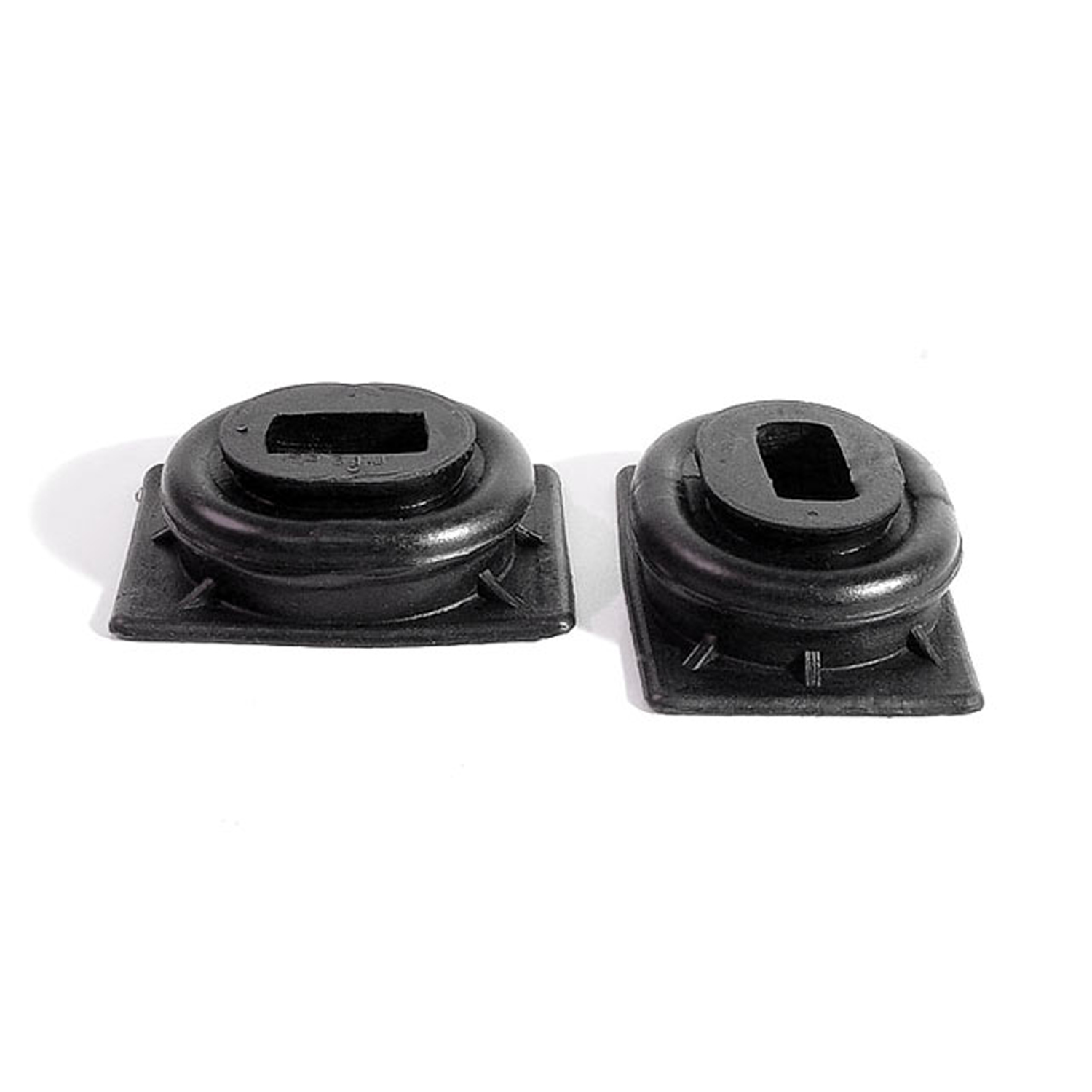 1937 Chrysler Royal Clutch and Brake Seals. Replaces OEM #889473. Pair-RP 31-JClutch and Brake Seals. Replaces OEM #889473. Pair
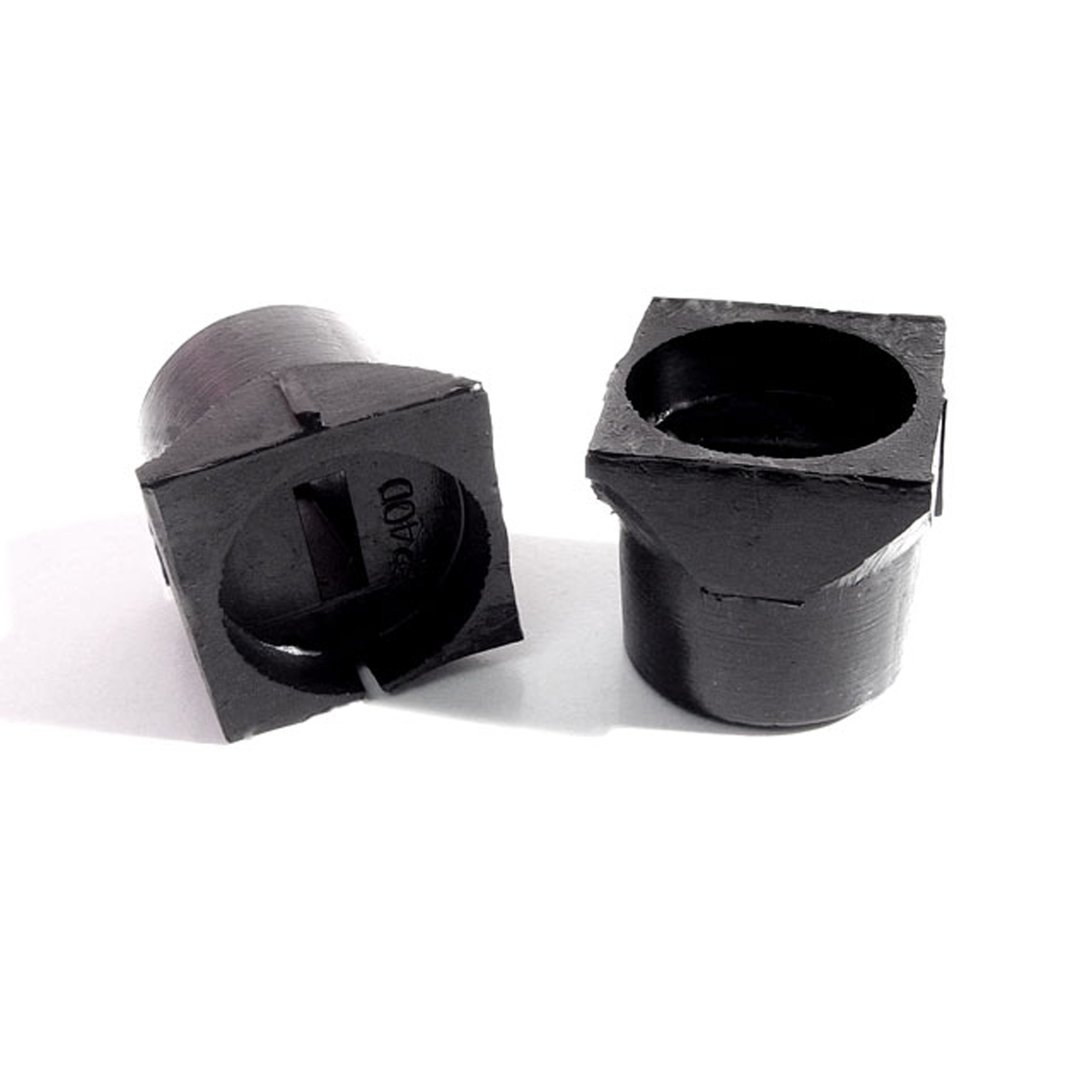 1937 Chrysler Royal Door Check Rubber Cushion. Each-RP 40-DDoor Check Rubber Cushion. Each
 1937 Chrysler Royal Side Window Anti-Rattle Pad. Six used per car-SB 73Side Window Anti-Rattle Pad. Six used per car. Fits a 3/16" X 3/4" slot in metal. Each
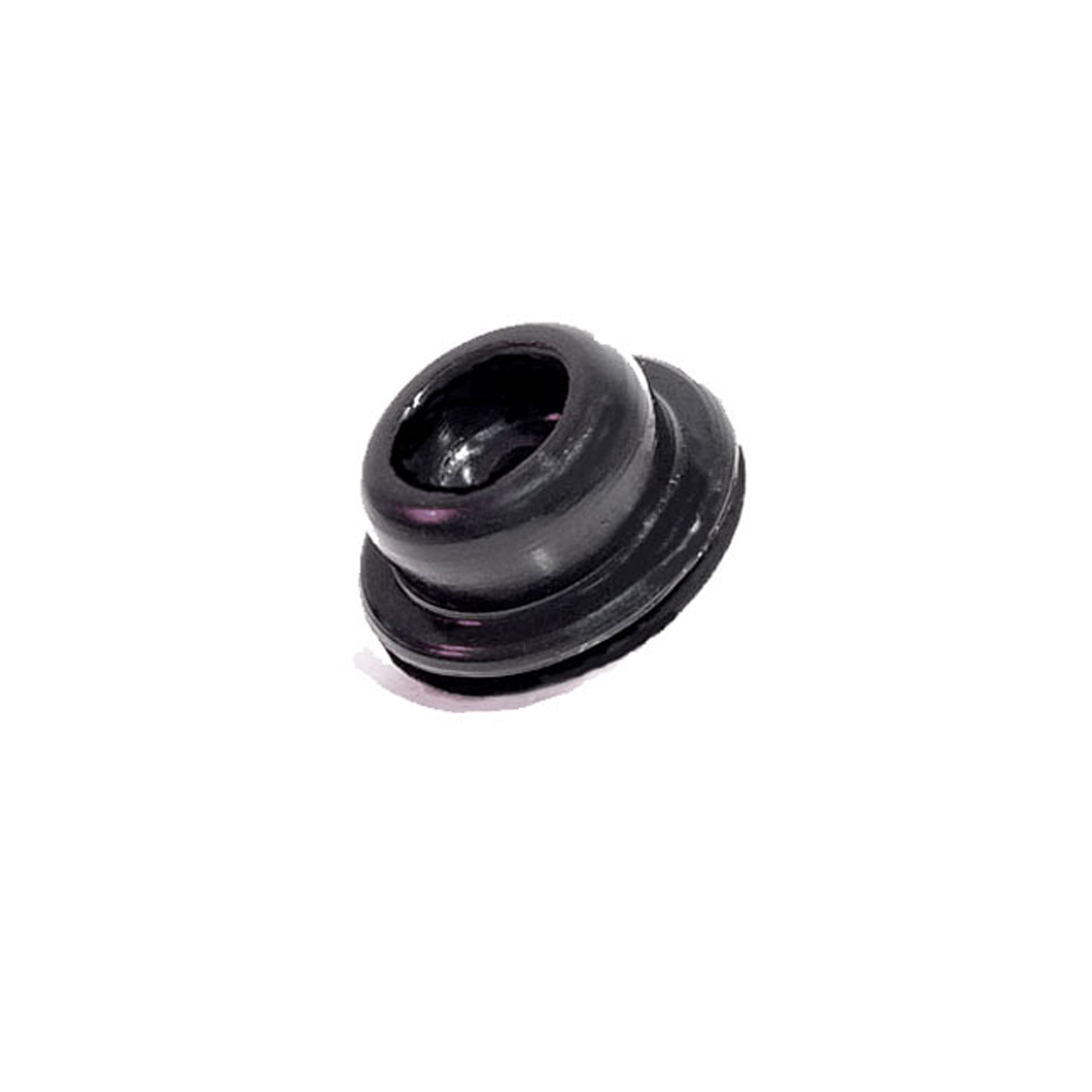 1937 Chrysler Royal Accelerator Rod Grommet-SM 43-BAccelerator Rod Grommet. For accelerator rod through floorboard. Each
 1937 Chrysler Royal Rear Vent Window Seals, for Sedans-WR 2300-RRear Vent Window Seals, for Sedans. Slight modification required for some models. Overall length is 44". Some models use longer seal, for these use extension piece WREX 2300-R. Pair R&L
 1937 Chrysler Royal Rear Vent Window Seals Extension Piece, for Sedans-WREX 2300-RRear Vent Window Seals Extension Piece, for Sedans. Butting of parts is required. 24" long. Replaces OEM #744128-9, 790216-7 & 847090-1. Pair
Why Choose Metro?
For over 100 years, Metro Moulded Parts has been the pinnacle of quality in classic car restoration parts. Our commitment to precision and authenticity in every component ensures a perfect fit and an OEM-level appearance.
- Expert Craftsmanship & Quality: Each part is a testament to our dedication to reliability and perfection, crafted from original designs and thoroughly tested.
- Advanced Technology: We use cutting-edge techniques to create flawless, long-lasting parts that surpass others in performance.
- SuperSoft Sponge – The Ultimate Door Seal: Not only are our door seals 30% softer than competitors', but they're also guaranteed to never leak. They effectively reduce wind and road noise, enhancing your classic car's comfort and driving experience.
- Proudly American: Our parts are a product of American craftsmanship, made in the USA with a spirit of excellence and heritage.
- Unrivaled Warranty: We back our products with a 30-year industry-leading warranty, a testament to our confidence in their quality.
Join us in preserving the legacy of classic cars with parts that are crafted for perfection, not just made.