

Image of 1938 Chrysler Imperial, Note: These illustrations use artistic license and may differ from actual historical models.
Performance Metrics
Fundamental Metrics
Emotional Appeal
MMP Rating
| Engine Specifications | |
|---|---|
| Engine: | Straight-8 |
| Displacement: | 323.5 cu in (5.3 L) |
| Horsepower: | Estimated 130-140 hp |
| Torque: | Not available |
| Compression Ratio: | Not available |
| Ignition System: | Battery and coil |
| Cooling System: | Liquid-cooled |
| Performance Specifications | |
| 0-60 Time: | Not available |
| 1/4 Mile Time: | Not available |
| Top Speed: | Estimated 85-95 mph |
| Transmission and Drive | |
| Drive Type: | Rear-wheel drive |
| Transmission Type: | 3-speed manual |
| Fuel and Efficiency | |
| Fuel System Type: | Carburetor |
| MPG: | Not available |
| Dimensions and Brakes | |
| Brakes: | Hydraulic drum brakes |
| Wheelbase: | 125 in (3,175 mm) |
| Weight: | 3,700-3,900 lbs |
Note: Specifications for classic cars are given to the best of our ability, considering the limited and variant data available.
1938 Chrysler Imperial: Chrysler’s Prewar Luxury Flagship
The 1938 Chrysler Imperial paired a long, elegant body with a powerful straight-eight engine, giving Chrysler buyers a genuine luxury car without the price or exclusivity of a custom-built European automobile. It sat at the top of Chrysler’s range, where comfort, engineering, and road presence mattered as much as getting from A to B.
Built by the Chrysler Corporation in Detroit, the Imperial was part of the company’s long-running effort to compete with premium American marques such as Cadillac, Packard, and Lincoln. The 1938 model arrived during a turning point for Chrysler’s design story. The bold, aerodynamic Airflow era had recently ended, and the company was returning to more familiar proportions while keeping the engineering ambition that had made the Airflow notable.
A useful point of distinction: a 1938 Imperial is not an Airflow. Chrysler had discontinued the Airflow by then. The 1938 Imperial instead offered a more conventional, imposing shape, a formula that suited buyers who wanted modern luxury without the Airflow’s unconventional silhouette.
Imperial Styling and Cabin Craft
From the front, the Imperial presented a tall, upright grille with closely spaced vertical bars, a broad hood, and substantial fenders. Headlamps were integrated into the front-fender design, giving the car a cleaner appearance than earlier machines with separate lamps perched out in the open. Long running boards linked the front and rear fenders, while the generous wheelbase gave the body a formal, limousine-like stance even in sedan form.
Inside, the emphasis was on space and finish. Depending on body style and trim, buyers could find quality cloth or broadcloth upholstery, with leather available on some configurations. The cabin was arranged for comfort rather than sport, with a broad bench seat, substantial door panels, polished trim, and a clear, upright instrument panel. On long trips, rear-seat room and a composed ride were part of the Imperial’s appeal.
Paint choices varied by market and body configuration, but the period palette typically included restrained dark and medium tones alongside lighter colors. Deep blues, greens, burgundies, and black were natural fits for the Imperial’s formal character. Two-tone finishes could make the long fenders and body lines stand out, though single-color cars often look especially dignified today.
The Imperial range included conventional sedans and coupe-style bodies, while the longer-wheelbase Custom Imperial C-20 offered more formal passenger-carriage forms, including chauffeur-oriented sedan and limousine configurations. The regular Imperial C-19 sedan was the more practical and comparatively accessible choice. The long-wheelbase Custom Imperial limousine is among the most imposing and collectible versions.
Engineering Behind the Prestige
The 1938 Imperial’s most important mechanical feature was its 323.5-cubic-inch L-head inline-eight. This smooth-running engine produced about 130 horsepower, giving the car the low-speed pulling power expected of a large luxury automobile. It was paired with a three-speed manual transmission, with synchromesh helping make shifts smoother than those in many earlier cars.
Hydraulic brakes were another significant advantage for a heavy car of this era. Chrysler had adopted hydraulic braking across its passenger-car range earlier in the decade, and the system offered more consistent stopping power than mechanical brakes. The Imperial also benefited from Chrysler’s experience with rubber engine mounts, designed to reduce vibration entering the passenger compartment.
Its importance lies less in one dramatic new device than in the way Chrysler combined established improvements into a convincing luxury package. The Imperial offered a refined straight-eight, modern-for-the-period braking, substantial passenger space, and a body designed to look dignified rather than experimental. It helped establish the template for the American luxury sedan: generous proportions, quiet power, and a comfortable ride.
1938 Imperial Performance and Road Feel
Period gearing, body style, mechanical condition, and road conditions all affect performance figures, but a healthy 1938 Imperial could reach roughly 85 to 90 mph. A 0-to-60-mph run would likely take around 18 to 22 seconds. Those figures were respectable for a large luxury car of the late 1930s, but the Imperial was built for smooth progress, not stoplight contests.
On the road, the straight-eight delivers a steady, subdued rumble rather than a sharp, high-revving roar. The engine’s broad torque makes ordinary acceleration feel relaxed, and the long wheelbase helps the car settle over uneven pavement. Broken roads still make themselves known through the suspension and tall tires, but the Imperial is generally more composed over bumps than a smaller, lighter car of the period.
On winding roads, the Imperial rewards a measured driving style. Its size, weight, and relatively slow steering response call for planning ahead, especially when braking or changing direction. The driver sits high, looks over a long hood, and works a manual gearbox with more deliberation than a modern driver might expect. That interaction is part of the appeal: the car asks for attention, then pays it back with a stately, unhurried ride.
Living With a Prewar Chrysler
Today, most 1938 Imperials are used as show cars, touring cars, or occasional weekend drivers rather than daily transportation. A well-sorted example can handle local events and moderate-distance drives, but its age, size, and prewar systems make frequent modern traffic less comfortable. It has no contemporary safety equipment, and its braking distances, visibility, and maneuverability require respect.
Routine work is straightforward by vintage-car standards. The engine is mechanically understandable, and many service tasks can be handled by an experienced home mechanic with the right tools and a workshop manual. The harder part is often finding correct trim, body pieces, glass, or model-specific components. Before buying, inspect the frame, floors, body mounts, and lower panels for rust, and check the engine, transmission, brakes, and cooling system carefully.
Reliability depends heavily on restoration quality and ongoing maintenance. A car that has been stored for years may need fuel-system, brake, tire, and electrical work even if it appears polished. Owners who tour regularly tend to prioritize cooling-system health, ignition tuning, properly adjusted brakes, and tires suitable for the car’s weight and speed.
1938 Imperial Facts and Misconceptions
The Imperial name had a long history inside Chrysler before becoming a separate marque in 1955. That later change can make the 1938 car’s identity confusing: it is a Chrysler Imperial, not a 1950s Imperial-brand automobile.
Another common mix-up is the Airflow connection. Chrysler’s Airflow had been an influential experiment in aerodynamic styling and structural design, but the 1938 Imperial belonged to the more conventional post-Airflow direction. Its significance is partly that it shows Chrysler adapting: the company retained its engineering credentials while giving luxury buyers a shape they found familiar and prestigious.
No widely recognized 1938 Imperial land-speed or endurance record defines the model, and it is better known for luxury and engineering than for racing. Production figures are not consistently summarized across every body and trim variation, but a reasonable estimate is several thousand regular Imperials, with the longer-wheelbase Custom Imperial built in much smaller numbers. The total for the Imperial line was likely in the neighborhood of 5,000 cars, though surviving examples are far fewer.
There is no need to attach an unverified celebrity story to make the car interesting. Its strongest claim is the broader one: the Imperial represents Chrysler’s attempt to offer top-tier American motoring at a moment when the industry was still recovering from the Great Depression and preparing for the disruptions of war.
Collector Values and Rarity
Values depend greatly on body style, originality, restoration quality, and documentation. As a broad current-market guide, a running but imperfect sedan might fall around $20,000 to $40,000. A well-restored, presentable example may bring roughly $45,000 to $85,000. Exceptional Custom Imperial limousines or unusually rare, high-quality cars can exceed $100,000, with standout examples potentially reaching $150,000 or more.
These are estimates, not fixed price tags. A respected restoration, matching components, sound wood or body structure where applicable, and a clear ownership history can materially change value. Conversely, a shiny car with hidden corrosion or incomplete mechanical work can require a substantial investment after purchase.
Survivors are scarce enough that buyers may wait for the right car, especially when seeking a particular Custom Imperial body style. The market for prewar luxury cars tends to reward exceptional condition and rarity, while ordinary sedans can be more sensitive to restoration costs and changing collector tastes. In general, the best examples have held interest well, but values do not rise uniformly, and maintenance expenses can outpace appreciation.
Why the 1938 Chrysler Imperial Still Matters
The 1938 Chrysler Imperial brought together a refined straight-eight, hydraulic brakes, an expansive cabin, and formal styling in one of Chrysler’s most prestigious offerings. It was not a sports car or an Airflow revival. It was a confident luxury automobile designed to make distance feel effortless and arrival feel important.
For collectors, it offers a distinctive slice of prewar American motoring: substantial without being ostentatious, mechanically engaging without being obscure, and rare enough to stand apart at a gathering. The 1938 Imperial’s enduring appeal is simple: it turns a journey into an occasion.
1938 Chrysler Imperial Catalog of Parts
 1938 Chrysler Imperial Front Bumper Arm Grommets. Hollow construction-BG 94Front Bumper Arm Grommets. Hollow construction. 2-3/4" wide X 4-1/4" long, with 1-7/8" long inner slot. Pair
 1938 Chrysler Imperial Rear Bumper Arm Grommets. Hollow construction-BG 95Rear Bumper Arm Grommets. Hollow construction. Perfect reproduction. 4-1/4" wide X 4-1/2" long, with 1/2" wide inner slot. Pair
 1938 Chrysler Imperial Clutch and Brake Pedal Pads. 2-5/8" wide X 3-3/4" long-CB 26Clutch and Brake Pedal Pads. 2-5/8" wide X 3-3/4" long. Pair
 1938 Chrysler Imperial Clutch and Brake Pedal Pads. 3" wide X 3-7/8" long. Pair-CB 27Clutch and Brake Pedal Pads. 3" wide X 3-7/8" long. Pair
 1938 Chrysler Imperial Clutch and Brake Pedal Pads, Black-CB 28-AClutch and Brake Pedal Pads, Black. 2-3/8" wide X 3-7/8" long. Pair
 1938 Chrysler Imperial Clutch and Brake Pedal Pads, Brown-CB 28-BClutch and Brake Pedal Pads, Brown. 2-3/8" wide X 3-7/8" long. Pair
 1938 Chrysler Imperial Door Jamb Bumper. Perfect reproduction-DB 36Door Jamb Bumper. Perfect reproduction. 1-1/16" high X 1-1/4" wide X 7/16" thick. Each
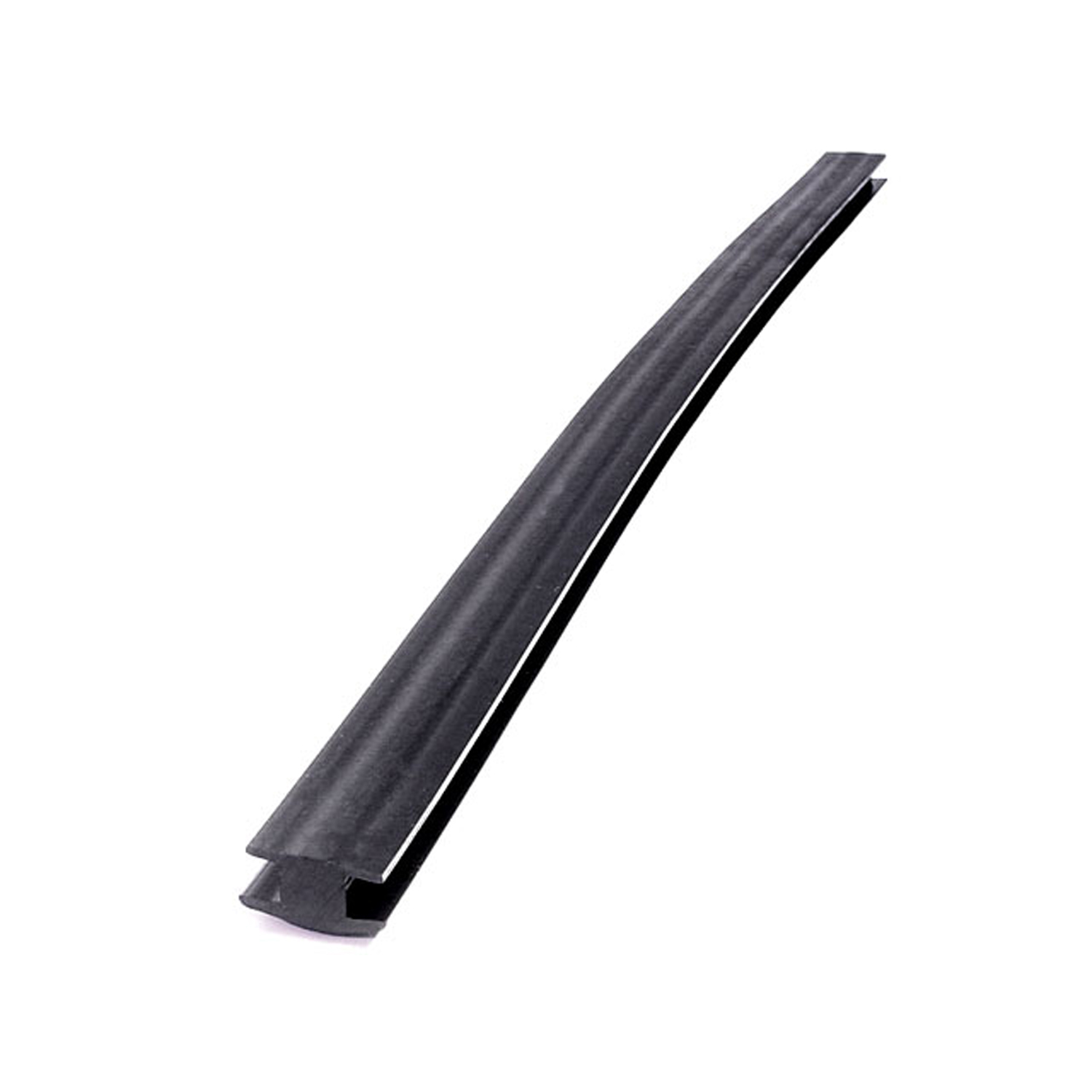 1938 Chrysler Imperial Windshield Center Bar Gasket. 20" long. Each-DP 12Windshield Center Bar Gasket. 20" long. Each
 1938 Chrysler Imperial Gravel Shields. Molded flat without metal backing plates-FS 31Gravel Shields. Molded flat without metal backing plates. Apply with contact cement. 18" long X 9-3/4" wide at bottom. Pair
 1938 Chrysler Imperial Gas Filler Grommet. 2-1/4" I.D., 3-3/4" O.D-GF 18Gas Filler Grommet. 2-1/4" I.D., 3-3/4" O.D., 1/2" top thickness. Each
 1938 Chrysler Imperial Hood Corners. Fits flat corners-HC 19Hood Corners. Fits flat corners. 80° angle, 1/4" to 3/8" corner radius. 1-3/8" wide. Pair
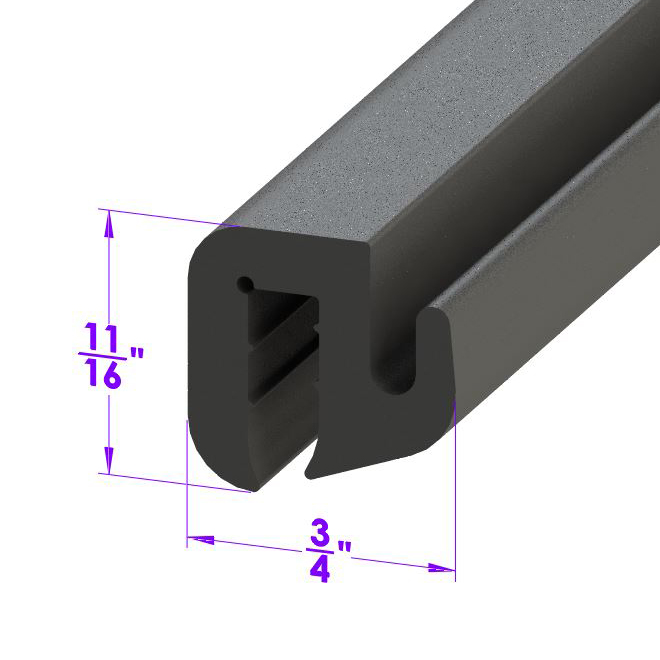 1938 Chrysler Imperial Windshield and Rear Window Seal. Sold by the foot-LP 30-AWindshield and Rear Window Seal. Sold by the foot
 1938 Chrysler Imperial Swing-Out Windshield Seal. 3/4" High. Sold by the foot-LP 97-ASwing-Out Windshield Seal. 3/4" High. Sold by the foot
 1938 Chrysler Imperial Emblem Pad. 9-1/2" wide X 2" long. Each-MP 577Emblem Pad. 9-1/2" wide X 2" long. Each
 1938 Chrysler Imperial Headlight Pads. 7-3/4" wide X 13-7/8" long. Pair-MP 621Headlight Pads. 7-3/4" wide X 13-7/8" long. Pair
 1938 Chrysler Imperial Cowl Vent Seal. Made of molded sponge-RP 100-LCowl Vent Seal. Made of molded sponge. 3-3/4" wide at side X 15-1/3" long X 3/8" thick. Each
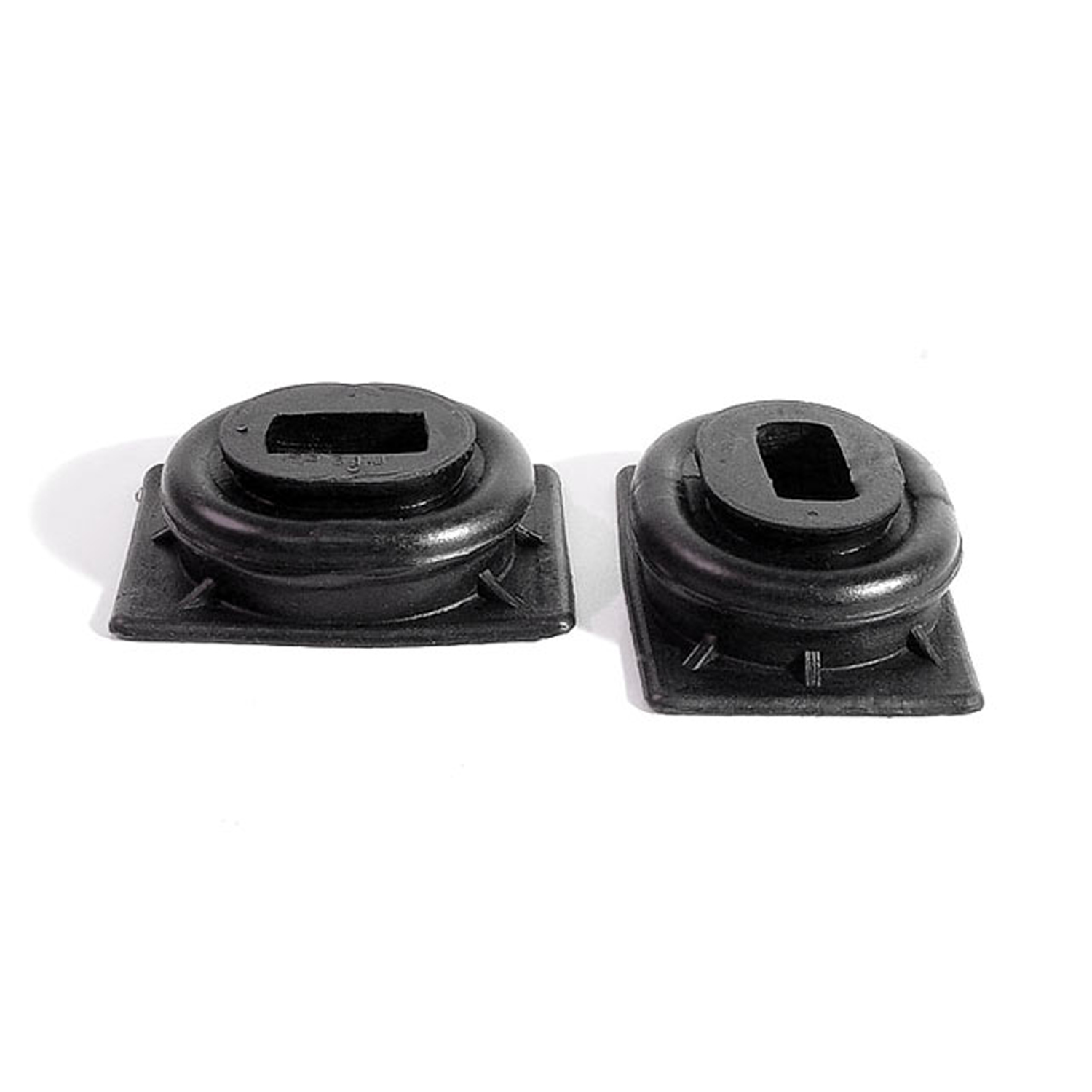 1938 Chrysler Imperial Clutch and Brake Seals. Replaces OEM #889473. Pair-RP 31-JClutch and Brake Seals. Replaces OEM #889473. Pair
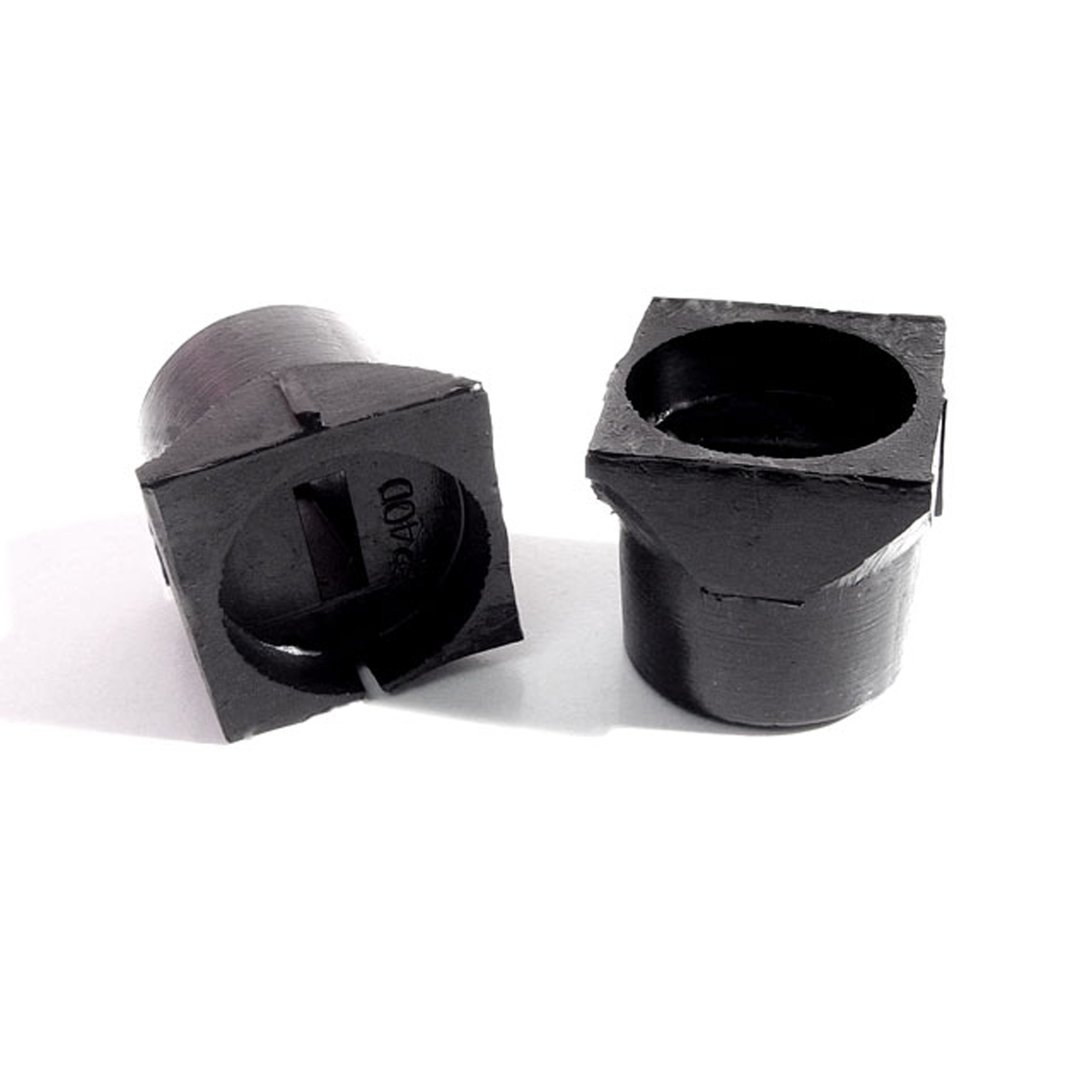 1938 Chrysler Imperial Door Check Rubber Cushion. Each-RP 40-DDoor Check Rubber Cushion. Each
 1938 Chrysler Imperial Side Window Anti-Rattle Pad. Six used per car-SB 73Side Window Anti-Rattle Pad. Six used per car. Fits a 3/16" X 3/4" slot in metal. Each
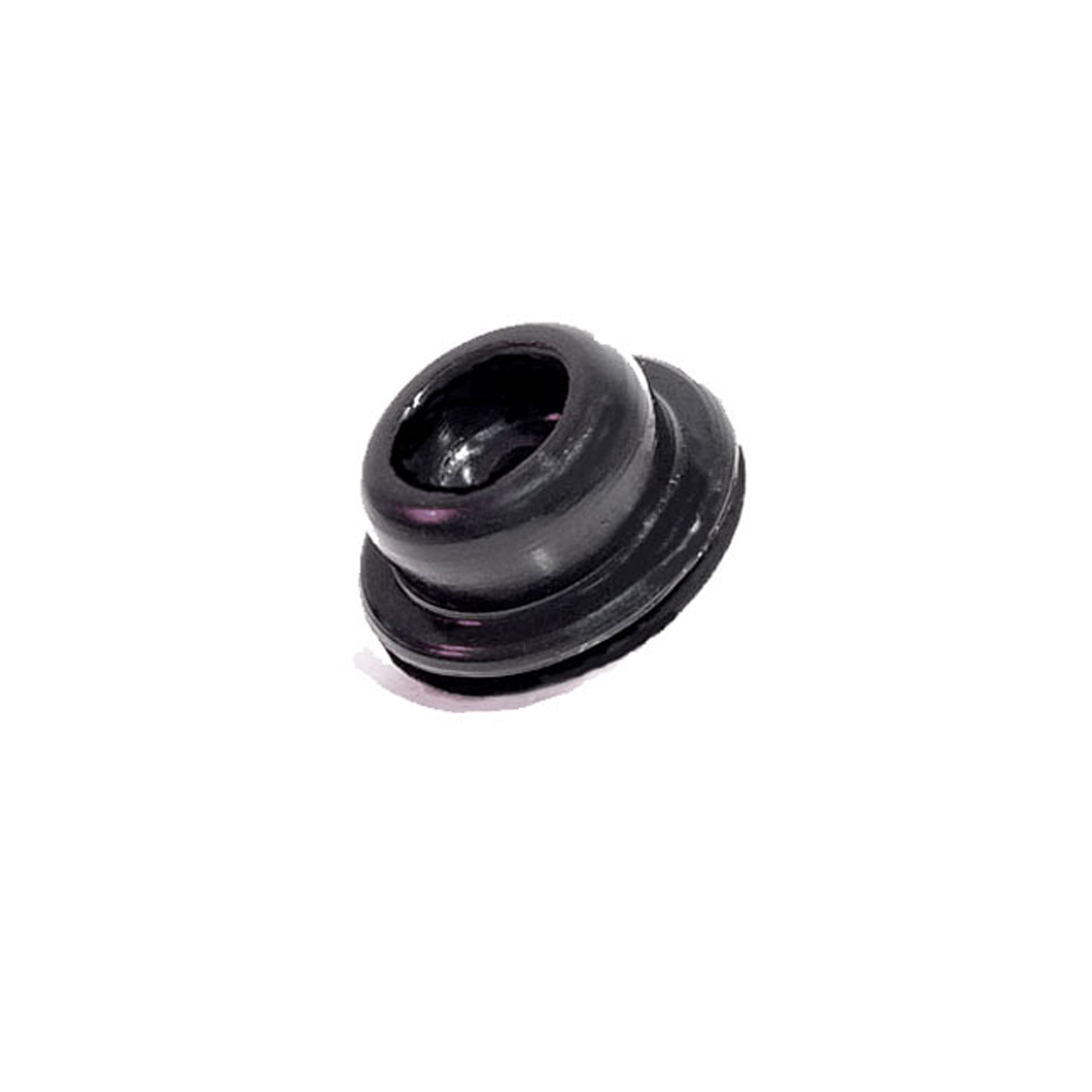 1938 Chrysler Imperial Accelerator Rod Grommet-SM 43-BAccelerator Rod Grommet. For accelerator rod through floorboard. Each
 1938 Chrysler Imperial Rear Vent Window Seals, for Sedans-WR 2300-RRear Vent Window Seals, for Sedans. Slight modification required for some models. Overall length is 44". Some models use longer seal, for these use extension piece WREX 2300-R. Pair R&L
 1938 Chrysler Imperial Rear Vent Window Seals Extension Piece, for Sedans-WREX 2300-RRear Vent Window Seals Extension Piece, for Sedans. Butting of parts is required. 24" long. Replaces OEM #744128-9, 790216-7 & 847090-1. Pair
Why Choose Metro?
For over 100 years, Metro Moulded Parts has been the pinnacle of quality in classic car restoration parts. Our commitment to precision and authenticity in every component ensures a perfect fit and an OEM-level appearance.
- Expert Craftsmanship & Quality: Each part is a testament to our dedication to reliability and perfection, crafted from original designs and thoroughly tested.
- Advanced Technology: We use cutting-edge techniques to create flawless, long-lasting parts that surpass others in performance.
- SuperSoft Sponge – The Ultimate Door Seal: Not only are our door seals 30% softer than competitors', but they're also guaranteed to never leak. They effectively reduce wind and road noise, enhancing your classic car's comfort and driving experience.
- Proudly American: Our parts are a product of American craftsmanship, made in the USA with a spirit of excellence and heritage.
- Unrivaled Warranty: We back our products with a 30-year industry-leading warranty, a testament to our confidence in their quality.
Join us in preserving the legacy of classic cars with parts that are crafted for perfection, not just made.