

Image of 1938 Chrysler Imperial Custom, Note: These illustrations use artistic license and may differ from actual historical models.
Performance Metrics
Fundamental Metrics
Emotional Appeal
MMP Rating
| Engine Specifications | |
|---|---|
| Engine: | Straight-8 |
| Displacement: | 323.5 cu in (5.3 L) |
| Horsepower: | Estimated 130-140 hp |
| Torque: | Not available |
| Compression Ratio: | Not available |
| Ignition System: | Battery and coil |
| Cooling System: | Liquid-cooled |
| Performance Specifications | |
| 0-60 Time: | Not available |
| 1/4 Mile Time: | Not available |
| Top Speed: | Estimated 85-95 mph |
| Transmission and Drive | |
| Drive Type: | Rear-wheel drive |
| Transmission Type: | 3-speed manual |
| Fuel and Efficiency | |
| Fuel System Type: | Carburetor |
| MPG: | Not available |
| Dimensions and Brakes | |
| Brakes: | Hydraulic drum brakes |
| Wheelbase: | 125 in (3,175 mm) |
| Weight: | 3,900-4,100 lbs |
Note: Specifications for classic cars are given to the best of our ability, considering the limited and variant data available.
1938 Chrysler Imperial Custom: A Grand American Classic
The 1938 Chrysler Imperial Custom was built for people who expected a car to make an entrance. Long, imposing and powered by a smooth straight-eight engine, it sat near the top of Chrysler’s lineup as a prestige automobile for executives, public figures and chauffeured passengers. Its combination of substantial engineering and elegant, formal styling captures a moment when American luxury cars were growing more refined without giving up their commanding road presence.
Chrysler Corporation produced the Imperial, and the Custom occupied the more exclusive end of the range. The 1938 model arrived as the country continued its slow recovery from the Great Depression, when a costly luxury car represented both confidence and status. One intriguing detail is that “Imperial Custom” could describe more than a trim level: depending on the body and coachwork, these cars could be configured as formal passenger cars, limousines or other specialized luxury models.
Long Lines and Formal Chrysler Styling
The Imperial Custom’s styling is all about proportion. Its long hood, upright grille and sweeping front fenders give it a stately profile, while the tall passenger compartment and extended rear body make the car look substantial even when parked. The grille’s vertical bars and carefully shaped hood details provide a restrained formality rather than the flamboyant ornamentation found on some luxury cars of the period. Headlamps integrated into the front fenders helped the design feel more modern than earlier cars with separate, exposed lamps.
Inside, the Custom was designed to feel comfortable and dignified. Depending on the body style and specification, owners could find broad upholstered seats, quality cloth or leather trim, polished wood or wood-grain accents, and extensive interior appointments. Limousine versions emphasized rear-seat comfort, with room for passengers to stretch out and travel in privacy. Materials and details varied between cars, particularly where special coachwork or bespoke fittings were involved, so surviving examples do not all have identical cabins.
Period paint choices followed the tastes of the era, with solid dark colors and more understated shades common on formal luxury cars. Black, deep blue, maroon, gray and dark green all suit the Imperial’s dignified character, though exact availability depended on the model and ordering market. A well-preserved original color can be an important part of a car’s appeal to collectors.
Imperial Custom body styles could include closed sedans and limousine-type configurations, with special or coachbuilt bodies available in limited numbers. The formal four-door sedan is among the most recognizable versions today, while long-wheelbase chauffeur-driven cars and unusual custom bodies are especially evocative. Body availability varied, so it is wise to confirm a particular car’s original specification through its serial and body records where available.
Engineering at the Top of the Chrysler Range
At the heart of the 1938 Imperial Custom was a flathead inline-eight, generally listed at 323.5 cubic inches and about 130 horsepower in Custom form. It was paired with a manual transmission, and the car used hydraulic brakes. The straight-eight’s long, even power pulses suited the Imperial’s purpose: delivering quiet, unhurried progress rather than sports-car urgency.
The Custom stood apart from many less expensive cars through its combination of size, eight-cylinder power and luxury appointments. Chrysler’s broader engineering work, including its attention to ride comfort and chassis design, helped make the Imperial more than a grand-looking body on a basic platform. Its conventional front-engine, rear-wheel-drive layout was familiar, but the scale and refinement of the package placed it in a different class from ordinary family sedans.
The Imperial also reflects a turning point in American styling. The dramatic Chrysler Airflow had pushed unconventional streamlining earlier in the decade, but by 1938 buyers had largely returned to more traditional shapes. The Imperial Custom blended that familiar formal appearance with smoother fenders and cleaner body contours. Its influence is less about one revolutionary design feature than about showing how a luxury car could look modern while remaining reassuringly conventional.
Performance and the Road Feel
Today, performance figures for a specific 1938 Imperial Custom should be treated as estimates, since body weight, gearing, mechanical condition and passenger load all make a difference. A healthy car might reach roughly 80 to 90 mph, while acceleration from 0 to 60 mph would likely take somewhere around 18 to 22 seconds. Those numbers are best understood in context: the Imperial was built to cruise comfortably, not to sprint away from a stoplight.
On a smooth road, the straight-eight delivers a relaxed, steady pull, accompanied by a deep mechanical hum rather than a sharp, high-revving engine note. The long wheelbase helps the car settle over gentle undulations, and the cabin feels pleasantly removed from the road. On broken pavement, however, the car’s age and considerable mass are impossible to ignore. A well-sorted suspension can soften bumps, but worn springs, shocks, bushings or tires quickly spoil the ride.
On winding roads, the Imperial rewards measured driving. Its size and weight encourage a deliberate approach, with more planning needed for corners and tight spaces than in a modern car. Steering can feel heavy at low speeds, and braking distances are much longer than drivers expect today. The best experience comes from maintaining a smooth pace, looking well ahead and letting the engine’s steady torque do its work.
Living With an Imperial Custom
A 1938 Imperial Custom is now most at home as a show car, touring car or special-event vehicle. Its presence makes it a natural choice for concours gatherings, vintage-car tours and formal occasions. Although a mechanically sound example can be driven on suitable roads, its size, age and limited modern safety equipment make it a poor match for everyday commuting or modern high-speed traffic.
Routine maintenance follows the needs of a prewar car: regular attention to lubrication, cooling, ignition, fuel delivery, brakes and tires. Many basic mechanical jobs are understandable to an experienced classic-car owner, and the engine’s straightforward design can be easier to service than a modern powertrain. The harder part is often finding correct trim, body parts, glass or specialized components, especially for rare coachbuilt versions. A careful pre-purchase inspection should include the frame, body mounts, wood or structural supports where applicable, and the condition of the cooling and braking systems.
Reliability depends heavily on preservation and upkeep. A neglected Imperial can become an expensive restoration, while a properly maintained example can tour reliably within the limits of vintage motoring. Before a long drive, owners should check fluids, tire condition, belt and hose age, brake operation and charging performance. Carrying basic tools and allowing extra time are sensible habits, not signs that the car is untrustworthy.
Imperial Custom Facts and Myths
The Imperial Custom’s rarity is part of its appeal, but it is important not to confuse surviving examples with original production. Production totals can be difficult to pin down because model-year records, body styles and special coachwork are not always counted in the same way. A reasonable broad estimate is that production across the 1938 Custom range was in the hundreds rather than the thousands, with individual body styles potentially much rarer.
There is no single widely recognized speed or endurance record that defines the 1938 Imperial Custom. Its reputation rests instead on its role as a high-end American road car and on the craftsmanship of its more elaborate versions. Nor should every Imperial Custom be assumed to have been a celebrity or government car. The model’s formal appearance naturally invites those associations, but a specific ownership story needs documentation.
A common criticism is that the car’s size and weight make it cumbersome by modern standards. That is fair: parking, turning and stopping require more care, and fuel consumption is far removed from today’s expectations. But those traits are inseparable from the Imperial’s original mission. It was designed to carry people in comfort and make a statement, not to be compact or economical.
Collector Values and Availability
Values vary widely with body style, originality, restoration quality and documentation. As a broad current-market guide, a project or incomplete car might bring roughly $20,000 to $40,000. A presentable, running sedan could fall around $40,000 to $90,000, while a high-quality restoration may reach approximately $90,000 to $150,000 or more. A particularly rare, expertly restored coachbuilt or limousine example can exceed that range, sometimes substantially. These are estimates rather than guarantees, and individual sales can differ sharply.
Imperial Customs are uncommon on the open market. A buyer may wait a long time for the right body style, condition and history to appear, especially when seeking a documented, original car. Values for the broader prewar collector-car market move with condition and buyer interest, but the Imperial’s rarity and visual presence support long-term appeal. Exceptional examples tend to be the most resilient; cars requiring extensive restoration can be harder to sell because specialist work is costly.
A Prewar Chrysler With Lasting Presence
The 1938 Chrysler Imperial Custom combines a powerful straight-eight, a spacious and carefully appointed cabin, and the confident proportions of a classic American luxury car. It is not quick or effortless by modern standards, and keeping one in top condition takes commitment. In return, it offers a distinctive driving experience and a level of road presence that few ordinary cars of its era could match.
More than a handsome survivor, the Imperial Custom is a reminder of how Chrysler shaped luxury motoring in the years before the Second World War. Its long hood and quiet eight-cylinder rhythm still announce its purpose clearly: to travel in style, and to arrive with authority.
1938 Chrysler Imperial Custom Catalog of Parts
 1938 Chrysler Imperial Custom Front Bumper Arm Grommets. Hollow construction-BG 94Front Bumper Arm Grommets. Hollow construction. 2-3/4" wide X 4-1/4" long, with 1-7/8" long inner slot. Pair
 1938 Chrysler Imperial Custom Rear Bumper Arm Grommets. Hollow construction-BG 95Rear Bumper Arm Grommets. Hollow construction. Perfect reproduction. 4-1/4" wide X 4-1/2" long, with 1/2" wide inner slot. Pair
 1938 Chrysler Imperial Custom Clutch and Brake Pedal Pads. 2-5/8" wide X 3-3/4" long-CB 26Clutch and Brake Pedal Pads. 2-5/8" wide X 3-3/4" long. Pair
 1938 Chrysler Imperial Custom Clutch and Brake Pedal Pads, Black-CB 28-AClutch and Brake Pedal Pads, Black. 2-3/8" wide X 3-7/8" long. Pair
 1938 Chrysler Imperial Custom Clutch and Brake Pedal Pads, Brown-CB 28-BClutch and Brake Pedal Pads, Brown. 2-3/8" wide X 3-7/8" long. Pair
 1938 Chrysler Imperial Custom Door Jamb Bumper. Perfect reproduction-DB 36Door Jamb Bumper. Perfect reproduction. 1-1/16" high X 1-1/4" wide X 7/16" thick. Each
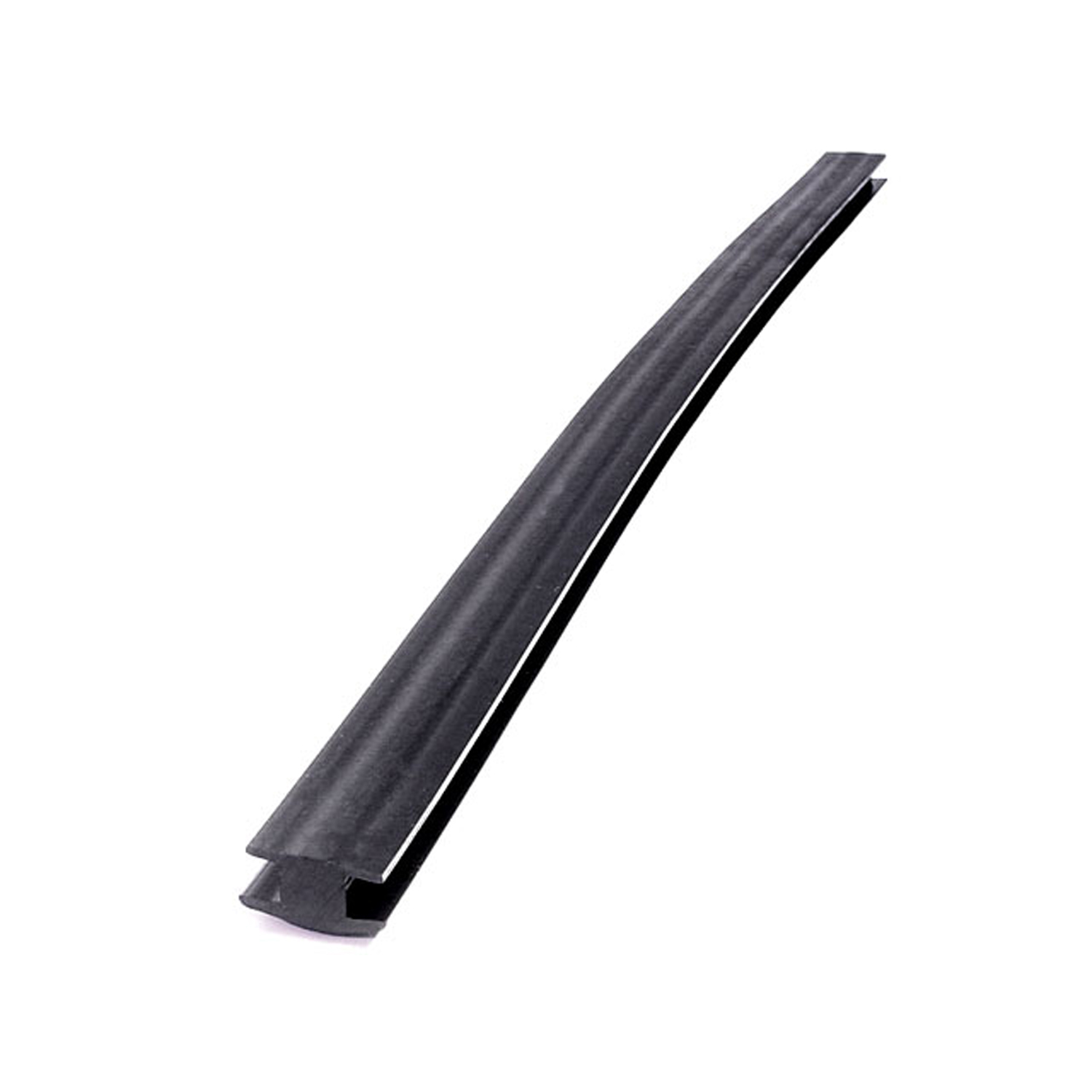 1938 Chrysler Imperial Custom Windshield Center Bar Gasket. 20" long. Each-DP 12Windshield Center Bar Gasket. 20" long. Each
 1938 Chrysler Imperial Custom Gravel Shields. Molded flat without metal backing plates-FS 31Gravel Shields. Molded flat without metal backing plates. Apply with contact cement. 18" long X 9-3/4" wide at bottom. Pair
 1938 Chrysler Imperial Custom Gas Filler Grommet. 2-1/4" I.D., 3-3/4" O.D-GF 18Gas Filler Grommet. 2-1/4" I.D., 3-3/4" O.D., 1/2" top thickness. Each
 1938 Chrysler Imperial Custom Hood Corners. Fits flat corners-HC 19Hood Corners. Fits flat corners. 80° angle, 1/4" to 3/8" corner radius. 1-3/8" wide. Pair
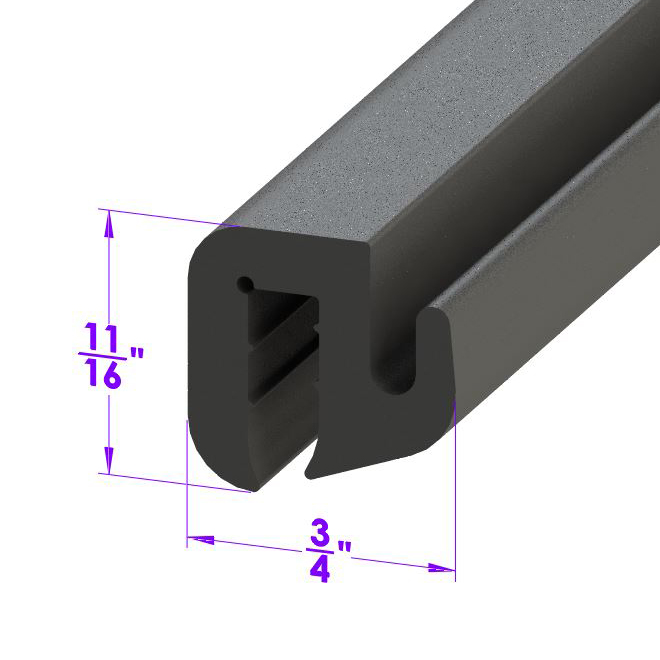 1938 Chrysler Imperial Custom Windshield and Rear Window Seal. Sold by the foot-LP 30-AWindshield and Rear Window Seal. Sold by the foot
 1938 Chrysler Imperial Custom Swing-Out Windshield Seal. 3/4" High. Sold by the foot-LP 97-ASwing-Out Windshield Seal. 3/4" High. Sold by the foot
 1938 Chrysler Imperial Custom Emblem Pad. 9-1/2" wide X 2" long. Each-MP 577Emblem Pad. 9-1/2" wide X 2" long. Each
 1938 Chrysler Imperial Custom Headlight Pads. 7-3/4" wide X 13-7/8" long. Pair-MP 621Headlight Pads. 7-3/4" wide X 13-7/8" long. Pair
 1938 Chrysler Imperial Custom Cowl Vent Seal. Made of molded sponge-RP 100-LCowl Vent Seal. Made of molded sponge. 3-3/4" wide at side X 15-1/3" long X 3/8" thick. Each
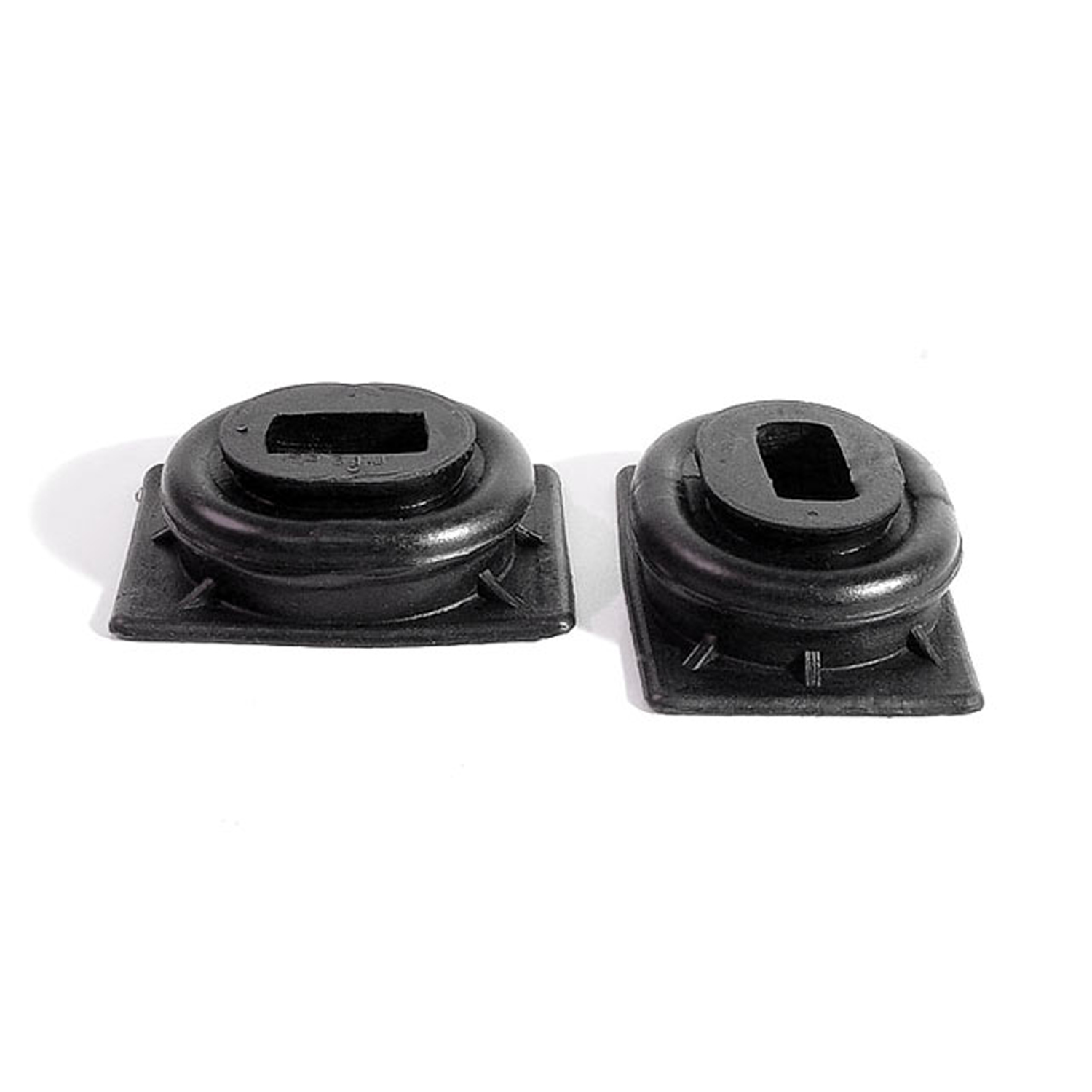 1938 Chrysler Imperial Custom Clutch and Brake Seals. Replaces OEM #889473. Pair-RP 31-JClutch and Brake Seals. Replaces OEM #889473. Pair
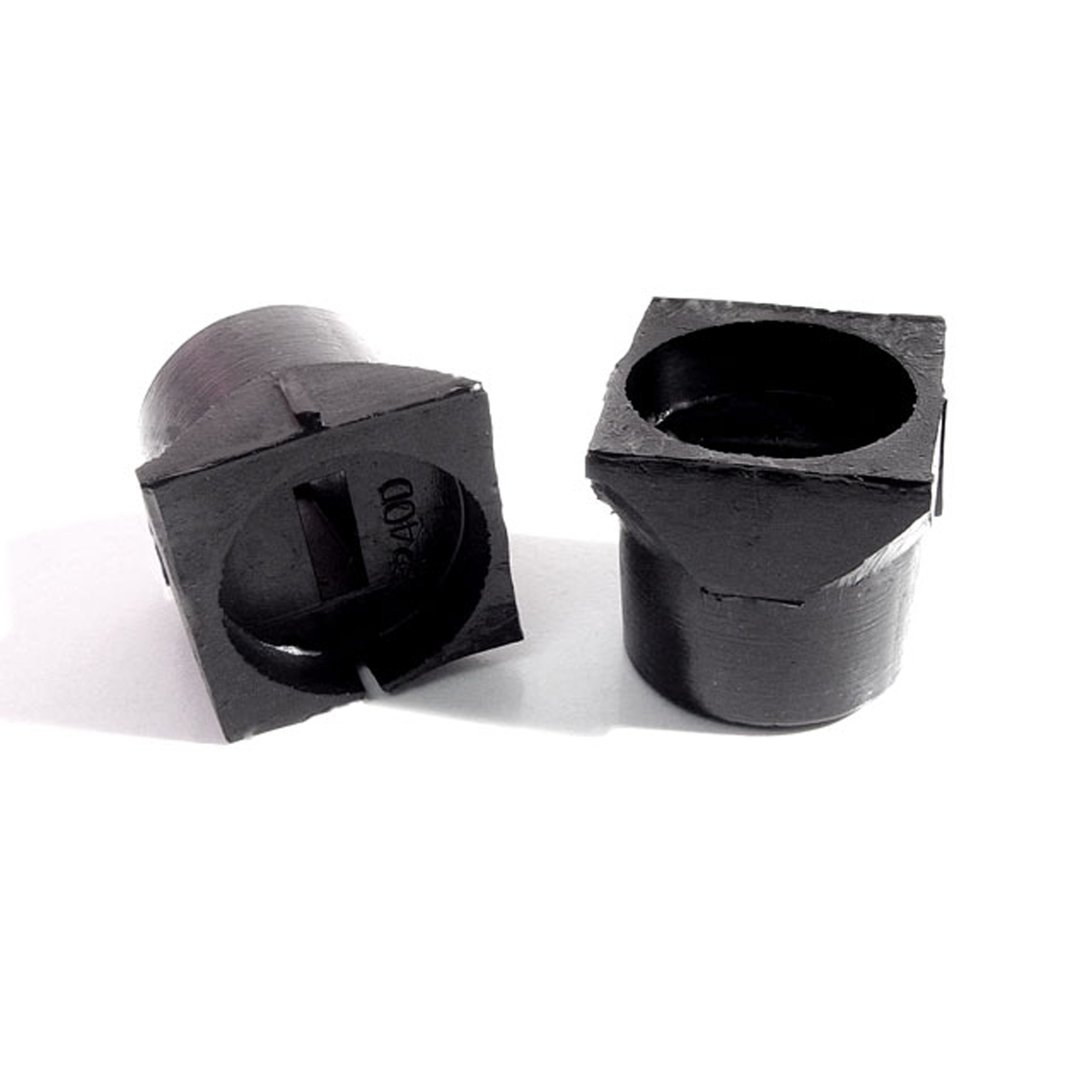 1938 Chrysler Imperial Custom Door Check Rubber Cushion. Each-RP 40-DDoor Check Rubber Cushion. Each
 1938 Chrysler Imperial Custom Side Window Anti-Rattle Pad. Six used per car-SB 73Side Window Anti-Rattle Pad. Six used per car. Fits a 3/16" X 3/4" slot in metal. Each
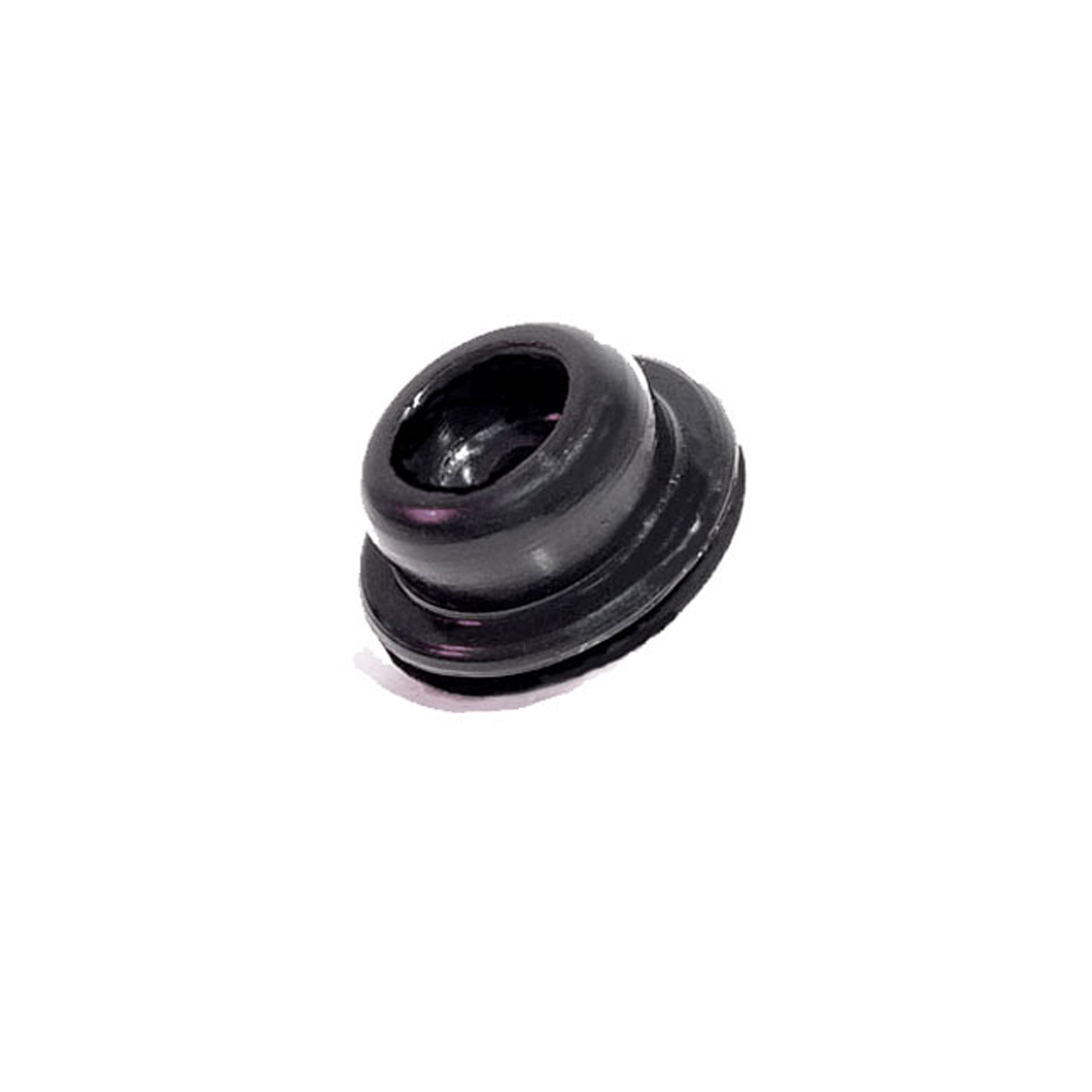 1938 Chrysler Imperial Custom Accelerator Rod Grommet-SM 43-BAccelerator Rod Grommet. For accelerator rod through floorboard. Each
 1938 Chrysler Imperial Custom Rear Vent Window Seals, for Sedans-WR 2300-RRear Vent Window Seals, for Sedans. Slight modification required for some models. Overall length is 44". Some models use longer seal, for these use extension piece WREX 2300-R. Pair R&L
 1938 Chrysler Imperial Custom Rear Vent Window Seals Extension Piece, for Sedans-WREX 2300-RRear Vent Window Seals Extension Piece, for Sedans. Butting of parts is required. 24" long. Replaces OEM #744128-9, 790216-7 & 847090-1. Pair
Why Choose Metro?
For over 100 years, Metro Moulded Parts has been the pinnacle of quality in classic car restoration parts. Our commitment to precision and authenticity in every component ensures a perfect fit and an OEM-level appearance.
- Expert Craftsmanship & Quality: Each part is a testament to our dedication to reliability and perfection, crafted from original designs and thoroughly tested.
- Advanced Technology: We use cutting-edge techniques to create flawless, long-lasting parts that surpass others in performance.
- SuperSoft Sponge – The Ultimate Door Seal: Not only are our door seals 30% softer than competitors', but they're also guaranteed to never leak. They effectively reduce wind and road noise, enhancing your classic car's comfort and driving experience.
- Proudly American: Our parts are a product of American craftsmanship, made in the USA with a spirit of excellence and heritage.
- Unrivaled Warranty: We back our products with a 30-year industry-leading warranty, a testament to our confidence in their quality.
Join us in preserving the legacy of classic cars with parts that are crafted for perfection, not just made.