

Image of 1938 Chrysler New York Special, Note: These illustrations use artistic license and may differ from actual historical models.
Performance Metrics
Fundamental Metrics
Emotional Appeal
MMP Rating
| Engine Specifications | |
|---|---|
| Engine: | Inline 8 |
| Displacement: | 323.5 cu in (5.3 L) |
| Horsepower: | Estimated 130-140 HP |
| Torque: | Not available |
| Compression Ratio: | 6.7:1 |
| Ignition System: | Battery and coil |
| Cooling System: | Liquid cooled |
| Performance Specifications | |
| 0-60 Time: | Not available |
| 1/4 Mile Time: | Not available |
| Top Speed: | Estimated 85-95 mph |
| Transmission and Drive | |
| Drive Type: | Rear wheel drive |
| Transmission Type: | 3-speed manual |
| Fuel and Efficiency | |
| Fuel System Type: | Carburetor |
| MPG: | Not available |
| Dimensions and Brakes | |
| Brakes: | Drum brakes |
| Wheelbase: | 125 inches |
| Weight: | Estimated 3500-4000 lbs |
Note: Specifications for classic cars are given to the best of our ability, considering the limited and variant data available.
1938 Chrysler New Yorker: A New Name in Chrysler Luxury
The 1938 Chrysler New Yorker brought a fresh name to the company’s upper end of the market, pairing a substantial straight-eight engine with elegant, conservatively modern styling. Chrysler introduced the New Yorker for the 1938 model year, and the name would remain part of the company’s lineup for decades.
One naming note matters for anyone researching or shopping for one: the established factory model name is generally Chrysler New Yorker. “New York Special” sometimes appears in informal listings and descriptions, but it is not the standard model name used in commonly available factory histories. The details below refer to the 1938 New Yorker series, while recognizing that surviving cars and period terminology can be described inconsistently.
The New Yorker arrived during a challenging period for the American car industry. The Depression had reshaped buyers’ expectations, and automakers were working to make cars feel more comfortable, capable, and modern without losing the prestige associated with a large luxury automobile. Chrysler’s answer was a roomy, well-equipped car with traditional proportions and engineering intended for long-distance travel.
Streamlined Style, Traditional Presence
The 1938 New Yorker has the long hood, upright cabin, and distinct rear trunk that define a classic prewar American luxury car. Its front end is especially memorable: a tall, vertically oriented grille sits between rounded front fenders, while the headlamps are integrated into the fender contours rather than standing apart as separate lamps. Chrome accents add brightness without overwhelming the car’s formal shape.
From the side, the car’s sweeping fenders and gently sloping roofline soften its substantial profile. The overall effect is less radical than Chrysler’s earlier Airflow designs. The New Yorker instead offered a more familiar, conventional silhouette, updated with smoother transitions between body panels and fenders. It looks unmistakably prewar, but not old-fashioned for its time.
Inside, owners could expect a generous cabin finished in period materials such as cloth upholstery, with leather used on some models or offered as an option. The dashboard combined painted or wood-effect trim with clear, neatly arranged instruments. The broad bench seats, substantial steering wheel, and generous interior space made the car feel more like a comfortable touring machine than a compact city runabout. Exact trim and upholstery depended on body style, equipment, and market.
Factory paint choices varied, and today’s cars may have been repainted, so there is no single color that defines every New Yorker. Period colors included conservative dark shades as well as richer blues, greens, and maroons. Deep, formal colors suit the car particularly well, while lighter or two-tone treatments can make its fender lines stand out.
Body Styles and Equipment
The New Yorker series was offered in several closed and open body styles, with availability varying by production details and market. Buyers could find sedan and coupe-style versions, along with an open convertible model. Four-door sedans were among the practical choices for families and chauffeured use, while coupes and convertibles gave the car a sportier, more personal character.
The convertible is often the most visually striking version today. Its folded top exposes the long hood and flowing fenders, and its open cabin makes the car feel especially suited to touring. However, sedans are generally the more familiar and usable examples, while the exact rarity of each body style depends on documented production figures and surviving cars.
Available equipment could include conveniences such as a heater, radio, and other comfort or appearance options. As with any prewar car, present-day examples may combine factory equipment with later additions, so a buyer should check the car’s documentation and inspect the details rather than assume every feature is original.
Engineering for the Open Road
Power came from Chrysler’s L-head, or flathead, inline eight-cylinder engine. The commonly cited specification for the 1938 New Yorker is approximately 323.5 cubic inches and 130 horsepower, paired with a three-speed manual transmission. Specifications can vary by series and source, so enthusiasts assessing a particular car should confirm its engine and chassis numbers.
The straight-eight was designed to deliver smooth, steady power. Rather than relying on high engine speeds, it produced the kind of relaxed pull that suited a large car carrying passengers and luggage. Hydraulic brakes and independent front suspension were important parts of the period’s move toward more controlled, comfortable motoring, although the New Yorker’s overall driving character remained distinctly traditional.
Chrysler’s engineering approach was evolutionary rather than experimental. The New Yorker did not depend on a single headline-grabbing invention. Its appeal came from putting a powerful engine, a roomy body, comfort-oriented suspension, and contemporary styling together in a polished package.
What It Is Like to Drive
Factory performance figures are not consistently reported for every 1938 New Yorker configuration. Period gearing, body style, mechanical condition, and modern measurement methods all affect the numbers. As a practical guide, a well-maintained example might reach roughly 80 to 90 mph, while a 0-to-60 mph time could be in the neighborhood of 20 to 25 seconds. These are estimates, not guaranteed factory test results, and an original car should not be pushed to those limits without a careful mechanical inspection.
On the road, expect a measured, substantial feel. The straight-eight produces a smooth mechanical murmur, accompanied by the muted sounds of a heavy body and period tires. The steering is not as light or precise as that of a modern car, and the long hood asks the driver to judge corners and parking spaces with care. The three-speed gearbox also rewards deliberate shifts rather than hurried movements.
The suspension is suited to cruising and generally takes ordinary road irregularities in stride. On rough surfaces, the car’s mass and tall tires help soften the ride, though worn springs, shocks, bushings, or tires can make an old example feel unsettled. On winding roads, it is best driven at a relaxed pace. The New Yorker can travel confidently, but it is not a modern sports sedan: its size, high center of gravity, and period braking distances call for anticipation and smooth inputs.
Historical Importance and Lasting Appeal
The New Yorker’s significance begins with its debut as a new Chrysler nameplate in 1938. It gave buyers a clear upscale choice within the Chrysler range and established a model identity that endured through changing eras of American motoring. The car represents a bridge between the dramatic styling experiments of the early 1930s and the more integrated, streamlined bodies that would become increasingly common.
What distinguished it from many contemporaries was the balance of size, eight-cylinder smoothness, and comparatively restrained design. It was luxurious without relying solely on ornament, and its conventional layout made it approachable for buyers who wanted modern comfort without an unfamiliar-looking car. Its lasting influence is most visible in the nameplate’s longevity and in Chrysler’s broader tradition of offering roomy, powerful cars for long-distance travel.
The 1938 New Yorker was not a racing icon or a record-breaking speed machine. Its achievement was more practical: it brought a new flagship-style identity to Chrysler at a moment when the company needed cars that felt both dependable and aspirational.
Ownership, Maintenance, and Reliability
Today, most New Yorkers are used as show cars, touring cars, or carefully maintained weekend classics rather than everyday transportation. A sound example can make enjoyable local trips and vintage-car events, but its age brings real limitations. It lacks modern crash protection, efficient heating and ventilation by current standards, and the braking performance expected in contemporary traffic.
Many routine mechanical jobs are within the abilities of an experienced home mechanic. The flathead engine is mechanically straightforward compared with a modern powertrain, and the car’s systems are largely accessible. The harder part is finding correct parts, identifying previous repairs, and dealing with deterioration after decades of storage or use. Engine wear, cooling-system trouble, brake condition, electrical faults, and rust in structural areas deserve close attention.
Before buying, inspect the chassis, floor, body mounts, and lower fenders for corrosion. Confirm that the engine starts and runs evenly, that the cooling system holds temperature, and that the transmission shifts properly. Have the brakes and steering assessed by someone familiar with prewar cars. A low purchase price can quickly be outweighed by the cost of restoring an incomplete or neglected example.
Rare Details and Common Misconceptions
The most useful fact for enthusiasts is that 1938 marks the New Yorker’s introduction as a Chrysler model name. That makes an authentic first-year example a noteworthy piece of the company’s history, even though it is not a one-off prototype or a special record-setting edition.
Reliable, model-by-model production totals are not easy to establish from commonly available sources, and totals can be confused with broader Chrysler series figures. A cautious estimate for New Yorker-series production is several thousand cars, perhaps roughly 8,000 to 12,000, but that should be treated as an informed estimate rather than a verified factory count. The number surviving in usable condition is much smaller, and rare body styles are harder to find than ordinary sedans.
There is no widely recognized speed, endurance, or sales record that defines the 1938 New Yorker. Nor is a famous celebrity ownership story central to its reputation. Its appeal is grounded in its design, its first-year status, and the experience of driving a substantial prewar Chrysler.
A common criticism is that the car is slow and ponderous by modern standards. That is fair if judged as a contemporary commuter, but it misses the point of the design. The New Yorker was built for smooth, comfortable travel, not quick acceleration or sharp cornering. Its size and old-fashioned controls are part of the character, though they also require patience and sensible driving.
Collector Values and Availability
Prices vary sharply with body style, originality, restoration quality, and documentation. As a broad current-market estimate, a project or incomplete car might sell for around $10,000 to $25,000. A usable driver could fall in the $25,000 to $50,000 range, while a well-restored sedan or coupe may bring approximately $45,000 to $80,000. An exceptional convertible or especially well-documented example could exceed that range, potentially reaching six figures in the right sale.
These figures are estimates rather than formal appraisals. Auction results, regional demand, and the cost of correcting hidden mechanical or structural problems can shift a car’s real value considerably. Convertibles tend to attract more attention, but restoration costs can also be higher. A documented, honest car with sound structure may be a better purchase than a highly polished example with unclear history.
Interest in prewar American cars remains steady among collectors, but the market is selective. The New Yorker’s long-running nameplate and first-year status support its historical appeal, while its age and specialized maintenance limit the pool of buyers. Over time, top-quality examples may appreciate, but ordinary cars have not necessarily risen in value enough to offset restoration expenses. Buy for condition and enjoyment, not on the assumption that every example is an investment.
Why the 1938 Chrysler New Yorker Still Matters
The 1938 Chrysler New Yorker combined a smooth inline eight, a spacious cabin, graceful prewar styling, and a new name that would become a fixture in Chrysler history. It was not built to dominate a race track or set a speed record. It was built to make long journeys feel comfortable and to give Chrysler buyers an appealing step into the luxury class.
For today’s enthusiast, its charm lies in that blend of engineering and presence. Find a sound example, give its brakes and mechanical systems the attention they deserve, and the New Yorker rewards you with a uniquely relaxed kind of motoring: a reminder of when a confident journey was measured as much by comfort and character as by speed.
1938 Chrysler New York Special Catalog of Parts
 1938 Chrysler New York Special Front Bumper Arm Grommets. Hollow construction-BG 94Front Bumper Arm Grommets. Hollow construction. 2-3/4" wide X 4-1/4" long, with 1-7/8" long inner slot. Pair
 1938 Chrysler New York Special Rear Bumper Arm Grommets. Hollow construction-BG 95Rear Bumper Arm Grommets. Hollow construction. Perfect reproduction. 4-1/4" wide X 4-1/2" long, with 1/2" wide inner slot. Pair
 1938 Chrysler New York Special Clutch and Brake Pedal Pads. 2-5/8" wide X 3-3/4" long-CB 26Clutch and Brake Pedal Pads. 2-5/8" wide X 3-3/4" long. Pair
 1938 Chrysler New York Special Clutch and Brake Pedal Pads, Black-CB 28-AClutch and Brake Pedal Pads, Black. 2-3/8" wide X 3-7/8" long. Pair
 1938 Chrysler New York Special Clutch and Brake Pedal Pads, Brown-CB 28-BClutch and Brake Pedal Pads, Brown. 2-3/8" wide X 3-7/8" long. Pair
 1938 Chrysler New York Special Door Jamb Bumper. Perfect reproduction-DB 36Door Jamb Bumper. Perfect reproduction. 1-1/16" high X 1-1/4" wide X 7/16" thick. Each
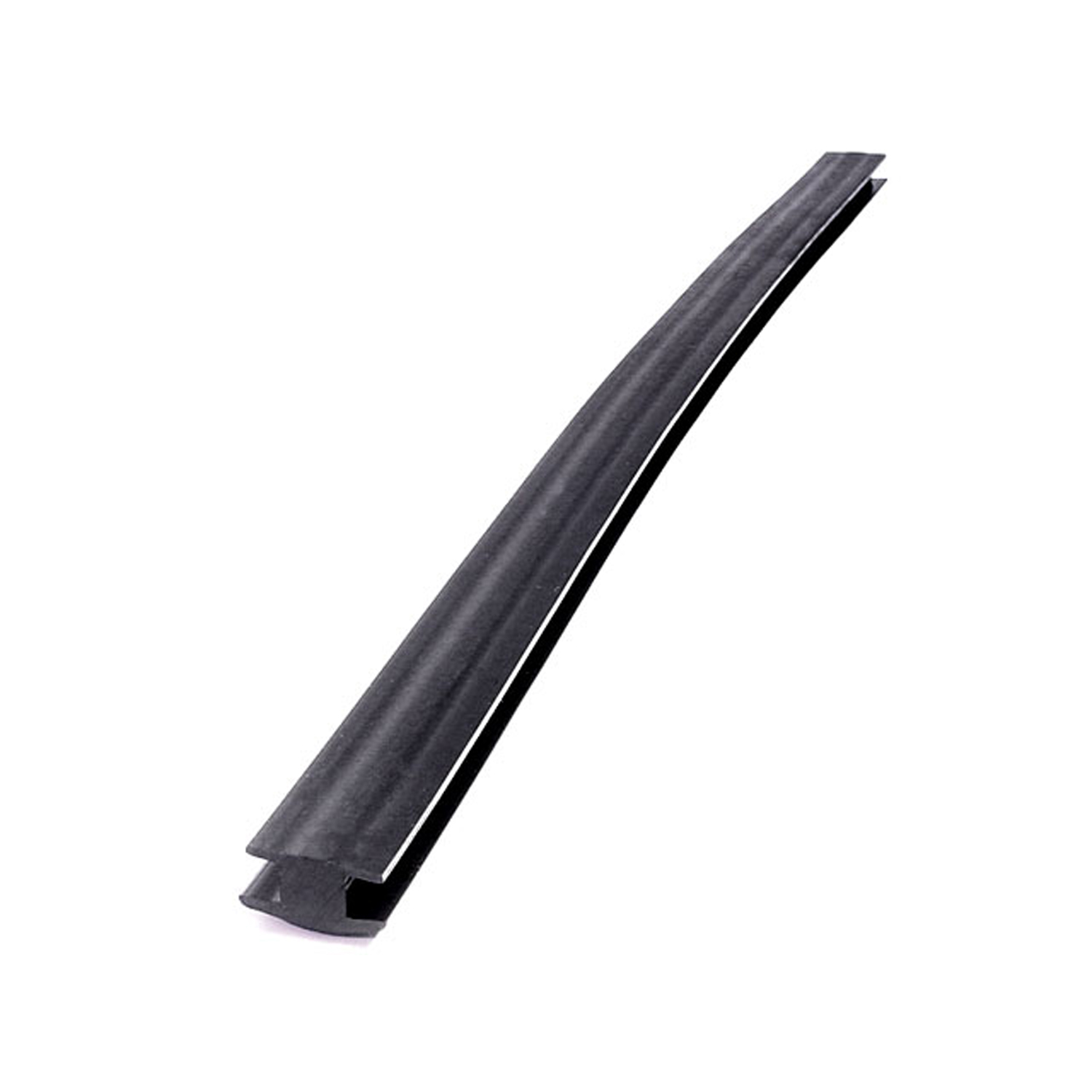 1938 Chrysler New York Special Windshield Center Bar Gasket. 20" long. Each-DP 12Windshield Center Bar Gasket. 20" long. Each
 1938 Chrysler New York Special Gravel Shields. Molded flat without metal backing plates-FS 31Gravel Shields. Molded flat without metal backing plates. Apply with contact cement. 18" long X 9-3/4" wide at bottom. Pair
 1938 Chrysler New York Special Gas Filler Grommet. 2-1/4" I.D., 3-3/4" O.D-GF 18Gas Filler Grommet. 2-1/4" I.D., 3-3/4" O.D., 1/2" top thickness. Each
 1938 Chrysler New York Special Hood Corners. Fits flat corners-HC 19Hood Corners. Fits flat corners. 80° angle, 1/4" to 3/8" corner radius. 1-3/8" wide. Pair
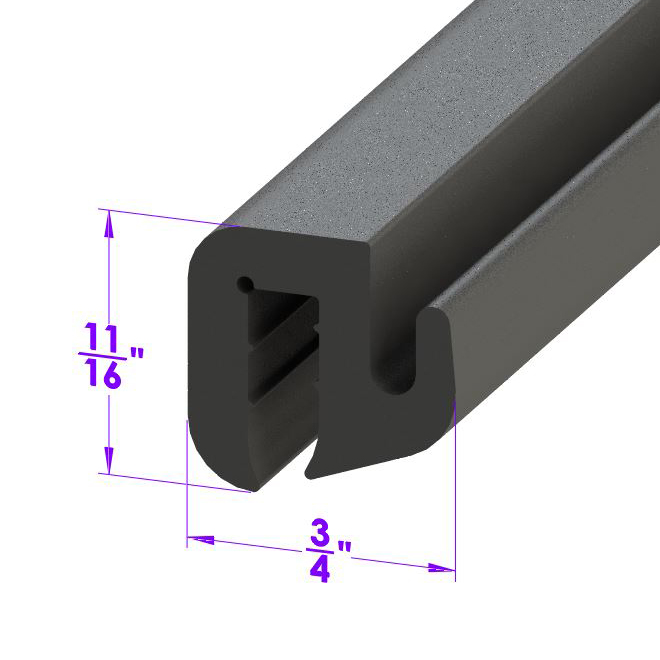 1938 Chrysler New York Special Windshield and Rear Window Seal. Sold by the foot-LP 30-AWindshield and Rear Window Seal. Sold by the foot
 1938 Chrysler New York Special Swing-Out Windshield Seal. 3/4" High. Sold by the foot-LP 97-ASwing-Out Windshield Seal. 3/4" High. Sold by the foot
 1938 Chrysler New York Special Emblem Pad. 9-1/2" wide X 2" long. Each-MP 577Emblem Pad. 9-1/2" wide X 2" long. Each
 1938 Chrysler New York Special Headlight Pads. 7-3/4" wide X 13-7/8" long. Pair-MP 621Headlight Pads. 7-3/4" wide X 13-7/8" long. Pair
 1938 Chrysler New York Special Cowl Vent Seal. Made of molded sponge-RP 100-LCowl Vent Seal. Made of molded sponge. 3-3/4" wide at side X 15-1/3" long X 3/8" thick. Each
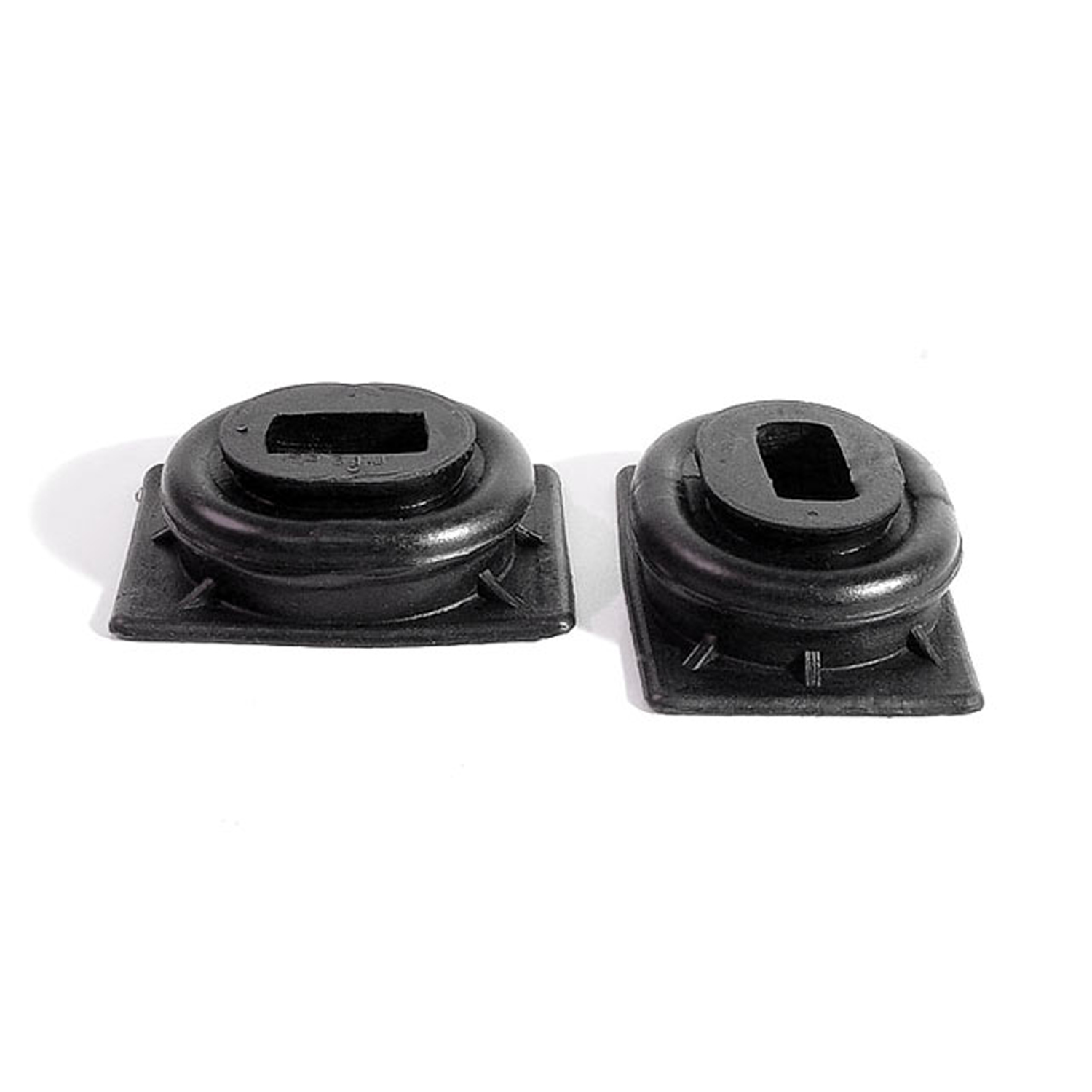 1938 Chrysler New York Special Clutch and Brake Seals. Replaces OEM #889473. Pair-RP 31-JClutch and Brake Seals. Replaces OEM #889473. Pair
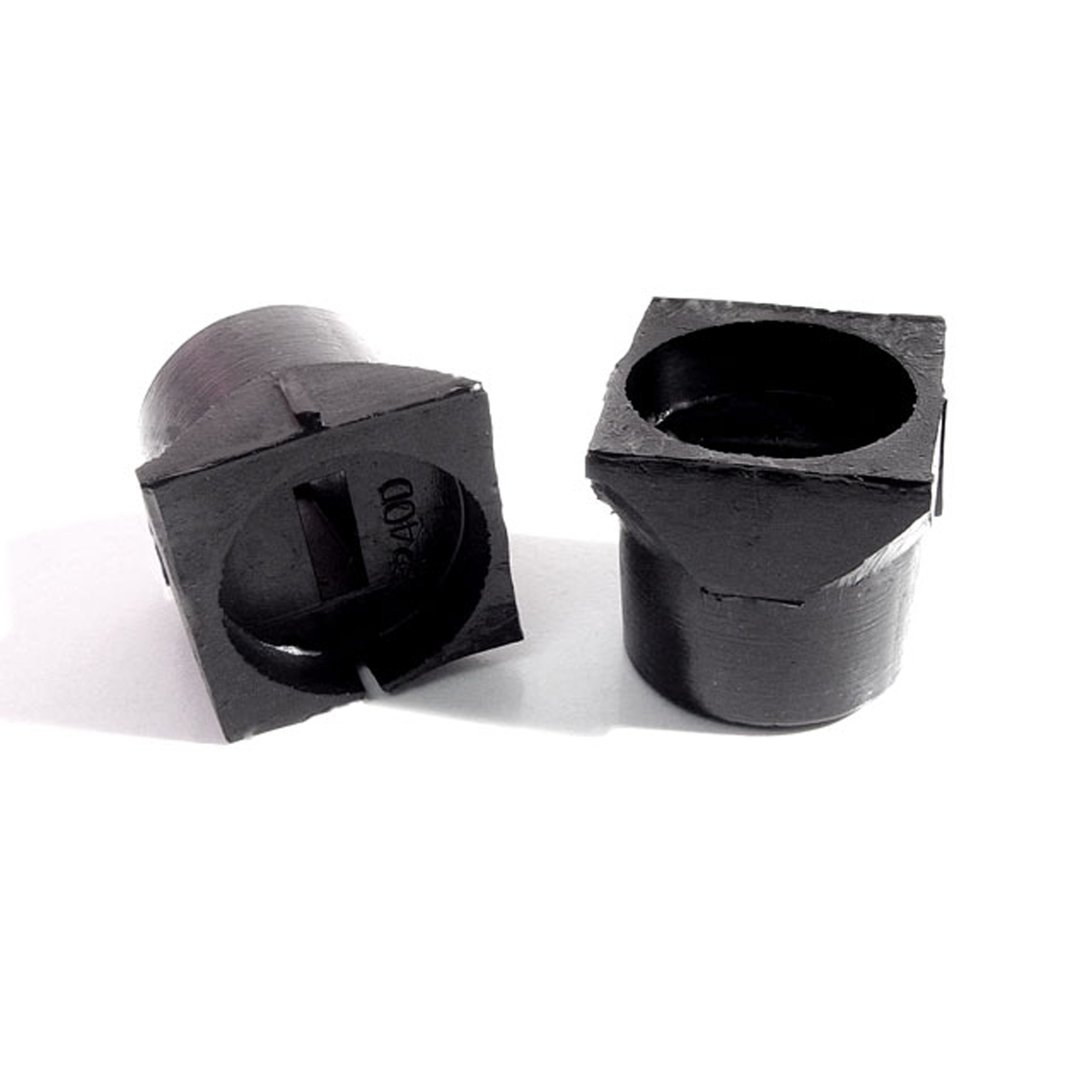 1938 Chrysler New York Special Door Check Rubber Cushion. Each-RP 40-DDoor Check Rubber Cushion. Each
 1938 Chrysler New York Special Side Window Anti-Rattle Pad. Six used per car-SB 73Side Window Anti-Rattle Pad. Six used per car. Fits a 3/16" X 3/4" slot in metal. Each
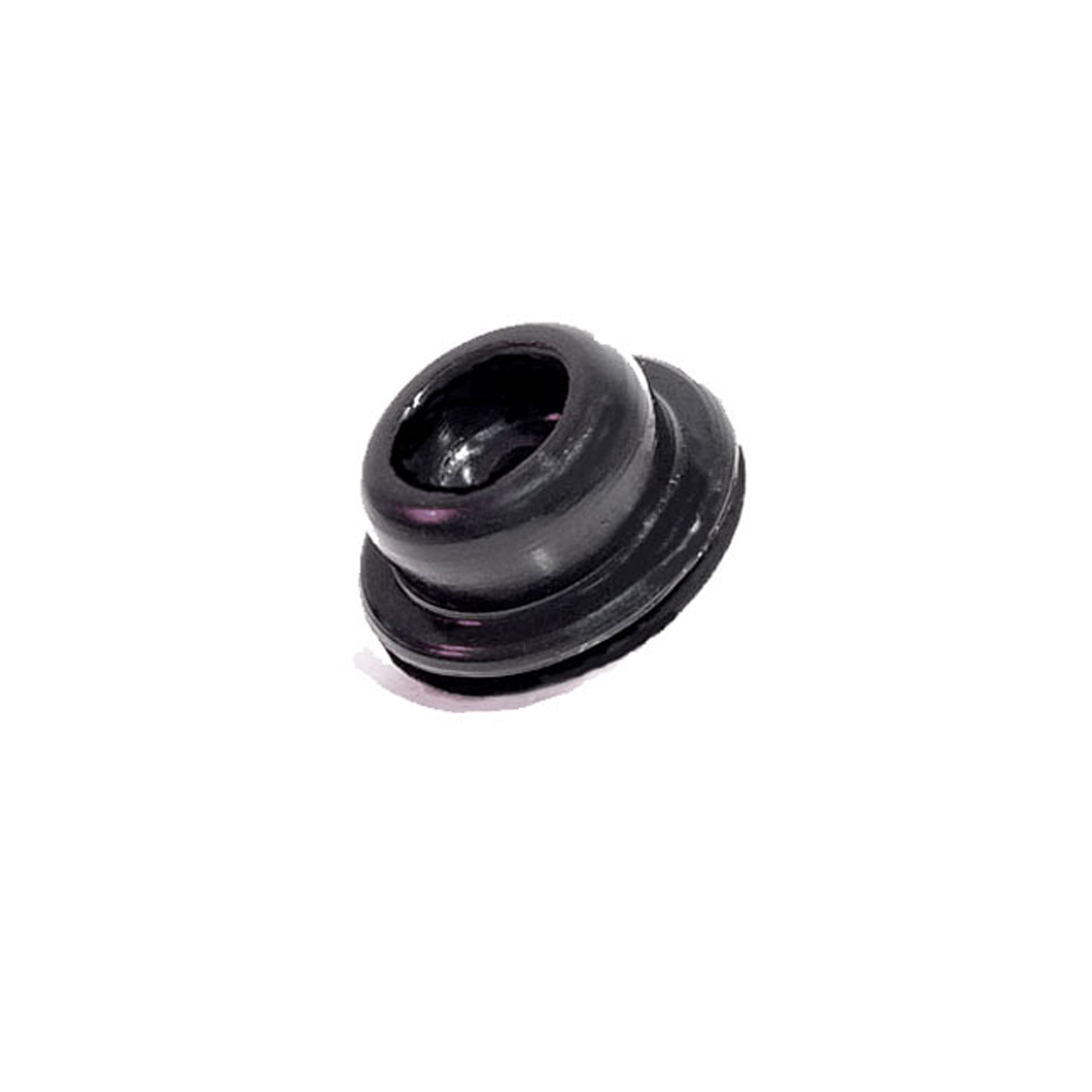 1938 Chrysler New York Special Accelerator Rod Grommet-SM 43-BAccelerator Rod Grommet. For accelerator rod through floorboard. Each
 1938 Chrysler New York Special Rear Vent Window Seals, for Sedans-WR 2300-RRear Vent Window Seals, for Sedans. Slight modification required for some models. Overall length is 44". Some models use longer seal, for these use extension piece WREX 2300-R. Pair R&L
 1938 Chrysler New York Special Rear Vent Window Seals Extension Piece, for Sedans-WREX 2300-RRear Vent Window Seals Extension Piece, for Sedans. Butting of parts is required. 24" long. Replaces OEM #744128-9, 790216-7 & 847090-1. Pair
Why Choose Metro?
For over 100 years, Metro Moulded Parts has been the pinnacle of quality in classic car restoration parts. Our commitment to precision and authenticity in every component ensures a perfect fit and an OEM-level appearance.
- Expert Craftsmanship & Quality: Each part is a testament to our dedication to reliability and perfection, crafted from original designs and thoroughly tested.
- Advanced Technology: We use cutting-edge techniques to create flawless, long-lasting parts that surpass others in performance.
- SuperSoft Sponge – The Ultimate Door Seal: Not only are our door seals 30% softer than competitors', but they're also guaranteed to never leak. They effectively reduce wind and road noise, enhancing your classic car's comfort and driving experience.
- Proudly American: Our parts are a product of American craftsmanship, made in the USA with a spirit of excellence and heritage.
- Unrivaled Warranty: We back our products with a 30-year industry-leading warranty, a testament to our confidence in their quality.
Join us in preserving the legacy of classic cars with parts that are crafted for perfection, not just made.