

Image of 1938 Chrysler Royal, Note: These illustrations use artistic license and may differ from actual historical models.
Performance Metrics
Fundamental Metrics
Emotional Appeal
MMP Rating
| Engine Specifications | |
|---|---|
| Engine Options: | Straight-6 |
| Displacement Range: | 241.5 cu in (4.0 L) |
| Horsepower Range: | Estimated 95-100 hp |
| Torque: | Not available |
| Compression Ratio: | Not available |
| Ignition System: | Distributor and coil |
| Cooling System: | Liquid-cooled |
| Performance Specifications | |
| 0-60 Time: | Not available |
| 1/4 Mile Time: | Not available |
| Top Speed: | Estimated 75-80 mph |
| Transmission and Drive | |
| Drive Type: | Rear-wheel drive |
| Transmission Type: | 3-speed manual |
| Fuel and Efficiency | |
| Fuel System Type: | Carburetor |
| MPG: | Not available |
| Dimensions and Brakes | |
| Brakes: | Drum brakes |
| Wheelbase: | 119 in (3,023 mm) |
| Weight: | Estimated 3,200-3,400 lbs |
Note: Specifications for classic cars are given to the best of our ability, considering the limited and variant data available.
1938 Chrysler Royal: A Classic American Six
The 1938 Chrysler Royal brought a touch of Chrysler engineering and style to buyers who wanted a substantial American car without stepping up to a luxury-priced model. Built by the Chrysler Corporation in Detroit, the Royal sat in the middle of the company’s range, offering a roomy cabin, a smooth six-cylinder engine, and the confident proportions that defined prewar motoring.
Its timing is part of its story. The Royal arrived during the difficult late-1930s economy, when buyers were looking for value as well as comfort. Chrysler had moved away from the radical Airflow look toward more familiar, streamlined styling, and the Royal helped make that modern appearance appealing to a broader audience. One especially intriguing detail is that the Royal name covered several body styles, from practical sedans to much less commonly seen open cars.
Streamlined Styling and Royal Comfort
The 1938 Royal has the upright presence of a classic prewar car, softened by rounded contours and integrated-looking fenders. Its tall hood leads into a distinctive front grille, while the separate fenders, flowing running boards, and rounded roofline give the body a graceful, almost formal profile. The headlights sit on the front fenders, framing a face that looks purposeful without being overly ornate.
Inside, the Royal was designed for comfortable, straightforward travel. A wide front bench seat, generous headroom, and a broad dashboard made it well suited to family use. Upholstery and trim varied with body style and equipment, but cloth materials were common, with more decorative finishes on better-equipped examples. The cabin is less lavish than a Chrysler Imperial, yet it feels solid and substantial by the standards of an affordable full-size car.
Factory paint choices varied by body style and market. Period colors commonly included dark shades such as black, maroon, green, and blue, along with lighter gray or tan tones. Two-tone combinations could make the fenders and body lines stand out, though surviving cars have often been repainted. For an accurate restoration, the car’s original paint code and build information are better guides than a modern color chart.
Royal body styles included sedans and coupes, with availability varying across the range. A conventional four-door sedan is among the most familiar versions today, while business and club coupes offered a sportier profile. Convertible coupes were also offered, but are far less commonly encountered. Exact model names and specifications can differ between reference sources and export markets, so a car’s serial and body numbers are useful when identifying it.
Engineering for Everyday Motoring
The Royal’s most important asset was its uncomplicated, durable powertrain. It used a 241.5-cubic-inch L-head inline-six, generally rated at about 95 horsepower. Power went to the rear wheels through a three-speed manual transmission. The engine’s side-valve layout was not cutting-edge by later standards, but it was well suited to steady road use and could be serviced by mechanics familiar with conventional American engines.
Chrysler also gave the Royal engineering features that helped it feel composed on the road. Independent front suspension with coil springs helped absorb uneven pavement, while the rear used a more traditional leaf-spring arrangement. Hydraulic brakes provided dependable stopping power for the era. Chrysler’s attention to body construction and practical engineering made the Royal a modern-feeling car without relying on exotic or complicated mechanical systems.
What Sets the 1938 Royal Apart
The Royal was not a radical design experiment or a record-breaking performance car. Its significance lies in how it combined Chrysler’s engineering reputation with accessible pricing and conservative, attractive styling. It gave buyers a substantial alternative to smaller cars while sitting below the more expensive Chrysler lines.
That balance helped define the Royal’s appeal. Compared with many contemporaries, it offered a roomy interior, a smooth six-cylinder engine, independent front suspension, and hydraulic brakes in a package intended for ordinary owners. Its influence was less about one revolutionary feature and more about the broader direction of American cars: comfort, clean styling, and useful engineering becoming available beyond the luxury class.
Performance, Ride, and Road Manners
Period performance figures are not always consistent, and results depend on gearing, condition, tires, and test method. A healthy 1938 Royal is generally estimated to reach roughly 80 to 85 mph, with a 0-to-60-mph time in the neighborhood of 20 to 25 seconds. Those are modern estimates, not guarantees for every surviving car. The Royal was built for relaxed highway and touring use, not quick acceleration.
On rough roads, the front coil springs help take the sharp edge off bumps, while the car’s weight and long wheelbase contribute to a steady ride. The steering is slower and less precise than a modern car’s, and narrow tires require a driver to anticipate corners rather than attack them. On winding roads, the Royal feels best when driven smoothly, with measured inputs and plenty of room to slow down.
From behind the wheel, the experience is pleasantly mechanical. The six-cylinder engine produces a subdued, rhythmic hum rather than a sharp performance note. The clutch and gear changes require deliberate effort, and the driver sits upright behind a broad hood that makes the car feel substantial. In a well-maintained example, the overall impression is calm, comfortable, and distinctly prewar.
Living With a 1938 Chrysler Royal
Today, most Royals are used as show cars, weekend tourers, or display pieces rather than daily transportation. A sound example can still take part in club drives and local events, but modern traffic demands careful driving. The car lacks contemporary crash protection, lighting, and braking performance, so owners should leave generous following distances and avoid treating it like a modern commuter.
Routine maintenance is relatively approachable for an owner with basic mechanical skills. The engine, manual transmission, and conventional chassis do not require specialized electronics or diagnostic equipment. Regular attention to ignition components, cooling, lubrication, brakes, and fuel-system condition is essential. Parts availability is generally better for common service items than for trim, body panels, or model-specific interior pieces.
Reliability depends heavily on restoration quality and maintenance history. A car that has sat for years may need substantial work even if it looks tidy, especially in the fuel system, brakes, cooling system, and wiring. Before purchase, inspect the frame and body for corrosion, check for overheating and oil-pressure problems, and confirm that the brakes operate evenly. A specialist familiar with prewar Chryslers can save a new owner time and money.
Royal Trivia and Common Misconceptions
The Royal’s appeal is rooted in being a practical, well-engineered Chrysler rather than a famous competition car. It was not known for a headline speed record or a major endurance victory, and there is no single celebrity association that defines the model. Its real historical role was quieter: it served as an attainable, full-size Chrysler during a challenging period for American buyers.
One point worth checking on cars advertised as “fully equipped” is the transmission. The standard arrangement was a conventional three-speed manual. Chrysler’s Fluid Drive is associated with later model-year offerings, so buyers should verify the actual equipment on an individual car rather than assuming every Royal has it.
A common criticism is that the Royal is less powerful and less prestigious than Chrysler’s larger, more expensive models. Its acceleration is modest, and its prewar brakes and steering require more attention than modern drivers may expect. For collectors, however, those traits are part of the car’s honest character, not a flaw to be hidden.
1938 Chrysler Royal Values and Rarity
Production totals for individual body styles can be difficult to confirm in readily available references. As a broad estimate rather than a factory-certified figure, roughly 30,000 to 40,000 Royal cars may have been produced for the 1938 model year. The number of surviving cars is much smaller, and open cars and unusual body styles are considerably harder to find than standard sedans.
Collector values depend on body style, originality, restoration quality, and mechanical condition. As a general 2026 market estimate, a project car might sell for around $8,000 to $15,000, while a usable driver could fall near $15,000 to $30,000. A well-restored sedan may bring roughly $30,000 to $50,000, with rare or exceptional examples potentially exceeding that range. These are broad guide prices, not appraisals, and local markets can differ substantially.
Values for prewar classics tend to reward condition and documentation more than simple age. A sound, correctly restored Royal is likely to hold interest among American-car collectors, but it is not typically a high-volume investment car. The best examples may appreciate gradually, while cars needing extensive work can be difficult to sell at a premium. Coupes and convertible coupes may command more attention, though their actual value still depends on originality and restoration quality.
A Royal Reminder of Prewar Chrysler
The 1938 Chrysler Royal combines graceful prewar styling, a durable straight-six engine, and useful engineering in a comfortable full-size package. It was neither a radical showpiece nor a performance legend. Instead, it represents Chrysler’s effort to bring refinement and sound mechanical design to buyers who wanted a dependable car for real roads and real life.
That is what makes the Royal worth remembering. Its rounded fenders and steady six-cylinder pulse capture an era when American motoring was becoming more comfortable and modern, one thoughtfully engineered car at a time.
1938 Chrysler Royal Catalog of Parts
 1938 Chrysler Royal Front Bumper Arm Grommets. Hollow construction-BG 94Front Bumper Arm Grommets. Hollow construction. 2-3/4" wide X 4-1/4" long, with 1-7/8" long inner slot. Pair
 1938 Chrysler Royal Rear Bumper Arm Grommets. Hollow construction-BG 95Rear Bumper Arm Grommets. Hollow construction. Perfect reproduction. 4-1/4" wide X 4-1/2" long, with 1/2" wide inner slot. Pair
 1938 Chrysler Royal Clutch and Brake Pedal Pads. 2-5/8" wide X 3-3/4" long-CB 26Clutch and Brake Pedal Pads. 2-5/8" wide X 3-3/4" long. Pair
 1938 Chrysler Royal Clutch and Brake Pedal Pads, Black-CB 28-AClutch and Brake Pedal Pads, Black. 2-3/8" wide X 3-7/8" long. Pair
 1938 Chrysler Royal Clutch and Brake Pedal Pads, Brown-CB 28-BClutch and Brake Pedal Pads, Brown. 2-3/8" wide X 3-7/8" long. Pair
 1938 Chrysler Royal Door Jamb Bumper. Perfect reproduction-DB 36Door Jamb Bumper. Perfect reproduction. 1-1/16" high X 1-1/4" wide X 7/16" thick. Each
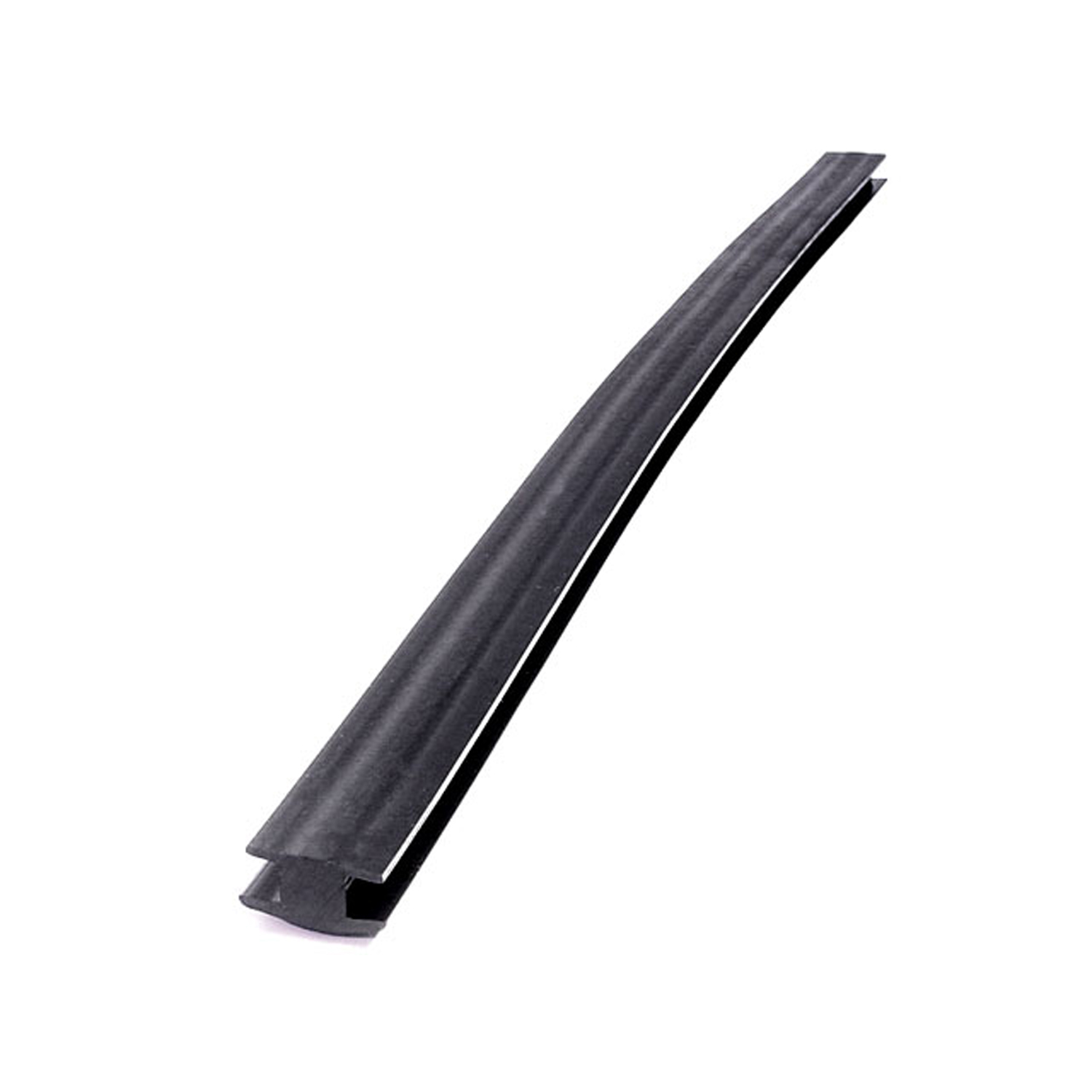 1938 Chrysler Royal Windshield Center Bar Gasket. 20" long. Each-DP 12Windshield Center Bar Gasket. 20" long. Each
 1938 Chrysler Royal Gravel Shields. Molded flat without metal backing plates-FS 31Gravel Shields. Molded flat without metal backing plates. Apply with contact cement. 18" long X 9-3/4" wide at bottom. Pair
 1938 Chrysler Royal Gas Filler Grommet. 2-1/4" I.D., 3-3/4" O.D-GF 18Gas Filler Grommet. 2-1/4" I.D., 3-3/4" O.D., 1/2" top thickness. Each
 1938 Chrysler Royal Hood Corners. Fits flat corners-HC 19Hood Corners. Fits flat corners. 80° angle, 1/4" to 3/8" corner radius. 1-3/8" wide. Pair
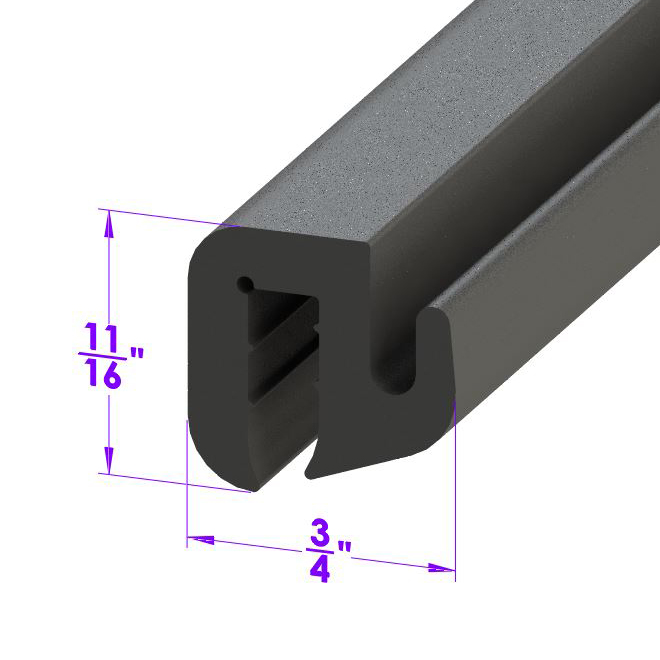 1938 Chrysler Royal Windshield and Rear Window Seal. Sold by the foot-LP 30-AWindshield and Rear Window Seal. Sold by the foot
 1938 Chrysler Royal Swing-Out Windshield Seal. 3/4" High. Sold by the foot-LP 97-ASwing-Out Windshield Seal. 3/4" High. Sold by the foot
 1938 Chrysler Royal Emblem Pad. 9-1/2" wide X 2" long. Each-MP 577Emblem Pad. 9-1/2" wide X 2" long. Each
 1938 Chrysler Royal Headlight Pads. 7-3/4" wide X 13-7/8" long. Pair-MP 621Headlight Pads. 7-3/4" wide X 13-7/8" long. Pair
 1938 Chrysler Royal Headlight Pads. For Royal C-18. 7-3/4" wide X 13-1/8" long-MP 621-BHeadlight Pads. For Royal C-18. 7-3/4" wide X 13-1/8" long. Pair
 1938 Chrysler Royal Cowl Vent Seal. Made of molded sponge-RP 100-LCowl Vent Seal. Made of molded sponge. 3-3/4" wide at side X 15-1/3" long X 3/8" thick. Each
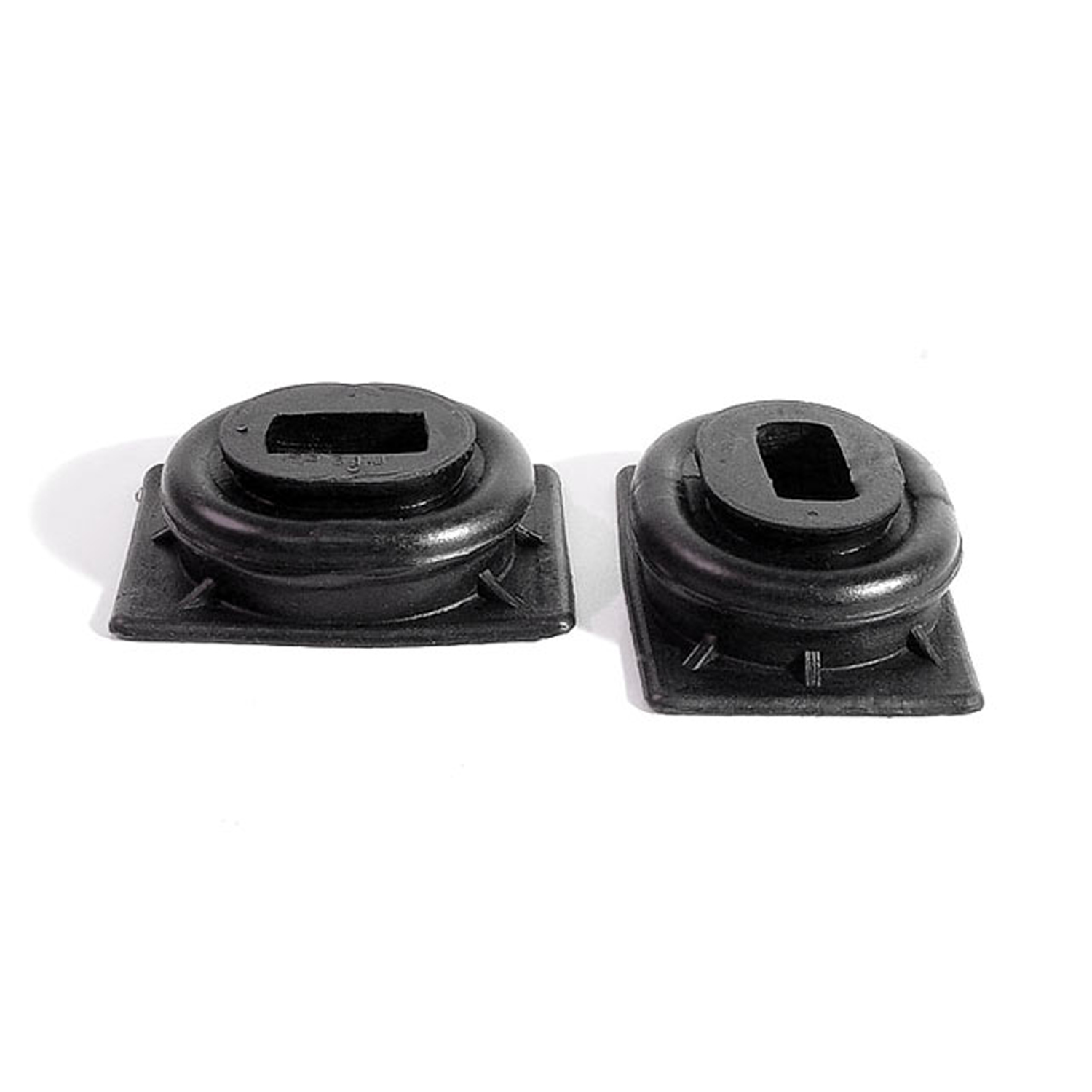 1938 Chrysler Royal Clutch and Brake Seals. Replaces OEM #889473. Pair-RP 31-JClutch and Brake Seals. Replaces OEM #889473. Pair
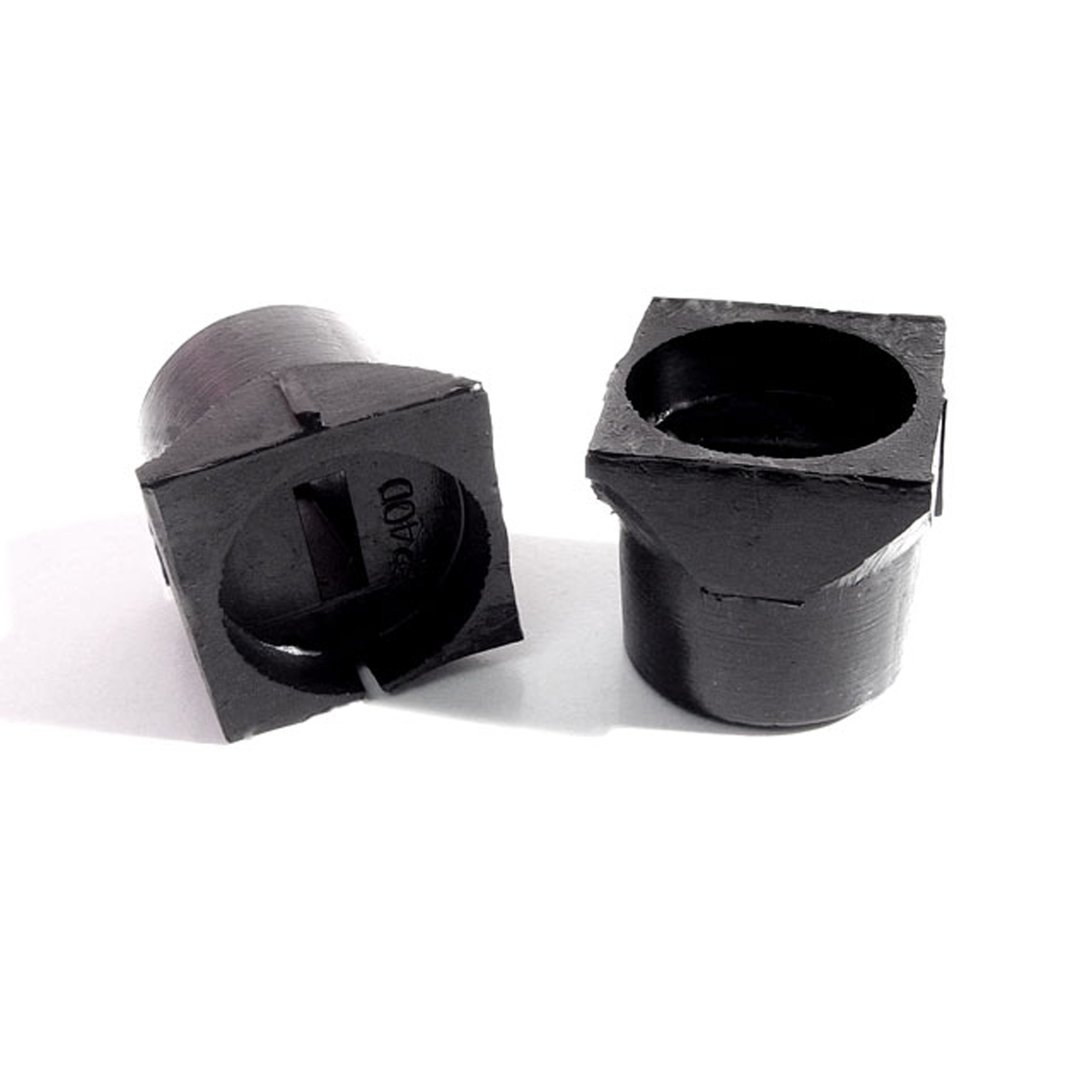 1938 Chrysler Royal Door Check Rubber Cushion. Each-RP 40-DDoor Check Rubber Cushion. Each
 1938 Chrysler Royal Side Window Anti-Rattle Pad. Six used per car-SB 73Side Window Anti-Rattle Pad. Six used per car. Fits a 3/16" X 3/4" slot in metal. Each
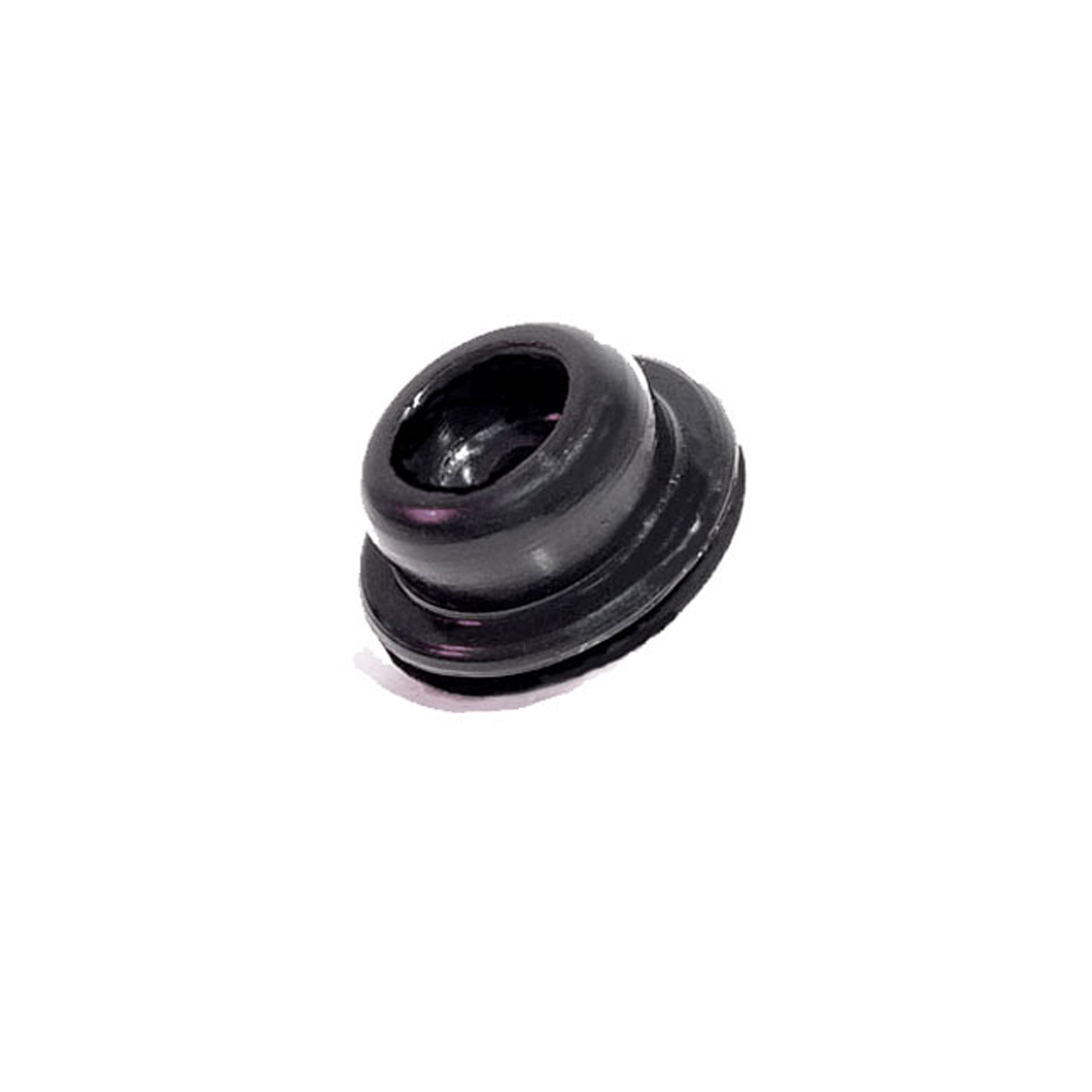 1938 Chrysler Royal Accelerator Rod Grommet-SM 43-BAccelerator Rod Grommet. For accelerator rod through floorboard. Each
 1938 Chrysler Royal Rear Vent Window Seals, for Sedans-WR 2300-RRear Vent Window Seals, for Sedans. Slight modification required for some models. Overall length is 44". Some models use longer seal, for these use extension piece WREX 2300-R. Pair R&L
 1938 Chrysler Royal Rear Vent Window Seals Extension Piece, for Sedans-WREX 2300-RRear Vent Window Seals Extension Piece, for Sedans. Butting of parts is required. 24" long. Replaces OEM #744128-9, 790216-7 & 847090-1. Pair
Why Choose Metro?
For over 100 years, Metro Moulded Parts has been the pinnacle of quality in classic car restoration parts. Our commitment to precision and authenticity in every component ensures a perfect fit and an OEM-level appearance.
- Expert Craftsmanship & Quality: Each part is a testament to our dedication to reliability and perfection, crafted from original designs and thoroughly tested.
- Advanced Technology: We use cutting-edge techniques to create flawless, long-lasting parts that surpass others in performance.
- SuperSoft Sponge – The Ultimate Door Seal: Not only are our door seals 30% softer than competitors', but they're also guaranteed to never leak. They effectively reduce wind and road noise, enhancing your classic car's comfort and driving experience.
- Proudly American: Our parts are a product of American craftsmanship, made in the USA with a spirit of excellence and heritage.
- Unrivaled Warranty: We back our products with a 30-year industry-leading warranty, a testament to our confidence in their quality.
Join us in preserving the legacy of classic cars with parts that are crafted for perfection, not just made.