

Image of 1939 Chrysler Imperial, Note: These illustrations use artistic license and may differ from actual historical models.
Performance Metrics
Fundamental Metrics
Emotional Appeal
MMP Rating
| Engine Specifications | |
|---|---|
| Engine: | Straight-8 |
| Displacement: | 323.5 cu in (5.3 L) |
| Horsepower: | Estimated 130-140 hp |
| Torque: | Not available |
| Compression Ratio: | Not available |
| Ignition System: | Battery and coil |
| Cooling System: | Liquid-cooled |
| Performance Specifications | |
| 0-60 Time: | Not available |
| 1/4 Mile Time: | Not available |
| Top Speed: | Estimated 90-100 mph |
| Transmission and Drive | |
| Drive Type: | Rear-wheel drive |
| Transmission Type: | 3-speed manual |
| Fuel and Efficiency | |
| Fuel System Type: | Carburetor |
| MPG: | Not available |
| Dimensions and Brakes | |
| Brakes: | Hydraulic drum brakes |
| Wheelbase: | 125 in (3,175 mm) |
| Weight: | 3,900 lbs |
Note: Specifications for classic cars are given to the best of our ability, considering the limited and variant data available.
1939 Chrysler Imperial: Chrysler’s Prewar Flagship
The 1939 Chrysler Imperial brought big-car grandeur into a more streamlined era, pairing a stately straight-eight engine with smooth, modern-looking bodywork. Built by the Chrysler Corporation as its premium line, the Imperial sat above mainstream Chrysler models and competed with luxury names such as Cadillac, Packard, and Lincoln.
The Imperial’s story belongs to a pivotal moment in American motoring. The dramatic Art Deco forms of the early 1930s were giving way to cleaner lines, integrated fenders, and less upright proportions. Chrysler’s 1939 flagship captured that transition while keeping the space, comfort, and presence expected of a prestige car. One especially intriguing offshoot was the 1939 Chrysler Newport, a striking dual-cowl phaeton show car that was not part of regular Imperial production.
Streamlined Styling and Imperial Comfort
From the front, the 1939 Imperial made its presence known with a tall, carefully detailed grille, broad hood, and prominent front fenders. The headlamps were set into the fender forms, helping the car look more integrated than many earlier luxury cars. Sweeping fenders, a long bonnet, bright chrome accents, and substantial running boards gave it a composed, unmistakably prewar profile.
Inside, the Imperial was built for quiet, long-distance comfort. Depending on the body style and specification, buyers could find finely finished cloth or broadcloth upholstery, with leather available on some open or higher-end configurations. The cabin emphasized generous legroom, broad seating, polished trim, and a formal instrument panel. Crown Imperial limousines added the space and passenger-focused layout expected of chauffeur-driven cars.
Factory color choices varied by body and trim, but period-appropriate favorites included black, dark blue, maroon, green, and gray. Black suited the Imperial’s formal character, while darker blues and greens gave it a more distinctive look without sacrificing its dignified appearance.
Body Styles and Equipment
The standard Imperial range offered several passenger-car body styles, including closed coupes and sedans, with open models available in the broader lineup. Exact offerings could vary by series and production configuration. At the top sat the Crown Imperial, built on a much longer wheelbase and offered in formal, chauffeur-oriented forms such as large sedans and limousines. These extended cars are among the most recognizable 1939 Imperials today.
Under the hood was Chrysler’s 323.5-cubic-inch L-head, or flathead, straight-eight. It delivered roughly 130 horsepower, sent through a three-speed manual transmission. Chrysler also offered Fluid Drive, a fluid coupling that softened takeoffs and reduced clutch use in stop-and-go traffic. It was not a modern automatic: the driver still shifted gears, but the coupling made the car feel smoother and more relaxed around town.
Why the 1939 Imperial Matters
The Imperial showed how a traditional American luxury car could adopt more streamlined styling without abandoning its formal identity. Its fenders and body forms flowed together more naturally than on many earlier cars, while the long hood and upright grille preserved the visual authority buyers expected from a flagship.
Its significance also comes from Chrysler’s practical engineering approach. Fluid Drive offered a gentler alternative to a conventional clutch launch, while hydraulic brakes and a robust chassis helped make a large car more manageable for its time. These features were not exclusive to the Imperial, but they helped Chrysler distinguish its upper-range cars as comfortable, technically progressive touring machines.
The Imperial did not overturn luxury-car design on its own. Its lasting appeal is subtler: it represents the point where prewar formality met more modern streamlining, and it carried that combination into a class increasingly defined by comfort, engineering, and presence.
Straight-Eight Performance and Road Manners
With around 130 horsepower moving a substantial car, the 1939 Imperial favored steady, unhurried progress over quick acceleration. Period-correct gearing, vehicle weight, and condition all affect performance, but a reasonable modern estimate for a healthy example is a 0-to-60 mph time in the neighborhood of 20 to 25 seconds. Top speed is generally estimated at roughly 85 to 90 mph, though cruising comfortably below that is kinder to an old flathead engine.
On the road, the Imperial feels substantial and calm. Its long wheelbase helps it glide over broad bumps and broken pavement, while the straight-eight produces a smooth, low-frequency hum rather than a sharp, high-revving growl. On winding roads, the car’s size, soft suspension, and body lean make it clear that it was designed for touring, not aggressive cornering. Strong crosswinds and tight parking spaces also demand more attention than they would in a modern car.
The driving position is commanding, the steering is unassisted and requires effort at low speeds, and the three-speed gearbox rewards deliberate shifts. Fluid Drive-equipped cars can feel especially gentle when pulling away, but they still require the driver to operate a conventional transmission. In good condition, the overall experience is less about speed than about the relaxed rhythm of a large prewar American automobile.
Living With a 1939 Imperial
Today, most Imperials are used for touring, club events, shows, and occasional weekend drives rather than everyday commuting. A sound example can handle local roads and moderate-distance trips, but owners need to account for its age, fuel consumption, braking distances, and the availability of replacement parts.
The flathead straight-eight is mechanically understandable to an experienced classic-car mechanic, and many routine jobs do not require modern diagnostic equipment. Still, the Imperial is not automatically easy for every first-time restorer. Unique trim, body panels, interior pieces, and Crown Imperial components can be difficult or costly to source. Before buying, inspect the frame and body for corrosion, check the cooling system and engine compression, and verify that the brakes, wiring, and transmission have been properly serviced.
Reliability depends heavily on restoration quality and regular use. Long periods of storage can lead to fuel-system trouble, stuck components, and deteriorating rubber parts. A well-maintained car that is driven carefully is generally a more enjoyable ownership prospect than a neglected showpiece with hidden mechanical problems.
Rare Details and Collector Notes
The 1939 Chrysler Newport dual-cowl phaeton is one of the year’s most memorable Chrysler-related curiosities. It was a special show car rather than a standard production Imperial, and its open, two-cowl layout made it a dramatic expression of prewar custom-car design. It should not be confused with the regular Imperial models found in production and ownership records.
The Imperial range was low-volume compared with Chrysler’s mainstream cars. Exact production totals vary among reference sources and can be complicated by the distinction between standard Imperial and Crown Imperial models. A reasonable working estimate is roughly 3,000 to 5,000 cars across the 1939 Imperial family, with Crown Imperial examples representing a much smaller share. Treat that as an informed estimate rather than a definitive factory tally.
There is no widely recognized 1939 Imperial speed or endurance record that defines the model’s legacy. Its appeal is instead rooted in its role as Chrysler’s flagship, its distinctive prewar styling, and the rarity of its long-wheelbase Crown versions. Common criticisms are practical ones: the car is thirsty, large, slow by modern standards, and dependent on specialist knowledge for some restoration work.
1939 Chrysler Imperial Values
Collector prices depend greatly on body style, originality, mechanical condition, and the quality of restoration. As a broad 2026 market guide in the United States, a project car might fall around $8,000 to $20,000, while a usable driver could land in the $25,000 to $50,000 range. A very well-restored standard Imperial may reach roughly $50,000 to $90,000. Crown Imperial sedans and limousines can command more, with strong examples sometimes in the $60,000 to $150,000 range or above.
Those figures are broad estimates, not guaranteed sale prices. Unusual body styles, exceptional provenance, concours-level restoration, and rare coachwork can change the value substantially. The one-off Newport show car is a separate category and should not be used as a guide to ordinary Imperial prices.
Well-preserved prewar luxury cars remain desirable, but values are not guaranteed to rise every year. High-quality examples tend to attract the most consistent interest, while costly restoration needs can limit what buyers will pay for a project. The best long-term ownership case is usually a car bought in sound condition, with documentation and a realistic budget for continued upkeep.
A Lasting Prewar Flagship
The 1939 Chrysler Imperial combined a smooth straight-eight, elegant streamlined bodywork, a roomy cabin, and the kind of road presence that made a flagship unmistakable. Its available Fluid Drive added a useful touch of mechanical refinement, while the Crown Imperial carried Chrysler’s luxury ambitions into formal limousine territory.
It is not a modern-speed machine, and it asks more of its owner than a newer classic. But for collectors drawn to the years when American luxury cars were becoming sleeker without losing their ceremony, the 1939 Imperial remains a compelling piece of Chrysler history: graceful, substantial, and unmistakably built for the open road.
1939 Chrysler Imperial Catalog of Parts
 1939 Chrysler Imperial Clutch and Brake Pedal Pads. 2-5/8" wide X 3-3/4" long-CB 26Clutch and Brake Pedal Pads. 2-5/8" wide X 3-3/4" long. Pair
 1939 Chrysler Imperial Clutch and Brake Pedal Pads. 3" wide X 3-7/8" long. Pair-CB 27Clutch and Brake Pedal Pads. 3" wide X 3-7/8" long. Pair
 1939 Chrysler Imperial Clutch and Brake Pedal Pads, Black-CB 28-AClutch and Brake Pedal Pads, Black. 2-3/8" wide X 3-7/8" long. Pair
 1939 Chrysler Imperial Clutch and Brake Pedal Pads, Brown-CB 28-BClutch and Brake Pedal Pads, Brown. 2-3/8" wide X 3-7/8" long. Pair
 1939 Chrysler Imperial Door Jamb Bumper. Perfect reproduction-DB 36Door Jamb Bumper. Perfect reproduction. 1-1/16" high X 1-1/4" wide X 7/16" thick. Each
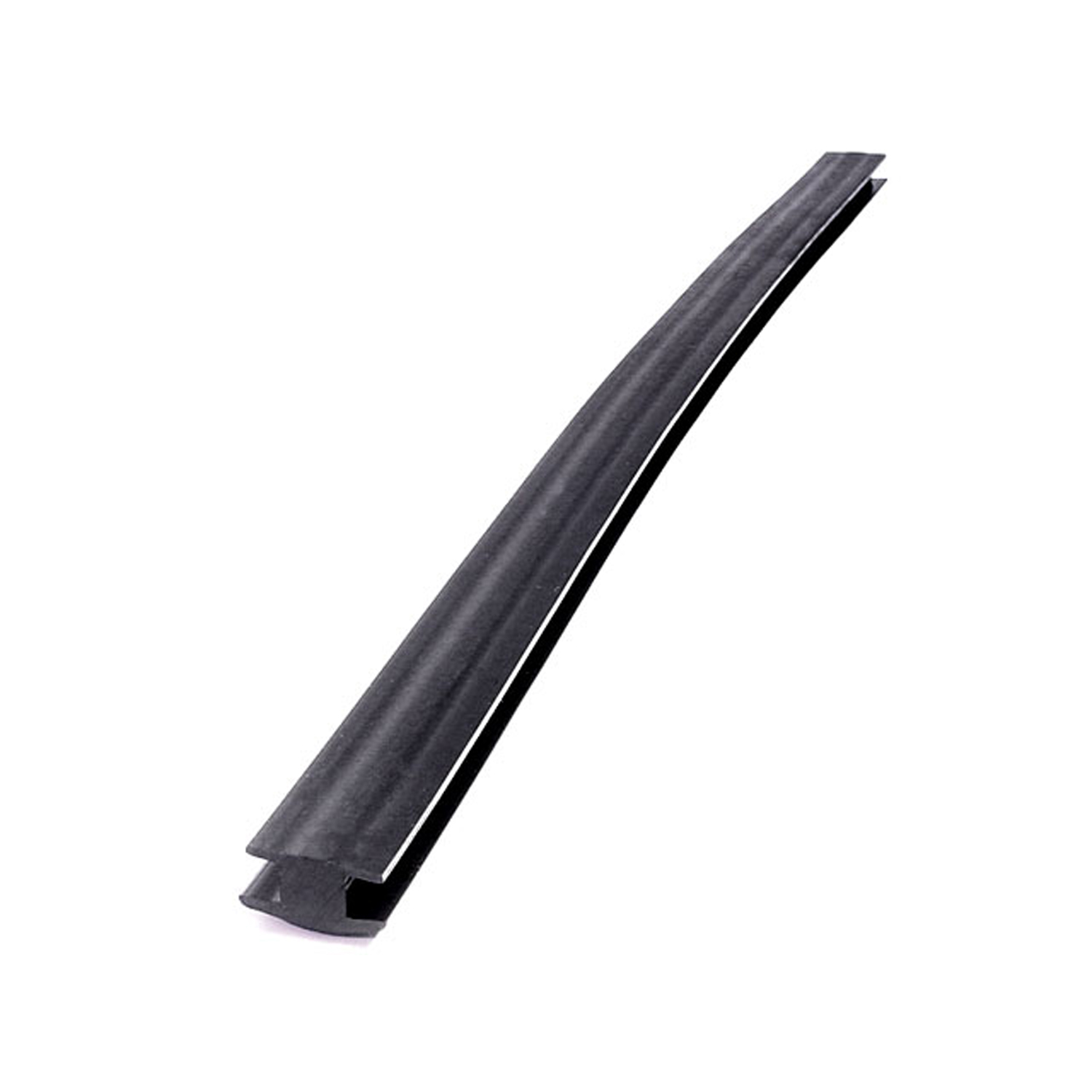 1939 Chrysler Imperial Windshield Center Bar Gasket. 20" long. Each-DP 12Windshield Center Bar Gasket. 20" long. Each
 1939 Chrysler Imperial Gravel Shields. Molded flat without metal backing plates-FS 31Gravel Shields. Molded flat without metal backing plates. Apply with contact cement. 18" long X 9-3/4" wide at bottom. Pair
 1939 Chrysler Imperial Gas Filler Grommet. 2-1/4" I.D., 3-3/4" O.D-GF 18Gas Filler Grommet. 2-1/4" I.D., 3-3/4" O.D., 1/2" top thickness. Each
 1939 Chrysler Imperial Hood Corners. Fits flat corners-HC 19Hood Corners. Fits flat corners. 80° angle, 1/4" to 3/8" corner radius. 1-3/8" wide. Pair
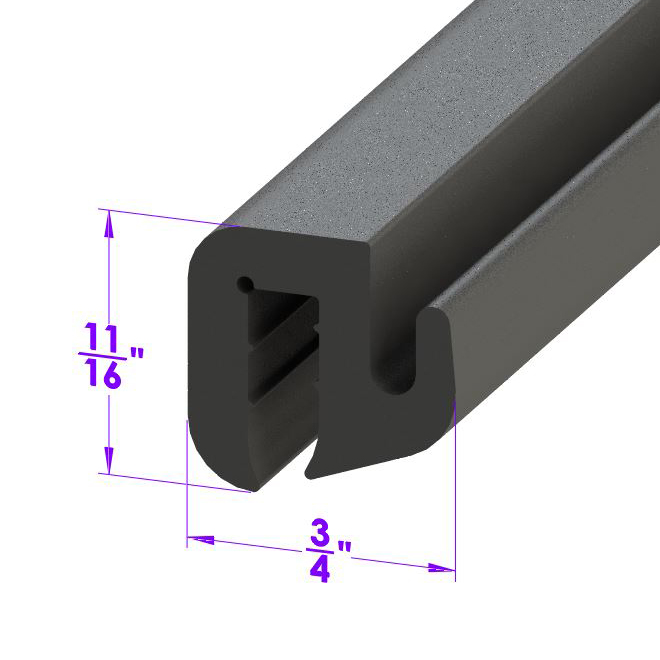 1939 Chrysler Imperial Windshield and Rear Window Seal. Sold by the foot-LP 30-AWindshield and Rear Window Seal. Sold by the foot
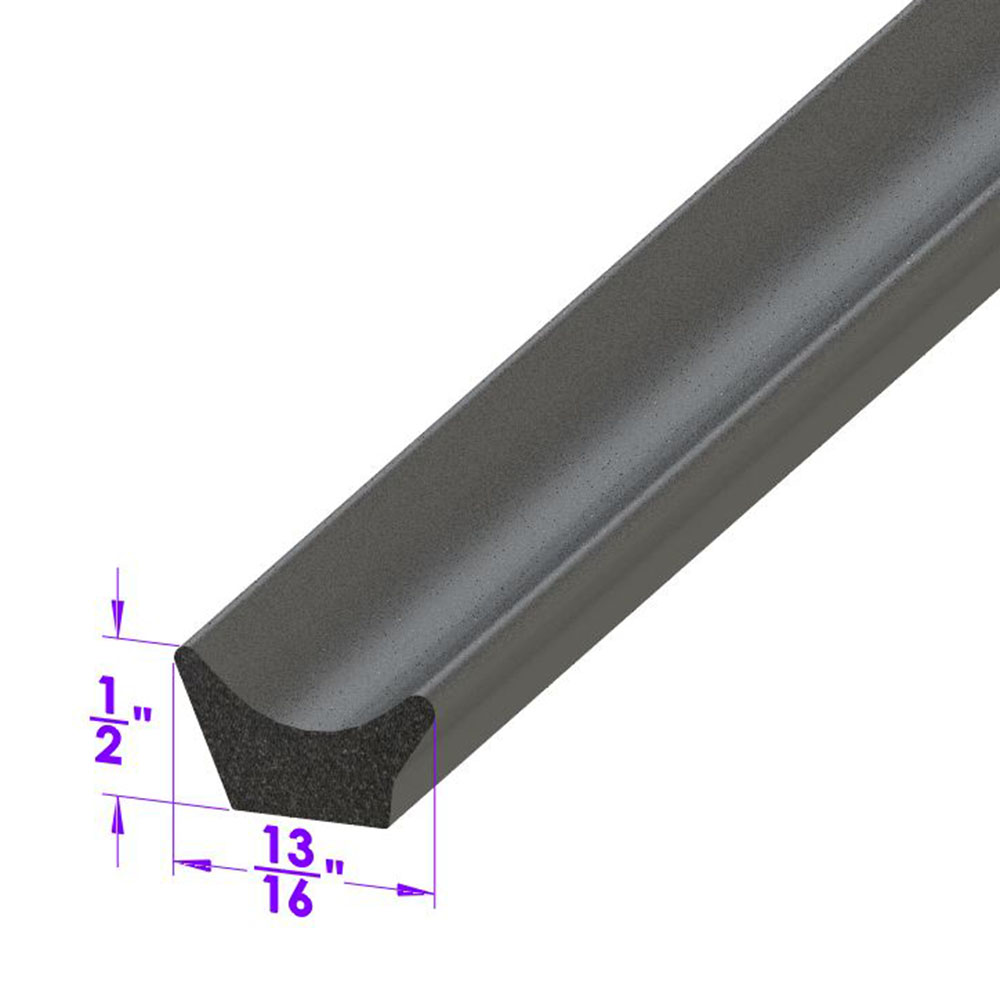 1939 Chrysler Imperial Door side seal. Same as LP 40, but for a lighter seal-LP 40-ADoor side seal. Same as LP 40, but for a lighter seal. Fits many domestic passenger cars and trucks. Universal seal for street rods and customs. Used in Cobra kit cars as door weatherstrip. Per foot.
 1939 Chrysler Imperial Trunk Seal. Sponge rubber. Sold by the foot.-LP 96-/FTTrunk Seal. Sponge rubber. Sold by the foot.
 1939 Chrysler Imperial Swing-Out Windshield Seal. 3/4" High. Sold by the foot-LP 97-ASwing-Out Windshield Seal. 3/4" High. Sold by the foot
 1939 Chrysler Imperial Tail-light Pads. 4" wide X 9" long. Pair-MP 565Tail-light Pads. 4" wide X 9" long. Pair
 1939 Chrysler Imperial Emblem Pad. 9-1/2" wide X 2" long. Each-MP 577Emblem Pad. 9-1/2" wide X 2" long. Each
 1939 Chrysler Imperial Cowl Vent Seal. Made of molded sponge-RP 100-LCowl Vent Seal. Made of molded sponge. 3-3/4" wide at side X 15-1/3" long X 3/8" thick. Each
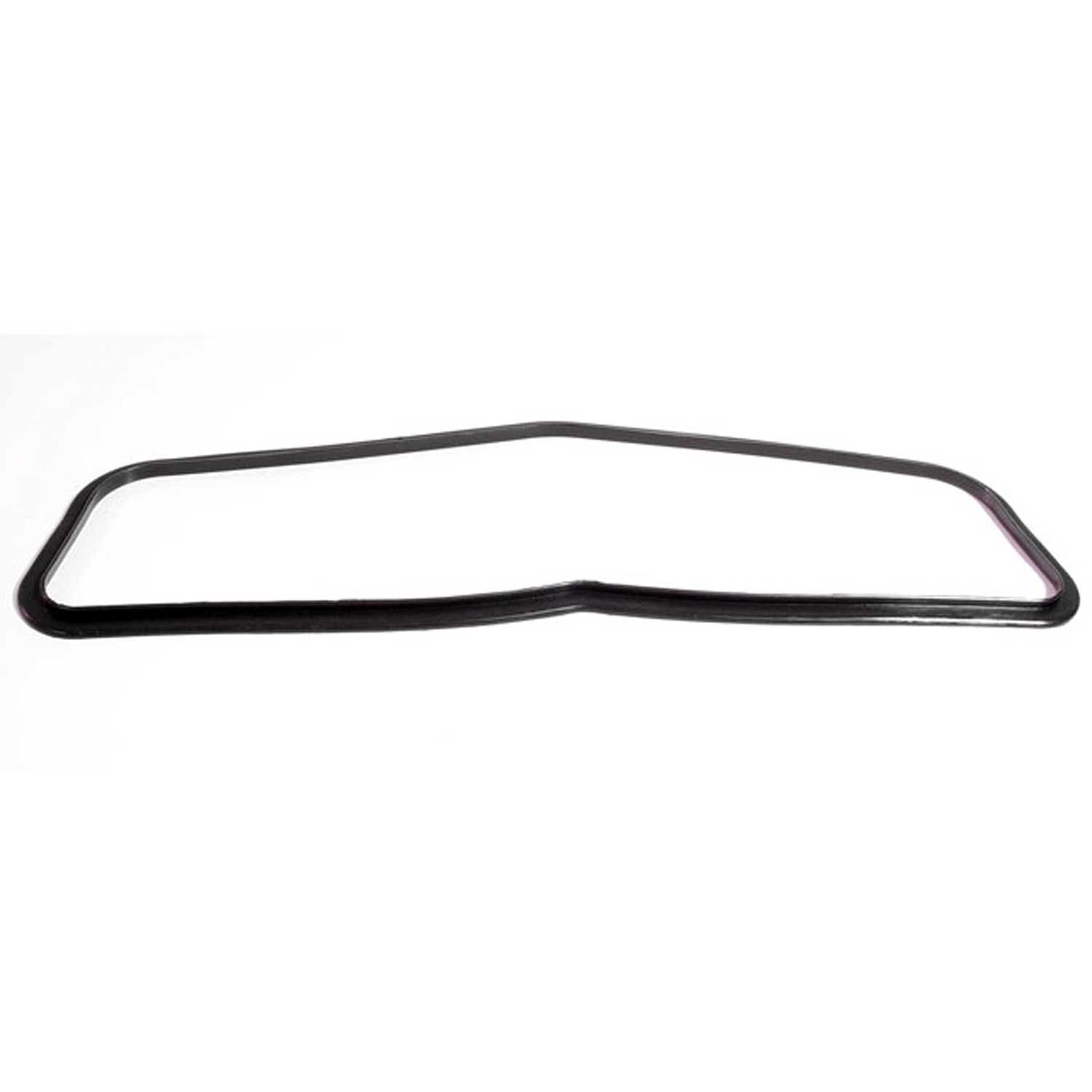 1939 Chrysler Imperial Cowl Vent Seal. 4" wide X 18" long. Each-RP 100-QCowl Vent Seal. 4" wide X 18" long. Each
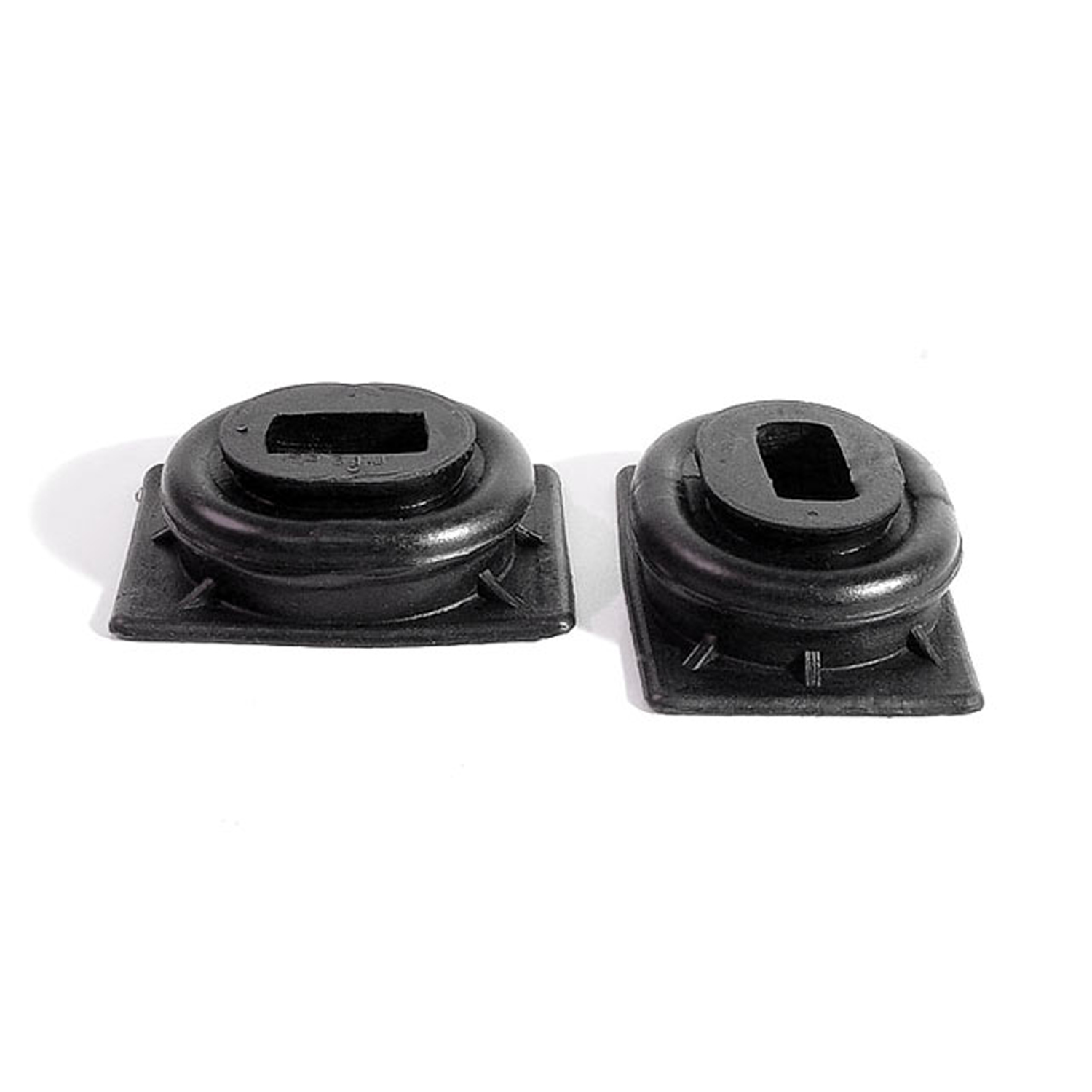 1939 Chrysler Imperial Clutch and Brake Seals. Replaces OEM #889473. Pair-RP 31-JClutch and Brake Seals. Replaces OEM #889473. Pair
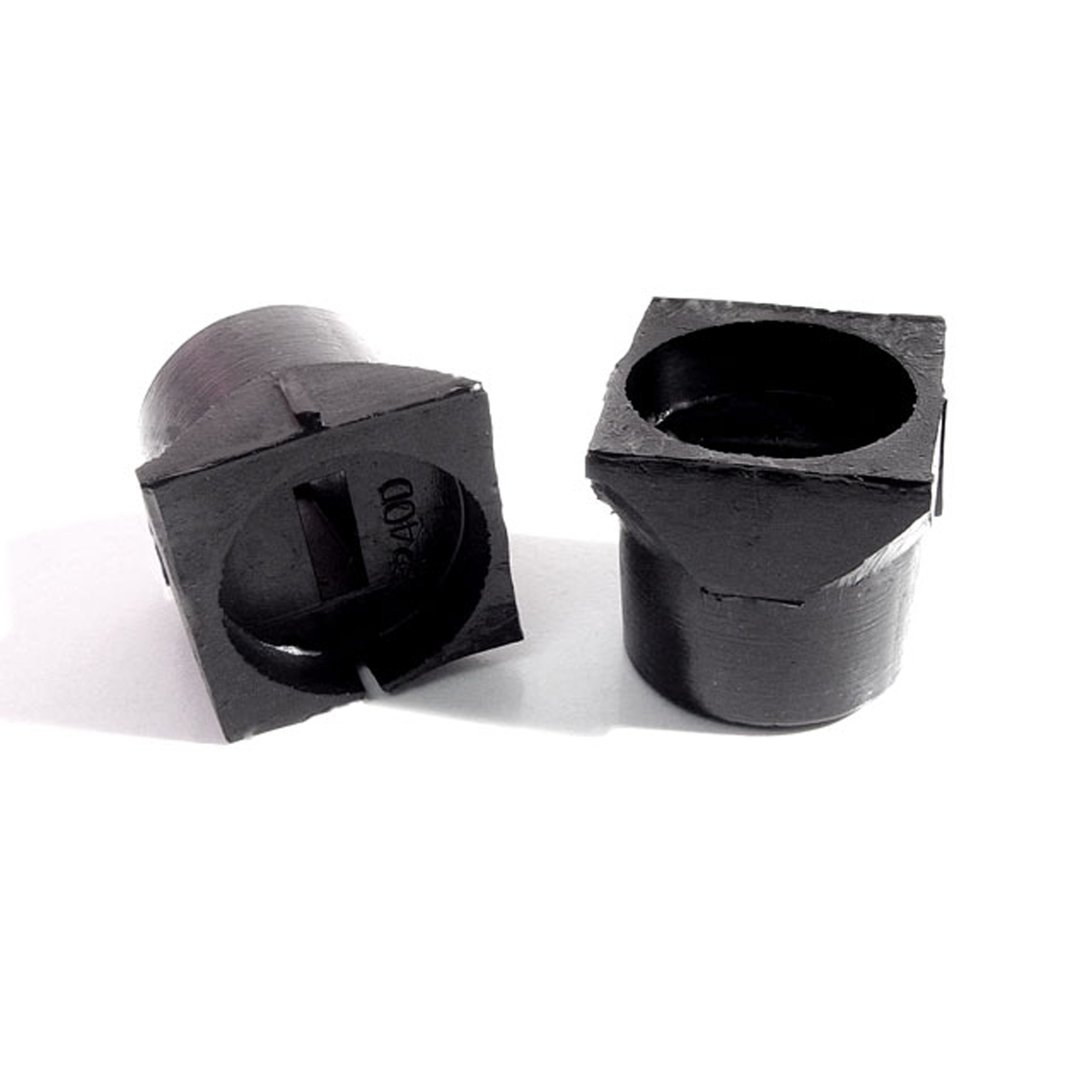 1939 Chrysler Imperial Door Check Rubber Cushion. Each-RP 40-DDoor Check Rubber Cushion. Each
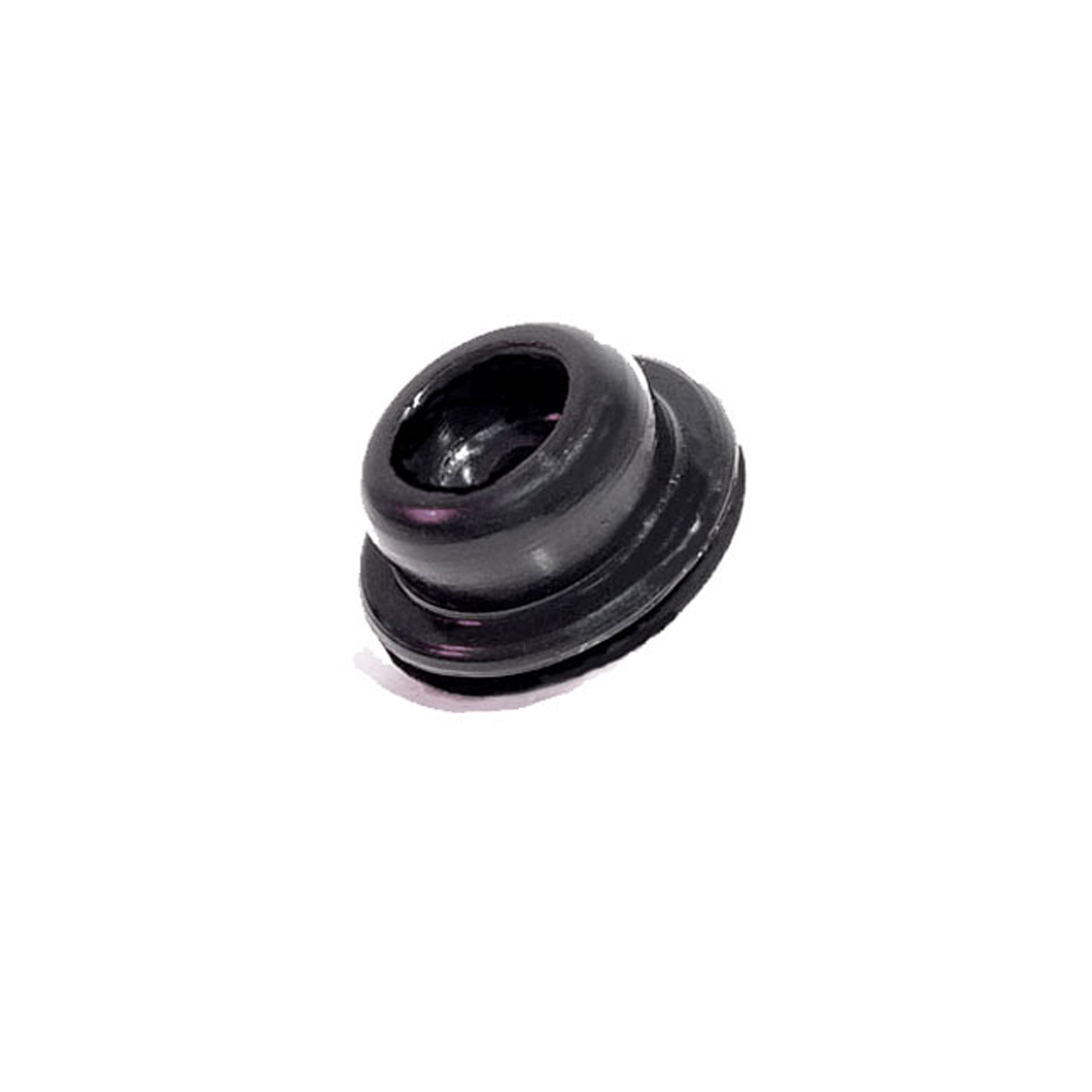 1939 Chrysler Imperial Accelerator Rod Grommet-SM 43-BAccelerator Rod Grommet. For accelerator rod through floorboard. Each
 1939 Chrysler Imperial Rear Vent Window Seals, for Sedans-WR 2300-RRear Vent Window Seals, for Sedans. Slight modification required for some models. Overall length is 44". Some models use longer seal, for these use extension piece WREX 2300-R. Pair R&L
 1939 Chrysler Imperial Rear Vent Window Seals Extension Piece, for Sedans-WREX 2300-RRear Vent Window Seals Extension Piece, for Sedans. Butting of parts is required. 24" long. Replaces OEM #744128-9, 790216-7 & 847090-1. Pair
Why Choose Metro?
For over 100 years, Metro Moulded Parts has been the pinnacle of quality in classic car restoration parts. Our commitment to precision and authenticity in every component ensures a perfect fit and an OEM-level appearance.
- Expert Craftsmanship & Quality: Each part is a testament to our dedication to reliability and perfection, crafted from original designs and thoroughly tested.
- Advanced Technology: We use cutting-edge techniques to create flawless, long-lasting parts that surpass others in performance.
- SuperSoft Sponge – The Ultimate Door Seal: Not only are our door seals 30% softer than competitors', but they're also guaranteed to never leak. They effectively reduce wind and road noise, enhancing your classic car's comfort and driving experience.
- Proudly American: Our parts are a product of American craftsmanship, made in the USA with a spirit of excellence and heritage.
- Unrivaled Warranty: We back our products with a 30-year industry-leading warranty, a testament to our confidence in their quality.
Join us in preserving the legacy of classic cars with parts that are crafted for perfection, not just made.