

Image of 1939 Chrysler Imperial Custom, Note: These illustrations use artistic license and may differ from actual historical models.
Performance Metrics
Fundamental Metrics
Emotional Appeal
MMP Rating
| Engine Specifications | |
|---|---|
| Engine: | Inline 8 |
| Displacement: | 323.5 cu in (5.3 L) |
| Horsepower: | Estimated 130-140 hp |
| Torque: | Not available |
| Compression Ratio: | Not available |
| Ignition System: | Battery and coil |
| Cooling System: | Liquid cooled |
| Performance Specifications | |
| 0-60 Time: | Not available |
| 1/4 Mile Time: | Not available |
| Top Speed: | Estimated 90-100 mph |
| Transmission and Drive | |
| Drive Type: | Rear wheel drive |
| Transmission Type: | 3-speed manual |
| Fuel and Efficiency | |
| Fuel System Type: | Carburetor |
| MPG: | Not available |
| Dimensions and Brakes | |
| Brakes: | Hydraulic drum brakes |
| Wheelbase: | 125 inches |
| Weight: | Estimated 4000-4500 lbs |
Note: Specifications for classic cars are given to the best of our ability, considering the limited and variant data available.
1939 Chrysler Imperial Custom: America’s Art Deco Road Car
The 1939 Chrysler Imperial Custom was built to make a long journey feel like a first-class appointment. With a stately 144-inch wheelbase, a smooth straight-eight engine, and room for passengers to stretch out, it sat at the top of Chrysler’s range as a serious American luxury car. It was not a separate make yet: Imperial remained Chrysler’s flagship line, years before the name became an independent marque.
The Custom arrived during a pivotal period for the company. Chrysler had already explored radical engineering and streamlined styling with its 1930s Airflow models. By 1939, the Imperial Custom paired more conventional, widely appealing bodywork with the space, equipment, and presence expected of an expensive car. One intriguing detail is its sheer scale: the Custom’s 144-inch wheelbase made it substantially longer than the standard Imperial, giving its formal passenger compartment the proportions of a chauffeur-driven limousine.
Long, Low, and Distinctly Art Deco
The Imperial Custom wore its size with restraint rather than relying on excessive ornament. Its tall, upright grille, broad hood, sweeping front fenders, and integrated headlights gave the nose a confident, carefully balanced look. Chrome accents brightened the grille and exterior trim, while the long profile drew the eye toward the spacious rear passenger area. It was unmistakably a prewar car, but its smoother fenders and more integrated lighting looked more modern than the upright luxury cars of an earlier generation.
Inside, the emphasis was on comfort and quality. Depending on body style and specification, buyers could find rich cloth upholstery, leather trim, polished metal fittings, and carefully finished wood accents. Formal models added details such as a glass partition between the chauffeur and passengers, rear footrests, and occasional jump seats. These were not simply decorative flourishes: they made the Custom a practical choice for owners who were driven as often as they drove.
Chrysler offered the Imperial Custom in a small range of large, formal body styles, including seven-passenger sedan and limousine configurations. Availability could vary by catalog and coachwork, and individual cars may have received special bodies or finishes. The limousine is the most iconic expression of the Custom, while the sedan offered much of the same presence in a more conventional package. Paint choices varied, with period-appropriate shades that included dark blues, greens, maroons, grays, and black. As with other luxury cars of the era, the exact palette depended on the body and order; restrained dark colors suited the car’s formal character especially well.
Engineering Behind the Luxury
Power came from Chrysler’s 323.5-cubic-inch L-head straight-eight, rated at about 135 horsepower. The engine’s long, smooth power delivery suited the car’s mission: effortless progress rather than quick launches. Hydraulic drum brakes, a conventional three-speed manual transmission, and independent front suspension were part of a package that helped the Imperial feel more composed than its imposing proportions might suggest.
Chrysler also offered Fluid Drive, a fluid coupling that softened the connection between engine and transmission. It was not a modern automatic transmission, and the driver still had to use the clutch when changing gears. Even so, Fluid Drive could make stop-and-go driving less demanding by allowing the car to come to a halt without stalling. It was an interesting step in the gradual move toward easier operation, though the later semi-automatic systems should not be confused with the 1939 setup.
A Flagship with Lasting Influence
The Imperial Custom’s significance lies in how it combined established luxury-car expectations with Chrysler engineering. Its long chassis, smooth eight-cylinder engine, hydraulic brakes, and independent front suspension offered a distinctly modern foundation beneath formal coachwork. The car was designed to compete for buyers who might also consider luxury offerings from Cadillac, Packard, or Lincoln, but it brought Chrysler’s engineering identity to that market.
The Custom did not create a new styling movement or become a mass-market sensation. Its influence was quieter: it showed how a large, traditional luxury car could incorporate modern chassis features without sacrificing elegance or passenger comfort. The Imperial name would later become its own division, but the 1939 Custom belongs to the period when Chrysler was still making its flagship statement under the company’s own name.
Straight-Eight Performance and Road Manners
With around 135 horsepower moving a substantial car, the Imperial Custom was a relaxed tourer rather than a performance machine. Exact acceleration varied with body style, gearing, condition, and passenger load. A reasonable period-car estimate is roughly 20 to 25 seconds from zero to 60 mph. Top speed was likely in the neighborhood of 85 to 90 mph when the car was in good order, although cruising at a more moderate speed was kinder to its engine and brakes.
On rough pavement, the long wheelbase helped the Custom glide over smaller bumps, while its substantial weight settled the body at speed. It was not nimble on tight, winding roads. The steering required more effort than a modern driver may expect, and the long body called for planning in narrow streets and parking lots. In crosswinds, the broad profile and large body could also make the driver work harder to hold a line.
Behind the wheel, the straight-eight is best understood as a smooth, low-pitched companion rather than a loud or urgent engine. The car gathers speed steadily, and the transmission rewards deliberate shifts. The driver sits high in a broad cabin with a commanding view over the hood. It is a more involved experience than driving a modern luxury sedan, but that is part of the appeal: the car asks for attention and gives back a calm, substantial sense of occasion.
Living with a 1939 Imperial Custom
Today, most examples are collector cars used for tours, shows, club events, and occasional fair-weather drives. Their size, age, and parts requirements make them poor choices for everyday commuting. A well-sorted car can be enjoyable on scenic roads, but regular highway use requires careful attention to cooling, tires, brakes, and drivetrain condition.
Many mechanical components follow familiar prewar Chrysler principles, and a capable classic-car mechanic can service the straight-eight and three-speed gearbox. That does not mean restoration is simple. Trim pieces, body-specific hardware, glass, upholstery, and limousine fittings can be difficult to source. Before buying, inspect the frame and body for rust, check the cooling system and hydraulic brakes, and confirm that any Fluid Drive equipment operates correctly. A complete, running car is often a better starting point than an inexpensive project missing rare parts.
Rare Details and Common Criticisms
The Imperial Custom’s most notable distinction is its uncommon combination of limousine-scale dimensions and Chrysler engineering. Production figures for individual Custom body styles are not consistently reported in readily available references, so a precise total is difficult to state with confidence. A reasonable working estimate is roughly 500 to 1,500 Custom cars across the available body styles, with some individual configurations likely produced in far smaller numbers. Treat that as an informed estimate, not a confirmed factory figure.
The car is not widely associated with one famous celebrity owner or a single defining historical event in the way some presidential limousines are. Its appeal is instead rooted in its place among the finest Chryslers of the prewar period. Common criticisms are practical ones: it is large, thirsty by modern standards, slow to accelerate, and less easy to park or repair than a more common postwar classic. Its long wheelbase and formal styling are also exactly what many collectors prize.
1939 Imperial Custom Values and Availability
Values vary sharply with body style, originality, restoration quality, and provenance. As a broad 2026 estimate in U.S. dollars, a running but imperfect example might bring about $25,000 to $45,000. A well-restored sedan could fall around $50,000 to $90,000, while an exceptional limousine or especially rare, documented car may exceed $100,000. These are guide ranges rather than guarantees; a neglected restoration project or a standout concours-quality example can land well outside them.
Cars appear infrequently, and the market is specialized. Prices for top-quality prewar luxury cars have generally held up better than those for less distinctive classics, but values can be uneven because there are relatively few buyers for a very large, demanding car. The best examples may appreciate over time, particularly when they retain original features or have high-quality restorations. Still, condition and documentation matter far more than broad market trends.
Why the 1939 Chrysler Imperial Custom Matters
The 1939 Chrysler Imperial Custom brought together Art Deco-era styling, a refined straight-eight, advanced-for-its-time chassis engineering, and the spaciousness of a formal luxury car. It was not built to dominate a racetrack or fill suburban driveways. It was built to make a statement and carry its passengers in comfort.
For collectors, that balance is the attraction. The Imperial Custom captures a moment when American luxury was large, carefully crafted, and increasingly modern beneath the surface. It remains an impressive reminder that Chrysler’s prewar flagship could be both imposing and thoughtfully engineered.
1939 Chrysler Imperial Custom Catalog of Parts
 1939 Chrysler Imperial Custom Clutch and Brake Pedal Pads. 2-5/8" wide X 3-3/4" long-CB 26Clutch and Brake Pedal Pads. 2-5/8" wide X 3-3/4" long. Pair
 1939 Chrysler Imperial Custom Clutch and Brake Pedal Pads, Black-CB 28-AClutch and Brake Pedal Pads, Black. 2-3/8" wide X 3-7/8" long. Pair
 1939 Chrysler Imperial Custom Clutch and Brake Pedal Pads, Brown-CB 28-BClutch and Brake Pedal Pads, Brown. 2-3/8" wide X 3-7/8" long. Pair
 1939 Chrysler Imperial Custom Door Jamb Bumper. Perfect reproduction-DB 36Door Jamb Bumper. Perfect reproduction. 1-1/16" high X 1-1/4" wide X 7/16" thick. Each
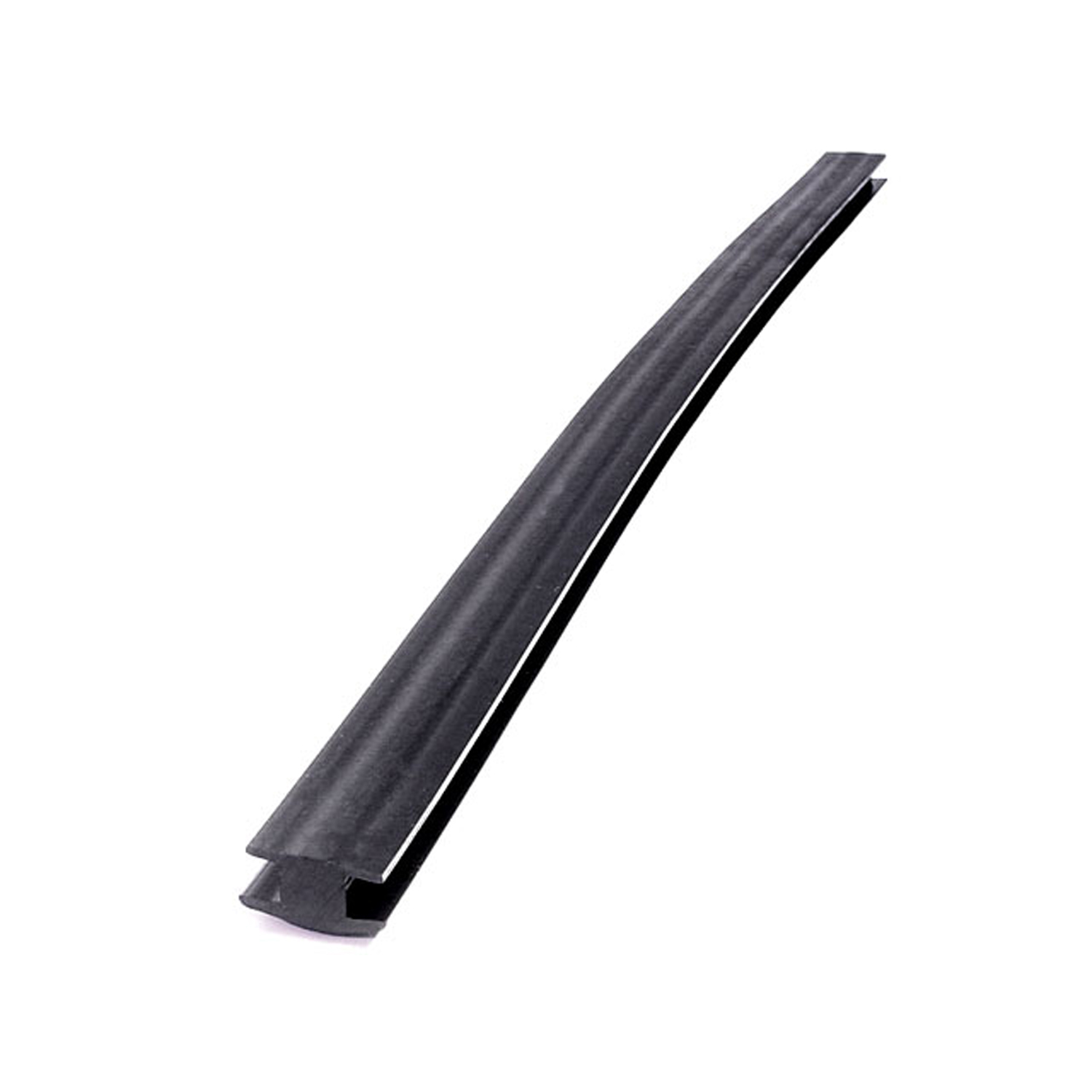 1939 Chrysler Imperial Custom Windshield Center Bar Gasket. 20" long. Each-DP 12Windshield Center Bar Gasket. 20" long. Each
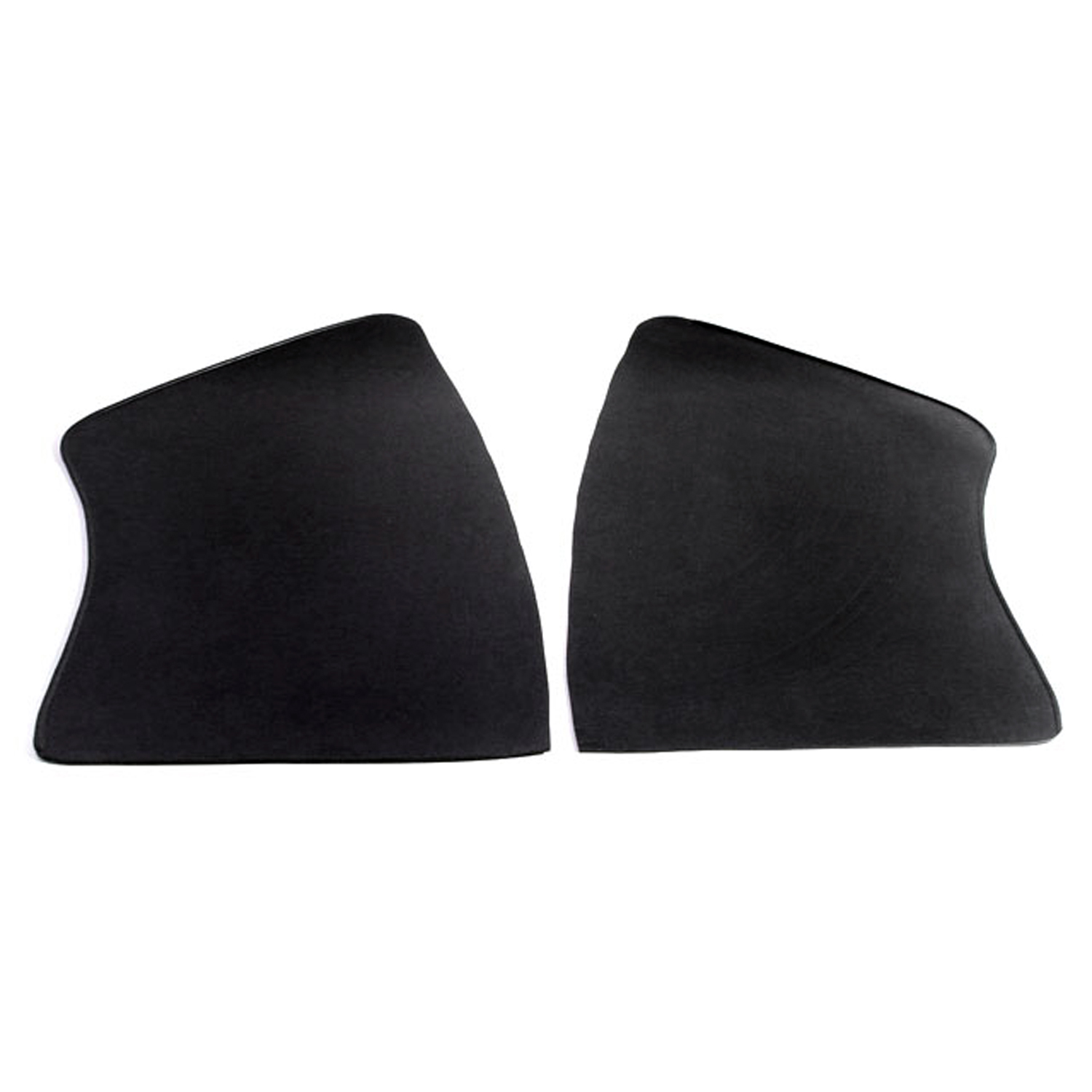 1939 Chrysler Imperial Custom Gravel Shields. Molded flat without metal backing plates-FS 31Gravel Shields. Molded flat without metal backing plates. Apply with contact cement. 18" long X 9-3/4" wide at bottom. Pair
 1939 Chrysler Imperial Custom Gas Filler Grommet. 2-1/4" I.D., 3-3/4" O.D-GF 18Gas Filler Grommet. 2-1/4" I.D., 3-3/4" O.D., 1/2" top thickness. Each
 1939 Chrysler Imperial Custom Hood Corners. Fits flat corners-HC 19Hood Corners. Fits flat corners. 80° angle, 1/4" to 3/8" corner radius. 1-3/8" wide. Pair
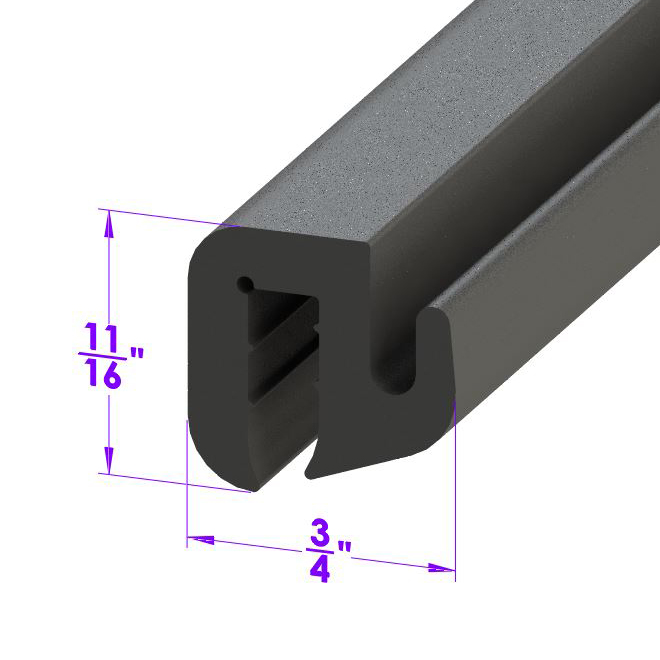 1939 Chrysler Imperial Custom Windshield and Rear Window Seal. Sold by the foot-LP 30-AWindshield and Rear Window Seal. Sold by the foot
 1939 Chrysler Imperial Custom Door side seal. Same as LP 40, but for a lighter seal-LP 40-ADoor side seal. Same as LP 40, but for a lighter seal. Fits many domestic passenger cars and trucks. Universal seal for street rods and customs. Used in Cobra kit cars as door weatherstrip. Per foot.
 1939 Chrysler Imperial Custom Trunk Seal. Sponge rubber. Sold by the foot.-LP 96-/FTTrunk Seal. Sponge rubber. Sold by the foot.
 1939 Chrysler Imperial Custom Swing-Out Windshield Seal. 3/4" High. Sold by the foot-LP 97-ASwing-Out Windshield Seal. 3/4" High. Sold by the foot
 1939 Chrysler Imperial Custom Tail-light Pads. 4" wide X 9" long. Pair-MP 565Tail-light Pads. 4" wide X 9" long. Pair
 1939 Chrysler Imperial Custom Emblem Pad. 9-1/2" wide X 2" long. Each-MP 577Emblem Pad. 9-1/2" wide X 2" long. Each
 1939 Chrysler Imperial Custom Cowl Vent Seal. Made of molded sponge-RP 100-LCowl Vent Seal. Made of molded sponge. 3-3/4" wide at side X 15-1/3" long X 3/8" thick. Each
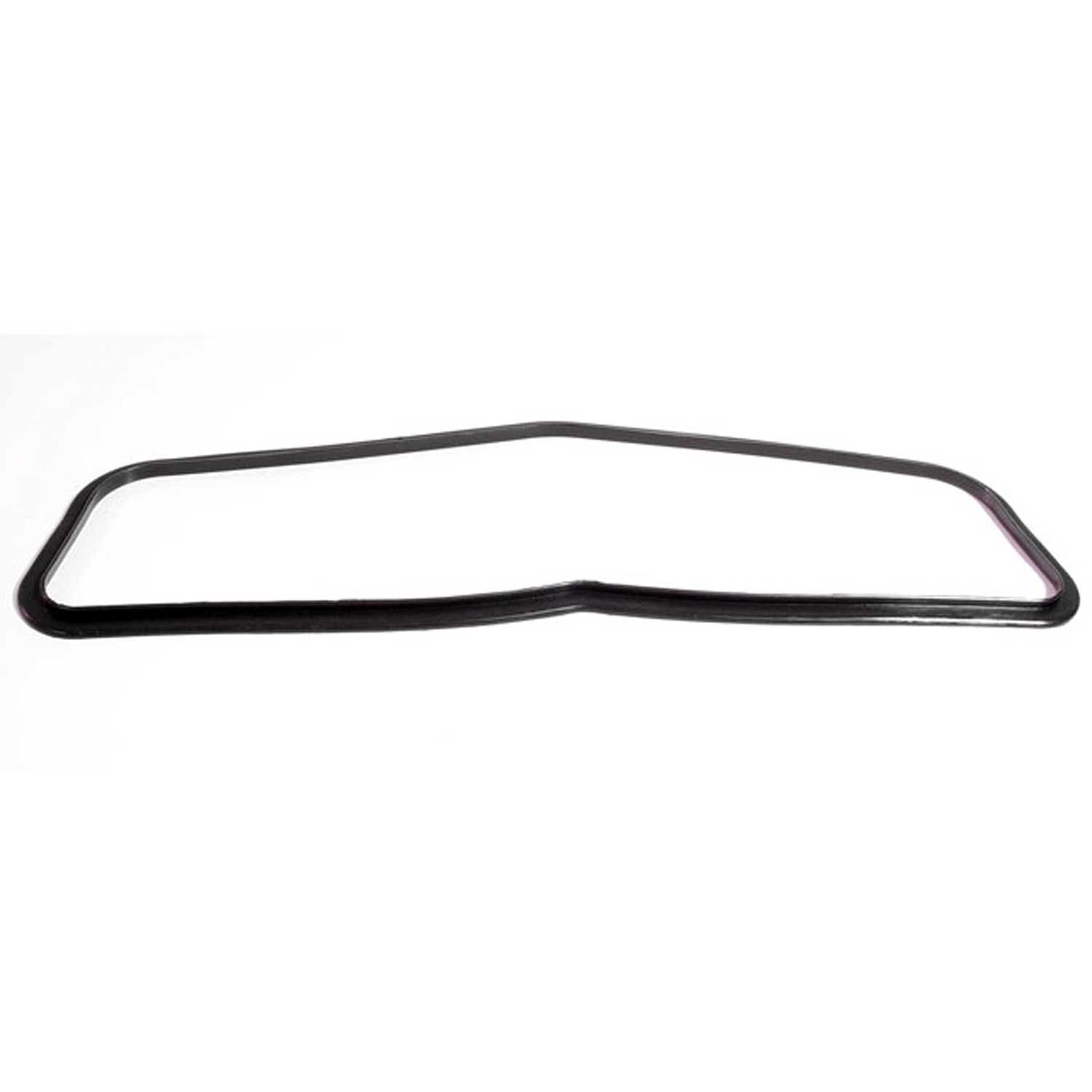 1939 Chrysler Imperial Custom Cowl Vent Seal. 4" wide X 18" long. Each-RP 100-QCowl Vent Seal. 4" wide X 18" long. Each
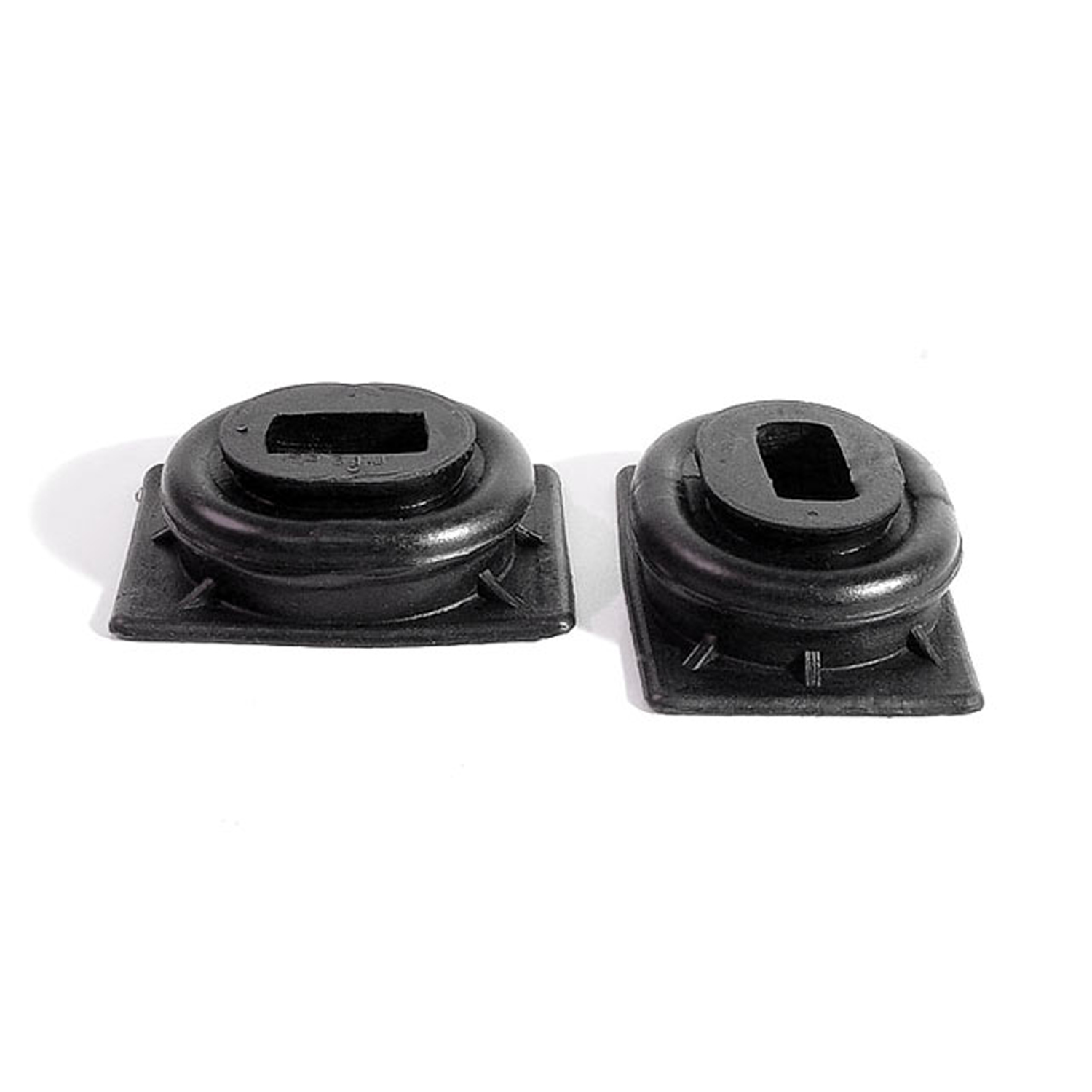 1939 Chrysler Imperial Custom Clutch and Brake Seals. Replaces OEM #889473. Pair-RP 31-JClutch and Brake Seals. Replaces OEM #889473. Pair
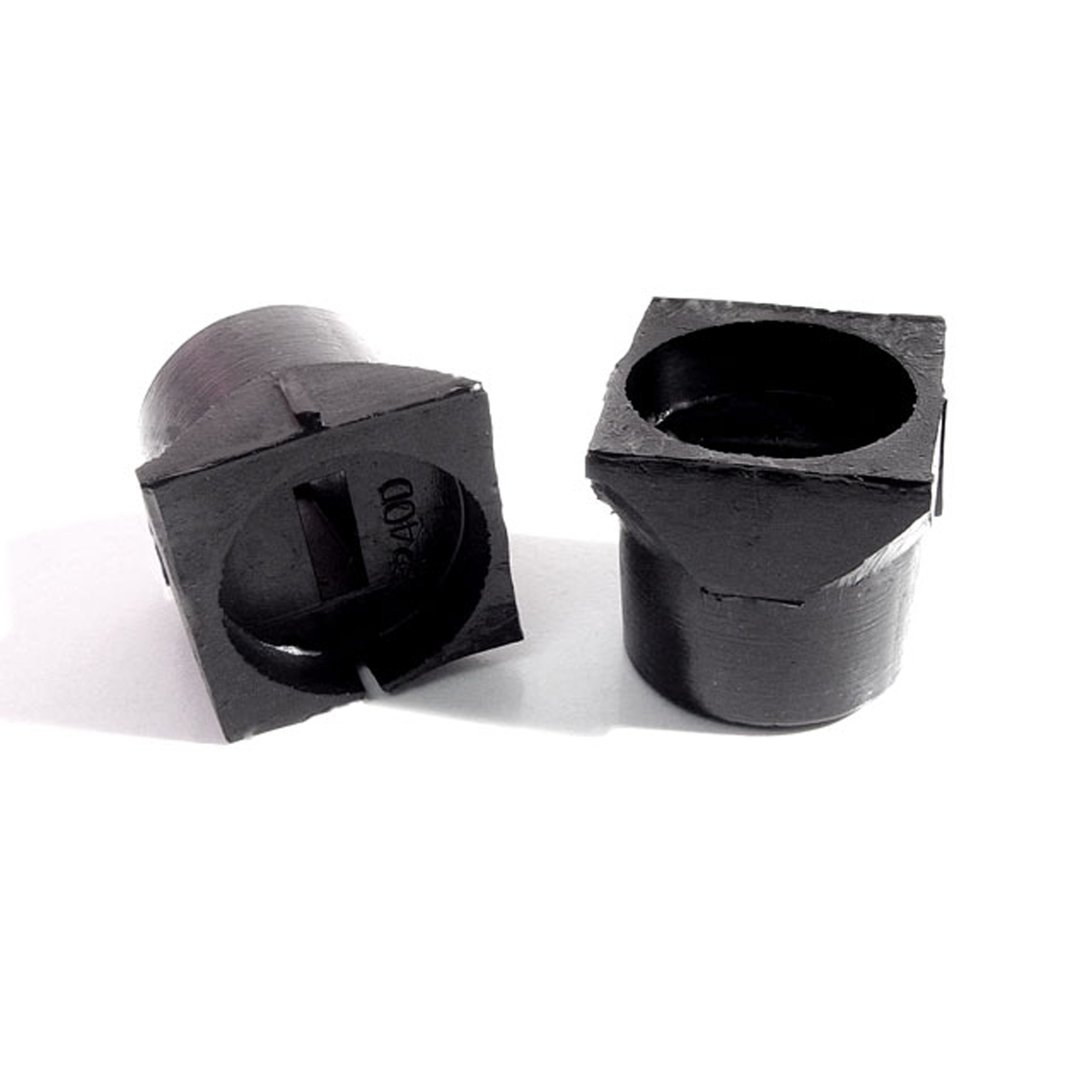 1939 Chrysler Imperial Custom Door Check Rubber Cushion. Each-RP 40-DDoor Check Rubber Cushion. Each
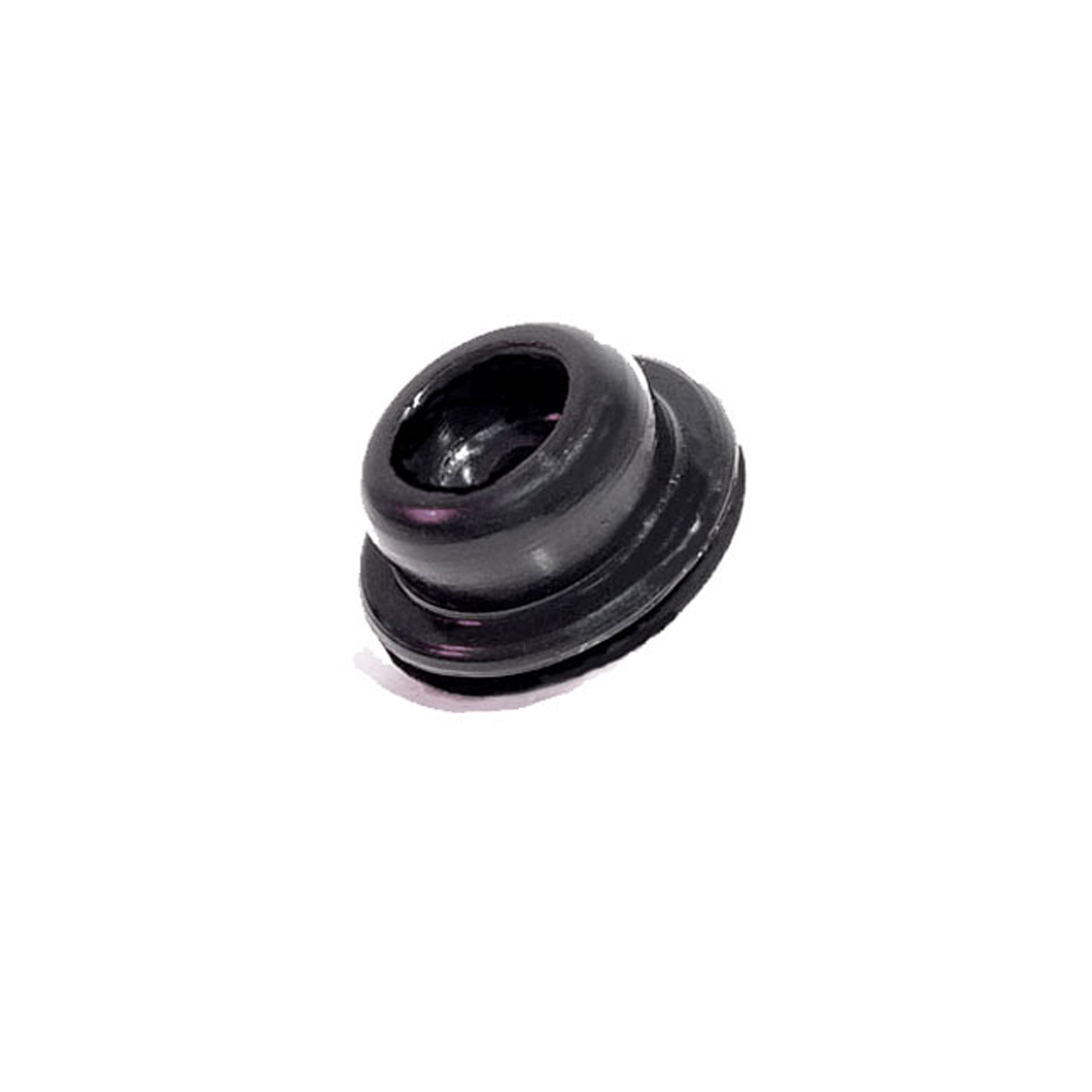 1939 Chrysler Imperial Custom Accelerator Rod Grommet-SM 43-BAccelerator Rod Grommet. For accelerator rod through floorboard. Each
 1939 Chrysler Imperial Custom Rear Vent Window Seals, for Sedans-WR 2300-RRear Vent Window Seals, for Sedans. Slight modification required for some models. Overall length is 44". Some models use longer seal, for these use extension piece WREX 2300-R. Pair R&L
 1939 Chrysler Imperial Custom Rear Vent Window Seals Extension Piece, for Sedans-WREX 2300-RRear Vent Window Seals Extension Piece, for Sedans. Butting of parts is required. 24" long. Replaces OEM #744128-9, 790216-7 & 847090-1. Pair
Why Choose Metro?
For over 100 years, Metro Moulded Parts has been the pinnacle of quality in classic car restoration parts. Our commitment to precision and authenticity in every component ensures a perfect fit and an OEM-level appearance.
- Expert Craftsmanship & Quality: Each part is a testament to our dedication to reliability and perfection, crafted from original designs and thoroughly tested.
- Advanced Technology: We use cutting-edge techniques to create flawless, long-lasting parts that surpass others in performance.
- SuperSoft Sponge – The Ultimate Door Seal: Not only are our door seals 30% softer than competitors', but they're also guaranteed to never leak. They effectively reduce wind and road noise, enhancing your classic car's comfort and driving experience.
- Proudly American: Our parts are a product of American craftsmanship, made in the USA with a spirit of excellence and heritage.
- Unrivaled Warranty: We back our products with a 30-year industry-leading warranty, a testament to our confidence in their quality.
Join us in preserving the legacy of classic cars with parts that are crafted for perfection, not just made.