

Image of 1939 Chrysler New Yorker, Note: These illustrations use artistic license and may differ from actual historical models.
Performance Metrics
Fundamental Metrics
Emotional Appeal
MMP Rating
| Engine Specifications | |
|---|---|
| Engine: | Straight-8 |
| Displacement: | 323.5 cu in (5.3 L) |
| Horsepower: | Estimated 130 hp |
| Torque: | Not available |
| Compression Ratio: | Not available |
| Ignition System: | Battery and coil |
| Cooling System: | Liquid-cooled |
| Performance Specifications | |
| 0-60 Time: | Not available |
| 1/4 Mile Time: | Not available |
| Top Speed: | Estimated 100 mph |
| Transmission and Drive | |
| Drive Type: | Rear-wheel drive |
| Transmission Type: | 3-speed manual |
| Fuel and Efficiency | |
| Fuel System Type: | Carburetor |
| MPG: | Not available |
| Dimensions and Brakes | |
| Brakes: | Hydraulic drum brakes |
| Wheelbase: | 125.5 in (3,188 mm) |
| Weight: | Estimated 3,700 lbs |
Note: Specifications for classic cars are given to the best of our ability, considering the limited and variant data available.
1939 Chrysler New Yorker: Prewar Luxury with Eight-Cylinder Power
The 1939 Chrysler New Yorker brought the quiet strength of a straight-eight engine and the comfort of an American luxury car to the eve of World War II. Built by the Chrysler Corporation, it sat near the top of Chrysler’s range, offering substantial size and upscale appointments without stepping into the more exclusive Imperial territory.
The New Yorker name had first appeared for the 1938 model year, making the 1939 car part of the nameplate’s early history. Its timing is notable, too: this was a confident, richly equipped American automobile built just before wartime production shifted factories toward military needs. One of its most interesting features was the availability of Chrysler’s new Fluid Drive, a fluid coupling that softened the connection between engine and clutch while still using a conventional manual transmission.
Elegant Styling and Period Craftsmanship
The New Yorker wore the restrained, upright look that defined many late-1930s luxury cars. Its long hood, rounded front fenders, tall grille, and separate headlights gave it a dignified profile, while bright trim and carefully shaped body lines added polish without overwhelming the design. The proportions made the car look substantial even at rest, and the sweeping fenders helped soften its otherwise formal silhouette.
Inside, the New Yorker emphasized room, comfort, and traditional materials. Depending on body style and trim, buyers could find broadcloth or mohair upholstery in closed cars, with leather commonly associated with open models. The dashboard combined a broad instrument panel with clear, period-style gauges and decorative trim. It was a spacious cabin designed for long-distance travel, not a stripped-down driver’s cockpit.
Paint and upholstery choices varied with body style and factory offerings. Dark shades such as black, deep blue, maroon, and gray were in keeping with the New Yorker’s formal character, while lighter or more colorful combinations could make an open car particularly striking. Exact colors and trim combinations should be checked against the car’s original paint and upholstery records, since surviving cars are often repainted.
New Yorker body styles included closed passenger cars and open models, with two-door and four-door configurations available across the range. The convertible coupe is among the most eye-catching and collectible today, while the four-door sedan offered the most practical route to New Yorker comfort. Availability varied by production series, so a car’s body tag and period sales literature are useful when confirming its original configuration.
Technology Before the War
Under the hood was Chrysler’s 323.5-cubic-inch L-head inline eight, rated at about 130 horsepower. Its long, smooth power delivery suited a large touring car: rather than chasing high engine speeds, it made steady torque and delivered the quiet, unhurried feel buyers expected from an upscale Chrysler.
The optional Fluid Drive was a notable 1939 innovation. It used a fluid coupling between the engine and clutch, helping reduce shock and making starts feel smoother. It was not a modern automatic transmission: the driver still operated a conventional clutch and gearbox. The car also used a three-speed manual transmission, six-volt electrical equipment, and hydraulic brakes, all familiar but useful technologies for the period.
A Distinct Place in Chrysler History
The New Yorker was not a radical styling experiment like Chrysler’s earlier Airflow. Instead, it represented a more conventional, carefully evolved approach to premium motoring. Its significance lies in how it combined Chrysler engineering with a traditional luxury-car formula: a smooth eight-cylinder engine, generous dimensions, comfortable interiors, and features aimed at making long journeys easier.
Fluid Drive helped distinguish the 1939 Chrysler range from many contemporaries by offering a smoother takeoff without the complexity of a fully automatic transmission. The New Yorker also helped establish a nameplate that would remain an important part of Chrysler’s lineup for decades. Its design did not overturn automotive styling, but its combination of comfort, engineering, and understated prestige became a lasting part of the brand’s identity.
Road Manners and Performance
Expect performance that feels composed rather than quick by modern standards. Period specifications and later estimates put the New Yorker’s top speed around 85 to 90 mph, with a 0-to-60-mph time generally in the neighborhood of 18 to 22 seconds. Results depend on body style, mechanical condition, gearing, and how the car is tested. These figures are best understood as period-car estimates, not guaranteed performance for every surviving example.
On the road, the straight-eight is known for its smooth, even note. The engine’s low, steady rumble is part of the car’s appeal, and Fluid Drive-equipped examples can feel especially gentle when pulling away. The New Yorker’s size and long wheelbase help it settle over ordinary road imperfections, though worn suspension components can make an old example wander or bounce more than it should.
On winding roads, the New Yorker asks for a measured pace. Its mass, period tires, and relatively high center of gravity make it less nimble than a modern sedan, and the driver needs to plan braking and cornering well ahead. In good mechanical condition, however, it is an enjoyable touring car, with a relaxed ride and a direct connection to the road through its large steering wheel and manual controls.
Living with a 1939 New Yorker
Today, most New Yorkers are enjoyed as show cars, weekend cruisers, and participants in classic-car tours. They can cover distance comfortably when properly maintained, but their age and parts needs make them less suitable as everyday transportation. A well-preserved example can be driven regularly, provided its owner keeps up with fluid checks, cooling-system care, brake inspections, and careful storage.
Routine service is straightforward for an experienced classic-car mechanic, and many basic jobs are accessible to a capable owner. The straight-eight is mechanically understandable, but specialized engine, trim, body, and interior parts can take time to find. Before buying, inspect the frame and body for rust, check the cooling system and oil pressure, and verify that the transmission and any Fluid Drive components operate correctly. Brake condition deserves particular attention on a car of this age.
Notable Details and Common Criticisms
The 1939 New Yorker’s most memorable technical talking point is the early availability of Fluid Drive. It offered a smoother takeoff, but it should not be confused with a push-button automatic or a fully automatic transmission. New Yorker buyers still had to operate a clutch and shift gears.
There is no widely recognized speed or endurance record associated specifically with the 1939 New Yorker, and its appeal is not built on racing credentials. Its place in automotive history is more practical: it represents Chrysler’s prewar approach to refined, long-distance motoring. Its most common criticisms today are its size, modest acceleration by modern standards, and the difficulty of sourcing certain original parts. Like many prewar cars, it rewards patient ownership rather than convenience-focused use.
Collector Values and Availability
Production figures for individual 1939 New Yorker body styles can be difficult to pin down consistently. A reasonable broad estimate is roughly 13,000 to 16,000 New Yorkers built for the model year, though totals may vary depending on which series and body configurations a source includes. Survivors are far less common, especially well-preserved open cars.
As a general current-market guide, a project or driver-quality sedan might sell for about $15,000 to $30,000. A strong, correctly restored closed car could bring roughly $30,000 to $55,000, while a desirable convertible in excellent condition may reach approximately $60,000 to $100,000 or more. These are broad estimates: originality, restoration quality, provenance, mechanical condition, and the specific body style can shift a sale substantially.
Values for good prewar American cars have generally been steady, with top-quality and rare examples attracting the strongest interest. In nominal terms, standout cars may appreciate, but the wider market is selective and inflation-adjusted gains are not guaranteed. Buyers should prioritize condition and documentation over the assumption that every New Yorker will rise in value.
Why the 1939 New Yorker Still Matters
The 1939 Chrysler New Yorker combines a smooth 130-horsepower straight-eight, elegant late-1930s styling, and a meaningful early application of Fluid Drive. It was a premium touring car rather than a performance machine, built for comfortable travel at a time when American automakers were refining the traditional luxury formula.
More than eight decades later, the New Yorker’s appeal is its balance of engineering, craftsmanship, and presence. It is a reminder that prewar luxury was not only about speed or ornament, but also about making the miles feel easy.
1939 Chrysler New Yorker Catalog of Parts
 1939 Chrysler New Yorker Clutch and Brake Pedal Pads. 2-5/8" wide X 3-3/4" long-CB 26Clutch and Brake Pedal Pads. 2-5/8" wide X 3-3/4" long. Pair
 1939 Chrysler New Yorker Clutch and Brake Pedal Pads, Black-CB 28-AClutch and Brake Pedal Pads, Black. 2-3/8" wide X 3-7/8" long. Pair
 1939 Chrysler New Yorker Clutch and Brake Pedal Pads, Brown-CB 28-BClutch and Brake Pedal Pads, Brown. 2-3/8" wide X 3-7/8" long. Pair
 1939 Chrysler New Yorker Door Jamb Bumper. Perfect reproduction-DB 36Door Jamb Bumper. Perfect reproduction. 1-1/16" high X 1-1/4" wide X 7/16" thick. Each
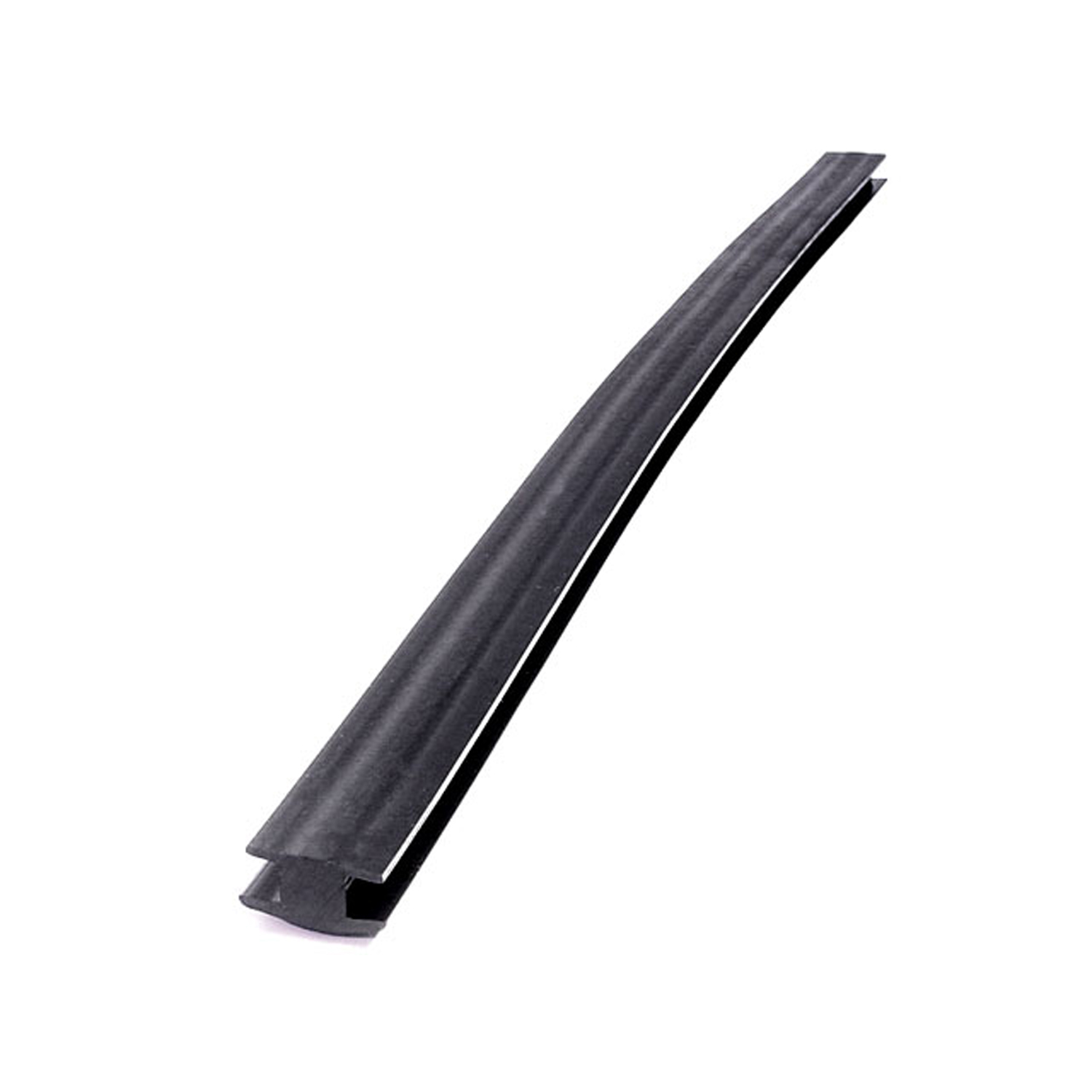 1939 Chrysler New Yorker Windshield Center Bar Gasket. 20" long. Each-DP 12Windshield Center Bar Gasket. 20" long. Each
 1939 Chrysler New Yorker Gravel Shields. Molded flat without metal backing plates-FS 31Gravel Shields. Molded flat without metal backing plates. Apply with contact cement. 18" long X 9-3/4" wide at bottom. Pair
 1939 Chrysler New Yorker Gas Filler Grommet. 2-1/4" I.D., 3-3/4" O.D-GF 18Gas Filler Grommet. 2-1/4" I.D., 3-3/4" O.D., 1/2" top thickness. Each
 1939 Chrysler New Yorker Hood Corners. Fits flat corners-HC 19Hood Corners. Fits flat corners. 80° angle, 1/4" to 3/8" corner radius. 1-3/8" wide. Pair
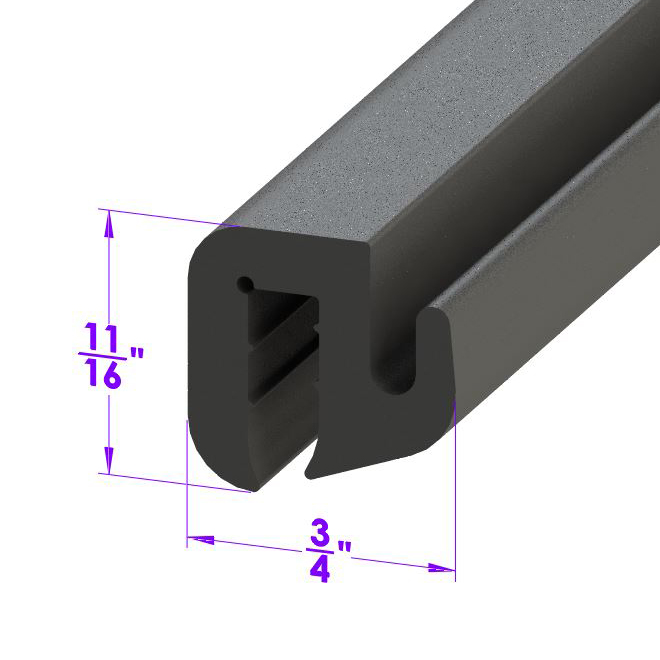 1939 Chrysler New Yorker Windshield and Rear Window Seal. Sold by the foot-LP 30-AWindshield and Rear Window Seal. Sold by the foot
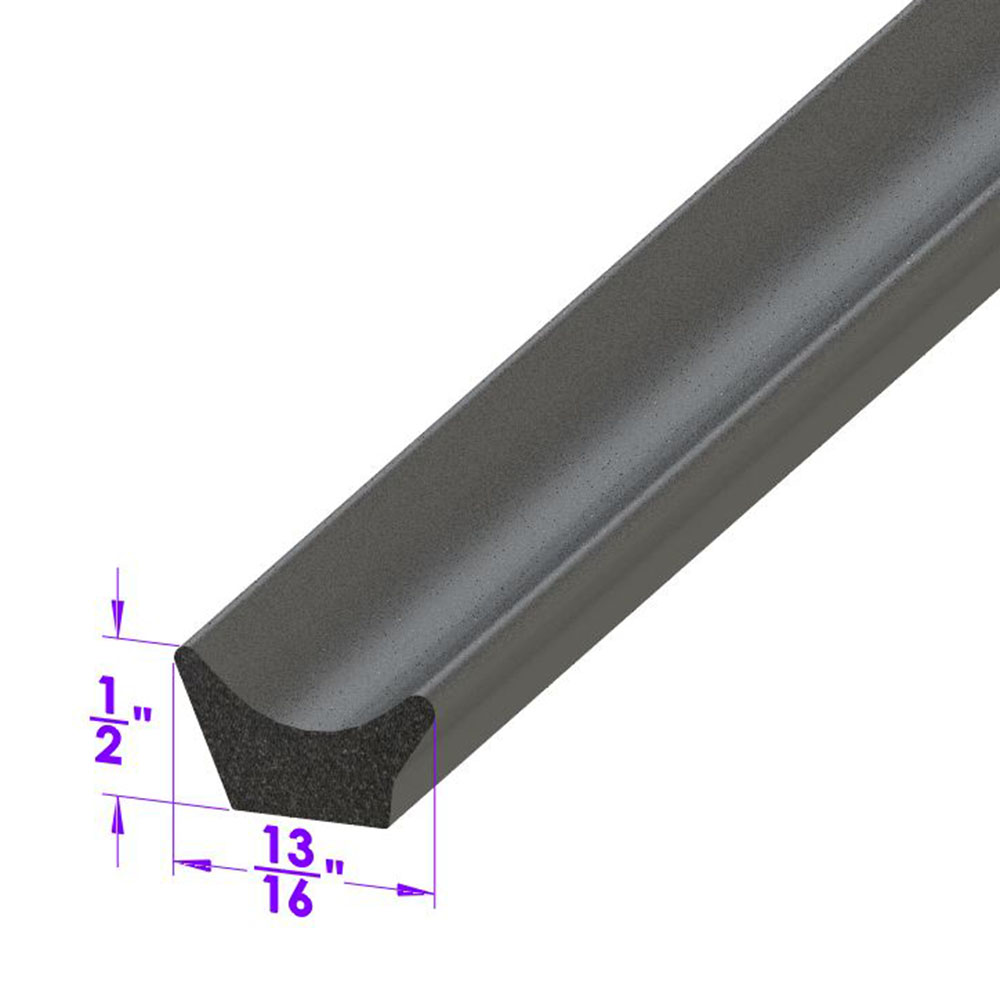 1939 Chrysler New Yorker Door side seal. Same as LP 40, but for a lighter seal-LP 40-ADoor side seal. Same as LP 40, but for a lighter seal. Fits many domestic passenger cars and trucks. Universal seal for street rods and customs. Used in Cobra kit cars as door weatherstrip. Per foot.
 1939 Chrysler New Yorker Trunk Seal. Sponge rubber. Sold by the foot.-LP 96-/FTTrunk Seal. Sponge rubber. Sold by the foot.
 1939 Chrysler New Yorker Swing-Out Windshield Seal. 3/4" High. Sold by the foot-LP 97-ASwing-Out Windshield Seal. 3/4" High. Sold by the foot
 1939 Chrysler New Yorker Tail-light Pads. 4" wide X 9" long. Pair-MP 565Tail-light Pads. 4" wide X 9" long. Pair
 1939 Chrysler New Yorker Emblem Pad. 9-1/2" wide X 2" long. Each-MP 577Emblem Pad. 9-1/2" wide X 2" long. Each
 1939 Chrysler New Yorker Cowl Vent Seal. Made of molded sponge-RP 100-LCowl Vent Seal. Made of molded sponge. 3-3/4" wide at side X 15-1/3" long X 3/8" thick. Each
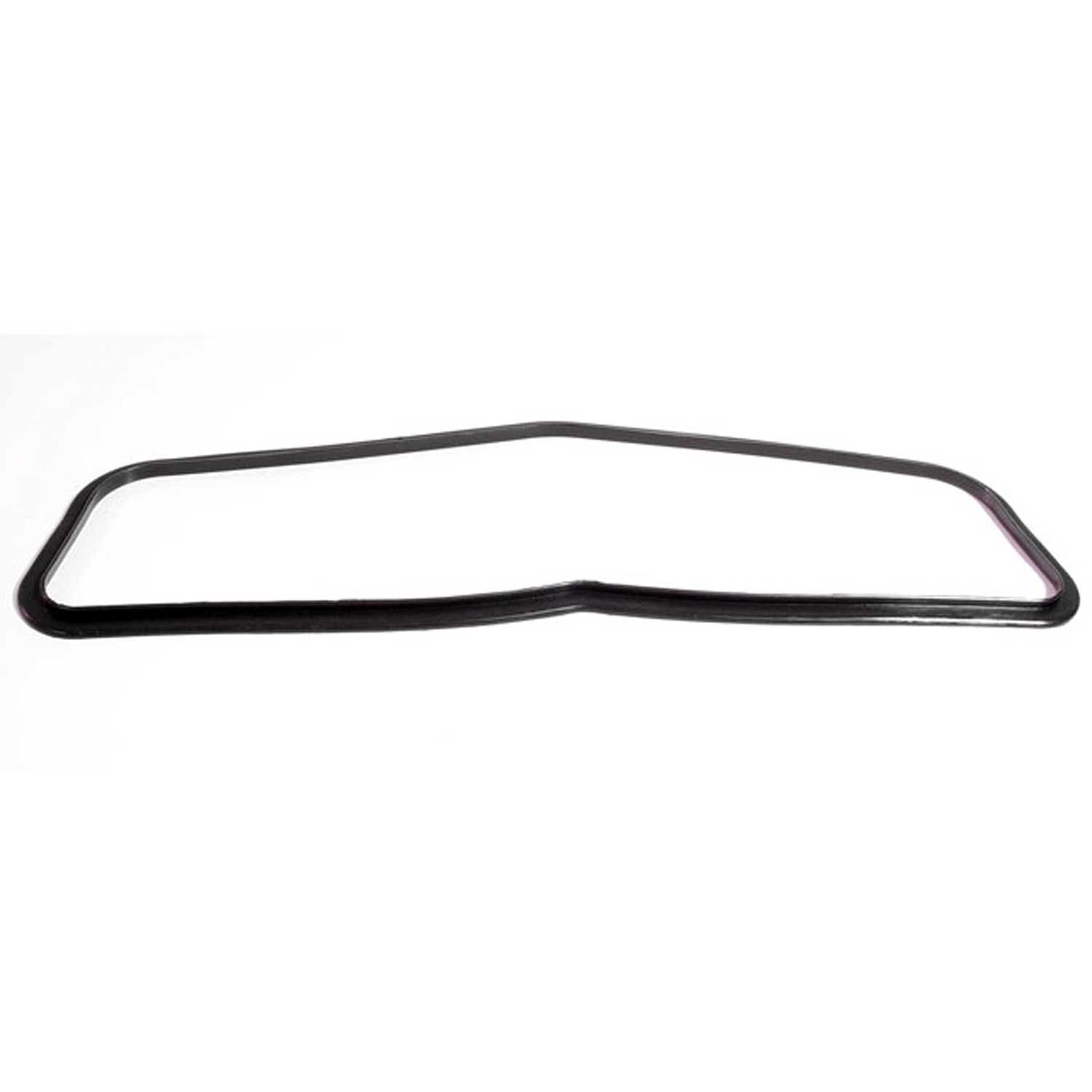 1939 Chrysler New Yorker Cowl Vent Seal. 4" wide X 18" long. Each-RP 100-QCowl Vent Seal. 4" wide X 18" long. Each
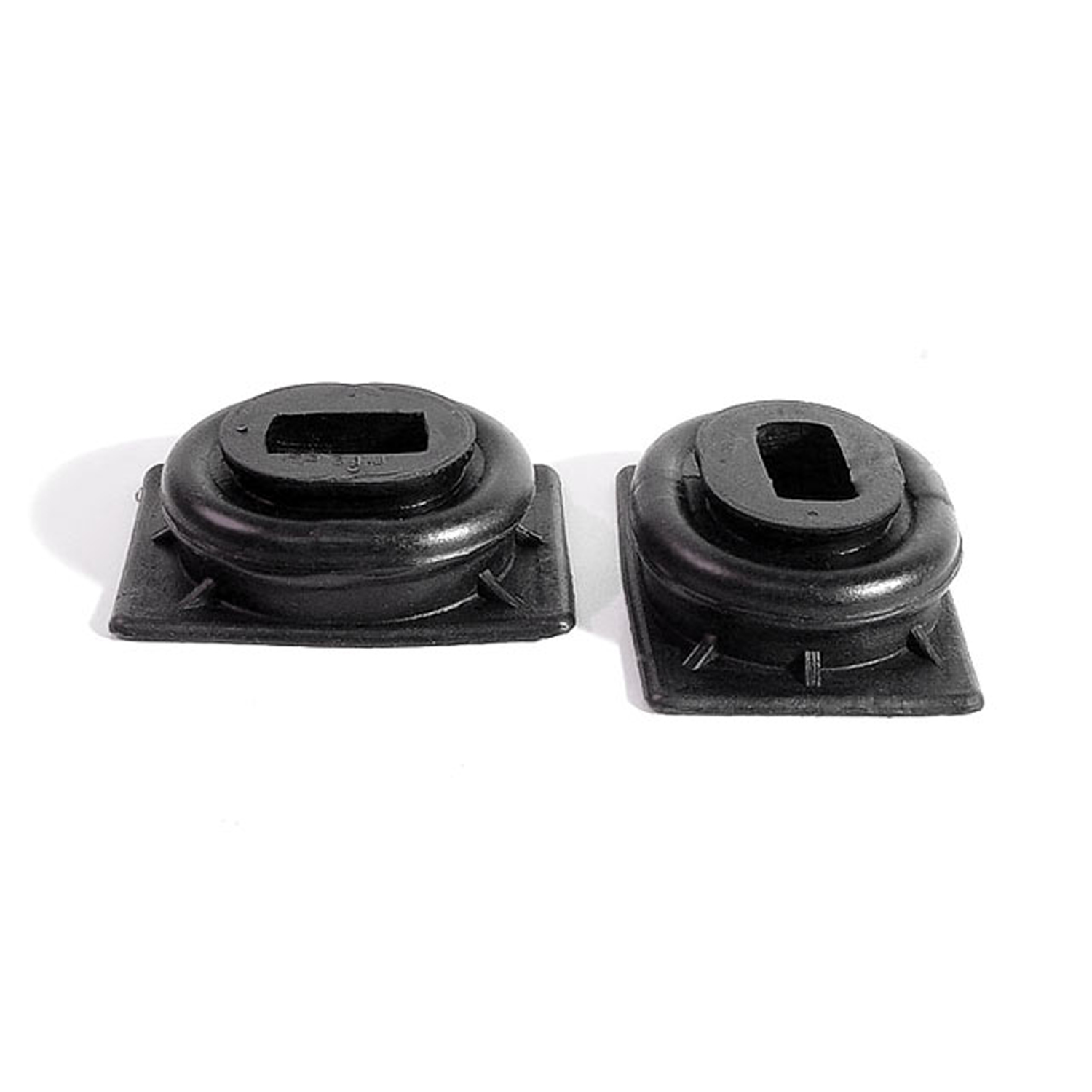 1939 Chrysler New Yorker Clutch and Brake Seals. Replaces OEM #889473. Pair-RP 31-JClutch and Brake Seals. Replaces OEM #889473. Pair
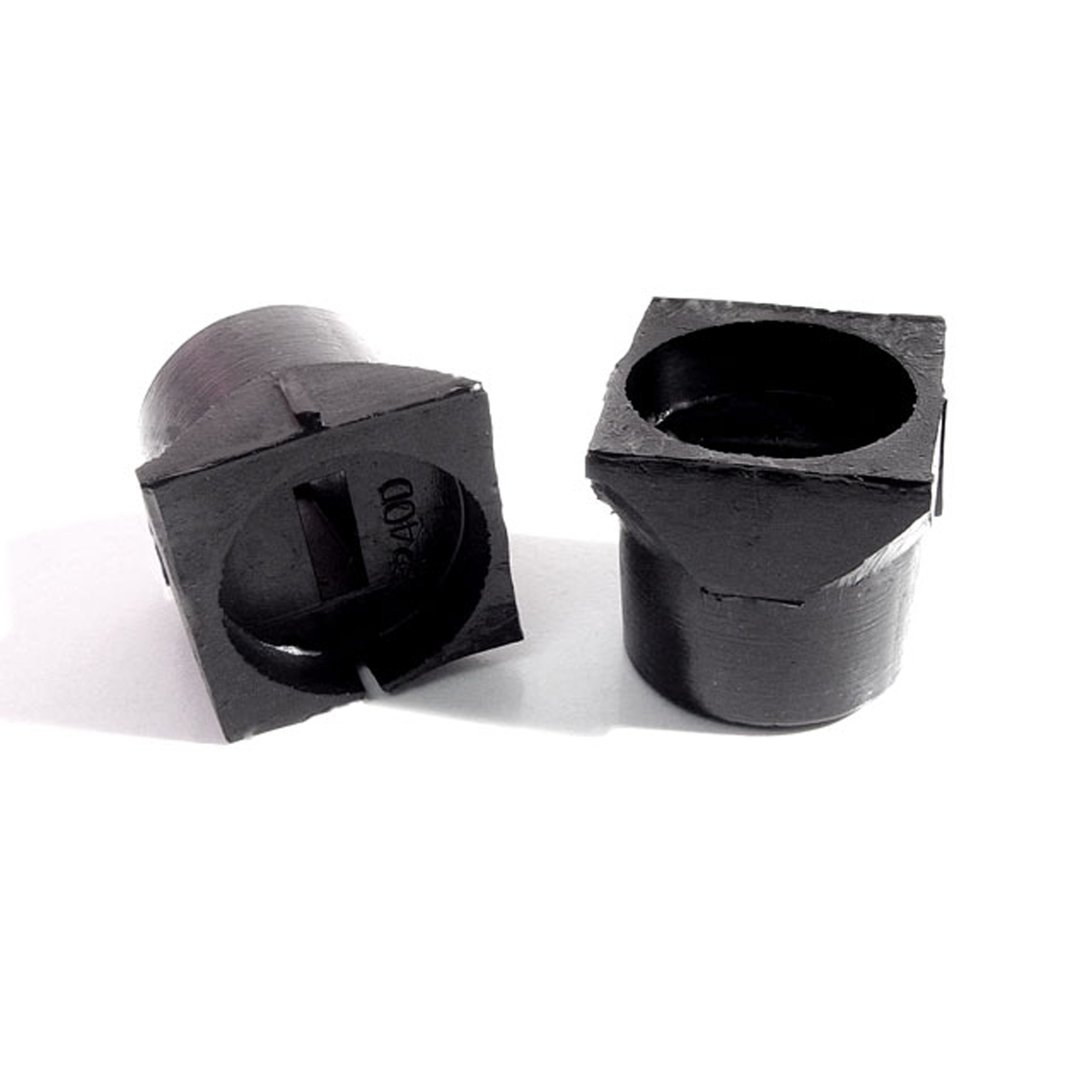 1939 Chrysler New Yorker Door Check Rubber Cushion. Each-RP 40-DDoor Check Rubber Cushion. Each
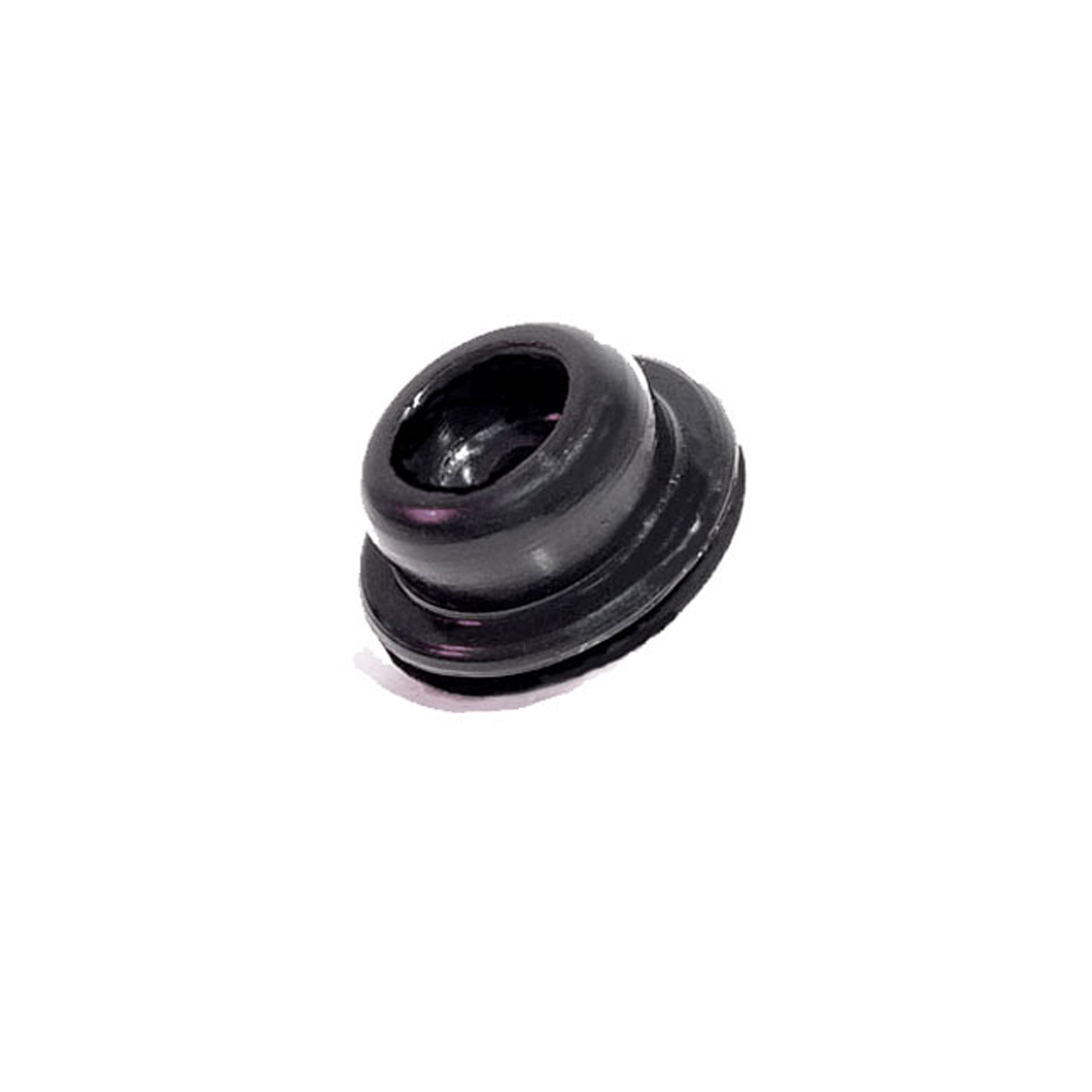 1939 Chrysler New Yorker Accelerator Rod Grommet-SM 43-BAccelerator Rod Grommet. For accelerator rod through floorboard. Each
 1939 Chrysler New Yorker Rear Vent Window Seals, for Sedans-WR 2300-RRear Vent Window Seals, for Sedans. Slight modification required for some models. Overall length is 44". Some models use longer seal, for these use extension piece WREX 2300-R. Pair R&L
 1939 Chrysler New Yorker Rear Vent Window Seals Extension Piece, for Sedans-WREX 2300-RRear Vent Window Seals Extension Piece, for Sedans. Butting of parts is required. 24" long. Replaces OEM #744128-9, 790216-7 & 847090-1. Pair
Why Choose Metro?
For over 100 years, Metro Moulded Parts has been the pinnacle of quality in classic car restoration parts. Our commitment to precision and authenticity in every component ensures a perfect fit and an OEM-level appearance.
- Expert Craftsmanship & Quality: Each part is a testament to our dedication to reliability and perfection, crafted from original designs and thoroughly tested.
- Advanced Technology: We use cutting-edge techniques to create flawless, long-lasting parts that surpass others in performance.
- SuperSoft Sponge – The Ultimate Door Seal: Not only are our door seals 30% softer than competitors', but they're also guaranteed to never leak. They effectively reduce wind and road noise, enhancing your classic car's comfort and driving experience.
- Proudly American: Our parts are a product of American craftsmanship, made in the USA with a spirit of excellence and heritage.
- Unrivaled Warranty: We back our products with a 30-year industry-leading warranty, a testament to our confidence in their quality.
Join us in preserving the legacy of classic cars with parts that are crafted for perfection, not just made.