

Image of 1939 Chrysler Royal, Note: These illustrations use artistic license and may differ from actual historical models.
Performance Metrics
Fundamental Metrics
Emotional Appeal
MMP Rating
| Engine Specifications | |
|---|---|
| Engine: | Inline 6 |
| Displacement: | 241.5 cu in (4.0 L) |
| Horsepower: | Estimated 100-120 hp |
| Torque: | Not available |
| Compression Ratio: | 6.5:1 |
| Ignition System: | Battery and coil |
| Cooling System: | Liquid-cooled |
| Performance Specifications | |
| 0-60 Time: | Not available |
| 1/4 Mile Time: | Not available |
| Top Speed: | Estimated 85 mph |
| Transmission and Drive | |
| Drive Type: | Rear-wheel drive |
| Transmission Type: | 3-speed manual |
| Fuel and Efficiency | |
| Fuel System Type: | Carburetor |
| MPG: | Not available |
| Dimensions and Brakes | |
| Brakes: | Hydraulic drum brakes |
| Wheelbase: | 119.5 inches |
| Weight: | Estimated 3,200 lbs |
Note: Specifications for classic cars are given to the best of our ability, considering the limited and variant data available.
1939 Chrysler Royal: A Prewar Classic with Quiet Confidence
The 1939 Chrysler Royal brought six-cylinder power, handsome Art Deco-era styling, and thoughtful engineering to buyers who wanted a substantial American car without moving up to Chrysler’s more expensive models. Built by the Chrysler Corporation in Detroit, the Royal sat near the entry point of the company’s passenger-car range, offering a roomy, well-equipped alternative to many mass-market competitors.
The Royal arrived during a tense moment in world history. Europe was on the brink of war, but American automakers were still producing increasingly refined cars for a growing consumer market. One particularly interesting development was Chrysler’s Fluid Drive, introduced in 1939 and offered on selected models. It used a fluid coupling to soften the connection between engine and drivetrain, a step toward easier driving that helped set the stage for later automatic transmissions.
Art Deco Style and Cabin Comfort
The Royal’s exterior had the confident, upright look typical of late-1930s American design. Its tall grille, sweeping front fenders, rounded hood, and integrated headlights gave it a substantial presence without the radical, wind-tunnel-inspired appearance of Chrysler’s earlier Airflow cars. Bright trim and carefully shaped body panels added polish, while the long hood and flowing profile made the car look more expensive than its position in the lineup might suggest.
Inside, the Royal was designed for comfort on long trips. The cabin typically featured broad bench seats upholstered in durable cloth, with trim and fittings that varied by body style and equipment level. The materials were practical rather than lavish, but the interior had the solid, carefully finished feel buyers expected from Chrysler. A wide dashboard placed the instruments in front of the driver, with period-style controls that required a more hands-on approach than those in a modern car.
Factory paint choices varied by market and production details. Dark blues, greens, maroons, grays, and black were common period colors, often paired with contrasting interior fabrics. Today, many restored Royals wear attractive two-tone combinations, though buyers seeking originality should check factory records and surviving paint traces rather than assume a current color is correct.
Depending on the catalog and market, Royal body styles included sedans, coupes, and a convertible coupe. The four-door sedan was the practical, familiar choice and is among the most recognizable versions today. Coupes offered a sportier profile, while the convertible coupe is a particularly eye-catching and less commonly encountered body style.
Chrysler Engineering in 1939
The Royal was not a radical experiment, but it reflected Chrysler’s strength in practical engineering. Its all-steel construction, hydraulic brakes, and six-cylinder powertrain were well suited to everyday American roads. Chrysler had built a reputation for technical ambition, and features such as Fluid Drive showed the company looking for ways to make motoring smoother and less tiring.
Fluid Drive deserves a little explanation. It was not a fully automatic transmission. The fluid coupling reduced the direct mechanical connection between the engine and gearbox, helping the car pull away smoothly. The driver still had to change gears, and a conventional clutch remained part of the process. In other words, it offered a more forgiving feel, not modern automatic convenience.
That blend of innovation and familiarity helped distinguish the Royal. It gave buyers modern comfort and Chrysler engineering without asking them to adapt to an unconventional body design or a complicated new driving system. Its lasting appeal comes from that balance: stylish enough to turn heads, but conventional enough to be understood and maintained.
Six-Cylinder Power and Road Manners
Power came from a 241.5-cubic-inch side-valve inline-six, rated at about 95 horsepower. Most Royals used a three-speed manual transmission. Exact performance depended on body style, gearing, condition, and equipment, but a sound, standard car could reach roughly 80 to 85 mph. A 0-to-60-mph run was a leisurely affair, typically estimated at around 20 to 25 seconds.
Those figures make clear that the Royal was built for steady travel, not quick launches. Its six-cylinder engine delivered smooth, useful power at modest speeds, and the car’s generous proportions helped it settle into a relaxed highway rhythm. Acceleration required planning, especially on hills or when passing, but the engine’s measured character suited the car’s comfortable mission.
On a modern road, the Royal feels unmistakably like a prewar automobile. The steering is slower and heavier than in a contemporary car, and the suspension communicates bumps through a soft, gently floating ride rather than the tight control drivers expect today. On a winding road, the driver needs to anticipate corners and manage the car’s weight with care. A properly maintained example can still feel composed, but it rewards smooth inputs instead of hurried driving.
From behind the wheel, the experience is as much about sensation as speed: the steady note of the straight-six, the deliberate action of the shifter, the broad view over the hood, and the soft movement of the body over uneven pavement. It is a car for taking the scenic route, not for chasing the clock.
Living with a 1939 Royal
Today, most Royals are used as show cars, weekend cruisers, or participants in vintage-car tours. A carefully sorted example can be driven regularly in favorable conditions, but it is not an ideal modern daily driver. Traffic moves faster, visibility and braking expectations have changed, and replacement parts can take time to source.
Mechanical simplicity is one of the Royal’s ownership advantages. The straight-six and three-speed gearbox are accessible to an experienced home mechanic, and many routine jobs are straightforward by classic-car standards. The greater challenge is often finding correct parts, dealing with aged electrical components, and locating specialists familiar with prewar Chrysler systems. Rust, previous repairs, and the condition of the cooling and braking systems deserve close inspection before purchase.
Reliability depends heavily on upkeep. A Royal that has been driven and maintained is generally a better prospect than one that has sat untouched for decades. Before regular use, owners should carefully inspect the brakes, tires, fuel system, wiring, and cooling system. Original equipment can be rewarding, but safety and roadworthiness should come first.
Royal Facts and Prewar Trivia
The 1939 Royal’s most memorable technical talking point is the availability of Fluid Drive. It offered a smoother takeoff and hinted at the convenience features that would become increasingly important after the war. But it did not remove the need for driver involvement: shifting remained part of the experience.
The Royal was a conventional Chrysler rather than a record-setting speed machine, and it is not especially associated with one famous race or celebrity owner. Its historical interest lies in the everyday world it represents: American motoring just before wartime production changed the industry. Chrysler, like other U.S. manufacturers, shifted much of its attention to military production during World War II, making the 1939 Royal part of the final prewar generation of civilian cars.
A common criticism today is that the Royal can feel slow and cumbersome beside later classics. Its braking distances, steering effort, and performance also require a different mindset from modern driving. Those traits are not defects so much as reminders of the era, though they make a thorough mechanical inspection and cautious driving especially important.
Collector Values and Availability
Exact production figures for individual 1939 Royal body styles can be difficult to pin down, so any total should be treated as an estimate. A reasonable working estimate is roughly 40,000 to 50,000 Royals across the model line. That does not mean examples are plentiful today: survival varies by body style and condition, and complete, well-restored cars are much harder to find than projects.
As a broad U.S. market guide, a rough project might sell for about $5,000 to $12,000, depending on completeness and rust. A presentable driver could fall around $15,000 to $30,000, while a high-quality restoration may reach roughly $30,000 to $50,000 or more. Rare or especially desirable body styles, exceptional originality, and first-rate restoration can push values higher. These are estimates, not guaranteed selling prices, and condition, provenance, and local demand matter greatly.
Values have generally been steadier than those of the most fashionable prewar classics. The Royal has a loyal audience, but it does not attract the same broad bidding as a top-tier luxury car or a highly celebrated sports model. Well-restored examples can hold their appeal, while tired projects may be difficult to justify once restoration costs are considered. For collectors, the best opportunities are often sound, complete cars with documented history rather than ambitious projects missing hard-to-find trim.
Why the 1939 Chrysler Royal Still Matters
The 1939 Chrysler Royal combines graceful prewar styling, a durable six-cylinder engine, and useful engineering details such as hydraulic brakes and optional Fluid Drive. It was not the fastest car of its day, nor the most extravagant, but it delivered a comfortable and carefully considered driving experience at an accessible place in Chrysler’s lineup.
More than eight decades later, the Royal offers a tangible connection to the final years of prewar American motoring. Its appeal is in the details: the long hood, the steady six-cylinder rhythm, and the sense that every journey asks the driver to slow down and pay attention. That is what makes the 1939 Chrysler Royal more than a handsome old sedan: it is a rolling snapshot of an industry on the edge of profound change.
1939 Chrysler Royal Catalog of Parts
 1939 Chrysler Royal Clutch and Brake Pedal Pads. 2-5/8" wide X 3-3/4" long-CB 26Clutch and Brake Pedal Pads. 2-5/8" wide X 3-3/4" long. Pair
 1939 Chrysler Royal Clutch and Brake Pedal Pads, Black-CB 28-AClutch and Brake Pedal Pads, Black. 2-3/8" wide X 3-7/8" long. Pair
 1939 Chrysler Royal Clutch and Brake Pedal Pads, Brown-CB 28-BClutch and Brake Pedal Pads, Brown. 2-3/8" wide X 3-7/8" long. Pair
 1939 Chrysler Royal Door Jamb Bumper. Perfect reproduction-DB 36Door Jamb Bumper. Perfect reproduction. 1-1/16" high X 1-1/4" wide X 7/16" thick. Each
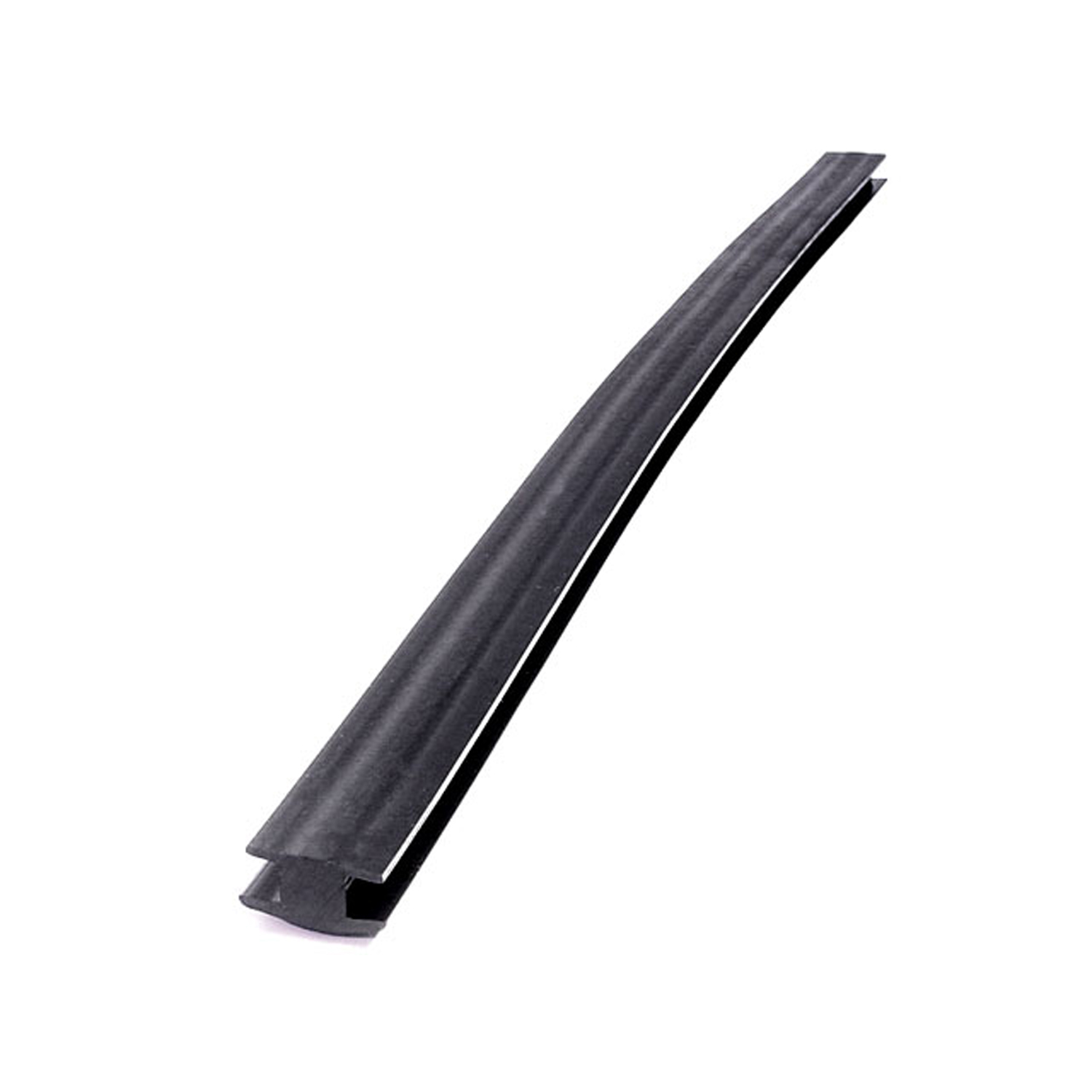 1939 Chrysler Royal Windshield Center Bar Gasket. 20" long. Each-DP 12Windshield Center Bar Gasket. 20" long. Each
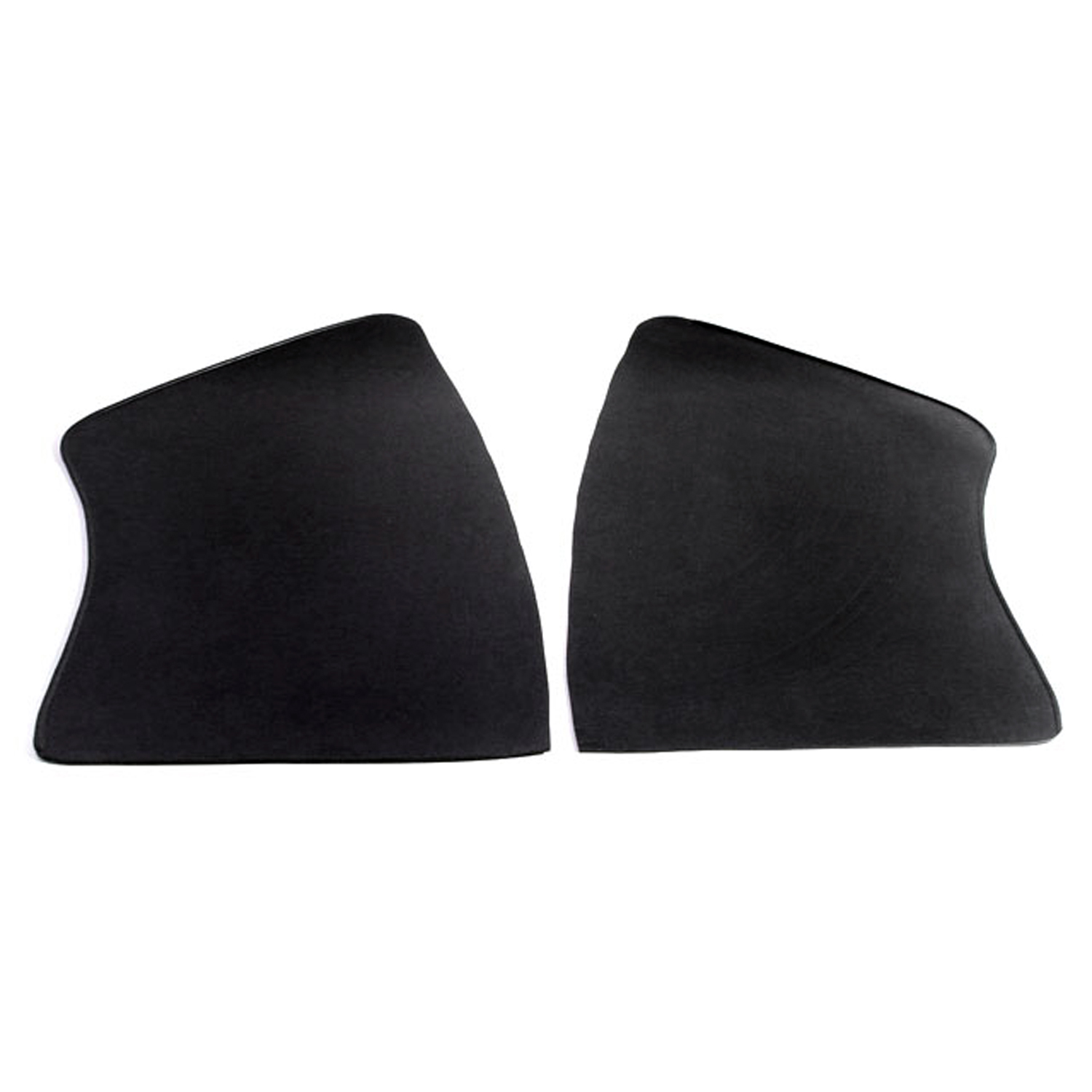 1939 Chrysler Royal Gravel Shields. Molded flat without metal backing plates-FS 31Gravel Shields. Molded flat without metal backing plates. Apply with contact cement. 18" long X 9-3/4" wide at bottom. Pair
 1939 Chrysler Royal Gas Filler Grommet. 2-1/4" I.D., 3-3/4" O.D-GF 18Gas Filler Grommet. 2-1/4" I.D., 3-3/4" O.D., 1/2" top thickness. Each
 1939 Chrysler Royal Hood Corners. Fits flat corners-HC 19Hood Corners. Fits flat corners. 80° angle, 1/4" to 3/8" corner radius. 1-3/8" wide. Pair
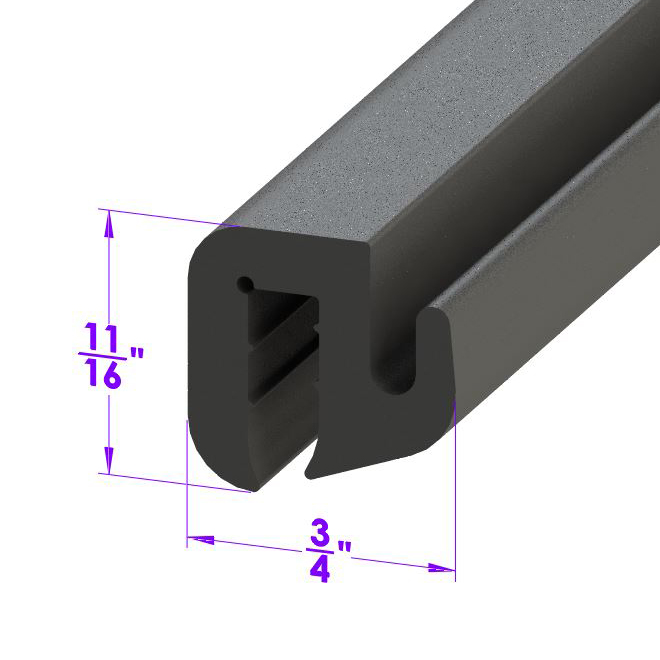 1939 Chrysler Royal Windshield and Rear Window Seal. Sold by the foot-LP 30-AWindshield and Rear Window Seal. Sold by the foot
 1939 Chrysler Royal Door side seal. Same as LP 40, but for a lighter seal-LP 40-ADoor side seal. Same as LP 40, but for a lighter seal. Fits many domestic passenger cars and trucks. Universal seal for street rods and customs. Used in Cobra kit cars as door weatherstrip. Per foot.
 1939 Chrysler Royal Trunk Seal. Sponge rubber. Sold by the foot.-LP 96-/FTTrunk Seal. Sponge rubber. Sold by the foot.
 1939 Chrysler Royal Swing-Out Windshield Seal. 3/4" High. Sold by the foot-LP 97-ASwing-Out Windshield Seal. 3/4" High. Sold by the foot
 1939 Chrysler Royal Tail-light Pads. 4" wide X 9" long. Pair-MP 565Tail-light Pads. 4" wide X 9" long. Pair
 1939 Chrysler Royal Emblem Pad. 9-1/2" wide X 2" long. Each-MP 577Emblem Pad. 9-1/2" wide X 2" long. Each
 1939 Chrysler Royal Cowl Vent Seal. Made of molded sponge-RP 100-LCowl Vent Seal. Made of molded sponge. 3-3/4" wide at side X 15-1/3" long X 3/8" thick. Each
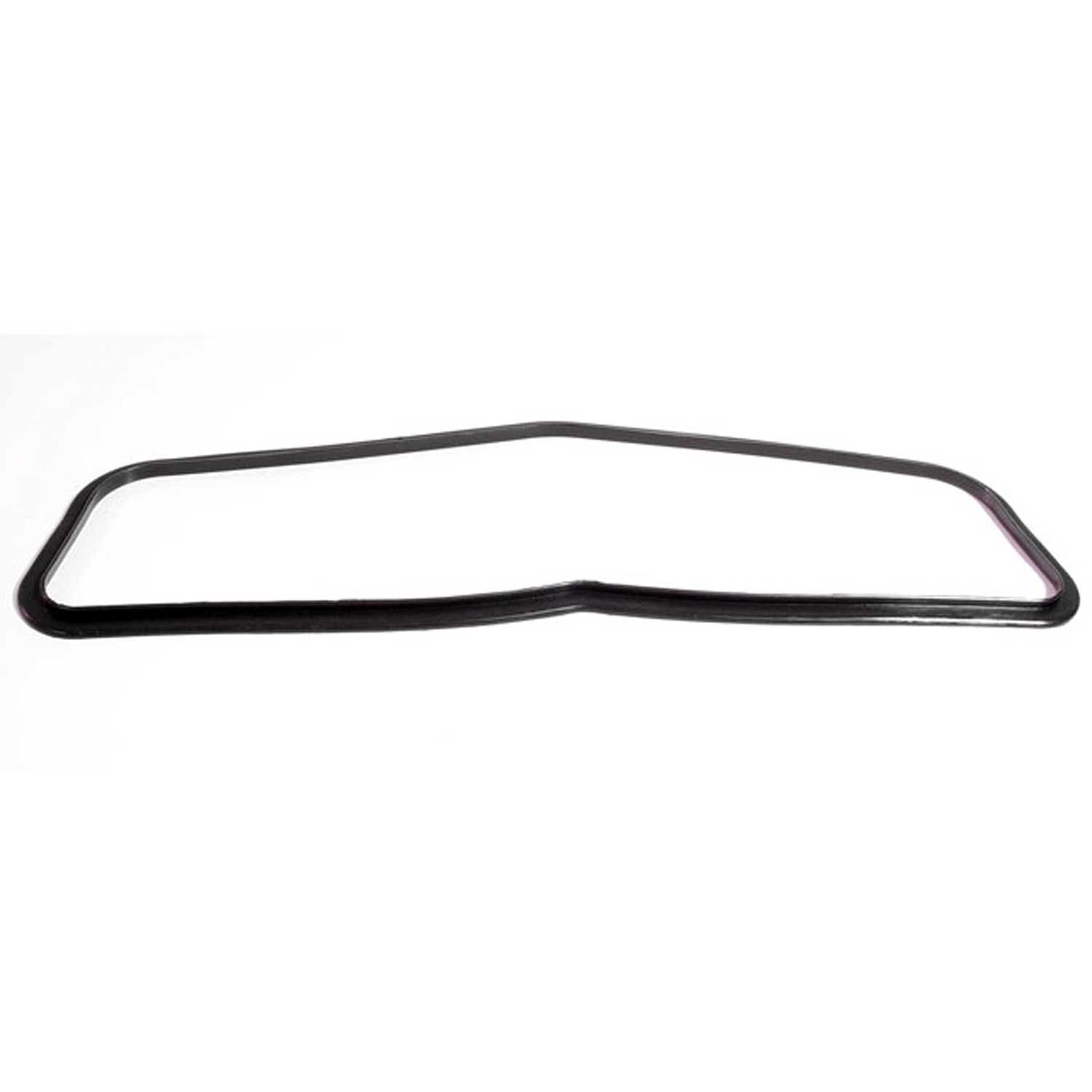 1939 Chrysler Royal Cowl Vent Seal. 4" wide X 18" long. Each-RP 100-QCowl Vent Seal. 4" wide X 18" long. Each
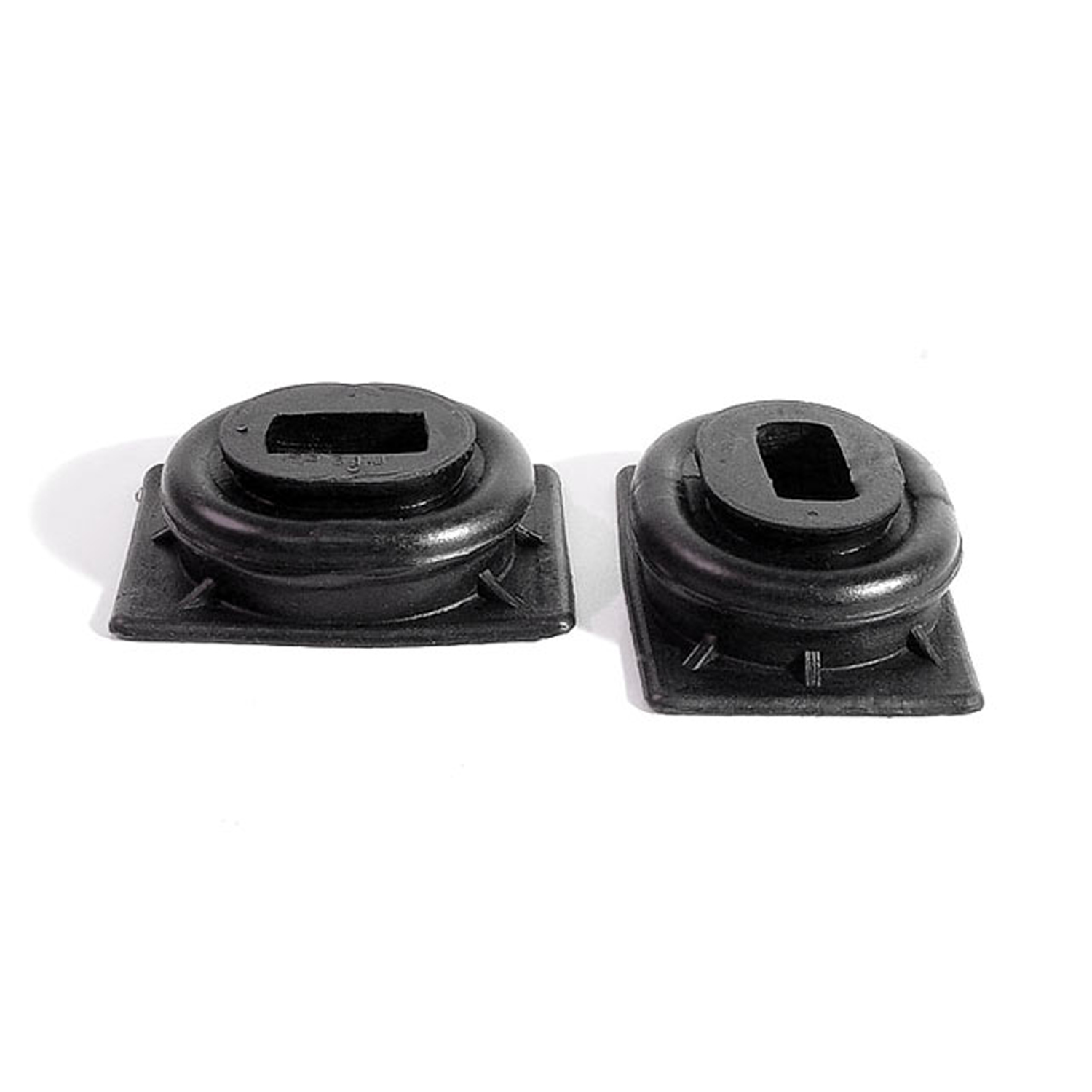 1939 Chrysler Royal Clutch and Brake Seals. Replaces OEM #889473. Pair-RP 31-JClutch and Brake Seals. Replaces OEM #889473. Pair
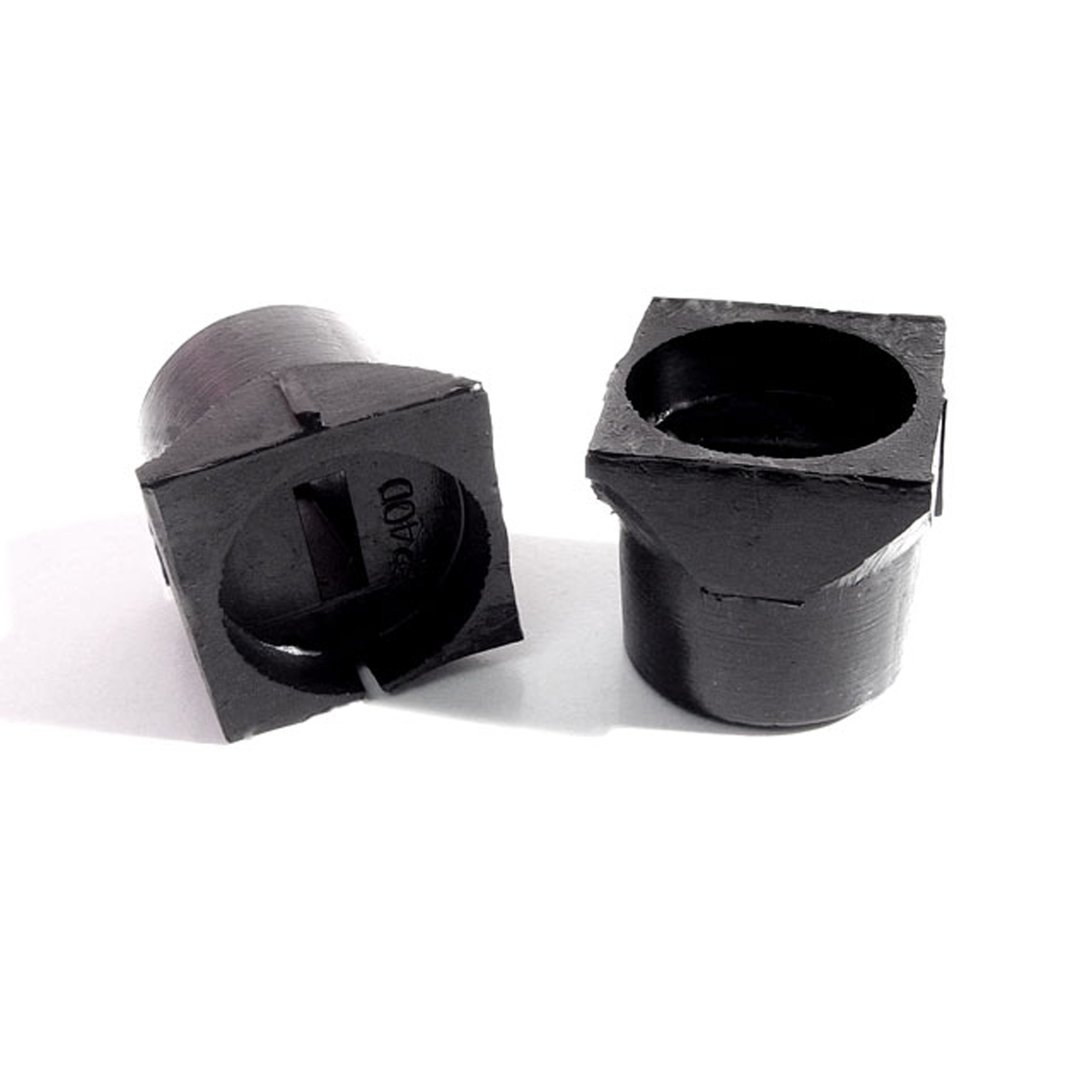 1939 Chrysler Royal Door Check Rubber Cushion. Each-RP 40-DDoor Check Rubber Cushion. Each
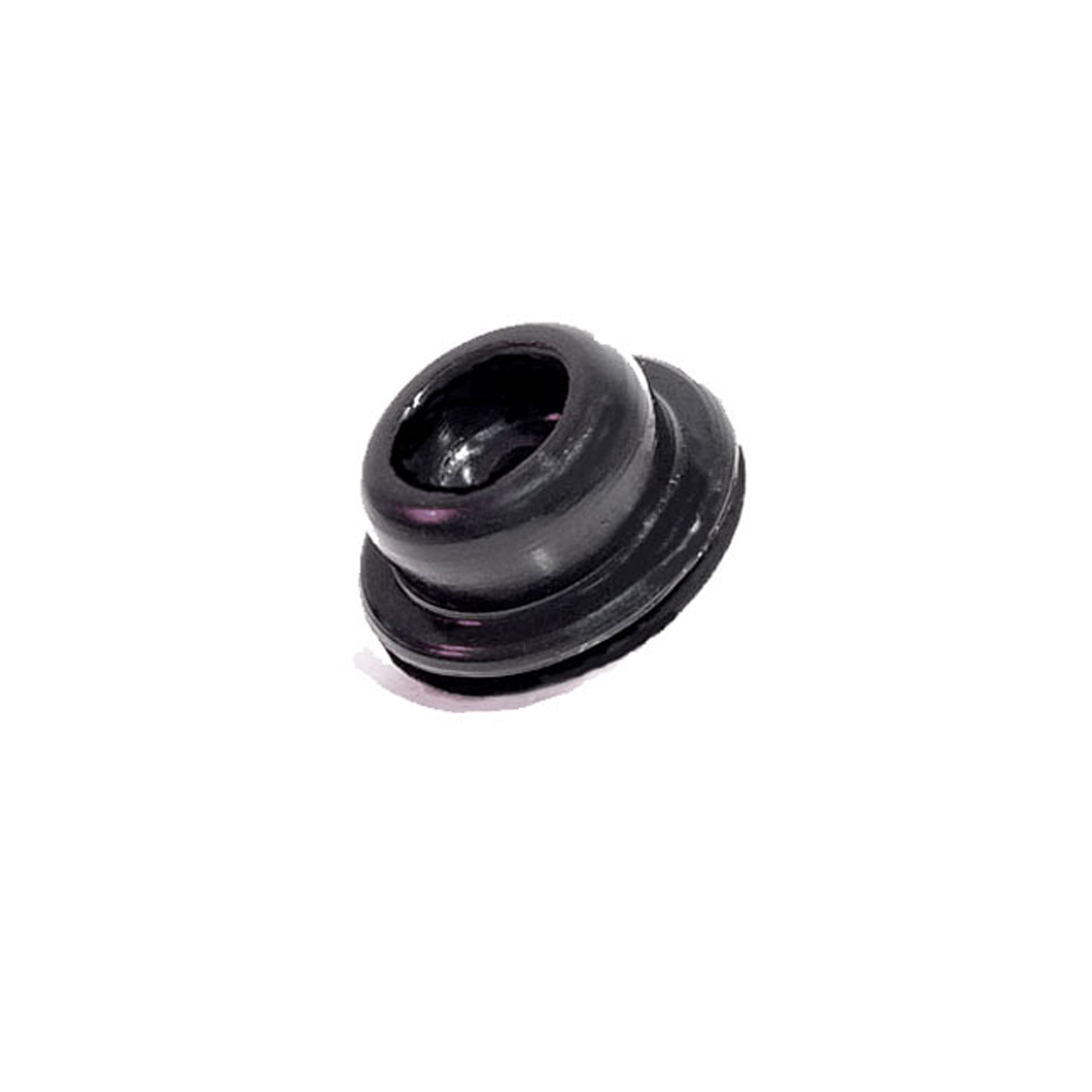 1939 Chrysler Royal Accelerator Rod Grommet-SM 43-BAccelerator Rod Grommet. For accelerator rod through floorboard. Each
 1939 Chrysler Royal Rear Vent Window Seals, for Sedans-WR 2300-RRear Vent Window Seals, for Sedans. Slight modification required for some models. Overall length is 44". Some models use longer seal, for these use extension piece WREX 2300-R. Pair R&L
 1939 Chrysler Royal Rear Vent Window Seals Extension Piece, for Sedans-WREX 2300-RRear Vent Window Seals Extension Piece, for Sedans. Butting of parts is required. 24" long. Replaces OEM #744128-9, 790216-7 & 847090-1. Pair
Why Choose Metro?
For over 100 years, Metro Moulded Parts has been the pinnacle of quality in classic car restoration parts. Our commitment to precision and authenticity in every component ensures a perfect fit and an OEM-level appearance.
- Expert Craftsmanship & Quality: Each part is a testament to our dedication to reliability and perfection, crafted from original designs and thoroughly tested.
- Advanced Technology: We use cutting-edge techniques to create flawless, long-lasting parts that surpass others in performance.
- SuperSoft Sponge – The Ultimate Door Seal: Not only are our door seals 30% softer than competitors', but they're also guaranteed to never leak. They effectively reduce wind and road noise, enhancing your classic car's comfort and driving experience.
- Proudly American: Our parts are a product of American craftsmanship, made in the USA with a spirit of excellence and heritage.
- Unrivaled Warranty: We back our products with a 30-year industry-leading warranty, a testament to our confidence in their quality.
Join us in preserving the legacy of classic cars with parts that are crafted for perfection, not just made.