

Image of 1939 Chrysler Royal Windsor, Note: These illustrations use artistic license and may differ from actual historical models.
Performance Metrics
Fundamental Metrics
Emotional Appeal
MMP Rating
| Engine Specifications | |
|---|---|
| Engine: | Inline 6 |
| Displacement: | 241.5 cu in (4.0 L) |
| Horsepower: | 100-120 hp |
| Torque: | Estimated 180 lb-ft |
| Compression Ratio: | 6.5:1 |
| Ignition System: | Battery and coil |
| Cooling System: | Liquid-cooled |
| Performance Specifications | |
| 0-60 Time: | Estimated 20 seconds |
| 1/4 Mile Time: | Not available |
| Top Speed: | 80 mph |
| Transmission and Drive | |
| Drive Type: | Rear-wheel drive |
| Transmission Type: | 3-speed manual |
| Fuel and Efficiency | |
| Fuel System Type: | Carburetor |
| MPG: | Estimated 15-20 mpg |
| Dimensions and Brakes | |
| Brakes: | Hydraulic drum brakes |
| Wheelbase: | 125 inches |
| Weight: | 3,400 lbs |
Note: Specifications for classic cars are given to the best of our ability, considering the limited and variant data available.
1939 Chrysler Royal and Windsor: A Prewar Classic Explained
The 1939 Chrysler brings Art Deco style and substantial prewar engineering together in a handsome, quietly capable American car. One detail matters before diving in: Chrysler sold the Royal and Windsor as separate model series in 1939, rather than as a single factory model called the “Royal Windsor.” This guide focuses mainly on the 1939 Windsor, while noting where Royal specifications may differ. If you are shopping for a car advertised as a Royal Windsor, check its serial number, data plate, and original paperwork to establish exactly what it is.
Both models came from the Chrysler Corporation, the Detroit automaker founded by Walter P. Chrysler. The Windsor occupied the comfortable middle of Chrysler’s range, above the entry-level Royal and below more expensive models such as the New Yorker. It was designed for motorists who wanted a substantial, well-equipped car without stepping into the highest price bracket.
The timing gives the car added historical interest. It arrived as the United States was gradually recovering from the Great Depression and Europe was entering the Second World War. One especially notable feature was Chrysler’s optional Fluid Drive, an early fluid coupling that softened the connection between the engine and transmission. It did not make the 1939 Windsor a fully automatic car, but it offered a glimpse of the smoother, easier driving technology that would become increasingly important after the war.
Art Deco Styling and Cabin Comfort
The Windsor has the dignified proportions that define a late-1930s American sedan: a long hood, upright passenger compartment, flowing fenders, and a rounded rear deck. At the front, a tall, carefully detailed grille gives the car a formal face, while separate headlamps sit prominently on the front fenders. Chrome accents add sparkle without overwhelming the bodywork. The overall effect is elegant rather than showy, with just enough streamlining to suggest modernity.
Inside, the cabin feels broad and substantial. The dashboard is laid out in a clear, upright fashion, with its instruments and controls arranged for easy viewing. Depending on body style and trim, upholstery could include durable cloth or broadcloth, with more luxurious materials available on better-equipped examples. Painted or woodgrain-finished metal trim, a large steering wheel, and generous seating give the interior a distinctly prewar character. Today, surviving cars vary considerably: original upholstery may be worn, while restored examples can feature replacement fabrics chosen to match period patterns.
Factory color selections depended on body style, trim, and production details. Buyers could choose from a range of period solid colors, often paired with contrasting upholstery and brightwork. Dark greens, blues, maroons, and black are familiar colors on surviving cars, though a car’s current finish is not proof that it left the factory that way. Original paint codes and build records are worth checking during a restoration.
Chrysler offered several body configurations across its 1939 line, including two- and four-door sedans and coupe variations. Availability could differ between the Royal and Windsor series. The four-door sedan is among the most recognizable and practical choices today, while coupes have a sportier profile and convertibles are especially desirable. Always verify a particular body style against period catalogues or model records, since advertisements and modern listings sometimes blur the distinctions between series.
Engineering in a Changing Era
The Windsor was not a radical design experiment, but it represented Chrysler’s strength in building comfortable, mechanically capable cars for everyday use. Its conventional front-engine, rear-wheel-drive layout was familiar to motorists, while Chrysler’s attention to suspension, braking, and transmission design helped distinguish the car from more basic offerings. The result was a well-rounded package rather than a single headline-grabbing innovation.
Fluid Drive is the most memorable technology associated with the period. A fluid coupling between the engine and clutch helped smooth starts and reduce driveline shock. On a 1939 car, however, the driver still had a clutch pedal and a manual transmission. It should not be confused with a modern automatic gearbox. The system is an appealing piece of Chrysler engineering, but its condition and correct operation should be checked carefully on any prospective purchase.
The Windsor’s lasting appeal lies in this blend of conventional usability and thoughtful engineering. It did not reshape the industry in the way Chrysler’s more famous Airflow experiments did, but it helped establish the brand’s reputation for substantial, technically interesting cars. Its prewar styling also captures a moment when American manufacturers were refining the classic long-hood sedan before wartime production halted civilian carmaking.
Six-Cylinder Performance and Road Manners
A typical 1939 Windsor is powered by Chrysler’s 241.5-cubic-inch L-head inline-six, commonly rated at about 100 horsepower, paired with a three-speed manual transmission. Equipment and specifications can vary by series and configuration, so confirm the engine and drivetrain against the car’s identification numbers. The Windsor was built for relaxed travel, not drag-strip performance.
With a healthy engine and suitable gearing, a Windsor may reach roughly 80 to 85 mph. A 0-to-60-mph run is likely to take around 20 seconds or longer, depending on vehicle condition, body style, gearing, and test method. These are estimates, not modern instrumented results. In ordinary driving, the engine’s steady low-speed torque matters more than its top speed.
On a smooth road, the car feels composed and substantial. Its suspension is tuned for comfort, so it takes bumps and broken pavement with the soft, deliberate motion expected of a full-size car from the era. The trade-off is body lean in corners and less precise steering than a modern driver may be used to. On winding roads, a Windsor rewards a measured pace and smooth inputs. Its size, narrow tires, and period braking system call for planning rather than last-second maneuvers.
From behind the wheel, expect a broad steering wheel, a relatively upright seating position, and a clear view over the long hood. The six-cylinder engine produces a mellow mechanical hum that grows louder under acceleration, while the three-speed transmission asks the driver to be involved. A well-maintained Fluid Drive car may feel smoother as it pulls away, but it remains a car that expects the driver to shift and use the clutch.
Owning and Maintaining a 1939 Chrysler
Most Windsor owners use their cars for weekend drives, local events, tours, and shows. A carefully maintained example can be driven regularly, but modern traffic places demands on a nearly 90-year-old vehicle that its original designers never anticipated. For frequent use, owners often pay close attention to cooling, tires, electrical connections, brakes, and steering components. Some choose discreet upgrades, while others prefer to keep the car in factory-correct condition.
Routine mechanical work is approachable for an experienced home mechanic. The engine bay is relatively accessible, and the car’s conventional layout is easier to understand than many later, more complex systems. Parts availability is mixed: service items and some reproduction components can be found through specialist suppliers and Chrysler clubs, while trim, glass, body panels, and model-specific details may take time to locate. Fluid Drive components and other uncommon equipment deserve particular scrutiny.
Reliability depends more on condition and restoration quality than on the badge. A car with a tired cooling system, neglected wiring, old tires, or poorly adjusted brakes can be troublesome regardless of its reputation. Before buying, inspect the frame and body for corrosion, check engine compression and oil pressure, test the transmission, and confirm that the brakes stop the car evenly. A pre-purchase inspection by a mechanic familiar with prewar Chrysler products is money well spent.
Little-Known Details and Common Criticisms
Fluid Drive is the standout conversation piece. It offered a smoother feel at low speeds while retaining a manual transmission, making it a transitional technology rather than a true automatic. It also gives a 1939 Chrysler an unusual mechanical talking point at shows, especially when the owner can explain what the system does and what it does not do.
There is no widely recognized speed or endurance record attached specifically to the 1939 Windsor, and it is not known for a famous production run tied to a major historical event. Its significance is more representative: it is a well-preserved example of the cars Americans drove just before wartime production redirected the industry. Celebrity ownership claims occasionally appear in classic-car advertising, but they should be supported by documentation rather than repeated as fact.
Common criticisms are straightforward. The Windsor is large by modern standards, its acceleration is leisurely, and its braking and handling cannot match a contemporary car. Some buyers also find prewar parts sourcing slower and less convenient than support for more popular postwar classics. Those drawbacks are part of the ownership equation, but they are balanced by distinctive styling, mechanical character, and a less common presence at local shows than a typical 1950s American car.
Collector Values and Availability
Surviving 1939 Chryslers appear regularly enough for patient shoppers, but condition and body style make a major difference. Four-door sedans are generally easier to find than rare or open body styles. The Royal and Windsor should not be assumed to have identical specifications or values, so buyers should identify the exact series before comparing prices.
As a broad U.S. market estimate, a project car may sell for about $5,000 to $12,000. A usable driver in presentable condition might bring roughly $12,000 to $25,000, while a high-quality restoration could fall around $25,000 to $45,000 or more. Exceptional cars, particularly scarce body styles with strong documentation, can exceed that range. These are approximate figures, not appraisals, and local demand, originality, mechanical condition, and restoration quality all matter.
Exact production totals for each series and body style can be difficult to verify from commonly available summaries. A reasonable estimate is that Windsor production ran into the tens of thousands, perhaps around 35,000 to 45,000 cars, rather than being a tiny limited edition. That does not mean examples are plentiful today: many cars have disappeared, and specific body styles or original-condition survivors can be hard to locate.
Values have generally followed the broader market for prewar American cars. Well-restored examples remain desirable, but appreciation is usually steadier and more selective than for the most famous collectible marques. The best buys are often sound, documented cars with complete trim and solid bodies, rather than ambitious projects that require rare parts and extensive cosmetic work.
Why the 1939 Chrysler Still Matters
The 1939 Chrysler Royal and Windsor combine elegant prewar proportions, practical six-cylinder engineering, and a snapshot of automotive technology on the edge of a major transition. The Windsor’s Fluid Drive option gives it a distinctive technical story, while its comfortable cabin and composed road manners explain why cars like it appealed to American families.
It is not the quickest or most famous Chrysler of its era, and it asks for patience on the road and in the parts hunt. But for collectors who value period detail, mechanical character, and understated Art Deco style, a 1939 Windsor is more than an old sedan. It is a rolling reminder of the moment before the automobile industry changed direction, and a classic that still rewards anyone willing to take the scenic route.
1939 Chrysler Royal Windsor Catalog of Parts
 1939 Chrysler Royal Windsor Clutch and Brake Pedal Pads. 2-5/8" wide X 3-3/4" long-CB 26Clutch and Brake Pedal Pads. 2-5/8" wide X 3-3/4" long. Pair
 1939 Chrysler Royal Windsor Clutch and Brake Pedal Pads, Black-CB 28-AClutch and Brake Pedal Pads, Black. 2-3/8" wide X 3-7/8" long. Pair
 1939 Chrysler Royal Windsor Clutch and Brake Pedal Pads, Brown-CB 28-BClutch and Brake Pedal Pads, Brown. 2-3/8" wide X 3-7/8" long. Pair
 1939 Chrysler Royal Windsor Door Jamb Bumper. Perfect reproduction-DB 36Door Jamb Bumper. Perfect reproduction. 1-1/16" high X 1-1/4" wide X 7/16" thick. Each
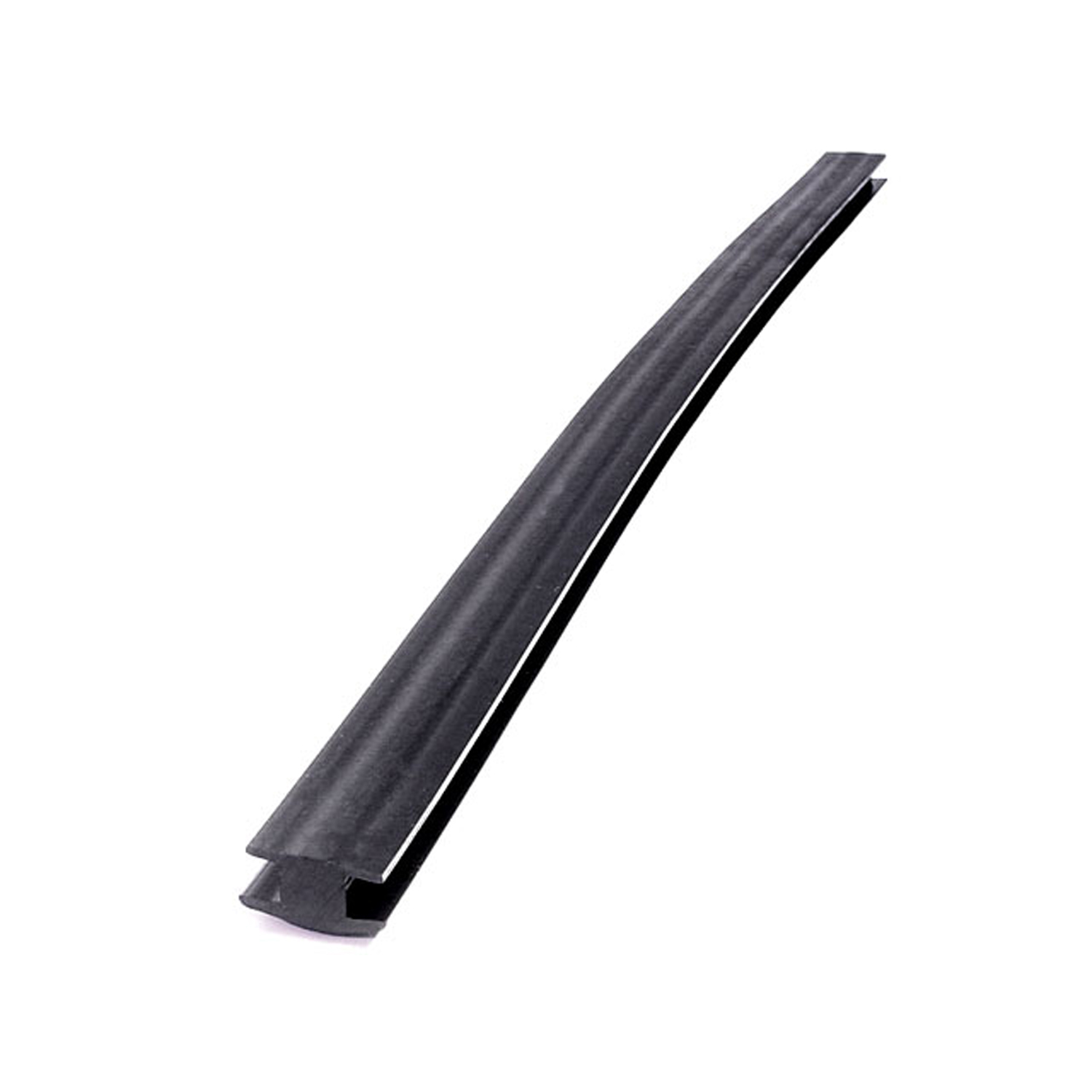 1939 Chrysler Royal Windsor Windshield Center Bar Gasket. 20" long. Each-DP 12Windshield Center Bar Gasket. 20" long. Each
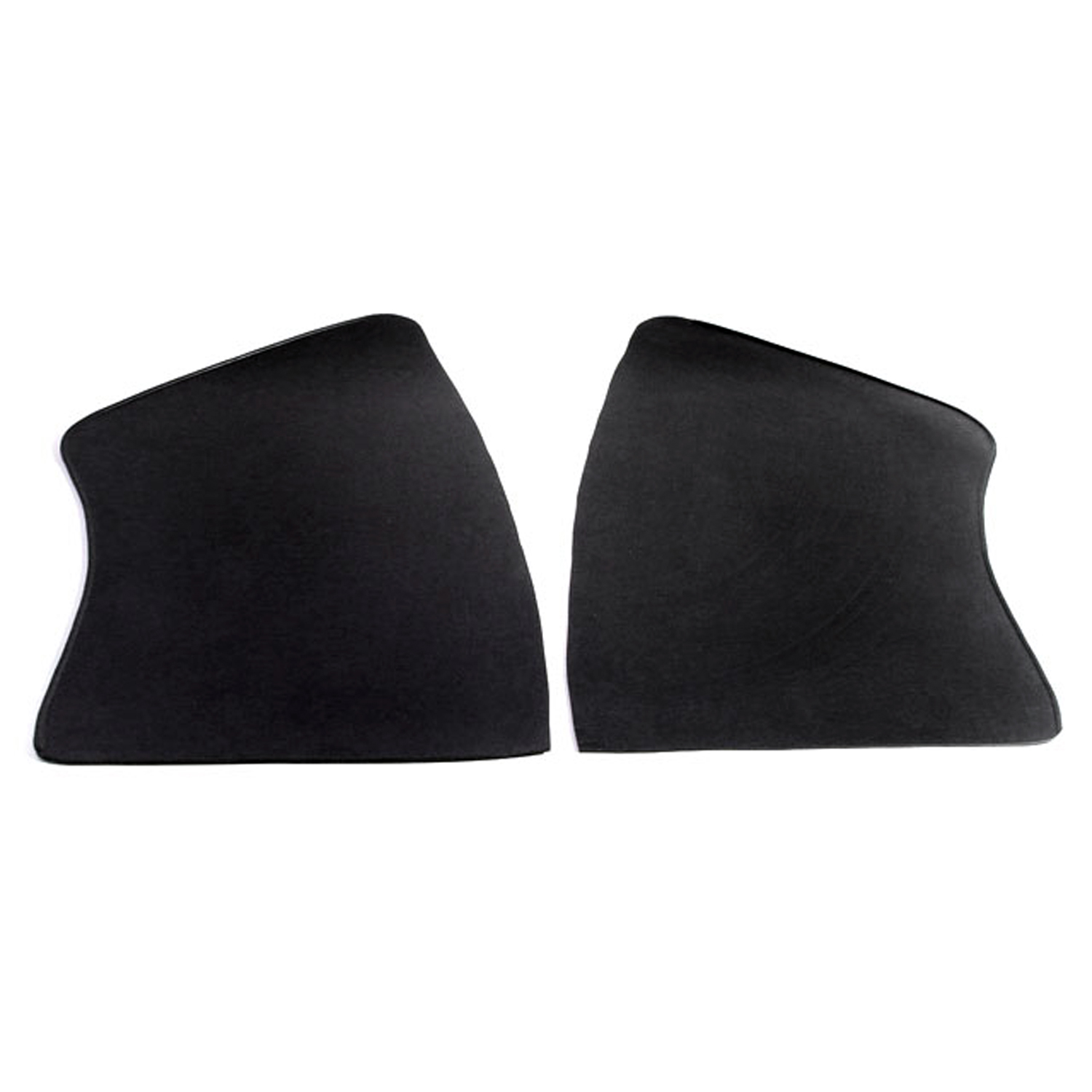 1939 Chrysler Royal Windsor Gravel Shields. Molded flat without metal backing plates-FS 31Gravel Shields. Molded flat without metal backing plates. Apply with contact cement. 18" long X 9-3/4" wide at bottom. Pair
 1939 Chrysler Royal Windsor Gas Filler Grommet. 2-1/4" I.D., 3-3/4" O.D-GF 18Gas Filler Grommet. 2-1/4" I.D., 3-3/4" O.D., 1/2" top thickness. Each
 1939 Chrysler Royal Windsor Hood Corners. Fits flat corners-HC 19Hood Corners. Fits flat corners. 80° angle, 1/4" to 3/8" corner radius. 1-3/8" wide. Pair
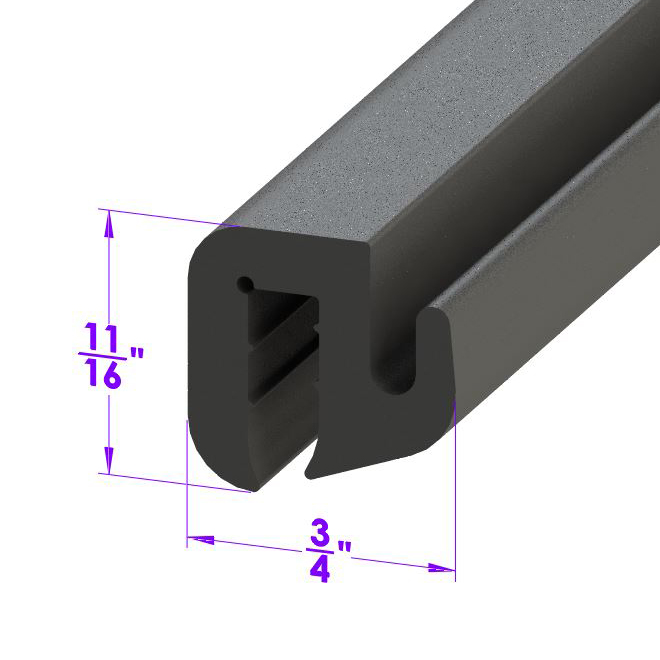 1939 Chrysler Royal Windsor Windshield and Rear Window Seal. Sold by the foot-LP 30-AWindshield and Rear Window Seal. Sold by the foot
 1939 Chrysler Royal Windsor Door side seal. Same as LP 40, but for a lighter seal-LP 40-ADoor side seal. Same as LP 40, but for a lighter seal. Fits many domestic passenger cars and trucks. Universal seal for street rods and customs. Used in Cobra kit cars as door weatherstrip. Per foot.
 1939 Chrysler Royal Windsor Trunk Seal. Sponge rubber. Sold by the foot.-LP 96-/FTTrunk Seal. Sponge rubber. Sold by the foot.
 1939 Chrysler Royal Windsor Swing-Out Windshield Seal. 3/4" High. Sold by the foot-LP 97-ASwing-Out Windshield Seal. 3/4" High. Sold by the foot
 1939 Chrysler Royal Windsor Tail-light Pads. 4" wide X 9" long. Pair-MP 565Tail-light Pads. 4" wide X 9" long. Pair
 1939 Chrysler Royal Windsor Emblem Pad. 9-1/2" wide X 2" long. Each-MP 577Emblem Pad. 9-1/2" wide X 2" long. Each
 1939 Chrysler Royal Windsor Cowl Vent Seal. Made of molded sponge-RP 100-LCowl Vent Seal. Made of molded sponge. 3-3/4" wide at side X 15-1/3" long X 3/8" thick. Each
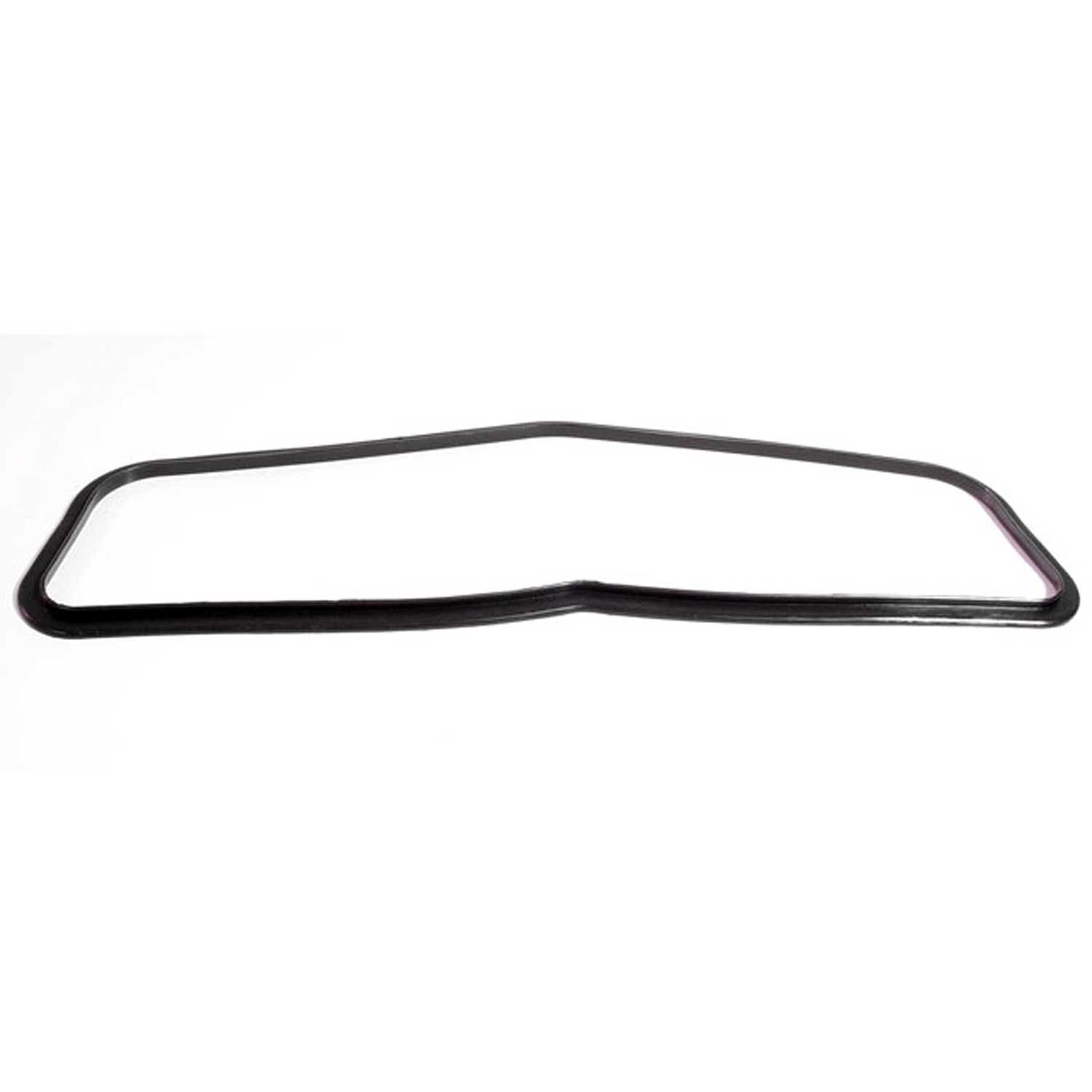 1939 Chrysler Royal Windsor Cowl Vent Seal. 4" wide X 18" long. Each-RP 100-QCowl Vent Seal. 4" wide X 18" long. Each
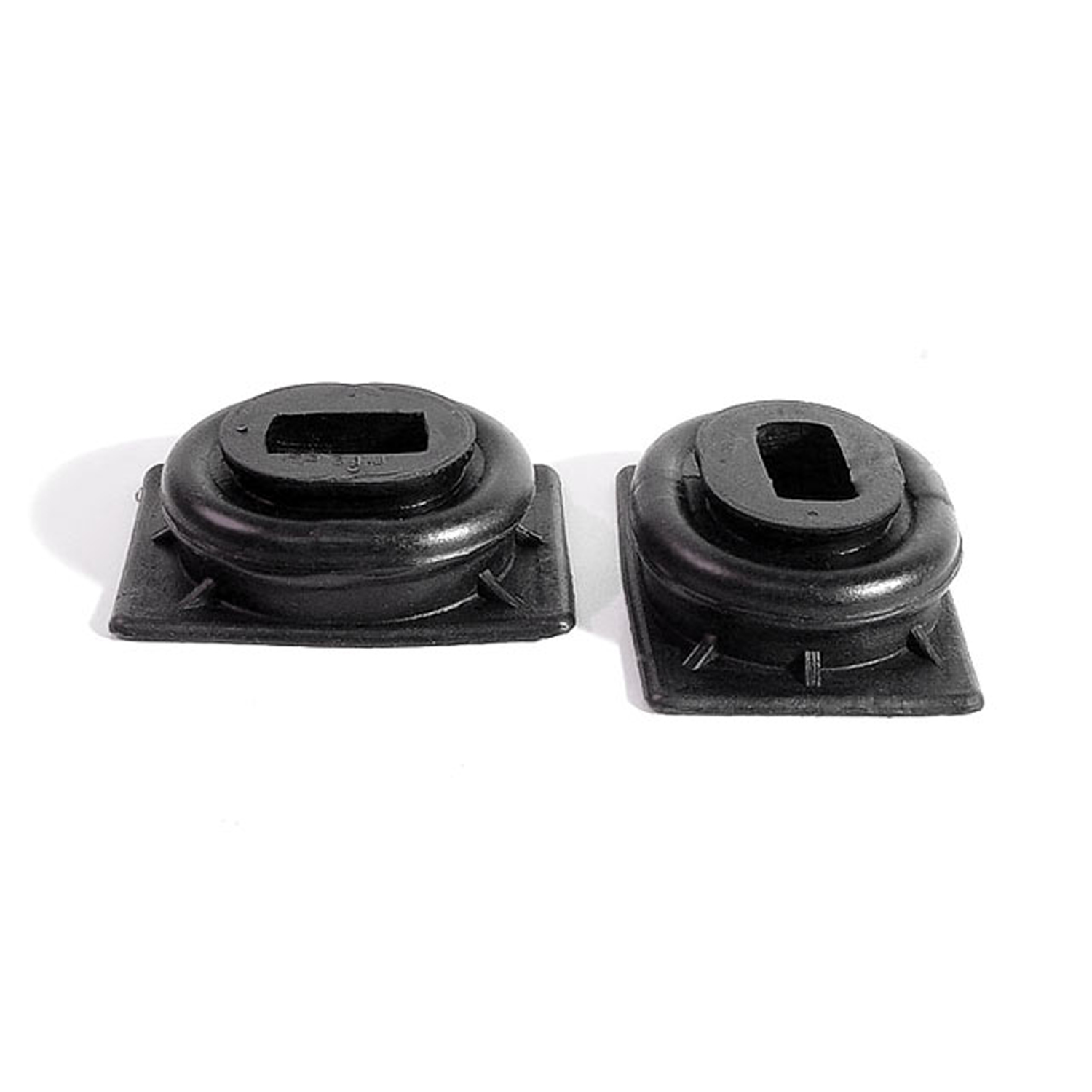 1939 Chrysler Royal Windsor Clutch and Brake Seals. Replaces OEM #889473. Pair-RP 31-JClutch and Brake Seals. Replaces OEM #889473. Pair
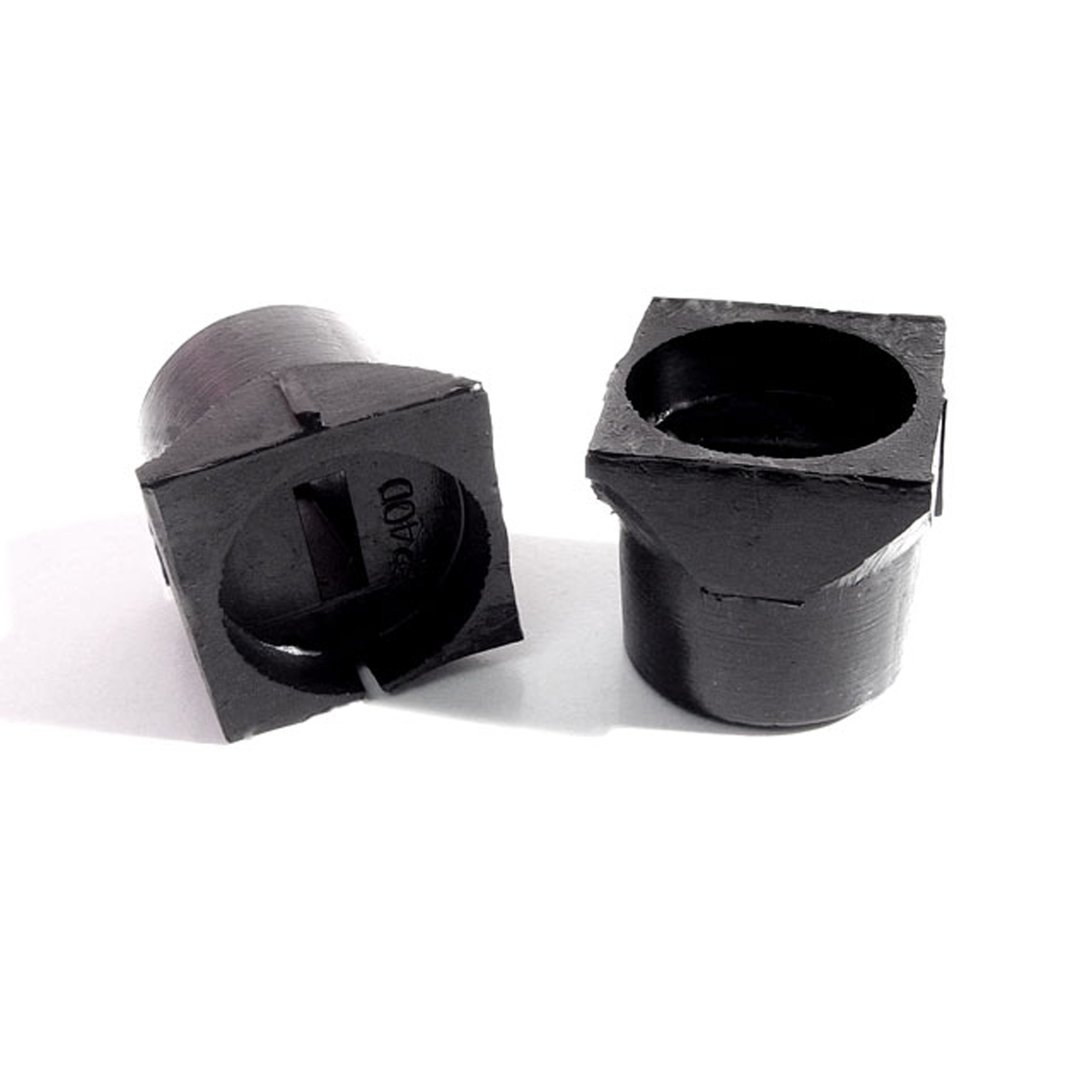 1939 Chrysler Royal Windsor Door Check Rubber Cushion. Each-RP 40-DDoor Check Rubber Cushion. Each
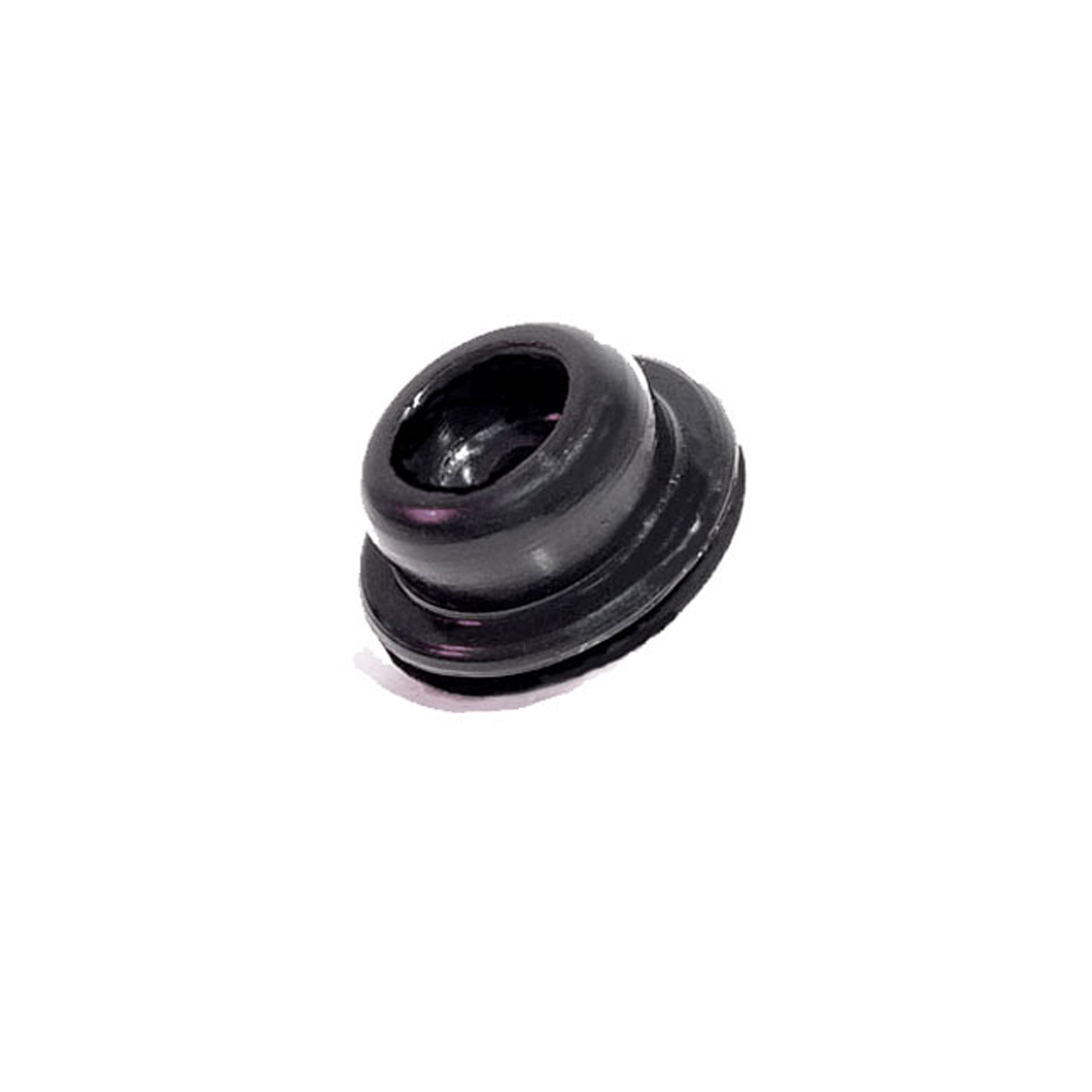 1939 Chrysler Royal Windsor Accelerator Rod Grommet-SM 43-BAccelerator Rod Grommet. For accelerator rod through floorboard. Each
 1939 Chrysler Royal Windsor Rear Vent Window Seals, for Sedans-WR 2300-RRear Vent Window Seals, for Sedans. Slight modification required for some models. Overall length is 44". Some models use longer seal, for these use extension piece WREX 2300-R. Pair R&L
 1939 Chrysler Royal Windsor Rear Vent Window Seals Extension Piece, for Sedans-WREX 2300-RRear Vent Window Seals Extension Piece, for Sedans. Butting of parts is required. 24" long. Replaces OEM #744128-9, 790216-7 & 847090-1. Pair
Why Choose Metro?
For over 100 years, Metro Moulded Parts has been the pinnacle of quality in classic car restoration parts. Our commitment to precision and authenticity in every component ensures a perfect fit and an OEM-level appearance.
- Expert Craftsmanship & Quality: Each part is a testament to our dedication to reliability and perfection, crafted from original designs and thoroughly tested.
- Advanced Technology: We use cutting-edge techniques to create flawless, long-lasting parts that surpass others in performance.
- SuperSoft Sponge – The Ultimate Door Seal: Not only are our door seals 30% softer than competitors', but they're also guaranteed to never leak. They effectively reduce wind and road noise, enhancing your classic car's comfort and driving experience.
- Proudly American: Our parts are a product of American craftsmanship, made in the USA with a spirit of excellence and heritage.
- Unrivaled Warranty: We back our products with a 30-year industry-leading warranty, a testament to our confidence in their quality.
Join us in preserving the legacy of classic cars with parts that are crafted for perfection, not just made.