

Image of 1939 Chrysler Saratoga, Note: These illustrations use artistic license and may differ from actual historical models.
Performance Metrics
Fundamental Metrics
Emotional Appeal
MMP Rating
| Engine Specifications | |
|---|---|
| Engine: | Straight-8 |
| Displacement: | 323.5 cu in (5.3 L) |
| Horsepower: | Estimated 130-140 hp |
| Torque: | Not available |
| Compression Ratio: | Not available |
| Ignition System: | Battery and coil |
| Cooling System: | Liquid-cooled |
| Performance Specifications | |
| 0-60 Time: | Not available |
| 1/4 Mile Time: | Not available |
| Top Speed: | Estimated 85-95 mph |
| Transmission and Drive | |
| Drive Type: | Rear-wheel drive |
| Transmission Type: | 3-speed manual |
| Fuel and Efficiency | |
| Fuel System Type: | Carburetor |
| MPG: | Not available |
| Dimensions and Brakes | |
| Brakes: | Hydraulic drum brakes |
| Wheelbase: | 125 inches |
| Weight: | Estimated 3,500-3,800 lbs |
Note: Specifications for classic cars are given to the best of our ability, considering the limited and variant data available.
1939 Chrysler Saratoga: The New Eight-Cylinder Sweet Spot
The 1939 Chrysler Saratoga brought the smoothness of a big straight-eight to buyers who wanted something more attainable than Chrysler’s top-of-the-line New Yorker. Introduced by the Chrysler Corporation for the 1939 model year, the Saratoga sat in the middle of the company’s eight-cylinder range, pairing substantial power with a more restrained, practical character.
Its timing made the car especially interesting. American automakers were refining the streamlined styling and engineering advances of the 1930s, while the economy was still recovering from the Great Depression. Chrysler answered with a full-size car that felt modern without being extravagantly priced. A notable detail for collectors is that 1939 was the Saratoga’s debut year. The name would return in later decades, but this first Saratoga was a distinctly prewar machine, built around a long hood, a straight-eight engine, and traditional body-on-frame construction.
Streamlined Style, Substantial Presence
The Saratoga’s exterior was handsome rather than flashy. Its upright grille had a neat, closely spaced pattern, framed by rounded front fenders and prominent headlamps mounted at the fender fronts. A long hood and gently flowing beltline gave the car a sense of motion even when parked. The rear fenders were integrated into the body’s overall shape, while bright trim and carefully shaped bumpers supplied just enough polish.
Inside, the Saratoga offered the space expected of a large American sedan. Broadcloth upholstery, a wide bench seat, generous headroom, and substantial door panels made the cabin comfortable for family travel. The dashboard combined clear, period-style gauges with polished trim. Materials and finishes varied with upholstery and equipment choices, but the emphasis was on a well-appointed, durable interior rather than the lavish detailing of a luxury flagship.
Factory paint choices varied by body and trim combination. Period-appropriate colors included dark blue, maroon, green, gray, tan, and black, often paired with contrasting interior cloth. Black and deep, rich colors suit the Saratoga’s formal lines particularly well, though a correctly documented original color is usually more important to collectors than a modern preference.
The range centered on four-door sedans and two-door coupe versions, including business and club-style coupes in the broader Chrysler body offerings. The four-door sedan is the most familiar Saratoga today, thanks to its practicality and likely greater visibility among surviving examples. Body availability and trim details can vary by catalog and market, so buyers restoring a car should confirm its exact configuration from factory documentation.
Engineering for the Road Ahead
Under the hood sat Chrysler’s 323.5-cubic-inch L-head inline-eight, rated at about 130 horsepower. The engine’s long, smooth power delivery was a defining part of the Saratoga’s appeal. Rather than relying on a high-revving motor, Chrysler’s straight-eight made the car feel relaxed and capable at ordinary road speeds.
A three-speed manual transmission was standard. Chrysler also offered Fluid Drive, a fluid coupling that softened the connection between engine and transmission and reduced the need to use the clutch in some driving situations. It was not a modern fully automatic transmission: the driver still had gears to select. Period transmission options and controls can differ, so a surviving car should be inspected to establish exactly what equipment it has.
The Saratoga also benefited from engineering that had become increasingly important in the 1930s, including hydraulic brakes and independent front suspension. These features helped make a large car easier to control and more comfortable than earlier designs. Chrysler’s steel-bodied construction and carefully developed chassis reflected the industry’s shift toward safer, more predictable, and more refined family cars.
How a Saratoga Drives
Expect leisurely rather than modern acceleration. Period performance figures vary, and results depend on gearing, condition, body style, and test methods. A healthy Saratoga is generally estimated to reach 0 to 60 mph in roughly 17 to 20 seconds, with a top speed in the neighborhood of 85 to 90 mph. Those are best treated as approximate figures, not guaranteed specifications for every car.
On the road, the straight-eight’s low, even burble is a major part of the experience. The engine feels smooth under light throttle, while the long wheelbase and soft suspension take the edge off broken pavement. The car is at home cruising on open roads, not darting through tight corners. On a winding route, its size, period steering, and body lean call for measured inputs. In crosswinds, the tall body can move around more than a modern car, and the driver needs to anticipate rather than make sudden corrections.
Braking and steering feel are also firmly of their era. A well-maintained example should track and stop confidently for a car of its age, but it will not deliver the sharp response or short stopping distances of contemporary vehicles. The most rewarding approach is smooth driving: let the engine pull, leave room for braking, and enjoy the Saratoga’s unhurried rhythm.
Its Place in Chrysler History
The 1939 Saratoga helped give Chrysler buyers a clear step between its more affordable six-cylinder models and its costlier luxury offerings. Its combination of a large straight-eight, substantial cabin, and relatively restrained styling made it a distinctive middle-ground choice. It was not as extravagant as a New Yorker, but it offered a more powerful and prestigious character than a basic family car.
The Saratoga was part of a broader move toward cars that blended streamlined looks with practical engineering. Its rounded fenders and integrated body lines reflected the era’s growing interest in aerodynamic forms, while its conventional layout showed that manufacturers did not have to abandon familiar proportions to make a car look modern. The name itself also proved durable: Chrysler reused Saratoga for later models, giving the 1939 car an important place at the start of a long-running badge history.
Living With a Prewar Chrysler
Today, a Saratoga is most often used as a show car, a touring car, or a centerpiece in a collection of prewar American vehicles. It can be driven regularly if it has been properly restored and maintained, but most owners preserve it for weekend outings and organized tours rather than relying on it as everyday transport.
Mechanical repairs are generally approachable for a capable enthusiast. The engine and chassis use familiar prewar technology, and many maintenance jobs require ordinary hand tools and patience rather than specialized electronics knowledge. The harder challenges are finding correct trim, interior materials, body hardware, and model-specific parts. Before buying, inspect the frame, floors, rocker areas, and lower body panels for corrosion, and check the straight-eight’s oil pressure, cooling system, and compression. A car that starts easily may still need significant work in its brakes, fuel system, or electrical components.
Curiosities and Common Complaints
The Saratoga’s most useful trivia is also its simplest: the 1939 model was the first to wear the name. It represented a new rung in Chrysler’s lineup, rather than a long-established model with decades of history behind it. It is not especially known for a major speed record or a headline-grabbing racing career. Its story is more about bringing smooth eight-cylinder power and up-to-date road manners to a broader group of buyers.
Common criticisms are familiar to anyone considering a large prewar car. The Saratoga is heavy, fuel consumption is high by modern standards, and the driving position and controls feel old-fashioned. Replacement parts can take time to locate, and a car that has been sitting for years may require a full recommissioning even if its exterior looks presentable. Its size can also make city parking and tight garages inconvenient.
Collector Values and Availability
Surviving 1939 Saratogas are uncommon, especially compared with more widely recognized postwar classics. Exact production totals by body style are not consistently reported in readily available reference material. A reasonable working estimate is around 10,000 to 15,000 Saratogas built for the model year, but that should be treated as an informed estimate rather than a confirmed factory total. The number of complete, roadworthy examples today is much smaller.
As a broad 2026 U.S. market estimate, a project car might sell for about $5,000 to $15,000, depending heavily on completeness and rust. A usable driver or older restoration could fall around $15,000 to $30,000, while a strong, well-restored example may bring roughly $30,000 to $50,000. Exceptional, highly documented cars can exceed that range, though asking prices and completed sales are not the same thing. Originality, correct equipment, restoration quality, and the condition of hard-to-find trim all matter.
The Saratoga has generally attracted a narrower audience than celebrated names such as the Chrysler Airflow or a top-level New Yorker. That can make it comparatively attainable, but also means values are influenced by condition and buyer interest rather than by a consistently hot market. Well-preserved, correctly restored examples are likely to hold interest among prewar collectors, though no classic-car price is guaranteed to appreciate.
Why the 1939 Saratoga Still Matters
The 1939 Chrysler Saratoga combined a smooth 130-horsepower straight-eight, a spacious and carefully finished cabin, and streamlined prewar styling in a package positioned between everyday transportation and full luxury. It was not built to set a racing record or dominate a sales chart. Its appeal lies in how confidently it represents Chrysler’s idea of a refined, modern American road car on the eve of the war years.
For collectors, the Saratoga offers something increasingly rare: a substantial prewar Chrysler with real engineering character and a name that would endure. Take one down an open road, listen to its straight-eight settle into a steady hum, and its significance becomes clear. This was not merely transportation. It was Chrysler’s promise of a smoother, more capable journey.
1939 Chrysler Saratoga Catalog of Parts
 1939 Chrysler Saratoga Clutch and Brake Pedal Pads. 2-5/8" wide X 3-3/4" long-CB 26Clutch and Brake Pedal Pads. 2-5/8" wide X 3-3/4" long. Pair
 1939 Chrysler Saratoga Clutch and Brake Pedal Pads, Black-CB 28-AClutch and Brake Pedal Pads, Black. 2-3/8" wide X 3-7/8" long. Pair
 1939 Chrysler Saratoga Clutch and Brake Pedal Pads, Brown-CB 28-BClutch and Brake Pedal Pads, Brown. 2-3/8" wide X 3-7/8" long. Pair
 1939 Chrysler Saratoga Door Jamb Bumper. Perfect reproduction-DB 36Door Jamb Bumper. Perfect reproduction. 1-1/16" high X 1-1/4" wide X 7/16" thick. Each
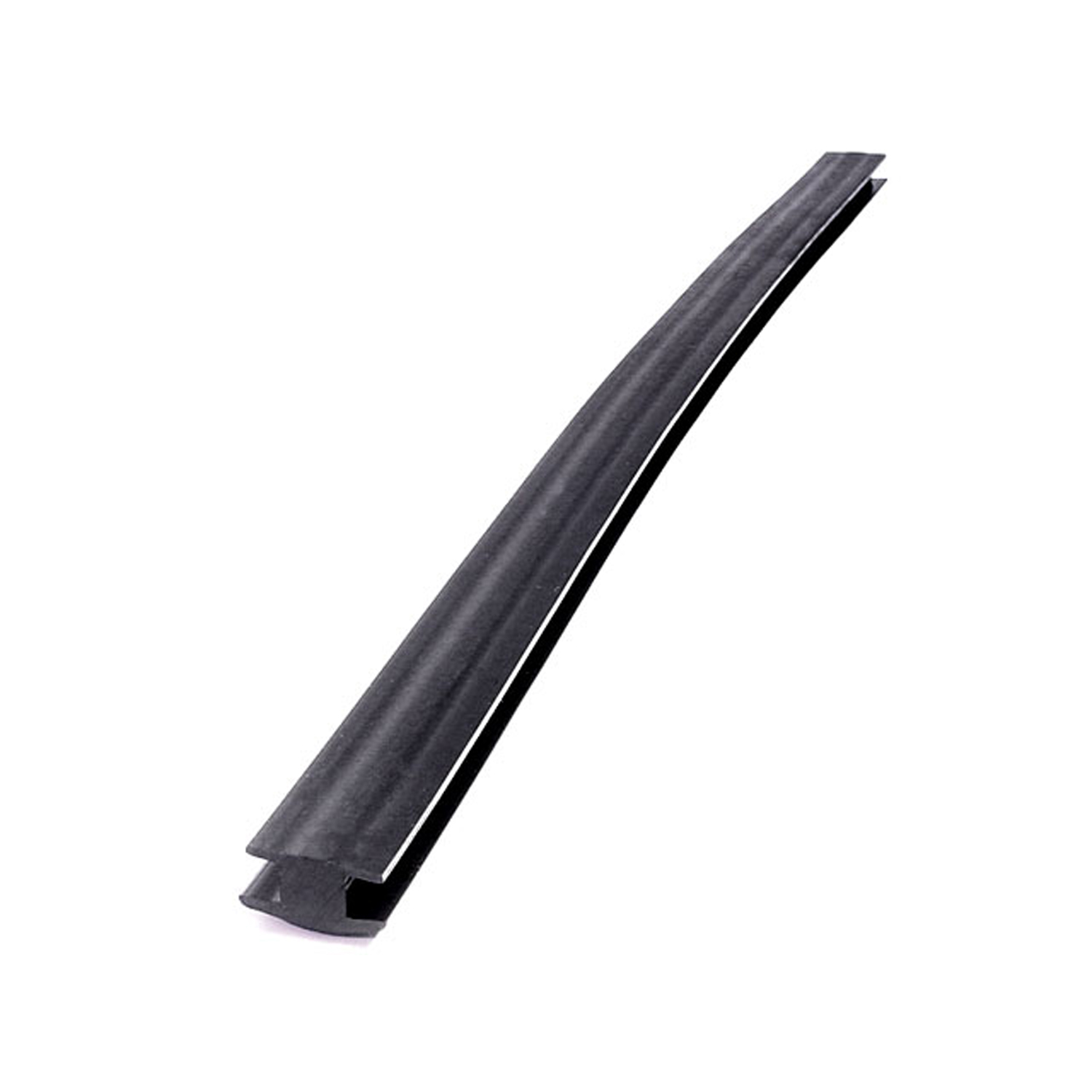 1939 Chrysler Saratoga Windshield Center Bar Gasket. 20" long. Each-DP 12Windshield Center Bar Gasket. 20" long. Each
 1939 Chrysler Saratoga Gravel Shields. Molded flat without metal backing plates-FS 31Gravel Shields. Molded flat without metal backing plates. Apply with contact cement. 18" long X 9-3/4" wide at bottom. Pair
 1939 Chrysler Saratoga Gas Filler Grommet. 2-1/4" I.D., 3-3/4" O.D-GF 18Gas Filler Grommet. 2-1/4" I.D., 3-3/4" O.D., 1/2" top thickness. Each
 1939 Chrysler Saratoga Hood Corners. Fits flat corners-HC 19Hood Corners. Fits flat corners. 80° angle, 1/4" to 3/8" corner radius. 1-3/8" wide. Pair
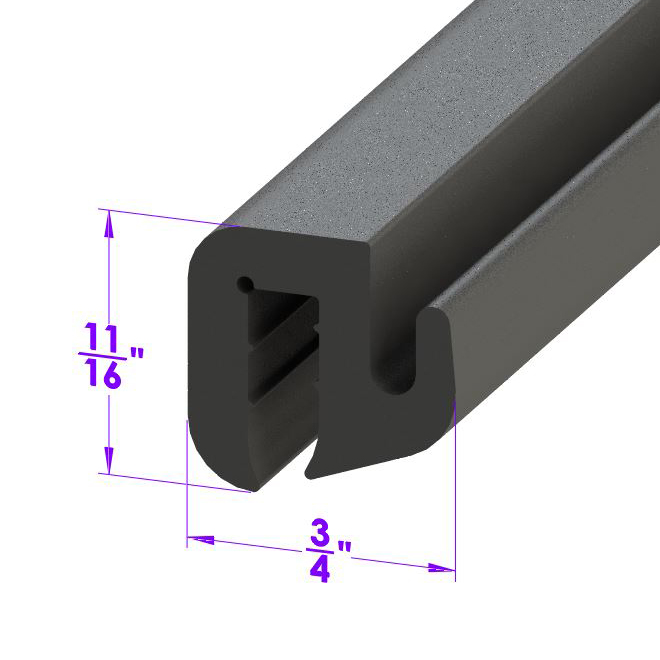 1939 Chrysler Saratoga Windshield and Rear Window Seal. Sold by the foot-LP 30-AWindshield and Rear Window Seal. Sold by the foot
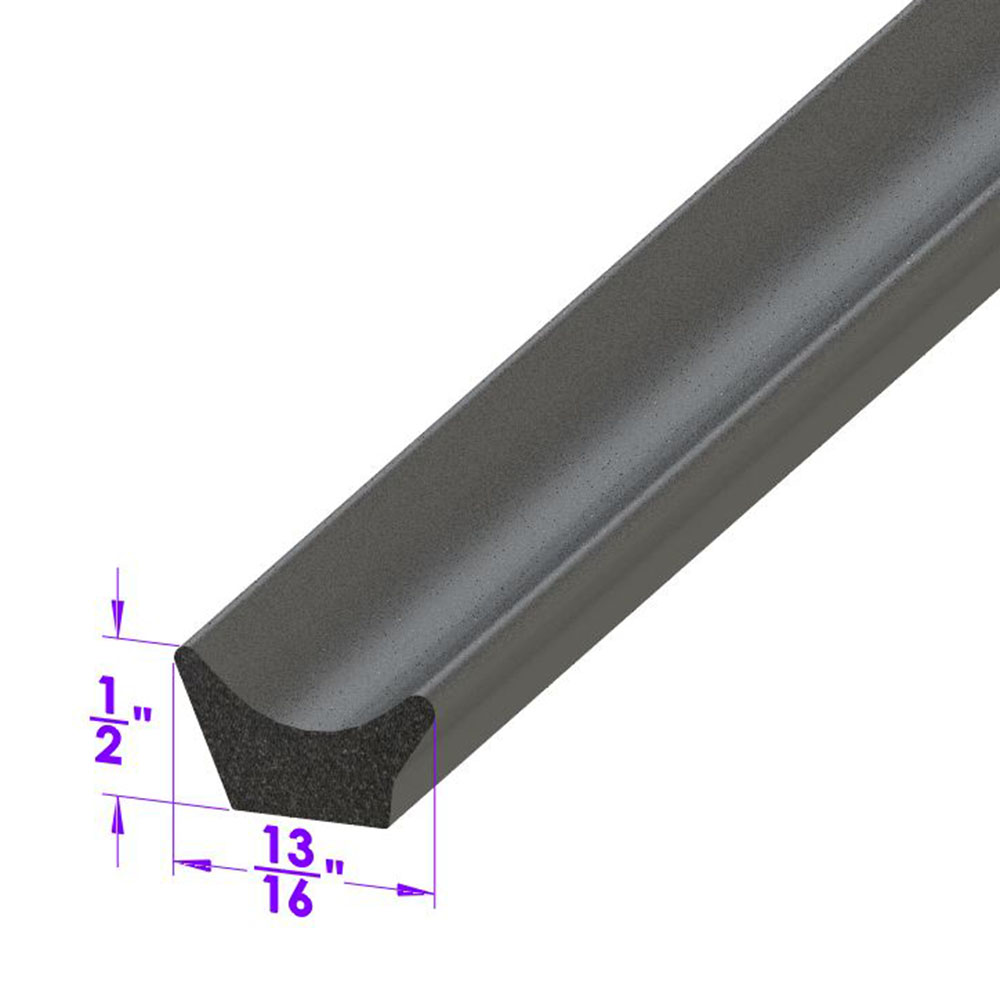 1939 Chrysler Saratoga Door side seal. Same as LP 40, but for a lighter seal-LP 40-ADoor side seal. Same as LP 40, but for a lighter seal. Fits many domestic passenger cars and trucks. Universal seal for street rods and customs. Used in Cobra kit cars as door weatherstrip. Per foot.
 1939 Chrysler Saratoga Trunk Seal. Sponge rubber. Sold by the foot.-LP 96-/FTTrunk Seal. Sponge rubber. Sold by the foot.
 1939 Chrysler Saratoga Swing-Out Windshield Seal. 3/4" High. Sold by the foot-LP 97-ASwing-Out Windshield Seal. 3/4" High. Sold by the foot
 1939 Chrysler Saratoga Tail-light Pads. 4" wide X 9" long. Pair-MP 565Tail-light Pads. 4" wide X 9" long. Pair
 1939 Chrysler Saratoga Emblem Pad. 9-1/2" wide X 2" long. Each-MP 577Emblem Pad. 9-1/2" wide X 2" long. Each
 1939 Chrysler Saratoga Cowl Vent Seal. Made of molded sponge-RP 100-LCowl Vent Seal. Made of molded sponge. 3-3/4" wide at side X 15-1/3" long X 3/8" thick. Each
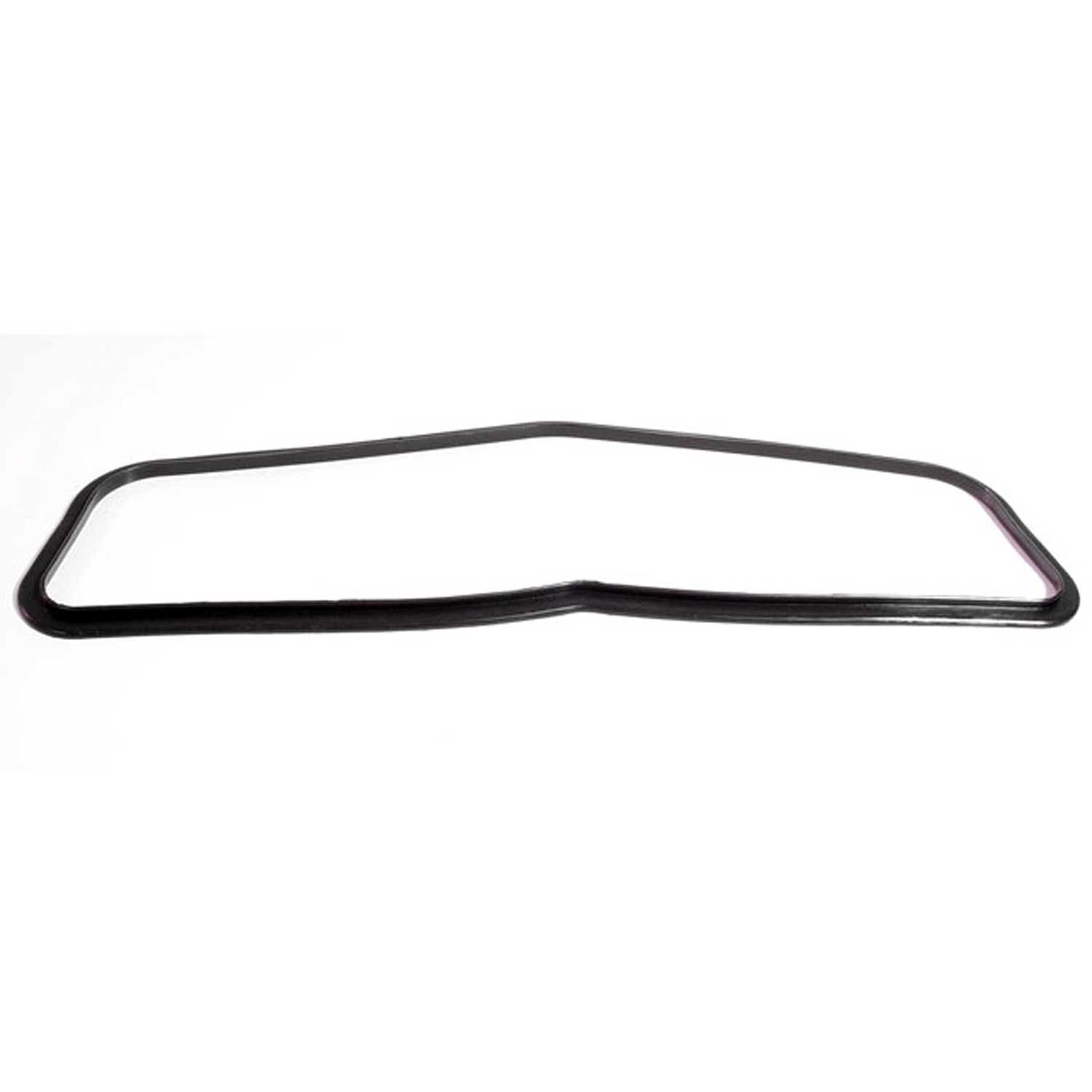 1939 Chrysler Saratoga Cowl Vent Seal. 4" wide X 18" long. Each-RP 100-QCowl Vent Seal. 4" wide X 18" long. Each
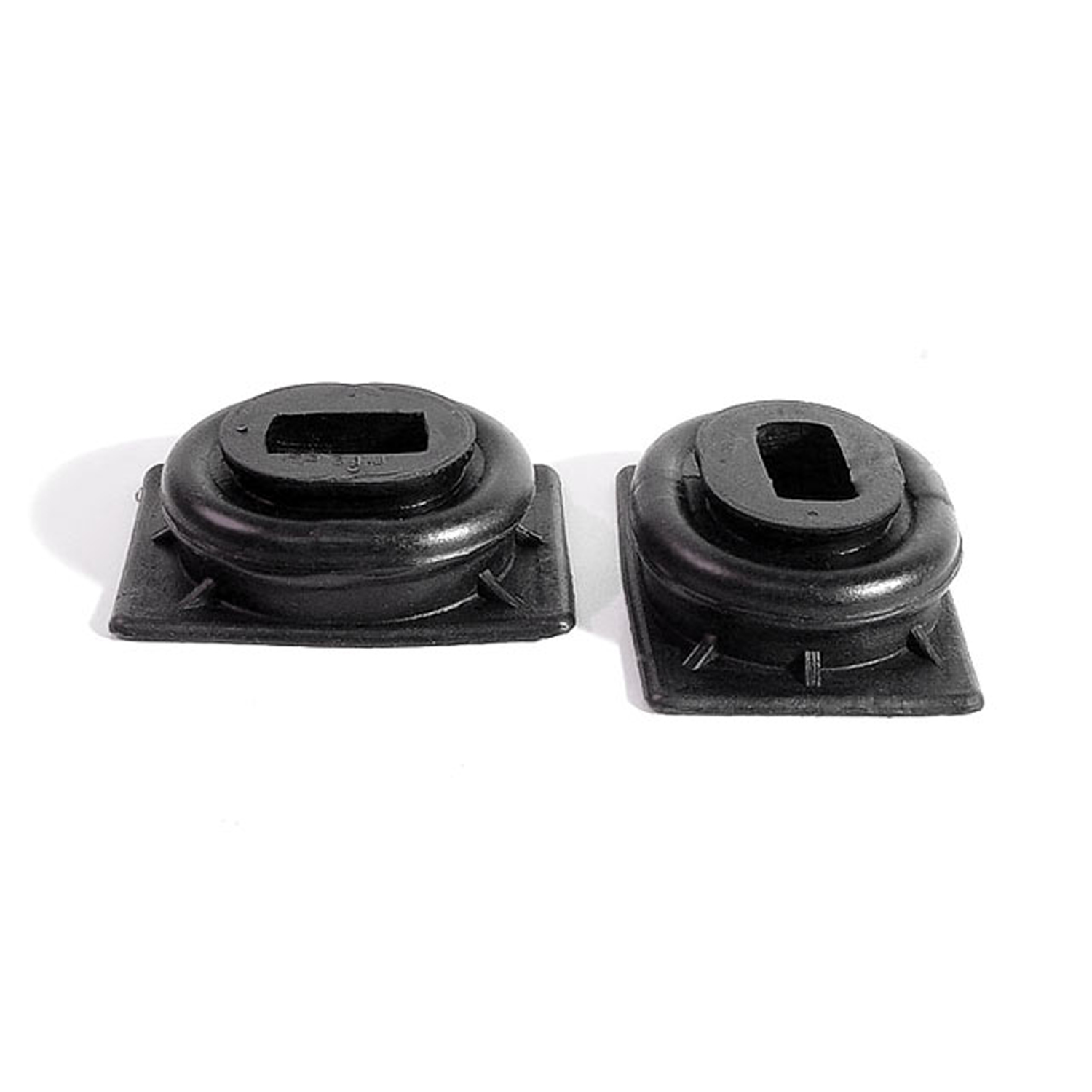 1939 Chrysler Saratoga Clutch and Brake Seals. Replaces OEM #889473. Pair-RP 31-JClutch and Brake Seals. Replaces OEM #889473. Pair
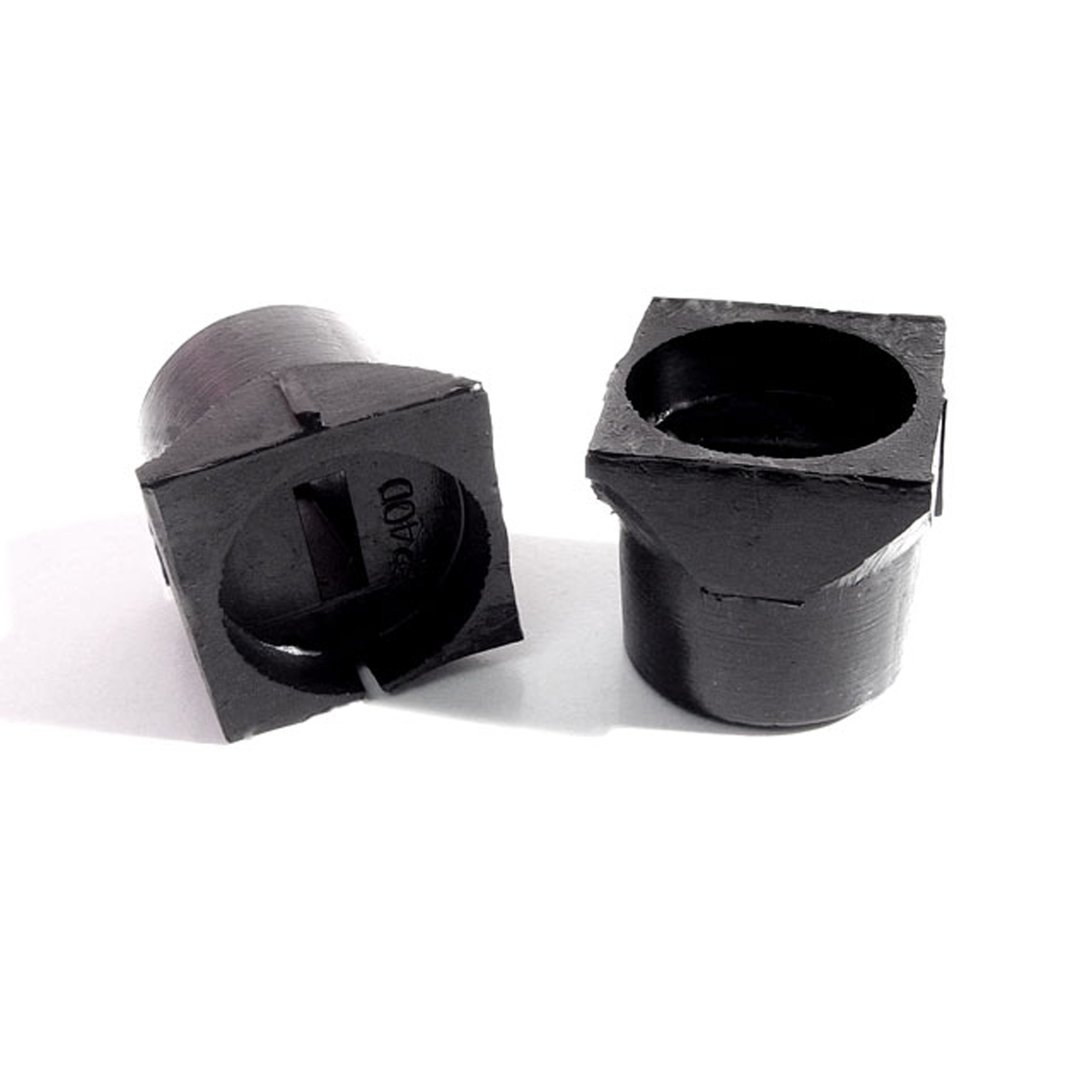 1939 Chrysler Saratoga Door Check Rubber Cushion. Each-RP 40-DDoor Check Rubber Cushion. Each
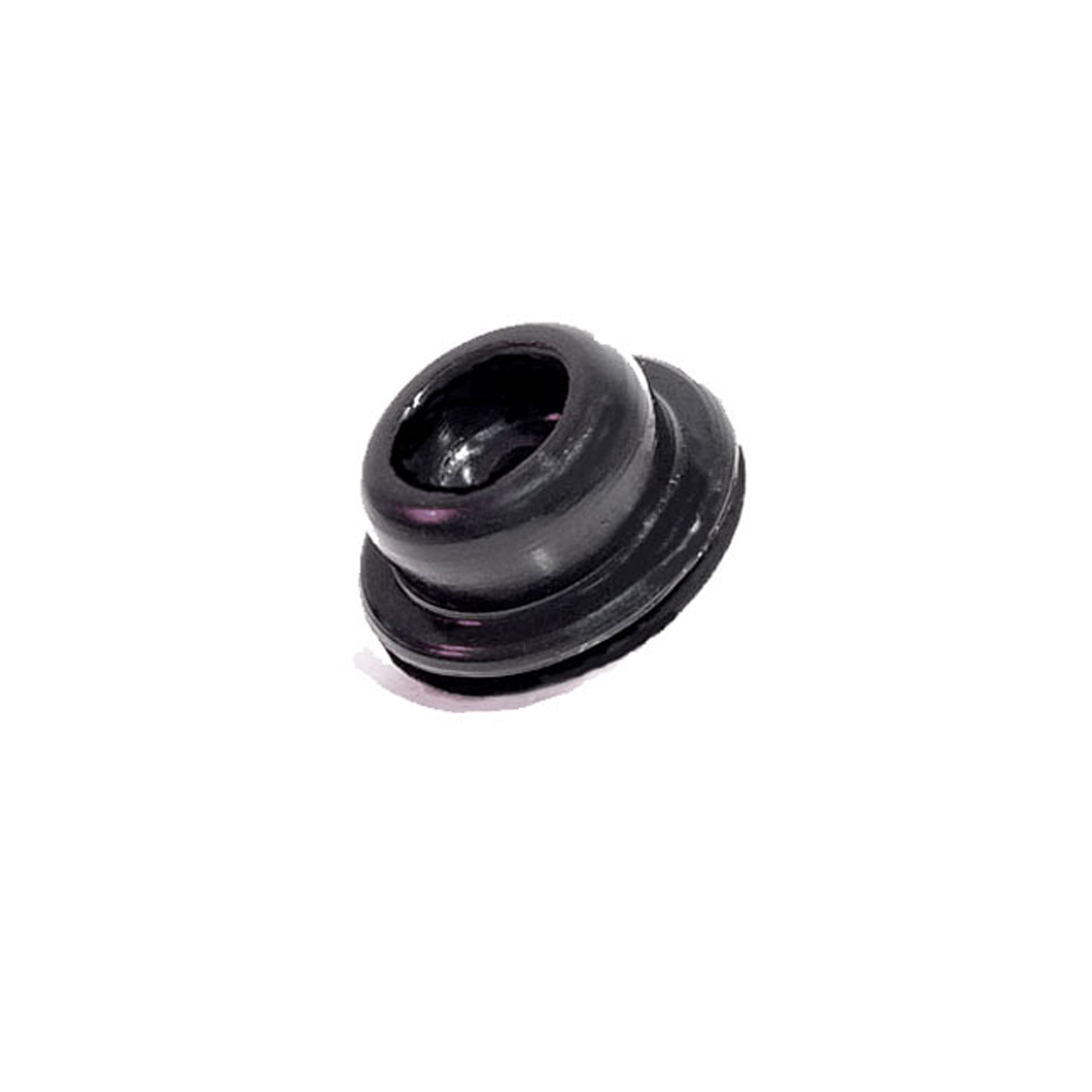 1939 Chrysler Saratoga Accelerator Rod Grommet-SM 43-BAccelerator Rod Grommet. For accelerator rod through floorboard. Each
 1939 Chrysler Saratoga Rear Vent Window Seals, for Sedans-WR 2300-RRear Vent Window Seals, for Sedans. Slight modification required for some models. Overall length is 44". Some models use longer seal, for these use extension piece WREX 2300-R. Pair R&L
 1939 Chrysler Saratoga Rear Vent Window Seals Extension Piece, for Sedans-WREX 2300-RRear Vent Window Seals Extension Piece, for Sedans. Butting of parts is required. 24" long. Replaces OEM #744128-9, 790216-7 & 847090-1. Pair
Why Choose Metro?
For over 100 years, Metro Moulded Parts has been the pinnacle of quality in classic car restoration parts. Our commitment to precision and authenticity in every component ensures a perfect fit and an OEM-level appearance.
- Expert Craftsmanship & Quality: Each part is a testament to our dedication to reliability and perfection, crafted from original designs and thoroughly tested.
- Advanced Technology: We use cutting-edge techniques to create flawless, long-lasting parts that surpass others in performance.
- SuperSoft Sponge – The Ultimate Door Seal: Not only are our door seals 30% softer than competitors', but they're also guaranteed to never leak. They effectively reduce wind and road noise, enhancing your classic car's comfort and driving experience.
- Proudly American: Our parts are a product of American craftsmanship, made in the USA with a spirit of excellence and heritage.
- Unrivaled Warranty: We back our products with a 30-year industry-leading warranty, a testament to our confidence in their quality.
Join us in preserving the legacy of classic cars with parts that are crafted for perfection, not just made.