

Image of 1941 Chrysler Crown Imperial, Note: These illustrations use artistic license and may differ from actual historical models.
Performance Metrics
Fundamental Metrics
Emotional Appeal
MMP Rating
| Engine Specifications | |
|---|---|
| Engine: | Straight 8 |
| Displacement: | 323.5 cu in (5.3 L) |
| Horsepower: | Estimated 137-140 hp |
| Torque: | Not available |
| Compression Ratio: | 6.7:1 |
| Ignition System: | Battery and coil |
| Cooling System: | Liquid cooled |
| Performance Specifications | |
| 0-60 Time: | Not available |
| 1/4 Mile Time: | Not available |
| Top Speed: | 100 mph |
| Transmission and Drive | |
| Drive Type: | Rear wheel drive |
| Transmission Type: | 3-speed manual |
| Fuel and Efficiency | |
| Fuel System Type: | Carburetor |
| MPG: | Not available |
| Dimensions and Brakes | |
| Brakes: | Hydraulic drum brakes |
| Wheelbase: | 145.5 in (3,694 mm) |
| Weight: | 4,485 lbs |
Note: Specifications for classic cars are given to the best of our ability, considering the limited and variant data available.
1941 Chrysler Crown Imperial: America’s Prewar Luxury Flagship
The 1941 Chrysler Crown Imperial brought chauffeur-car dignity to the final model year before America’s automobile factories turned their attention to wartime production. Built by the Chrysler Corporation as its most prestigious passenger car, it paired a powerful straight-eight engine with long, formal bodywork and a cabin designed for comfortable travel. Its rarity today is part of the appeal: estimates suggest only about 500 to 700 Crown Imperials were built for 1941, though exact totals can vary by body style and source.
The timing gives the car a special place in Chrysler history. It represents the company’s prewar luxury at full stride, just before civilian vehicle production was sharply curtailed in 1942. One especially intriguing detail is that the Crown Imperial’s generous wheelbase and available chauffeur-oriented bodywork made it feel closer to a formal limousine than an ordinary family sedan, even when ordered in sedan form.
Formal Styling and Crafted Comfort
The Crown Imperial wore its size with restraint rather than flash. A broad, upright grille, sweeping front fenders, integrated headlamps, and substantial chrome trim gave the nose a confident, architectural look. Long body sides and a stately profile emphasized the car’s 145.5-inch wheelbase. At the rear, rounded fenders and a carefully finished trunk completed a design that looked imposing without relying on excessive ornament.
Inside, the Crown Imperial was built for quiet, comfortable miles. Depending on specification, buyers could find high-grade cloth or leather upholstery, carefully finished trim, generous legroom, and seating for as many as eight passengers. The limousine added a chauffeur-friendly layout and a division between the front and rear compartments. Broad seats and a spacious cabin were the real luxury features: this was a car intended to carry people in comfort, not simply impress them from the curb.
Period Chrysler colors included a range of dark, formal shades and more restrained lighter finishes, with exact availability depending on body and trim. Black, deep blue, maroon, and dark green are especially in keeping with the Crown Imperial’s dignified character. Many surviving examples have since been repainted, so original paint codes and documentation matter to collectors.
Body Styles and 1941 Equipment
The Crown Imperial range focused on large, formal passenger cars rather than a broad menu of sporty bodies. The principal offerings were the eight-passenger sedan and the limousine. The limousine, with its chauffeur-oriented accommodation and partition, is the most instantly recognizable version today. The sedan offered much of the same imposing presence in a more conventional configuration.
Power came from Chrysler’s 323.5-cubic-inch L-head inline-eight, rated at about 135 horsepower. A three-speed manual transmission was typical, while Chrysler’s Fluid Drive system was available on selected configurations and could make stop-and-go driving smoother. Equipment varied by car, so buyers and restorers should check the individual vehicle rather than assume every Crown Imperial left the factory with identical transmission or trim.
What Made the Crown Imperial Significant
The Crown Imperial was not a radical styling experiment, nor was it built to set a production-car speed record. Its importance lies in how it brought Chrysler’s engineering and manufacturing strengths into the high-end luxury market. The long-wheelbase chassis, straight-eight power, spacious accommodation, and substantial construction made it a credible alternative to other American prestige cars of the period.
Chrysler’s broader engineering reputation also shaped the car. The company had a history of pursuing practical innovations in suspension, braking, and powertrain design. By 1941, the Crown Imperial represented a mature approach to luxury: dependable mechanical components paired with generous space and a smooth, deliberate ride. Its influence is less about a single feature copied by every rival and more about the enduring American idea of the large, well-equipped executive sedan and limousine.
Its final prewar model-year status adds another layer of significance. After the United States entered World War II, automakers shifted resources toward military production, and civilian car output ended. The 1941 Crown Imperial therefore stands as a polished example of a luxury-car tradition interrupted by a global event.
Straight-Eight Performance and Road Manners
With roughly 135 horsepower moving a heavy, full-size car, the Crown Imperial favored smooth progress over quick acceleration. Period performance figures are not consistent across sources, and condition, gearing, and body style all affect results. A reasonable estimate for a healthy example is a top speed in the neighborhood of 85 to 90 mph, with a 0-to-60-mph time of roughly 20 to 23 seconds. Those numbers are estimates, not a guarantee for every surviving car.
On the road, the inline-eight delivers a steady, mellow sound rather than a sharp sporting bark. The car’s mass and long wheelbase help it glide over ordinary pavement imperfections, while its substantial body gives it the calm, planted feel expected of a luxury automobile. On a narrow, winding road, however, its size becomes obvious. Steering response is slower than in a modern car, and brisk cornering is not its natural role. Strong crosswinds and uneven roads call for a measured hand at the wheel.
Driving a Crown Imperial is an exercise in anticipation. The driver works a conventional transmission, allows generous room for braking, and keeps an eye on the car’s dimensions. In return, the cabin offers a spacious, unhurried experience that feels very different from a modern vehicle. A well-maintained example should feel composed, not loose or alarmingly ponderous.
Living with a 1941 Crown Imperial
Today, these cars are most often used for concours events, historic displays, weddings, and carefully planned touring. Their size, age, and rarity make them impractical as everyday transportation, though a properly sorted car can handle occasional road use. The limousine is especially suited to display and ceremonial duties, while a sedan may be the more manageable choice for touring.
Mechanical upkeep is possible for an experienced classic-car owner, but this is not a simple small-block project. The straight-eight is robust when maintained, yet parts availability, specialist knowledge, and the condition of the cooling, fuel, and electrical systems deserve close attention. The car uses period electrical and braking systems, so a modern safety inspection and careful servicing are wise before regular road use. Body and trim restoration can be more challenging than routine mechanical work because Crown Imperial-specific pieces are scarce.
Common concerns include age-related wiring faults, worn suspension components, brake wear, overheating from a neglected cooling system, and deterioration in interior materials. Before buying, inspect the frame and body for corrosion, confirm that the engine and transmission operate correctly, and look for evidence of past repairs. A complete car with sound original parts is often a better starting point than a cheaper project missing unique trim.
Rare Details and Common Criticisms
The Crown Imperial’s best-known distinction is its place at the top of Chrysler’s 1941 passenger-car range, but its rarity is the detail that most excites collectors. A production estimate of roughly 500 to 700 cars makes any surviving example uncommon, and limousine versions are generally harder to encounter than standard sedans. No widely recognized speed or endurance record defines the model; its significance is rooted in luxury, engineering, and its prewar timing.
It is easy to assume that a large 1941 Chrysler Crown Imperial was automatically a presidential car or a celebrity’s personal limousine, but individual ownership claims need documentation. The model’s formal appearance has encouraged plenty of grand stories over the years. A build record, period photograph, or clear chain of ownership is the best way to verify a notable history.
Its usual criticisms are practical ones. The Crown Imperial is large, thirsty by modern standards, slow to accelerate, and less nimble than smaller cars. Its long body can make parking and tight streets a chore. Those drawbacks are part of the bargain: buyers chose the car for presence and comfort, not compactness or economy.
Collector Values and Market Outlook
Values depend heavily on body style, originality, condition, and the quality of restoration. As a broad 2026 guide, a project car may fall around $10,000 to $25,000, while a usable but imperfect sedan might bring roughly $20,000 to $40,000. A well-restored sedan could range from about $45,000 to $80,000. Exceptional limousines, especially those with strong provenance and top-quality restoration, may reach $70,000 to $120,000 or more. These are estimates, not fixed price guides, and asking prices can differ considerably from completed sales.
The Crown Imperial is rare enough that the market is thin: buyers may wait a long time for the right example, and sales can be difficult to compare. Over the long term, high-quality, documented cars have generally held collector interest, with the strongest examples more likely to appreciate than ordinary driver-grade cars. Restoration costs can exceed resale value, so condition and completeness matter more than a hopeful project price.
Why the 1941 Crown Imperial Still Matters
The 1941 Chrysler Crown Imperial combines a smooth straight-eight, stately prewar styling, generous passenger space, and a meaningful place in American automotive history. It was a luxury car built for comfortable travel, not outright speed, and its scale and workmanship still make an impression nearly a century later.
As one of Chrysler’s last great civilian flagships before wartime production changed the industry, the Crown Imperial is more than a rare old limousine or sedan. It is a rolling reminder of the moment when American luxury motoring reached the end of one era and paused at the threshold of another.
1941 Chrysler Crown Imperial Catalog of Parts
 1941 Chrysler Crown Imperial Suspension Grease Seal. 10-Piece Set-BNK 100Suspension Grease Seal. 10-Piece Set
 1941 Chrysler Crown Imperial Clutch and Brake Pedal Pads. 3" wide X 3-7/8" long. Pair-CB 27Clutch and Brake Pedal Pads. 3" wide X 3-7/8" long. Pair
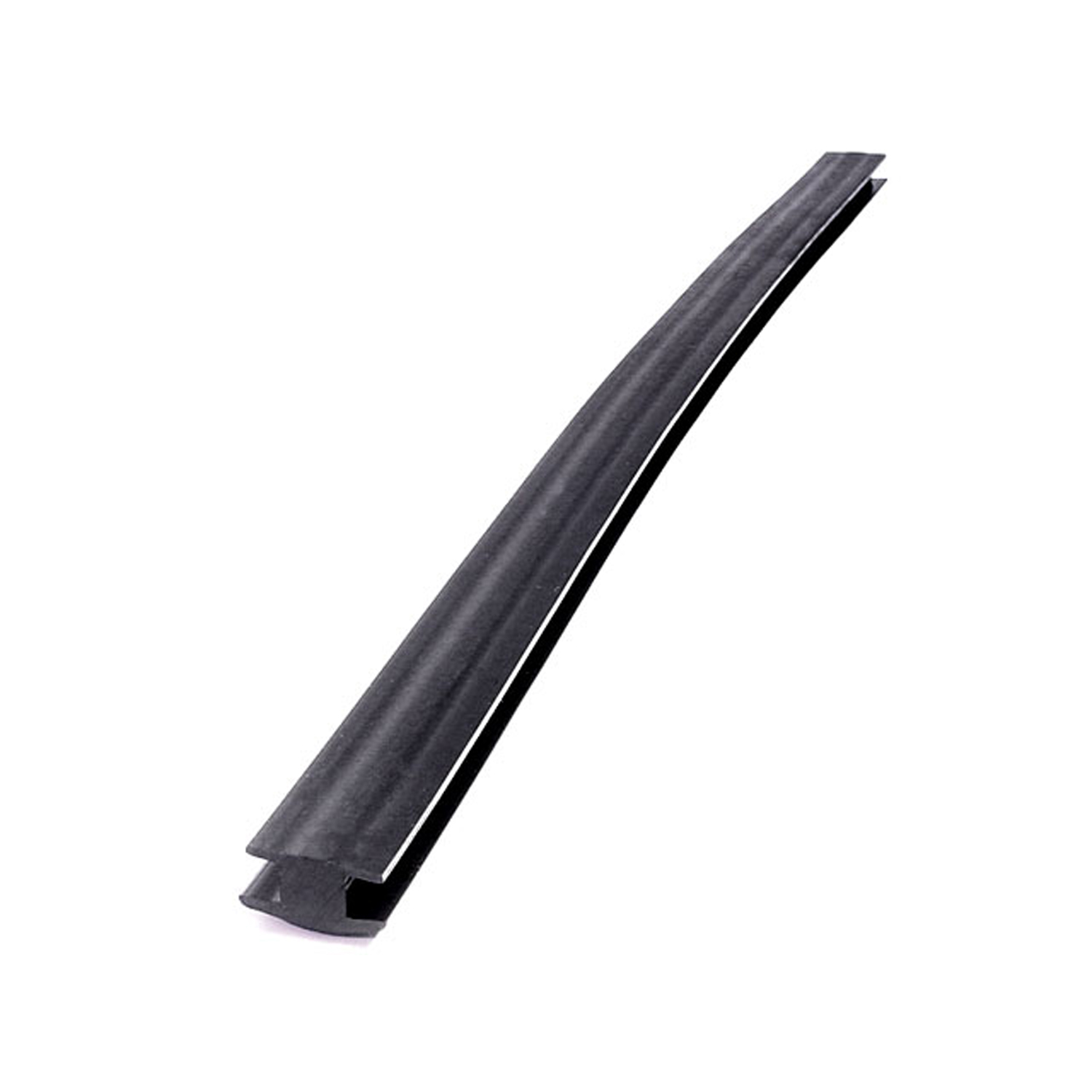 1941 Chrysler Crown Imperial Windshield Center Bar Gasket. 20" long. Each-DP 12Windshield Center Bar Gasket. 20" long. Each
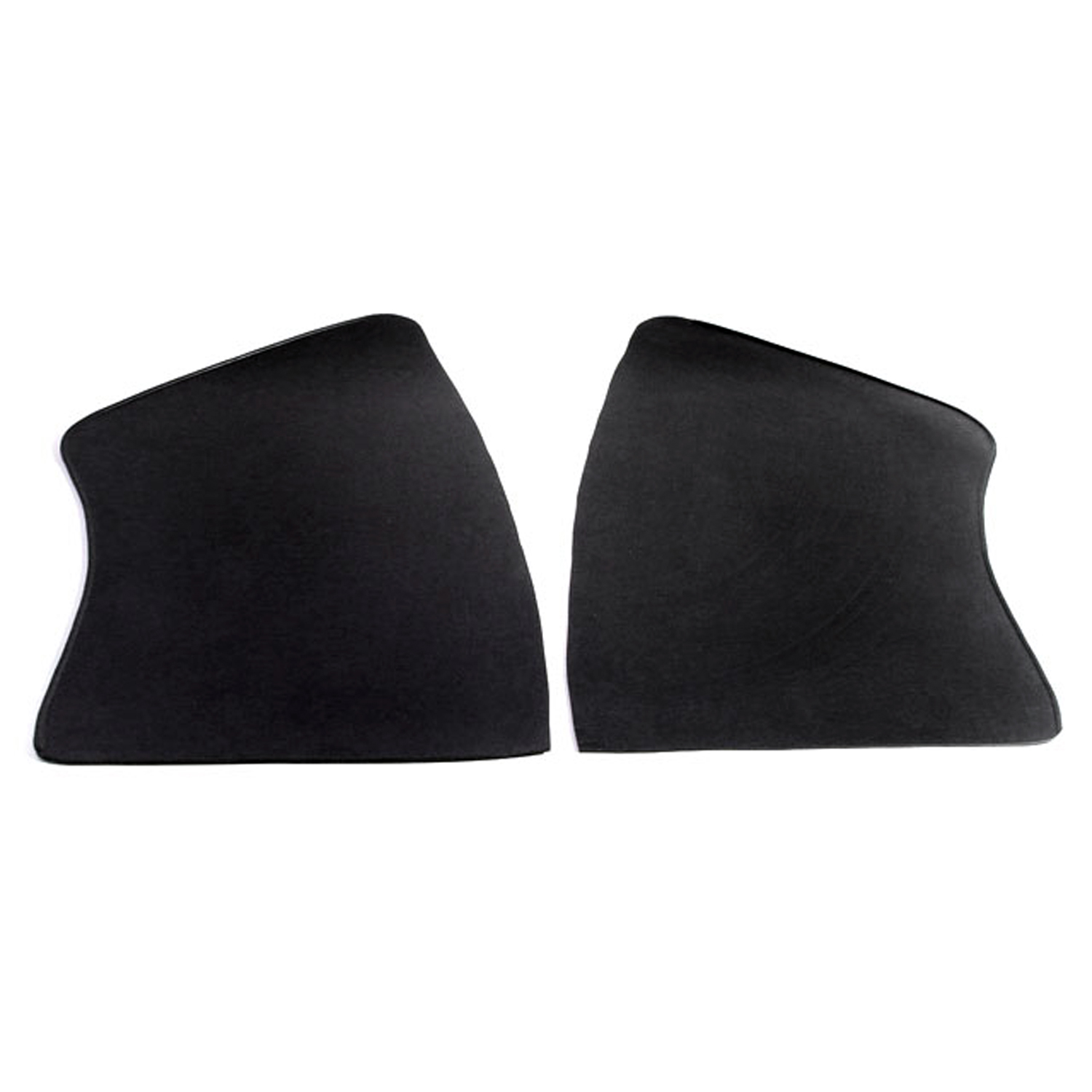 1941 Chrysler Crown Imperial Gravel Shields. Molded flat without metal backing plates-FS 31Gravel Shields. Molded flat without metal backing plates. Apply with contact cement. 18" long X 9-3/4" wide at bottom. Pair
 1941 Chrysler Crown Imperial Gas Filler Grommet. 2-1/4" I.D., 3-3/4" O.D-GF 18Gas Filler Grommet. 2-1/4" I.D., 3-3/4" O.D., 1/2" top thickness. Each
 1941 Chrysler Crown Imperial Hood Corners. Fits flat corners-HC 19Hood Corners. Fits flat corners. 80° angle, 1/4" to 3/8" corner radius. 1-3/8" wide. Pair
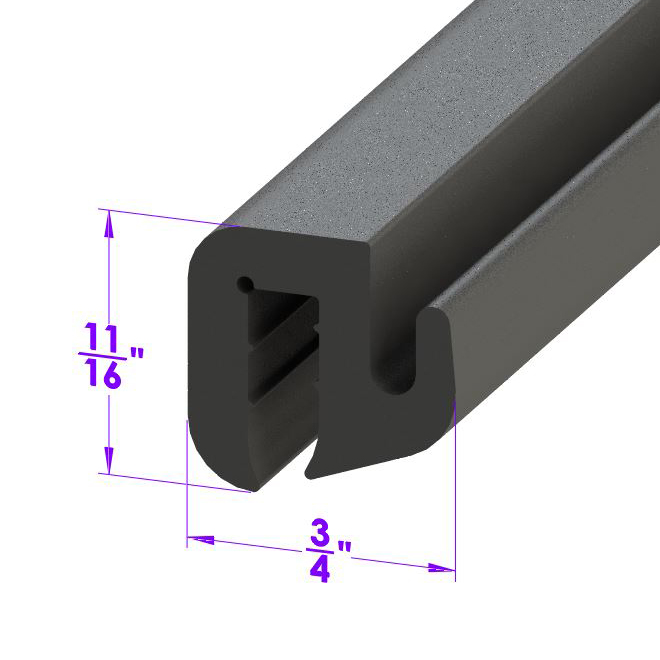 1941 Chrysler Crown Imperial Windshield and Rear Window Seal. Sold by the foot-LP 30-AWindshield and Rear Window Seal. Sold by the foot
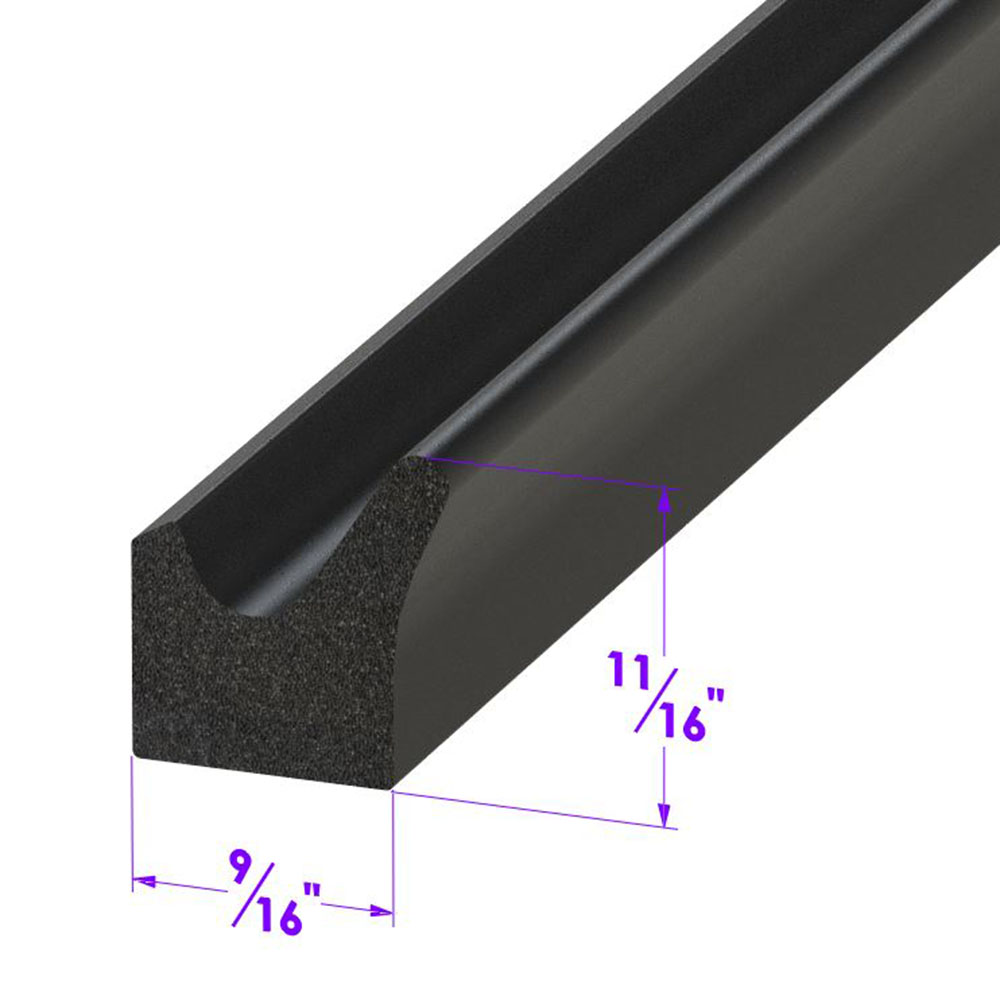 1941 Chrysler Crown Imperial Door side seal. Same as LP 40-A, but for a heavier seal-LP 40Door side seal. Same as LP 40-A, but for a heavier seal. Fits many domestic passenger cars and trucks. Used in Cobra kit cars as trunk weatherstrip. Per foot.
 1941 Chrysler Crown Imperial Door side seal. Same as LP 40, but for a lighter seal-LP 40-ADoor side seal. Same as LP 40, but for a lighter seal. Fits many domestic passenger cars and trucks. Universal seal for street rods and customs. Used in Cobra kit cars as door weatherstrip. Per foot.
 1941 Chrysler Crown Imperial Swing-Out Windshield Seal. 3/4" High. Sold by the foot-LP 97-ASwing-Out Windshield Seal. 3/4" High. Sold by the foot
 1941 Chrysler Crown Imperial Trunk Handle Pad. 2-1/4" X 6-1/2". Each-MP 573Trunk Handle Pad. 2-1/4" X 6-1/2". Each
 1941 Chrysler Crown Imperial Trunk Handle Pad. 2-3/8" X 5-7/8". Each-MP 574Trunk Handle Pad. 2-3/8" X 5-7/8". Each
 1941 Chrysler Crown Imperial Park Light Pads. 3-3/8" wide X 11-3/8" long. Pair-MP 575Park Light Pads. 3-3/8" wide X 11-3/8" long. Pair
 1941 Chrysler Crown Imperial Trunk Pad. 14-1/4" wide X 8-1/8" long. Each-MP 591Trunk Pad. 14-1/4" wide X 8-1/8" long. Each
 1941 Chrysler Crown Imperial Tail-light Pads. 3-1/2" wide X 9-1/2" long. Pair R&L-MP 592Tail-light Pads. 3-1/2" wide X 9-1/2" long. Pair R&L
 1941 Chrysler Crown Imperial Park Light Pads. 2-3/4" wide X 22-3/4" long. Pair-MP 593Park Light Pads. 2-3/4" wide X 22-3/4" long. Pair
 1941 Chrysler Crown Imperial Park Light Pads. 2-3/8" wide X 30-5/8" long. Pair-MP 631Park Light Pads. 2-3/8" wide X 30-5/8" long. Pair
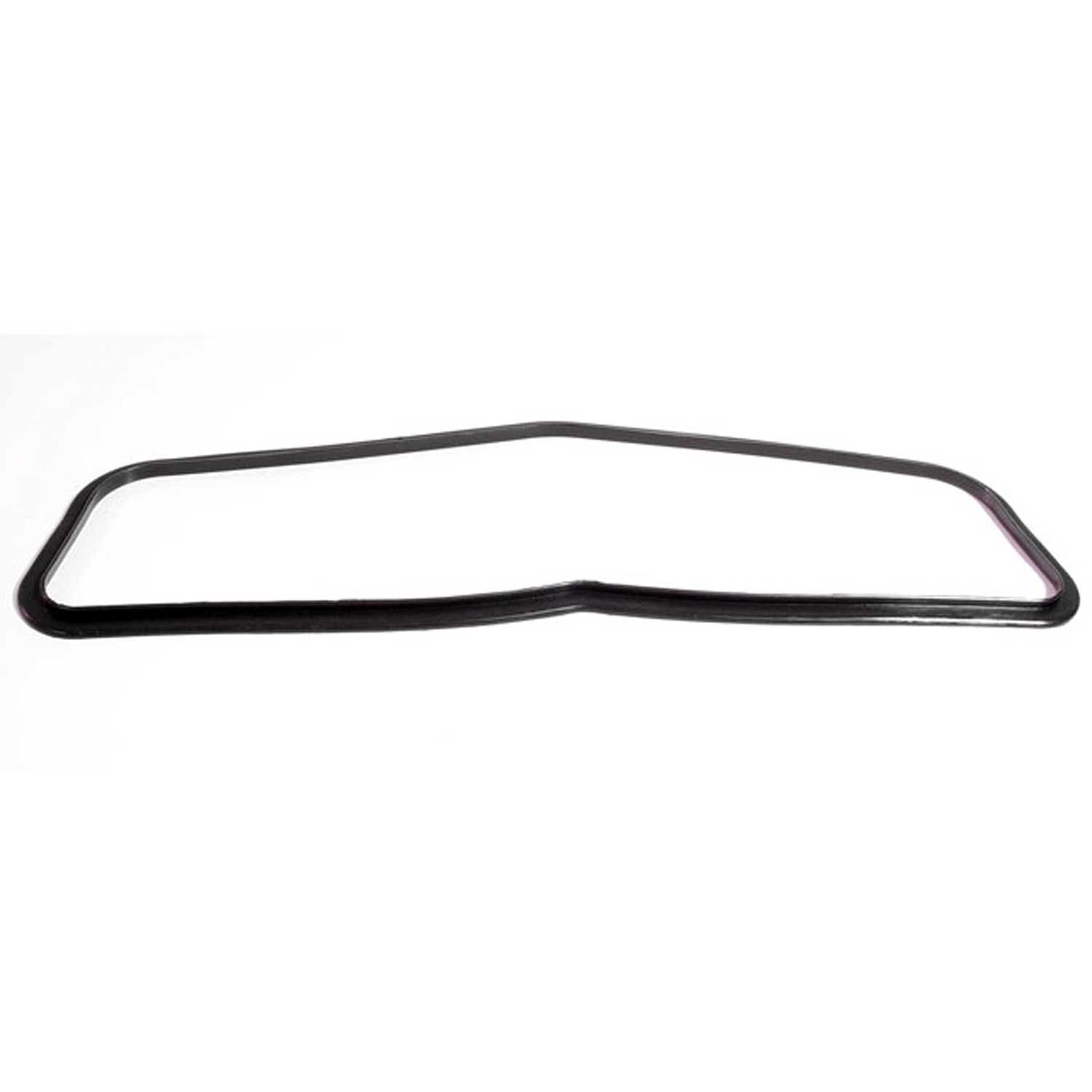 1941 Chrysler Crown Imperial Cowl Vent Seal. 4" wide X 18" long. Each-RP 100-QCowl Vent Seal. 4" wide X 18" long. Each
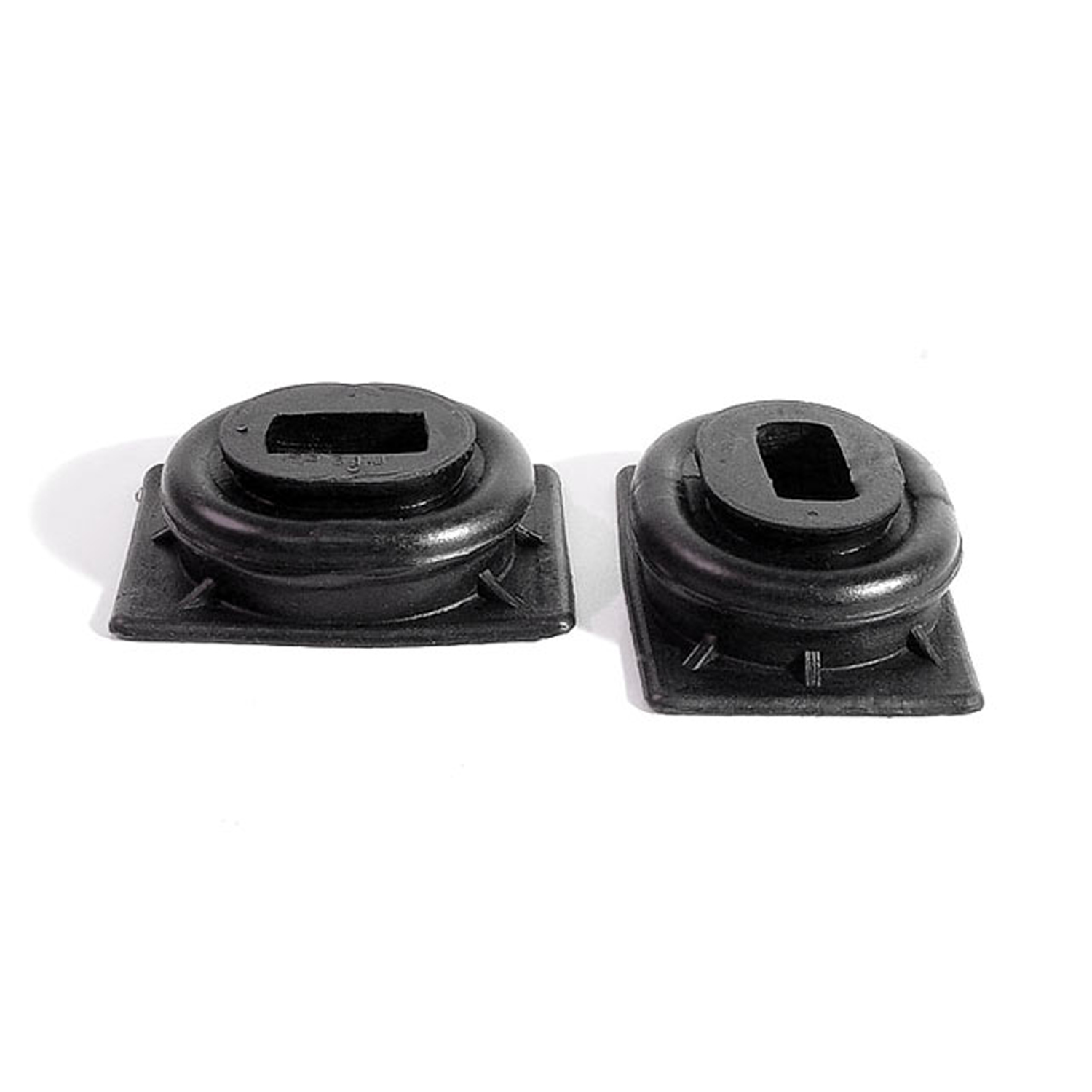 1941 Chrysler Crown Imperial Clutch and Brake Seals. Replaces OEM #889473. Pair-RP 31-JClutch and Brake Seals. Replaces OEM #889473. Pair
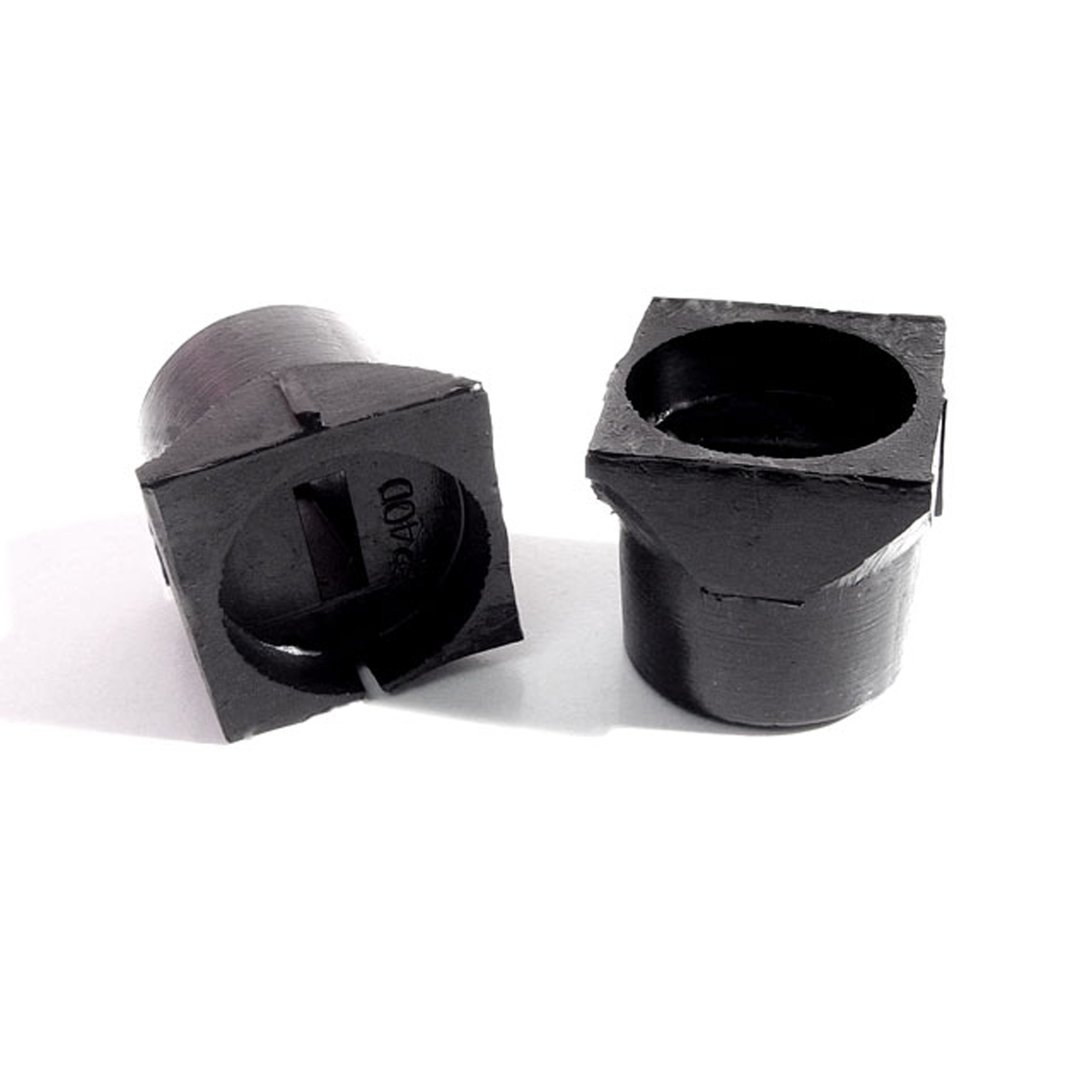 1941 Chrysler Crown Imperial Door Check Rubber Cushion. Each-RP 40-DDoor Check Rubber Cushion. Each
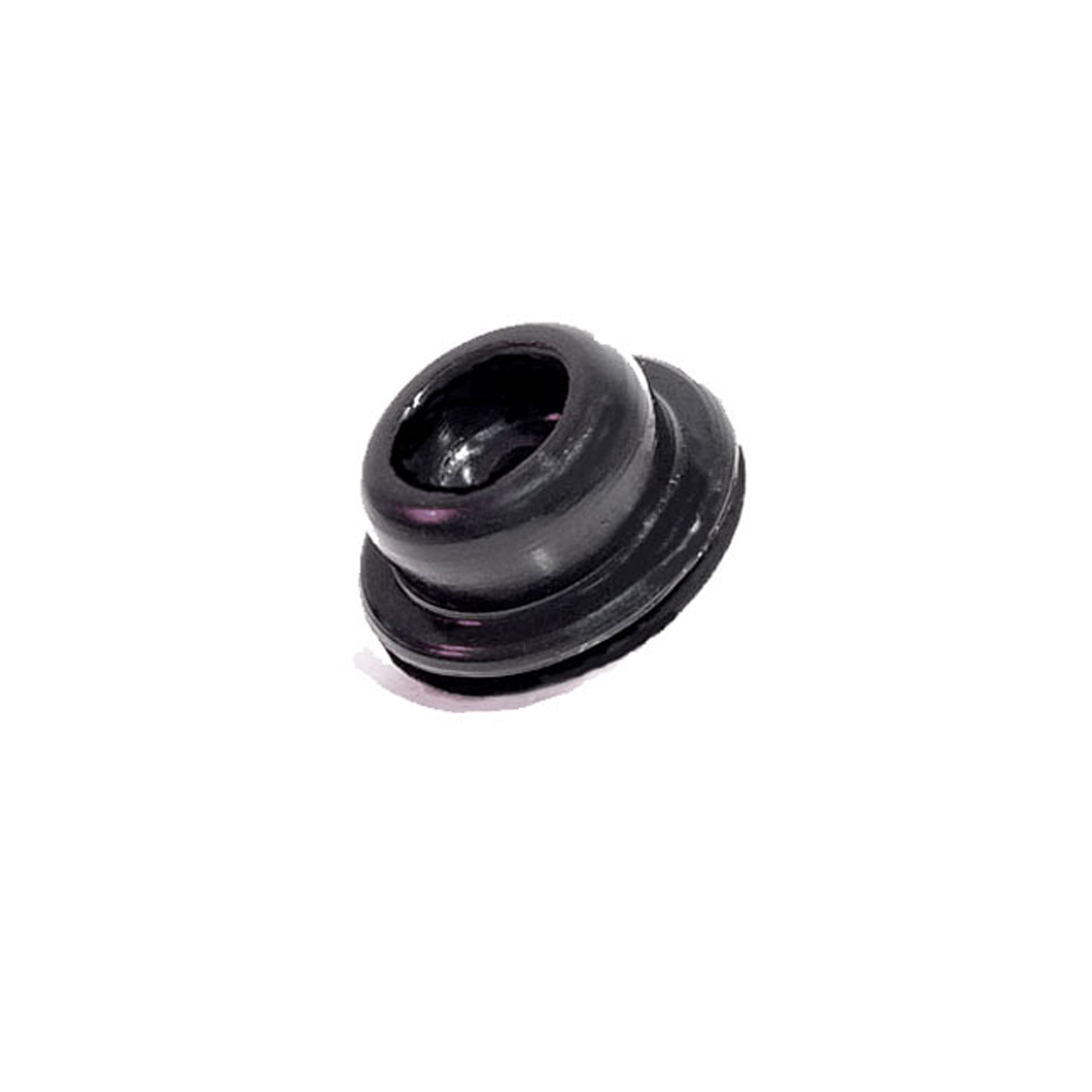 1941 Chrysler Crown Imperial Accelerator Rod Grommet-SM 43-BAccelerator Rod Grommet. For accelerator rod through floorboard. Each
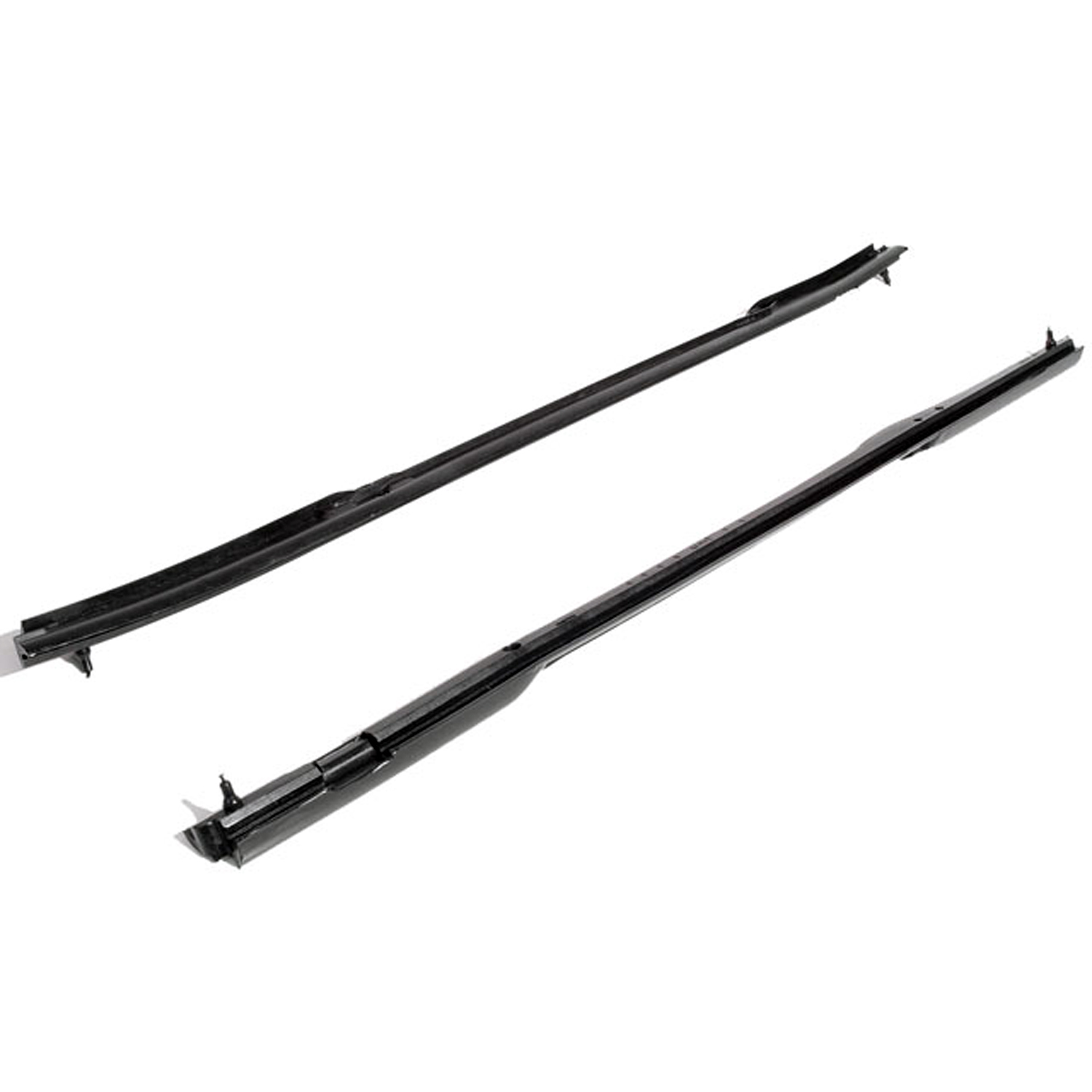 1941 Chrysler Crown Imperial Front Vent Window Seals. For many closed models only-WR 2703Front Vent Window Seals. For many closed models only. Replaces OEM #977232-3. Pair R&L
Why Choose Metro?
For over 100 years, Metro Moulded Parts has been the pinnacle of quality in classic car restoration parts. Our commitment to precision and authenticity in every component ensures a perfect fit and an OEM-level appearance.
- Expert Craftsmanship & Quality: Each part is a testament to our dedication to reliability and perfection, crafted from original designs and thoroughly tested.
- Advanced Technology: We use cutting-edge techniques to create flawless, long-lasting parts that surpass others in performance.
- SuperSoft Sponge – The Ultimate Door Seal: Not only are our door seals 30% softer than competitors', but they're also guaranteed to never leak. They effectively reduce wind and road noise, enhancing your classic car's comfort and driving experience.
- Proudly American: Our parts are a product of American craftsmanship, made in the USA with a spirit of excellence and heritage.
- Unrivaled Warranty: We back our products with a 30-year industry-leading warranty, a testament to our confidence in their quality.
Join us in preserving the legacy of classic cars with parts that are crafted for perfection, not just made.