

Image of 1941 Chrysler Royal, Note: These illustrations use artistic license and may differ from actual historical models.
Performance Metrics
Fundamental Metrics
Emotional Appeal
MMP Rating
| Engine Specifications | |
|---|---|
| Engine: | Inline 6 |
| Displacement: | 241.5 cu in (4.0 L) |
| Horsepower: | 108 hp |
| Torque: | Estimated 180 lb-ft |
| Compression Ratio: | 6.7:1 |
| Ignition System: | Battery and coil |
| Cooling System: | Liquid-cooled |
| Performance Specifications | |
| 0-60 Time: | Estimated 20 seconds |
| 1/4 Mile Time: | Not available |
| Top Speed: | 80 mph |
| Transmission and Drive | |
| Drive Type: | Rear-wheel drive |
| Transmission Type: | 3-speed manual |
| Fuel and Efficiency | |
| Fuel System Type: | Carburetor |
| MPG: | Estimated 15-20 mpg |
| Dimensions and Brakes | |
| Brakes: | Hydraulic drum brakes |
| Wheelbase: | 125.5 inches |
| Weight: | 3,400 lbs |
Note: Specifications for classic cars are given to the best of our ability, considering the limited and variant data available.
1941 Chrysler Royal: A Prewar American Classic
The 1941 Chrysler Royal brought big-car comfort and conservative engineering to buyers who wanted a well-equipped Chrysler without stepping up to the company’s more expensive models. Built by the Chrysler Corporation in Detroit, the Royal sat near the entry point of Chrysler’s passenger-car range, below models such as the Saratoga and New Yorker. Its smooth six-cylinder engine, roomy cabin, and substantial road presence made it a practical family car in the final months before America’s automotive industry shifted to wartime production.
The Royal is especially interesting because its 1941 model year sits at a historic turning point. After the United States entered World War II, civilian automobile production was curtailed and then halted in early 1942 as factories turned to military work. The Royal was not a celebrated racing car or a radical design experiment. Its significance lies in what it represents: a polished, fully developed prewar American automobile from the end of an era.
Distinctive 1941 Chrysler Styling
Chrysler’s 1941 design had a confident, substantial look without the exaggerated ornamentation found on some luxury cars. The Royal’s broad front grille, arranged with upright bars, gave the nose a formal appearance. Headlamps sat prominently in the front fenders, while the long hood and rounded fenders flowed into a smooth, wide-bodied profile. Chrome trim added brightness around the grille, bumpers, and windows, but the overall effect remained restrained.
Inside, the Royal was designed for comfortable everyday travel. A wide front bench seat and generous cabin space suited families, while cloth upholstery and carefully finished trim gave the interior a more upscale feel than a basic economy car. Materials and details varied with body style and equipment, but the emphasis was on a handsome, durable cabin rather than sporty appointments. Today, original upholstery, door trim, and dashboard finishes are valuable clues to a car’s history, though many surviving examples have been retrimmed over the decades.
Factory paint choices varied by market and equipment, with period colors generally spanning dark and medium blues, greens, reds or maroons, tans, and black. Exact names and availability could differ, so an original paint code or factory record is the best way to confirm a particular car’s specification. Dark colors give the Royal a formal, almost limousine-like character, while lighter shades show off its fender lines particularly well.
Body Styles and Equipment
The 1941 Royal was offered in several sedan and coupe configurations. Depending on the specific catalog and market, buyers could choose practical four-door sedan forms as well as two-door coupe styles, including versions aimed at passengers or business use. The four-door sedan is the most familiar and commonly encountered body style. Coupe examples have a more individual profile and can be especially appealing to collectors, although condition and originality matter more than body style alone.
Under the hood, the Royal used Chrysler’s 241.5-cubic-inch L-head inline-six, rated at approximately 108 horsepower. Power went to the rear wheels through a conventional three-speed manual transmission. Chrysler also offered Fluid Drive-related equipment on certain configurations. Fluid Drive used a fluid coupling to soften the connection between the engine and transmission, but it was not a modern fully automatic transmission. Buyers still had to understand how the transmission system worked and, depending on the setup, operate a clutch or use a semi-automatic arrangement.
Engineering at the Edge of the Prewar Era
The Royal’s appeal was rooted in sound engineering rather than a single headline-grabbing invention. Its long-wheelbase chassis, independent front suspension, and rear leaf springs were intended to provide a comfortable ride on the roads of the day. Hydraulic drum brakes, a six-volt electrical system, and a rugged side-valve engine were typical of the period, but Chrysler’s attention to smoothness and drivability helped the Royal feel like a substantial, well-developed car.
Fluid Drive is one of the model’s most notable pieces of period technology. By using a fluid coupling, it helped reduce harshness and made stop-and-go driving less tiring than with a direct mechanical connection alone. It should not be confused with a contemporary automatic: it did not offer the effortless, fully automatic operation most modern drivers expect. That distinction is important when evaluating a car, arranging a test drive, or planning maintenance.
Compared with smaller or less costly contemporaries, the Royal offered a roomy interior and a composed ride. Compared with more luxurious cars, it was simpler and less powerful. That middle ground was its strength. It delivered much of the space and comfort associated with a full-size American car while keeping the mechanical package relatively straightforward.
Road Manners and Performance
With roughly 108 horsepower, the Royal was built for steady travel rather than rapid acceleration. Period-style performance estimates suggest a top speed in the neighborhood of 80 to 85 mph and a 0-to-60-mph time of roughly 20 to 24 seconds. These figures are approximations, not guarantees: engine condition, gearing, body style, tire choice, and the accuracy of surviving equipment all affect performance.
On the road, the six-cylinder engine delivers a measured, low-revving character. It makes a mellow mechanical rumble rather than the sharp bark of a high-performance engine, and the three-speed gearbox rewards deliberate shifts. The Royal feels most at home cruising at moderate speeds, where its long wheelbase and suspension help smooth out ordinary bumps. On rough surfaces, it has the soft, gently floating ride expected of a large American car from the early 1940s.
On winding roads, the Royal’s size and body lean are more noticeable. It can be driven confidently when treated as a touring sedan, but it is not a sports car. Crosswinds can make a tall, broad-bodied vehicle feel less settled, and its drum brakes require more anticipation than modern disc brakes. The driver’s experience is hands-on: steering effort, brake response, gear changes, and the need to plan ahead are all part of the vintage-car character.
Why the Royal Matters in Chrysler History
The Royal’s lasting importance is less about introducing a design trend than about representing Chrysler’s mature prewar approach to the American family car. Its restrained styling, roomy cabin, six-cylinder power, and comfort-focused chassis captured what many buyers wanted from a dependable full-size automobile. It also shows how manufacturers were refining features such as fluid-coupling drivetrains before wartime production interrupted civilian development.
What set the Royal apart from many competitors was its balance of size, comfort, and mechanical sophistication. It was not as costly as Chrysler’s prestige models, yet it offered the substantial feel and engineering identity associated with the brand. Its influence is best understood as part of the broader evolution of the American sedan: a capable, comfortable car designed for family use and long-distance travel, rather than for speed or novelty.
Owning and Maintaining a 1941 Royal
Today, most Royals are enjoyed as touring cars, show vehicles, or weekend classics rather than daily transportation. A well-sorted example can handle local drives and occasional longer trips, but modern traffic places demands on a car designed for a different era. Limited braking performance, vintage lighting, and slower acceleration make defensive driving essential.
The flathead six is relatively straightforward for an experienced mechanic, and many routine jobs are accessible to an owner with basic tools and workshop knowledge. Regular attention to the cooling system, ignition, fuel delivery, brakes, and lubrication is important. Cars with Fluid Drive or semi-automatic equipment may require a mechanic familiar with the system, and replacement trim or body-specific parts can take time to find. The six-volt electrical system is reliable when maintained correctly, but corroded connections and poorly executed conversions can cause trouble.
As with any prewar car, condition is more important than a low asking price. Rust in the body and structural areas, worn brake components, a neglected cooling system, and improvised electrical repairs can quickly turn an inexpensive purchase into a major project. A careful inspection and a test drive with someone who understands vintage Chrysler drivetrains are worthwhile investments.
Royal Trivia and Common Misconceptions
The Royal name had a longer history in Chrysler’s lineup, and the 1941 model carried that established identity into the final prewar season. One frequent point of confusion is Fluid Drive: despite the system’s name and its smoother operation, it should not be described as a fully automatic transmission in the modern sense.
The Royal is not widely known for a major speed record, endurance achievement, or a famous celebrity ownership story. Its strongest historical connection is its timing. It belongs to the last wave of civilian Chryslers before wartime manufacturing reshaped the industry. Claims of a particular famous owner or unusual record should be supported by documentation, as such stories are not a defining part of the model’s established history.
Common criticisms are familiar to owners of many prewar cars: modest acceleration, drum brakes, considerable fuel consumption by modern standards, and the challenge of sourcing correct trim. Depending on tune and driving conditions, owners may see fuel economy in the low-to-mid teens, though actual results vary substantially. Those limitations are balanced by a comfortable ride, a distinctive period feel, and comparatively straightforward basic mechanicals.
Collector Values and Rarity
Exact production totals for an individual Royal body style can be difficult to pin down from commonly available records. As a broad estimate rather than a verified factory figure, total 1941 Royal production across body styles may have been in the tens of thousands, perhaps around 30,000 to 50,000 cars. Survivors are much scarcer today, and availability depends heavily on location, condition, and whether a car is complete and original.
In the U.S. market, a rough current guide might place a project car around $5,000 to $12,000, a usable driver in the $15,000 to $30,000 range, and a very well-restored or exceptional example around $30,000 to $50,000 or more. These are broad estimates, not appraisals. A rare or especially desirable body style, documented restoration, strong originality, and excellent mechanical condition can affect the price, while hidden rust or missing parts can reduce it sharply.
Values for ordinary Royal sedans tend to be steadier and more modest than those of high-profile prewar luxury cars. The model is best viewed as a classic to enjoy rather than a guaranteed investment. In nominal terms, clean examples may appreciate gradually, but market demand, restoration costs, and inflation can easily outpace any increase in sale price. Buyers should prioritize the car they want to own and drive, not a speculative return.
A Comfortable Classic from a Turning Point
The 1941 Chrysler Royal combines dignified styling, a smooth flathead six, roomy passenger space, and engineering that reflects Chrysler’s prewar ambitions. It is not fast by modern standards, and its Fluid Drive equipment is not a contemporary automatic, but it offers a rewarding glimpse into how Americans traveled just before the war changed the automobile industry.
For collectors, the Royal’s appeal is its honest character: a substantial, thoughtfully engineered Chrysler built at the close of an important chapter in motoring history. Take the time to find a sound, well-maintained example, and the Royal becomes more than a vintage sedan. It becomes a rolling reminder of the last days of America’s prewar road-going world.
1941 Chrysler Royal Catalog of Parts
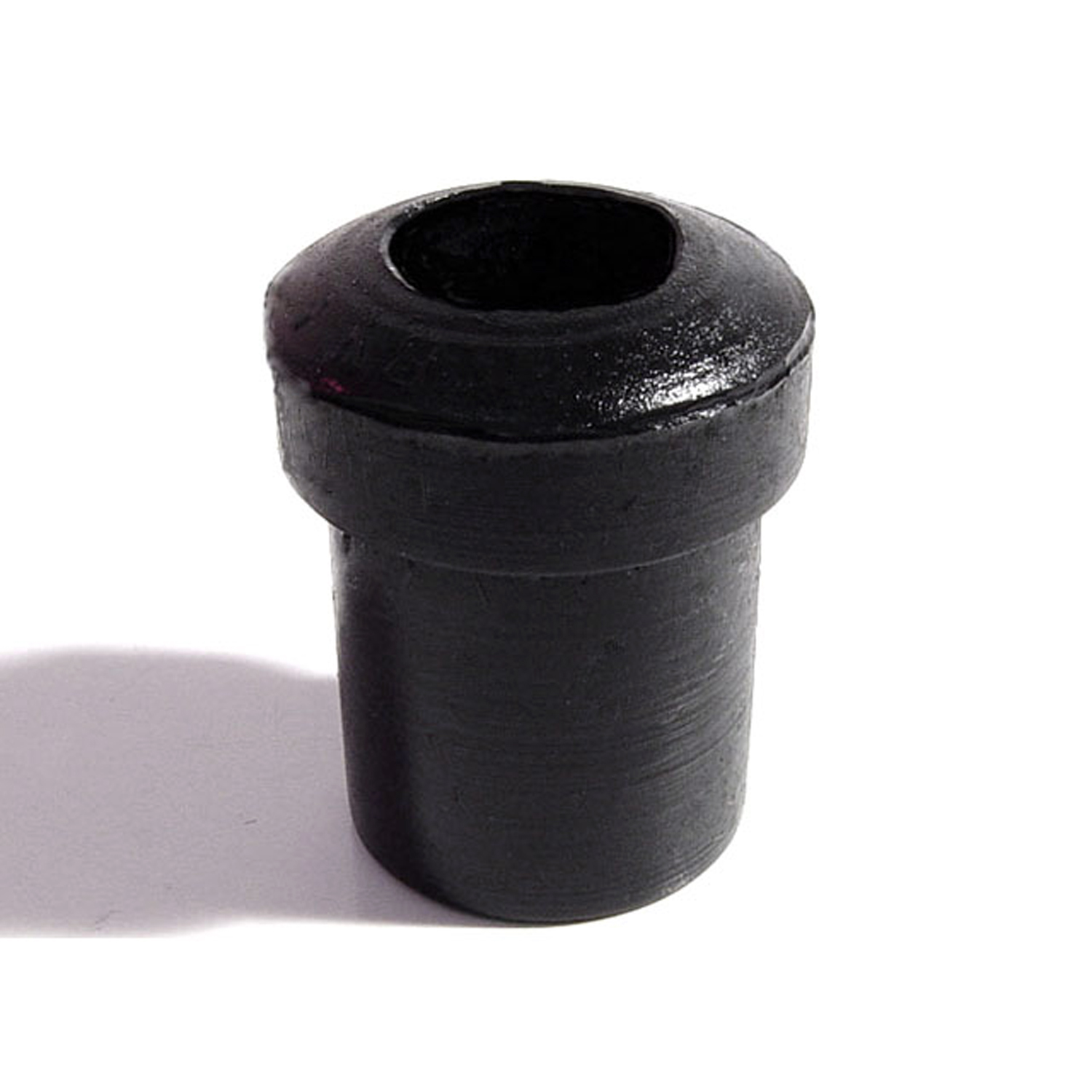 1941 Chrysler Royal Spring and Shackle Bushing. 7/8" bottom O.D-BN 16Spring and Shackle Bushing. 7/8" bottom O.D. X 1-1/8" high, with 1/2" I.D. Each
 1941 Chrysler Royal Suspension Grease Seal. 10-Piece Set-BNK 100Suspension Grease Seal. 10-Piece Set
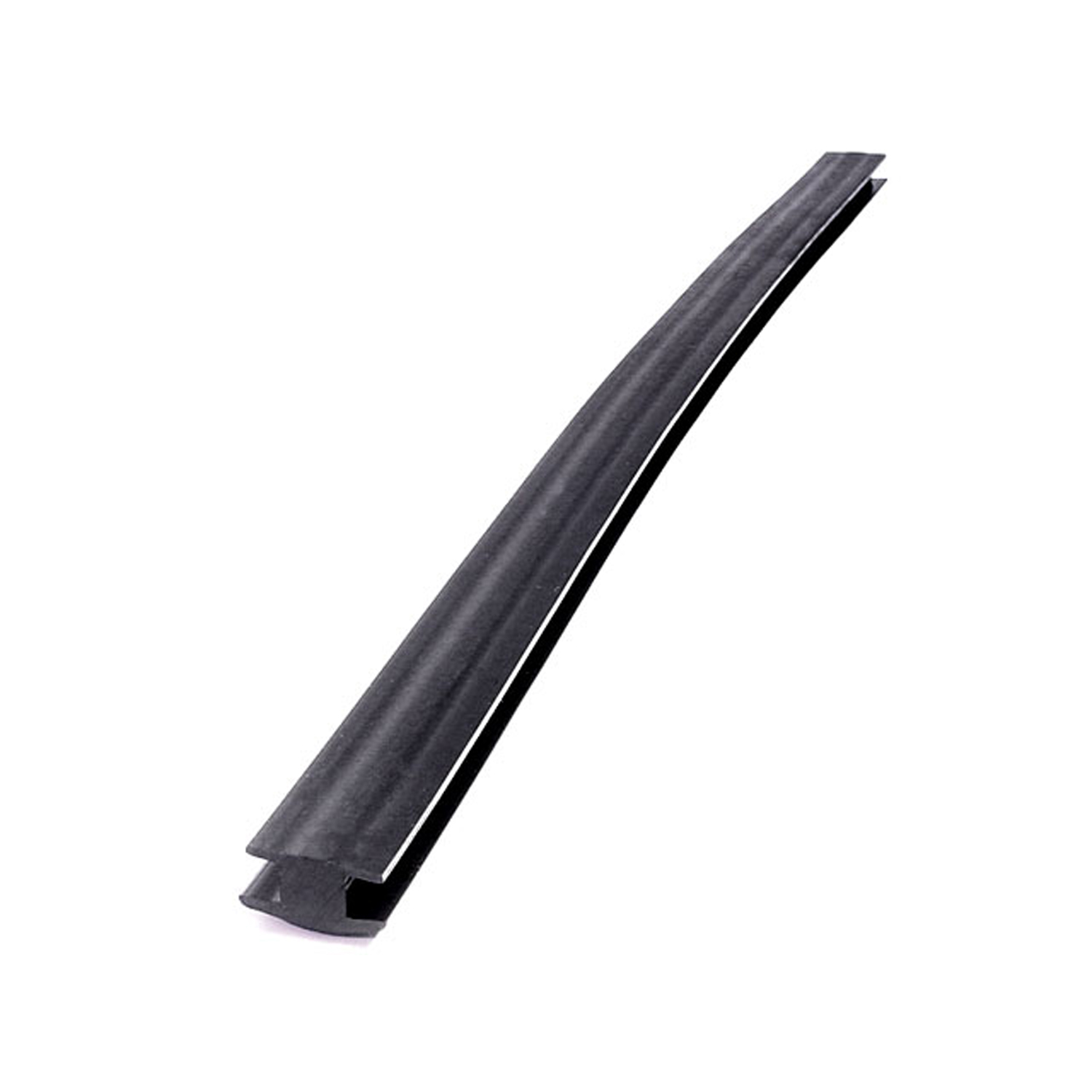 1941 Chrysler Royal Windshield Center Bar Gasket. 20" long. Each-DP 12Windshield Center Bar Gasket. 20" long. Each
 1941 Chrysler Royal Gas Filler Grommet. 2-1/4" I.D., 3-3/4" O.D-GF 18Gas Filler Grommet. 2-1/4" I.D., 3-3/4" O.D., 1/2" top thickness. Each
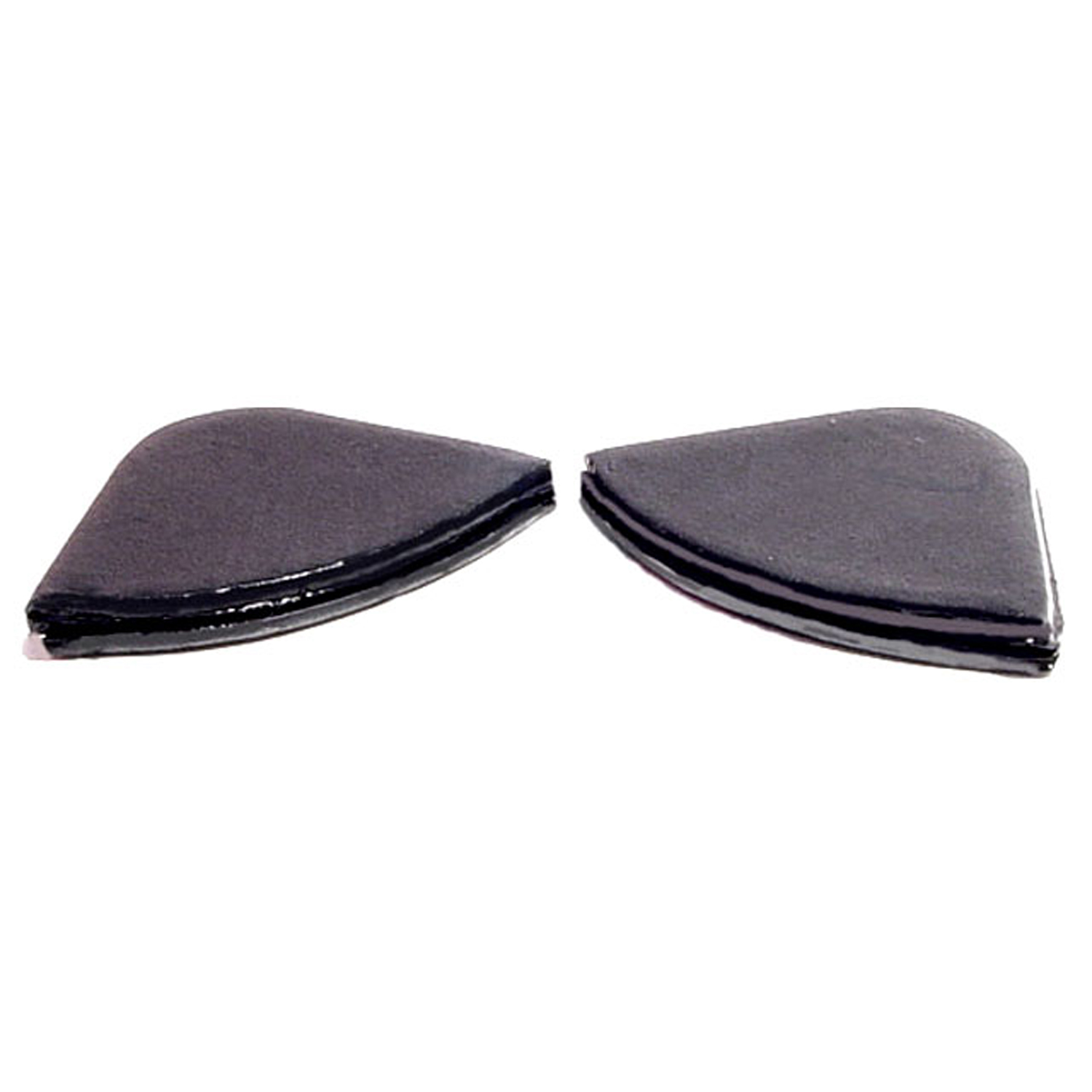 1941 Chrysler Royal Hood Corners. Fits flat corners-HC 19Hood Corners. Fits flat corners. 80° angle, 1/4" to 3/8" corner radius. 1-3/8" wide. Pair
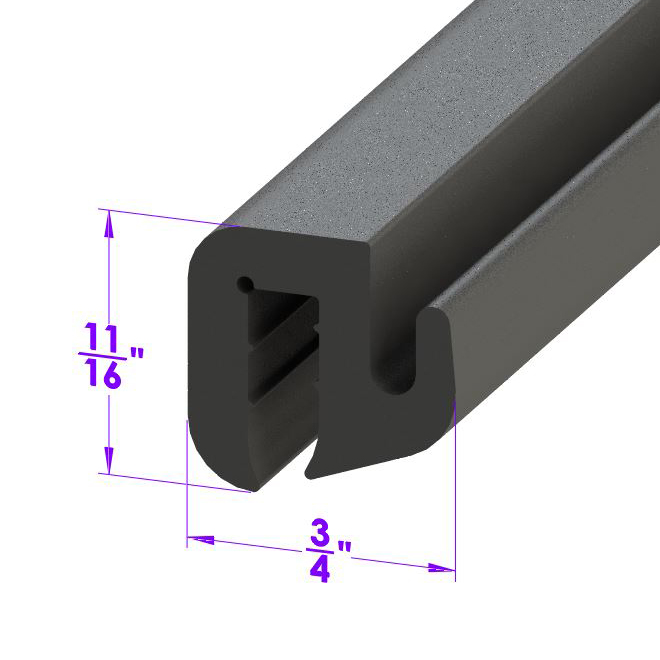 1941 Chrysler Royal Windshield and Rear Window Seal. Sold by the foot-LP 30-AWindshield and Rear Window Seal. Sold by the foot
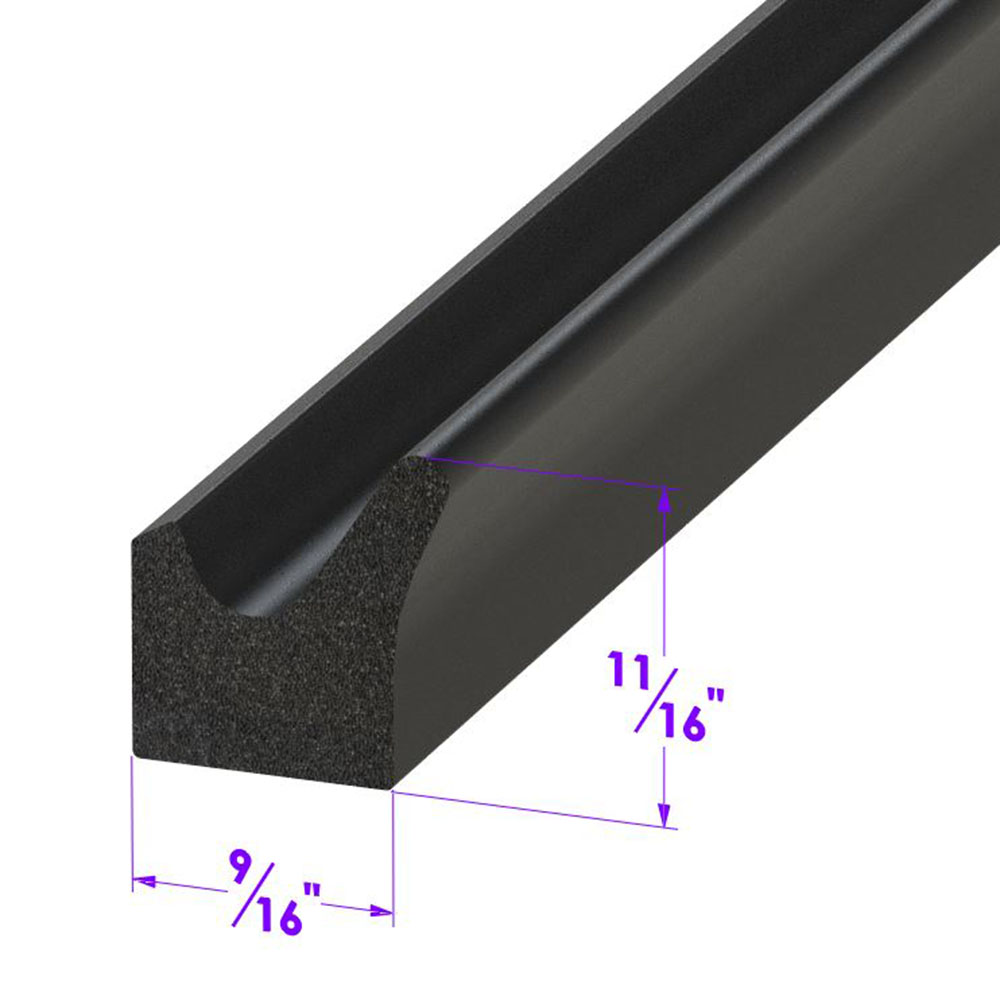 1941 Chrysler Royal Door side seal. Same as LP 40-A, but for a heavier seal-LP 40Door side seal. Same as LP 40-A, but for a heavier seal. Fits many domestic passenger cars and trucks. Used in Cobra kit cars as trunk weatherstrip. Per foot.
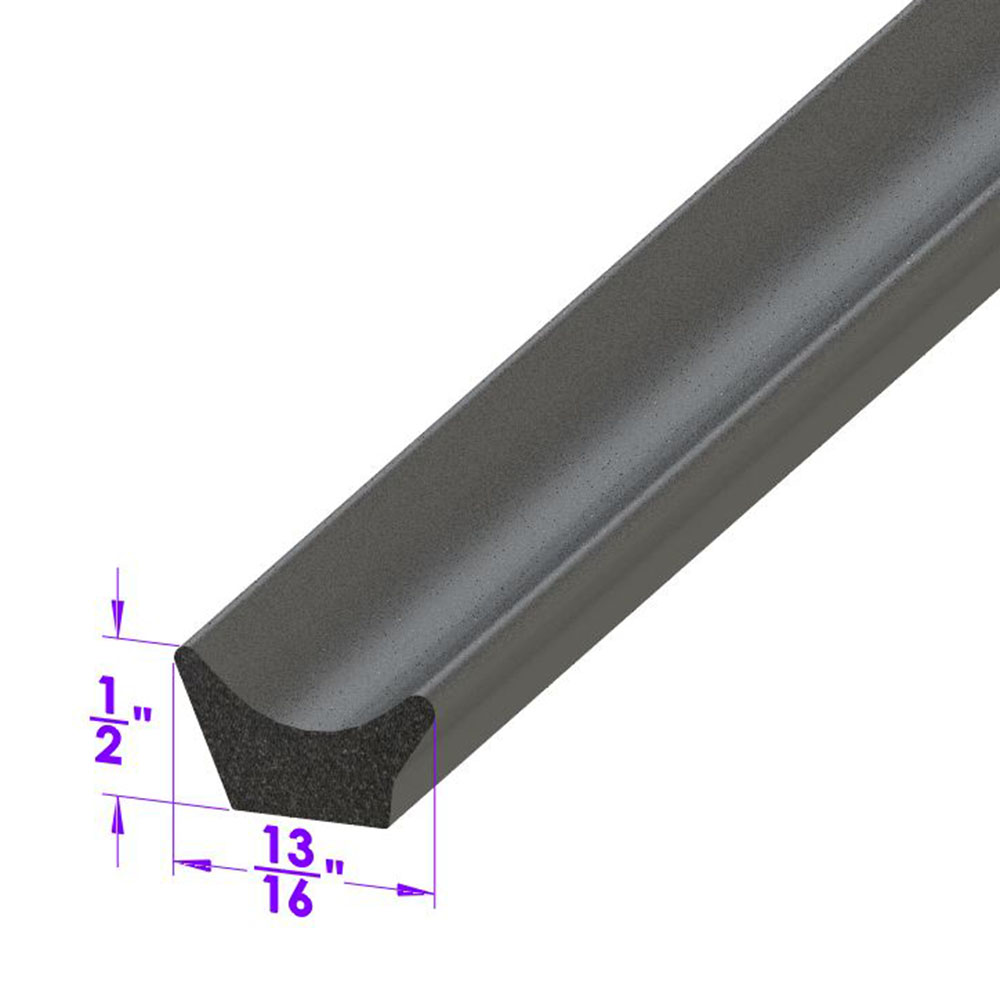 1941 Chrysler Royal Door side seal. Same as LP 40, but for a lighter seal-LP 40-ADoor side seal. Same as LP 40, but for a lighter seal. Fits many domestic passenger cars and trucks. Universal seal for street rods and customs. Used in Cobra kit cars as door weatherstrip. Per foot.
 1941 Chrysler Royal Swing-Out Windshield Seal. 3/4" High. Sold by the foot-LP 97-ASwing-Out Windshield Seal. 3/4" High. Sold by the foot
 1941 Chrysler Royal Trunk Handle Pad. 2-1/4" X 6-1/2". Each-MP 573Trunk Handle Pad. 2-1/4" X 6-1/2". Each
 1941 Chrysler Royal Trunk Handle Pad. 2-3/8" X 5-7/8". Each-MP 574Trunk Handle Pad. 2-3/8" X 5-7/8". Each
 1941 Chrysler Royal Park Light Pads. 3-3/8" wide X 11-3/8" long. Pair-MP 575Park Light Pads. 3-3/8" wide X 11-3/8" long. Pair
 1941 Chrysler Royal Trunk Pad. 14-1/4" wide X 8-1/8" long. Each-MP 591Trunk Pad. 14-1/4" wide X 8-1/8" long. Each
 1941 Chrysler Royal Tail-light Pads. 3-1/2" wide X 9-1/2" long. Pair R&L-MP 592Tail-light Pads. 3-1/2" wide X 9-1/2" long. Pair R&L
 1941 Chrysler Royal Park Light Pads. 2-3/4" wide X 22-3/4" long. Pair-MP 593Park Light Pads. 2-3/4" wide X 22-3/4" long. Pair
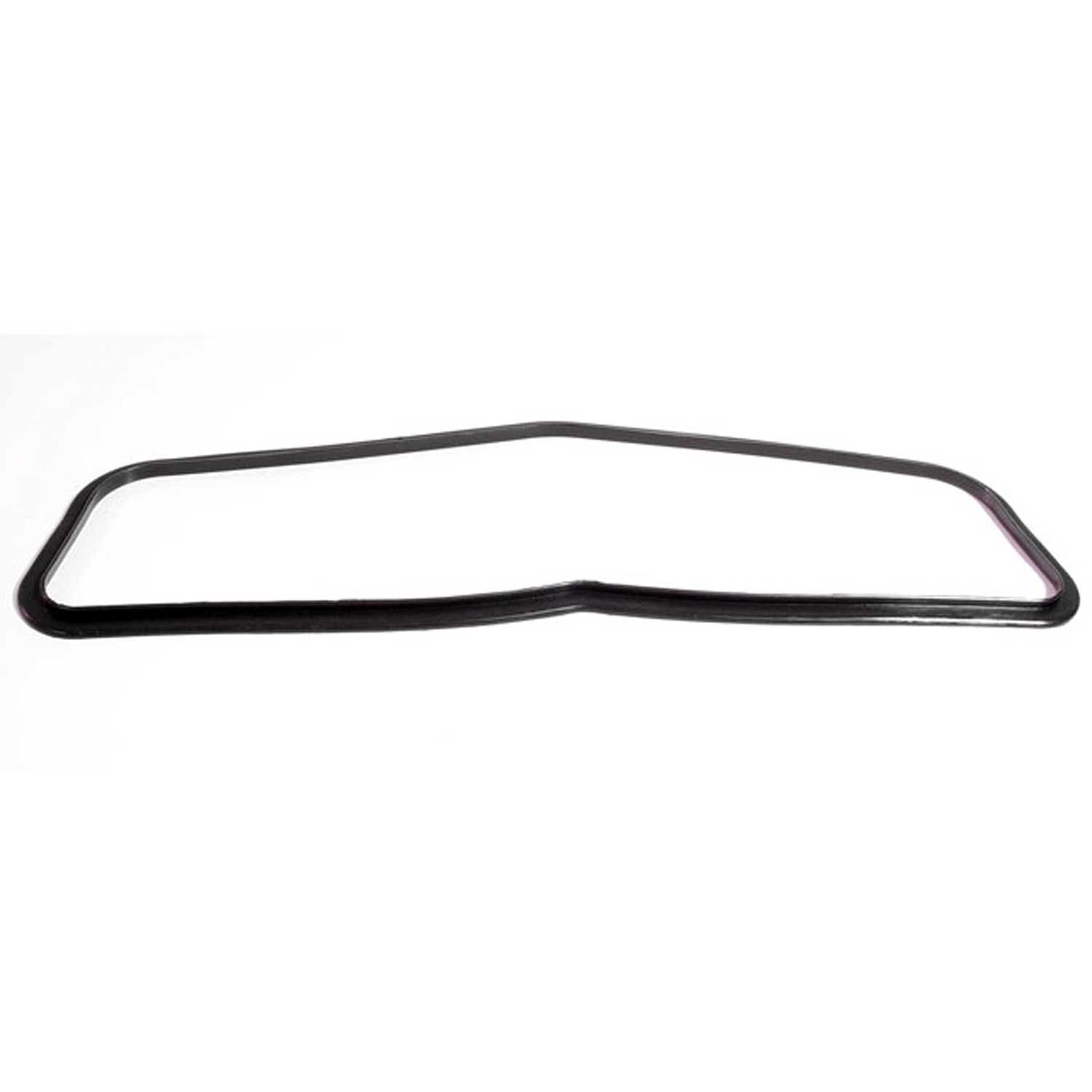 1941 Chrysler Royal Cowl Vent Seal. 4" wide X 18" long. Each-RP 100-QCowl Vent Seal. 4" wide X 18" long. Each
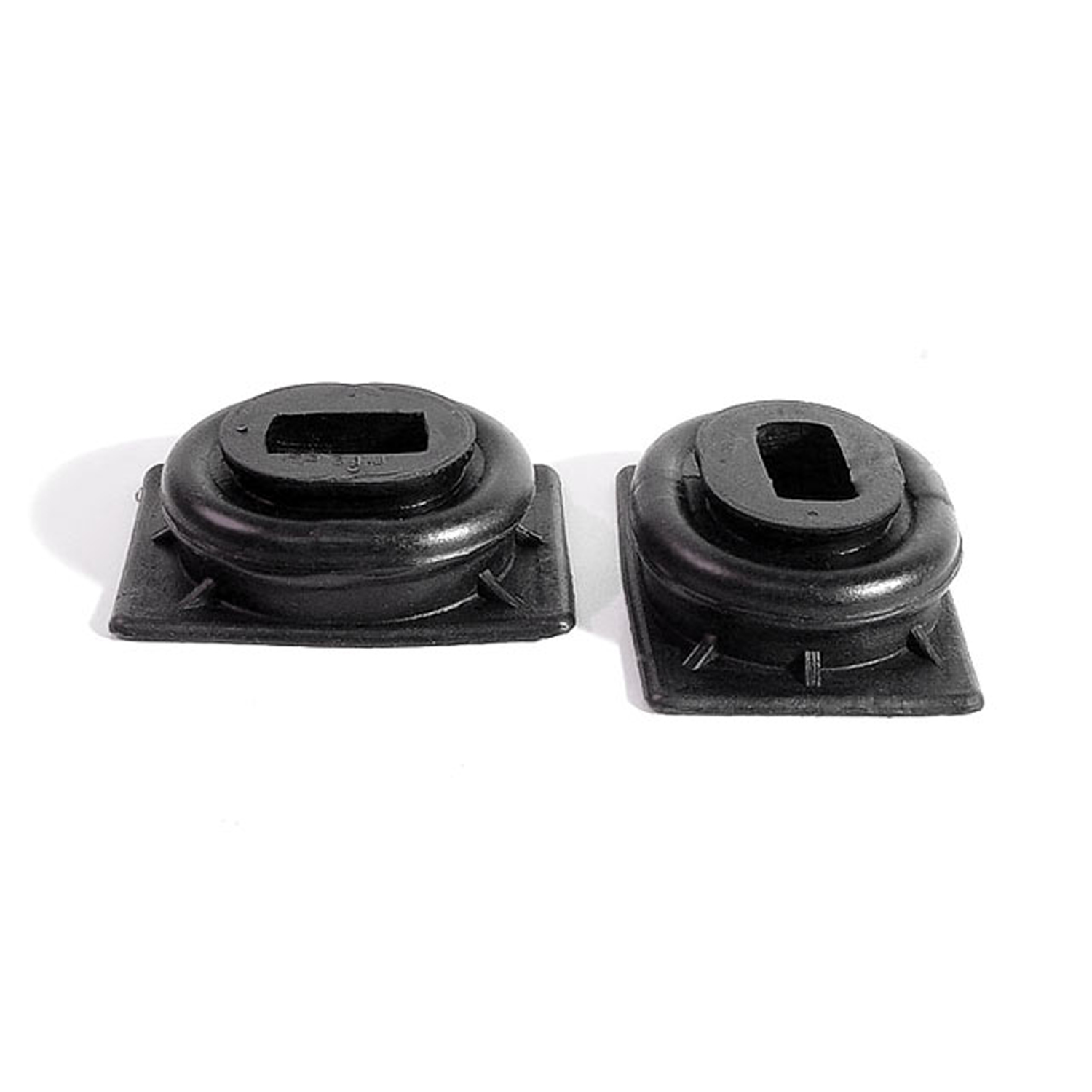 1941 Chrysler Royal Clutch and Brake Seals. Replaces OEM #889473. Pair-RP 31-JClutch and Brake Seals. Replaces OEM #889473. Pair
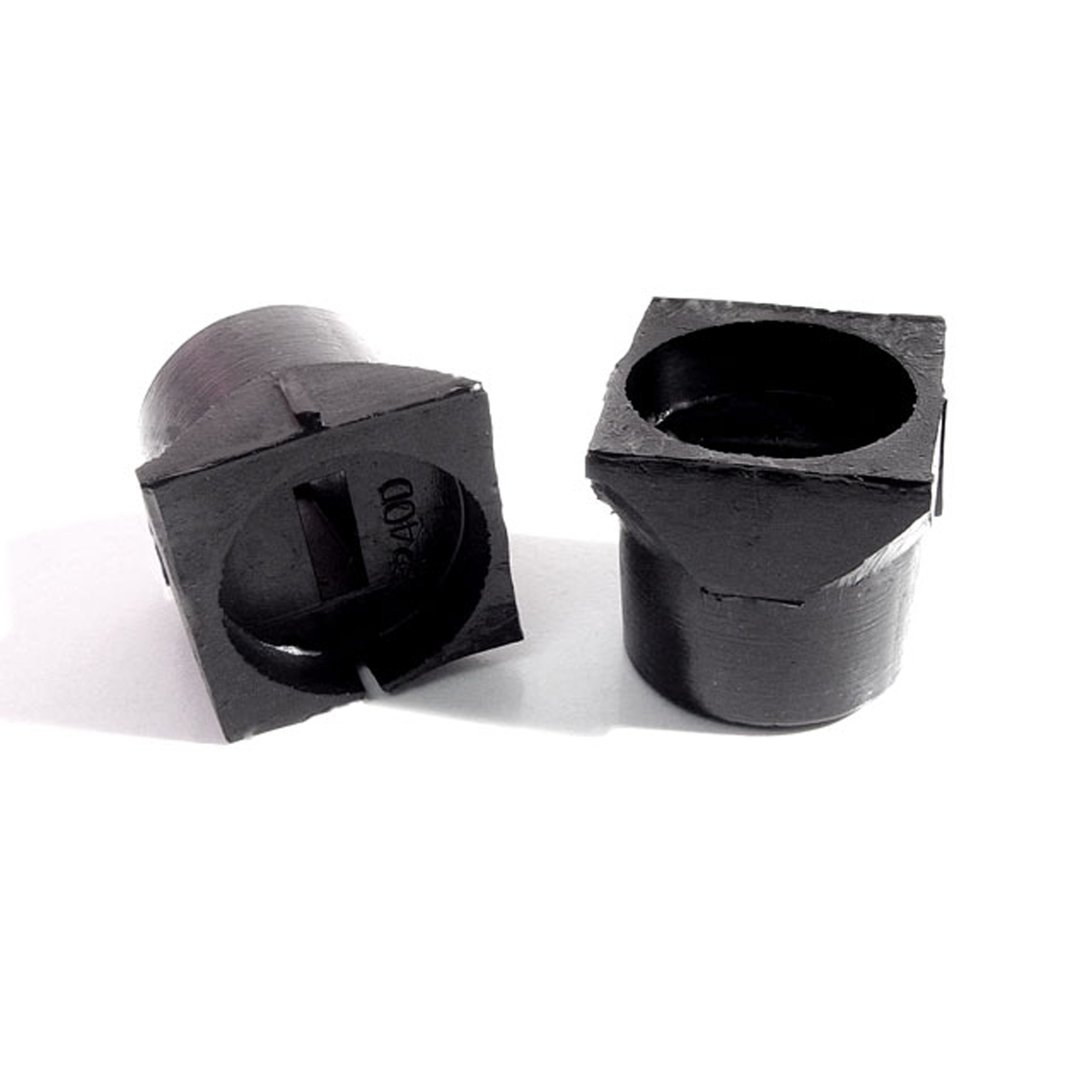 1941 Chrysler Royal Door Check Rubber Cushion. Each-RP 40-DDoor Check Rubber Cushion. Each
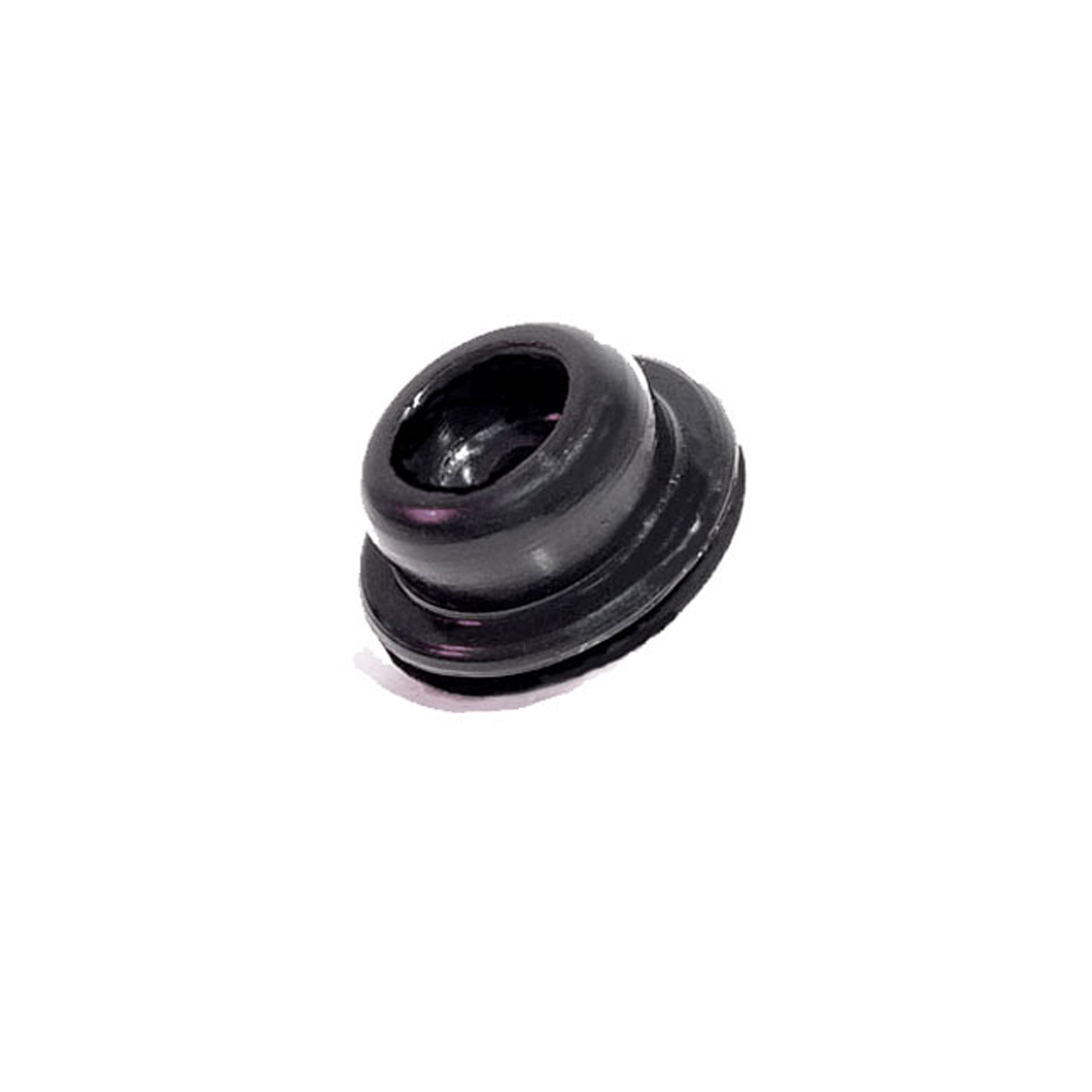 1941 Chrysler Royal Accelerator Rod Grommet-SM 43-BAccelerator Rod Grommet. For accelerator rod through floorboard. Each
 1941 Chrysler Royal Rear vent window seals-WR 2301-RRear vent window seals. Fits listed 4-door sedans and limousines with swing-out rear vent windows. May fit some GM models. Replaces OEM# #849153/4. Pair. R&L.
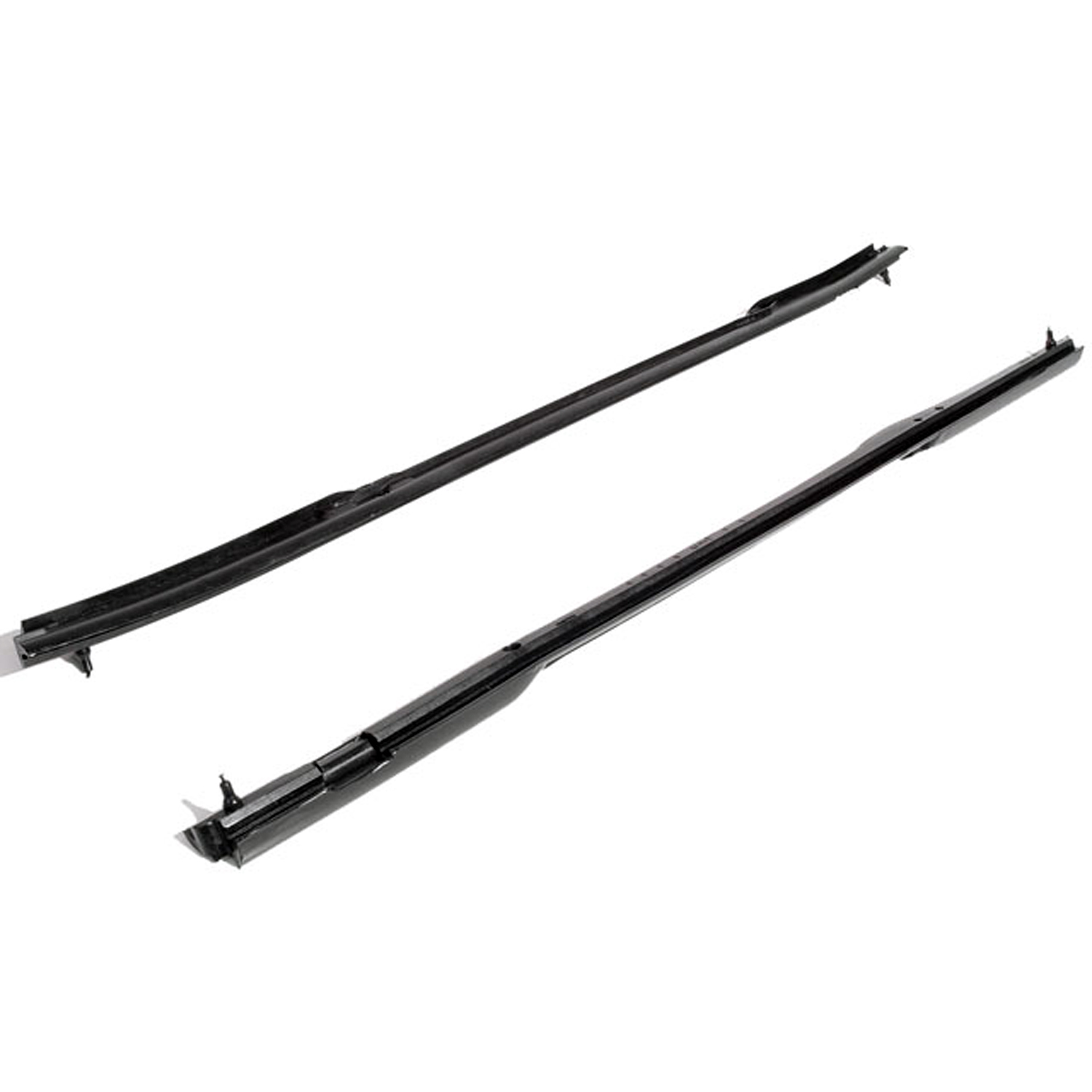 1941 Chrysler Royal Front Vent Window Seals. For many closed models only-WR 2703Front Vent Window Seals. For many closed models only. Replaces OEM #977232-3. Pair R&L
Why Choose Metro?
For over 100 years, Metro Moulded Parts has been the pinnacle of quality in classic car restoration parts. Our commitment to precision and authenticity in every component ensures a perfect fit and an OEM-level appearance.
- Expert Craftsmanship & Quality: Each part is a testament to our dedication to reliability and perfection, crafted from original designs and thoroughly tested.
- Advanced Technology: We use cutting-edge techniques to create flawless, long-lasting parts that surpass others in performance.
- SuperSoft Sponge – The Ultimate Door Seal: Not only are our door seals 30% softer than competitors', but they're also guaranteed to never leak. They effectively reduce wind and road noise, enhancing your classic car's comfort and driving experience.
- Proudly American: Our parts are a product of American craftsmanship, made in the USA with a spirit of excellence and heritage.
- Unrivaled Warranty: We back our products with a 30-year industry-leading warranty, a testament to our confidence in their quality.
Join us in preserving the legacy of classic cars with parts that are crafted for perfection, not just made.