

Image of 1946 Chrysler Saratoga Series, Note: These illustrations use artistic license and may differ from actual historical models.
Performance Metrics
Fundamental Metrics
Emotional Appeal
MMP Rating
| Engine Specifications | |
|---|---|
| Engine: | Straight-6, Straight-8 |
| Displacement: | 250.6 cu in (4.1 L) for Straight-6, 323.5 cu in (5.3 L) for Straight-8 |
| Horsepower: | 114 hp for Straight-6, 135 hp for Straight-8 |
| Torque: | Not available |
| Compression Ratio: | Not available |
| Ignition System: | Battery and coil |
| Cooling System: | Liquid-cooled |
| Performance Specifications | |
| 0-60 Time: | Not available |
| 1/4 Mile Time: | Not available |
| Top Speed: | 90 mph |
| Transmission and Drive | |
| Drive Type: | Rear-wheel drive |
| Transmission Type: | 3-speed manual |
| Fuel and Efficiency | |
| Fuel System Type: | Carburetor |
| MPG: | Not available |
| Dimensions and Brakes | |
| Brakes: | Hydraulic drum brakes |
| Wheelbase: | 127.5 in (3,239 mm) |
| Weight: | 3,700 lbs |
Note: Specifications for classic cars are given to the best of our ability, considering the limited and variant data available.
1946 Chrysler Saratoga: The Straight-Eight That Bridged Two Eras
The 1946 Chrysler Saratoga brought a smooth, powerful straight-eight back to American roads just as the country shifted from wartime production to peacetime motoring. Built by the Chrysler Corporation, it sat between the six-cylinder Windsor and the more luxurious New Yorker, offering substantial performance and comfort without stepping into the very top of the brand’s range.
The Saratoga name had appeared before the war, and the 1946 model returned after civilian car production resumed. Its roots were unmistakably prewar: Chrysler had largely paused automobile manufacturing during World War II, so the first postwar cars were based on designs developed before the conflict. One intriguing result is that a 1946 Saratoga feels like a snapshot of two worlds, with 1930s engineering and styling adapted for a new era of American prosperity.
Prewar Lines, Postwar Presence
The Saratoga wore broad, confident proportions that suited the late-1940s taste for substantial cars. Its long hood, rounded front fenders, upright cabin, and generous passenger compartment gave it an unmistakably formal profile. At the nose, a bright horizontal grille and substantial chrome trim added polish without the dramatic tailfins that would define later American styling. The design was handsome and conservative, more about presence and comfort than visual novelty.
Inside, the cabin emphasized space and durability. Broadcloth and other cloth upholstery were typical of the period, complemented by a large steering wheel, a broad dashboard, and bright metal trim. Materials and exact trim details could vary by body style and equipment, but the Saratoga’s interior was designed for long-distance comfort rather than sporting austerity. Its wide bench seats and generous headroom made it well suited to family travel.
Technology was evolutionary rather than radical. The Saratoga’s notable mechanical advantage was its smooth inline-eight engine, while Chrysler’s Fluid Drive system was available to soften gear changes and make stop-and-go driving less demanding. Fluid Drive used a fluid coupling, but it should not be confused with a modern fully automatic transmission. Depending on the car’s equipment, the driver still had a role in selecting gears.
Factory paint choices varied, and surviving cars can be found in period colors such as dark blue, green, gray, maroon, and black. Color availability depended on production and trim combinations, so a specific shade should be checked against the car’s build documentation when originality matters. The Saratoga was offered primarily as a four-door sedan and a two-door club coupe. The sedan is the practical, familiar choice, while the club coupe’s longer doors and sleek roofline give it particular appeal among collectors.
Where the Saratoga Fit in Chrysler’s History
The 1946 Saratoga’s significance lies less in a single groundbreaking feature than in how it represented Chrysler’s return to civilian carmaking. The company had spent the war years building military equipment, and restarting automobile production meant bringing familiar prewar designs back into showrooms. The Saratoga gave buyers an eight-cylinder Chrysler in a less costly position than the New Yorker, creating a useful middle ground in the lineup.
Its straight-eight also distinguished it from many competitors. While V8 engines were gaining attention, Chrysler continued to refine the long, smooth-running inline-eight. The engine’s quiet, even power delivery suited the Saratoga’s role as a comfortable touring car. The model did not launch a new styling movement, but it carried forward Chrysler’s emphasis on engineering, smoothness, and substantial road manners during a pivotal postwar transition.
Eight-Cylinder Power and Road Manners
Power came from a 323.5-cubic-inch L-head inline-eight, commonly rated at about 135 horsepower. Exact specifications can differ by source, model configuration, and rating method. In period terms, the Saratoga was a strong, relaxed performer, built to cover distance smoothly rather than sprint away from a stoplight.
Published performance figures for surviving cars are not uniform, but a sound, properly tuned example is generally estimated to reach roughly 85 to 95 mph, with a 0-to-60-mph time in the neighborhood of 20 to 25 seconds. Those are reasonable modern estimates, not guarantees or factory-tested figures for every car. A heavy body, gearing, engine condition, and transmission type all affect the result.
On the road, the Saratoga’s character is defined by its long wheelbase and soft suspension. It takes bumps with a measured, floating response, and its broad seat and quiet engine make steady cruising pleasant. On a winding road, the car feels large and deliberate rather than nimble. The steering requires more effort at low speeds than a modern driver may expect, and body lean is part of the experience. The straight-eight produces a subdued, smooth mechanical note, while the driver works a large steering wheel and, in many cars, a conventional clutch and gear selector.
Living With a 1946 Saratoga
Today, a Saratoga is most often used as a weekend cruiser, a show car, or a carefully maintained vintage tourer. It can handle local drives and relaxed highway trips, but modern traffic demands caution. Its braking, lighting, steering response, and crash protection are from another era, so defensive driving and sensible speeds are essential.
Routine maintenance is straightforward for an owner comfortable with older cars. The flathead engine is mechanically accessible, and basic jobs such as ignition service, lubrication, and carburetor adjustment follow familiar principles. However, age makes condition more important than design simplicity. Cooling-system problems, worn suspension parts, deteriorated rubber, electrical faults, and stuck or poorly adjusted brakes can all turn an apparently easy project into a major one.
Parts support is reasonable for common service items through specialist suppliers and the classic Chrysler community, but trim, body, and model-specific pieces can take patience to locate. Before buying, inspect the frame and body for rust, check the engine’s oil pressure and cooling behavior, and confirm that the transmission and any Fluid Drive equipment operate correctly. A car that has been stored for decades may need a full mechanical recommissioning even if it looks tidy.
Notable Details and Common Complaints
The Saratoga’s return after the wartime shutdown is its most important historical footnote. Chrysler had spent years building vehicles and equipment for military use, then resumed civilian production with cars closely related to its prewar designs. That continuity makes the 1946 model an especially clear example of how American manufacturers bridged the gap between prewar engineering and the postwar boom.
There is no widely recognized speed or endurance record associated specifically with the 1946 Saratoga. Its appeal rests instead on its smooth straight-eight, substantial build, and place in Chrysler’s postwar lineup. Among the common criticisms are its size, modest acceleration by modern standards, fuel consumption, and the maintenance demands of a nearly eight-decade-old car. Its conservative styling can also seem less flamboyant than later 1950s American models, though many owners consider that restraint part of its charm.
Collector Value and Availability
Production totals for individual 1946 Saratoga body styles are not always presented consistently in reference sources. A reasonable working estimate is that roughly 10,000 to 15,000 Saratogas were built for the model year, with the surviving number much smaller. This is an estimate rather than a verified count, and availability depends heavily on location and condition. Saratogas are less commonly encountered than mainstream Windsor models, but they are not in the same scarcity category as a rare coachbuilt car.
As a broad current-market guide, a project car may sell for about $5,000 to $12,000, a usable driver for approximately $15,000 to $30,000, and a well-restored example for roughly $30,000 to $50,000 or more. Exceptional originality, restoration quality, body style, and documentation can move a price outside those ranges. These are estimates, not appraisals, and local market conditions matter.
Values have generally been steady to gradually appreciating for well-presented examples, while rough projects remain limited by the cost of restoration. The Saratoga benefits from its distinctive straight-eight and classic proportions, but it does not have the same broad name recognition as some contemporary luxury models. Buyers should prioritize sound structure and mechanical condition over cosmetic shine, since a complete, usable car is often the better long-term investment.
A Chrysler Built for the Long Way Around
The 1946 Chrysler Saratoga is a compelling postwar classic: spacious, well appointed, and powered by a smooth inline-eight that reflects Chrysler’s engineering priorities of the time. It was not a radical design, but it marked the return of civilian motoring after years of wartime interruption and offered buyers a distinctive step up from a six-cylinder family car.
For collectors who value comfort, mechanical character, and a direct link to the transition from prewar to postwar America, the Saratoga has a quiet confidence all its own. Its best feature is not a flashy styling trick or a record-breaking statistic. It is the way the car turns an ordinary drive into an unhurried journey.
1946 Chrysler Saratoga Series Catalog of Parts
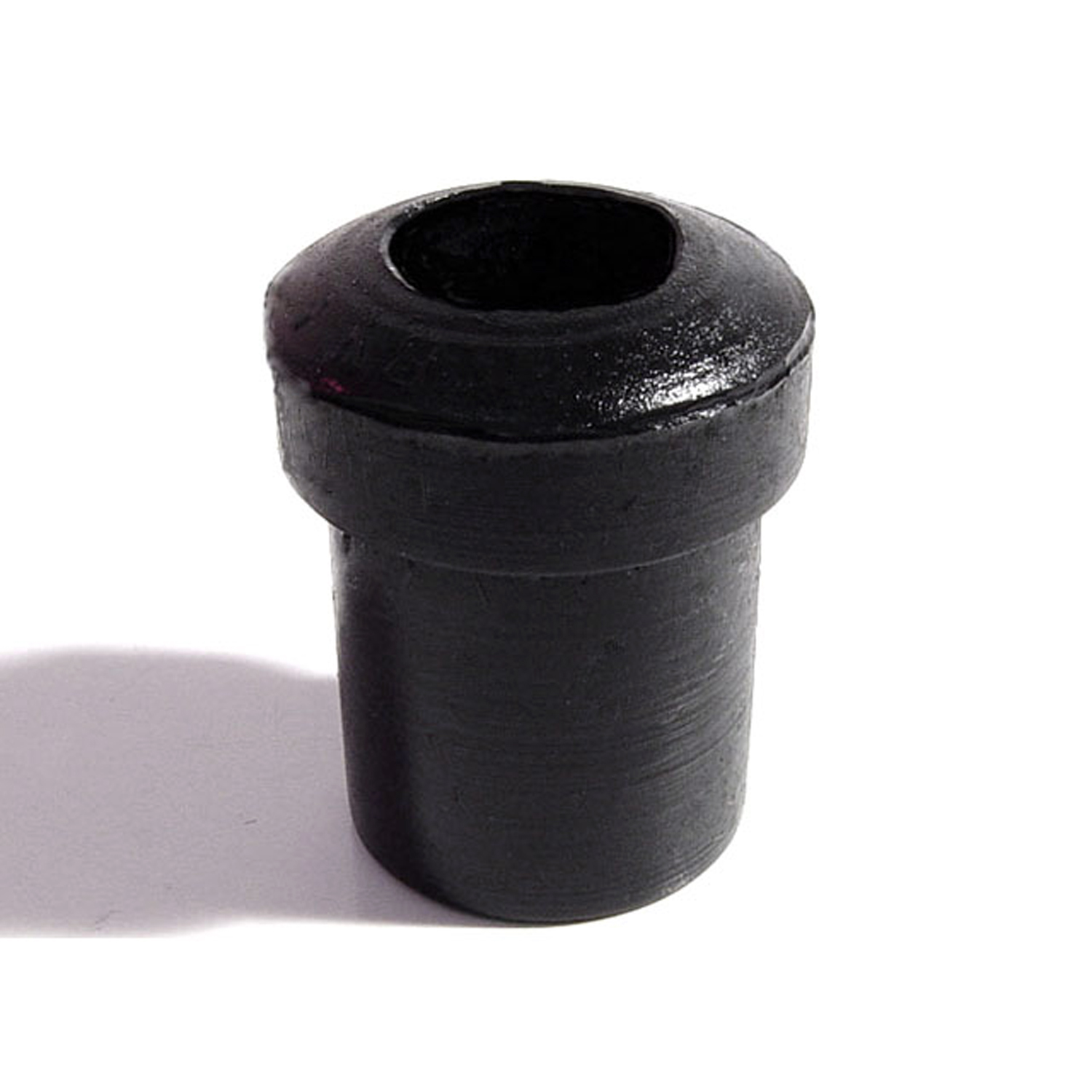 1946 Chrysler Saratoga Series Spring and Shackle Bushing. 7/8" bottom O.D-BN 16Spring and Shackle Bushing. 7/8" bottom O.D. X 1-1/8" high, with 1/2" I.D. Each
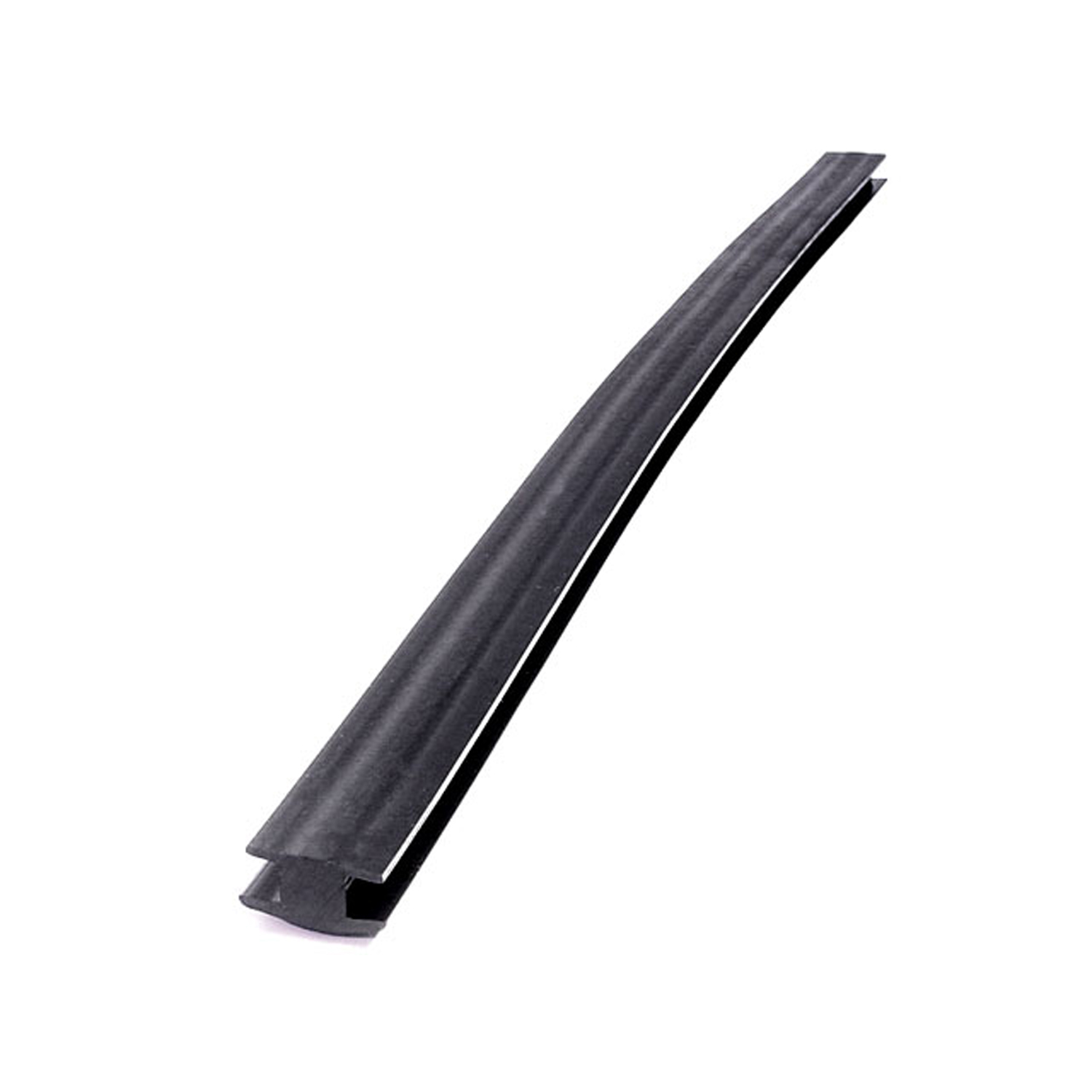 1946 Chrysler Saratoga Series Windshield Center Bar Gasket. 20" long. Each-DP 12Windshield Center Bar Gasket. 20" long. Each
 1946 Chrysler Saratoga Series Gravel Shields. Molded flat without metal backing plates-FS 31Gravel Shields. Molded flat without metal backing plates. Apply with contact cement. 18" long X 9-3/4" wide at bottom. Pair
 1946 Chrysler Saratoga Series Gas Filler Grommet. 2-1/4" I.D., 3-3/4" O.D-GF 18Gas Filler Grommet. 2-1/4" I.D., 3-3/4" O.D., 1/2" top thickness. Each
 1946 Chrysler Saratoga Series Hood Corners. Fits flat corners-HC 19Hood Corners. Fits flat corners. 80° angle, 1/4" to 3/8" corner radius. 1-3/8" wide. Pair
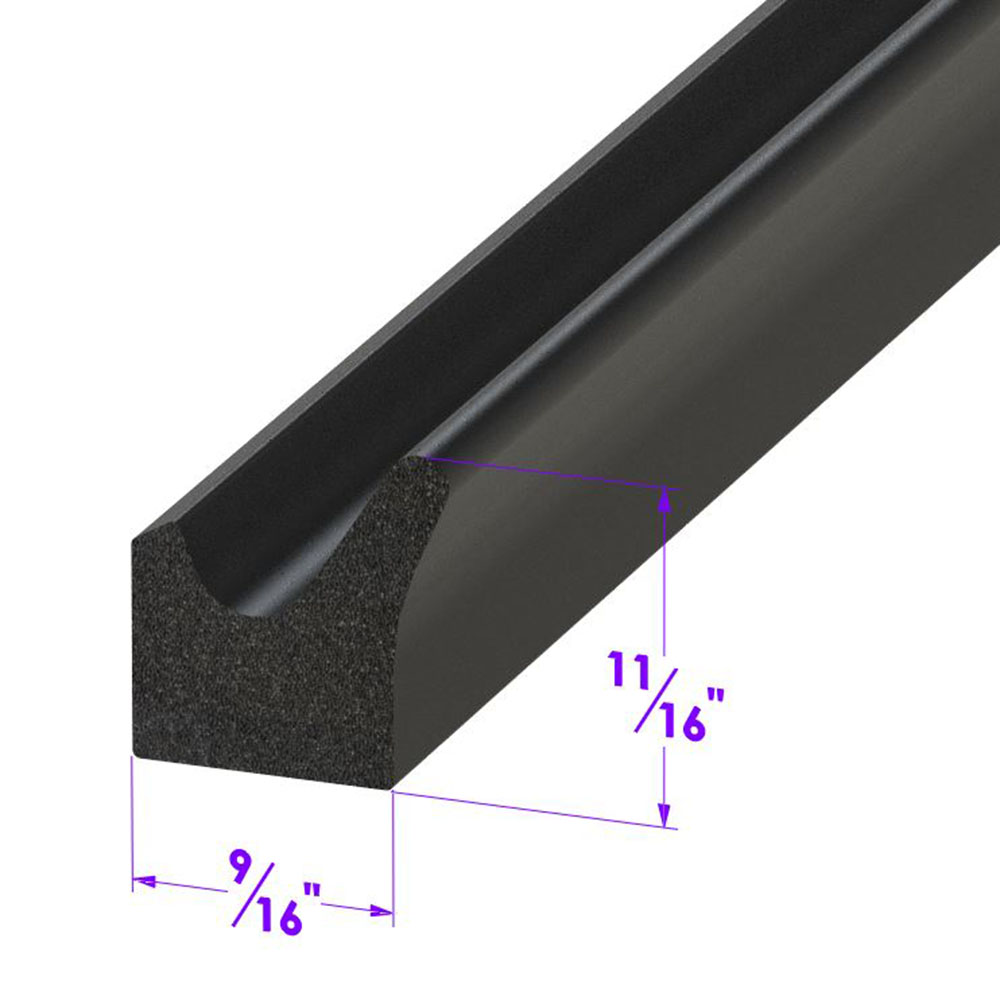 1946 Chrysler Saratoga Series Door side seal. Same as LP 40-A, but for a heavier seal-LP 40Door side seal. Same as LP 40-A, but for a heavier seal. Fits many domestic passenger cars and trucks. Used in Cobra kit cars as trunk weatherstrip. Per foot.
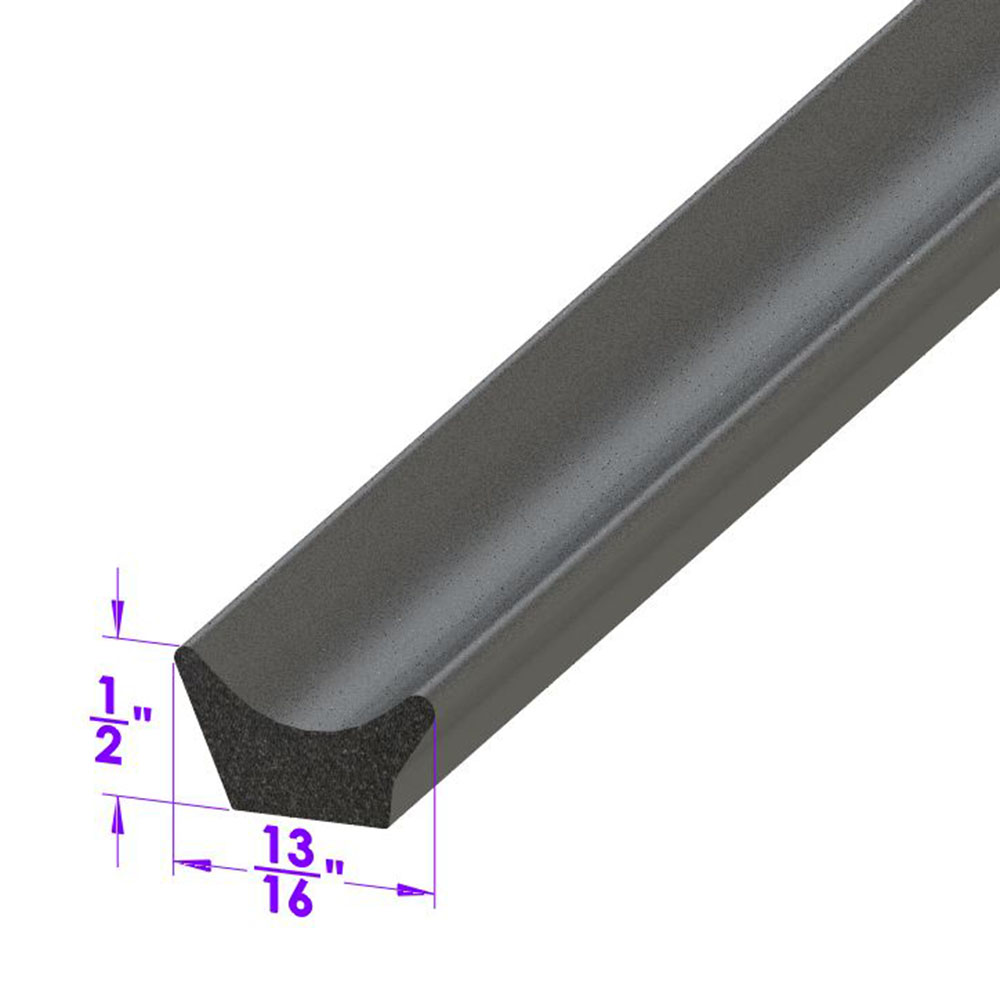 1946 Chrysler Saratoga Series Door side seal. Same as LP 40, but for a lighter seal-LP 40-ADoor side seal. Same as LP 40, but for a lighter seal. Fits many domestic passenger cars and trucks. Universal seal for street rods and customs. Used in Cobra kit cars as door weatherstrip. Per foot.
 1946 Chrysler Saratoga Series Swing-Out Windshield Seal. 3/4" High. Sold by the foot-LP 97-ASwing-Out Windshield Seal. 3/4" High. Sold by the foot
 1946 Chrysler Saratoga Series Trunk Light Pad. 13-1/8" wide X 6-1/2" long. Each-MP 604-ATrunk Light Pad. 13-1/8" wide X 6-1/2" long. Each
 1946 Chrysler Saratoga Series Trunk Handle Pad. 2-1/4" X 5-1/2". Each-MP 604-BTrunk Handle Pad. 2-1/4" X 5-1/2". Each
 1946 Chrysler Saratoga Series Door Handle Pads. 1-1/4" wide X 2-5/8" long. Pair-MP 605-BDoor Handle Pads. 1-1/4" wide X 2-5/8" long. Pair
 1946 Chrysler Saratoga Series Antenna Mounting Pad. Made with angled front bead-MP 959-CAntenna Mounting Pad. Made with angled front bead. Narrow type. 1-1/4" wide X 1-3/4" long. Each
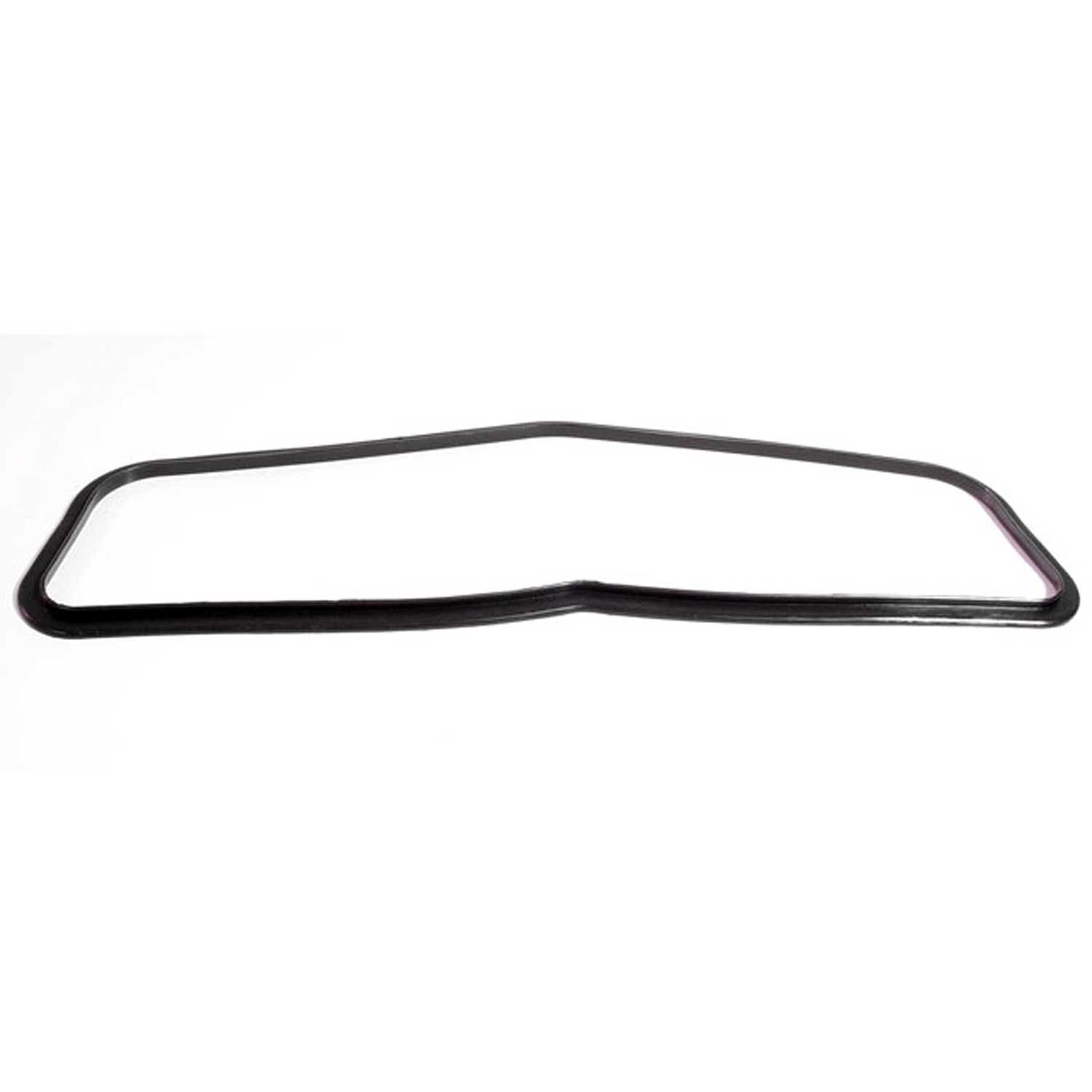 1946 Chrysler Saratoga Series Cowl Vent Seal. 4" wide X 18" long. Each-RP 100-QCowl Vent Seal. 4" wide X 18" long. Each
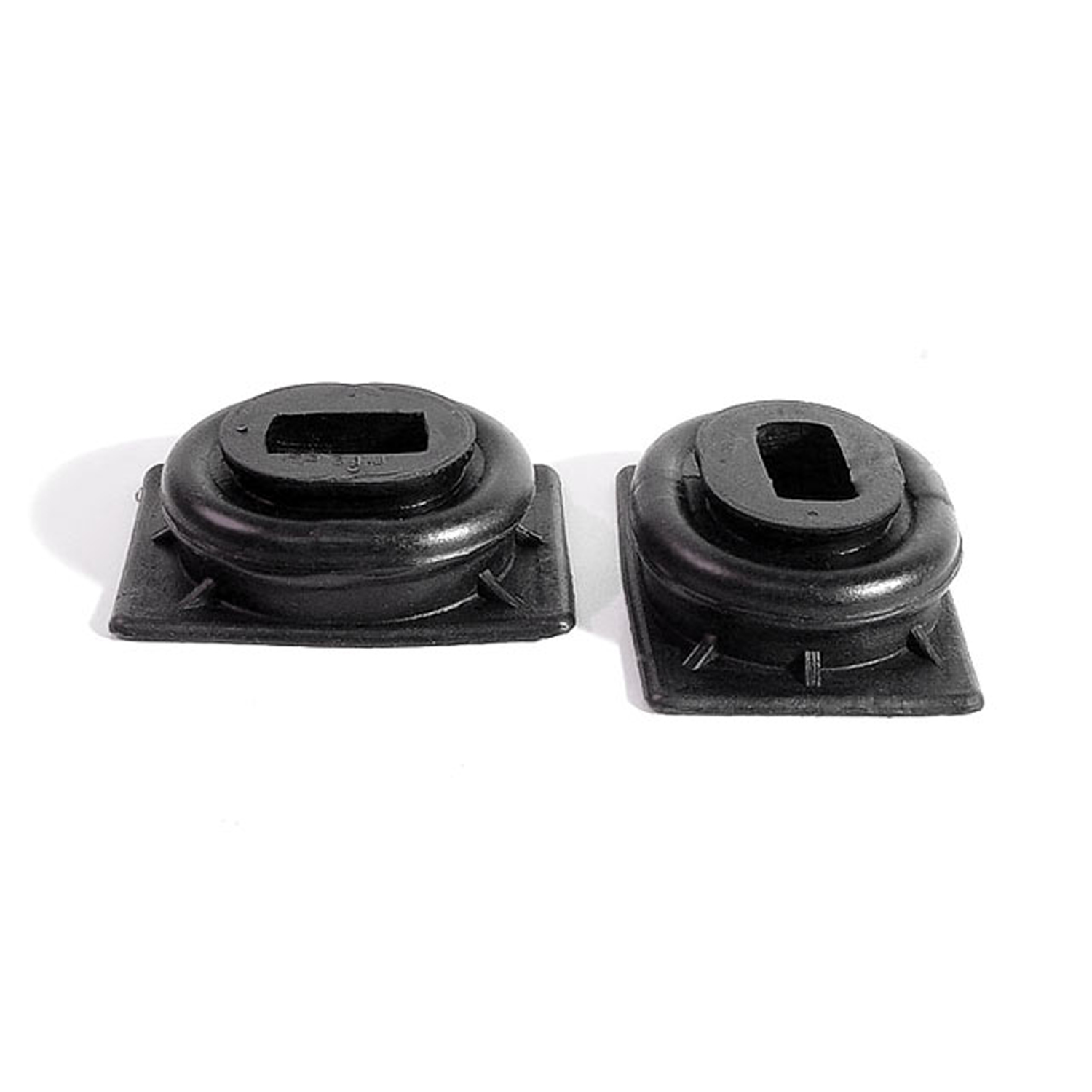 1946 Chrysler Saratoga Series Clutch and Brake Seals. Replaces OEM #889473. Pair-RP 31-JClutch and Brake Seals. Replaces OEM #889473. Pair
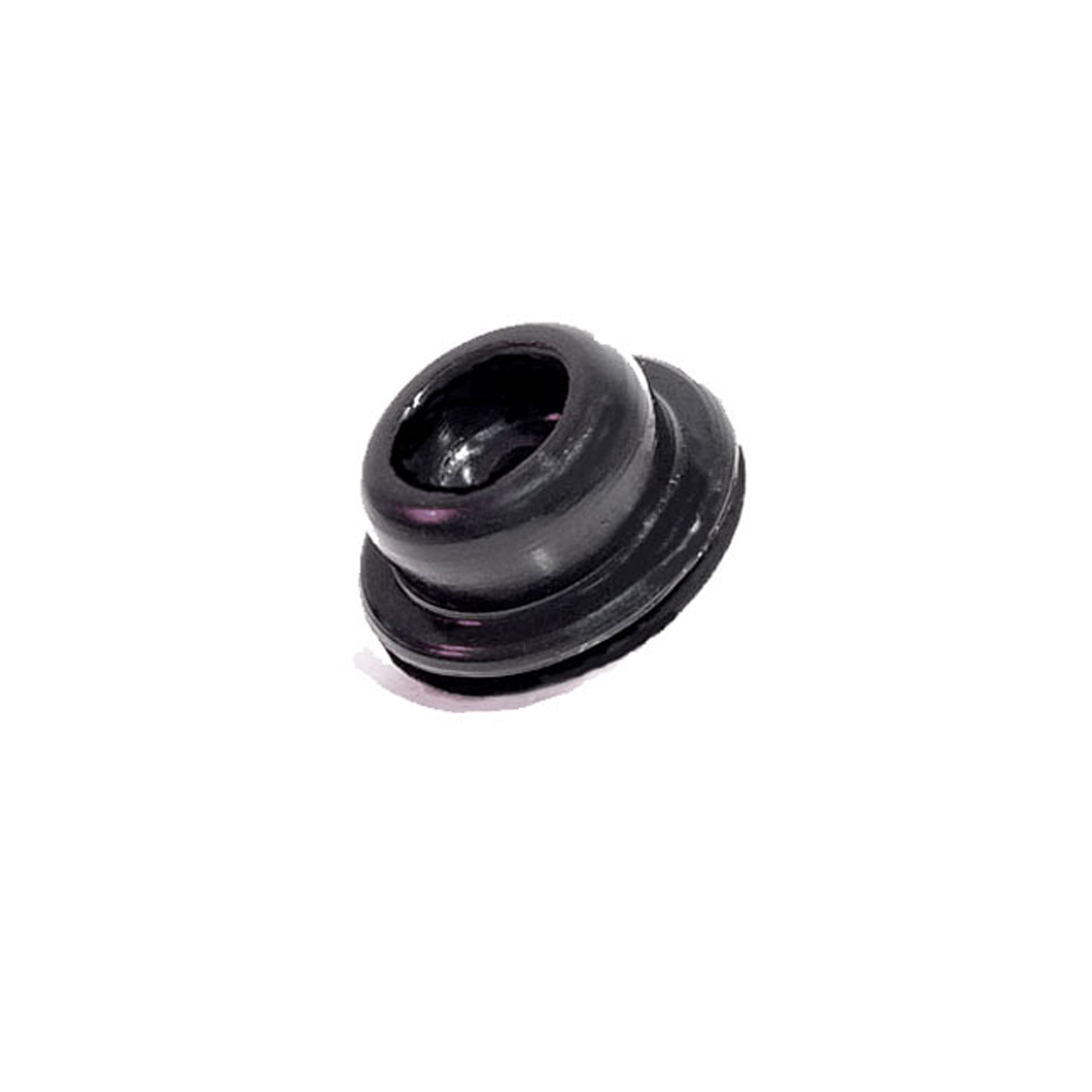 1946 Chrysler Saratoga Series Accelerator Rod Grommet-SM 43-BAccelerator Rod Grommet. For accelerator rod through floorboard. Each
 1946 Chrysler Saratoga Series Rear vent window seals-WR 2301-RRear vent window seals. Fits listed 4-door sedans and limousines with swing-out rear vent windows. May fit some GM models. Replaces OEM# #849153/4. Pair. R&L.
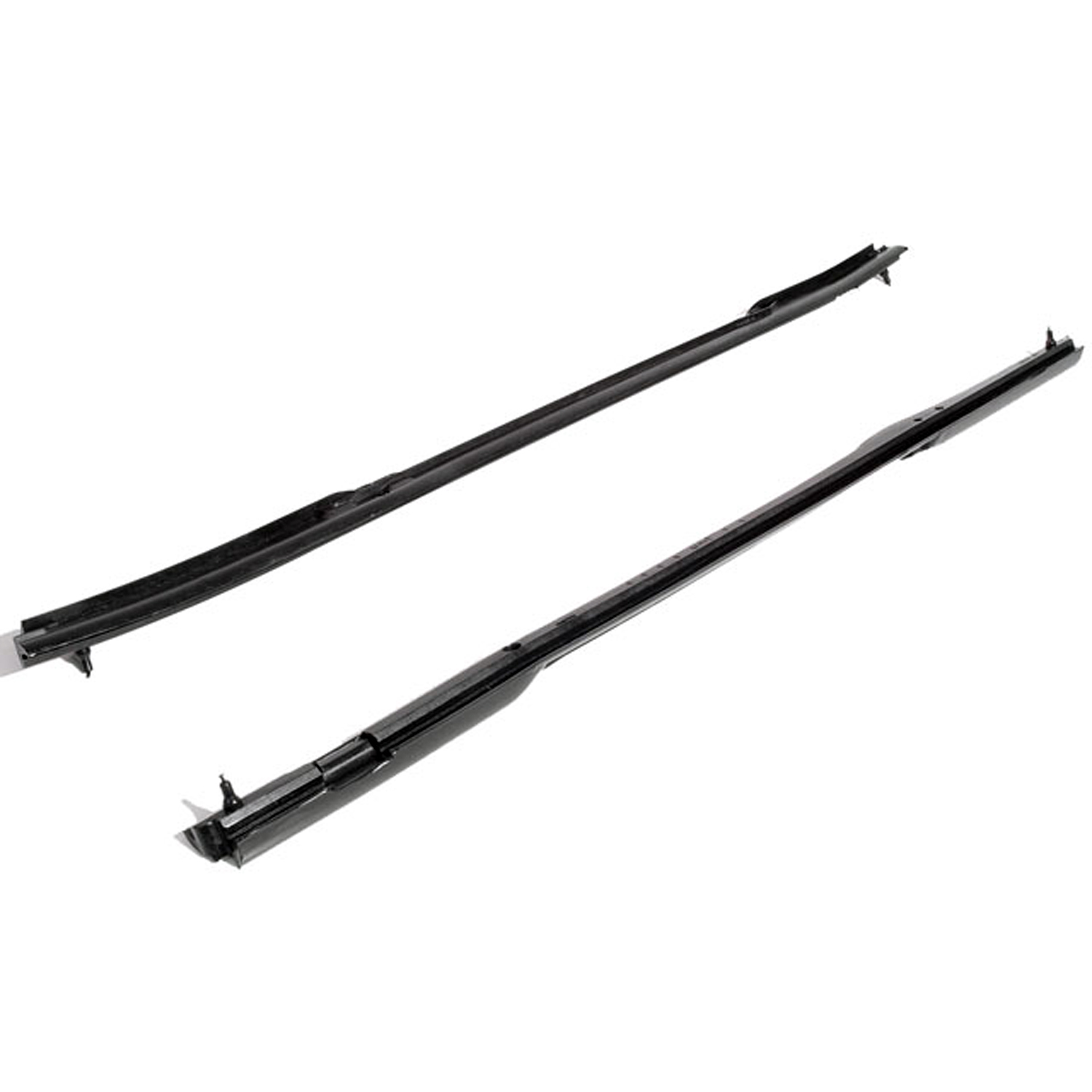 1946 Chrysler Saratoga Series Front Vent Window Seals. For many closed models only-WR 2703Front Vent Window Seals. For many closed models only. Replaces OEM #977232-3. Pair R&L
Why Choose Metro?
For over 100 years, Metro Moulded Parts has been the pinnacle of quality in classic car restoration parts. Our commitment to precision and authenticity in every component ensures a perfect fit and an OEM-level appearance.
- Expert Craftsmanship & Quality: Each part is a testament to our dedication to reliability and perfection, crafted from original designs and thoroughly tested.
- Advanced Technology: We use cutting-edge techniques to create flawless, long-lasting parts that surpass others in performance.
- SuperSoft Sponge – The Ultimate Door Seal: Not only are our door seals 30% softer than competitors', but they're also guaranteed to never leak. They effectively reduce wind and road noise, enhancing your classic car's comfort and driving experience.
- Proudly American: Our parts are a product of American craftsmanship, made in the USA with a spirit of excellence and heritage.
- Unrivaled Warranty: We back our products with a 30-year industry-leading warranty, a testament to our confidence in their quality.
Join us in preserving the legacy of classic cars with parts that are crafted for perfection, not just made.