

Image of 1947 Chrysler Imperial C-40, Note: These illustrations use artistic license and may differ from actual historical models.
Performance Metrics
Fundamental Metrics
Emotional Appeal
MMP Rating
| Engine Specifications | |
|---|---|
| Engine: | Straight 8 |
| Displacement: | 323.5 cu in (5.3 L) |
| Horsepower: | 135 hp |
| Torque: | Estimated 270 lb-ft |
| Compression Ratio: | 6.6:1 |
| Ignition System: | Battery and coil |
| Cooling System: | Liquid-cooled |
| Performance Specifications | |
| 0-60 Time: | Estimated 15 seconds |
| 1/4 Mile Time: | Not available |
| Top Speed: | 90 mph |
| Transmission and Drive | |
| Drive Type: | Rear-wheel drive |
| Transmission Type: | 3-speed manual |
| Fuel and Efficiency | |
| Fuel System Type: | Carburetor |
| MPG: | Estimated 10-12 mpg |
| Dimensions and Brakes | |
| Brakes: | Hydraulic drum brakes |
| Wheelbase: | 127.5 in (3,239 mm) |
| Weight: | 4,300 lbs |
Note: Specifications for classic cars are given to the best of our ability, considering the limited and variant data available.
1947 Chrysler Imperial C-40: A Postwar American Flagship
The 1947 Chrysler Imperial C-40 brought prewar luxury into a changing postwar America, combining a smooth straight-eight engine with the imposing proportions of a full-size flagship. Built by the Chrysler Corporation, the Imperial sat at the top of the company’s passenger-car range, above models such as the Windsor and New Yorker. Its appeal was less about flashy excess than about space, quietness, and the substantial feel of a carefully engineered automobile.
The C-40 belonged to Chrysler’s postwar Imperial series, whose basic design carried over from the immediate prewar era. New cars were in high demand after wartime restrictions on civilian production, and manufacturers initially had little time to develop completely new models. The Imperial therefore represented a polished continuation of Chrysler’s established luxury formula rather than a radical redesign.
One detail that makes the C-40 especially interesting is that “Imperial” covered more than one kind of luxury car. The regular Imperial offered personal and family-oriented models, while the long-wheelbase Crown Imperial served formal passengers who wanted extra rear-seat room. That range gave Chrysler a presence from the comfortable private car to the chauffeur-driven limousine.
Imperial Styling and Cabin Craft
The 1947 Imperial has the broad, upright look of a substantial prewar luxury car. Its long hood leads to a prominent, horizontally composed grille, while separate-looking front fenders flow back along the body. Rounded contours soften the car’s considerable length, and bright chrome trim draws attention to the grille, bumpers, window surrounds, and wheel openings. The result is elegant and imposing without the sharp tailfins and dramatic chrome excess that would define some later American cars.
Inside, the Imperial was designed for comfort over long distances. Depending on body style and trim, buyers could expect broadcloth or other quality upholstery in closed cars, with leather commonly associated with open-car interiors. A wide bench seat, generous legroom, a large steering wheel, and clearly arranged instruments made the cabin feel spacious and purposeful. The convertible added the appeal of open-air touring, while the Crown Imperial’s long wheelbase gave rear passengers a more formal, limousine-like experience.
Factory paint choices varied by year, body style, and market, but period Imperial colors included subdued shades of black, blue, green, gray, maroon, and tan. Dark, formal colors suited the car’s prestige, while lighter or richer hues showed off its sweeping body lines. Black and deep maroon are particularly convincing choices on a restored example, though original paint documentation is the best guide for any individual car.
Body availability depended on the specific Imperial variant. The regular C-40 range included closed sedans and club coupes, with a convertible offered as a distinctive open model. The Crown Imperial was the long-wheelbase choice, available in formal passenger-car configurations such as a sedan or limousine, depending on the exact listing and market. The convertible is among the most visually memorable versions; the Crown Imperial limousine is the most imposing.
Technology in a Luxury Chrysler
Power came from Chrysler’s 323.5-cubic-inch L-head inline-eight, a long, smooth-running engine rated at about 135 horsepower in period specifications. Its design emphasized steady torque and refinement rather than high-revving performance. The engine was paired with a three-speed manual gearbox, and many Chryslers of the period could be equipped with Fluid Drive and a semi-automatic transmission arrangement. Equipment varied, so buyers assessing a car today should verify what is actually fitted rather than assume every Imperial has the same transmission.
Chrysler also used independent front suspension with coil springs, a feature that helped give the big car a more composed ride than a simple solid-front-axle setup. Hydraulic drum brakes handled stopping, and the Imperial’s substantial chassis and long wheelbase contributed to a planted feel. These were not exotic technologies, but they formed a well-considered package for a luxury car in the late 1940s.
Why the C-40 Matters
The C-40’s significance lies in how it bridged two eras. Its styling retained the separate-fender forms and upright proportions associated with prewar cars, while its comfort and mechanical specification reflected the growing expectations of postwar luxury buyers. It was a reminder that American automakers could still offer a smooth, carefully finished flagship even as the industry prepared for more modern postwar designs.
Compared with less expensive cars, the Imperial offered a larger, more powerful straight-eight and a more substantial passenger compartment. Compared with some high-end rivals, it brought Chrysler engineering into the luxury conversation without relying on a separate prestige marque. The model helped sustain the Imperial name as a top-level Chrysler offering, a position it would hold through later generations with increasingly distinctive styling and equipment.
Driving the 1947 Imperial
Expect stately rather than startling performance. Period test conditions, vehicle condition, gearing, and transmission choice all affect the numbers, but a healthy 135-horsepower Imperial is generally estimated to reach roughly 85 to 90 mph at the top end. A 0-to-60-mph run is likely to take around 18 to 22 seconds. Those figures are estimates, not modern instrumented test results, and the car was built to cruise comfortably rather than sprint.
On a smooth road, the straight-eight feels relaxed and unhurried. It produces a low mechanical murmur rather than a sharp, high-pitched note, and the long wheelbase helps the Imperial glide over rolling pavement. Larger bumps still remind the driver that this is a heavy car with period suspension, but the independent front end helps it avoid the busy, unsettled feel associated with some older designs.
On winding roads, the Imperial asks for a deliberate hand. Its size, soft suspension, and period tires encourage smooth cornering rather than aggressive turn-in. Steering effort can be noticeable at parking speeds, particularly without power assistance, and drum brakes require more planning than modern disc brakes. In crosswinds, the broad body and substantial mass are manageable, but drivers should leave extra room and avoid treating the car like a contemporary sports sedan. The reward is a calm, commanding touring experience.
Owning and Maintaining a C-40
Most surviving Imperials are now used as show cars, touring cars, or occasional weekend drivers. A well-sorted example can handle local events and relaxed highway trips, but it is not an ideal modern daily driver. Traffic speeds, fuel costs, limited safety equipment, and the age of rubber, wiring, and braking components all call for sensible expectations.
The straight-eight is mechanically straightforward by classic-car standards, and many routine jobs can be handled by an experienced home mechanic with the correct manuals and tools. The main challenge is often finding parts and qualified help for less common Imperial-specific trim, body pieces, interior fittings, and transmission components. Before buying, inspect the cooling system, engine condition, brakes, electrical wiring, chassis, and any Fluid Drive or semi-automatic equipment. A car that has been regularly maintained is usually a better prospect than a superficially shiny restoration with unresolved mechanical issues.
Rare Details and Common Criticisms
The Crown Imperial’s extended wheelbase is the headline rarity within the C-40 family. It was a specialist luxury model, not a high-volume car, and individual body styles can be considerably harder to find than a regular Imperial sedan. Exact production totals are not consistently presented across surviving references, and figures may vary according to whether they count model year, body style, or Crown Imperial separately. A cautious estimate for the broader 1947 Imperial family is in the low tens of thousands, while any particular body configuration represents only a fraction of that total.
The C-40 is not widely remembered for a single headline speed record or a major racing achievement. Its reputation rests instead on being a substantial postwar luxury car with Chrysler’s smooth inline-eight and a range that included formal Crown Imperial models. It also reflects the postwar production reality: buyers were eager for new cars, while manufacturers were still refining designs inherited from before the war.
Common criticisms are practical ones. The Imperial is heavy, thirsty by modern standards, and slower to accelerate than many later classics. Drum brakes, manual steering, and a wide turning circle demand more effort than contemporary drivers may expect. Its conservative styling can also seem less dramatic than the flamboyant designs that followed. For enthusiasts who value period proportions, mechanical character, and ride comfort, those same qualities are part of its charm.
1947 Imperial C-40 Values and Rarity
Collector prices vary widely with body style, originality, restoration quality, and mechanical condition. As a broad U.S. market estimate, a project or rough driver might fall around $15,000 to $30,000. A presentable, usable sedan or coupe may bring approximately $30,000 to $55,000, while a high-quality restoration can reach $55,000 to $85,000 or more. Convertibles and long-wheelbase Crown Imperial models can command a premium, with exceptional examples potentially exceeding $100,000. These are guide ranges, not appraisals, and unusual history or condition can move a car well outside them.
Availability is limited but not impossible. Regular sedans appear more often than convertibles or Crown Imperials, and finding one with complete trim and a well-documented restoration can take patience. Values have generally benefited from the growing appreciation of prewar and immediate postwar American luxury cars, but the market is selective: top-quality, correctly restored cars are the strongest performers, while projects can be expensive to complete. In real-dollar terms, prices do not rise uniformly, so purchase condition and restoration costs matter more than assuming every Imperial will appreciate.
A Lasting American Luxury Car
The 1947 Chrysler Imperial C-40 is a handsome snapshot of American luxury at a turning point. Its straight-eight delivers the smooth character expected of a flagship, its cabin emphasizes space and comfort, and its range stretches from everyday Imperial models to the formal Crown Imperial. It may not offer modern speed or convenience, but it has presence, craftsmanship, and a distinctive place in Chrysler history.
For collectors, the C-40 is more than a large postwar sedan. It is a rolling link between prewar elegance and the modern American luxury era, best appreciated at an unhurried pace with the straight-eight humming beneath its long hood.
1947 Chrysler Imperial C-40 Catalog of Parts
 1947 Chrysler Imperial C-40 Clutch and Brake Pedal Pads. 3" wide X 3-7/8" long. Pair-CB 27Clutch and Brake Pedal Pads. 3" wide X 3-7/8" long. Pair
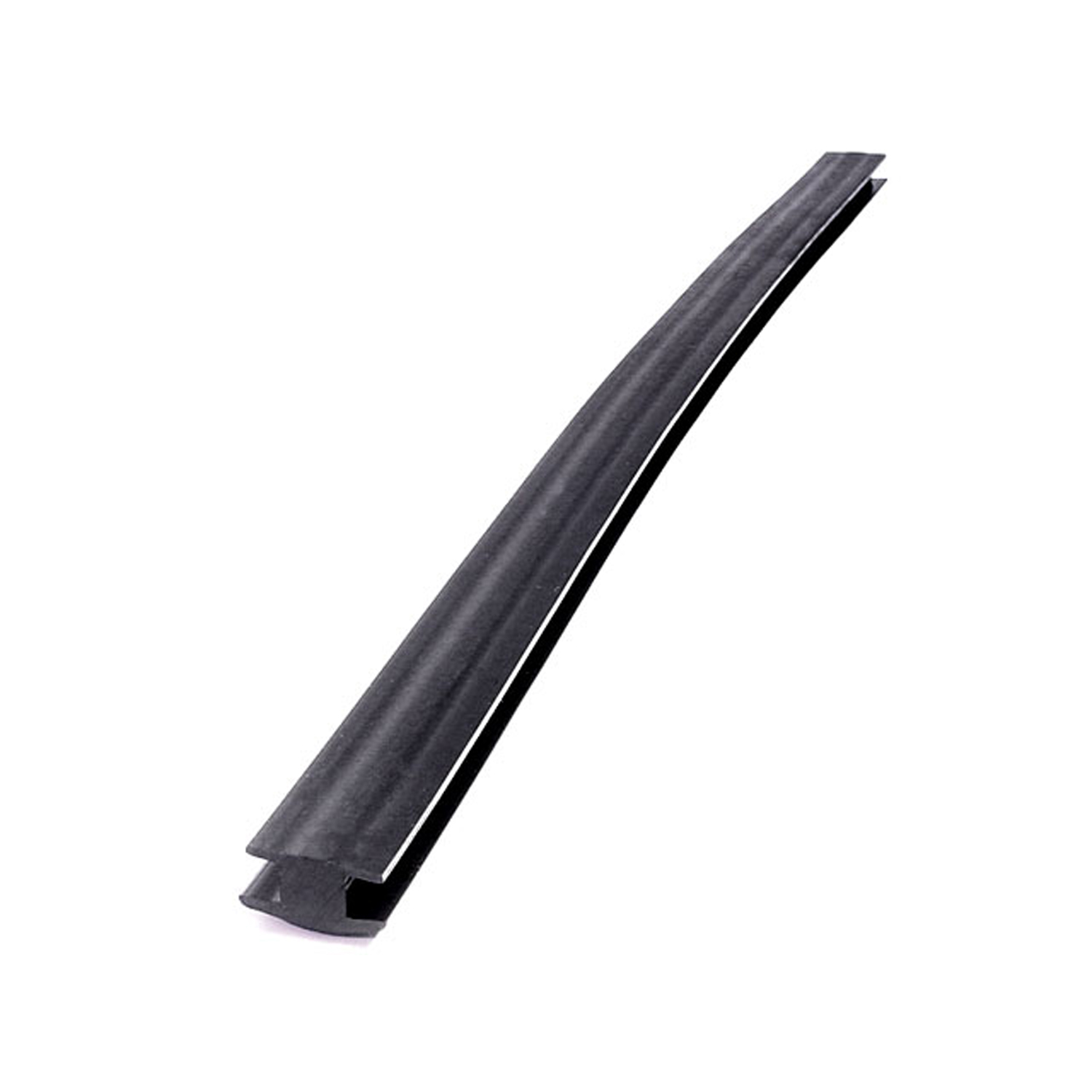 1947 Chrysler Imperial C-40 Windshield Center Bar Gasket. 20" long. Each-DP 12Windshield Center Bar Gasket. 20" long. Each
 1947 Chrysler Imperial C-40 Gravel Shields. Molded flat without metal backing plates-FS 31Gravel Shields. Molded flat without metal backing plates. Apply with contact cement. 18" long X 9-3/4" wide at bottom. Pair
 1947 Chrysler Imperial C-40 Gas Filler Grommet. 2-1/4" I.D., 3-3/4" O.D-GF 18Gas Filler Grommet. 2-1/4" I.D., 3-3/4" O.D., 1/2" top thickness. Each
 1947 Chrysler Imperial C-40 Hood Corners. Fits flat corners-HC 19Hood Corners. Fits flat corners. 80° angle, 1/4" to 3/8" corner radius. 1-3/8" wide. Pair
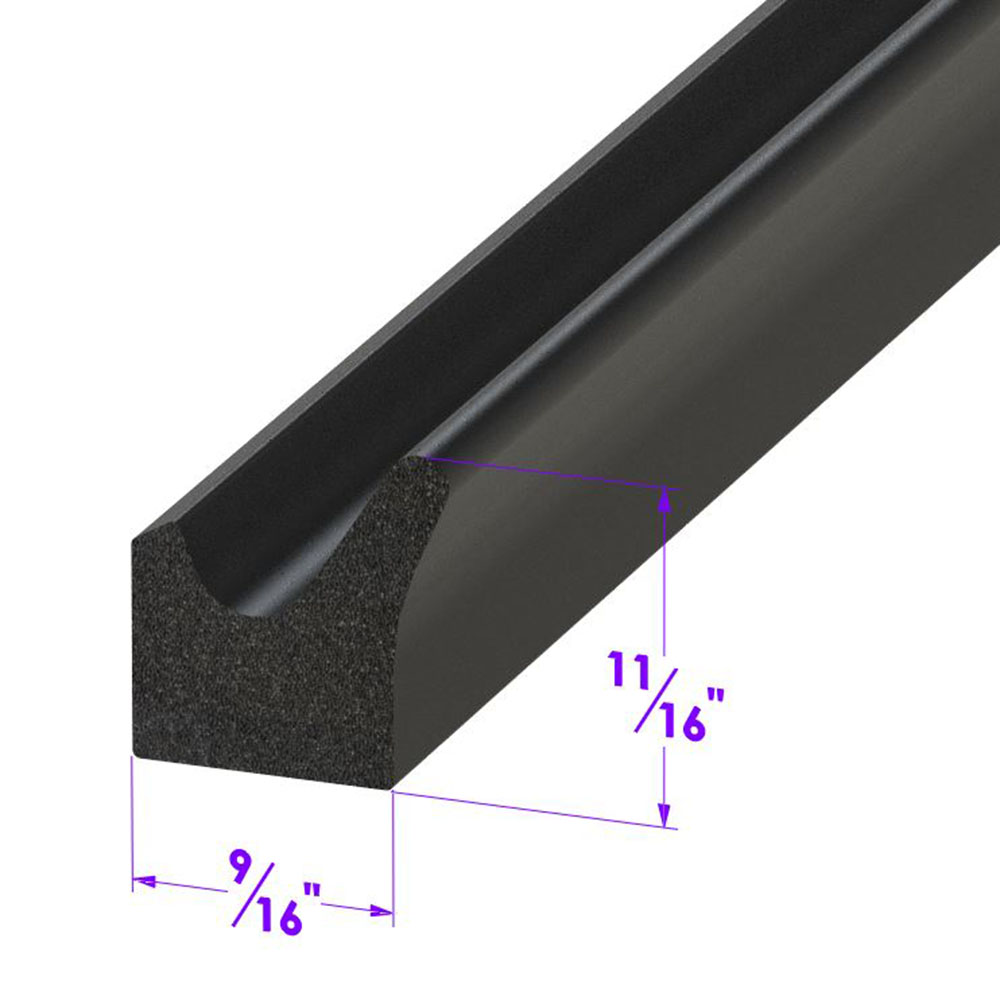 1947 Chrysler Imperial C-40 Door side seal. Same as LP 40-A, but for a heavier seal-LP 40Door side seal. Same as LP 40-A, but for a heavier seal. Fits many domestic passenger cars and trucks. Used in Cobra kit cars as trunk weatherstrip. Per foot.
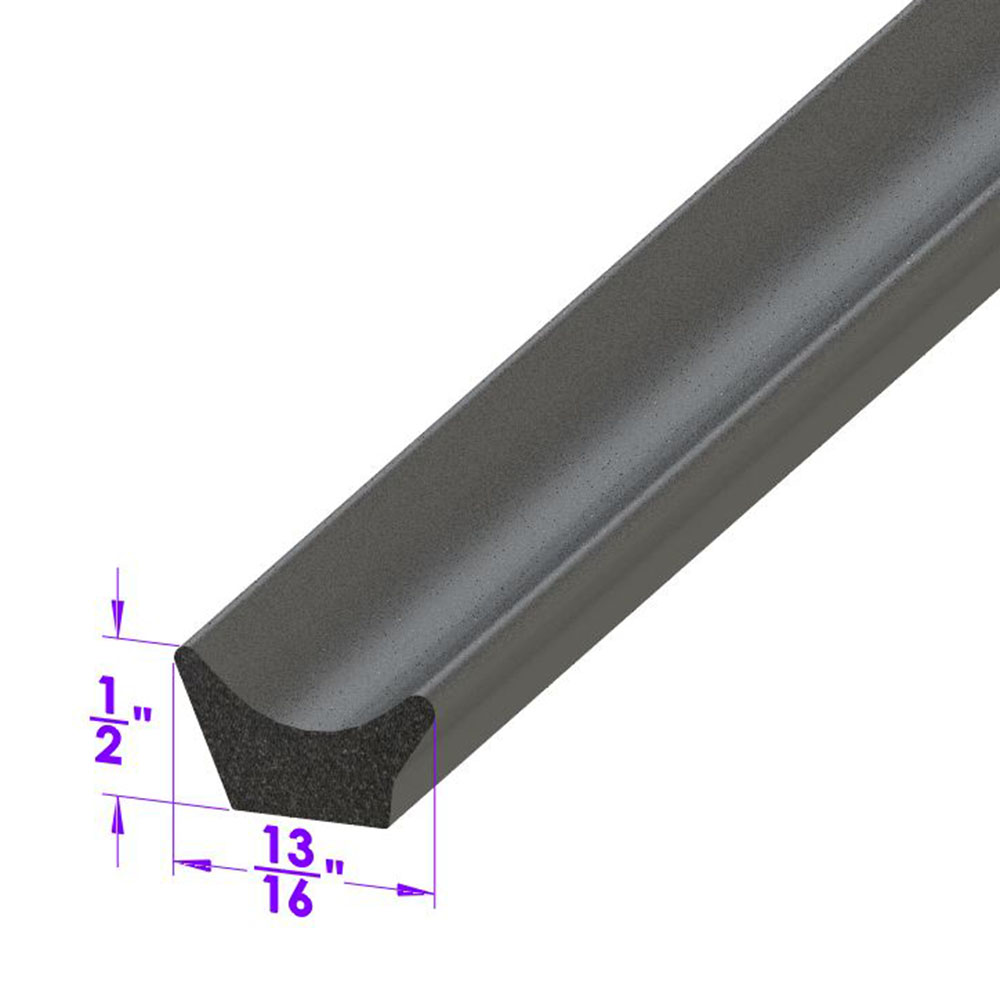 1947 Chrysler Imperial C-40 Door side seal. Same as LP 40, but for a lighter seal-LP 40-ADoor side seal. Same as LP 40, but for a lighter seal. Fits many domestic passenger cars and trucks. Universal seal for street rods and customs. Used in Cobra kit cars as door weatherstrip. Per foot.
 1947 Chrysler Imperial C-40 Trunk Light Pad. 13-1/8" wide X 6-1/2" long. Each-MP 604-ATrunk Light Pad. 13-1/8" wide X 6-1/2" long. Each
 1947 Chrysler Imperial C-40 Trunk Handle Pad. 2-1/4" X 5-1/2". Each-MP 604-BTrunk Handle Pad. 2-1/4" X 5-1/2". Each
 1947 Chrysler Imperial C-40 Door Handle Pads. 1-1/4" wide X 2-5/8" long. Pair-MP 605-BDoor Handle Pads. 1-1/4" wide X 2-5/8" long. Pair
 1947 Chrysler Imperial C-40 Antenna Mounting Pad. Made with angled front bead-MP 959-CAntenna Mounting Pad. Made with angled front bead. Narrow type. 1-1/4" wide X 1-3/4" long. Each
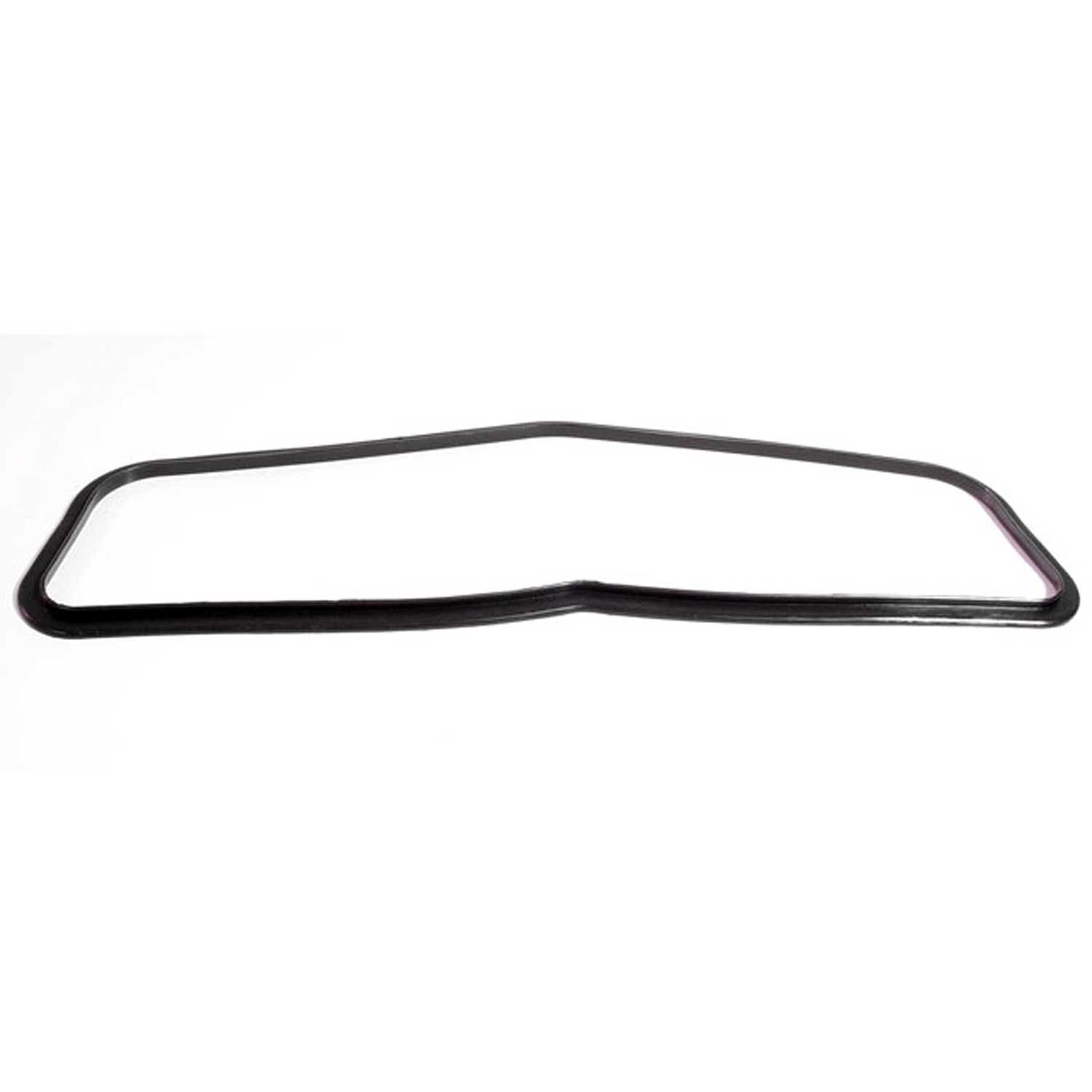 1947 Chrysler Imperial C-40 Cowl Vent Seal. 4" wide X 18" long. Each-RP 100-QCowl Vent Seal. 4" wide X 18" long. Each
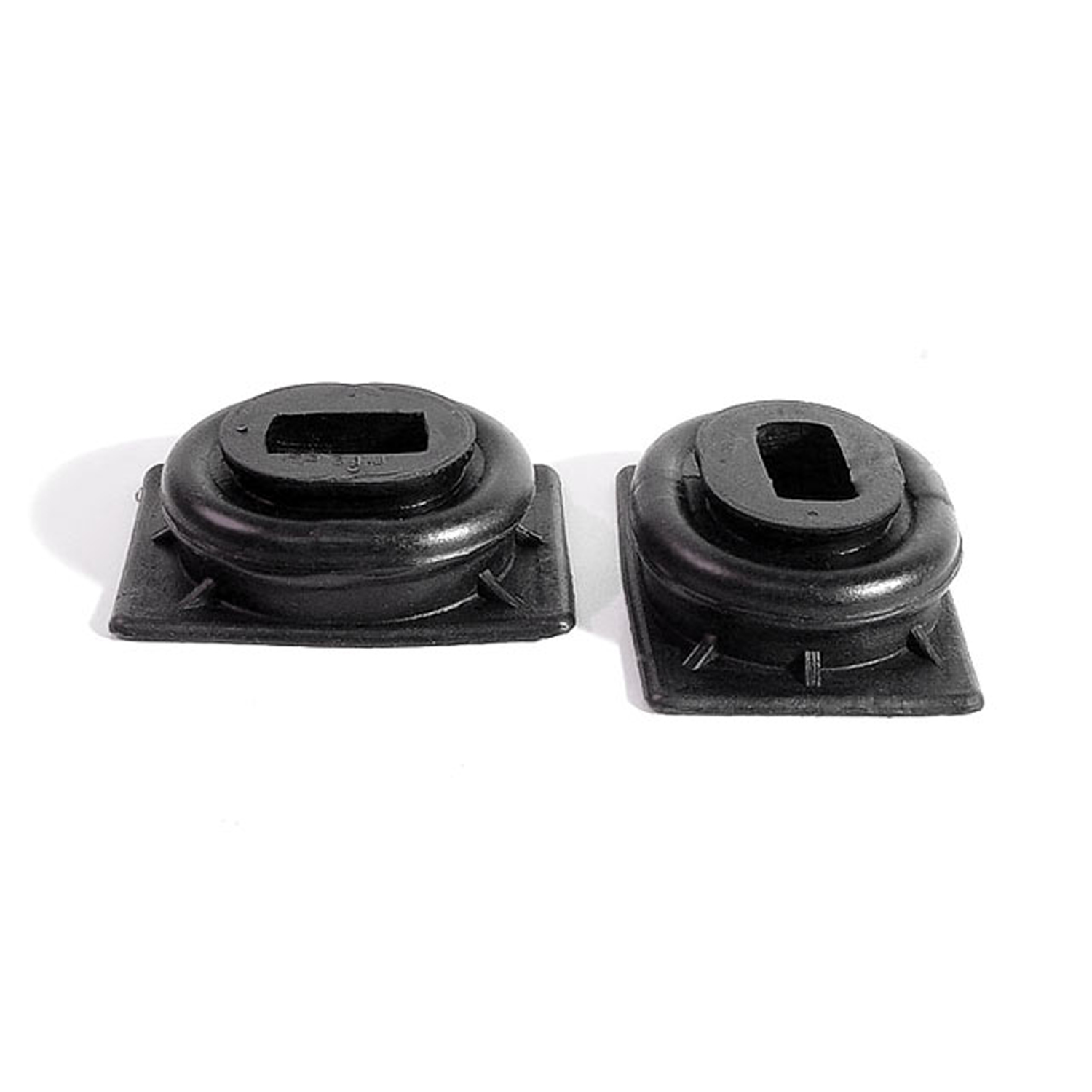 1947 Chrysler Imperial C-40 Clutch and Brake Seals. Replaces OEM #889473. Pair-RP 31-JClutch and Brake Seals. Replaces OEM #889473. Pair
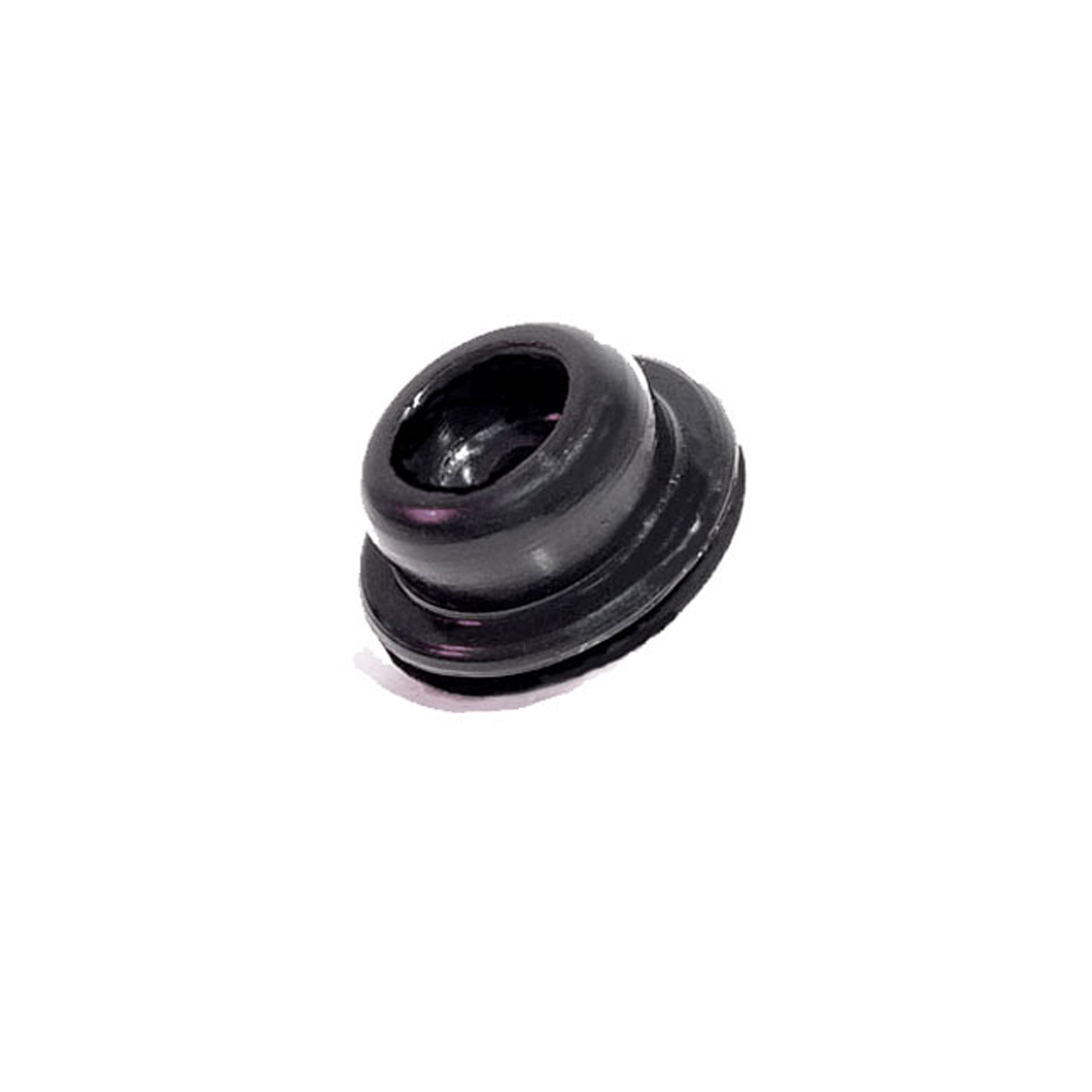 1947 Chrysler Imperial C-40 Accelerator Rod Grommet-SM 43-BAccelerator Rod Grommet. For accelerator rod through floorboard. Each
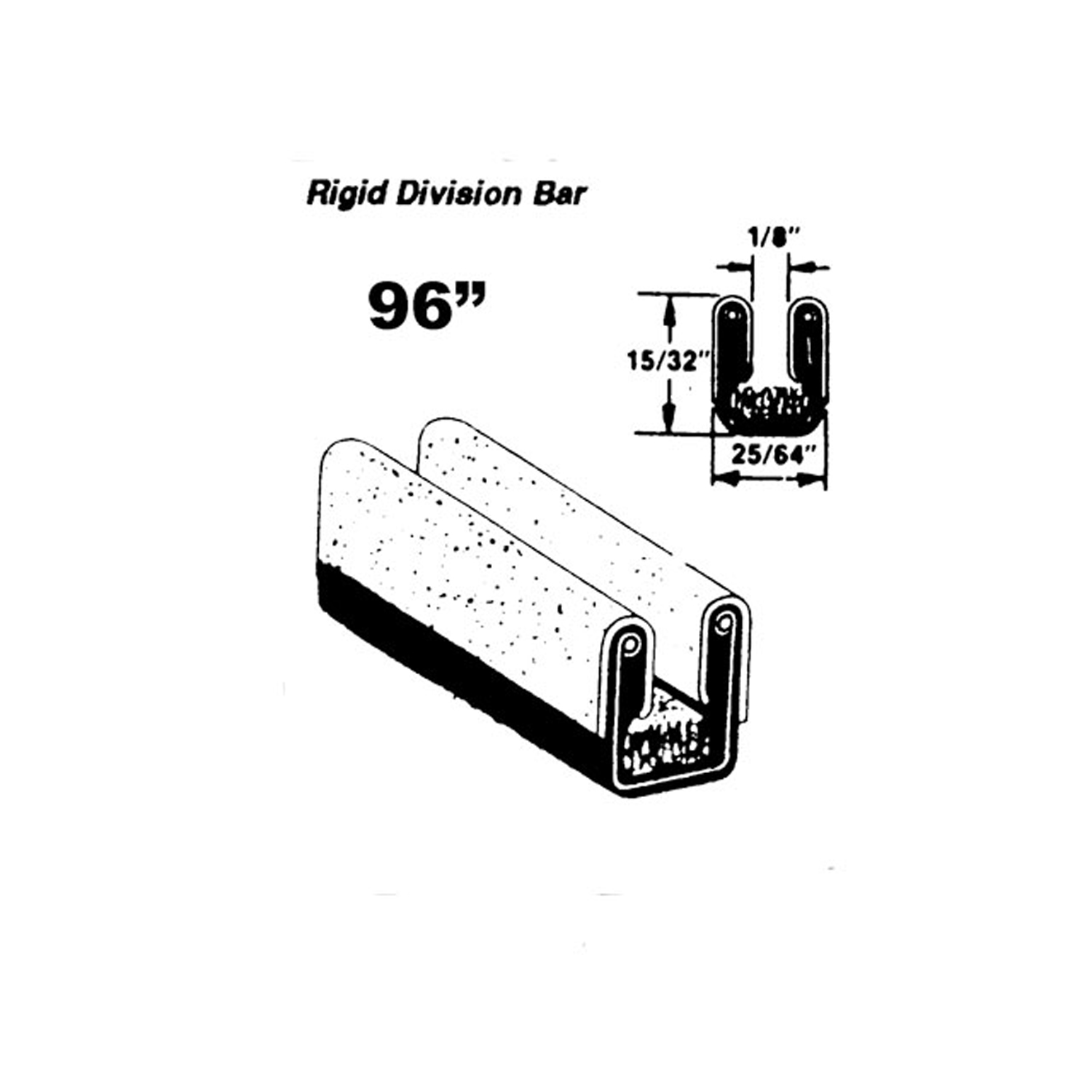 1947 Chrysler Imperial C-40 Rigid division-bar run channel-WC 31-96Rigid division-bar run channel. Made with very soft felt lining. Used on front and rear door side windows. 96 in. long. Each. NOTE: $20 special shipping charge applies for domestic orders. Call or email for overseas shipping costs. Part can be sectioned in two or three equal lengths to reduce overseas shipping costs.
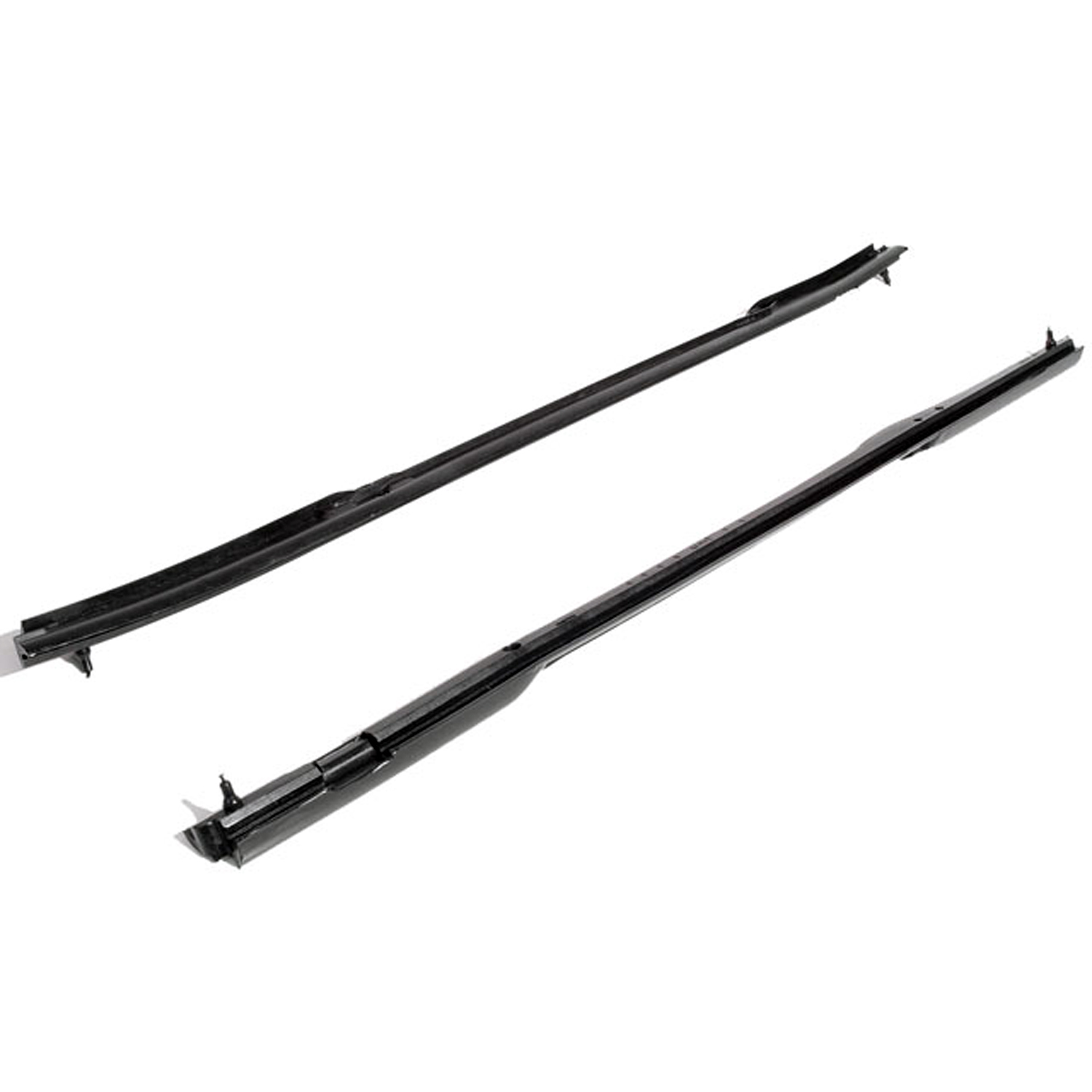 1947 Chrysler Imperial C-40 Front Vent Window Seals. For many closed models only-WR 2703Front Vent Window Seals. For many closed models only. Replaces OEM #977232-3. Pair R&L
Why Choose Metro?
For over 100 years, Metro Moulded Parts has been the pinnacle of quality in classic car restoration parts. Our commitment to precision and authenticity in every component ensures a perfect fit and an OEM-level appearance.
- Expert Craftsmanship & Quality: Each part is a testament to our dedication to reliability and perfection, crafted from original designs and thoroughly tested.
- Advanced Technology: We use cutting-edge techniques to create flawless, long-lasting parts that surpass others in performance.
- SuperSoft Sponge – The Ultimate Door Seal: Not only are our door seals 30% softer than competitors', but they're also guaranteed to never leak. They effectively reduce wind and road noise, enhancing your classic car's comfort and driving experience.
- Proudly American: Our parts are a product of American craftsmanship, made in the USA with a spirit of excellence and heritage.
- Unrivaled Warranty: We back our products with a 30-year industry-leading warranty, a testament to our confidence in their quality.
Join us in preserving the legacy of classic cars with parts that are crafted for perfection, not just made.