

Image of 1947 Chrysler Town & Country, Note: These illustrations use artistic license and may differ from actual historical models.
Performance Metrics
Fundamental Metrics
Emotional Appeal
MMP Rating
| Engine Specifications | |
|---|---|
| Engine: | Straight 8 |
| Displacement: | 323.5 cu in (5.3 L) |
| Horsepower: | 135 hp |
| Torque: | 270 lb-ft |
| Compression Ratio: | 6.6:1 |
| Ignition System: | Battery and coil |
| Cooling System: | Liquid cooled |
| Performance Specifications | |
| 0-60 Time: | Estimated 15 seconds |
| 1/4 Mile Time: | Not available |
| Top Speed: | 90 mph |
| Transmission and Drive | |
| Drive Type: | Rear wheel drive |
| Transmission Type: | 3-speed manual |
| Fuel and Efficiency | |
| Fuel System Type: | Carburetor |
| MPG: | Estimated 10-12 mpg |
| Dimensions and Brakes | |
| Brakes: | Drum brakes |
| Wheelbase: | 121.5 inches |
| Weight: | 4,200 lbs |
Note: Specifications for classic cars are given to the best of our ability, considering the limited and variant data available.
1947 Chrysler Town & Country: A Postwar Woodie With Star Quality
The 1947 Chrysler Town & Country turned real wood into one of the most recognizable luxury-car statements of the postwar era. Built by the Chrysler Corporation in Detroit, it paired substantial American engineering with carefully finished hardwood trim, giving the car an unusual blend of coachbuilt charm and modern steel-body construction.
The Town & Country name first appeared before the war, but the model returned in 1946 as a striking expression of postwar optimism. Chrysler offered it as both a four-door sedan and a two-door convertible. The convertible is the version most people picture today: a long, low car with gleaming metalwork and rich wood panels. A telling detail of its appeal is that those panels were genuine hardwood, not wood-grain decals, making every car’s pattern and finish subtly individual.
Wood, Steel, and Elegant Chrysler Styling
The Town & Country’s shape was unmistakably late-1940s Chrysler: rounded fenders, a broad waterfall-style grille, generous chrome, and a long hood leading into a flowing rear body. Its proportions looked especially graceful in convertible form, where the folded top gave the car a long, open profile. The sedan had a more formal silhouette, but shared the model’s distinctive wood-and-chrome treatment.
The wood was the visual signature. Mahogany panels were framed by light-colored hardwood, commonly ash, and set into the body sides with polished metal edging. The mix of dark and light grain created a dramatic contrast against the painted steel body. The wood was a decorative and structural element of the body-side assembly, but the car was not simply a wooden frame on wheels: it used a steel body structure with carefully fitted hardwood sections.
Inside, the Town & Country offered a spacious, well-appointed cabin with broad bench seats, quality upholstery, polished trim, and a large, handsome dashboard. Materials and interior details could vary by body style and equipment, but the overall effect was more luxurious than a basic family sedan. The convertible’s cabin was particularly inviting with the top down, while the sedan offered weather protection and a quieter, more enclosed ride.
Chrysler’s paint palette varied by model year and body style. Period shades included dark greens, maroons, blues, black, and lighter colors. Deep, rich paint was a popular pairing with the contrasting wood, though today many owners choose colors that highlight the grain and chrome rather than compete with them.
Two Body Styles, Two Different Personalities
For 1947, buyers could choose a Town & Country four-door sedan or two-door convertible. The sedan was the more practical choice, with rear doors and an enclosed cabin suited to family travel. The convertible was the glamour model, combining the wood-trimmed body with open-air motoring and a more powerful eight-cylinder setup. It is now the best-known and generally the most sought-after version.
Equipment and mechanical specifications depended on body style. The sedan was associated with Chrysler’s Windsor range and its six-cylinder engine, while the convertible used New Yorker-grade power and appointments. Both were substantial cars, and neither was designed as a lightweight sports model.
Why the Town & Country Mattered
The 1947 Town & Country helped preserve the craft and visual appeal of the American woodie at a time when mass production increasingly favored all-steel bodies. It did not invent the wood-bodied car, but it gave the idea a particularly polished, upscale expression. Chrysler made the contrast between modern metal and traditional woodworking central to the car’s identity.
That combination set the Town & Country apart from most contemporaries. Many family cars emphasized practicality, while luxury cars relied on chrome, upholstery, and formal styling. The Chrysler added real wood as a defining exterior feature, turning craftsmanship into a selling point. Its influence can be seen in later wagons and specialty cars that used wood trim to suggest leisure, travel, and upscale living, even after genuine wood gave way to simulated finishes.
Engine, Speed, and Road Manners
The 1947 Town & Country convertible used Chrysler’s 323.5-cubic-inch straight-eight, rated at about 135 horsepower. The four-door sedan generally used a 250.6-cubic-inch six-cylinder, producing roughly 114 horsepower. A three-speed manual transmission was standard, and Chrysler’s Fluid Drive system and semi-automatic transmission were available on some configurations. These figures reflect period specifications; exact equipment can vary between individual cars.
In a convertible, expect a top speed in the neighborhood of 85 to 90 mph when the car is in good mechanical condition. A 0-to-60-mph run would likely take around 20 seconds or more, depending on body style, transmission, condition, and test method. Those are estimates, not modern instrumented-test results. The Town & Country was built to carry passengers in comfort, not to win stoplight contests.
On the road, its long wheelbase and substantial weight help it settle over ordinary bumps, though the suspension and tires are very different from those of a modern car. Steering is comparatively slow and requires more effort at low speeds, and the large body needs room on narrow or winding roads. The car feels most at home cruising on open roads, where its straight-eight delivers a smooth, unhurried pull and its exhaust note provides a quiet reminder of the engine’s size. Braking distances, visibility, and maneuverability require a driver accustomed to older cars.
Living With a 1947 Town & Country
Today, most Town & Countrys are enjoyed as show cars, touring cars, and special-occasion drivers rather than daily transportation. A well-sorted example can take part in club events and relaxed road tours, but its size, age, and value make routine commuting a less appealing proposition.
The mechanical layout is familiar to many classic-car specialists, and the engine and running gear can be serviced with standard workshop skills and period parts knowledge. The wood is the more demanding part of ownership. Owners need to watch for cracked finish, loose joints, water intrusion, rot, and repairs that do not match the original grain or construction. Quality wood restoration can be labor-intensive and expensive. Routine attention to cooling, brakes, fuel systems, tires, and electrical connections is also essential on any car approaching 80 years old.
Town & Country Trivia
The 1947 model belongs to the short postwar run of wood-trimmed Town & Countrys built from 1946 through 1948. The model’s genuine wood, rather than a printed imitation, is a major reason these cars remain visually distinctive. Each surviving example also tells its own restoration story, since matching old wood and finish across multiple panels is a specialized craft.
Production figures commonly cited for 1947 put Town & Country output at roughly 6,448 cars, including about 3,778 convertibles. These numbers should be treated as period production estimates, and surviving cars are far fewer. There is no widely recognized speed or endurance record attached to the 1947 model. Its distinction is instead its design, craftsmanship, and place in the postwar luxury-car market.
The car is sometimes criticized for the care its wood requires, its leisurely acceleration, and the cost of restoring a convertible to a high standard. Those are fair trade-offs for a hand-finished, nearly 80-year-old luxury car. Claims of famous ownership or a single defining historical event are less central to its story than the model’s enduring presence at concours events, museums, and classic-car gatherings.
Collector Values and Rarity
The 1947 Town & Country is uncommon, particularly in sound, original condition. A rough project may sell for about $25,000 to $50,000, depending on completeness and the condition of its wood and body. A usable driver or older restoration might fall around $50,000 to $100,000. Well-restored examples often reach approximately $100,000 to $175,000, while exceptional convertibles with strong provenance and first-rate restoration can exceed that range. Four-door sedans generally sell for less than comparable convertibles.
These are broad U.S. market estimates, not appraisals. Actual prices depend heavily on originality, wood condition, restoration quality, documentation, and whether the car has its correct engine and equipment. The market for top-quality examples has generally remained strong, while project cars can be harder to sell because restoration costs are high. In other words, the best cars tend to hold their appeal, but condition matters far more than simply having a Town & Country badge.
A Lasting American Classic
The 1947 Chrysler Town & Country brought together straight-eight power, generous postwar proportions, comfortable appointments, and genuine hardwood detailing. Its convertible is the icon, but the sedan carries the same distinctive mix of craftsmanship and Chrysler engineering in a more practical package. Neither is fast by modern standards, and both demand careful ownership, especially where the wood is concerned.
More than a stylish old car, the Town & Country is a rolling reminder of a brief moment when American automakers could blend industrial scale with visible handcraft. Its polished wood, sweeping bodywork, and relaxed road character still make it stand out wherever it goes.
1947 Chrysler Town & Country Catalog of Parts
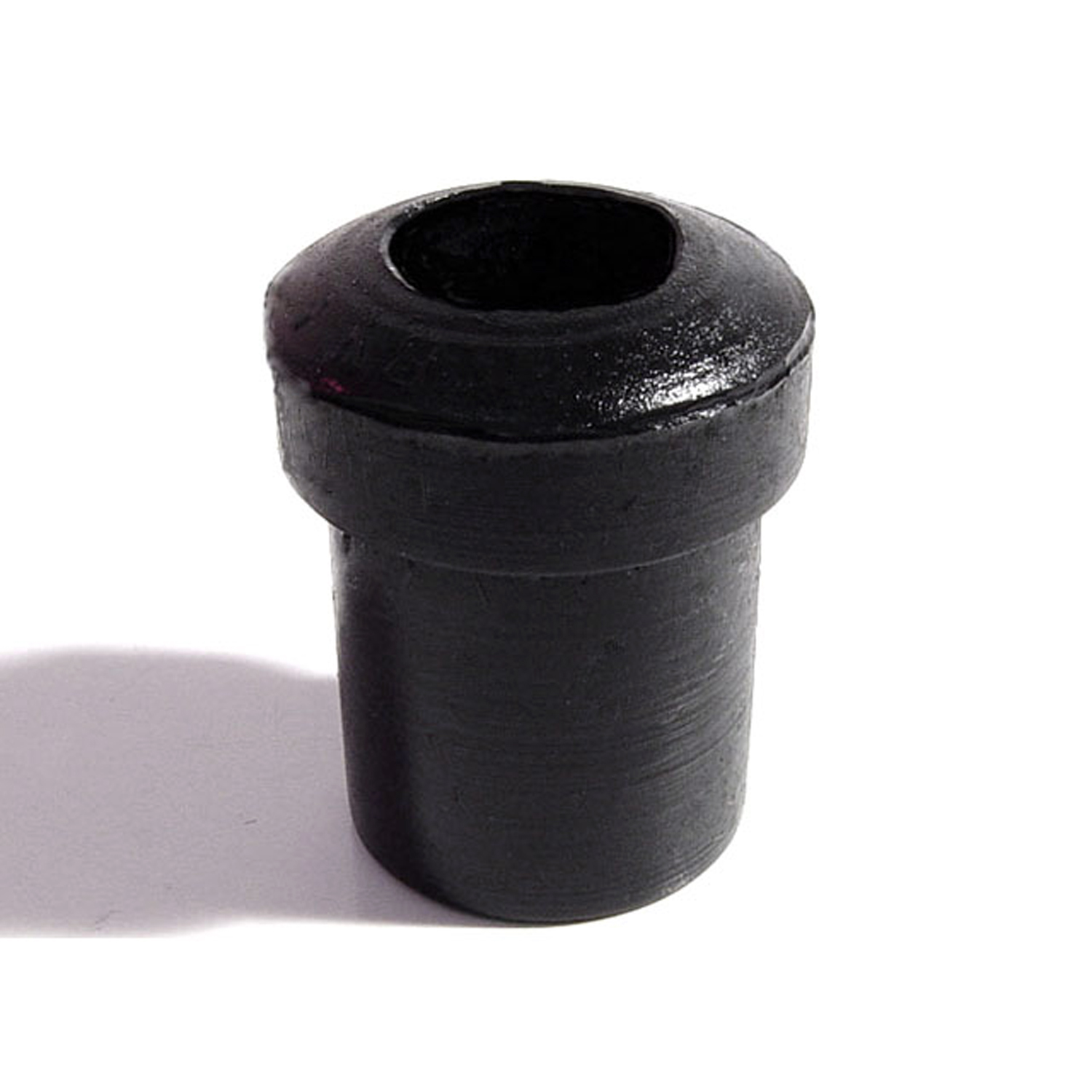 1947 Chrysler Town & Country Spring and Shackle Bushing. 7/8" bottom O.D-BN 16Spring and Shackle Bushing. 7/8" bottom O.D. X 1-1/8" high, with 1/2" I.D. Each
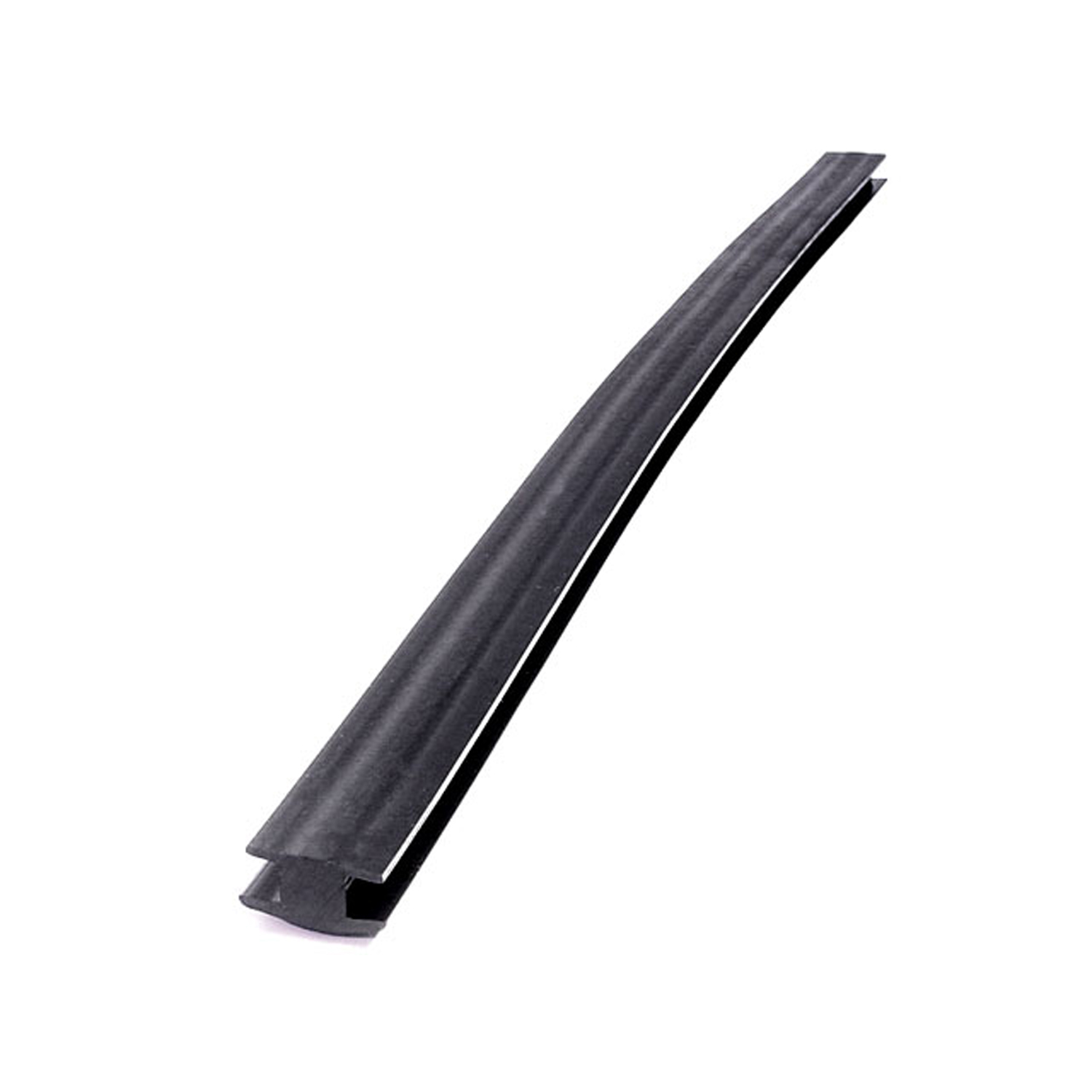 1947 Chrysler Town & Country Windshield Center Bar Gasket. 20" long. Each-DP 12Windshield Center Bar Gasket. 20" long. Each
 1947 Chrysler Town & Country Gravel Shields. Molded flat without metal backing plates-FS 31Gravel Shields. Molded flat without metal backing plates. Apply with contact cement. 18" long X 9-3/4" wide at bottom. Pair
 1947 Chrysler Town & Country Gas Filler Grommet. 2-1/4" I.D., 3-3/4" O.D-GF 18Gas Filler Grommet. 2-1/4" I.D., 3-3/4" O.D., 1/2" top thickness. Each
 1947 Chrysler Town & Country Hood Corners. Fits flat corners-HC 19Hood Corners. Fits flat corners. 80° angle, 1/4" to 3/8" corner radius. 1-3/8" wide. Pair
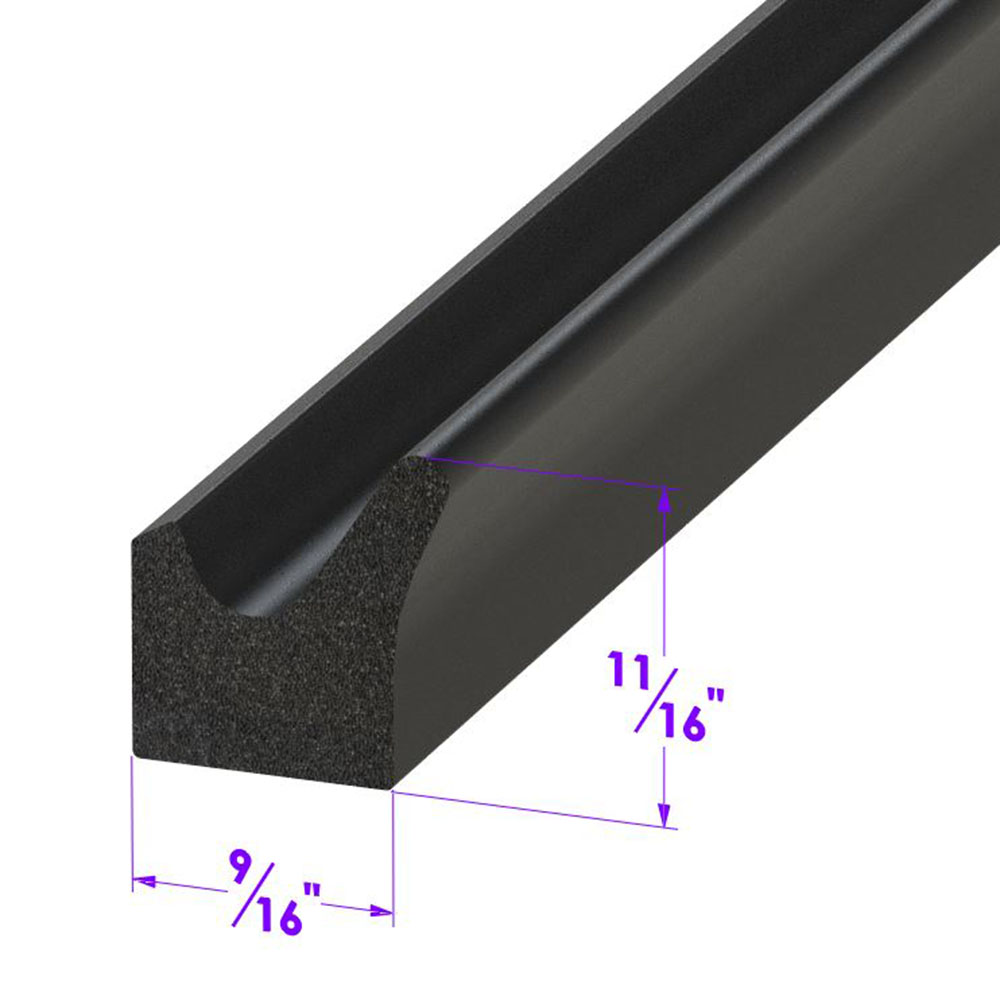 1947 Chrysler Town & Country Door side seal. Same as LP 40-A, but for a heavier seal-LP 40Door side seal. Same as LP 40-A, but for a heavier seal. Fits many domestic passenger cars and trucks. Used in Cobra kit cars as trunk weatherstrip. Per foot.
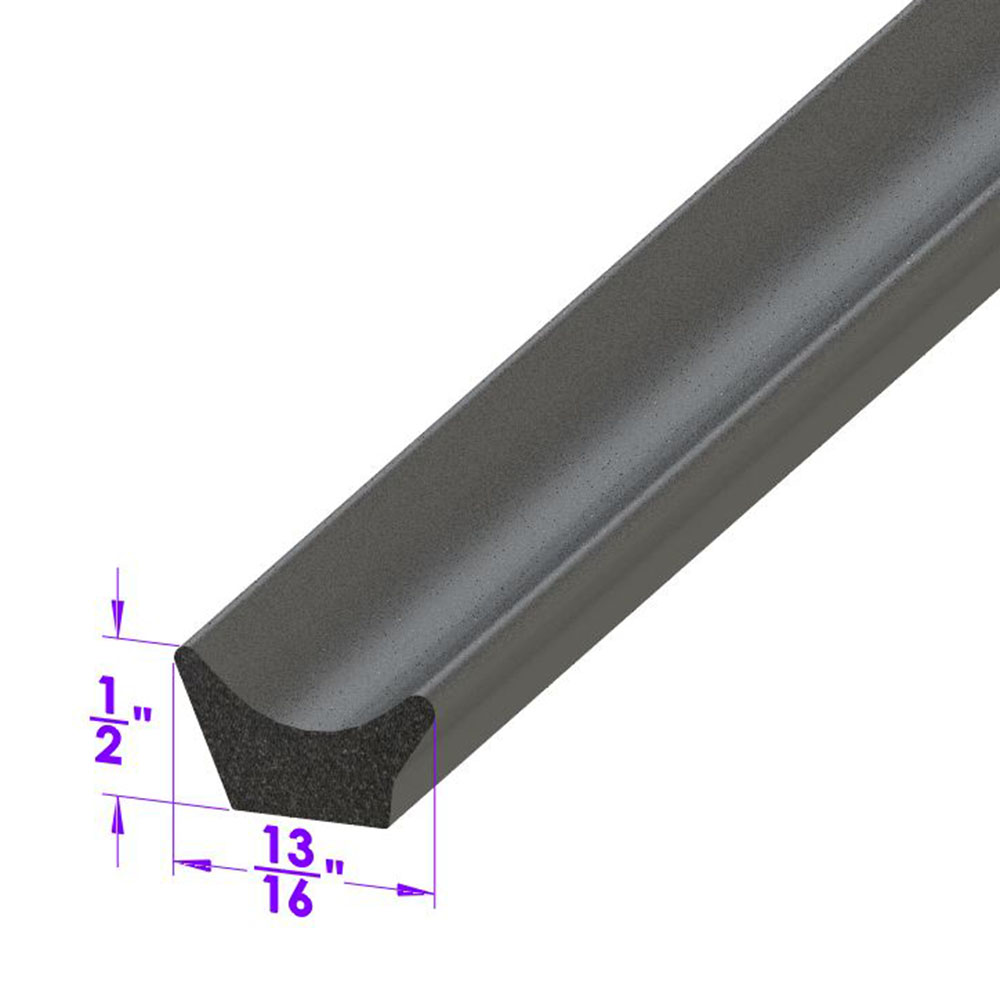 1947 Chrysler Town & Country Door side seal. Same as LP 40, but for a lighter seal-LP 40-ADoor side seal. Same as LP 40, but for a lighter seal. Fits many domestic passenger cars and trucks. Universal seal for street rods and customs. Used in Cobra kit cars as door weatherstrip. Per foot.
 1947 Chrysler Town & Country Trunk Light Pad. 13-1/8" wide X 6-1/2" long. Each-MP 604-ATrunk Light Pad. 13-1/8" wide X 6-1/2" long. Each
 1947 Chrysler Town & Country Trunk Handle Pad. 2-1/4" X 5-1/2". Each-MP 604-BTrunk Handle Pad. 2-1/4" X 5-1/2". Each
 1947 Chrysler Town & Country Door Handle Pads. 1-1/4" wide X 2-5/8" long. Pair-MP 605-BDoor Handle Pads. 1-1/4" wide X 2-5/8" long. Pair
 1947 Chrysler Town & Country Antenna Mounting Pad. Made with angled front bead-MP 959-CAntenna Mounting Pad. Made with angled front bead. Narrow type. 1-1/4" wide X 1-3/4" long. Each
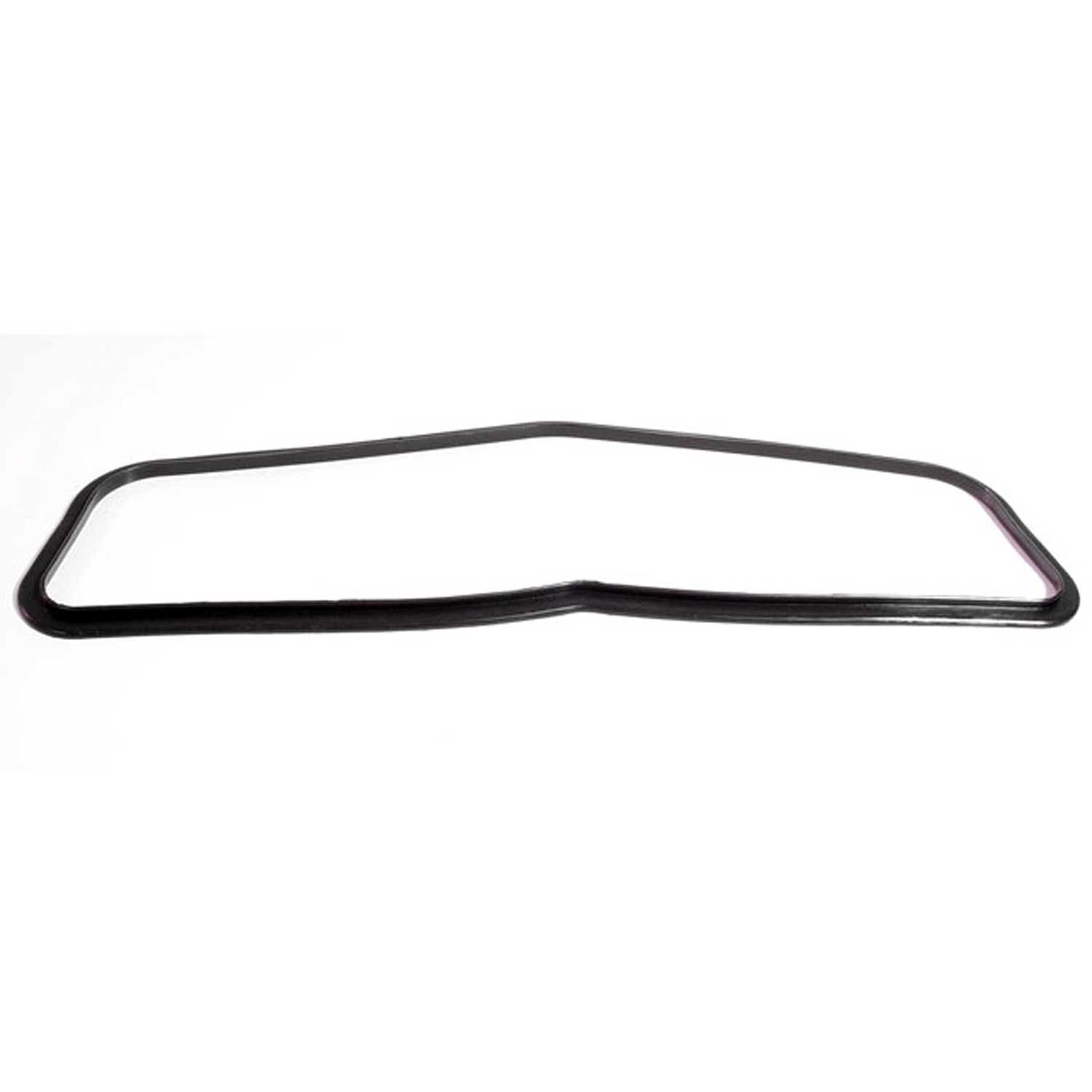 1947 Chrysler Town & Country Cowl Vent Seal. 4" wide X 18" long. Each-RP 100-QCowl Vent Seal. 4" wide X 18" long. Each
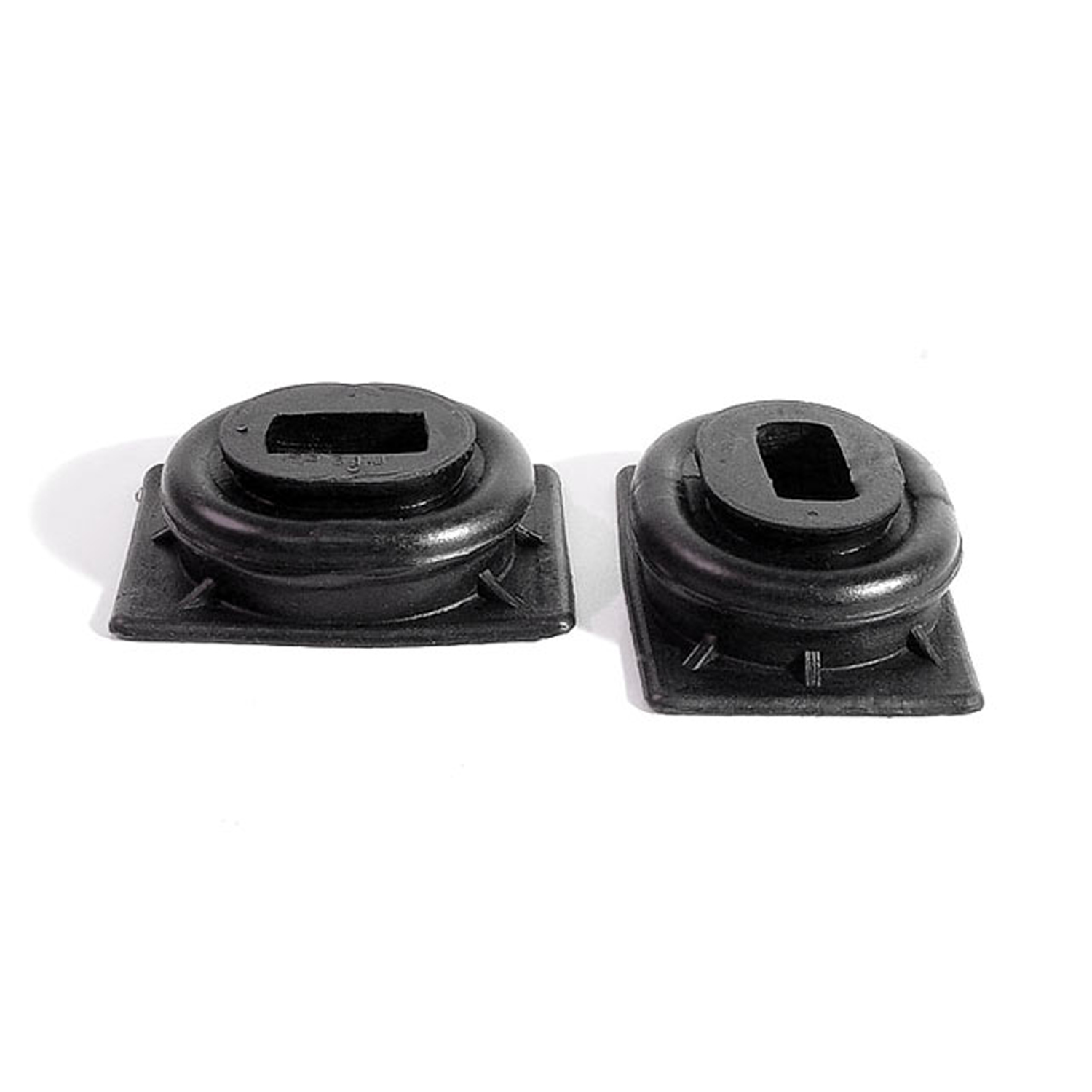 1947 Chrysler Town & Country Clutch and Brake Seals. Replaces OEM #889473. Pair-RP 31-JClutch and Brake Seals. Replaces OEM #889473. Pair
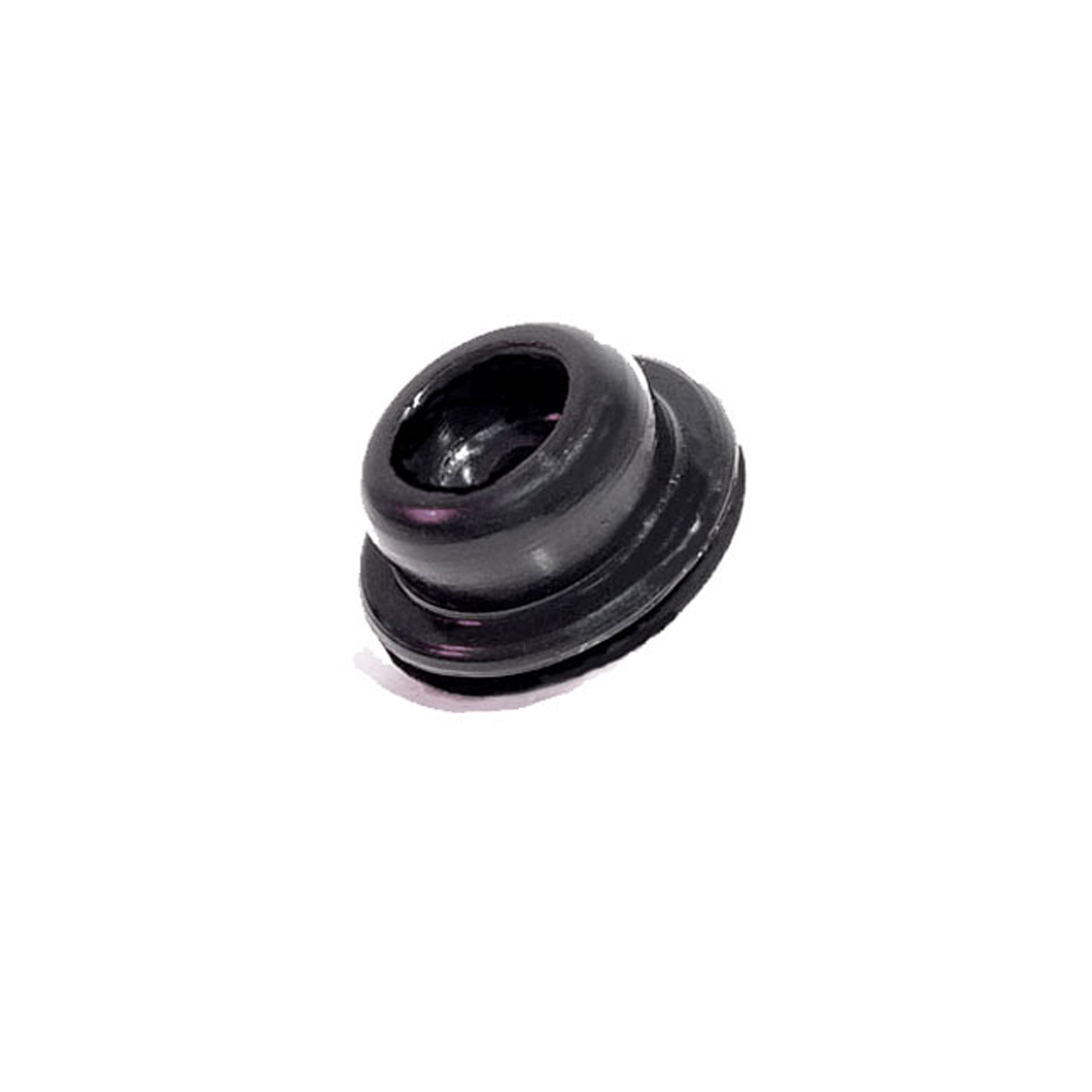 1947 Chrysler Town & Country Accelerator Rod Grommet-SM 43-BAccelerator Rod Grommet. For accelerator rod through floorboard. Each
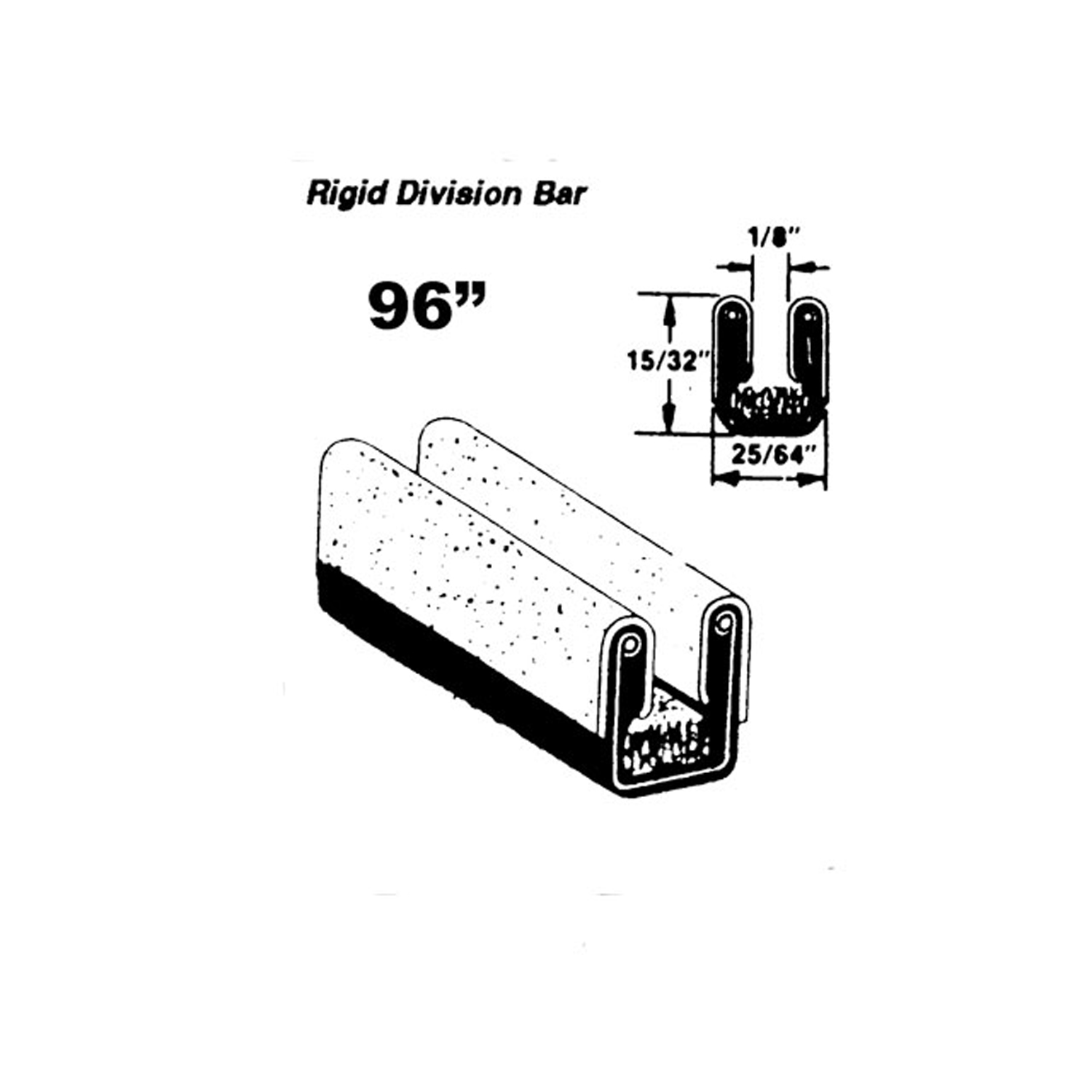 1947 Chrysler Town & Country Rigid division-bar run channel-WC 31-96Rigid division-bar run channel. Made with very soft felt lining. Used on front and rear door side windows. 96 in. long. Each. NOTE: $20 special shipping charge applies for domestic orders. Call or email for overseas shipping costs. Part can be sectioned in two or three equal lengths to reduce overseas shipping costs.
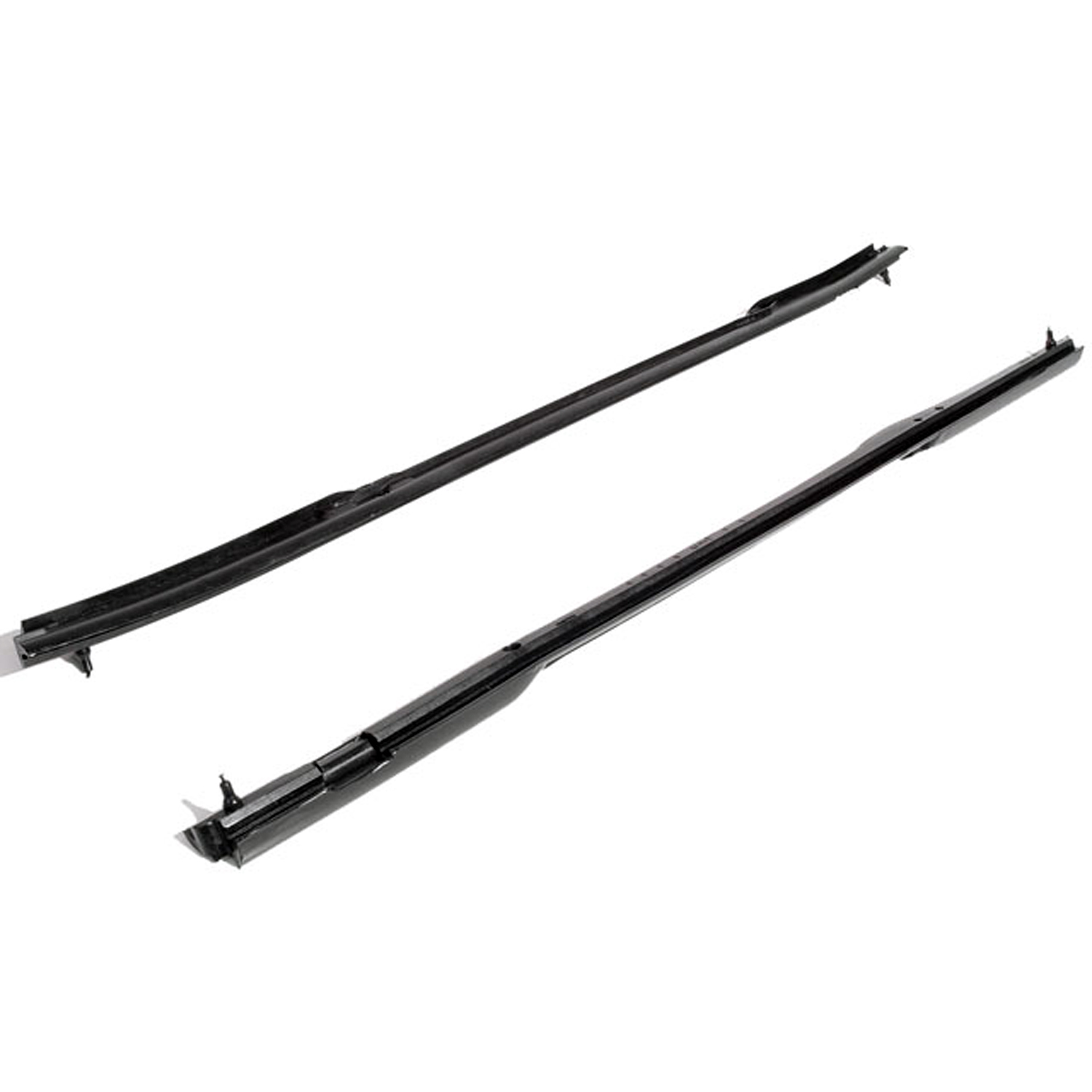 1947 Chrysler Town & Country Front Vent Window Seals. For many closed models only-WR 2703Front Vent Window Seals. For many closed models only. Replaces OEM #977232-3. Pair R&L
Why Choose Metro?
For over 100 years, Metro Moulded Parts has been the pinnacle of quality in classic car restoration parts. Our commitment to precision and authenticity in every component ensures a perfect fit and an OEM-level appearance.
- Expert Craftsmanship & Quality: Each part is a testament to our dedication to reliability and perfection, crafted from original designs and thoroughly tested.
- Advanced Technology: We use cutting-edge techniques to create flawless, long-lasting parts that surpass others in performance.
- SuperSoft Sponge – The Ultimate Door Seal: Not only are our door seals 30% softer than competitors', but they're also guaranteed to never leak. They effectively reduce wind and road noise, enhancing your classic car's comfort and driving experience.
- Proudly American: Our parts are a product of American craftsmanship, made in the USA with a spirit of excellence and heritage.
- Unrivaled Warranty: We back our products with a 30-year industry-leading warranty, a testament to our confidence in their quality.
Join us in preserving the legacy of classic cars with parts that are crafted for perfection, not just made.