

Image of 1947 Chrysler Windsor Series, Note: These illustrations use artistic license and may differ from actual historical models.
Performance Metrics
Fundamental Metrics
Emotional Appeal
MMP Rating
| Engine Specifications | |
|---|---|
| Engine: | Inline 6 |
| Displacement: | 250.6 cu in (4.1 L) |
| Horsepower: | 114 hp |
| Torque: | Not available |
| Compression Ratio: | Not available |
| Ignition System: | Battery and coil |
| Cooling System: | Liquid-cooled |
| Performance Specifications | |
| 0-60 Time: | Not available |
| 1/4 Mile Time: | Not available |
| Top Speed: | 75-80 mph |
| Transmission and Drive | |
| Drive Type: | Rear-wheel drive |
| Transmission Type: | 3-speed manual |
| Fuel and Efficiency | |
| Fuel System Type: | Carburetor |
| MPG: | Not available |
| Dimensions and Brakes | |
| Brakes: | Hydraulic drum brakes |
| Wheelbase: | 121.5 in (3,086 mm) |
| Weight: | 3,400 lbs |
Note: Specifications for classic cars are given to the best of our ability, considering the limited and variant data available.
1947 Chrysler Windsor: A Postwar Classic
The 1947 Chrysler Windsor brought prewar elegance into a country eager to get moving again. Built by the Chrysler Corporation in Detroit, it was a well-appointed, mid-priced full-size car with a smooth six-cylinder engine, generous cabin space, and the confident styling of Chrysler’s postwar lineup.
The Windsor belonged to a generation shaped by the end of World War II. Civilian car production had resumed in 1945, but automakers were still working with designs developed before the war. As a result, the 1947 Windsor was substantially a carryover from the 1946 model, with refinements rather than an all-new platform. That makes it a fascinating snapshot of the transition from wartime manufacturing to the prosperous postwar era.
One especially appealing detail was Chrysler’s Fluid Drive system, available with the Windsor. It used a fluid coupling to soften the connection between the engine and transmission, making stop-and-go driving easier. It was not a modern automatic, but it offered a taste of the convenience drivers would soon come to expect.
Exterior Design and Body Styles
The Windsor wore the substantial, upright look that defined late-1940s American cars. Its broad front end featured a rounded hood and a prominent chrome grille, while integrated front fenders flowed into the body sides. The rear fenders remained more distinct, giving the car a graceful, sculpted profile. Bright trim, generous bumpers, and a long hood added the impression of weight and quality without resorting to sharp, modern lines.
Chrysler offered the Windsor in several body styles, including a four-door sedan, a two-door club coupe, and a convertible coupe. Some configurations and availability varied by market and production run. The four-door sedan is among the most recognizable and practical versions today, while the convertible is the head-turner for collectors. Chrysler’s wood-bodied Town & Country models are often mentioned alongside the Windsor, but they were a distinct, upscale part of the Chrysler lineup, not simply a trim package shared across every Windsor body style.
Factory color selections changed with the paint program and trim combinations. Period-appropriate choices included dark blue, maroon, gray, green, and black. Black and deep, rich colors suit the Windsor’s formal character particularly well, while lighter shades can make its rounded fenders and chrome details stand out.
Cabin Comfort and Period Technology
Inside, the Windsor favored comfort and durability over sporty minimalism. The broad bench seats were designed for relaxed, upright seating, and the dashboard placed its main instruments and controls within easy reach. Depending on body style and equipment, upholstery could be finished in cloth, patterned fabrics, or combinations with leather or leatherette. Materials and trim varied, but a well-kept interior feels substantial and properly tailored rather than austere.
For its time, the Windsor offered useful engineering as well as a comfortable cabin. It had hydraulic drum brakes, independent front suspension with coil springs, and a live rear axle supported by leaf springs. The steering was manual, and the car’s large wheel and wide turning circle remind you that this was a full-size machine built before power steering became commonplace.
Fluid Drive was the notable convenience feature. The fluid coupling helped reduce the need for constant clutch work, and an available semi-automatic setup added further ease in traffic. Drivers still had to understand the transmission’s operating procedure, however. It should not be confused with a modern torque-converter automatic: the system made driving less demanding, but it did not eliminate the driver’s involvement.
Why the Windsor Mattered
The 1947 Windsor was not a radical design breakthrough. Its significance lies in how well it represented the postwar American car: roomy, comfortable, chrome-trimmed, and built on proven engineering while the industry prepared for a new generation of designs. Chrysler’s decision to continue its prewar architecture helped meet strong demand at a time when buyers were eager for new cars and manufacturers were still ramping up production.
Compared with many contemporaries, the Windsor’s six-cylinder engine offered a smoother, more economical alternative to the larger V8s appearing elsewhere. Its solid construction and comfort-focused suspension made it a sensible family and touring car. The Windsor also helped keep Chrysler’s name in the mainstream market between the prewar era and the more dramatic styling changes that followed in the early 1950s.
Performance and Road Manners
Power came from Chrysler’s 250.6-cubic-inch flathead inline-six, rated at approximately 114 horsepower. A three-speed manual transmission was typical, with Fluid Drive and semi-automatic arrangements available on some cars. Exact equipment can vary, so a particular car’s original specification is best confirmed from its build documentation or period literature.
Performance figures were modest by modern standards. Depending on gearing, condition, body style, and testing method, a Windsor’s top speed is generally estimated in the neighborhood of 80 to 90 mph. Acceleration from 0 to 60 mph was leisurely, often estimated at roughly 20 to 25 seconds. These are broad period-car estimates, not guarantees for an individual vehicle. Today, mechanical condition, tire choice, and careful tuning can make a significant difference.
On the road, the Windsor feels composed rather than nimble. Its soft suspension takes the sting out of ordinary bumps, and the long wheelbase helps it settle into a relaxed cruising rhythm. On winding roads, the car’s size, drum brakes, and unassisted steering call for patience. Crosswinds and uneven pavement are manageable, but the Windsor is happiest when driven smoothly, with plenty of room to brake and turn.
The flathead six produces a low, steady sound rather than a dramatic exhaust note. From behind the large steering wheel, the driver sits high and looks out over a broad hood. The experience is hands-on: you feel the steering, plan your shifts, and listen to the engine. That unhurried, mechanical character is a big part of the car’s appeal.
Living With a 1947 Windsor
Most surviving Windsors are best suited to weekend drives, vintage tours, and car shows rather than modern daily commuting. They can be used regularly, but their braking distances, manual steering, modest acceleration, and lack of contemporary safety equipment make them less comfortable in fast, dense traffic. A convertible or especially well-restored sedan may be most at home on sunny club drives and display lawns.
Maintenance is approachable for an owner who is comfortable with traditional mechanical work. The flathead six is relatively straightforward, and many service procedures are familiar to classic-car mechanics. Parts support is available through specialist vendors and enthusiast networks, though some trim, body, and interior pieces can take more effort to locate. Before buying, check the engine’s cooling system, oil pressure, brake hydraulics, clutch, transmission, electrical wiring, and body structure. Rust in the floors, lower body panels, and trunk can turn an inexpensive project into a costly restoration.
Reliability depends heavily on upkeep. A Windsor with fresh fluids, sound wiring, a properly rebuilt brake system, and a well-maintained cooling system can be a dependable classic. Original parts and correct restoration matter to some collectors, but safe, careful mechanical updates may make the car easier to enjoy. Keep any modifications reversible if preserving originality is a priority.
Windsor Facts and Myths
Fluid Drive is the Windsor’s most memorable engineering conversation starter. The system helped smooth power delivery and reduce clutch use, but it did not make the car a fully automatic. Owners unfamiliar with its operation could find it unusual, which is part of the reason modern drivers sometimes misunderstand how it works.
The Windsor was a mainstream luxury-minded car, not a record-setting performance model. It is not especially associated with racing or a single defining historical event, and verified celebrity ownership stories are not central to its history. Its claim to interest is more grounded: it represents the return of civilian motoring after the war and the durable, comfort-oriented engineering that many families wanted.
A common criticism is that the design looks conservative beside the sweeping, more modern cars that arrived later in the 1940s and early 1950s. Its pace and braking also feel slow by current standards. Those qualities are real, but they are part of the Windsor’s period character rather than defects to be judged by today’s expectations.
Collector Value and Rarity
Exact production totals for individual 1947 Windsor body styles can be difficult to pin down, and published counts may vary depending on how model and series figures are grouped. As a practical estimate, total Windsor production was likely in the tens of thousands, perhaps roughly 80,000 to 100,000 cars. That is a best-guess range, not a definitive factory total. Many have since disappeared, and surviving cars vary widely in condition and originality.
In the current collector market, a project car might sell for approximately $5,000 to $10,000, while a usable driver could fall around $12,000 to $25,000. A high-quality restoration or exceptionally preserved example may reach roughly $30,000 to $45,000 or more. Rare or especially desirable body styles, notably a well-documented convertible, can command a substantial premium and may exceed those ranges. These are broad estimates: location, originality, restoration quality, provenance, and market timing all matter.
Values for sound, usable examples have generally been steadier than those of high-profile postwar muscle or luxury cars. The Windsor’s appeal is strongest among enthusiasts who value elegant styling and accessible, pre-1950 motoring. Exceptional cars may appreciate, but ordinary examples are not guaranteed investments. Condition and the quality of the restoration usually matter more than optimistic price predictions.
A Classic Built for the Long Road
The 1947 Chrysler Windsor combines postwar optimism with prewar engineering: a smooth flathead six, comfortable cabin, distinctive rounded styling, and the unusual convenience of Fluid Drive. It is not fast or modern, and it asks its driver to slow down and pay attention. In return, it offers an authentic, engaging look at how Americans traveled as civilian life got underway again.
For collectors, the Windsor is more than a handsome old sedan. It is a well-built bridge between two automotive eras, and every measured mile makes that history feel close at hand.
1947 Chrysler Windsor Series Catalog of Parts
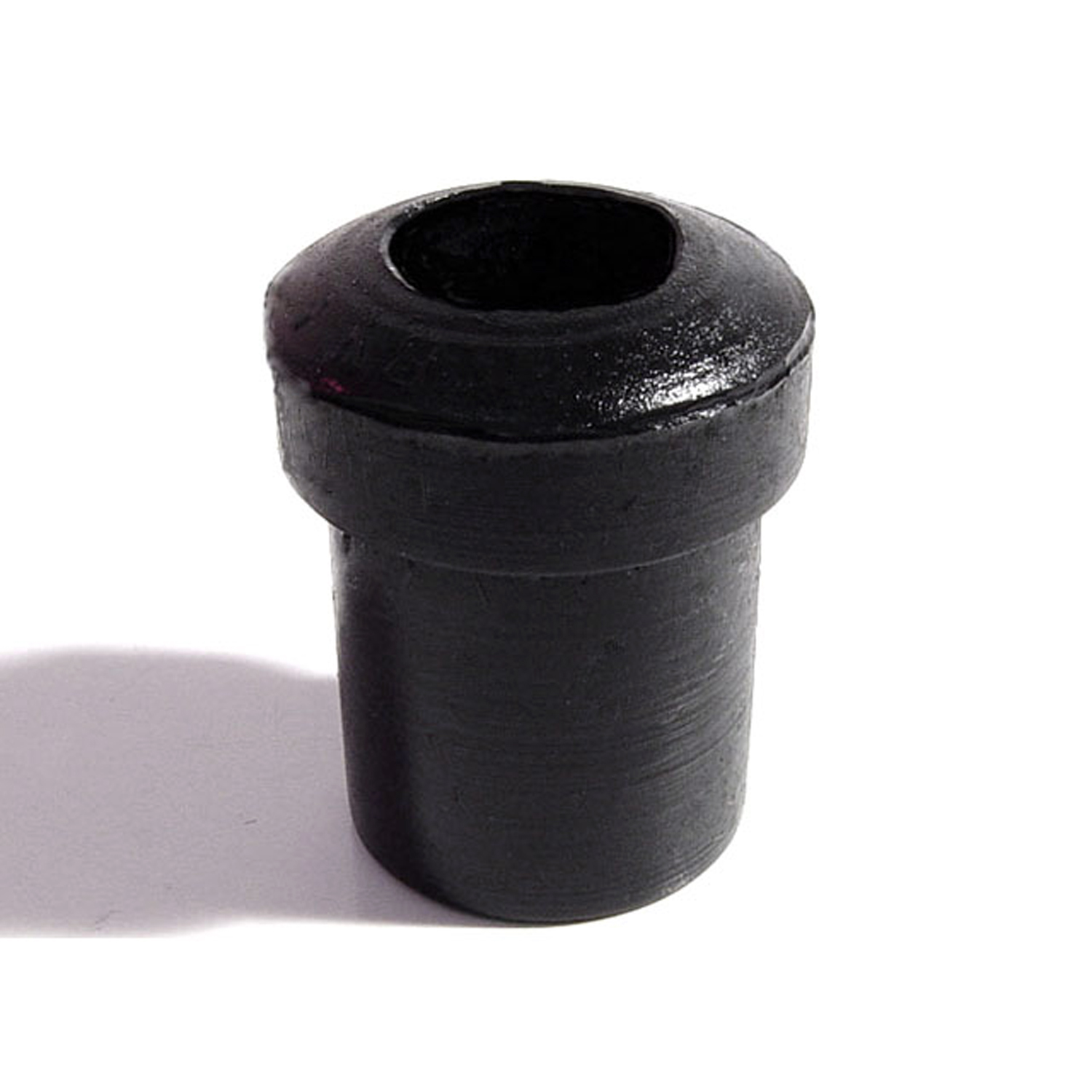 1947 Chrysler Windsor Series Spring and Shackle Bushing. 7/8" bottom O.D-BN 16Spring and Shackle Bushing. 7/8" bottom O.D. X 1-1/8" high, with 1/2" I.D. Each
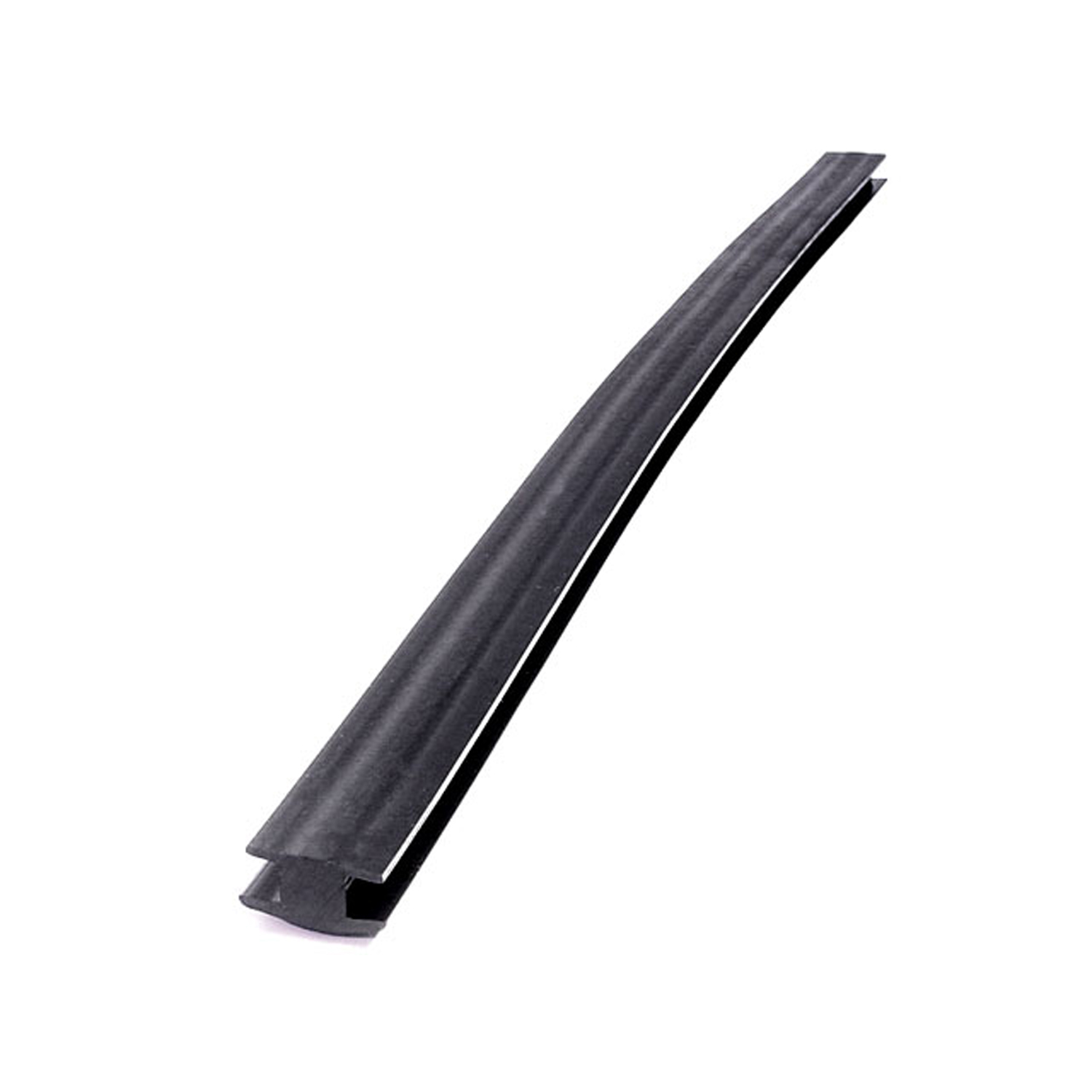 1947 Chrysler Windsor Series Windshield Center Bar Gasket. 20" long. Each-DP 12Windshield Center Bar Gasket. 20" long. Each
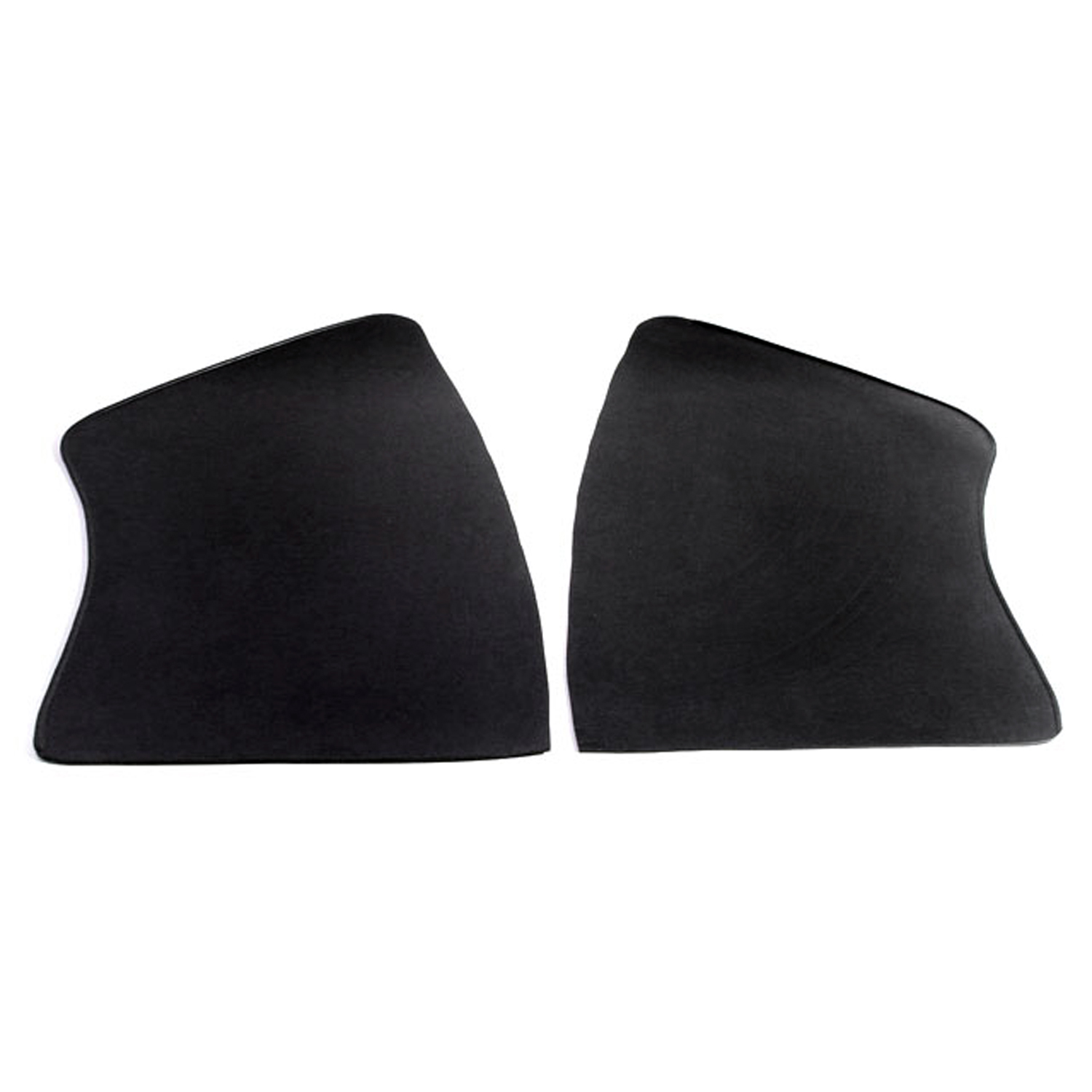 1947 Chrysler Windsor Series Gravel Shields. Molded flat without metal backing plates-FS 31Gravel Shields. Molded flat without metal backing plates. Apply with contact cement. 18" long X 9-3/4" wide at bottom. Pair
 1947 Chrysler Windsor Series Gas Filler Grommet. 2-1/4" I.D., 3-3/4" O.D-GF 18Gas Filler Grommet. 2-1/4" I.D., 3-3/4" O.D., 1/2" top thickness. Each
 1947 Chrysler Windsor Series Hood Corners. Fits flat corners-HC 19Hood Corners. Fits flat corners. 80° angle, 1/4" to 3/8" corner radius. 1-3/8" wide. Pair
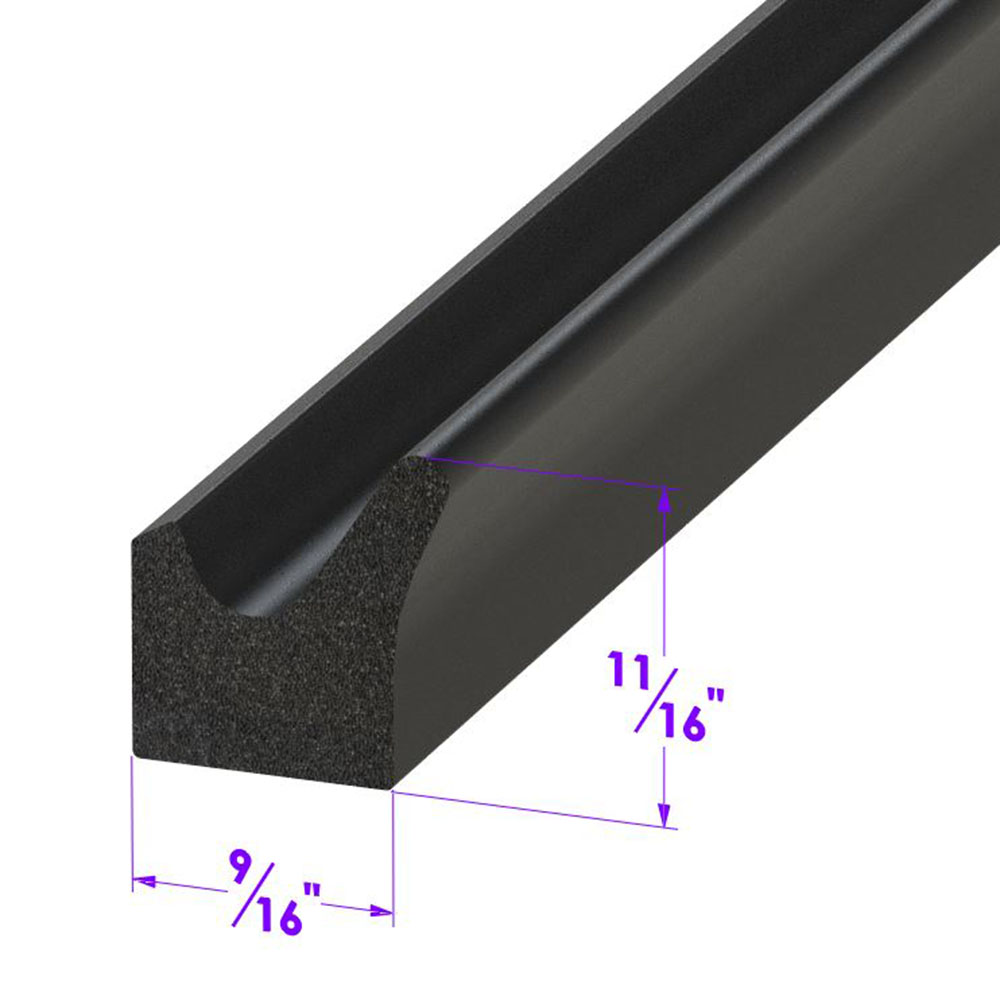 1947 Chrysler Windsor Series Door side seal. Same as LP 40-A, but for a heavier seal-LP 40Door side seal. Same as LP 40-A, but for a heavier seal. Fits many domestic passenger cars and trucks. Used in Cobra kit cars as trunk weatherstrip. Per foot.
 1947 Chrysler Windsor Series Door side seal. Same as LP 40, but for a lighter seal-LP 40-ADoor side seal. Same as LP 40, but for a lighter seal. Fits many domestic passenger cars and trucks. Universal seal for street rods and customs. Used in Cobra kit cars as door weatherstrip. Per foot.
 1947 Chrysler Windsor Series Trunk Light Pad. 13-1/8" wide X 6-1/2" long. Each-MP 604-ATrunk Light Pad. 13-1/8" wide X 6-1/2" long. Each
 1947 Chrysler Windsor Series Trunk Handle Pad. 2-1/4" X 5-1/2". Each-MP 604-BTrunk Handle Pad. 2-1/4" X 5-1/2". Each
 1947 Chrysler Windsor Series Door Handle Pads. 1-1/4" wide X 2-5/8" long. Pair-MP 605-BDoor Handle Pads. 1-1/4" wide X 2-5/8" long. Pair
 1947 Chrysler Windsor Series Antenna Mounting Pad. Made with angled front bead-MP 959-CAntenna Mounting Pad. Made with angled front bead. Narrow type. 1-1/4" wide X 1-3/4" long. Each
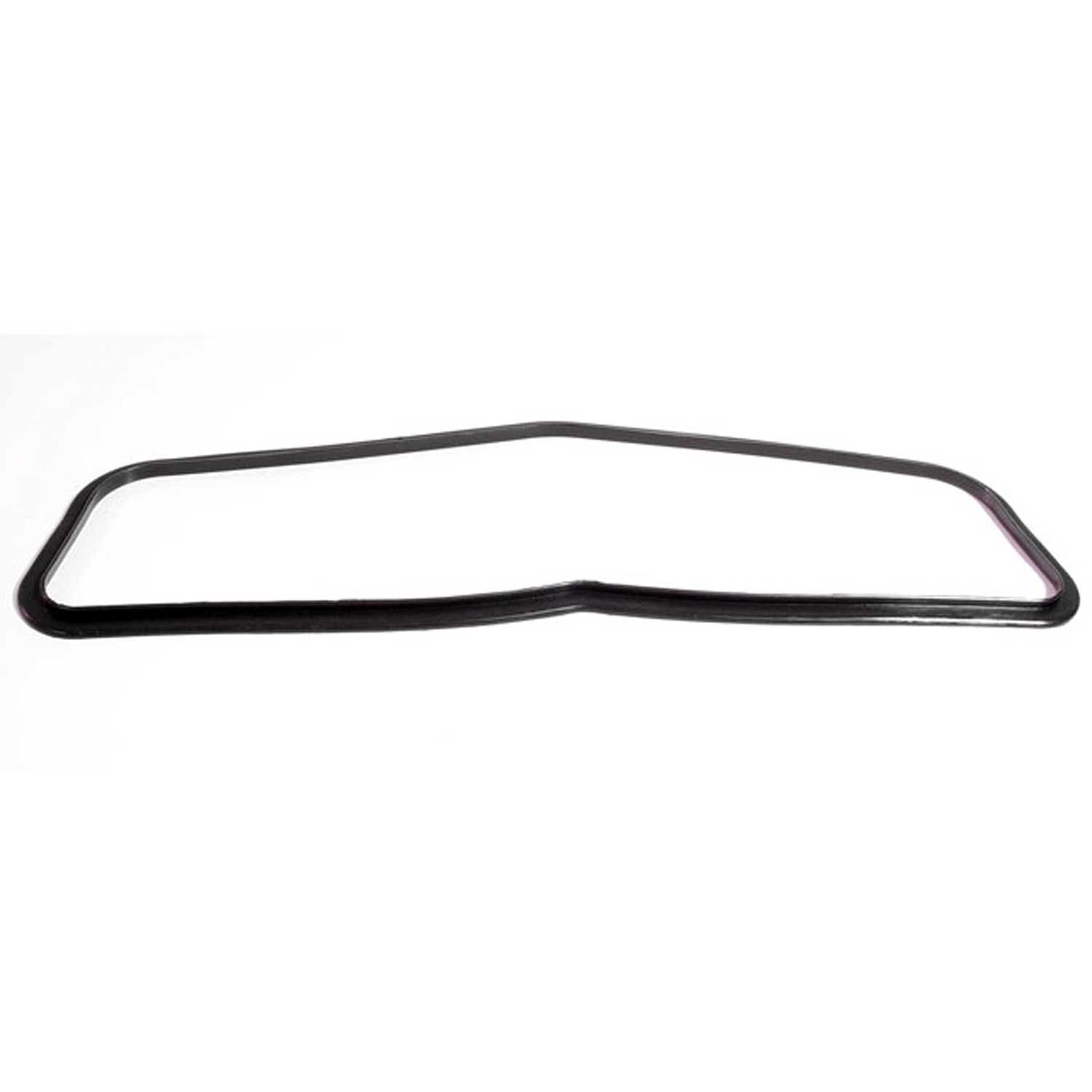 1947 Chrysler Windsor Series Cowl Vent Seal. 4" wide X 18" long. Each-RP 100-QCowl Vent Seal. 4" wide X 18" long. Each
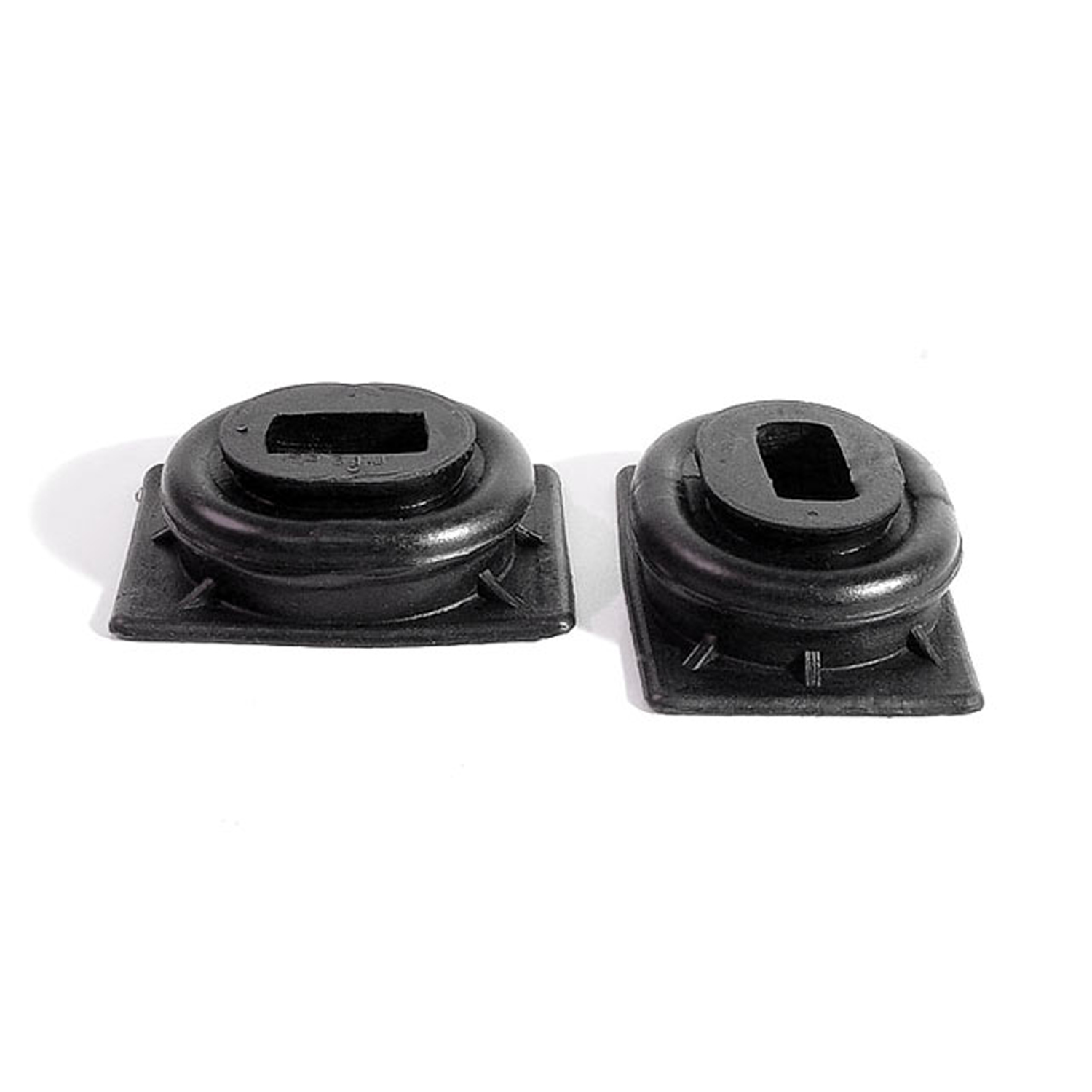 1947 Chrysler Windsor Series Clutch and Brake Seals. Replaces OEM #889473. Pair-RP 31-JClutch and Brake Seals. Replaces OEM #889473. Pair
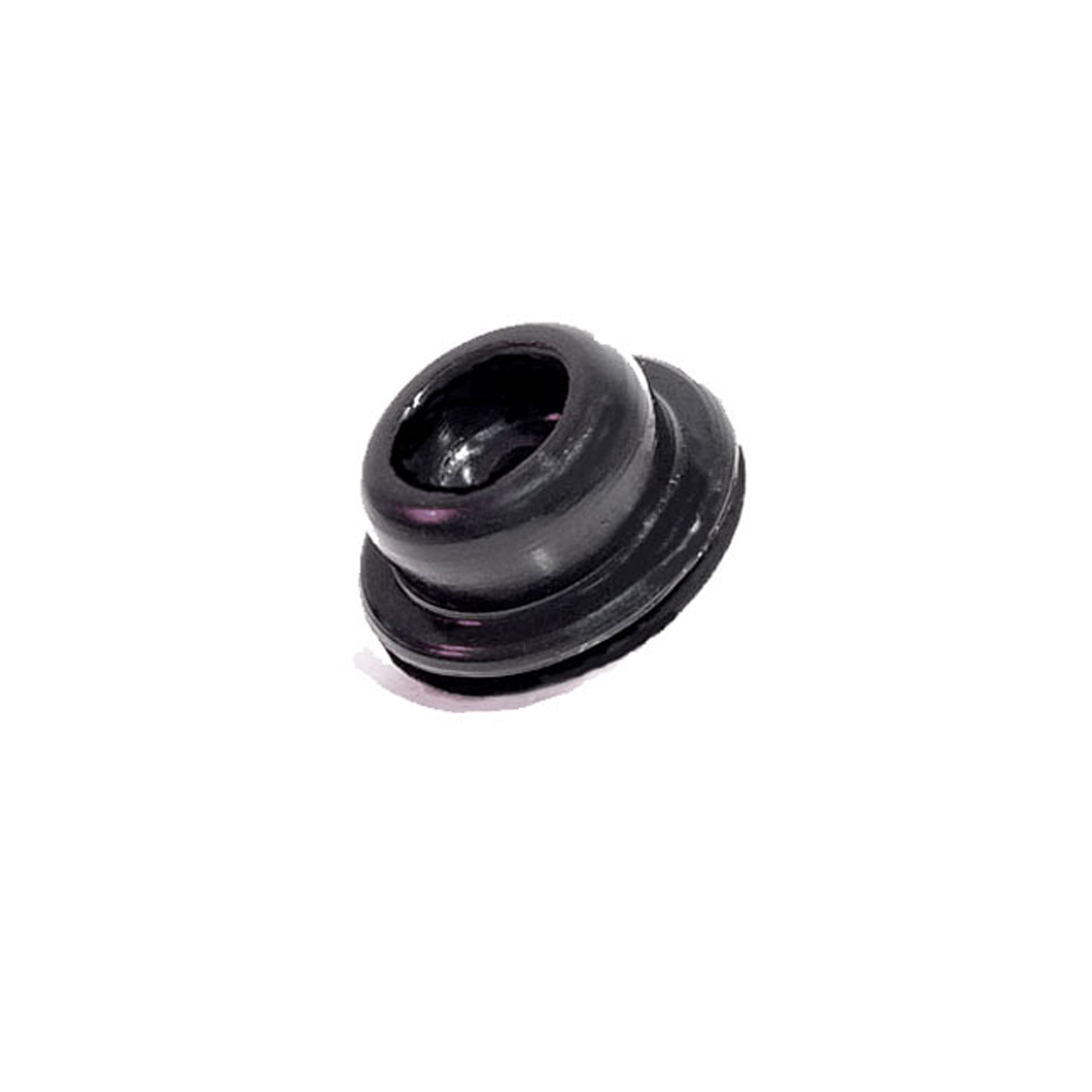 1947 Chrysler Windsor Series Accelerator Rod Grommet-SM 43-BAccelerator Rod Grommet. For accelerator rod through floorboard. Each
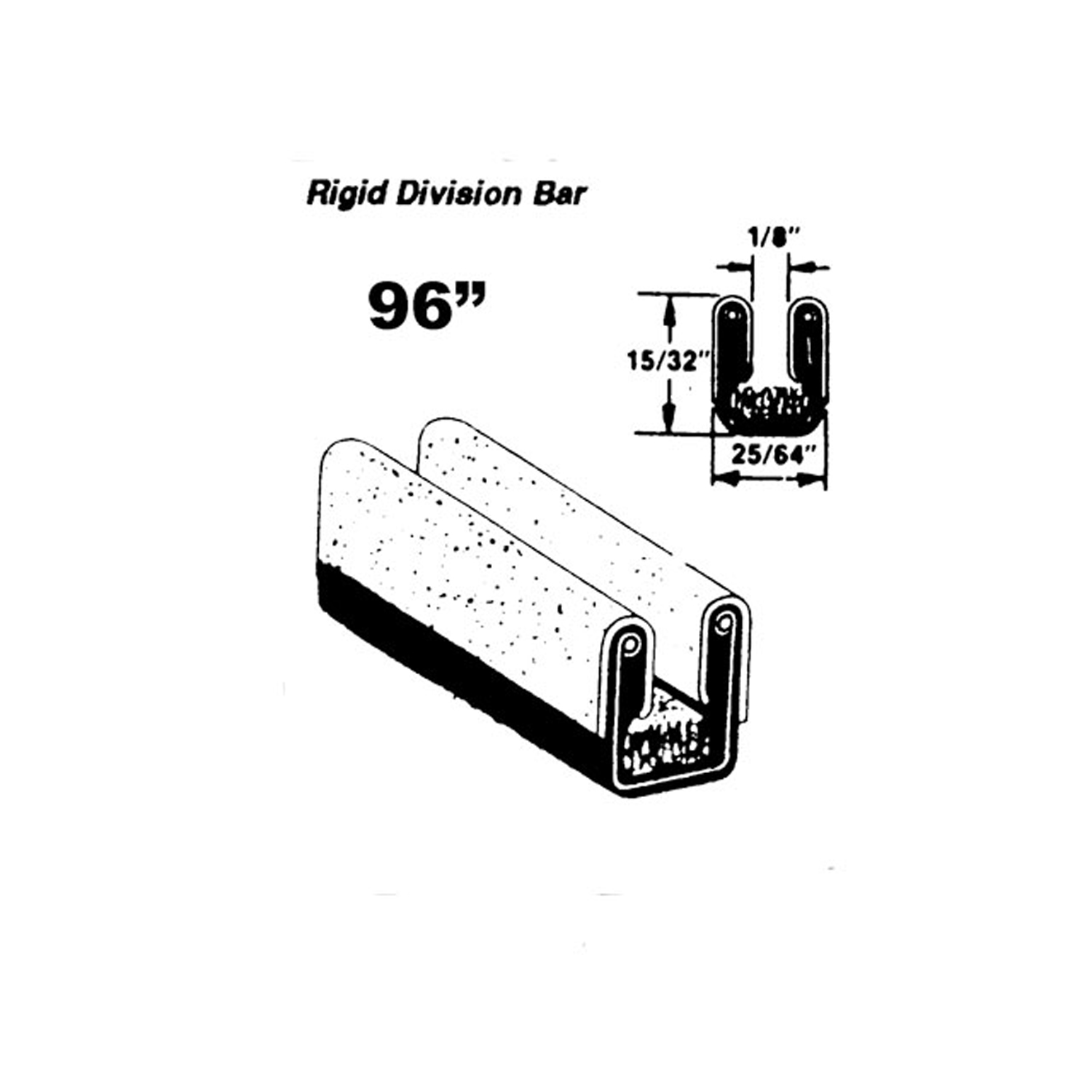 1947 Chrysler Windsor Series Rigid division-bar run channel-WC 31-96Rigid division-bar run channel. Made with very soft felt lining. Used on front and rear door side windows. 96 in. long. Each. NOTE: $20 special shipping charge applies for domestic orders. Call or email for overseas shipping costs. Part can be sectioned in two or three equal lengths to reduce overseas shipping costs.
 1947 Chrysler Windsor Series Rear vent window seals-WR 2301-RRear vent window seals. Fits listed 4-door sedans and limousines with swing-out rear vent windows. May fit some GM models. Replaces OEM# #849153/4. Pair. R&L.
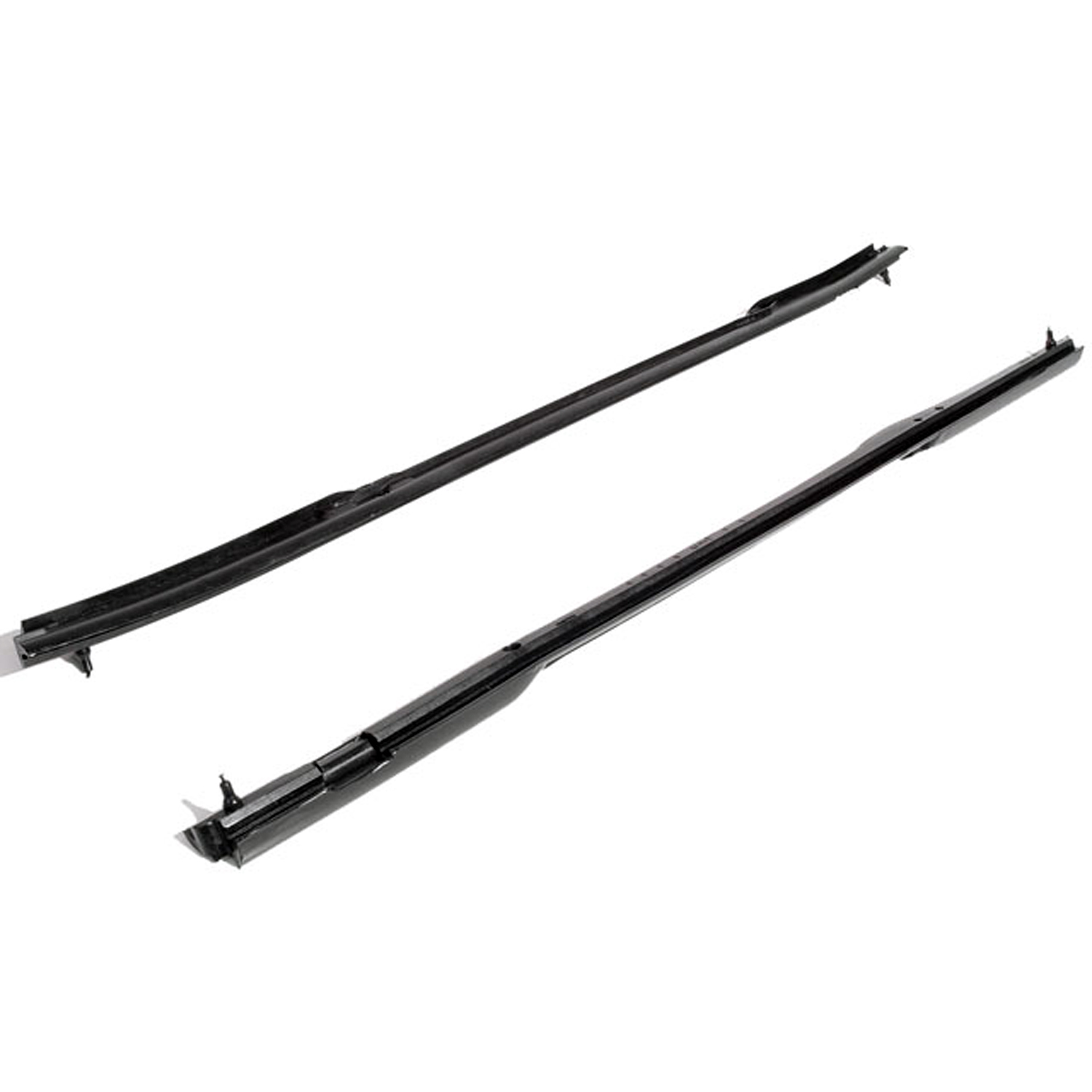 1947 Chrysler Windsor Series Front Vent Window Seals. For many closed models only-WR 2703Front Vent Window Seals. For many closed models only. Replaces OEM #977232-3. Pair R&L
Why Choose Metro?
For over 100 years, Metro Moulded Parts has been the pinnacle of quality in classic car restoration parts. Our commitment to precision and authenticity in every component ensures a perfect fit and an OEM-level appearance.
- Expert Craftsmanship & Quality: Each part is a testament to our dedication to reliability and perfection, crafted from original designs and thoroughly tested.
- Advanced Technology: We use cutting-edge techniques to create flawless, long-lasting parts that surpass others in performance.
- SuperSoft Sponge – The Ultimate Door Seal: Not only are our door seals 30% softer than competitors', but they're also guaranteed to never leak. They effectively reduce wind and road noise, enhancing your classic car's comfort and driving experience.
- Proudly American: Our parts are a product of American craftsmanship, made in the USA with a spirit of excellence and heritage.
- Unrivaled Warranty: We back our products with a 30-year industry-leading warranty, a testament to our confidence in their quality.
Join us in preserving the legacy of classic cars with parts that are crafted for perfection, not just made.