

Image of 1948 Chrysler New Yorker, Note: These illustrations use artistic license and may differ from actual historical models.
Performance Metrics
Fundamental Metrics
Emotional Appeal
MMP Rating
| Engine Specifications | |
|---|---|
| Engine: | Straight 8 |
| Displacement: | 323.5 cu in (5.3 L) |
| Horsepower: | 135 hp |
| Torque: | Not available |
| Compression Ratio: | 7.25:1 |
| Ignition System: | Battery and coil |
| Cooling System: | Liquid-cooled |
| Performance Specifications | |
| 0-60 Time: | Not available |
| 1/4 Mile Time: | Not available |
| Top Speed: | 90 mph |
| Transmission and Drive | |
| Drive Type: | Rear-wheel drive |
| Transmission Type: | 3-speed manual, 4-speed semi-automatic |
| Fuel and Efficiency | |
| Fuel System Type: | Carburetor |
| MPG: | Not available |
| Dimensions and Brakes | |
| Brakes: | Hydraulic drum brakes |
| Wheelbase: | 127.5 in (3,239 mm) |
| Weight: | 3,900 lbs |
Note: Specifications for classic cars are given to the best of our ability, considering the limited and variant data available.
1948 Chrysler New Yorker: Postwar American Luxury
The 1948 Chrysler New Yorker paired a long, elegant body with a smooth straight-eight engine and technology that made luxury motoring feel unusually effortless for its day. Built by the Chrysler Corporation in Detroit, it sat near the top of the company’s passenger-car range, offering a more substantial and technically ambitious alternative to the popular Windsor. Today, it captures a distinctive moment in American motoring: the postwar rush for new cars, when familiar prewar engineering met growing expectations for comfort and convenience.
One detail that makes the New Yorker especially interesting is its available Fluid Drive system. Introduced before the war and refined in the postwar years, it used a fluid coupling to soften the connection between engine and transmission. Paired with Chrysler’s semi-automatic transmission, it could reduce the need for conventional clutch work in ordinary driving. It was not a modern automatic, but it gave the big Chrysler a notably relaxed character.
Streamlined Shape, Spacious Cabin
The New Yorker’s exterior is unmistakably late-1940s American: a long hood, rounded fenders, generous chrome trim, and a broad front grille with closely spaced vertical bars. Its substantial proportions look formal rather than sporty, while details such as the bright bumpers, hood ornament, and sweeping fender lines add visual flourish. The styling was an evolution of Chrysler’s prewar design rather than a clean-sheet postwar look, giving the car a handsome, established presence.
Inside, the New Yorker emphasized room and comfort. Wide bench seats, a generous front compartment, and a broad dashboard made it well suited to long trips. Depending on body style and trim, upholstery included durable cloth or richer materials, with leather commonly associated with open models. Fit and finish were intended to signal that this was a premium Chrysler, though today the condition of the upholstery, headliner, brightwork, and dashboard can vary greatly from car to car.
Paint choices changed with factory availability and trim combinations. Period colors included dark and medium blues, greens, maroons, grays, black, and lighter tones. Deep, conservative colors suit the New Yorker’s formal character, while lighter paint can make its large fenders and chrome detailing stand out. Original paint codes and combinations are worth checking when assessing a car for restoration or authenticity.
The main New Yorker body styles included a four-door sedan, a two-door club coupe, and a convertible. The sedan was the practical choice and is generally the easiest body style to find. Convertibles are more sought after because of their open-air appeal and lower production. Chrysler’s famous Town & Country models, including wood-trimmed convertibles, are closely associated with the company’s high-end postwar offerings, but they were marketed as a separate model line rather than simply another standard New Yorker body style.
Postwar Roots and Chrysler Engineering
The 1948 New Yorker belonged to the final year of Chrysler’s 1946-to-1948 postwar body generation. Automakers were still working through material shortages and unprecedented demand, so many manufacturers continued building cars based on prewar designs while preparing more thoroughly revised models. The New Yorker’s rounded fenders and traditional proportions reflect that transition: familiar in layout, but increasingly tailored to the tastes of the late 1940s.
What set the car apart was the combination of a large, smooth-running inline-eight and Chrysler’s interest in transmission technology. The New Yorker was not the only American luxury car to offer a powerful engine or a roomy cabin, but its Fluid Drive and semi-automatic options gave it a distinctive approach to everyday ease. Chrysler’s engineering-minded identity helped the model stand apart from rivals that leaned more heavily on styling, brand prestige, or outright performance.
The New Yorker did not introduce a single feature that transformed the entire industry. Its significance is instead found in the way it brought Chrysler’s established engineering and upscale comfort together in a popular postwar luxury series. It also represents the last chapter before Chrysler’s thoroughly redesigned 1949 cars, making the 1948 model a useful bridge between prewar design and the next generation of American automobiles.
Straight-Eight Performance and Road Manners
Power came from Chrysler’s 323.5-cubic-inch L-head, or flathead, inline-eight. Factory ratings are commonly listed at about 135 horsepower, with power delivered through a three-speed manual transmission or, on equipped cars, Chrysler’s Fluid Drive and semi-automatic arrangement. Exact specifications can vary with equipment and reference source, so the car’s original data plate and service literature are useful guides when verifying an individual example.
Period performance figures are not uniform, but a healthy, correctly tuned New Yorker is generally estimated to reach 60 mph in roughly 17 to 20 seconds, with a top speed in the neighborhood of 90 to 100 mph. Those are approximate figures, not modern test results. The car’s weight, axle ratio, transmission, tire condition, and engine health all make a difference. Its strengths are smoothness and relaxed cruising, not rapid acceleration.
On the road, the straight-eight delivers a quiet, even burble rather than the sharp beat of a V8. The long wheelbase helps the New Yorker ride comfortably over ordinary bumps, and its broad bench seat makes highway journeys feel spacious. Steering is slower and less precise than a modern car’s, and the car’s size becomes apparent on narrow roads or in tight parking spaces. On winding roads, measured inputs are the key: it is a substantial luxury car, not a nimble sports sedan.
Fluid Drive can make stop-and-go driving more relaxed, but it should not be mistaken for a modern fully automatic transmission. Owners need to understand the operating procedure for the particular transmission fitted to their car. When properly adjusted, the system is an appealing piece of period engineering; when neglected or misunderstood, it can become a source of confusing shifts and costly diagnosis.
Living With a 1948 New Yorker
Most surviving New Yorkers are used as weekend cruisers, show cars, or occasional touring cars rather than daily transportation. A well-sorted example can handle local drives and vintage-car events comfortably, but its age brings practical limitations. Drum brakes, slower steering, 6-volt electrical equipment, and period lighting all require the driver to leave more space and plan ahead compared with a modern vehicle.
The flathead eight has a reputation for smooth operation and can provide dependable service when maintained. Routine work such as ignition service, lubrication, cooling-system care, and brake repairs is approachable for an experienced home mechanic. The main challenge is often locating correct parts and finding a shop familiar with prewar and immediate postwar Chrysler systems. Fluid Drive and semi-automatic transmission components may require specialist knowledge, especially if the car has been stored or poorly serviced.
Before buying, inspect the frame and body for rust, particularly around the floors, rocker areas, trunk, and lower fenders. Check the cooling system, oil pressure, electrical system, brakes, and transmission operation. A shiny exterior cannot make up for structural corrosion or a drivetrain that needs a full rebuild. Documentation, correct trim, and evidence of careful maintenance can be just as valuable as a fresh coat of paint.
New Yorker Facts and Common Criticisms
The 1948 New Yorker is part of the last pre-redesign Chrysler generation, which gives it a particular appeal to collectors who prefer rounded, prewar-influenced styling. Its straight-eight is another talking point: the engine is long, smooth, and mechanically distinctive compared with the V8s that would soon dominate American luxury cars.
There is no widely recognized speed, endurance, or sales record associated specifically with the 1948 New Yorker. Its appeal is more about engineering, comfort, and its place in the postwar market than a headline-grabbing competition achievement. Chrysler’s Town & Country wood-trimmed cars attract special attention, but they should be identified and valued as their own model line rather than assumed to be standard New Yorker variants.
Common criticisms are practical ones. The car is large, fuel consumption is high by modern standards, and some transmission repairs can be difficult if specialist parts or expertise are needed. Its styling may also feel conservative beside the more visibly new designs that arrived later. For fans, however, that traditional shape is part of the charm.
Collector Values and Availability
Production totals for individual 1948 Chrysler series and body styles can be difficult to pin down, and published figures may differ according to how they count model-year production. As a working estimate, roughly 50,000 to 70,000 New Yorkers may have been built for the 1948 model year, with about 60,000 to 65,000 a reasonable midpoint. That is a best-guess range rather than a definitive factory total.
Four-door sedans are generally the most attainable. Club coupes are less common, while convertibles are considerably scarcer and typically command a substantial premium. Condition has an outsized effect on value because restoration costs can quickly exceed the price difference between a project and a solid driver.
As a broad 2026 U.S. market guide, a project car might sell for about $8,000 to $18,000, while a usable driver could fall around $18,000 to $35,000. A strong, well-restored sedan or coupe may bring roughly $35,000 to $60,000, with particularly desirable convertibles potentially reaching $60,000 to $100,000 or more. Exceptional examples and rare wood-bodied Town & Country models can command substantially higher prices, but those should not be treated as ordinary New Yorker valuations. Actual results depend on originality, restoration quality, documentation, and current market conditions.
Values have generally been steady to selective rather than rising uniformly. Good convertibles and high-quality restorations remain attractive, while ordinary sedans can be more price-sensitive. Like many large prewar-influenced American cars, the New Yorker may not have kept pace with inflation in every market segment. Buyers should prioritize condition and provenance over assumptions that age alone guarantees appreciation.
Why the 1948 New Yorker Still Matters
The 1948 Chrysler New Yorker brought together a smooth 323.5-cubic-inch straight-eight, spacious luxury-car comfort, distinctive transmission technology, and elegant late-1940s styling. It was a product of a transitional era, carrying familiar prewar design into a country eager for new cars and new conveniences. Its size and upkeep may not suit every owner, but for enthusiasts who value mechanical character and postwar history, the New Yorker remains a compelling classic: a quietly confident Chrysler built for the open road.
1948 Chrysler New Yorker Catalog of Parts
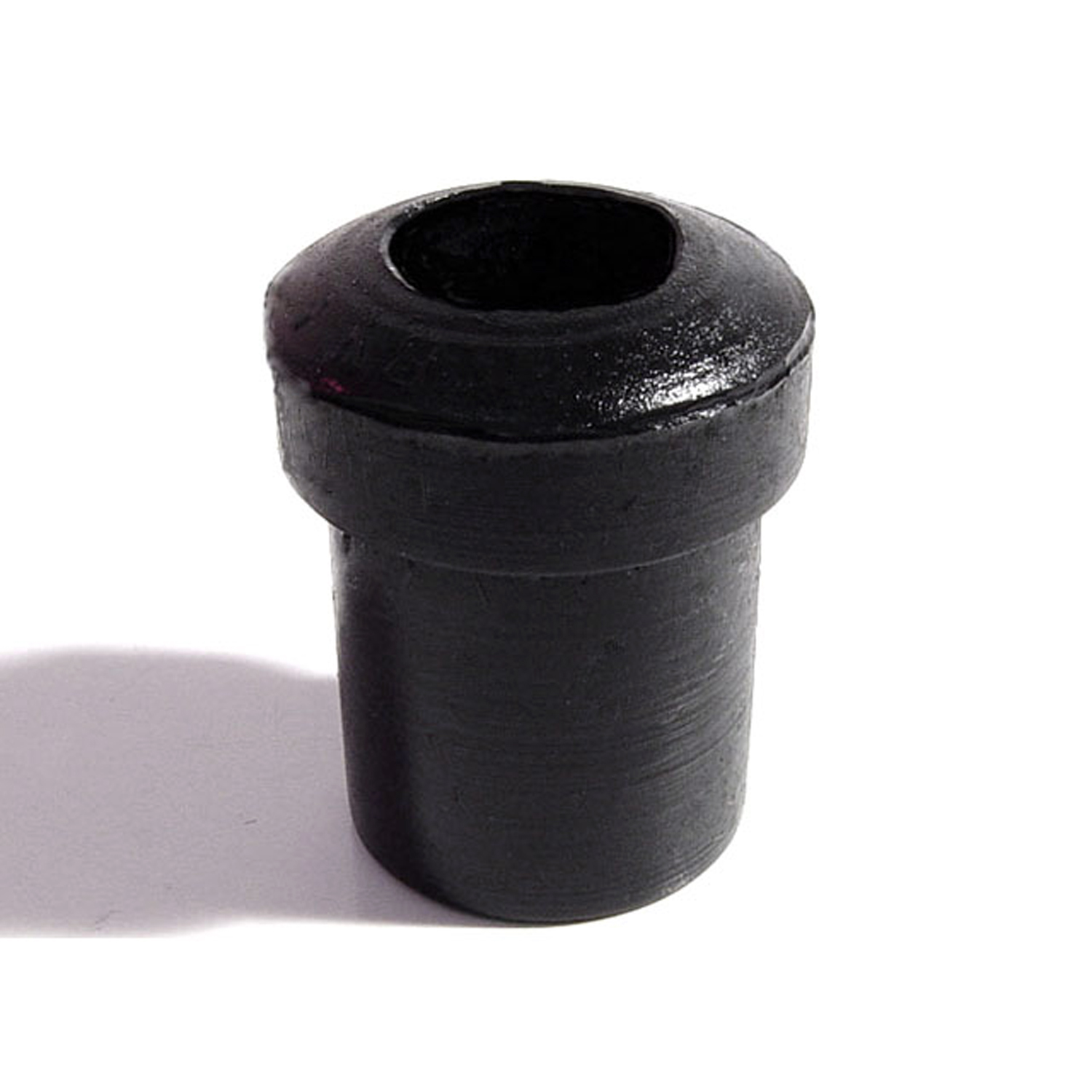 1948 Chrysler New Yorker Spring and Shackle Bushing. 7/8" bottom O.D-BN 16Spring and Shackle Bushing. 7/8" bottom O.D. X 1-1/8" high, with 1/2" I.D. Each
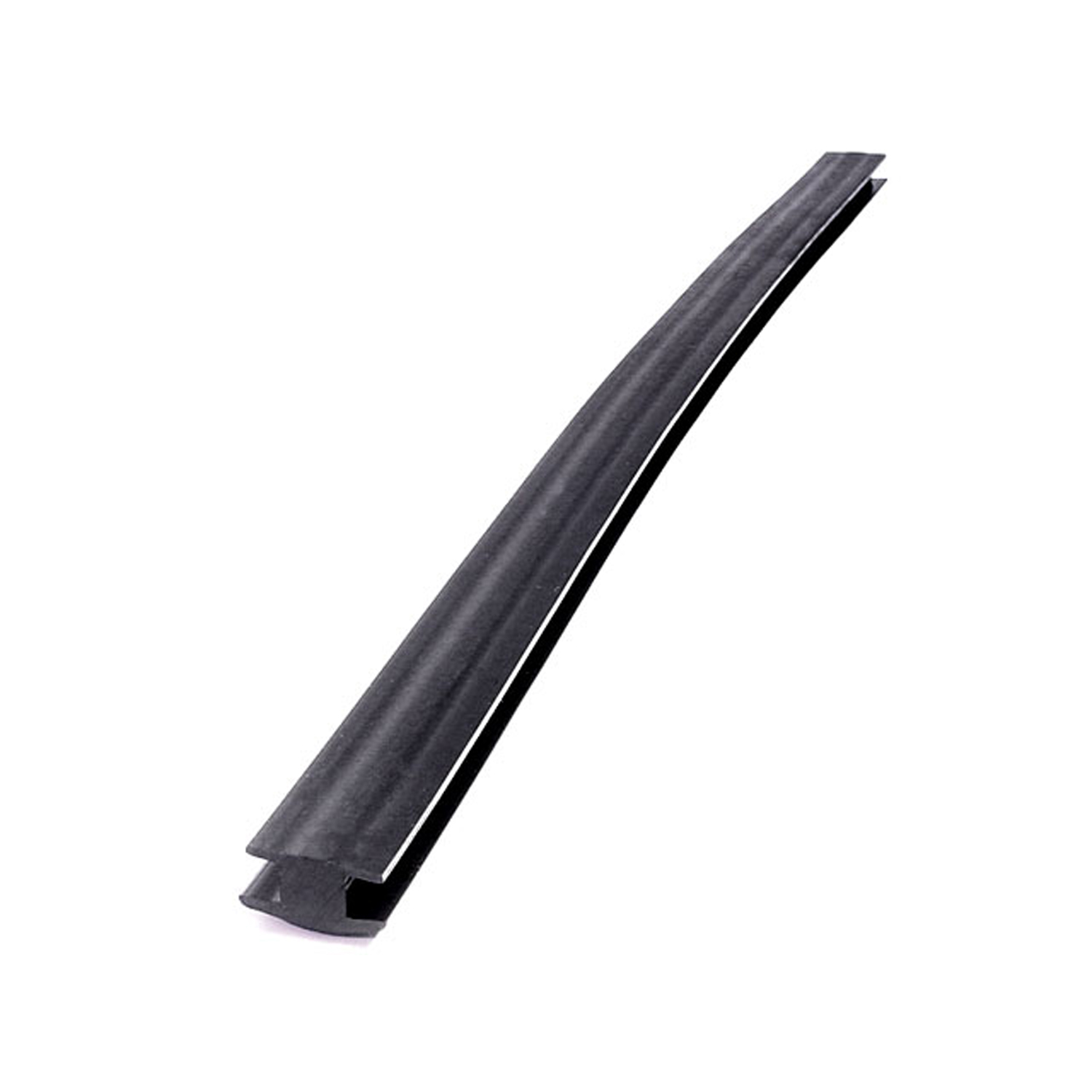 1948 Chrysler New Yorker Windshield Center Bar Gasket. 20" long. Each-DP 12Windshield Center Bar Gasket. 20" long. Each
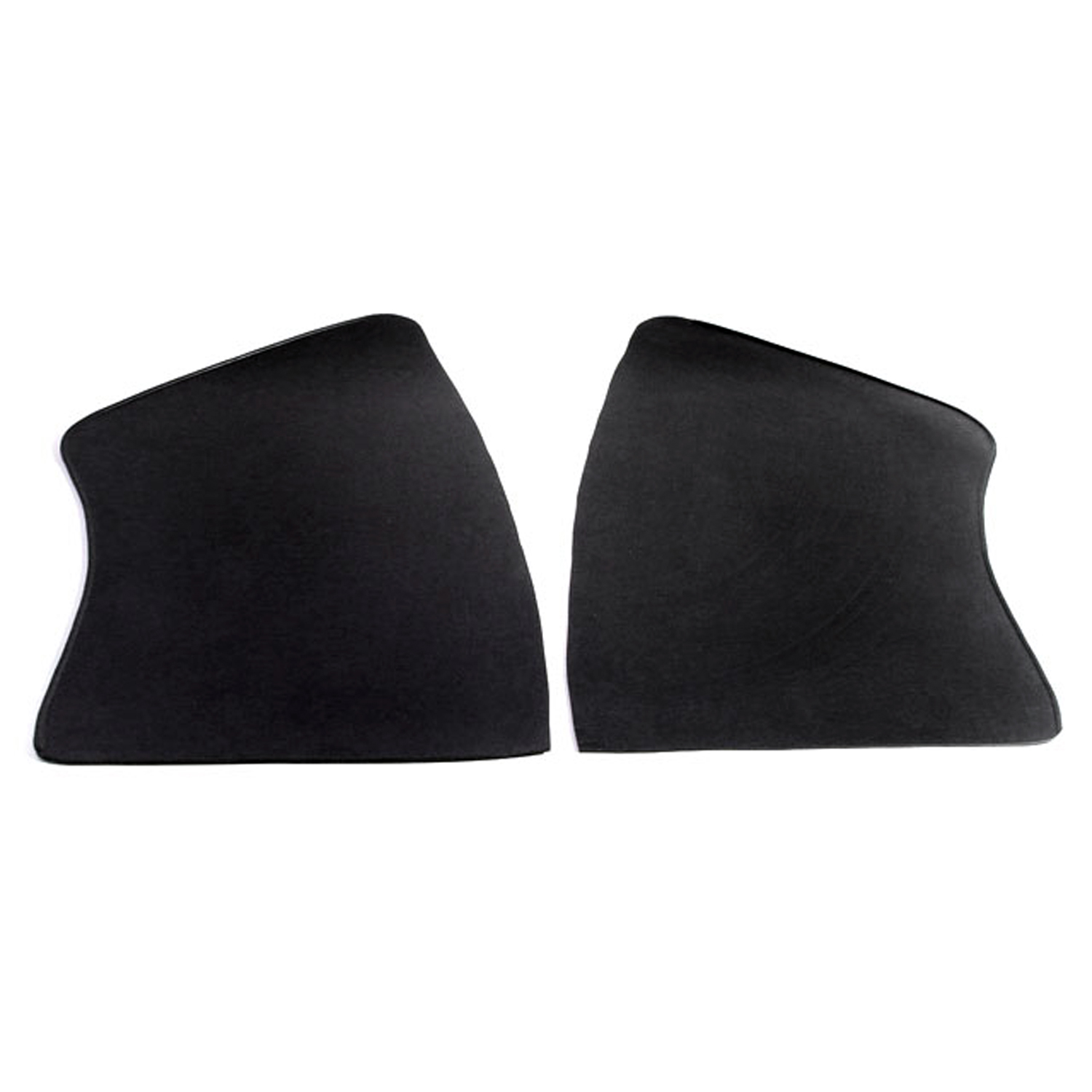 1948 Chrysler New Yorker Gravel Shields. Molded flat without metal backing plates-FS 31Gravel Shields. Molded flat without metal backing plates. Apply with contact cement. 18" long X 9-3/4" wide at bottom. Pair
 1948 Chrysler New Yorker Gas Filler Grommet. 2-1/4" I.D., 3-3/4" O.D-GF 18Gas Filler Grommet. 2-1/4" I.D., 3-3/4" O.D., 1/2" top thickness. Each
 1948 Chrysler New Yorker Hood Corners. Fits flat corners-HC 19Hood Corners. Fits flat corners. 80° angle, 1/4" to 3/8" corner radius. 1-3/8" wide. Pair
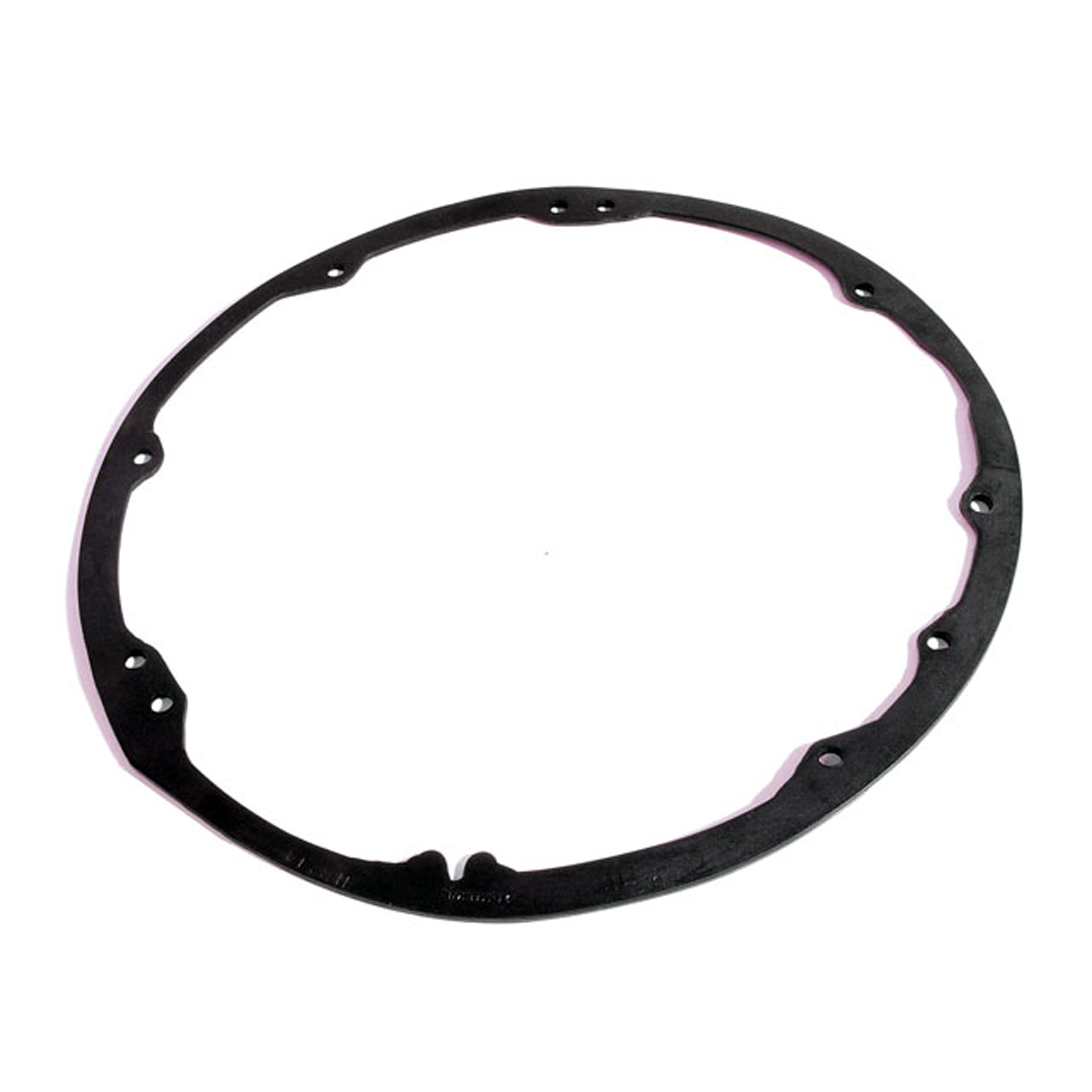 1948 Chrysler New Yorker Headlight Ring Seal. 8-3/8" O.D., 7-3/4" I.D. Pair-HR 14Headlight Ring Seal. 8-3/8" O.D., 7-3/4" I.D. Pair
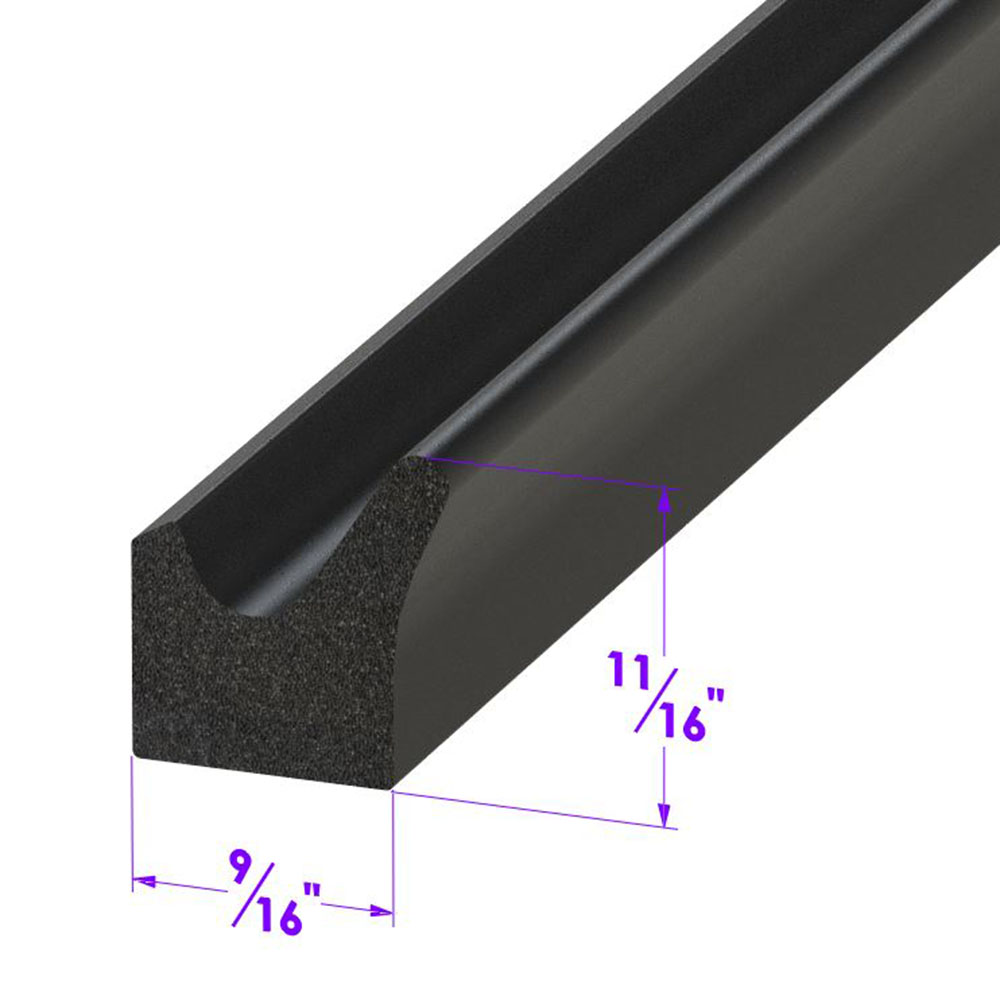 1948 Chrysler New Yorker Door side seal. Same as LP 40-A, but for a heavier seal-LP 40Door side seal. Same as LP 40-A, but for a heavier seal. Fits many domestic passenger cars and trucks. Used in Cobra kit cars as trunk weatherstrip. Per foot.
 1948 Chrysler New Yorker Door side seal. Same as LP 40, but for a lighter seal-LP 40-ADoor side seal. Same as LP 40, but for a lighter seal. Fits many domestic passenger cars and trucks. Universal seal for street rods and customs. Used in Cobra kit cars as door weatherstrip. Per foot.
 1948 Chrysler New Yorker Tail-light Pads. 3-1/2" wide X 10" long. Pair R&L-MP 592-BTail-light Pads. 3-1/2" wide X 10" long. Pair R&L
 1948 Chrysler New Yorker Trunk Light Pad. 13-1/8" wide X 6-1/2" long. Each-MP 604-ATrunk Light Pad. 13-1/8" wide X 6-1/2" long. Each
 1948 Chrysler New Yorker Trunk Handle Pad. 2-1/4" X 5-1/2". Each-MP 604-BTrunk Handle Pad. 2-1/4" X 5-1/2". Each
 1948 Chrysler New Yorker Door Handle Pads. 1-1/4" wide X 2-5/8" long. Pair-MP 605-BDoor Handle Pads. 1-1/4" wide X 2-5/8" long. Pair
 1948 Chrysler New Yorker Antenna Mounting Pad. Made with angled front bead-MP 959-CAntenna Mounting Pad. Made with angled front bead. Narrow type. 1-1/4" wide X 1-3/4" long. Each
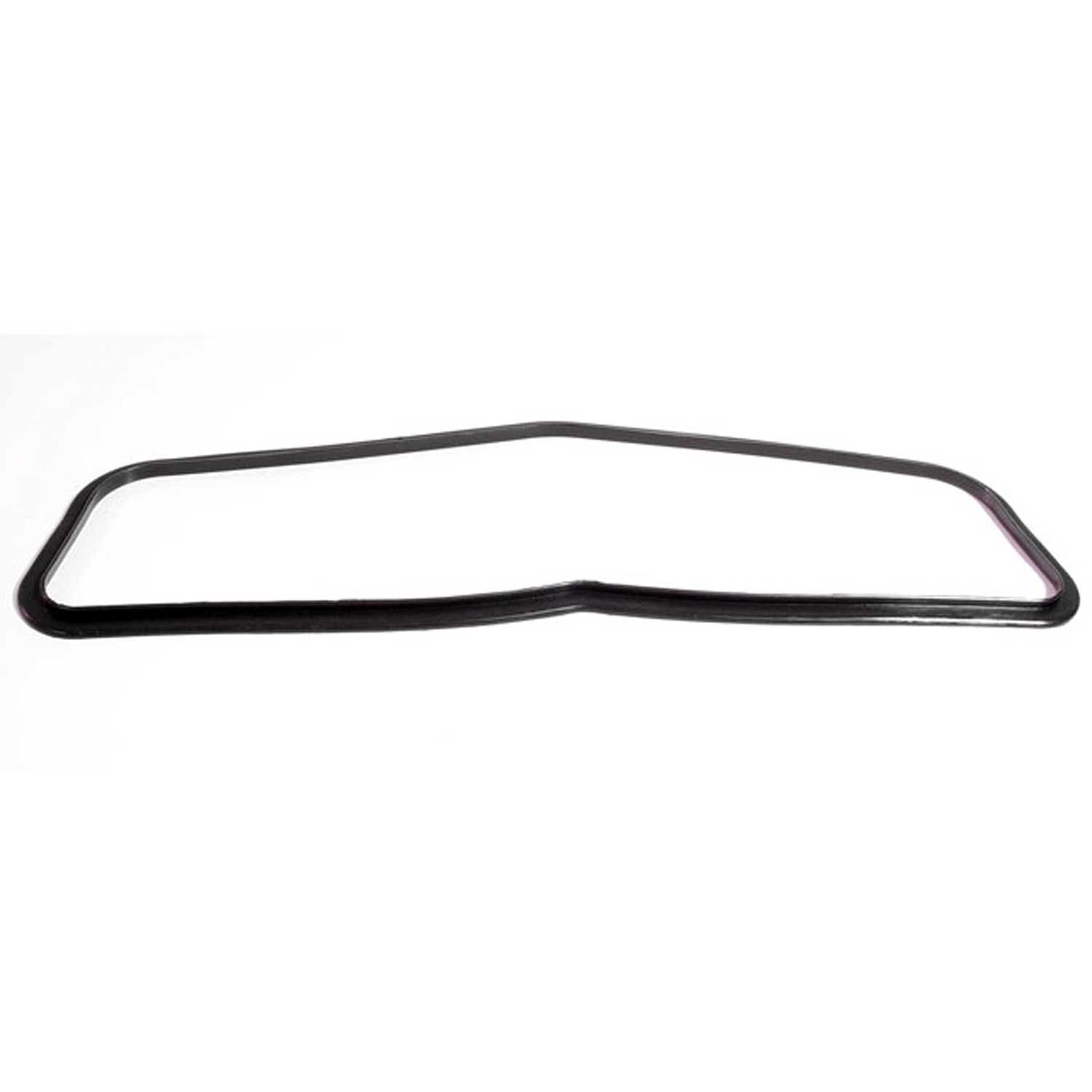 1948 Chrysler New Yorker Cowl Vent Seal. 4" wide X 18" long. Each-RP 100-QCowl Vent Seal. 4" wide X 18" long. Each
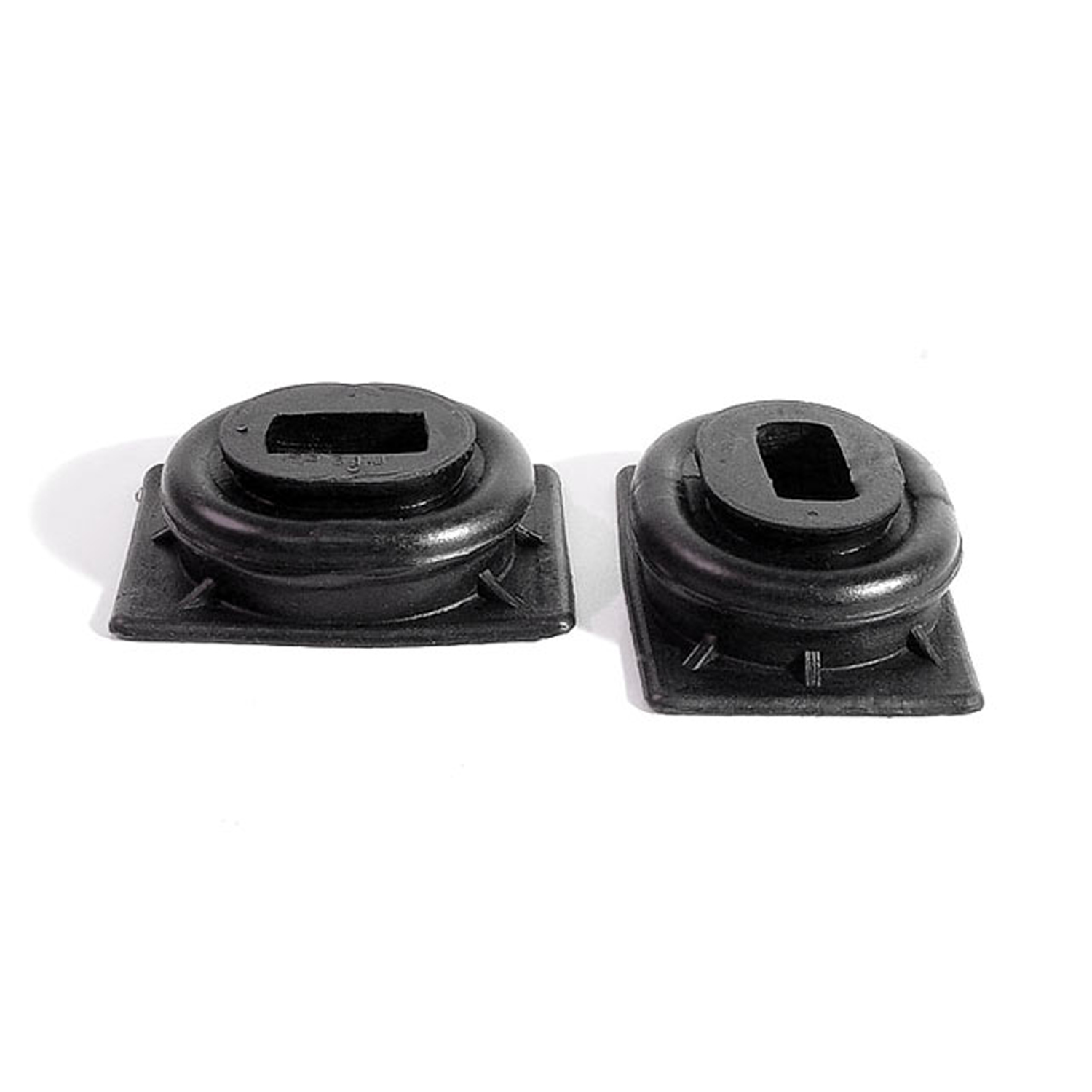 1948 Chrysler New Yorker Clutch and Brake Seals. Replaces OEM #889473. Pair-RP 31-JClutch and Brake Seals. Replaces OEM #889473. Pair
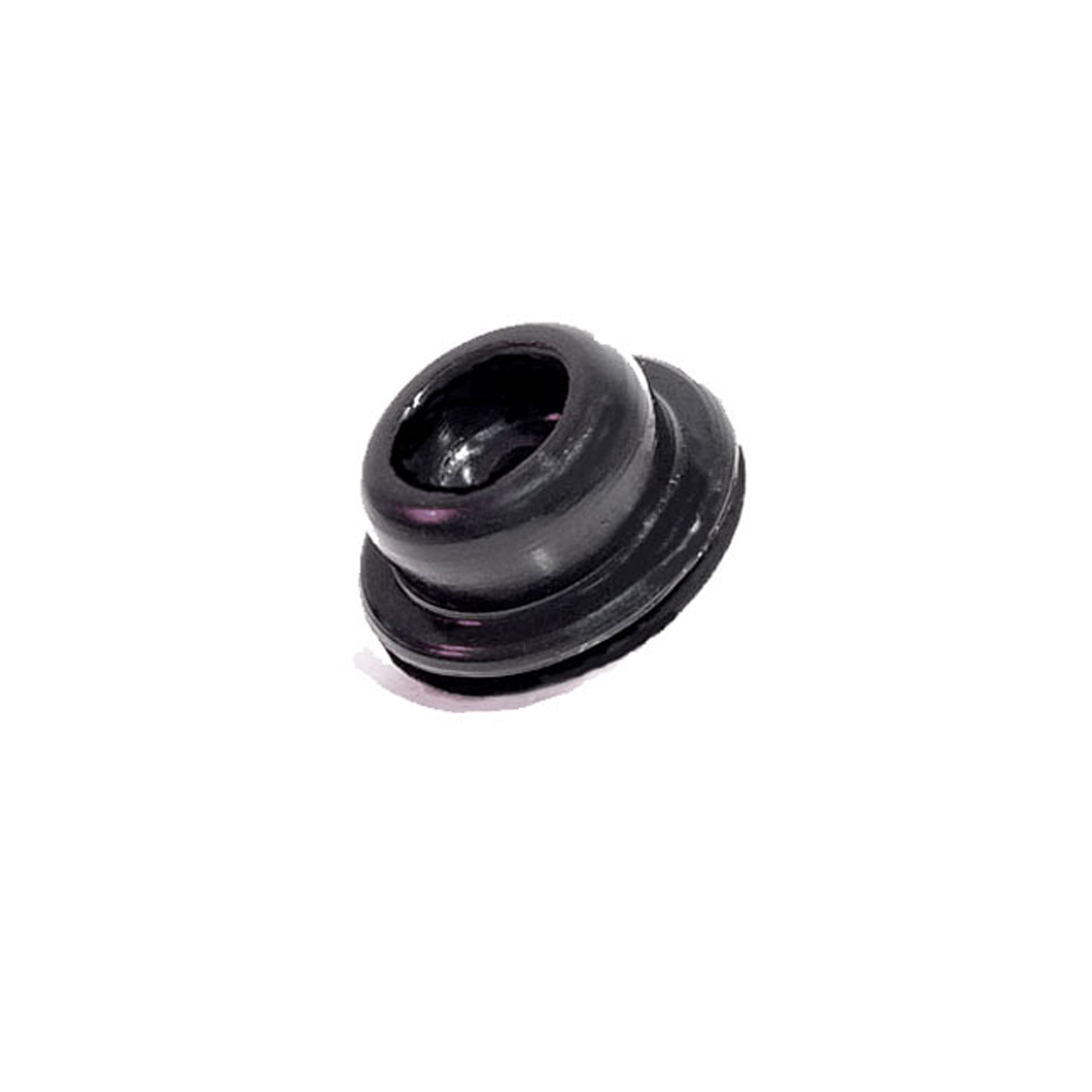 1948 Chrysler New Yorker Accelerator Rod Grommet-SM 43-BAccelerator Rod Grommet. For accelerator rod through floorboard. Each
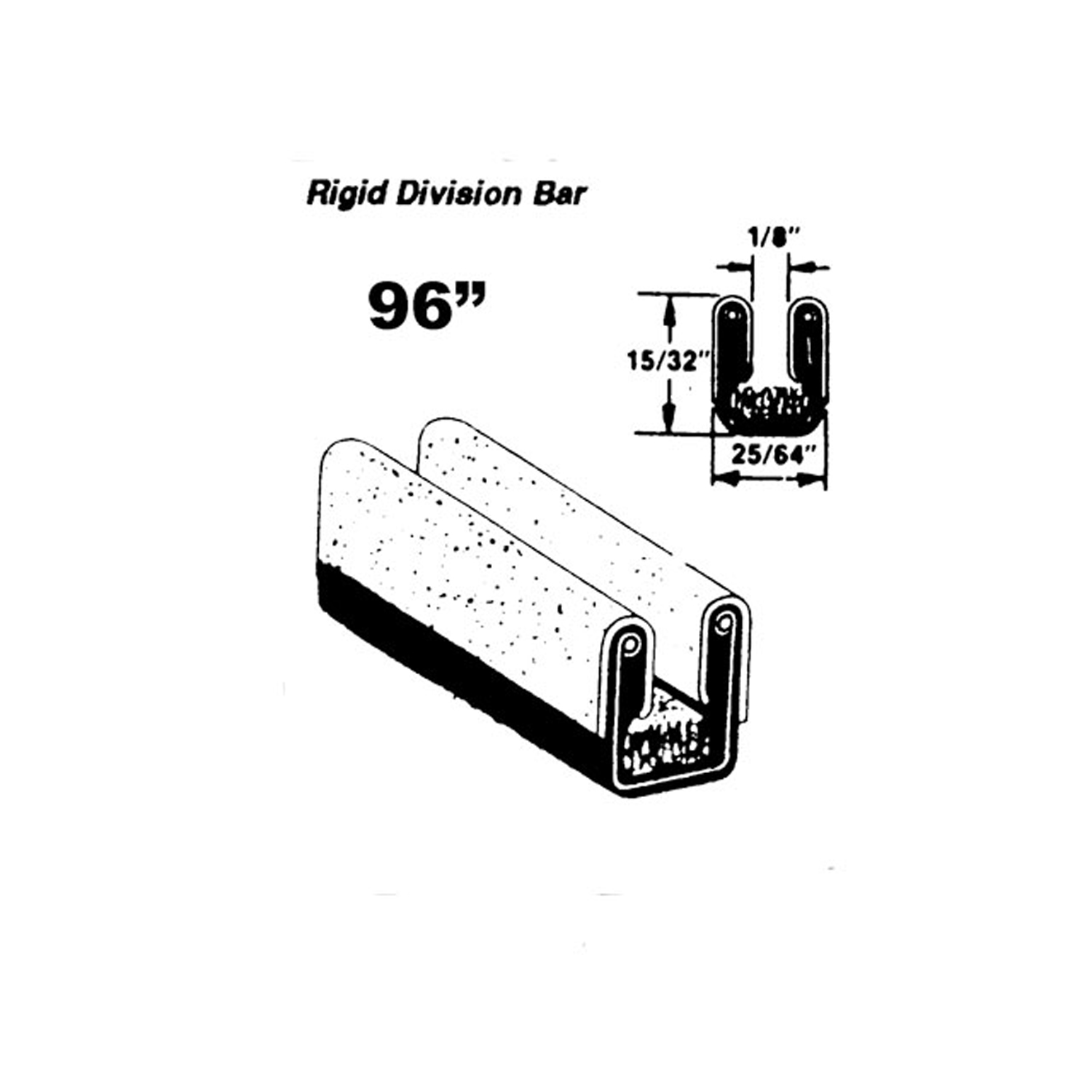 1948 Chrysler New Yorker Rigid division-bar run channel-WC 31-96Rigid division-bar run channel. Made with very soft felt lining. Used on front and rear door side windows. 96 in. long. Each. NOTE: $20 special shipping charge applies for domestic orders. Call or email for overseas shipping costs. Part can be sectioned in two or three equal lengths to reduce overseas shipping costs.
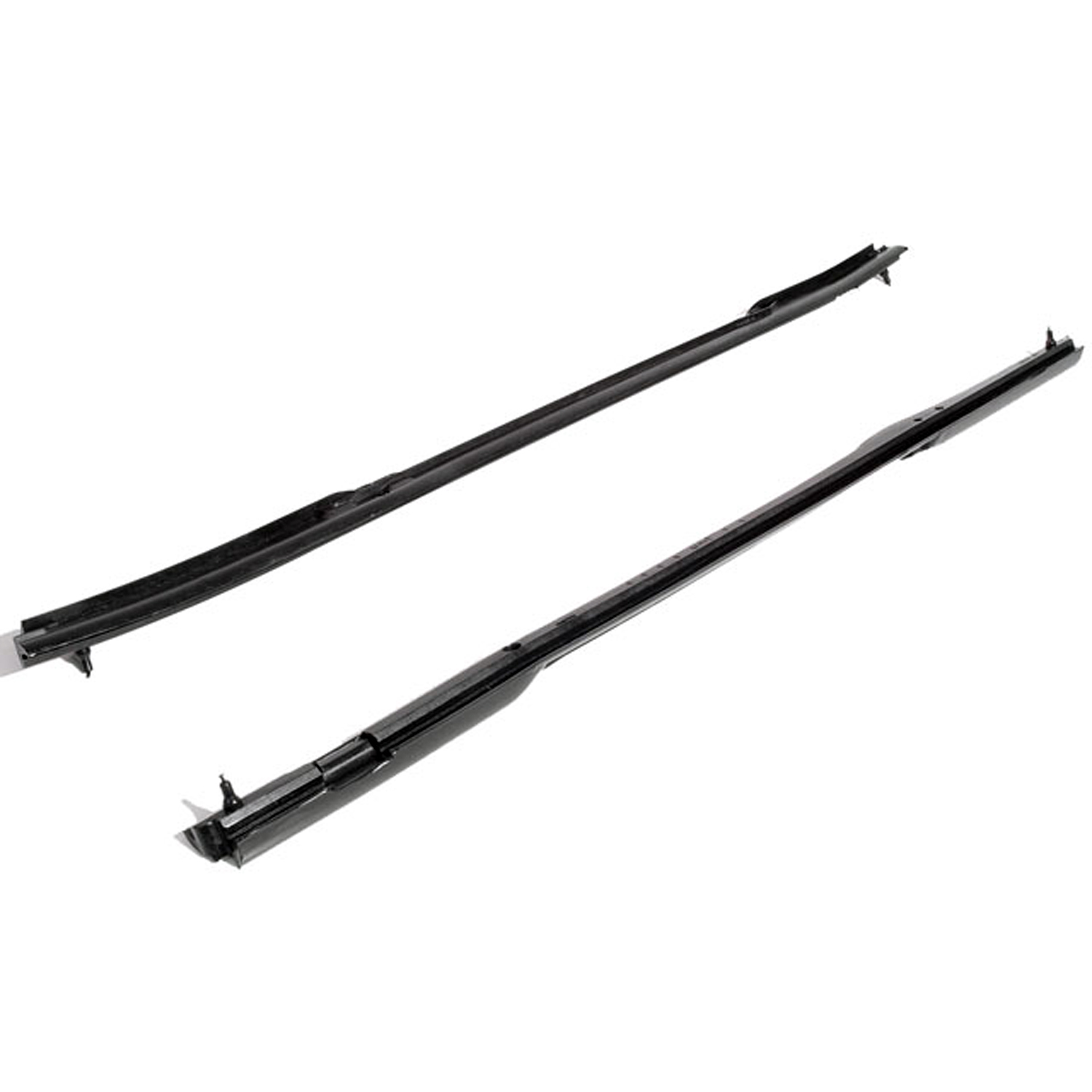 1948 Chrysler New Yorker Front Vent Window Seals. For many closed models only-WR 2703Front Vent Window Seals. For many closed models only. Replaces OEM #977232-3. Pair R&L
Why Choose Metro?
For over 100 years, Metro Moulded Parts has been the pinnacle of quality in classic car restoration parts. Our commitment to precision and authenticity in every component ensures a perfect fit and an OEM-level appearance.
- Expert Craftsmanship & Quality: Each part is a testament to our dedication to reliability and perfection, crafted from original designs and thoroughly tested.
- Advanced Technology: We use cutting-edge techniques to create flawless, long-lasting parts that surpass others in performance.
- SuperSoft Sponge – The Ultimate Door Seal: Not only are our door seals 30% softer than competitors', but they're also guaranteed to never leak. They effectively reduce wind and road noise, enhancing your classic car's comfort and driving experience.
- Proudly American: Our parts are a product of American craftsmanship, made in the USA with a spirit of excellence and heritage.
- Unrivaled Warranty: We back our products with a 30-year industry-leading warranty, a testament to our confidence in their quality.
Join us in preserving the legacy of classic cars with parts that are crafted for perfection, not just made.