

Image of 1948 Chrysler Saratoga Series, Note: These illustrations use artistic license and may differ from actual historical models.
Performance Metrics
Fundamental Metrics
Emotional Appeal
MMP Rating
| Engine Specifications | |
|---|---|
| Engine: | Straight 8 |
| Displacement: | 323.5 cu in (5.3 L) |
| Horsepower: | 135 hp |
| Torque: | Not available |
| Compression Ratio: | 7.25:1 |
| Ignition System: | Battery and coil |
| Cooling System: | Liquid-cooled |
| Performance Specifications | |
| 0-60 Time: | Not available |
| 1/4 Mile Time: | Not available |
| Top Speed: | 90 mph |
| Transmission and Drive | |
| Drive Type: | Rear-wheel drive |
| Transmission Type: | 3-speed manual |
| Fuel and Efficiency | |
| Fuel System Type: | Carburetor |
| MPG: | Not available |
| Dimensions and Brakes | |
| Brakes: | Hydraulic drum brakes |
| Wheelbase: | 127.5 in |
| Weight: | 3,700 lbs |
Note: Specifications for classic cars are given to the best of our ability, considering the limited and variant data available.
1948 Chrysler Saratoga: The Postwar Eight-Cylinder Sleeper
The 1948 Chrysler Saratoga paired the quiet strength of a straight-eight engine with the restrained elegance of a postwar American sedan. Built by the Chrysler Corporation, it sat between the more modest Windsor and the upscale New Yorker, offering many of the comforts of a luxury car without the top-of-the-line price or ornamentation.
The Saratoga belonged to Chrysler’s 1946–48 postwar lineup, a family of cars that carried forward much of the company’s prewar engineering and styling while America’s factories shifted back to civilian production. Its distinctive selling point was its combination of a substantial eight-cylinder engine and a comparatively understated, midrange package. In 1949, Chrysler introduced a substantially redesigned range, making the ’48 Saratoga one of the final examples of this postwar body generation.
One detail that makes the Saratoga especially interesting is its place in Chrysler’s transmission story. Buyers could pair the car with the company’s Fluid Drive and available Prestomatic semi-automatic setup. It was not a modern automatic, but it offered a less demanding way to drive than a conventional three-speed manual, hinting at the convenience-focused transmissions that would become commonplace later.
Streamlined Chrysler Styling
The Saratoga wore the smooth, rounded bodywork typical of late-1940s American cars. Its front fenders flowed into the body rather than standing apart as they had on many prewar designs. At the nose, a broad, upright grille with horizontal detailing gave the car a dignified face, while the long hood and gently sloping rear helped balance its substantial proportions.
Inside, the emphasis was on comfort and a sense of occasion. A wide front bench seat, generous headroom and legroom, and a large, clearly arranged dashboard made the Saratoga feel well suited to long-distance travel. Upholstery and trim depended on the specific car and factory options, but cloth was common, with upgraded materials available. The overall impression was solid and carefully finished rather than flashy, in keeping with the Saratoga’s position below the New Yorker.
Chrysler offered the 1948 Saratoga as a four-door sedan and a two-door club coupe. The sedan was the practical choice for families and business use, while the coupe’s longer, uninterrupted side profile gave it a more personal and stylish character. The exact paint palette varied by production and market, but period Chrysler colors included dark and medium blues, greens, maroons, grays, black, and lighter neutral shades. Dark colors suit the Saratoga’s formal lines particularly well, while lighter paint can make its broad fenders and rounded roof stand out.
Engineering Ahead of Its Time
Under the hood was a 323.5-cubic-inch L-head straight-eight, rated at about 135 horsepower. The engine’s long, smooth layout was a Chrysler hallmark, delivering its power in a relaxed fashion rather than chasing high engine speeds. The Saratoga also benefited from sturdy, conventional engineering: a robust frame, independent front suspension, rear leaf springs, and hydraulic brakes.
Fluid Drive deserves a little explanation. The fluid coupling helped smooth power delivery, but it did not make the car a fully automatic. With the available Prestomatic transmission, the driver still selected a range and used a clutch for certain operations. Once underway, however, the system reduced the need for constant gear changes. It was a transitional technology, offering convenience while retaining much of the mechanical character of a manual drivetrain.
Chrysler’s approach set the Saratoga apart from many midpriced rivals. Buyers could get a large straight-eight and near-luxury proportions without stepping up to a more expensive flagship. The Saratoga did not introduce a single defining technology that transformed the industry, but it represented Chrysler’s strengths in smooth engines, durable construction, and practical transmission development.
Road Performance and Driving Feel
Period performance figures vary with transmission, gearing, vehicle condition, and testing method. A healthy 1948 Saratoga can be expected to reach roughly 85 to 90 mph, with a leisurely 0-to-60-mph time in the neighborhood of 17 to 20 seconds. Those figures are estimates, not modern instrumented test results. The car’s purpose was comfortable, steady travel, not quick acceleration.
On the road, the straight-eight is known for its smooth, low-key character. It tends to build speed without the sharper vibration or high-revving feel of a smaller engine. The suspension favors comfort, soaking up ordinary bumps and broken pavement with the soft, floating ride typical of a large American car of the era. On winding roads, the Saratoga’s size, weight, and period tires call for a measured pace. It feels more assured on an open highway than on a tight series of corners.
Behind the wheel, the driver sits upright behind a broad steering wheel and looks out over a long hood. Steering and braking effort are greater than in a modern car, and the car’s dimensions demand room in parking lots and narrow streets. The reward is an unhurried, substantial driving experience, with a muted engine note and a comfortable cabin that encourages relaxed cruising.
Living With a Saratoga
Today, most Saratogas are used as weekend drivers, touring cars, or show vehicles rather than everyday transportation. A well-sorted example can handle local trips and longer scenic drives, but its age brings the usual considerations: drum brakes, six-volt electrical equipment, period tires, and limited modern safety features. A buyer should inspect the braking system, wiring, cooling system, and steering components before regular use.
The mechanical layout is generally approachable for an owner comfortable with older cars. The straight-eight is a conventional engine, and many routine service tasks are straightforward. Parts support is more limited than it is for a high-volume model such as a Chevrolet of the same period, though specialist suppliers, swap meets, and owner clubs can help. Body trim, interior pieces, and model-specific details may take more searching than common mechanical parts.
The Fluid Drive and Prestomatic equipment can be enjoyable when properly maintained, but it should not be mistaken for a modern automatic. Buyers should learn how the system is intended to operate and have it checked by someone familiar with Chrysler’s period transmissions. Correct diagnosis matters, since a transmission that behaves poorly may need careful adjustment or specialist attention rather than guesswork.
Interesting Saratoga Details
The Saratoga’s appeal rests partly on what it is not: it is not a stripped-down economy car, and it is not a heavily ornamented luxury flagship. It occupies a useful middle ground, with the larger engine and substantial feel that many enthusiasts want, but with less emphasis on prestige trim.
There is no widely recognized speed, endurance, or sales record attached specifically to the 1948 Saratoga. Its historical interest is more representative than record-setting: it captures Chrysler’s final years of postwar styling before the company’s 1949 redesign. Nor is the Saratoga commonly associated with a single celebrity owner or major historical event. Its story is that of a capable, well-equipped American car built for ordinary travel during a period of rapid change.
Common criticisms are easy to understand from a modern perspective. The car is heavy, acceleration is modest, fuel economy is not a strong point, and the ride can feel soft by contemporary standards. Some buyers also find the semi-automatic system less intuitive than a conventional manual. Those traits are part of the Saratoga’s character, but they should be considered before purchase.
Collector Value and Availability
As a practical market estimate in 2026, a rough or incomplete 1948 Saratoga might sell for about $5,000 to $12,000, depending heavily on rust, completeness, and whether the engine and drivetrain are present. A usable driver in sound condition could fall around $15,000 to $30,000. Well-restored examples may reach approximately $30,000 to $50,000, with exceptional cars potentially asking more. These are broad U.S. dollar ranges, not guaranteed sale prices; originality, restoration quality, documentation, and local demand all matter.
Exact production totals can be difficult to pin down across model and body-style records. A reasonable working estimate is roughly 15,000 to 20,000 Saratogas for the 1948 model year, though figures may vary depending on how production is tabulated. The model is not impossibly rare, but it appears less often on the market than more familiar mass-market classics. A buyer may need patience to find the right body style, condition, and level of originality.
Values tend to be steady rather than explosive. The Saratoga has an appealing combination of straight-eight power, handsome proportions, and relative exclusivity, but it lacks the broad recognition of the most famous postwar classics. Clean, correctly restored cars are likely to hold interest among Chrysler enthusiasts, while poorly maintained examples can be costly to bring back. In this segment, condition and provenance usually matter more than speculative price growth.
Why the 1948 Saratoga Still Matters
The 1948 Chrysler Saratoga is a distinctive snapshot of postwar American motoring: generous in size, smooth in character, and built around the idea that comfort and engineering deserved more attention than outright speed. Its straight-eight engine, available Fluid Drive and Prestomatic transmission, and quietly elegant styling give it a personality of its own.
For collectors, the Saratoga offers a less predictable choice than the usual household-name classics, along with the satisfaction of driving a substantial piece of Chrysler history. It may not rush toward the horizon, but it makes the journey feel like the point.
1948 Chrysler Saratoga Series Catalog of Parts
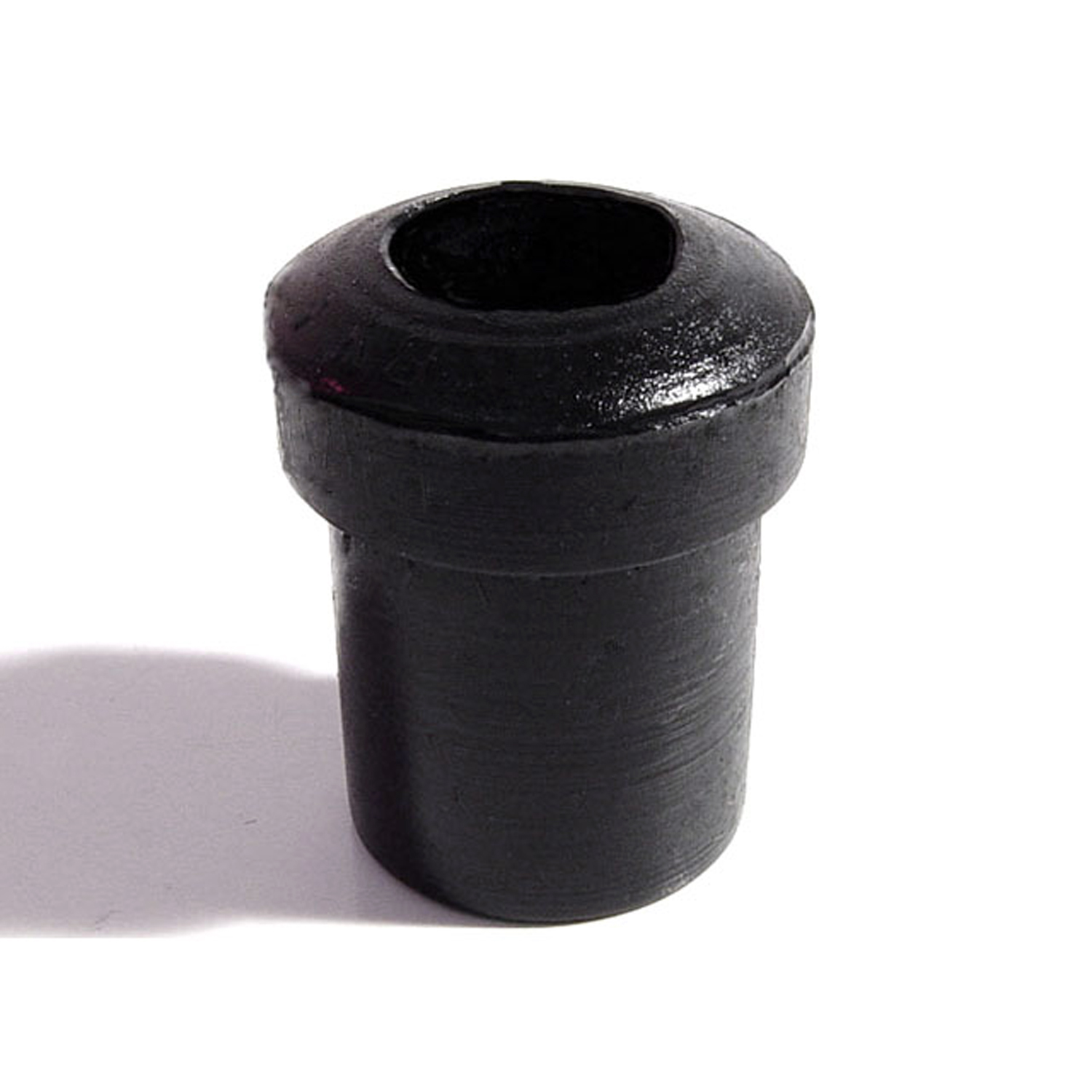 1948 Chrysler Saratoga Series Spring and Shackle Bushing. 7/8" bottom O.D-BN 16Spring and Shackle Bushing. 7/8" bottom O.D. X 1-1/8" high, with 1/2" I.D. Each
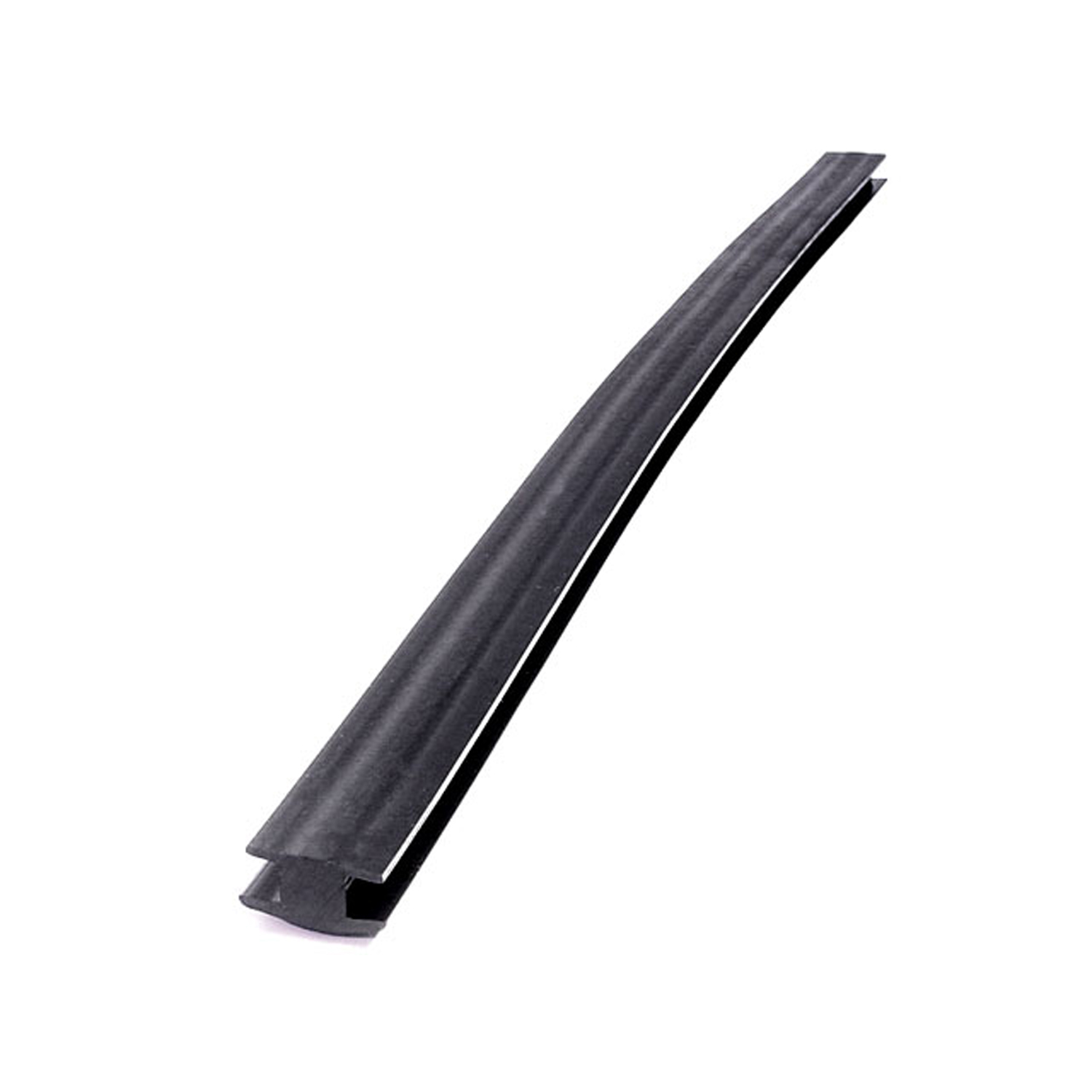 1948 Chrysler Saratoga Series Windshield Center Bar Gasket. 20" long. Each-DP 12Windshield Center Bar Gasket. 20" long. Each
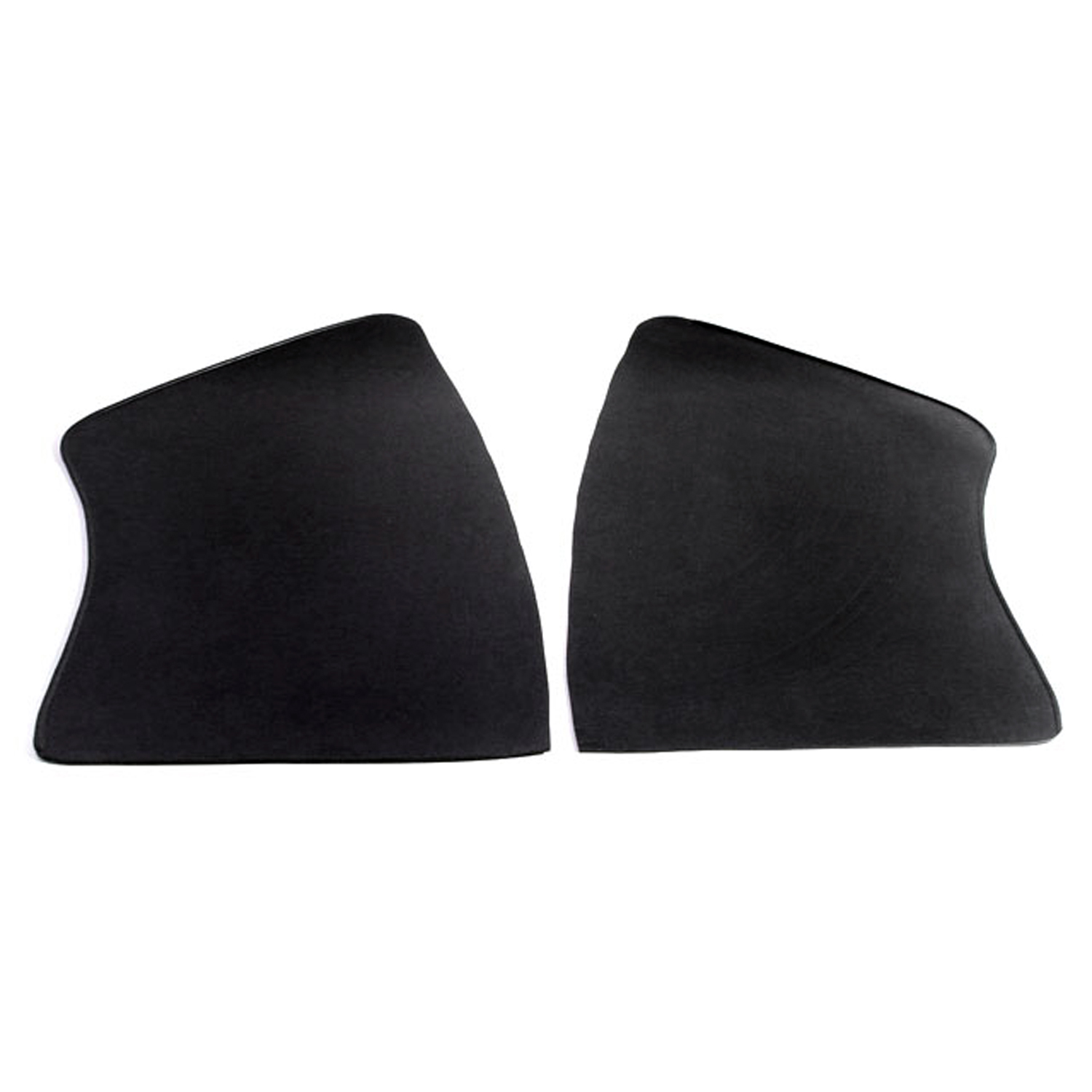 1948 Chrysler Saratoga Series Gravel Shields. Molded flat without metal backing plates-FS 31Gravel Shields. Molded flat without metal backing plates. Apply with contact cement. 18" long X 9-3/4" wide at bottom. Pair
 1948 Chrysler Saratoga Series Gas Filler Grommet. 2-1/4" I.D., 3-3/4" O.D-GF 18Gas Filler Grommet. 2-1/4" I.D., 3-3/4" O.D., 1/2" top thickness. Each
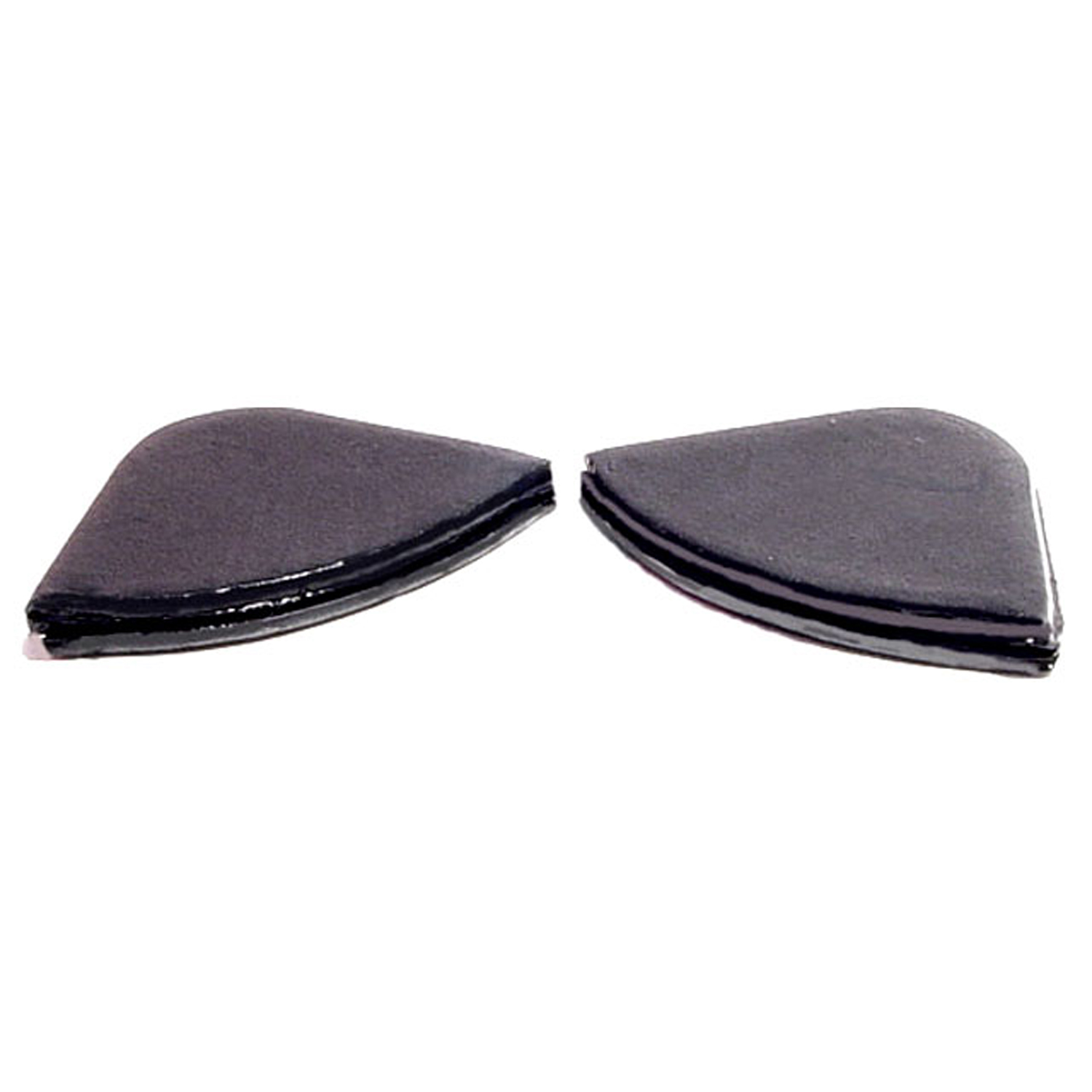 1948 Chrysler Saratoga Series Hood Corners. Fits flat corners-HC 19Hood Corners. Fits flat corners. 80° angle, 1/4" to 3/8" corner radius. 1-3/8" wide. Pair
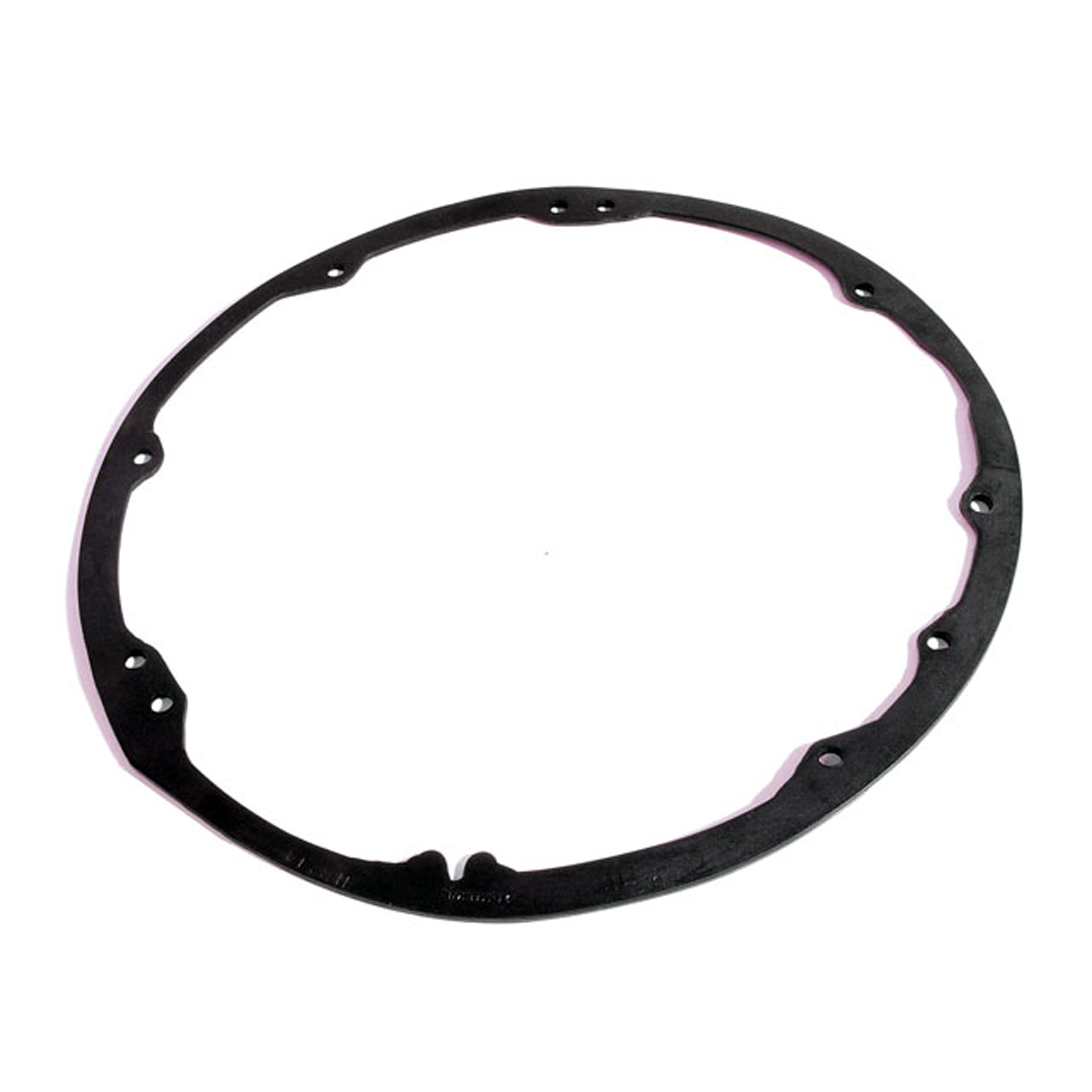 1948 Chrysler Saratoga Series Headlight Ring Seal. 8-3/8" O.D., 7-3/4" I.D. Pair-HR 14Headlight Ring Seal. 8-3/8" O.D., 7-3/4" I.D. Pair
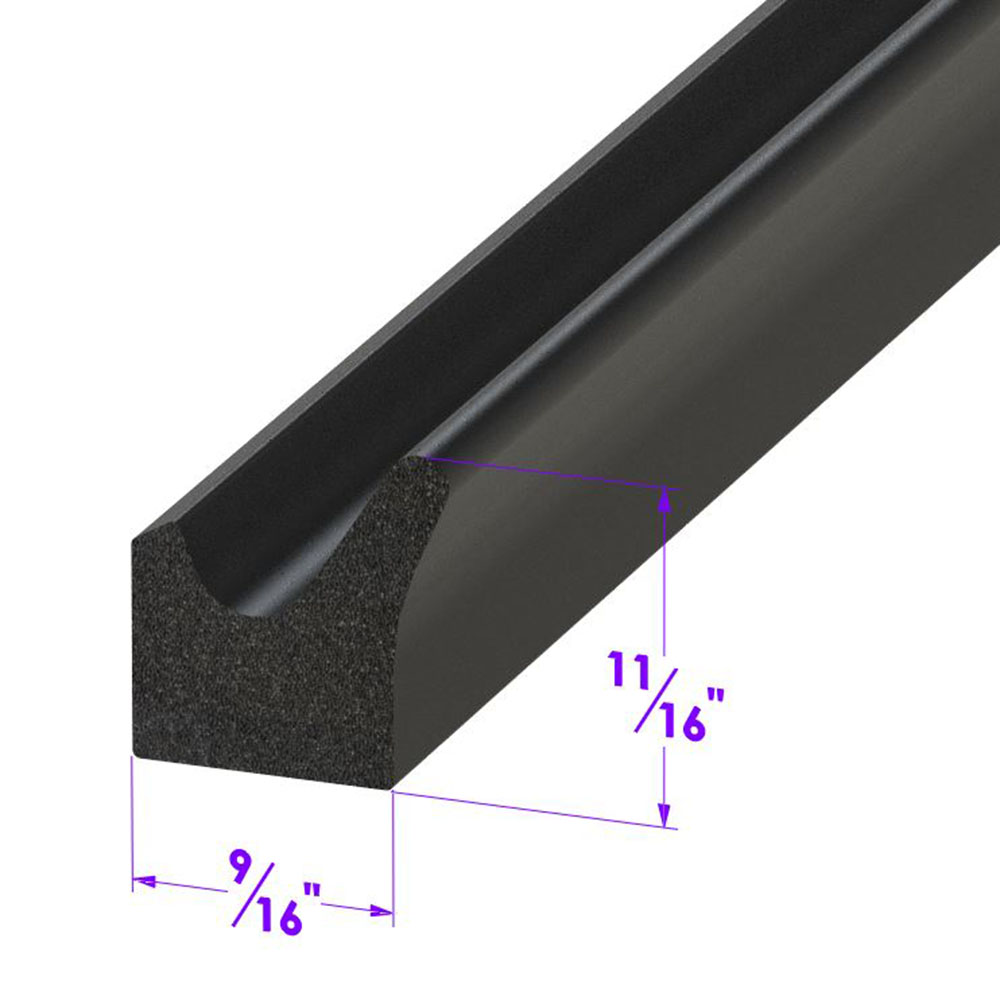 1948 Chrysler Saratoga Series Door side seal. Same as LP 40-A, but for a heavier seal-LP 40Door side seal. Same as LP 40-A, but for a heavier seal. Fits many domestic passenger cars and trucks. Used in Cobra kit cars as trunk weatherstrip. Per foot.
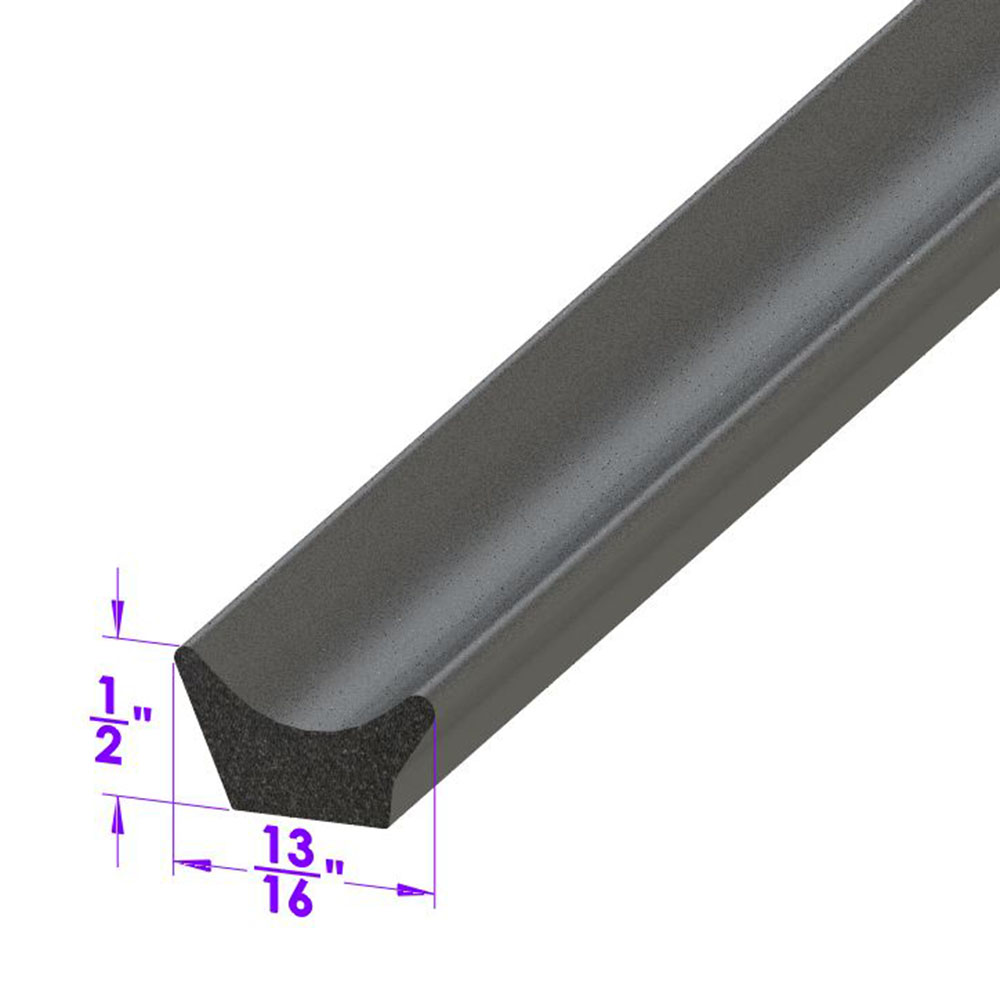 1948 Chrysler Saratoga Series Door side seal. Same as LP 40, but for a lighter seal-LP 40-ADoor side seal. Same as LP 40, but for a lighter seal. Fits many domestic passenger cars and trucks. Universal seal for street rods and customs. Used in Cobra kit cars as door weatherstrip. Per foot.
 1948 Chrysler Saratoga Series Tail-light Pads. 3-1/2" wide X 10" long. Pair R&L-MP 592-BTail-light Pads. 3-1/2" wide X 10" long. Pair R&L
 1948 Chrysler Saratoga Series Trunk Light Pad. 13-1/8" wide X 6-1/2" long. Each-MP 604-ATrunk Light Pad. 13-1/8" wide X 6-1/2" long. Each
 1948 Chrysler Saratoga Series Trunk Handle Pad. 2-1/4" X 5-1/2". Each-MP 604-BTrunk Handle Pad. 2-1/4" X 5-1/2". Each
 1948 Chrysler Saratoga Series Door Handle Pads. 1-1/4" wide X 2-5/8" long. Pair-MP 605-BDoor Handle Pads. 1-1/4" wide X 2-5/8" long. Pair
 1948 Chrysler Saratoga Series Antenna Mounting Pad. Made with angled front bead-MP 959-CAntenna Mounting Pad. Made with angled front bead. Narrow type. 1-1/4" wide X 1-3/4" long. Each
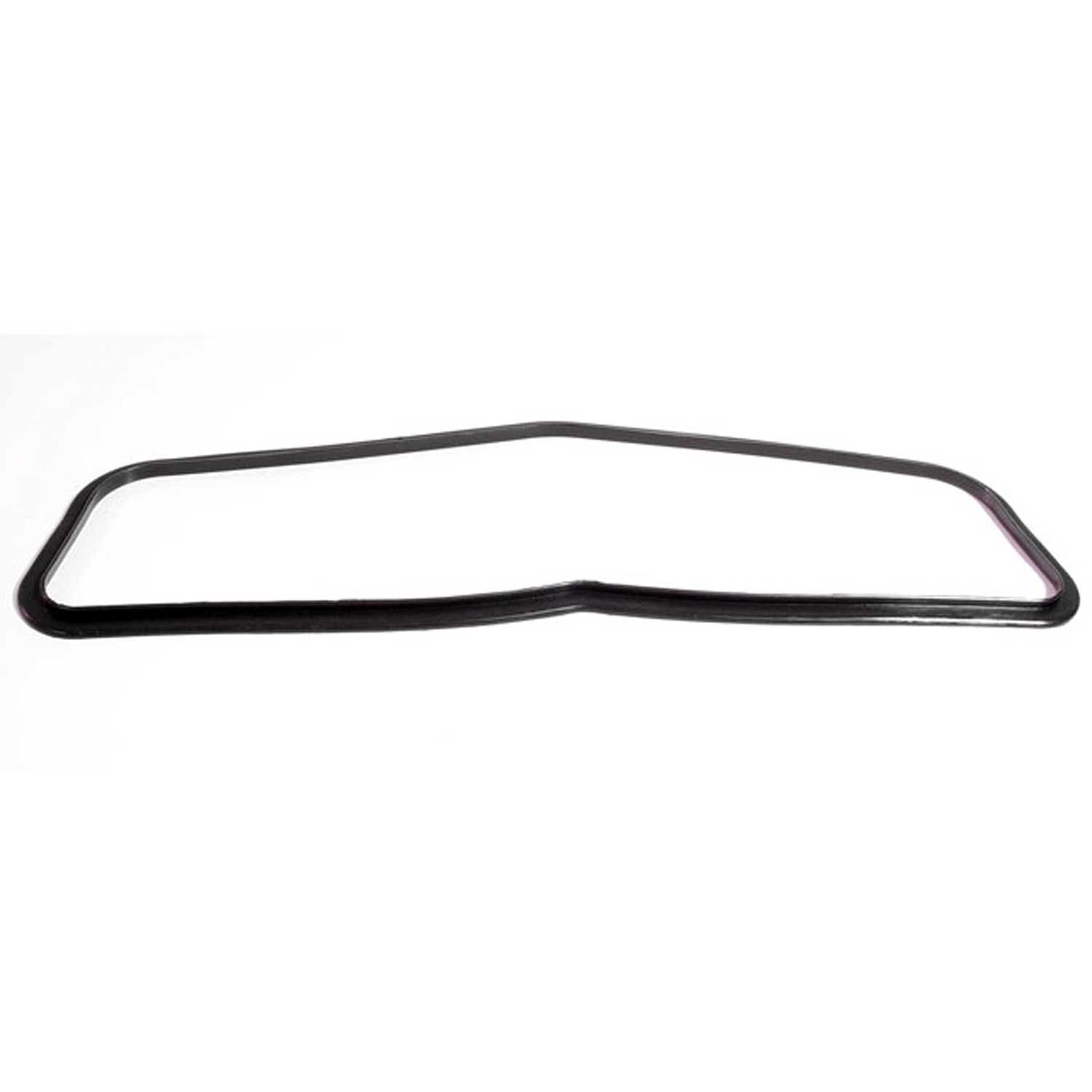 1948 Chrysler Saratoga Series Cowl Vent Seal. 4" wide X 18" long. Each-RP 100-QCowl Vent Seal. 4" wide X 18" long. Each
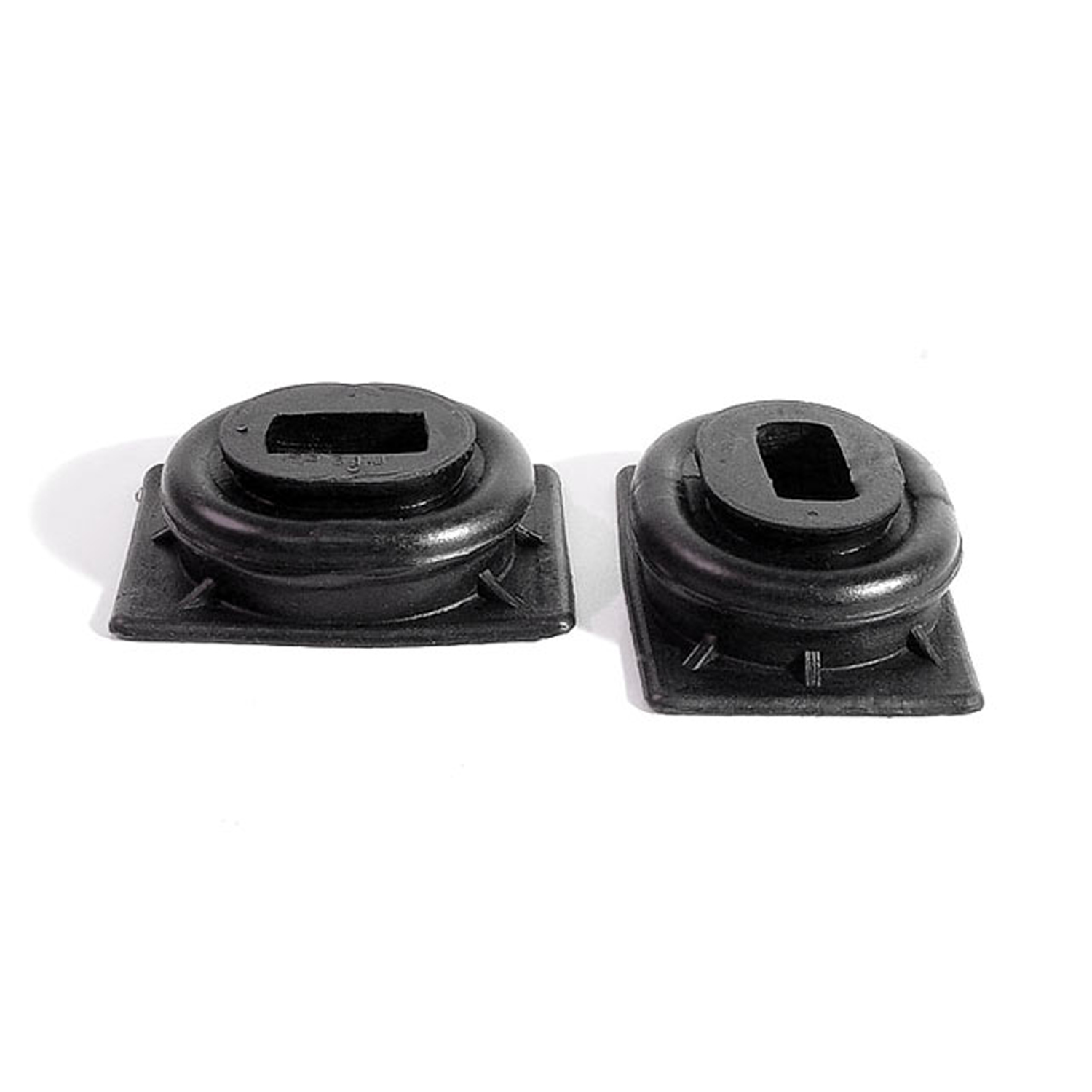 1948 Chrysler Saratoga Series Clutch and Brake Seals. Replaces OEM #889473. Pair-RP 31-JClutch and Brake Seals. Replaces OEM #889473. Pair
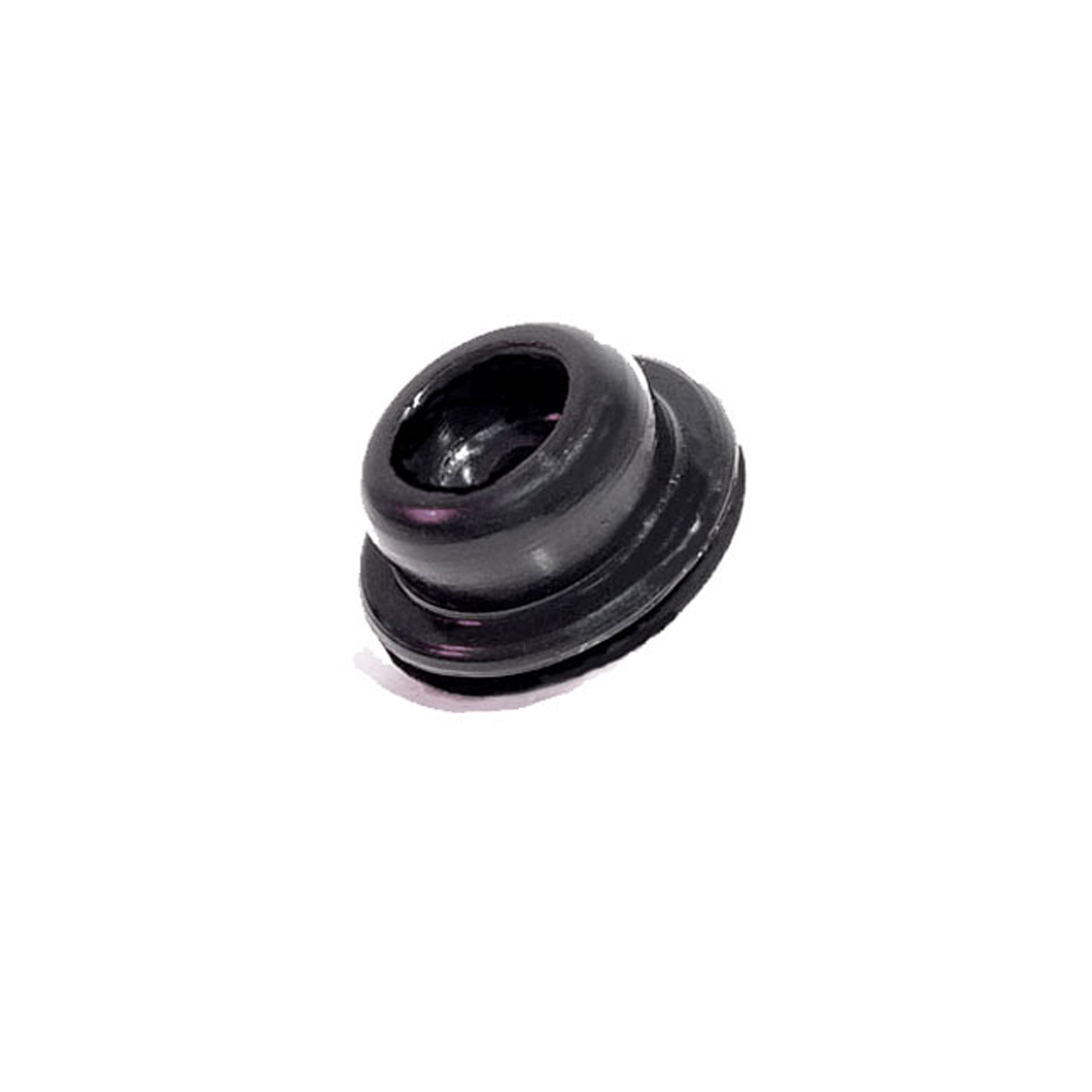 1948 Chrysler Saratoga Series Accelerator Rod Grommet-SM 43-BAccelerator Rod Grommet. For accelerator rod through floorboard. Each
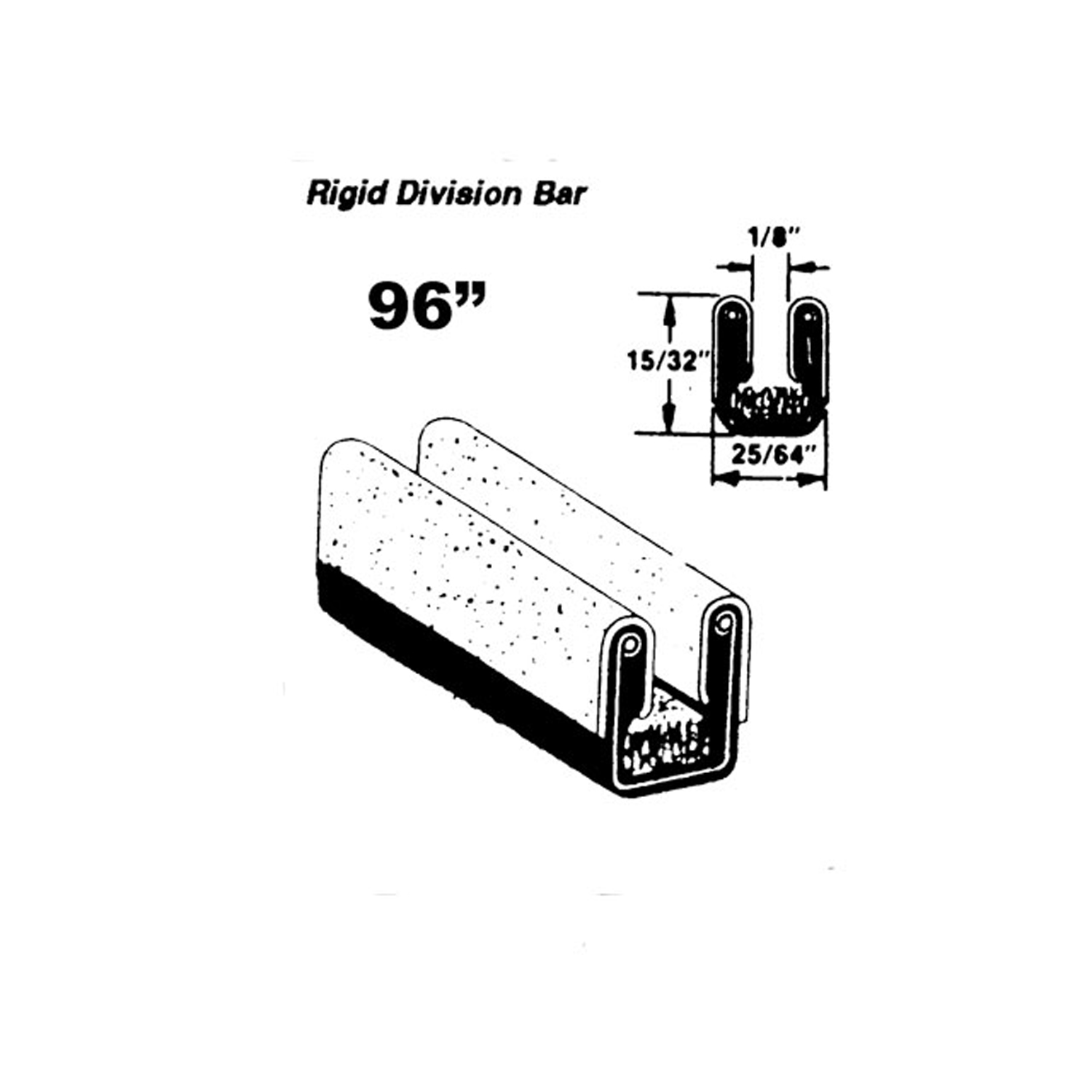 1948 Chrysler Saratoga Series Rigid division-bar run channel-WC 31-96Rigid division-bar run channel. Made with very soft felt lining. Used on front and rear door side windows. 96 in. long. Each. NOTE: $20 special shipping charge applies for domestic orders. Call or email for overseas shipping costs. Part can be sectioned in two or three equal lengths to reduce overseas shipping costs.
 1948 Chrysler Saratoga Series Rear vent window seals-WR 2301-RRear vent window seals. Fits listed 4-door sedans and limousines with swing-out rear vent windows. May fit some GM models. Replaces OEM# #849153/4. Pair. R&L.
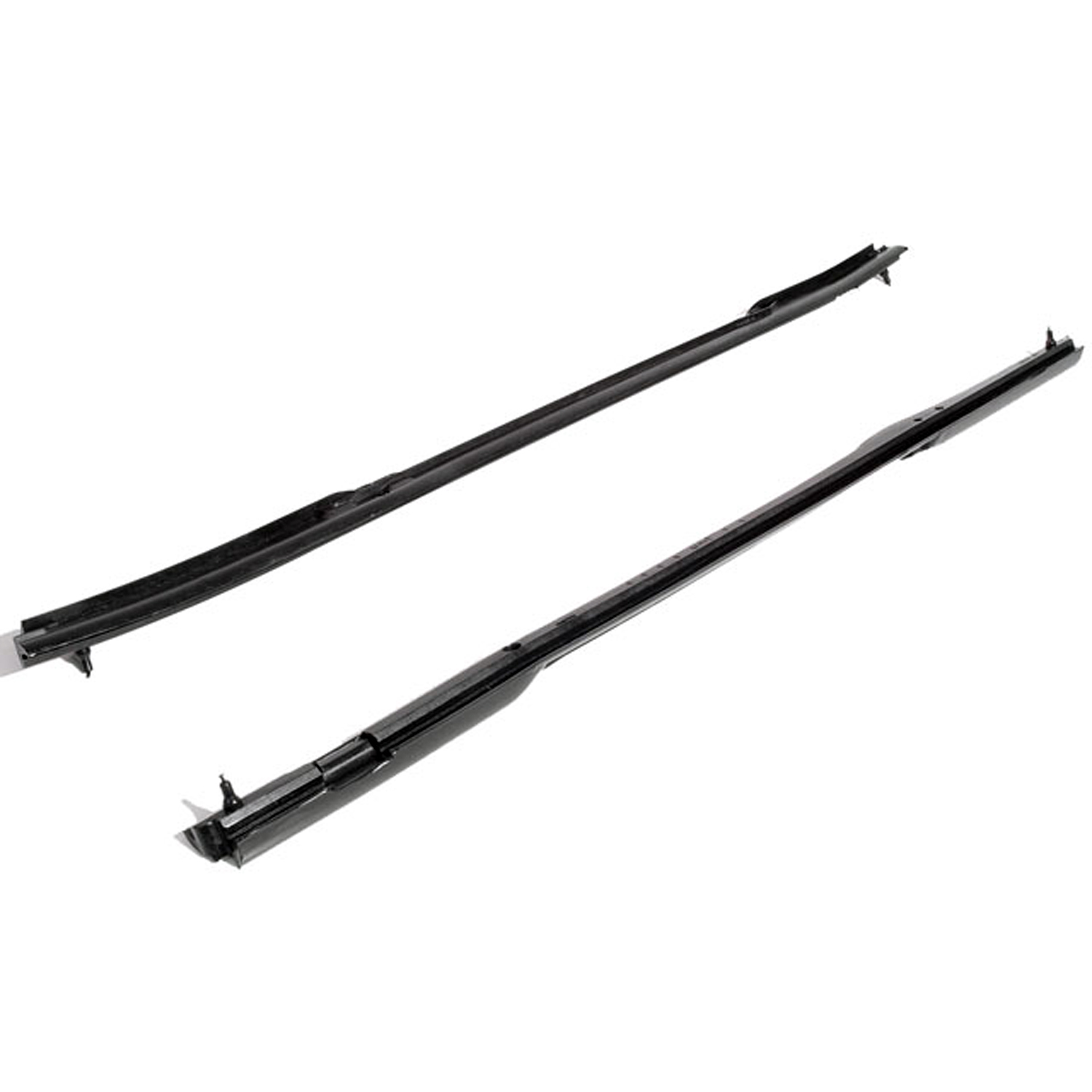 1948 Chrysler Saratoga Series Front Vent Window Seals. For many closed models only-WR 2703Front Vent Window Seals. For many closed models only. Replaces OEM #977232-3. Pair R&L
Why Choose Metro?
For over 100 years, Metro Moulded Parts has been the pinnacle of quality in classic car restoration parts. Our commitment to precision and authenticity in every component ensures a perfect fit and an OEM-level appearance.
- Expert Craftsmanship & Quality: Each part is a testament to our dedication to reliability and perfection, crafted from original designs and thoroughly tested.
- Advanced Technology: We use cutting-edge techniques to create flawless, long-lasting parts that surpass others in performance.
- SuperSoft Sponge – The Ultimate Door Seal: Not only are our door seals 30% softer than competitors', but they're also guaranteed to never leak. They effectively reduce wind and road noise, enhancing your classic car's comfort and driving experience.
- Proudly American: Our parts are a product of American craftsmanship, made in the USA with a spirit of excellence and heritage.
- Unrivaled Warranty: We back our products with a 30-year industry-leading warranty, a testament to our confidence in their quality.
Join us in preserving the legacy of classic cars with parts that are crafted for perfection, not just made.