

Image of 1949 Chrysler Imperial, Note: These illustrations use artistic license and may differ from actual historical models.
Performance Metrics
Fundamental Metrics
Emotional Appeal
MMP Rating
| Engine Specifications | |
|---|---|
| Engine Options: | Inline 8-cylinder |
| Displacement Range: | 323.5 cu in (5.3 L) |
| Horsepower Range: | Estimated 135 hp |
| Torque: | 270 lb-ft |
| Compression Ratio: | Estimated 7.0:1 |
| Ignition System: | Battery and coil |
| Cooling System: | Liquid-cooled |
| Performance Specifications | |
| 0-60 Time: | Information not available |
| 1/4 Mile Time: | Information not available |
| Top Speed: | Estimated 90 mph |
| Transmission and Drive | |
| Drive Type: | Rear-wheel drive |
| Transmission Type: | 4-speed semi-automatic |
| Fuel and Efficiency | |
| Fuel System Type: | Carburetor |
| MPG: | Information not available |
| Dimensions and Brakes | |
| Brakes: | Hydraulic drum brakes |
| Wheelbase: | 133.5 in |
| Weight: | Estimated 4,200 lbs |
Note: Specifications for classic cars are given to the best of our ability, considering the limited and variant data available.
1949 Chrysler Imperial: The American Luxury Flagship
The 1949 Chrysler Imperial brought quiet, straight-eight power and substantial American luxury into a newly styled postwar package. It sat at the top of Chrysler’s range, above the Windsor, Royal, Saratoga, and New Yorker, and was built for buyers who wanted a roomy, well-appointed car without choosing a Cadillac or Packard.
In 1949, Imperial was still Chrysler’s flagship model line. It would not become a separate make until 1955. The car marked an important transition for the company: postwar materials and production were becoming more available, and automakers were moving beyond lightly updated prewar designs toward fresh bodies and a more modern look. One detail that helps set the Imperial apart is its range of sizes. Alongside the regular Imperial was the long-wheelbase Crown Imperial, whose formal sedan and limousine bodies gave it the proportions of a chauffeur-driven luxury car.
1949 Imperial Styling and Interior
The Imperial wore its size with restraint. Its broad, upright grille, substantial chrome bumpers, long hood, and rounded fenders gave it a dignified presence rather than a sporty one. The body looked broad and solid, with flowing lines that softened the car’s imposing dimensions. A close look at the front end reveals the period’s characteristic combination of vertical grille detail and brightwork, while the rear fenders and long deck kept the profile unmistakably formal.
Inside, the Imperial emphasized comfort and finish. Wide benches, generous legroom, and a high seating position made it feel more like a well-furnished lounge than a driver-focused sports car. Depending on body style and trim, buyers could find broadcloth upholstery, leather, quality carpeting, and carefully finished metal and trim details. The Crown Imperial added even more room for rear passengers, particularly in limousine form, where the extra length made a real difference.
Color availability varied by body style and production details, but period Imperial palettes included sober choices such as black, dark blue, maroon, gray, green, and lighter cream or tan shades. Dark, formal colors suited the car’s executive image and remain popular with collectors. A correctly finished lighter-color car, however, can make the Imperial’s long body and chrome details stand out beautifully.
Body Styles and Crown Imperial Options
The regular 1949 Imperial was offered as a four-door sedan and a two-door club coupe. The more imposing Crown Imperial range included a four-door sedan and a limousine, built on a longer wheelbase of about 145.5 inches. The standard Imperial wheelbase was approximately 131.5 inches. The Crown limousine is the most recognizable formal version, with its extended passenger compartment and chauffeur-car proportions, while the club coupe is an appealing choice for buyers who want flagship comfort in a less conventional body style.
Engineering and Historical Significance
The Imperial’s engineering reflected Chrysler’s emphasis on smoothness and long-distance comfort. Its 323.5-cubic-inch L-head inline-eight produced about 135 horsepower, sending power through a Fluid Drive coupling and Chrysler’s semi-automatic transmission. Fluid Drive softened the connection between engine and transmission, while the semi-automatic system reduced the need for conventional shifting once underway. The driver still used a clutch pedal for starting and selecting a range, so it was not a fully automatic transmission in the modern sense.
This combination was an important selling point in an era when many buyers still expected to operate a manual gearbox. Chrysler had been refining Fluid Drive since before the war, and the Imperial gave the system a natural home: a heavy, quiet luxury car designed for relaxed travel rather than quick gear changes. The technology was distinctive, though it could take a new owner some time to learn its operating routine.
The Imperial’s significance is less about a single styling revolution than the way it represented Chrysler’s postwar luxury ambitions. It offered a long-wheelbase alternative to the best-known luxury makes, with a smooth eight-cylinder engine and a strong emphasis on passenger comfort. Its restrained styling also provides a useful snapshot of the period before the dramatic tailfins and more flamboyant chrome of the 1950s became commonplace.
1949 Chrysler Imperial Performance and Ride
With about 135 horsepower moving a substantial car, the Imperial was built for steady progress, not rapid acceleration. Period performance figures vary with body style, condition, and testing method, but a healthy example is generally estimated to reach 60 mph in roughly 17 to 20 seconds and attain a top speed in the neighborhood of 85 to 95 mph. Those numbers are best understood as period-appropriate estimates, not modern test results.
On the road, the long wheelbase helps the Imperial glide over ordinary pavement joints and shallow bumps. Its size and weight give it a settled feel on straight highways, where the straight-eight can lope along with a subdued, even note. On a winding road, the same dimensions become more noticeable. The car leans through corners, responds at a leisurely pace, and asks its driver to plan ahead. Its hydraulic drum brakes and period tires also call for more stopping distance and gentler inputs than a modern car.
The driving experience is distinctly old-school. The engine’s sound is a low, smooth mechanical hum rather than a sharp performance bark. The steering is not as light or precise as modern power-assisted systems, and the driver sits behind a large wheel with a broad view over the hood. Once the Fluid Drive and transmission routine becomes familiar, the Imperial rewards a relaxed pace with a quiet, comfortable ride.
Living with a 1949 Imperial
Today, most examples are used as show cars, weekend tourers, or occasional parade vehicles. A well-maintained Imperial can handle local trips and scenic drives, but its age, size, fuel consumption, braking distances, and parts availability make it a demanding daily driver. The long-wheelbase Crown models are even better suited to special outings than routine commuting.
The straight-eight is mechanically straightforward by classic-car standards, and many routine jobs are accessible to an experienced home mechanic. The more challenging work often involves the Fluid Drive and semi-automatic transmission, specialized electrical components, and model-specific trim. Mechanical parts may be shared with other Chrysler models of the era, but unique body panels, brightwork, and Crown limousine details can be difficult or expensive to find. Before buying, check for rust in the floors, lower body sections, and structural areas, and make sure the transmission operates correctly in all ranges.
Imperial Trivia and Common Criticisms
The name “Crown Imperial” did not simply mean a richly trimmed standard sedan. It identified Chrysler’s longer, more formal flagship models, including limousines intended for chauffeur use. That distinction is one reason Crown cars attract special attention today: they combine Imperial luxury with a production volume and body format that were never aimed at ordinary family buyers.
There is no widely recognized 1949 Imperial speed or endurance record that defines the model’s reputation. Its appeal rests instead on its comfort, engineering, and place in Chrysler’s postwar history. Nor is the car especially famous for one universally documented celebrity owner. Its natural clientele was more likely to include business executives, institutions, and public figures seeking a formal American sedan.
Common criticisms are easy to understand. The Imperial is heavy, thirsty by modern standards, and not especially quick. Its semi-automatic transmission can feel unfamiliar, and its conservative styling may seem less dramatic than the more flamboyant luxury cars that followed. For many enthusiasts, though, those traits are part of its character: it was designed to travel smoothly and present itself with quiet authority, not to chase sports-car performance.
1949 Chrysler Imperial Collector Values
Production totals vary among reference sources and can depend on whether regular Imperials and Crown Imperials are counted together. A reasonable working estimate is roughly 10,000 cars across the 1949 Imperial range, with the Crown sedan and limousine forming a much smaller share. The limousine is particularly scarce, while the regular sedans and club coupes are more likely to appear on the market, though none is common by modern standards.
As a broad 2026 U.S. market estimate, a project car may sell for about $5,000 to $12,000. A usable driver in sound condition might fall around $12,000 to $28,000, while a very good or professionally restored standard Imperial could reach roughly $30,000 to $55,000. Exceptional Crown Imperials, especially limousines with documented history and high-quality restoration, may bring approximately $45,000 to $90,000 or more. Condition, originality, restoration quality, and the operation of the transmission matter more than a single headline number.
Values have generally been steady to moderately stronger for especially original, rare, or well-restored examples, while ordinary cars remain sensitive to restoration costs. In inflation-adjusted terms, the market is not a guaranteed upward climb. Buyers tend to reward completeness and provenance, and a neglected Imperial can cost far more to restore than its eventual sale price will justify.
Why the 1949 Imperial Still Matters
The 1949 Chrysler Imperial brought together a smooth 323.5-cubic-inch straight-eight, Chrysler’s distinctive Fluid Drive technology, generous passenger space, and a dignified postwar design. Its standard sedan and club coupe offered substantial luxury, while the long-wheelbase Crown sedan and limousine carried the name into formal, chauffeur-driven territory.
It is not the quickest or easiest classic to own, but it captures a particular moment in American motoring: when comfort, mechanical ingenuity, and sheer road presence defined a luxury car. A well-kept 1949 Imperial does more than recall that era. It lets you experience the quiet confidence of Chrysler’s flagship as it was meant to be driven.
1949 Chrysler Imperial Catalog of Parts
 1949 Chrysler Imperial Clutch and Brake Pedal Pads. 3" wide X 3-7/8" long. Pair-CB 27Clutch and Brake Pedal Pads. 3" wide X 3-7/8" long. Pair
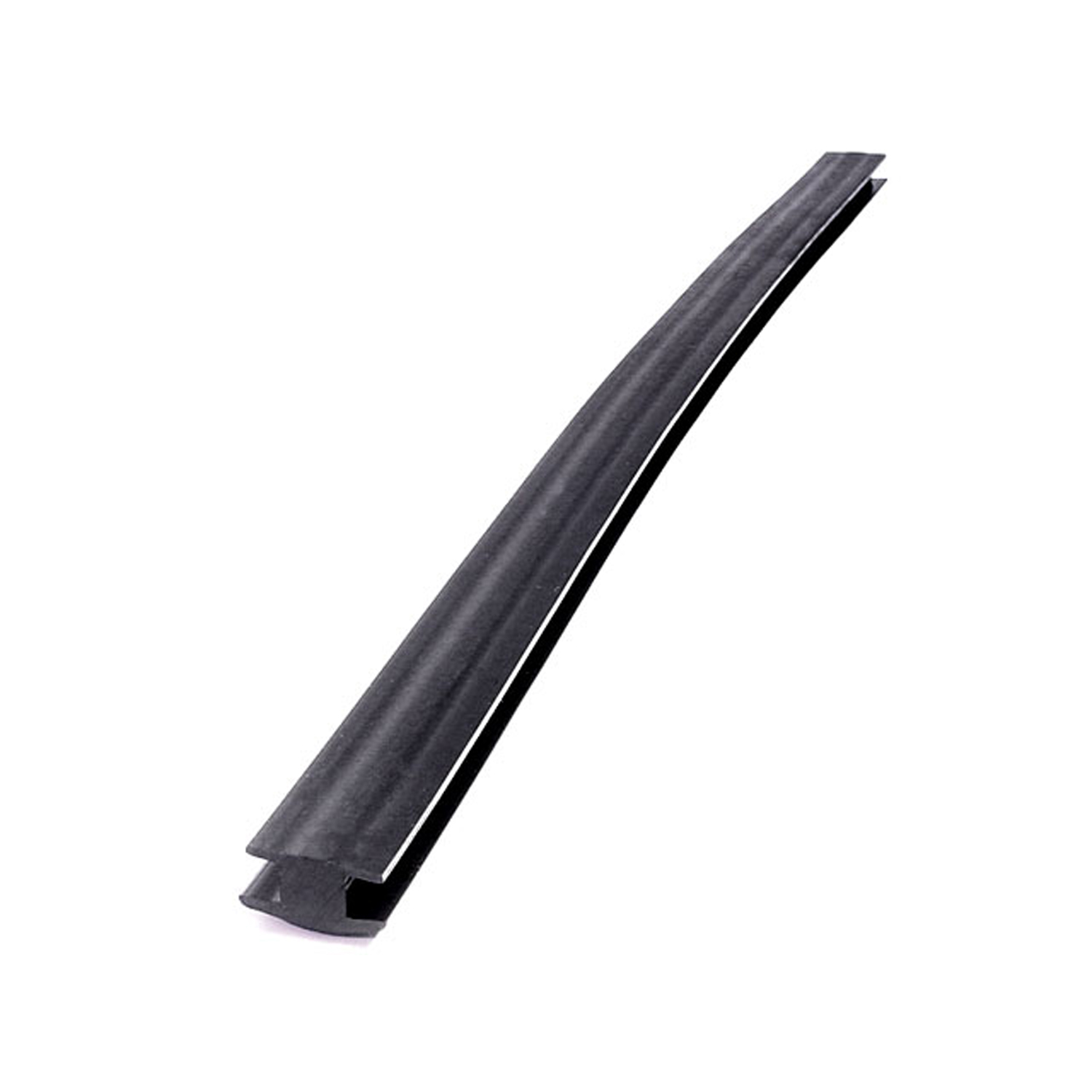 1949 Chrysler Imperial Windshield Center Bar Gasket. 20" long. Each-DP 12Windshield Center Bar Gasket. 20" long. Each
 1949 Chrysler Imperial Gravel Shields. Molded flat without metal backing plates-FS 31Gravel Shields. Molded flat without metal backing plates. Apply with contact cement. 18" long X 9-3/4" wide at bottom. Pair
 1949 Chrysler Imperial Hood Corners. Fits flat corners-HC 19Hood Corners. Fits flat corners. 80° angle, 1/4" to 3/8" corner radius. 1-3/8" wide. Pair
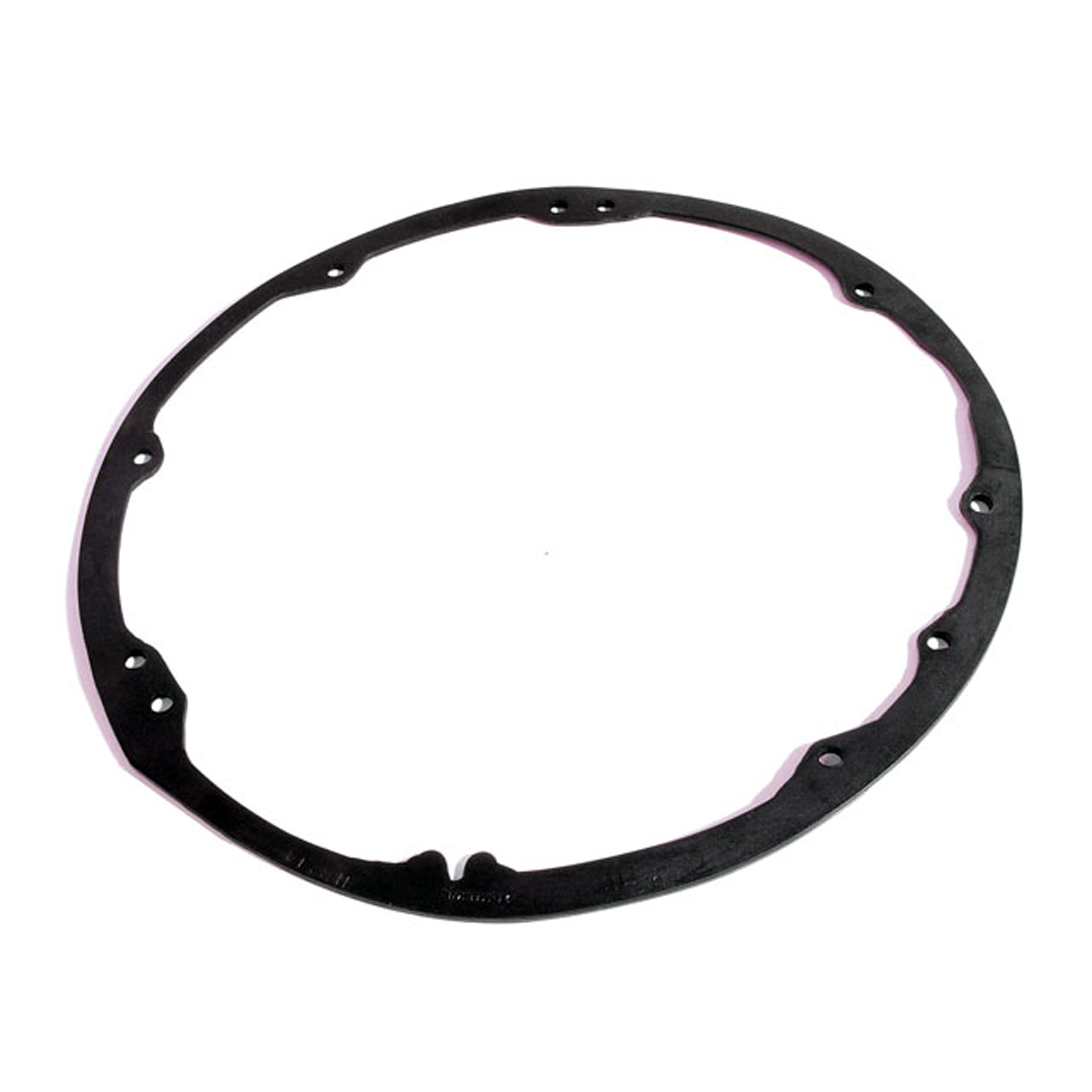 1949 Chrysler Imperial Headlight Ring Seal. 8-3/8" O.D., 7-3/4" I.D. Pair-HR 14Headlight Ring Seal. 8-3/8" O.D., 7-3/4" I.D. Pair
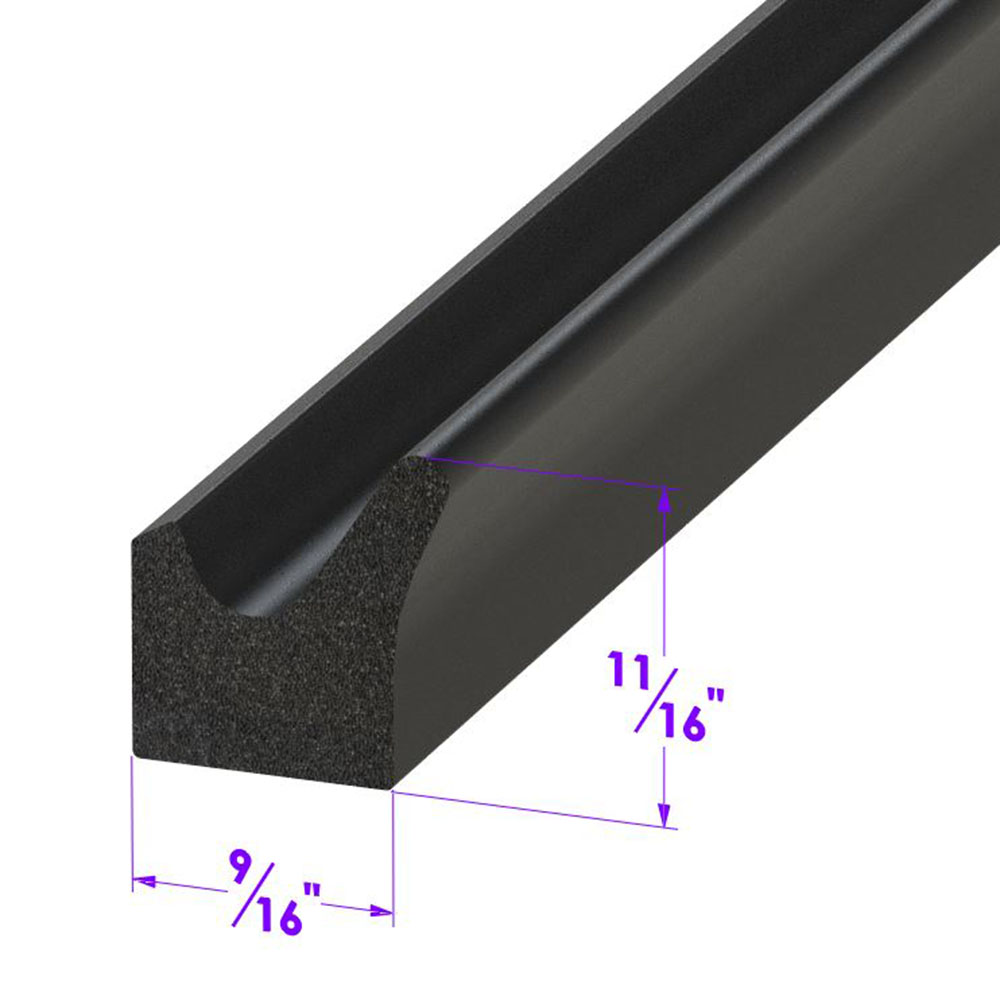 1949 Chrysler Imperial Door side seal. Same as LP 40-A, but for a heavier seal-LP 40Door side seal. Same as LP 40-A, but for a heavier seal. Fits many domestic passenger cars and trucks. Used in Cobra kit cars as trunk weatherstrip. Per foot.
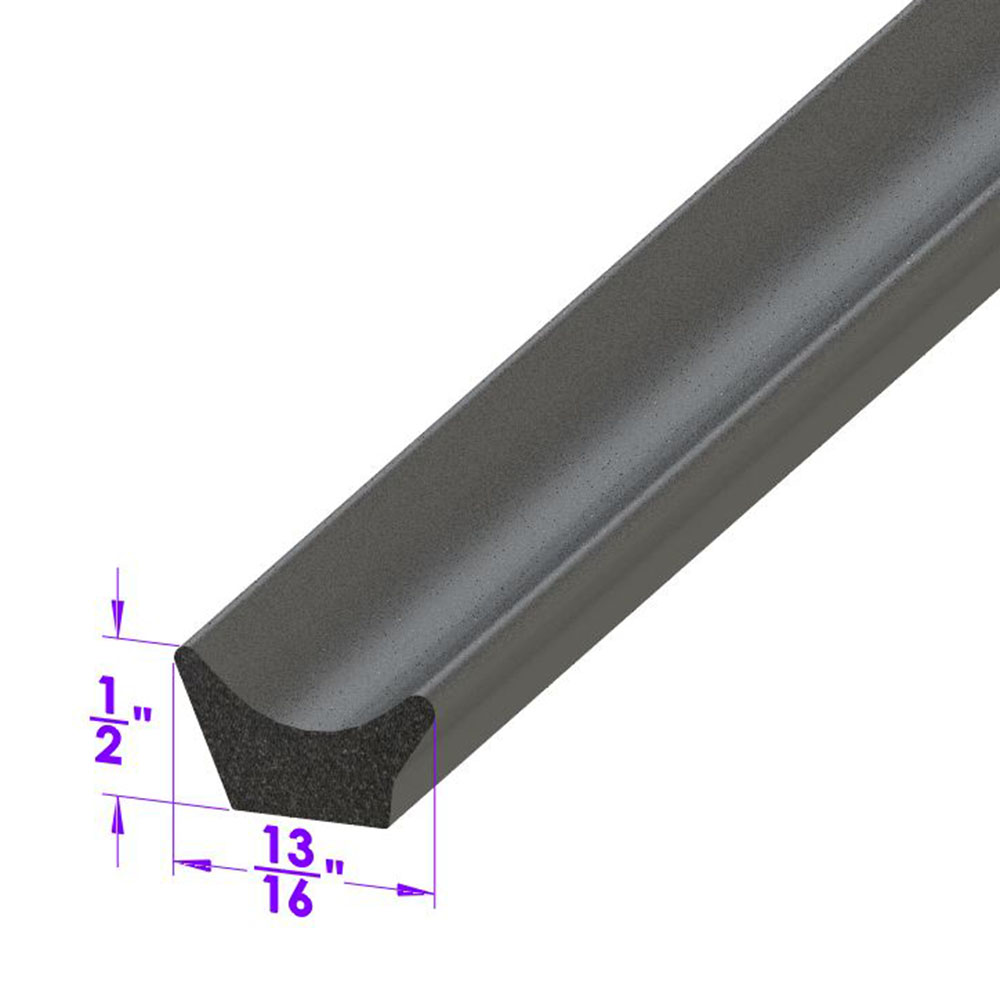 1949 Chrysler Imperial Door side seal. Same as LP 40, but for a lighter seal-LP 40-ADoor side seal. Same as LP 40, but for a lighter seal. Fits many domestic passenger cars and trucks. Universal seal for street rods and customs. Used in Cobra kit cars as door weatherstrip. Per foot.
 1949 Chrysler Imperial Antenna Mounting Pad. Made with angled front bead-MP 959-CAntenna Mounting Pad. Made with angled front bead. Narrow type. 1-1/4" wide X 1-3/4" long. Each
 1949 Chrysler Imperial Cowl Vent Seal. 3-1/2" wide X 17" long. Each-RP 100-PCowl Vent Seal. 3-1/2" wide X 17" long. Each
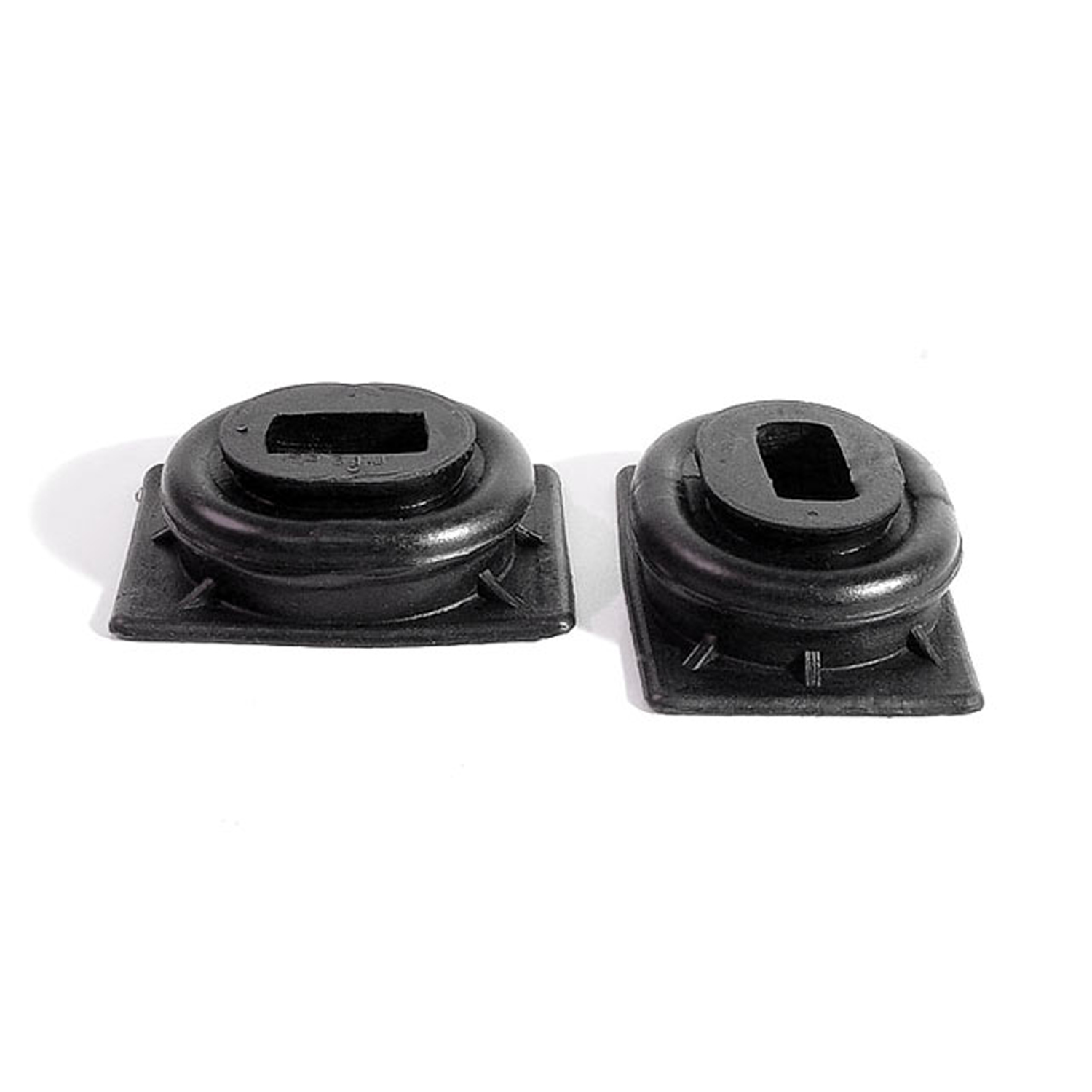 1949 Chrysler Imperial Clutch and Brake Seals. Replaces OEM #889473. Pair-RP 31-JClutch and Brake Seals. Replaces OEM #889473. Pair
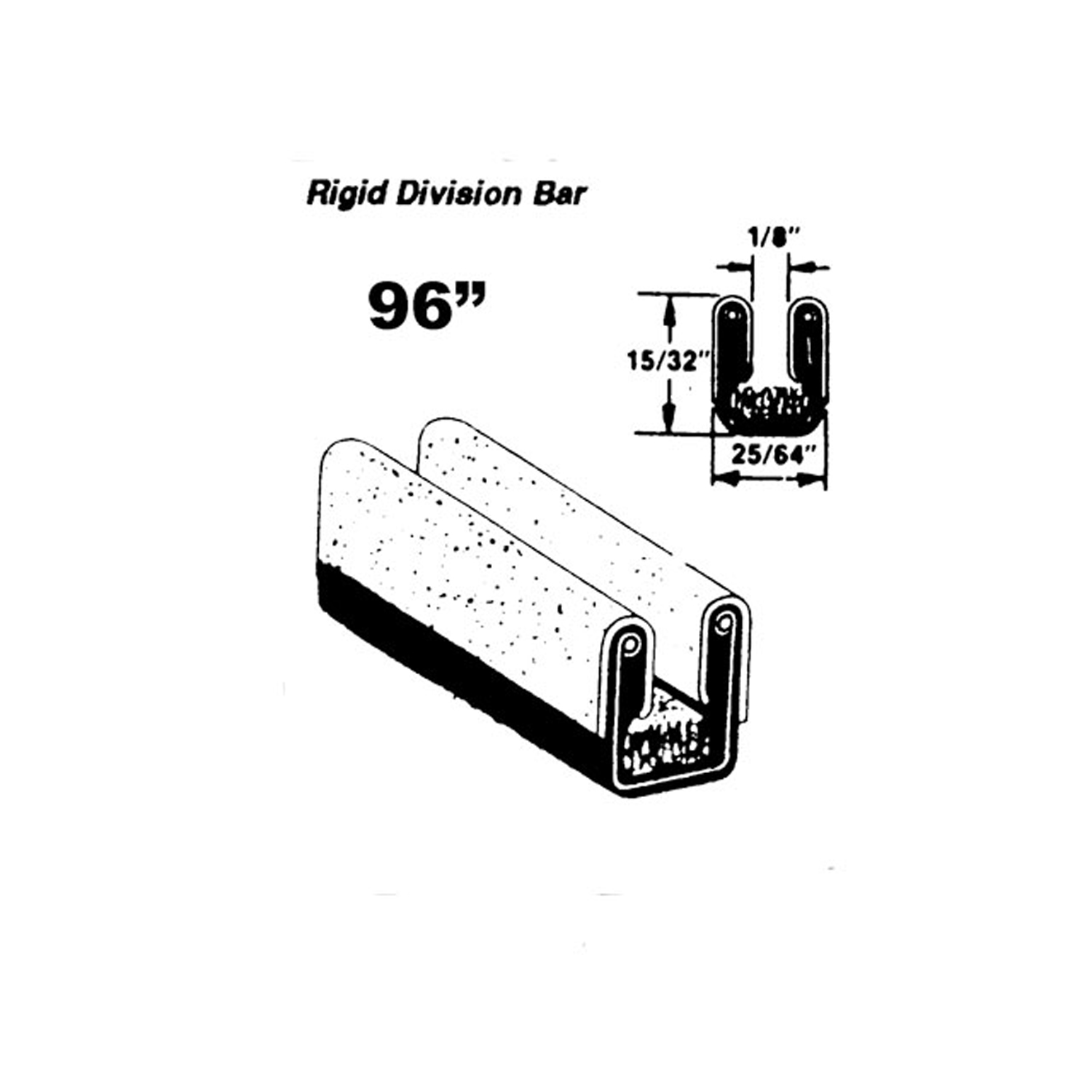 1949 Chrysler Imperial Rigid division-bar run channel-WC 31-96Rigid division-bar run channel. Made with very soft felt lining. Used on front and rear door side windows. 96 in. long. Each. NOTE: $20 special shipping charge applies for domestic orders. Call or email for overseas shipping costs. Part can be sectioned in two or three equal lengths to reduce overseas shipping costs.
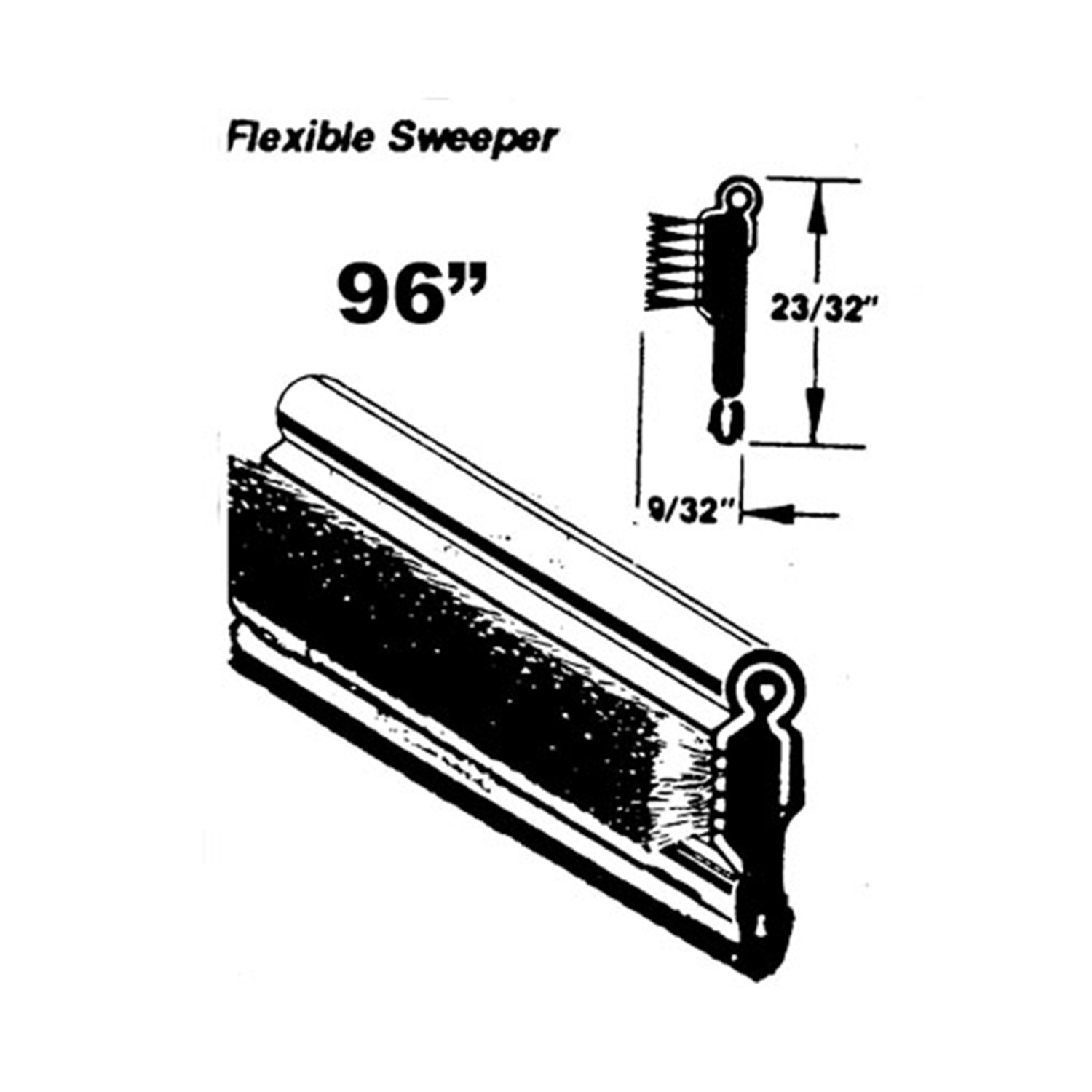 1949 Chrysler Imperial Flexible window sweeper. Made with stainless steel bead-WC 4-96Flexible window sweeper. Made with stainless steel bead. 96 in. long. Each. NOTE: $20 special shipping charge applies for domestic orders. Call or email for overseas shipping costs. Part can be sectioned in two or three equal lengths to reduce overseas shipping costs.
 1949 Chrysler Imperial Rear Vent Window Seals. Replaces OEM #1243378. Pair R&L-WR 2302-RRear Vent Window Seals. Replaces OEM #1243378. Pair R&L
 1949 Chrysler Imperial Front Vent Window Seals-WR 2704Front Vent Window Seals. For all convertibles and '50-'52 2-door hardtops. Pair R&L
 1949 Chrysler Imperial Front Vent Window Seals. For Coupes and 2-Door Sedans-WR 2708Front Vent Window Seals. For Coupes and 2-Door Sedans. 25-11/16" long. Replaces OEM #B4-5175-R. Pair R&L
Why Choose Metro?
For over 100 years, Metro Moulded Parts has been the pinnacle of quality in classic car restoration parts. Our commitment to precision and authenticity in every component ensures a perfect fit and an OEM-level appearance.
- Expert Craftsmanship & Quality: Each part is a testament to our dedication to reliability and perfection, crafted from original designs and thoroughly tested.
- Advanced Technology: We use cutting-edge techniques to create flawless, long-lasting parts that surpass others in performance.
- SuperSoft Sponge – The Ultimate Door Seal: Not only are our door seals 30% softer than competitors', but they're also guaranteed to never leak. They effectively reduce wind and road noise, enhancing your classic car's comfort and driving experience.
- Proudly American: Our parts are a product of American craftsmanship, made in the USA with a spirit of excellence and heritage.
- Unrivaled Warranty: We back our products with a 30-year industry-leading warranty, a testament to our confidence in their quality.
Join us in preserving the legacy of classic cars with parts that are crafted for perfection, not just made.