

Image of 1949 Chrysler New Yorker, Note: These illustrations use artistic license and may differ from actual historical models.
Performance Metrics
Fundamental Metrics
Emotional Appeal
MMP Rating
| Engine Specifications | |
|---|---|
| Engine: | Straight 8 |
| Displacement: | 323.5 cu in (5.3 L) |
| Horsepower: | Estimated 135 hp |
| Torque: | 270 lb-ft |
| Compression Ratio: | Estimated 7.0:1 |
| Ignition System: | Battery Ignition |
| Cooling System: | Liquid Cooled |
| Performance Specifications | |
| 0-60 Time: | Information not available |
| 1/4 Mile Time: | Information not available |
| Top Speed: | 90 mph |
| Transmission and Drive | |
| Drive Type: | Rear Wheel Drive |
| Transmission Type: | 3-speed manual, 4-speed semi-automatic |
| Fuel and Efficiency | |
| Fuel System Type: | Carburetor |
| MPG: | Information not available |
| Dimensions and Brakes | |
| Brakes: | Drum Brakes |
| Wheelbase: | 131.5 in |
| Weight: | Estimated 3,900 lbs |
Note: Specifications for classic cars are given to the best of our ability, considering the limited and variant data available.
1949 Chrysler New Yorker: A Postwar American Flagship
The 1949 Chrysler New Yorker brought big-car elegance into a new postwar era, combining a smooth straight-eight engine, substantial road manners, and newly rounded styling. Built by the Chrysler Corporation in Detroit, it sat near the top of Chrysler’s passenger-car range, offering more length, equipment, and refinement than the popular Windsor. It was a car for buyers who wanted prestige and comfort without stepping up to a separate luxury marque.
The New Yorker arrived as part of Chrysler’s first fully redesigned postwar lineup. Its rounded, lower-looking bodywork marked a clear break from the more upright shapes of prewar cars, while its long hood and imposing grille kept the traditional American luxury-car presence. One especially intriguing detail is that 1949 was the debut year of the New Yorker Newport, an early American hardtop coupe with the open-sided look of a convertible and the fixed roof of a regular coupe.
Rounded Styling and Rich Cabin Details
The New Yorker’s exterior was handsome rather than flashy. Rounded front fenders flowed into the body, giving the car a broad, almost uninterrupted profile. At the front, a tall, bright grille and substantial chrome detailing created a formal face, while sculpted hood lines and generous bumpers emphasized the car’s size. The design looked modern for 1949, but it still carried the dignified proportions expected of a high-end Chrysler.
Inside, passengers sat on wide, comfortable bench seats, surrounded by a broad dashboard with clear, traditional gauges. New Yorkers were typically trimmed in quality cloth, with leather available on some open models. The materials and finish were aimed at long-distance comfort, not a sporting feel: soft upholstery, generous space, and a relaxed seating position were central to the experience. A period-correct cabin may also feature a large steering wheel and a column-mounted gear selector, both familiar features of the era.
Chrysler offered the New Yorker in several body styles, including a four-door sedan, a two-door club coupe, and a convertible. The Newport hardtop coupe was among the most distinctive choices, with no fixed center door pillar when the windows were lowered. The Town & Country convertible, a particularly glamorous and now highly collectible version, added distinctive wood accents to the New Yorker’s upscale package. Paint choices varied by year and production run, but buyers could choose from subdued period shades as well as richer colors. Dark blues, greens, maroons, and black suited the car’s formal character, while lighter colors helped show off its rounded body lines.
For its time, the New Yorker’s standout technical feature was not a single futuristic gadget but Chrysler’s unusual combination of a large straight-eight engine and Fluid Drive transmission technology. Fluid Drive used a fluid coupling to soften power delivery. When paired with Chrysler’s semi-automatic transmission, it reduced the need for frequent conventional clutch operation, though it was not an automatic transmission in the modern sense. The car also used hydraulic brakes and a six-volt electrical system, typical equipment for the period.
Why the 1949 New Yorker Matters
The New Yorker illustrates how American manufacturers reshaped their cars after wartime production ended. Its smoother, more integrated body styling helped move the industry away from separate-looking fenders and upright prewar forms. Chrysler’s 1949 redesign was not a unibody construction; the New Yorker retained a conventional body-on-frame layout. Its significance lies instead in how the company updated a familiar, substantial automobile with more modern proportions and a fresh postwar appearance.
It also stood apart from many contemporaries through its long straight-eight engine and Fluid Drive offerings. Rivals were increasingly emphasizing V8 power, but Chrysler’s inline eight delivered a notably smooth, even power flow. The New Yorker’s blend of traditional engineering and new styling made it a distinctive alternative to newer V8-powered luxury cars. Its influence is visible less in one specific engineering breakthrough than in the broader postwar shift toward rounded bodies, hardtop styling, and comfort-focused family cars.
Straight-Eight Power and Road Manners
Power came from Chrysler’s 323.5-cubic-inch L-head inline-eight, rated at about 135 horsepower. It was paired with a three-speed manual transmission, with Fluid Drive and semi-automatic arrangements available depending on configuration. The engine’s long, smooth delivery suited the New Yorker’s size and character. Rather than delivering a sharp burst of acceleration, it gathered speed in a steady, relaxed fashion.
Period performance figures vary with body style, equipment, and test conditions. A reasonable estimate for a standard New Yorker is a top speed in the neighborhood of 90 to 100 mph, with 0-to-60-mph acceleration roughly in the high teens to low 20-second range. Those figures should be treated as approximate, especially for surviving cars that may have different gearing, engine condition, or tire sizes. The New Yorker was designed for comfortable cruising, not quick launches or competitive performance.
On ordinary roads, its long wheelbase and substantial weight helped it feel settled and composed. The suspension absorbed many bumps with the soft, floating motion associated with large American cars of the period. On winding roads, however, the New Yorker’s size and relatively slow steering made it feel less nimble than a smaller car. Strong crosswinds and uneven pavement could also remind the driver that this was a large, heavy machine with period tires and suspension geometry.
Behind the wheel, the straight-eight produces a low, smooth mechanical murmur rather than the sharper note of a V8. The steering is unassisted, so parking requires effort, while the brakes demand the driver’s attention compared with modern systems. The overall impression is one of measured progress: a broad bench seat, a large steering wheel, a long view over the hood, and a ride that encourages a relaxed pace.
Living With a 1949 Chrysler
Today, most New Yorkers are used as show cars, touring cars, or occasional weekend drivers. A well-sorted example can handle local drives and vintage-car events, but regular modern commuting is less practical. It lacks contemporary safety equipment, fuel economy is poor by current standards, and its size can make crowded streets and parking lots a challenge.
Mechanical work is often manageable for an experienced home mechanic. The straight-eight is a conventional, accessible design, and many basic maintenance tasks use familiar tools and techniques. The greater challenge is finding correct trim, interior pieces, body panels, and parts for the Fluid Drive or semi-automatic transmission. Before buying, check for rust in the floors, rocker panels, lower body sections, and trunk, and inspect the cooling system, brakes, and electrical connections carefully. A car that has been stored for years may need a thorough recommissioning even if it appears complete.
Reliability depends heavily on condition and maintenance. The engine can be durable when properly serviced, but a neglected cooling system or worn ignition components can turn a leisurely drive into a roadside repair. The original six-volt electrical system also needs clean connections and a healthy battery to perform as intended. For a first-time classic owner, a car with documented mechanical work and a specialist inspection is a much safer bet than a cheap project with uncertain history.
New Yorker Facts and Common Complaints
The Newport hardtop is one of the 1949 New Yorker’s most memorable versions. Its pillarless side profile anticipated a body style that became a major American fashion in the 1950s. The Town & Country convertible is another standout, combining New Yorker comfort with the distinctive appearance of wood trim. These special body styles are considerably less common today than the standard sedans and coupes.
There is no widely recognized speed, endurance, or sales record attached specifically to the 1949 New Yorker. Its claim to historical attention is its place in Chrysler’s postwar redesign and the early Newport hardtop story. Claims about celebrity ownership should be checked against the provenance of an individual car rather than assumed from its model name.
Common criticisms are practical ones: the car is heavy, thirsty, and not especially quick; the steering and brakes feel dated; and some transmission components and body-specific trim can be difficult to source. The semi-automatic system can also confuse owners unfamiliar with its operating procedure. These drawbacks are part of the ownership equation, but they are also reminders that the New Yorker belongs to a very different automotive age.
Collector Values and Availability
Production figures vary by body style and source, but a reasonable estimate for total 1949 New Yorker production is around 50,000 cars. That makes the model far from a one-off rarity, though surviving examples are much less common than the original production total suggests. Standard sedans and coupes appear occasionally in the classic-car market. Convertibles, Newport hardtops, and Town & Country models are harder to find and attract more collector attention.
As a broad 2026 U.S. market estimate, a project or rough driver might sell for about $8,000 to $18,000. A sound, presentable sedan or coupe could fall in the $20,000 to $40,000 range, while a high-quality restoration may bring more. Desirable convertibles and Town & Country versions can command approximately $50,000 to well over $100,000 depending on originality, restoration quality, documentation, and market demand. These are estimates rather than guaranteed sale prices: condition and provenance can move values substantially.
Values have generally been strongest for rare, well-restored body styles, while ordinary four-door sedans tend to be more affordable and slower to appreciate. The broader classic-car market can shift, and restoration costs often exceed the eventual resale value of a standard example. Buyers should choose the car they genuinely want to own, rather than count on a quick investment return.
A Postwar Classic With Real Presence
The 1949 Chrysler New Yorker paired a smooth 323.5-cubic-inch straight-eight with substantial comfort, fresh postwar styling, and unusual transmission technology. Its long, rounded body captured a turning point in American design, while the Newport hardtop and Town & Country convertible gave the range memorable variations. It is not a modern-feeling car, nor was it built to be one. The New Yorker’s appeal lies in its calm, commanding road presence and its place in the moment when American motoring began to look toward the 1950s.
1949 Chrysler New Yorker Catalog of Parts
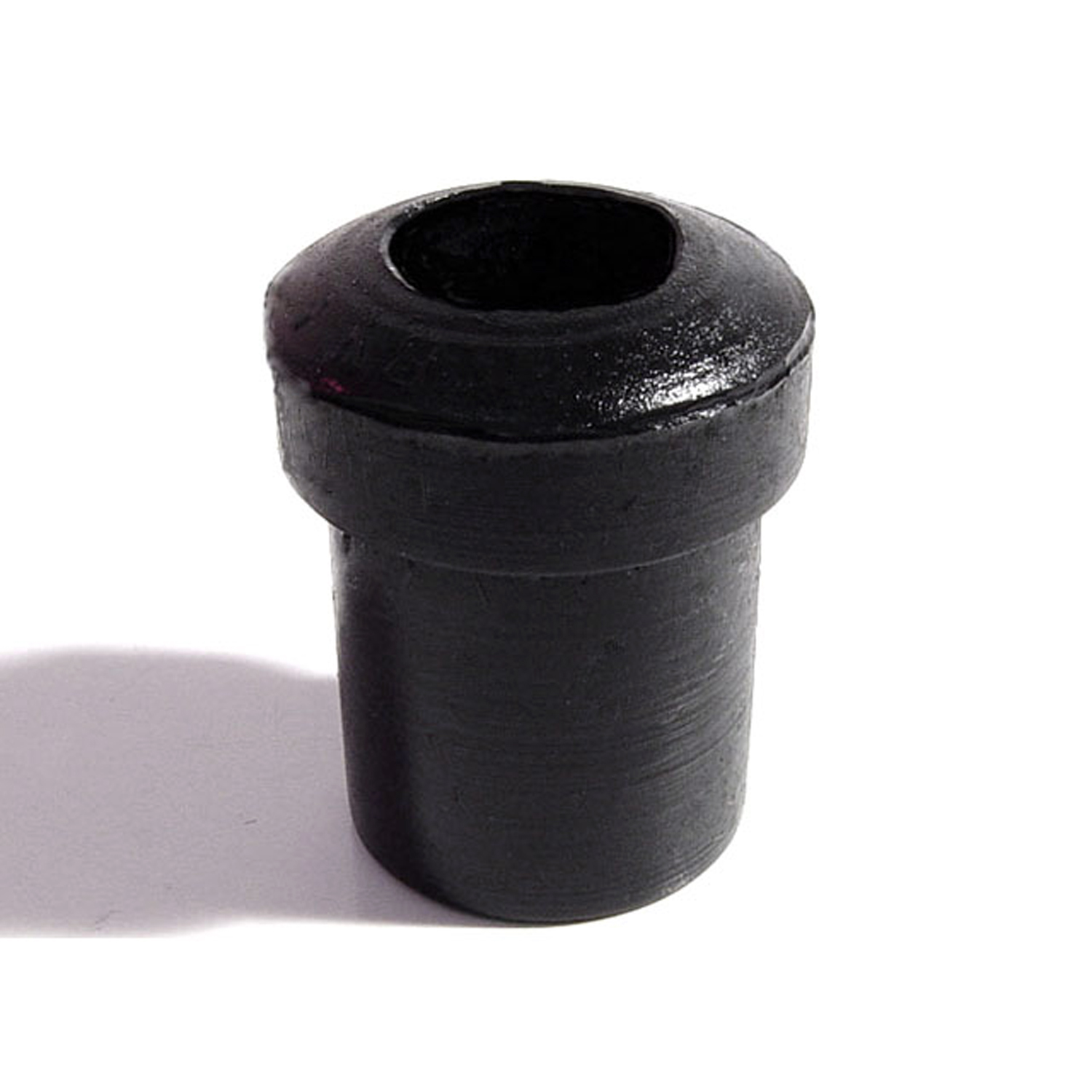 1949 Chrysler New Yorker Spring and Shackle Bushing. 7/8" bottom O.D-BN 16Spring and Shackle Bushing. 7/8" bottom O.D. X 1-1/8" high, with 1/2" I.D. Each
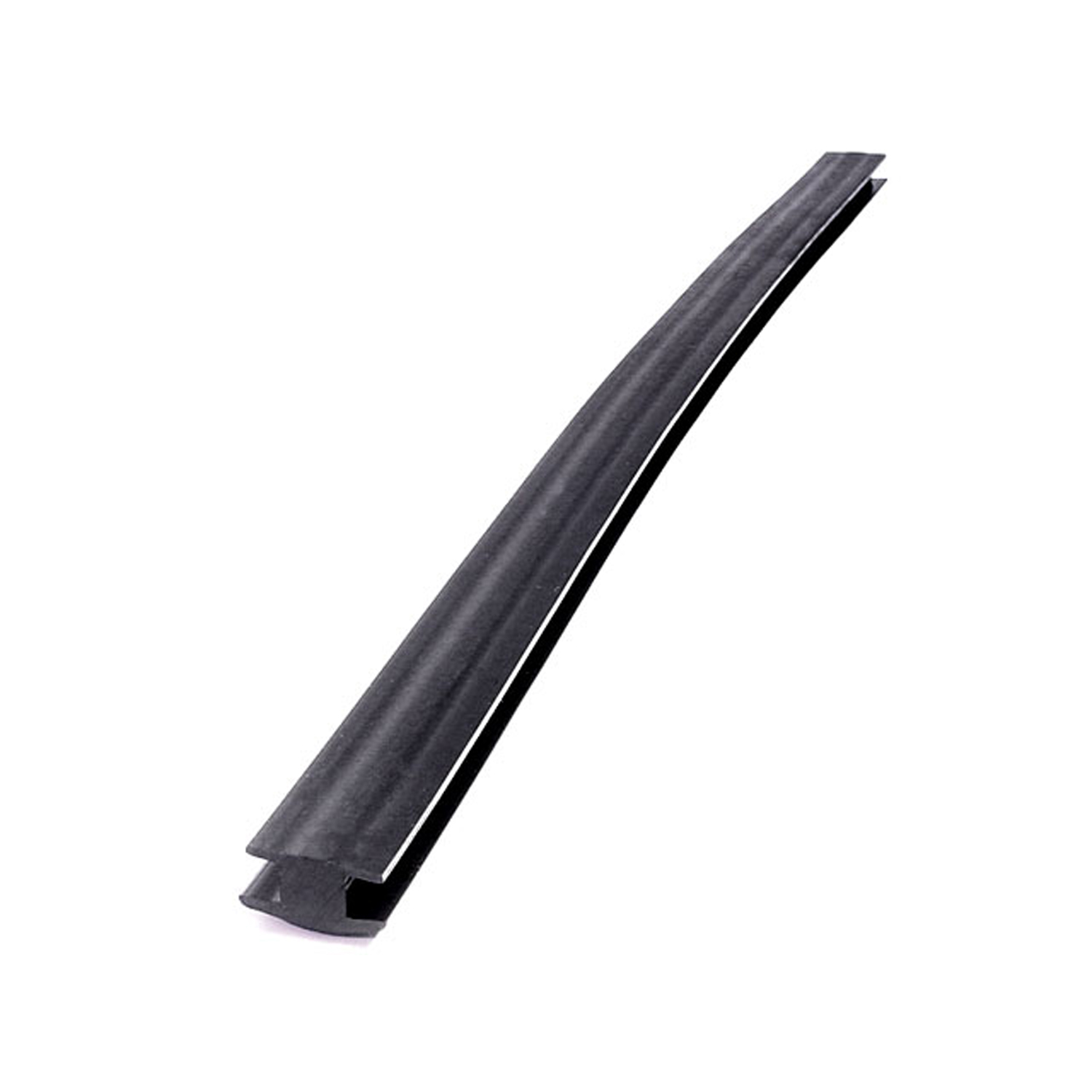 1949 Chrysler New Yorker Windshield Center Bar Gasket. 20" long. Each-DP 12Windshield Center Bar Gasket. 20" long. Each
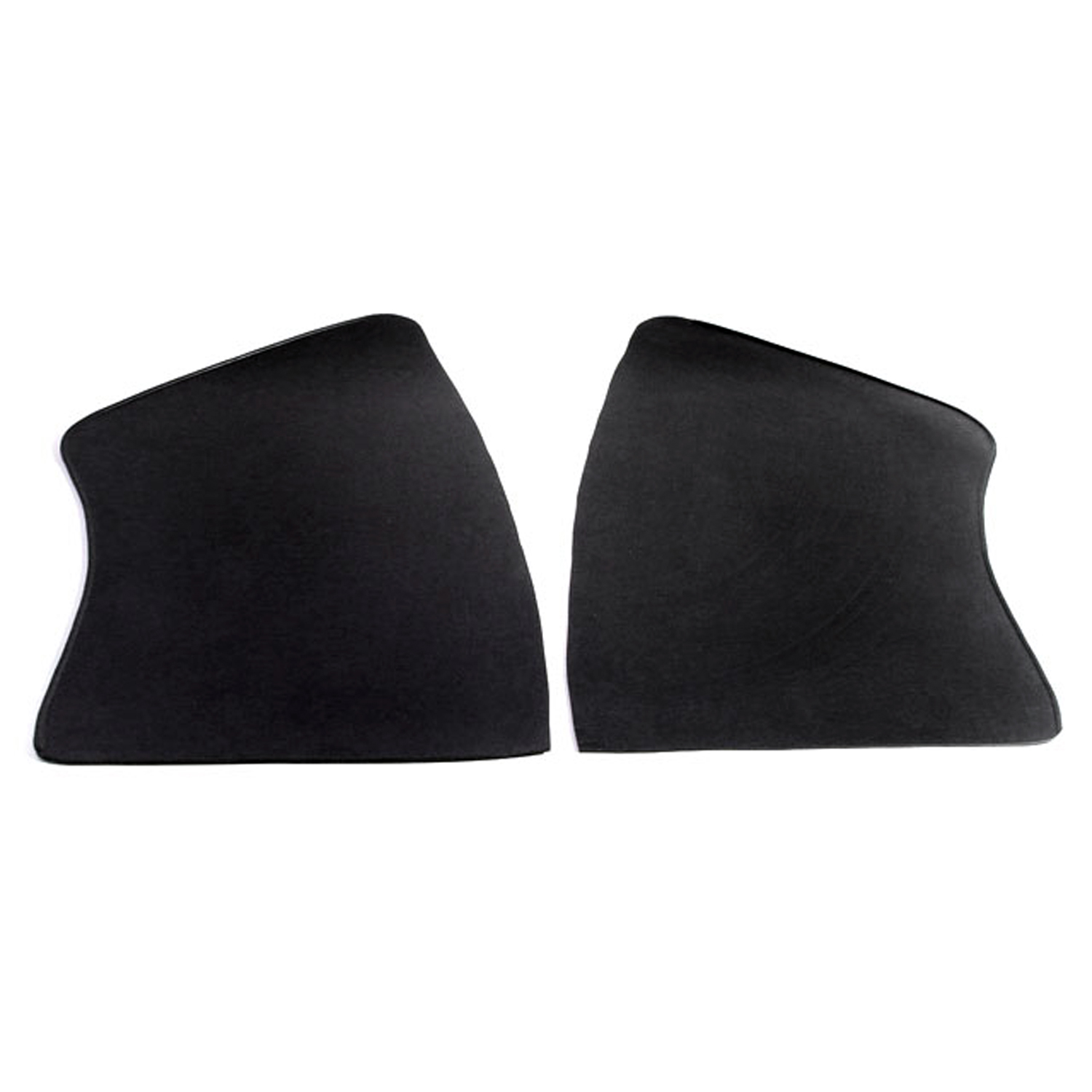 1949 Chrysler New Yorker Gravel Shields. Molded flat without metal backing plates-FS 31Gravel Shields. Molded flat without metal backing plates. Apply with contact cement. 18" long X 9-3/4" wide at bottom. Pair
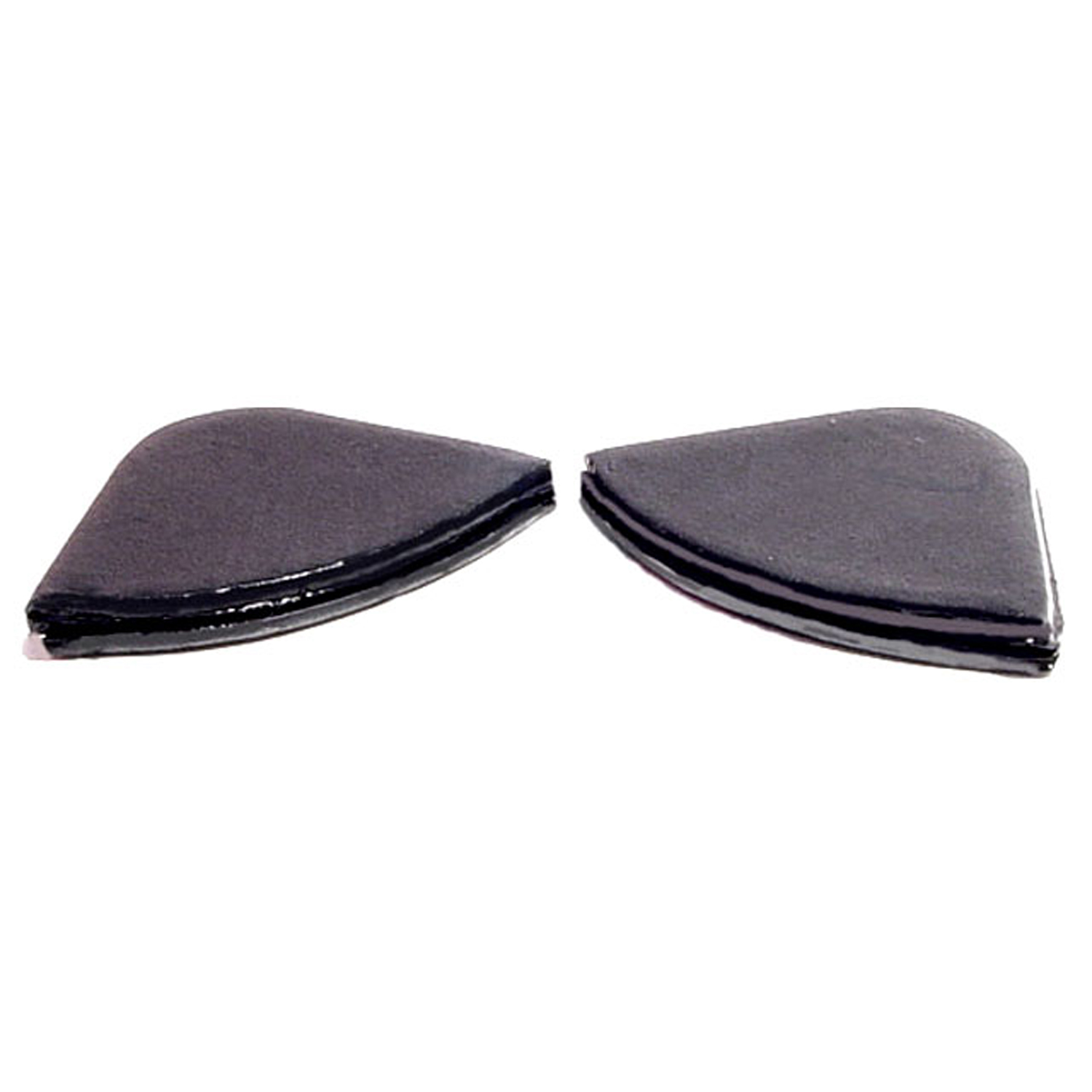 1949 Chrysler New Yorker Hood Corners. Fits flat corners-HC 19Hood Corners. Fits flat corners. 80° angle, 1/4" to 3/8" corner radius. 1-3/8" wide. Pair
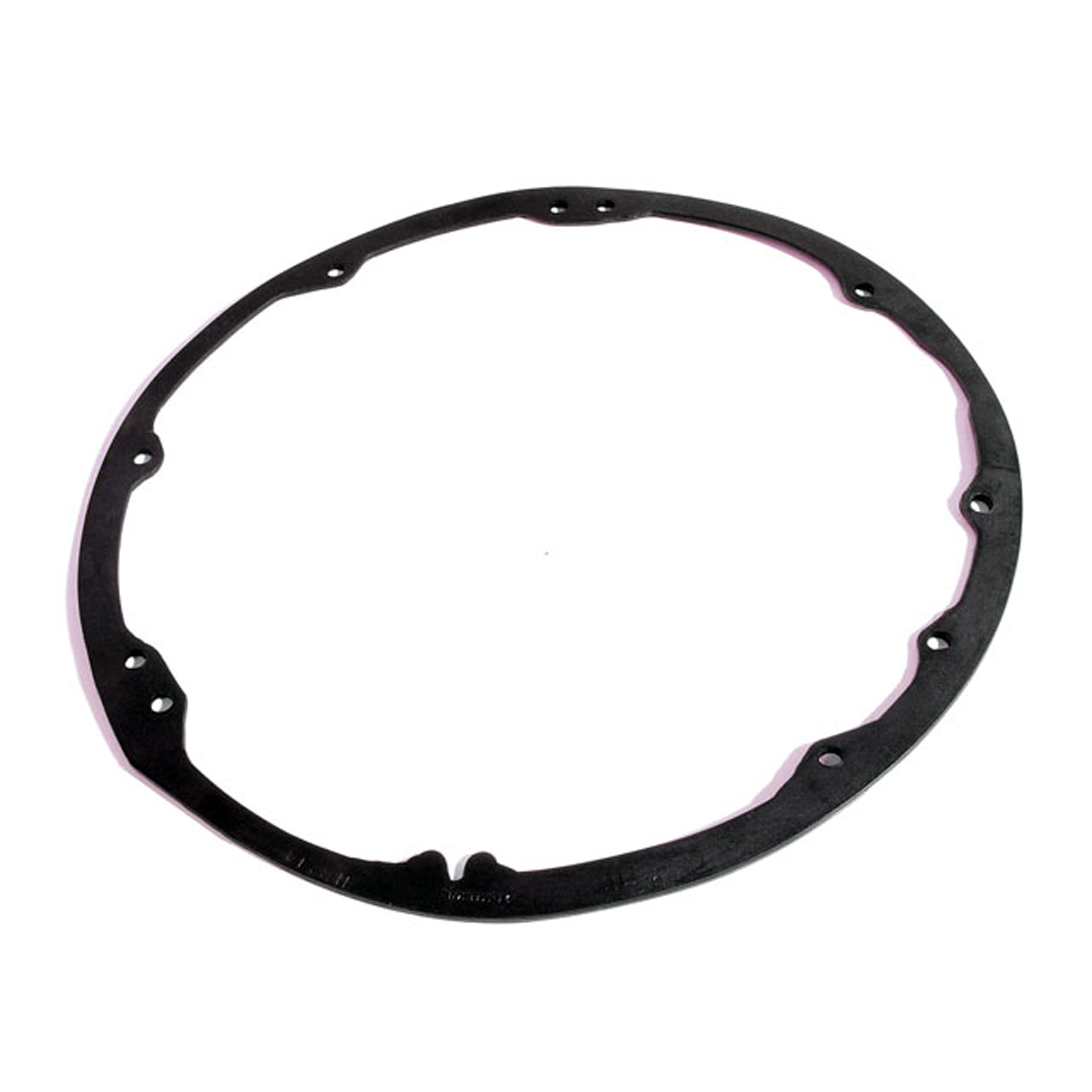 1949 Chrysler New Yorker Headlight Ring Seal. 8-3/8" O.D., 7-3/4" I.D. Pair-HR 14Headlight Ring Seal. 8-3/8" O.D., 7-3/4" I.D. Pair
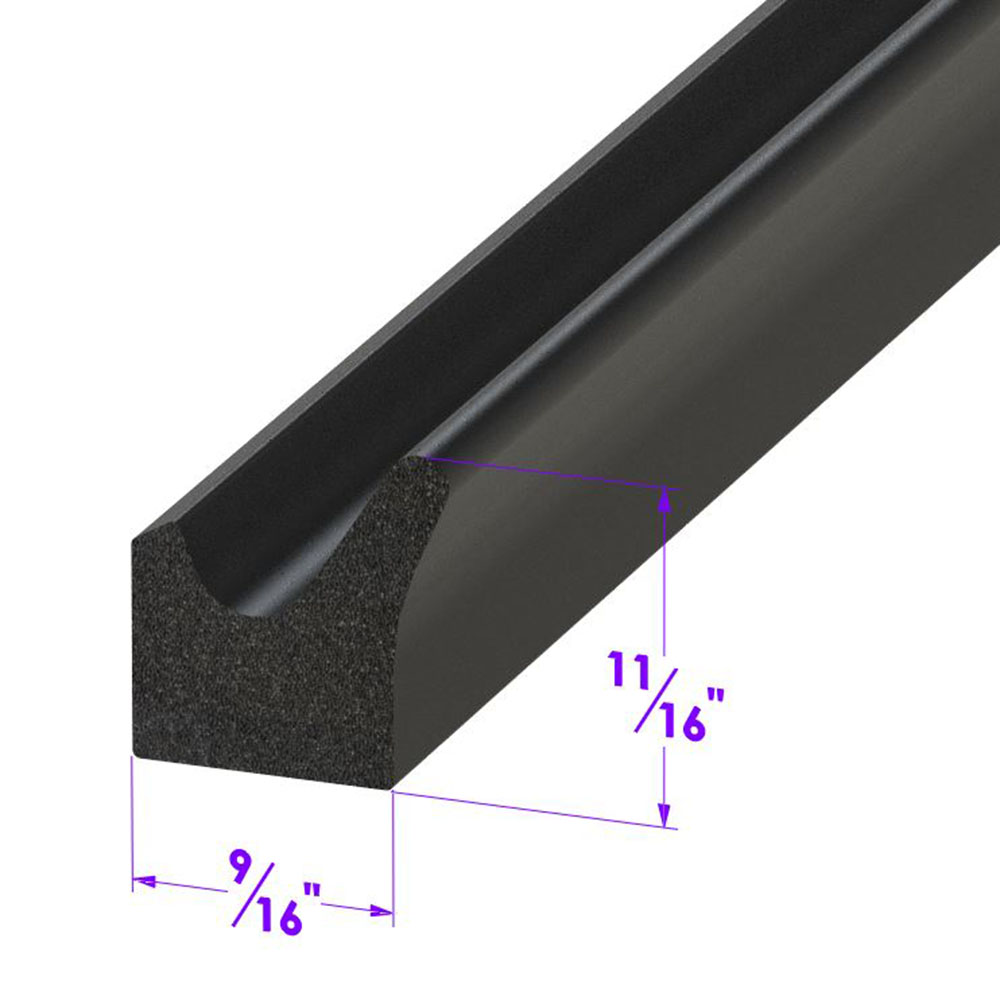 1949 Chrysler New Yorker Door side seal. Same as LP 40-A, but for a heavier seal-LP 40Door side seal. Same as LP 40-A, but for a heavier seal. Fits many domestic passenger cars and trucks. Used in Cobra kit cars as trunk weatherstrip. Per foot.
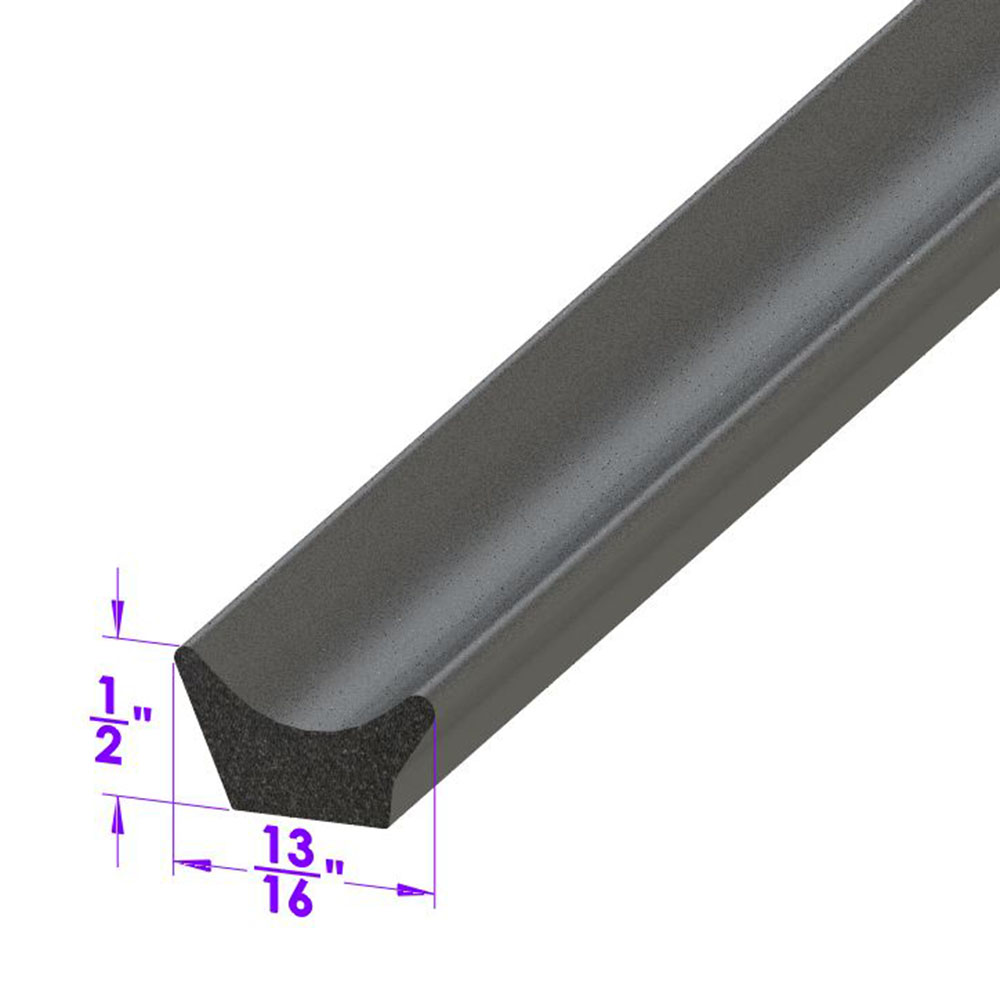 1949 Chrysler New Yorker Door side seal. Same as LP 40, but for a lighter seal-LP 40-ADoor side seal. Same as LP 40, but for a lighter seal. Fits many domestic passenger cars and trucks. Universal seal for street rods and customs. Used in Cobra kit cars as door weatherstrip. Per foot.
 1949 Chrysler New Yorker Antenna Mounting Pad. Made with angled front bead-MP 959-CAntenna Mounting Pad. Made with angled front bead. Narrow type. 1-1/4" wide X 1-3/4" long. Each
 1949 Chrysler New Yorker Cowl Vent Seal. 3-1/2" wide X 17" long. Each-RP 100-PCowl Vent Seal. 3-1/2" wide X 17" long. Each
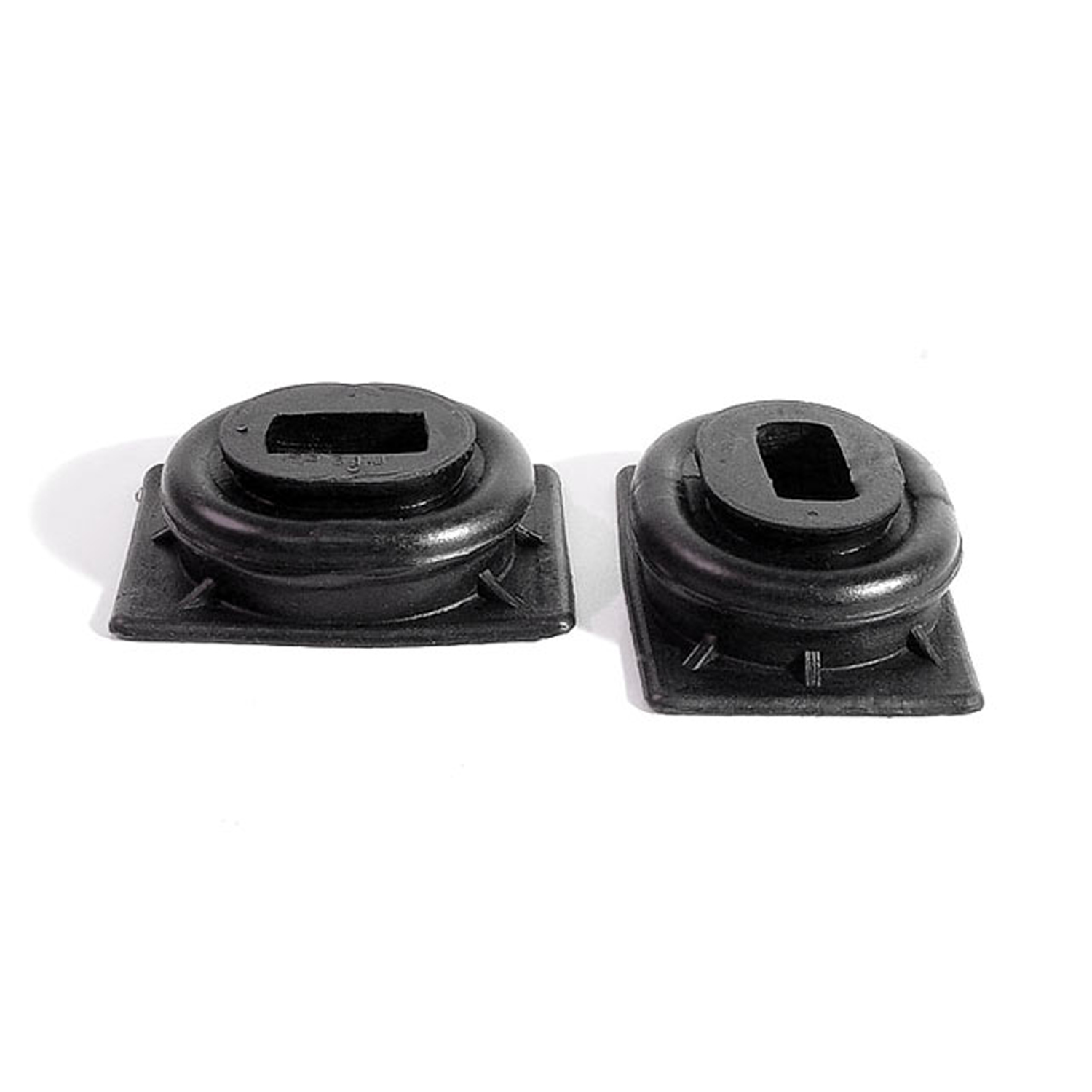 1949 Chrysler New Yorker Clutch and Brake Seals. Replaces OEM #889473. Pair-RP 31-JClutch and Brake Seals. Replaces OEM #889473. Pair
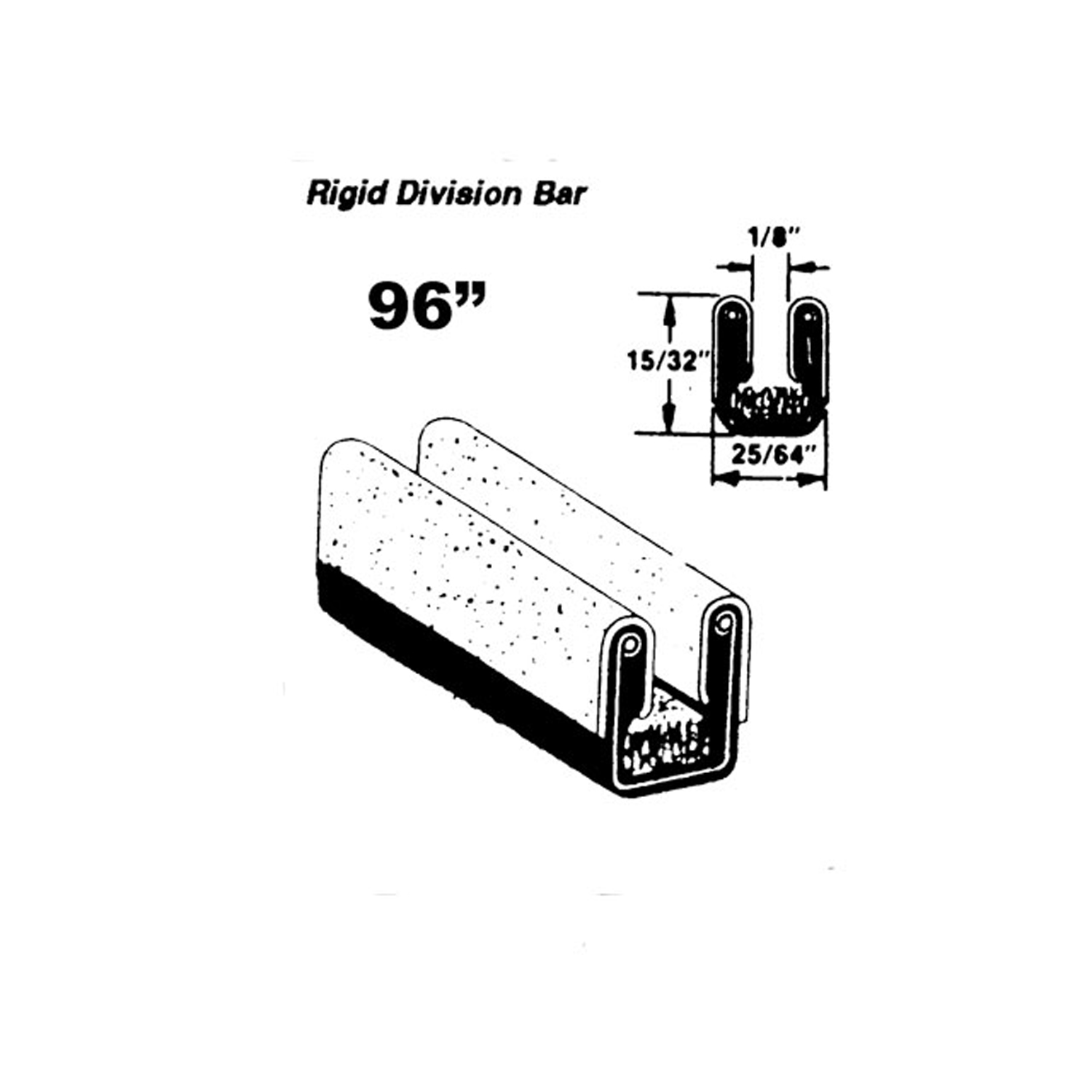 1949 Chrysler New Yorker Rigid division-bar run channel-WC 31-96Rigid division-bar run channel. Made with very soft felt lining. Used on front and rear door side windows. 96 in. long. Each. NOTE: $20 special shipping charge applies for domestic orders. Call or email for overseas shipping costs. Part can be sectioned in two or three equal lengths to reduce overseas shipping costs.
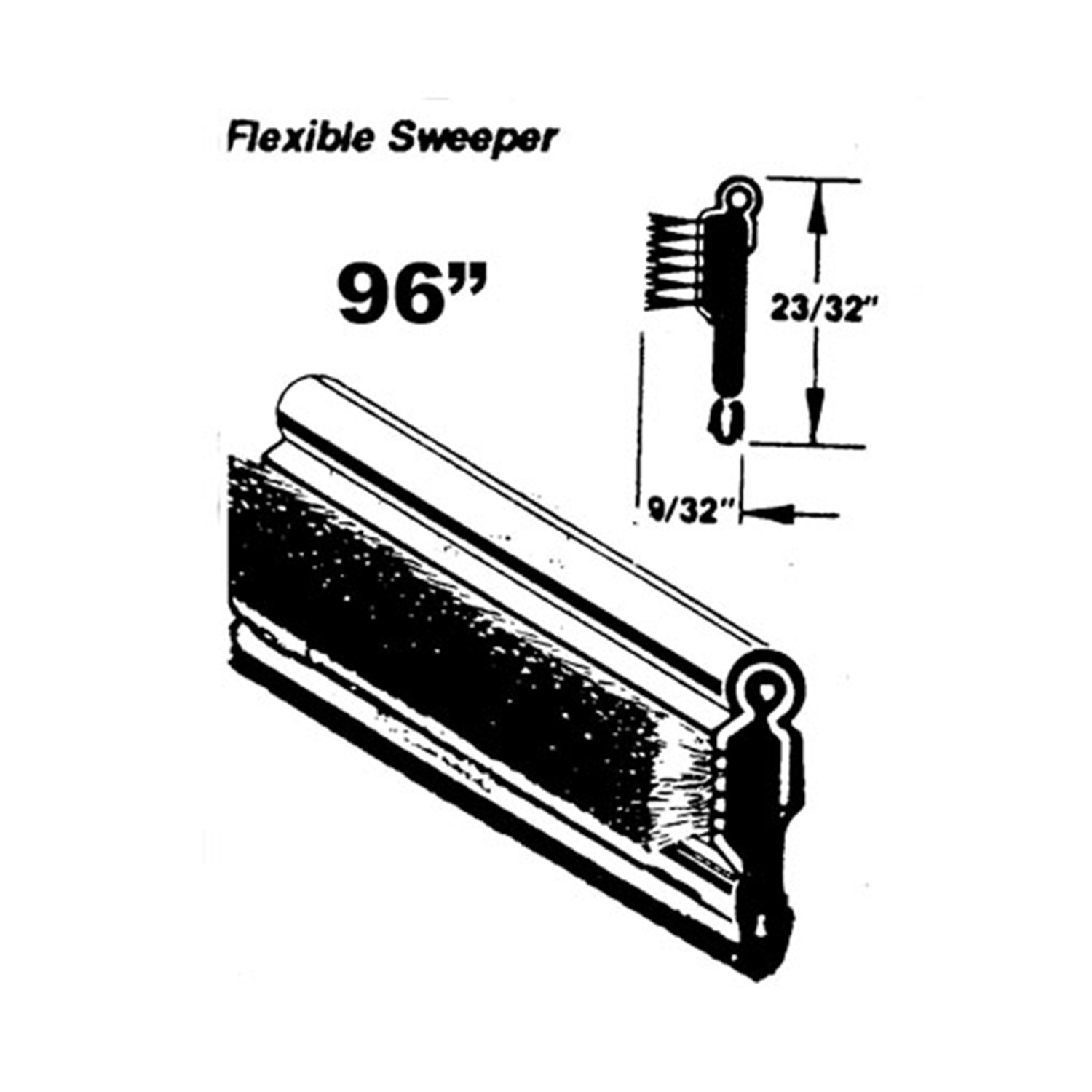 1949 Chrysler New Yorker Flexible window sweeper. Made with stainless steel bead-WC 4-96Flexible window sweeper. Made with stainless steel bead. 96 in. long. Each. NOTE: $20 special shipping charge applies for domestic orders. Call or email for overseas shipping costs. Part can be sectioned in two or three equal lengths to reduce overseas shipping costs.
 1949 Chrysler New Yorker Rear Vent Window Seals. Replaces OEM #1243378. Pair R&L-WR 2302-RRear Vent Window Seals. Replaces OEM #1243378. Pair R&L
 1949 Chrysler New Yorker Front Vent Window Seals-WR 2704Front Vent Window Seals. For all convertibles and '50-'52 2-door hardtops. Pair R&L
 1949 Chrysler New Yorker Front Vent Window Seals. For Coupes and 2-Door Sedans-WR 2708Front Vent Window Seals. For Coupes and 2-Door Sedans. 25-11/16" long. Replaces OEM #B4-5175-R. Pair R&L
Why Choose Metro?
For over 100 years, Metro Moulded Parts has been the pinnacle of quality in classic car restoration parts. Our commitment to precision and authenticity in every component ensures a perfect fit and an OEM-level appearance.
- Expert Craftsmanship & Quality: Each part is a testament to our dedication to reliability and perfection, crafted from original designs and thoroughly tested.
- Advanced Technology: We use cutting-edge techniques to create flawless, long-lasting parts that surpass others in performance.
- SuperSoft Sponge – The Ultimate Door Seal: Not only are our door seals 30% softer than competitors', but they're also guaranteed to never leak. They effectively reduce wind and road noise, enhancing your classic car's comfort and driving experience.
- Proudly American: Our parts are a product of American craftsmanship, made in the USA with a spirit of excellence and heritage.
- Unrivaled Warranty: We back our products with a 30-year industry-leading warranty, a testament to our confidence in their quality.
Join us in preserving the legacy of classic cars with parts that are crafted for perfection, not just made.