

Image of 1949 Chrysler Saratoga Series, Note: These illustrations use artistic license and may differ from actual historical models.
Performance Metrics
Fundamental Metrics
Emotional Appeal
MMP Rating
| Engine Specifications | |
|---|---|
| Engine Options: | Inline 6, Inline 8 |
| Displacement Range: | 250.6 cu in (4.1 L) for Inline 6, 323.5 cu in (5.3 L) for Inline 8 |
| Horsepower Range: | 116-135 hp |
| Torque: | Estimated 180-200 lb-ft |
| Compression Ratio: | 6.6:1 for Inline 6, 7.0:1 for Inline 8 |
| Ignition System: | Battery and coil |
| Cooling System: | Liquid cooled |
| Performance Specifications | |
| 0-60 Time: | Estimated 15-20 seconds |
| 1/4 Mile Time: | Not available |
| Top Speed: | 90 mph |
| Transmission and Drive | |
| Drive Type: | Rear wheel drive |
| Transmission Type: | 3-speed manual, 4-speed semi-automatic |
| Fuel and Efficiency | |
| Fuel System Type: | Carburetor |
| MPG: | Estimated 15-20 mpg |
| Dimensions and Brakes | |
| Brakes: | Drum brakes |
| Wheelbase: | 125.5 inches |
| Weight: | 3,600-3,800 lbs |
Note: Specifications for classic cars are given to the best of our ability, considering the limited and variant data available.
1949 Chrysler Saratoga: A Postwar Chrysler with Real Presence
The 1949 Chrysler Saratoga brought straight-eight power, a freshly styled postwar body, and a surprisingly advanced transmission option to America’s roads. Positioned between the more modest Royal and the luxurious New Yorker, it offered a generous dose of Chrysler comfort and engineering without reaching flagship prices.
Chrysler Corporation built the Saratoga in Detroit as part of its 1949 passenger-car lineup. The year marked a major change for the company: Chrysler introduced a thoroughly redesigned range after relying on updated prewar bodies in the years immediately following World War II. The Saratoga name itself was not new. It had appeared on Chrysler models before the war, but the 1949 car gave the series a fresh identity for a new era.
One detail that makes this model especially interesting is its combination of a traditional flathead inline-eight engine with Chrysler’s Fluid Drive and optional Prestomatic transmission technology. It was a car that looked forward in its styling while retaining the smooth, familiar character of a long-serving engine design.
1949 Saratoga Styling and Cabin
The Saratoga wore the substantial, rounded look typical of late-1940s American cars, but its proportions were cleaner and more integrated than those of Chrysler’s prewar designs. The body sat low and wide, with rounded fenders flowing into the main bodywork rather than appearing as separate shapes. At the front, a broad grille, substantial hood, and horizontal trim gave the car a confident face. Chrome accents brightened the grille, bumpers, window surrounds, and side trim without overwhelming the overall design.
Inside, the Saratoga emphasized space and comfort. Its broad bench seats were trimmed in period upholstery, commonly cloth or a cloth-and-vinyl combination depending on specification. The dashboard used painted and bright-finished details, with clear, conventional gauges arranged for easy reading. The cabin had the generous headroom and legroom expected of a full-size American car, and its wide seats made long trips more relaxed than the compact dimensions of many modern vehicles might suggest.
Factory paint selections varied by production period and equipment. Buyers could choose from period shades that included dark and medium blues, greens, maroons, black, gray, and lighter neutral colors. Darker finishes suit the Saratoga’s formal appearance, while lighter colors can make its rounded body lines easier to see. Today, collectors often favor well-preserved original paint, whatever the shade, over a fresh but historically inaccurate repaint.
The principal Saratoga body styles were the four-door sedan and two-door club coupe. The sedan is the most recognizable family-car version, while the club coupe has a sportier profile and is often especially appealing to collectors. Neither was a sports car, but the coupe’s longer doors and lower-looking roofline give it a distinctive period character.
Engineering That Put Safety in the Details
The Saratoga’s most important contribution was not a single dramatic invention. It was part of Chrysler’s larger move toward modern, lower-looking postwar body design, combining rounded forms with a broad stance and more integrated fenders. Compared with many contemporaries, the 1949 Chrysler range looked like a deliberate break from prewar styling, even as its engineering remained rooted in proven mechanical ideas.
A notable safety feature was Chrysler’s Safety-Rim wheel design. The rim’s shape helped keep a deflated tire from slipping off the wheel as easily as it might on an older-style rim, giving the driver a better chance of retaining control after a sudden loss of pressure. It was an understated innovation, but one with practical value on a period car that had no modern driver aids.
Other technology reflected Chrysler’s preference for comfort and mechanical durability. The Saratoga used hydraulic drum brakes and a six-volt electrical system, as was typical for its era. Its engineering was conventional enough for a capable mechanic to understand, but the Fluid Drive and Prestomatic equipment made the driving experience more unusual than a simple three-speed manual would suggest.
Inline-Eight Performance and Road Manners
Power came from Chrysler’s 323.5-cubic-inch L-head inline-eight, rated at about 135 horsepower. This long-stroke, low-revving engine was designed to deliver smooth, steady power rather than a high-revving performance-car feel. Buyers could find a conventional three-speed manual gearbox, while Fluid Drive and the related Prestomatic semi-automatic arrangement were available on suitably equipped cars. Exact equipment can vary from car to car, so a specific vehicle’s transmission should be confirmed by its identification and hardware.
Period performance figures vary with body style, condition, gearing, and transmission. A sound Saratoga can be expected to reach roughly 85 to 90 mph, with 0-to-60-mph acceleration taking around 18 to 20 seconds. Those figures are estimates, not modern test results. The Saratoga was built to cover distance comfortably, not to win stoplight contests.
On the road, the straight-eight’s defining quality is its smoothness. It produces a subdued mechanical hum that rises gently with engine speed, rather than the sharper note of a small modern engine. The suspension, with independent front coil springs and a leaf-sprung rear axle, favors a cushioned ride. It settles over ordinary road bumps, though its weight and soft suspension mean it can lean noticeably in corners and feel less composed over rough, fast transitions than a modern car.
Steering is typically manual and requires more effort at parking speeds than a modern driver may expect. On open roads, the Saratoga feels relaxed and substantial, but a crosswind or uneven pavement can remind the driver that this is a large, old-fashioned automobile. The brakes are period drum brakes, so generous following distance and smooth, anticipatory driving are essential.
Living with a Saratoga Today
Today, most Saratogas serve as show cars, weekend cruisers, or part of a private collection. A carefully maintained example can still handle local drives and occasional touring, but it is not an effortless daily driver by modern standards. It lacks contemporary safety equipment, efficient air conditioning, power steering, and the stopping performance of modern brakes.
The flathead eight is mechanically straightforward, and many routine jobs are accessible to an owner with basic tools and a workshop manual. The bigger challenge is often finding the right parts, especially trim, interior pieces, and components specific to the transmission or body style. Specialist suppliers and marque clubs can be valuable resources. Before buying, inspect the frame and body for rust, check the cooling system, and verify that any Fluid Drive or Prestomatic components operate correctly. A car that has sat unused may need attention to its fuel system, brakes, wiring, tires, and seals before it is safe to drive.
Reliability depends heavily on maintenance and prior restoration. These cars can be dependable when their cooling, ignition, lubrication, and electrical systems are kept in good order, but age alone makes a thorough inspection essential. They also require more regular attention than a modern vehicle, particularly if they are driven frequently.
Saratoga Trivia and Common Criticisms
The Saratoga’s most memorable technical talking point is the combination of Fluid Drive and Prestomatic. The fluid coupling softened engagement, while the semi-automatic transmission reduced the amount of clutch work required in normal driving. It was an ingenious comfort feature for its time, though it does not shift like a modern automatic and may require specialist knowledge when repairs are needed.
The 1949 Saratoga is not widely associated with a famous speed record, major race victory, or a single celebrity owner. Its appeal is more grounded: it represents Chrysler’s postwar redesign and the company’s effort to make distinctive engineering available in a comfortable, full-size car. There is no reliable basis for assigning a celebrated historical event or famous ownership story to the model as a whole.
Common criticisms are familiar to anyone considering a late-1940s American car. The Saratoga is heavy, slow by modern standards, thirsty, and equipped with brakes and handling that demand patience. Its large size can also make it awkward in tight modern parking spaces. Those drawbacks are part of the period experience, but they are worth understanding before buying.
Collector Values and Availability
Production figures for individual Saratoga body styles can be difficult to confirm consistently in general reference sources. A reasonable working estimate for 1949 Saratoga production is roughly 15,000 to 20,000 cars across the series, rather than a precise factory-verified total. The model is uncommon today, especially in sound, original condition, but it is not as scarce as a limited-production luxury model or a rare convertible.
As a broad 2026 market estimate, a project car may sell for about $3,000 to $8,000, depending on completeness and rust. A usable driver or older restoration might fall around $8,000 to $18,000. A high-quality, correctly restored example could bring roughly $20,000 to $35,000 or more, with condition, originality, documentation, and body style making a significant difference. These are general ranges, not appraisals, and individual sales can land outside them.
Values have tended to be steady to modestly stronger for well-presented examples, but the Saratoga is a niche collector car rather than a guaranteed investment. The market generally rewards originality, sound structure, and correct mechanical work more than expensive cosmetic upgrades. Because restoration costs can exceed the value of the finished car, buying the best-condition example within budget is often the wiser strategy.
Why the 1949 Chrysler Saratoga Still Matters
The 1949 Chrysler Saratoga combines postwar styling, a smooth 135-horsepower straight-eight, and thoughtful engineering in a comfortable full-size package. Its Safety-Rim wheels and Fluid Drive-related technology show how Chrysler pursued practical improvements, while its sedan and club coupe bodies capture the confident look of late-1940s American motoring.
It is not a fast car by today’s standards, and it asks more of its driver than a modern commuter does. In return, it offers a distinctive presence, a relaxed straight-eight character, and a direct connection to the moment when American automakers were reshaping their cars for a new postwar world. The Saratoga is a reminder that meaningful automotive history is not always loud or exotic. Sometimes it arrives with a broad grille, a quiet inline-eight, and the promise of a long, comfortable road ahead.
1949 Chrysler Saratoga Series Catalog of Parts
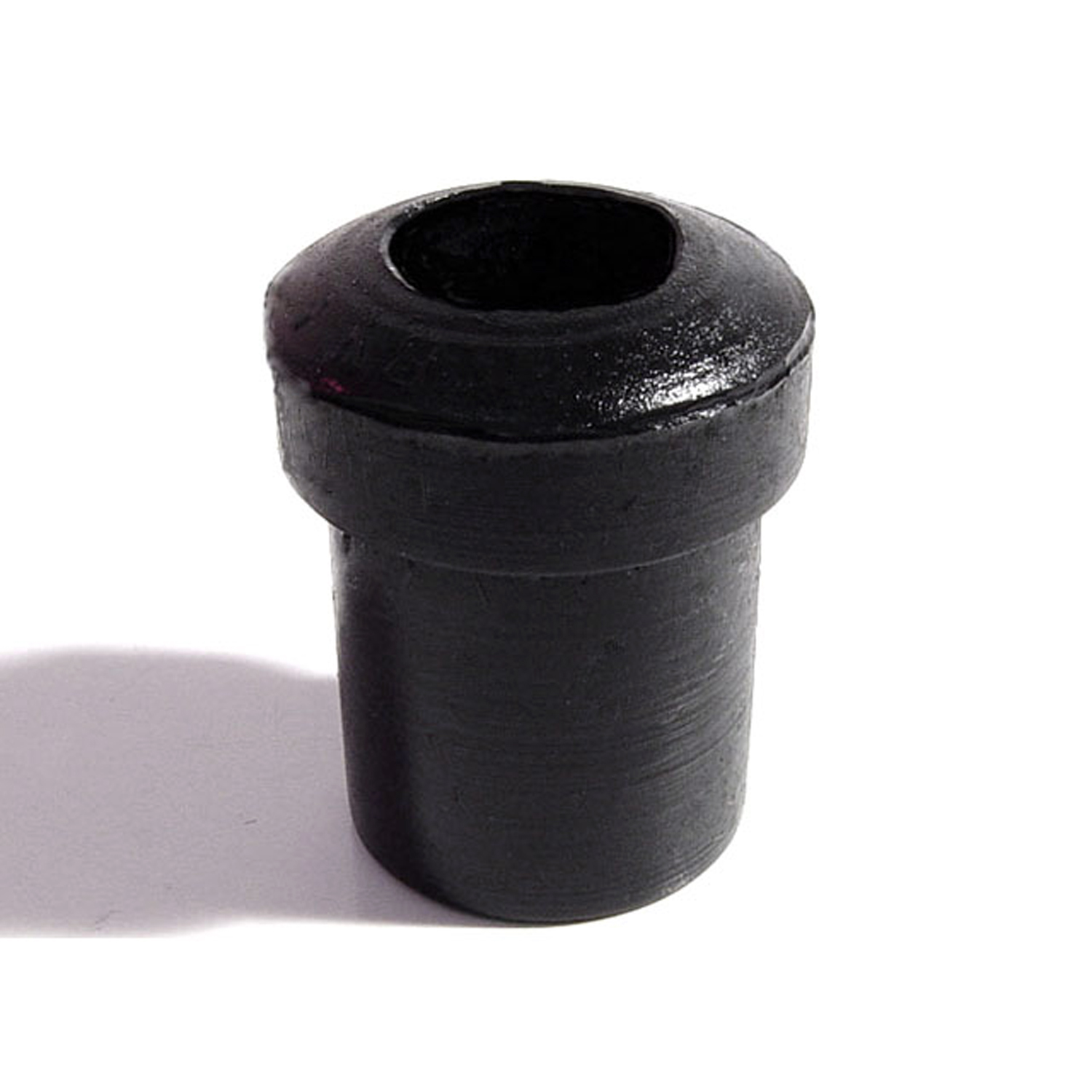 1949 Chrysler Saratoga Series Spring and Shackle Bushing. 7/8" bottom O.D-BN 16Spring and Shackle Bushing. 7/8" bottom O.D. X 1-1/8" high, with 1/2" I.D. Each
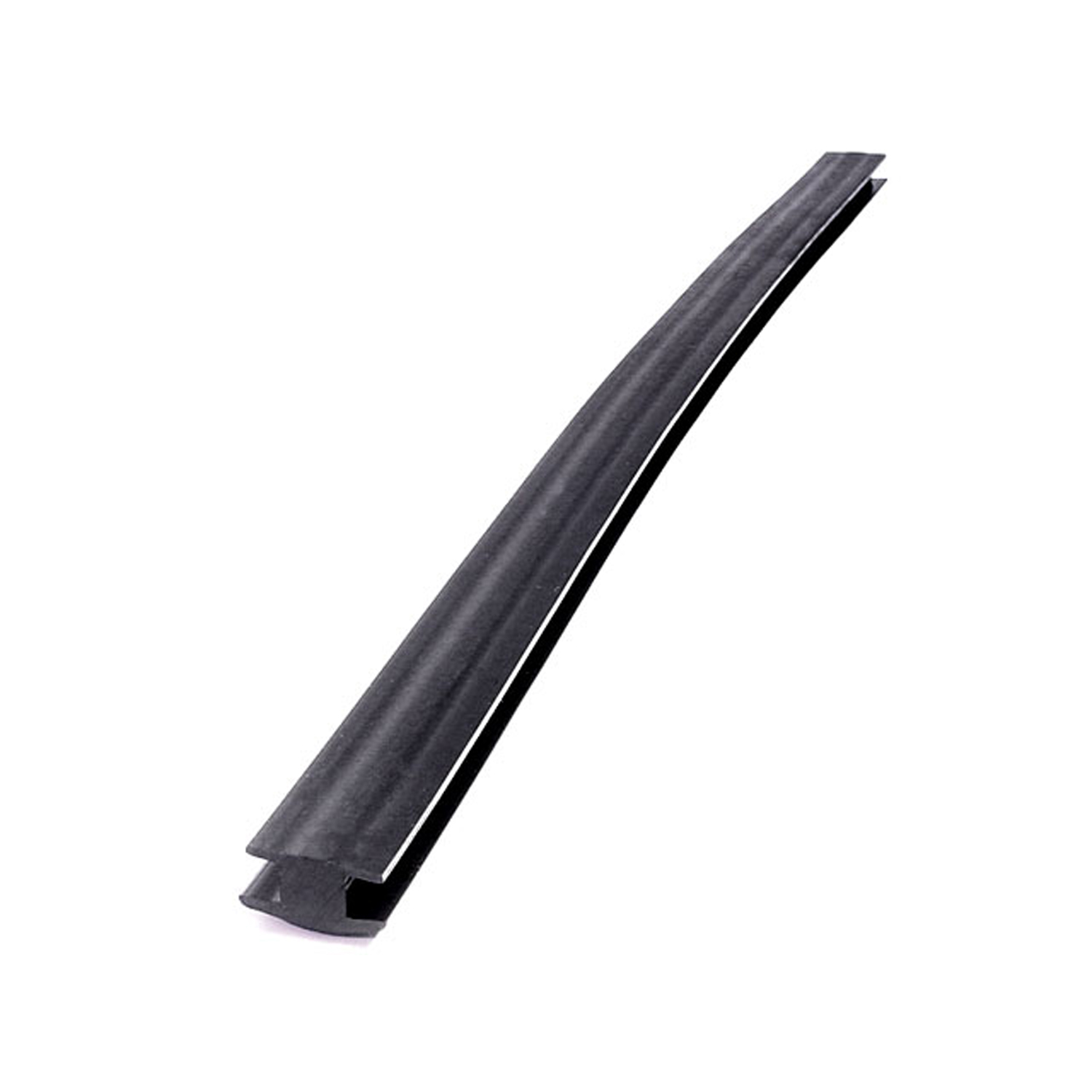 1949 Chrysler Saratoga Series Windshield Center Bar Gasket. 20" long. Each-DP 12Windshield Center Bar Gasket. 20" long. Each
 1949 Chrysler Saratoga Series Gravel Shields. Molded flat without metal backing plates-FS 31Gravel Shields. Molded flat without metal backing plates. Apply with contact cement. 18" long X 9-3/4" wide at bottom. Pair
 1949 Chrysler Saratoga Series Hood Corners. Fits flat corners-HC 19Hood Corners. Fits flat corners. 80° angle, 1/4" to 3/8" corner radius. 1-3/8" wide. Pair
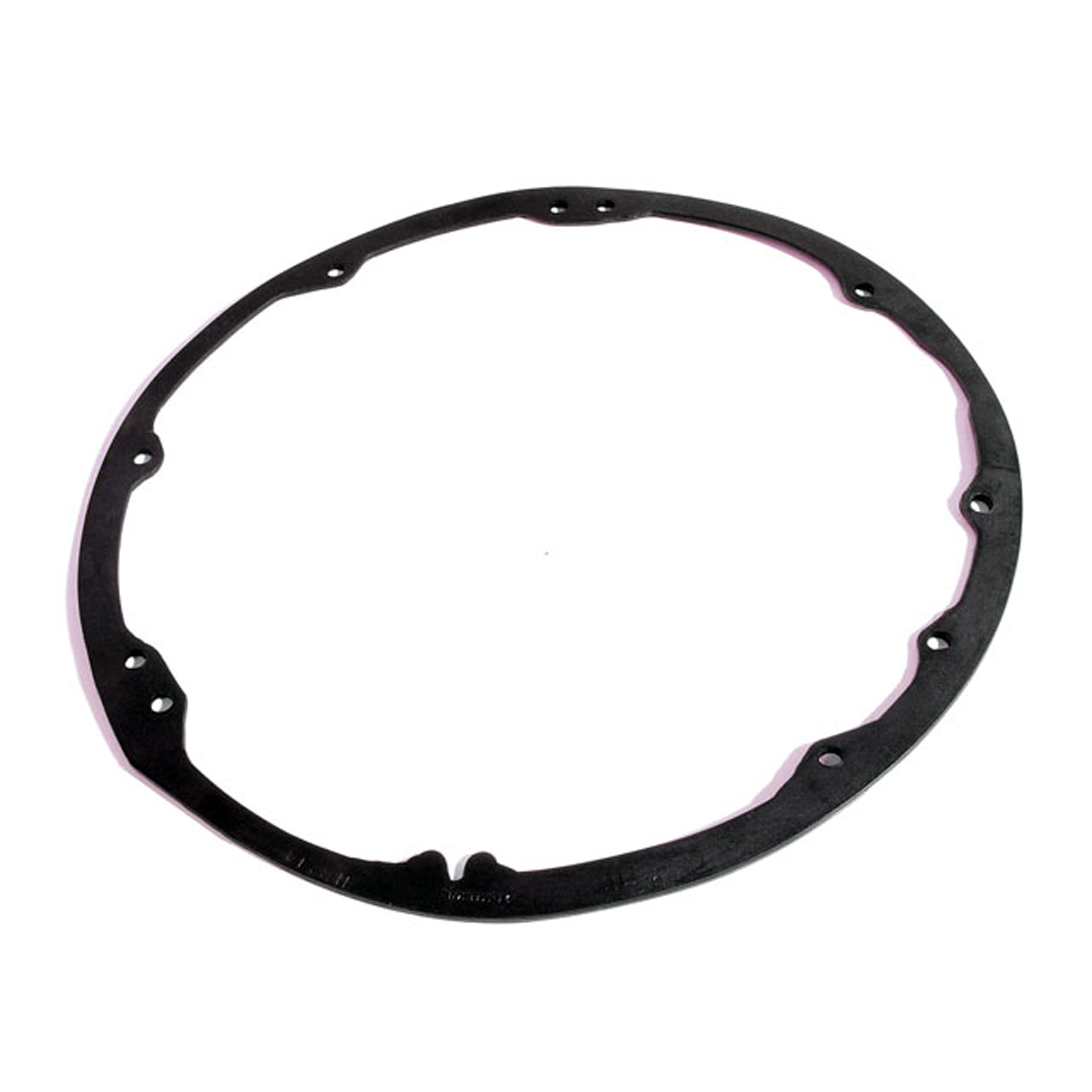 1949 Chrysler Saratoga Series Headlight Ring Seal. 8-3/8" O.D., 7-3/4" I.D. Pair-HR 14Headlight Ring Seal. 8-3/8" O.D., 7-3/4" I.D. Pair
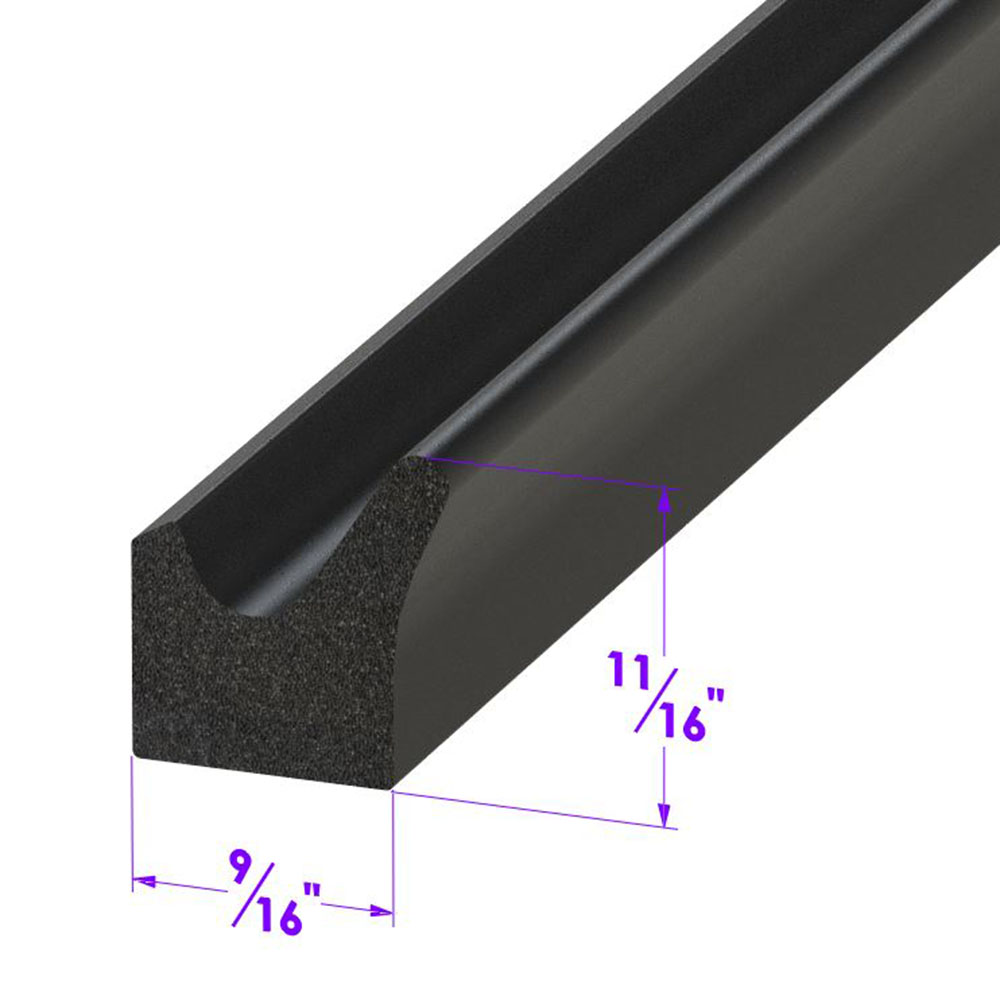 1949 Chrysler Saratoga Series Door side seal. Same as LP 40-A, but for a heavier seal-LP 40Door side seal. Same as LP 40-A, but for a heavier seal. Fits many domestic passenger cars and trucks. Used in Cobra kit cars as trunk weatherstrip. Per foot.
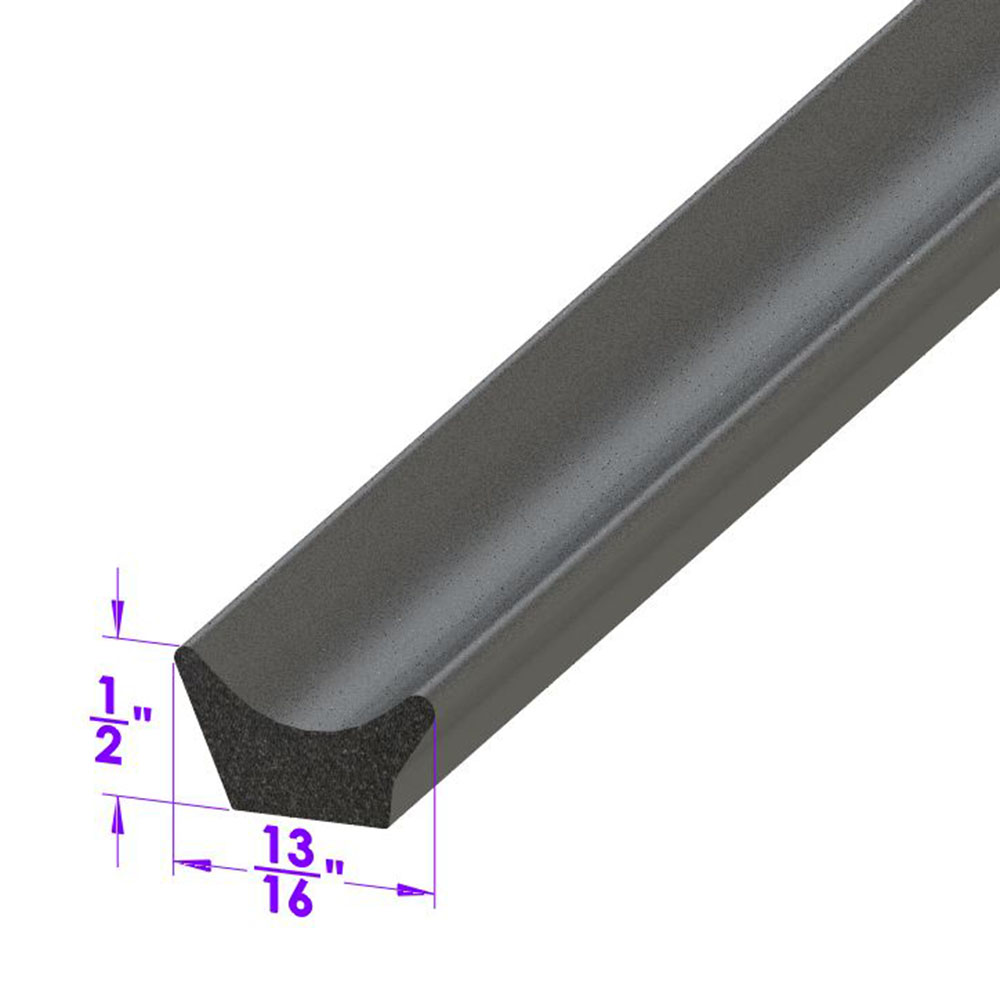 1949 Chrysler Saratoga Series Door side seal. Same as LP 40, but for a lighter seal-LP 40-ADoor side seal. Same as LP 40, but for a lighter seal. Fits many domestic passenger cars and trucks. Universal seal for street rods and customs. Used in Cobra kit cars as door weatherstrip. Per foot.
 1949 Chrysler Saratoga Series Antenna Mounting Pad. Made with angled front bead-MP 959-CAntenna Mounting Pad. Made with angled front bead. Narrow type. 1-1/4" wide X 1-3/4" long. Each
 1949 Chrysler Saratoga Series Cowl Vent Seal. 3-1/2" wide X 17" long. Each-RP 100-PCowl Vent Seal. 3-1/2" wide X 17" long. Each
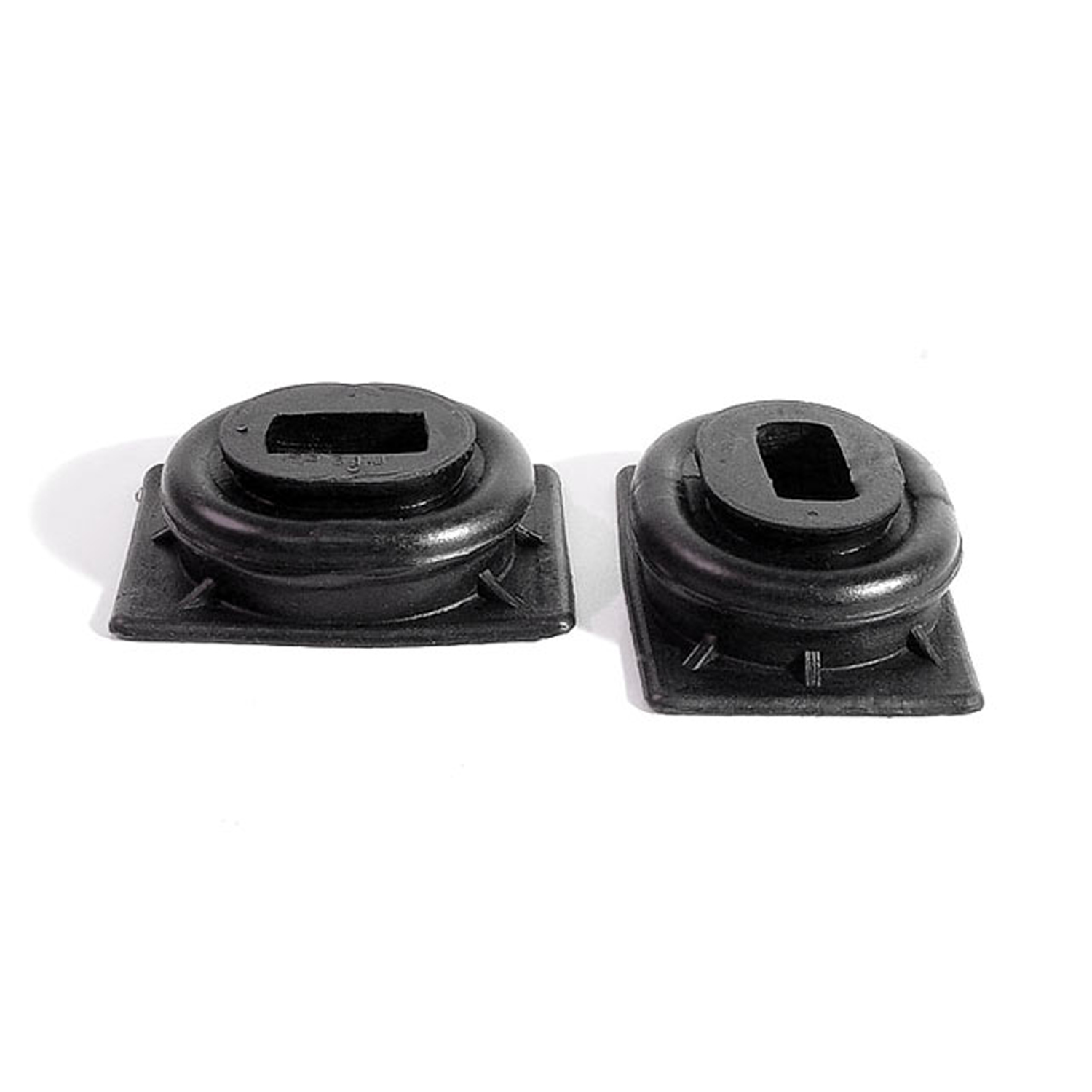 1949 Chrysler Saratoga Series Clutch and Brake Seals. Replaces OEM #889473. Pair-RP 31-JClutch and Brake Seals. Replaces OEM #889473. Pair
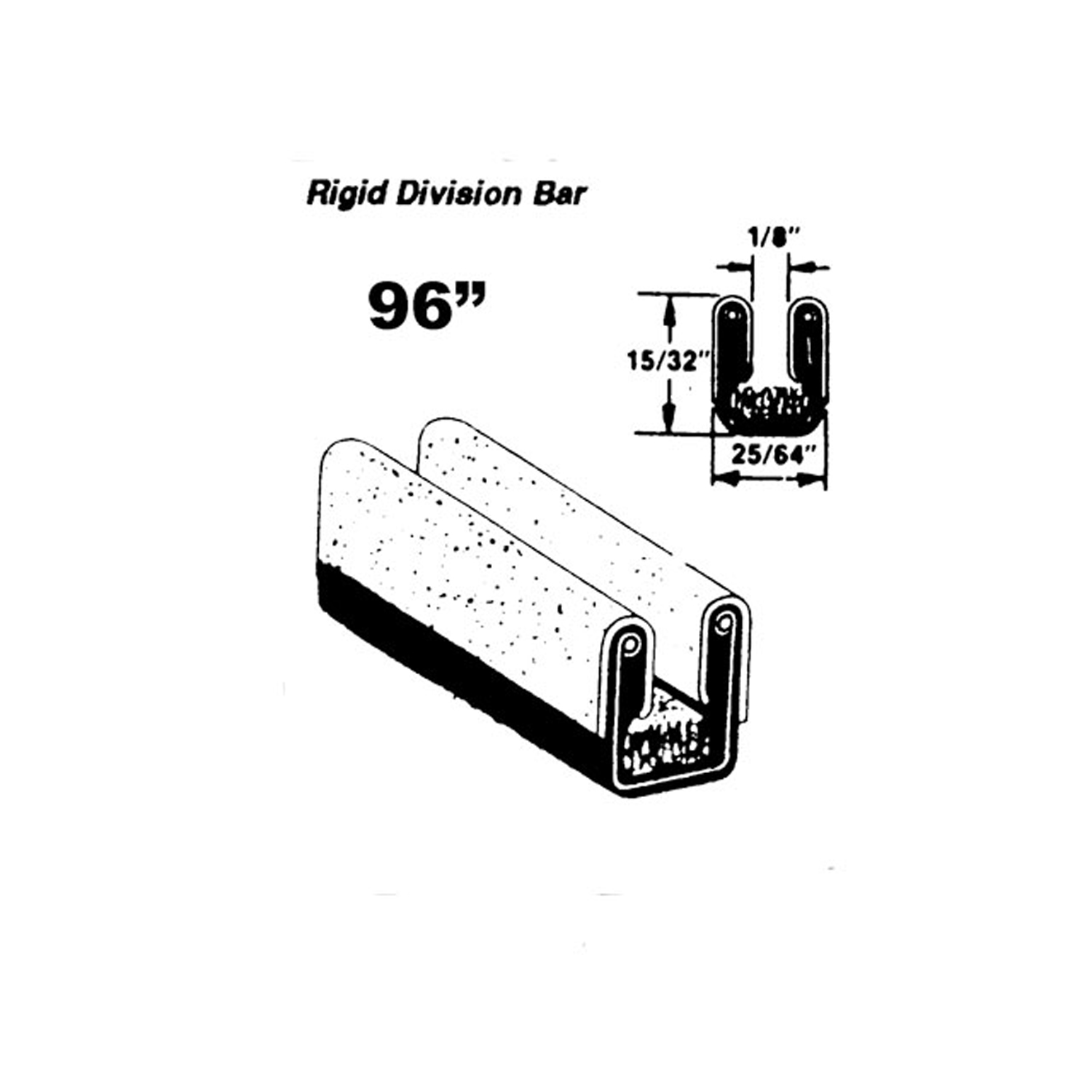 1949 Chrysler Saratoga Series Rigid division-bar run channel-WC 31-96Rigid division-bar run channel. Made with very soft felt lining. Used on front and rear door side windows. 96 in. long. Each. NOTE: $20 special shipping charge applies for domestic orders. Call or email for overseas shipping costs. Part can be sectioned in two or three equal lengths to reduce overseas shipping costs.
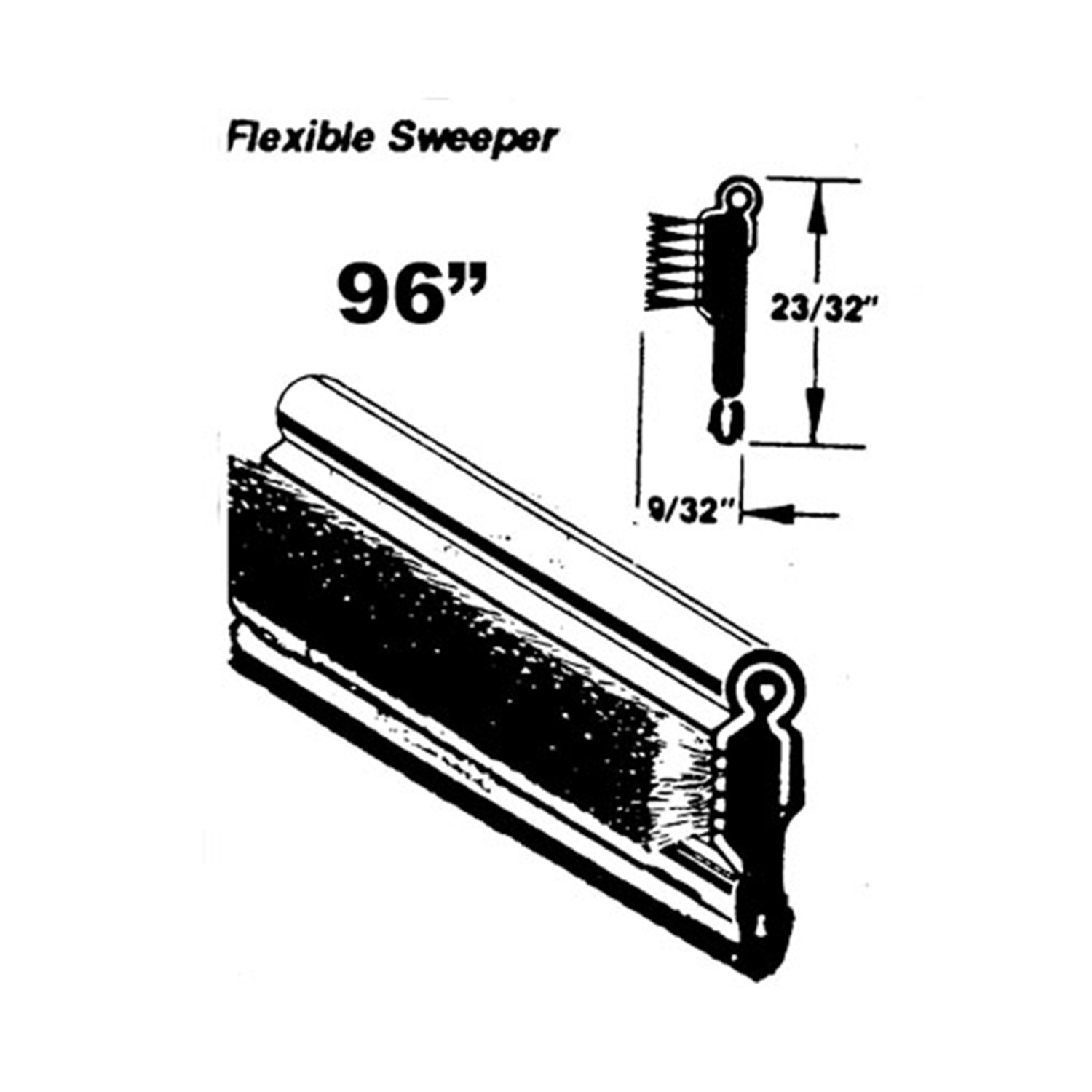 1949 Chrysler Saratoga Series Flexible window sweeper. Made with stainless steel bead-WC 4-96Flexible window sweeper. Made with stainless steel bead. 96 in. long. Each. NOTE: $20 special shipping charge applies for domestic orders. Call or email for overseas shipping costs. Part can be sectioned in two or three equal lengths to reduce overseas shipping costs.
 1949 Chrysler Saratoga Series Rear Vent Window Seals. Replaces OEM #1243378. Pair R&L-WR 2302-RRear Vent Window Seals. Replaces OEM #1243378. Pair R&L
 1949 Chrysler Saratoga Series Front Vent Window Seals-WR 2704Front Vent Window Seals. For all convertibles and '50-'52 2-door hardtops. Pair R&L
 1949 Chrysler Saratoga Series Front Vent Window Seals. For Coupes and 2-Door Sedans-WR 2708Front Vent Window Seals. For Coupes and 2-Door Sedans. 25-11/16" long. Replaces OEM #B4-5175-R. Pair R&L
Why Choose Metro?
For over 100 years, Metro Moulded Parts has been the pinnacle of quality in classic car restoration parts. Our commitment to precision and authenticity in every component ensures a perfect fit and an OEM-level appearance.
- Expert Craftsmanship & Quality: Each part is a testament to our dedication to reliability and perfection, crafted from original designs and thoroughly tested.
- Advanced Technology: We use cutting-edge techniques to create flawless, long-lasting parts that surpass others in performance.
- SuperSoft Sponge – The Ultimate Door Seal: Not only are our door seals 30% softer than competitors', but they're also guaranteed to never leak. They effectively reduce wind and road noise, enhancing your classic car's comfort and driving experience.
- Proudly American: Our parts are a product of American craftsmanship, made in the USA with a spirit of excellence and heritage.
- Unrivaled Warranty: We back our products with a 30-year industry-leading warranty, a testament to our confidence in their quality.
Join us in preserving the legacy of classic cars with parts that are crafted for perfection, not just made.