

Image of 1950 Chrysler Imperial, Note: These illustrations use artistic license and may differ from actual historical models.
Performance Metrics
Fundamental Metrics
Emotional Appeal
MMP Rating
| Engine Specifications | |
|---|---|
| Engine: | 5.3L I8 |
| Displacement: | 324 cu in (5.3 L) |
| Horsepower: | 135 hp |
| Torque: | 250 lb-ft |
| Compression Ratio: | 7.0:1 |
| Ignition System: | Battery Ignition |
| Cooling System: | Liquid Cooled |
| Performance Specifications | |
| 0-60 Time: | Estimated 15 seconds |
| 1/4 Mile Time: | Not available |
| Top Speed: | 100 mph |
| Transmission and Drive | |
| Drive Type: | Rear Wheel Drive |
| Transmission Type: | 2-speed automatic or 3-speed manual |
| Fuel and Efficiency | |
| Fuel System Type: | Carburetor |
| MPG: | Estimated 10-12 mpg |
| Dimensions and Brakes | |
| Brakes: | Drum Brakes |
| Wheelbase: | 133.5 in (3,391 mm) |
| Weight: | 4,300 lbs |
Note: Specifications for classic cars are given to the best of our ability, considering the limited and variant data available.
1950 Chrysler Imperial: America’s Quietly Grand Flagship
The 1950 Chrysler Imperial made its statement without shouting: long, imposing, richly finished, and powered by a smooth straight-eight engine. It was Chrysler’s top-of-the-line automobile, built for buyers who wanted genuine luxury and substantial engineering rather than a flashy badge alone. In 1950, “Imperial” was still part of the Chrysler name; it would become a separate marque in 1955.
The car arrived during a pivotal postwar period. American manufacturers were returning to full-scale civilian production, and luxury buyers expected more comfort, refinement, and distinctive styling than before the war. The Imperial answered with the room and presence of a prestige car, while retaining Chrysler’s reputation for practical engineering. One intriguing detail is that the 1950 model was among the last Imperials to use Chrysler’s long-running flathead straight-eight before a major change arrived for 1951: the new-generation Imperial adopted Chrysler’s powerful Hemi V8.
Imperial Styling and Cabin Craft
From the outside, the 1950 Imperial looks stately rather than flamboyant. Its broad, upright grille gives the nose a formal expression, while the rounded front fenders and integrated headlamps create a smooth transition from the front of the car into its long body. Bright chrome trim emphasizes the grille, window surrounds, and body lines without overwhelming the design. The overall impression is one of solid, carefully proportioned luxury, with a long hood and generous cabin making the car appear every bit as substantial as it felt.
Inside, the Imperial focused on space and comfort. Depending on model and trim, buyers could find broadcloth or other high-quality fabric upholstery, with leather available on some configurations. The wide bench seats, generous legroom, and large windows suited long-distance travel and chauffeur use alike. The dashboard was designed for clear access to the main instruments and controls, while the cabin’s substantial trim and soft surfaces helped distinguish the Imperial from ordinary family sedans.
Factory paint choices varied by model and production period. Buyers could choose from conservative luxury colors such as black, deep blues, greens, grays, and burgundy tones, with lighter colors also appearing in the broader Chrysler range. Dark, formal shades were especially fitting for the Imperial’s dignified character. Original paint codes are worth checking against a car’s build documentation, since colors and availability could differ between body styles and production runs.
The standard Imperial range centered on the four-door sedan and club coupe, while the long-wheelbase Crown Imperial offered more formal, chauffeur-oriented bodies, including limousine-style configurations. The four-door sedan is the most familiar choice today, but the extended Crown Imperial is the most imposing and distinctive version. These large formal cars were produced in much smaller numbers and have a noticeably different presence from the standard-wheelbase models.
Engineering at the Top of the Chrysler Range
Under the hood, the 1950 Imperial used a 323.5-cubic-inch L-head, or flathead, inline-eight. Output was approximately 135 horsepower, delivered with the smooth, steady character expected of a luxury car of the era. Rather than chasing high engine speeds, the straight-eight emphasized quiet operation and relaxed torque delivery.
Chrysler’s Fluid Drive system was a notable part of the Imperial’s driving experience. A fluid coupling softened the connection between the engine and transmission, reducing the need for frequent clutch work in stop-and-go driving. Depending on equipment, the car could also be fitted with Chrysler’s semi-automatic transmission system, which made gear changes easier than with a conventional manual gearbox. It was not a modern automatic, but it represented an important step toward effortless driving.
One important feature the 1950 Imperial did not yet have was power steering. Chrysler introduced its landmark Hydraguide power steering on the 1951 Imperial, so the 1950 car retains the heavier, more traditional steering feel of a large automobile from that period. That distinction makes the 1950 especially interesting to enthusiasts following Chrysler’s rapid development in the early postwar years.
Why the 1950 Imperial Matters
The Imperial’s significance comes from its position at the top of Chrysler’s range and from the way it combined comfort with engineering substance. It competed with prestige models from Cadillac, Packard, and Lincoln, but its identity was distinctly Chrysler: a robust chassis, a smooth straight-eight, and innovative transmission technology. It was less about dramatic styling or sporting performance and more about dependable, confident travel.
The 1950 model also marks a bridge between two eras. Its flathead eight and conservative postwar body were rooted in prewar engineering, while Chrysler was already preparing major changes in power, steering, and design. The following year brought the Hemi V8 and power steering to the Imperial. That makes the 1950 car a useful snapshot of the final chapter of Chrysler’s straight-eight flagship tradition.
Road Manners, Speed, and Ride Quality
Period test results and modern estimates vary by body style, gearing, mechanical condition, and transmission, but a standard 1950 Imperial is generally estimated to reach 0 to 60 mph in roughly 18 to 22 seconds. A healthy car may manage a top speed in the neighborhood of 85 to 95 mph. Those are estimates, not guarantees, and a long-wheelbase Crown Imperial will usually feel slower because of its greater weight.
On a smooth highway, the Imperial’s long wheelbase and substantial mass help it settle into a calm, steady cruise. The suspension is tuned for comfort, so it absorbs ordinary road imperfections more gracefully than a short, stiffly sprung car. On broken pavement, however, worn shocks, tired springs, or old tires can make the ride floaty or wallowy. A well-maintained example should feel composed, but it is not a modern car with tight body control.
On winding roads, the Imperial rewards a measured driving style. Its size, steering effort, and period drum brakes call for planning ahead, especially when cornering or slowing from speed. The straight-eight produces a smooth, low-frequency hum, while the Fluid Drive system helps soften starts and gear changes. Behind the wheel, the experience is less about quick responses and more about commanding a broad, comfortable machine with a relaxed pace.
Living With a 1950 Imperial
Today, most Imperials are used as show cars, touring cars, or carefully maintained weekend drivers. A standard sedan can be suitable for occasional road use if its brakes, cooling system, tires, electrical components, and steering are in sound condition. The long-wheelbase Crown Imperial is more likely to be preserved for shows, formal events, or specialized collection use.
Many mechanical jobs are approachable for an experienced home mechanic. The straight-eight is a conventional engine by modern standards, and the car does not rely on electronic control systems. Still, its age and size matter. Some trim, body, and interior pieces can be difficult to locate, and restoring a limousine or other rare Crown body can involve specialist work. Before buying, inspect the frame and body for corrosion, check the engine for cooling or lubrication problems, and make sure the transmission and Fluid Drive components operate correctly.
Reliability depends heavily on care and storage. A sound, regularly serviced Imperial can be a dependable vintage tourer, but neglected examples may need extensive work before they are safe for regular driving. Parts availability is generally better for common mechanical items than for model-specific brightwork, upholstery, and Crown body components.
Imperial Trivia and Common Criticisms
The 1950 Imperial sits at the end of Chrysler’s flathead straight-eight Imperial era. Its successor’s Hemi V8 and power steering made the 1951 model a major technical step forward, which can make the 1950 car seem conservative by comparison. That is also part of its appeal: it preserves the smooth, traditional character of Chrysler’s prewar-inspired luxury engineering just before the company moved into a new generation.
There is no widely recognized 1950 Imperial production record or headline speed achievement to set it apart. Its distinction is instead its role as Chrysler’s flagship and as a link between the company’s earlier luxury cars and its technologically ambitious 1951 redesign. The Imperial’s most common criticisms are its modest acceleration, heavy steering, large dimensions, and the difficulty of finding certain restoration parts. Those limitations are real, but they reflect the priorities of the period: comfort, dignity, and road presence came ahead of agility.
1950 Chrysler Imperial Values and Rarity
Production totals can vary between published sources, particularly when standard Imperials and long-wheelbase Crown models are counted separately. A reasonable estimate is that roughly 8,000 to 10,000 Imperial and Crown Imperial cars combined were built for the 1950 model year, with Crown versions representing only a small fraction. That makes a standard sedan uncommon but findable, while a correct Crown Imperial limousine is substantially rarer.
Collector values depend on body style, originality, condition, and the quality of any restoration. As a broad current-market guide, a project or driver-quality standard Imperial might sell for about $10,000 to $25,000. A clean, well-running sedan could bring roughly $25,000 to $45,000, with exceptional, highly original or professionally restored examples sometimes exceeding that range. Crown Imperial limousines can vary widely, often from around $25,000 to $75,000 or more, while a particularly significant, expertly restored example may command a higher price.
Values have generally been steadier than those of the most famous postwar convertibles or muscle cars. The Imperial’s size, fuel use, restoration costs, and relatively specialized audience limit the pool of buyers. Well-documented, original cars and rare Crown models are best positioned to hold or improve their value, but condition and provenance matter more than optimistic asking prices. Treat these figures as broad estimates, since regional demand and auction results can shift the market considerably.
A Lasting Chrysler Flagship
The 1950 Chrysler Imperial is a substantial, quietly elegant luxury car with a smooth straight-eight, thoughtful transmission engineering, and a direct connection to Chrysler’s postwar evolution. Its stately styling and comfortable cabin make it a memorable road car, while its position just before the Hemi-powered, power-steered 1951 redesign gives it special historical interest.
For collectors, the Imperial is not simply a large old sedan. It is a rolling record of the moment Chrysler’s traditional luxury engineering was about to give way to a new era, and it still carries that sense of calm, confident authority wherever it goes.
1950 Chrysler Imperial Catalog of Parts
 1950 Chrysler Imperial Front Bumper Arm Grommets. No flange on back-BG 52Front Bumper Arm Grommets. No flange on back. 3-3/8" wide X 5" long, with 2" long inner slot. Pair
 1950 Chrysler Imperial Clutch and Brake Pedal Pads. 3" wide X 3-7/8" long. Pair-CB 27Clutch and Brake Pedal Pads. 3" wide X 3-7/8" long. Pair
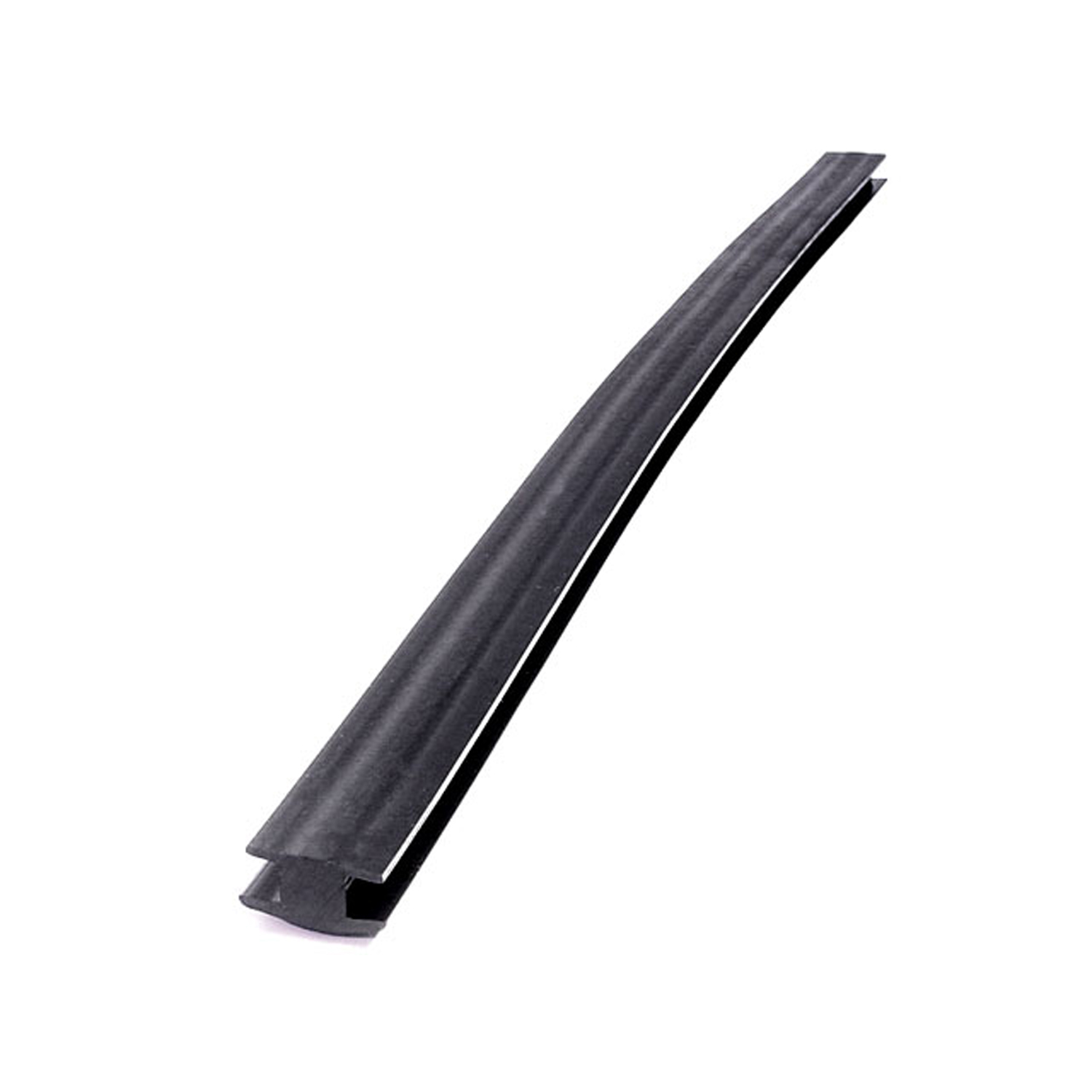 1950 Chrysler Imperial Windshield Center Bar Gasket. 20" long. Each-DP 12Windshield Center Bar Gasket. 20" long. Each
 1950 Chrysler Imperial Gravel Shields. Molded flat without metal backing plates-FS 31Gravel Shields. Molded flat without metal backing plates. Apply with contact cement. 18" long X 9-3/4" wide at bottom. Pair
 1950 Chrysler Imperial Hood Corners. Fits flat corners-HC 19Hood Corners. Fits flat corners. 80° angle, 1/4" to 3/8" corner radius. 1-3/8" wide. Pair
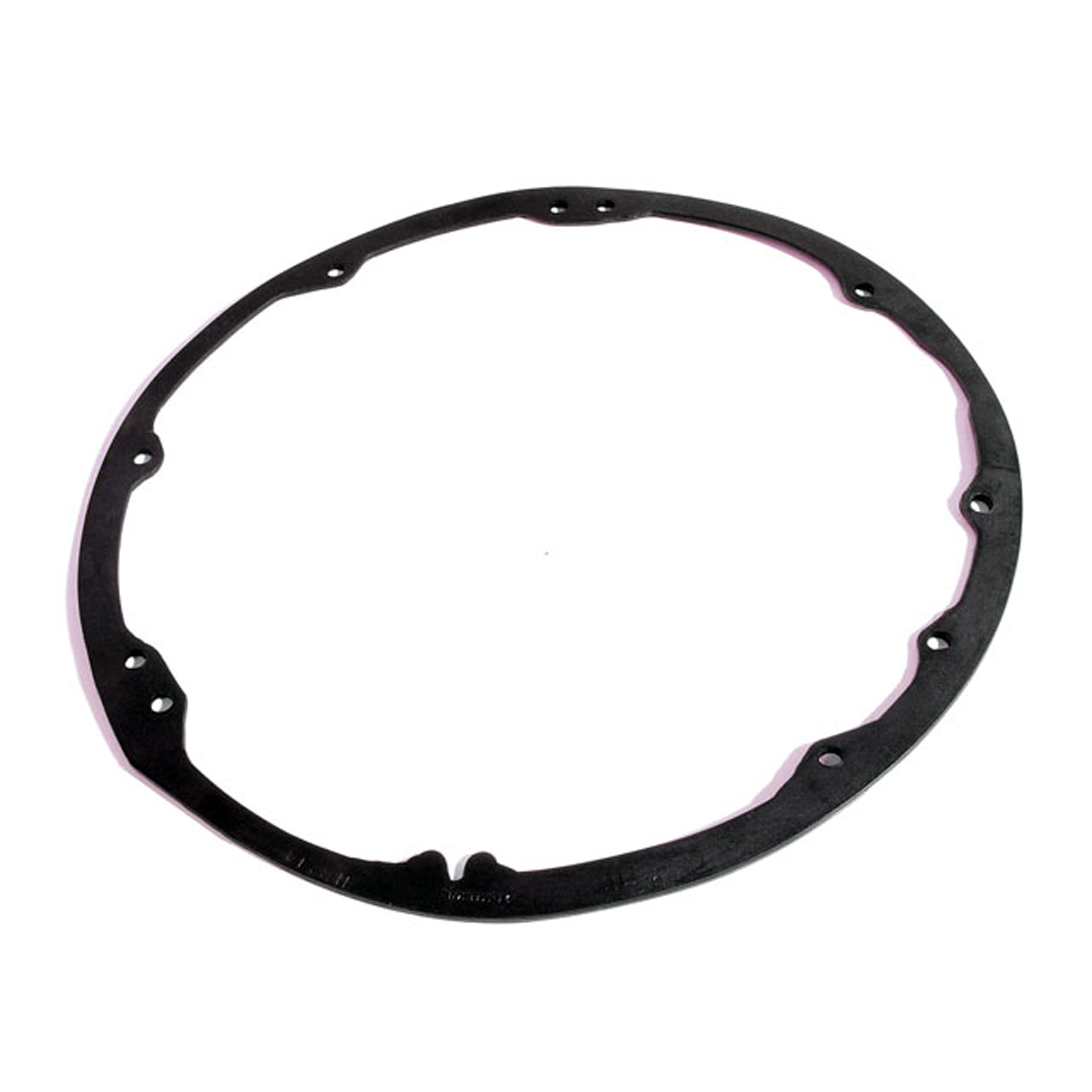 1950 Chrysler Imperial Headlight Ring Seal. 8-3/8" O.D., 7-3/4" I.D. Pair-HR 14Headlight Ring Seal. 8-3/8" O.D., 7-3/4" I.D. Pair
 1950 Chrysler Imperial Trunk Handle Pad. 1-7/8" wide X 6-3/8" long. Each-MP 582Trunk Handle Pad. 1-7/8" wide X 6-3/8" long. Each
 1950 Chrysler Imperial Back-Up Light Pads. 3-1/2" wide X 4-1/4" long. Pair-MP 582-BBack-Up Light Pads. 3-1/2" wide X 4-1/4" long. Pair
 1950 Chrysler Imperial Antenna Mounting Pad. Made with angled front bead-MP 959-CAntenna Mounting Pad. Made with angled front bead. Narrow type. 1-1/4" wide X 1-3/4" long. Each
 1950 Chrysler Imperial Cowl Vent Seal. 3-1/2" wide X 17" long. Each-RP 100-PCowl Vent Seal. 3-1/2" wide X 17" long. Each
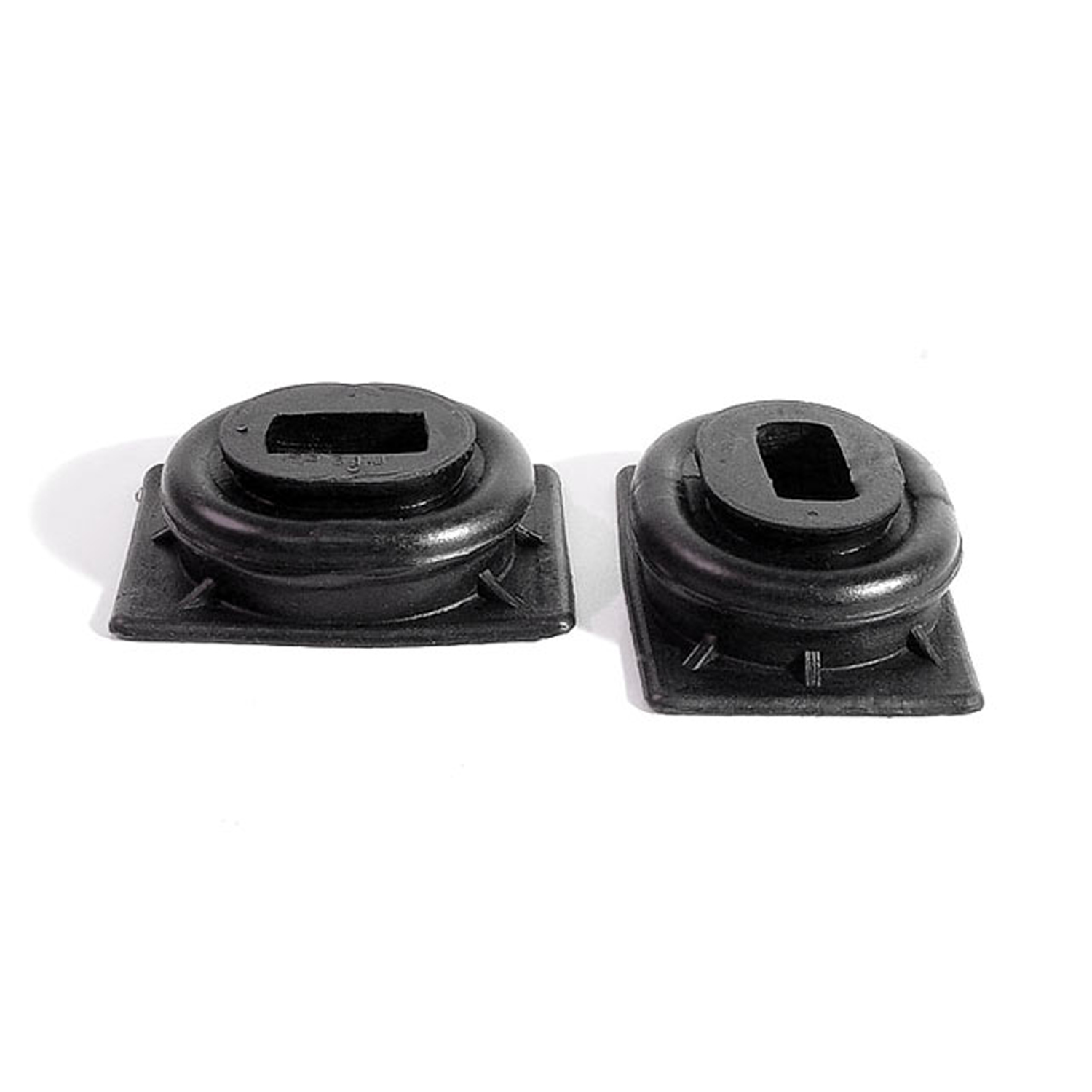 1950 Chrysler Imperial Clutch and Brake Seals. Replaces OEM #889473. Pair-RP 31-JClutch and Brake Seals. Replaces OEM #889473. Pair
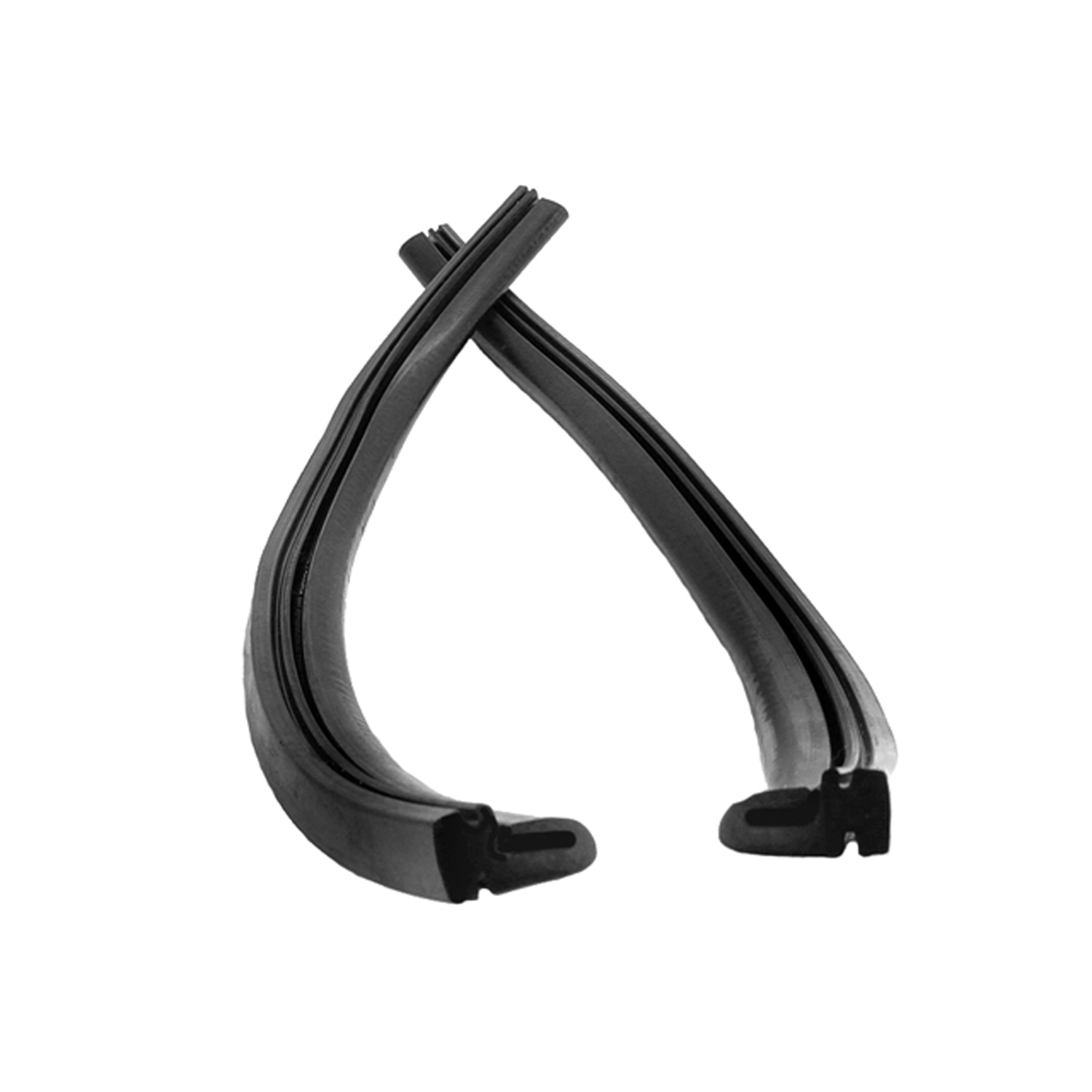 1950 Chrysler Imperial Rear Roll-up Window Seals, for Hardtops and Convertibles-VS 7Rear Roll-up Window Seals, for Hardtops and Convertibles. For leading edge of rear quarter windows. Two pieces, 17-3/4" long. Pair
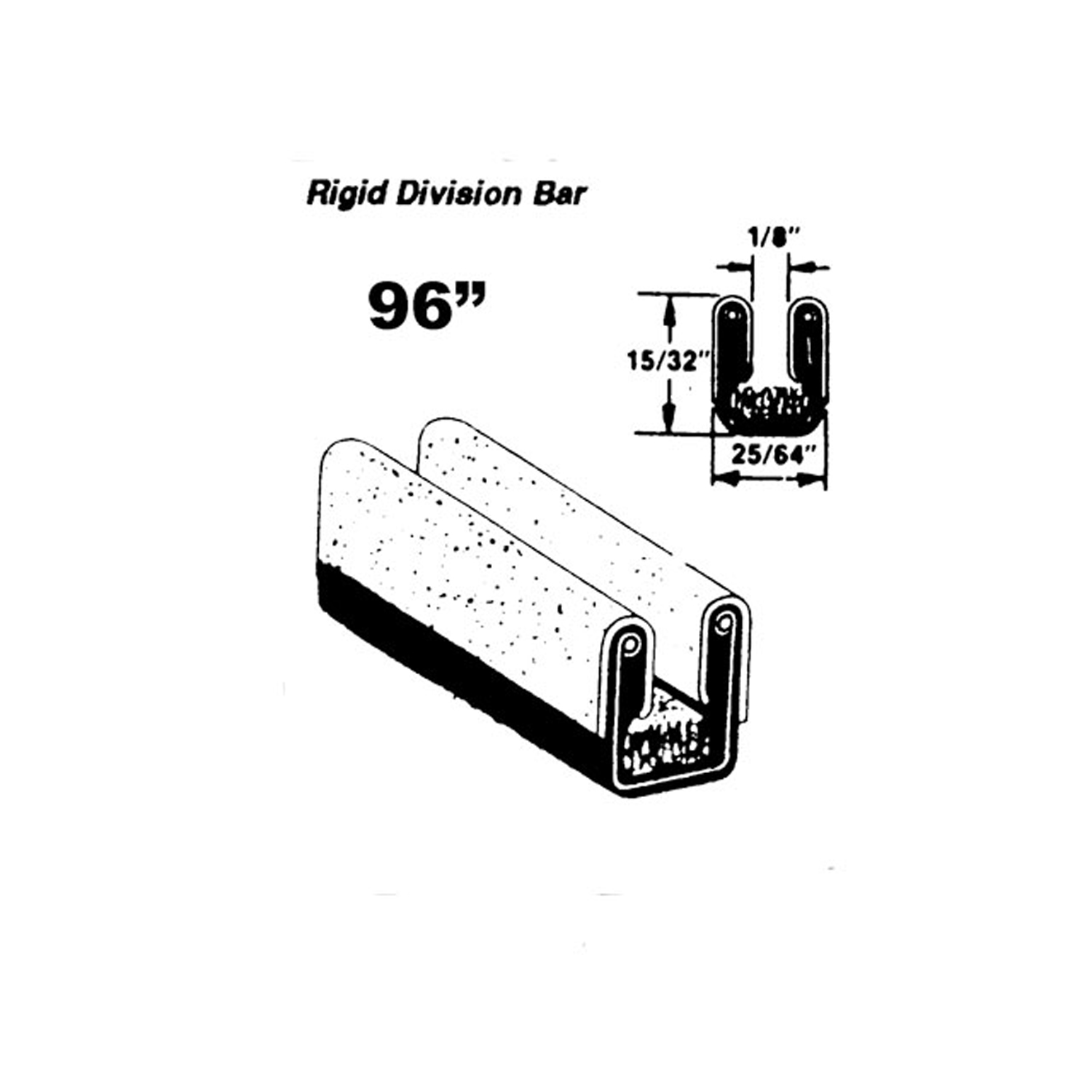 1950 Chrysler Imperial Rigid division-bar run channel-WC 31-96Rigid division-bar run channel. Made with very soft felt lining. Used on front and rear door side windows. 96 in. long. Each. NOTE: $20 special shipping charge applies for domestic orders. Call or email for overseas shipping costs. Part can be sectioned in two or three equal lengths to reduce overseas shipping costs.
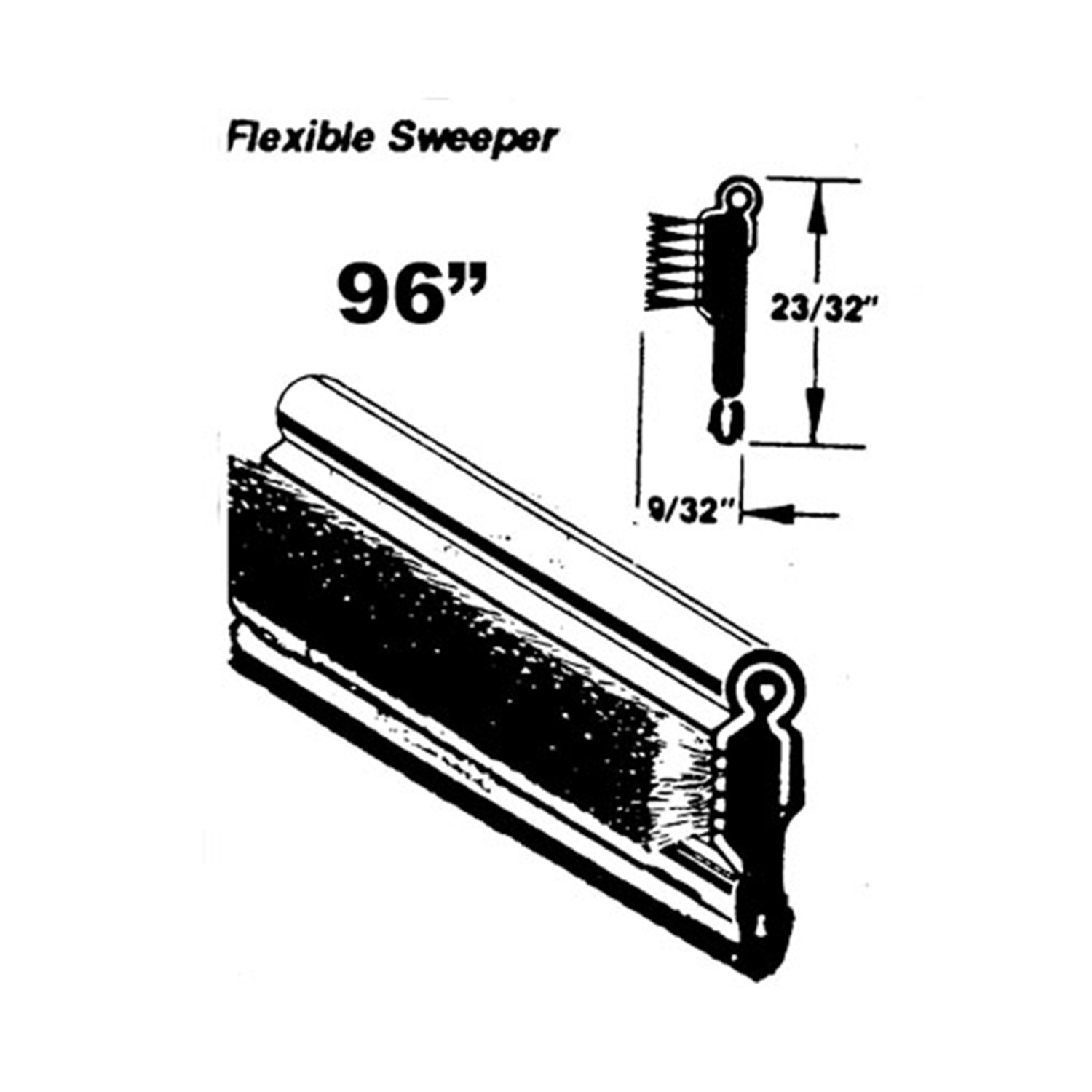 1950 Chrysler Imperial Flexible window sweeper. Made with stainless steel bead-WC 4-96Flexible window sweeper. Made with stainless steel bead. 96 in. long. Each. NOTE: $20 special shipping charge applies for domestic orders. Call or email for overseas shipping costs. Part can be sectioned in two or three equal lengths to reduce overseas shipping costs.
 1950 Chrysler Imperial Rear Vent Window Seals. Replaces OEM #1243378. Pair R&L-WR 2302-RRear Vent Window Seals. Replaces OEM #1243378. Pair R&L
 1950 Chrysler Imperial Front Vent Window Seals-WR 2704Front Vent Window Seals. For all convertibles and '50-'52 2-door hardtops. Pair R&L
 1950 Chrysler Imperial Front Vent Window Seals. For Coupes and 2-Door Sedans-WR 2708Front Vent Window Seals. For Coupes and 2-Door Sedans. 25-11/16" long. Replaces OEM #B4-5175-R. Pair R&L
Why Choose Metro?
For over 100 years, Metro Moulded Parts has been the pinnacle of quality in classic car restoration parts. Our commitment to precision and authenticity in every component ensures a perfect fit and an OEM-level appearance.
- Expert Craftsmanship & Quality: Each part is a testament to our dedication to reliability and perfection, crafted from original designs and thoroughly tested.
- Advanced Technology: We use cutting-edge techniques to create flawless, long-lasting parts that surpass others in performance.
- SuperSoft Sponge – The Ultimate Door Seal: Not only are our door seals 30% softer than competitors', but they're also guaranteed to never leak. They effectively reduce wind and road noise, enhancing your classic car's comfort and driving experience.
- Proudly American: Our parts are a product of American craftsmanship, made in the USA with a spirit of excellence and heritage.
- Unrivaled Warranty: We back our products with a 30-year industry-leading warranty, a testament to our confidence in their quality.
Join us in preserving the legacy of classic cars with parts that are crafted for perfection, not just made.