

Image of 1950 Chrysler Royal, Note: These illustrations use artistic license and may differ from actual historical models.
Performance Metrics
Fundamental Metrics
Emotional Appeal
MMP Rating
| Engine Specifications | |
|---|---|
| Engine: | Inline 6 |
| Displacement: | 250.6 cu in, 4.1 L |
| Horsepower: | 116 HP |
| Torque: | Estimated 208 lb-ft |
| Compression Ratio: | 7.0:1 |
| Ignition System: | Battery Ignition |
| Cooling System: | Liquid Cooled |
| Performance Specifications | |
| 0-60 Time: | Estimated 20 seconds |
| 1/4 Mile Time: | Information not available |
| Top Speed: | 80 mph |
| Transmission and Drive | |
| Drive Type: | Rear Wheel Drive |
| Transmission Type: | 3-speed manual |
| Fuel and Efficiency | |
| Fuel System Type: | Carburetor |
| MPG: | Estimated 15-20 MPG |
| Dimensions and Brakes | |
| Brakes: | Drum Brakes |
| Wheelbase: | 125.5 inches |
| Weight: | 3,400 lbs |
Note: Specifications for classic cars are given to the best of our ability, considering the limited and variant data available.
1950 Chrysler Royal: A Big, Comfortable Postwar Cruiser
The 1950 Chrysler Royal brought postwar American motoring into sharp focus: a broad, handsome sedan with a smooth six-cylinder engine, a roomy cabin, and the substantial road feel buyers expected from Chrysler. It sat in the middle of the company’s range, below the more upscale New Yorker and alongside the Windsor, offering a taste of Chrysler comfort without the flagship’s price or size.
Built by the Chrysler Corporation in the United States, the Royal belonged to the redesigned generation introduced for 1949. That new postwar body gave the car a lower, more integrated look than the tall, upright models of the prewar years. One detail that still catches enthusiasts’ attention is the Royal’s combination of a modern-looking, full-width body with a traditional L-head six-cylinder engine. It was a bridge between old-school engineering and the increasingly streamlined cars of the 1950s.
Royal Styling and Cabin Comfort
The Royal wore rounded, flowing bodywork, with front fenders blended into the sides rather than standing apart as separate wings. A broad grille, substantial chrome trim, and a gently sloping hood gave it a confident face. Its long profile and generous glass area made the car look substantial without relying on the dramatic tailfins that would define many later American cars.
Inside, the Royal favored comfort over sportiness. The wide bench seats provided room for a full family, while the dashboard used clear, conventional gauges and bright trim. Upholstery was generally durable cloth, with materials and trim details varying by body style and equipment. The cabin had the reassuring, solid feel expected of a large American car of the period, though its broad steering wheel and bench-seat layout offered little of the driver-focused character found in smaller European cars.
Factory paint choices varied with production and trim. Buyers could choose from subdued colors such as black, gray, blue, green, and maroon, with availability changing by model year and body style. Darker shades suited the Royal’s formal appearance, while lighter colors showed off its rounded bodywork. Two-tone treatments were available on some Chrysler models and configurations, but a specific car’s original color combination should be verified from its paint and trim codes.
The Royal range included sedan and coupe configurations, with exact availability depending on the market and production series. The four-door sedan is the most familiar surviving form, while the club coupe has a sleeker profile and is less commonly seen today. Chrysler’s higher-end Town & Country wagons and other special body styles belonged to particular series and should not automatically be assumed to be Royals.
Engineering in the Early 1950s
Power came from Chrysler’s 250.6-cubic-inch L-head inline-six, rated at approximately 116 horsepower. The flathead design placed the valves in the block, a proven layout that emphasized durability and smooth, unhurried operation rather than high-revving performance. A three-speed manual transmission was typical. Depending on equipment, buyers could also choose Chrysler’s Fluid Drive system and related semi-automatic transmission arrangements.
Fluid Drive is worth understanding before buying one. It used a fluid coupling to soften power delivery, but it was not a modern automatic transmission. The driver still had a role in selecting gears, depending on the specific transmission fitted. Chrysler’s approach offered smoother takeoffs and reduced the need for constant clutch work in some driving situations, but it could confuse owners accustomed to conventional manual or automatic gearboxes.
The Royal also had hydraulic drum brakes and a conventional, body-on-frame construction. These were familiar technologies rather than radical breakthroughs, but they suited a heavy family car built for American roads. Chrysler’s contribution was less about inventing a single new feature than combining comfort, practical engineering, and a refined powertrain in a well-rounded package.
Historical Significance and Rivals
The Royal’s importance comes from its place in Chrysler’s postwar recovery and product lineup. The 1949 redesign replaced the company’s prewar shapes with wider, more integrated bodies, and the 1950 model continued that modern direction. The Royal gave buyers a substantial Chrysler experience while sitting below the New Yorker, helping the company compete in a crowded market that included Chevrolet, Ford, Buick, and Oldsmobile.
What set the Royal apart was its emphasis on a composed, comfortable ride and solid construction. It was not the quickest car in its class, nor was it a radical styling statement. Instead, it offered a roomy interior, a smooth six-cylinder engine, and the option of Chrysler’s unusual Fluid Drive system. Its legacy is that of a dependable, comfort-oriented American sedan from the period when automakers were refining the postwar automobile rather than reinventing it every year.
1950 Chrysler Royal Performance and Road Manners
With about 116 horsepower moving a sizeable car, the Royal was built for steady progress, not stoplight sprints. Period performance varied with transmission, body style, condition, and test method, but a reasonable estimate is a top speed in the neighborhood of 85 to 90 mph and a 0-to-60-mph time of roughly 18 to 22 seconds. Those figures are estimates, not guaranteed factory results, and a modern example’s performance depends heavily on its mechanical condition.
On the road, the six-cylinder engine delivers a relaxed, low-frequency hum. Acceleration is smooth when the driver lets the engine work at its own pace, while hurried passing requires planning. The three-speed gearbox has a conventional feel, and a car equipped with Fluid Drive moves away with a softer, more cushioned response.
The Royal’s weight and long wheelbase help it settle over ordinary bumps, giving it the boulevard-friendly ride many owners wanted. On winding roads, the car feels large and deliberate rather than nimble. Crosswinds can move the broad body, and the steering, brakes, and suspension lack the precision of modern cars. A properly maintained Royal should feel composed, but worn bushings, tired springs, old tires, and loose steering components can quickly make it wander.
Living With a Royal Today
Today, a 1950 Royal is best suited to touring, club events, local shows, and occasional weekend drives. Some owners use them regularly, but the car’s age, fuel consumption, braking distances, and lack of modern safety equipment make it a poor choice for routine high-speed commuting. It has no airbags, anti-lock brakes, or modern crash structure, so it is wise to drive defensively and keep generous space around it.
Mechanical servicing is generally approachable for an experienced home mechanic. The inline-six is relatively straightforward, and many routine jobs, such as ignition service, brake work, and basic engine maintenance, follow familiar vintage-car practices. Parts availability is reasonable in enthusiast networks, though trim pieces, body panels, and model-specific details can take more time and money to find.
Reliability depends more on condition and maintenance than on the car’s reputation. Cooling-system neglect, aging wiring, brake wear, fuel-system problems, and corrosion are common concerns on cars of this age. Fluid Drive and semi-automatic equipment require a mechanic who understands Chrysler’s system; they should not be diagnosed as though they were modern automatics. Before buying, check the frame and floors for rust, confirm that the brakes stop evenly, and inspect the engine for overheating, smoke, or low oil pressure.
Royal Facts and Common Criticisms
The Royal’s six-cylinder engine is a useful reminder that big American cars were not all powered by V8s. Chrysler continued to offer a smooth inline-six for buyers who valued steady operation over headline horsepower. Another frequent surprise for new owners is that Fluid Drive does not mean “automatic.” Understanding the exact transmission fitted to a car is essential when driving or servicing it.
The Royal is not especially associated with a major speed record, endurance achievement, or single defining historical event. Its appeal is more everyday: it represents the comfortable, family-sized Chrysler that helped define postwar American road travel. The model is also not known for a celebrated celebrity connection, so its interest to collectors rests chiefly on its styling, engineering, and condition.
Common criticisms are fair but context matters. The Royal is heavy and relatively slow by modern standards, its fuel economy is modest, and its handling is more relaxed than precise. The broad body can feel cumbersome on narrow roads, while drum brakes demand more stopping distance than modern disc systems. For enthusiasts who want a period-correct cruiser rather than a performance car, those traits are part of its character.
Collector Values and Rarity
Exact production totals can be difficult to pin down by body style, and published figures do not always separate Royal configurations consistently. A reasonable broad estimate is that roughly 100,000 to 130,000 Royals were built for the 1950 model year. That makes the model far from a one-off rarity, but surviving, complete examples are much less common than the original production suggests.
As a general 2026 guide, a project or rough driver might sell for about $5,000 to $10,000. A running, presentable sedan in solid condition could fall around $10,000 to $22,000, while a high-quality restoration may bring roughly $22,000 to $35,000 or more. Unusually desirable body styles, exceptional originality, and documented restoration can push values higher. These are broad estimates: local market, provenance, mechanical condition, and the quality of the work matter enormously.
Well-kept cars have tended to hold interest among traditional American-car collectors, but the Royal is generally more accessible than a rare performance model or top-tier luxury flagship. Values are likely to be condition-led rather than driven by a sudden surge in demand. A sound, original car can be more appealing than an expensive restoration with poor workmanship, especially when its mechanical systems and body are well documented.
Why the 1950 Chrysler Royal Still Matters
The 1950 Chrysler Royal is a handsome, practical example of the postwar American full-size car. Its broad styling, roomy cabin, smooth flathead six, and available Fluid Drive equipment tell the story of a period when comfort and dependable engineering mattered more than outright speed. It may not be the rarest or most powerful Chrysler, but it offers an authentic and approachable way to experience the era.
For the right owner, the Royal is more than a vintage sedan parked at a show. It is a rolling reminder of how American families traveled at the dawn of the 1950s, when a quiet six-cylinder engine, a wide bench seat, and a long stretch of open road were a very persuasive combination.
1950 Chrysler Royal Catalog of Parts
 1950 Chrysler Royal Front Bumper Arm Grommets. No flange on back-BG 52Front Bumper Arm Grommets. No flange on back. 3-3/8" wide X 5" long, with 2" long inner slot. Pair
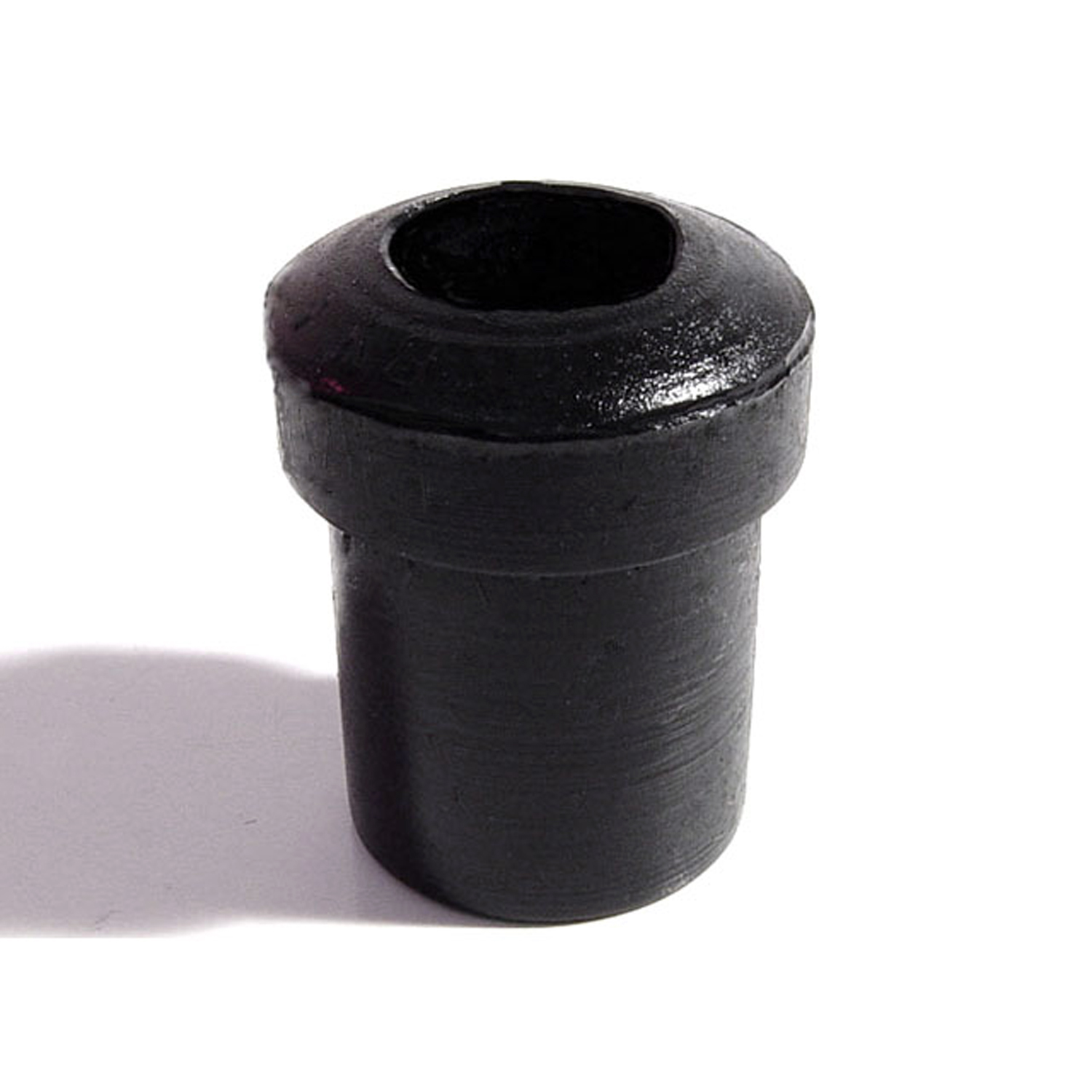 1950 Chrysler Royal Spring and Shackle Bushing. 7/8" bottom O.D-BN 16Spring and Shackle Bushing. 7/8" bottom O.D. X 1-1/8" high, with 1/2" I.D. Each
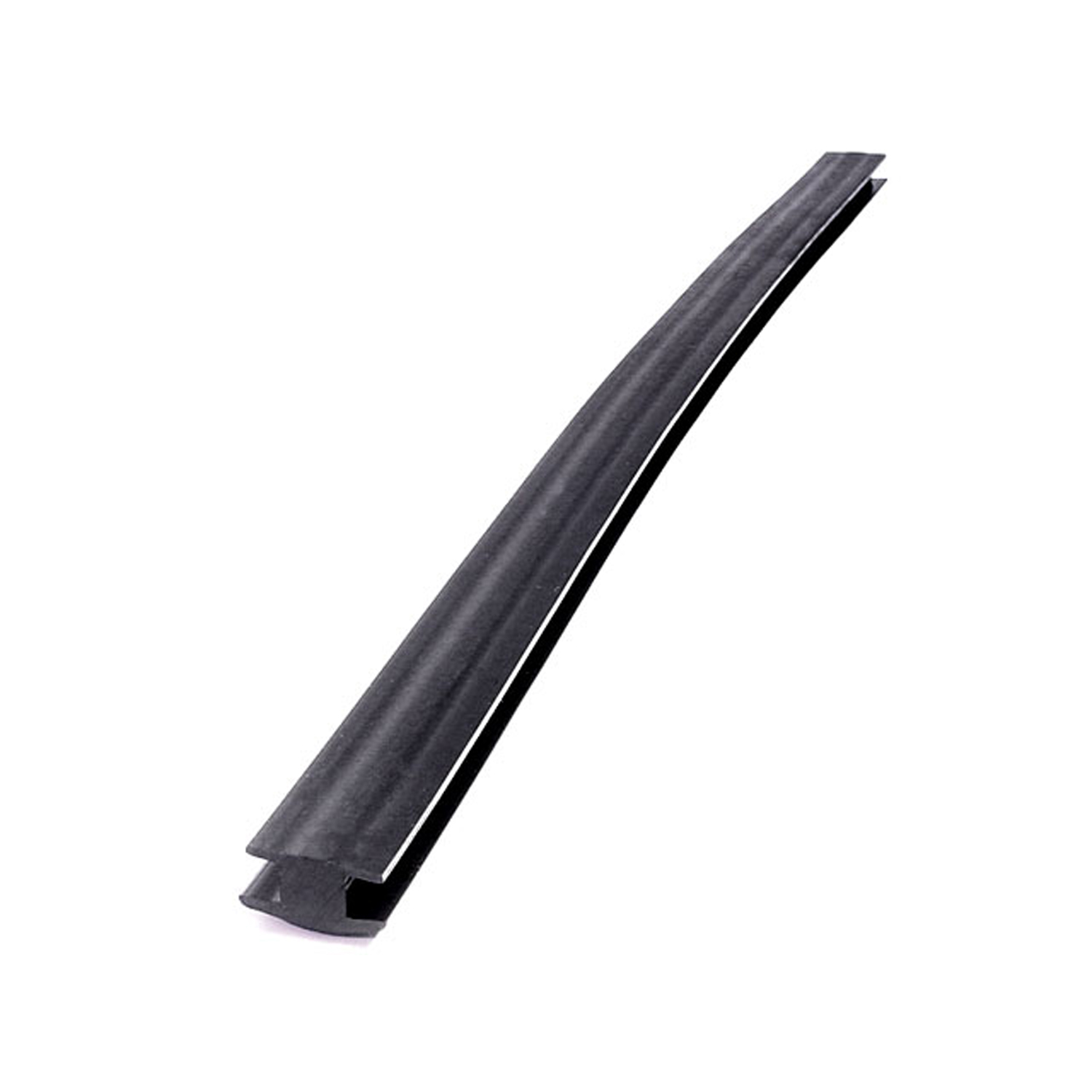 1950 Chrysler Royal Windshield Center Bar Gasket. 20" long. Each-DP 12Windshield Center Bar Gasket. 20" long. Each
 1950 Chrysler Royal Gravel Shields. Molded flat without metal backing plates-FS 31Gravel Shields. Molded flat without metal backing plates. Apply with contact cement. 18" long X 9-3/4" wide at bottom. Pair
 1950 Chrysler Royal Hood Corners. Fits flat corners-HC 19Hood Corners. Fits flat corners. 80° angle, 1/4" to 3/8" corner radius. 1-3/8" wide. Pair
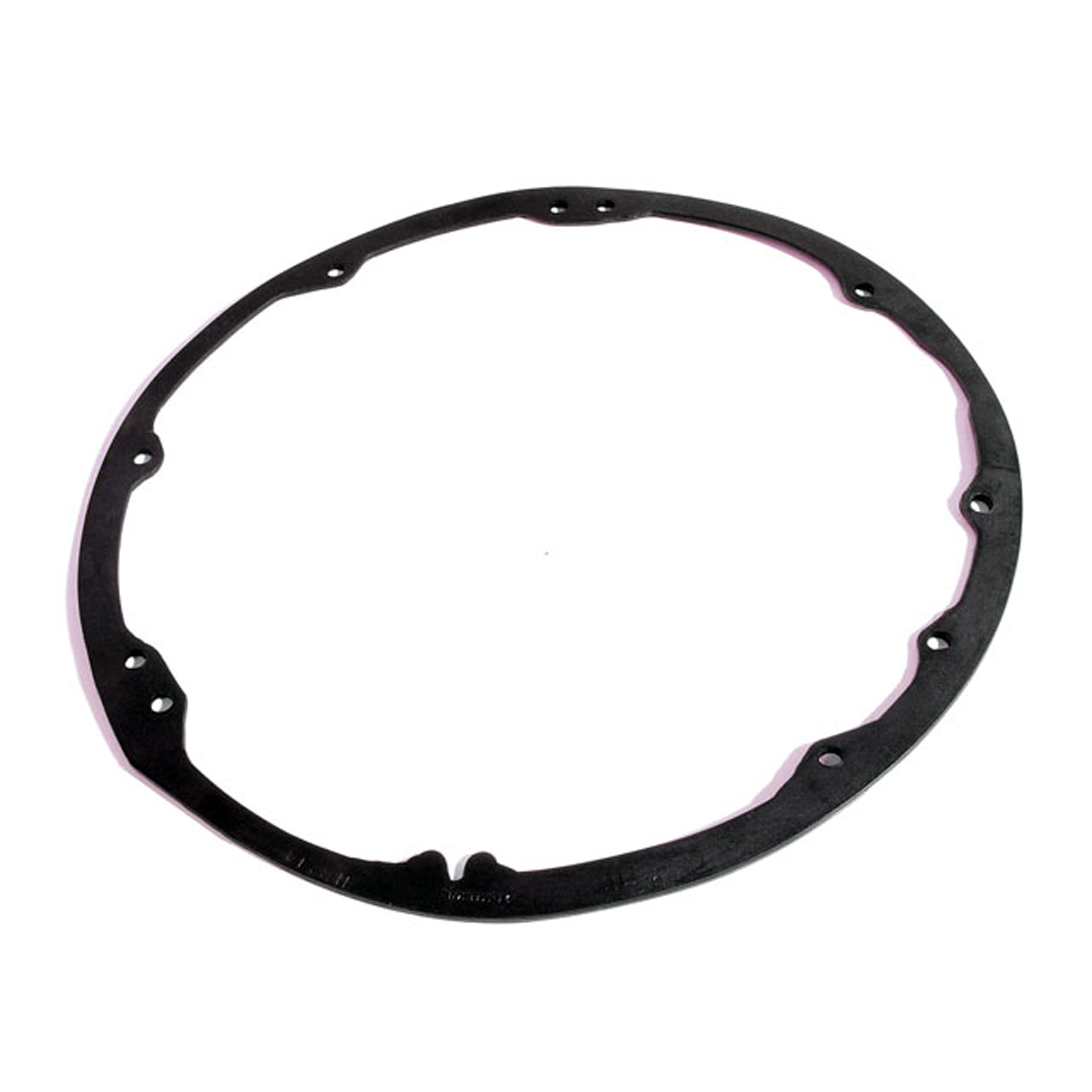 1950 Chrysler Royal Headlight Ring Seal. 8-3/8" O.D., 7-3/4" I.D. Pair-HR 14Headlight Ring Seal. 8-3/8" O.D., 7-3/4" I.D. Pair
 1950 Chrysler Royal Trunk Handle Pad. 1-7/8" wide X 6-3/8" long. Each-MP 582Trunk Handle Pad. 1-7/8" wide X 6-3/8" long. Each
 1950 Chrysler Royal Back-Up Light Pads. 3-1/2" wide X 4-1/4" long. Pair-MP 582-BBack-Up Light Pads. 3-1/2" wide X 4-1/4" long. Pair
 1950 Chrysler Royal Antenna Mounting Pad. Made with angled front bead-MP 959-CAntenna Mounting Pad. Made with angled front bead. Narrow type. 1-1/4" wide X 1-3/4" long. Each
 1950 Chrysler Royal Cowl Vent Seal. 3-1/2" wide X 17" long. Each-RP 100-PCowl Vent Seal. 3-1/2" wide X 17" long. Each
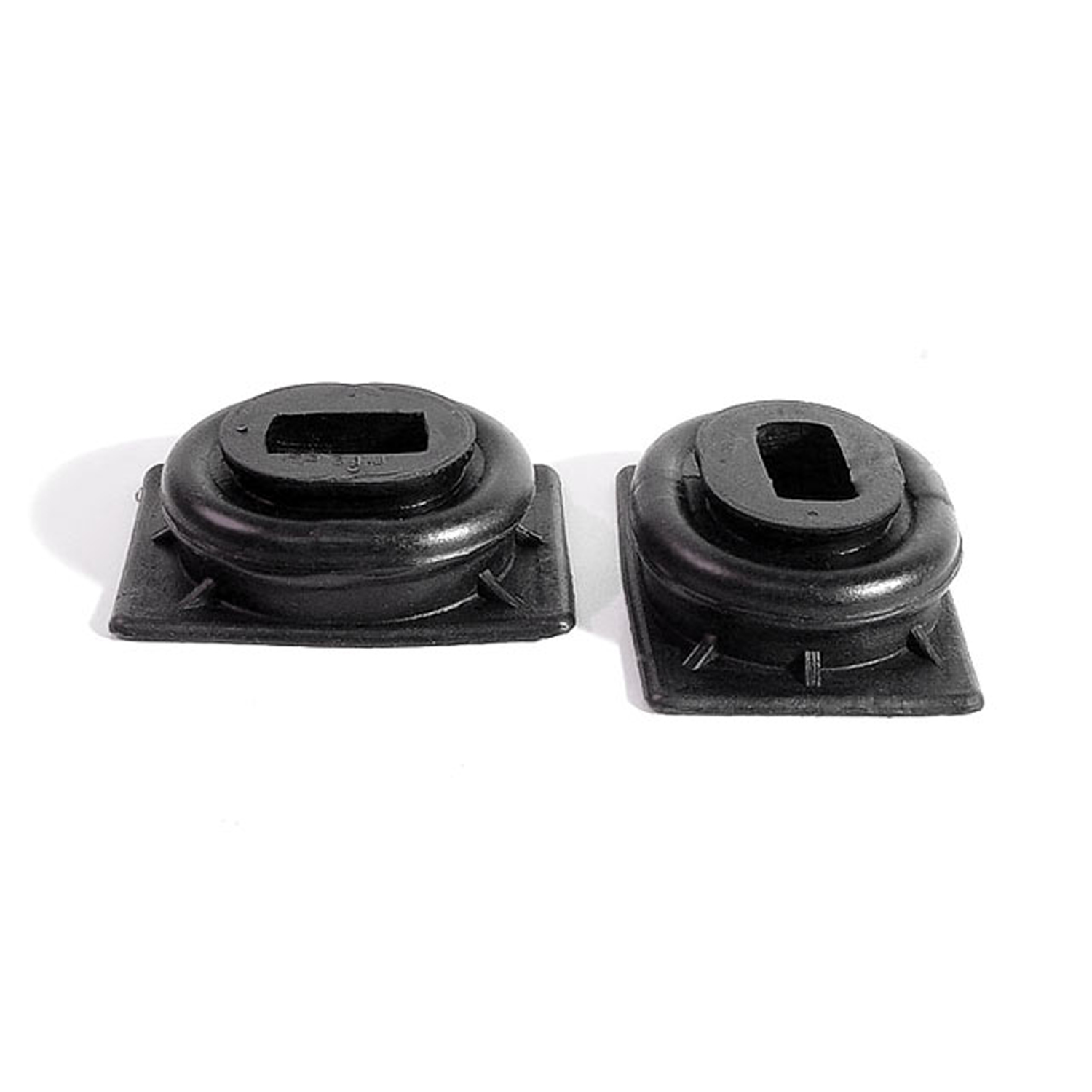 1950 Chrysler Royal Clutch and Brake Seals. Replaces OEM #889473. Pair-RP 31-JClutch and Brake Seals. Replaces OEM #889473. Pair
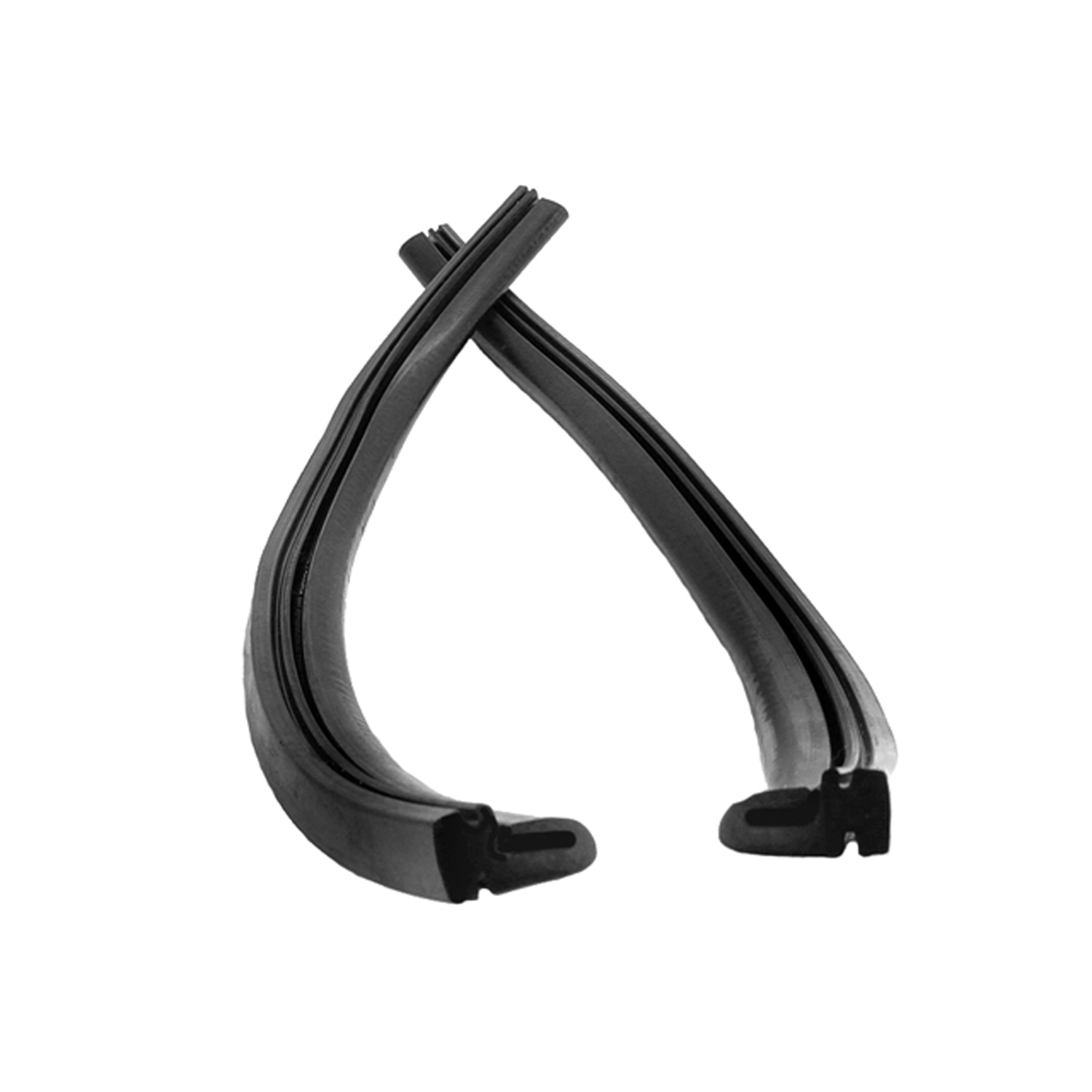 1950 Chrysler Royal Rear Roll-up Window Seals, for Hardtops and Convertibles-VS 7Rear Roll-up Window Seals, for Hardtops and Convertibles. For leading edge of rear quarter windows. Two pieces, 17-3/4" long. Pair
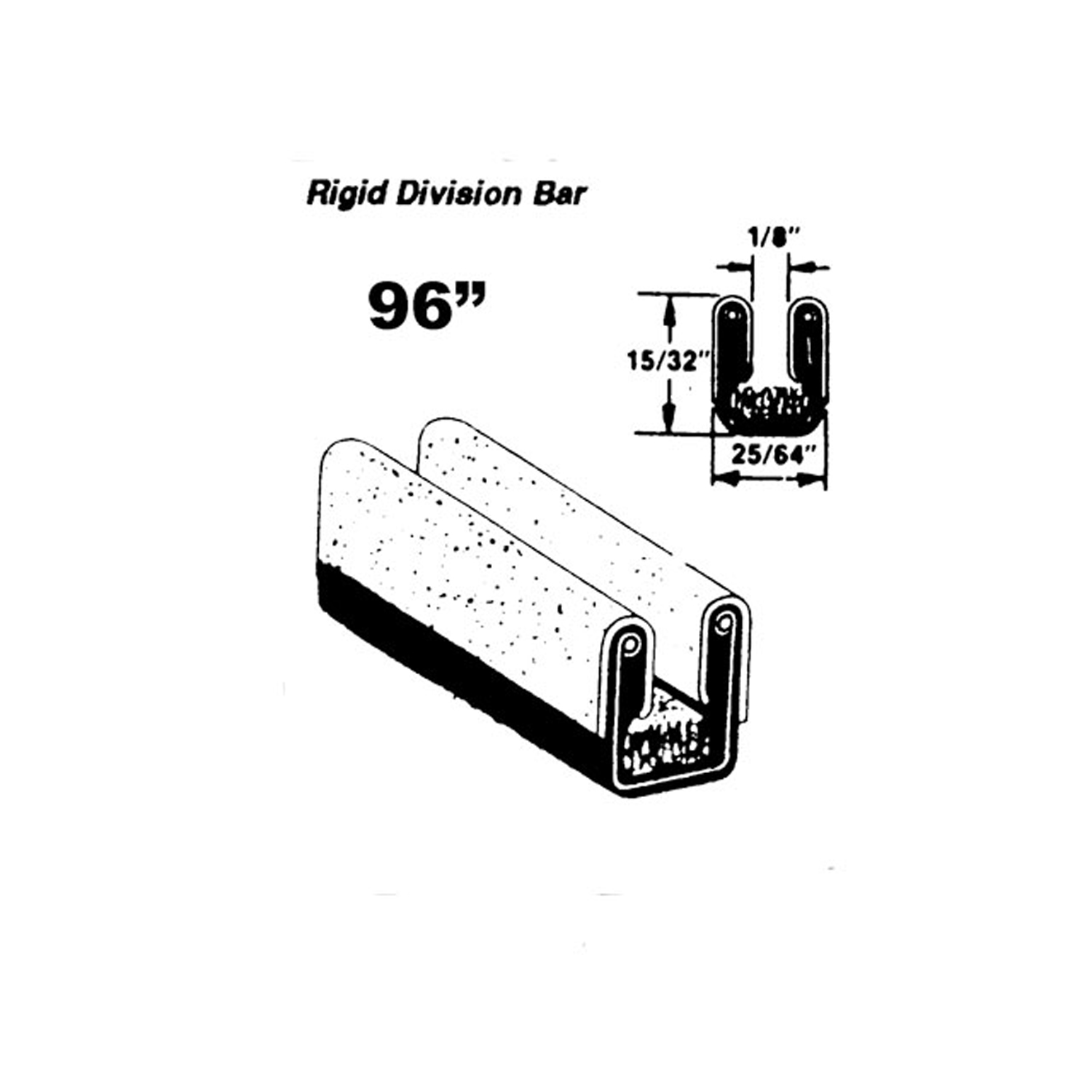 1950 Chrysler Royal Rigid division-bar run channel-WC 31-96Rigid division-bar run channel. Made with very soft felt lining. Used on front and rear door side windows. 96 in. long. Each. NOTE: $20 special shipping charge applies for domestic orders. Call or email for overseas shipping costs. Part can be sectioned in two or three equal lengths to reduce overseas shipping costs.
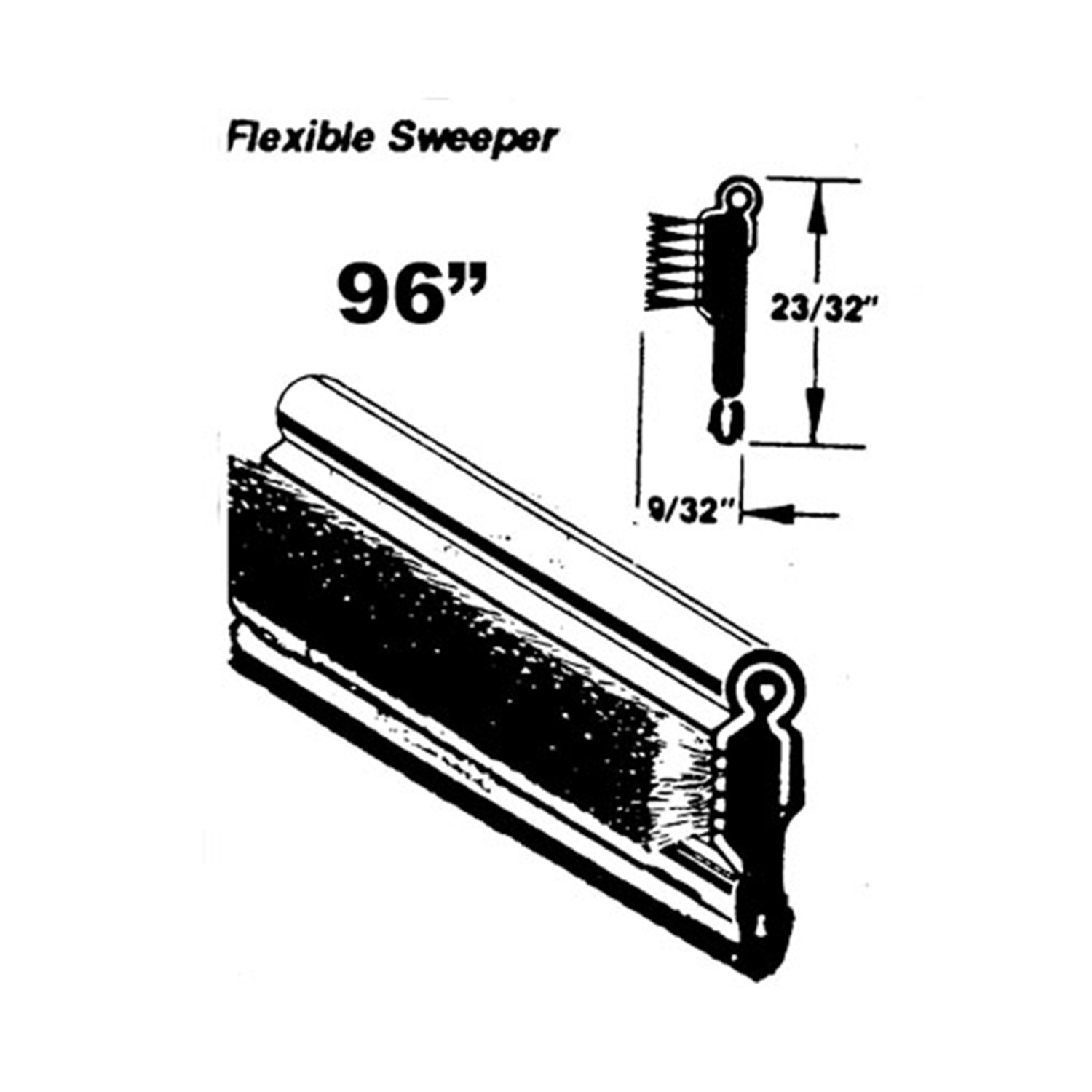 1950 Chrysler Royal Flexible window sweeper. Made with stainless steel bead-WC 4-96Flexible window sweeper. Made with stainless steel bead. 96 in. long. Each. NOTE: $20 special shipping charge applies for domestic orders. Call or email for overseas shipping costs. Part can be sectioned in two or three equal lengths to reduce overseas shipping costs.
 1950 Chrysler Royal Rear Vent Window Seals. Replaces OEM #1243378. Pair R&L-WR 2302-RRear Vent Window Seals. Replaces OEM #1243378. Pair R&L
 1950 Chrysler Royal Front Vent Window Seals-WR 2704Front Vent Window Seals. For all convertibles and '50-'52 2-door hardtops. Pair R&L
 1950 Chrysler Royal Front Vent Window Seals. For Coupes and 2-Door Sedans-WR 2708Front Vent Window Seals. For Coupes and 2-Door Sedans. 25-11/16" long. Replaces OEM #B4-5175-R. Pair R&L
Why Choose Metro?
For over 100 years, Metro Moulded Parts has been the pinnacle of quality in classic car restoration parts. Our commitment to precision and authenticity in every component ensures a perfect fit and an OEM-level appearance.
- Expert Craftsmanship & Quality: Each part is a testament to our dedication to reliability and perfection, crafted from original designs and thoroughly tested.
- Advanced Technology: We use cutting-edge techniques to create flawless, long-lasting parts that surpass others in performance.
- SuperSoft Sponge – The Ultimate Door Seal: Not only are our door seals 30% softer than competitors', but they're also guaranteed to never leak. They effectively reduce wind and road noise, enhancing your classic car's comfort and driving experience.
- Proudly American: Our parts are a product of American craftsmanship, made in the USA with a spirit of excellence and heritage.
- Unrivaled Warranty: We back our products with a 30-year industry-leading warranty, a testament to our confidence in their quality.
Join us in preserving the legacy of classic cars with parts that are crafted for perfection, not just made.