

Image of 1952 Chrysler Imperial, Note: These illustrations use artistic license and may differ from actual historical models.
Performance Metrics
Fundamental Metrics
Emotional Appeal
MMP Rating
| Engine Specifications | |
|---|---|
| Engine: | 331 cu in (5.4 L) Hemihead V8 |
| Displacement: | 331 cu in (5.4 L) |
| Horsepower: | 180 hp |
| Torque: | 312 lb-ft |
| Compression Ratio: | 7.5:1 |
| Ignition System: | Battery Ignition |
| Cooling System: | Liquid Cooled |
| Performance Specifications | |
| 0-60 Time: | Estimated 12 seconds |
| 1/4 Mile Time: | Not available |
| Top Speed: | 100 mph |
| Transmission and Drive | |
| Drive Type: | Rear Wheel Drive |
| Transmission Type: | 2-speed automatic, 3-speed manual |
| Fuel and Efficiency | |
| Fuel System Type: | Carburetor |
| MPG: | Estimated 10-12 mpg |
| Dimensions and Brakes | |
| Brakes: | Drum Brakes |
| Wheelbase: | 125.5 inches |
| Weight: | 4300 lbs |
Note: Specifications for classic cars are given to the best of our ability, considering the limited and variant data available.
1952 Chrysler Imperial: American Luxury with a Hemi Heart
The 1952 Chrysler Imperial paired formal, imposing luxury with one of the most talked-about engines of its era: Chrysler’s new FirePower Hemi V8. It was built for buyers who wanted the space and polish of a premium American car, plus the quiet confidence of serious engineering beneath the hood.
Imperial was Chrysler’s flagship line, positioned above the Windsor, Saratoga, and New Yorker. In 1952 it was still part of the Chrysler brand, rather than a separate marque, a change that would come for the 1955 model year. Its key rivals included Cadillac’s Series 62 and Lincoln’s upscale models. The Imperial’s appeal was a distinctive mix of restrained styling, a spacious cabin, and advanced-for-the-time powertrain technology.
One especially intriguing Imperial connection is the 1952 Imperial Parade Phaeton. Chrysler built three custom open parade cars based on the year’s Imperial design. These ceremonial vehicles appeared at civic and official events, giving the model a role beyond private luxury motoring.
Imperial Styling: Formal, Broad-Shouldered, and Unmistakable
The 1952 Imperial wore its size proudly. Its long hood, upright profile, broad fenders, and generous chrome gave it the dignified presence expected of a top-of-the-line American car. At the front, a substantial grille and bright trim framed the car’s face, while the hood ornament and Imperial badging reinforced its place at the top of Chrysler’s range.
Compared with the dramatic tailfins that would define later-1950s cars, the Imperial looked more restrained. Its rear styling remained upright and substantial, with carefully integrated lamps and trim rather than sweeping fins. That gives the 1952 model a transitional character: still rooted in postwar design, but beginning to move toward the more expressive shapes of the decade ahead.
Paint choices varied with body style and production, but buyers could choose from a broad range of period colors. Black, dark blue, green, maroon, gray, and light-colored finishes all suit the Imperial’s formal character. Two-tone treatments were also available on some configurations. Today, original or well-documented factory colors tend to attract extra attention from restorers and collectors.
Cabin Comfort and Body Styles
Inside, the Imperial prioritized room, comfort, and a substantial feel. Buyers could find rich cloth upholstery, with leather available in some configurations, along with polished brightwork and a broad dashboard designed around clear, conventional instruments. The generous bench seating and long wheelbase made the car especially comfortable for passengers in the rear.
For 1952, the regular Imperial range included a four-door sedan and a two-door Newport hardtop. The Newport was the more stylish choice, with a pillarless side profile when its windows were lowered. The sedan delivered the traditional, formal look and practical access of four doors. Above these models sat the Crown Imperial, a much rarer, extended-wheelbase limousine intended for chauffeur-driven use.
Luxury equipment varied by car and order. Depending on specification, buyers could find features such as power steering, power windows, a radio, heater, and other comfort appointments. Restored examples may have equipment added or changed over the decades, so original build records and period documentation are valuable when assessing a particular car.
FirePower Hemi Technology
The headline mechanical feature was Chrysler’s 331-cubic-inch, or 5.4-liter, FirePower V8. Its hemispherical combustion chambers gave the engine its familiar Hemi name and helped it breathe efficiently. The design used angled valves and a distinctive cylinder-head layout, technology that became central to Chrysler’s performance reputation.
In 1952 Imperial trim, the 331 Hemi produced about 180 horsepower. That was a strong figure for a full-size luxury car of the period, and the engine delivered its power with a smooth, confident character rather than a high-strung feel. Chrysler paired it with its Fluid-Torque Drive system, which used a fluid coupling to soften power delivery. It was not the same as a modern fully automatic transmission, and buyers should not confuse it with Chrysler’s later PowerFlite automatic.
Power steering was another notable technology available on the Imperial. Chrysler’s Hydraguide system reduced the effort needed to turn the large car, especially at parking speeds. On a vehicle of this size and weight, that assistance made a real difference to everyday drivability.
Historical Significance and Rivals
The 1952 Imperial illustrates how American luxury manufacturers competed through more than upholstery and chrome. Chrysler offered a technically distinctive V8, a refined torque-coupling drivetrain, and available power steering in a car aimed squarely at Cadillac and Lincoln buyers. The Hemi helped give Imperial a mechanical identity of its own rather than making it simply a larger Chrysler.
Its styling also captured an important moment in American design. The car retained the substantial, formal appearance favored in the immediate postwar years, while the industry was starting to explore lower profiles, more adventurous trim, and increasingly dramatic rear styling. The Imperial did not invent the later fin era, but it represents the last phase before that style became dominant.
The model’s influence is most visible in Chrysler’s continued use of the Hemi concept and in the Imperial name’s evolution into a stand-alone luxury marque. The 1952 car remains an appealing example of the company’s effort to match Cadillac’s prestige while emphasizing Chrysler engineering.
Performance and Road Manners
With roughly 180 horsepower moving a heavy luxury body, the Imperial was brisk for its class, though it was no lightweight sports car. Period performance figures vary with body style, equipment, mechanical condition, and testing method. A healthy example is generally estimated to reach 60 mph in roughly 13 to 15 seconds, with a top speed around 100 mph. Treat those as period-car estimates rather than guaranteed figures for every surviving car.
On the road, the Hemi’s appeal is its steady, effortless pull. The engine settles into a deep, smooth V8 rumble, and the Fluid-Torque Drive system helps soften acceleration. The ride is geared toward comfort: the suspension absorbs ordinary bumps well, and the long wheelbase helps the car feel settled on open roads.
On a narrow or winding road, the Imperial’s size and weight become more apparent. It responds best to smooth steering inputs and a measured pace, rather than quick direction changes. Optional power steering makes low-speed maneuvering easier, but the car still feels substantial. Its drum brakes and period tires also call for more following distance than a modern driver may expect.
Owning and Maintaining a 1952 Imperial
Today, the Imperial is most often used as a show car, a weekend cruiser, or a participant in classic-car tours. A well-sorted example can handle occasional road use, but its size, fuel consumption, and vintage systems make it a less practical daily driver than a modern car. It is best suited to owners who enjoy the experience of operating and maintaining a large postwar automobile.
The basic mechanical layout is understandable to an experienced home mechanic, but the Imperial is not a simple budget project. Hemi-specific components, correct trim, body panels, and limousine parts can take time to locate. The 331 is durable when maintained properly, but neglect, overheating, poor storage, or incorrect repairs can turn an engine rebuild into a costly undertaking. Parts availability is generally better for common service items than for rare body and interior pieces.
Before buying, inspect the frame and body for rust, check the engine’s oil pressure and cooling system, and test the transmission carefully. Brake condition, wiring, steering components, and the operation of any power accessories deserve close attention. A car with a documented restoration and a thorough service history is usually a safer purchase than a cheaper example that needs major structural or mechanical work.
Imperial Trivia and Common Criticisms
The three 1952 Imperial Parade Phaetons are among the most unusual cars connected to the model year. Built for ceremonial use rather than ordinary showroom sale, they are a reminder that Chrysler’s flagship design could be adapted for public spectacle as well as private ownership.
A common criticism is that the Imperial’s size and fuel appetite make it cumbersome by modern standards. Its drum brakes, broad turning circle, and slower acceleration also require a different driving rhythm from today’s vehicles. On the other hand, those traits are part of the period experience: the Imperial was designed to carry passengers in comfort, not to dart through traffic or attack tight corners.
There is no widely recognized production-car speed or endurance record attached to the 1952 Imperial. Its claim to attention rests instead on the early FirePower Hemi, its place at the top of Chrysler’s range, and the rare parade cars created from its design.
Collector Values and Availability
About 6,700 Imperial-branded cars were produced for the 1952 model year, depending on how production totals are grouped. Crown Imperial limousines were far less common than regular sedans and hardtops, while the three Parade Phaetons are exceptional one-off-style ceremonial cars rather than ordinary production models. Exact surviving-car numbers are not established, and availability varies by condition and location.
As a broad U.S. market estimate for 2026, a project or rough driver-quality Imperial might fall around $10,000 to $25,000. A sound, presentable car could bring approximately $25,000 to $50,000, while a high-quality restoration may reach $50,000 to $85,000 or more. Crown Imperial limousines can command a premium when complete and correctly restored, though their specialized nature can narrow the buyer pool. Exceptional parade cars are in a separate category and cannot be valued like ordinary production Imperials.
Prices depend heavily on originality, restoration quality, rust, mechanical condition, and documentation. The model has a dedicated following, but it does not always attract the same broad demand as a famous muscle car or a Cadillac convertible. Values have generally been steadier than explosive: especially good, well-documented examples are likely to hold interest, while neglected cars can remain difficult to sell. These figures are useful guide ranges, not a substitute for a current appraisal or recent comparable sales.
Why the 1952 Imperial Still Matters
The 1952 Chrysler Imperial combined formal postwar luxury with a genuinely distinctive mechanical package. Its 331-cubic-inch Hemi, Fluid-Torque Drive, spacious cabin, and available power steering set it apart from many contemporaries, while its sedan, Newport hardtop, and rare Crown limousine offered different expressions of flagship comfort.
It is large, deliberate, and unmistakably of its time, but that is exactly its appeal. The 1952 Imperial is more than a grand old Chrysler: it is a snapshot of American luxury just before the styling revolution of the later 1950s, powered by an engine whose name would become part of automotive legend.
1952 Chrysler Imperial Catalog of Parts
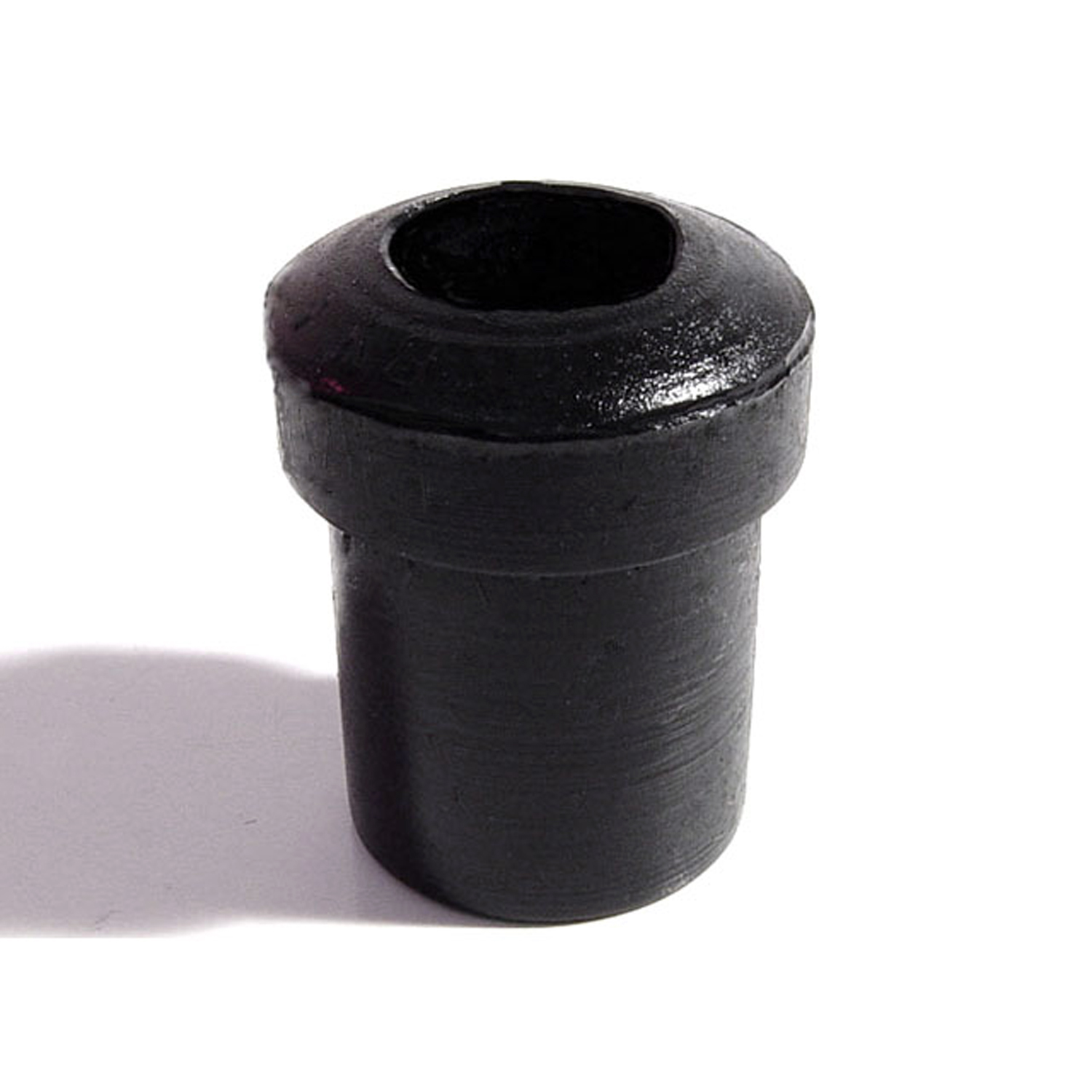 1952 Chrysler Imperial Spring and Shackle Bushing. 7/8" bottom O.D-BN 16Spring and Shackle Bushing. 7/8" bottom O.D. X 1-1/8" high, with 1/2" I.D. Each
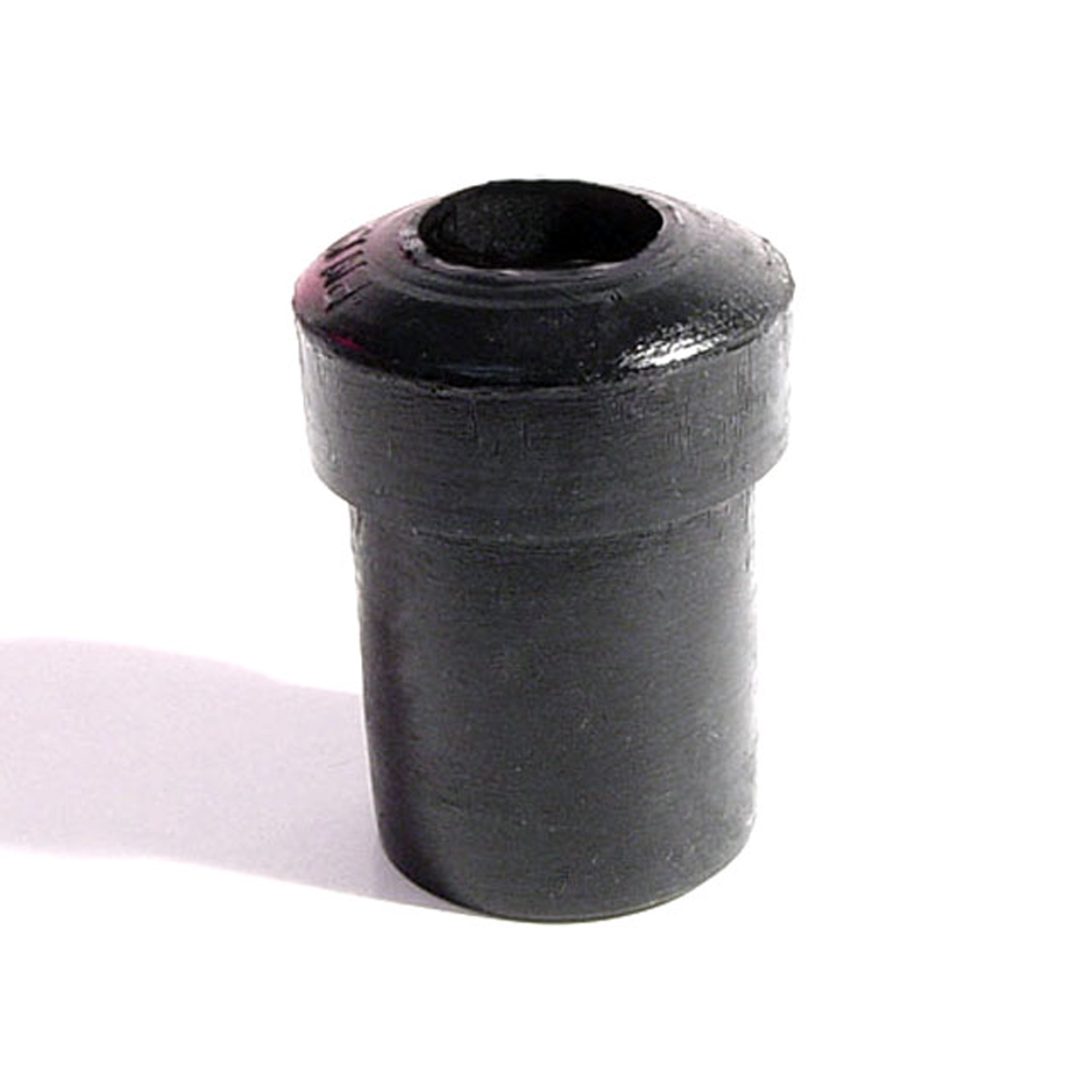 1952 Chrysler Imperial Spring and Shackle Bushing. 7/8" bottom O.D-BN 19Spring and Shackle Bushing. 7/8" bottom O.D. X 1-1/4" high, with 1/2" I.D. Each
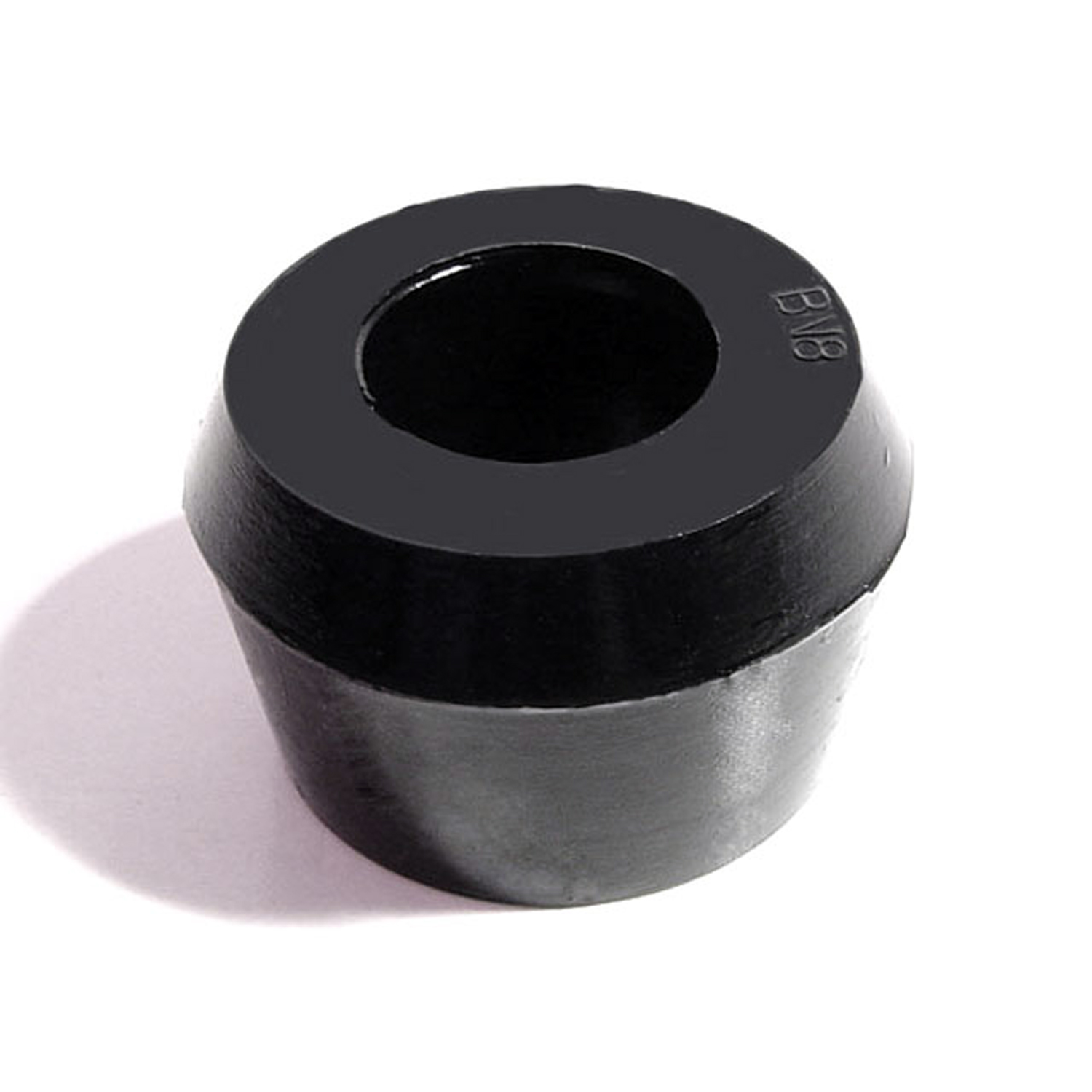 1952 Chrysler Imperial Shock Absorber Grommet. 1-1/4" bottom O.D-BN 8Shock Absorber Grommet. 1-1/4" bottom O.D., 1" high, with 3/4" I.D. Each
 1952 Chrysler Imperial Clutch and Brake Pedal Pads. 3" wide X 3-7/8" long. Pair-CB 27Clutch and Brake Pedal Pads. 3" wide X 3-7/8" long. Pair
 1952 Chrysler Imperial Gravel Shields. Molded flat without metal backing plates-FS 31Gravel Shields. Molded flat without metal backing plates. Apply with contact cement. 18" long X 9-3/4" wide at bottom. Pair
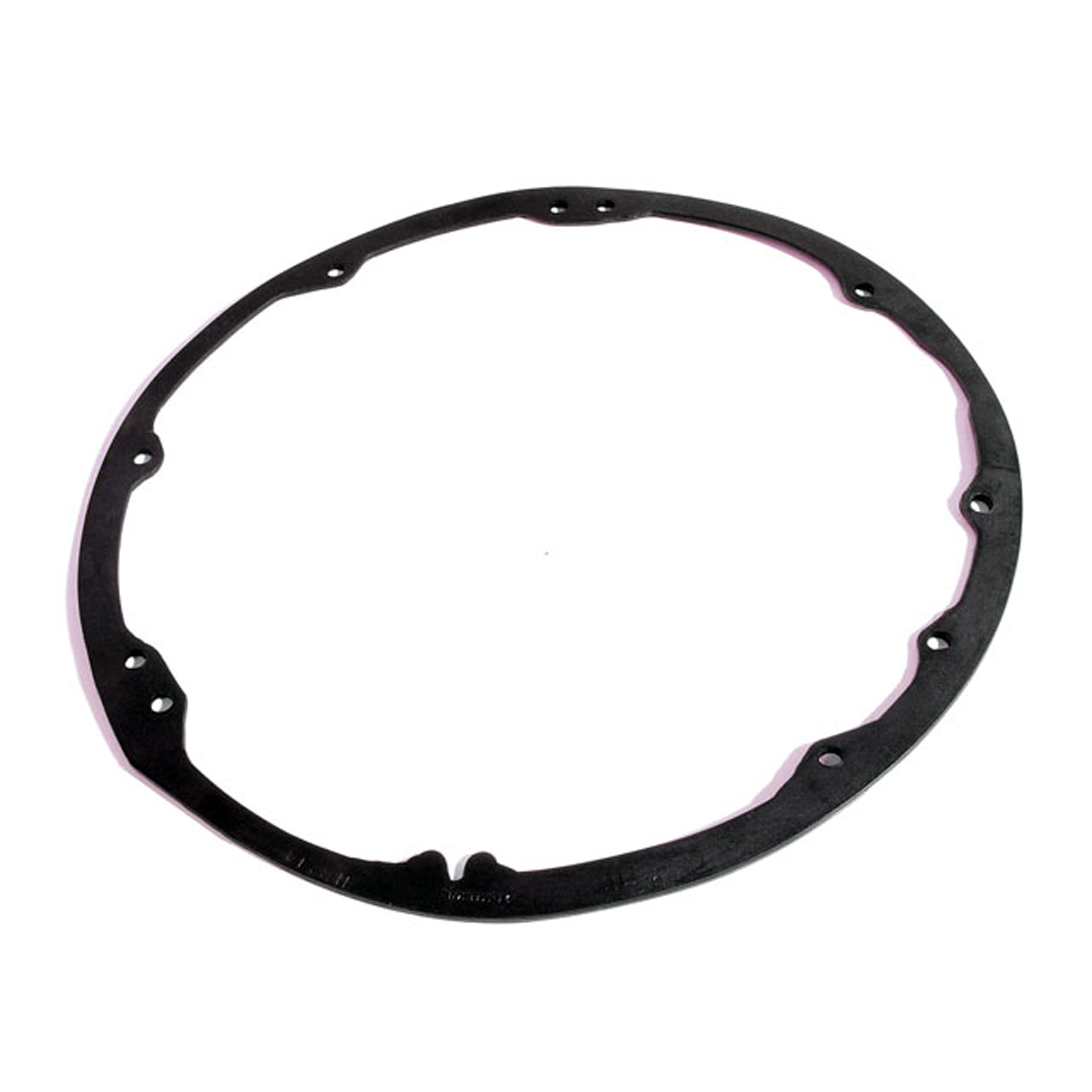 1952 Chrysler Imperial Headlight Ring Seal. 8-3/8" O.D., 7-3/4" I.D. Pair-HR 14Headlight Ring Seal. 8-3/8" O.D., 7-3/4" I.D. Pair
 1952 Chrysler Imperial Trunk Handle Pad. 1-7/8" wide X 6-3/8" long. Each-MP 582Trunk Handle Pad. 1-7/8" wide X 6-3/8" long. Each
 1952 Chrysler Imperial Back-Up Light Pads. 3-1/2" wide X 4-1/4" long. Pair-MP 582-BBack-Up Light Pads. 3-1/2" wide X 4-1/4" long. Pair
 1952 Chrysler Imperial Fog Light Pads. 3" O.D. Pair-MP 605Fog Light Pads. 3" O.D. Pair
 1952 Chrysler Imperial Cowl Vent Seal. 3-1/2" wide X 17" long. Each-RP 100-PCowl Vent Seal. 3-1/2" wide X 17" long. Each
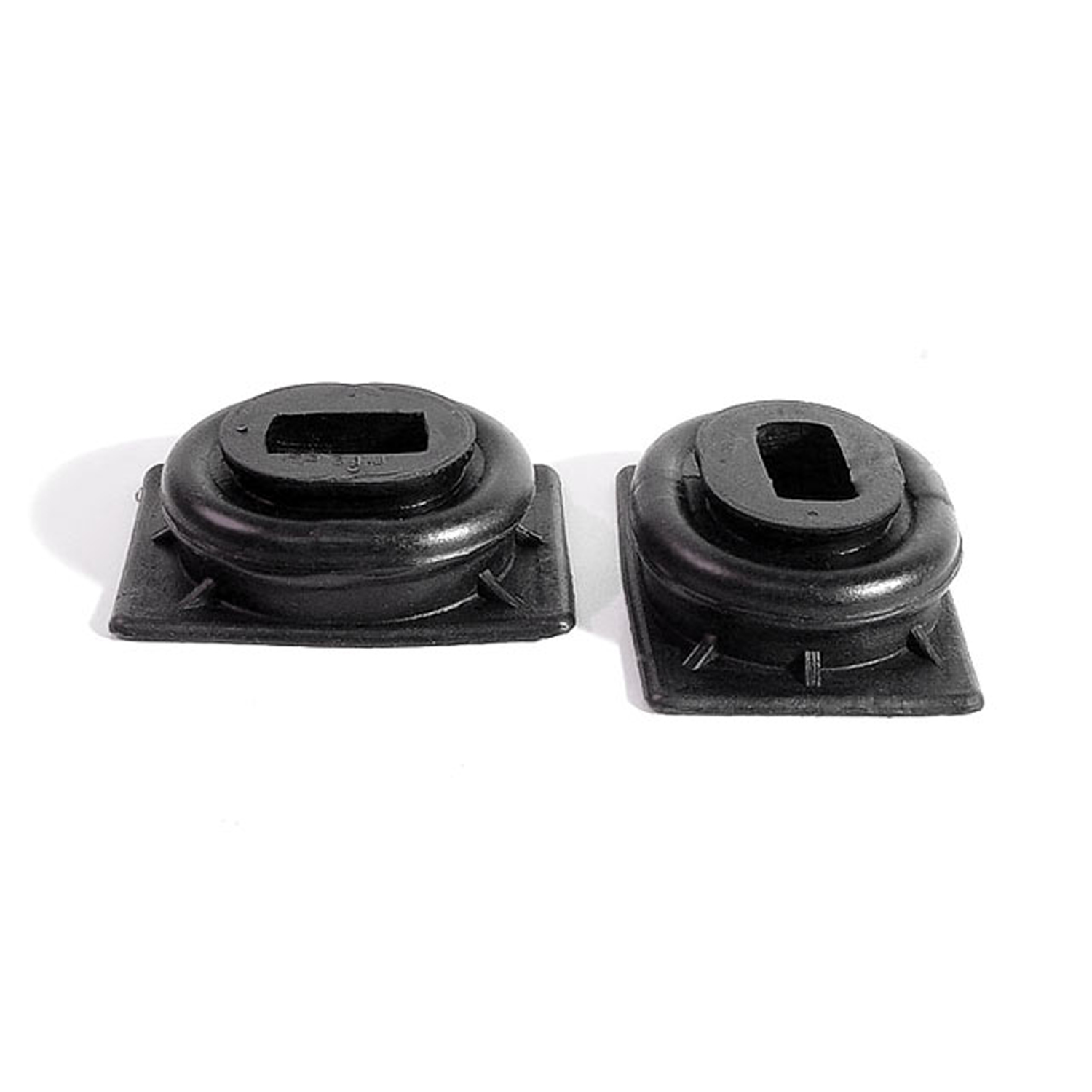 1952 Chrysler Imperial Clutch and Brake Seals. Replaces OEM #889473. Pair-RP 31-JClutch and Brake Seals. Replaces OEM #889473. Pair
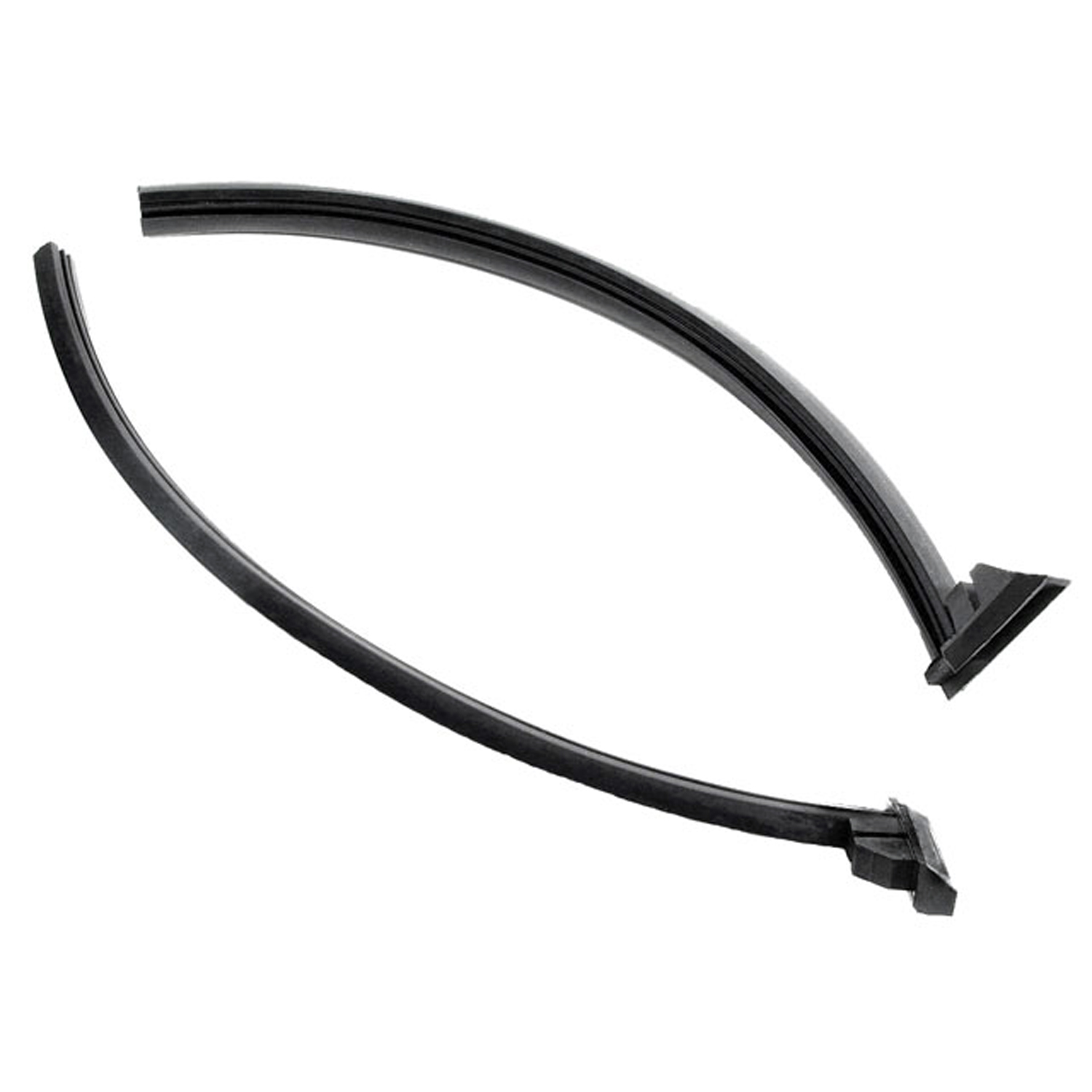 1952 Chrysler Imperial Rear Roll-Up Side Quarter Window Seals. Each piece 15" long-VS 3-BRear Roll-Up Side Quarter Window Seals. Each piece 15" long. Pair R&L
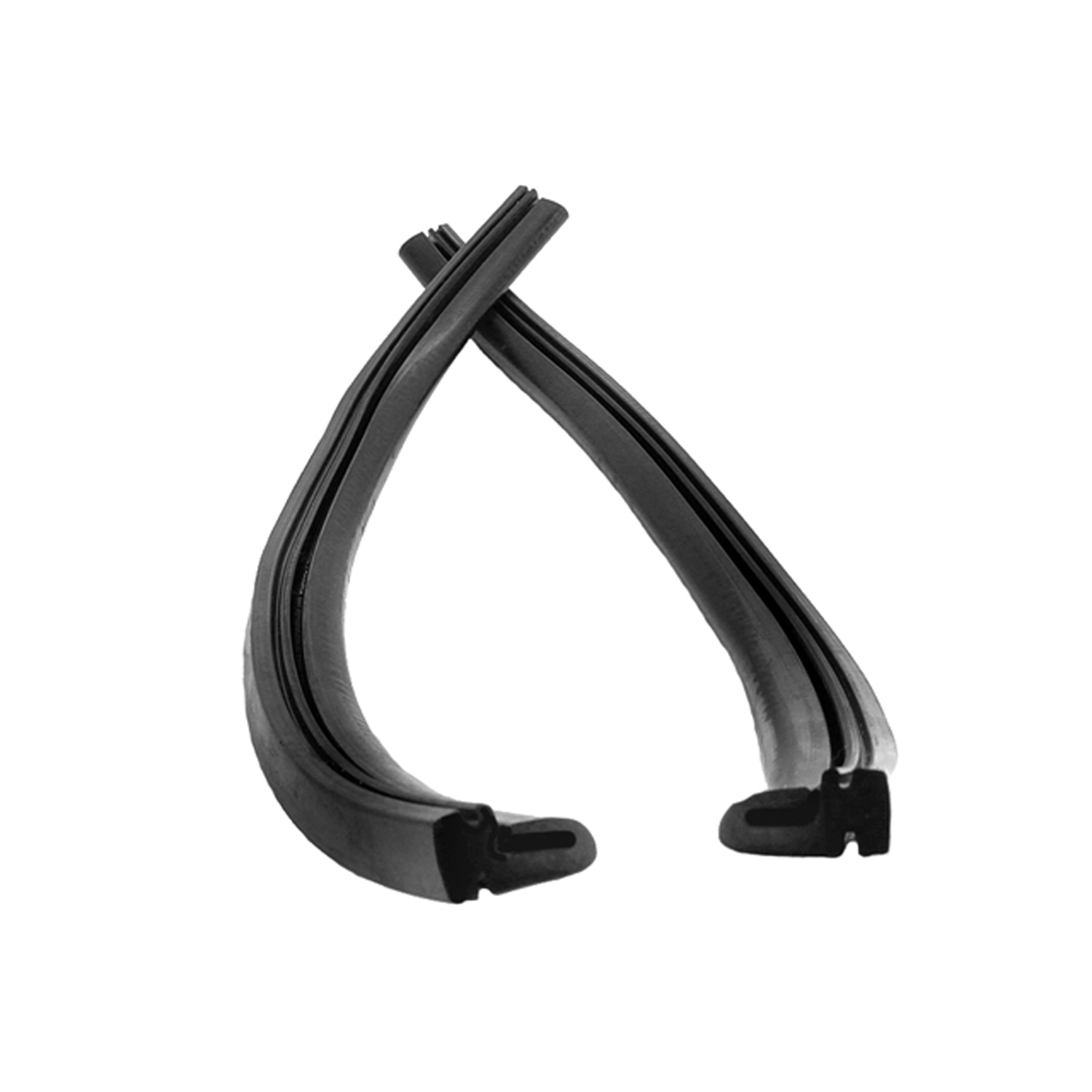 1952 Chrysler Imperial Rear Roll-up Window Seals, for Hardtops and Convertibles-VS 7Rear Roll-up Window Seals, for Hardtops and Convertibles. For leading edge of rear quarter windows. Two pieces, 17-3/4" long. Pair
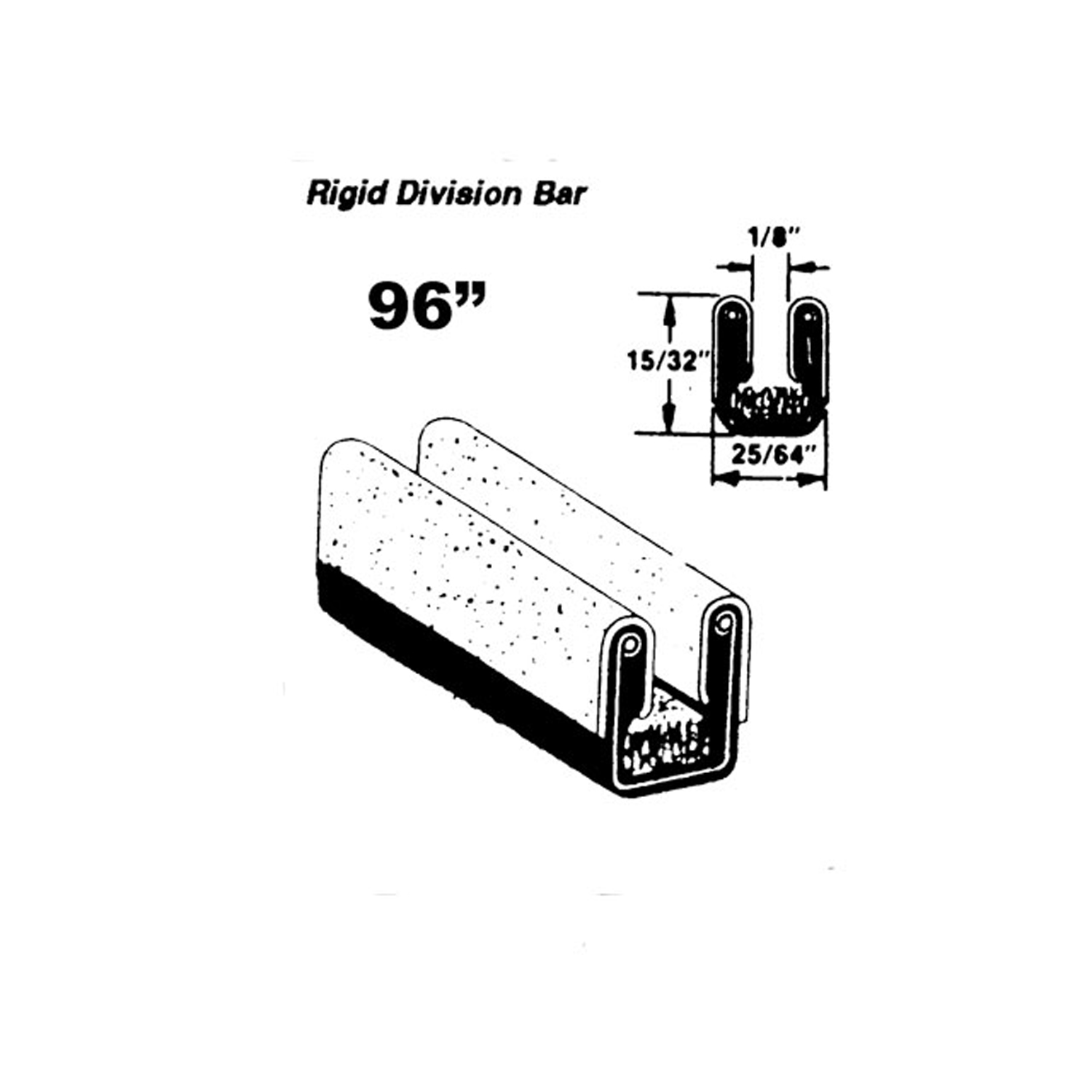 1952 Chrysler Imperial Rigid division-bar run channel-WC 31-96Rigid division-bar run channel. Made with very soft felt lining. Used on front and rear door side windows. 96 in. long. Each. NOTE: $20 special shipping charge applies for domestic orders. Call or email for overseas shipping costs. Part can be sectioned in two or three equal lengths to reduce overseas shipping costs.
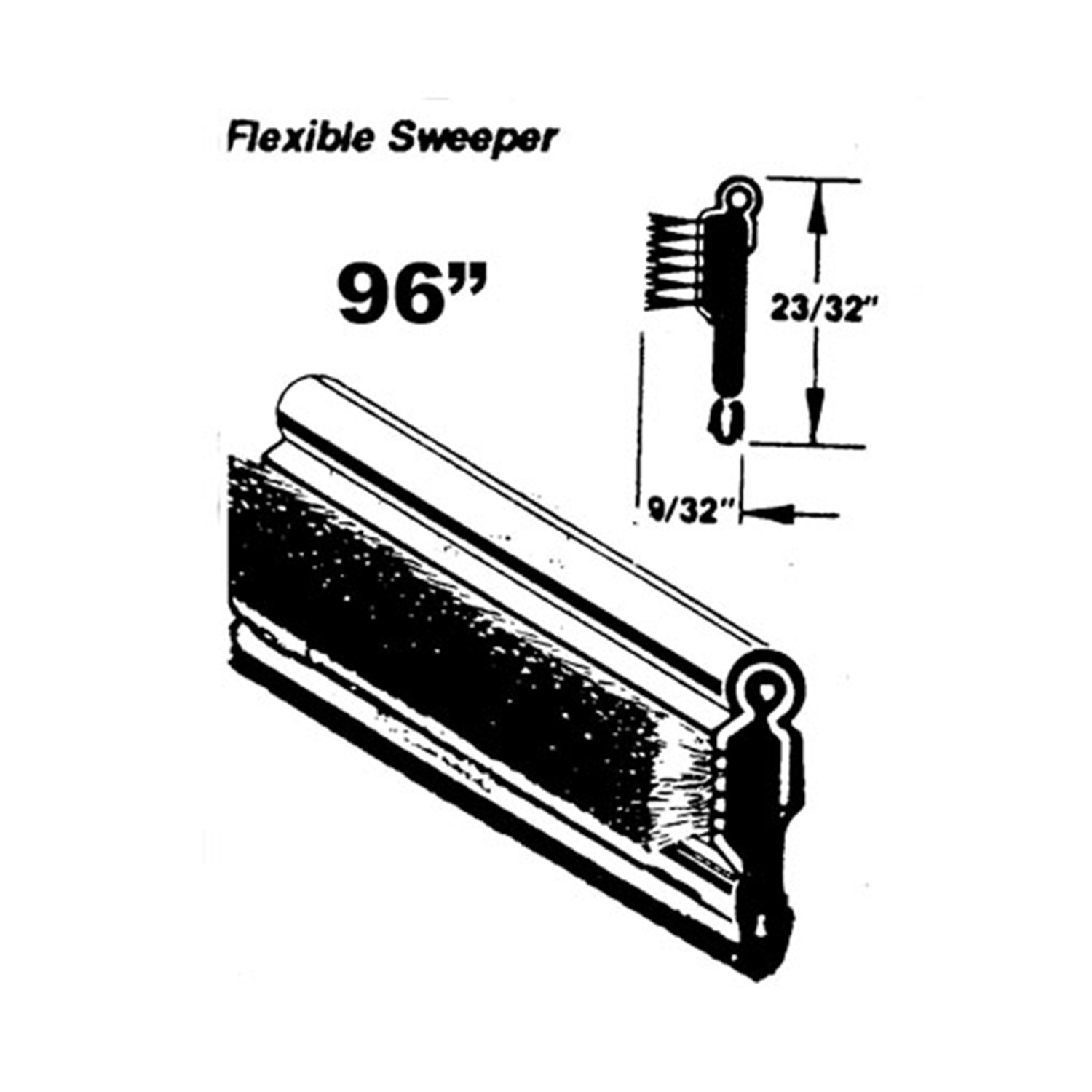 1952 Chrysler Imperial Flexible window sweeper. Made with stainless steel bead-WC 4-96Flexible window sweeper. Made with stainless steel bead. 96 in. long. Each. NOTE: $20 special shipping charge applies for domestic orders. Call or email for overseas shipping costs. Part can be sectioned in two or three equal lengths to reduce overseas shipping costs.
 1952 Chrysler Imperial Rear Vent Window Seals. Replaces OEM #1243378. Pair R&L-WR 2302-RRear Vent Window Seals. Replaces OEM #1243378. Pair R&L
 1952 Chrysler Imperial Front Vent Window Seals-WR 2704Front Vent Window Seals. For all convertibles and '50-'52 2-door hardtops. Pair R&L
 1952 Chrysler Imperial Front Suspension to Frame Bumpers-XB 29Front Suspension to Frame Bumpers. Fits beneath upper control arm. 1-3/4" high X 1-5/8" X 1-3/8". Pair
Why Choose Metro?
For over 100 years, Metro Moulded Parts has been the pinnacle of quality in classic car restoration parts. Our commitment to precision and authenticity in every component ensures a perfect fit and an OEM-level appearance.
- Expert Craftsmanship & Quality: Each part is a testament to our dedication to reliability and perfection, crafted from original designs and thoroughly tested.
- Advanced Technology: We use cutting-edge techniques to create flawless, long-lasting parts that surpass others in performance.
- SuperSoft Sponge – The Ultimate Door Seal: Not only are our door seals 30% softer than competitors', but they're also guaranteed to never leak. They effectively reduce wind and road noise, enhancing your classic car's comfort and driving experience.
- Proudly American: Our parts are a product of American craftsmanship, made in the USA with a spirit of excellence and heritage.
- Unrivaled Warranty: We back our products with a 30-year industry-leading warranty, a testament to our confidence in their quality.
Join us in preserving the legacy of classic cars with parts that are crafted for perfection, not just made.