

Image of 1953 Chrysler New Yorker, Note: These illustrations use artistic license and may differ from actual historical models.
Performance Metrics
Fundamental Metrics
Emotional Appeal
MMP Rating
| Engine Specifications | |
|---|---|
| Engine: | 331 cu in (5.4 L) FirePower V8 |
| Displacement: | 331 cu in (5.4 L) |
| Horsepower: | 180 hp |
| Torque: | 312 lb-ft |
| Compression Ratio: | 7.5:1 |
| Ignition System: | Battery and coil |
| Cooling System: | Liquid-cooled |
| Performance Specifications | |
| 0-60 Time: | Estimated 12 seconds |
| 1/4 Mile Time: | Not available |
| Top Speed: | 100 mph |
| Transmission and Drive | |
| Drive Type: | Rear-wheel drive |
| Transmission Type: | 2-speed PowerFlite automatic |
| Fuel and Efficiency | |
| Fuel System Type: | Carburetor |
| MPG: | Estimated 10-12 mpg |
| Dimensions and Brakes | |
| Brakes: | Drum brakes |
| Wheelbase: | 125.5 inches |
| Weight: | 4,235 lbs |
Note: Specifications for classic cars are given to the best of our ability, considering the limited and variant data available.
1953 Chrysler New Yorker: A Hemi-Powered American Flagship
The 1953 Chrysler New Yorker paired a smooth, imposing presence with one of the most celebrated engines of the era: Chrysler’s 331-cubic-inch FirePower Hemi V8. Built by the Chrysler Corporation, the New Yorker sat near the top of the company’s passenger-car range, offering more luxury and power than the mass-market Windsor while remaining distinct from the more exclusive Imperial.
The model had been part of Chrysler’s lineup since 1939, but the 1953 car arrived at a particularly lively moment in American motoring. Postwar buyers were embracing bigger engines, richer interiors, and increasingly stylish bodies. One intriguing feature was available well before air conditioning became commonplace: Chrysler offered its Airtemp climate-control system as an option, a costly luxury that helped make the New Yorker a genuinely advanced long-distance car.
Bold Styling and Upscale Details
The New Yorker’s shape was substantial without being ungainly. Its long hood, broad shoulders, tall greenhouse, and generous wheelbase gave it the formal proportions buyers expected from a premium American car. A wide chrome grille and bright exterior trim emphasized the car’s width, while rounded fenders and carefully shaped body sides softened its mass. It was unmistakably a Chrysler, but it did not yet have the dramatically low, tail-finned look that designer Virgil Exner would bring to the company’s later-1950s models.
Inside, the New Yorker put comfort ahead of austerity. Upholstery materials and trim varied by body style and specification, but buyers could expect broad bench seats, substantial door panels, carpeting, and a well-finished dashboard with clear, legible instruments. Chrome accents and coordinated fabrics gave the cabin a polished look. Power accessories such as power steering and power brakes were available, helping make the large car easier to maneuver and stop.
Factory paint choices changed with body style and production details, but the palette included dark and light solid colors as well as two-tone combinations. Black, cream or ivory, blue, green, and red shades suited the car’s formal character, with two-tone finishes adding visual contrast. Original paint and trim codes are worth checking when assessing a restoration, since colors and interior combinations were not identical across every New Yorker body.
New Yorker Body Styles
Chrysler offered the 1953 New Yorker in several forms, including a four-door sedan, a two-door club coupe, the Newport two-door hardtop, and a convertible. A Town & Country wagon was also part of Chrysler’s premium-car story, though availability and production numbers varied by model specification. The Newport hardtop was especially appealing to buyers who wanted the open, pillarless look of a convertible without a folding top. The convertible remains one of the most visually striking and collectible versions today.
FirePower Hemi and 1950s Innovation
The New Yorker’s defining mechanical feature was its 331-cubic-inch FirePower V8. The engine’s hemispherical combustion chambers gave it its familiar “Hemi” name and allowed efficient airflow through large valves. In 1953 New Yorker tune, it produced about 180 horsepower and roughly 312 lb-ft of torque. Those figures made the car a serious performer for a full-size luxury automobile of its day.
Chrysler’s engineering gave the New Yorker a distinctive place among its contemporaries. The Hemi was not merely a large engine; its design became a foundation for the company’s later high-performance reputation. The car also reflected Chrysler’s emphasis on ride comfort and useful technology, including available power steering and the Airtemp air-conditioning option. These features helped establish a template for the modern American luxury car: strong V8 power, spacious accommodation, and convenience equipment for extended travel.
The 1953 New Yorker is also a useful snapshot of Chrysler before its mid-decade styling revolution. It combined the company’s established engineering strengths with restrained, rounded postwar styling. Its influence is less about a single dramatic design breakthrough than about the long-running appeal of the Hemi-powered, well-equipped American touring car.
Performance and Road Manners
Period performance depended on body style, transmission, tune, and vehicle condition. A sound New Yorker could reach approximately 100 mph, with a zero-to-60-mph time in the neighborhood of 12 to 14 seconds. Those are estimates rather than guaranteed figures, especially for cars that have been modified or restored with non-original components. The car’s real strength was effortless cruising, not sports-car acceleration.
Power went through a three-speed manual transmission, with Chrysler’s Fluid-Torque Drive available in certain configurations. The fluid coupling softened takeoffs and made traffic driving more relaxed, although it should not be confused with a modern fully automatic transmission. The New Yorker’s long wheelbase and soft suspension were well suited to highway miles and rough pavement. It rode calmly over bumps, but its size and weight made tight, winding roads more of a careful exercise than a thrill ride.
From behind the wheel, the Hemi delivers a deep, unhurried V8 note rather than a sharp, high-revving roar. The steering feels large-car substantial, and the broad hood gives the driver a strong sense of the car’s length. On an open road, the New Yorker feels composed and comfortable. In a crowded parking lot, its dimensions, turning circle, and period braking demands become much more apparent.
Living with a 1953 New Yorker
Today, most New Yorkers are used as weekend cruisers, show cars, or carefully maintained touring vehicles rather than everyday transport. Their spacious cabins and relaxed highway character make them enjoyable on club outings and scenic drives. A stock example can also be a rewarding restoration project, but it is a large, complex car with decades-old electrical, fuel, brake, and cooling systems.
Mechanical repairs are generally approachable for an experienced home mechanic, and many routine service items follow familiar 1950s American-car practice. The Hemi itself is robust when maintained correctly, but specialized parts and machine work can be costly. Before buying, inspect the engine for signs of overheating or poor oiling, check the transmission and fluid coupling carefully, and look for rust in floors, rocker panels, trunk areas, and lower body seams. Chrome, interior trim, and model-specific body parts can be harder to source than basic mechanical components.
Hemi Trivia and Common Criticisms
The FirePower Hemi helped create a performance reputation that Chrysler would build on for decades, particularly as Hemi-powered cars gained attention in motorsport. The 1953 New Yorker itself is best remembered as a luxurious road car rather than as a dedicated record-setter or racing model. Its Airtemp option is a notable piece of early automotive comfort technology, though many surviving cars were not ordered with it.
One common criticism is the New Yorker’s sheer size. It can feel cumbersome in modern traffic, and its fuel consumption is high by contemporary standards. Braking and handling also demand more anticipation than drivers expect from a modern vehicle. On the other hand, those same dimensions deliver the roomy cabin and relaxed ride that made the car appealing when new.
Collector Values and Availability
A reasonable best estimate is that Chrysler built roughly 45,000 to 50,000 New Yorkers for the 1953 model year across the available body styles. Exact totals depend on how production figures are grouped, and surviving examples are only a fraction of that number. Sedans and hardtops appear more often than convertibles, while a well-preserved convertible or unusual wagon can attract particular interest.
In the current collector market, a project car may sell for about $5,000 to $12,000, while a usable driver commonly falls around $12,000 to $25,000. A well-restored example can bring roughly $30,000 to $55,000, with exceptional convertibles or particularly desirable, correctly restored cars potentially exceeding that range. These are broad estimates: originality, rust, restoration quality, documentation, and local market conditions can move a sale price considerably.
Values have generally been steady to modestly appreciating for excellent examples, rather than rising dramatically across the board. The best cars benefit from the Hemi’s reputation and the growing appeal of early-1950s American design. Ordinary sedans can be more affordable, but restoration costs may exceed their eventual market value, so a solid, complete car is often a wiser purchase than the cheapest project.
Why the 1953 New Yorker Still Matters
The 1953 Chrysler New Yorker brought together a sophisticated V8, generous comfort, distinctive period styling, and technology that was ambitious for its time. It was not a lightweight sports car or a radical design experiment. It was a confident American flagship built to cross long distances in comfort, with the FirePower Hemi providing a memorable dose of muscle under the hood.
More than seven decades later, the New Yorker remains a rewarding reminder of Chrysler’s engineering identity and the era when a powerful V8 and a broad, beautifully trimmed cabin defined the American grand tour. Its appeal is simple: a Hemi soundtrack, unmistakable 1950s presence, and the feeling that every journey has room to unfold.
1953 Chrysler New Yorker Catalog of Parts
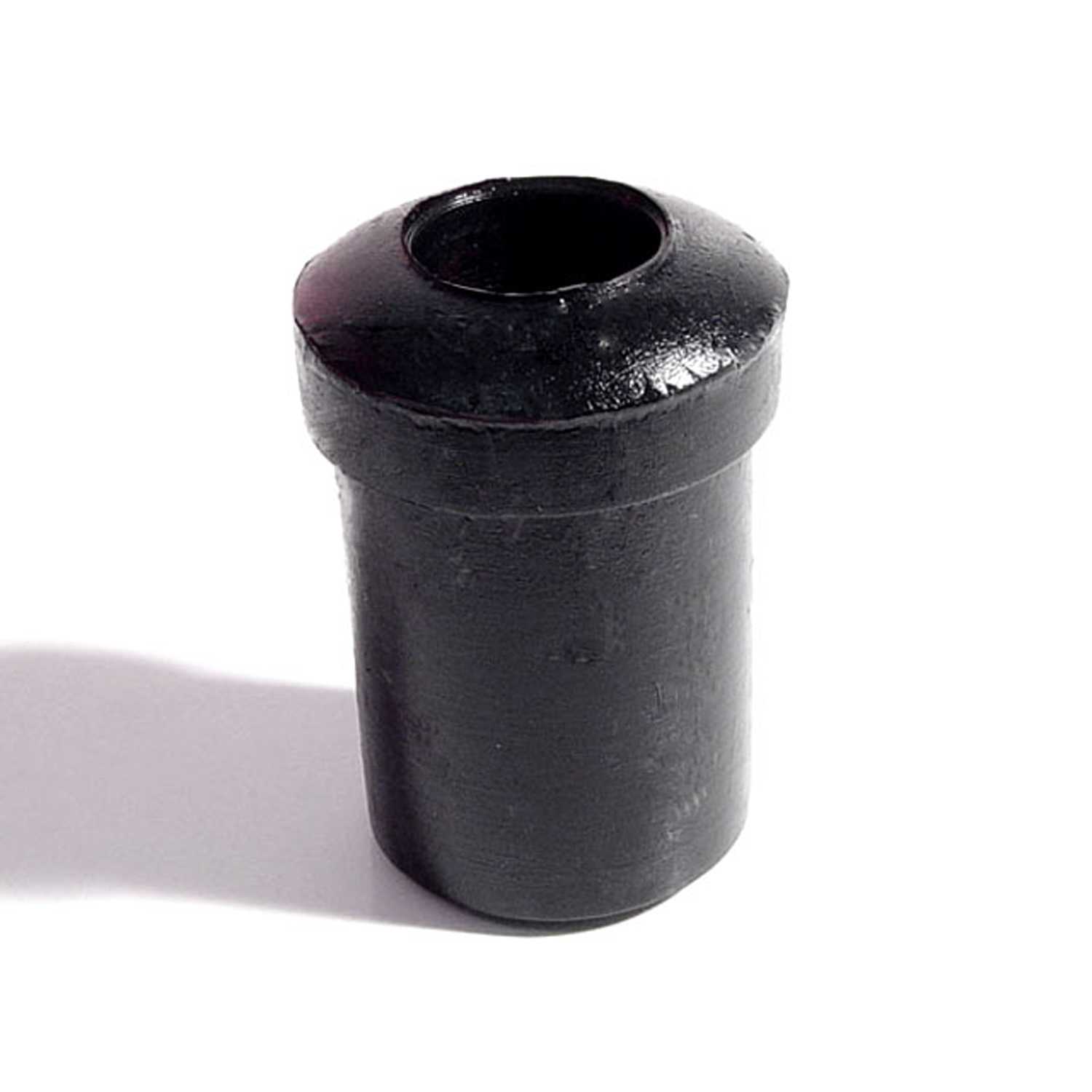 1953 Chrysler New Yorker Spring and Shackle Bushing. 1" bottom O.D-BN 20Spring and Shackle Bushing. 1" bottom O.D. X 1-5/8" high, with 9/16" I.D. Each
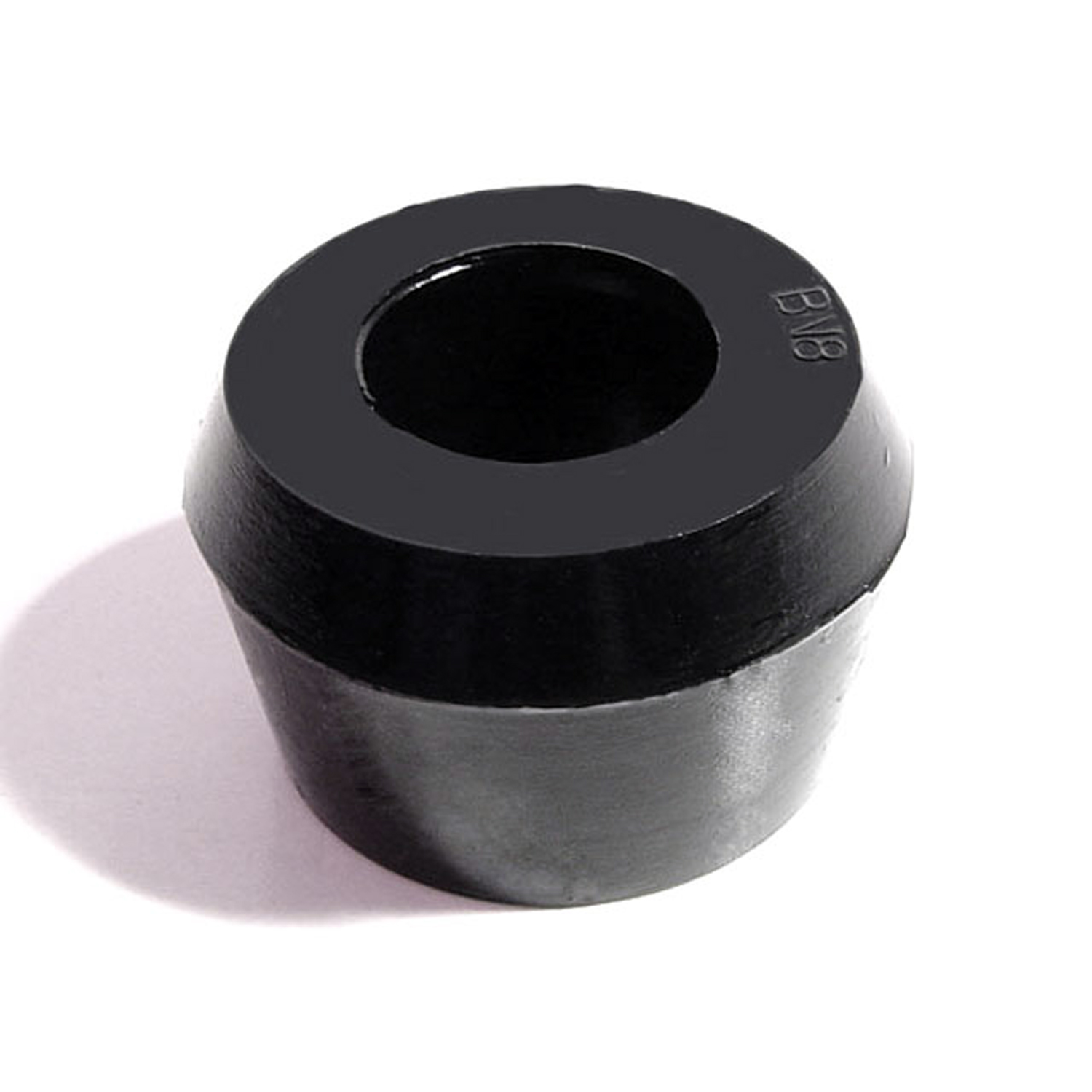 1953 Chrysler New Yorker Shock Absorber Grommet. 1-1/4" bottom O.D-BN 8Shock Absorber Grommet. 1-1/4" bottom O.D., 1" high, with 3/4" I.D. Each
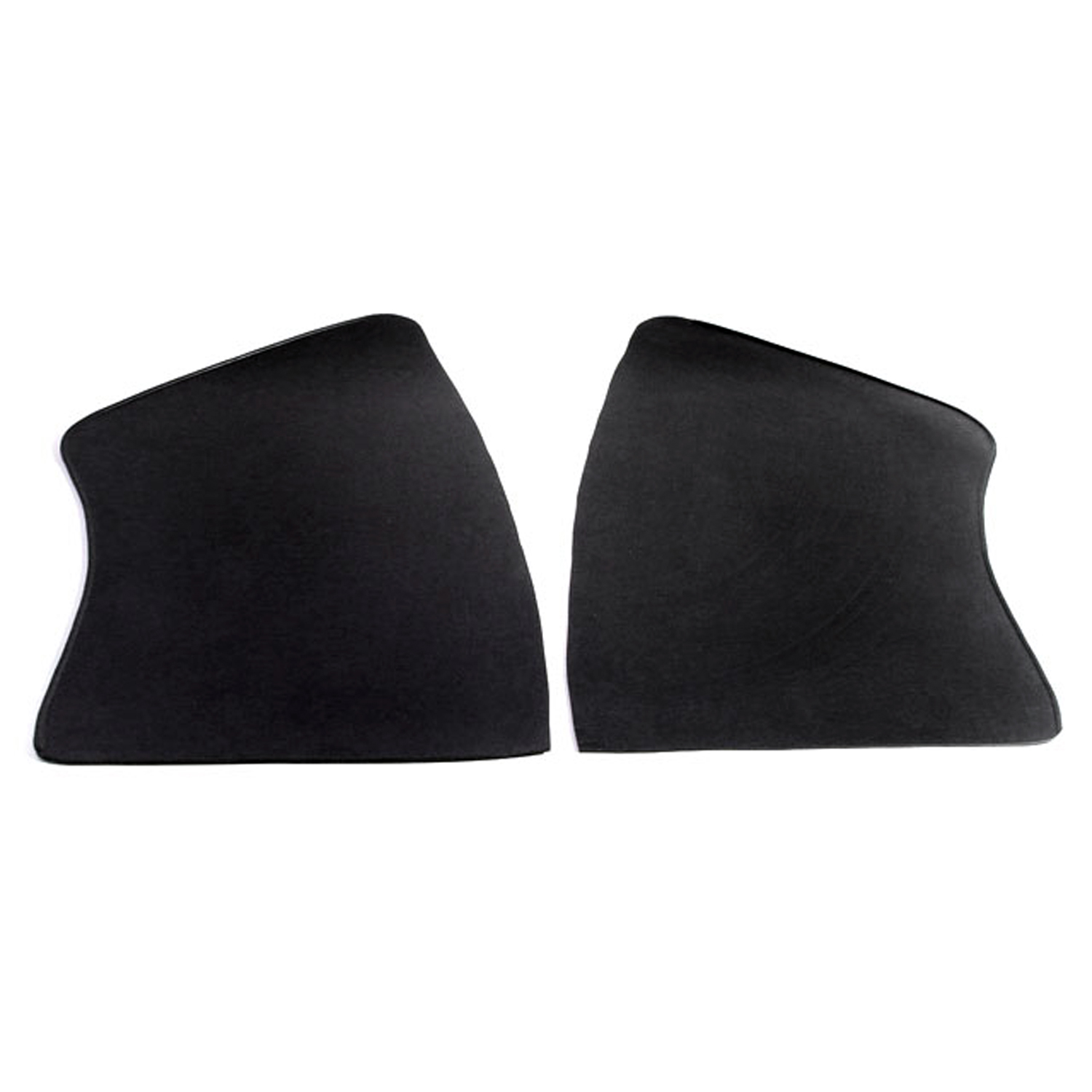 1953 Chrysler New Yorker Gravel Shields. Molded flat without metal backing plates-FS 31Gravel Shields. Molded flat without metal backing plates. Apply with contact cement. 18" long X 9-3/4" wide at bottom. Pair
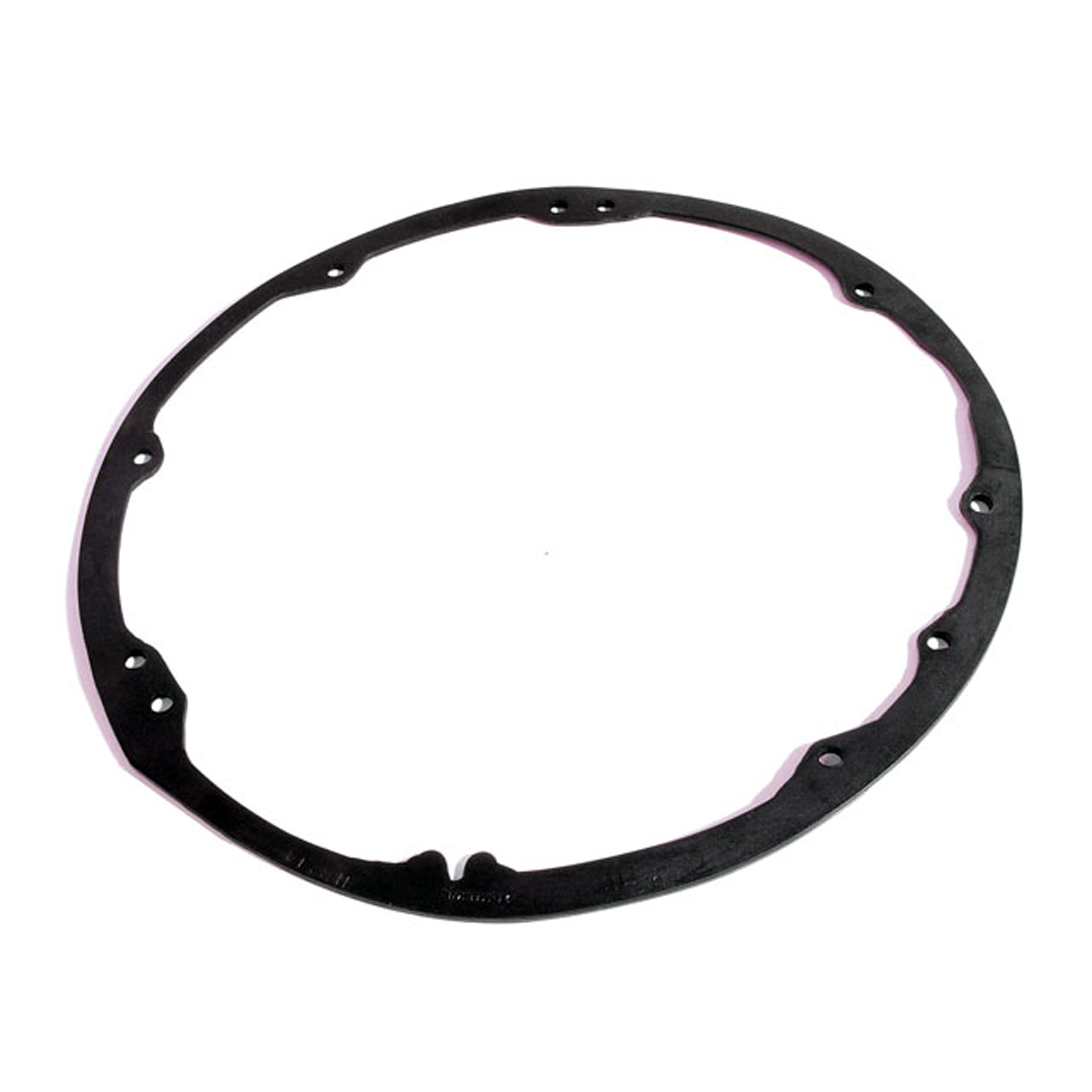 1953 Chrysler New Yorker Headlight Ring Seal. 8-3/8" O.D., 7-3/4" I.D. Pair-HR 14Headlight Ring Seal. 8-3/8" O.D., 7-3/4" I.D. Pair
 1953 Chrysler New Yorker Fog Light Pads. 3" O.D. Pair-MP 605Fog Light Pads. 3" O.D. Pair
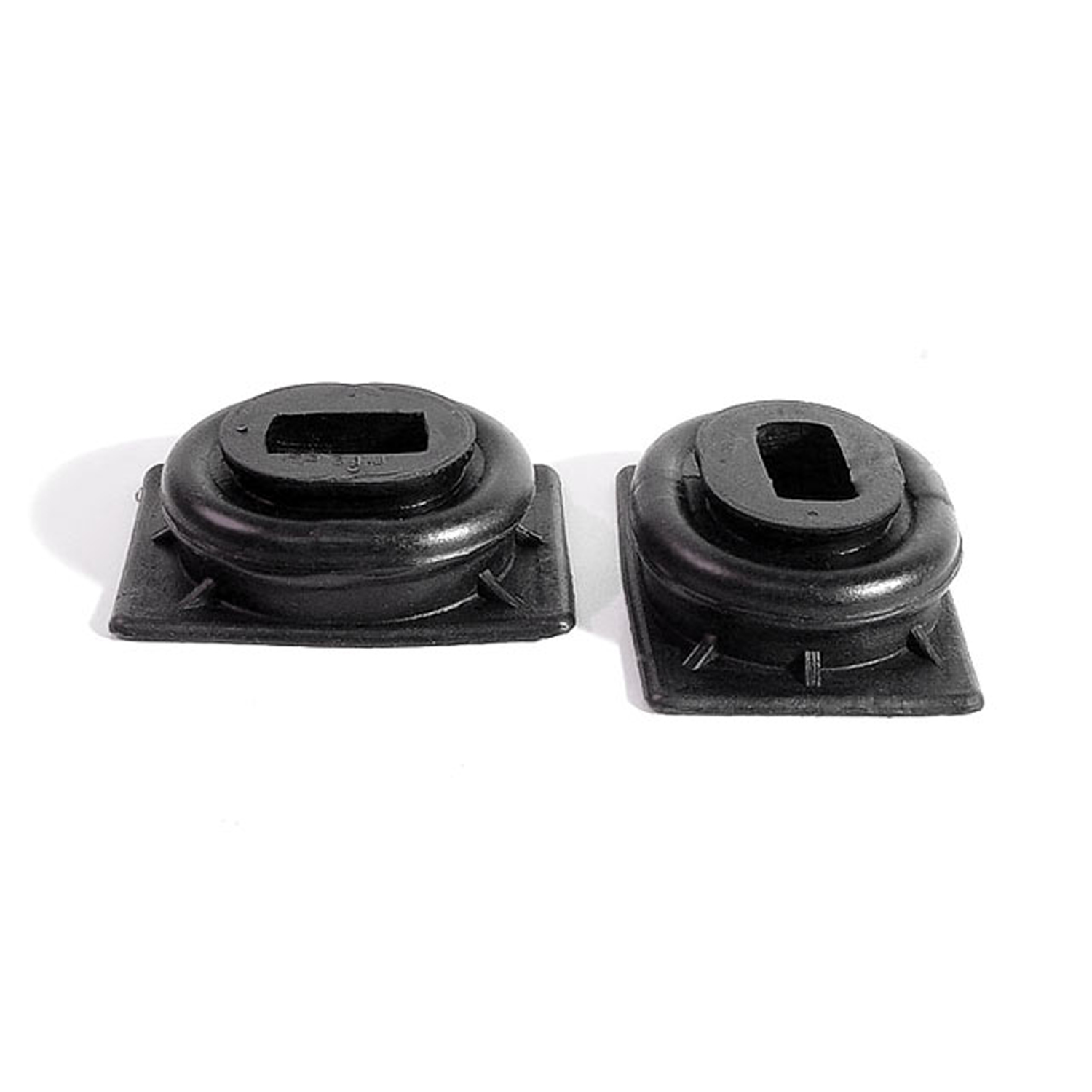 1953 Chrysler New Yorker Clutch and Brake Seals. Replaces OEM #889473. Pair-RP 31-JClutch and Brake Seals. Replaces OEM #889473. Pair
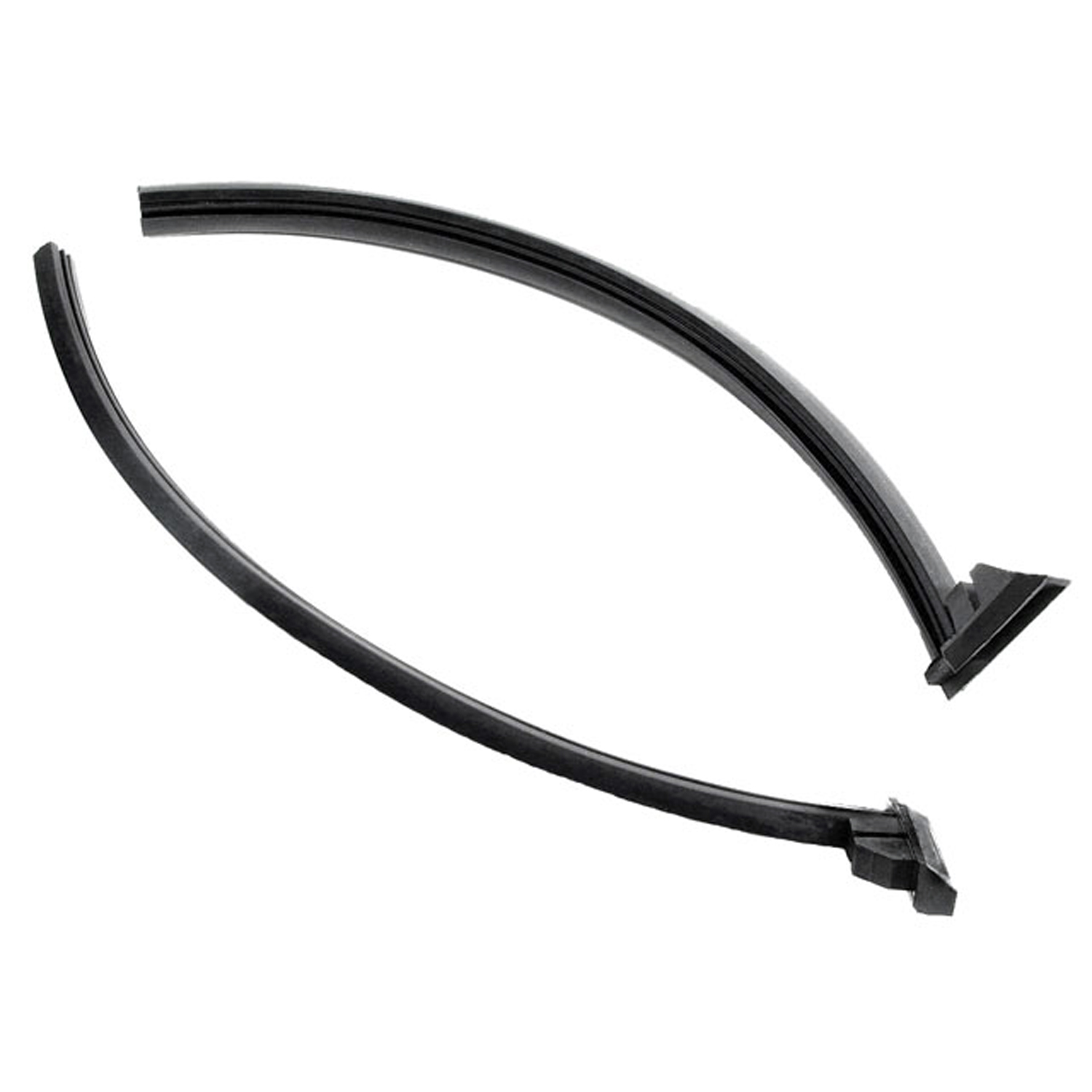 1953 Chrysler New Yorker Rear Roll-Up Side Quarter Window Seals. Each piece 15" long-VS 3-BRear Roll-Up Side Quarter Window Seals. Each piece 15" long. Pair R&L
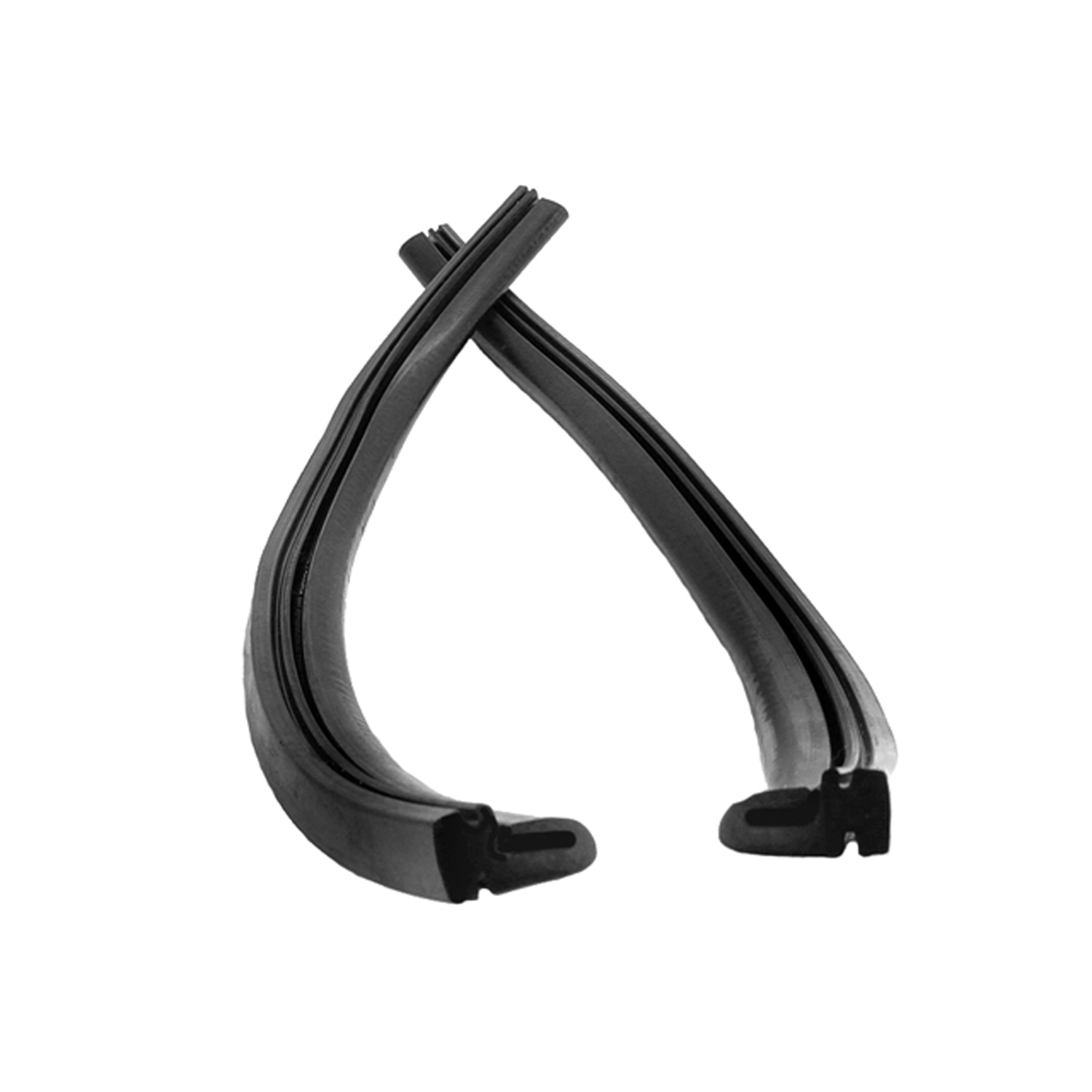 1953 Chrysler New Yorker Rear Roll-up Window Seals, for Hardtops and Convertibles-VS 7Rear Roll-up Window Seals, for Hardtops and Convertibles. For leading edge of rear quarter windows. Two pieces, 17-3/4" long. Pair
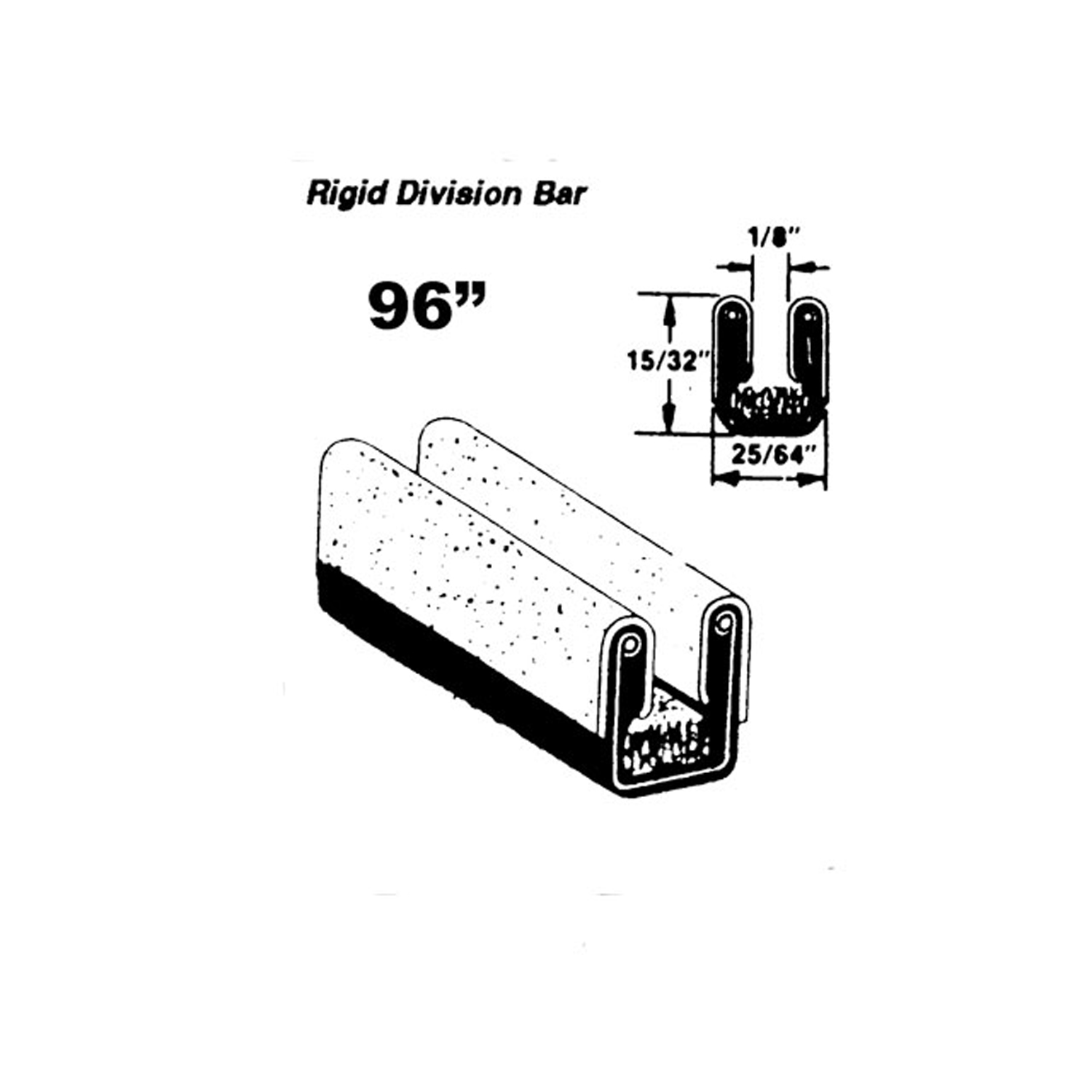 1953 Chrysler New Yorker Rigid division-bar run channel-WC 31-96Rigid division-bar run channel. Made with very soft felt lining. Used on front and rear door side windows. 96 in. long. Each. NOTE: $20 special shipping charge applies for domestic orders. Call or email for overseas shipping costs. Part can be sectioned in two or three equal lengths to reduce overseas shipping costs.
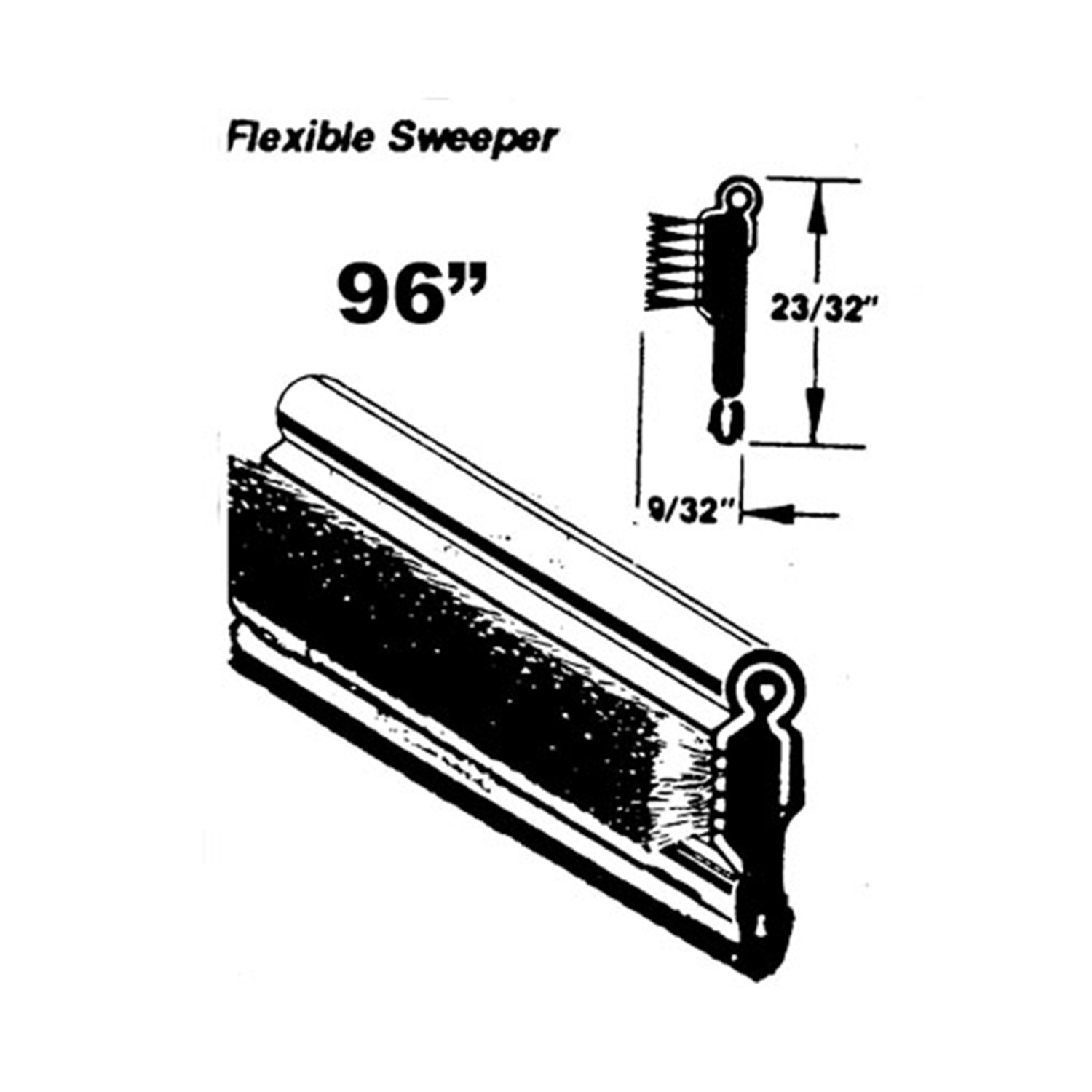 1953 Chrysler New Yorker Flexible window sweeper. Made with stainless steel bead-WC 4-96Flexible window sweeper. Made with stainless steel bead. 96 in. long. Each. NOTE: $20 special shipping charge applies for domestic orders. Call or email for overseas shipping costs. Part can be sectioned in two or three equal lengths to reduce overseas shipping costs.
 1953 Chrysler New Yorker Front Suspension to Frame Bumpers-XB 29Front Suspension to Frame Bumpers. Fits beneath upper control arm. 1-3/4" high X 1-5/8" X 1-3/8". Pair
Why Choose Metro?
For over 100 years, Metro Moulded Parts has been the pinnacle of quality in classic car restoration parts. Our commitment to precision and authenticity in every component ensures a perfect fit and an OEM-level appearance.
- Expert Craftsmanship & Quality: Each part is a testament to our dedication to reliability and perfection, crafted from original designs and thoroughly tested.
- Advanced Technology: We use cutting-edge techniques to create flawless, long-lasting parts that surpass others in performance.
- SuperSoft Sponge – The Ultimate Door Seal: Not only are our door seals 30% softer than competitors', but they're also guaranteed to never leak. They effectively reduce wind and road noise, enhancing your classic car's comfort and driving experience.
- Proudly American: Our parts are a product of American craftsmanship, made in the USA with a spirit of excellence and heritage.
- Unrivaled Warranty: We back our products with a 30-year industry-leading warranty, a testament to our confidence in their quality.
Join us in preserving the legacy of classic cars with parts that are crafted for perfection, not just made.