

Image of 1953 Chrysler Windsor, Note: These illustrations use artistic license and may differ from actual historical models.
Performance Metrics
Fundamental Metrics
Emotional Appeal
MMP Rating
| Engine Specifications | |
|---|---|
| Engine: | Inline 6 |
| Displacement: | 3.8L (230 cubic inches) |
| Horsepower: | 114-119 hp |
| Torque: | 208 lb-ft |
| Compression Ratio: | 7.0:1 |
| Ignition System: | Distributor and coil |
| Cooling System: | Liquid-cooled |
| Performance Specifications | |
| 0-60 Time: | Estimated 15-20 seconds |
| 1/4 Mile Time: | Estimated 20-25 seconds |
| Top Speed: | 90 mph |
| Transmission and Drive | |
| Drive Type: | Rear-wheel drive |
| Transmission Type: | 3-speed manual, optional 4-speed automatic |
| Fuel and Efficiency | |
| Fuel System Type: | Carburetor |
| MPG: | Estimated 15-20 mpg |
| Dimensions and Brakes | |
| Brakes: | Drum brakes |
| Wheelbase: | 125.5 inches |
| Weight: | 3,610 lbs |
Note: Specifications for classic cars are given to the best of our ability, considering the limited and variant data available.
1953 Chrysler Windsor: A Full-Size Classic with a Smooth Six
With its broad chrome grille, sweeping fenders, and quietly confident road presence, the 1953 Chrysler Windsor brought big-car comfort to buyers who did not need a V8. Built by the Chrysler Corporation, the Windsor sat below the Saratoga and New Yorker in the company’s lineup, offering generous room and substantial engineering in a more affordable package.
The Windsor belongs to a pivotal period for Chrysler. Postwar styling was becoming lower and more integrated, while American drivers increasingly expected automatic convenience and powerful engines. The 1953 model offered a different kind of appeal: a smooth-running inline-six, a cushioned ride, and Chrysler engineering such as its distinctive Fluid Drive transmission system. One particularly interesting detail is that the Windsor’s engine was a flathead six, an older design that Chrysler continued to refine even as V8 power grew fashionable.
1953 Chrysler Windsor Styling
The Windsor looks substantial without relying on excess ornament. Its long hood leads to a wide, horizontal grille framed by rounded front fenders and prominent headlamps. Chrome accents trace the body’s contours, while the rounded roof and softly curved rear quarters give the car a flowing, almost sculptural profile. At the back, modest tailfins and brightwork hint at the more dramatic styling direction American cars would take later in the decade.
Inside, the Windsor offers the space expected of a full-size American car. Broad bench seats, generous legroom, and a wide dashboard make it comfortable for long trips. Depending on body style and trim, upholstery could include patterned cloth, vinyl, or other durable trim materials, with coordinated door panels and carpeting. The cabin emphasizes comfort and practicality rather than a sporty, driver-focused layout.
Factory paint choices varied by series and production combination. Period colors included dark blues, greens, grays, maroons, black, and lighter shades, with some cars finished in two-tone combinations. Today, dark blue and maroon cars tend to make the chrome stand out, while light colors show off the Windsor’s long, rounded body lines. Original paint codes and trim combinations are worth checking when evaluating a restoration.
Body Styles and Equipment
The Windsor range was built around full-size passenger-car body styles, including four-door sedans, two-door club coupes, and the Newport two-door hardtop. The Newport’s pillarless roofline is especially striking: with the windows lowered, it creates an open, uninterrupted side profile that many collectors find more distinctive than the sedan’s formal look. Exact combinations of trim and equipment could vary by series and market, so a car’s identification plates and factory documentation are useful when confirming its original specification.
Equipment could include a heater, radio, power steering, and other comfort features, depending on how the car was ordered. These options were not universal, and surviving cars can differ considerably. A Windsor with its original radio, period-correct upholstery, and complete brightwork has a notably different feel from a basic, sparsely equipped example.
Chrysler Engineering in 1953
The Windsor’s most important mechanical feature was its 250.6-cubic-inch L-head inline-six. The engine used side valves and a cast-iron block, producing about 110 horsepower in typical published specifications. It was not a high-revving performance engine. Instead, it delivered steady, usable torque suited to a heavy car and relaxed highway cruising.
Buyers could choose a conventional three-speed manual transmission or a Fluid Drive-based setup. Fluid Drive used a fluid coupling to soften the connection between the engine and transmission; it was not the same as a modern fully automatic gearbox. Chrysler’s semi-automatic arrangements reduced the amount of clutch work in ordinary driving, though the driver still needed to understand how the system operated. A conventional two-speed PowerFlite automatic did not arrive until the 1954 model year.
Chrysler also fitted Oriflow shock absorbers to its 1953 cars. Their design aimed to improve ride control and absorb road irregularities more effectively. Combined with the Windsor’s long wheelbase and soft suspension tuning, the result was a car built to cover distance in comfort rather than attack corners.
Why the Windsor Mattered
The 1953 Windsor was not a radical styling landmark, but it represented an important part of Chrysler’s postwar strategy. It gave buyers a spacious, well-engineered alternative to the increasingly popular V8-powered models, while retaining the traditional six-cylinder formula. That combination made the Windsor accessible to drivers who wanted Chrysler size and comfort without paying for the company’s more expensive models.
Its engineering also reflects a transitional era. Fluid Drive offered a step toward easier operation, while the Windsor’s flathead six showed how established engine designs could remain useful through careful development. The car’s lasting influence is less about introducing a single revolutionary feature and more about bringing comfort-oriented engineering to an everyday full-size model.
Performance and Road Manners
With roughly 110 horsepower moving a car that could weigh close to two tons, the Windsor is best understood as a cruiser, not a quick sedan. Period performance figures vary with body style, transmission, condition, and test method. As a general estimate, a healthy example may reach 60 mph in roughly 20 to 23 seconds, with a top speed in the neighborhood of 85 to 90 mph. Those figures are approximate, and an original car is unlikely to feel comfortable sustaining its maximum speed today.
On ordinary roads, the Windsor’s long wheelbase helps it glide over patched pavement and broad bumps. The suspension favors a soft, compliant ride, though the car can lean noticeably through bends. Steering is relatively slow by modern standards, and the Windsor’s size asks the driver to plan ahead on narrow, winding roads. Crosswinds and uneven pavement are manageable, but the car feels most at home on open roads where it can settle into a steady pace.
Behind the wheel, the six-cylinder engine produces a subdued, low mechanical hum rather than a sharp performance roar. The bench seat, large steering wheel, and spacious cabin create a relaxed driving position. The Windsor rewards smooth inputs and anticipation: brake early, steer progressively, and let the engine build speed at its own pace. A well-maintained example can feel surprisingly composed, but it remains unmistakably a 1950s car.
Living with a Windsor
Most Windsor owners use these cars for weekend drives, local shows, club tours, and occasional special events. They can be driven regularly, but their age, fuel consumption, braking performance, and lack of modern safety equipment make them less suitable for routine commuting in dense traffic. A Windsor is most enjoyable when driven at a calm pace and given room to show off its smooth ride.
The flathead six is mechanically straightforward compared with a modern engine, and many routine jobs are accessible to an experienced home mechanic. Parts support remains available through specialist suppliers and the classic Chrysler community, although some trim pieces, body panels, and transmission components can take more effort to locate. Fluid Drive and semi-automatic systems deserve particular attention: correct diagnosis and service knowledge matter more than simply treating them like a conventional automatic transmission.
Before buying, inspect the frame and body for rust, especially around the floors, rocker panels, trunk, and lower fenders. Check the cooling system, wiring, brakes, steering play, and transmission operation. A car that has been stored for years may need extensive recommissioning even if its paint and upholstery look presentable.
Windsor Trivia and Common Criticisms
The Windsor’s six-cylinder engine is one of its defining traits. In an era when manufacturers were promoting increasingly powerful V8s, Chrysler continued to offer a large-displacement flathead six for buyers who valued smoothness and dependability over acceleration. The Windsor also came from a company with a strong engineering reputation, making its less expensive model more than just a basic trim level.
There is no widely recognized speed or endurance record associated with the 1953 Windsor, and celebrity ownership is not a defining part of its story. Its appeal rests instead on its everyday character and place in Chrysler’s postwar lineup. Common criticisms include modest acceleration, substantial fuel use by modern standards, soft handling, and the challenge of finding certain model-specific parts. Those drawbacks are part of the ownership equation, not surprises to discover after purchase.
1953 Chrysler Windsor Values
Windsor production is generally estimated in the tens of thousands, but totals can vary depending on how body styles and series are counted. A reasonable broad estimate is approximately 50,000 to 80,000 cars across the Windsor range for the model year. That estimate should be treated as a guide rather than a definitive factory total. Today, the Windsor is less commonly seen than a mass-market Ford or Chevrolet of the same period, but it is not usually considered exceptionally rare.
As a broad current-market estimate, a project car may sell for about $3,000 to $8,000, while a usable driver often falls around $10,000 to $20,000. Well-restored examples can reach roughly $20,000 to $35,000 or more, depending on body style, originality, restoration quality, and local demand. A particularly attractive Newport hardtop may draw more interest than a standard sedan, but condition and documentation matter more than assumptions about rarity.
Values have tended to be steady rather than spectacular. Interest in postwar American cars supports the market, but Windsor prices generally trail those of iconic V8 models and high-profile convertibles. Over time, excellent, well-documented cars may appreciate, while average examples can remain flat after restoration costs are considered. Buy one for the driving experience and historical character, not as a guaranteed investment.
Why the 1953 Chrysler Windsor Endures
The 1953 Chrysler Windsor combines elegant postwar styling, a comfortable full-size cabin, and thoughtful engineering in a package that stands apart from the era’s better-known V8 cruisers. Its flathead six will not win a drag race, but its relaxed road manners and distinctive Chrysler details make it a rewarding classic for owners who appreciate the journey as much as the destination.
More than seven decades on, the Windsor still makes a strong impression: not because it chased speed or fashion, but because it delivered a confident, comfortable way to travel.
1953 Chrysler Windsor Catalog of Parts
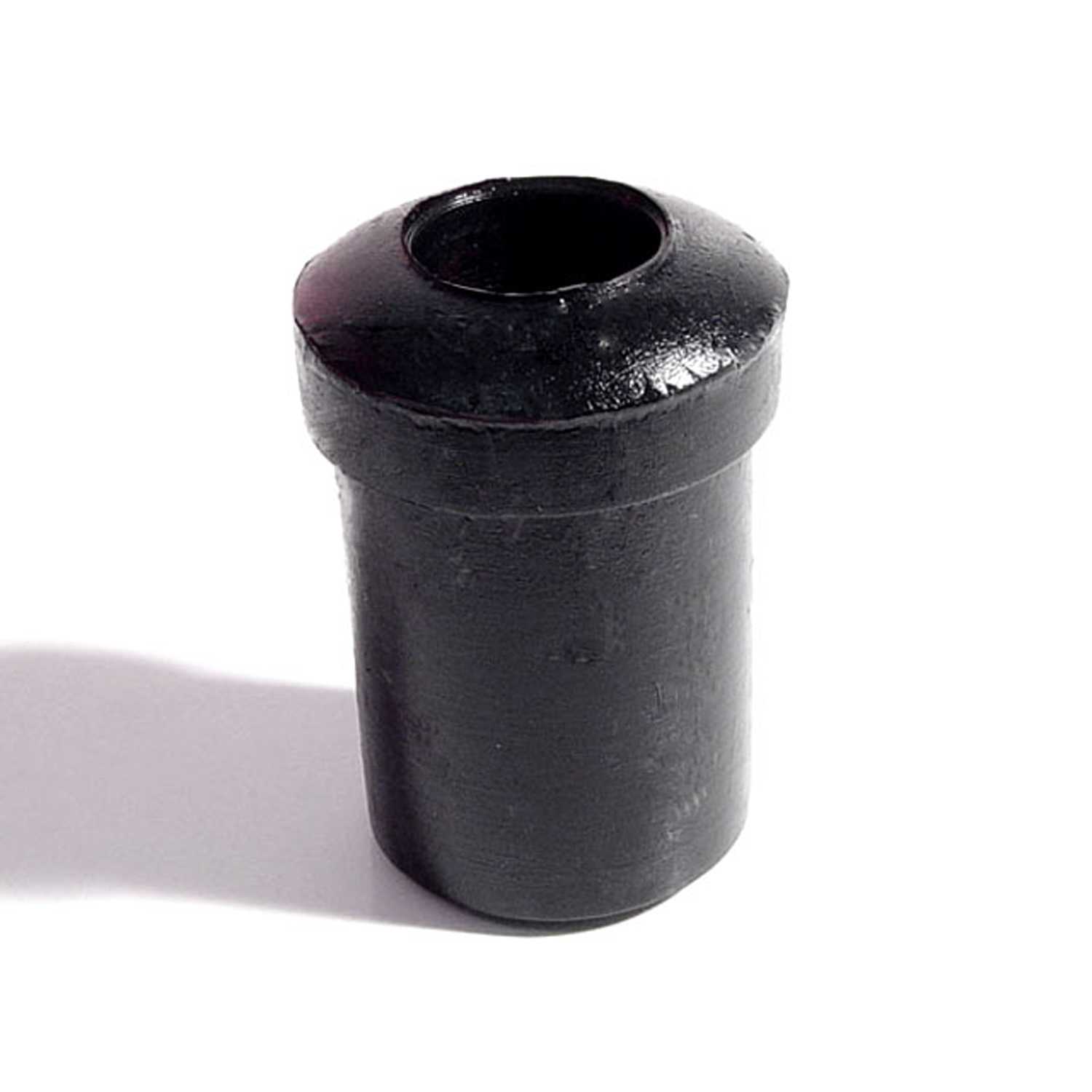 1953 Chrysler Windsor Spring and Shackle Bushing. 1" bottom O.D-BN 20Spring and Shackle Bushing. 1" bottom O.D. X 1-5/8" high, with 9/16" I.D. Each
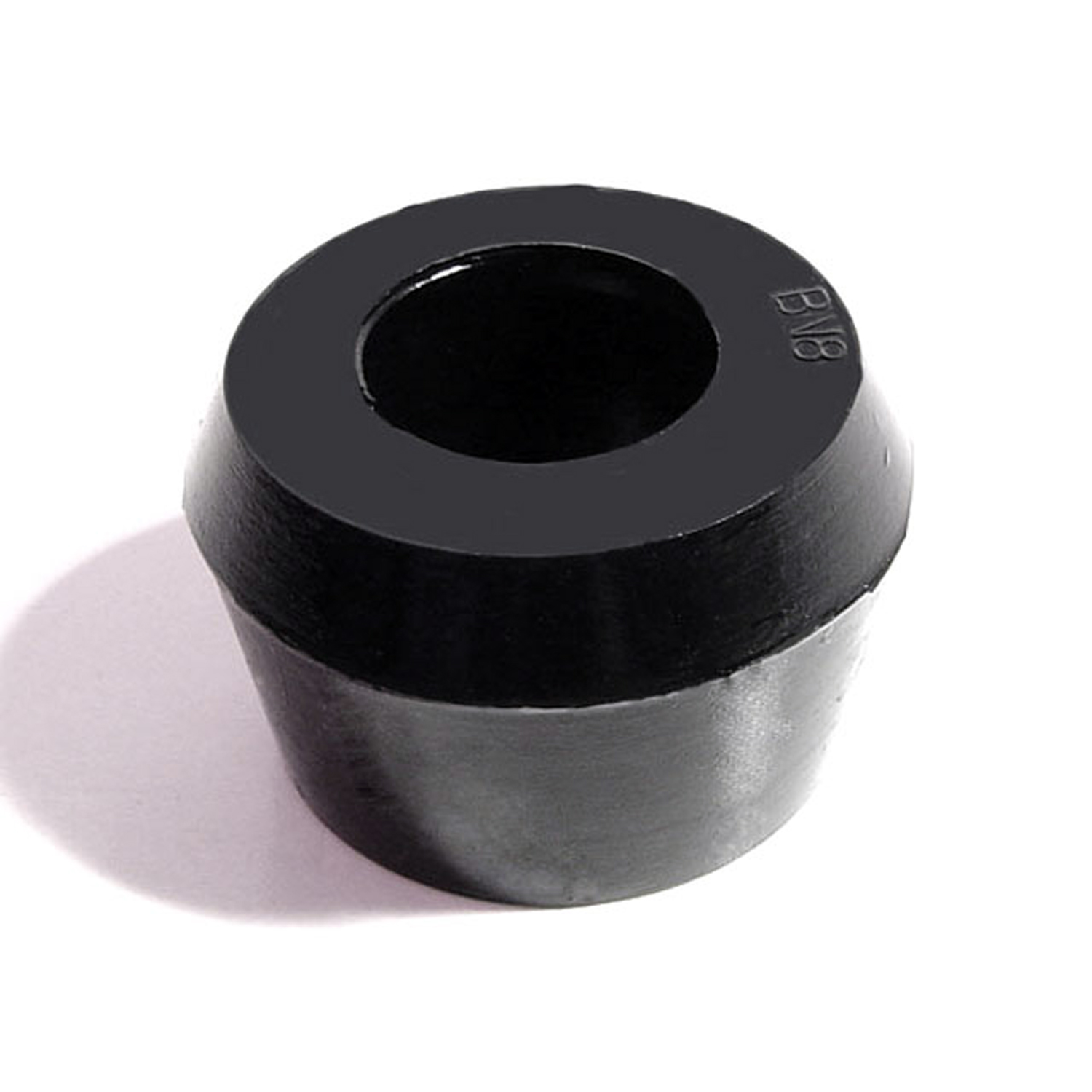 1953 Chrysler Windsor Shock Absorber Grommet. 1-1/4" bottom O.D-BN 8Shock Absorber Grommet. 1-1/4" bottom O.D., 1" high, with 3/4" I.D. Each
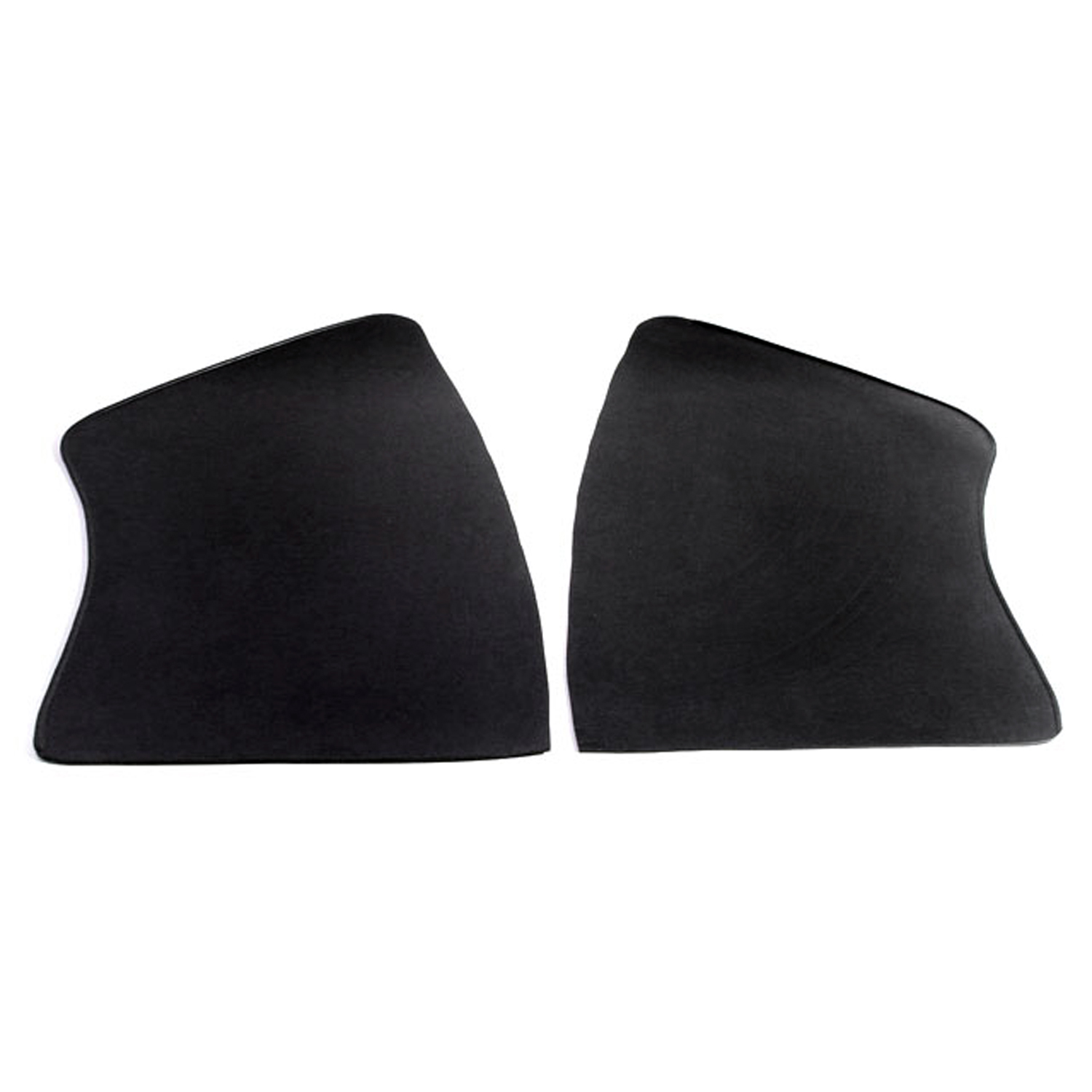 1953 Chrysler Windsor Gravel Shields. Molded flat without metal backing plates-FS 31Gravel Shields. Molded flat without metal backing plates. Apply with contact cement. 18" long X 9-3/4" wide at bottom. Pair
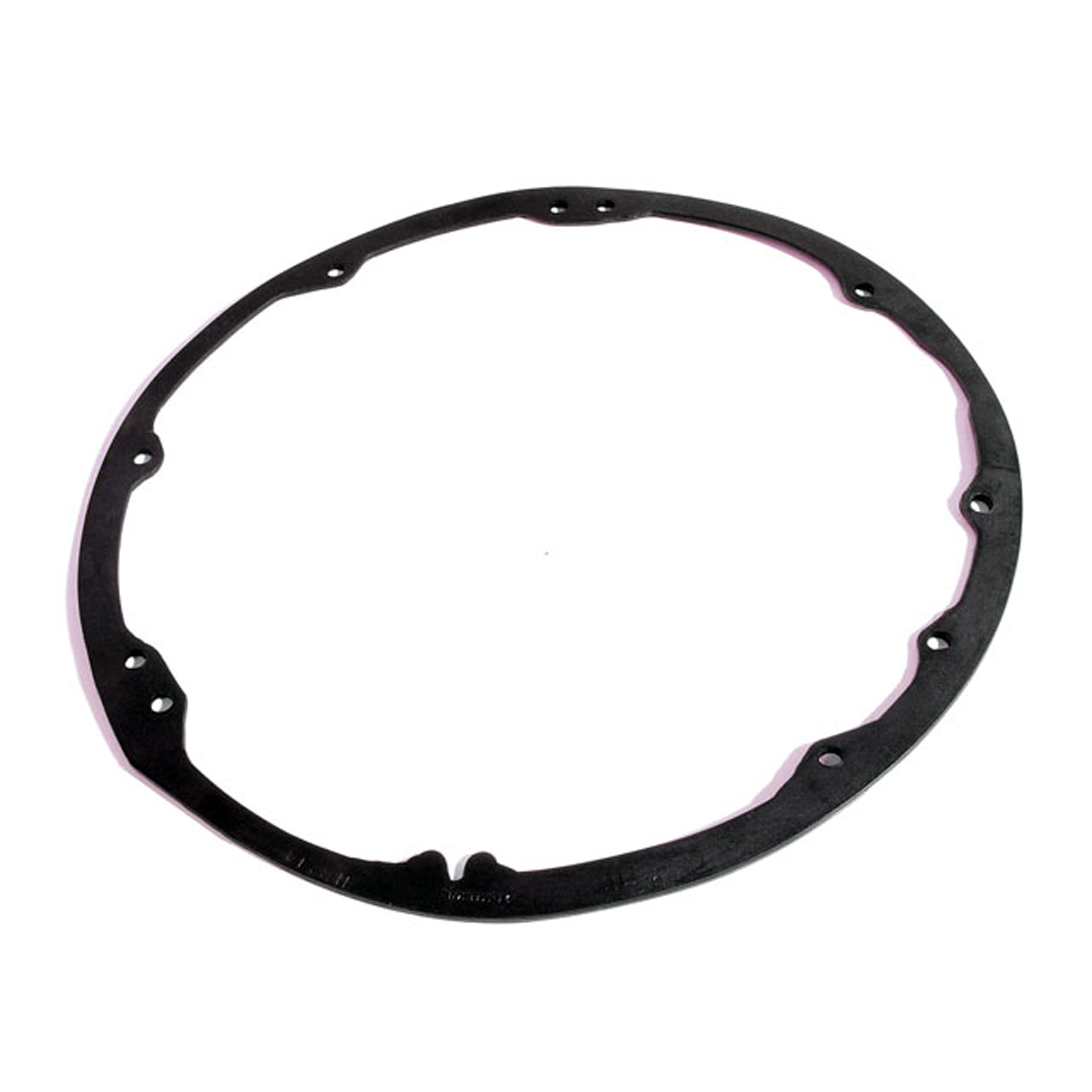 1953 Chrysler Windsor Headlight Ring Seal. 8-3/8" O.D., 7-3/4" I.D. Pair-HR 14Headlight Ring Seal. 8-3/8" O.D., 7-3/4" I.D. Pair
 1953 Chrysler Windsor Fog Light Pads. 3" O.D. Pair-MP 605Fog Light Pads. 3" O.D. Pair
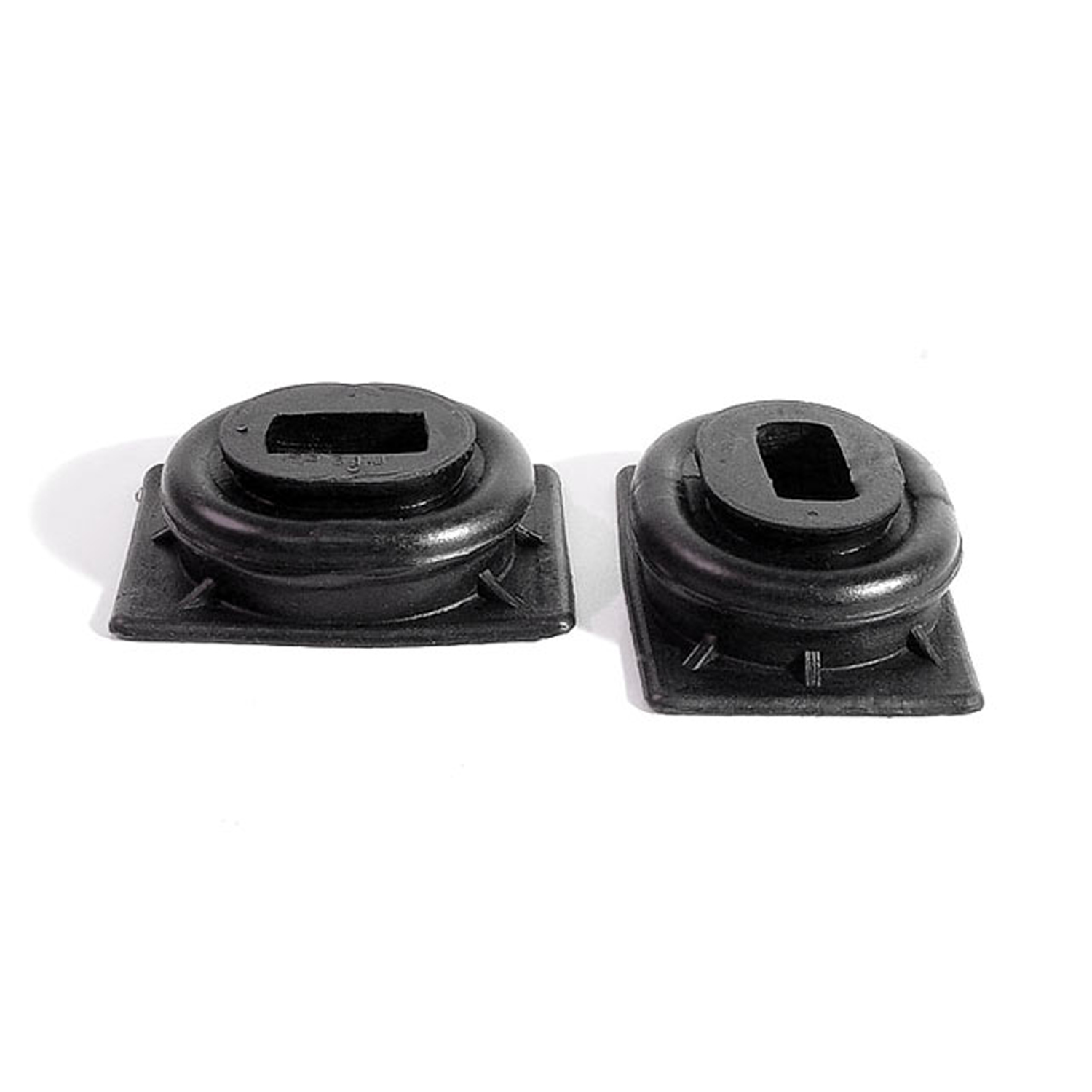 1953 Chrysler Windsor Clutch and Brake Seals. Replaces OEM #889473. Pair-RP 31-JClutch and Brake Seals. Replaces OEM #889473. Pair
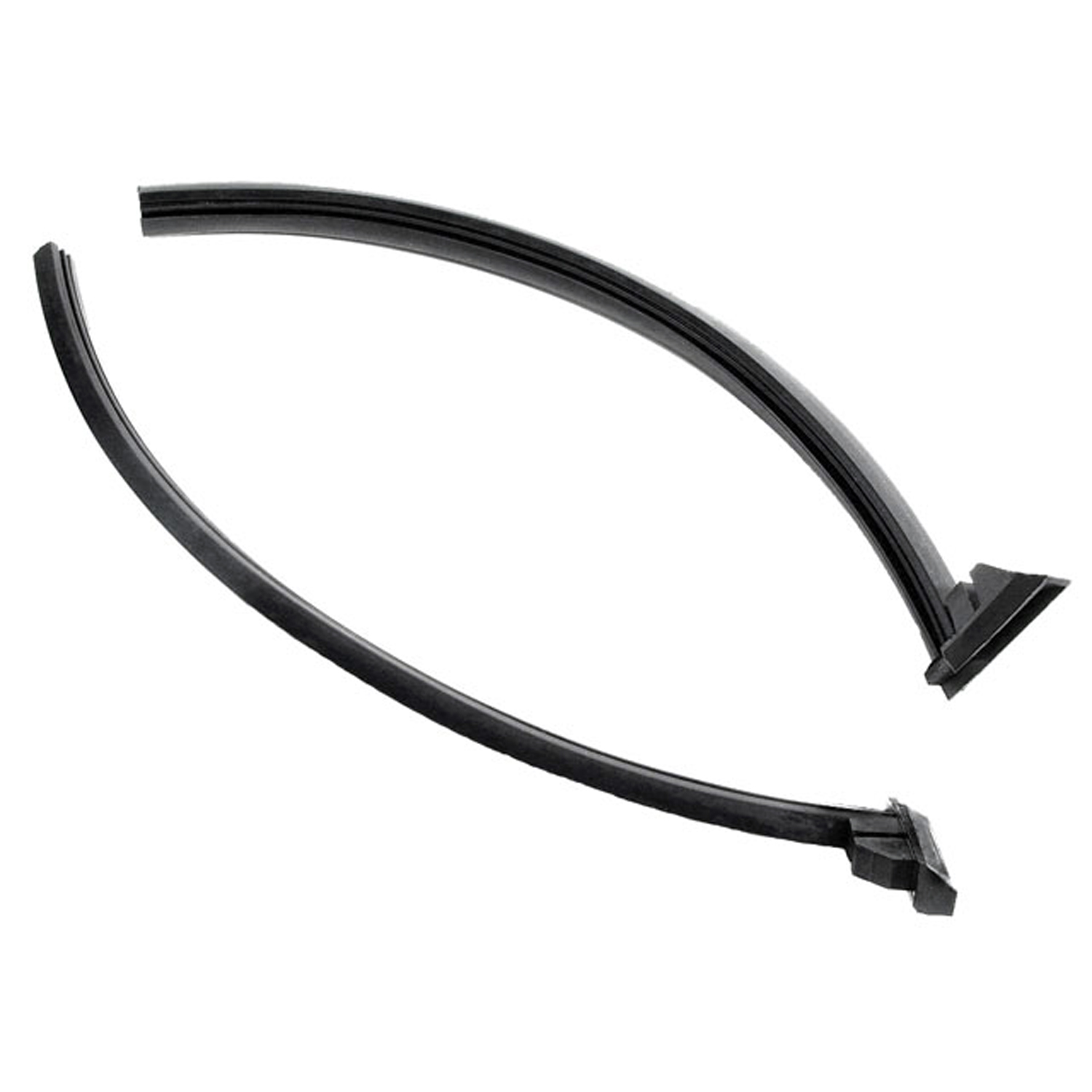 1953 Chrysler Windsor Rear Roll-Up Side Quarter Window Seals. Each piece 15" long-VS 3-BRear Roll-Up Side Quarter Window Seals. Each piece 15" long. Pair R&L
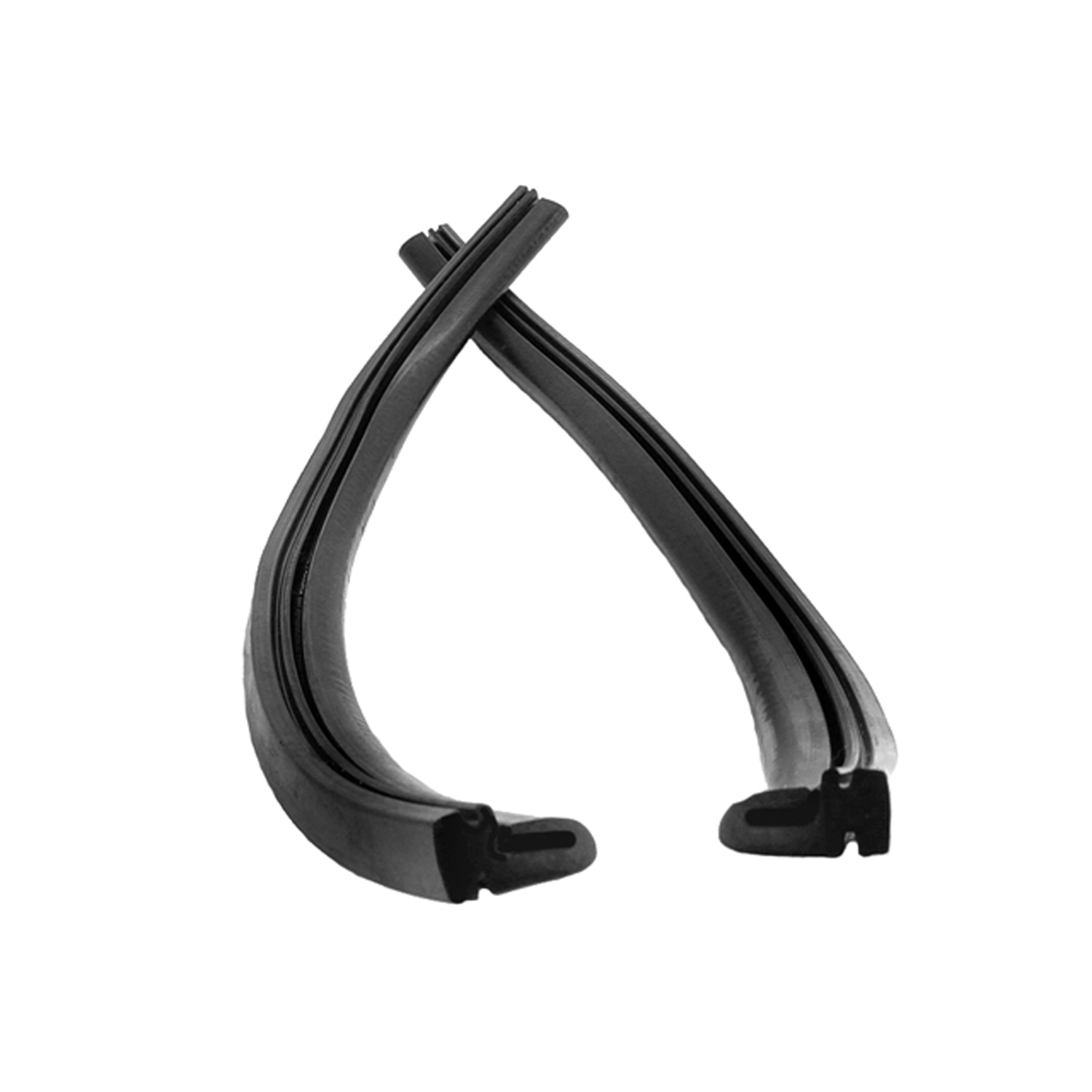 1953 Chrysler Windsor Rear Roll-up Window Seals, for Hardtops and Convertibles-VS 7Rear Roll-up Window Seals, for Hardtops and Convertibles. For leading edge of rear quarter windows. Two pieces, 17-3/4" long. Pair
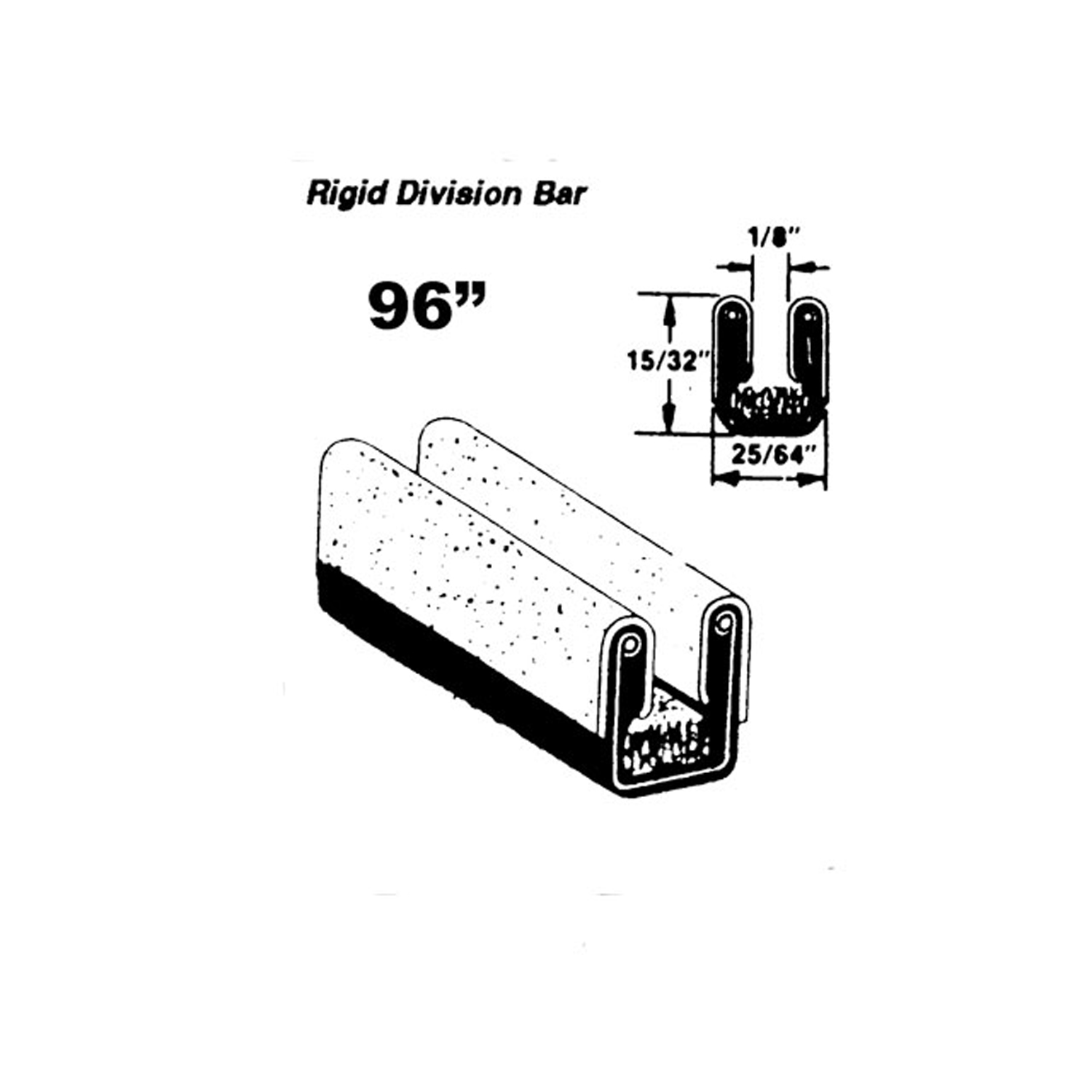 1953 Chrysler Windsor Rigid division-bar run channel-WC 31-96Rigid division-bar run channel. Made with very soft felt lining. Used on front and rear door side windows. 96 in. long. Each. NOTE: $20 special shipping charge applies for domestic orders. Call or email for overseas shipping costs. Part can be sectioned in two or three equal lengths to reduce overseas shipping costs.
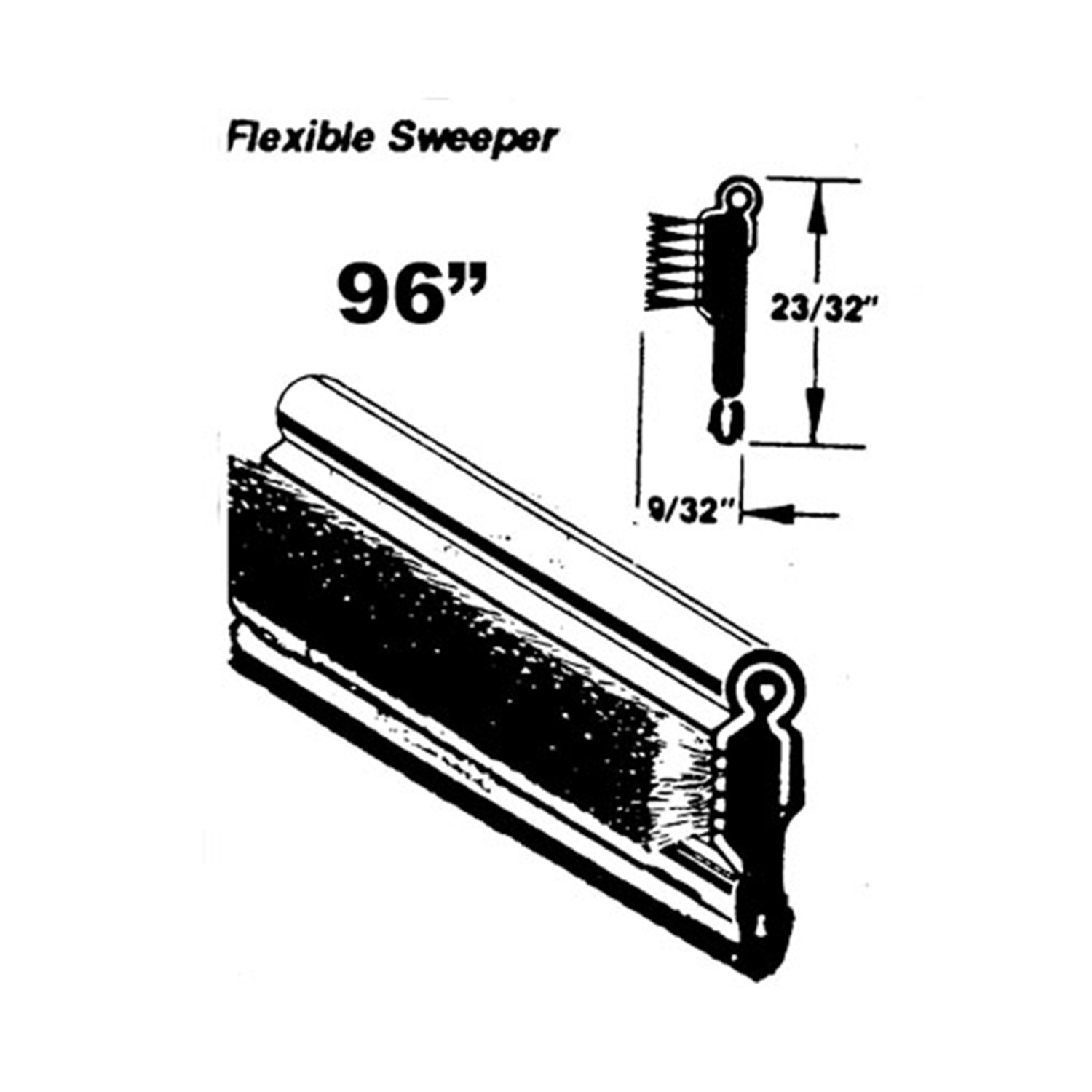 1953 Chrysler Windsor Flexible window sweeper. Made with stainless steel bead-WC 4-96Flexible window sweeper. Made with stainless steel bead. 96 in. long. Each. NOTE: $20 special shipping charge applies for domestic orders. Call or email for overseas shipping costs. Part can be sectioned in two or three equal lengths to reduce overseas shipping costs.
 1953 Chrysler Windsor Front Suspension to Frame Bumpers-XB 29Front Suspension to Frame Bumpers. Fits beneath upper control arm. 1-3/4" high X 1-5/8" X 1-3/8". Pair
Why Choose Metro?
For over 100 years, Metro Moulded Parts has been the pinnacle of quality in classic car restoration parts. Our commitment to precision and authenticity in every component ensures a perfect fit and an OEM-level appearance.
- Expert Craftsmanship & Quality: Each part is a testament to our dedication to reliability and perfection, crafted from original designs and thoroughly tested.
- Advanced Technology: We use cutting-edge techniques to create flawless, long-lasting parts that surpass others in performance.
- SuperSoft Sponge – The Ultimate Door Seal: Not only are our door seals 30% softer than competitors', but they're also guaranteed to never leak. They effectively reduce wind and road noise, enhancing your classic car's comfort and driving experience.
- Proudly American: Our parts are a product of American craftsmanship, made in the USA with a spirit of excellence and heritage.
- Unrivaled Warranty: We back our products with a 30-year industry-leading warranty, a testament to our confidence in their quality.
Join us in preserving the legacy of classic cars with parts that are crafted for perfection, not just made.