

Image of 1955 Chrysler 300, Note: These illustrations use artistic license and may differ from actual historical models.
Performance Metrics
Fundamental Metrics
Emotional Appeal
MMP Rating
| Engine Specifications | |
|---|---|
| Engine: | 331 cu in (5.4 L) FirePower V8 |
| Displacement: | 331 cu in (5.4 L) |
| Horsepower: | 300 hp at 5200 rpm |
| Torque: | 345 lb-ft at 2800 rpm |
| Compression Ratio: | 8.5:1 |
| Ignition System: | Electronic |
| Cooling System: | Liquid-cooled |
| Performance Specifications | |
| 0-60 Time: | 9.8 seconds |
| 1/4 Mile Time: | 17 seconds |
| Top Speed: | 130 mph |
| Transmission and Drive | |
| Drive Type: | Rear-wheel drive |
| Transmission Type: | 2-speed PowerFlite automatic |
| Fuel and Efficiency | |
| Fuel System Type: | Carburetor |
| MPG: | 12-15 mpg |
| Dimensions and Brakes | |
| Brakes: | Drum brakes |
| Wheelbase: | 126 inches |
| Weight: | 4,300 lbs |
Note: Specifications for classic cars are given to the best of our ability, considering the limited and variant data available.
1955 Chrysler 300: The Original Letter Car
The 1955 Chrysler C-300 arrived with a simple, audacious promise: 300 horsepower in a refined American road car. Built by Chrysler Corporation, it blended the company’s luxury-car know-how with a competition-bred V-8, creating a machine that could look at home outside a hotel and feel equally at home charging down a fast track. It was the first in the celebrated Chrysler 300 “letter series,” a lineage that helped define the American high-performance luxury car.
Its name was a headline in itself. The C-300 was the first production car in the United States advertised with 300 horsepower, a figure that helped make Chrysler’s big two-door hardtop an instant performance landmark. The car’s racing credentials followed quickly: in 1955, Chrysler 300s competed successfully in NASCAR, helping establish the model as more than a stylish showroom special.
Forward-Looking Style and a Driver-Focused Cabin
The C-300 took its basic body from Chrysler’s New Yorker two-door hardtop, then gave it a more purposeful personality. A broad, upright grille dominates the nose, framed by substantial front fenders and a long hood that hints at the engine beneath. The roofline flows into a clean, pillarless hardtop profile, while restrained trim and discreet 300 badging keep the design from feeling overly decorated. It is unmistakably a large 1950s American car, but its taut proportions and low, confident stance give it a sporting edge.
Inside, the C-300 combined Chrysler comfort with details aimed at the driver. The cabin featured supportive front bucket seats, a full-width instrument panel, and high-quality upholstery and trim appropriate to a premium model. Materials and finishes varied with the car’s color and equipment, but the overall impression was upscale rather than stripped-down. It was a fast car that did not ask its owner to give up comfort in exchange for performance.
For its day, the most important technology was under the hood: a high-output version of Chrysler’s 331-cubic-inch FirePower Hemi V-8, fitted with two four-barrel carburetors. Its hemispherical combustion chambers were a notable engineering advantage, helping the engine breathe effectively at high rpm. The C-300 paired that power with Chrysler’s PowerFlite two-speed automatic transmission. Power steering and power-assisted brakes were available, adding welcome ease to a car with substantial size and weight.
The factory color selection was relatively restrained compared with some later American performance cars. C-300s are commonly seen in black, red, and white or ivory shades, though buyers should check a specific car’s factory paint and trim codes rather than rely on its current finish. There was just one body style: a two-door hardtop. That focused configuration, with no sedan or convertible version, is now central to the model’s distinctive identity.
Why the C-300 Changed the Performance-Car Conversation
The C-300 helped establish a new formula: combine luxury-car appointments with serious, factory-built performance. Before it, buyers seeking speed often had to look toward smaller, more specialized cars or modify a standard model themselves. Chrysler offered a powerful, finished, road-going package straight from the showroom, complete with automatic transmission and a comfortable interior.
It also marked an important moment in the growing horsepower race among American manufacturers. The 300-horsepower claim was both a technical achievement and a powerful piece of marketing, and it gave rivals a number they could not ignore. The model’s racing success reinforced the point. Chrysler 300s demonstrated that a large, comfortable car could be competitive in stock-car racing, while helping popularize the idea of the high-performance personal luxury coupe.
The C-300’s influence extended beyond its single model year. It launched the letter-series tradition, with later Chrysler 300 models identified by successive letters and updated performance hardware. The cars became symbols of Chrysler’s engineering confidence and helped shape the brand’s performance image for decades.
331 Hemi Power and Road Manners
The 331-cubic-inch Hemi was rated at 300 horsepower at 5,200 rpm and approximately 345 lb-ft of torque. Period performance results vary with test methods, equipment, gearing, and conditions, but a healthy example is generally associated with a 0-to-60-mph time of roughly 9 to 10 seconds and a top speed in the neighborhood of 125 to 130 mph. Those figures were impressive for a full-size luxury car in 1955, particularly one equipped with an automatic transmission.
On the road, the engine’s character is as memorable as its numbers. At gentle throttle, the C-300 feels composed and substantial. Open the carburetors and the Hemi answers with a deep V-8 growl that builds into a more urgent, mechanical roar as the revs rise. The PowerFlite shifts smoothly by period standards, though it does not offer the close ratios or immediate response of a modern multi-speed transmission.
The C-300 is happiest on open roads, where its long wheelbase and mass help it feel settled at speed. Its conventional suspension, with independent front suspension and rear leaf springs, gives it a comfortable ride, though sharp bumps can remind the driver that this is a substantial 1950s car. On winding roads, the steering and body lean feel more relaxed than sporty by modern standards. It rewards a smooth driving style, not abrupt inputs, and its drum brakes require more planning and distance than contemporary disc-brake systems.
Living with a 1955 Chrysler 300
Today, the C-300 is most often used as a collector car, show car, or occasional weekend cruiser. Some owners drive them regularly, but their size, fuel consumption, period braking performance, and the value of an original example make daily use less common. A well-sorted car can handle highway cruising, but it benefits from regular use and attentive maintenance rather than long periods of storage.
The 331 Hemi is a durable engine when properly maintained, but it is not a modern, maintenance-free powerplant. The dual four-barrel carburetors need to be clean and correctly synchronized, and the solid-lifter valvetrain requires periodic valve-lash adjustment. Ignition, cooling, fuel delivery, and brake systems should all be inspected carefully on a car that may have spent years sitting. A specialist familiar with early Chrysler Hemis is a valuable resource for tuning and major repairs.
Many mechanical jobs are manageable for an experienced home mechanic, and the car shares some components with other Chrysler models of the period. However, model-specific trim, body pieces, interior details, and correct performance parts can be harder to locate and costly to restore. Before buying, inspect the body for corrosion and past repairs, verify the engine and drivetrain, and look for documentation that supports the car’s originality.
Racing Roots and Other C-300 Facts
Chrysler produced approximately 1,725 C-300s for 1955. That limited production, combined with the car’s importance as the first letter-series 300, makes it uncommon today. The model’s competition story is a major part of its appeal: Chrysler 300s entered NASCAR in the car’s debut year, and Tim Flock drove Chrysler machinery to the 1955 NASCAR Grand National championship. The C-300 helped give the 300 name a racing reputation almost immediately.
One enduring bit of trivia is that “300” referred to the car’s advertised horsepower, not its displacement. The engine was a 331, and its output came from a carefully developed high-performance package rather than sheer size alone. The combination of a Hemi V-8, dual carburetors, luxury appointments, and a hardtop body made the car unusual among its contemporaries.
Its limitations are part of the honest ownership picture. The C-300 is thirsty, large, and equipped with brakes and handling characteristics from another era. Its two-speed automatic can feel leisurely compared with modern transmissions, and replacement parts for distinctive trim may take time to find. Those compromises do little to diminish its appeal, but they matter to anyone expecting modern-car convenience.
1955 Chrysler 300 Values and Rarity
As a market guide for 2026, a project car needing substantial restoration might fall around $25,000 to $50,000, depending on completeness and rust. A sound driver or older restoration may bring roughly $60,000 to $110,000. A well-restored, highly original, or properly documented example can reach approximately $125,000 to $225,000 or more, with exceptional cars sometimes exceeding that range. These are broad estimates, not appraisals: originality, condition, provenance, and the quality of the restoration make a substantial difference.
Only about 1,725 were built, and the number of surviving cars in usable condition is necessarily smaller. They appear on the collector market, but buyers should not expect a large selection at any one time. Values have generally been supported by the car’s rarity, racing history, and status as the first letter-series 300. As with many collectibles, prices can vary with auction demand and the quality of the individual car; exceptional, authentic examples tend to hold interest better than poorly documented restorations.
A Landmark with Real Road Presence
The 1955 Chrysler C-300 brought together a powerful Hemi V-8, comfortable hardtop body, and genuine competition credibility at a time when American performance was rapidly evolving. Its 300-horsepower claim made history, its NASCAR connections gave it substance, and its role as the first Chrysler letter car secured its place among the most significant American cars of the 1950s.
More than seven decades later, the C-300 remains compelling because it does not separate luxury from performance. It is a big, bold road car with the sound and character of a competition-minded Hemi, and it began a lineage that would become part of Chrysler’s identity. The original 300 was not just fast for its time. It helped define what a high-performance American car could be.
1955 Chrysler 300 Catalog of Parts
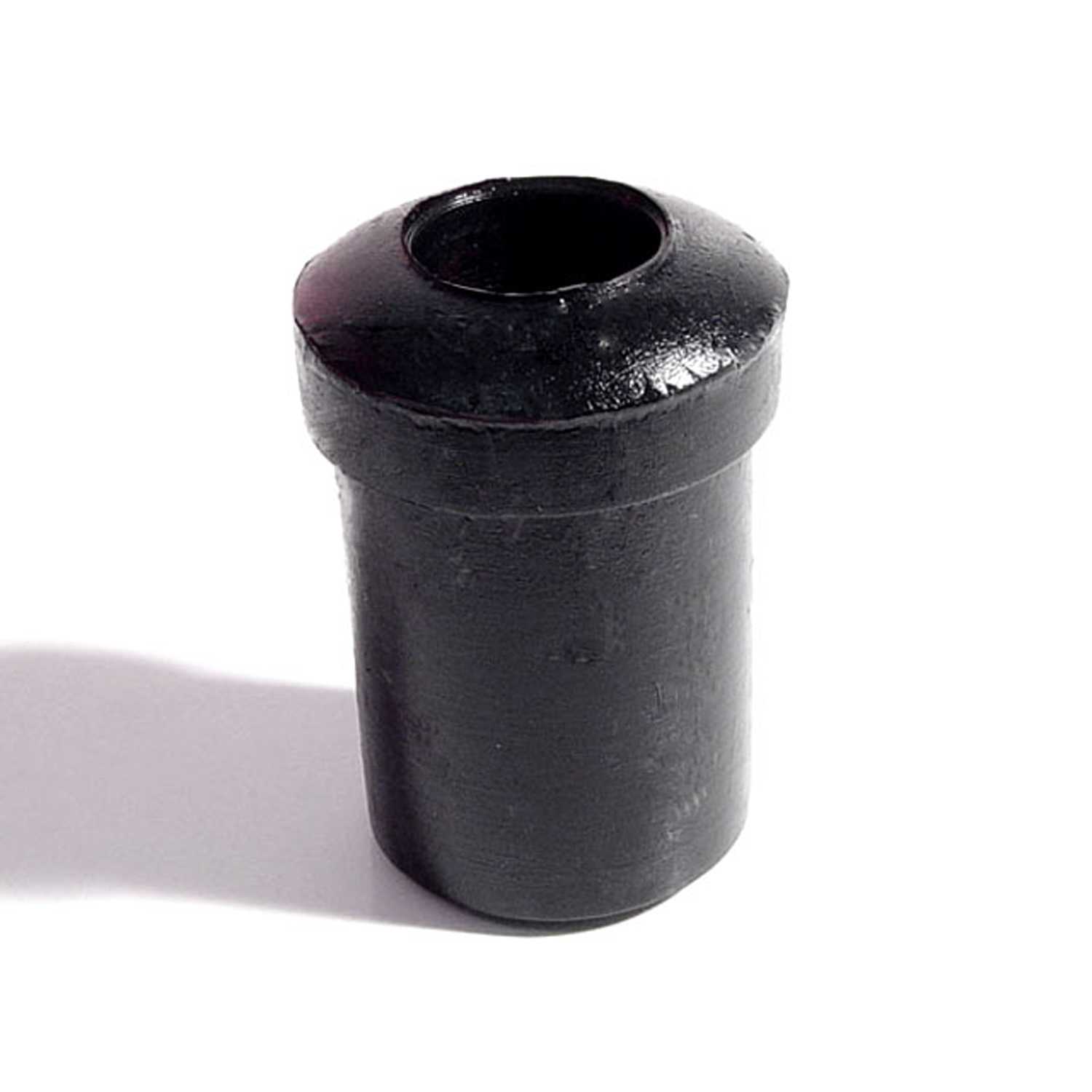 1955 Chrysler 300 Spring and Shackle Bushing. 1" bottom O.D-BN 20Spring and Shackle Bushing. 1" bottom O.D. X 1-5/8" high, with 9/16" I.D. Each
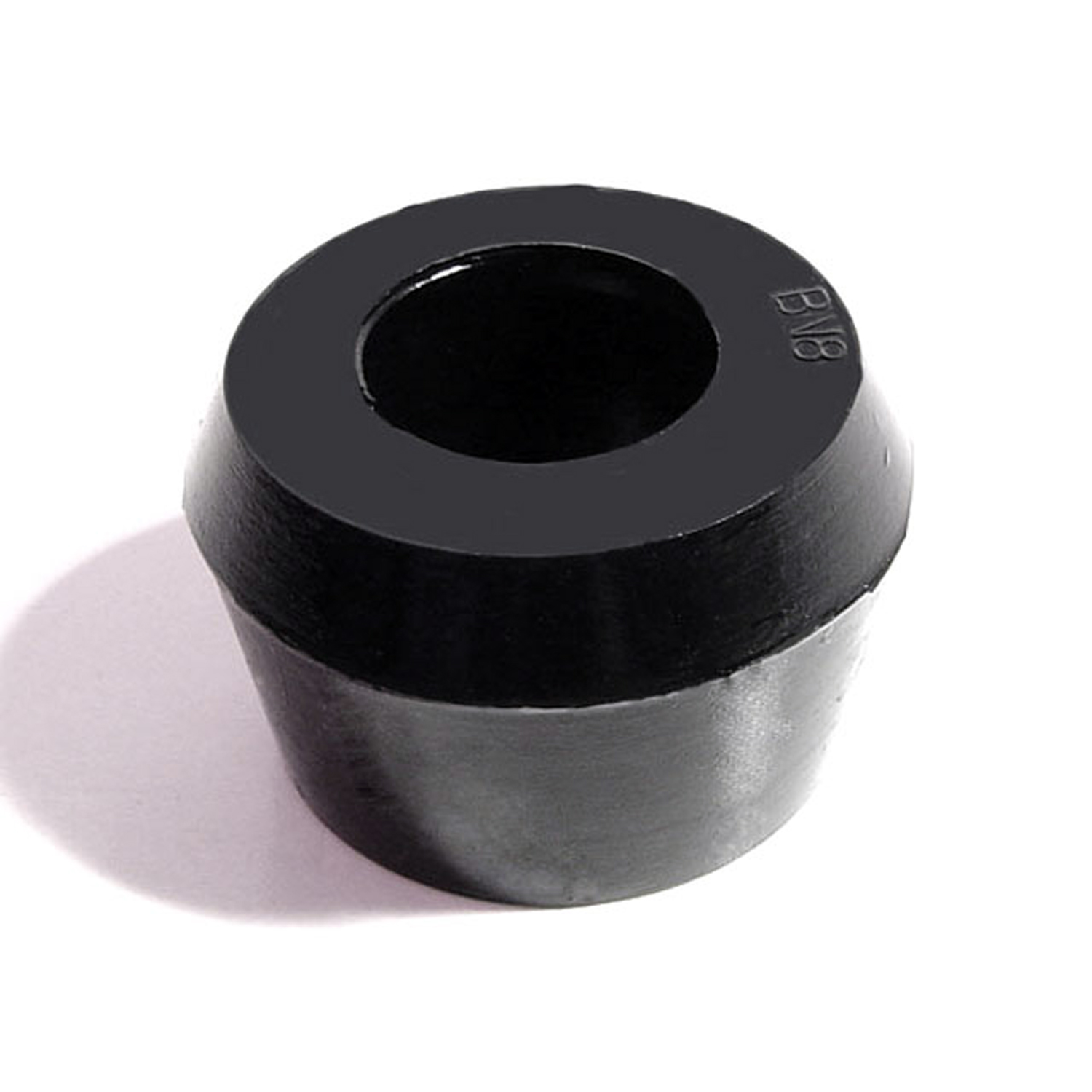 1955 Chrysler 300 Shock Absorber Grommet. 1-1/4" bottom O.D-BN 8Shock Absorber Grommet. 1-1/4" bottom O.D., 1" high, with 3/4" I.D. Each
 1955 Chrysler 300 Gravel Shields. Molded flat without metal backing plates-FS 31Gravel Shields. Molded flat without metal backing plates. Apply with contact cement. 18" long X 9-3/4" wide at bottom. Pair
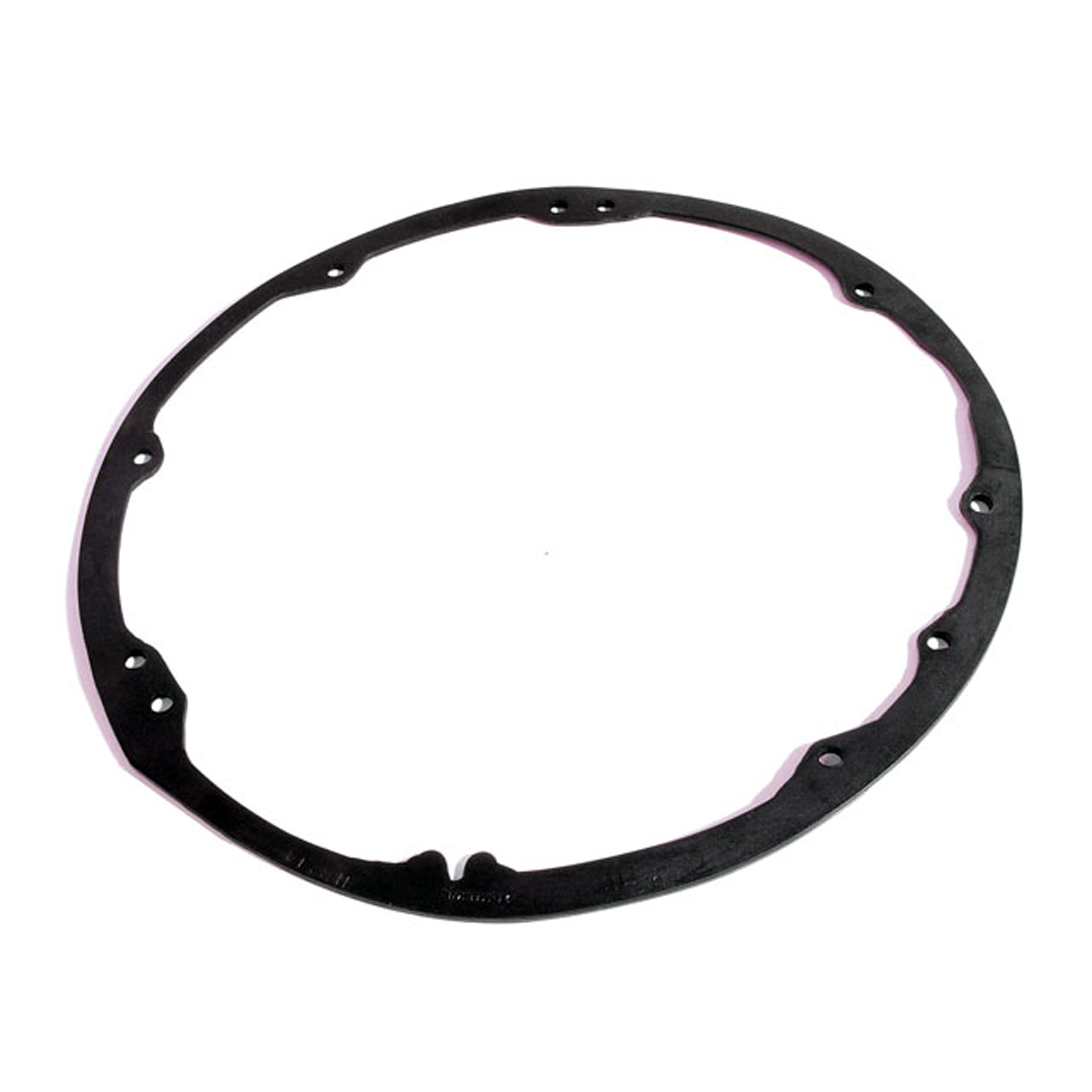 1955 Chrysler 300 Headlight Ring Seal. 8-3/8" O.D., 7-3/4" I.D. Pair-HR 14Headlight Ring Seal. 8-3/8" O.D., 7-3/4" I.D. Pair
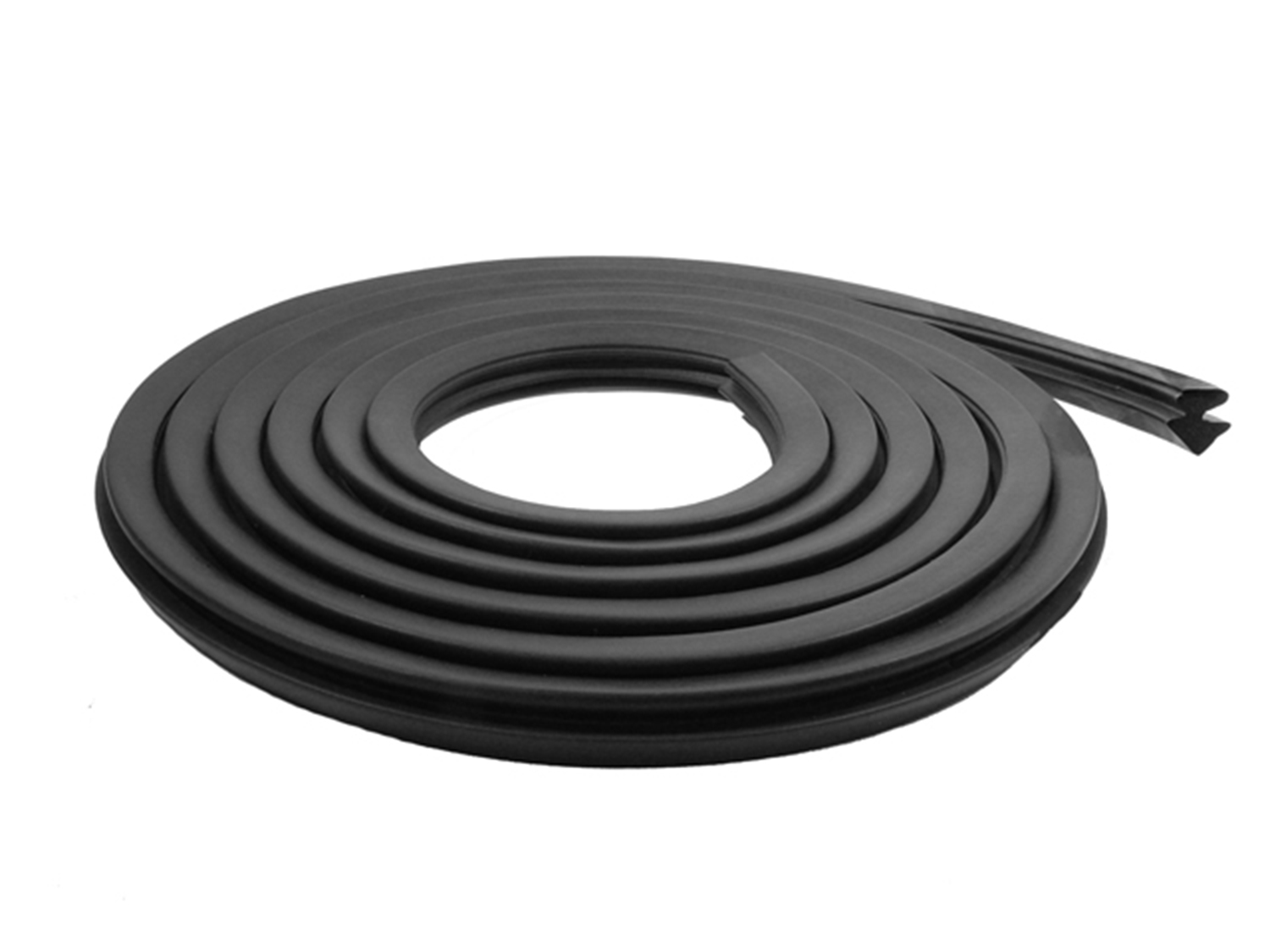 1955 Chrysler 300 Trunk Seal. Each-TK 64-16Trunk Seal. Each
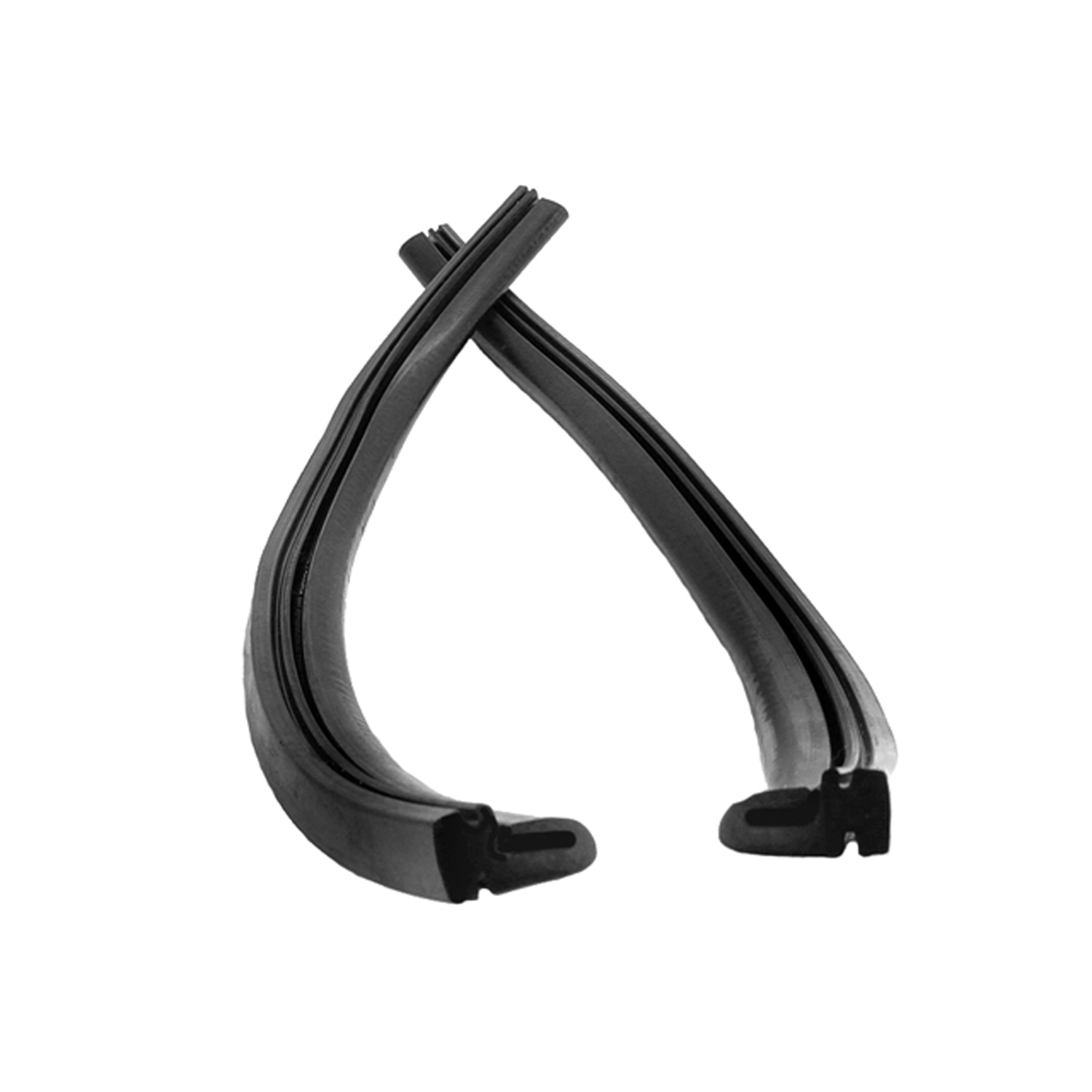 1955 Chrysler 300 Rear Roll-up Window Seals, for Hardtops and Convertibles-VS 7Rear Roll-up Window Seals, for Hardtops and Convertibles. For leading edge of rear quarter windows. Two pieces, 17-3/4" long. Pair
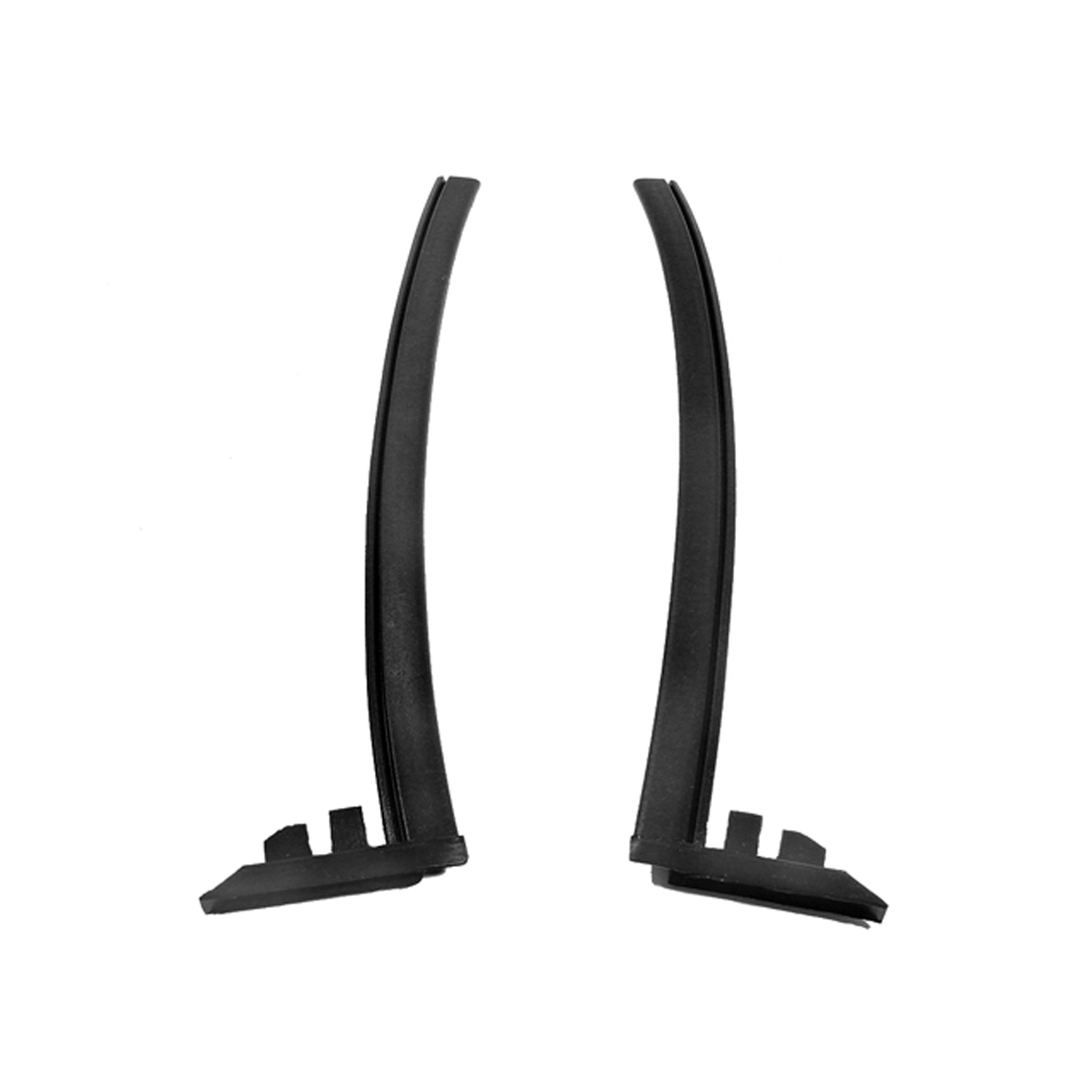 1955 Chrysler 300 Rear Roll-Up Side Quarter Window Seals (fits some models)-VS 7-BRear Roll-Up Side Quarter Window Seals (fits some models). Pair R&L
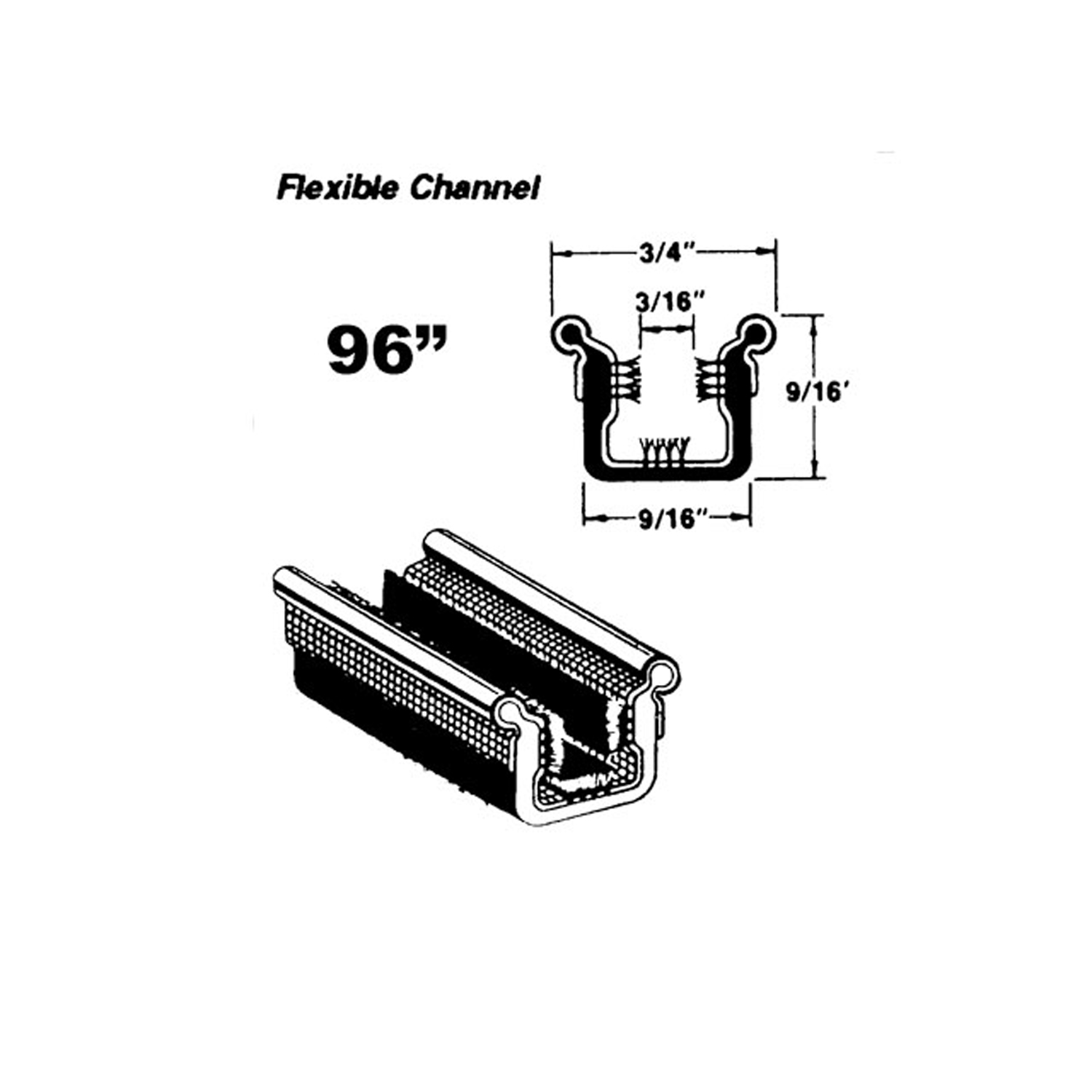 1955 Chrysler 300 Flexible window channel-WC 10-96Flexible window channel. Rubber covered with mohair lining and stainless steel bead. 96 in. long. Each. NOTE: $20 special shipping charge applies for domestic orders. Call or email for overseas shipping costs. Part can be sectioned in two or three equal lengths to reduce overseas shipping costs.
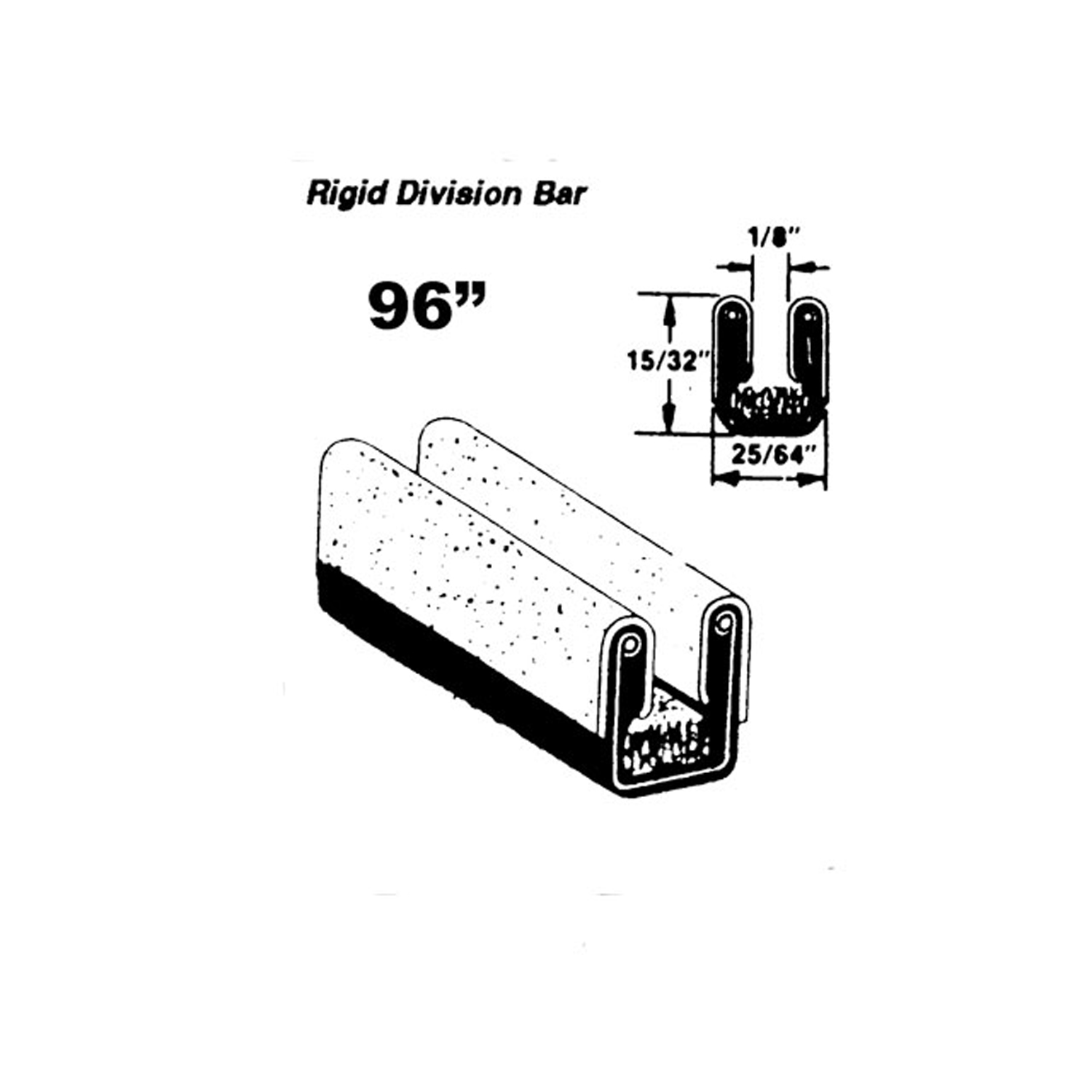 1955 Chrysler 300 Rigid division-bar run channel-WC 31-96Rigid division-bar run channel. Made with very soft felt lining. Used on front and rear door side windows. 96 in. long. Each. NOTE: $20 special shipping charge applies for domestic orders. Call or email for overseas shipping costs. Part can be sectioned in two or three equal lengths to reduce overseas shipping costs.
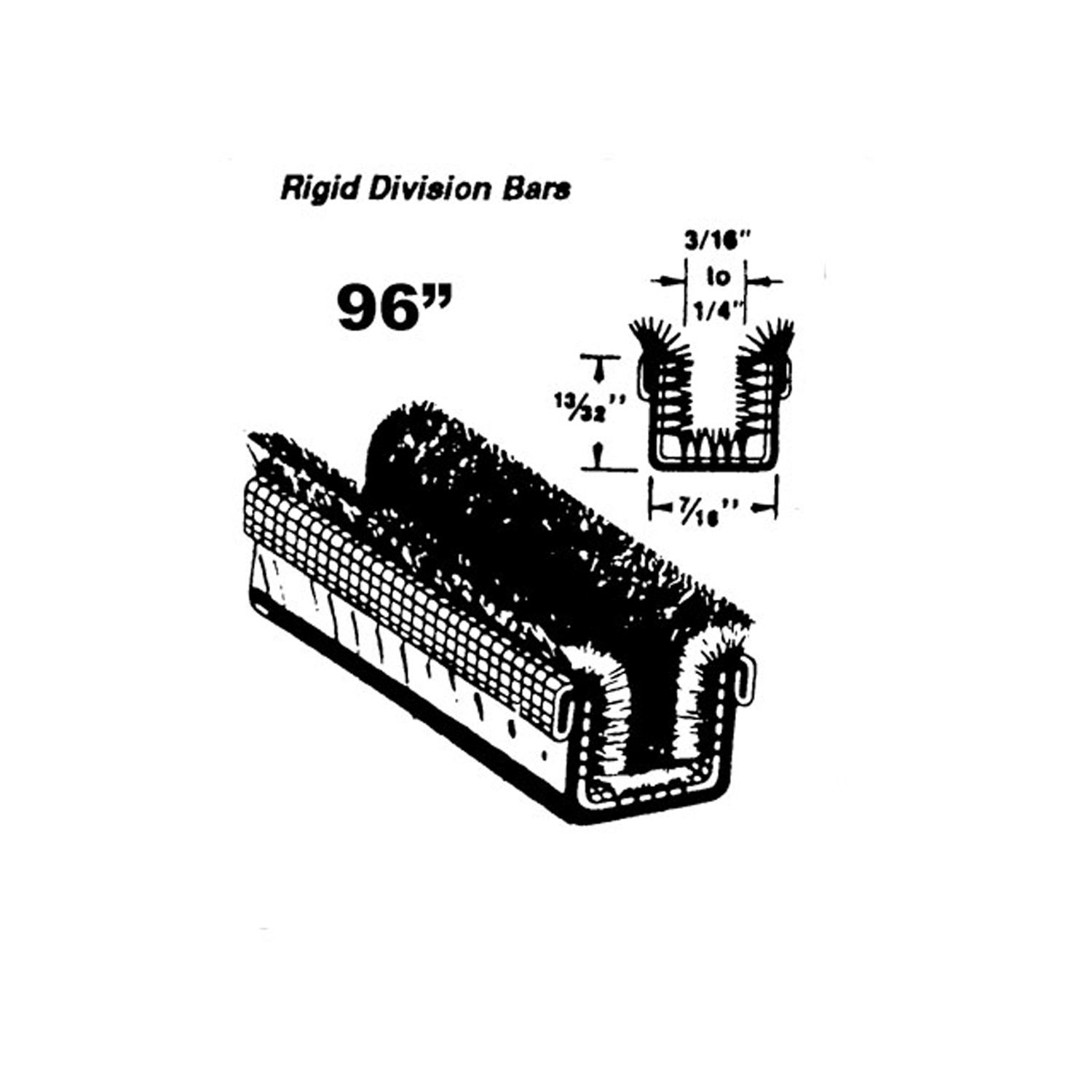 1955 Chrysler 300 Rigid division-bar channel. Unbeaded. 96 in. long. Each-WC 41-96Rigid division-bar channel. Unbeaded. 96 in. long. Each. NOTE: $20 special shipping charge applies for domestic orders. Call or email for overseas shipping costs. Part can be sectioned in two or three equal lengths to reduce overseas shipping costs.
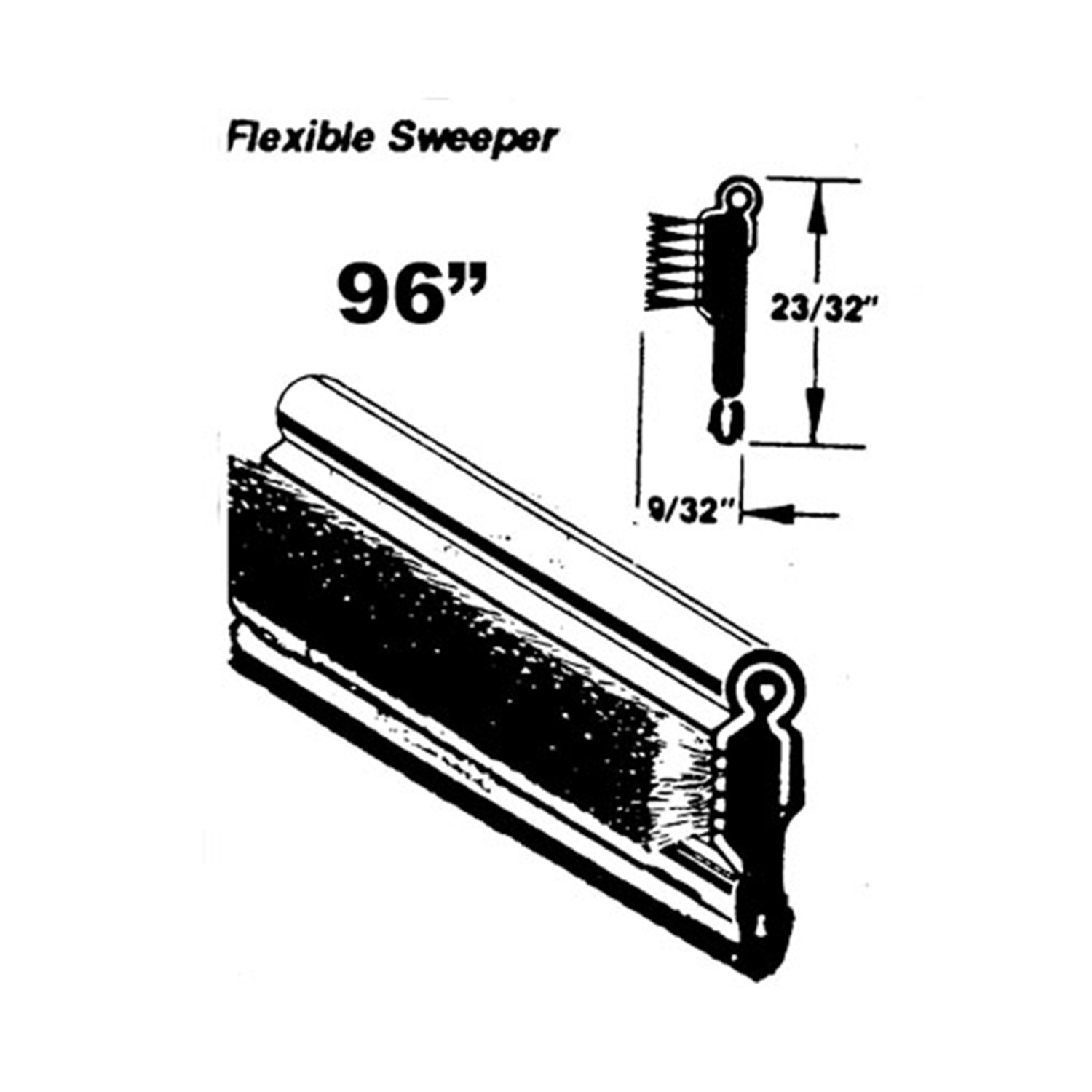 1955 Chrysler 300 Flexible window sweeper. Made with stainless steel bead-WC 4-96Flexible window sweeper. Made with stainless steel bead. 96 in. long. Each. NOTE: $20 special shipping charge applies for domestic orders. Call or email for overseas shipping costs. Part can be sectioned in two or three equal lengths to reduce overseas shipping costs.
Why Choose Metro?
For over 100 years, Metro Moulded Parts has been the pinnacle of quality in classic car restoration parts. Our commitment to precision and authenticity in every component ensures a perfect fit and an OEM-level appearance.
- Expert Craftsmanship & Quality: Each part is a testament to our dedication to reliability and perfection, crafted from original designs and thoroughly tested.
- Advanced Technology: We use cutting-edge techniques to create flawless, long-lasting parts that surpass others in performance.
- SuperSoft Sponge – The Ultimate Door Seal: Not only are our door seals 30% softer than competitors', but they're also guaranteed to never leak. They effectively reduce wind and road noise, enhancing your classic car's comfort and driving experience.
- Proudly American: Our parts are a product of American craftsmanship, made in the USA with a spirit of excellence and heritage.
- Unrivaled Warranty: We back our products with a 30-year industry-leading warranty, a testament to our confidence in their quality.
Join us in preserving the legacy of classic cars with parts that are crafted for perfection, not just made.