

Image of 1955 Chrysler Nassau, Note: These illustrations use artistic license and may differ from actual historical models.
Performance Metrics
Fundamental Metrics
Emotional Appeal
MMP Rating
| Engine Specifications | |
|---|---|
| Engine: | HEMI V8 |
| Displacement: | 331 cubic inches |
| Horsepower: | Estimated 250 HP |
| Torque: | Not available |
| Compression Ratio: | 8.5:1 |
| Ignition System: | Standard for the period, likely points and condenser |
| Cooling System: | Liquid-cooled |
| Performance Specifications | |
| 0-60 Time: | Not available |
| 1/4 Mile Time: | Not available |
| Top Speed: | Not available |
| Transmission and Drive | |
| Drive Type: | Rear-wheel drive |
| Transmission Type: | 2-speed automatic |
| Fuel and Efficiency | |
| Fuel System Type: | Carburetor |
| MPG: | Not available |
| Dimensions and Brakes | |
| Brakes: | Drum brakes |
| Wheelbase: | 126 inches |
| Weight: | Estimated 3500 lbs |
Note: Specifications for classic cars are given to the best of our ability, considering the limited and variant data available.
1955 Chrysler Nassau: The Forward Look Arrives
The 1955 Chrysler Nassau brought the glamour of a pillarless hardtop to Chrysler’s redesigned postwar lineup, pairing Virgil Exner’s emerging “Forward Look” styling with the company’s dependable V8 power. The Nassau was a Windsor-based two-door hardtop, not a high-performance model like the Chrysler 300, but it offered a taste of upscale motoring in a sleek, modern package.
Chrysler Corporation, based in Detroit, introduced its sharply restyled 1955 cars as American automakers competed to make each new model year look more dramatic than the last. The Nassau’s name evokes the fashionable resort city in the Bahamas, fitting a car pitched as stylish and comfortable. One useful distinction for today’s shoppers: “Nassau” identifies a body-and-trim version within the Windsor family, rather than a separate performance line with its own engine.
Forward Look Styling and Cabin
The Nassau’s profile is its calling card. Its roof sweeps over a long, uncluttered side opening, with no fixed center pillar to interrupt the glass when both side windows are lowered. The effect is open and airy, especially compared with a conventional sedan. At the front, a broad grille and prominent bumper give the car a confident face. Subtle rear-fender peaks hint at the tailfins that would grow more pronounced in the years ahead.
Inside, the Nassau was designed for comfortable family travel rather than competition. Upholstery typically combined durable cloth and vinyl, with trim and color coordinated to the exterior. A wide bench seat, broad dashboard, and generous glass made the cabin feel spacious by mid-1950s standards. Equipment varied with the original order, but buyers could select conveniences such as a radio, power steering, power brakes, power windows, and a power seat. Air conditioning was an available luxury on some Chrysler models of the period, though it was uncommon and should be verified on any specific car.
Factory paint choices included solid colors and two-tone combinations, with availability varying by model and production date. Two-tone finishes are especially eye-catching on a hardtop because the contrasting roof color emphasizes its long, pillarless shape. Original color charts and paint codes are worth consulting when judging a restoration.
The Nassau itself is best known as a two-door hardtop. Chrysler’s broader 1955 Windsor range also included other body styles, such as sedans and additional hardtop configurations, depending on the exact series and market. For many buyers, the Nassau hardtop was the most distinctive choice: it delivered the open-sided look of a convertible without a folding top.
Engine, Transmission, and Period Technology
Windsor-based 1955 Nassau models were generally powered by Chrysler’s 301-cubic-inch (4.9-liter) V8, rated at about 188 horsepower in common specifications. The engine used a two-barrel carburetor and Chrysler’s “poly” or polyspherical combustion-chamber design. It was built to provide smooth, easygoing power rather than the high-output character of the 331-cubic-inch New Yorker engine or the famous 300-horsepower Chrysler 300.
A three-speed manual transmission was the basic choice, while Chrysler’s two-speed PowerFlite automatic was a popular option. PowerFlite had arrived for the 1954 model year and made city driving more relaxed, though its two ratios feel simple beside modern automatics. The car also used a six-volt electrical system, a reminder that 1955 sits just before Chrysler’s transition to 12-volt systems for the 1956 model year.
Why the Nassau Mattered
The Nassau’s importance lies less in a single breakthrough feature than in its place within Chrysler’s dramatic 1955 redesign. Exner’s Forward Look gave Chrysler products a lower, cleaner, more modern appearance and helped shift the company away from the more upright styling of the early postwar years. The 1955 cars looked ready for the future, and their success helped establish styling as a major part of Chrysler’s identity.
The Nassau also made the hardtop body style accessible within a mainstream series. Its pillarless side profile borrowed some of a convertible’s visual appeal while retaining a fixed steel roof. That balance of style and everyday practicality became a familiar formula across American cars. The Nassau was not a race-bred machine, but it belonged to the same era of confidence and engineering ambition that produced Chrysler’s much more celebrated 300.
Performance and Driving Feel
Factory performance figures for an individual Nassau can vary with transmission, axle ratio, tire condition, and tuning. As a reasonable period-car estimate, a healthy 301-powered example may reach 0 to 60 mph in roughly 12 to 15 seconds and achieve a top speed in the neighborhood of 100 to 110 mph. Treat those figures as broad estimates, not guaranteed specifications for every car.
On the road, the V8 delivers a deep, unhurried burble and enough low-speed torque for comfortable cruising. PowerFlite cars are particularly easy to drive in traffic, although acceleration is leisurely by modern standards. The Nassau’s size and period suspension favor a soft, composed ride over sharp cornering. It can soak up ordinary road imperfections well, but rough pavement may reveal worn shocks, tired springs, or loose suspension components. Crosswinds and narrow, winding roads call for a measured hand: this is a substantial 1950s car, not a modern sports sedan.
The driving experience is defined by scale and atmosphere. The broad hood stretches ahead, the bench seat encourages a relaxed posture, and the steering feels heavier at parking speeds if the car lacks power assist. A well-maintained example should feel smooth and stable at cruising speeds, but braking distance, visibility around the car, and handling limits are very different from those of a contemporary vehicle.
Living With a 1955 Nassau
Most Nassau owners use their cars for weekend drives, local shows, and occasional touring rather than daily commuting. The mechanical layout is relatively straightforward compared with modern vehicles, and many routine jobs can be handled by an experienced home mechanic. Parts for common Chrysler V8 and chassis components are generally easier to source than Nassau-specific trim, glass, and body pieces.
Before buying, inspect the body carefully for rust, particularly in the floors, trunk, lower body panels, and around the windshield and rear window. Check that the transmission shifts correctly, the cooling system holds temperature, and the brakes stop the car evenly. Electrical work can take patience, especially if someone has modified the original wiring. A car with complete trim and sound bodywork is often a better starting point than a cheaper project missing hard-to-find Nassau-specific pieces.
For regular road use, owners should also account for the realities of a 1955 vehicle: older tires and braking systems, limited crash protection, and fuel consumption that is high by modern standards. A careful mechanical inspection and sensible upgrades, where appropriate and reversible, can make touring more enjoyable without erasing the car’s original character.
Nassau Facts and Misconceptions
The Nassau is sometimes confused with the Chrysler 300 because both arrived during Chrysler’s bold 1955 model year. They are very different cars. The 300 was a high-performance flagship with a powerful 331 V8 and competition credentials; the Nassau was a Windsor-based hardtop aimed at comfortable, stylish motoring.
There is no widely recognized speed, endurance, or sales record associated specifically with the Nassau. Nor is it famous for a single celebrity owner or major historical-event appearance. Its appeal is more understated: it represents the new styling direction that helped make mid-1950s Chrysler cars distinctive. Common criticisms include its size, modest power compared with premium Chrysler models, thirsty V8, and the difficulty of finding certain original trim parts.
Collector Value and Rarity
Reliable, model-specific production figures for the Nassau are not consistently published in the sources collectors commonly use. It is safest to treat it as a relatively uncommon Windsor hardtop rather than assign it a precise factory total. A practical estimate is that production was in the thousands to low tens of thousands, with surviving, correctly identified cars considerably fewer today. That estimate is not a verified production figure.
In the U.S. market, rough 2026 price expectations might run from about $8,000 to $18,000 for a project or driver needing work, $20,000 to $35,000 for a sound, presentable car, and roughly $35,000 to $55,000 or more for a high-quality restoration. Exceptional originality, documented history, and a desirable color combination can affect the price. These are broad estimates, not an appraisal, and local demand can move the numbers substantially.
The Nassau has a smaller buyer pool than a Chrysler 300 or a more famous convertible, so values tend to be condition-sensitive. Good examples have held collector interest, but the market has generally been steadier than spectacular. In inflation-adjusted terms, an ordinary Nassau may not have appreciated strongly. The best long-term prospects belong to well-preserved or expertly restored cars with complete trim and clear documentation.
Why the 1955 Chrysler Nassau Still Turns Heads
The 1955 Chrysler Nassau blends the clean, pillarless shape of a classic American hardtop with the first wave of Chrysler’s Forward Look styling. Its Windsor V8 and comfortable cabin make it a cruiser rather than a muscle car, while its rarity and distinctive profile give it real character at a show or on a weekend drive.
It may not carry the racing fame of the Chrysler 300, but the Nassau captures a pivotal moment when Chrysler began drawing the future in steel. That combination of style, comfort, and mid-century optimism is what keeps this handsome hardtop worth seeking out.
1955 Chrysler Nassau Catalog of Parts
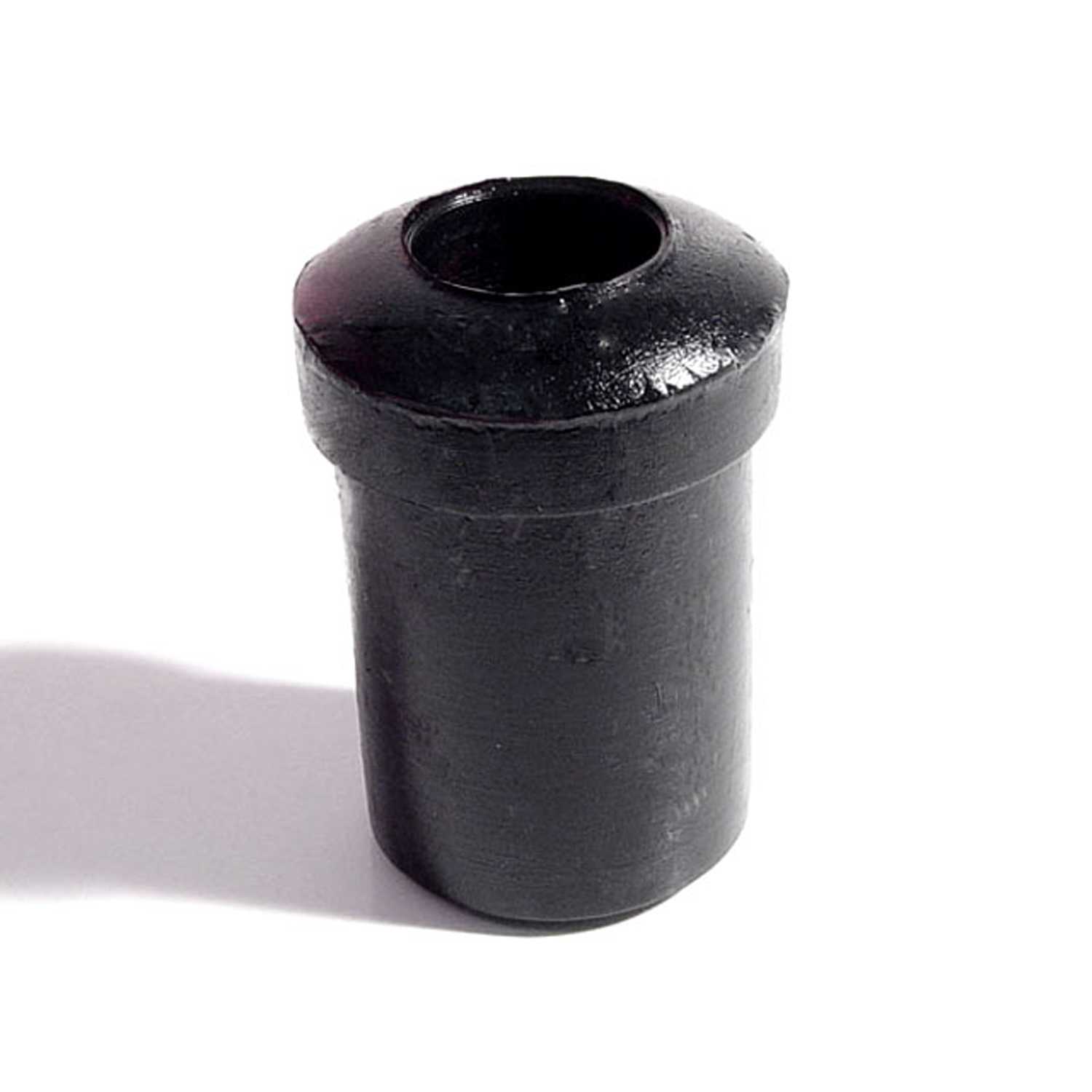 1955 Chrysler Nassau Spring and Shackle Bushing. 1" bottom O.D-BN 20Spring and Shackle Bushing. 1" bottom O.D. X 1-5/8" high, with 9/16" I.D. Each
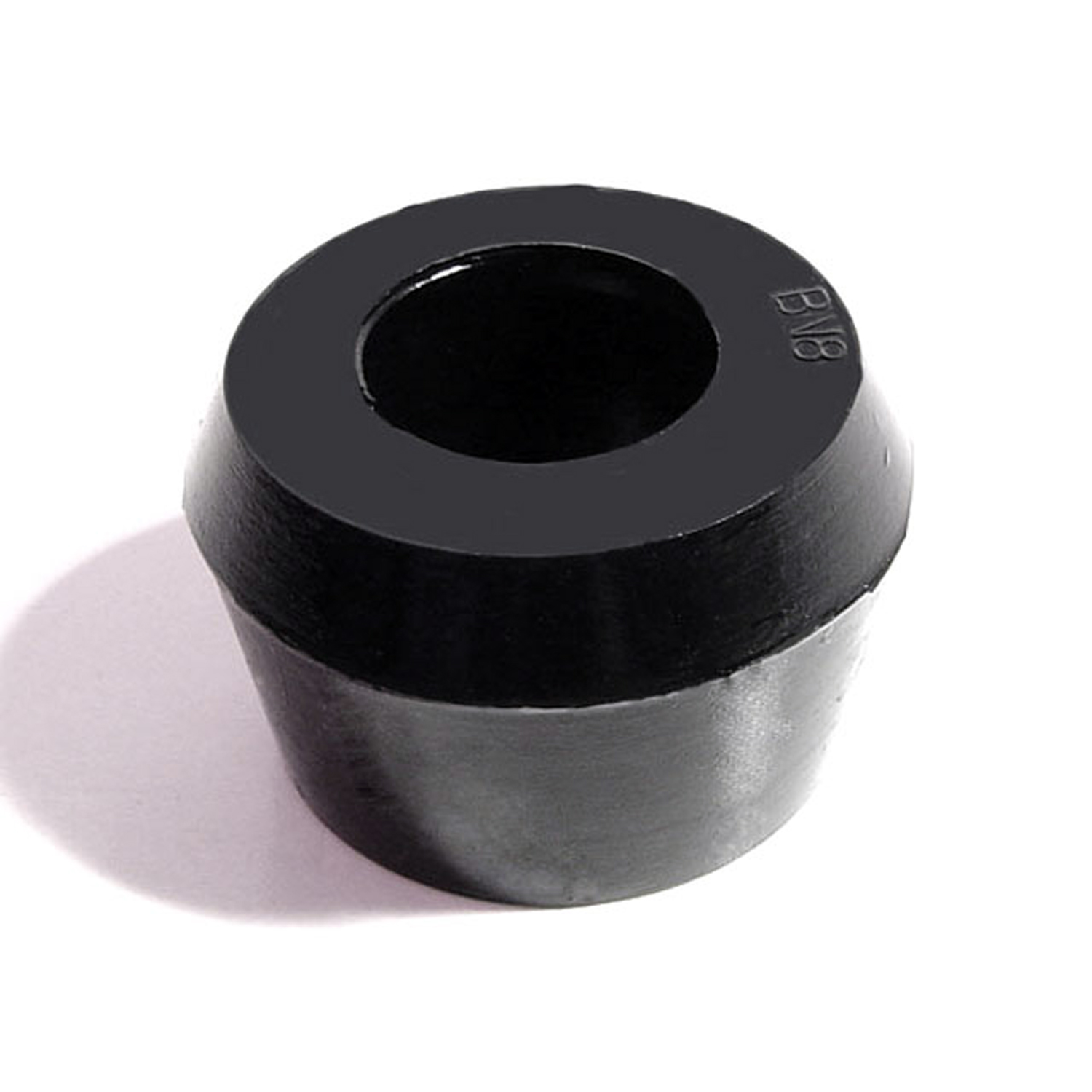 1955 Chrysler Nassau Shock Absorber Grommet. 1-1/4" bottom O.D-BN 8Shock Absorber Grommet. 1-1/4" bottom O.D., 1" high, with 3/4" I.D. Each
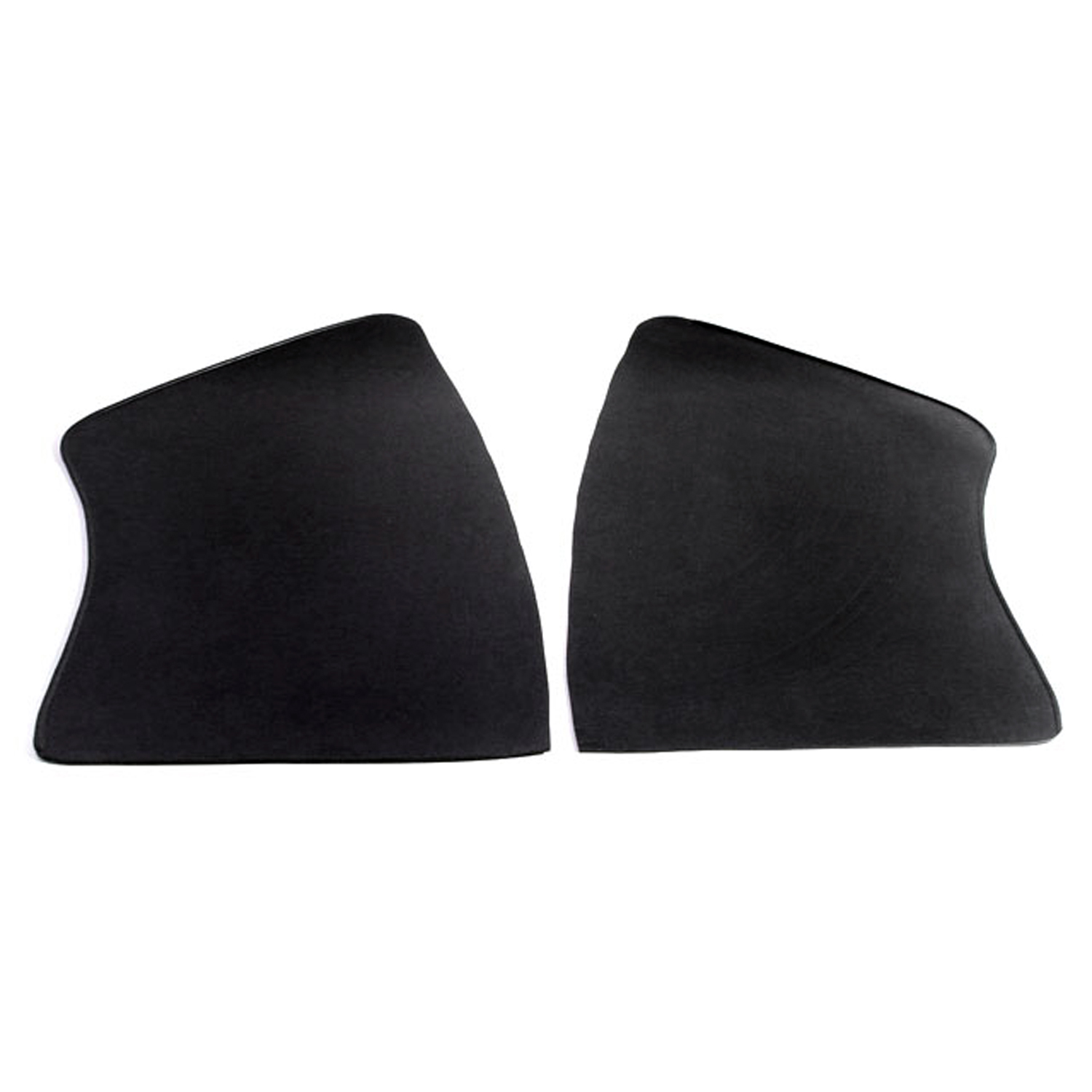 1955 Chrysler Nassau Gravel Shields. Molded flat without metal backing plates-FS 31Gravel Shields. Molded flat without metal backing plates. Apply with contact cement. 18" long X 9-3/4" wide at bottom. Pair
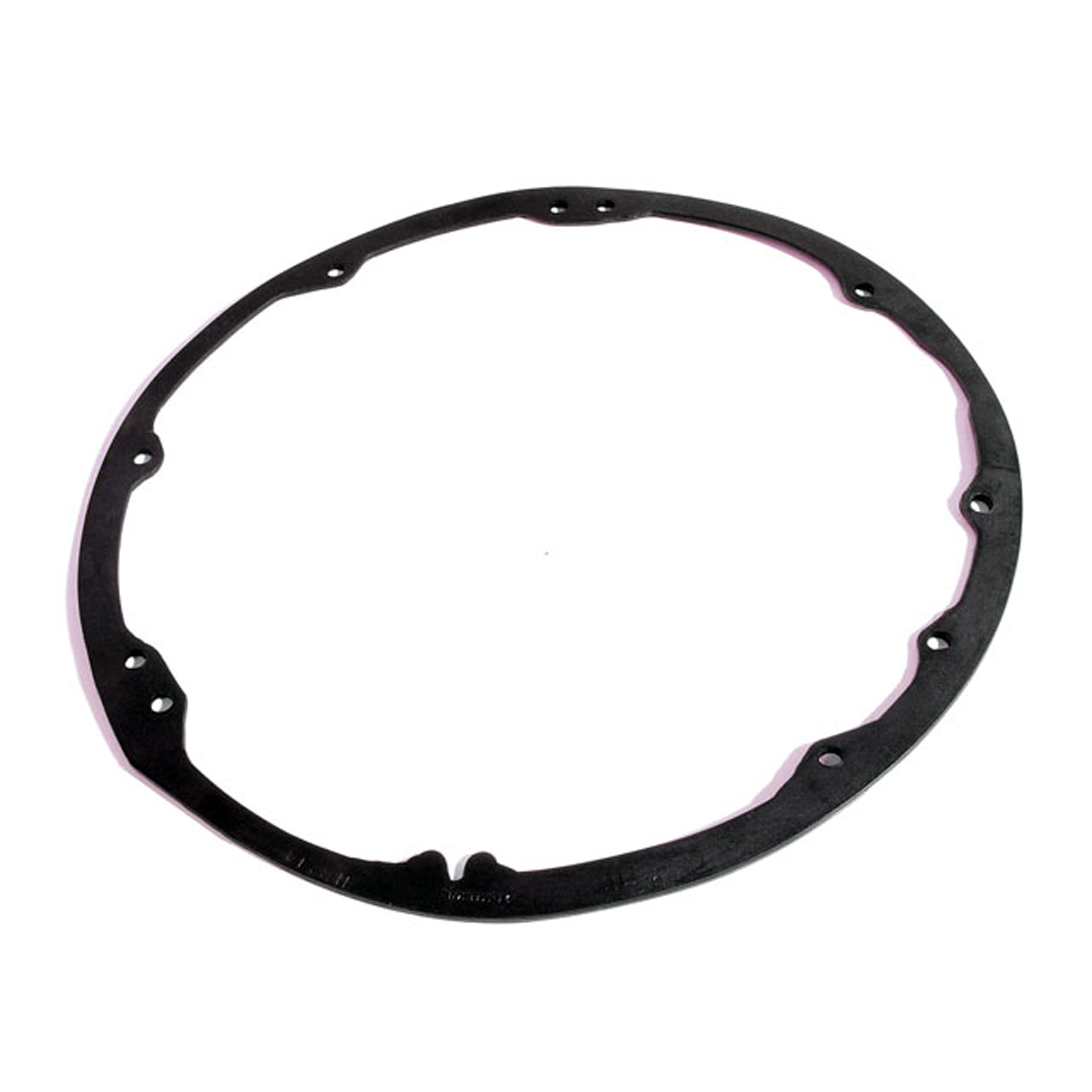 1955 Chrysler Nassau Headlight Ring Seal. 8-3/8" O.D., 7-3/4" I.D. Pair-HR 14Headlight Ring Seal. 8-3/8" O.D., 7-3/4" I.D. Pair
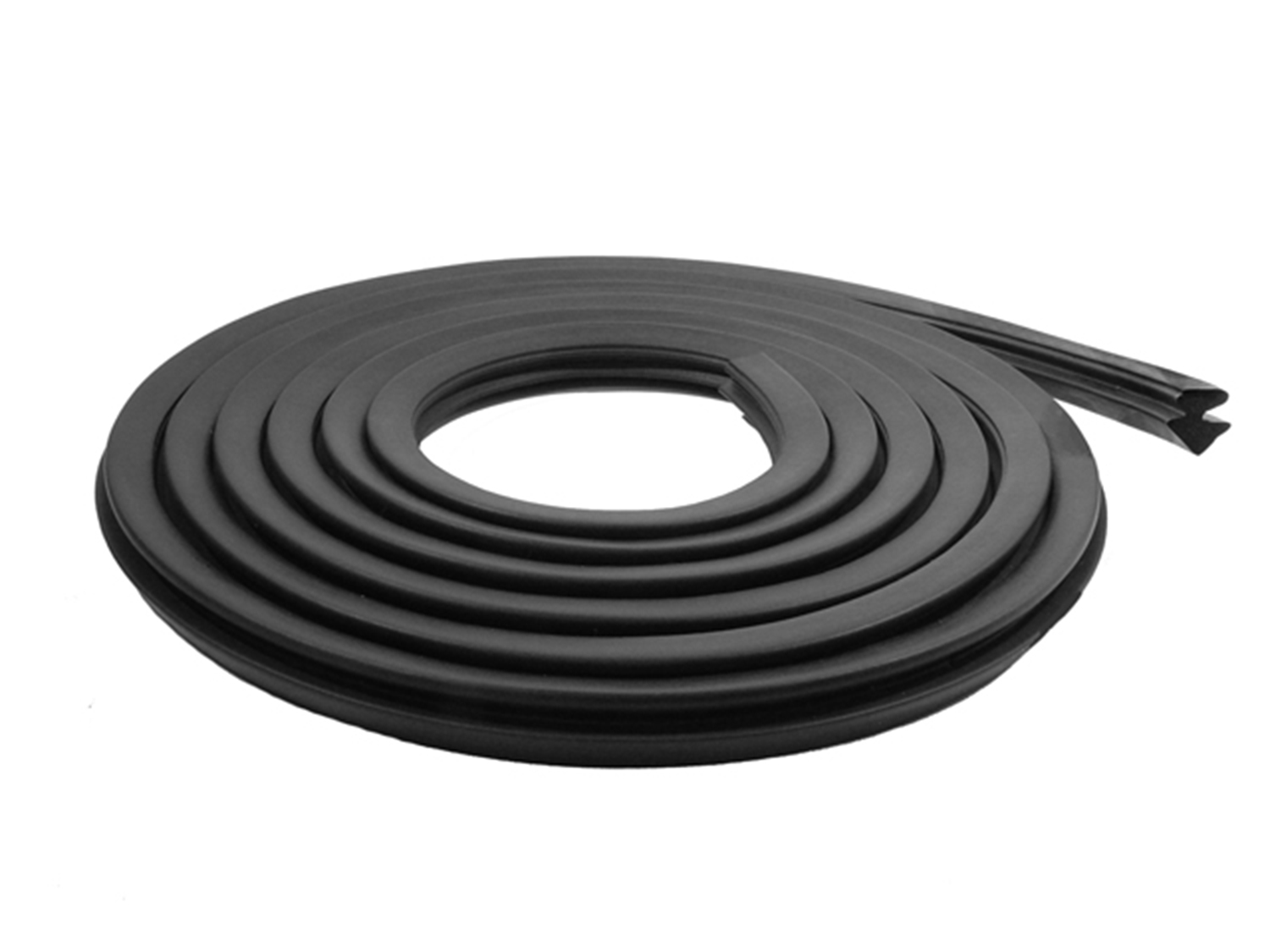 1955 Chrysler Nassau Trunk Seal. Each-TK 64-16Trunk Seal. Each
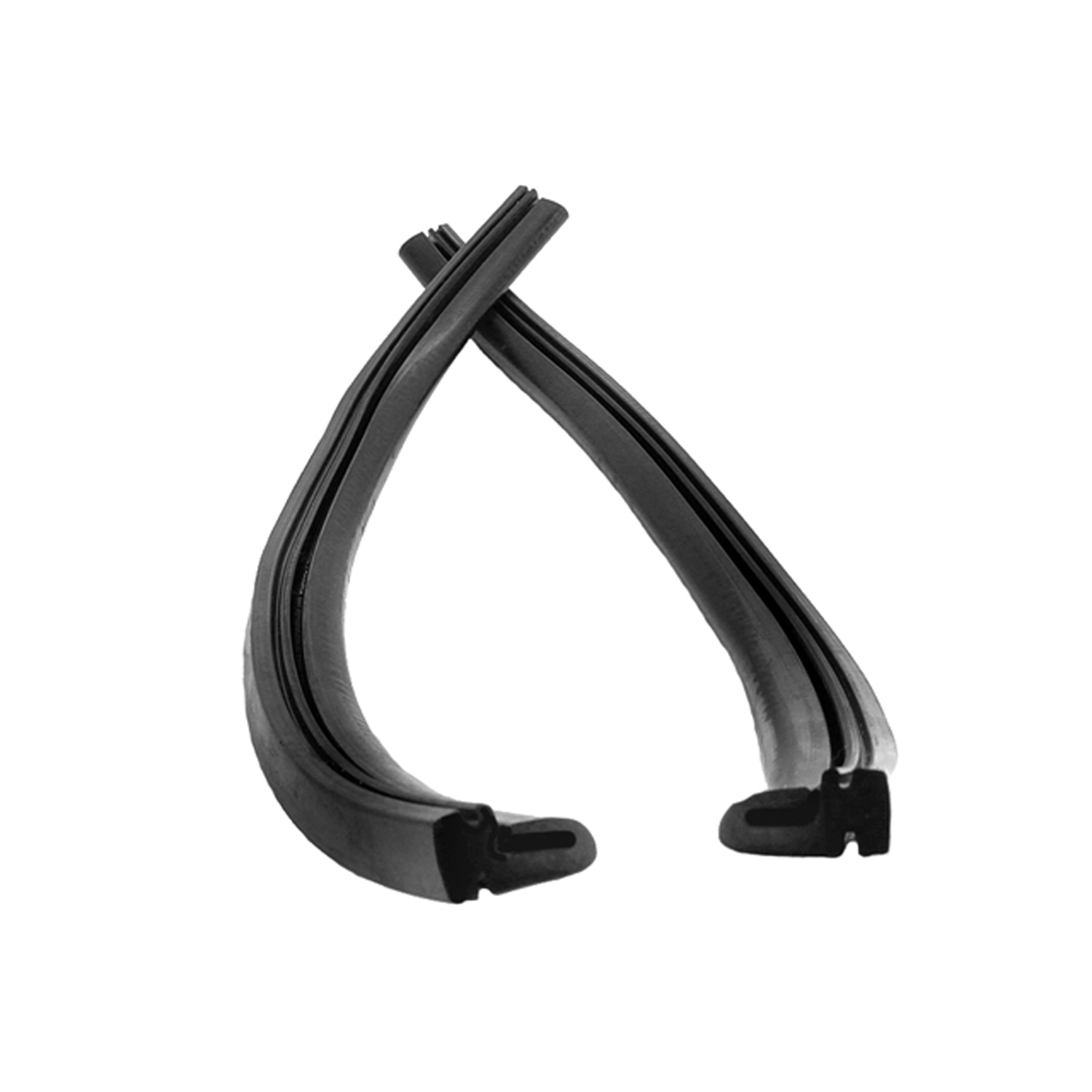 1955 Chrysler Nassau Rear Roll-up Window Seals, for Hardtops and Convertibles-VS 7Rear Roll-up Window Seals, for Hardtops and Convertibles. For leading edge of rear quarter windows. Two pieces, 17-3/4" long. Pair
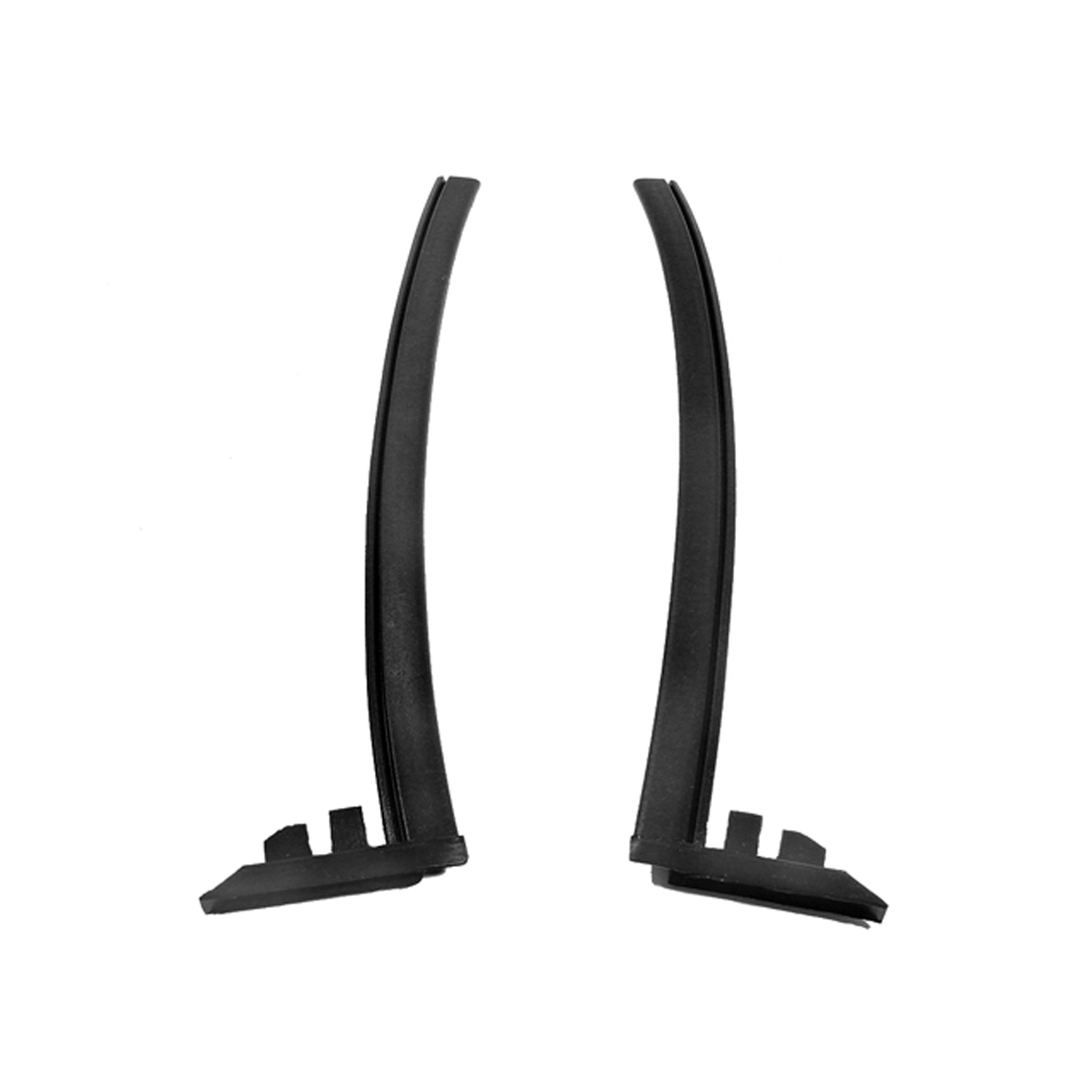 1955 Chrysler Nassau Rear Roll-Up Side Quarter Window Seals (fits some models)-VS 7-BRear Roll-Up Side Quarter Window Seals (fits some models). Pair R&L
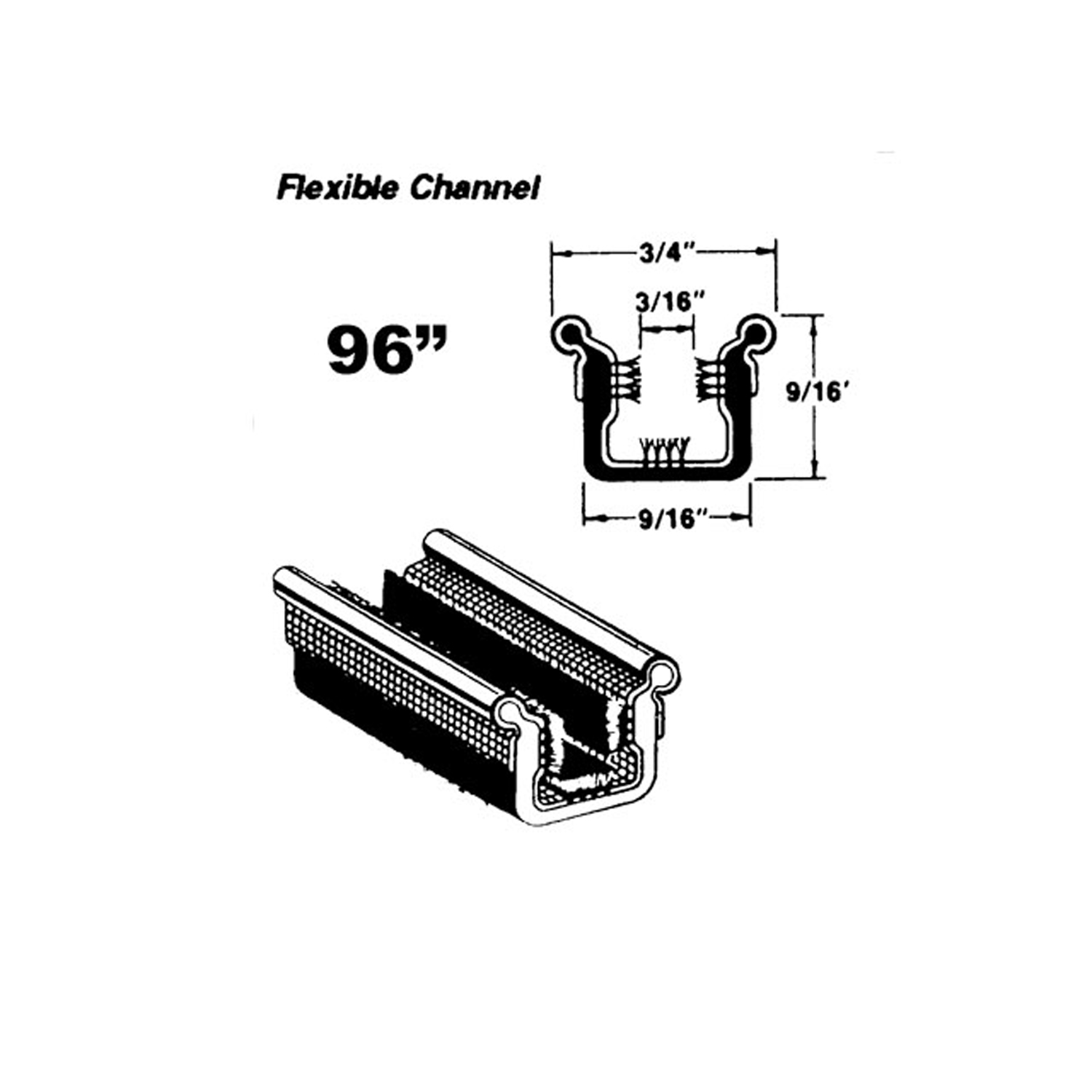 1955 Chrysler Nassau Flexible window channel-WC 10-96Flexible window channel. Rubber covered with mohair lining and stainless steel bead. 96 in. long. Each. NOTE: $20 special shipping charge applies for domestic orders. Call or email for overseas shipping costs. Part can be sectioned in two or three equal lengths to reduce overseas shipping costs.
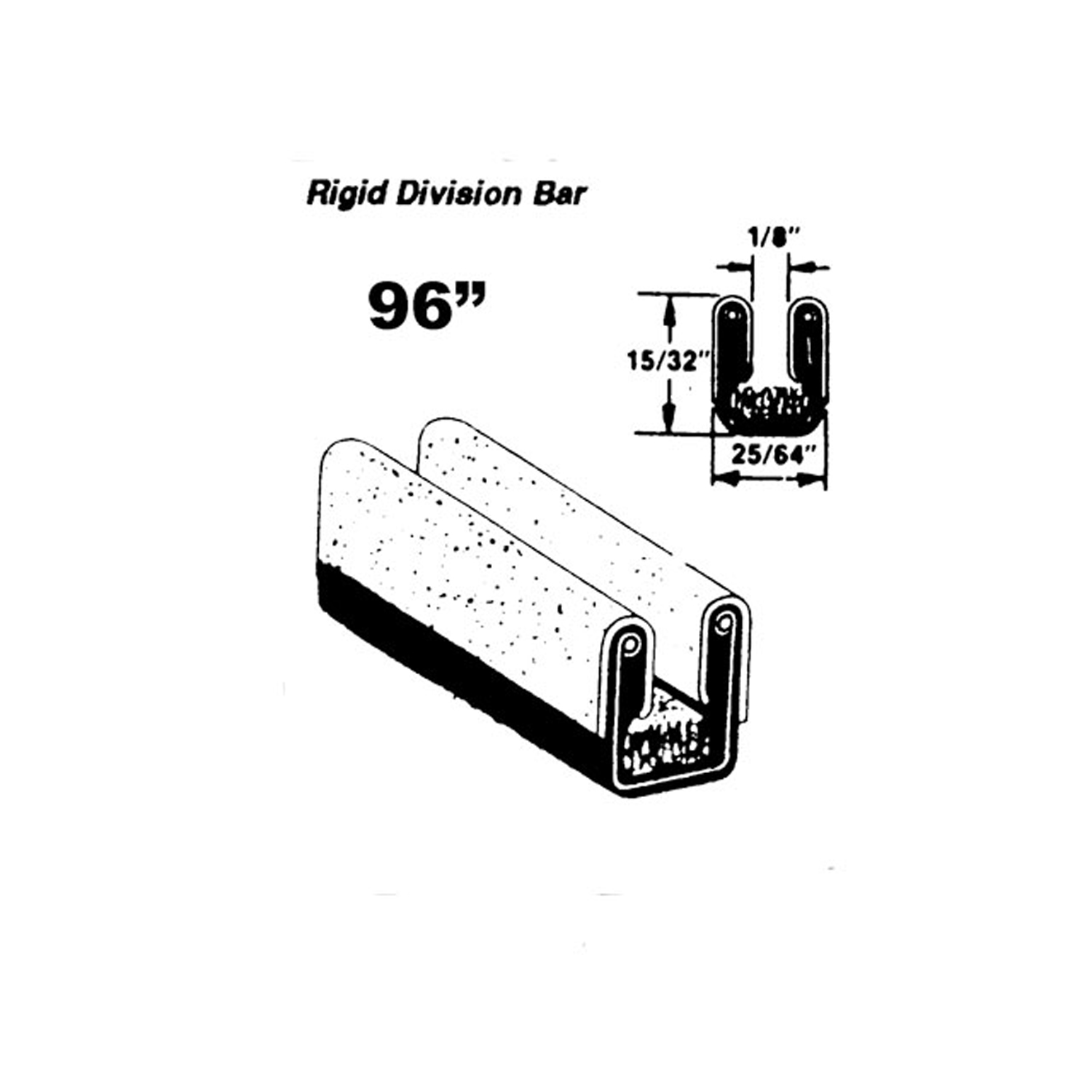 1955 Chrysler Nassau Rigid division-bar run channel-WC 31-96Rigid division-bar run channel. Made with very soft felt lining. Used on front and rear door side windows. 96 in. long. Each. NOTE: $20 special shipping charge applies for domestic orders. Call or email for overseas shipping costs. Part can be sectioned in two or three equal lengths to reduce overseas shipping costs.
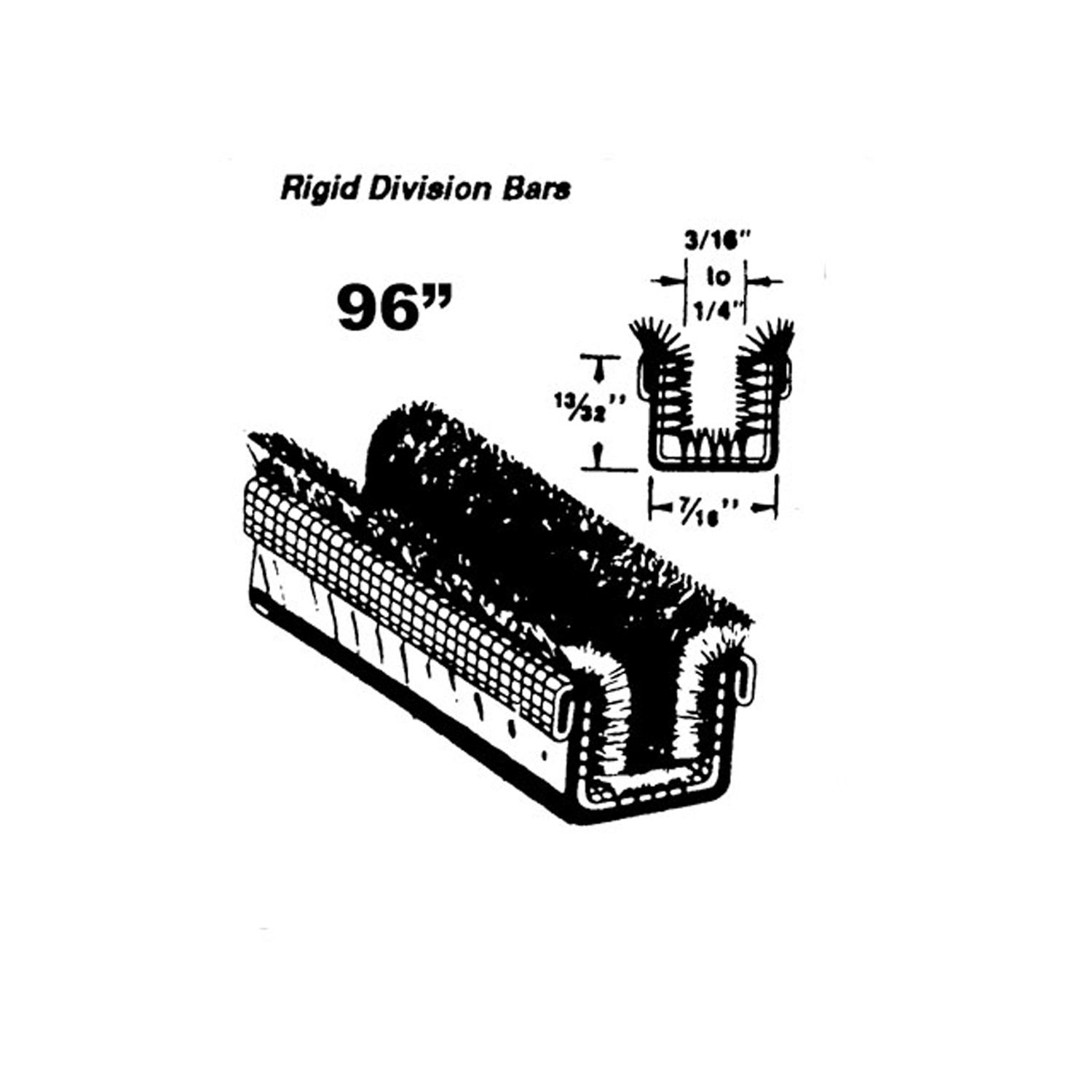 1955 Chrysler Nassau Rigid division-bar channel. Unbeaded. 96 in. long. Each-WC 41-96Rigid division-bar channel. Unbeaded. 96 in. long. Each. NOTE: $20 special shipping charge applies for domestic orders. Call or email for overseas shipping costs. Part can be sectioned in two or three equal lengths to reduce overseas shipping costs.
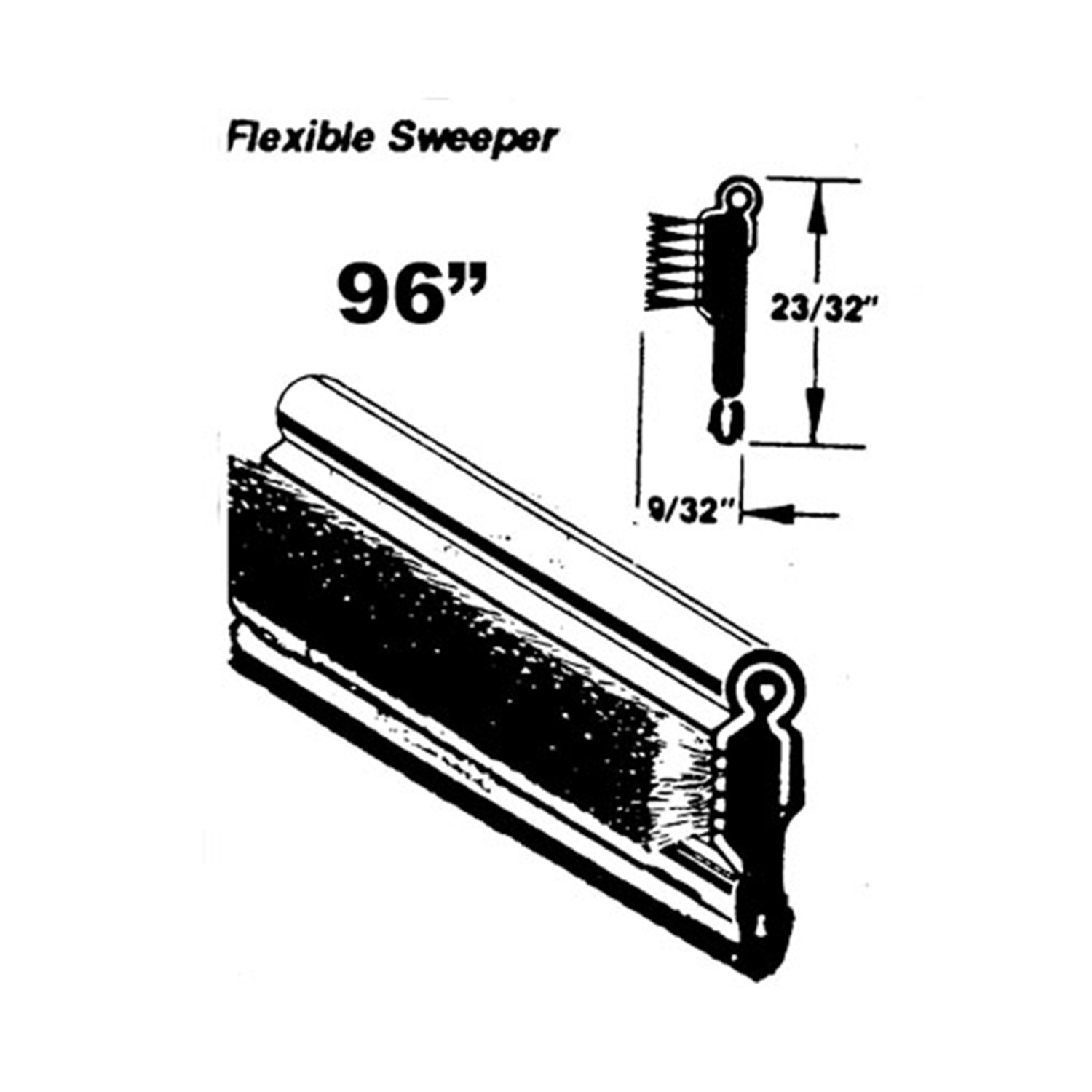 1955 Chrysler Nassau Flexible window sweeper. Made with stainless steel bead-WC 4-96Flexible window sweeper. Made with stainless steel bead. 96 in. long. Each. NOTE: $20 special shipping charge applies for domestic orders. Call or email for overseas shipping costs. Part can be sectioned in two or three equal lengths to reduce overseas shipping costs.
Why Choose Metro?
For over 100 years, Metro Moulded Parts has been the pinnacle of quality in classic car restoration parts. Our commitment to precision and authenticity in every component ensures a perfect fit and an OEM-level appearance.
- Expert Craftsmanship & Quality: Each part is a testament to our dedication to reliability and perfection, crafted from original designs and thoroughly tested.
- Advanced Technology: We use cutting-edge techniques to create flawless, long-lasting parts that surpass others in performance.
- SuperSoft Sponge – The Ultimate Door Seal: Not only are our door seals 30% softer than competitors', but they're also guaranteed to never leak. They effectively reduce wind and road noise, enhancing your classic car's comfort and driving experience.
- Proudly American: Our parts are a product of American craftsmanship, made in the USA with a spirit of excellence and heritage.
- Unrivaled Warranty: We back our products with a 30-year industry-leading warranty, a testament to our confidence in their quality.
Join us in preserving the legacy of classic cars with parts that are crafted for perfection, not just made.