

Image of 1955 Chrysler New Yorker, Note: These illustrations use artistic license and may differ from actual historical models.
Performance Metrics
Fundamental Metrics
Emotional Appeal
MMP Rating
| Engine Specifications | |
|---|---|
| Engine Options: | 331 cu in (5.4 L) FirePower V8 |
| Displacement Range: | 331 cu in (5.4 L) |
| Horsepower Range: | 250 hp |
| Torque: | 340 lb-ft |
| Compression Ratio: | 8.5:1 |
| Ignition System: | Battery Ignition |
| Cooling System: | Liquid Cooled |
| Performance Specifications | |
| 0-60 Time: | 11 seconds |
| 1/4 Mile Time: | Estimated 18 seconds |
| Top Speed: | 110 mph |
| Transmission and Drive | |
| Drive Type: | Rear Wheel Drive |
| Transmission Type: | 2-speed PowerFlite automatic |
| Fuel and Efficiency | |
| Fuel System Type: | Carburetor |
| MPG: | 10-12 mpg |
| Dimensions and Brakes | |
| Brakes: | Drum Brakes |
| Wheelbase: | 125.5 inches |
| Weight: | 4300 lbs |
Note: Specifications for classic cars are given to the best of our ability, considering the limited and variant data available.
1955 Chrysler New Yorker: The Year Chrysler Looked Forward
The 1955 Chrysler New Yorker arrived with the kind of low, sweeping shape that made yesterday’s cars look instantly old. Built by the Chrysler Corporation in Detroit, it was a premium full-size model with a powerful Hemi V8, upscale cabin, and styling that announced a bold new direction for American cars.
That direction was the “Forward Look,” the dramatic design language led by Chrysler stylist Virgil Exner. The New Yorker was not the only car to wear the new look, but it showed how effectively Chrysler could combine luxury with a lower, more modern profile. A fascinating distinction is that the New Yorker shared its basic platform and Hemi heritage with the 1955 Chrysler C-300, the first of Chrysler’s famous letter-series performance cars. The C-300 was a separate model, however, and its 300-horsepower engine should not be confused with the New Yorker’s 250-horsepower version.
Forward Look Styling and New Yorker Details
The New Yorker’s body was long, broad, and surprisingly sleek for a car of its size. Its hood sat low over a wide grille, while the front fenders flowed smoothly into the body rather than looking like separate, bolt-on forms. A wraparound windshield added a contemporary touch, and the roofline, bright side trim, and gently rising rear fenders gave the car a sense of motion even when parked.
At the back, the New Yorker’s fins were present but restrained compared with the towering tailfins Chrysler would introduce in later years. They helped create a visual line from the front fenders to the rear lamps, giving the car a longer, lower appearance. Chrome was used generously, especially around the grille, windows, and body accents, but the overall design was cleaner and less upright than many earlier luxury cars.
Inside, the New Yorker offered a roomy cabin with a broad dashboard, generous glass area, and comfortable seating. Depending on body style and trim, buyers could find patterned cloth, vinyl, or leather upholstery, along with coordinated door panels and carpeting. The materials and finish aimed for genuine luxury, although they were not quite at the level of the most expensive European touring cars. The expansive front bench seat, wide rear bench, and large trunk made it well suited to long-distance family travel.
Chrysler offered the New Yorker in several body styles, including a four-door sedan, a two-door hardtop, and a convertible. The two-door Newport hardtop was especially appealing to buyers who wanted open, pillarless side glass without giving up a fixed roof. The convertible was the most glamorous choice, while the four-door sedan was the practical option for families and chauffeurs. Exact trim names and equipment could vary by body style and market.
Paint choices included a range of solid and two-tone combinations. Buyers could choose conservative shades such as black, white, or muted greens and blues, or make a more expressive statement with brighter colors and contrasting roof treatments. Two-tone paint was particularly effective on the New Yorker because it emphasized the car’s long body and sweeping side profile. Availability depended on the factory paint chart and the selected trim.
Hemi Power and 1950s Technology
Under the hood sat Chrysler’s 331-cubic-inch FirePower Hemi V8. In New Yorker specification, it produced approximately 250 horsepower, a substantial figure for a luxury car in 1955. The hemispherical combustion chambers were a key part of the engine’s design, helping it breathe efficiently and giving Chrysler a strong performance identity.
Most New Yorkers were equipped with Chrysler’s PowerFlite two-speed automatic transmission. It was smooth and easy to use, though its two forward gears could make acceleration feel less seamless than that of later three-speed automatics. Power steering and power brakes were available, making a large car easier to maneuver in town and more comfortable on longer drives. Equipment varied, so not every surviving example has the same options.
The New Yorker also benefited from the era’s growing emphasis on convenience and comfort. Buyers could specify power-operated features such as windows and seats, along with accessories like a radio and heater. These were premium options rather than universal standard equipment. By modern standards, the car’s technology is simple, but in its day the combination of a high-output V8, automatic transmission, and optional power assists made it an appealing luxury package.
Why the 1955 New Yorker Mattered
The 1955 New Yorker marked an important change in American automotive design. Chrysler’s Forward Look pushed the industry toward lower rooflines, sleeker bodies, and more dramatic use of horizontal lines and tailfins. The New Yorker demonstrated that a large, comfortable car did not have to look tall and heavy. Its shape helped set the tone for the more flamboyant styling of the late 1950s.
It also helped strengthen Chrysler’s performance image. The New Yorker was a luxury car first, but its Hemi V8 gave it far more power than the average family sedan. Its close relationship to the C-300 underlined Chrysler’s ability to use advanced engine engineering across different types of cars. The C-300 went on to make its own mark in stock-car racing, including a championship-winning 1955 NASCAR season. That achievement belongs to the C-300, not the New Yorker, but it reflects the competitive engineering shared across Chrysler’s high-performance lineup.
What set the New Yorker apart from many contemporaries was this blend of comfort, visual drama, and serious V8 power. It was not as rare or as focused as the C-300, but it offered buyers a more practical way to enjoy Chrysler’s Hemi-era engineering. Its influence remains visible in the way American manufacturers pursued lower, more expressive full-size cars through the rest of the decade.
Performance, Ride, and Driving Character
Period performance figures vary with body style, gearing, condition, and test method. A healthy 1955 New Yorker is generally estimated to reach 60 mph from a standstill in roughly 10 to 12 seconds, with a top speed in the neighborhood of 110 to 115 mph. Those are strong figures for a large luxury car of its time, but they should be treated as approximate rather than guaranteed results for every car.
On the road, the Hemi delivers a deep, relaxed V8 rumble rather than a sharp, high-revving note. The engine has enough torque to move the New Yorker confidently, and the PowerFlite automatic encourages smooth, easy progress. Put your foot down and the car responds with a satisfying surge, though the transmission’s two-speed design means it does not feel as quick or flexible as a modern automatic.
The ride is soft and comfortable, especially on open highways. The New Yorker absorbs ordinary road imperfections with the leisurely motion expected of a large American car from the 1950s. On rough pavement, worn suspension components can make the body float or bounce more than it should. On winding roads, the car’s size, weight, and relatively slow steering call for a relaxed pace. It is capable of cruising briskly, but it is not a sports sedan, and sharp corners are best taken with respect for its age and mass.
Behind the wheel, the driver sits high above a broad hood, with a large steering wheel and generous outward visibility. Power steering, when fitted and properly maintained, takes much of the effort out of low-speed turns. The experience is more about the sound of the V8, the long hood, and the smooth, stately ride than precise handling. A well-sorted New Yorker feels composed and substantial, not delicate.
Living with a 1955 Chrysler
Today, most New Yorkers are used as weekend cruisers, show cars, or part of a classic-car collection. Some owners take them on touring events and local drives, where the spacious cabin and comfortable ride are real advantages. Their size and fuel consumption make them less practical as everyday transportation, especially in modern traffic and tight parking spaces.
Maintenance is manageable for an owner who is comfortable with older American cars, but it requires a different mindset from maintaining a modern vehicle. The carburetor, ignition system, cooling system, brakes, and automatic transmission all need regular attention. Many mechanical parts are shared with other Chrysler products of the period, which helps with repairs. Trim, glass, body panels, and model-specific interior pieces can be harder to find, so inspect a car carefully before buying it.
Reliability depends heavily on condition. A New Yorker that has been driven regularly and maintained can be a dependable tour car, while one that has sat for years may need extensive work before it is roadworthy. Check for rust in the floors, lower body panels, trunk, and around the windows. Also inspect the frame, suspension, brake lines, and cooling system. A pre-purchase inspection by a mechanic familiar with 1950s Mopars is money well spent.
Common criticisms include the car’s large footprint, modest fuel economy, aging braking performance, and the limitations of its two-speed automatic. Parts availability is generally better for mechanical components than for special trim and interior details. The New Yorker’s size also means that parking and maneuvering can be a challenge without power steering.
New Yorker Facts and Collector Notes
The 1955 New Yorker is sometimes mixed up with the Chrysler C-300 because both used Hemi V8 power and shared important underpinnings. The distinction matters: the C-300 was a special high-performance model rated at 300 horsepower, while the New Yorker was a broader luxury line with its own body styles and equipment. The C-300’s racing success added luster to Chrysler’s performance reputation, but the New Yorker’s appeal was its combination of that engineering background with passenger-car comfort.
There is no single widely recognized New Yorker speed or endurance record from 1955 comparable to the C-300’s racing achievements. Nor is the model associated with one defining celebrity owner or historical event. Its notable moment was broader: it helped introduce the Forward Look to a market ready for a fresh postwar design direction.
Production estimates for the 1955 New Yorker vary by source and by how body styles and trim are counted. A reasonable working estimate for the full model line is around 30,000 to 35,000 cars. That makes the New Yorker uncommon today, but not exceptionally rare compared with limited-production performance models. Convertibles and especially well-preserved, highly equipped examples are harder to find than sedans.
Collector values depend strongly on body style, originality, rust, mechanical condition, and restoration quality. As a broad 2026 estimate, a project or rough driver might sell for about $8,000 to $18,000. A presentable, roadworthy car may fall in the $20,000 to $40,000 range, while a high-quality restored example can bring roughly $40,000 to $70,000 or more. Convertibles and exceptional cars can exceed those figures, sometimes substantially. These are general market estimates, not appraisals, and local demand can make a major difference.
Values for classic American cars can move unevenly, but the New Yorker has enduring appeal thanks to its Hemi engine, bold styling, and place in Chrysler history. It is not as valuable as the rare C-300, yet strong examples have benefited from interest in 1950s design and the Forward Look era. Condition remains the biggest factor: a sound, complete car is usually a better investment than a cheaper project with missing trim and extensive rust.
A Chrysler Classic with Real Presence
The 1955 Chrysler New Yorker brought together a powerful 331 Hemi, a comfortable and well-appointed cabin, and styling that helped redirect American automotive design. It was roomy enough for real travel, quick enough to feel special, and distinctive enough to stand apart in a crowded full-size-car market. For collectors, it offers a more approachable route into Chrysler’s Hemi years than the rarer C-300. For anyone who loves the bold optimism of 1950s motoring, the New Yorker remains a striking reminder of the moment Chrysler chose to look forward.
1955 Chrysler New Yorker Catalog of Parts
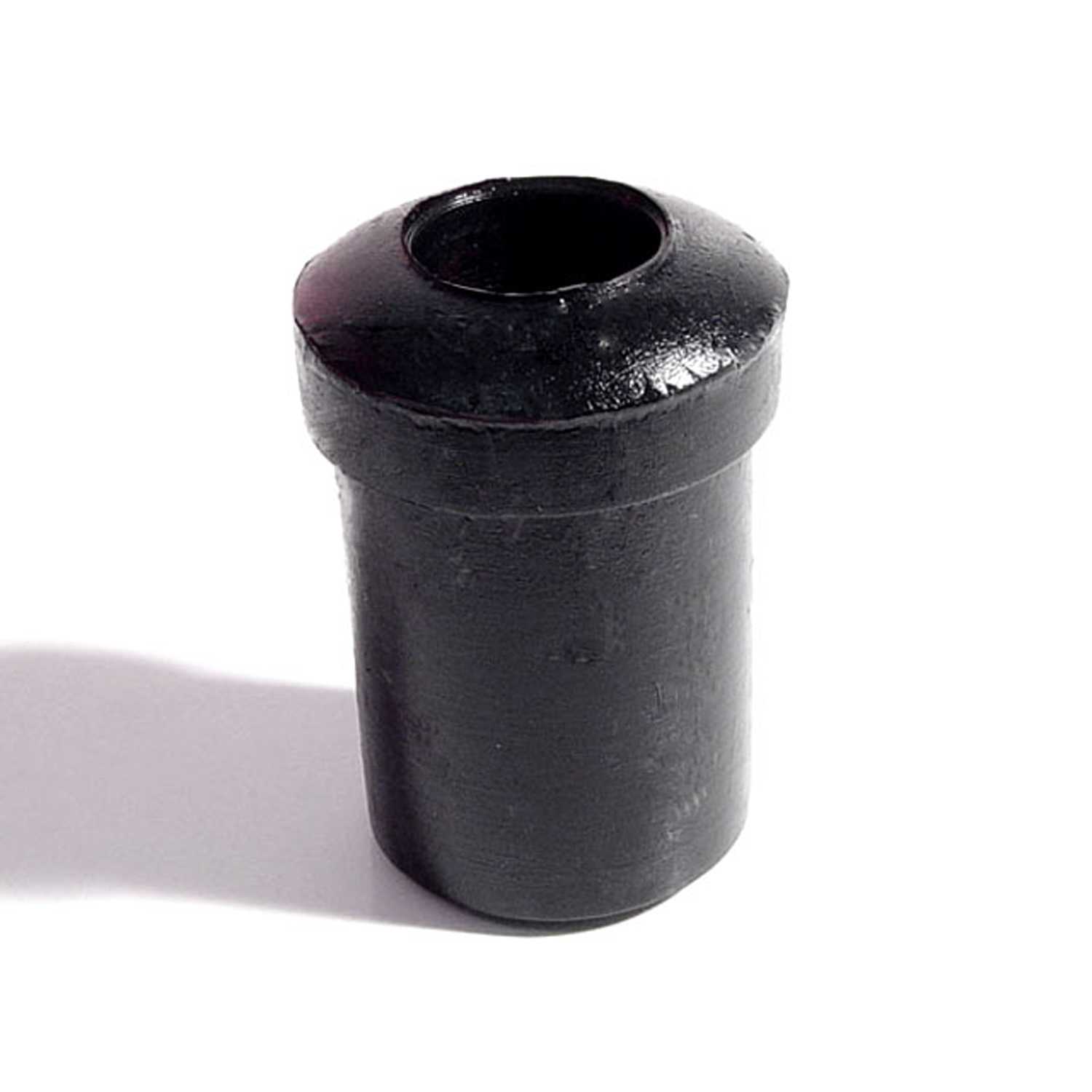 1955 Chrysler New Yorker Spring and Shackle Bushing. 1" bottom O.D-BN 20Spring and Shackle Bushing. 1" bottom O.D. X 1-5/8" high, with 9/16" I.D. Each
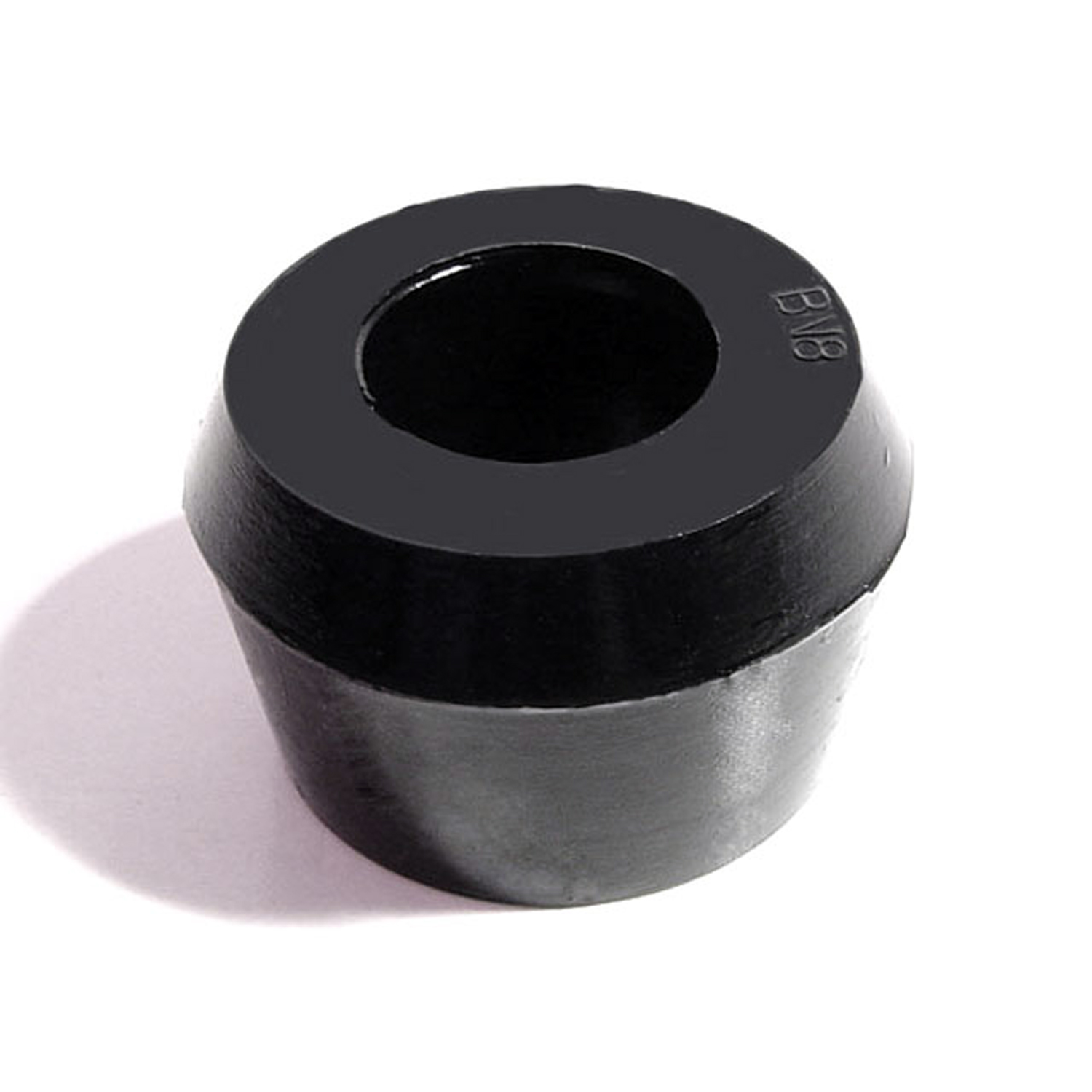 1955 Chrysler New Yorker Shock Absorber Grommet. 1-1/4" bottom O.D-BN 8Shock Absorber Grommet. 1-1/4" bottom O.D., 1" high, with 3/4" I.D. Each
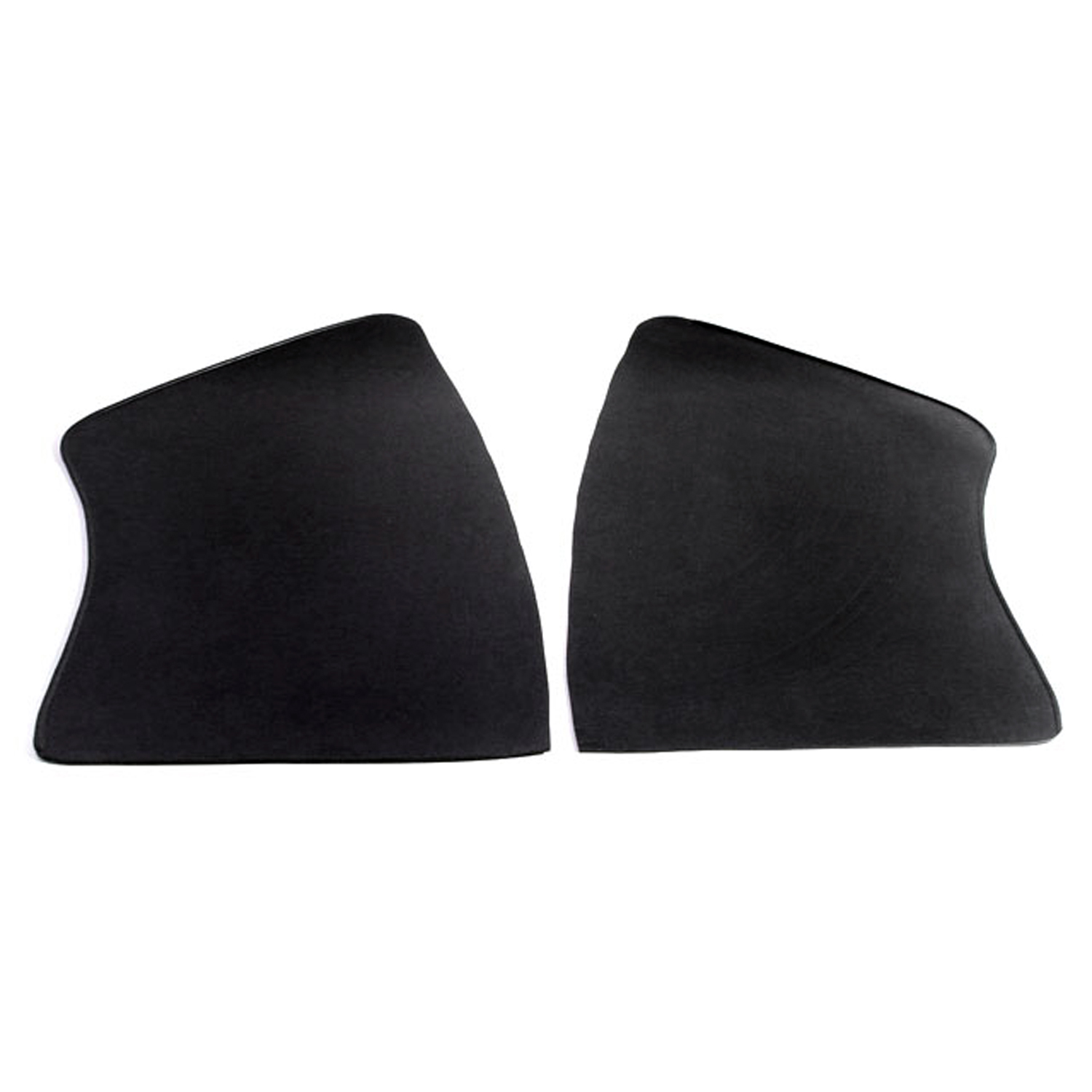 1955 Chrysler New Yorker Gravel Shields. Molded flat without metal backing plates-FS 31Gravel Shields. Molded flat without metal backing plates. Apply with contact cement. 18" long X 9-3/4" wide at bottom. Pair
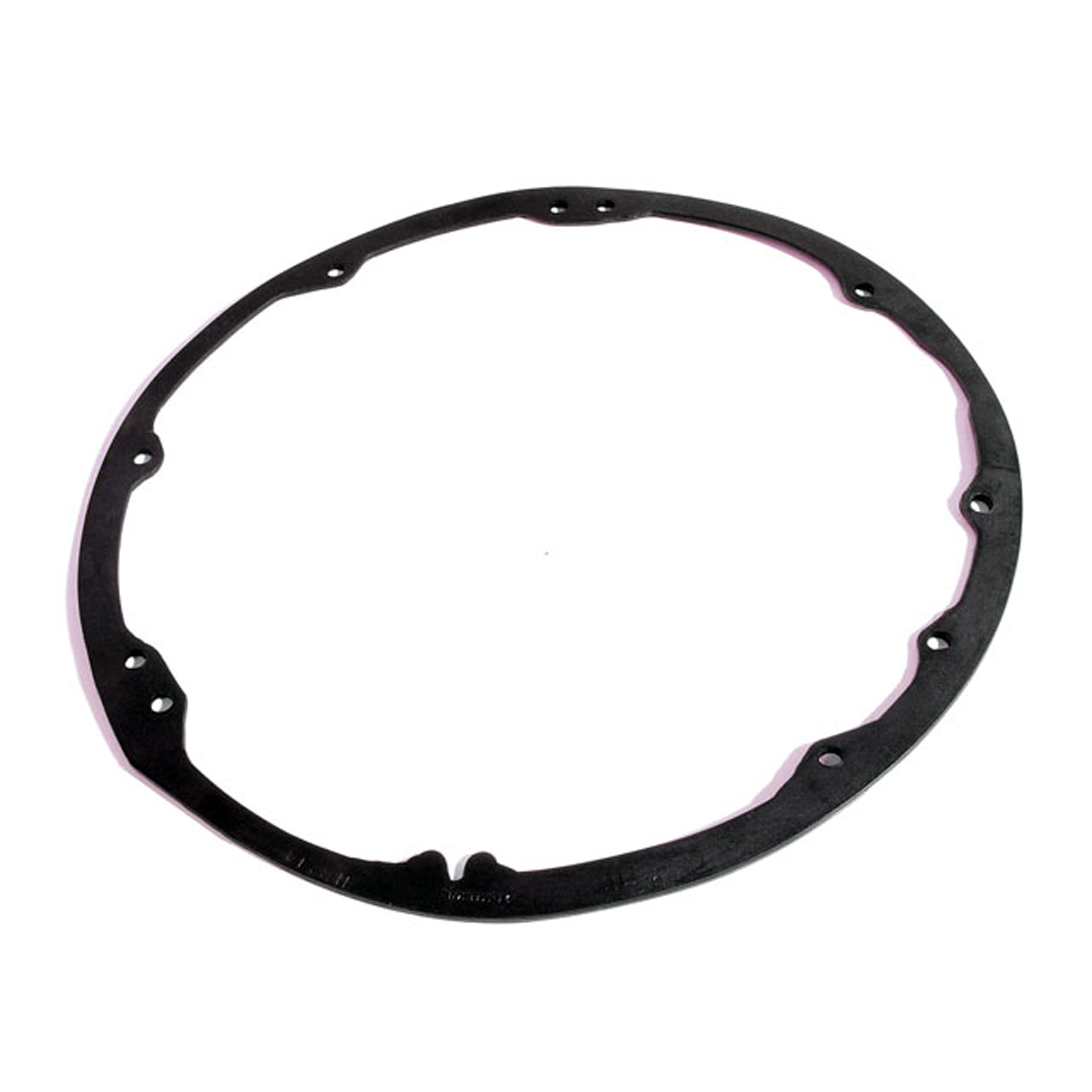 1955 Chrysler New Yorker Headlight Ring Seal. 8-3/8" O.D., 7-3/4" I.D. Pair-HR 14Headlight Ring Seal. 8-3/8" O.D., 7-3/4" I.D. Pair
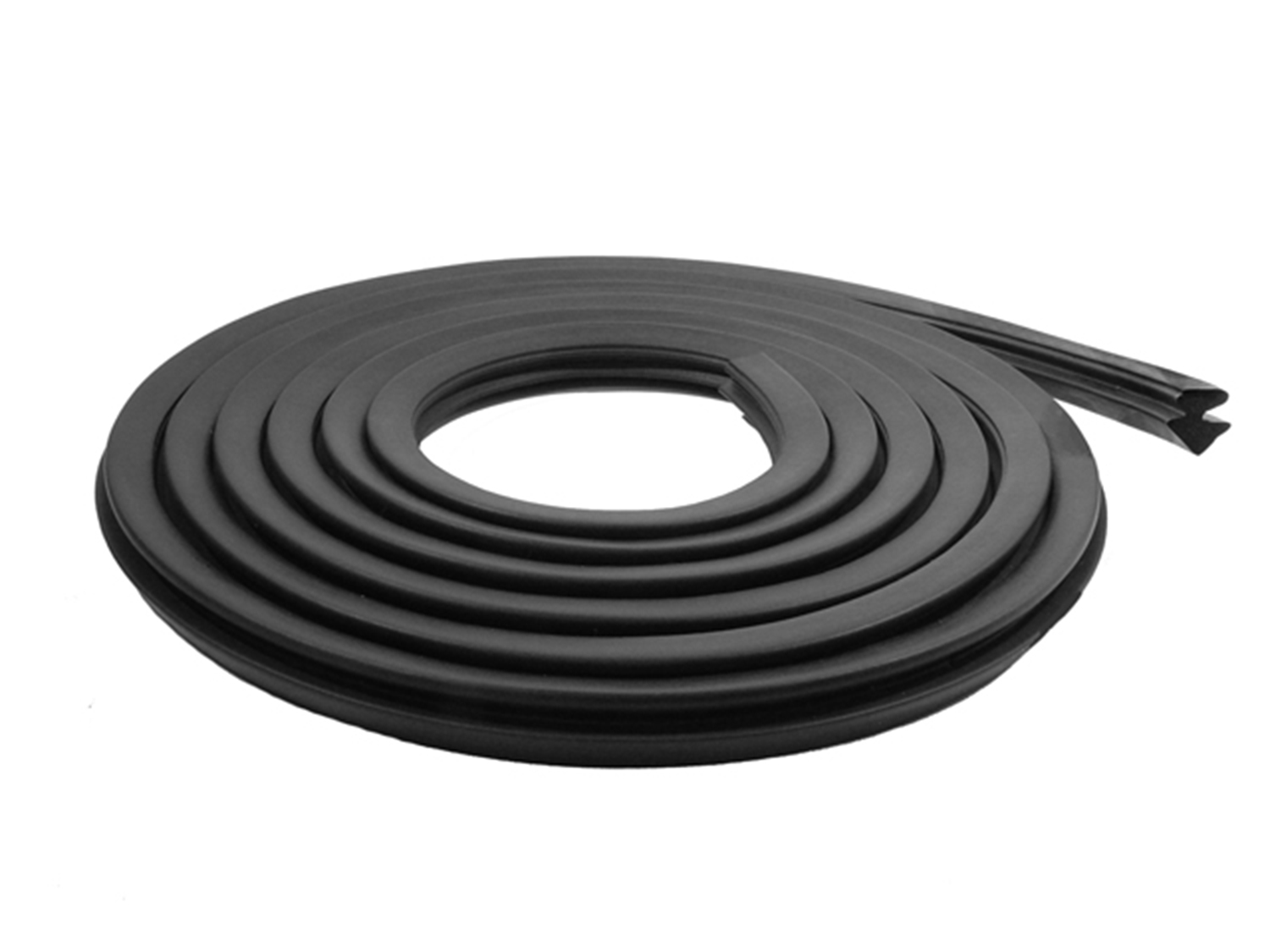 1955 Chrysler New Yorker Trunk Seal. Each-TK 64-16Trunk Seal. Each
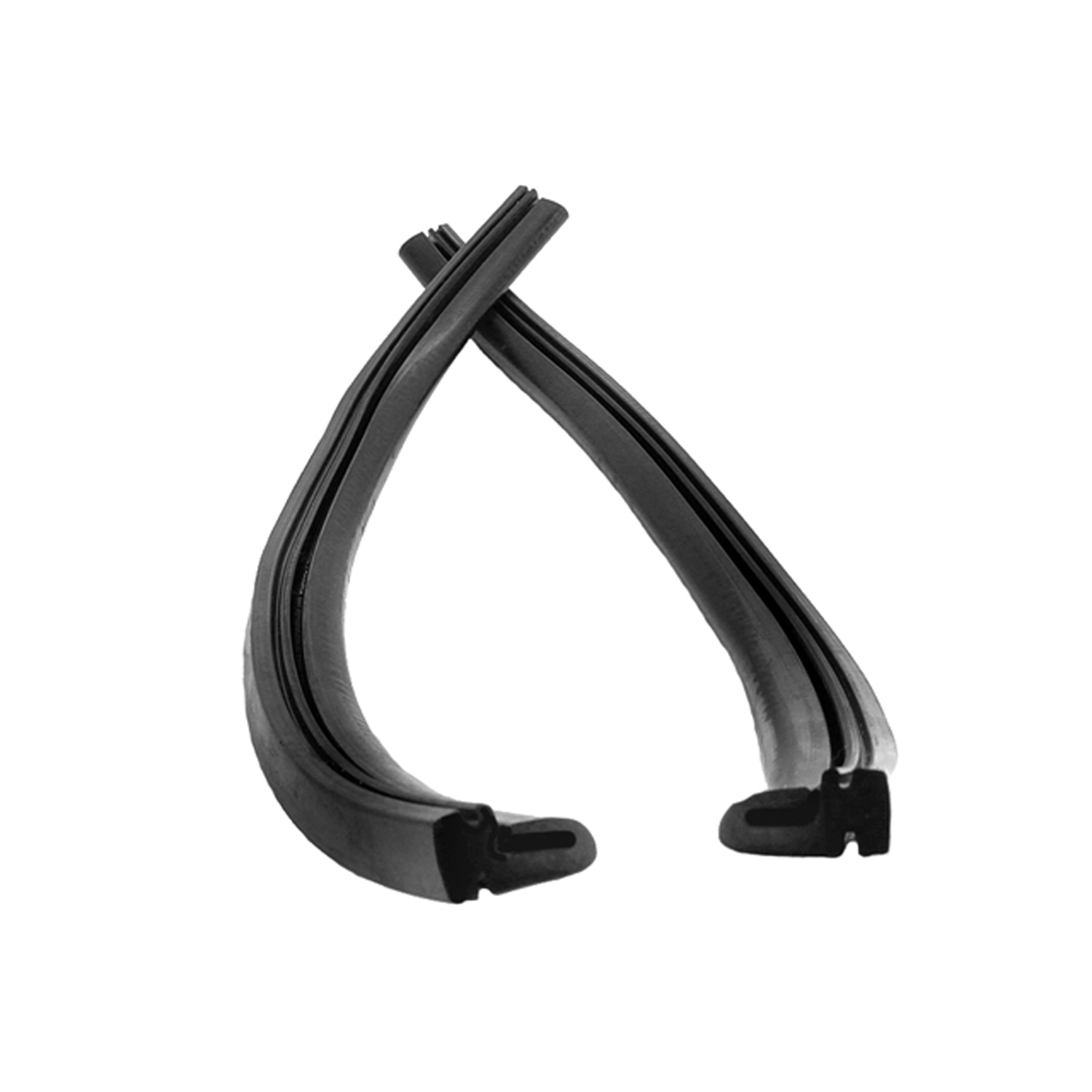 1955 Chrysler New Yorker Rear Roll-up Window Seals, for Hardtops and Convertibles-VS 7Rear Roll-up Window Seals, for Hardtops and Convertibles. For leading edge of rear quarter windows. Two pieces, 17-3/4" long. Pair
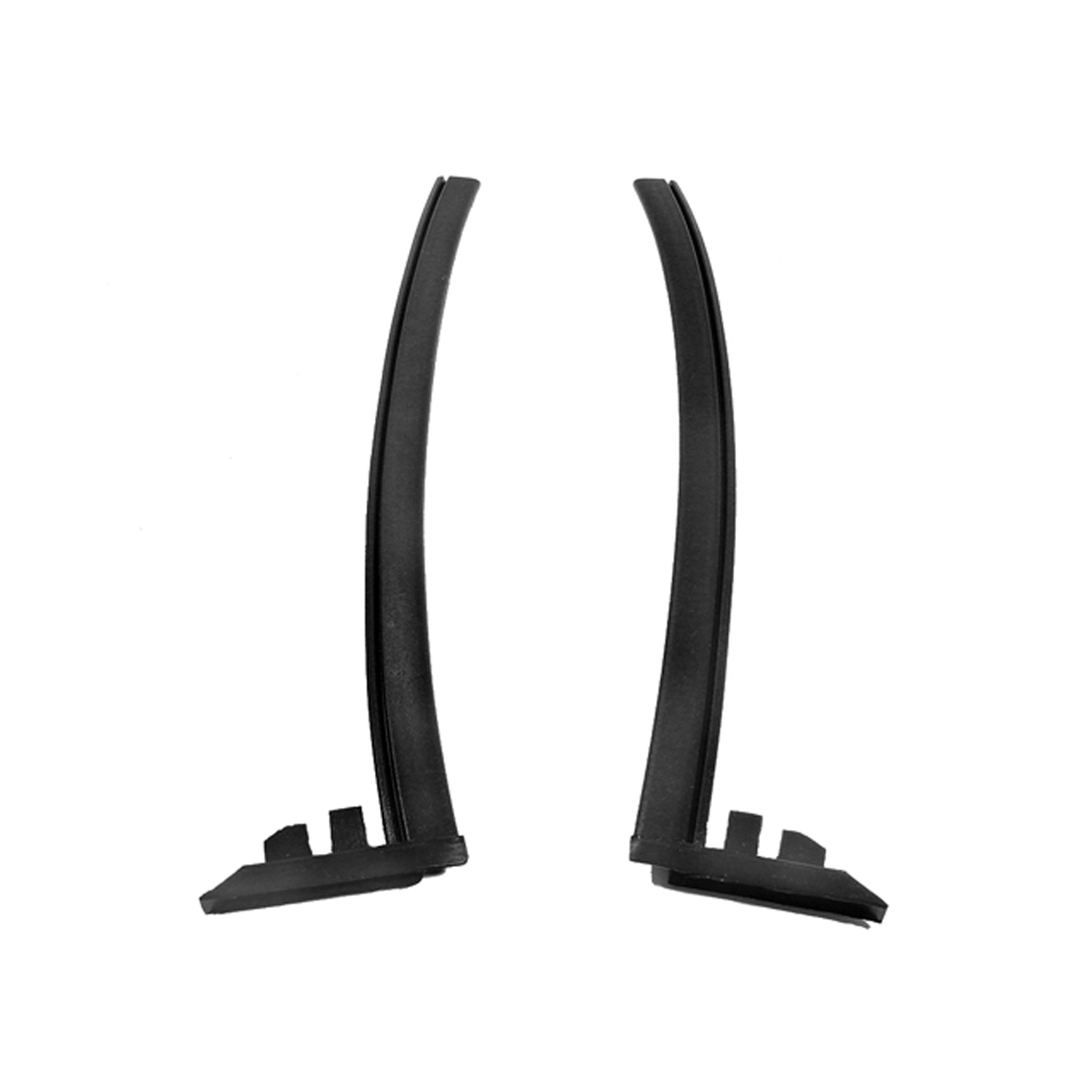 1955 Chrysler New Yorker Rear Roll-Up Side Quarter Window Seals (fits some models)-VS 7-BRear Roll-Up Side Quarter Window Seals (fits some models). Pair R&L
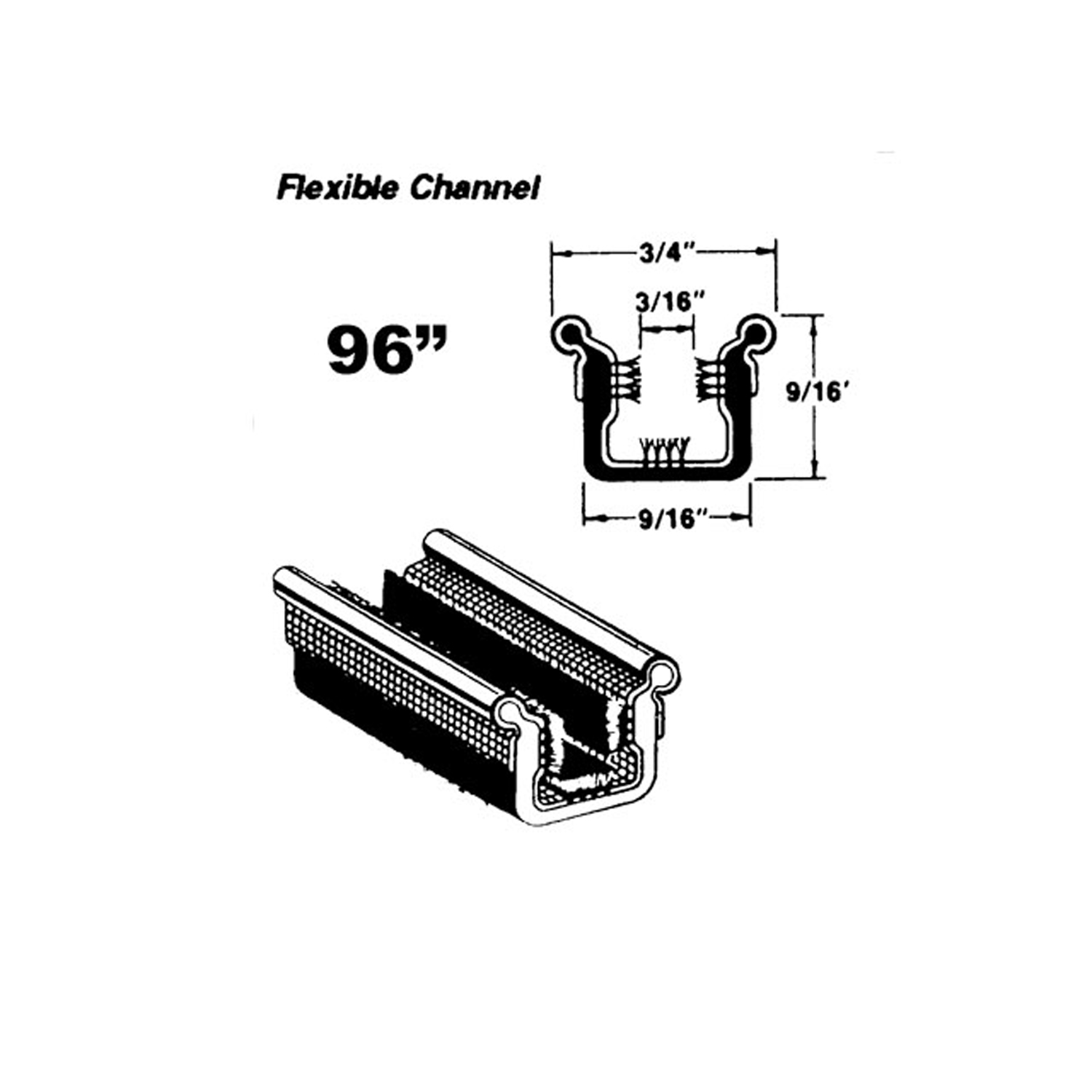 1955 Chrysler New Yorker Flexible window channel-WC 10-96Flexible window channel. Rubber covered with mohair lining and stainless steel bead. 96 in. long. Each. NOTE: $20 special shipping charge applies for domestic orders. Call or email for overseas shipping costs. Part can be sectioned in two or three equal lengths to reduce overseas shipping costs.
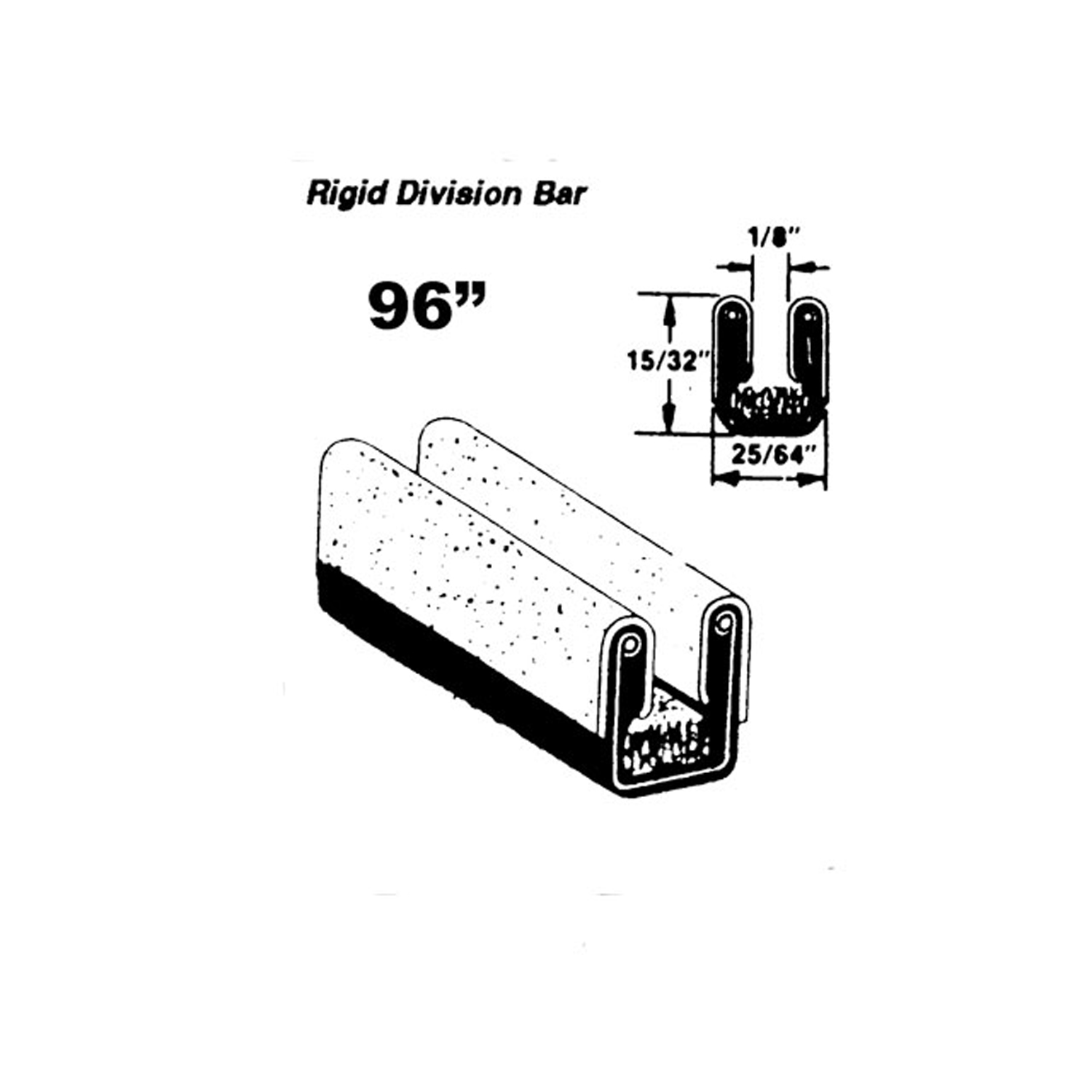 1955 Chrysler New Yorker Rigid division-bar run channel-WC 31-96Rigid division-bar run channel. Made with very soft felt lining. Used on front and rear door side windows. 96 in. long. Each. NOTE: $20 special shipping charge applies for domestic orders. Call or email for overseas shipping costs. Part can be sectioned in two or three equal lengths to reduce overseas shipping costs.
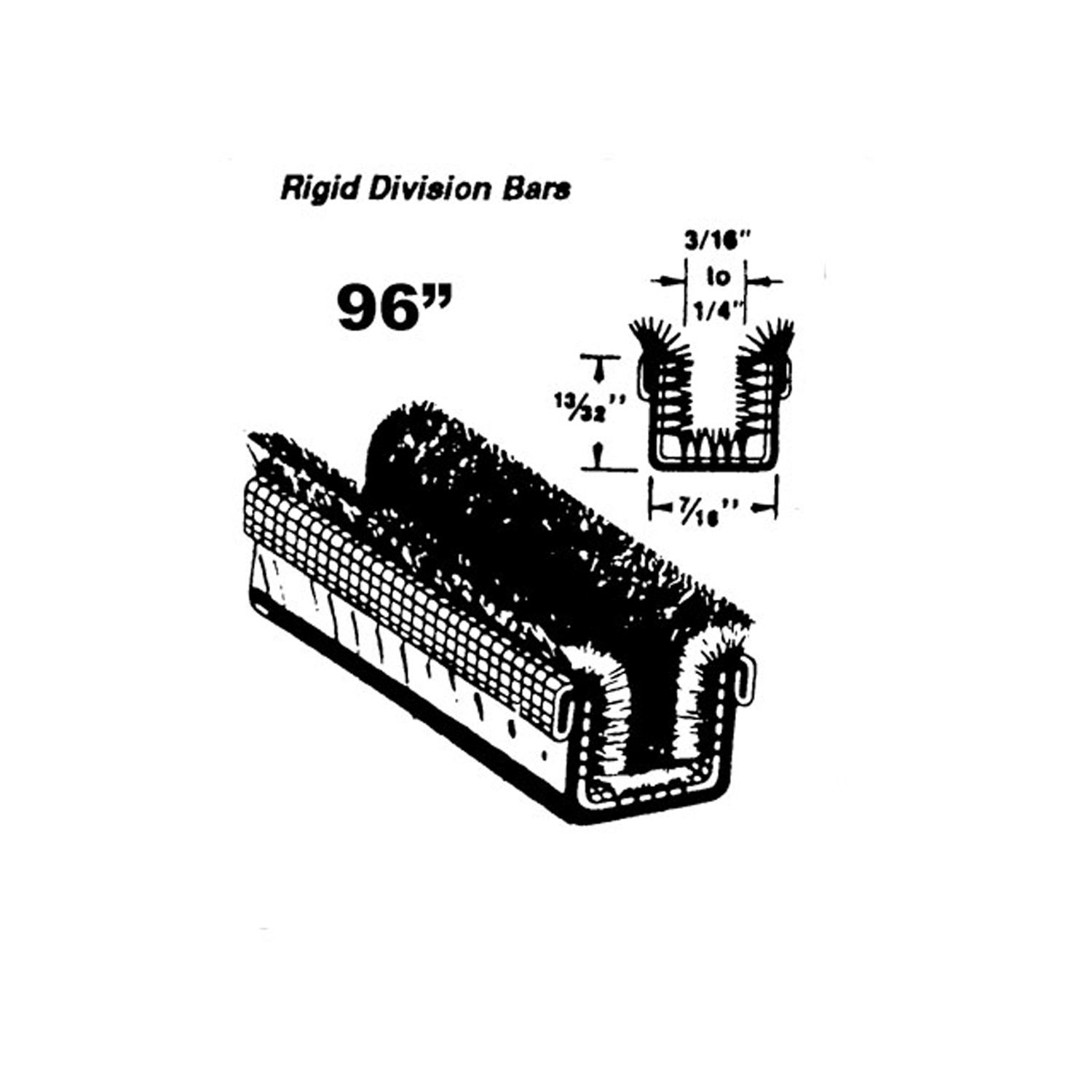 1955 Chrysler New Yorker Rigid division-bar channel. Unbeaded. 96 in. long. Each-WC 41-96Rigid division-bar channel. Unbeaded. 96 in. long. Each. NOTE: $20 special shipping charge applies for domestic orders. Call or email for overseas shipping costs. Part can be sectioned in two or three equal lengths to reduce overseas shipping costs.
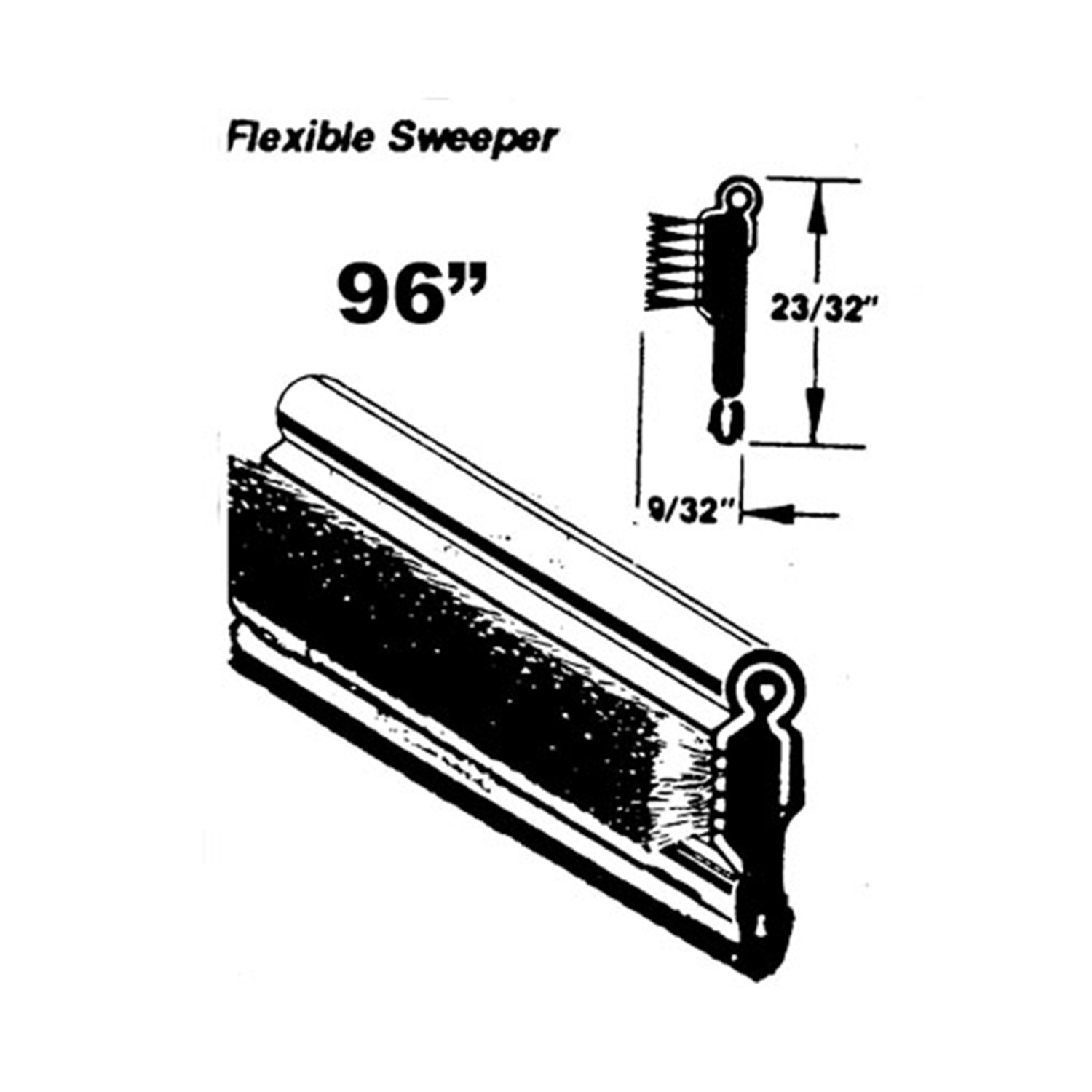 1955 Chrysler New Yorker Flexible window sweeper. Made with stainless steel bead-WC 4-96Flexible window sweeper. Made with stainless steel bead. 96 in. long. Each. NOTE: $20 special shipping charge applies for domestic orders. Call or email for overseas shipping costs. Part can be sectioned in two or three equal lengths to reduce overseas shipping costs.
Why Choose Metro?
For over 100 years, Metro Moulded Parts has been the pinnacle of quality in classic car restoration parts. Our commitment to precision and authenticity in every component ensures a perfect fit and an OEM-level appearance.
- Expert Craftsmanship & Quality: Each part is a testament to our dedication to reliability and perfection, crafted from original designs and thoroughly tested.
- Advanced Technology: We use cutting-edge techniques to create flawless, long-lasting parts that surpass others in performance.
- SuperSoft Sponge – The Ultimate Door Seal: Not only are our door seals 30% softer than competitors', but they're also guaranteed to never leak. They effectively reduce wind and road noise, enhancing your classic car's comfort and driving experience.
- Proudly American: Our parts are a product of American craftsmanship, made in the USA with a spirit of excellence and heritage.
- Unrivaled Warranty: We back our products with a 30-year industry-leading warranty, a testament to our confidence in their quality.
Join us in preserving the legacy of classic cars with parts that are crafted for perfection, not just made.