

Image of 1955 Chrysler Windsor, Note: These illustrations use artistic license and may differ from actual historical models.
Performance Metrics
Fundamental Metrics
Emotional Appeal
MMP Rating
| Engine Specifications | |
|---|---|
| Engine: | Spitfire 301.6 cu in (4.9 L) V8 |
| Displacement: | 301.6 cu in (4.9 L) |
| Horsepower: | 188-250 hp |
| Torque: | 312 lb-ft |
| Compression Ratio: | 7.5:1 |
| Ignition System: | Battery Ignition |
| Cooling System: | Liquid Cooled |
| Performance Specifications | |
| 0-60 Time: | Estimated 11 seconds |
| 1/4 Mile Time: | Estimated 18 seconds |
| Top Speed: | 105 mph |
| Transmission and Drive | |
| Drive Type: | Rear-Wheel Drive |
| Transmission Type: | 2-speed PowerFlite automatic |
| Fuel and Efficiency | |
| Fuel System Type: | Carburetor |
| MPG: | Estimated 10-12 mpg |
| Dimensions and Brakes | |
| Brakes: | Drum Brakes |
| Wheelbase: | 126 inches |
| Weight: | 3,700 lbs |
Note: Specifications for classic cars are given to the best of our ability, considering the limited and variant data available.
1955 Chrysler Windsor: The Forward Look Comes to Main Street
The 1955 Chrysler Windsor brought the decade’s new tailfin era to a broad audience, wrapping a roomy American sedan in fresh, low-slung styling and V8 power. Built by Chrysler Corporation, the Windsor sat below the New Yorker in the company’s lineup, offering much of the marque’s upscale presence without the flagship’s price or its famous Hemi engine.
The 1955 model arrived during a turning point for Chrysler. Designer Virgil Exner’s “100 Million Dollar Look” replaced the tall, rounded forms of earlier postwar cars with a longer, lower profile, a more assertive grille, and the beginnings of the tailfins that would grow dramatically over the next few years. One intriguing distinction: while Chrysler’s headline-grabbing 1955 300 used a high-performance Hemi V8, the Windsor relied on a different engine design, a 301-cubic-inch polyspherical-head V8.
Forward Look Styling and Windsor Comfort
The Windsor’s exterior feels crisp and purposeful rather than flamboyant. Its wide grille, bright bumper trim, sculpted side panels, and generous chrome accents give the front end real presence. The roofline flows smoothly into the rear bodywork, where modest fin-like forms and broad taillights hint at the styling direction Chrysler would pursue with even more confidence in later years. Compared with the cars it replaced, the Windsor looked lower, wider, and more modern.
Inside, the Windsor offered the spacious, softly furnished cabin expected of a mid-century Chrysler. Depending on body style and equipment, buyers could find cloth upholstery, vinyl trim, patterned fabrics, and coordinating door panels. The dashboard combined a broad instrument panel with bright trim and straightforward controls. It was designed for comfort and visual appeal, not the stark functionality of a stripped-down economy car.
Factory paint choices included a range of solid colors and two-tone combinations, with availability varying by body style and interior. Light roof-and-body contrasts, deep reds, dark greens, black, and pale neutral shades suited the Windsor’s chrome-heavy design. Today, turquoise or blue paired with a light-colored roof makes a particularly period-correct impression, though a well-preserved original color is often the most appealing choice to collectors.
The Windsor range included two-door and four-door sedans, Newport hardtops, and a convertible. The Newport hardtop, with its pillarless side glass and clean roofline, is among the most visually distinctive choices. The convertible is especially desirable today because it combines the Windsor’s relatively accessible character with open-air cruising appeal.
Equipment varied, but buyers could order conveniences such as power steering, power brakes, and Chrysler’s PowerFlite automatic transmission. The Windsor’s three-speed manual was another option. These features made the car easier to drive in town and less tiring on longer trips, though they do not make it feel like a modern vehicle.
A Milestone in Chrysler Design
The 1955 Windsor matters because it carried a major styling shift into Chrysler’s volume-oriented range. Exner’s cleaner proportions helped move American cars away from the upright, bulbous look of the immediate postwar period. The Windsor was not the most powerful Chrysler of its year, but it helped make the company’s new visual identity accessible to far more buyers than the limited-production performance models.
It also illustrates how varied Chrysler’s engineering and marketing had become. The Windsor’s 301-cubic-inch V8 used polyspherical combustion chambers, often called “Poly” heads, rather than the hemispherical chambers of Chrysler’s Hemi engines. That distinction is worth knowing when evaluating a car: a Windsor advertised as having a factory Hemi deserves careful verification. Its appeal is as a well-equipped, V8-powered cruiser, not as a hidden version of the 300.
The Windsor shared its moment in Chrysler history with the 1955 C-300, a much more powerful model that earned attention in NASCAR competition. Those racing achievements belong to the 300, not the Windsor, but they helped build excitement around Chrysler engineering and gave the whole brand a performance-minded image.
301 V8 Performance and Road Manners
The Windsor’s 301-cubic-inch V8 produced about 188 horsepower in typical factory specifications. Output and performance could vary with equipment and transmission, but the engine delivered the kind of relaxed low-speed pull that suited a full-size American car. Power went through either a three-speed manual gearbox or a two-speed PowerFlite automatic, which shifts smoothly but has fewer ratios than a modern transmission.
Period test results and modern estimates vary with vehicle condition, gearing, and test method. A sound Windsor with the automatic transmission is generally a roughly 12-to-14-second 0-to-60-mph car, with a top speed in the neighborhood of 100 to 110 mph. Those figures should be treated as approximate, not as guaranteed performance for every surviving car.
The Windsor’s ride is one of its defining traits. Chrysler’s Torsion-Aire front suspension used torsion bars instead of conventional front coil springs, working with rear leaf springs to provide a comfortable ride over ordinary road imperfections. The car feels substantial over bumps, and its long wheelbase helps it settle into a steady highway rhythm. On a winding road, however, its size, period tires, soft suspension tuning, and relatively slow steering make it more of a composed cruiser than a nimble sports sedan.
Behind the wheel, the V8 gives a deep, even rumble rather than a sharp, high-revving note. The steering can feel heavy in a car without power assist, while power steering makes parking and slow turns much easier. Drum brakes and the car’s considerable mass call for more following distance than a modern driver might expect. A healthy Windsor is pleasant on open roads, but it rewards a smooth driving style and anticipatory braking.
Living With a 1955 Windsor
Most Windsor owners use their cars for weekend drives, local shows, and vintage events rather than as everyday transportation. A carefully maintained example can handle occasional longer trips, but age-related concerns such as cooling-system condition, old wiring, fuel-system wear, brake hydraulics, and tired suspension components deserve attention before regular use.
The Windsor is generally approachable for a mechanically confident owner. Its basic V8 layout and conventional rear-wheel-drive architecture are familiar to many classic-car specialists, and routine work such as tune-ups, brake service, and suspension repairs is not unusually complex. Parts support is reasonable for common mechanical items, though correct trim, body panels, glass, and model-specific interior pieces can take more searching. As with any 70-year-old car, condition and previous restoration work matter more than a reputation for reliability.
Before buying, check for rust in the floors, rocker panels, lower doors, trunk, and structural areas. Inspect the automatic transmission for smooth engagement, confirm that the engine stays cool in traffic, and test the brakes carefully. A glossy paint job can hide expensive corrosion, so a lift inspection or assessment by a classic-Chrysler specialist is money well spent.
Windsor Trivia and Common Misconceptions
The Windsor’s Poly V8 is a frequent source of confusion because it is sometimes mistaken for a Hemi. It is a V8, but its cylinder-head design is different. The distinction does not diminish the engine’s appeal; it simply helps buyers understand what they are getting and avoid paying a Hemi premium for a car that was not built with one.
Another common mix-up is the Windsor’s connection to the 1955 Chrysler 300. Both belong to the same manufacturer and model year, but the 300 was the high-performance star and the Windsor was the more accessible, comfort-focused model. The Windsor is not known for a major speed or endurance record of its own. Its historical interest comes from bringing Chrysler’s new styling direction to everyday buyers.
One criticism often raised by modern drivers is that the Windsor is large and less agile than its dramatic looks might suggest. Its drum brakes, old-fashioned handling, and limited crash protection are also reminders that it is a product of its time. For collectors, those limitations are part of the experience, but they should be considered before treating one as routine transportation.
Collector Values and Availability
Exact production totals can be difficult to pin down by individual Windsor body style, and figures vary among reference sources. A reasonable broad estimate is that Chrysler built somewhere around 100,000 to 120,000 Windsor-series cars for the 1955 model year, with sedans making up much of the supply. That estimate is for the range overall, not a count of surviving cars; convertibles and certain hardtop configurations are much less common today.
As a broad U.S. market guide, a project or rough-running example might sell for about $5,000 to $12,000. A usable driver in honest condition may bring roughly $12,000 to $25,000, while a well-presented, properly restored sedan or hardtop can reach approximately $25,000 to $45,000. A very good convertible may fall in the $40,000 to $75,000 range, with exceptional examples sometimes exceeding that. These are estimates, not formal appraisals; originality, rust, restoration quality, and sale location can move the price substantially.
Windsor values have generally been steadier than those of high-profile muscle cars and rare luxury models. Good examples remain attainable, while clean convertibles and especially attractive hardtops tend to draw stronger interest. Over time, values are more likely to reward condition and originality than modifications or ambitious restorations that cost more than the finished car is worth.
Why the 1955 Windsor Still Turns Heads
The 1955 Chrysler Windsor combines a landmark styling year, a comfortable full-size cabin, and a distinctive Poly V8 in a package that is often more accessible than Chrysler’s celebrated performance models. It is best enjoyed as a handsome, relaxed cruiser rather than a fast or nimble classic, and its Torsion-Aire suspension and Forward Look design give it a character all its own.
For enthusiasts who want a genuine slice of Chrysler history without chasing a rare Hemi-powered flagship, the Windsor makes a compelling choice. Its significance is written not in race trophies, but in the way it helped bring a bold new vision of the American automobile onto ordinary roads.
1955 Chrysler Windsor Catalog of Parts
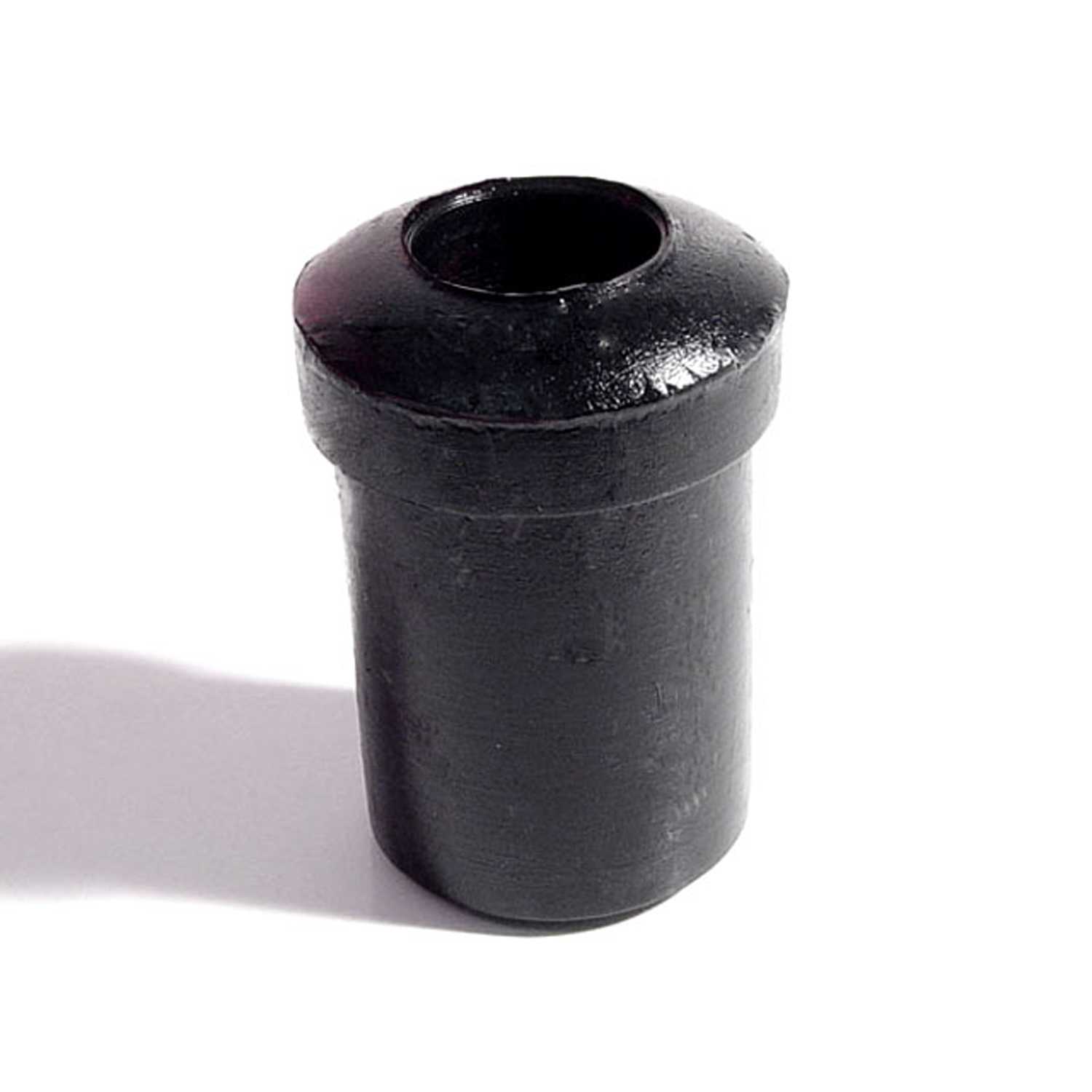 1955 Chrysler Windsor Spring and Shackle Bushing. 1" bottom O.D-BN 20Spring and Shackle Bushing. 1" bottom O.D. X 1-5/8" high, with 9/16" I.D. Each
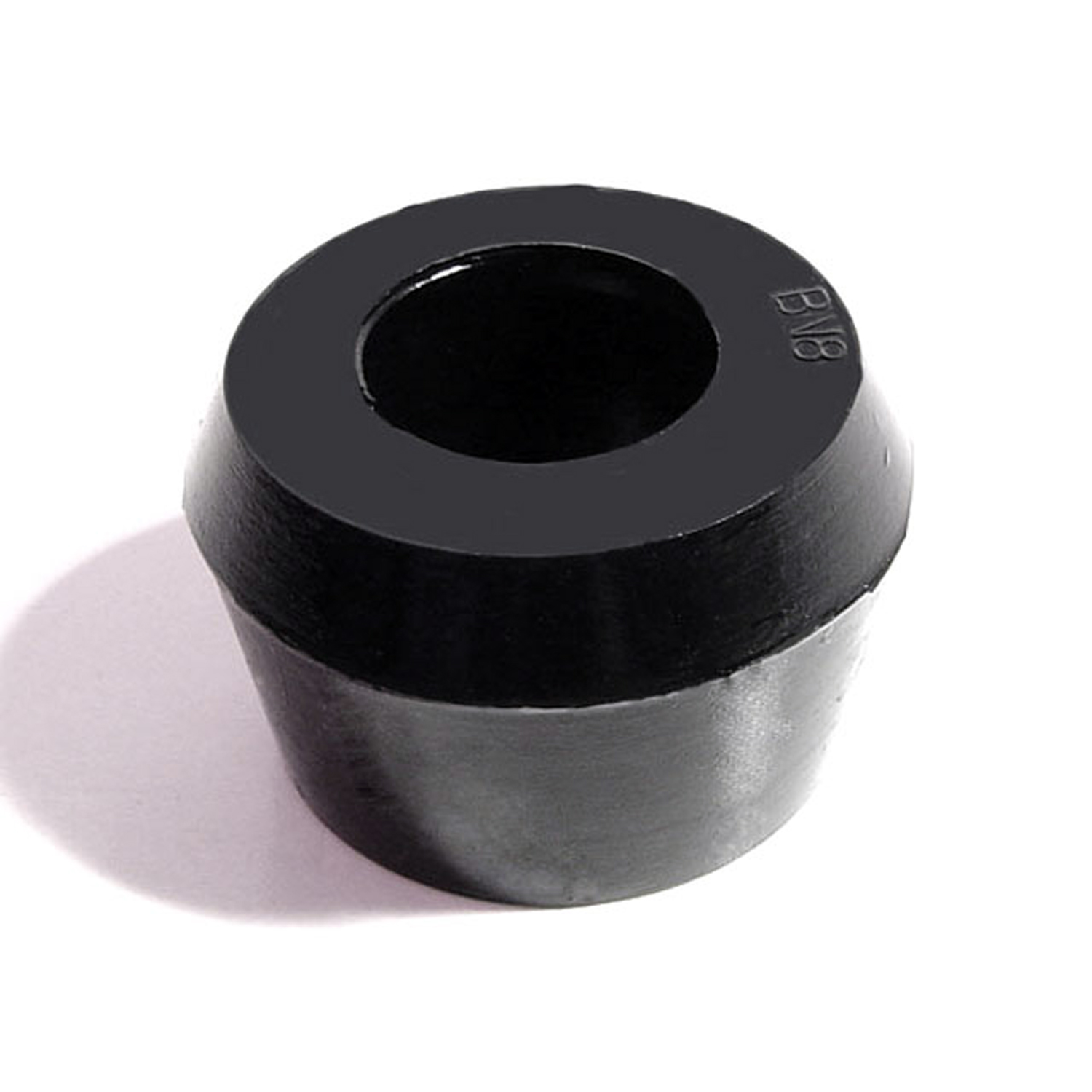 1955 Chrysler Windsor Shock Absorber Grommet. 1-1/4" bottom O.D-BN 8Shock Absorber Grommet. 1-1/4" bottom O.D., 1" high, with 3/4" I.D. Each
 1955 Chrysler Windsor Gravel Shields. Molded flat without metal backing plates-FS 31Gravel Shields. Molded flat without metal backing plates. Apply with contact cement. 18" long X 9-3/4" wide at bottom. Pair
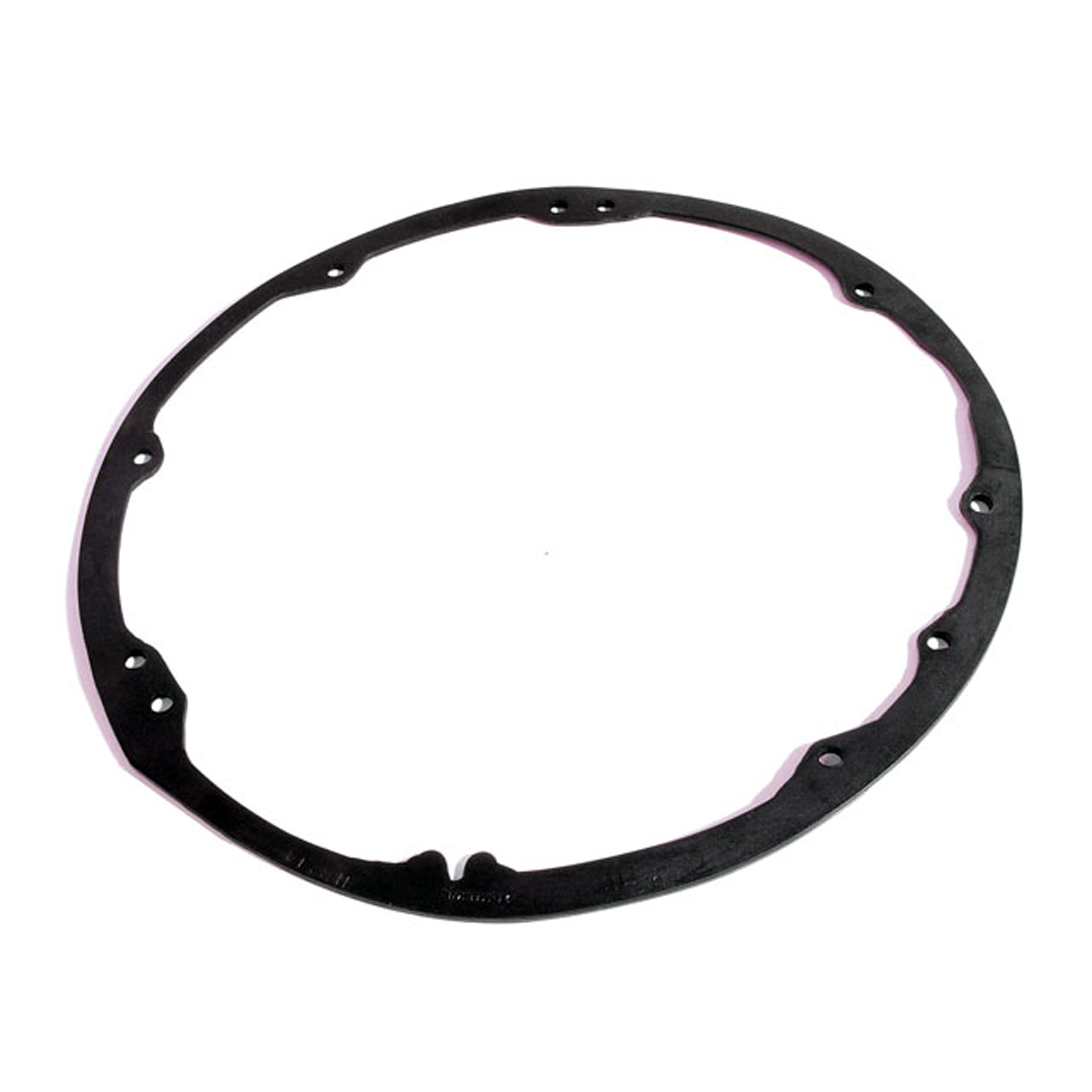 1955 Chrysler Windsor Headlight Ring Seal. 8-3/8" O.D., 7-3/4" I.D. Pair-HR 14Headlight Ring Seal. 8-3/8" O.D., 7-3/4" I.D. Pair
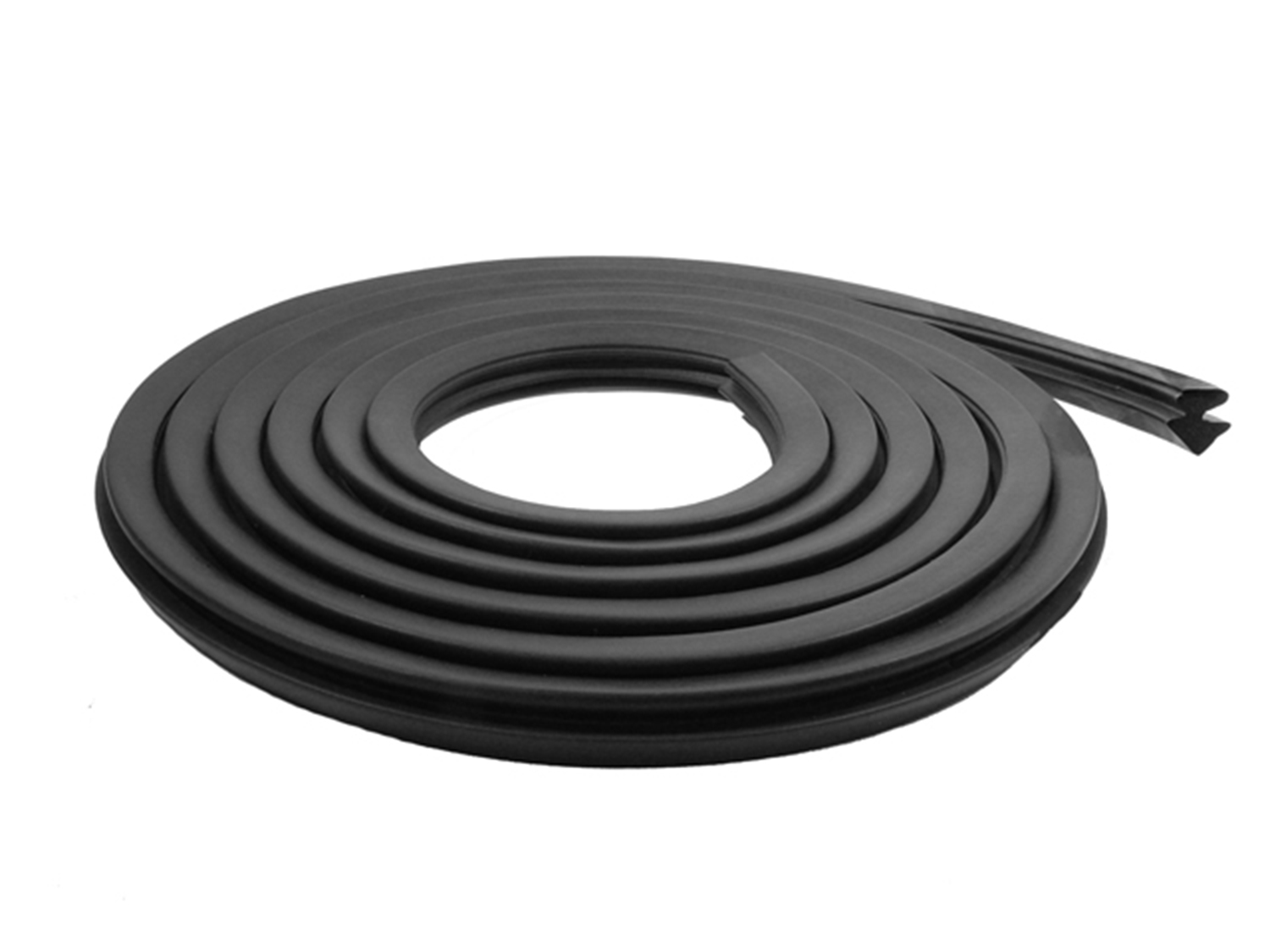 1955 Chrysler Windsor Trunk Seal. Each-TK 64-16Trunk Seal. Each
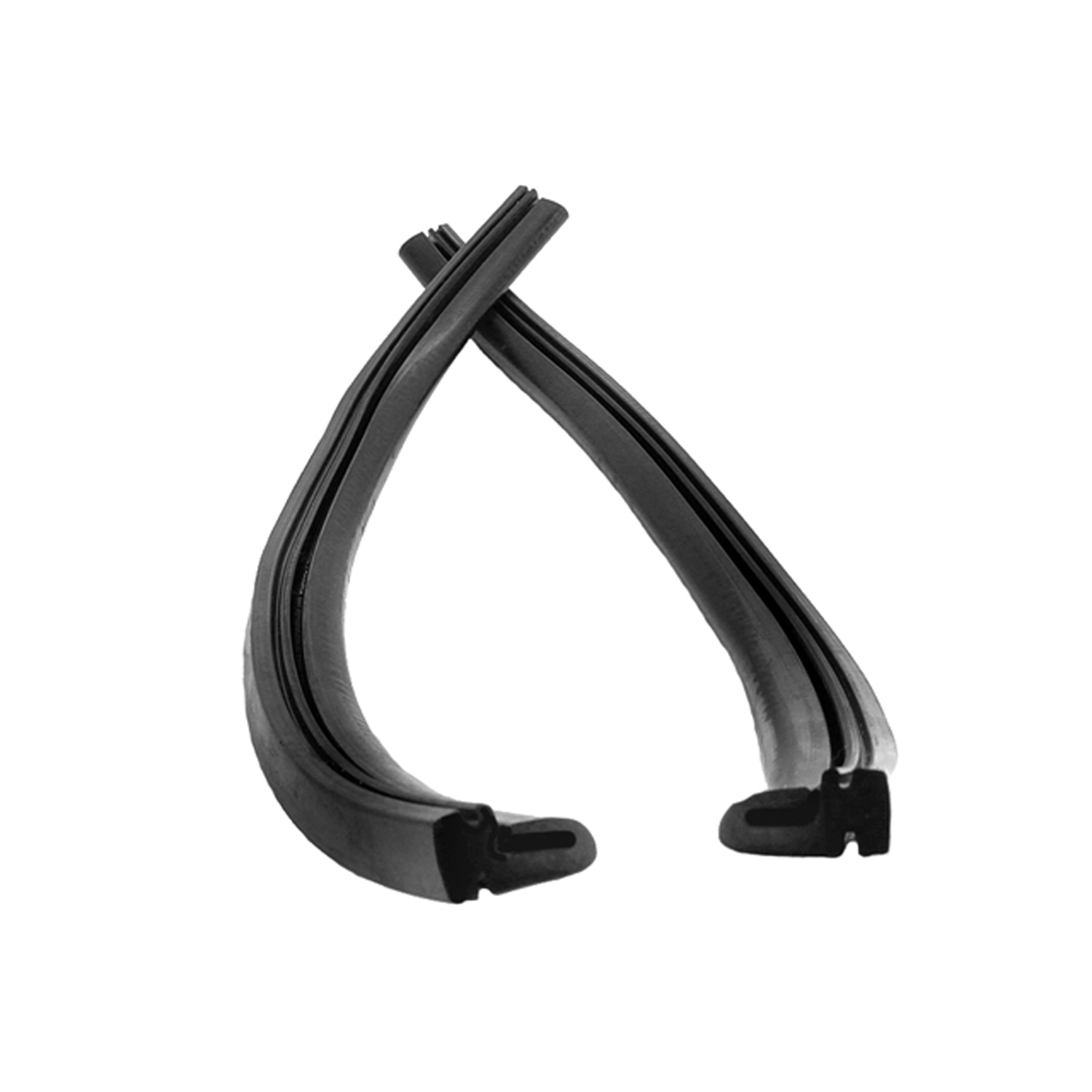 1955 Chrysler Windsor Rear Roll-up Window Seals, for Hardtops and Convertibles-VS 7Rear Roll-up Window Seals, for Hardtops and Convertibles. For leading edge of rear quarter windows. Two pieces, 17-3/4" long. Pair
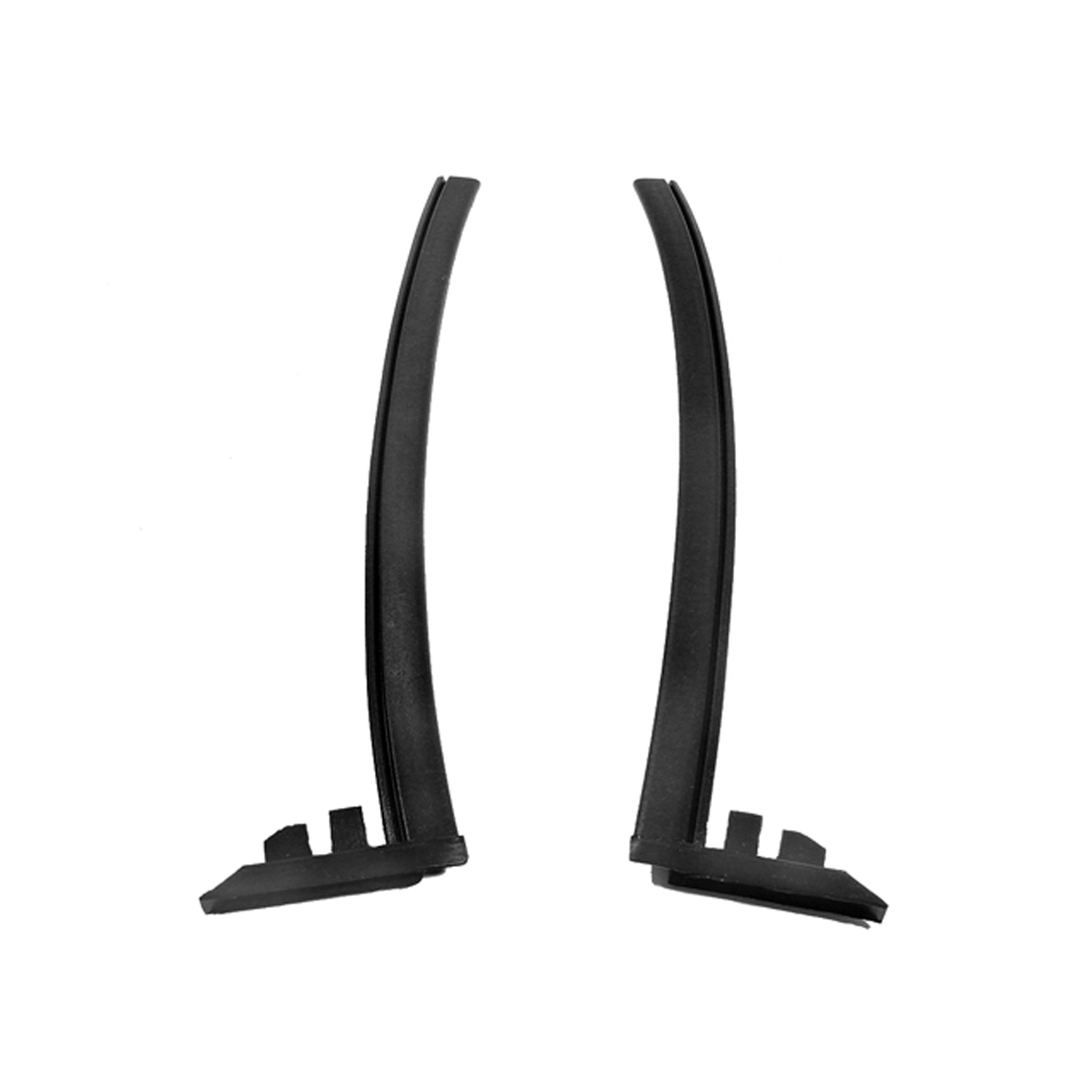 1955 Chrysler Windsor Rear Roll-Up Side Quarter Window Seals (fits some models)-VS 7-BRear Roll-Up Side Quarter Window Seals (fits some models). Pair R&L
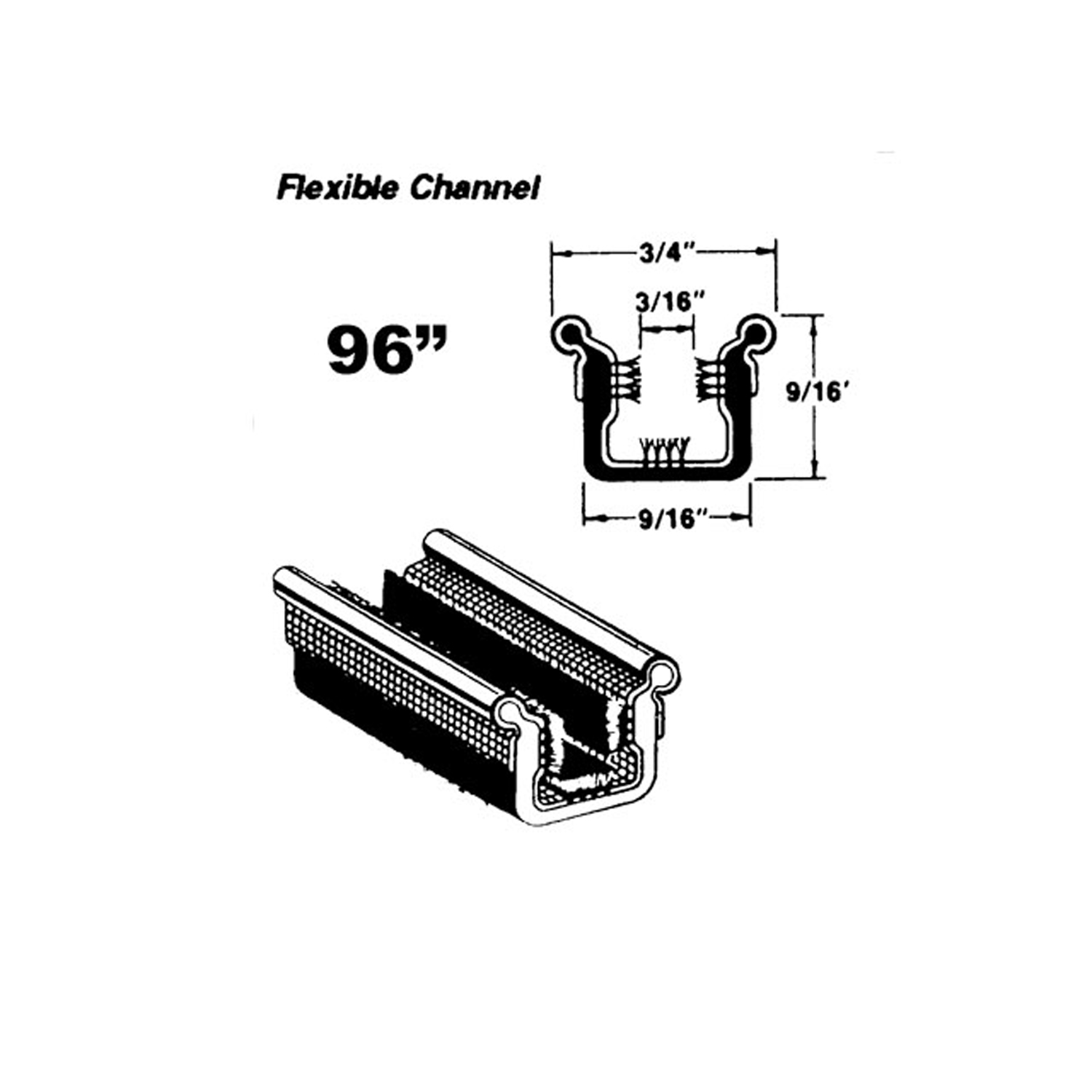 1955 Chrysler Windsor Flexible window channel-WC 10-96Flexible window channel. Rubber covered with mohair lining and stainless steel bead. 96 in. long. Each. NOTE: $20 special shipping charge applies for domestic orders. Call or email for overseas shipping costs. Part can be sectioned in two or three equal lengths to reduce overseas shipping costs.
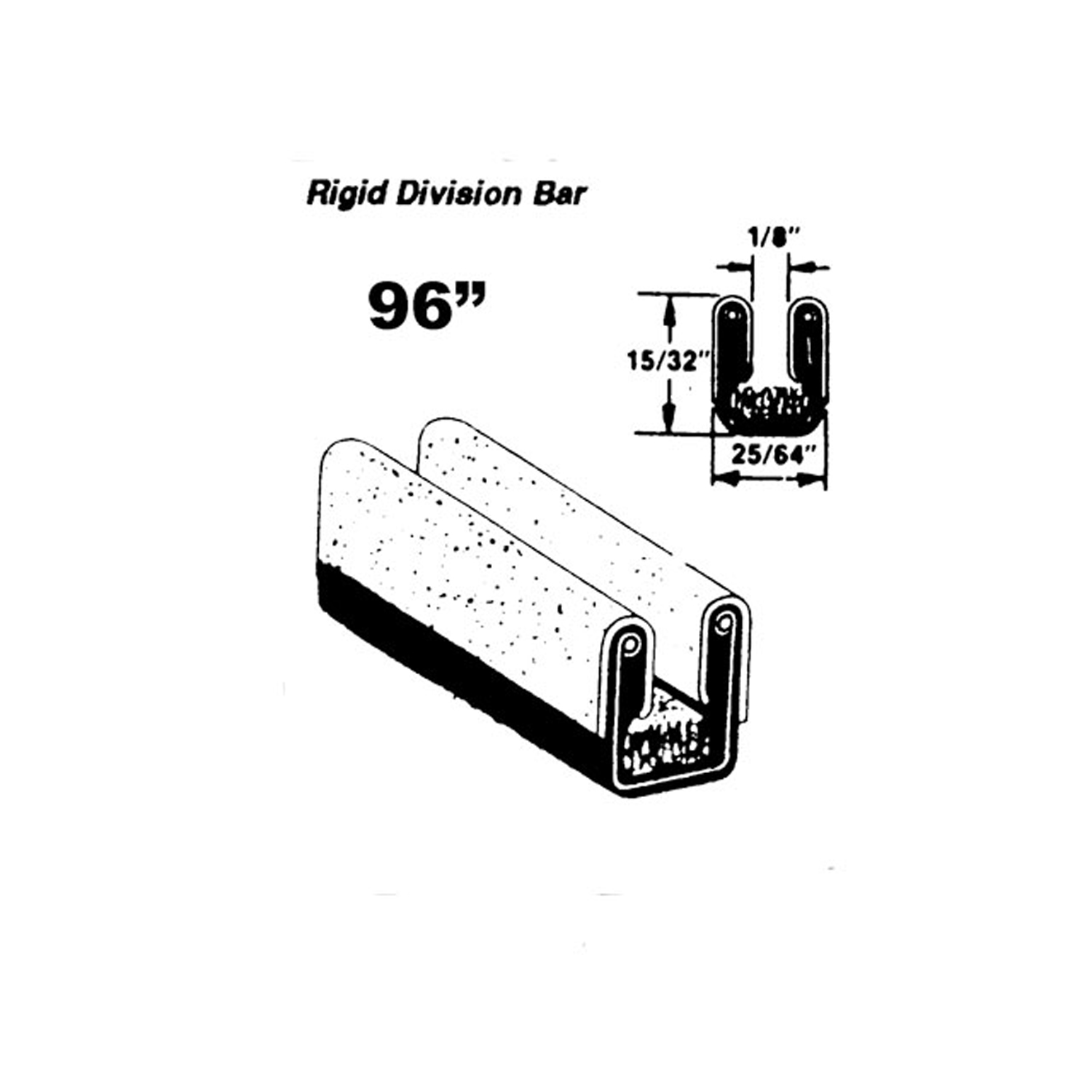 1955 Chrysler Windsor Rigid division-bar run channel-WC 31-96Rigid division-bar run channel. Made with very soft felt lining. Used on front and rear door side windows. 96 in. long. Each. NOTE: $20 special shipping charge applies for domestic orders. Call or email for overseas shipping costs. Part can be sectioned in two or three equal lengths to reduce overseas shipping costs.
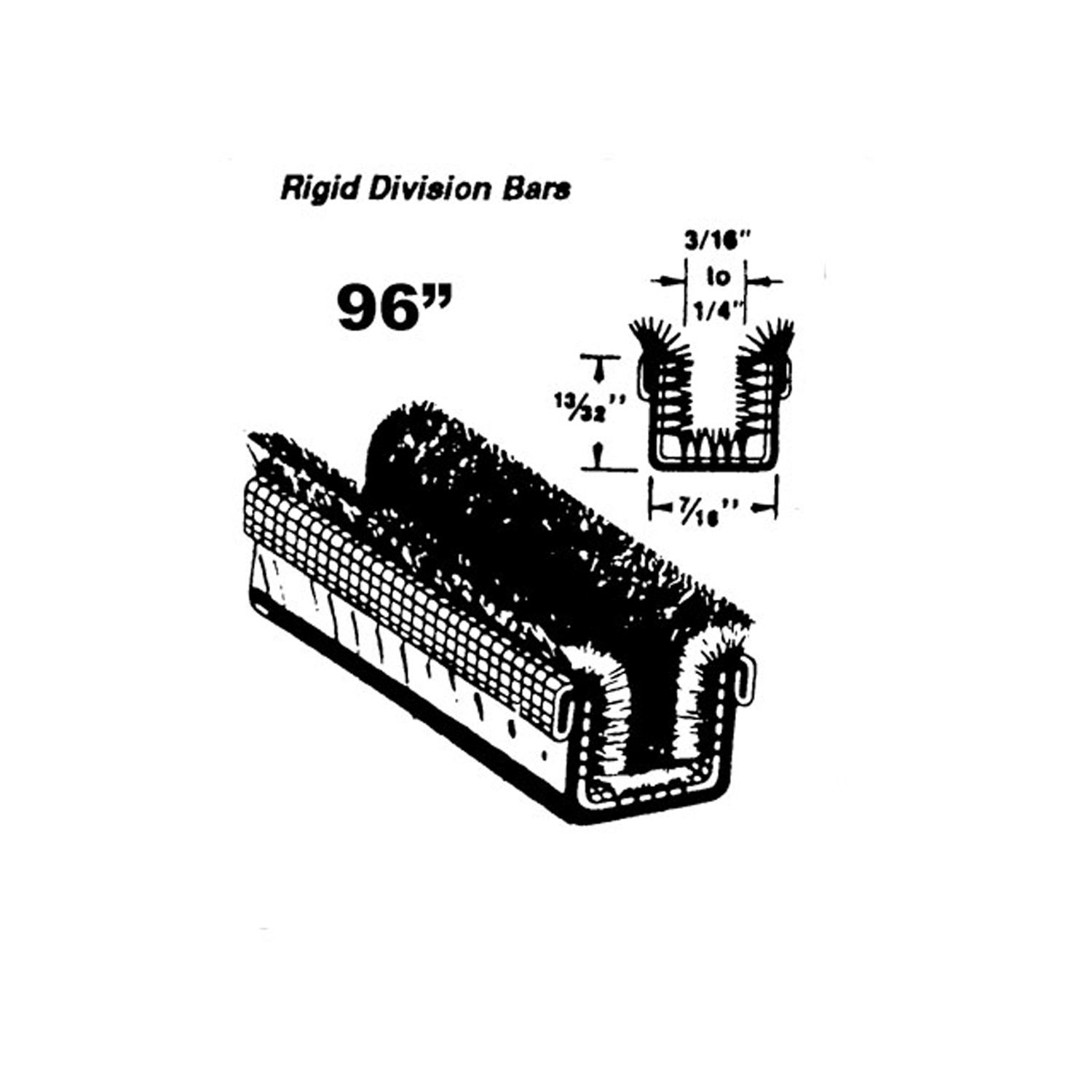 1955 Chrysler Windsor Rigid division-bar channel. Unbeaded. 96 in. long. Each-WC 41-96Rigid division-bar channel. Unbeaded. 96 in. long. Each. NOTE: $20 special shipping charge applies for domestic orders. Call or email for overseas shipping costs. Part can be sectioned in two or three equal lengths to reduce overseas shipping costs.
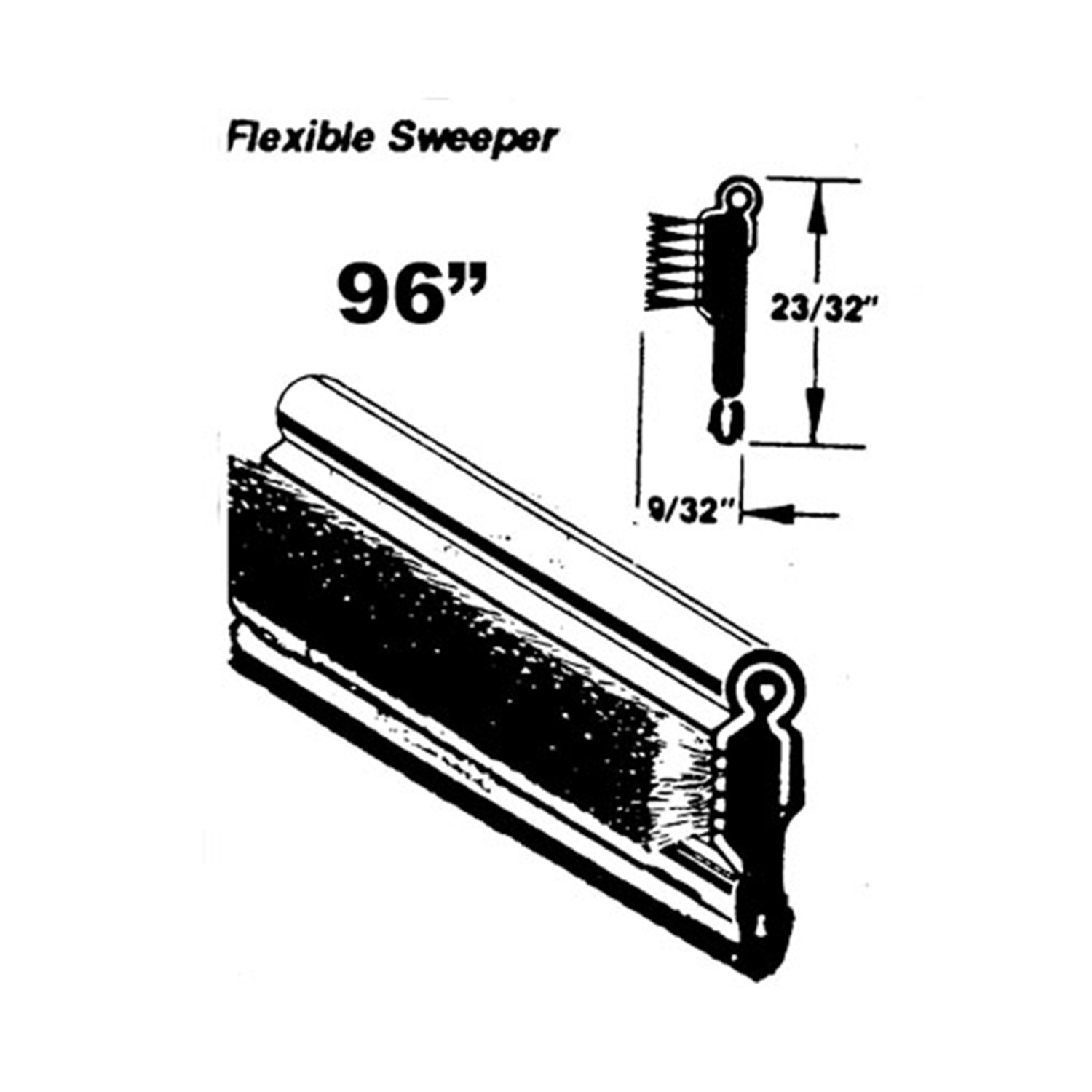 1955 Chrysler Windsor Flexible window sweeper. Made with stainless steel bead-WC 4-96Flexible window sweeper. Made with stainless steel bead. 96 in. long. Each. NOTE: $20 special shipping charge applies for domestic orders. Call or email for overseas shipping costs. Part can be sectioned in two or three equal lengths to reduce overseas shipping costs.
Why Choose Metro?
For over 100 years, Metro Moulded Parts has been the pinnacle of quality in classic car restoration parts. Our commitment to precision and authenticity in every component ensures a perfect fit and an OEM-level appearance.
- Expert Craftsmanship & Quality: Each part is a testament to our dedication to reliability and perfection, crafted from original designs and thoroughly tested.
- Advanced Technology: We use cutting-edge techniques to create flawless, long-lasting parts that surpass others in performance.
- SuperSoft Sponge – The Ultimate Door Seal: Not only are our door seals 30% softer than competitors', but they're also guaranteed to never leak. They effectively reduce wind and road noise, enhancing your classic car's comfort and driving experience.
- Proudly American: Our parts are a product of American craftsmanship, made in the USA with a spirit of excellence and heritage.
- Unrivaled Warranty: We back our products with a 30-year industry-leading warranty, a testament to our confidence in their quality.
Join us in preserving the legacy of classic cars with parts that are crafted for perfection, not just made.