

Image of 1956 Chrysler 300, Note: These illustrations use artistic license and may differ from actual historical models.
Performance Metrics
Fundamental Metrics
Emotional Appeal
MMP Rating
| Engine Specifications | |
|---|---|
| Engine: | 354 cu in (5.8 L) Hemi V8 |
| Displacement: | 354 cu in (5.8 L) |
| Horsepower: | 340 hp at 4600 rpm |
| Torque: | 405 lb-ft at 2800 rpm |
| Compression Ratio: | 9.0:1 |
| Ignition System: | Dual-Point Distributor |
| Cooling System: | Liquid-cooled |
| Performance Specifications | |
| 0-60 Time: | 9.8 seconds |
| 1/4 Mile Time: | 16.5 seconds |
| Top Speed: | 130 mph |
| Transmission and Drive | |
| Drive Type: | Rear-wheel drive |
| Transmission Type: | 2-speed PowerFlite automatic |
| Fuel and Efficiency | |
| Fuel System Type: | Dual 4-barrel carburetors |
| MPG: | 10-12 mpg |
| Dimensions and Brakes | |
| Brakes: | Drum brakes |
| Wheelbase: | 126 inches |
| Weight: | 4,310 lbs |
Note: Specifications for classic cars are given to the best of our ability, considering the limited and variant data available.
1956 Chrysler 300: The Letter Car That Put Power in a Suit
The 1956 Chrysler 300B looked like a luxury coupe, but its 354-cubic-inch Hemi V8 gave it the heart of a race car. Built by Chrysler as the second model in its celebrated “Letter Series,” the 300B combined upscale styling, a well-appointed cabin, and serious high-speed performance at a time when American automakers were competing to build the fastest, most advanced cars on the road.
Chrysler’s original 300 arrived for 1955 and earned its name from its 300-horsepower rating. For 1956, the updated 300B raised the stakes with as much as 355 horsepower. It was based on Chrysler’s full-size New Yorker hardtop but received a hotter engine, performance-focused equipment, and distinctive trim. One memorable achievement came at Daytona, where a high-performance 300B recorded a 127.58-mph flying-mile speed, helping establish the model’s reputation as one of the quickest American production cars of its day.
Forward Look Styling and a Club-Class Cabin
The 300B wore the emerging “Forward Look” design associated with Chrysler styling chief Virgil Exner. Its long hood, broad body sides, and restrained tailfins gave it a low, purposeful profile. Up front, a wide grille and hooded headlamps framed the car’s face, while the rear featured rising fenders and neatly integrated taillights. The fins were not yet as dramatic as those on some later 1950s cars, but they hinted at the direction American styling was taking.
Inside, the 300B balanced performance cues with the comfort expected of a premium Chrysler. The cabin featured bucket-style seating, a broad dashboard, and quality upholstery in leather and vinyl, with trim and color combinations varying by specification. A large speedometer and clear instrumentation made the cockpit feel more purposeful than an ordinary family sedan’s, while the roomy interior and generous glass kept it comfortable for longer drives.
Technology was part of the car’s appeal. The 300B’s Hemi V8 used hemispherical combustion chambers to promote efficient breathing, and Chrysler offered multiple transmission choices depending on configuration. Buyers could find cars with a manual gearbox or an automatic, including the newly introduced three-speed TorqueFlite. The result was a grand-touring car that could be ordered for relaxed cruising or configured with a more performance-minded feel.
The 300B was offered as a two-door hardtop coupe, not as a convertible or sedan. Period color choices included bold and more formal shades, with options such as white, black, red, and green appearing in the model’s palette. The hardtop’s clean roofline became the defining 300B look, and it remains the version collectors seek today.
A Big Step in American Performance
The 300B helped prove that a large, comfortable American car could also be a genuine high-speed performer. Its 354-cubic-inch Hemi was available in a 340-horsepower version, with a higher-compression option rated at 355 horsepower. Those numbers stood out in the mid-1950s, when horsepower claims were becoming a key part of the competition between domestic manufacturers.
What set the 300B apart was the way it packaged that power. It was not a stripped-down racer or a small sports car. It offered a substantial, well-finished body, a smooth ride, and the equipment expected of a luxury automobile, while still having the engine and gearing to challenge far sportier-looking machines. Chrysler’s Letter Series would continue through later models, building a template for the personal-performance luxury car: fast, exclusive, and comfortable enough to drive across the country.
The 300B also helped shape the public image of the American performance car. Its success in speed trials and stock-car competition gave Chrysler a powerful marketing story, and it encouraged rivals to treat high performance as something that could belong in a premium road car, not just a purpose-built racer.
Hemi Power on the Open Road
With the standard 340-horsepower engine, a healthy 300B could reach 60 mph in roughly 8 to 9 seconds, depending on transmission, equipment, and test conditions. The 355-horsepower version could approach a top speed of about 130 mph under favorable conditions. Those are period-car estimates, not modern instrumented-test guarantees, and a surviving car’s condition, gearing, tires, and tune make a major difference.
The Hemi’s character is a big part of the experience. At idle, it has the deep, steady rumble of a large-displacement V8. Open the throttle and the engine pulls with a broad wave of torque, accompanied by a hard-edged exhaust note that makes the car feel more muscular than its polished exterior suggests. The automatic transmission suits easy cruising, while a manual-equipped example gives the driver a more direct connection to the engine.
On a smooth highway, the 300B feels planted and relaxed, with a long wheelbase that helps it cover ground comfortably. Its suspension was designed for the roads of the 1950s, so broken pavement can bring body movement and a softer, less controlled response than a modern performance car. On winding roads, its size and weight call for measured inputs. Steering and braking technology of the era also demand more planning than a contemporary driver may expect, particularly at high speed.
In other words, the 300B is best enjoyed as a fast grand-tourer rather than a modern sports coupe. It rewards a smooth driving style, careful use of the throttle, and respect for its vintage tires, brakes, and chassis.
Living With a 1956 Chrysler 300B
Today, most 300Bs are kept as collector cars, shown at events, or driven on tours and occasional weekend outings. Some owners use them regularly, but their age and value make routine daily-driver duty less common. A well-sorted example can cover distance comfortably, though fuel consumption is naturally high by modern standards.
Many mechanical systems are straightforward by classic-car standards, and the pushrod V8 layout is familiar to experienced American-car mechanics. However, the Hemi-specific parts, original trim, and model-correct components can be costly or difficult to source. Before buying, inspect the engine, transmission, cooling system, brakes, suspension, and electrical equipment, and look closely for rust in the body and frame. A car with documented restoration work and correct parts is often a better long-term prospect than a cheaper project with missing or altered components.
Maintenance is not especially mysterious, but it does require a specialist’s knowledge in some areas. Regular fluid changes, careful cooling-system upkeep, and periodic attention to ignition and carburetion help keep the big V8 dependable. For a prospective owner, service records and a thorough inspection matter more than a polished presentation alone.
Fast Facts and 300B Trivia
The 300B was produced only as a two-door hardtop, and total production is generally reported at about 1,102 cars. That modest number, combined with the model’s performance reputation and its place in the Letter Series, makes it far scarcer than an ordinary mid-century Chrysler.
Its Daytona flying-mile result of 127.58 mph became one of the car’s signature achievements and reinforced Chrysler’s claim to building a production car with exceptional speed. The 300B’s broader competition story is also tied to Chrysler’s factory-backed racing efforts, which helped make the Letter Series name synonymous with performance.
Common criticisms are familiar for a powerful 1950s luxury car: fuel economy is poor, the body is large, and period braking and handling do not match modern expectations. Restoring one can also be expensive, especially when a project needs rare trim or correct Hemi components. But those compromises are part of the character of a car built to deliver comfort and speed with 1950s engineering.
Collector Values and Market Outlook
As a best-estimate guide, driver-quality 300Bs may sell for roughly $60,000 to $100,000, while well-restored, highly original, or especially desirable examples can bring about $100,000 to $175,000 or more. Exceptional cars with strong provenance and top-tier restoration may exceed that range. Prices vary substantially with condition, originality, documentation, and the quality of the work, so these figures should be treated as broad market estimates rather than a formal appraisal.
With approximately 1,102 built, the 300B is scarce but not impossible to find. Cars do appear through classic-car dealers, auctions, and marque-specific networks, though buyers may need patience to locate the right example. Values for significant Letter Series Chryslers have generally remained supported by their rarity and historical importance, with the strongest cars tending to hold up best. Market movement can still vary with collector demand and restoration costs, so condition and authenticity remain central to resale value.
Why the 300B Still Matters
The 1956 Chrysler 300B brought together a powerful Hemi V8, distinctive Forward Look styling, a well-appointed hardtop cabin, and speed that made headlines. It helped establish the Letter Series as a benchmark for American performance luxury and showed that a large, comfortable car could also be a serious high-speed machine.
More than a stylish relic, the 300B is a reminder of the moment when Detroit began turning horsepower into an essential part of luxury-car identity. Its blend of elegance and muscle remains hard to mistake, and that is why this rare Chrysler still commands attention wherever its Hemi comes to life.
1956 Chrysler 300 Catalog of Parts
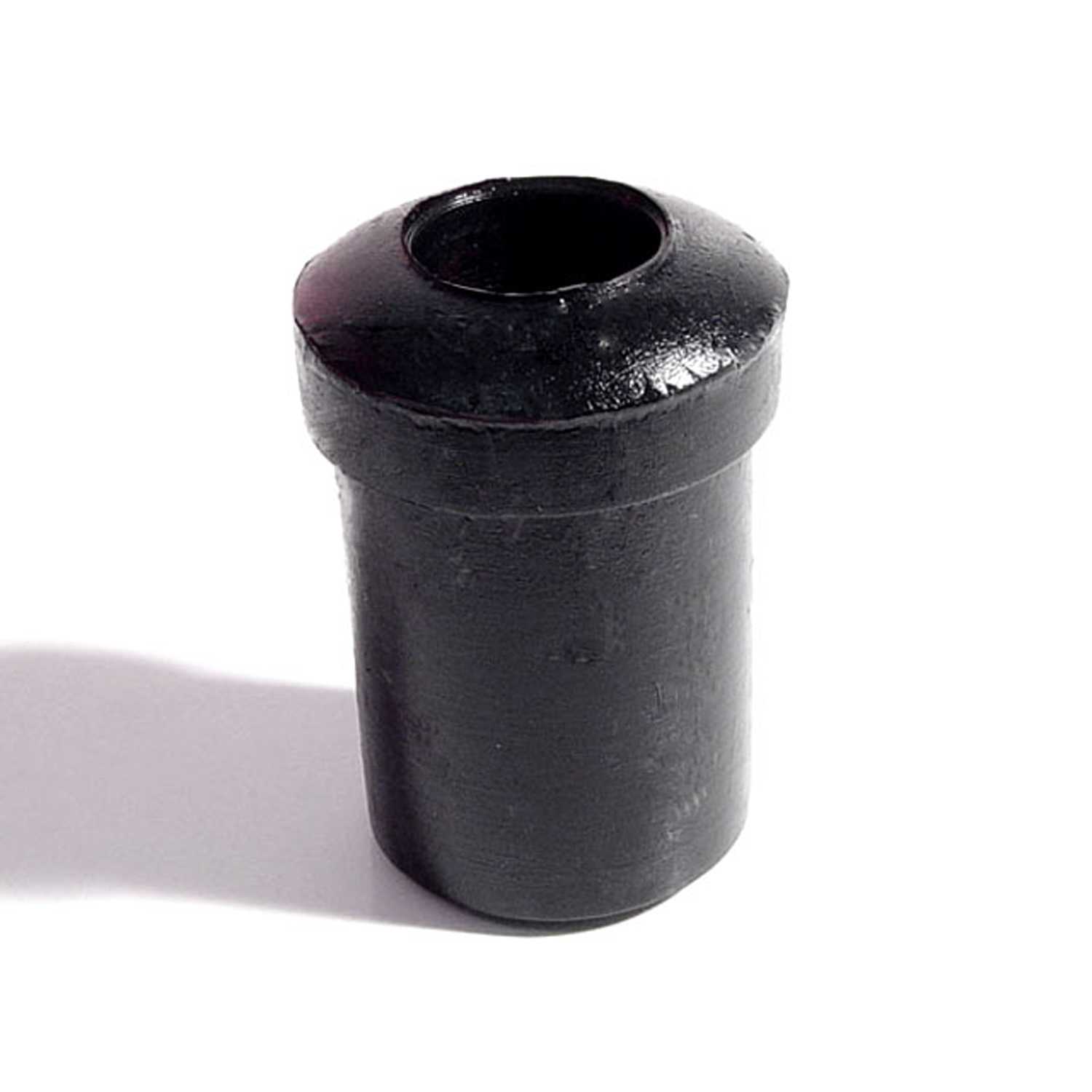 1956 Chrysler 300 Spring and Shackle Bushing. 1" bottom O.D-BN 20Spring and Shackle Bushing. 1" bottom O.D. X 1-5/8" high, with 9/16" I.D. Each
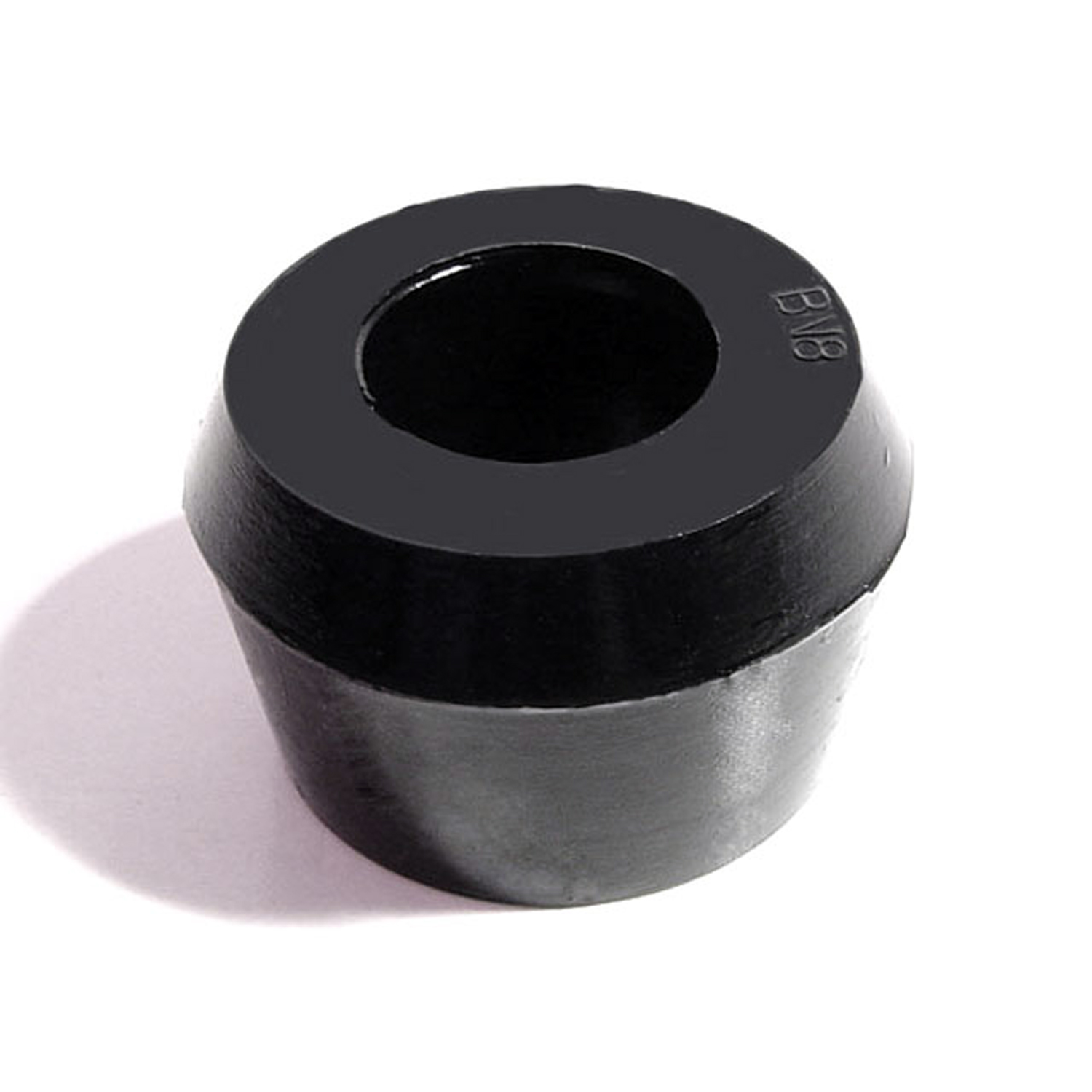 1956 Chrysler 300 Shock Absorber Grommet. 1-1/4" bottom O.D-BN 8Shock Absorber Grommet. 1-1/4" bottom O.D., 1" high, with 3/4" I.D. Each
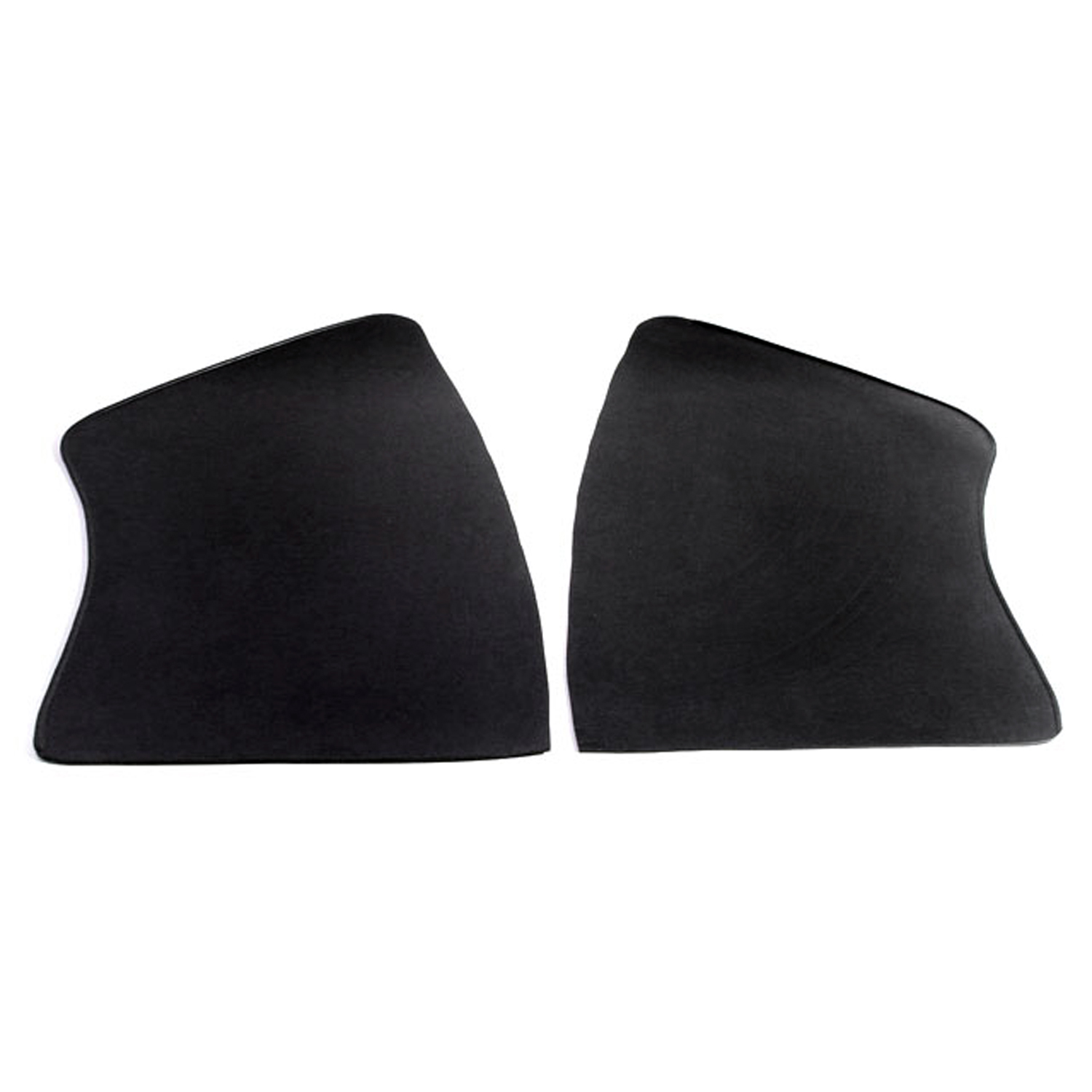 1956 Chrysler 300 Gravel Shields. Molded flat without metal backing plates-FS 31Gravel Shields. Molded flat without metal backing plates. Apply with contact cement. 18" long X 9-3/4" wide at bottom. Pair
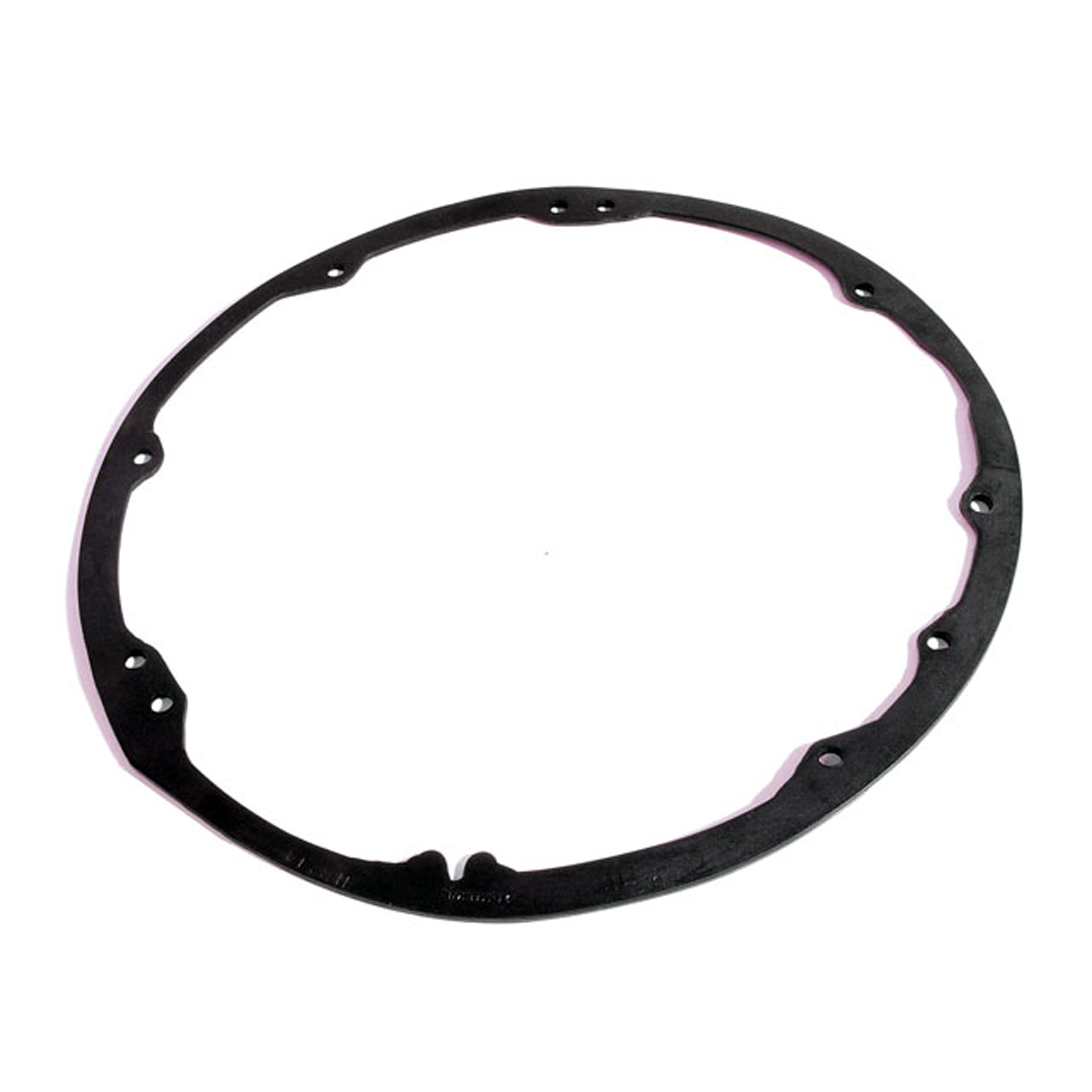 1956 Chrysler 300 Headlight Ring Seal. 8-3/8" O.D., 7-3/4" I.D. Pair-HR 14Headlight Ring Seal. 8-3/8" O.D., 7-3/4" I.D. Pair
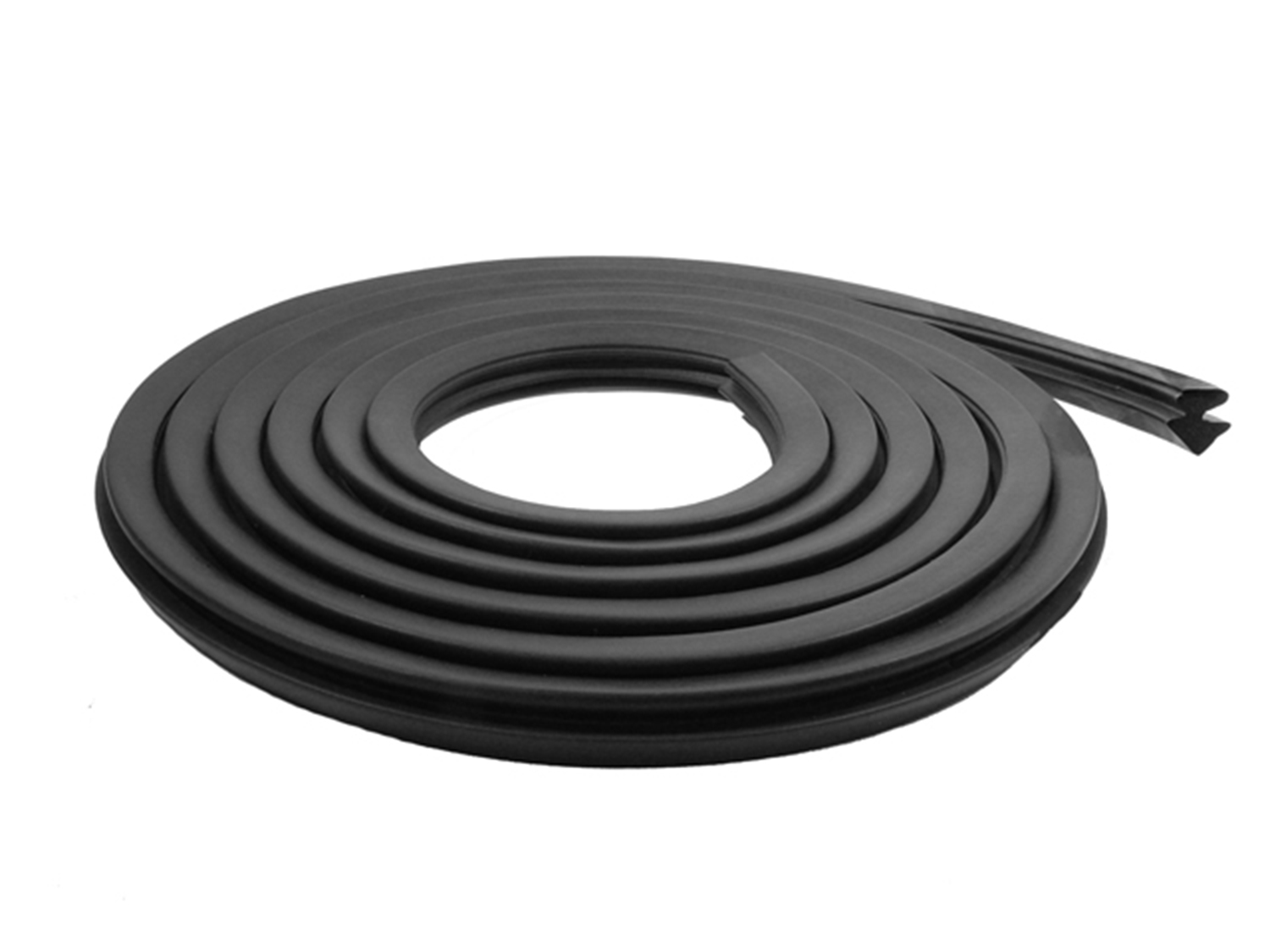 1956 Chrysler 300 Trunk Seal. Each-TK 64-16Trunk Seal. Each
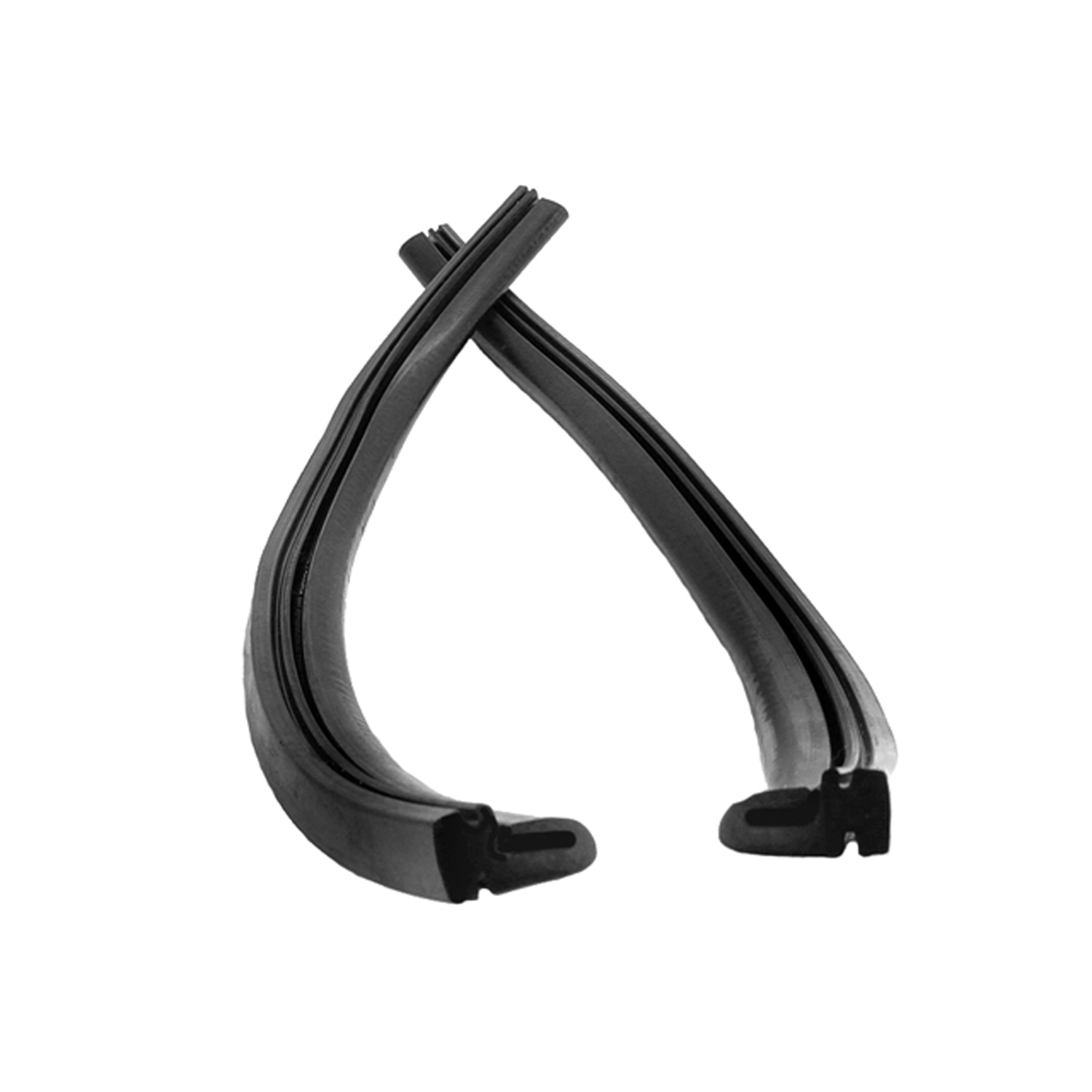 1956 Chrysler 300 Rear Roll-up Window Seals, for Hardtops and Convertibles-VS 7Rear Roll-up Window Seals, for Hardtops and Convertibles. For leading edge of rear quarter windows. Two pieces, 17-3/4" long. Pair
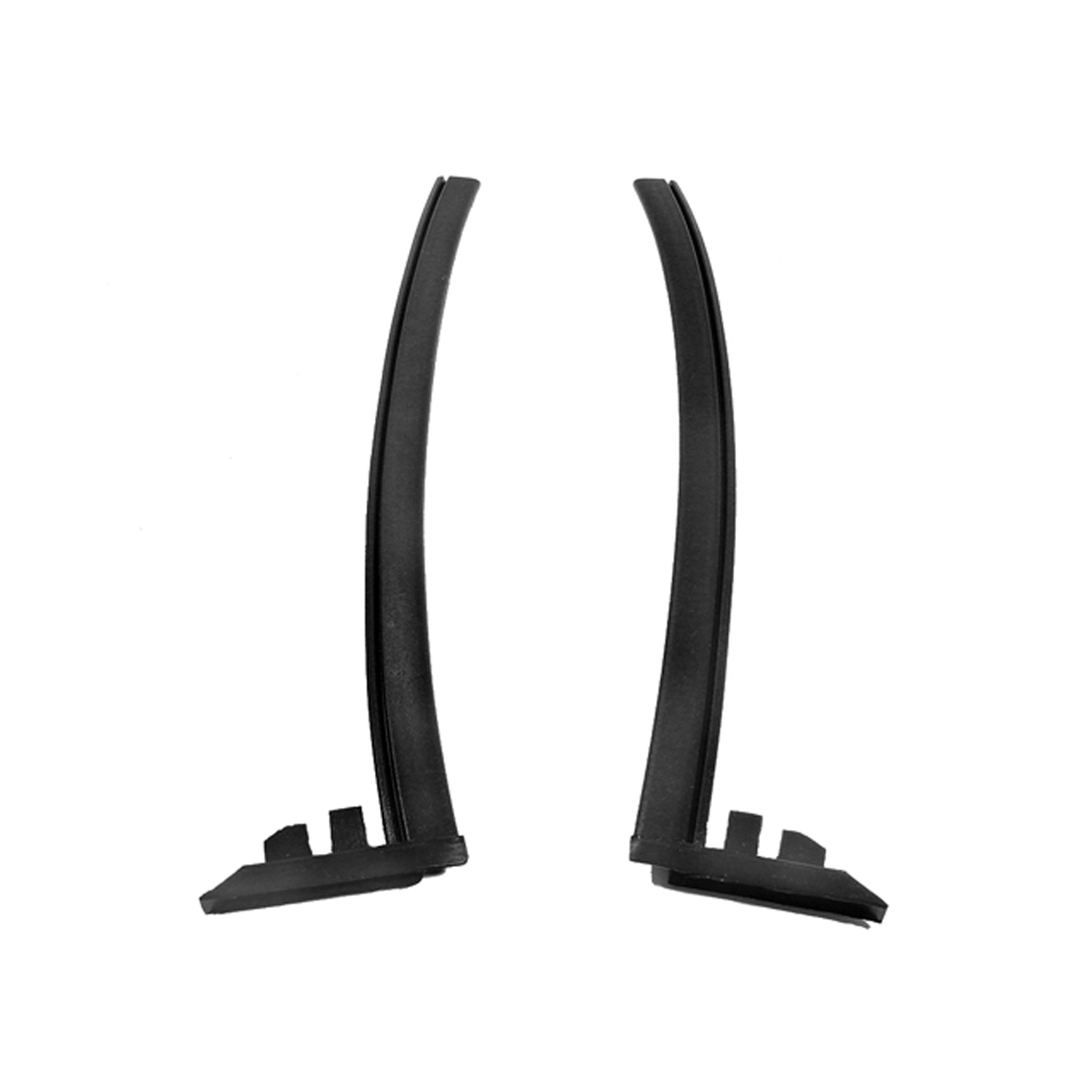 1956 Chrysler 300 Rear Roll-Up Side Quarter Window Seals (fits some models)-VS 7-BRear Roll-Up Side Quarter Window Seals (fits some models). Pair R&L
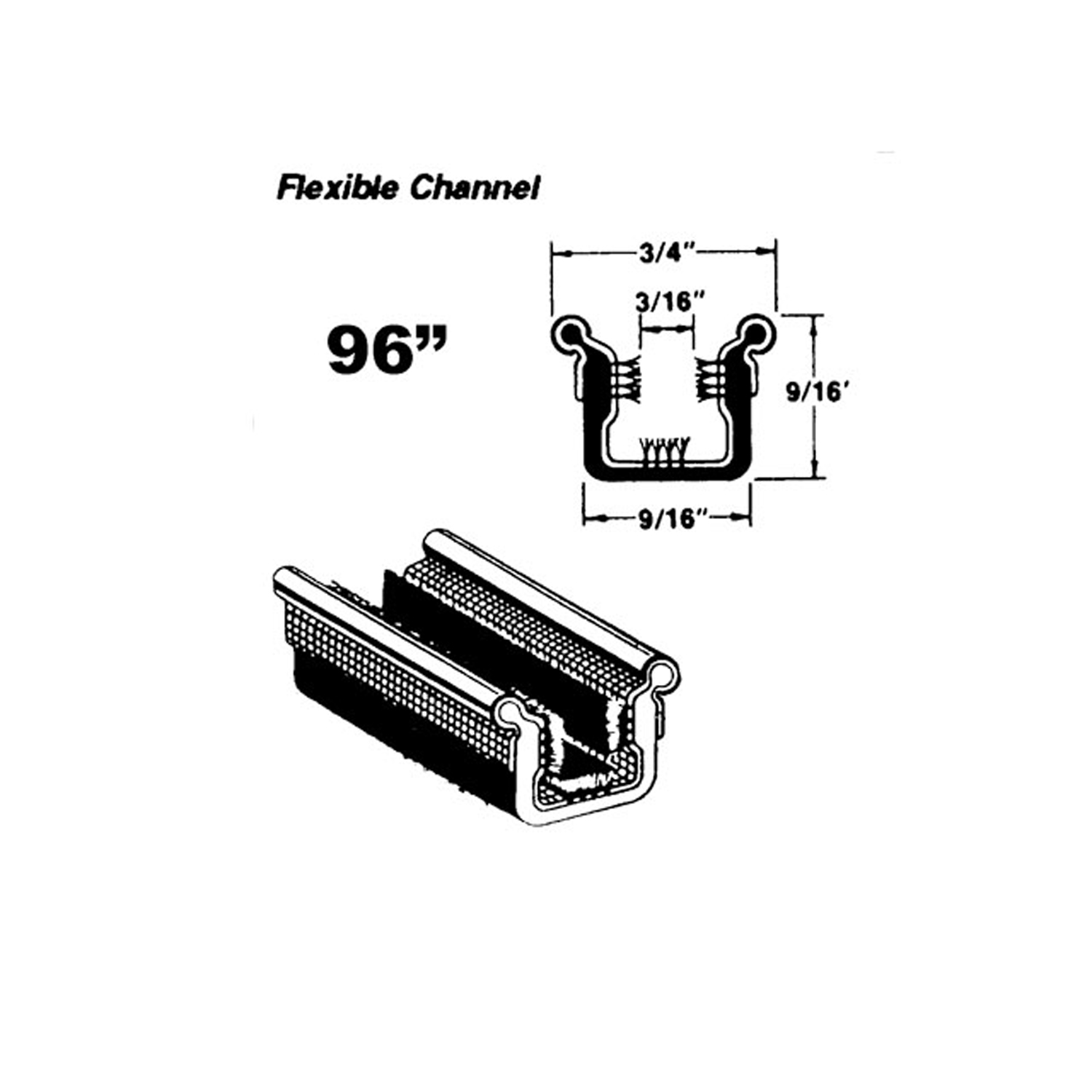 1956 Chrysler 300 Flexible window channel-WC 10-96Flexible window channel. Rubber covered with mohair lining and stainless steel bead. 96 in. long. Each. NOTE: $20 special shipping charge applies for domestic orders. Call or email for overseas shipping costs. Part can be sectioned in two or three equal lengths to reduce overseas shipping costs.
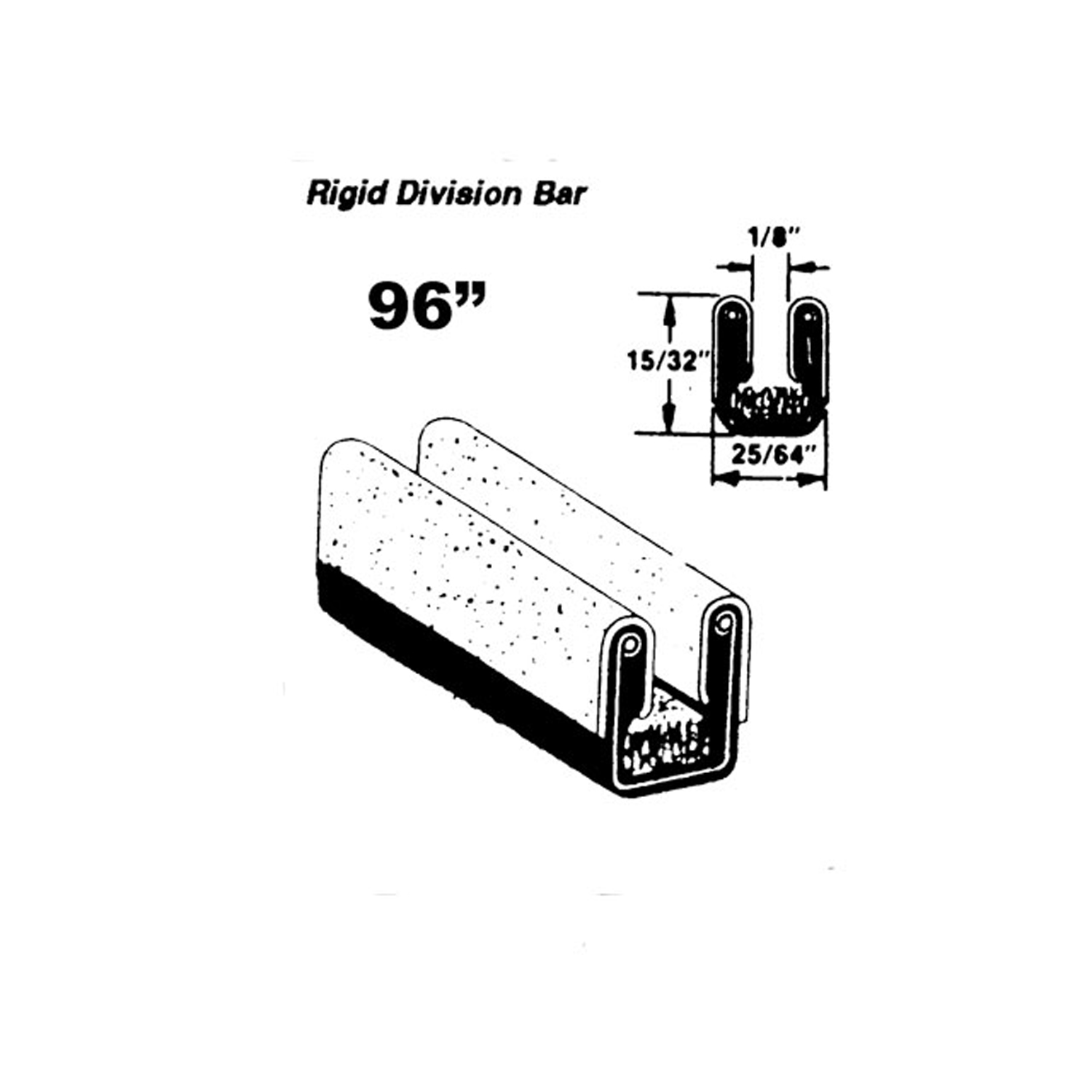 1956 Chrysler 300 Rigid division-bar run channel-WC 31-96Rigid division-bar run channel. Made with very soft felt lining. Used on front and rear door side windows. 96 in. long. Each. NOTE: $20 special shipping charge applies for domestic orders. Call or email for overseas shipping costs. Part can be sectioned in two or three equal lengths to reduce overseas shipping costs.
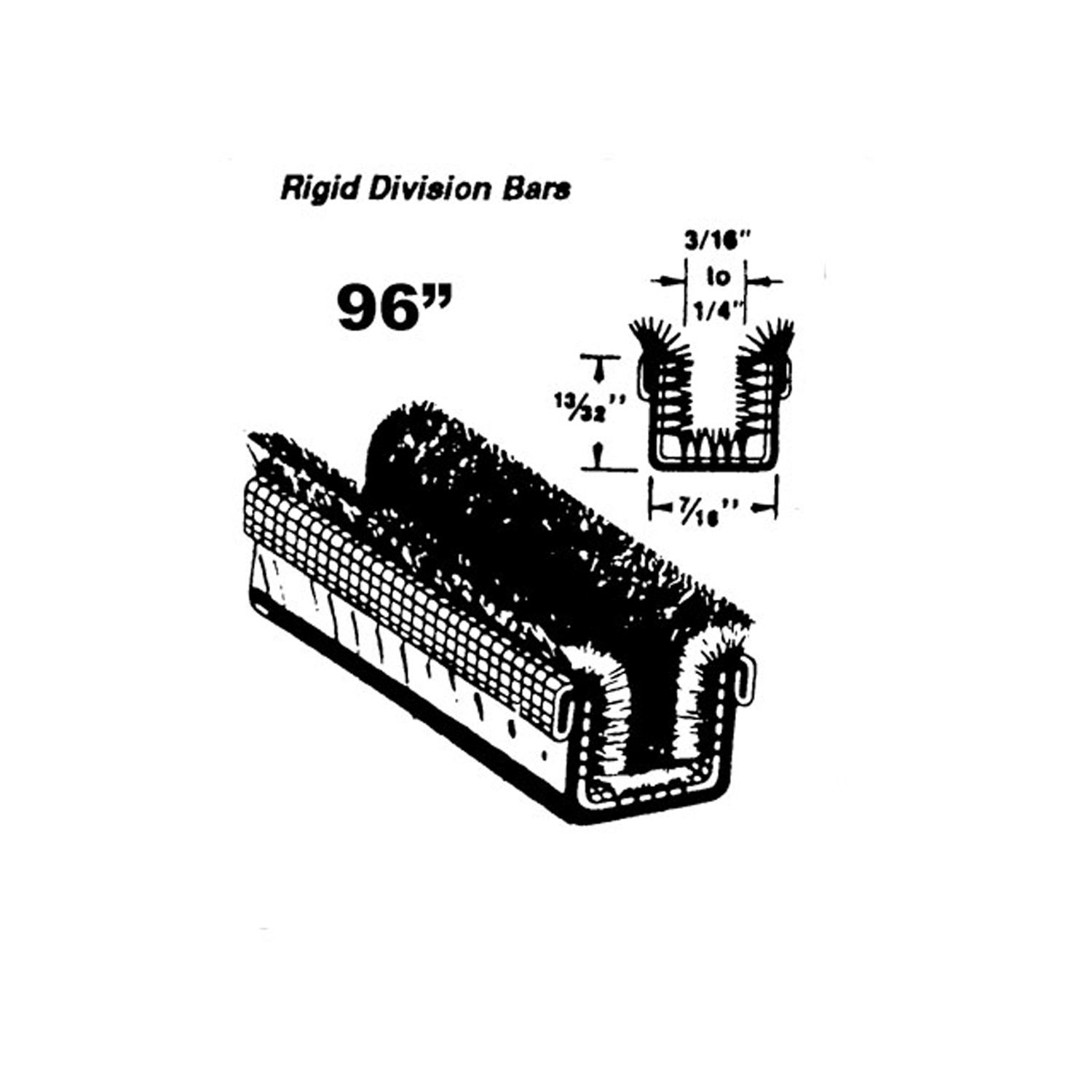 1956 Chrysler 300 Rigid division-bar channel. Unbeaded. 96 in. long. Each-WC 41-96Rigid division-bar channel. Unbeaded. 96 in. long. Each. NOTE: $20 special shipping charge applies for domestic orders. Call or email for overseas shipping costs. Part can be sectioned in two or three equal lengths to reduce overseas shipping costs.
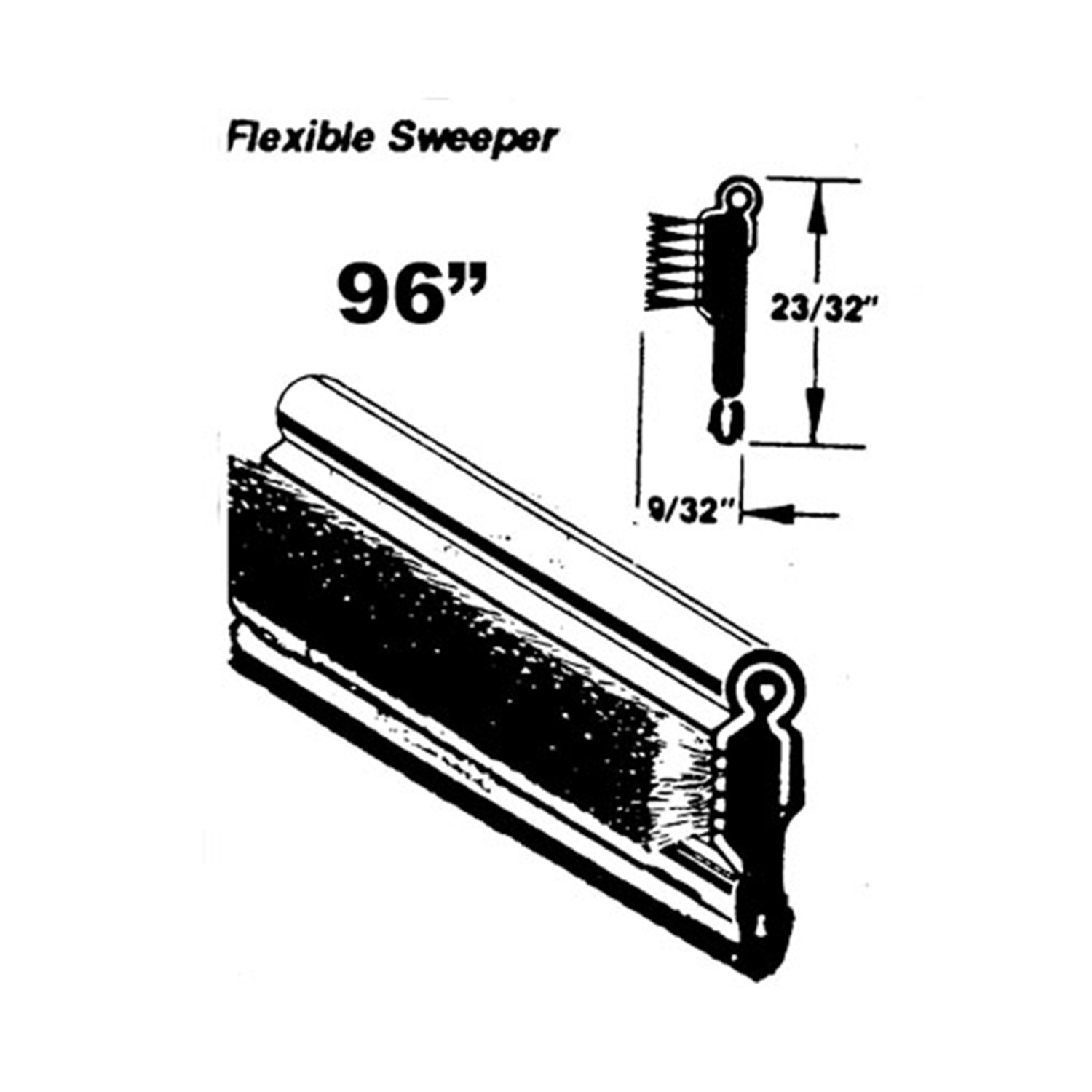 1956 Chrysler 300 Flexible window sweeper. Made with stainless steel bead-WC 4-96Flexible window sweeper. Made with stainless steel bead. 96 in. long. Each. NOTE: $20 special shipping charge applies for domestic orders. Call or email for overseas shipping costs. Part can be sectioned in two or three equal lengths to reduce overseas shipping costs.
Why Choose Metro?
For over 100 years, Metro Moulded Parts has been the pinnacle of quality in classic car restoration parts. Our commitment to precision and authenticity in every component ensures a perfect fit and an OEM-level appearance.
- Expert Craftsmanship & Quality: Each part is a testament to our dedication to reliability and perfection, crafted from original designs and thoroughly tested.
- Advanced Technology: We use cutting-edge techniques to create flawless, long-lasting parts that surpass others in performance.
- SuperSoft Sponge – The Ultimate Door Seal: Not only are our door seals 30% softer than competitors', but they're also guaranteed to never leak. They effectively reduce wind and road noise, enhancing your classic car's comfort and driving experience.
- Proudly American: Our parts are a product of American craftsmanship, made in the USA with a spirit of excellence and heritage.
- Unrivaled Warranty: We back our products with a 30-year industry-leading warranty, a testament to our confidence in their quality.
Join us in preserving the legacy of classic cars with parts that are crafted for perfection, not just made.