

Image of 1956 Chrysler Nassau, Note: These illustrations use artistic license and may differ from actual historical models.
Performance Metrics
Fundamental Metrics
Emotional Appeal
MMP Rating
| Engine Specifications | |
|---|---|
| Engine: | Hemi V8 |
| Displacement: | 354 cubic inches (5.8 liters) |
| Horsepower: | Estimated 280-300 hp |
| Torque: | 380-400 lb-ft |
| Compression Ratio: | Estimated 9.0:1 |
| Ignition System: | Distributor ignition |
| Cooling System: | Liquid-cooled |
| Performance Specifications | |
| 0-60 Time: | Estimated 9 seconds |
| 1/4 Mile Time: | Estimated 16 seconds |
| Top Speed: | 130 mph |
| Transmission and Drive | |
| Drive Type: | Rear-wheel drive |
| Transmission Type: | 2-speed automatic |
| Fuel and Efficiency | |
| Fuel System Type: | Carburetor |
| MPG: | Estimated 10-12 mpg |
| Dimensions and Brakes | |
| Brakes: | Drum brakes |
| Wheelbase: | 126 inches |
| Weight: | Estimated 4,000 lbs |
Note: Specifications for classic cars are given to the best of our ability, considering the limited and variant data available.
1956 Chrysler Nassau: A Forward-Looking American Hardtop
The 1956 Chrysler Nassau brought big-car comfort and a sleek, low-slung profile together in a package that looked ready for the future. It was part of Chrysler’s Windsor line, not a separate marque, and its Nassau name identified a stylish two-door hardtop. Built by the Chrysler Corporation during a period of rapid postwar change, it offered the generous proportions and V8 power Americans wanted, with design cues that pointed toward the dramatic “Forward Look” cars that would follow.
One detail makes the Nassau especially memorable: 1956 was the first model year Chrysler offered its push-button-controlled PowerFlite automatic transmission. Instead of a conventional shift lever, drivers selected gears using buttons on the dashboard, a feature that gave the roomy family cruiser a distinctly modern touch.
Forward Look Styling and Nassau Trim
The Nassau’s shape was long and low by mid-1950s standards. Its broad grille, bright chrome trim, sculpted body sides, and gently rising rear fenders gave it a confident, streamlined look. The rear fins were restrained compared with the taller, more flamboyant fins Chrysler would introduce for 1957, but they still added a sense of motion to the car’s broad tail. A wraparound windshield and generous glass area helped keep the cabin feeling open.
Inside, the Nassau paired a wide bench seat with a full-width dashboard and plenty of bright trim. Upholstery materials and patterns varied with the paint and trim combination, with cloth-and-vinyl treatments common. The overall effect was plush and colorful rather than minimalist. Buyers could add comfort and convenience equipment such as power steering, power brakes, power windows, and air conditioning, though availability depended on the specific car and its original equipment.
Factory paint choices varied by year and trim combination, but buyers could choose from a wide palette of solid colors and two-tone schemes. Cream, blue, turquoise, green, red, and black tones suited the Nassau’s chrome-heavy exterior particularly well. Two-tone cars, with contrasting colors across the roof and body, are among the most eye-catching examples today.
The Nassau was the Windsor line’s two-door hardtop offering. Chrysler also sold other Windsor body styles, including sedans and a four-door hardtop, with names and equipment varying across the lineup. The pillarless two-door Nassau is the version most closely associated with the name: its uninterrupted side glass and long roofline give it the classic hardtop silhouette collectors seek.
1956 Chrysler Nassau Specifications
The Nassau was powered by Chrysler’s 301-cubic-inch V8, rated at about 225 horsepower. It was paired most commonly with the two-speed PowerFlite automatic, while a manual transmission was available in some configurations. The car used a conventional front-engine, rear-wheel-drive layout, a body-on-frame structure, and independent front suspension.
Chrysler’s new push-button transmission controls were the headline convenience feature, but the 12-volt electrical system was another important step toward the modern electrical equipment used in later cars. Power accessories were available, and the Nassau’s broad cabin and smooth V8 made it well suited to highway travel.
Why the Nassau Mattered
The Nassau arrived as Chrysler was reshaping its image under design chief Virgil Exner. The company was moving away from the heavier, more upright styling of earlier postwar cars and toward lower bodies, cleaner lines, and more dramatic proportions. The 1956 Nassau was part of that transition. Its fins were still modest, but its stance and detailing helped establish the visual direction that reached its boldest expression in Chrysler’s 1957 models.
It was not the high-performance headline act of the range. That distinction belonged to cars such as the Chrysler 300B. The Nassau’s appeal was different: it delivered V8 power, a modern-looking hardtop body, and new conveniences in a comfortable, relatively accessible full-size car. Its push-button automatic also helped make dashboard-mounted transmission controls a memorable feature of 1950s American motoring.
Performance and Road Manners
With around 225 horsepower, the Nassau had enough strength for relaxed cruising and confident overtaking by the standards of its day. Period specifications and surviving-car condition vary, so performance figures should be treated as estimates. A healthy, correctly tuned example might reach 0 to 60 mph in roughly 11 to 13 seconds, with a top speed in the neighborhood of 105 to 115 mph. Those figures are estimates, not guaranteed factory test results for every Nassau.
The two-speed PowerFlite favors smooth, uncomplicated progress over quick, closely spaced shifts. The V8 produces a deep, measured rumble rather than a sharp performance-car bark, and acceleration feels steady as the transmission moves through its broad ratios. The Nassau is a substantial car, so it feels most at home on open roads rather than in tight city traffic.
Its suspension and long wheelbase help it absorb ordinary road imperfections, although worn shocks, tired springs, and old tires can make any surviving example feel loose or floaty. On winding roads, the Nassau’s size, weight, and period steering call for a relaxed pace. It is best enjoyed as a comfortable cruiser, with smooth inputs and plenty of room to maneuver, rather than driven like a modern sports sedan.
Living with a 1956 Nassau
Today, most Nassaus serve as weekend cruisers, show cars, or centerpiece vehicles in collections of 1950s American cars. A well-sorted example can handle local drives and occasional longer trips, but using one as a daily driver requires patience and a willingness to deal with the limitations of an older car. Braking distances, fuel economy, visibility around the broad body, and the lack of modern safety equipment all differ sharply from contemporary standards.
The mechanical layout is familiar to classic-car specialists, and many routine jobs are manageable for an experienced home mechanic. The 301 V8 and PowerFlite are not inherently mysterious, but age, previous repairs, and parts availability matter. Engine, brake, electrical, and transmission work can be straightforward when parts are on hand; Nassau-specific trim, glass, interior pieces, and brightwork may take more time to locate. Before buying, inspect the frame and body for rust, check the transmission’s operation, and confirm that the cooling and charging systems work properly.
Rare Details and Common Criticisms
The Nassau’s most notable factory-era innovation is the push-button PowerFlite control. It is a conversation starter, but it also deserves careful inspection: the buttons, electrical connections, and transmission must all work correctly. Some Chrysler cars of the period could also be equipped with unusual luxury accessories, including a dashboard record player on select models, though such equipment was uncommon and should not be assumed to have been fitted to a Nassau.
The Nassau does not have a widely recognized speed or endurance record, and it was not a dedicated racing model. Its significance is rooted in Chrysler’s design evolution and the spread of new convenience features. Common criticisms are practical ones: its size can make parking awkward, fuel consumption is high by modern standards, and certain trim pieces can be harder to find than basic mechanical parts. It also lacks the name recognition and performance mystique of a 300-series Chrysler, even though its design has plenty of period character.
Collector Values and Rarity
A precise factory production total for the Nassau hardtop is not consistently reported in commonly available model summaries, so any figure should be treated as an estimate. A reasonable working estimate is roughly 10,000 to 20,000 Nassau hardtops produced, rather than a confirmed factory count. They are uncommon today, especially in original condition, but they are not generally considered among the rarest postwar Chryslers.
As a broad 2026 market estimate, a project car may sell for around $5,000 to $10,000, while a usable driver could fall in the $12,000 to $25,000 range. A carefully restored, attractive example may bring roughly $25,000 to $40,000 or more, depending on originality, workmanship, equipment, and buyer interest. These are general estimates, not appraisals, and exceptional cars or unusually strong sales can sit outside the ranges.
Values tend to reward condition and completeness more than simple rarity. The Nassau has a loyal audience, but it does not always command the premiums attached to a 300B or a more widely celebrated Chrysler model. Over time, interest in well-presented 1950s hardtops may support gradual appreciation, while restoration costs and changing collector tastes can limit returns. Buyers should choose a car they enjoy, not rely on a guaranteed investment gain.
Why the 1956 Chrysler Nassau Still Stands Out
The 1956 Chrysler Nassau combines a handsome two-door hardtop body, a 225-horsepower V8, and one of the era’s most distinctive transmission controls. It captures Chrysler at a turning point, when Virgil Exner’s lower, cleaner styling was setting the stage for the bold Forward Look cars that followed. Comfortable, substantial, and full of mid-century personality, the Nassau is a reminder that automotive history is not only made by the fastest or rarest cars. Sometimes it is the stylish cruiser that shows most clearly where the road was heading.
1956 Chrysler Nassau Catalog of Parts
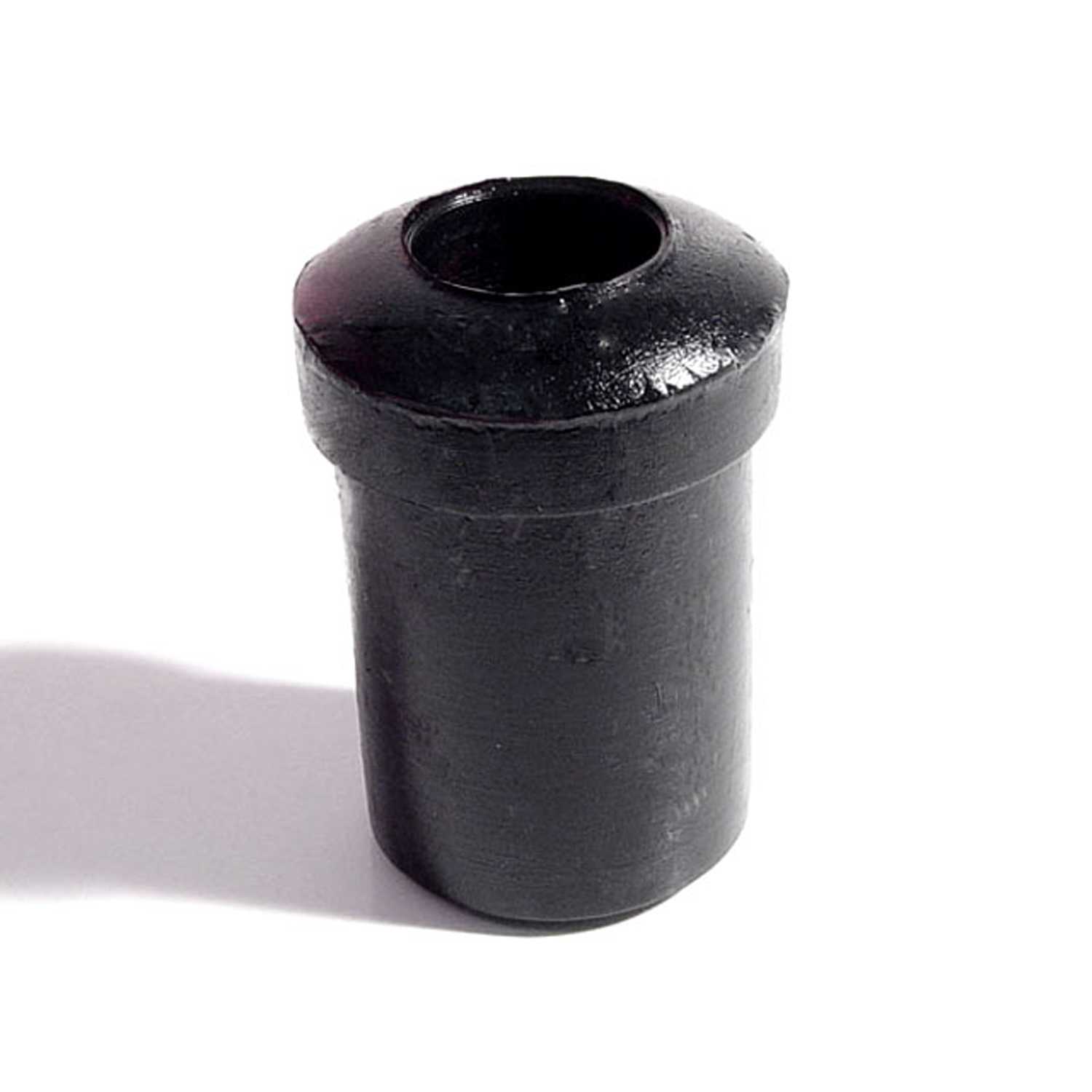 1956 Chrysler Nassau Spring and Shackle Bushing. 1" bottom O.D-BN 20Spring and Shackle Bushing. 1" bottom O.D. X 1-5/8" high, with 9/16" I.D. Each
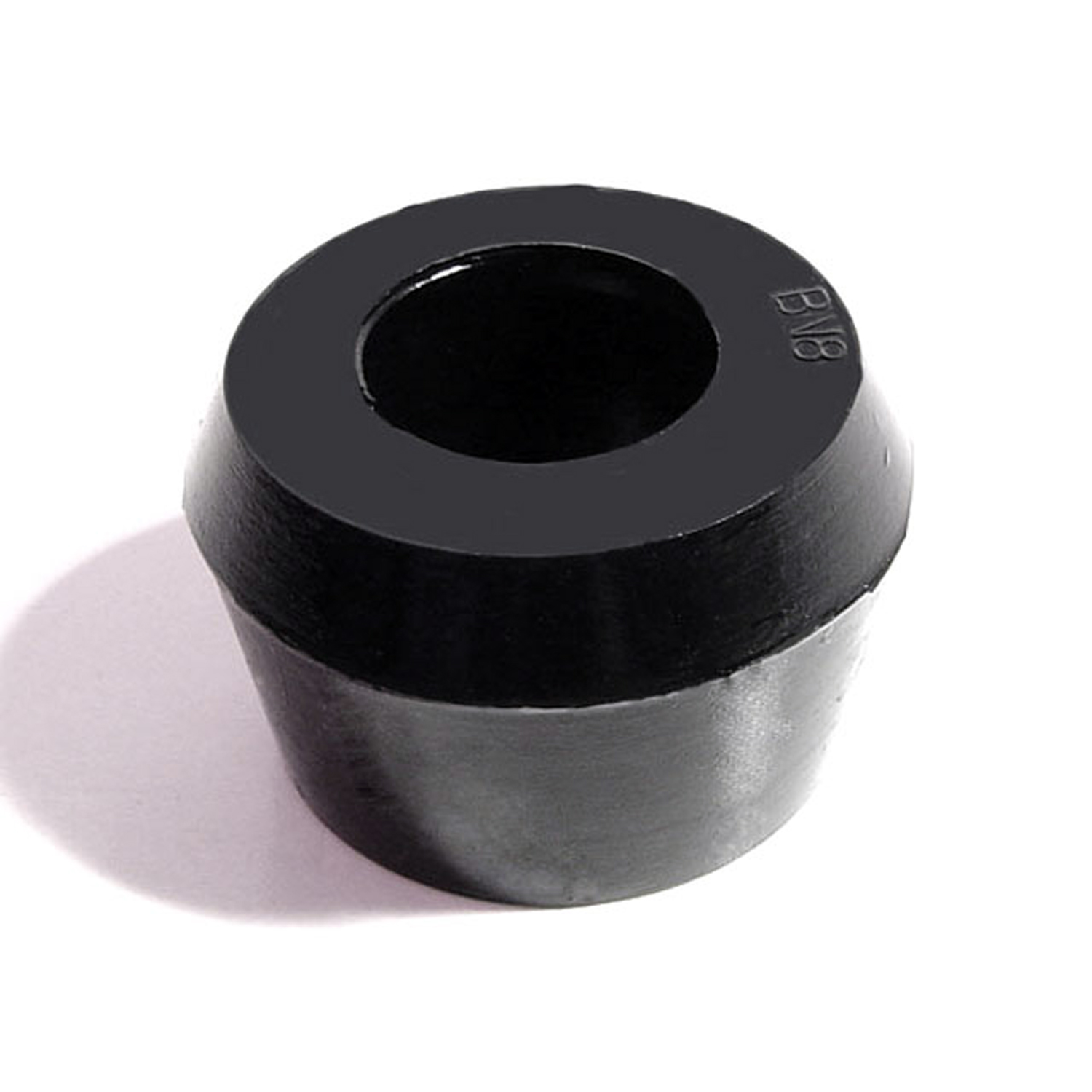 1956 Chrysler Nassau Shock Absorber Grommet. 1-1/4" bottom O.D-BN 8Shock Absorber Grommet. 1-1/4" bottom O.D., 1" high, with 3/4" I.D. Each
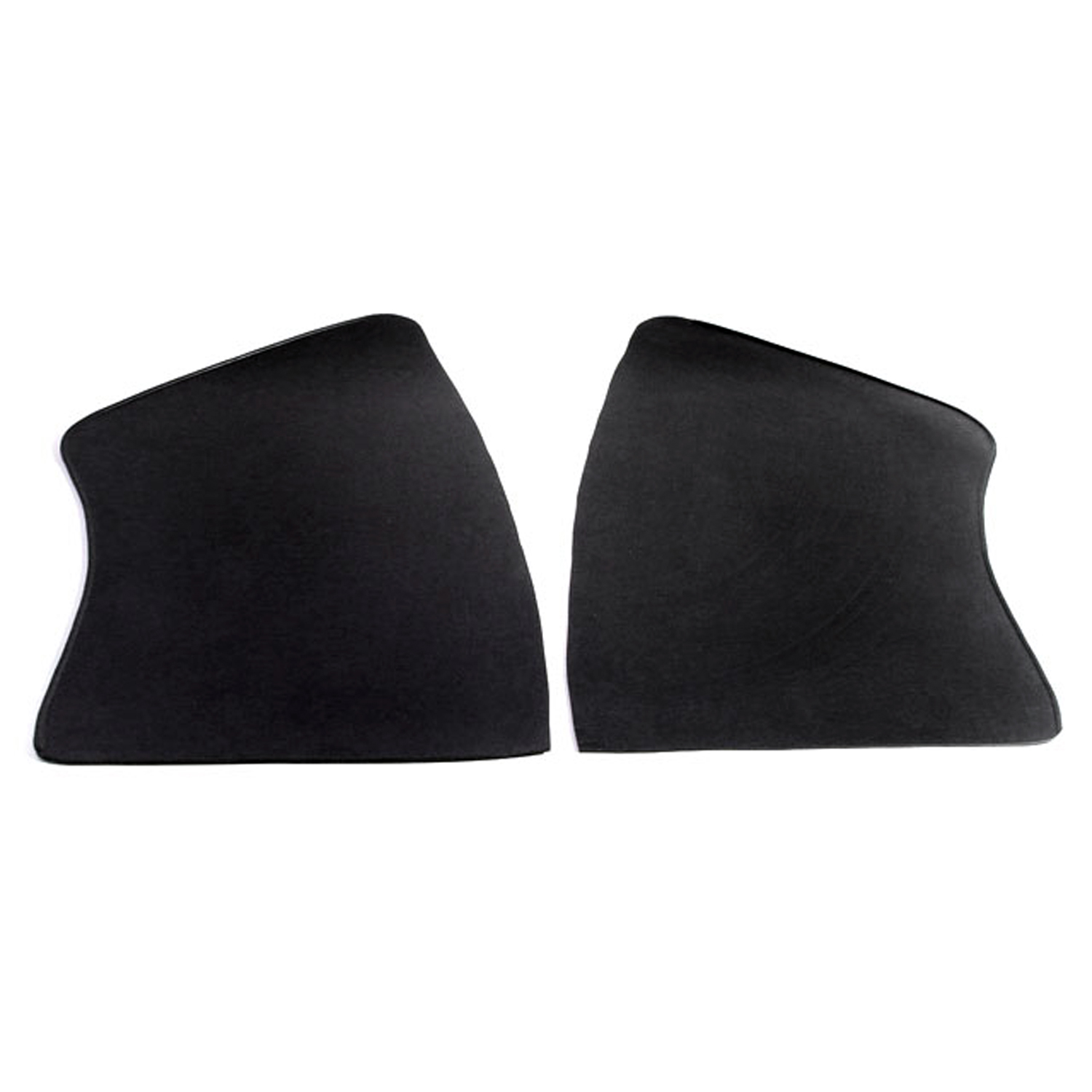 1956 Chrysler Nassau Gravel Shields. Molded flat without metal backing plates-FS 31Gravel Shields. Molded flat without metal backing plates. Apply with contact cement. 18" long X 9-3/4" wide at bottom. Pair
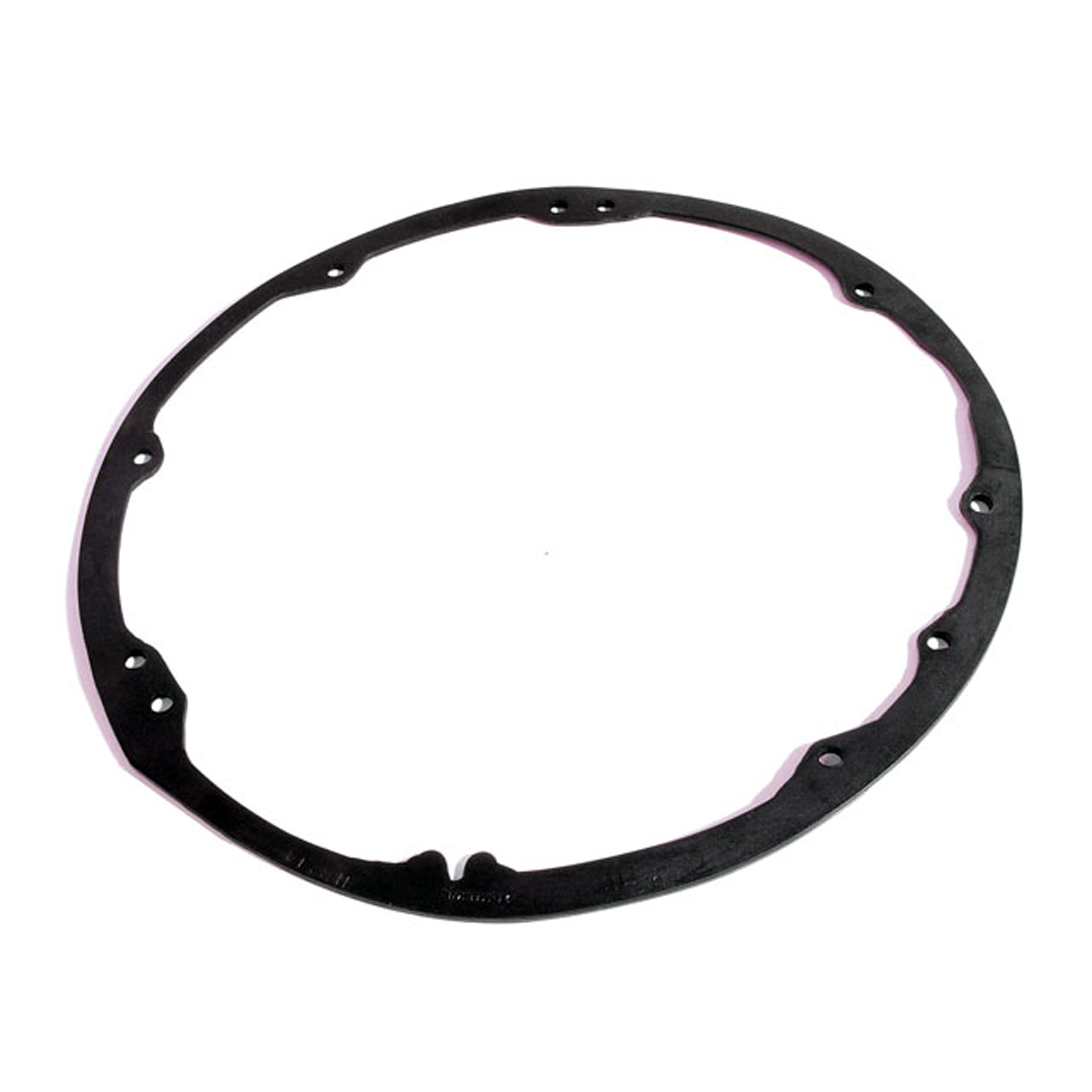 1956 Chrysler Nassau Headlight Ring Seal. 8-3/8" O.D., 7-3/4" I.D. Pair-HR 14Headlight Ring Seal. 8-3/8" O.D., 7-3/4" I.D. Pair
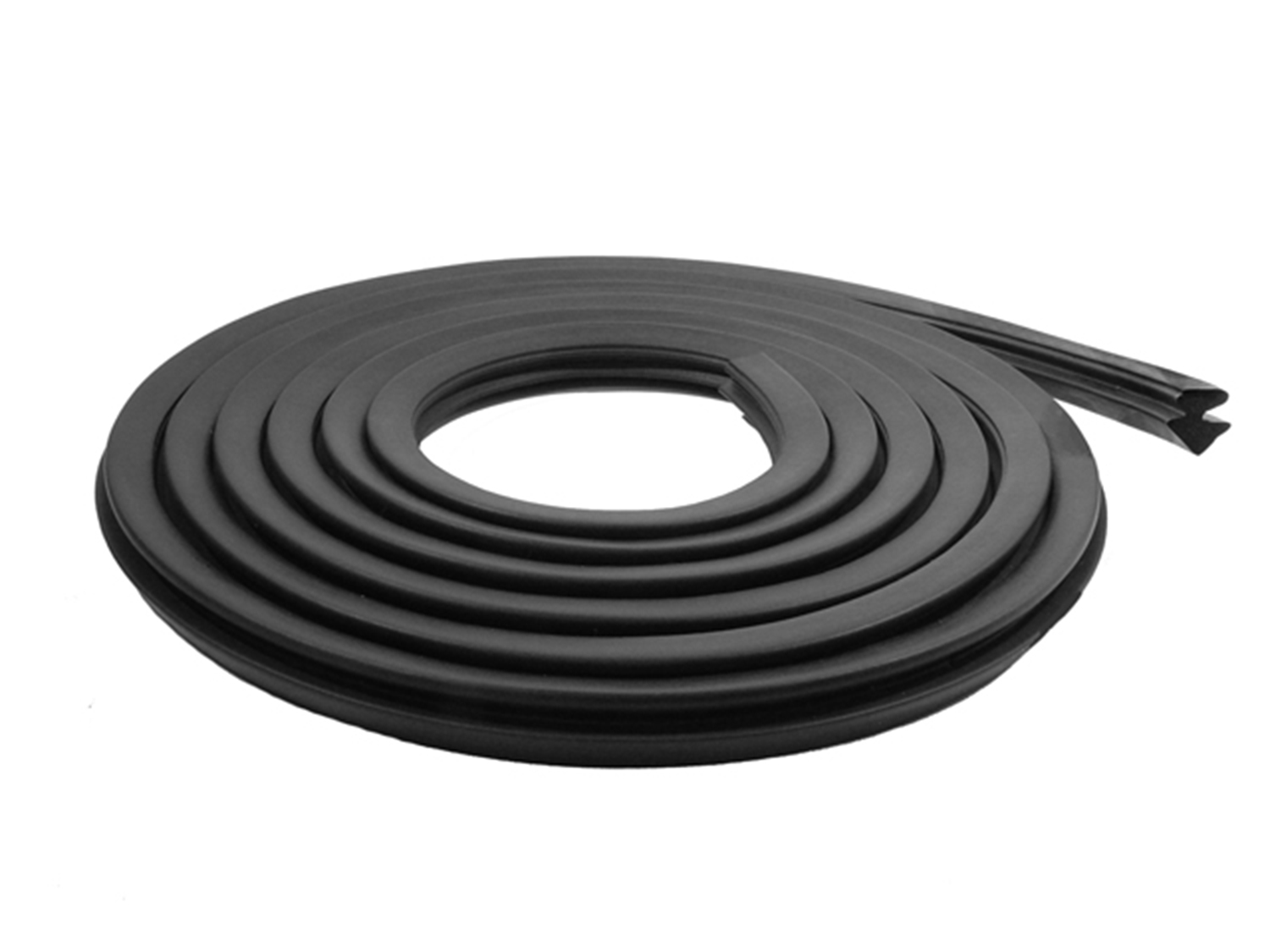 1956 Chrysler Nassau Trunk Seal. Each-TK 64-16Trunk Seal. Each
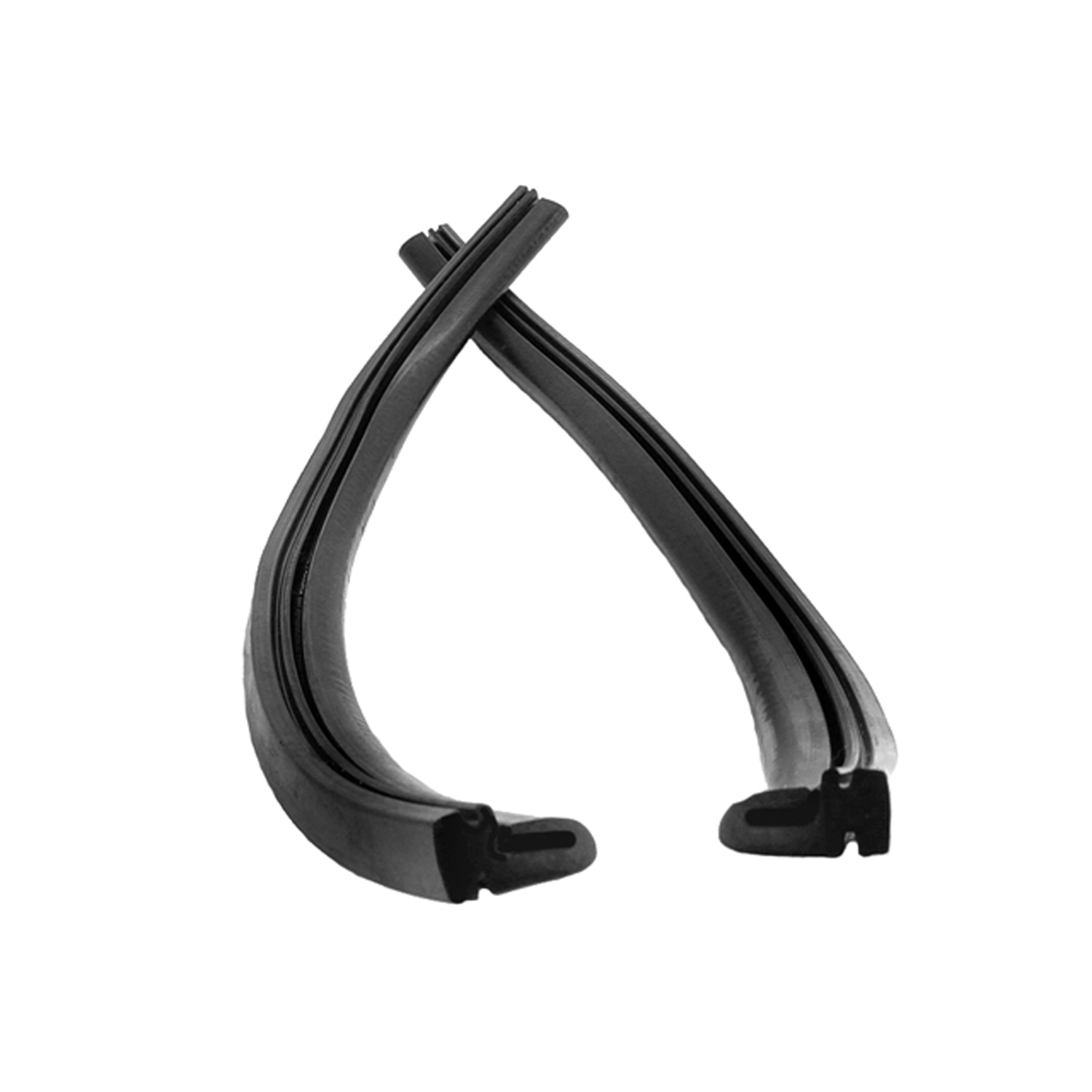 1956 Chrysler Nassau Rear Roll-up Window Seals, for Hardtops and Convertibles-VS 7Rear Roll-up Window Seals, for Hardtops and Convertibles. For leading edge of rear quarter windows. Two pieces, 17-3/4" long. Pair
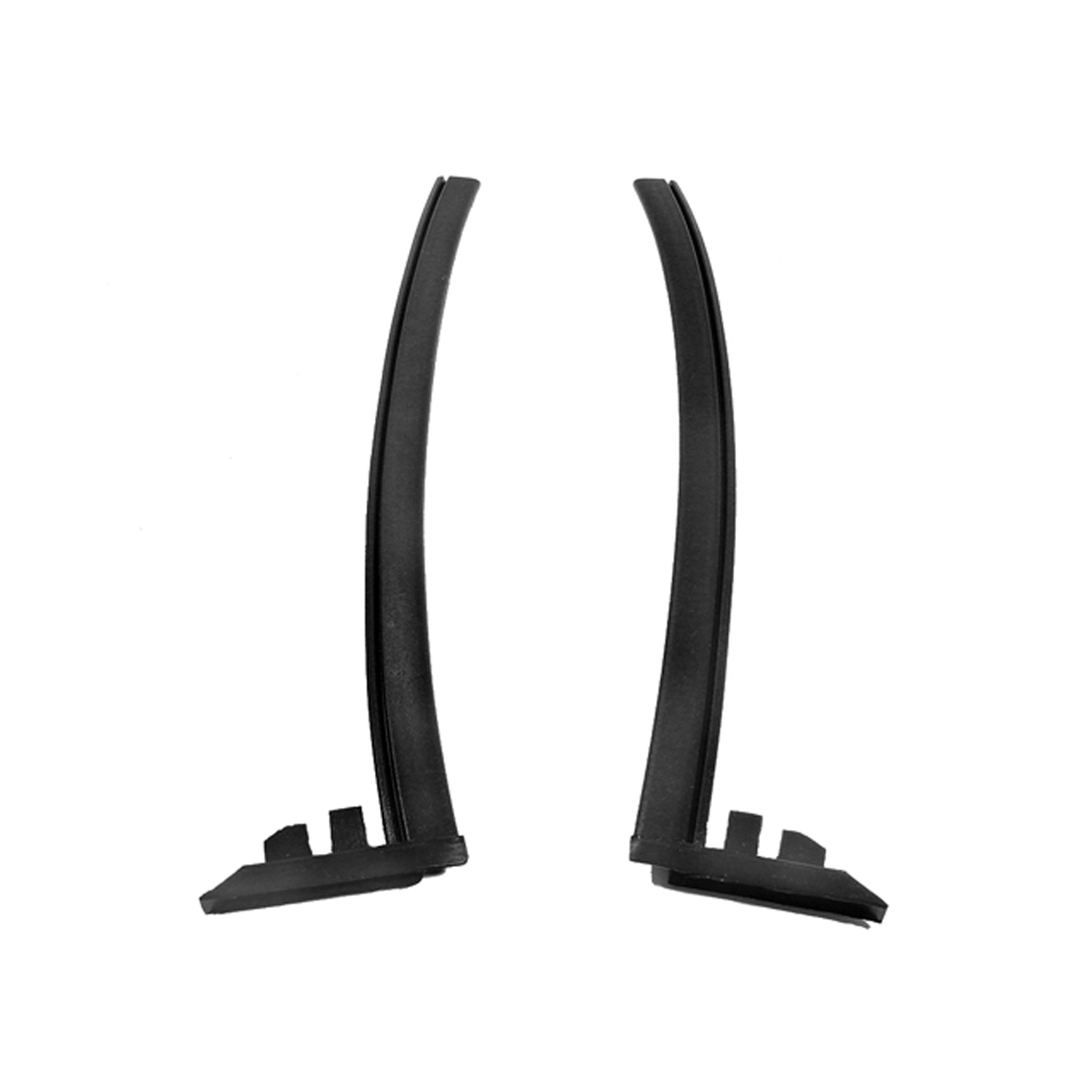 1956 Chrysler Nassau Rear Roll-Up Side Quarter Window Seals (fits some models)-VS 7-BRear Roll-Up Side Quarter Window Seals (fits some models). Pair R&L
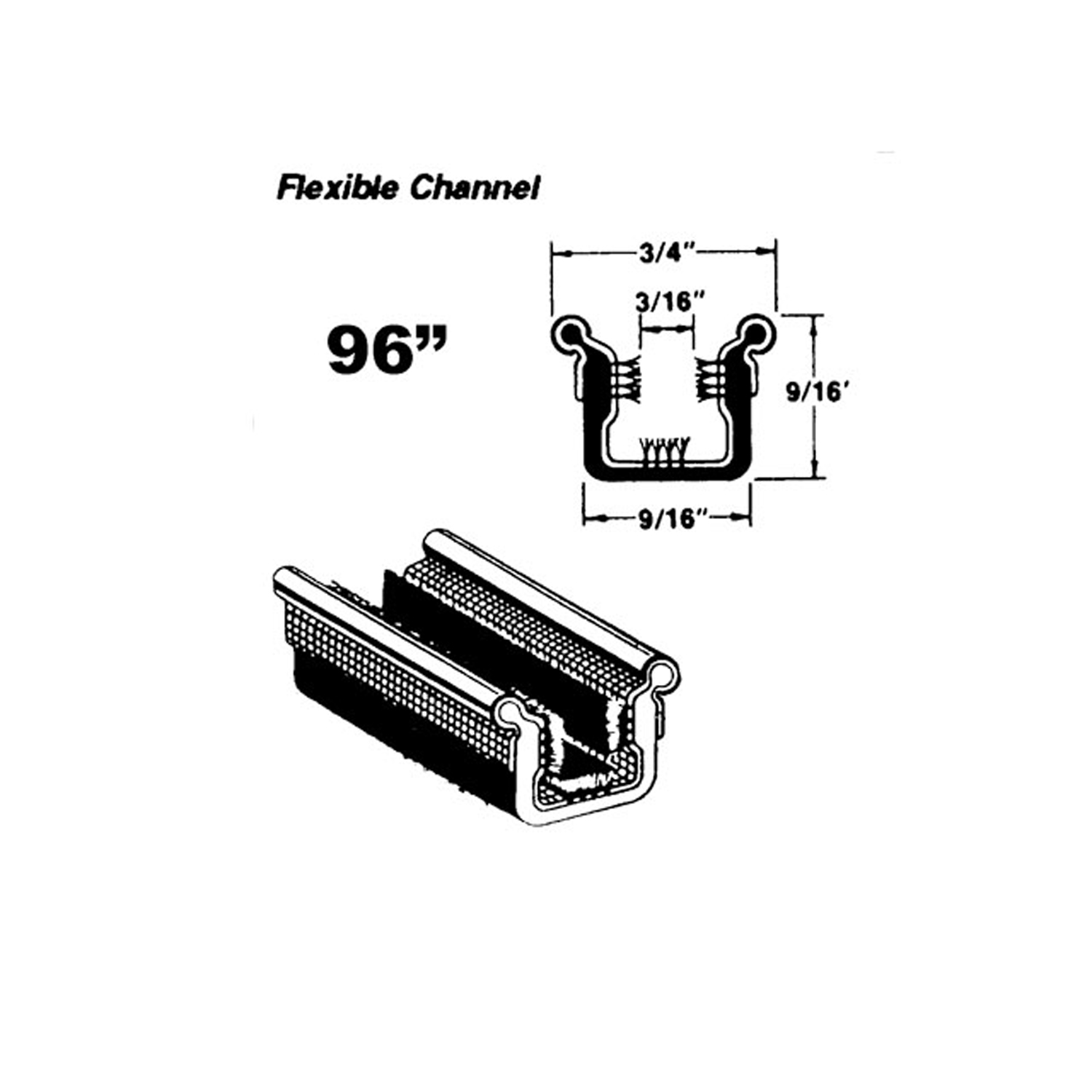 1956 Chrysler Nassau Flexible window channel-WC 10-96Flexible window channel. Rubber covered with mohair lining and stainless steel bead. 96 in. long. Each. NOTE: $20 special shipping charge applies for domestic orders. Call or email for overseas shipping costs. Part can be sectioned in two or three equal lengths to reduce overseas shipping costs.
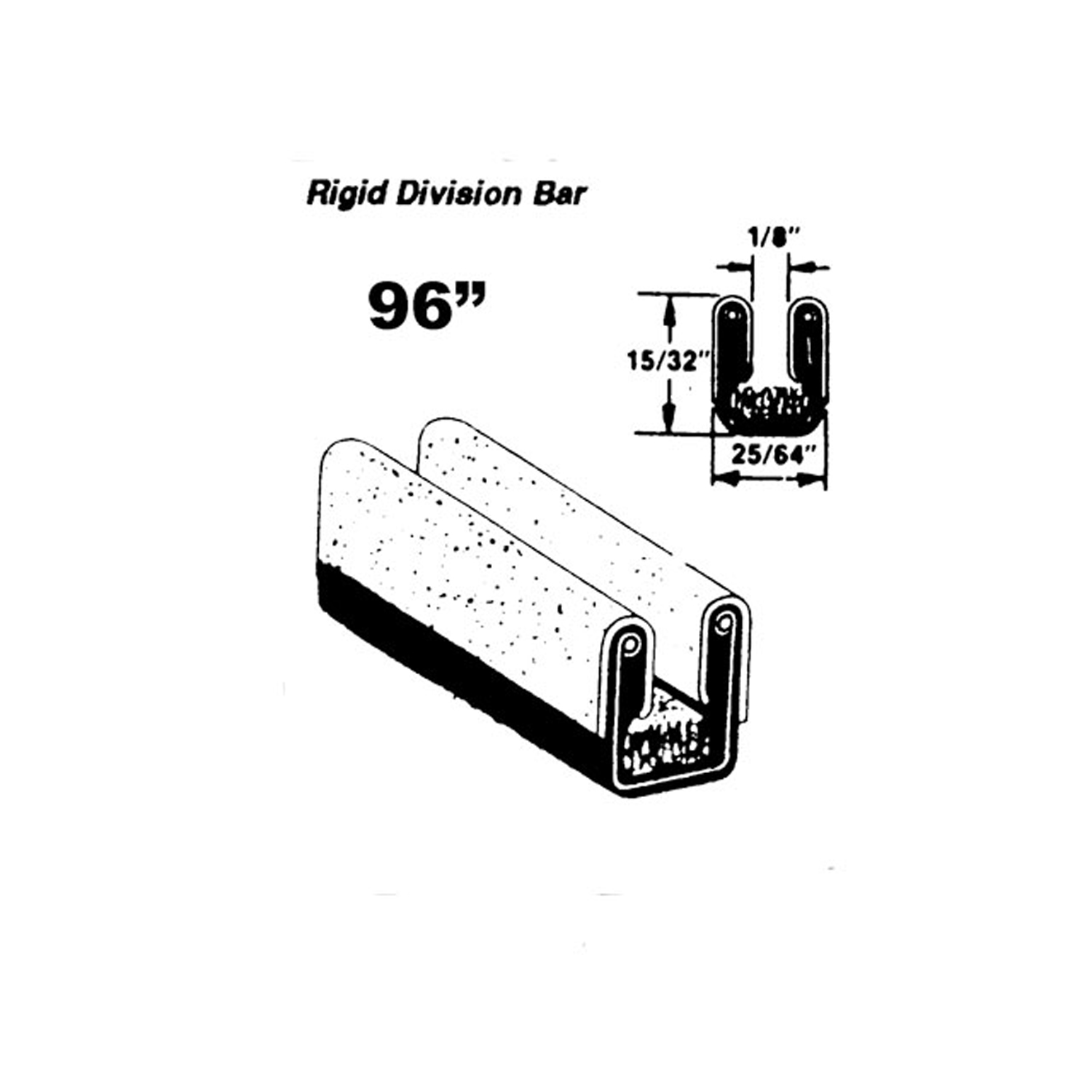 1956 Chrysler Nassau Rigid division-bar run channel-WC 31-96Rigid division-bar run channel. Made with very soft felt lining. Used on front and rear door side windows. 96 in. long. Each. NOTE: $20 special shipping charge applies for domestic orders. Call or email for overseas shipping costs. Part can be sectioned in two or three equal lengths to reduce overseas shipping costs.
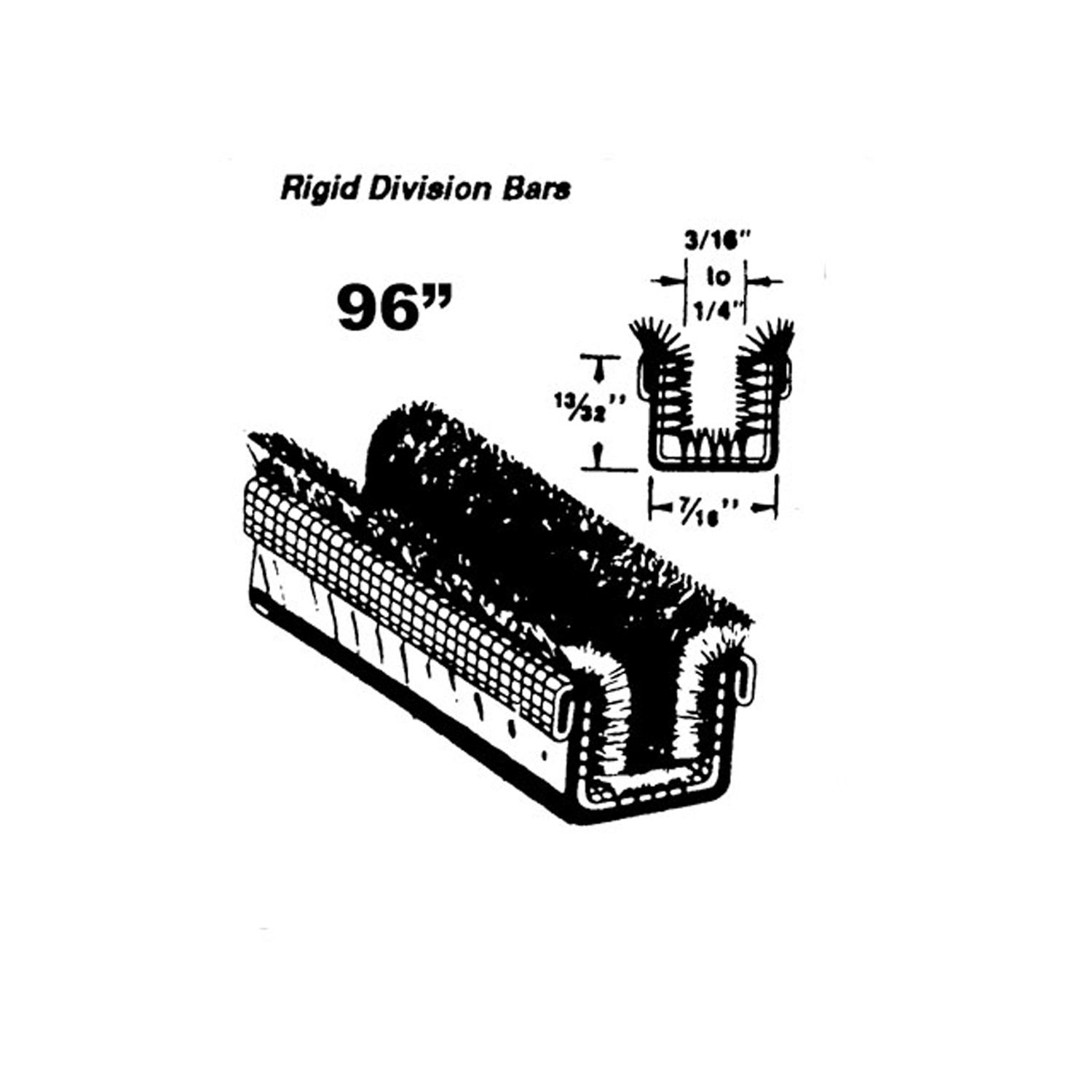 1956 Chrysler Nassau Rigid division-bar channel. Unbeaded. 96 in. long. Each-WC 41-96Rigid division-bar channel. Unbeaded. 96 in. long. Each. NOTE: $20 special shipping charge applies for domestic orders. Call or email for overseas shipping costs. Part can be sectioned in two or three equal lengths to reduce overseas shipping costs.
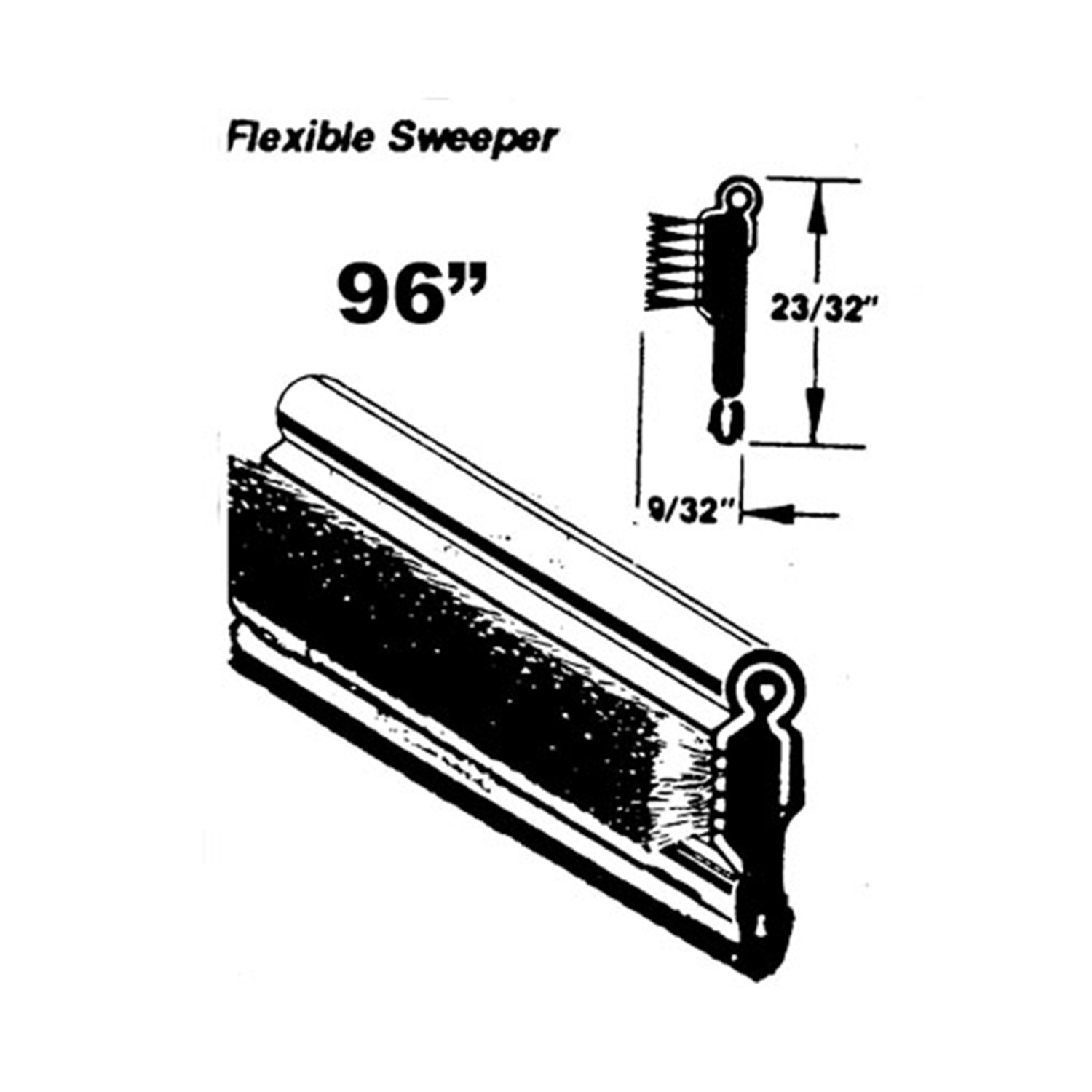 1956 Chrysler Nassau Flexible window sweeper. Made with stainless steel bead-WC 4-96Flexible window sweeper. Made with stainless steel bead. 96 in. long. Each. NOTE: $20 special shipping charge applies for domestic orders. Call or email for overseas shipping costs. Part can be sectioned in two or three equal lengths to reduce overseas shipping costs.
Why Choose Metro?
For over 100 years, Metro Moulded Parts has been the pinnacle of quality in classic car restoration parts. Our commitment to precision and authenticity in every component ensures a perfect fit and an OEM-level appearance.
- Expert Craftsmanship & Quality: Each part is a testament to our dedication to reliability and perfection, crafted from original designs and thoroughly tested.
- Advanced Technology: We use cutting-edge techniques to create flawless, long-lasting parts that surpass others in performance.
- SuperSoft Sponge – The Ultimate Door Seal: Not only are our door seals 30% softer than competitors', but they're also guaranteed to never leak. They effectively reduce wind and road noise, enhancing your classic car's comfort and driving experience.
- Proudly American: Our parts are a product of American craftsmanship, made in the USA with a spirit of excellence and heritage.
- Unrivaled Warranty: We back our products with a 30-year industry-leading warranty, a testament to our confidence in their quality.
Join us in preserving the legacy of classic cars with parts that are crafted for perfection, not just made.