

Image of 1957 Chrysler Town & Country, Note: These illustrations use artistic license and may differ from actual historical models.
Performance Metrics
Fundamental Metrics
Emotional Appeal
MMP Rating
| Engine Specifications | |
|---|---|
| Engine: | 392 Hemi V8 |
| Displacement: | 392 cu in (6.4 L) |
| Horsepower: | 325 hp |
| Torque: | 425 lb-ft |
| Compression Ratio: | 10.0:1 |
| Ignition System: | Conventional points ignition system |
| Cooling System: | Liquid-cooled |
| Performance Specifications | |
| 0-60 Time: | Estimated 9.0 seconds |
| 1/4 Mile Time: | Estimated 16.5 seconds |
| Top Speed: | 130 mph |
| Transmission and Drive | |
| Drive Type: | Rear-wheel drive |
| Transmission Type: | 3-speed TorqueFlite automatic |
| Fuel and Efficiency | |
| Fuel System Type: | Carburetor |
| MPG: | Estimated 10-12 mpg |
| Dimensions and Brakes | |
| Brakes: | Drum brakes |
| Wheelbase: | 126.0 in |
| Weight: | 4,500 lbs |
Note: Specifications for classic cars are given to the best of our ability, considering the limited and variant data available.
1957 Chrysler Town & Country: The Forward Look Family Wagon
The 1957 Chrysler Town & Country made the family station wagon look like it had somewhere important to be. With towering tailfins, a broad chrome grille and Chrysler’s new low-slung “Forward Look” styling, it brought the glamour of the late-1950s luxury car to a practical, all-steel wagon. Built by the Chrysler Corporation, the Town & Country was an upscale member of Chrysler’s full-size lineup, combining generous passenger and cargo space with powerful V8 engines and advanced-for-the-time engineering.
There was a clever twist to its name. Earlier Town & Country models were famous for real wood-bodied construction, but by 1957 the wagon’s body was steel. Its elegant wood-look side panels were decorative, not structural. The 1957 model is especially memorable as a snapshot of Chrysler’s boldest design era, when Virgil Exner’s Forward Look made fins and dramatic proportions central to the brand’s identity.
Tailfins, Woodgrain and Forward Look Style
The Town & Country’s profile was long, low and unmistakably late-1950s. Its front end wore a wide, bright grille and sculpted fenders, while the roofline flowed back toward prominent rear fins and distinctive tail lamps. The wagon’s long roof and expansive glass kept it useful, but Chrysler’s designers gave it the presence of a luxury sedan rather than a purely utilitarian hauler. On well-equipped examples, twin headlamps added to the futuristic effect, although headlamp regulations varied by state when the car was new.
Along the sides, simulated woodgrain panels evoked the genuine woodwork of earlier Town & Country models. Stainless-steel moldings framed the treatment and helped break up the large body sides. The panels were a defining visual feature, though they could fade, crack or peel over time, making their condition an important point for collectors.
Inside, the Town & Country offered a broad bench-seat cabin trimmed in patterned cloth and durable vinyl, with richer materials and finishes available depending on configuration. Its dashboard carried the space-age flavor of the period, with bright trim, a wide instrument panel and Chrysler’s distinctive pushbutton transmission controls. Power steering, power brakes, power windows, a power seat and air conditioning were among the available conveniences, though equipment varied by car.
Paint choices ranged from restrained solid colors to vivid two-tone combinations. Popular period looks paired a light upper body with a contrasting lower color, letting the woodgrain and chrome stand out. Original paint codes and trim combinations are worth checking carefully on a restoration, since wagon colors and upholstery could differ by series and equipment.
Wagon Configurations and Equipment
The 1957 Town & Country was a four-door station wagon, not a sedan or convertible. Depending on its seating configuration, it could serve as a six-passenger family wagon or accommodate more passengers with an available third-row seat. The rear-facing auxiliary seat, where fitted, made the car especially useful for larger families, while folding seats opened up substantial room for luggage, groceries or weekend projects.
Town & Country identification and equipment could vary within Chrysler’s broader wagon range, so buyers should verify a specific car’s series, engine and original options rather than assuming every example was identically equipped. The most prestigious versions combined upscale trim with Chrysler’s strongest available powertrain, making them particularly appealing today.
Chrysler Engineering in 1957
The Town & Country’s significance went beyond its styling. Chrysler introduced its “Torsion-Aire” front suspension for 1957, using torsion bars instead of conventional front coil springs. The setup helped deliver a controlled ride and was a notable engineering feature across the company’s full-size cars. At the rear, the wagon retained a leaf-spring arrangement suited to carrying passengers and cargo.
Another standout feature was Chrysler’s pushbutton-controlled automatic transmission. Rather than a conventional column or floor selector, the driver chose a gear using buttons on the dashboard. It was a memorable piece of mid-century design, and it remains one of the first details many people notice when they climb aboard.
The Town & Country also captured a major shift in American car design. Station wagons were increasingly expected to be comfortable family transportation, not just work vehicles. Chrysler answered with a wagon that combined useful space with the styling, trim and road presence of an upscale passenger car. Its long roof and wood-look sides carried forward the Town & Country identity even after the era of wood-bodied wagons had passed.
V8 Power and Road Manners
Engine and performance depended on the car’s series and equipment. Chrysler’s 1957 range included 354-cubic-inch V8s, while top-line models could be fitted with the 392-cubic-inch Hemi V8. The 392 produced about 325 horsepower in its standard high-performance form, giving a large wagon surprisingly strong acceleration for the period. A three-speed TorqueFlite automatic was a notable transmission choice, while availability and equipment could vary by model.
Period road-test figures are not consistent across every Town & Country configuration, so performance is best treated as an estimate. A strong V8 example might reach 60 mph in roughly 10 to 12 seconds, with a top speed in the neighborhood of 110 to 120 mph under suitable conditions. Those figures depend on engine, axle ratio, vehicle condition and testing method. This was a powerful family wagon, not a modern performance SUV, and its size and age matter more than any single number.
On the road, the V8 delivers a deep, effortless rumble rather than a high-revving sports-car soundtrack. The car feels substantial, with a long wheelbase that helps it settle into highway cruising. Torsion-bar front suspension gives it a distinctive, composed feel over ordinary bumps, though worn components, old tires and loose steering parts can make a surviving example wander or feel floaty. On winding roads, its weight and broad body encourage a relaxed pace; it rewards smooth steering and planning rather than quick direction changes.
Living With a 1957 Town & Country
Today, most Town & Countrys are enjoyed as show cars, weekend cruisers and vintage-tour vehicles. A well-sorted example can handle local drives and occasional highway trips, but using one as a daily driver requires realistic expectations. Fuel consumption is high by modern standards, visibility and braking feel different from a contemporary car, and parts availability varies depending on whether a component is shared with other Chrysler models or specific to the wagon body.
Routine mechanical work is generally approachable for an owner familiar with older American cars. The V8, automatic transmission and many chassis components follow conventional principles, and specialist suppliers support Chrysler restoration work. The bigger challenge is often body and trim repair. Rust in the floors, frame, lower body panels and wagon-specific areas can demand extensive fabrication, while correct woodgrain, moldings, glass and interior pieces may take time to find.
Before buying, inspect the underside, suspension mounting points, tailgate and rear body carefully. Confirm that the engine and transmission match the car’s documentation where possible, and test every power accessory. A shiny paint job can hide expensive corrosion, so a knowledgeable pre-purchase inspection is money well spent.
Details Collectors Love
The Town & Country name began with Chrysler’s wood-bodied cars in the early 1940s. By 1957, the name still suggested an elegant wood-sided wagon, but the structure had moved on to steel. That transition makes the 1957 car a neat example of how a famous design identity can outlast the materials that first inspired it.
Its most recognizable historical moment is its place in Chrysler’s 1957 Forward Look lineup, a dramatic redesign that helped reset expectations for American styling. The Town & Country was not a dedicated racing model, and it is not known for a headline speed or endurance record. Its distinction is different: it brought show-stopping styling and serious V8 power to a vehicle built to carry a family.
Common criticisms are familiar to owners of many 1950s cars: substantial fuel use, vulnerable chrome and trim, rust concerns, and handling that feels dated beside a modern vehicle. The dramatic fins and wood-look panels are also a matter of taste. For enthusiasts, however, those very features are much of the appeal.
Production and Collector Values
Exact production totals can be difficult to pin down because Town & Country identification, series and seating configurations are not always grouped consistently in published figures. A reasonable estimate is roughly 2,000 to 3,000 examples across the 1957 Chrysler Town & Country wagon configurations, with individual versions and equipment combinations considerably less common. Treat that as a working estimate rather than a definitive factory total.
Values vary widely with originality, rust, engine, trim and restoration quality. As a broad 2026 U.S. market guide, a project car may fall around $15,000 to $30,000. A usable driver could bring roughly $35,000 to $60,000, while a high-quality restored example might land between $65,000 and $100,000 or more. Exceptional, correctly restored cars with desirable equipment can exceed that range. These are general estimates, not a formal appraisal, and regional markets can differ.
The market is best described as selective rather than uniformly rising. Attractive, complete cars with sound bodies and strong documentation remain desirable, while rough projects can be held back by the cost of metalwork and scarce wagon trim. Over the long term, the Town & Country’s styling and relatively limited availability support its collector appeal, but condition is the strongest driver of value.
Why the 1957 Chrysler Town & Country Matters
The 1957 Chrysler Town & Country brought together the defining ingredients of its era: bold Forward Look design, rich trim, pushbutton convenience, torsion-bar engineering and potent V8 power. It was a practical station wagon, but Chrysler made sure it looked anything but ordinary. More than a family hauler, it represents the moment when American wagons became stylish statements in their own right.
With its dramatic fins and steel body dressed in woodgrain, the Town & Country turned utility into theater. That is why it still draws a crowd: it carries the family-wagon story, but wears it with the confidence of a flagship.
1957 Chrysler Town & Country Catalog of Parts
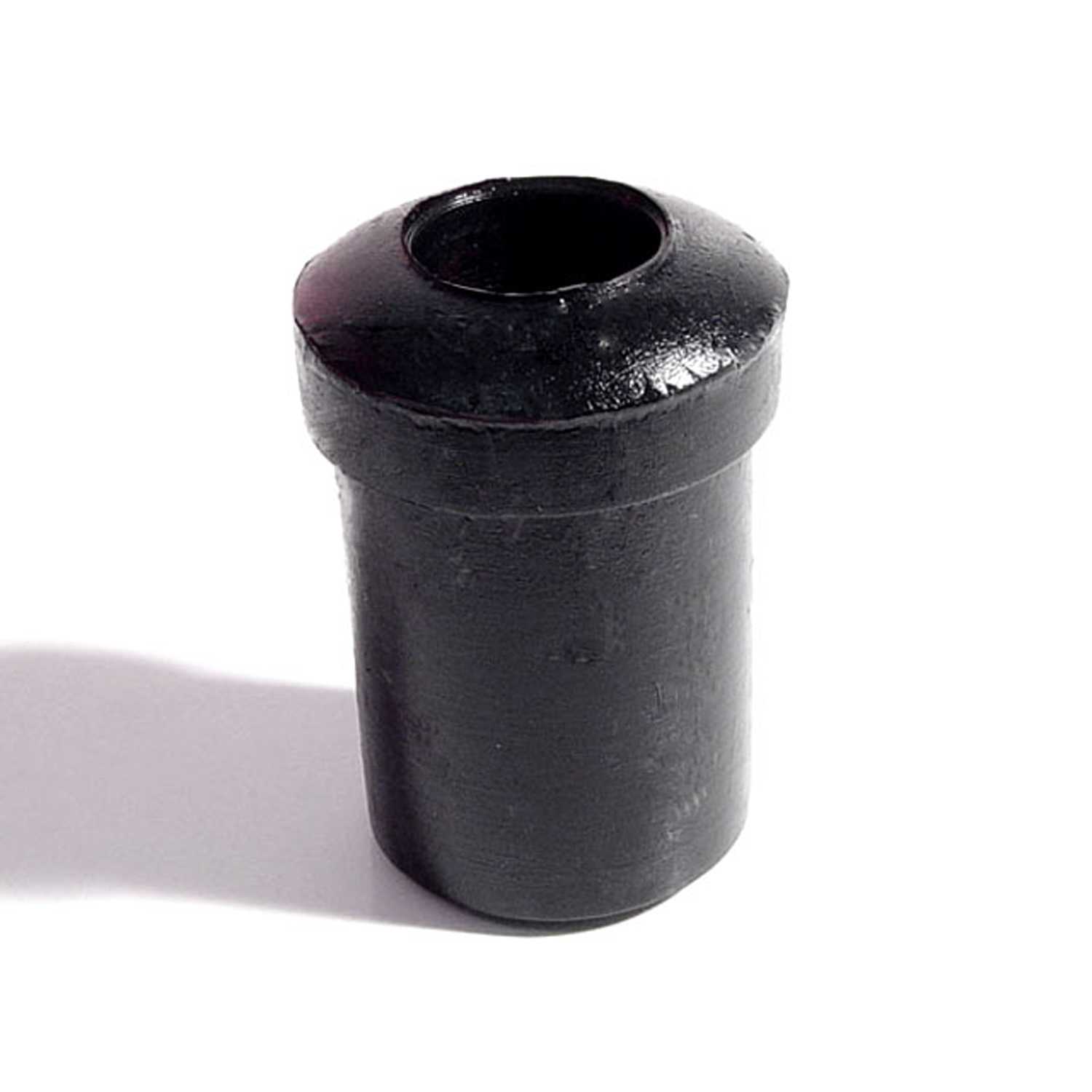 1957 Chrysler Town & Country Spring and Shackle Bushing. 1" bottom O.D-BN 20Spring and Shackle Bushing. 1" bottom O.D. X 1-5/8" high, with 9/16" I.D. Each
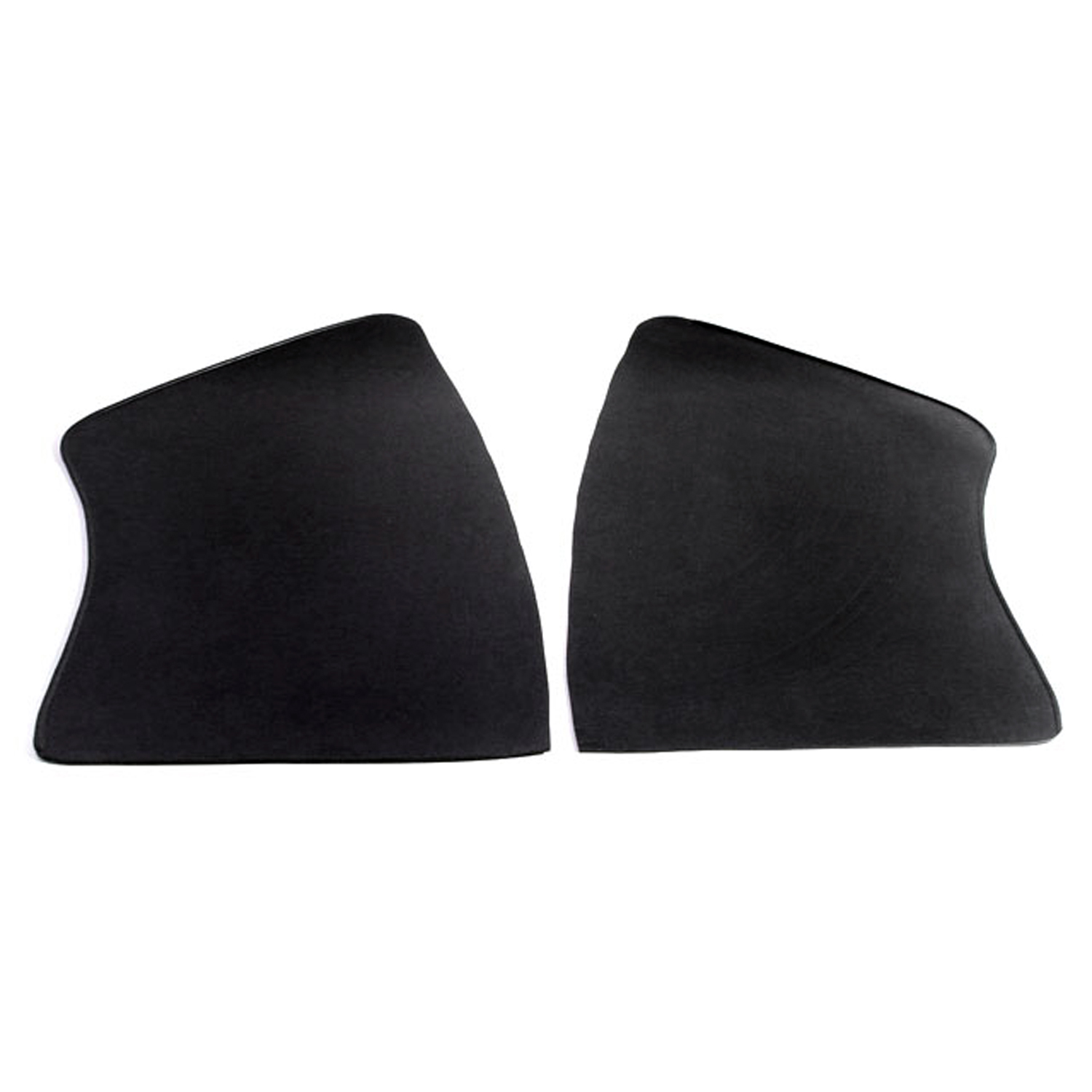 1957 Chrysler Town & Country Gravel Shields. Molded flat without metal backing plates-FS 31Gravel Shields. Molded flat without metal backing plates. Apply with contact cement. 18" long X 9-3/4" wide at bottom. Pair
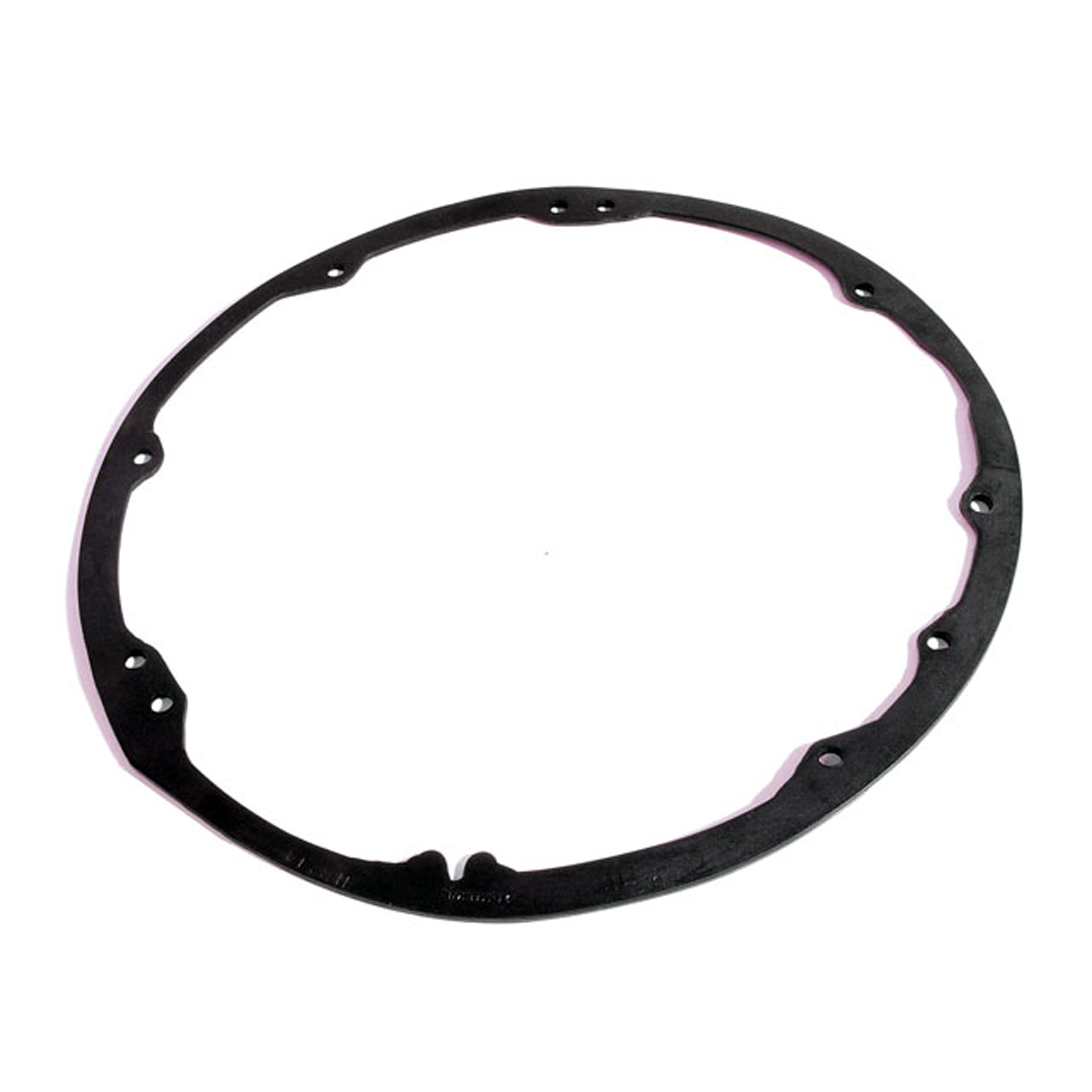 1957 Chrysler Town & Country Headlight Ring Seal. 8-3/8" O.D., 7-3/4" I.D. Pair-HR 14Headlight Ring Seal. 8-3/8" O.D., 7-3/4" I.D. Pair
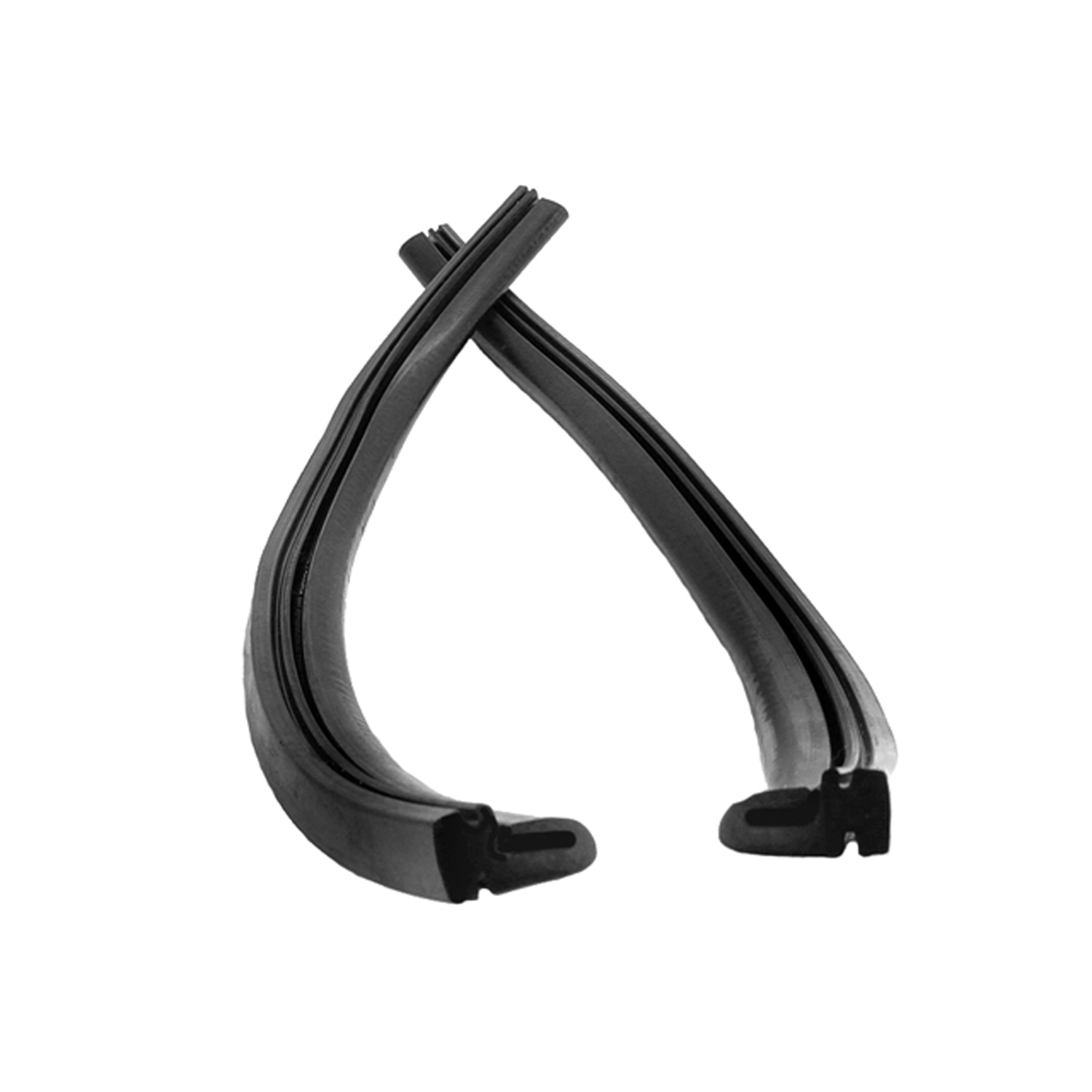 1957 Chrysler Town & Country Rear Roll-up Window Seals, for Hardtops and Convertibles-VS 7Rear Roll-up Window Seals, for Hardtops and Convertibles. For leading edge of rear quarter windows. Two pieces, 17-3/4" long. Pair
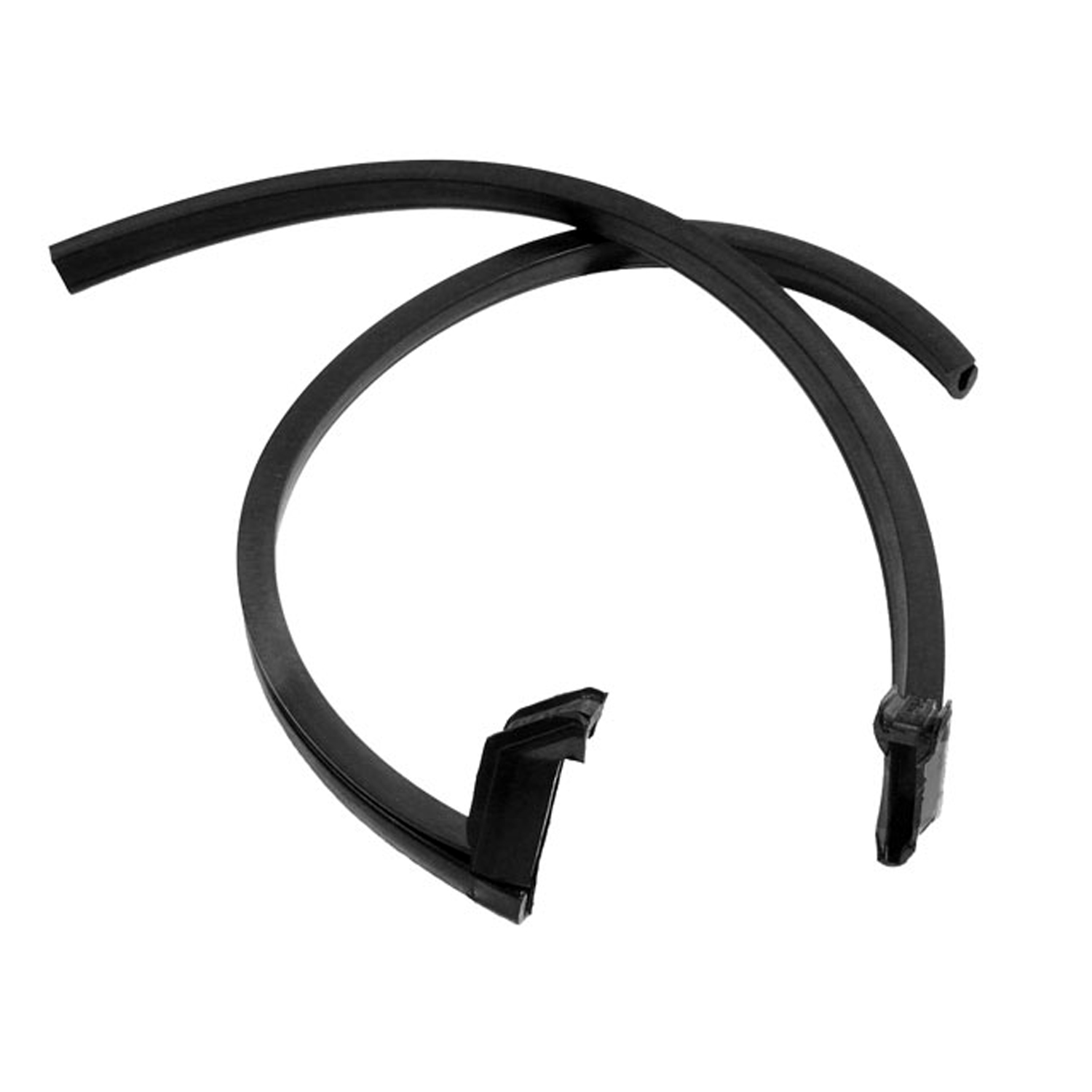 1957 Chrysler Town & Country Rear Roll-Up Window Seals-VS 7-GRear Roll-Up Window Seals. For leading edge of rear quarter window. Made with molded ends. 18-1/2" long. Pair R&L
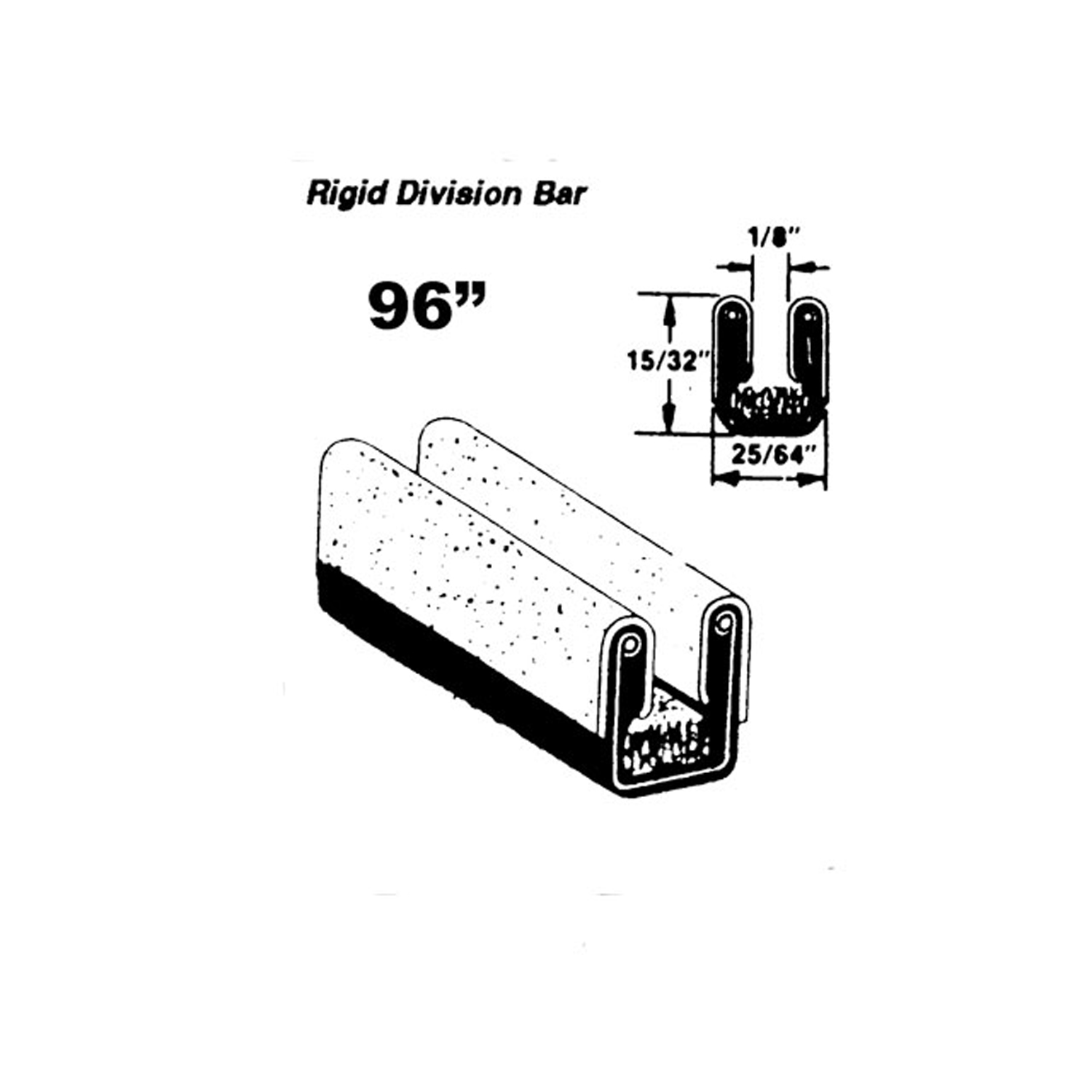 1957 Chrysler Town & Country Rigid division-bar run channel-WC 31-96Rigid division-bar run channel. Made with very soft felt lining. Used on front and rear door side windows. 96 in. long. Each. NOTE: $20 special shipping charge applies for domestic orders. Call or email for overseas shipping costs. Part can be sectioned in two or three equal lengths to reduce overseas shipping costs.
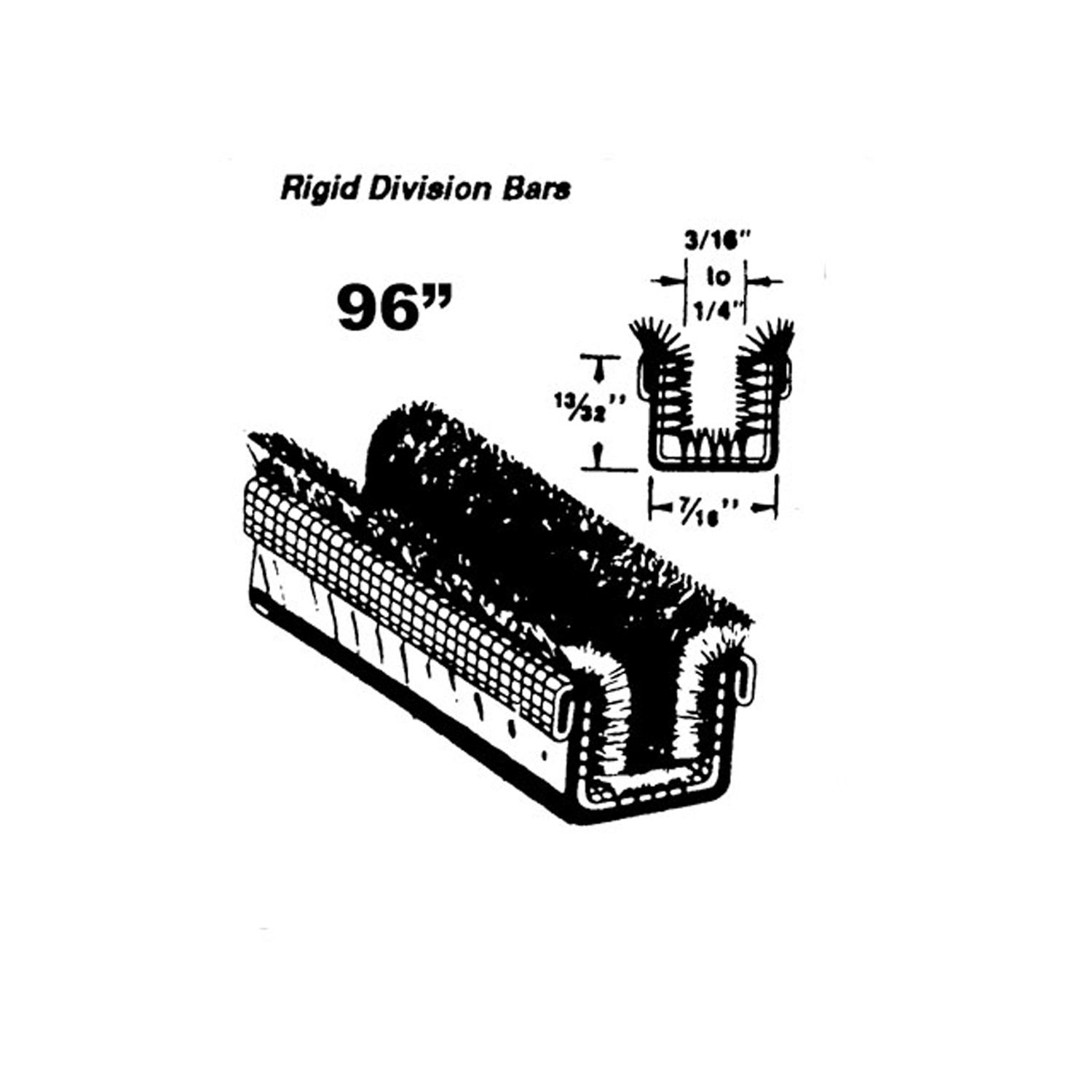 1957 Chrysler Town & Country Rigid division-bar channel. Unbeaded. 96 in. long. Each-WC 41-96Rigid division-bar channel. Unbeaded. 96 in. long. Each. NOTE: $20 special shipping charge applies for domestic orders. Call or email for overseas shipping costs. Part can be sectioned in two or three equal lengths to reduce overseas shipping costs.
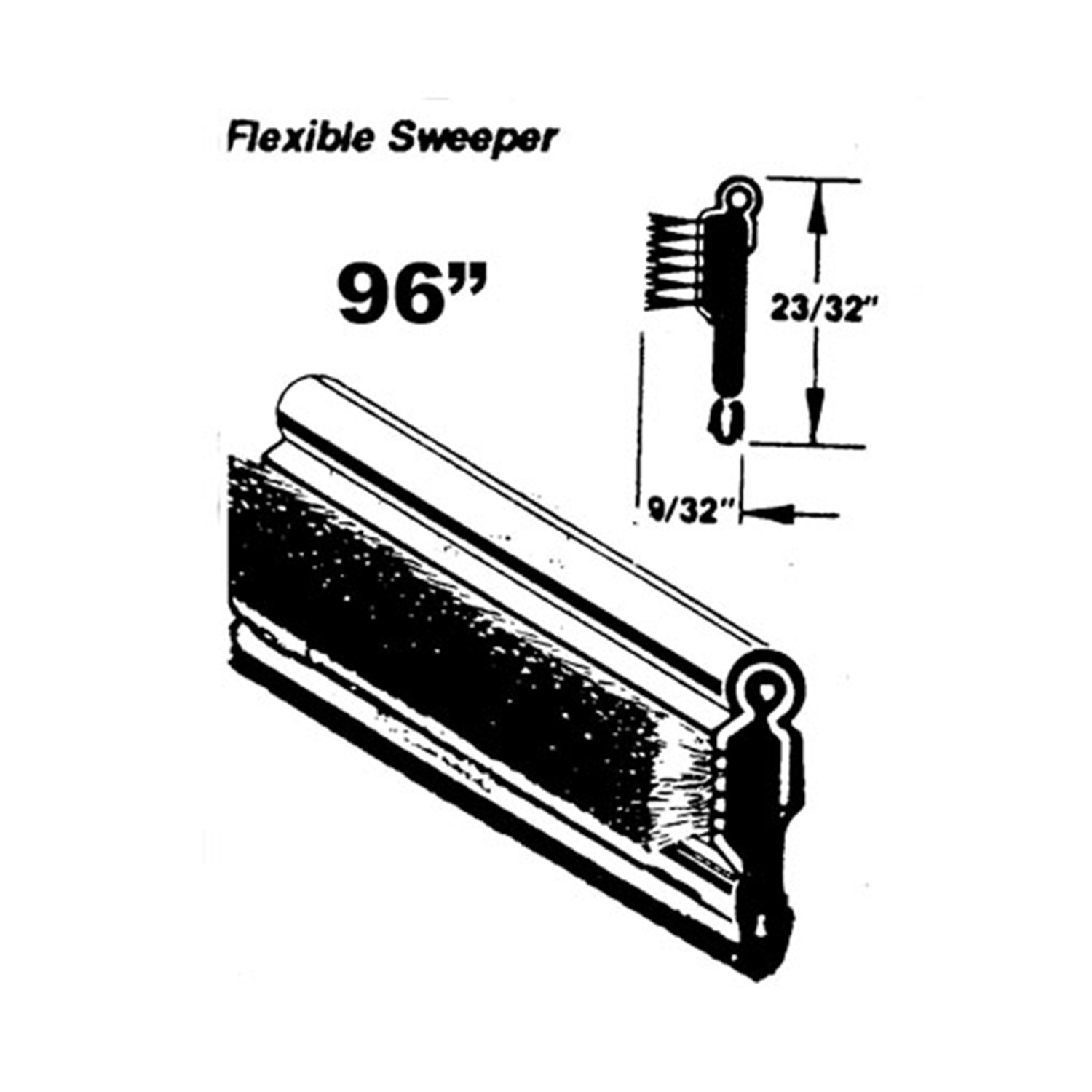 1957 Chrysler Town & Country Flexible window sweeper. Made with stainless steel bead-WC 4-96Flexible window sweeper. Made with stainless steel bead. 96 in. long. Each. NOTE: $20 special shipping charge applies for domestic orders. Call or email for overseas shipping costs. Part can be sectioned in two or three equal lengths to reduce overseas shipping costs.
Why Choose Metro?
For over 100 years, Metro Moulded Parts has been the pinnacle of quality in classic car restoration parts. Our commitment to precision and authenticity in every component ensures a perfect fit and an OEM-level appearance.
- Expert Craftsmanship & Quality: Each part is a testament to our dedication to reliability and perfection, crafted from original designs and thoroughly tested.
- Advanced Technology: We use cutting-edge techniques to create flawless, long-lasting parts that surpass others in performance.
- SuperSoft Sponge – The Ultimate Door Seal: Not only are our door seals 30% softer than competitors', but they're also guaranteed to never leak. They effectively reduce wind and road noise, enhancing your classic car's comfort and driving experience.
- Proudly American: Our parts are a product of American craftsmanship, made in the USA with a spirit of excellence and heritage.
- Unrivaled Warranty: We back our products with a 30-year industry-leading warranty, a testament to our confidence in their quality.
Join us in preserving the legacy of classic cars with parts that are crafted for perfection, not just made.