

Image of 1958 Chrysler 300, Note: These illustrations use artistic license and may differ from actual historical models.
Performance Metrics
Fundamental Metrics
Emotional Appeal
MMP Rating
| Engine Specifications | |
|---|---|
| Engine: | 392 Hemi V8 |
| Displacement: | 392 cubic inches (6.4 liters) |
| Horsepower: | 375-390 hp |
| Torque: | 420-435 lb-ft |
| Compression Ratio: | 10.0:1 |
| Ignition System: | Conventional points ignition system |
| Cooling System: | Liquid-cooled |
| Performance Specifications | |
| 0-60 Time: | 7.5 seconds |
| 1/4 Mile Time: | 15.8 seconds |
| Top Speed: | 130 mph |
| Transmission and Drive | |
| Drive Type: | Rear-wheel drive |
| Transmission Type: | 3-speed TorqueFlite automatic transmission |
| Fuel and Efficiency | |
| Fuel System Type: | Dual 4-barrel carburetors |
| MPG: | Estimated 10-12 mpg |
| Dimensions and Brakes | |
| Brakes: | Drum brakes |
| Wheelbase: | 126 inches |
| Weight: | 4,300 lbs |
Note: Specifications for classic cars are given to the best of our ability, considering the limited and variant data available.
1958 Chrysler 300D: The Forward-Look Performance Flagship
The 1958 Chrysler 300D combined the presence of a luxury car with the muscle of a serious high-performance machine. Built by the Chrysler Corporation as the fourth model in its celebrated “Letter Series,” the 300D was a limited-production, two-door grand tourer powered by a formidable 392-cubic-inch Hemi V8. It arrived during a period when Detroit automakers were competing to make cars lower, longer, more powerful, and more visually dramatic.
Its timing was challenging. The 1958 recession dampened demand for expensive cars, and the 300D’s production remained low. Yet the model made history for a reason beyond its rarity: it offered an early electronic fuel-injection system, an ambitious technology that proved ahead of its time. The system was soon withdrawn, but it gave the 300D a remarkable place in the story of automotive engineering.
Forward-Look Styling and a Luxury Cabin
The 300D wore the unmistakable design language of Chrysler’s Forward Look, developed under design chief Virgil Exner. Its long hood, low roofline, broad body, and rear fins gave it a dramatic, almost aircraft-inspired profile. A wide grille and dual headlamps emphasized the car’s imposing front end, while bright trim and carefully sculpted body sides added the polish expected of Chrysler’s flagship performance model.
Inside, the 300D paired its sporting character with upscale materials and equipment. The two-door cabin featured front bucket seats, a center console, and leather upholstery, along with a full complement of instruments suited to a driver-focused car. The layout felt more purposeful than that of an ordinary family Chrysler, but it remained comfortable enough for long-distance touring.
Buyers could choose from a range of period Chrysler colors, including dark and light finishes, metallic shades, and brighter hues. Exact availability depended on the model year’s paint selections and special-order choices. The most striking cars today are often those in vivid original colors, though well-preserved black, white, and silver examples also have strong appeal.
The 300D came in two body styles: a two-door hardtop coupe and a convertible. The hardtop is the more commonly encountered version, while the open-top model is especially desirable because of its lower production and classic grand-touring appeal. Both used the same basic high-performance formula, with a powerful V8, automatic transmission, and a chassis designed for fast travel.
392 Hemi Power and Early Electronic Fuel Injection
At the heart of the 300D was Chrysler’s 392-cubic-inch FirePower Hemi V8. In standard form, it was rated at 380 horsepower. A rare Bendix Electrojector electronic fuel-injection option was advertised at 390 horsepower, making it one of the earliest electronic fuel-injection systems offered on a production automobile.
The system was innovative but troublesome. Its early electronics could be unreliable, particularly in cold weather, and many fuel-injected cars were converted to carburetors under a factory service campaign. Contemporary accounts commonly put the number of originally fuel-injected 300Ds at about 16, although figures can vary. That short-lived option is now one of the model’s most intriguing features, but buyers should verify the authenticity and condition of any car represented as an original fuel-injection example.
Most 300Ds were equipped with Chrysler’s three-speed TorqueFlite automatic transmission. Power steering and power brakes helped make the large car easier to manage, while Chrysler’s torsion-bar front suspension, marketed as Torsion-Aire, was a notable engineering feature. The suspension gave the car a more controlled feel than the soft, floaty ride associated with many big American cars of the era.
Why the 300D Mattered
The 300D was part of the high-performance luxury tradition that Chrysler had begun with the original 1955 300. Rather than building a stripped-down race special, Chrysler created a powerful, well-equipped road car with the refinement to cross states in comfort. That blend helped establish the Letter Series as a distinct kind of American performance car: fast, expensive, exclusive, and suitable for everyday road use.
Its influence was also visible in its styling. The 300D’s low stance and dramatic fins captured the era’s fascination with futuristic design, while its Hemi power reinforced Chrysler’s performance credentials. The car stood apart from many contemporaries by offering genuine high-output engineering in a luxurious package, rather than relying on appearance alone.
The model’s electronic fuel-injection experiment is an important part of its legacy. Although the technology was not ready for dependable mass-market use in 1958, it anticipated systems that would become commonplace decades later. The 300D was not the final answer to electronic engine management, but it was an unusually bold early step.
How the 300D Drives
Period performance figures vary with gearing, body style, equipment, and test conditions. A healthy 300D can reach 60 mph in roughly 7.5 to 8 seconds, with a top speed in the neighborhood of 125 to 130 mph. These are estimates rather than guarantees for any particular surviving car, especially one that may have decades-old mechanical components or non-original modifications.
On the road, the 392 Hemi delivers a deep, authoritative V8 sound and strong acceleration. The TorqueFlite automatic makes power delivery smooth, and the engine’s abundant torque means the car can gather speed without constant gear changes. Its size is always apparent, but power steering makes low-speed maneuvering manageable.
The Torsion-Aire front suspension helps the 300D feel composed over ordinary road imperfections, though its long wheelbase and substantial weight are no substitute for modern handling. On a winding road, the car is best enjoyed as a fast grand tourer, not a nimble sports coupe. In crosswinds or on rough pavement, the driver feels the car’s broad body and period chassis. The overall experience is one of effortless momentum: a big, quiet ride when cruising, with a forceful Hemi soundtrack when the throttle goes down.
Living with a 1958 Chrysler 300D
Today, a 300D is more commonly used as a show car, weekend cruiser, or vintage touring car than as a daily driver. Its size, fuel consumption, age, and the value of well-preserved examples make regular commuting less practical. For owners who enjoy historic road events, however, the car’s comfortable cabin and powerful engine make it an appealing long-distance companion.
Routine maintenance is straightforward for a classic-car specialist familiar with Chrysler V8s, but some repairs require patience. The 392 Hemi is mechanically robust when properly maintained, yet engine parts, trim, and model-specific components can be costly or difficult to locate. Cars with original fuel-injection equipment need particular attention because the Bendix system is complex and may require specialist knowledge. Most owners will find a carbureted example easier to service and keep on the road.
Before buying, inspect the body and frame carefully for corrosion, check the engine and transmission for leaks or poor operation, and confirm that the electrical system has been repaired correctly. A car with documented restoration work and a clear history is generally a safer choice than one that looks shiny but has hidden structural or mechanical problems.
Rare Details, Records, and Common Criticisms
The 300D’s best-known bit of trivia is its optional Electrojector system. It was an extraordinarily advanced feature for 1958, but its short service life made surviving, properly documented examples especially interesting to collectors. The car was also part of Chrysler’s broader performance campaign in the 1950s, when the 300 Letter Series helped build the company’s reputation for combining speed with luxury.
Production is generally estimated at about 809 cars in total, comprising roughly 618 hardtops and 191 convertibles. Those figures make the 300D genuinely scarce, particularly when compared with mass-produced full-size cars of the period. The exact number of surviving cars is unknown.
Its drawbacks are familiar to anyone considering a large 1950s performance car: high fuel consumption, limited maneuverability, costly restoration, and the occasional challenge of finding correct parts. Some observers also find the prominent fins and heavy chrome more flamboyant than elegant. For enthusiasts, though, that boldness is part of the car’s appeal.
1958 Chrysler 300D Collector Values
Values depend heavily on body style, originality, restoration quality, documentation, and mechanical condition. As a broad U.S. market estimate, a project or rough driver might fall around $40,000 to $70,000. A solid, usable hardtop may bring approximately $70,000 to $130,000, while an exceptional, correctly restored example can reach $150,000 or more.
Convertibles typically command a significant premium. Depending on condition and provenance, a good example could be valued roughly between $125,000 and $250,000, with outstanding cars potentially exceeding that range. An authentic, documented fuel-injection car may attract additional interest, but the premium depends on whether the system is complete, correctly identified, and valued by the buyer.
The market for significant American classics has fluctuated, and the 300D is not immune to broader collector-car trends. Its low production, Hemi engine, and historical technology give it lasting appeal, supporting a generally strong long-term position. Prices can still vary widely, so buyers should compare recent sales of similarly equipped cars rather than rely on a single headline auction result.
A Lasting Hemi-Era Statement
The 1958 Chrysler 300D brought together a 392 Hemi, bold Forward Look styling, refined road manners, and technology that was years ahead of its time. It was too expensive and specialized to become a common sight, but its scarcity helped preserve its mystique. More than a finned relic, the 300D remains a vivid example of Chrysler’s ambition in the 1950s: a luxury car built to travel fast, look unmistakable, and make every mile feel like an occasion.
1958 Chrysler 300 Catalog of Parts
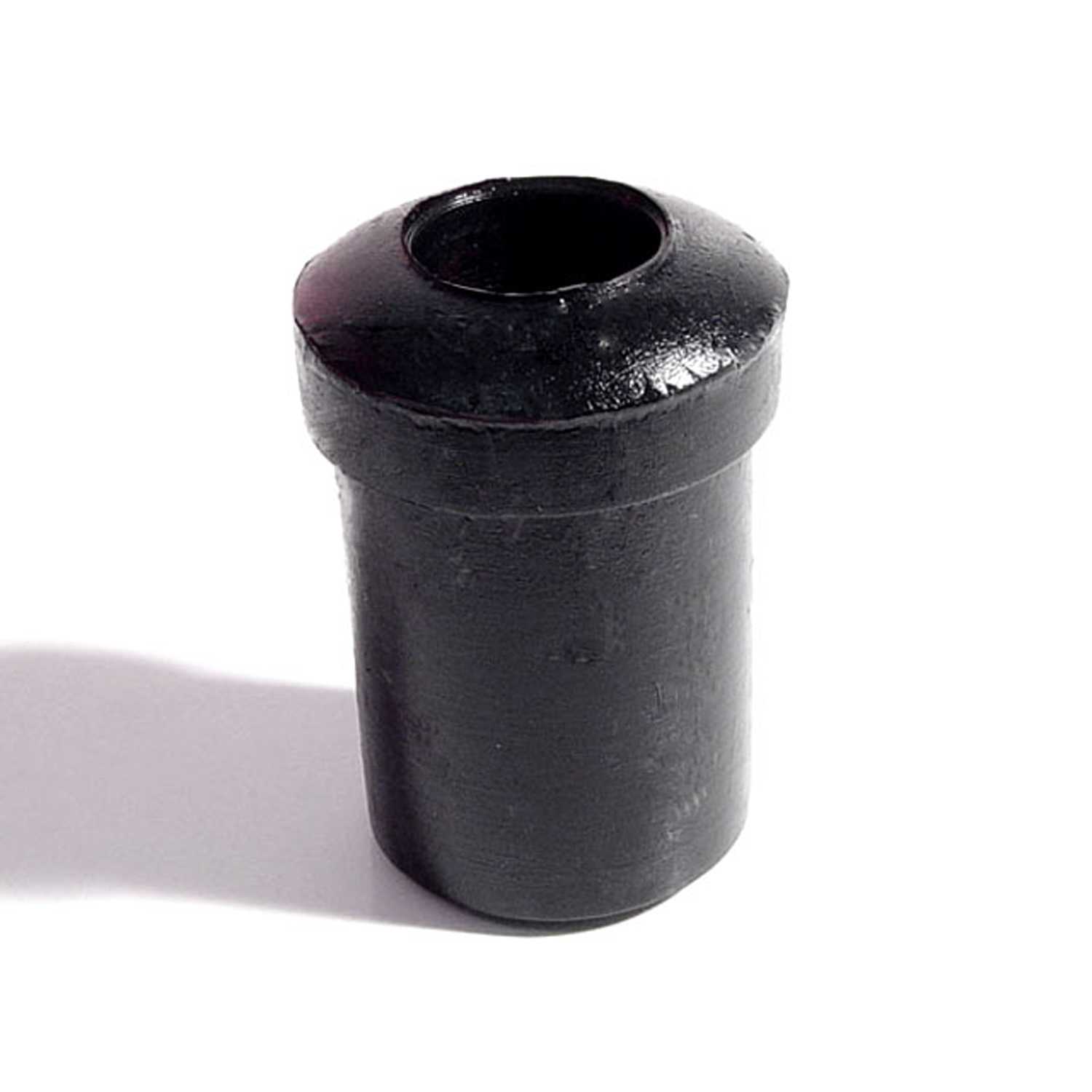 1958 Chrysler 300 Spring and Shackle Bushing. 1" bottom O.D-BN 20Spring and Shackle Bushing. 1" bottom O.D. X 1-5/8" high, with 9/16" I.D. Each
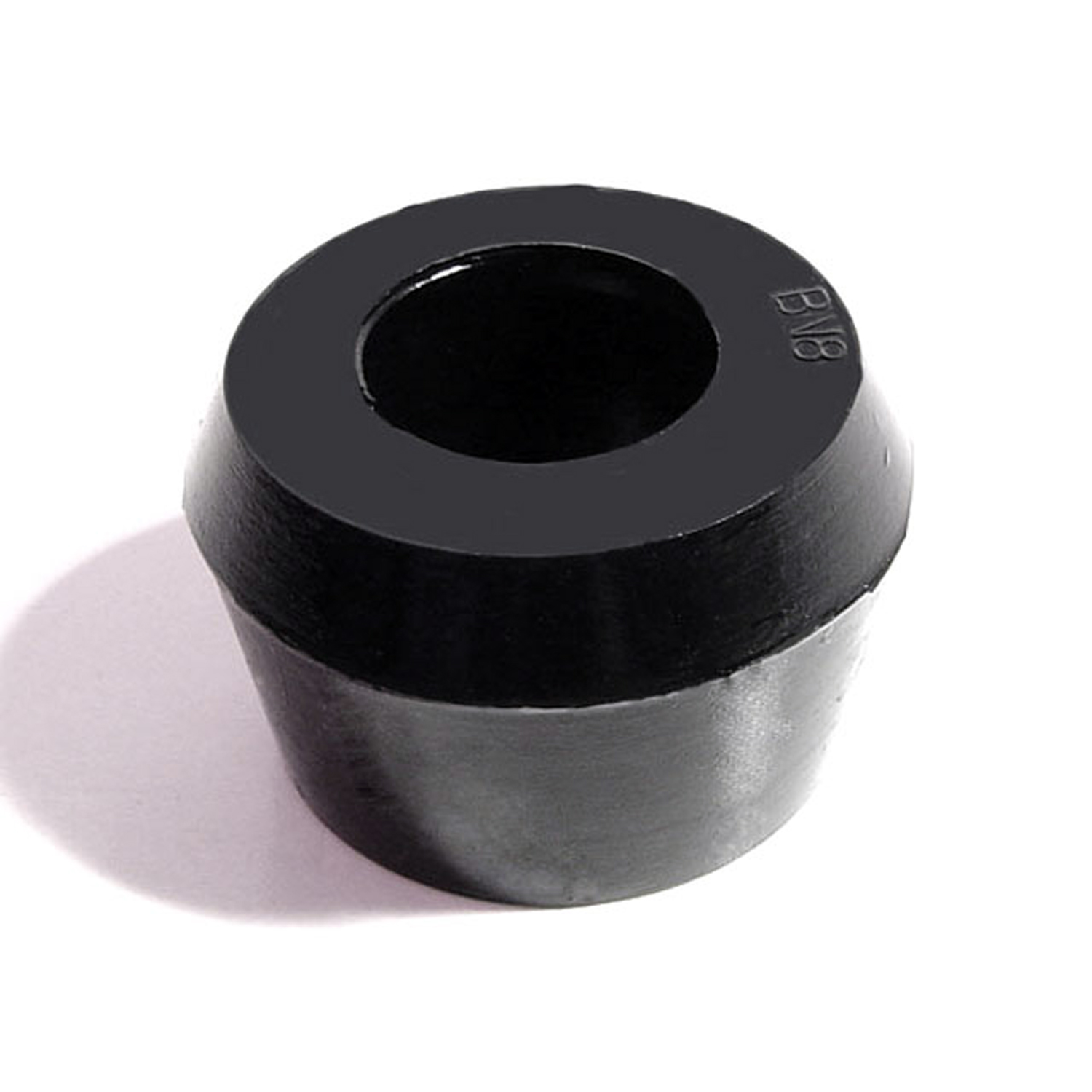 1958 Chrysler 300 Shock Absorber Grommet. 1-1/4" bottom O.D-BN 8Shock Absorber Grommet. 1-1/4" bottom O.D., 1" high, with 3/4" I.D. Each
 1958 Chrysler 300 Gravel Shields. Molded flat without metal backing plates-FS 31Gravel Shields. Molded flat without metal backing plates. Apply with contact cement. 18" long X 9-3/4" wide at bottom. Pair
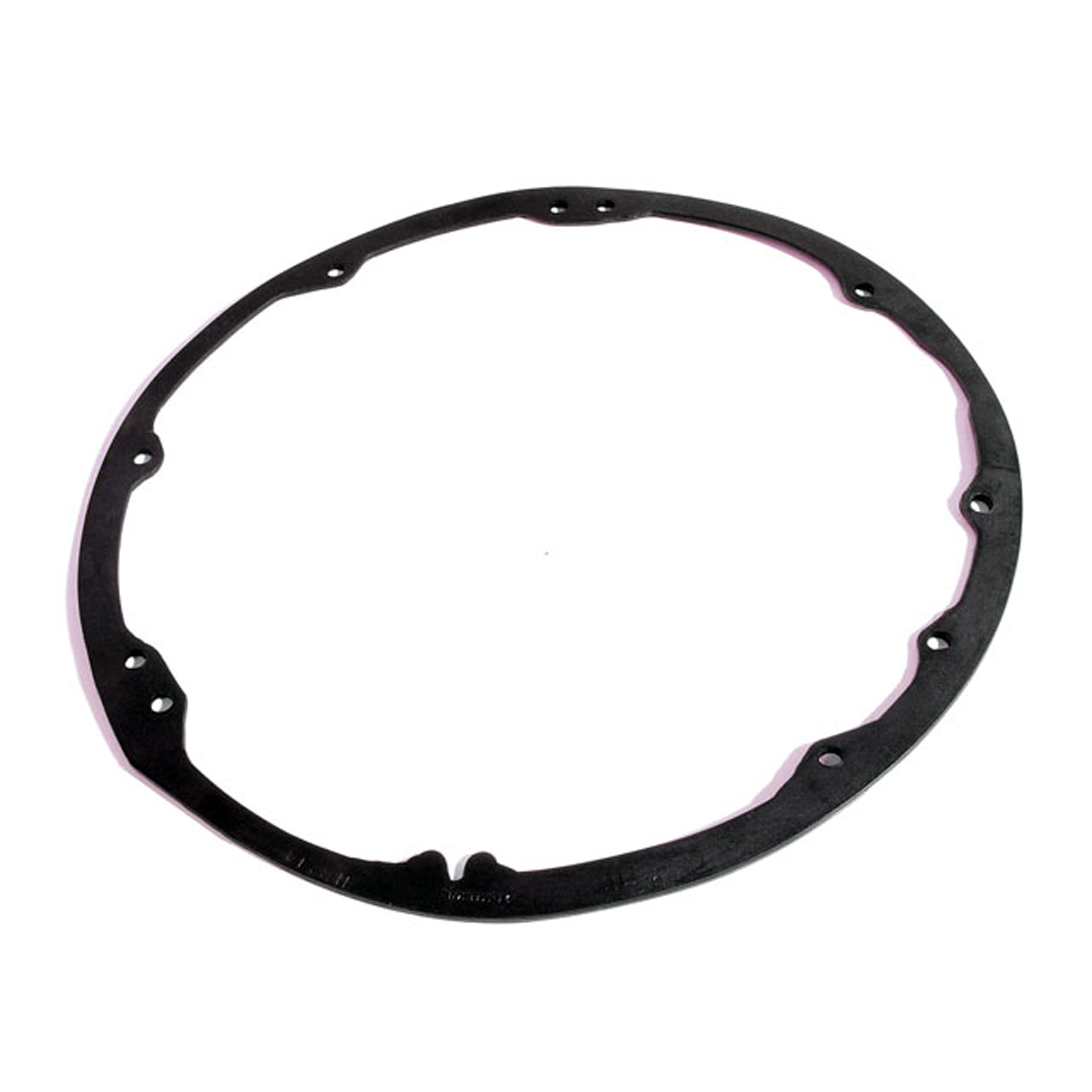 1958 Chrysler 300 Headlight Ring Seal. 8-3/8" O.D., 7-3/4" I.D. Pair-HR 14Headlight Ring Seal. 8-3/8" O.D., 7-3/4" I.D. Pair
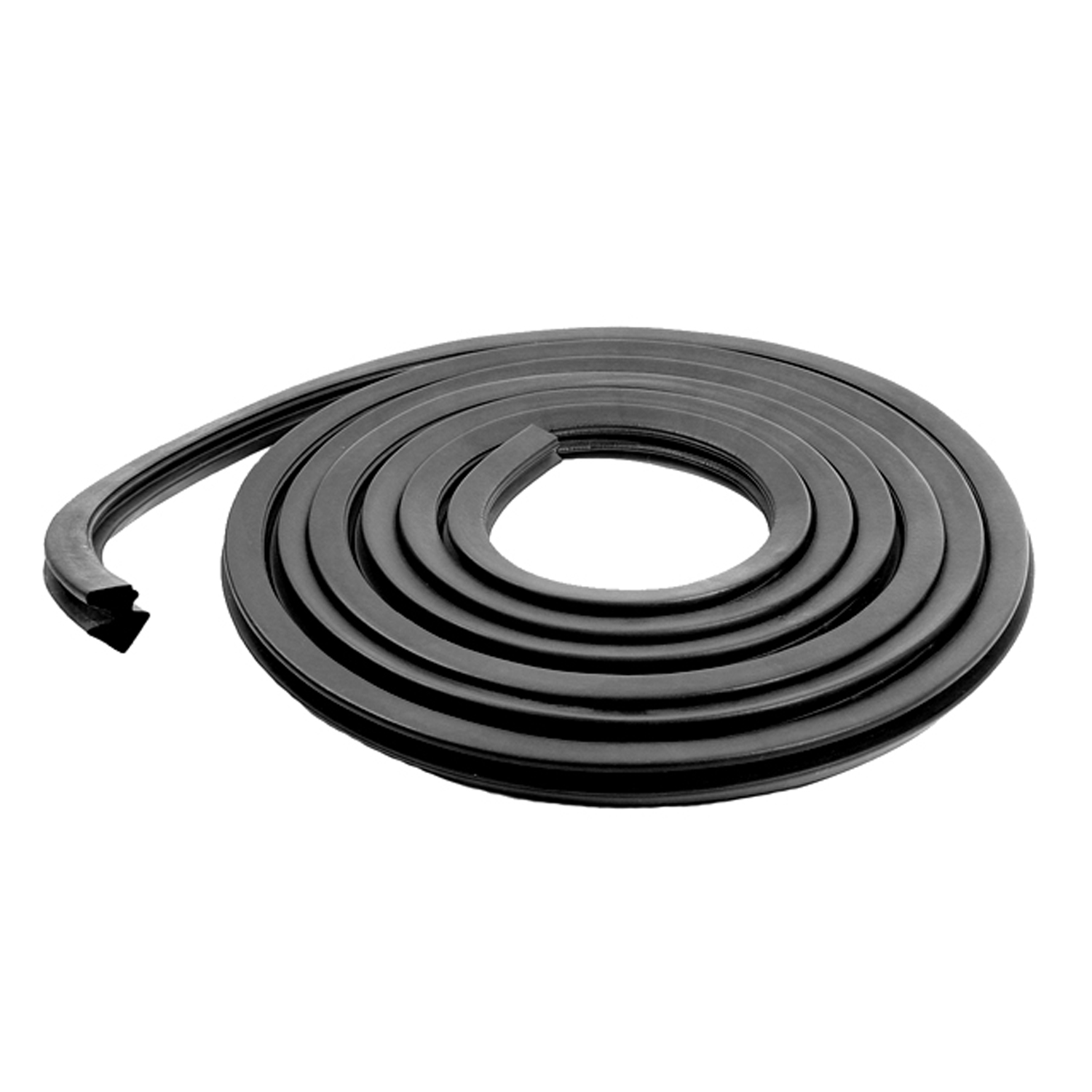 1958 Chrysler 300 Trunk Seal. Each-TK 64-17Trunk Seal. Each
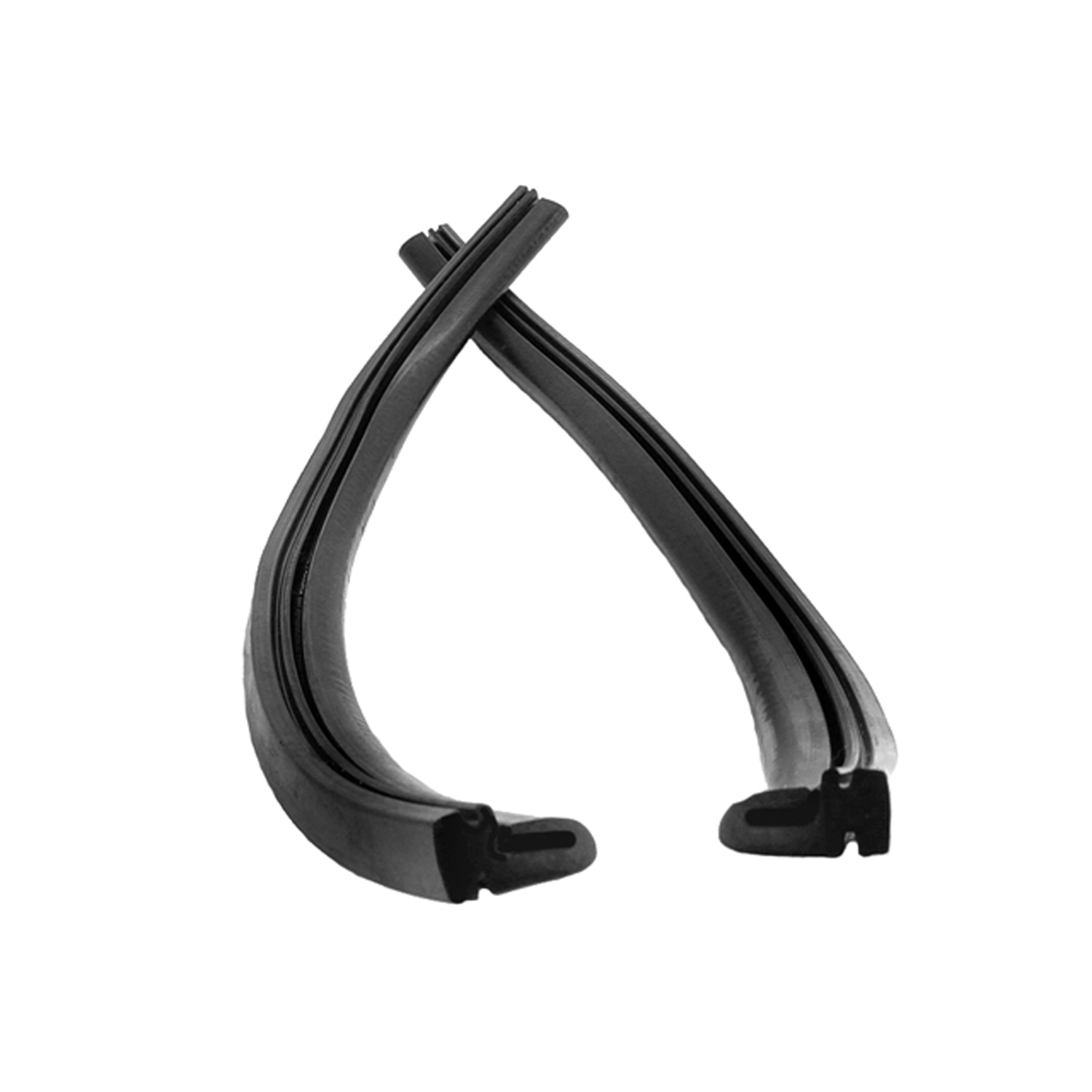 1958 Chrysler 300 Rear Roll-up Window Seals, for Hardtops and Convertibles-VS 7Rear Roll-up Window Seals, for Hardtops and Convertibles. For leading edge of rear quarter windows. Two pieces, 17-3/4" long. Pair
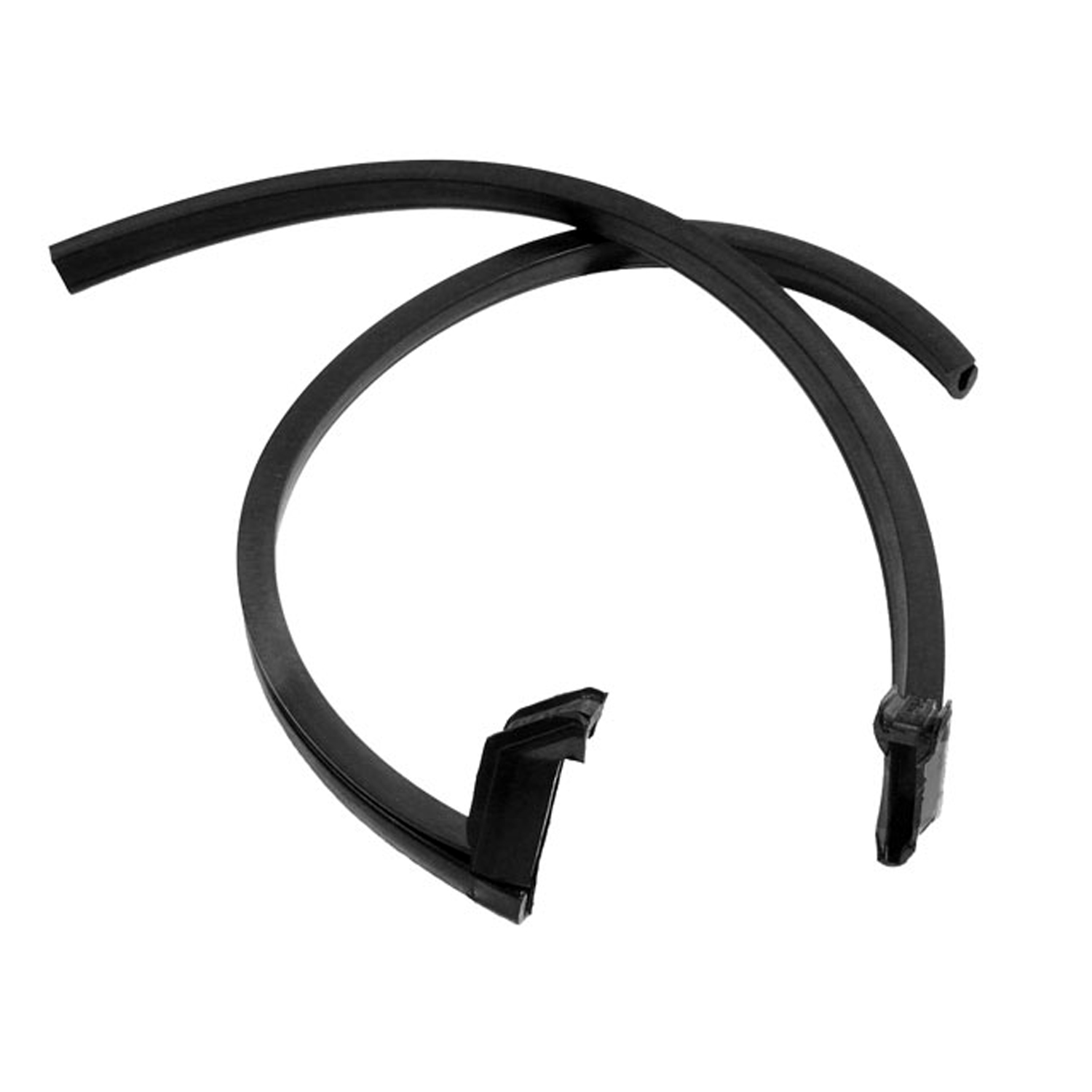 1958 Chrysler 300 Rear Roll-Up Window Seals-VS 7-GRear Roll-Up Window Seals. For leading edge of rear quarter window. Made with molded ends. 18-1/2" long. Pair R&L
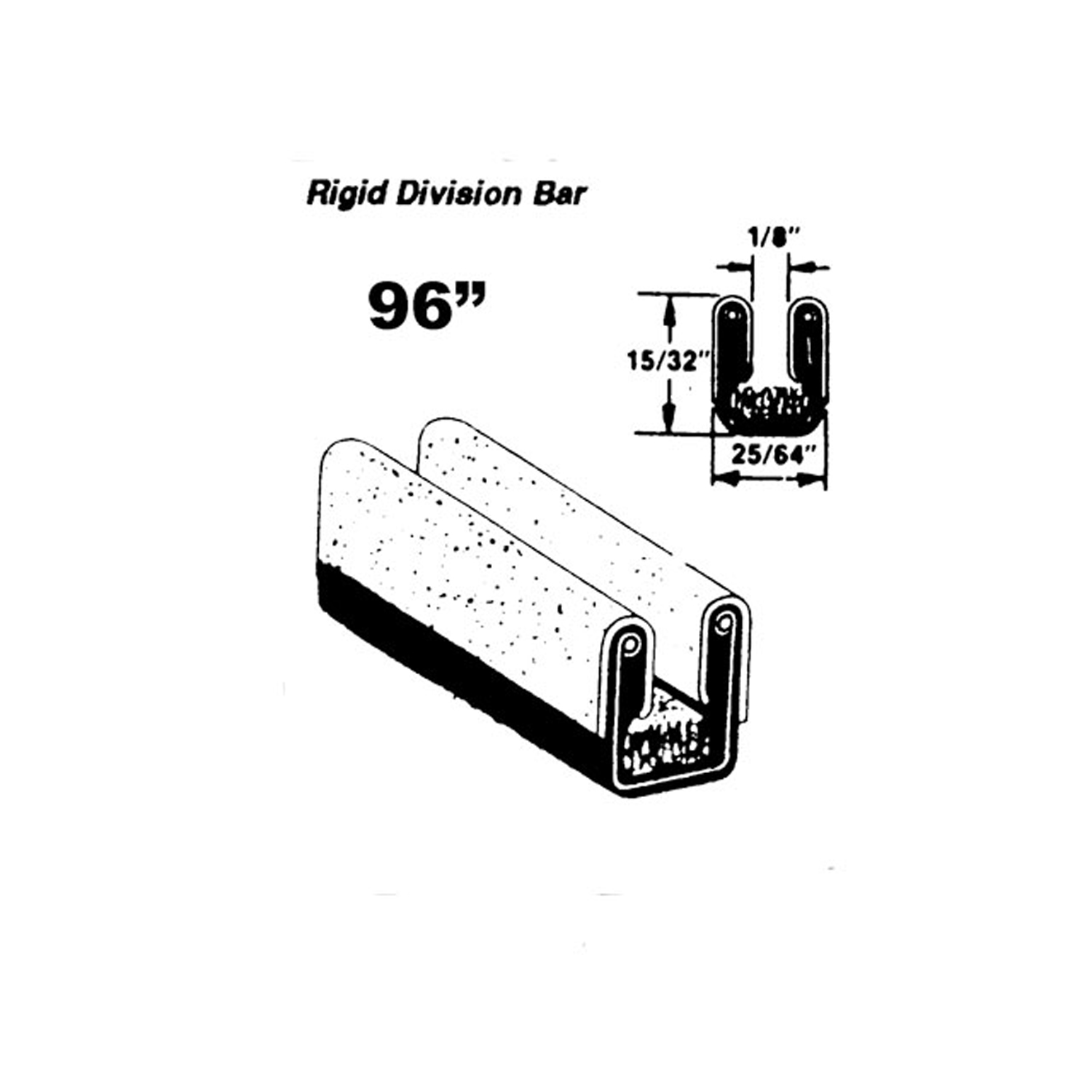 1958 Chrysler 300 Rigid division-bar run channel-WC 31-96Rigid division-bar run channel. Made with very soft felt lining. Used on front and rear door side windows. 96 in. long. Each. NOTE: $20 special shipping charge applies for domestic orders. Call or email for overseas shipping costs. Part can be sectioned in two or three equal lengths to reduce overseas shipping costs.
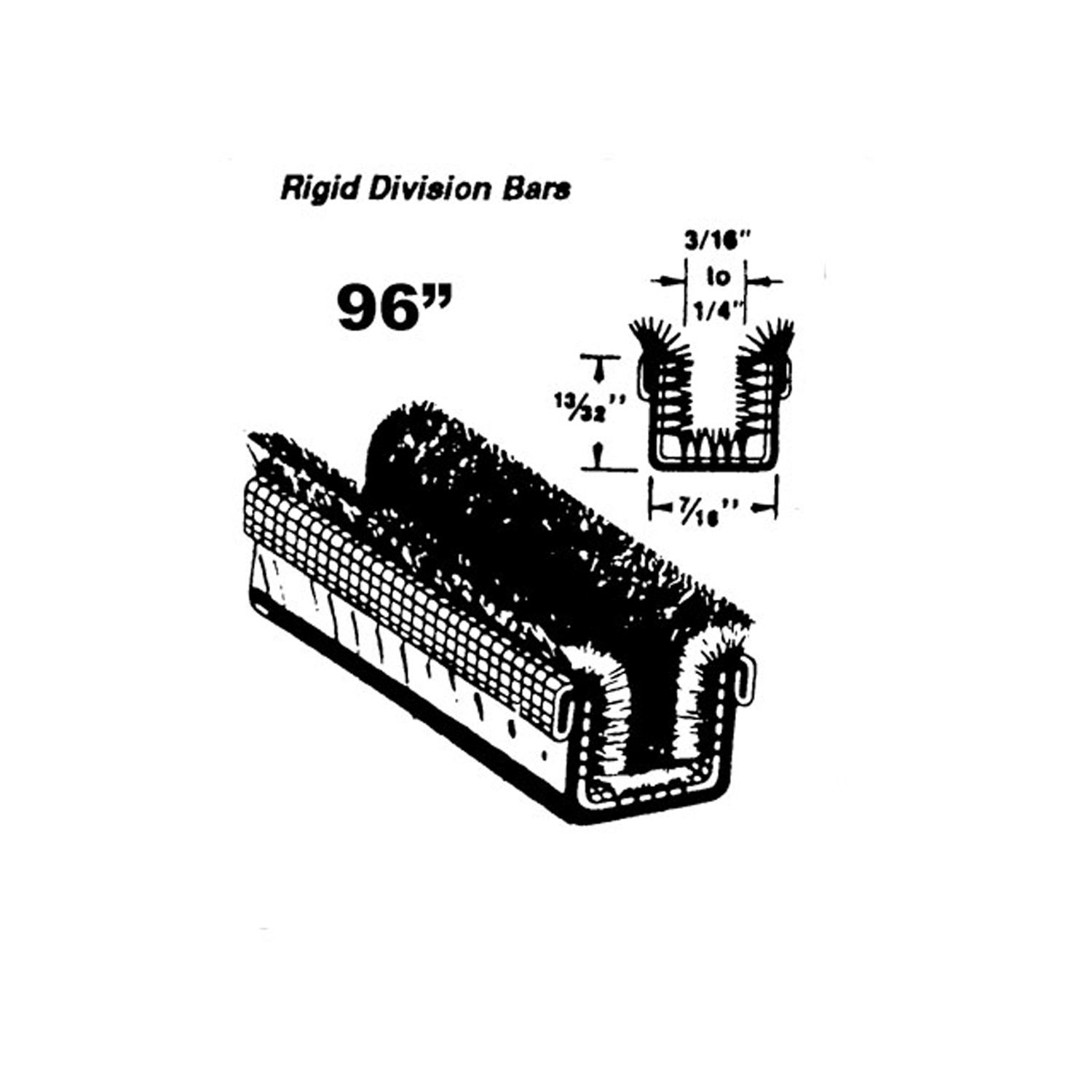 1958 Chrysler 300 Rigid division-bar channel. Unbeaded. 96 in. long. Each-WC 41-96Rigid division-bar channel. Unbeaded. 96 in. long. Each. NOTE: $20 special shipping charge applies for domestic orders. Call or email for overseas shipping costs. Part can be sectioned in two or three equal lengths to reduce overseas shipping costs.
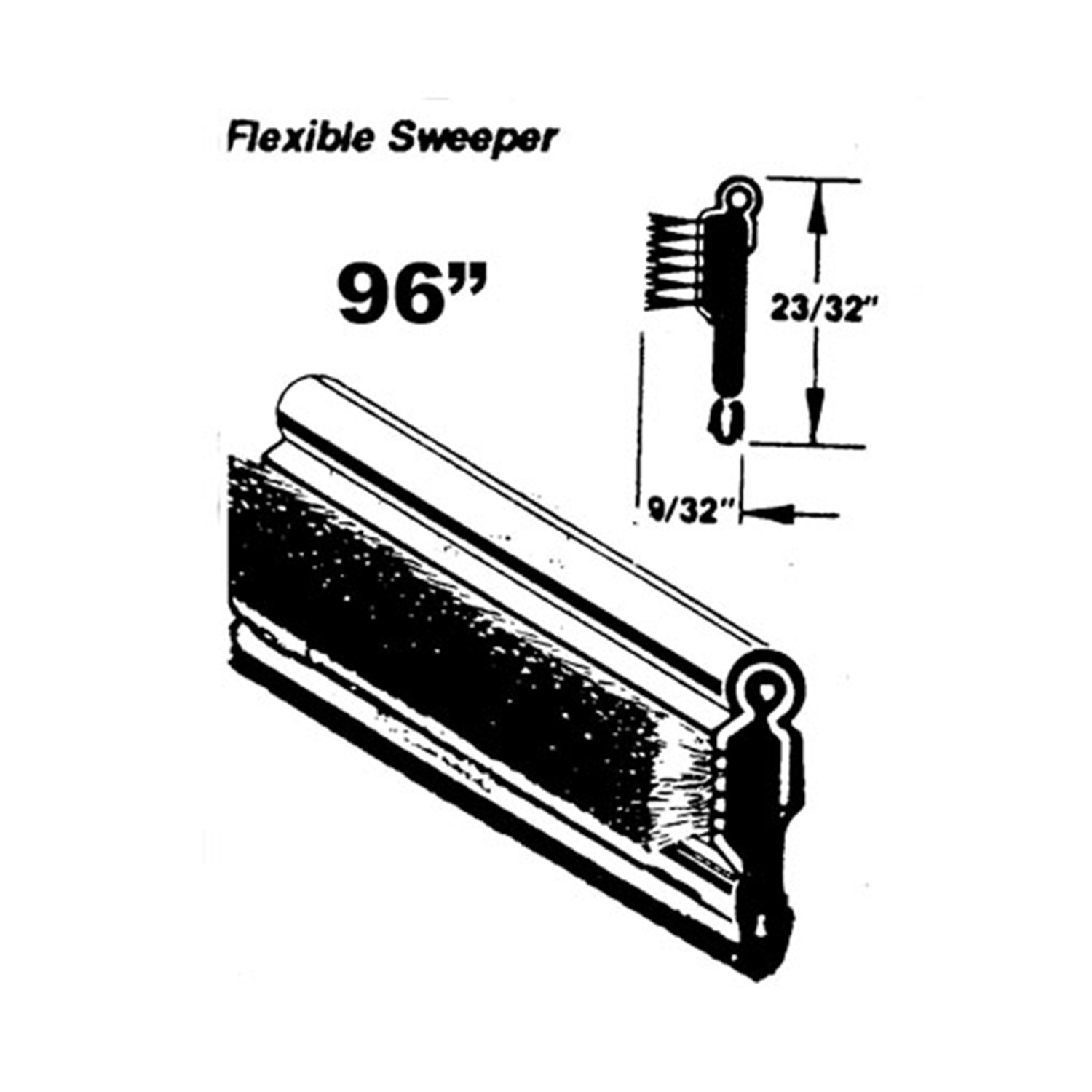 1958 Chrysler 300 Flexible window sweeper. Made with stainless steel bead-WC 4-96Flexible window sweeper. Made with stainless steel bead. 96 in. long. Each. NOTE: $20 special shipping charge applies for domestic orders. Call or email for overseas shipping costs. Part can be sectioned in two or three equal lengths to reduce overseas shipping costs.
Why Choose Metro?
For over 100 years, Metro Moulded Parts has been the pinnacle of quality in classic car restoration parts. Our commitment to precision and authenticity in every component ensures a perfect fit and an OEM-level appearance.
- Expert Craftsmanship & Quality: Each part is a testament to our dedication to reliability and perfection, crafted from original designs and thoroughly tested.
- Advanced Technology: We use cutting-edge techniques to create flawless, long-lasting parts that surpass others in performance.
- SuperSoft Sponge – The Ultimate Door Seal: Not only are our door seals 30% softer than competitors', but they're also guaranteed to never leak. They effectively reduce wind and road noise, enhancing your classic car's comfort and driving experience.
- Proudly American: Our parts are a product of American craftsmanship, made in the USA with a spirit of excellence and heritage.
- Unrivaled Warranty: We back our products with a 30-year industry-leading warranty, a testament to our confidence in their quality.
Join us in preserving the legacy of classic cars with parts that are crafted for perfection, not just made.