

Image of 1958 Chrysler New Yorker, Note: These illustrations use artistic license and may differ from actual historical models.
Performance Metrics
Fundamental Metrics
Emotional Appeal
MMP Rating
| Engine Specifications | |
|---|---|
| Engine Options: | 392 cu in (6.4 L) FirePower V8 |
| Displacement Range: | 392 cu in (6.4 L) |
| Horsepower Range: | 325-345 hp |
| Torque: | 435 lb-ft |
| Compression Ratio: | 10.0:1 |
| Ignition System: | Conventional coil and distributor |
| Cooling System: | Liquid-cooled |
| Performance Specifications | |
| 0-60 Time: | Estimated 9.8 seconds |
| 1/4 Mile Time: | Estimated 17.5 seconds |
| Top Speed: | 125 mph |
| Transmission and Drive | |
| Drive Type: | Rear-wheel drive |
| Transmission Type: | 3-speed TorqueFlite automatic |
| Fuel and Efficiency | |
| Fuel System Type: | 4-barrel carburetor |
| MPG: | Estimated 10-12 mpg |
| Dimensions and Brakes | |
| Brakes: | Power-assisted drum brakes |
| Wheelbase: | 126.0 in |
| Weight: | 4,485 lbs |
Note: Specifications for classic cars are given to the best of our ability, considering the limited and variant data available.
1958 Chrysler New Yorker: A Forward Look Flagship
The 1958 Chrysler New Yorker arrived with the confidence of a car built to make an entrance: long, low, richly detailed, and powered by one of the last great Chrysler FirePower Hemi V8s. Manufactured by the Chrysler Corporation in Detroit, it sat near the top of the brand’s lineup, offering luxury-car comfort with serious performance.
Its design belonged to Chrysler’s “Forward Look” era, led by chief stylist Virgil Exner. The bold styling helped redefine the American automobile in the late 1950s, when dramatic fins and sleek profiles were shorthand for modernity. The timing was challenging, however. The 1958 recession cut into new-car sales across the industry, making the New Yorker’s confident, high-powered presence a contrast to the cautious mood of the market.
One especially notable detail is under the hood: the New Yorker’s 392-cubic-inch Hemi V8 produced a factory-rated 345 horsepower. The 1958 model year was the final year Chrysler offered its famous 392 Hemi in its regular passenger-car range, giving this New Yorker a place at the end of an important chapter in the company’s engine history.
Forward Look Styling and Cabin Comfort
The New Yorker’s exterior is unmistakably late-1950s Chrysler. Its long body, prominent front fenders, broad grille, and swept-back tailfins create a strong sense of motion even when the car is parked. Quad headlamps, where fitted, gave the front end a wide, modern appearance, while the fin-mounted taillights made the rear instantly recognizable. Bright chrome trim and sculpted side details added visual drama without hiding the car’s substantial proportions.
Inside, the New Yorker was designed as a comfortable luxury car rather than a stripped-back performance machine. Buyers could expect generous seating, an expansive dashboard, and an abundance of chrome accents. Depending on the trim and specification, upholstery came in cloth, vinyl, or leather combinations, with coordinated colors and patterned materials that made the cabin feel richly dressed. Power accessories, including power windows and seats, were available, as were conveniences such as air conditioning and a radio.
Color choices reflected the era’s taste for expressive finishes. Solid colors and two-tone combinations were available, with combinations of light and dark shades especially effective against the New Yorker’s long body and brightwork. Exact paint and upholstery offerings varied by configuration and production, but buyers could choose anything from restrained dark hues to eye-catching pastel or metallic colors.
The New Yorker was offered in several body styles, including two-door and four-door hardtops, a four-door sedan, and a convertible. The four-door hardtop delivered the open-sided look of a coupe with more passenger access, making it a particularly appealing choice for families who wanted style without giving up practicality. The convertible was the open-air standout, but it is much less common today.
Chrysler also brought meaningful engineering to the package. The New Yorker used torsion-bar front suspension, marketed as Torsion-Aire, paired with rear leaf springs. Its push-button controls for the automatic transmission were a distinctive piece of Chrysler cabin design. Power steering and power brakes were available, helping make a large car easier to manage in everyday traffic.
Why the 1958 New Yorker Matters
The New Yorker’s significance goes beyond its fins. Chrysler’s Forward Look cars helped push American styling toward lower rooflines, longer bodies, and more dramatic rear profiles. Their impact was immediate: competitors responded with increasingly expressive designs, and the late-1950s American car became a symbol of confidence, abundance, and technological ambition.
Underneath the styling, Chrysler’s torsion-bar front suspension gave the car a different character from many rivals that relied on conventional coil springs at the front. The design helped control body movement and contributed to a composed ride. The push-button TorqueFlite automatic also set Chrysler apart in a market where transmission controls were typically mounted on the steering column or floor.
The 1958 New Yorker was not the only Chrysler with a Hemi, nor was it the company’s most competition-focused model. The Chrysler 300 series carried the stronger sporting reputation. Still, the New Yorker combined Hemi power, high-end equipment, and the company’s most adventurous styling in a single flagship package. It represents the point where Chrysler’s postwar engineering confidence met the peak of the Forward Look aesthetic.
392 Hemi Performance and Road Manners
The New Yorker’s 392-cubic-inch V8 was rated at 345 horsepower and delivered the kind of low-speed torque expected from a large American luxury car. A three-speed TorqueFlite automatic transmission handled shifting, using Chrysler’s distinctive push-button selector. Performance figures differ according to vehicle condition, gearing, test methods, and options, but a healthy example can generally reach 60 mph in roughly 8 to 10 seconds. Top speed is commonly estimated in the neighborhood of 115 to 120 mph, though this was a heavy luxury car, not a machine intended for sustained high-speed driving.
On a smooth road, the New Yorker feels substantial and quiet, with the V8 producing a deep, relaxed rumble rather than a sharp performance-car bark. The torsion-bar front suspension gives it a more controlled feel than its size might suggest, though the car still has the soft, long-travel ride expected of a 1950s luxury cruiser. Over broken pavement, it absorbs bumps with a gentle float, but worn shocks, tired bushings, or sagging springs can make an old example feel loose.
On winding roads, the New Yorker’s length and weight are always present. It is best driven smoothly, with measured steering inputs and room to settle through corners. Power steering makes low-speed maneuvering easier, but it can reduce road feel compared with a modern car. Period drum brakes also require more anticipation than contemporary disc systems, particularly in repeated hard stops. The best driving experience comes from enjoying the car’s torque, comfort, and presence rather than trying to hustle it like a sports sedan.
Living with a 1958 Chrysler New Yorker
Today, the New Yorker is most often used as a weekend cruiser, show car, parade vehicle, or centerpiece in a collection. A carefully restored example can handle occasional local driving, but its age, fuel consumption, size, and braking limitations make it a demanding choice for regular commuting. Modern traffic moves quickly, and the car was designed for a different era of road speeds and safety expectations.
Routine mechanical work is approachable for an experienced home mechanic. The engine bay is spacious, and many traditional service tasks use familiar tools and techniques. However, the 392 Hemi is a specialized and increasingly valuable engine. Rebuilding one properly can be costly, and replacement parts may require help from marque specialists or classic-Chrysler suppliers. The push-button transmission system, torsion-bar suspension, power accessories, and period air-conditioning equipment can also need knowledgeable attention.
Rust is a major inspection point. Check the floors, trunk, lower body panels, rocker areas, and structural sections carefully. Also look for worn suspension components, brake-system neglect, cooling problems, and electrical repairs made with poor-quality parts. A car that has been maintained and driven regularly is usually a better starting point than a superficially shiny restoration with unknown mechanical work.
Rare Details and 1958 Trivia
The New Yorker convertible is among the most desirable versions today because it combines the model’s top-line character with open-air appeal, and substantially fewer convertibles survive than sedans and hardtops. Exact production totals vary among published sources, so a precise figure should be treated cautiously. A reasonable estimate for total 1958 New Yorker production is roughly 10,000 to 12,000 cars across the range, with the convertible representing only a small share.
The 392 Hemi also connects the New Yorker to a broader performance story. Chrysler’s Hemi-powered cars, especially the 300 series, helped establish the company’s reputation for high-performance V8 engineering. The New Yorker was the more luxurious expression of that engineering, with a softer ride and a more formal mission.
There is no single widely recognized speed or endurance record associated with the 1958 New Yorker itself. Its lasting distinction is instead its combination of a final-year passenger-car 392 Hemi, innovative transmission controls, and one of the boldest design languages of the decade.
Common criticisms are practical ones: the car is large, thirsty, and difficult to park by modern standards. Its brakes and handling cannot match a modern vehicle, and parts for trim, bodywork, and Hemi-specific repairs may be expensive. The same size and styling that make it a memorable classic are also what make ownership a commitment.
Collector Values and Availability
Values depend heavily on body style, originality, rust, restoration quality, and whether the car retains its correct 392 Hemi and TorqueFlite components. As a broad 2026 guide, a project or incomplete car might sell for about $15,000 to $25,000. A sound driver-quality example may fall around $30,000 to $50,000, while a very well-restored hardtop or sedan can reach roughly $55,000 to $85,000. Exceptional cars and rare convertibles can exceed those figures, with top examples potentially approaching or passing $100,000.
These are general estimates, not guaranteed sale prices. A documented, high-quality convertible can command a significant premium, while a car needing major body or engine work may be worth far less. Buyers should compare recent sales of the same body style and condition rather than relying on asking prices alone.
Survivors are available, but the New Yorker is not as commonly encountered as more modest Chrysler models. The market for well-preserved 1950s American luxury cars tends to reward originality, correct equipment, and professional restoration. Values have generally been selective rather than rising uniformly: exceptional examples remain desirable, while average cars can be sensitive to restoration costs and broader collector-car demand.
A Flagship from Chrysler’s Boldest Era
The 1958 Chrysler New Yorker brought together Forward Look styling, a spacious luxury cabin, torsion-bar front suspension, push-button automatic controls, and a powerful 392 Hemi V8. Its sweeping fins and generous proportions capture the optimism of the late 1950s, while its final-year Hemi connection gives it added historical importance.
It is not the easiest classic to drive or maintain, and it makes few concessions to modern convenience. But for collectors drawn to dramatic design and authentic period engineering, the New Yorker remains a compelling flagship: a rolling reminder of when Chrysler set its sights on the future and made sure everyone could see it.
1958 Chrysler New Yorker Catalog of Parts
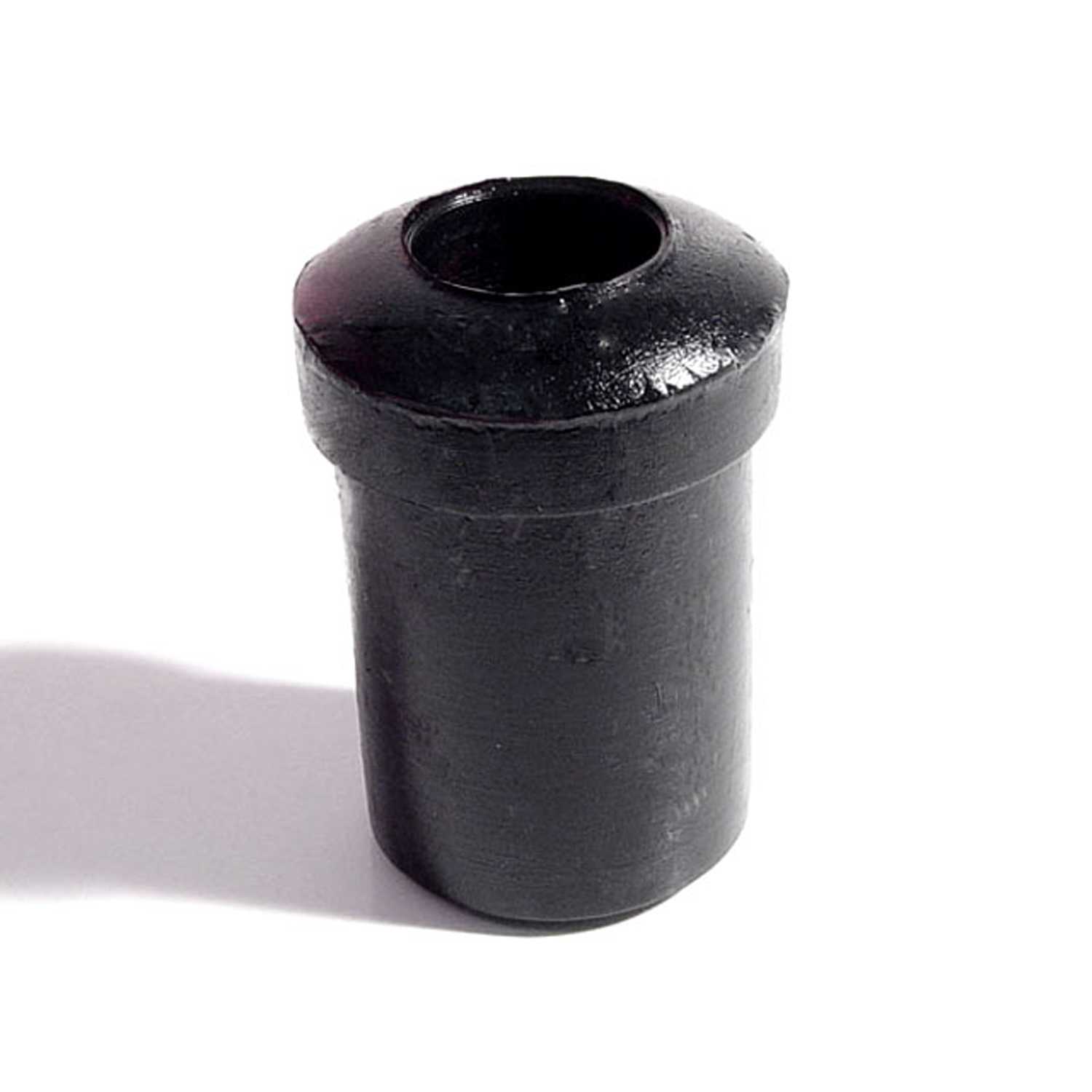 1958 Chrysler New Yorker Spring and Shackle Bushing. 1" bottom O.D-BN 20Spring and Shackle Bushing. 1" bottom O.D. X 1-5/8" high, with 9/16" I.D. Each
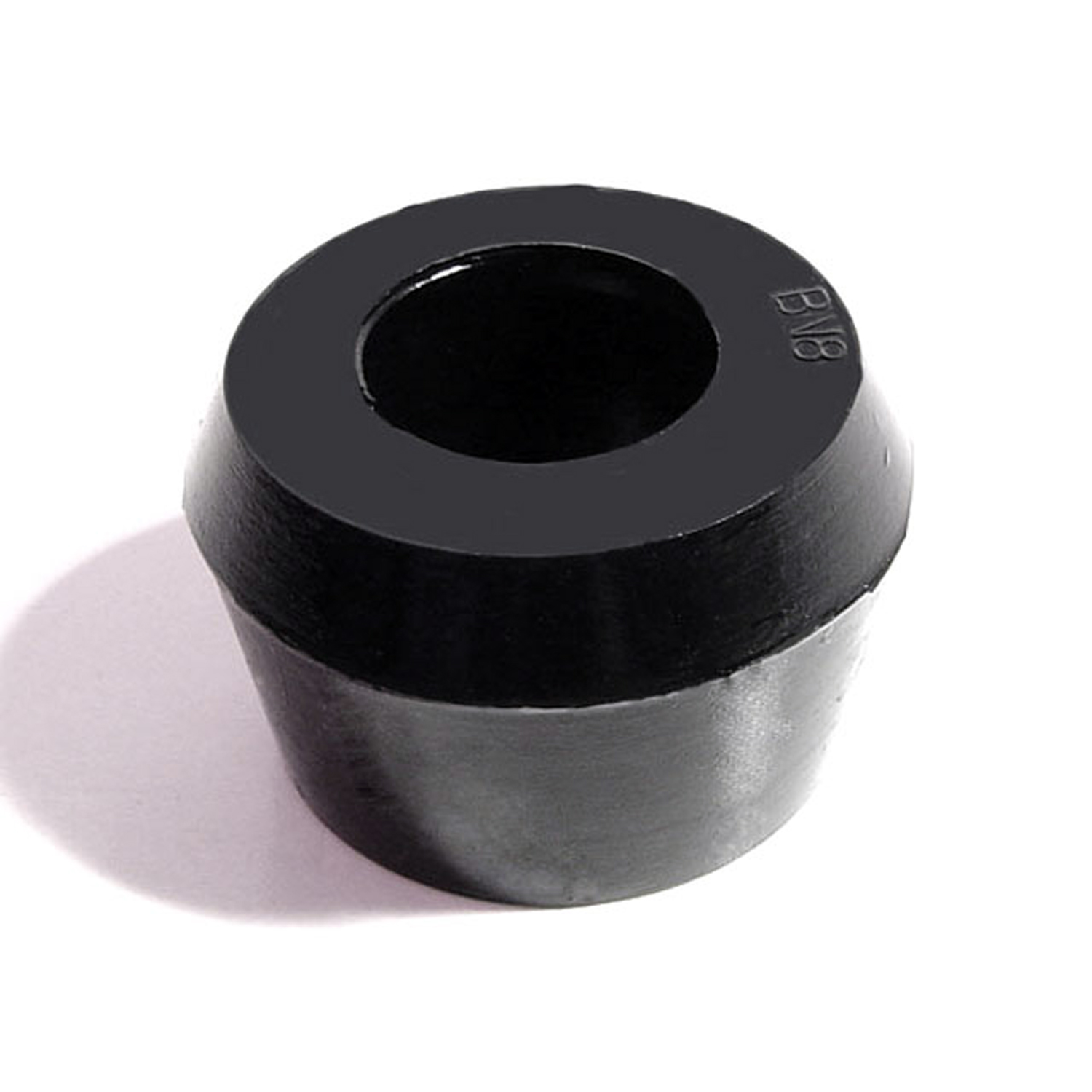 1958 Chrysler New Yorker Shock Absorber Grommet. 1-1/4" bottom O.D-BN 8Shock Absorber Grommet. 1-1/4" bottom O.D., 1" high, with 3/4" I.D. Each
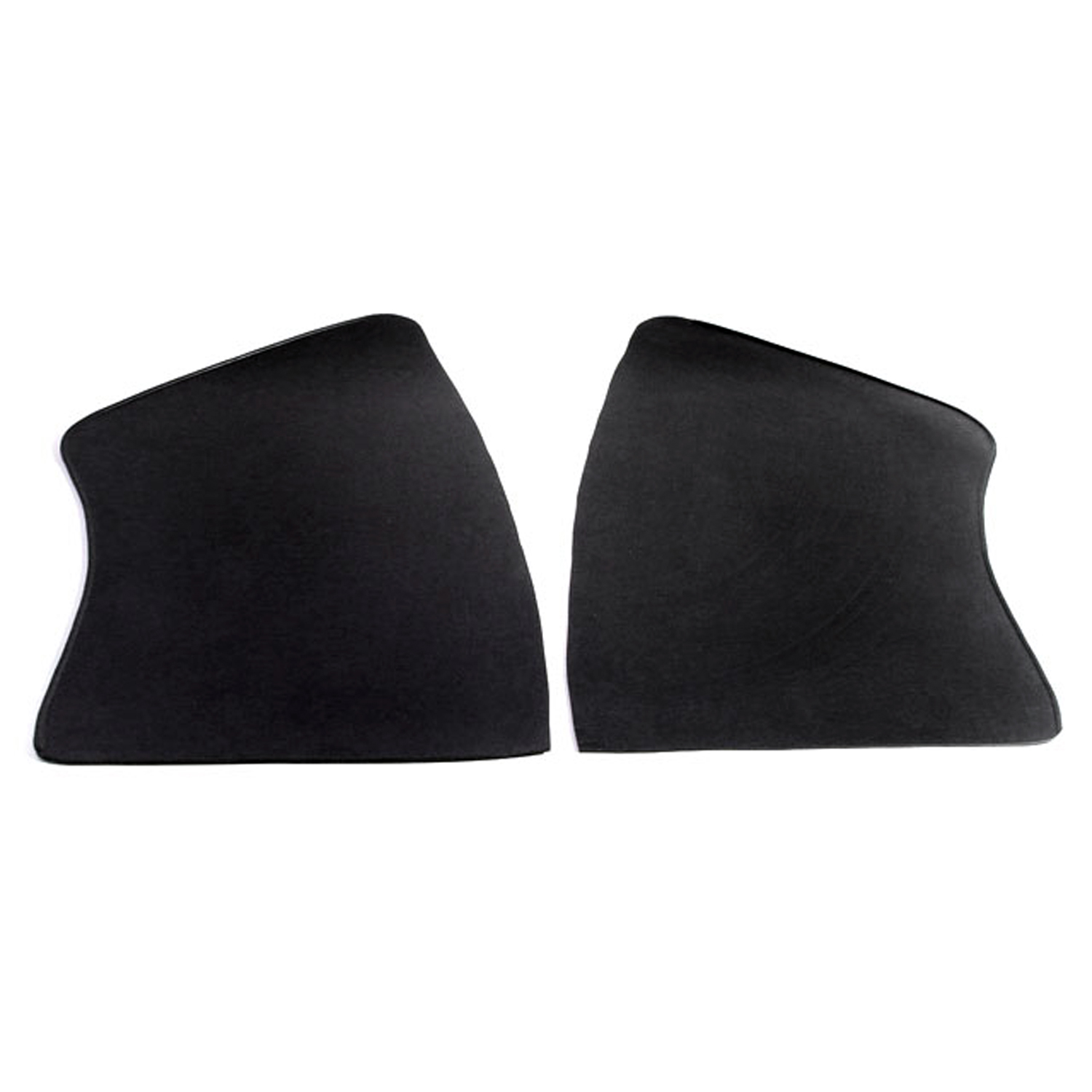 1958 Chrysler New Yorker Gravel Shields. Molded flat without metal backing plates-FS 31Gravel Shields. Molded flat without metal backing plates. Apply with contact cement. 18" long X 9-3/4" wide at bottom. Pair
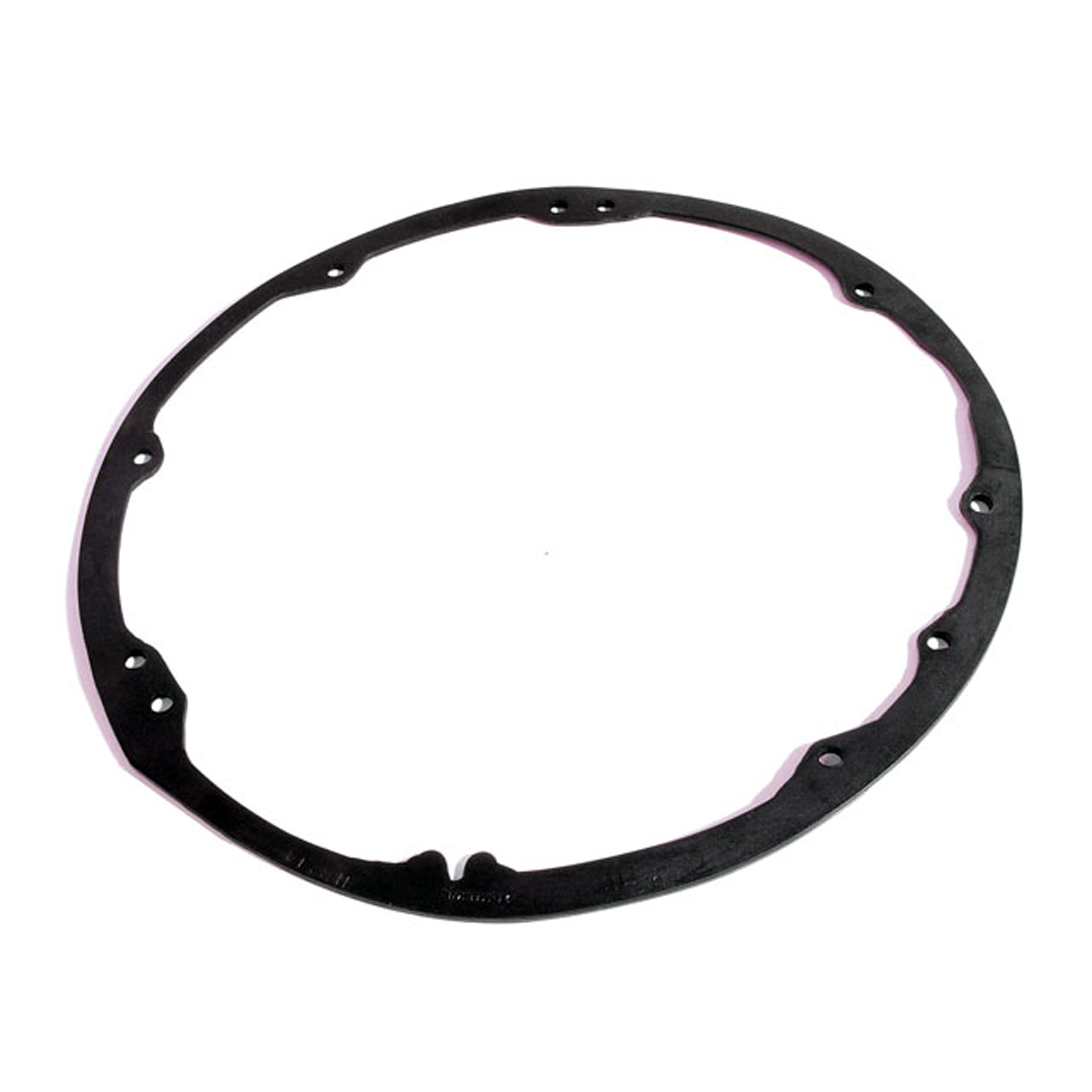 1958 Chrysler New Yorker Headlight Ring Seal. 8-3/8" O.D., 7-3/4" I.D. Pair-HR 14Headlight Ring Seal. 8-3/8" O.D., 7-3/4" I.D. Pair
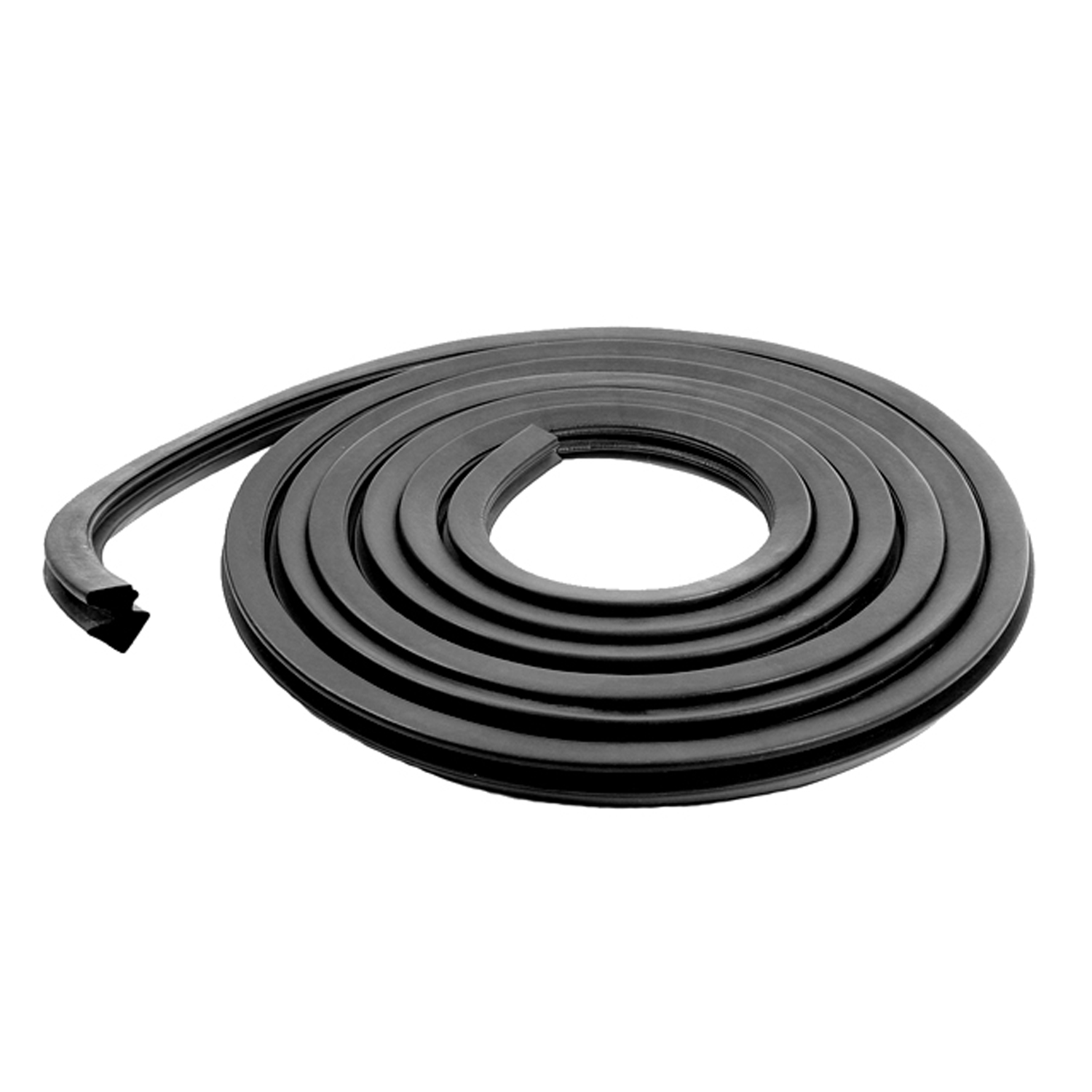 1958 Chrysler New Yorker Trunk Seal. Each-TK 64-17Trunk Seal. Each
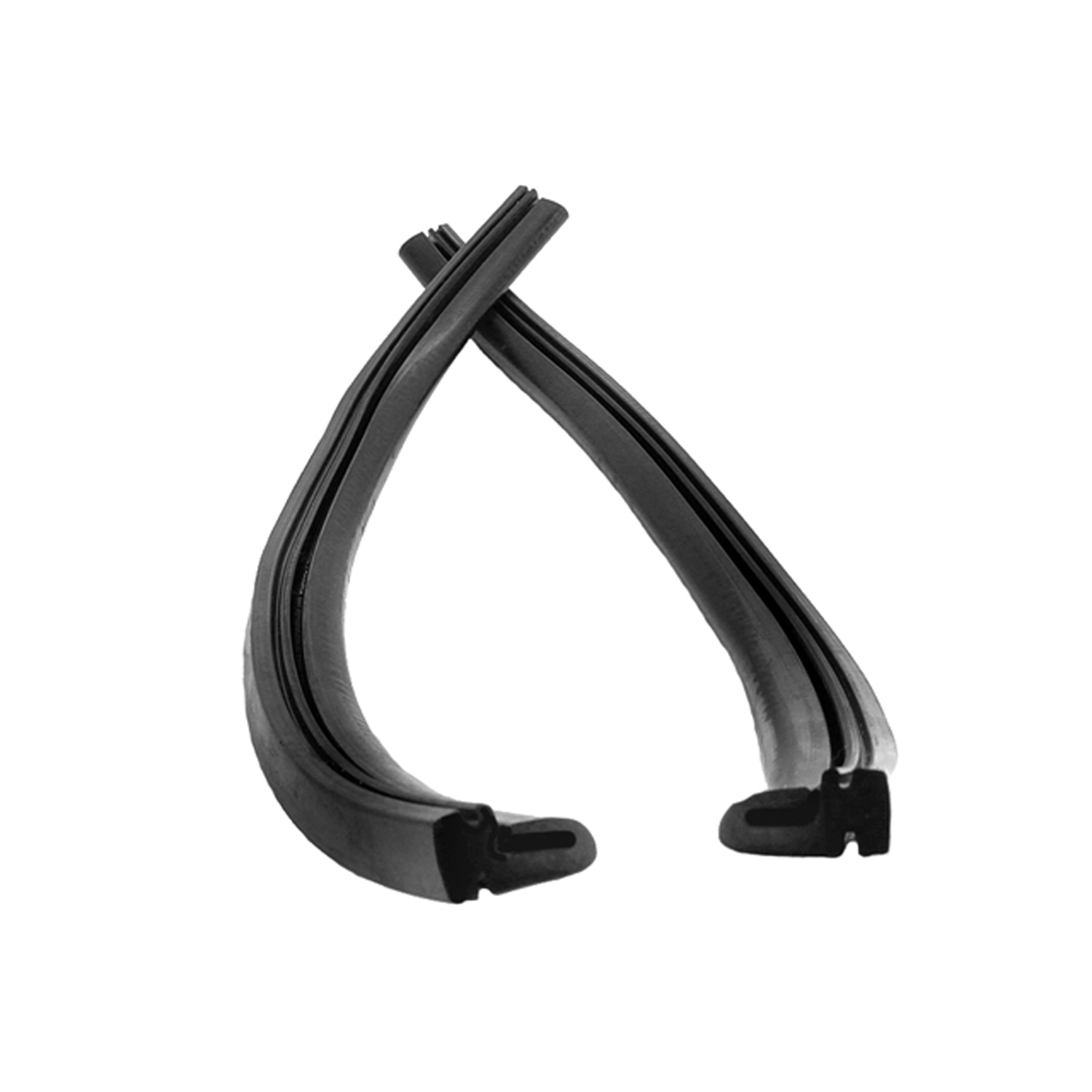 1958 Chrysler New Yorker Rear Roll-up Window Seals, for Hardtops and Convertibles-VS 7Rear Roll-up Window Seals, for Hardtops and Convertibles. For leading edge of rear quarter windows. Two pieces, 17-3/4" long. Pair
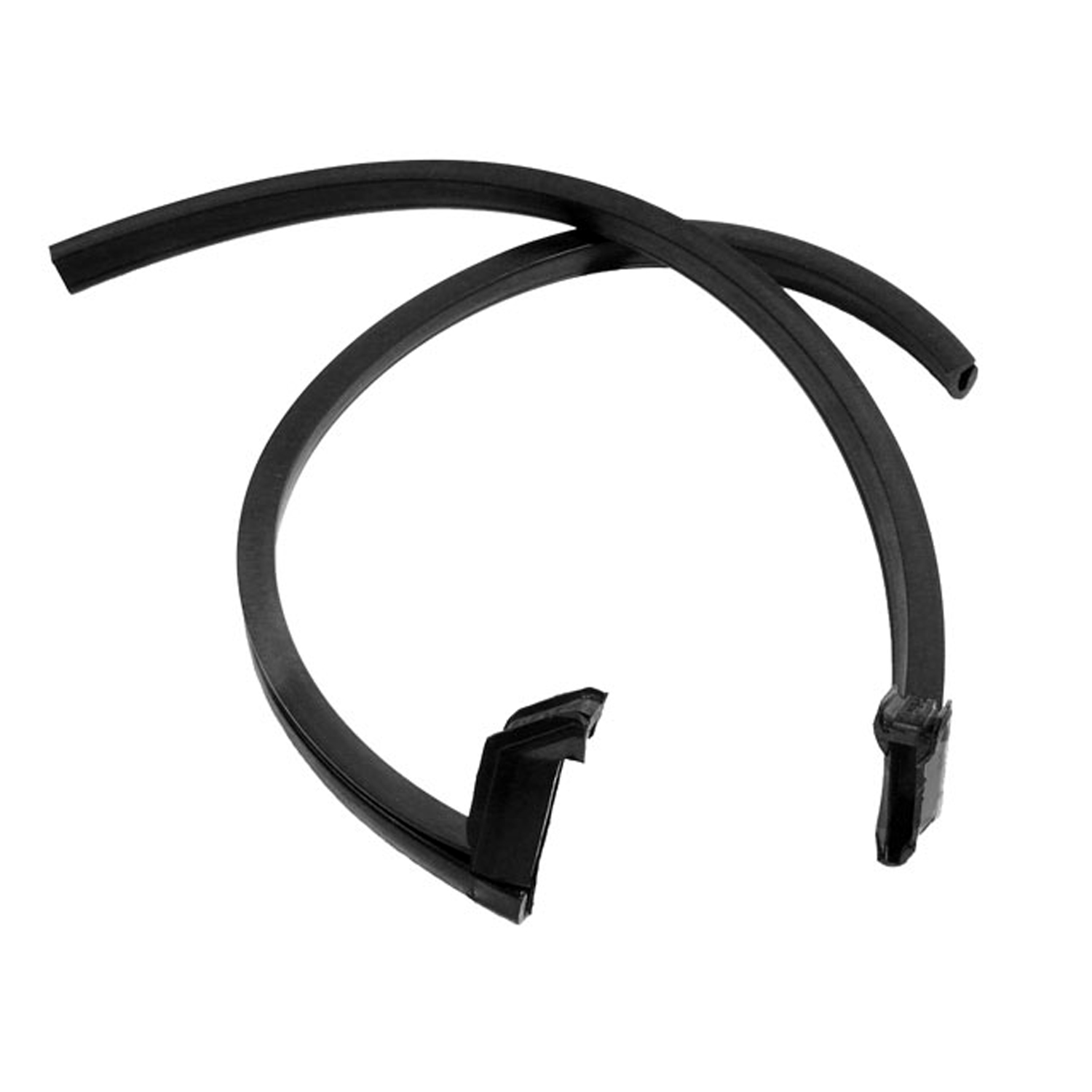 1958 Chrysler New Yorker Rear Roll-Up Window Seals-VS 7-GRear Roll-Up Window Seals. For leading edge of rear quarter window. Made with molded ends. 18-1/2" long. Pair R&L
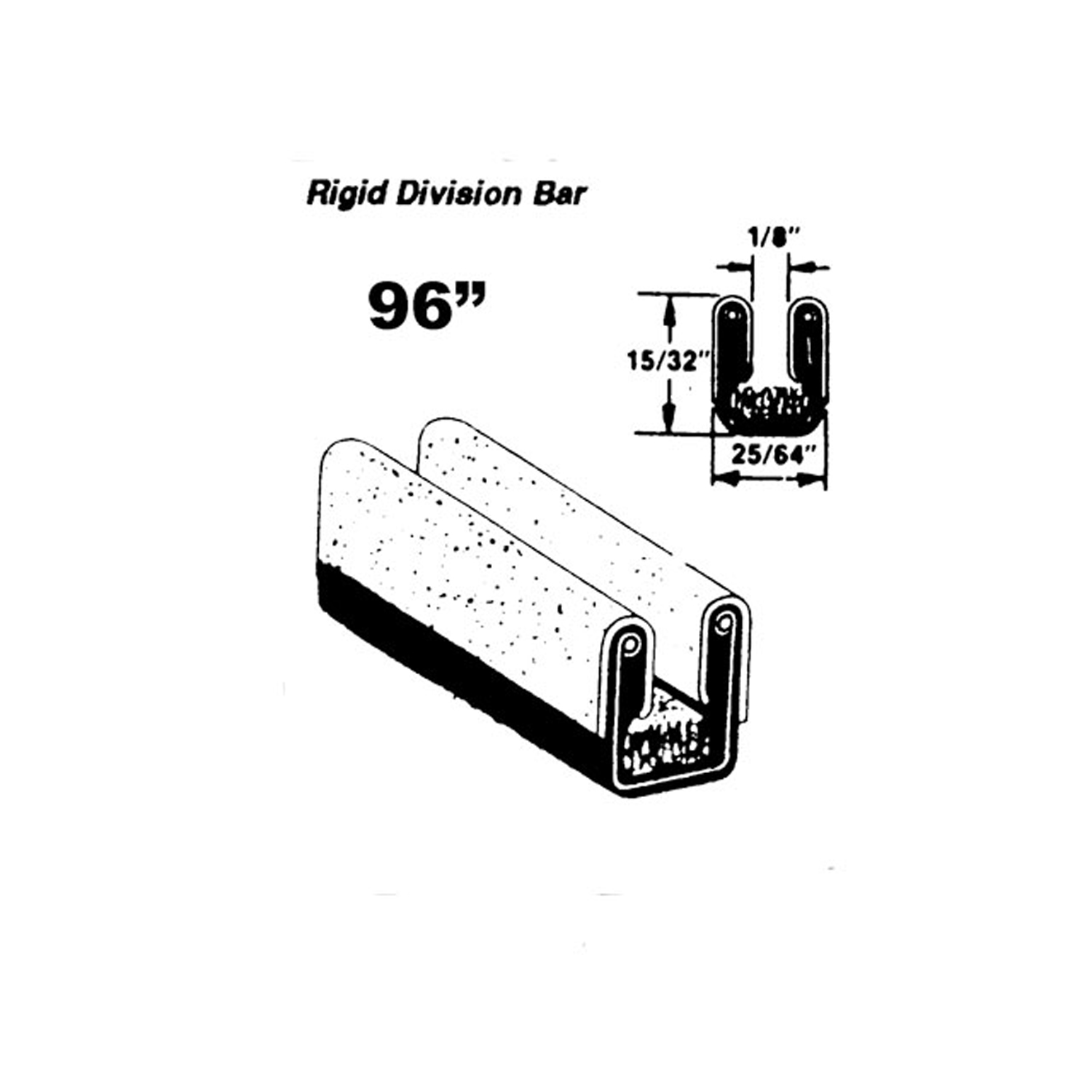 1958 Chrysler New Yorker Rigid division-bar run channel-WC 31-96Rigid division-bar run channel. Made with very soft felt lining. Used on front and rear door side windows. 96 in. long. Each. NOTE: $20 special shipping charge applies for domestic orders. Call or email for overseas shipping costs. Part can be sectioned in two or three equal lengths to reduce overseas shipping costs.
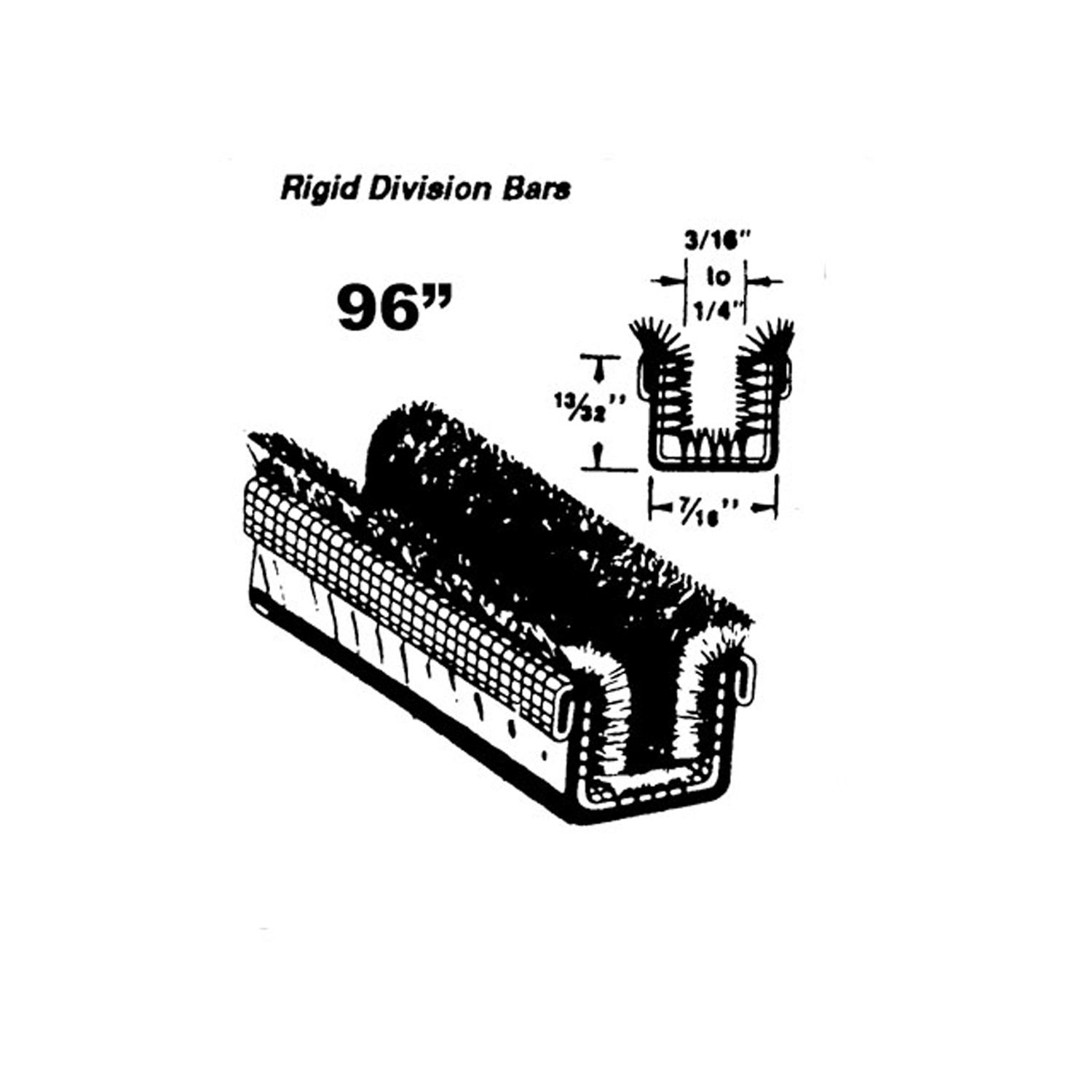 1958 Chrysler New Yorker Rigid division-bar channel. Unbeaded. 96 in. long. Each-WC 41-96Rigid division-bar channel. Unbeaded. 96 in. long. Each. NOTE: $20 special shipping charge applies for domestic orders. Call or email for overseas shipping costs. Part can be sectioned in two or three equal lengths to reduce overseas shipping costs.
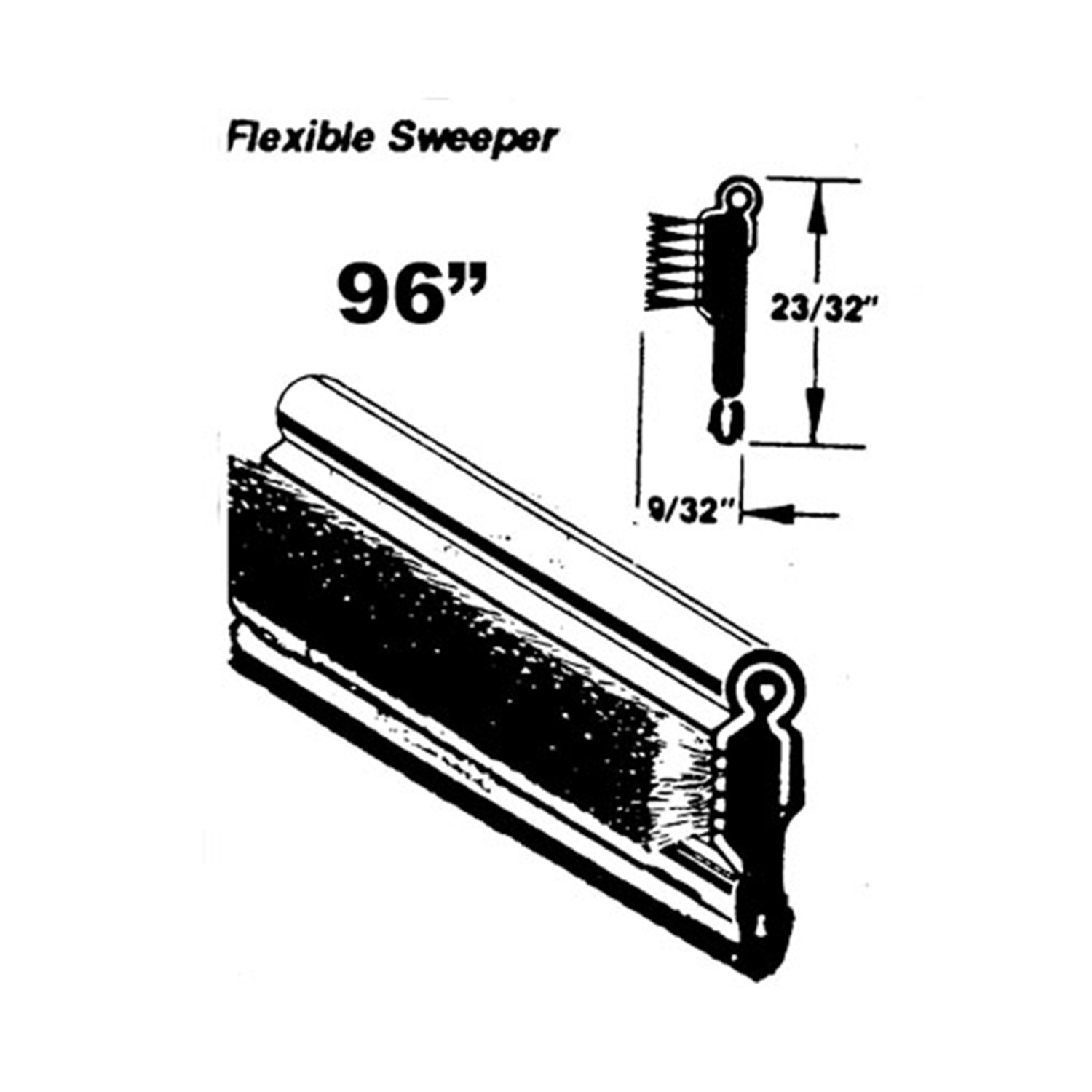 1958 Chrysler New Yorker Flexible window sweeper. Made with stainless steel bead-WC 4-96Flexible window sweeper. Made with stainless steel bead. 96 in. long. Each. NOTE: $20 special shipping charge applies for domestic orders. Call or email for overseas shipping costs. Part can be sectioned in two or three equal lengths to reduce overseas shipping costs.
Why Choose Metro?
For over 100 years, Metro Moulded Parts has been the pinnacle of quality in classic car restoration parts. Our commitment to precision and authenticity in every component ensures a perfect fit and an OEM-level appearance.
- Expert Craftsmanship & Quality: Each part is a testament to our dedication to reliability and perfection, crafted from original designs and thoroughly tested.
- Advanced Technology: We use cutting-edge techniques to create flawless, long-lasting parts that surpass others in performance.
- SuperSoft Sponge – The Ultimate Door Seal: Not only are our door seals 30% softer than competitors', but they're also guaranteed to never leak. They effectively reduce wind and road noise, enhancing your classic car's comfort and driving experience.
- Proudly American: Our parts are a product of American craftsmanship, made in the USA with a spirit of excellence and heritage.
- Unrivaled Warranty: We back our products with a 30-year industry-leading warranty, a testament to our confidence in their quality.
Join us in preserving the legacy of classic cars with parts that are crafted for perfection, not just made.