

Image of 1959 Chrysler 300, Note: These illustrations use artistic license and may differ from actual historical models.
Performance Metrics
Fundamental Metrics
Emotional Appeal
MMP Rating
| Engine Specifications | |
|---|---|
| Engine: | 413 cu in (6.8 L) RB V8 |
| Displacement: | 413 cu in (6.8 L) |
| Horsepower: | 380 hp |
| Torque: | 450 lb-ft |
| Compression Ratio: | 10.0:1 |
| Ignition System: | Conventional points ignition system |
| Cooling System: | Liquid-cooled |
| Performance Specifications | |
| 0-60 Time: | 8.0 seconds |
| 1/4 Mile Time: | 16.0 seconds |
| Top Speed: | 130 mph |
| Transmission and Drive | |
| Drive Type: | Rear-wheel drive |
| Transmission Type: | 3-speed TorqueFlite automatic |
| Fuel and Efficiency | |
| Fuel System Type: | 4-barrel carburetor |
| MPG: | 10-12 mpg |
| Dimensions and Brakes | |
| Brakes: | Power-assisted drum brakes |
| Wheelbase: | 126.0 in |
| Weight: | 4,300 lbs |
Note: Specifications for classic cars are given to the best of our ability, considering the limited and variant data available.
1959 Chrysler 300: The Letter Car Goes Forward
The 1959 Chrysler 300E combined a towering Forward Look profile with a new 413-cubic-inch V8, creating one of the rarest and most distinctive members of Chrysler’s high-performance letter series. Built by the Chrysler Corporation in Detroit, the 300E was the fifth model in a line that began with the 1955 C-300, a luxury coupe engineered to deliver serious speed as well as comfort.
Its arrival marked a turning point: the 300E replaced the earlier letter cars’ celebrated Hemi V8 with Chrysler’s new wedge-head 413. That change gave the model a fresh mechanical identity while preserving its grand-touring mission. Only about 550 were built, making the 300E a scarce sight even among postwar American classics.
Forward Look Styling and Personal Luxury
The 300E wore the unmistakable influence of Chrysler design chief Virgil Exner’s Forward Look. Its long hood, broad grille, quad headlamps, sweeping body sides, and tall rear fins made the car look fast even when parked. The fins were more than a styling flourish: they captured the era’s fascination with aviation and rockets, though their scale could make the 300E feel enormous in tight parking spaces.
Inside, the 300E was a two-door personal-luxury car with a driver-focused cockpit. Leather upholstery, bucket seats, a full-length center console, and carefully finished trim helped distinguish it from ordinary Chrysler models. Instrumentation included a tachometer, an unusual and suitably sporting feature in a large American luxury car of the period. Buyers could choose from a range of exterior colors, including restrained black, white, and silver as well as brighter reds, blues, and greens. Dark, formal colors emphasized the car’s executive character, while vivid shades made its dramatic fins even harder to miss.
The 300E came as a two-door hardtop or a two-door convertible. The hardtop was the more common configuration, while the convertible offered the most theater and is especially sought after today. Both body styles had the long wheelbase and substantial proportions expected of a high-speed Chrysler flagship.
Technology Behind the Letter Series
The headline innovation was the new 413-cubic-inch RB-series V8, often called the Golden Lion. In standard form, it was rated at 380 horsepower. An optional dual-four-barrel carburetor setup raised the advertised figure to 400 horsepower, giving buyers an especially potent version of the car.
Power went through Chrysler’s three-speed TorqueFlite automatic transmission, controlled by the company’s distinctive pushbutton selector. The 300E also used Chrysler’s torsion-bar front suspension, marketed as Torsion-Aire, with conventional leaf springs at the rear. The combination was designed to give a heavy, powerful car a more controlled ride than its size might suggest.
A Different Kind of American Performance Car
The 300E stood apart from many contemporaries because it did not ask buyers to choose between speed and luxury. It was a premium grand tourer: quiet and well-appointed enough for long-distance travel, yet powered to cover ground quickly. Chrysler’s letter cars helped establish the idea that a full-size American automobile could be both a prestige machine and a genuine performance car.
Its 413 also signaled the direction Chrysler performance would take in the 1960s. The earlier Hemi-powered letter cars had built the series’ reputation, but the 300E demonstrated that a large-displacement wedge engine could provide formidable output in a refined package. The model’s blend of size, comfort, technology, and power remains central to the appeal of the letter-series Chryslers.
413 V8 Performance and Road Manners
With 380 horsepower in standard trim and as much as 400 with the optional dual-carburetor setup, the 300E had performance to match its imposing presence. Period performance figures vary with equipment and testing conditions, but a 0-to-60-mph time in roughly the eight-second range and a top speed around 120 to 130 mph are reasonable estimates for a healthy, properly tuned example.
On the road, the 300E feels substantial rather than nimble. Its torsion-bar front suspension helps it remain composed over ordinary bumps, while its long wheelbase contributes to a comfortable, settled ride on the highway. On a winding road, the car’s weight and size are always apparent. It responds best to smooth inputs and a measured pace, rather than quick direction changes.
The driving experience is rich in character. The 413 produces a deep V8 rumble, and the TorqueFlite automatic delivers power with a smooth, unhurried feel until the throttle is opened. The pushbutton selector adds a memorable period touch, while the broad hood and commanding seating position make the driver feel as though they are piloting a substantial piece of American engineering.
Living With a 1959 Chrysler 300E
Today, most 300Es are enjoyed as show cars, touring cars, and carefully maintained collectibles rather than daily transportation. Their comfortable cabins and strong highway performance make them well suited to club events and long-distance drives, provided the car is in sound mechanical condition.
Routine service on the V8 is familiar territory for a mechanic experienced with classic American engines. The bigger challenge is finding correct parts for the 300E’s unique trim, interior details, and low-production components. The TorqueFlite transmission and torsion-bar suspension are durable when maintained, but neglected examples can require specialist attention. Fuel economy is predictably poor by modern standards, and the car’s dimensions and limited modern safety equipment make it less convenient for everyday traffic.
Rare Facts, Reputation, and Criticisms
The 300E was the first letter-series Chrysler to use the 413-cubic-inch wedge V8, replacing the Hemi engines that had powered its predecessors. That makes it an important bridge between the early 300s and the later high-performance Chryslers of the 1960s. Production is commonly cited at about 550 cars across the hardtop and convertible body styles, although exact production breakdowns can vary among references.
The broader 300 name became closely associated with American stock-car and speed-record culture, but the 300E’s strongest claim is its rarity and its place in the series’ mechanical evolution, rather than a single widely known racing record. Its most common criticisms are practical ones: it is large, thirsty, and increasingly difficult to restore to factory-correct condition. Its fins and bold styling are also a matter of taste, but they are a major part of what makes the car unmistakable.
Collector Values and Availability
With roughly 550 built, the 1959 Chrysler 300E is genuinely scarce. Hardtops appear more often than convertibles, and either body style can take time to find in the right condition. Originality, documentation, matching-number components, restoration quality, and the presence of the optional 400-horsepower engine can all have a significant effect on value.
As a broad 2026 estimate, a project or driver-quality hardtop might sell in the neighborhood of $35,000 to $70,000. A well-restored hardtop could bring about $75,000 to $130,000 or more. Convertibles generally command a substantial premium, with good examples potentially ranging from roughly $100,000 to above $200,000. Exceptional, concours-level cars can exceed those estimates, while condition and provenance can move a particular sale in either direction.
The model’s limited production and strong place in Chrysler history support long-term collector interest. Values can fluctuate with the broader classic-car market, and restoration costs are high, but the 300E’s rarity gives it an advantage over more common American luxury cars of the same period.
Why the 300E Still Matters
The 1959 Chrysler 300E brought together the dramatic design of the Forward Look era, a powerful new 413 V8, and the comfort expected of a premium Chrysler. It was not a sports car in the modern sense, nor was it simply a luxury cruiser. It was a fast, imposing grand tourer built in very small numbers.
More than six decades later, the 300E remains a striking reminder of an era when American automakers pursued speed, style, and presence on a grand scale. Its fins catch the eye, its V8 supplies the soundtrack, and its rarity makes every surviving example feel like a special chapter in Chrysler’s performance story.
1959 Chrysler 300 Catalog of Parts
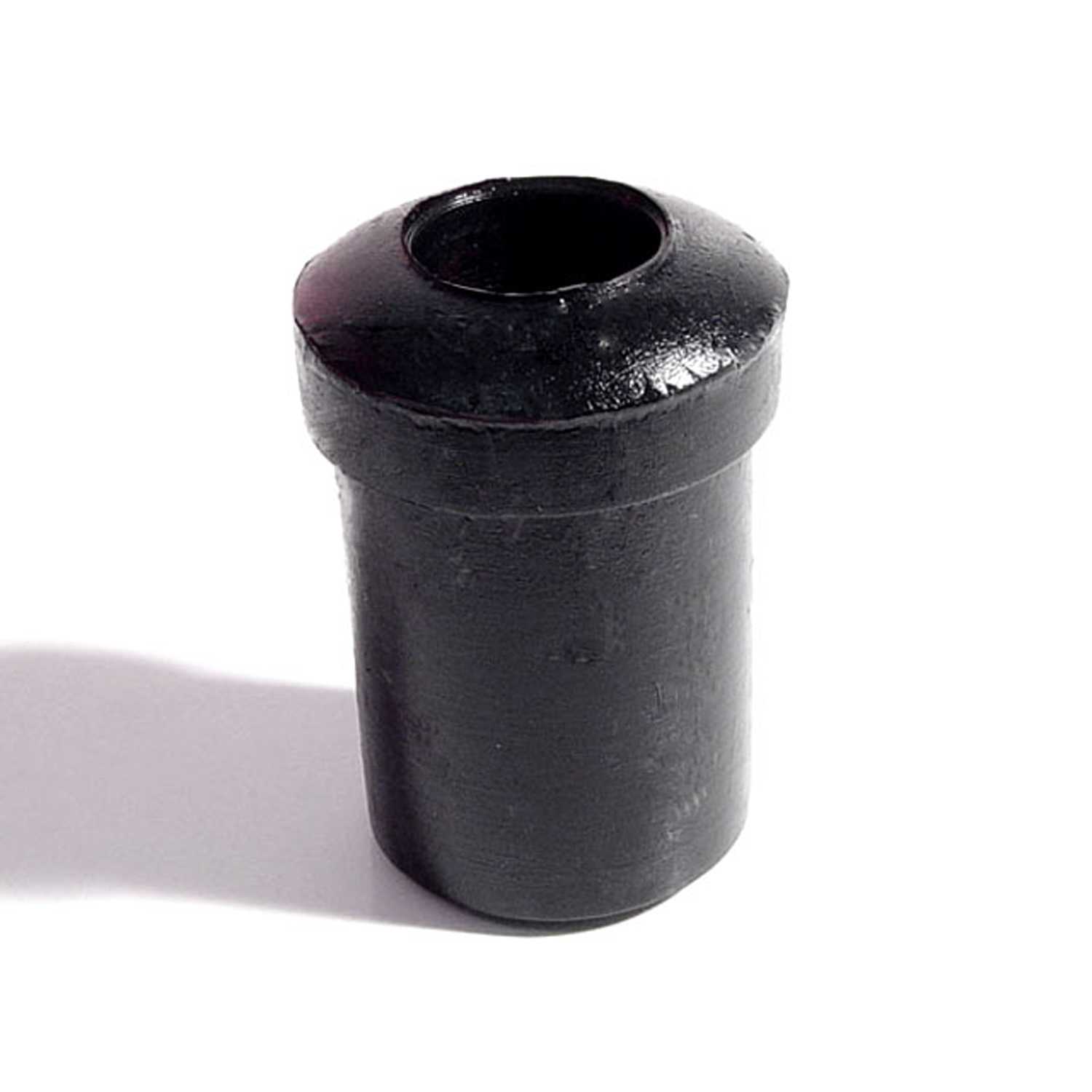 1959 Chrysler 300 Spring and Shackle Bushing. 1" bottom O.D-BN 20Spring and Shackle Bushing. 1" bottom O.D. X 1-5/8" high, with 9/16" I.D. Each
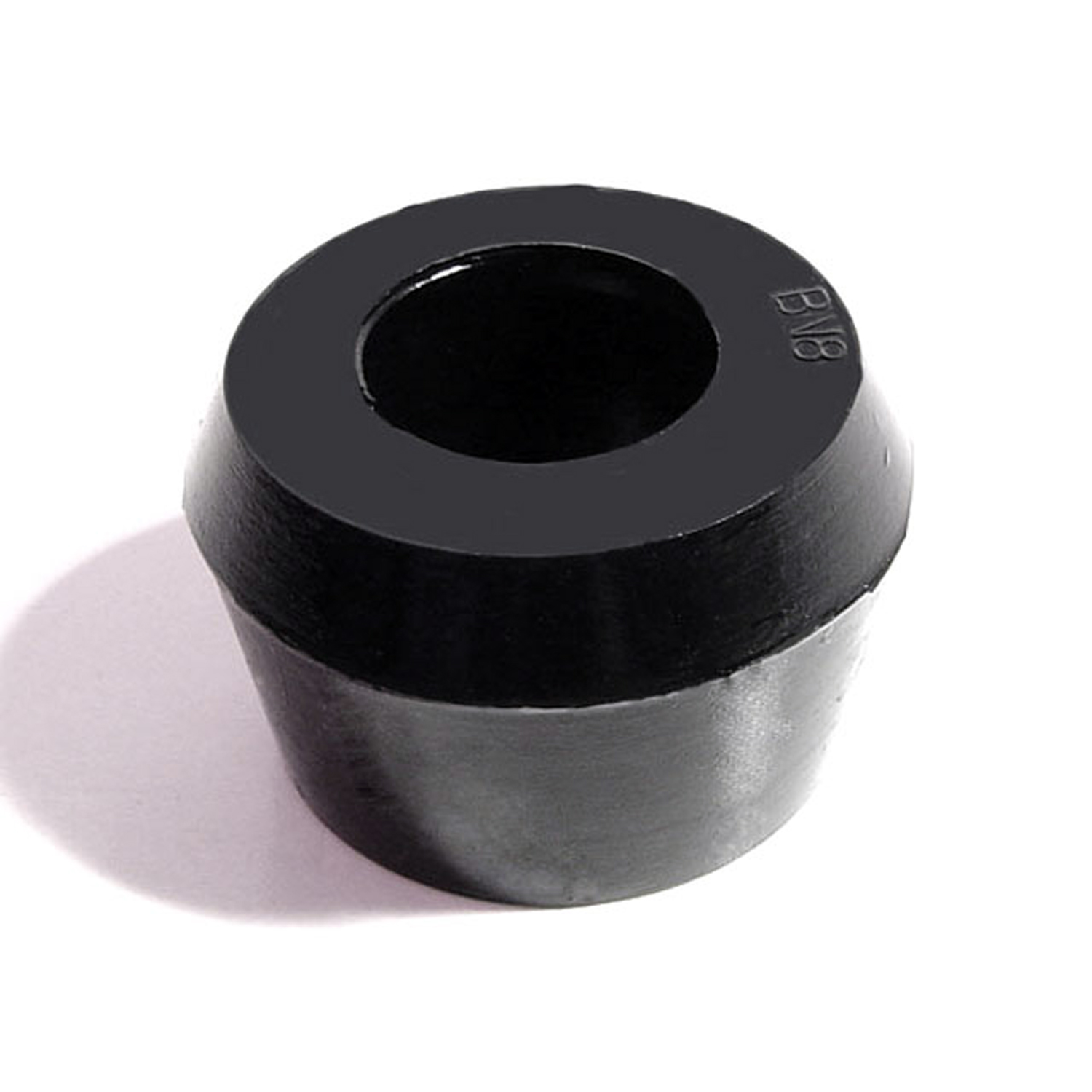 1959 Chrysler 300 Shock Absorber Grommet. 1-1/4" bottom O.D-BN 8Shock Absorber Grommet. 1-1/4" bottom O.D., 1" high, with 3/4" I.D. Each
 1959 Chrysler 300 Gravel Shields. Molded flat without metal backing plates-FS 31Gravel Shields. Molded flat without metal backing plates. Apply with contact cement. 18" long X 9-3/4" wide at bottom. Pair
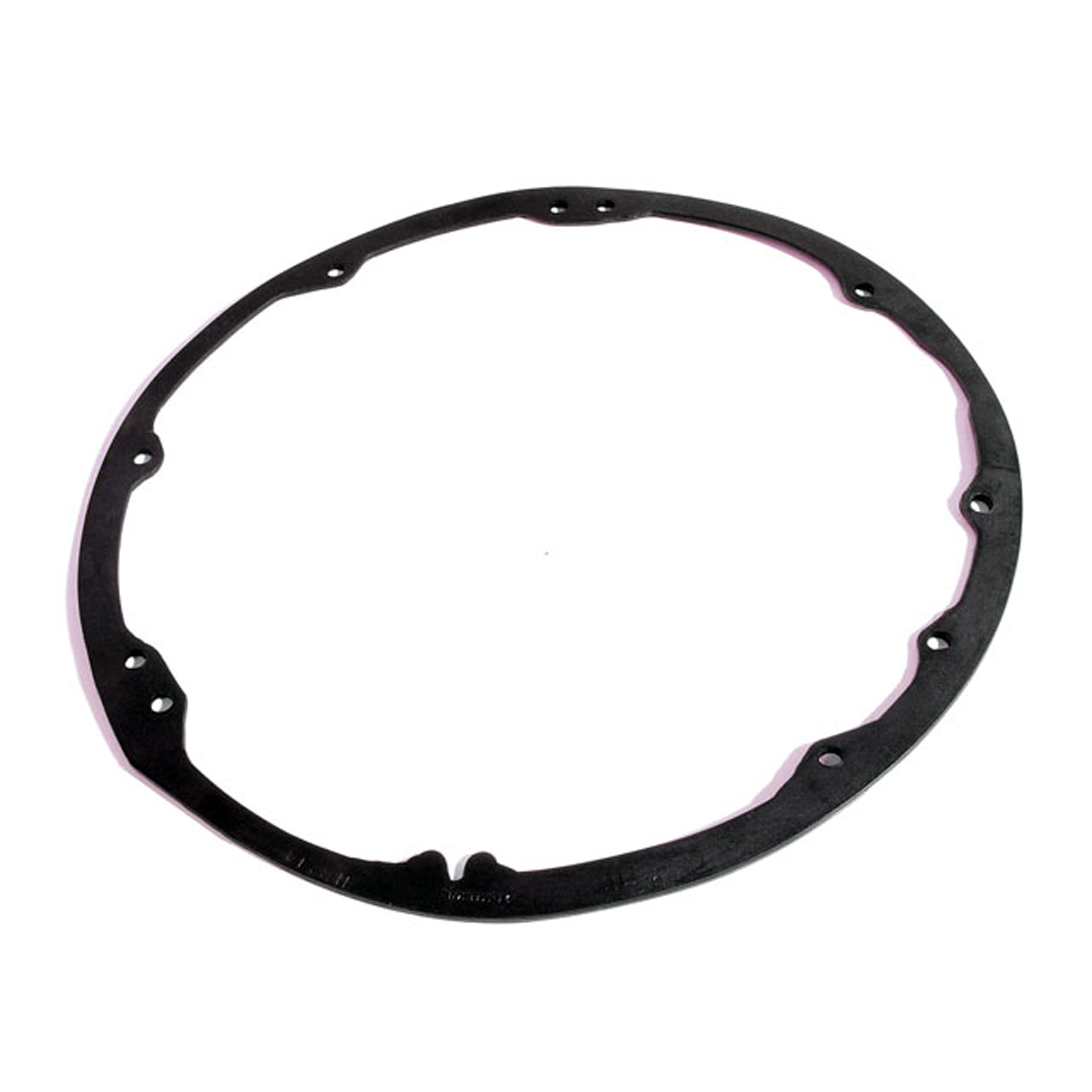 1959 Chrysler 300 Headlight Ring Seal. 8-3/8" O.D., 7-3/4" I.D. Pair-HR 14Headlight Ring Seal. 8-3/8" O.D., 7-3/4" I.D. Pair
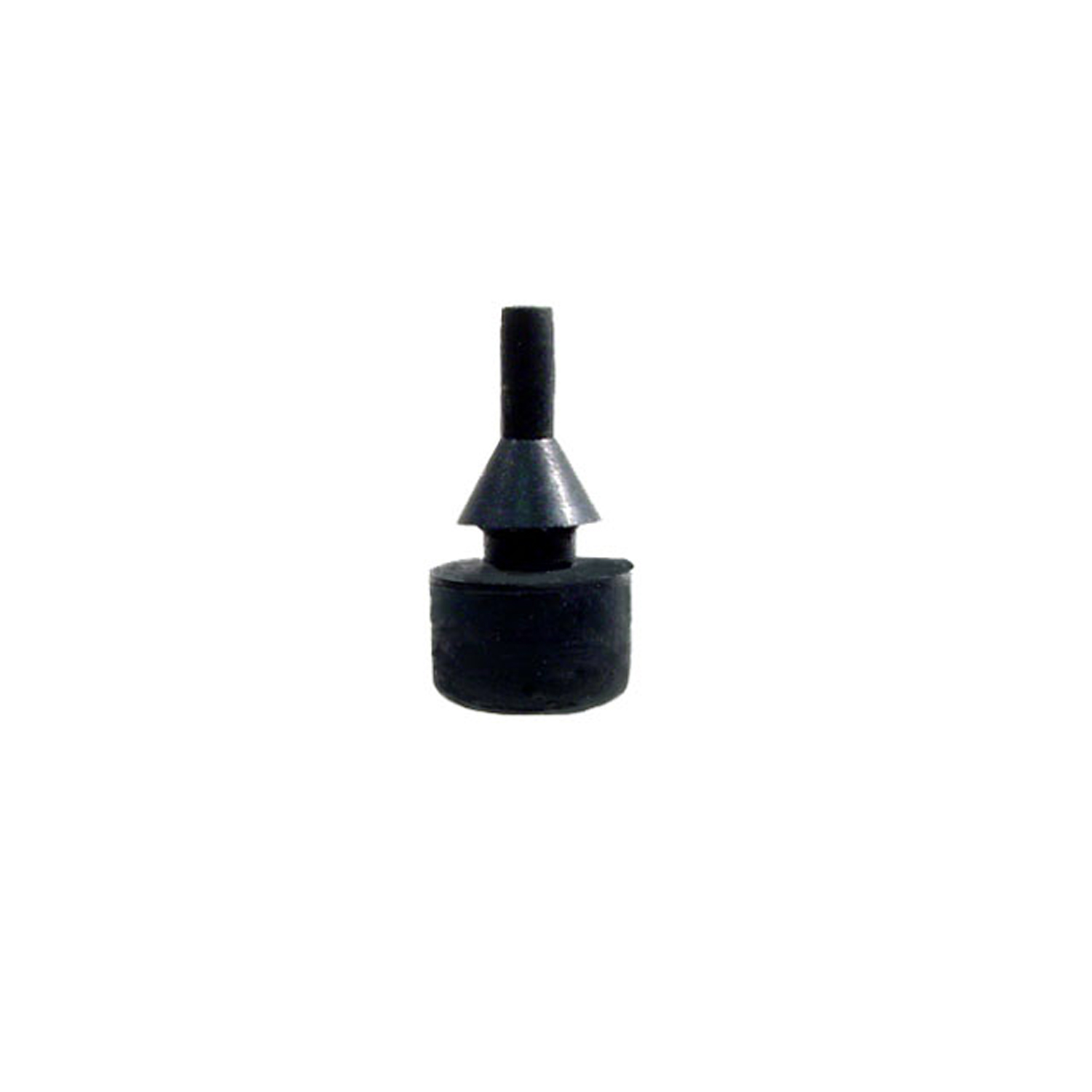 1959 Chrysler 300 License Plate Bumper. 7/16" O.D., fits a 1/4" hole. Each-SB 86License Plate Bumper. 7/16" O.D., fits a 1/4" hole. Each
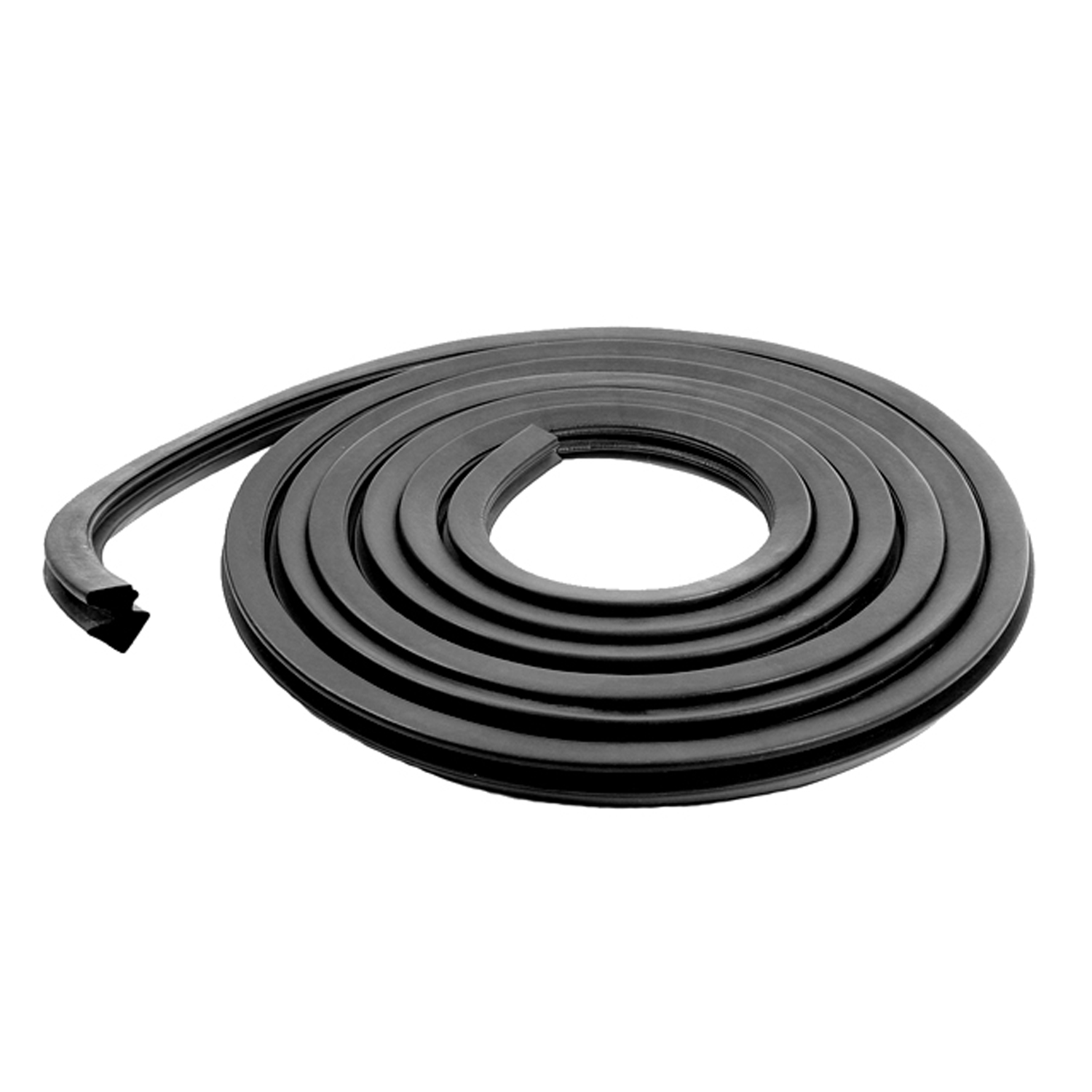 1959 Chrysler 300 Trunk Seal. Each-TK 64-17Trunk Seal. Each
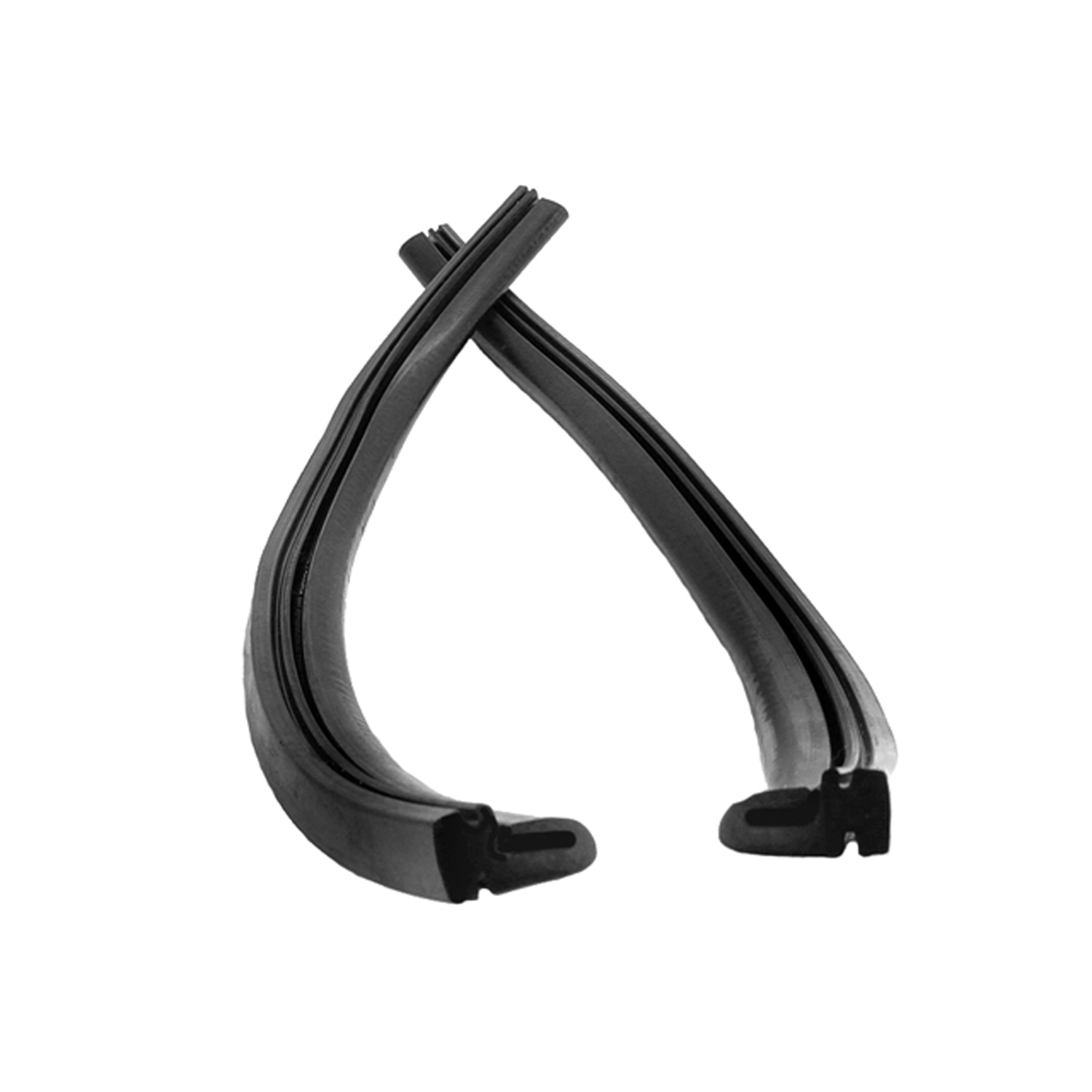 1959 Chrysler 300 Rear Roll-up Window Seals, for Hardtops and Convertibles-VS 7Rear Roll-up Window Seals, for Hardtops and Convertibles. For leading edge of rear quarter windows. Two pieces, 17-3/4" long. Pair
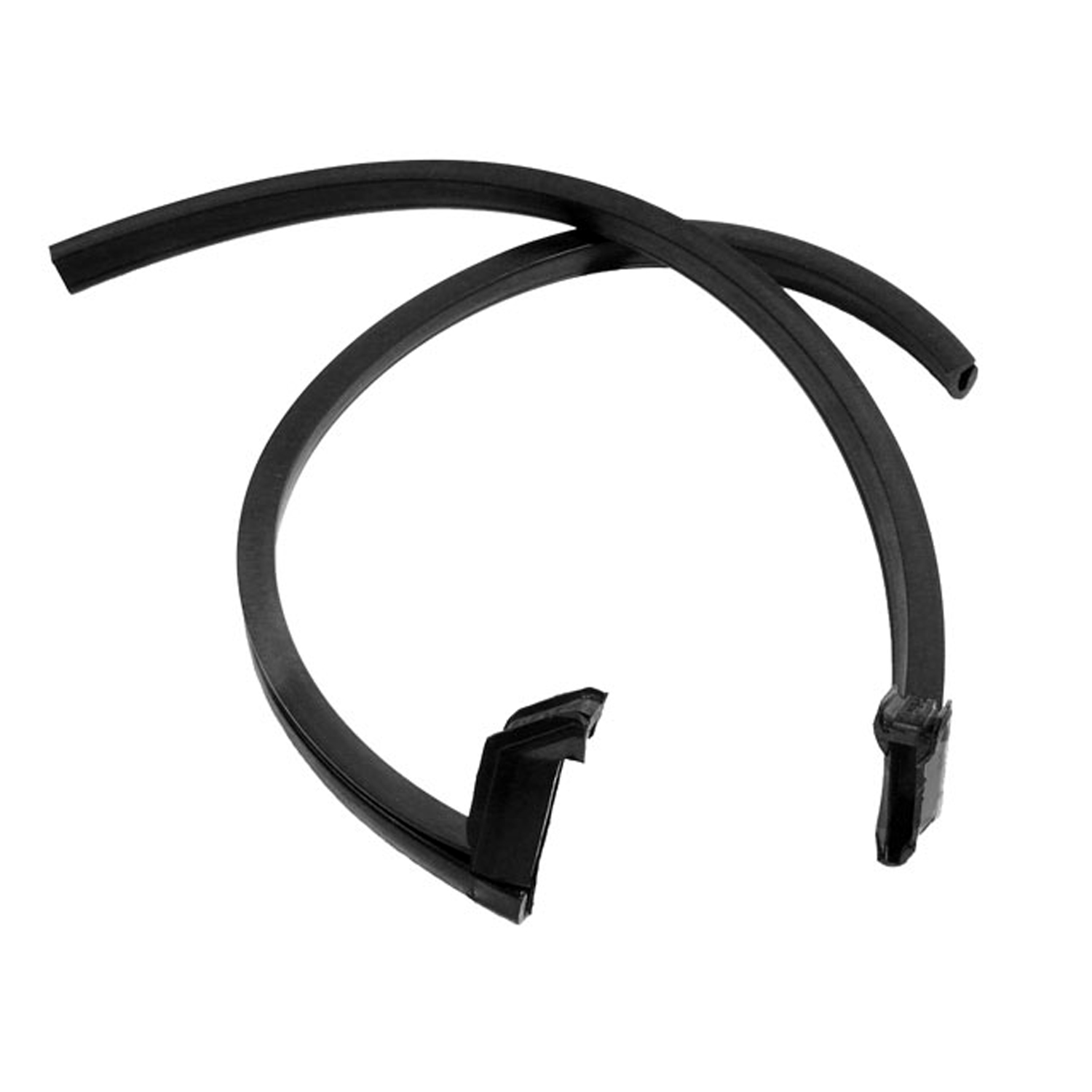 1959 Chrysler 300 Rear Roll-Up Window Seals-VS 7-GRear Roll-Up Window Seals. For leading edge of rear quarter window. Made with molded ends. 18-1/2" long. Pair R&L
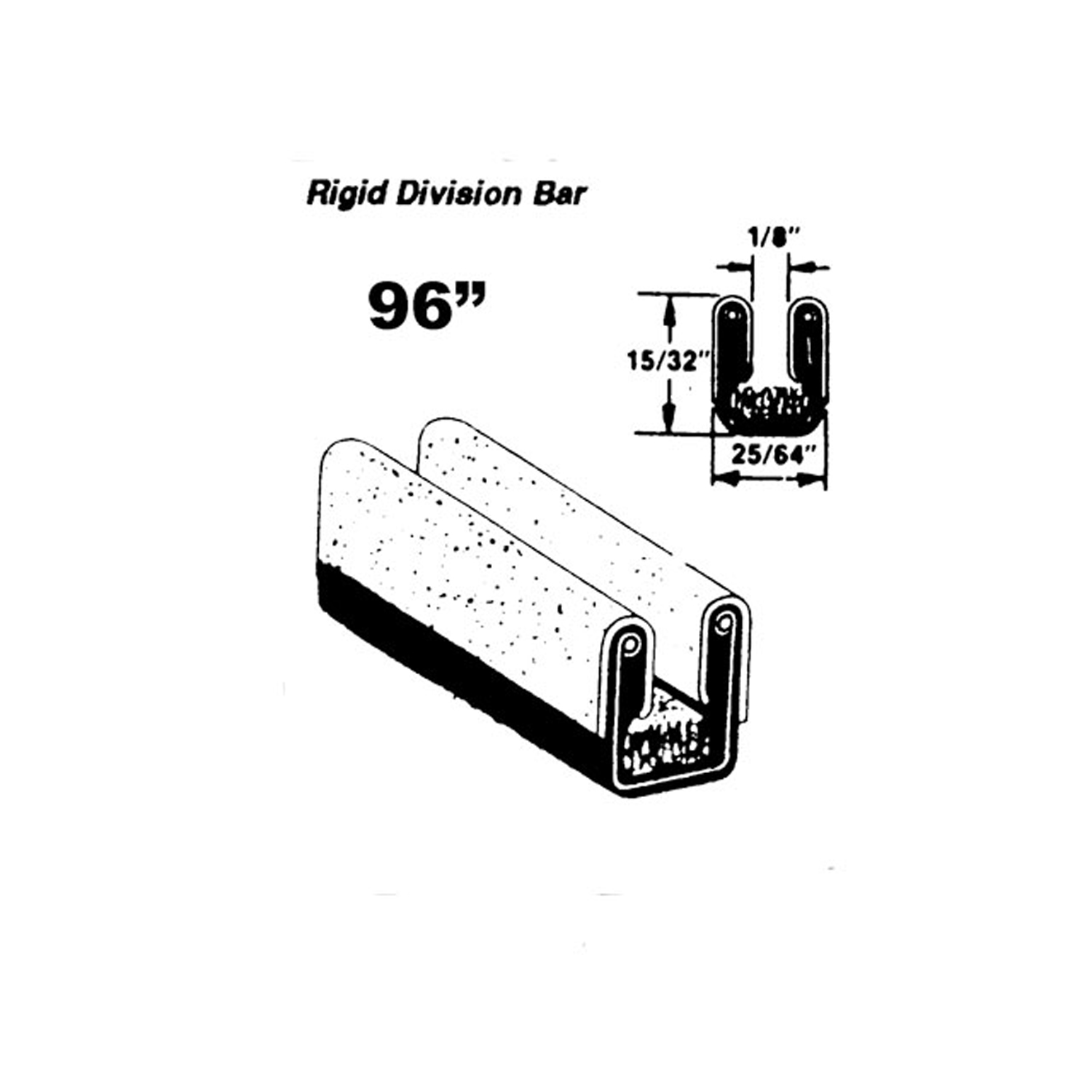 1959 Chrysler 300 Rigid division-bar run channel-WC 31-96Rigid division-bar run channel. Made with very soft felt lining. Used on front and rear door side windows. 96 in. long. Each. NOTE: $20 special shipping charge applies for domestic orders. Call or email for overseas shipping costs. Part can be sectioned in two or three equal lengths to reduce overseas shipping costs.
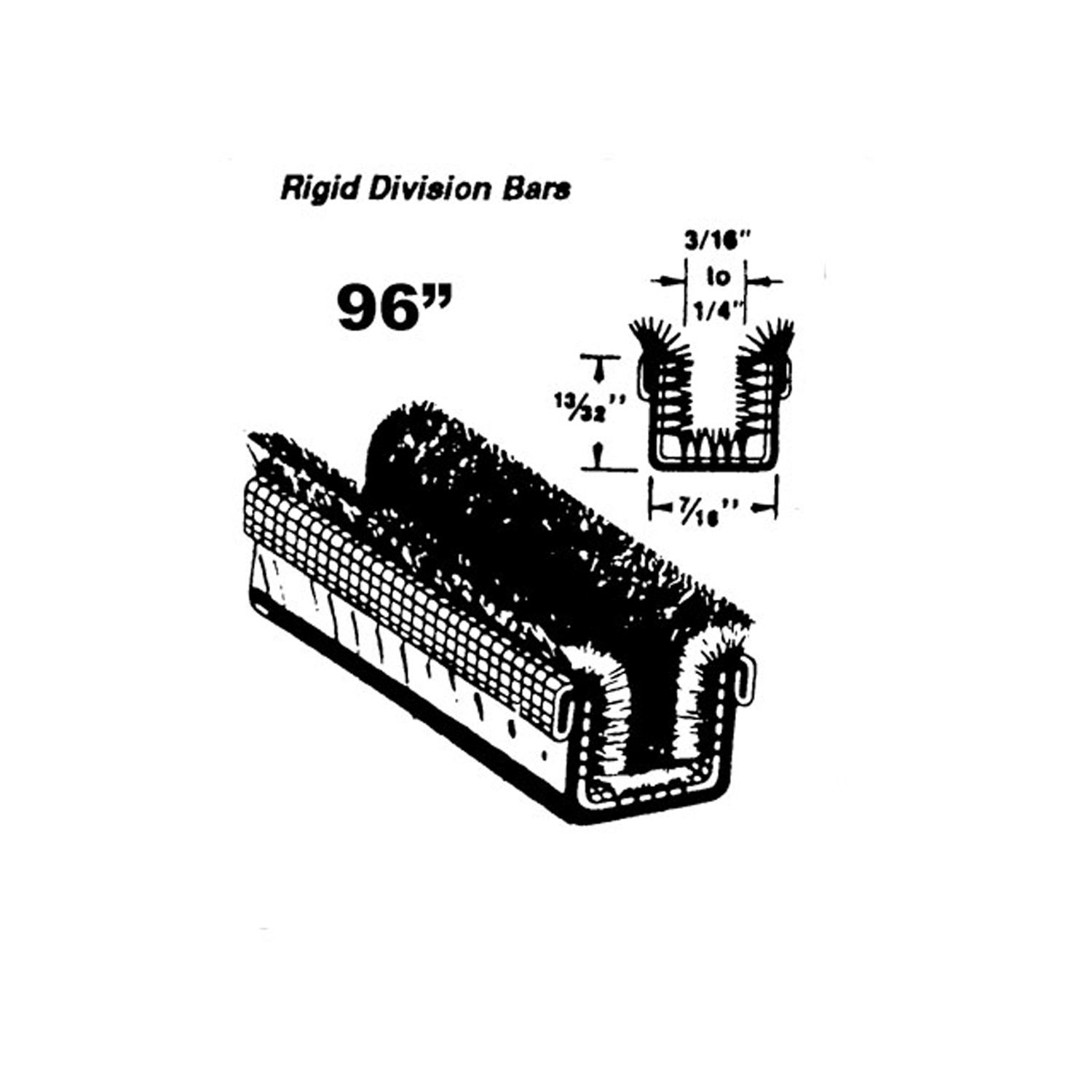 1959 Chrysler 300 Rigid division-bar channel. Unbeaded. 96 in. long. Each-WC 41-96Rigid division-bar channel. Unbeaded. 96 in. long. Each. NOTE: $20 special shipping charge applies for domestic orders. Call or email for overseas shipping costs. Part can be sectioned in two or three equal lengths to reduce overseas shipping costs.
Why Choose Metro?
For over 100 years, Metro Moulded Parts has been the pinnacle of quality in classic car restoration parts. Our commitment to precision and authenticity in every component ensures a perfect fit and an OEM-level appearance.
- Expert Craftsmanship & Quality: Each part is a testament to our dedication to reliability and perfection, crafted from original designs and thoroughly tested.
- Advanced Technology: We use cutting-edge techniques to create flawless, long-lasting parts that surpass others in performance.
- SuperSoft Sponge – The Ultimate Door Seal: Not only are our door seals 30% softer than competitors', but they're also guaranteed to never leak. They effectively reduce wind and road noise, enhancing your classic car's comfort and driving experience.
- Proudly American: Our parts are a product of American craftsmanship, made in the USA with a spirit of excellence and heritage.
- Unrivaled Warranty: We back our products with a 30-year industry-leading warranty, a testament to our confidence in their quality.
Join us in preserving the legacy of classic cars with parts that are crafted for perfection, not just made.