

Image of 1959 Chrysler Town & Country, Note: These illustrations use artistic license and may differ from actual historical models.
Performance Metrics
Fundamental Metrics
Emotional Appeal
MMP Rating
| Engine Specifications | |
|---|---|
| Engine: | 383 cu in (6.3 L) Golden Lion V8 |
| Displacement: | 383 cu in (6.3 L) |
| Horsepower: | 325 hp |
| Torque: | 420 lb-ft |
| Compression Ratio: | 10.0:1 |
| Ignition System: | Conventional points ignition system |
| Cooling System: | Liquid-cooled |
| Performance Specifications | |
| 0-60 Time: | Estimated 9 seconds |
| 1/4 Mile Time: | Estimated 16 seconds |
| Top Speed: | 120 mph |
| Transmission and Drive | |
| Drive Type: | Rear-wheel drive |
| Transmission Type: | 3-speed TorqueFlite automatic |
| Fuel and Efficiency | |
| Fuel System Type: | Carburetor |
| MPG: | Estimated 10-12 mpg |
| Dimensions and Brakes | |
| Brakes: | Drum brakes |
| Wheelbase: | 126 in (3,200 mm) |
| Weight: | 4,500 lbs |
Note: Specifications for classic cars are given to the best of our ability, considering the limited and variant data available.
With its skyscraper tailfins, polished chrome and room for a family-sized crew, the 1959 Chrysler Town & Country made the station wagon look every bit as dramatic as a luxury hardtop.
1959 Chrysler Town & Country: A Fin-Era Flagship
Chrysler’s Town & Country was the company’s premium station-wagon name, and the 1959 model brought the brand’s bold Forward Look styling to a practical family body. Built by the Chrysler Corporation in Detroit, it arrived during an era when American automakers were competing to make each new model year longer, more powerful and more visually striking.
The Town & Country was not a single engine-and-trim combination in every market. It was offered in Chrysler’s wagon range with equipment and powertrain choices tied to its series. Depending on configuration, buyers could get a well-appointed wagon with a 383-cubic-inch V8 or step up to the New Yorker’s 413-cubic-inch V8. The 1959 model year is especially notable because it marked the arrival of Chrysler’s 413, a new big-block engine that would become one of the company’s signature powerplants.
One intriguing detail is that the Town & Country name had once belonged to Chrysler’s genuine wood-bodied cars. By 1959, the wagon had an all-steel body, with wood-look side trim providing a visual nod to that earlier heritage. It kept the name’s upscale associations without the upkeep of real wood framing.
Forward Look Styling and Wagon Practicality
The 1959 Town & Country wore the full late-1950s Chrysler design vocabulary: a broad grille, paired headlamps, sculpted body sides and tall rear fins that swept upward toward distinctive taillights. Bright stainless trim emphasized the wagon’s length, while the rear bodywork balanced family-car function with the era’s taste for space-age drama.
Depending on trim and specification, simulated woodgrain panels could run along the flanks, framed by bright trim. The effect gave the wagon a traditional country-estate flavor, even though its engineering and all-steel construction were thoroughly modern for the period. Buyers could choose from Chrysler’s broad range of solid and two-tone finishes. Darker hues such as black, deep blue and green suited the car’s formal side, while lighter shades and two-tone combinations made the fins and long profile stand out. Exact colors varied by series and factory ordering options.
The Town & Country’s main body style was a four-door station wagon. Buyers could choose a six-passenger layout or a nine-passenger version with a rear-facing third seat. That third row made the wagon useful for larger families, though access and cargo space depended on how the seats were arranged. The nine-passenger version is particularly recognizable today because it combines the wagon’s long roof and rear-facing seating with the classic finned tail.
Inside, the cabin was designed to feel more like a Chrysler passenger car than a bare utility vehicle. Upholstery materials and trim varied by series, but buyers could expect patterned cloth, vinyl or leatherette details, a wide dashboard and generous use of bright metal accents. The bench seats were broad and comfortable, and the dashboard’s horizontal layout helped emphasize the car’s width. As a high-end wagon, it offered a more polished environment than a basic work-oriented station wagon.
Technology for the Space-Age Family
Chrysler’s three-speed TorqueFlite automatic transmission was a major part of the Town & Country experience. Its dashboard pushbuttons selected the transmission range, replacing a conventional column or floor shift. The arrangement looked futuristic and left the front seating area uncluttered, though modern owners should remember that the buttons operate a mechanical transmission system, not an electronic one.
Another important Chrysler feature was Torsion-Aire front suspension, which used torsion bars rather than conventional coil springs. At the time, it was promoted for its ride and handling advantages. The rear suspension used leaf springs, a familiar and sturdy choice for a wagon expected to carry passengers and cargo. Power steering and power brakes were available, making a large car easier to maneuver and stop in everyday use.
V8 Performance and Road Manners
Engine output depended on the Town & Country’s series and equipment. A 383-cubic-inch V8 in Chrysler’s lower-priced configurations produced roughly 305 horsepower in commonly cited specifications. The New Yorker’s 413-cubic-inch V8 was rated at about 350 horsepower. Those are period gross horsepower figures, measured under a test standard that generally produced higher ratings than later net-horsepower measurements.
Factory performance figures for individual wagon configurations are not as consistently documented as those for lighter passenger cars. As a practical estimate, a 383-powered Town & Country might reach 60 mph in roughly 10 to 12 seconds, while a 413 car could be quicker, depending on gearing, condition, passenger load and test method. Top speed is often estimated in the neighborhood of 110 to 120 mph, but that figure is less useful than the car’s relaxed highway cruising ability. A heavy, nearly 20-foot wagon was built to carry people in comfort, not to chase sports cars.
On the road, the V8 supplies a deep, unhurried burble, with the TorqueFlite shifting smoothly when properly maintained. The long wheelbase helps the car settle over ordinary bumps, and the torsion-bar front end gives it a distinctive, composed feel. On winding roads, the Town & Country’s size and weight are unmistakable. It leans more than a modern car, and its steering and braking require anticipation, especially when the wagon is loaded. Strong crosswinds and tight parking spaces also remind the driver just how much automobile is behind the steering wheel.
Why the Town & Country Mattered
The Town & Country captured a significant shift in American car design. The station wagon was no longer simply a utilitarian vehicle for hauling luggage and groceries. Chrysler gave it the same visual ambition, powerful engines and upscale appointments found in its passenger-car range. The result helped establish the premium wagon as a family vehicle that could be practical without looking plain.
Its Forward Look styling also remains a defining example of late-1950s American design. Virgil Exner’s Chrysler design program favored dramatic proportions and forward-moving lines, and the 1959 Town & Country translated that look into a long-roof body. Its fins were not just decoration; they were part of a broader industry moment when cars were styled to suggest speed, optimism and the space age.
What set it apart from many contemporaries was this combination of wagon utility and luxury-car presence. It was roomier and more versatile than a sedan, yet more visually distinctive than a plain family hauler. Later luxury wagons would follow a similar idea: practical bodies paired with premium trim and strong performance.
Living With a 1959 Town & Country
Today, these Chryslers are most often used as show cars, weekend cruisers and eye-catching additions to collections. A sound example can still take part in touring events, but its size, fuel consumption and scarcity of wagon-specific parts make daily use a commitment. Expect fuel economy to be low by modern standards, particularly with a 413 and frequent stop-and-go driving.
The V8 and TorqueFlite are familiar to many classic Chrysler mechanics, and routine service is manageable for an experienced home mechanic with the right manuals and tools. The more challenging work often involves age-related wear, electrical repairs and sourcing correct parts. Wagon-specific items such as rear glass, tailgate hardware, trim and interior pieces can be difficult or expensive to find. Rust inspection is essential, especially around floors, lower body panels, wheel openings and the tailgate area.
Common owner complaints include the car’s sheer length, heavy fuel use and the challenge of locating restoration parts. The pushbutton transmission also attracts curiosity, but it should be inspected and serviced by someone familiar with Chrysler’s system rather than treated as a novelty. As with any car approaching seven decades old, condition and maintenance history matter more than the badge or engine size.
Rare Details and Collector Values
The Town & Country was not a mass-market wagon on the scale of a basic Chevrolet or Ford, and surviving examples are considerably less common than surviving sedans and hardtops. Reliable production totals can be difficult to pin down across the different series and seating configurations. A reasonable working estimate is roughly 8,000 to 12,000 Chrysler Town & Country wagons for the 1959 model year, but that should be treated as an informed estimate rather than a confirmed factory total.
There is no widely recognized 1959 Town & Country speed or endurance record, and the model is not chiefly known for celebrity ownership or a single historic event. Its appeal is its place in the broader story of Chrysler’s Forward Look era, along with the rarity of finding a well-preserved, properly equipped wagon today.
As a broad U.S. market estimate for 2026, a project or rough driver might sell for about $15,000 to $30,000. A solid, presentable car could fall around $30,000 to $55,000, while a high-quality restoration may reach approximately $60,000 to $100,000 or more. Exceptional, highly original examples can command a premium, while incomplete cars with missing wagon-specific trim may be worth substantially less. These are guide ranges, not appraisals, and local demand, originality and documentation can move a sale considerably.
Values for distinctive American wagons have generally strengthened over the long term as good examples have become harder to find, but prices can fluctuate with the broader collector-car market. Buyers should pay particular attention to structural condition and completeness. A correct, intact wagon is often a better investment than a flashy restoration with hard-to-replace parts missing.
A Chrysler Wagon With Star Power
The 1959 Chrysler Town & Country brought together a powerful V8, a comfortable cabin, practical seating and some of the boldest styling of the fin era. Its all-steel construction made it more usable than the wood-bodied wagons of Chrysler’s past, while its trim and proportions kept a sense of occasion in every trip.
More than a family wagon, it is a rolling snapshot of an era when American automakers made even everyday transportation look ambitious. Few station wagons carried so much room, chrome and confidence in quite so memorable a shape.
1959 Chrysler Town & Country Catalog of Parts
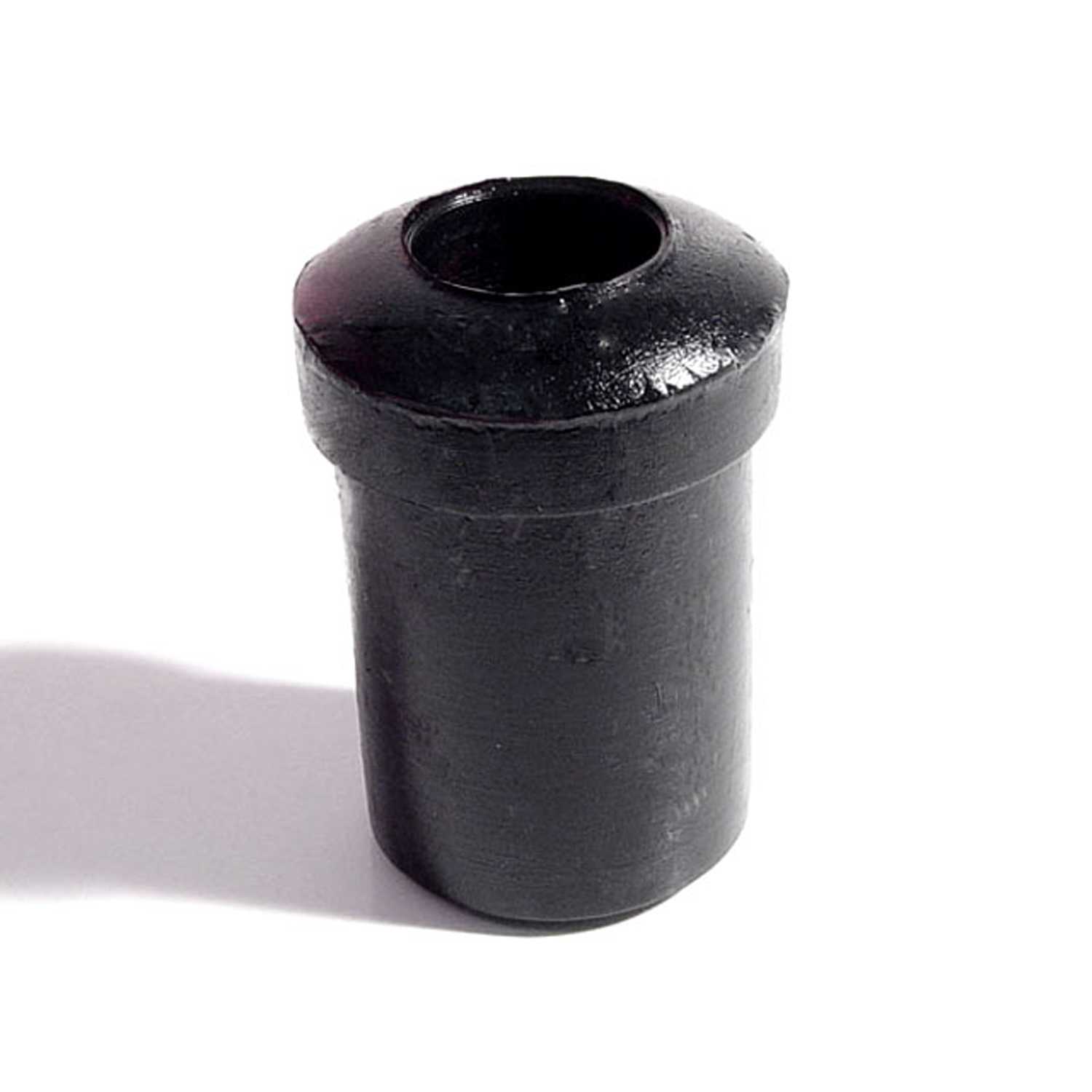 1959 Chrysler Town & Country Spring and Shackle Bushing. 1" bottom O.D-BN 20Spring and Shackle Bushing. 1" bottom O.D. X 1-5/8" high, with 9/16" I.D. Each
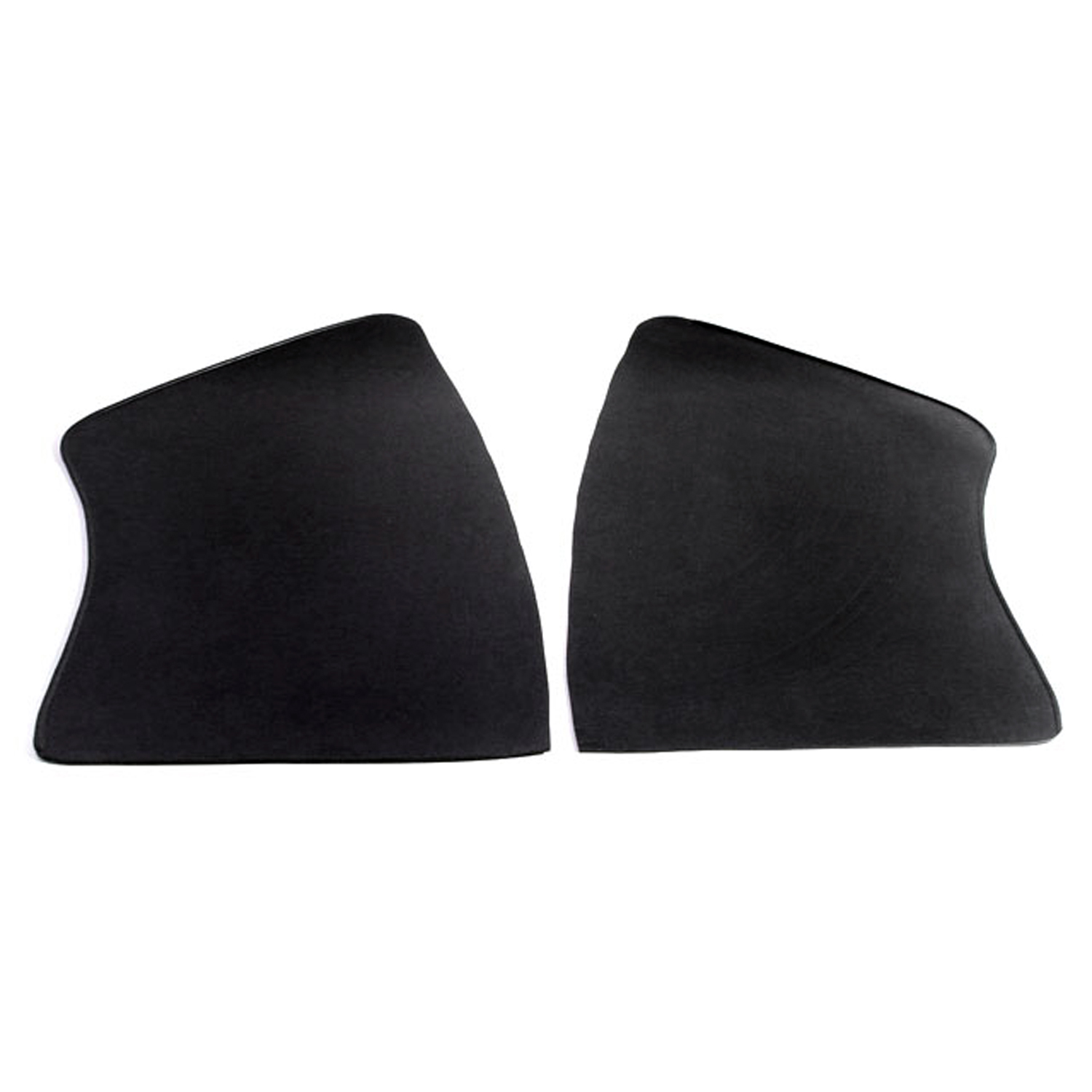 1959 Chrysler Town & Country Gravel Shields. Molded flat without metal backing plates-FS 31Gravel Shields. Molded flat without metal backing plates. Apply with contact cement. 18" long X 9-3/4" wide at bottom. Pair
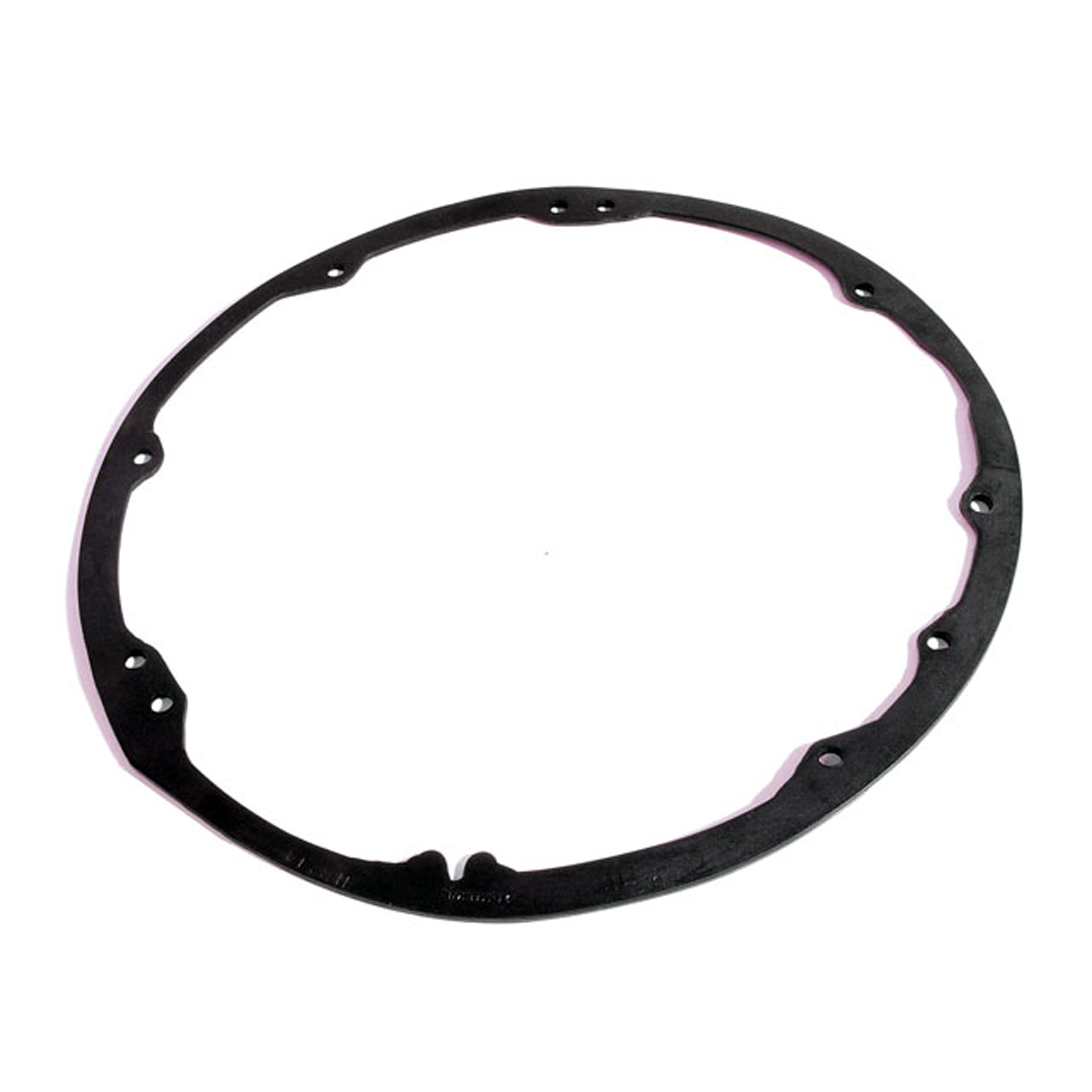 1959 Chrysler Town & Country Headlight Ring Seal. 8-3/8" O.D., 7-3/4" I.D. Pair-HR 14Headlight Ring Seal. 8-3/8" O.D., 7-3/4" I.D. Pair
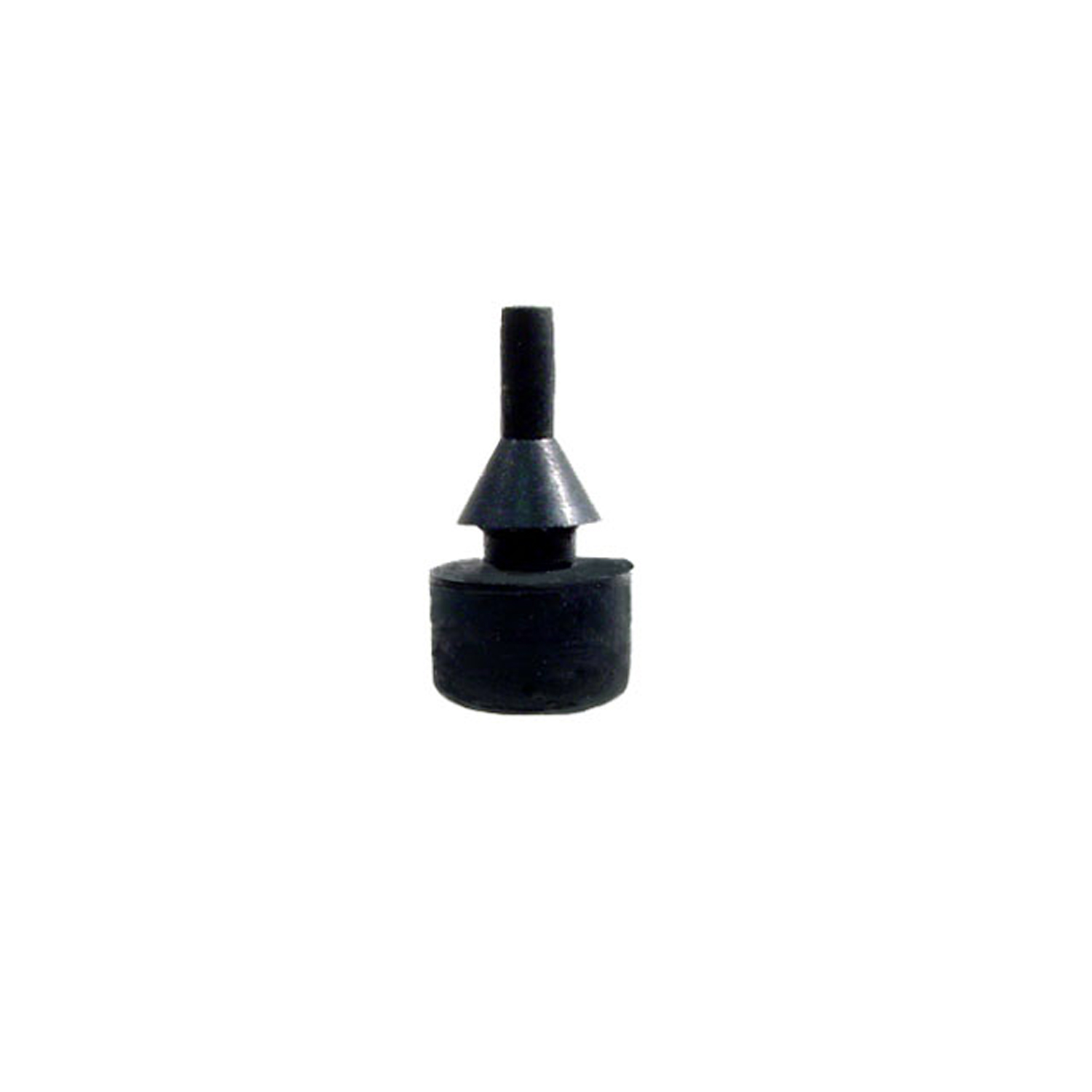 1959 Chrysler Town & Country License Plate Bumper. 7/16" O.D., fits a 1/4" hole. Each-SB 86License Plate Bumper. 7/16" O.D., fits a 1/4" hole. Each
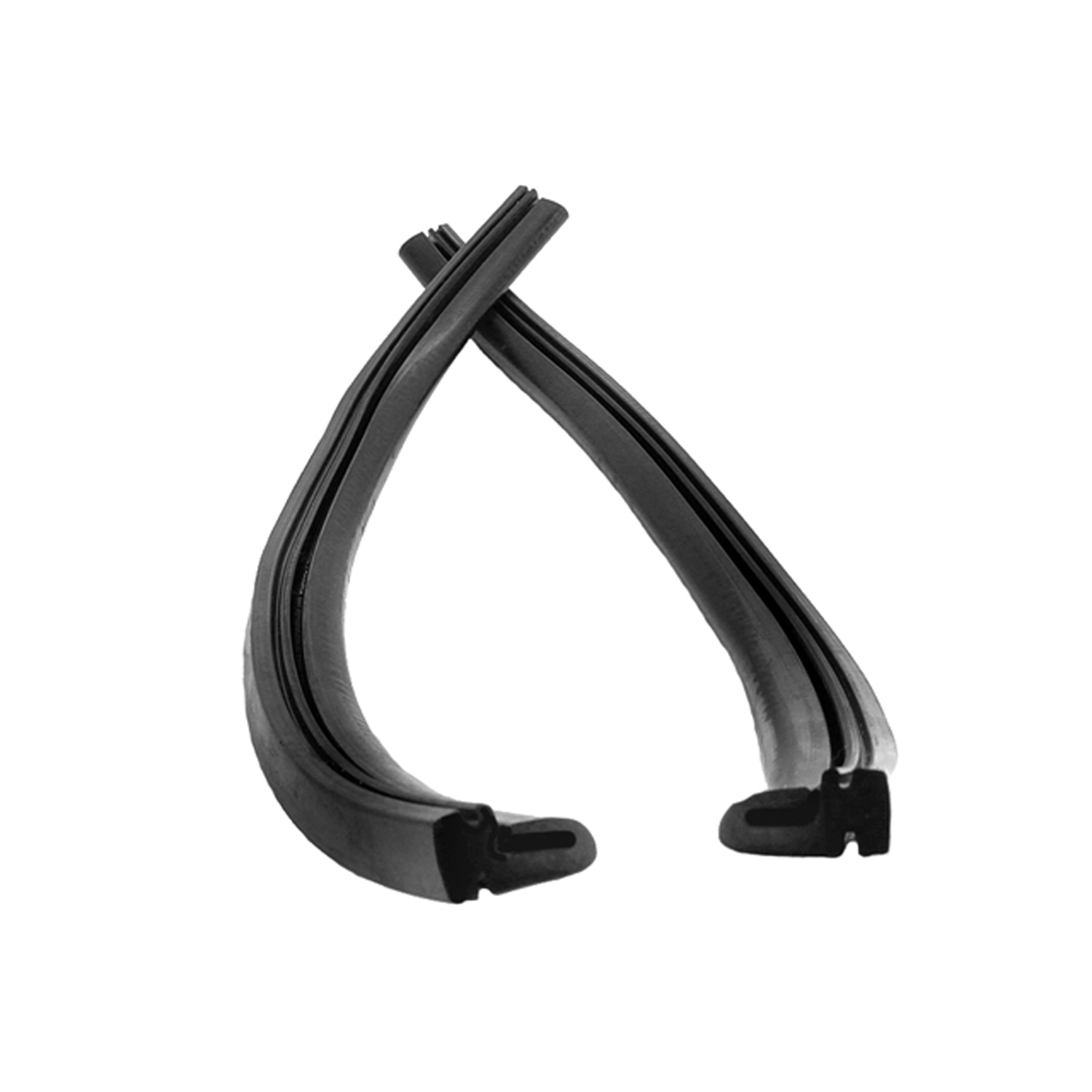 1959 Chrysler Town & Country Rear Roll-up Window Seals, for Hardtops and Convertibles-VS 7Rear Roll-up Window Seals, for Hardtops and Convertibles. For leading edge of rear quarter windows. Two pieces, 17-3/4" long. Pair
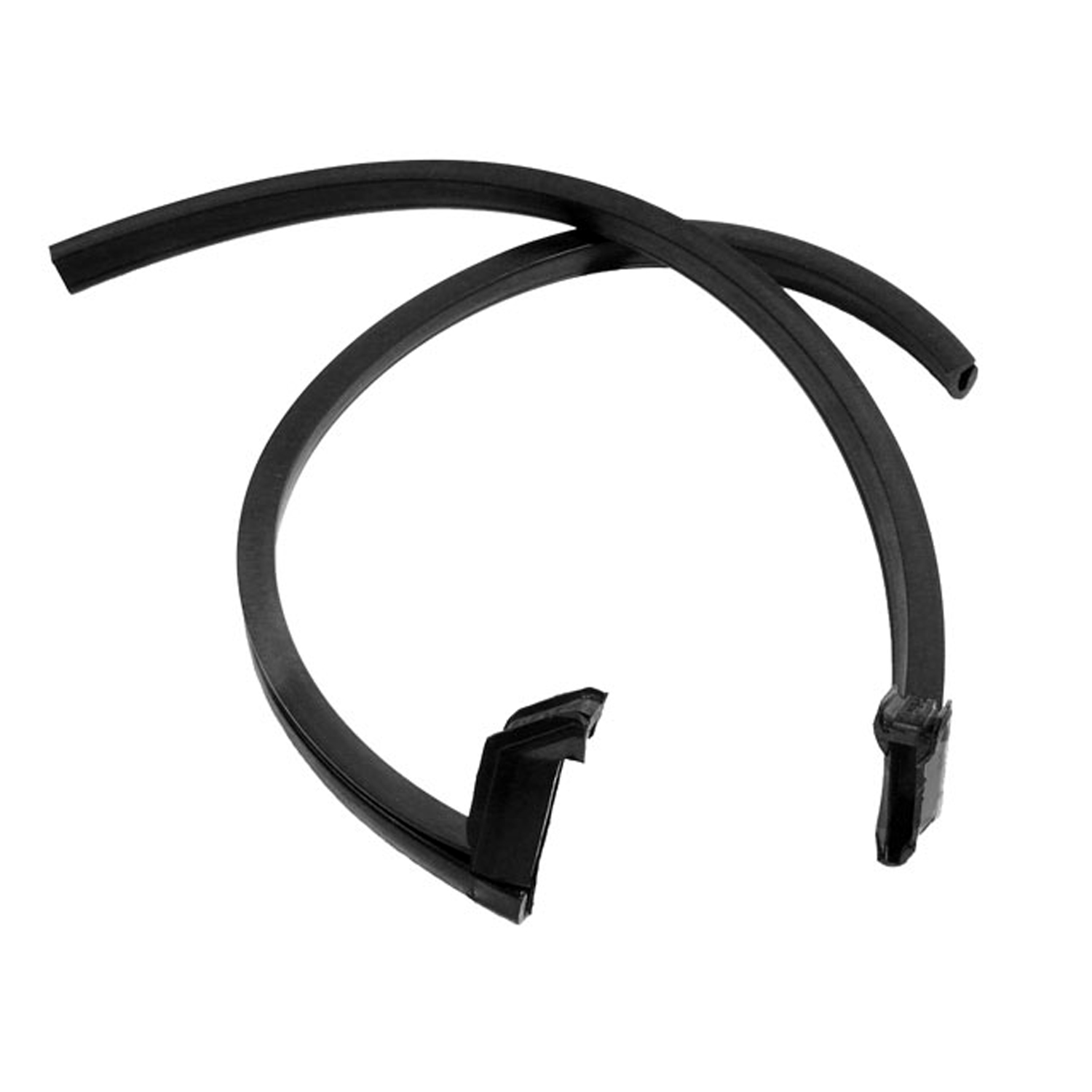 1959 Chrysler Town & Country Rear Roll-Up Window Seals-VS 7-GRear Roll-Up Window Seals. For leading edge of rear quarter window. Made with molded ends. 18-1/2" long. Pair R&L
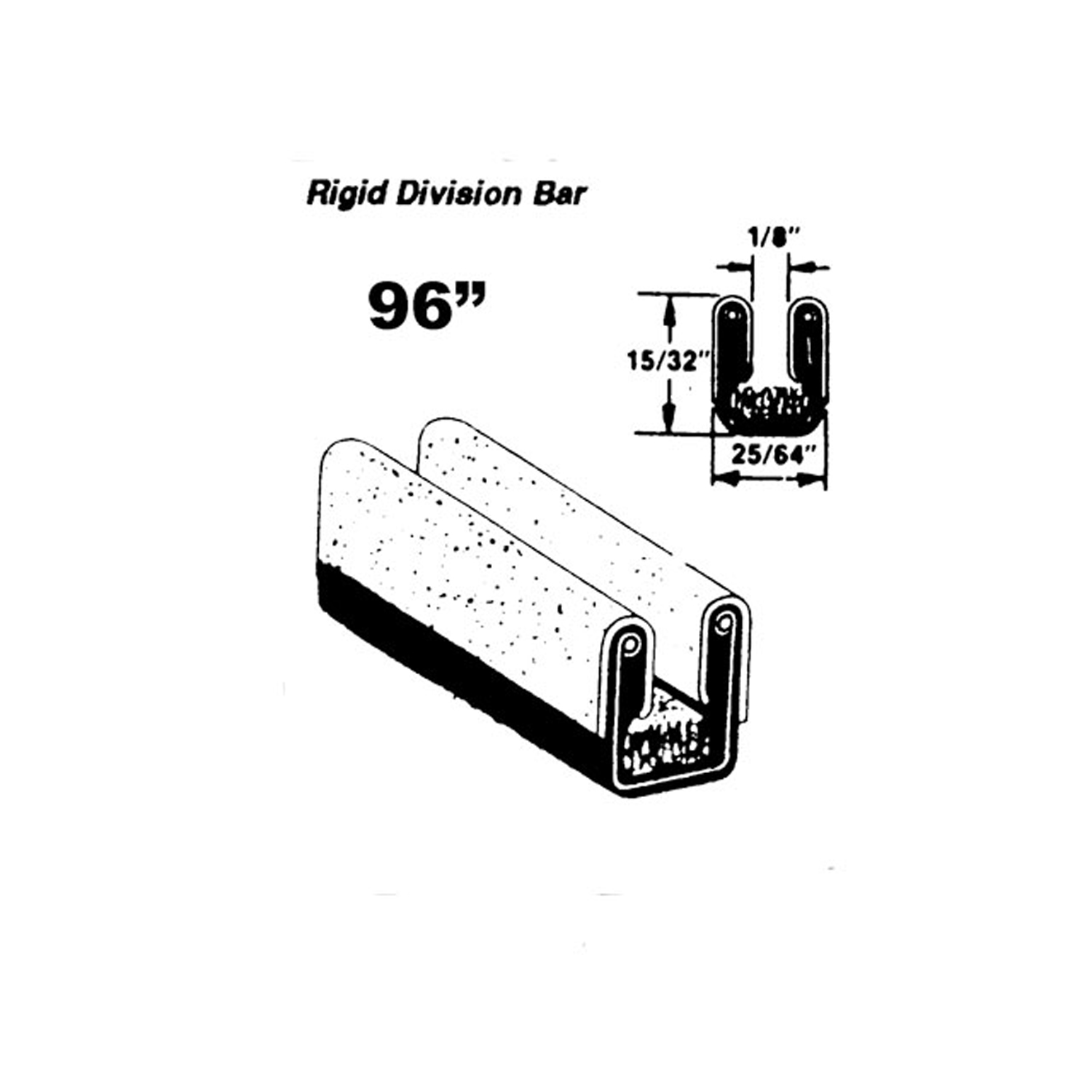 1959 Chrysler Town & Country Rigid division-bar run channel-WC 31-96Rigid division-bar run channel. Made with very soft felt lining. Used on front and rear door side windows. 96 in. long. Each. NOTE: $20 special shipping charge applies for domestic orders. Call or email for overseas shipping costs. Part can be sectioned in two or three equal lengths to reduce overseas shipping costs.
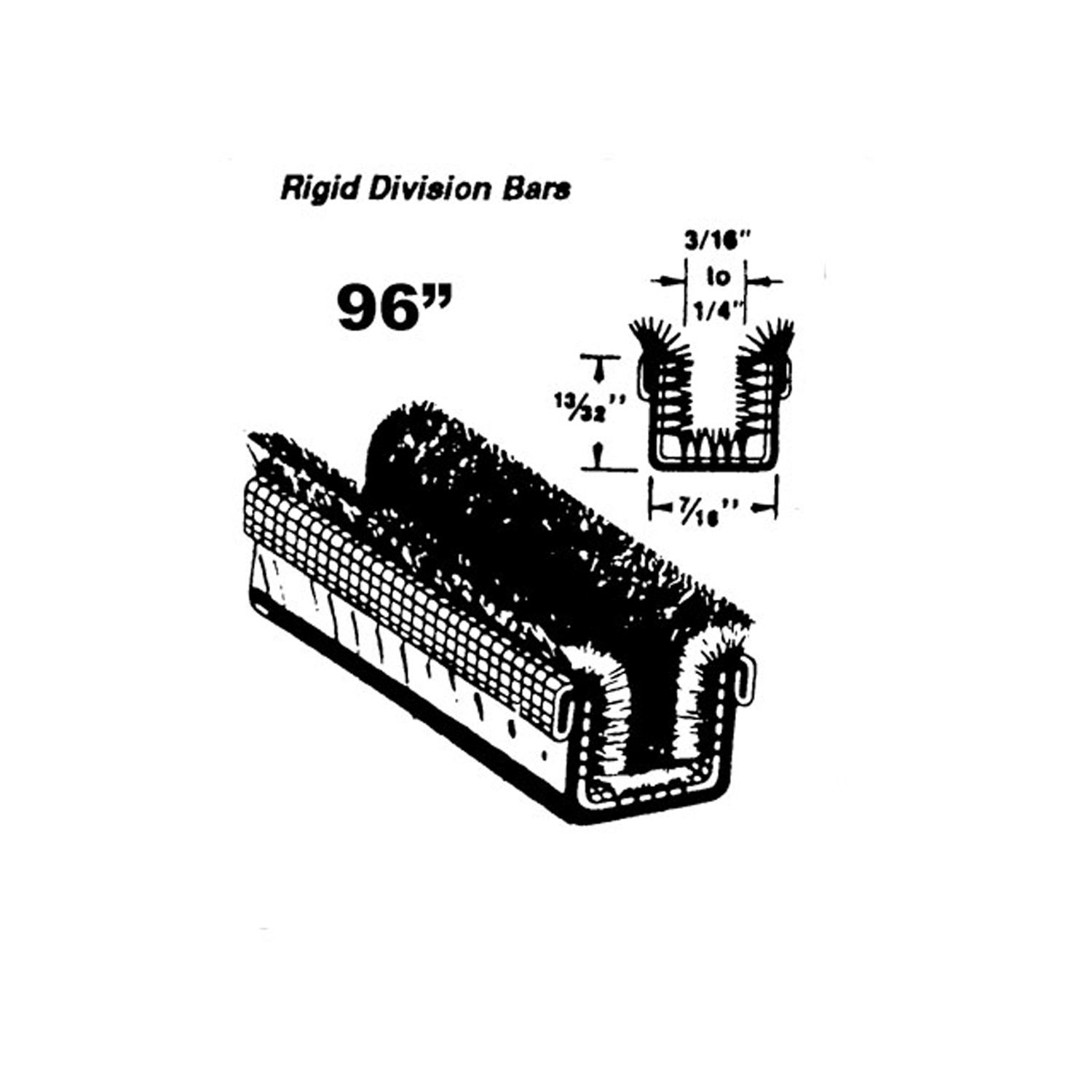 1959 Chrysler Town & Country Rigid division-bar channel. Unbeaded. 96 in. long. Each-WC 41-96Rigid division-bar channel. Unbeaded. 96 in. long. Each. NOTE: $20 special shipping charge applies for domestic orders. Call or email for overseas shipping costs. Part can be sectioned in two or three equal lengths to reduce overseas shipping costs.
Why Choose Metro?
For over 100 years, Metro Moulded Parts has been the pinnacle of quality in classic car restoration parts. Our commitment to precision and authenticity in every component ensures a perfect fit and an OEM-level appearance.
- Expert Craftsmanship & Quality: Each part is a testament to our dedication to reliability and perfection, crafted from original designs and thoroughly tested.
- Advanced Technology: We use cutting-edge techniques to create flawless, long-lasting parts that surpass others in performance.
- SuperSoft Sponge – The Ultimate Door Seal: Not only are our door seals 30% softer than competitors', but they're also guaranteed to never leak. They effectively reduce wind and road noise, enhancing your classic car's comfort and driving experience.
- Proudly American: Our parts are a product of American craftsmanship, made in the USA with a spirit of excellence and heritage.
- Unrivaled Warranty: We back our products with a 30-year industry-leading warranty, a testament to our confidence in their quality.
Join us in preserving the legacy of classic cars with parts that are crafted for perfection, not just made.